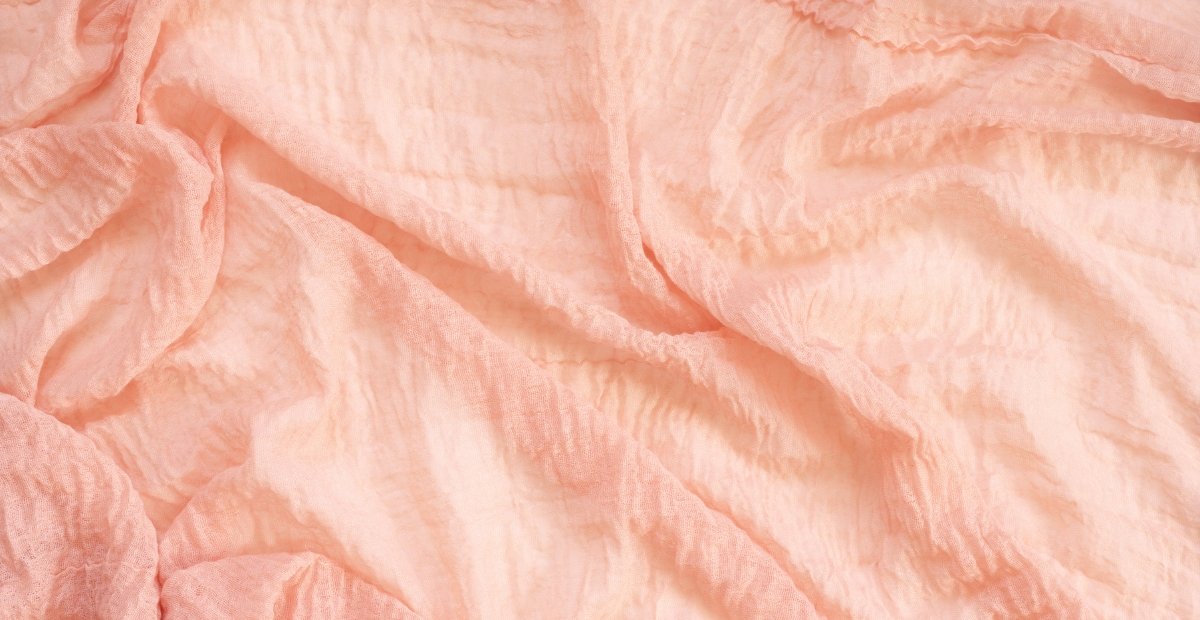
Picture a fabric soft and light as a feather that flows grandly and adds a nice pop of soft brightness to anything. That is the beauty of voile cotton. Voile has both practical and breathtaking components. Voile is a textile that is both beautiful and practical. Voile is a fabric that is both beautiful and practical. Voile is a fabric that is often confused with similar materials like lawn and organza.voile cotton fabric
In this guide, we will unravel all the important factors you need to consider about this fabric. We will explore its defining traits, the yarn conversion sequences involved in making the fabric, and how it stacks up against other contemporary cottons. More importantly, we will offer a wealth of inspiration for sewing projects, essential care tips to make sure your creations last, and to ensure that you do not exhaust all your creativity in one go in our sewing projects guide. By the end of this article, we believe you will appreciate the delicate beauty of voile cotton, and how it can help you with your next masterpiece.
What is Voile Cotton Fabric? Defining the Delicate Wonder.
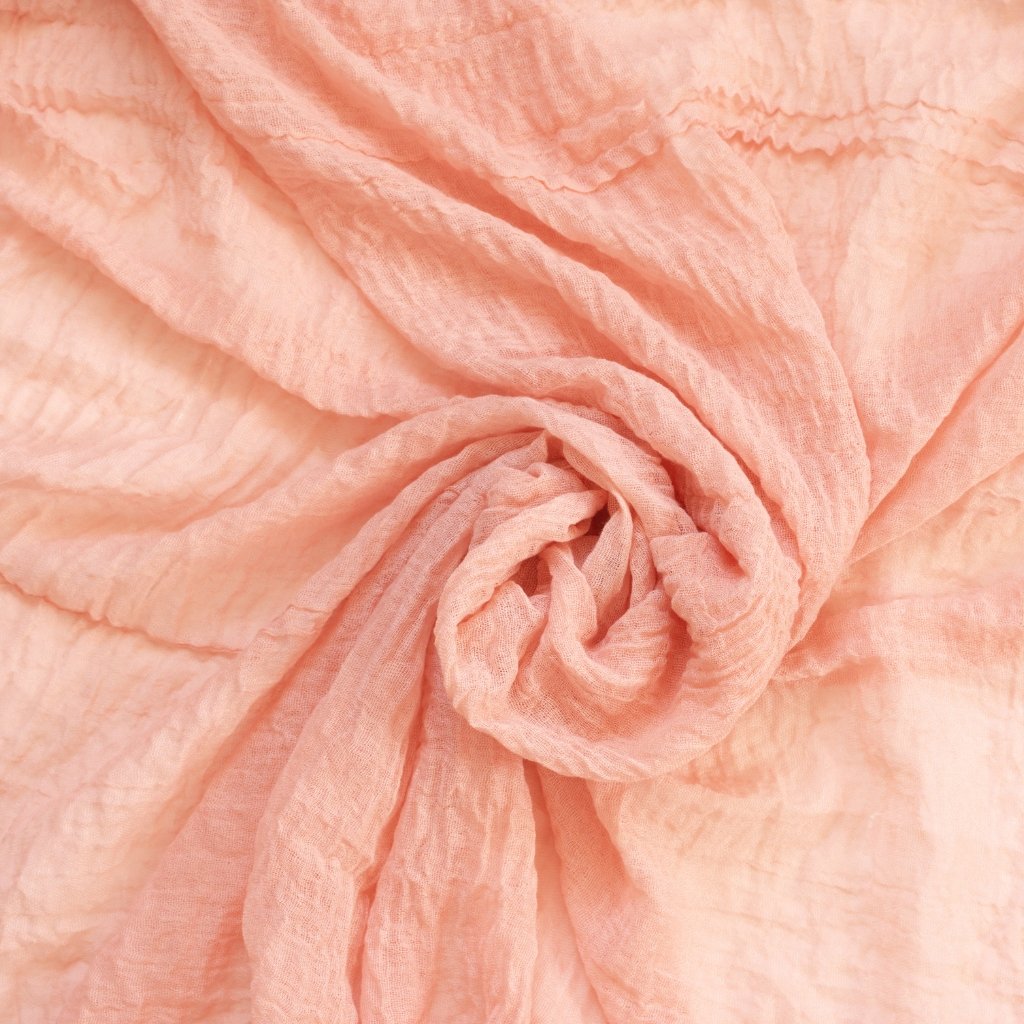
Let’s start with the basics. Voile in the French translates to veil, and in textile is a lightweight, woven fabric that is soft and smooth to the touch, with a distinctive semi-sheer quality. Voile fabric’s characteristic is a function of the yarns that were used to make it. Voile is made with commed cotton yarns, which after being ultrasoft, get a touch twisting before being woven. Read more….Sateen Cotton Fabric
The twisting or that high twist is what is the major factor in the fabric’s construction. Voile is more crisp than soft, purely because of the twist. Hence, the fabric is in fact more durable than it appears. Voile is unique, because it durable and sheer at the same time. But, it does have some lustre. It’s beauty lie in it’s gorgeous, fluent drape, and in these dry times, working with cotton is a true blessing.
While cotton is the most common fiber used to make voile fabrics, silk, polyester and rayon can also be used. For the purpose of this guide, 100% cotton voile will be used, because it is the most comfortable and most breathable.
A Journey Through The Making Of Voile: From Fiber To Fabric
Being able to appreciate Voile and its properties starts from understanding its production. To industrial engineers, the processes involved epitomize the blending of art and science; the synthesis of creative and logical precision results in a masterpiece. Read more…..Poplin Cotton Fabric
Step 1: The Foundation – Quality Cotton
As the rest of the world, the starting point is the cotton. For the higher-quality Voile, the long-staple cotton fibers from Egyptian or Pima cotton are the best. These longer fibers can be spun into stronger and finer yarns that contribute to the fabric’s durability and smoothness.
Step 2: The Differentiation Factor Combing and Tight Twist
After cotton has been spun into yarn, the next step in the production of Voile is Combing and Twisting. Combing is the first, and arguably the most important, step of the two. In this step, fibers are groomed to eliminate the short strands and impurities in the yarn, creating a stronger and more streamlined yarn. The next step, and arguably the most important, is that this combed yarn is given a high twist, the tighter the better. This tight twist is the defining characteristic of Voile; it adds strength, and a subtle crispness to the yarn, preventing it from being floppy.
Step 3: Elaboration on Weaving as an Art- It’s Simplicity.
The meticulously twisted yarns are woven in a plain weave, where the weft repeatedly rises over and under the warp. It became obvious to me that, the simplicity of the structure of a weave is as important as the construction- the sheer-ness of the fabric depended on it. The twist rate of the threads was the most important and obvious factor in the construction of the voile- threads are woven into a fine, tightly woven high thread count. It is thread count that ensures the fabric is high in construction density while remaining light, highly breathable and responsive with soft, smooth texture on the skin.
Step 4: Merits of the Process- How to Soften and Add a Silk-like Luster.
Woven fabric undergoes finishing to enhance its quality. First, singeing smoothens the greige fabric by removing excess fibers that weaken its structure. This prepares the surface for mercerization, where sodium hydroxide saturates the cotton fibers. The resulting swelling strengthens the fabric and improves dye uptake, giving voile its characteristic silky luster. Before dyeing with elegant colors and prints, the soft voile fabric is bleached.
Voile and Other Lightweight Cottons Are They The Same
The subtleties between voile, lawn, batiste and poplin can easily be overlooked, distinguishing, particularly when a buyer is looking to purchase fabric. Although all are light weight. fabrics, the nature of your project will determine the fabric that is most appropriate.
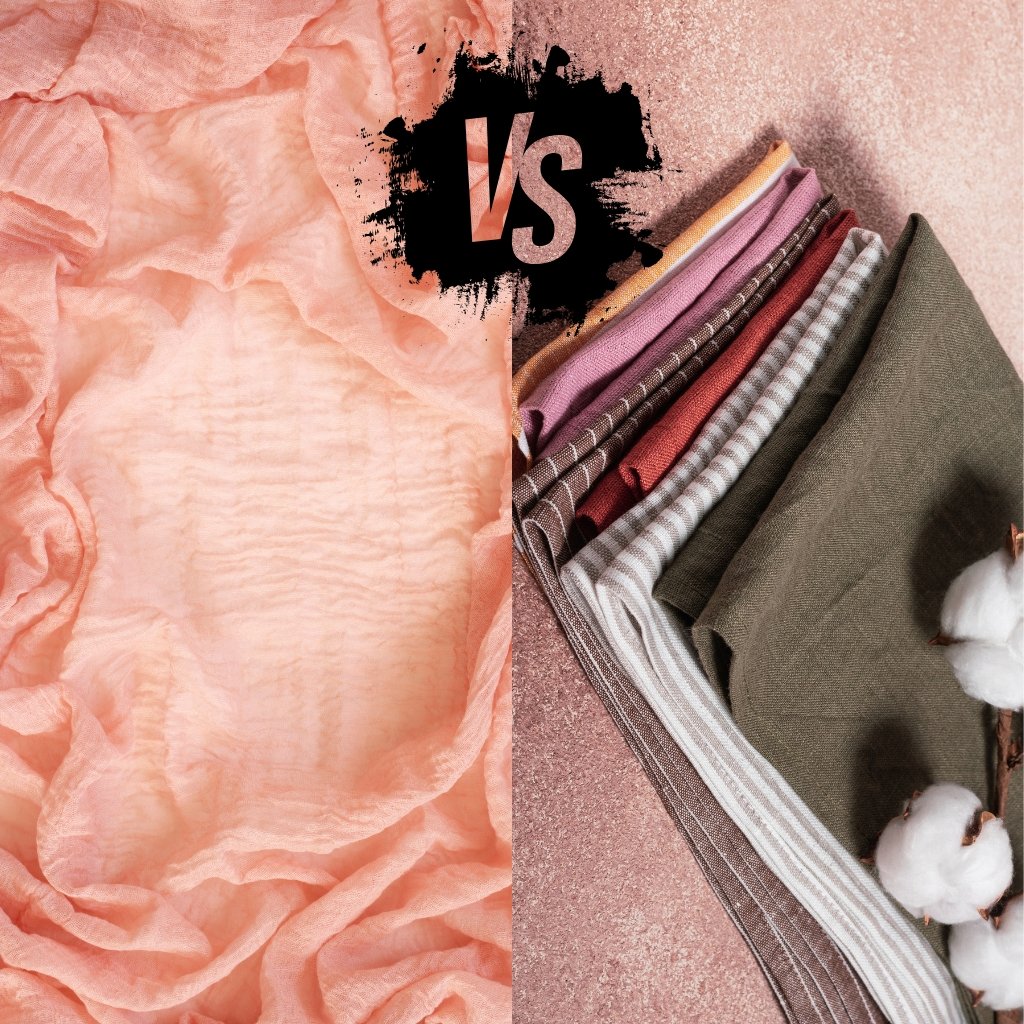
Voile vs. Lawn. Of all comparisons, this one is the most straightforward, as both are light weight plain weave cottons. They differ mainly in yarns. Lawn is also made from combed cotton, yet the yarns are less twisted. Thus, lawn is more opaque, softer, has a matte finish, and a crisper hand than voile. Voile is more fluid, has a subtle gleam, and is less opaque because the yarns are more twisted.
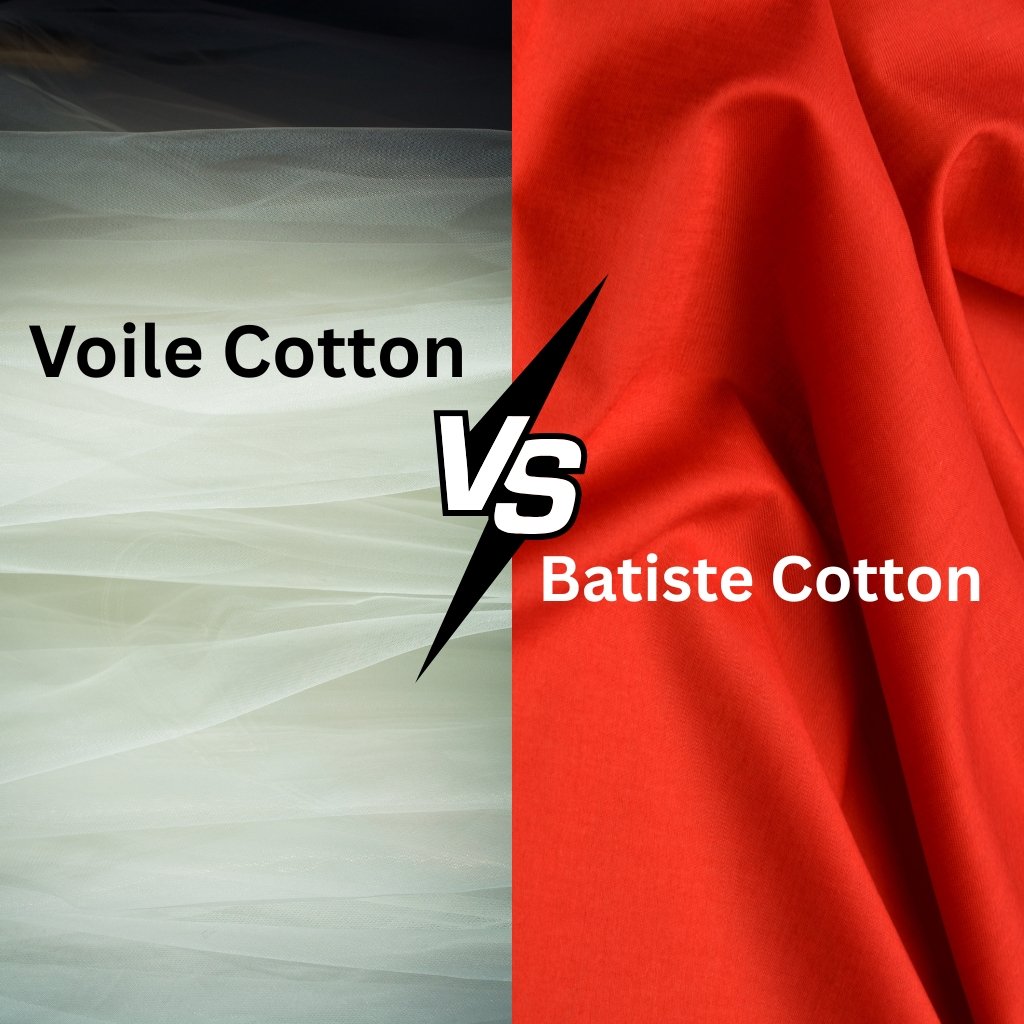
Voile vs. Batiste. Batiste is lighter and less opaque than voile, and is also softer and less crisp because the weave is more open. Voile is stiffer than batiste, which is common for handkerchiefs and christening gowns. Voile is stiffer and has more body than batiste which is common for structured garments.
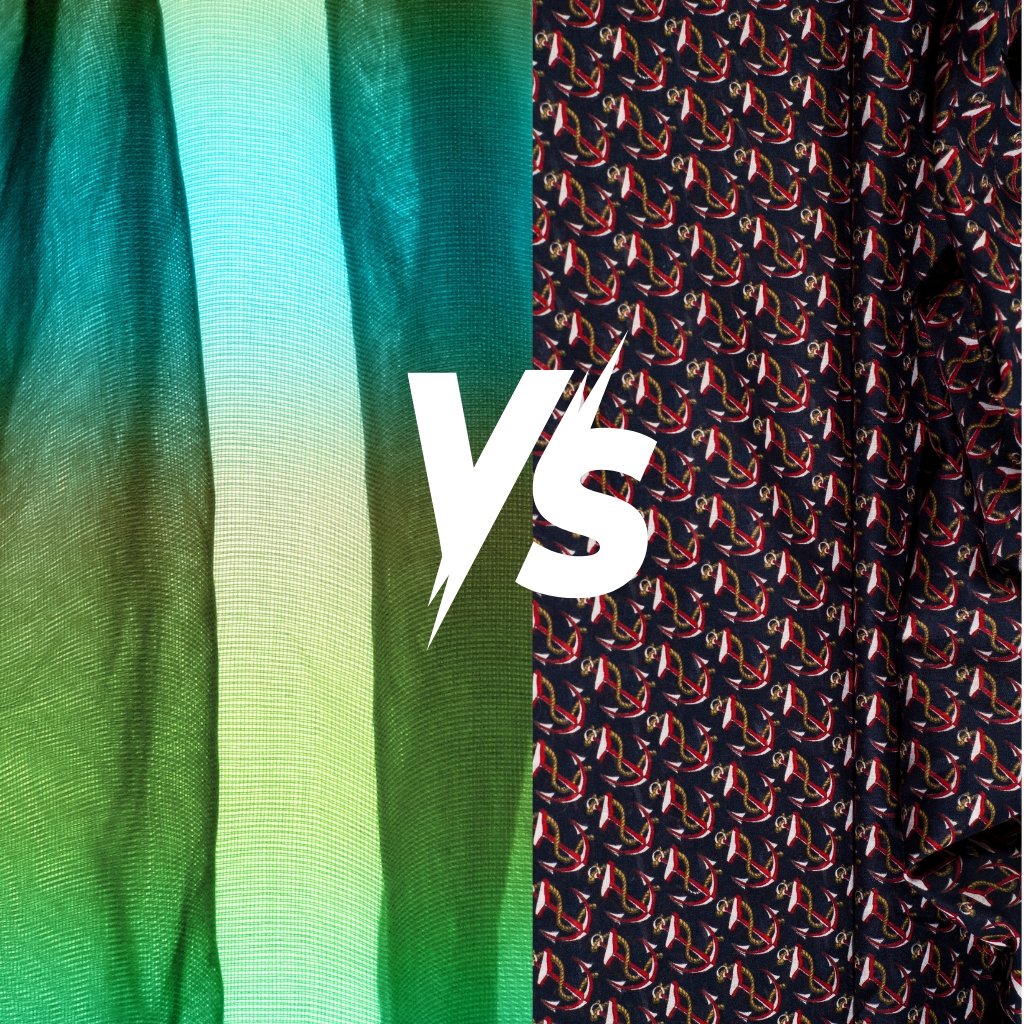
Voile vs. Poplin. Poplin is thicker than voile, and is thus more opaque and heavier in weight. It has a crisp drape and is commonly used in shirts and dresses where more structure is desired. Voile is unmistakably lighter and more flowing.
In conclusion, envision the fabrics as layers in a gradient from the most crisp and opaque to the sheer and softest. Poplin, lawn, and batiste. See more….Canvas Cotton Fabric
Why You Would Enjoy Sewing with Voile Cotton: A Maker’s Perspective
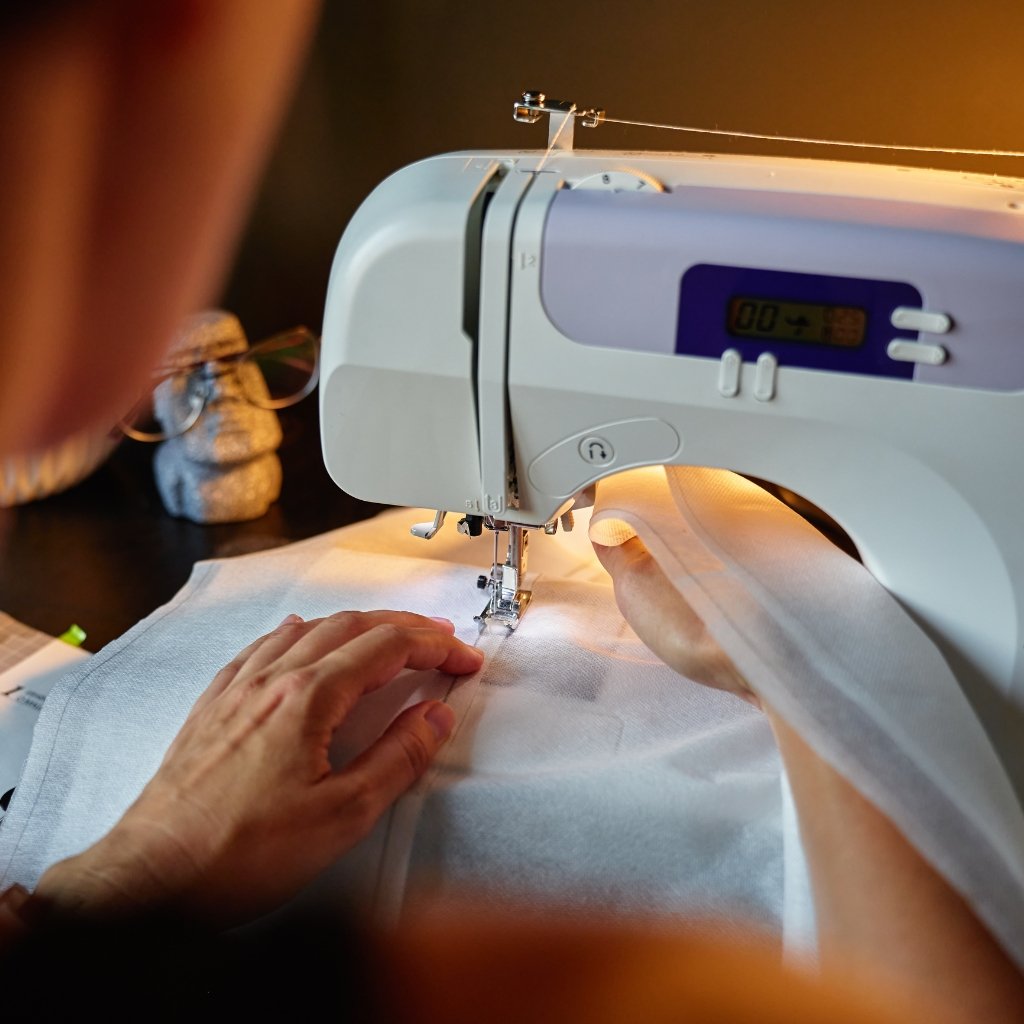
Let us get to the interesting part! Why voile with your next project? There are a lot of good reasons.
- Unbearable Lightness of Voile Cotton: Because it is 100% cotton, is extremely light. Voile is great on a hot sunny day to let the air circulate and keep you cool. Unlike a polyester shirt, it can still let the skin breathe enough to avoid turning into a swamp.
- A Drape That Dazzles: This is one of the reasons why so many people love it. Voile creates garments that are easy and pleasant to wear. This fabric is ideal for classic styles that require great upper body freedom. This is why we wear maxi skirts, shift dresses, and palazzo pants.
- A Spectrum of Stunning Designs: Voile is easy to print on. it is tightly woven fabric, so can take on fine patterns. That is why you can find so many voile patterns: from small florals and geometrics to huge artistic blocks. If you want a fabric that can be worn and seen, you can find voile.
- Surprisingly Durable: The high twist yarns used in voile may make it look delicate but it is in fact surprisingly strong and resistant to tearing. If taken care of properly, garments constructed from quality voile fabrics will last for many seasons. Read more…..Flannel Cotton Fabric
Challenges of Working with Voile (and How to Overcome Them)
Similar to any specialty fabric, working with voile has its own special issues. These, however, can be solved with a few pro tips.
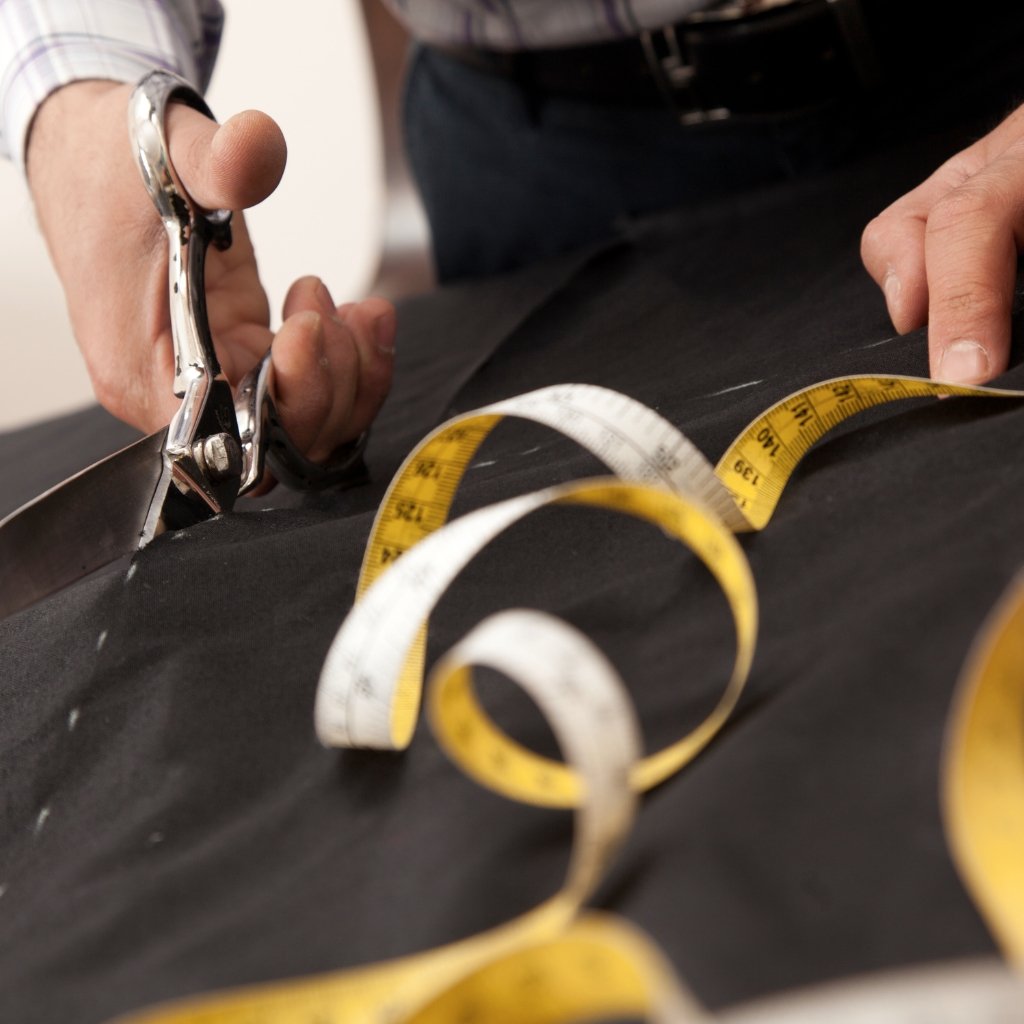
Challenge: Slipperiness. Voile can also be difficult to cut and sew.
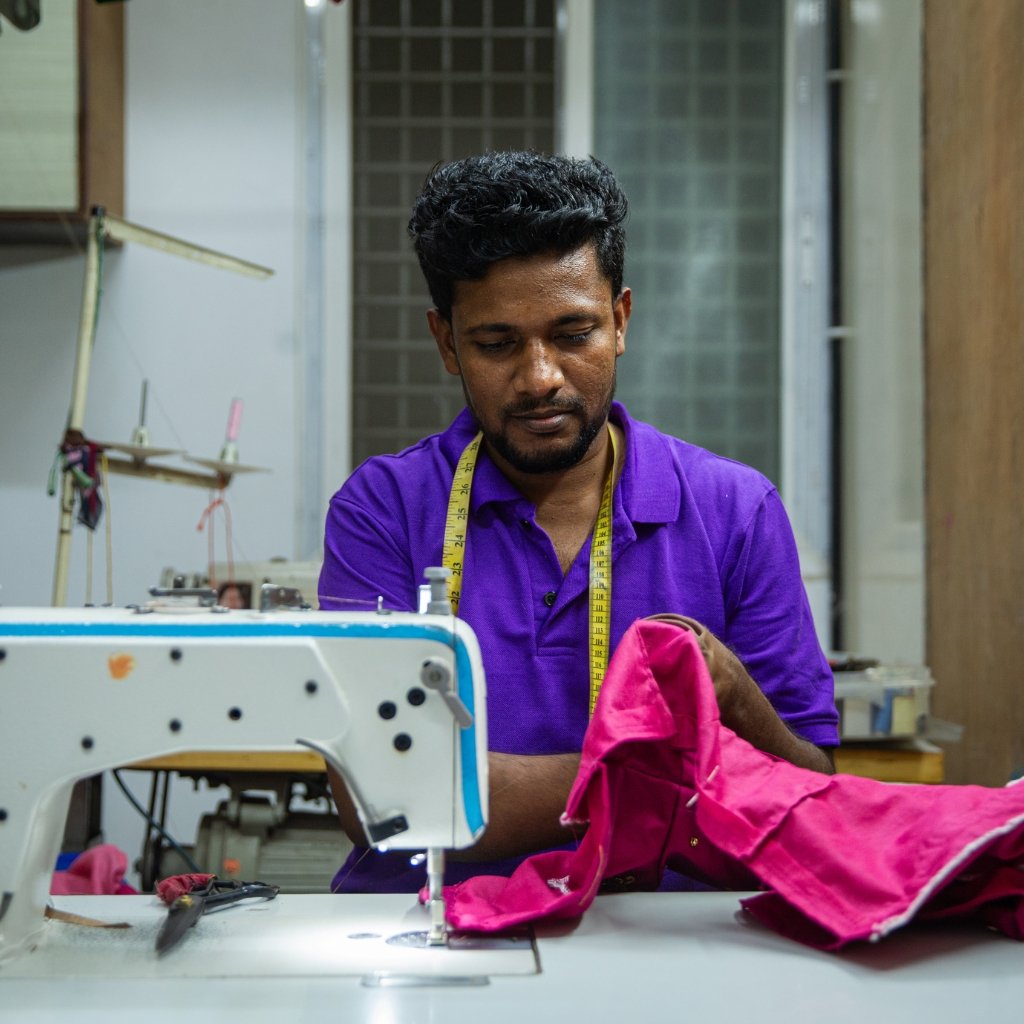
Solution: Use fine, sharp pins or weights to hold fabric to your pattern. a rotary cutter along with a self healing mat provides more control than fabric scissors.
Challenge: Sheerness. Sheerness may requires underlining or lining or clever construction layering.
Solution: You may want to consider underlining your garment with lightweight cotton batiste or silk habotai. Alternatively, you can also use French seams, flat-felled seams, or enclosed seams, which are highly recommended as they create a neat, clean seam on the inside, enclosing all raw edges beautifully.
Challenge: Potential for Fraying.
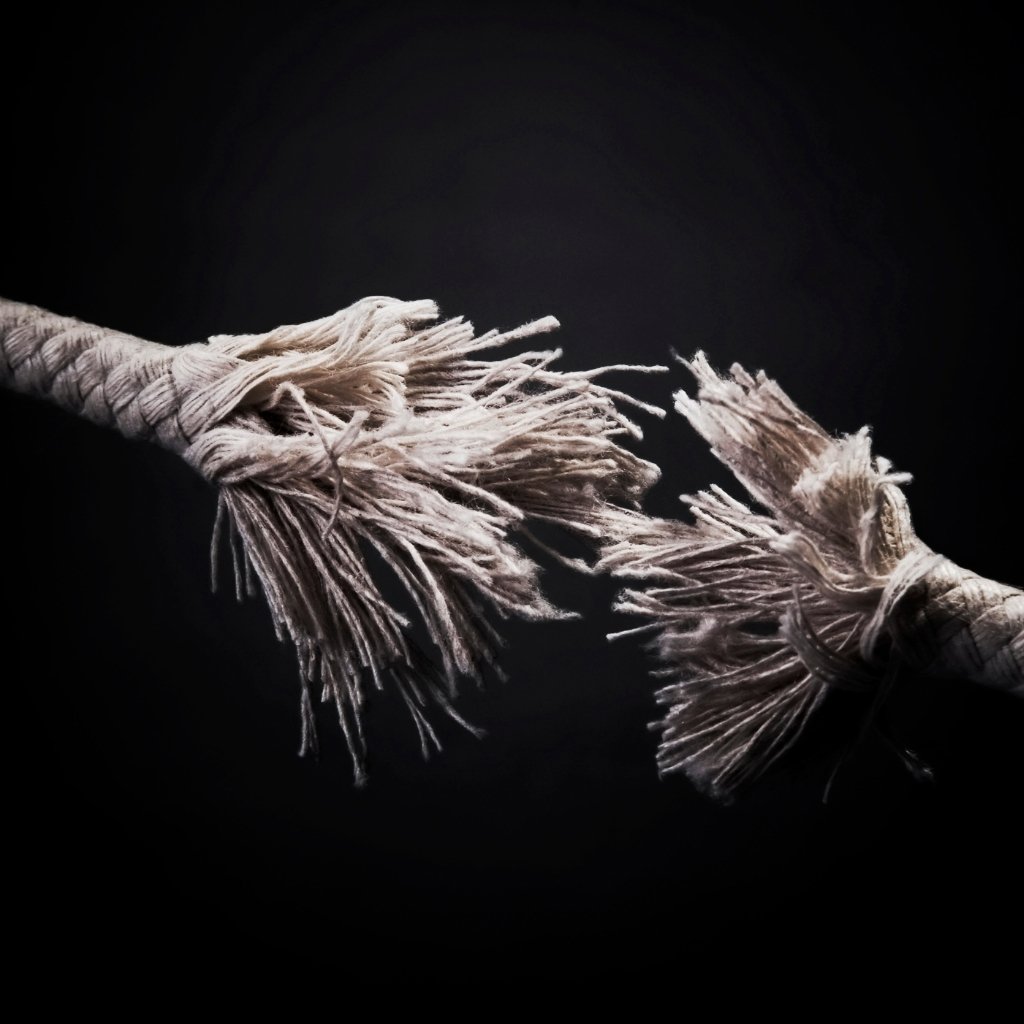
Solution: The weave helps a great deal, but voile is also prone to fraying. Pinking shears on seam allowances is the most common solution, however, it is not the most professional.
Challenge: Requires Sharp Tools. The needle must be sharp as the dull side can catch and snag the fine threads.

Solution: Always start with a fresh, sharp needle, size 70/10 or 80/12 . A microtex needle is made especially for fine closely woven fabrics, such as voile, and will produce the cleanest results.
Inspiring Project Ideas for Voile Cotton Fabric
The creativity with which voile can be worked with is astonishing. Here are some ideas for you to consider:
For Fashion:
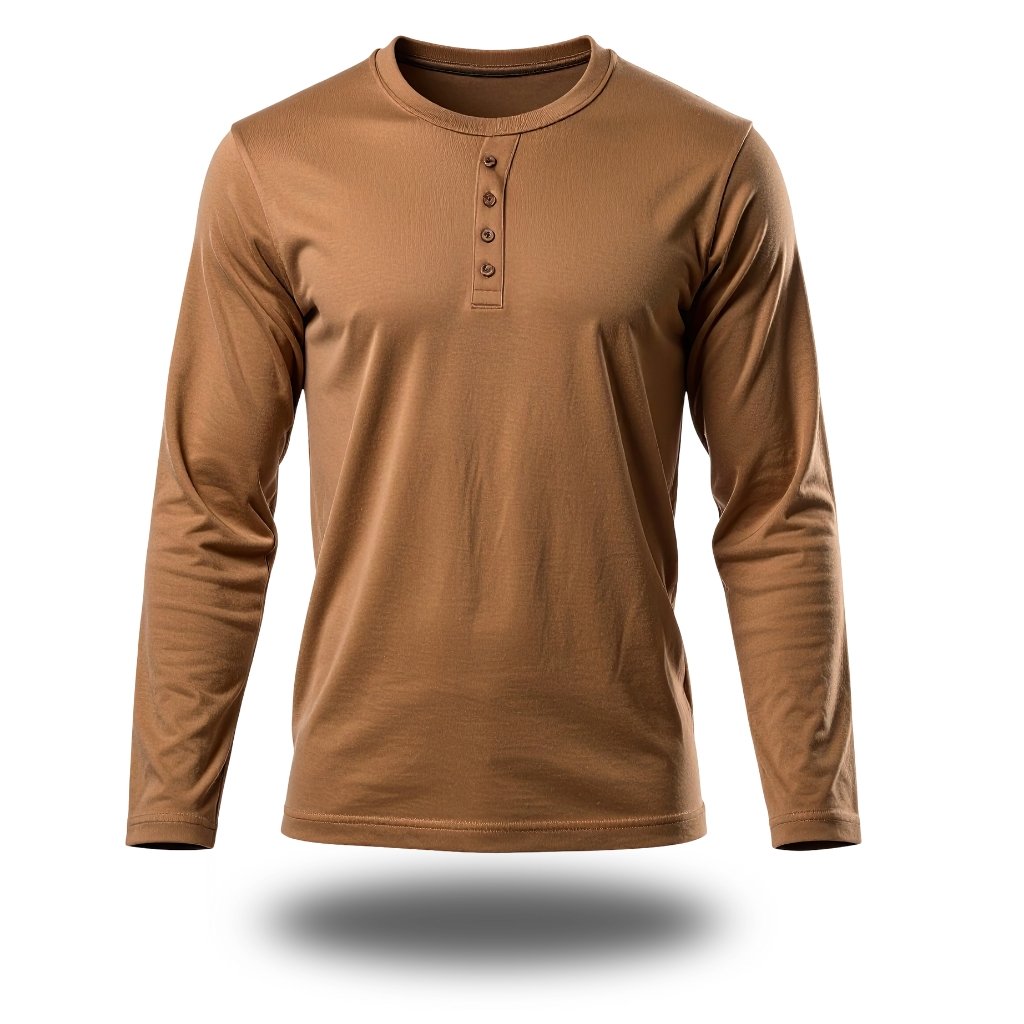
Flowy Blouses and Shirts A classic voile button down shirt is a staple in the summer wardrobe, excellent for its comfort and breathability, it gives off an effortless chic look.
Elegant Dresses Stunning sundresses, maxi dresses, and tiered dresses can be created to float beautifully with every step taken.
Lightweight Skirts Voile can offer movement and grace to skirts, ranging from the full gathered skirts to sleek A-line silhouettes.
Palazzo Pants and Wide-Leg Trousers Voile offers unrivaled comfort for wide trousers and the ultimate in comfort and style.
Scarves and Wraps Light weight voile scarves can really brighten and soften an outfit.
For Home Decor:
Curtains that Filter Light Traditionally, voile is used for sheer curtains that allow light to enter and disperse softly while providing privacy.
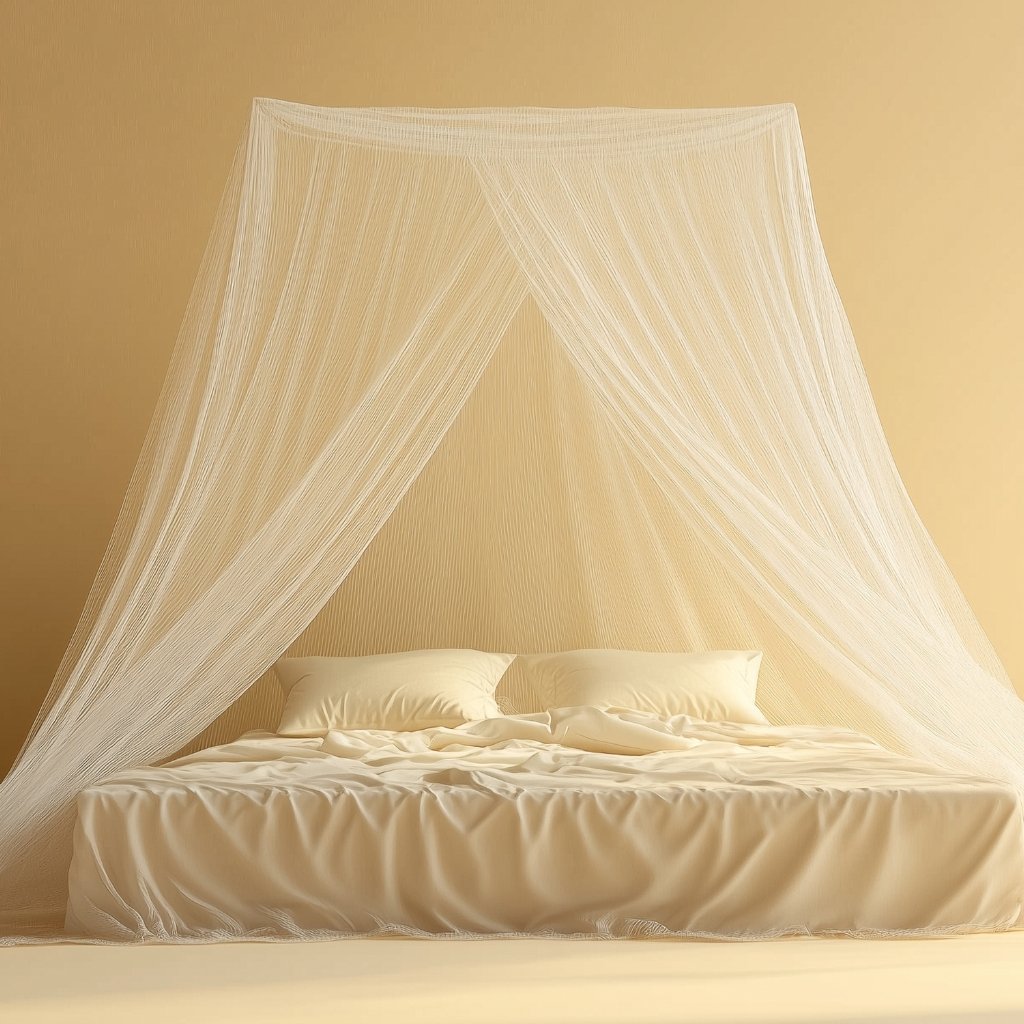
Delicate Bed Canopies A bed can be made to look dreamy and romantic with a canopy made from voile draped over it.
Lovely Table Runners and Napkins: Complete your dining table setup with the gentle grace of voile.
How to Take Care of Your Voile Products: A Handle with Care
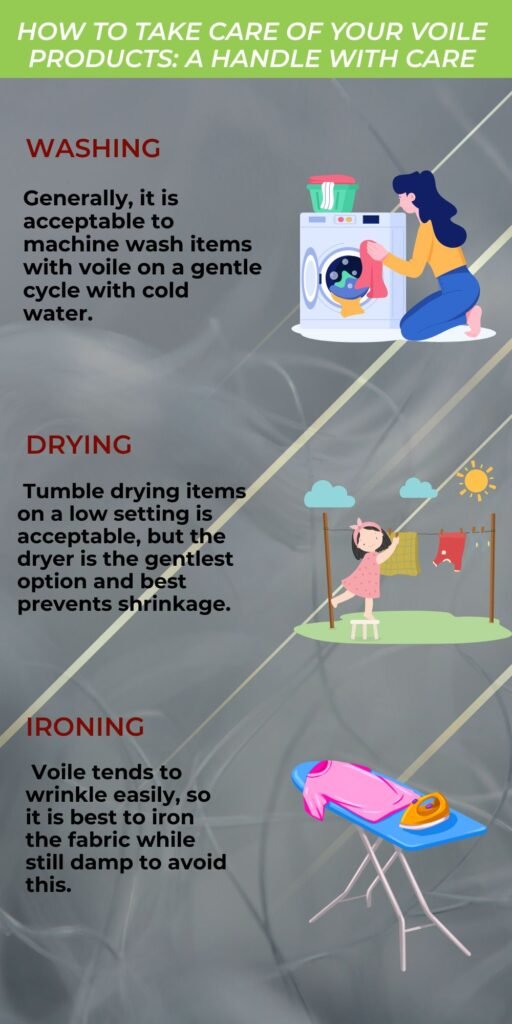
To help your voile pieces keeps their beauty for longer, some simple maintenance will need to be performed. Thankfully, it isn’t particularly complicated.
Washing: Generally, it is acceptable to machine wash items with voile on a gentle cycle with cold water. To avoid snagging, it is best practice to wash garments inside-out. Gentle detergent is a must with these items.
Drying: Tumble drying items on a low setting is acceptable, but the dryer is the gentlest option and best prevents shrinkage. In the case that a dryer is used, it is optimal to remove the item while it still has some moisture, as this will help with ironing.
Ironing: Voile tends to wrinkle easily, so it is best to iron the fabric while still damp to avoid this. An effective way to achieve this is to set the iron on medium to high heat, with a touch of steam for a final touch.
Conclusion
Therefore, every passionate sewer should have Voile cotton fabric in their collection. It combines sheer beauty and practicality in a way very few fabrics can. Its construction, comfort, and unique drape, as well as the sewing experience, are all unparalleled. The approach may be slightly complicated, but the end results will surely be worth the effort.
Comfort and elegance in a garment or a home decorative piece that lets in soft light are no longer just a dream. Grab a beautiful piece of Voile cotton fabric and let your imagination run wild. The more you embrace the delightfully light properties, the more rewarding your finished piece will be and the more enjoyment you will derive from constructing it.
FAQs
What is the main difference between voile and cotton lawn?
The main difference lies in the yarn. Both are lightweight, plain-weave cottons, but voile is made with tightly twisted yarns, giving it a more fluid drape, a slight sheen, and a higher degree of sheerness. Cotton lawn uses yarns with a lower twist, resulting in a fabric that is slightly more opaque, crisper, and has a soft, matte finish.
Is voile cotton fabric see-through?
Yes, voile is generally semi-sheer or see-through. Its lightweight and open plain weave create this characteristic transparency. For garments, this often means that a lining, a slip, or underlining is required for modesty, depending on the style.
Is voile good for summer clothing?
Absolutely. Voile is an excellent choice for summer clothing. It is highly breathable, moisture-wicking, and feels light and airy against the skin, making it ideal for hot and humid weather. Its fluid drape is perfect for flowy blouses, dresses, and skirts.