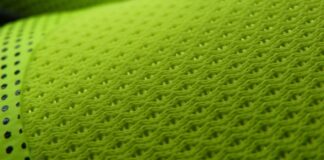
Velocity AirFlow Performance Knit represents a modern breakthrough in sports textiles. Today, athletes demand more than simple comfort from their clothing. Instead, they expect ventilation, flexibility, and moisture control in every movement. Therefore, manufacturers created advanced knit fabrics that enhance airflow and regulate body temperature. As a result, this breathable sports fabric has become popular across global sportswear markets.
In recent years, textile engineering has evolved rapidly. Consequently, performance fabrics now combine science with athletic needs. Velocity AirFlow Performance Knit: Breathable Sports Fabric blends lightweight fibers with airflow channels. Moreover, it improves cooling efficiency during intense workouts. Because of these advantages, professional athletes and fitness enthusiasts increasingly prefer this fabric.
Historically, sportswear relied heavily on cotton and basic polyester. However, those materials often trapped heat and moisture. Therefore, performance knit technology emerged to solve these issues. Today, airflow knit systems integrate stretch zones and ventilation panels. As a result, sports apparel feels lighter and performs better than ever before.
History Of Velocity AirFlow Performance Knit
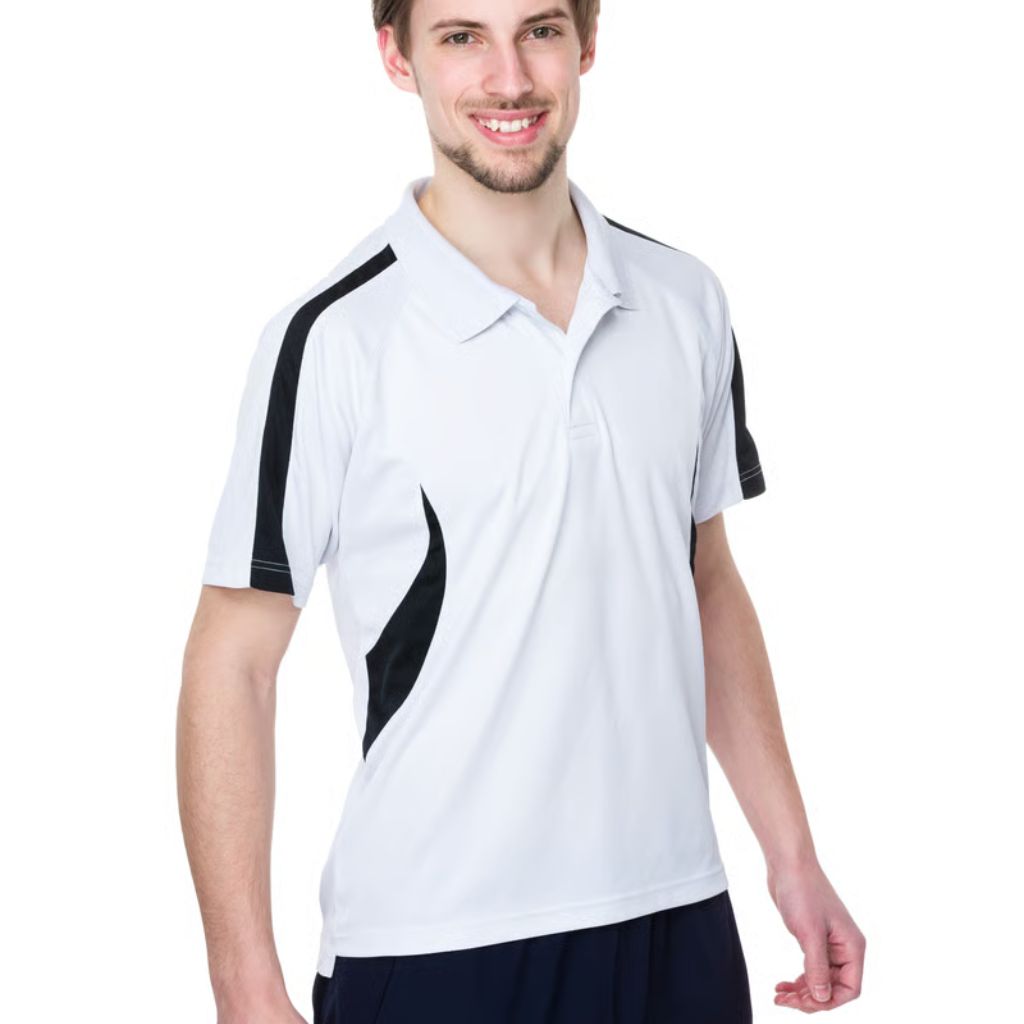
Velocity AirFlow Performance Knit: Breathable Sports Fabric has its roots in the evolution of sports textiles over the last few decades. Initially, athletes relied heavily on cotton and basic polyester garments for comfort and durability. While these materials were soft and affordable, they often trapped heat and absorbed sweat, making them unsuitable for high-intensity training. This created a demand for fabrics that could provide better moisture management, airflow, and stretch to support dynamic movements.
In the late 20th century, performance fabrics began to emerge, driven by innovations in synthetic fibers and knitting technologies. Polyester, nylon, and elastane became common in athletic apparel, offering lightweight, stretchable, and moisture-wicking alternatives to natural fibers. Engineers experimented with various knit patterns to create fabrics that could enhance airflow, regulate temperature, and improve comfort during prolonged exercise.
What Velocity AirFlow Performance Knit Is
Velocity AirFlow Performance Knit is an engineered sports textile. Manufacturers design it using specialized knitting machines. These machines create structured ventilation pathways within the fabric. Consequently, air moves freely through the garment. Moreover, the fabric stretches naturally with body movement.
This performance knit typically includes polyester, elastane, and sometimes recycled fibers. Polyester ensures strength and moisture-wicking ability. Elastane adds flexibility and recovery. Therefore, the fabric maintains shape even after repeated wear.
Types of Velocity AirFlow Performance Knit
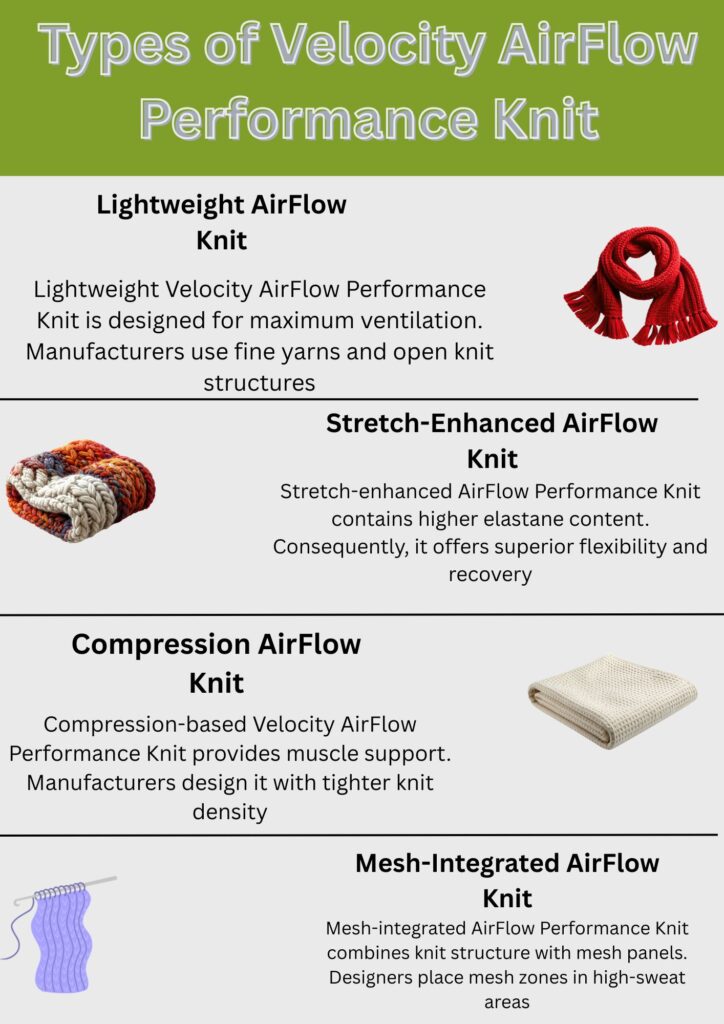
Velocity AirFlow Performance Knit comes in several specialized types. Each type serves a specific athletic purpose. Although all versions focus on breathability, their structure varies slightly. Therefore, brands select different variations depending on activity level. Moreover, these types balance airflow, stretch, and durability differently.
Below are the main types of Velocity AirFlow Performance Knit: Breathable Sports Fabric used in modern sportswear.
Lightweight AirFlow Knit
Lightweight Velocity AirFlow Performance Knit is designed for maximum ventilation. Manufacturers use fine yarns and open knit structures. As a result, the fabric feels extremely light and soft.
This type works best for high-intensity workouts. Because it allows rapid airflow, body heat escapes quickly. Therefore, runners and cyclists prefer this variation. Additionally, it dries very fast after sweating.
Stretch-Enhanced AirFlow Knit
Stretch-enhanced AirFlow Performance Knit contains higher elastane content. Consequently, it offers superior flexibility and recovery. Athletes performing dynamic movements benefit greatly from this type.
This version supports activities like yoga, training, and gymnastics. Because it stretches in multiple directions, movement feels natural. Moreover, it maintains shape even after repeated use.
Compression AirFlow Knit
Compression-based Velocity AirFlow Performance Knit provides muscle support. Manufacturers design it with tighter knit density. Therefore, it fits closely to the body.
Although it offers firm support, it still maintains breathability. Consequently, athletes enjoy both airflow and stability. This type works well for long-distance running and strength training.
Mesh-Integrated AirFlow Knit
Mesh-integrated AirFlow Performance Knit combines knit structure with mesh panels. Designers place mesh zones in high-sweat areas. As a result, ventilation increases strategically.
This type is common in athletic shirts and training tops. Because airflow targets key body zones, cooling improves significantly. Additionally, it balances durability with breathability.
Why It Is Popular in Modern Sportswear
Modern sportswear focuses on performance and comfort equally. Therefore, brands choose Velocity AirFlow knit for active collections. Athletes appreciate its breathable construction. Moreover, they value its soft texture and stretchability.
Additionally, fitness culture has grown worldwide. As a result, consumers demand technical fabrics for daily workouts. Because Velocity AirFlow Performance Knit enhances cooling and flexibility, it meets these expectations perfectly.
Brief Overview of Its Key Benefits
This breathable performance knit offers multiple advantages. First, it promotes consistent airflow during exercise. Second, it manages sweat effectively through moisture-wicking fibers. Third, it provides long-lasting durability and stretch recovery. Therefore, athletes experience both comfort and performance support.
What Is Velocity AirFlow Performance Knit Fabric?
Velocity AirFlow Performance Knit fabric refers to a breathable, stretchable knit textile. Engineers design it specifically for athletic performance. Unlike woven fabrics, knit fabrics interlock yarn loops. Therefore, they naturally provide flexibility and comfort.
However, Velocity AirFlow knit goes beyond basic knit construction. It integrates airflow channels within the fabric structure. Consequently, ventilation improves significantly. Moreover, the knit pattern enhances moisture evaporation.
Definition and Fabric Composition
Velocity AirFlow Performance Knit combines advanced synthetic fibers. Polyester forms the base structure. It offers durability and moisture management. Elastane provides stretch and shape retention.
Some manufacturers incorporate recycled polyester for sustainability. Therefore, the fabric reduces environmental impact while maintaining performance. The combination of fibers creates a lightweight yet resilient material.
How Performance Knit Fabrics Are Engineered
Engineers use circular knitting machines for production. These machines create seamless or semi-seamless garments. As a result, friction and irritation decrease.
During knitting, designers adjust loop density and pattern geometry. Therefore, ventilation zones form naturally within the structure. Moreover, micro-perforations improve air exchange. Consequently, athletes feel cooler during activity.
Difference Between Standard Knit and AirFlow Performance Knit
Standard knit fabrics provide comfort and stretch. However, they may lack targeted ventilation. In contrast, Velocity AirFlow Performance Knit integrates airflow technology. Therefore, it enhances breathability and sweat management.
Additionally, airflow knit dries faster than ordinary knit fabrics. Consequently, it supports high-intensity workouts more effectively.
Common Uses of Velocity AirFlow Performance Knit
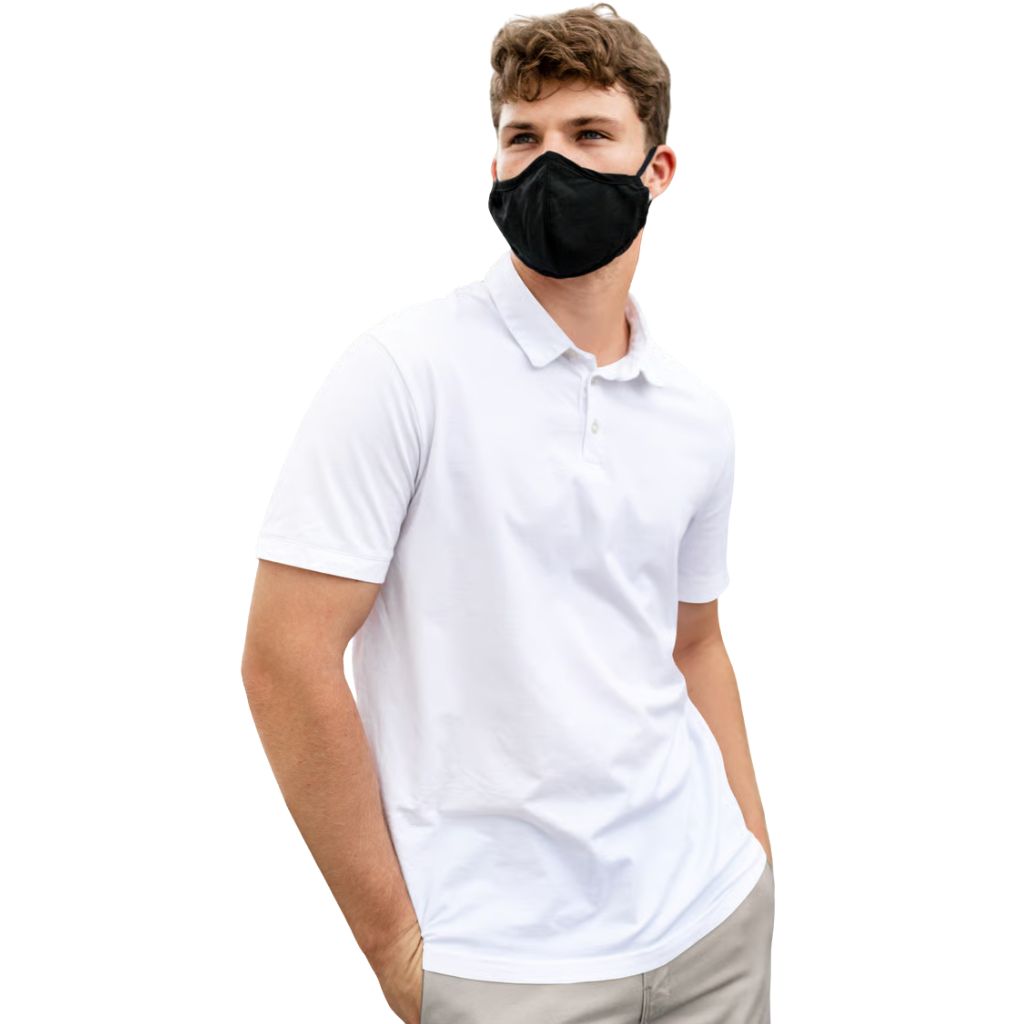
Velocity AirFlow Performance Knit: Breathable Sports Fabric is engineered to meet the demands of active lifestyles. Its unique combination of airflow channels, stretchability, and moisture-wicking properties makes it ideal for a wide range of sports and fitness activities. The fabric’s versatility allows brands and athletes to use it in multiple applications, from training sessions to outdoor adventures.
Athletic Shirts and T-Shirts
Athletic shirts made from Velocity AirFlow Performance Knit provide superior breathability. The fabric ensures continuous airflow across the torso, keeping the body cool during workouts.
Because of its lightweight and stretchable properties, it offers unrestricted movement. These shirts are perfect for running, gym workouts, and high-intensity training. Additionally, moisture-wicking prevents sweat buildup, keeping athletes comfortable for longer periods.
Running Gear
Runners benefit significantly from Velocity AirFlow knit. The lightweight structure and ventilation zones reduce overheating during long-distance runs.
Shorts, tops, and jackets made from this fabric allow air to circulate freely. As a result, body temperature remains balanced. The fabric also dries quickly, preventing chafing and discomfort from sweat accumulation.
Training and Gym Apparel
Gym and training apparel often require flexibility and durability. Velocity AirFlow Performance Knit supports dynamic movements while maintaining shape.
Compression tops, leggings, and training sets utilize this knit for its stretch recovery. It also wicks moisture away from the skin, reducing irritation during weightlifting or circuit training. Therefore, athletes can train harder without compromising comfort.
Outdoor Sports Clothing
Outdoor activities like cycling, hiking, or field sports demand temperature regulation. Velocity AirFlow Performance Knit adapts to changing environmental conditions.
Its ventilation zones allow airflow even in hot weather. Moreover, its thermal-regulating variants help maintain comfort in cooler conditions. Lightweight and durable, it resists wear and tear during outdoor use, making it ideal for active lifestyles.
Best Materials for Velocity AirFlow Performance Knit
The quality of Velocity AirFlow Performance Knit: Breathable Sports Fabric largely depends on the materials used. Performance, comfort, and durability are influenced by fiber selection. Modern engineering combines synthetic and sometimes eco-friendly fibers to achieve the perfect balance of breathability, stretch, and moisture control. Choosing the right materials ensures long-lasting garments that support athletic performance in any condition.
Below are the best materials commonly used in Velocity AirFlow Performance Knit:
Polyester
Polyester is the primary material in most Velocity AirFlow knits. It provides several key benefits:
- Durability: Polyester fibers resist wear and tear, even during intensive workouts.
- Moisture-Wicking: It draws sweat away from the skin, allowing quick drying.
- Lightweight: Polyester helps maintain a light fabric that doesn’t weigh athletes down.
- Shape Retention: The fabric maintains its structure after repeated stretching and washing.
Polyester’s synthetic nature also allows engineers to blend it seamlessly with other fibers to optimize performance.
Elastane (Spandex or Lycra)
Elastane is added for stretch and flexibility. Its inclusion enhances movement and ensures garments fit closely without restriction.
- Stretch Recovery: Garments regain their original shape after movement or washing.
- Enhanced Mobility: Four-way stretch supports complex athletic motions like yoga, running, or strength training.
- Comfort: It prevents garments from feeling tight or restrictive, even during extended workouts.
Elastane is usually blended in small percentages (5–15%) to maximize stretch while maintaining durability.
Nylon
Some high-performance Velocity AirFlow knits incorporate nylon for additional strength.
- Abrasion Resistance: Nylon resists friction and wear, increasing garment longevity.
- Soft Texture: It adds a smooth feel against the skin.
- Lightweight Reinforcement: Nylon enhances structural integrity without making the fabric heavy.
Nylon blends are often used in areas of high stress, such as knees, elbows, or shoulder panels.
Recycled Polyester
Eco-conscious brands increasingly use recycled polyester. It retains all benefits of regular polyester while reducing environmental impact.
- Sustainability: Uses post-consumer or post-industrial plastic waste.
- Durability: Matches the strength and moisture-wicking ability of standard polyester.
- Eco-Friendly: Reduces carbon footprint and conserves resources.
Recycled polyester also integrates well with elastane or nylon for full-performance garments.
Key Features of Velocity AirFlow Performance Knit
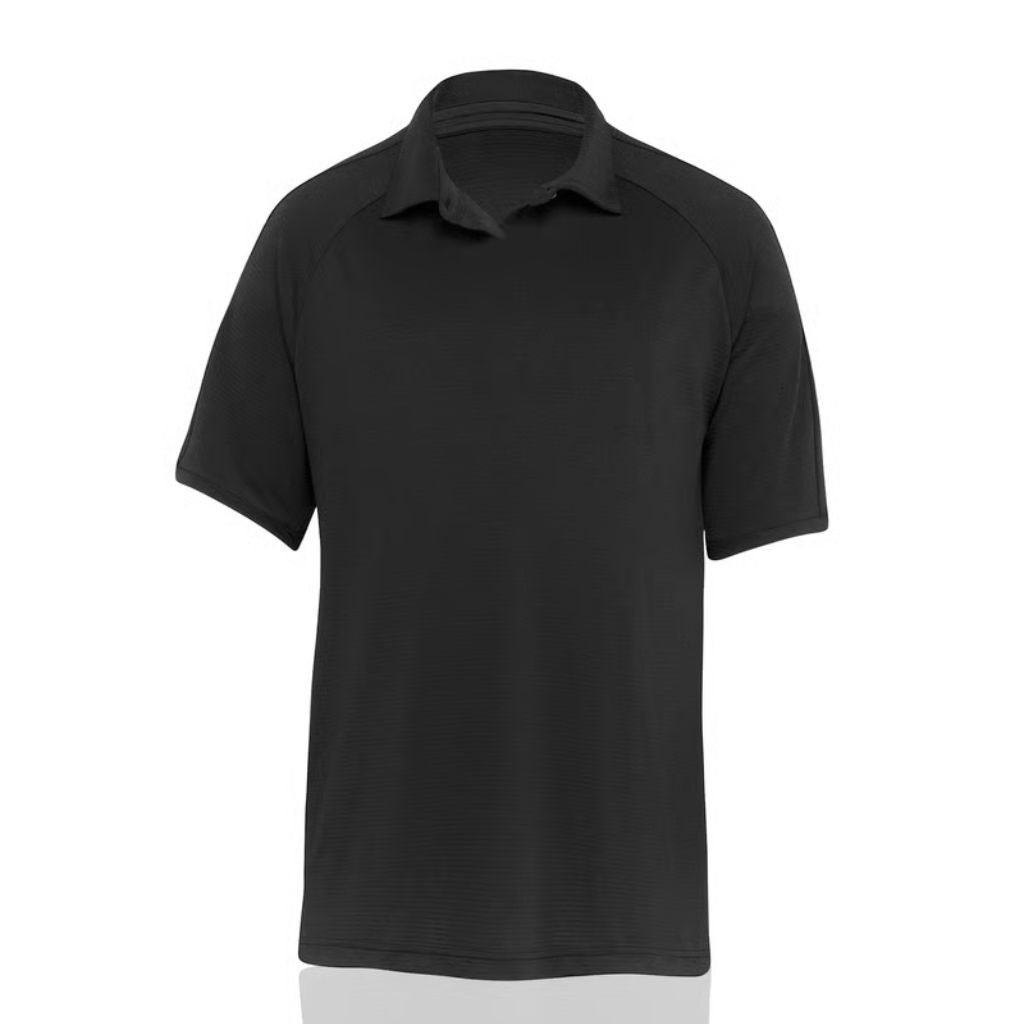
Velocity AirFlow Performance Knit: Breathable Sports Fabric offers advanced features for athletic performance. Each feature works together to improve comfort and efficiency.
Breathability and Airflow Technology
The fabric includes engineered ventilation channels. These channels allow continuous air circulation. Therefore, body heat escapes quickly.
Moreover, airflow reduces overheating during long sessions. Consequently, athletes maintain stable temperature levels. This feature remains essential for endurance sports.
Lightweight and Flexible Design
Velocity AirFlow knit feels soft and lightweight. Therefore, athletes move freely without restriction. Elastane fibers enhance flexibility and recovery.
Additionally, the knit structure adapts to body contours. Consequently, the garment fits comfortably without tight pressure.
Moisture-Wicking Capability
The fabric draws sweat away from the skin. Then, moisture spreads across the outer surface. As a result, evaporation occurs faster.
Therefore, athletes stay dry and comfortable. Moreover, moisture-wicking prevents unpleasant odors caused by dampness.
Sweat Management
Sweat management improves hygiene and comfort. Because moisture does not remain trapped, irritation decreases. Furthermore, the fabric feels fresh even during extended workouts.
Durability and Stretchability
Velocity AirFlow Performance Knit resists wear and tear. High-quality fibers ensure long-term durability. Moreover, the fabric maintains elasticity after multiple washes.
Therefore, athletes benefit from reliable performance over time.
Benefits of Velocity AirFlow Performance Knit for Athletes
Athletes require clothing that supports physical performance. Therefore, this breathable sports fabric delivers multiple advantages.
Keeps the Body Cool During Workouts
Airflow technology enhances ventilation. Consequently, warm air escapes quickly. This process stabilizes body temperature.
Therefore, athletes feel cooler even in intense environments. Moreover, reduced heat improves endurance.
Enhances Mobility and Comfort
Stretch fibers move with the body. Therefore, athletes perform complex movements easily. Seamless construction reduces friction points.
As a result, comfort increases significantly. Additionally, better mobility enhances overall performance.
Reduces Sweat Buildup
Moisture-wicking prevents sweat pooling. Consequently, garments remain lightweight. Therefore, athletes avoid sticky discomfort.
Improves Athletic Performance
Comfort directly influences performance. Because distractions decrease, focus improves. Therefore, athletes achieve better training results.
How Velocity AirFlow Technology Works
Velocity AirFlow technology relies on structural engineering. Designers create airflow pathways during knitting. Therefore, ventilation becomes part of the fabric itself.
Air Circulation Structure
The knit pattern forms micro air pockets. Fresh air enters through these pockets. Meanwhile, warm air exits efficiently.
Consequently, cooling becomes continuous.
Advanced Knit Patterns
Engineers design mesh-like sections within the knit. These sections increase breathability. Furthermore, denser areas provide structural support.
Therefore, the fabric balances ventilation and durability.
Moisture Evaporation Process
Sweat transfers from skin to fabric surface. Then, airflow speeds evaporation. As a result, cooling intensifies naturally.
Velocity AirFlow Performance Knit vs Traditional Sports Fabrics
Traditional fabrics serve basic sports needs. However, they often lack advanced ventilation. Therefore, Velocity AirFlow Performance Knit outperforms them.
Cotton Sportswear
Cotton absorbs moisture heavily. Consequently, it becomes heavy and damp. In contrast, airflow knit dries rapidly.
Polyester Performance Fabrics
Standard polyester resists moisture but traps heat. However, airflow knit integrates ventilation channels. Therefore, cooling improves significantly.
Mesh Sports Fabrics
Mesh allows airflow but may lack durability. Velocity AirFlow knit combines stretch and strength. Therefore, it provides balanced performance.
Common Uses of Velocity AirFlow Performance Knit
This breathable performance knit suits various sports applications.
Athletic Shirts
Manufacturers design training shirts using airflow knit. Therefore, athletes stay cool and comfortable.
Running Gear
Runners benefit from lightweight ventilation. Consequently, long-distance comfort improves.
Training Apparel
Training apparel requires flexibility. Therefore, this knit supports dynamic movement.
Gym Wear
Gym enthusiasts prefer moisture control. Consequently, airflow knit enhances comfort during lifting sessions.
Outdoor Sports Clothing
Outdoor athletes face temperature fluctuations. Therefore, breathable knit ensures consistent ventilation.
Why Velocity AirFlow Performance Knit Is Ideal for Sportswear
Sportswear must support intense physical activity. Therefore, airflow performance knit provides essential features.
Temperature Regulation
Air channels maintain balanced body heat. Consequently, overheating reduces significantly.
Enhanced Flexibility
Stretch construction supports full motion. Therefore, athletes move naturally.
Comfort During Intense Workouts
Lightweight design reduces fatigue. Consequently, workouts feel smoother and longer.
Sustainability and Eco-Friendly Aspects
Sustainability matters in modern textile production. Therefore, many brands incorporate recycled fibers.
Recycled Fibers
Recycled polyester reduces plastic waste. Consequently, environmental impact decreases.
Sustainable Manufacturing
Efficient knitting reduces material waste. Therefore, production becomes more eco-friendly.
Reduced Environmental Impact
Durable construction extends garment lifespan. Consequently, fewer replacements are required.
How to Choose the Best Velocity AirFlow Performance Knit Apparel
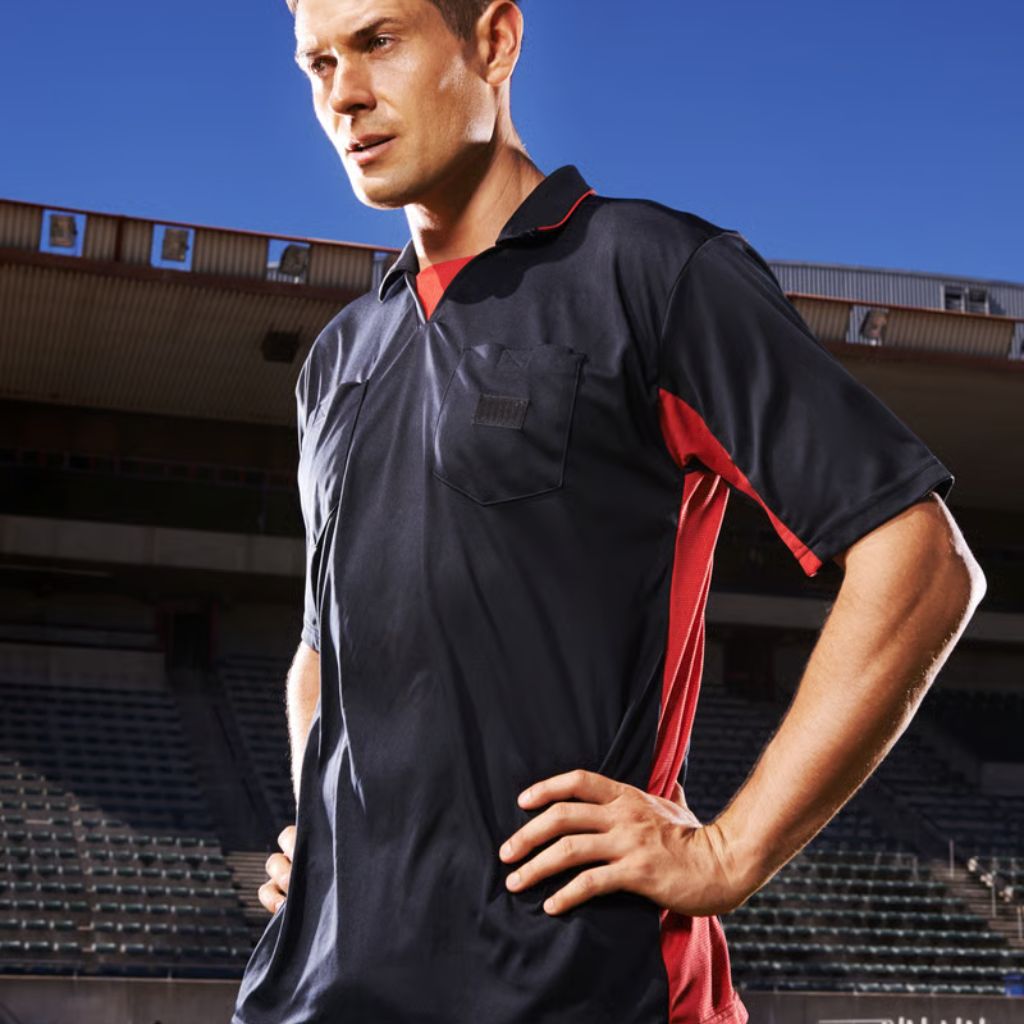
Consumers should evaluate quality before purchase.
Fabric Quality Indicators
Check softness, stretch recovery, and stitching strength. Therefore, you ensure durability.
Fit and Comfort Factors
Select ergonomic designs and correct sizing. Consequently, comfort improves significantly.
Performance Features to Look For
Look for ventilation zones and moisture control labeling. Therefore, you gain maximum performance benefits.
Future of AirFlow Performance Knit Technology
Textile innovation continues evolving rapidly. Therefore, airflow knit technology will expand further.
Innovations in Sports Fabrics
Future fabrics may combine lighter yarns and stronger fibers. Consequently, performance will improve further.
Smart Textiles and Breathable Technology
Smart textiles may include temperature sensors. Therefore, garments could adjust ventilation automatically.
Care Guide for Velocity AirFlow Performance Knit
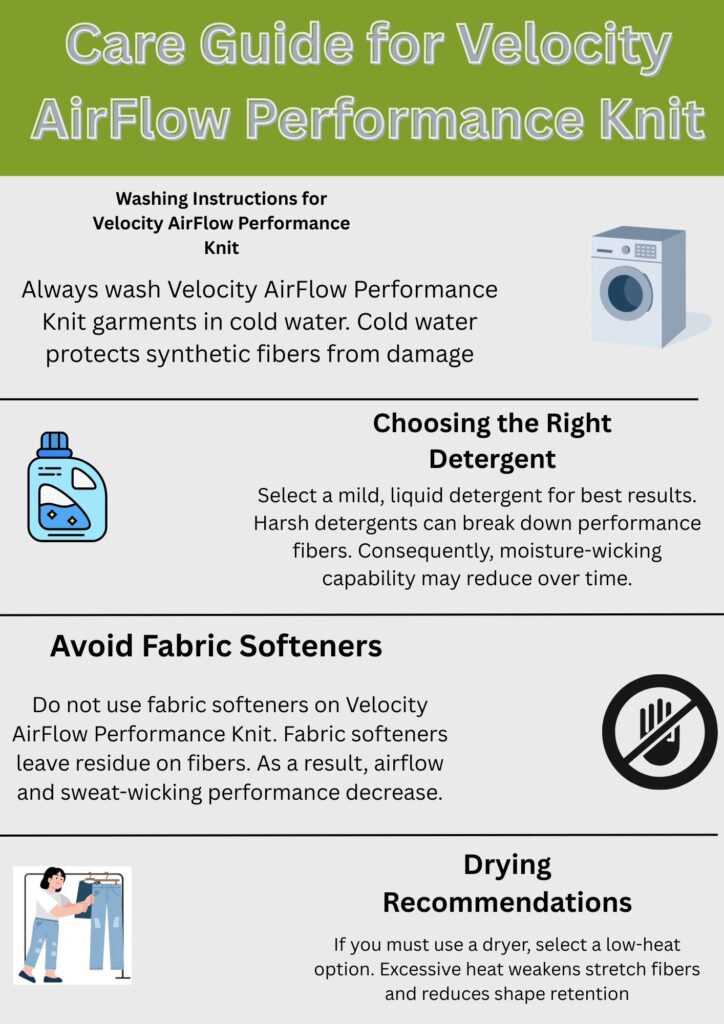
Proper care keeps Velocity AirFlow Performance Knit performing at its best. Although this breathable sports fabric is durable, you must maintain it correctly. Otherwise, airflow channels and stretch fibers may lose efficiency. Therefore, always follow simple but effective care practices. Moreover, good maintenance extends garment life and preserves moisture-wicking ability.
Washing Instructions for Velocity AirFlow Performance Knit
Always wash Velocity AirFlow Performance Knit garments in cold water. Cold water protects synthetic fibers from damage. Additionally, it helps maintain elasticity and airflow structure.
Use a gentle wash cycle whenever possible. Because high agitation weakens fibers, mild cycles preserve performance. Furthermore, wash similar colors together to prevent dye transfer. Avoid mixing heavy fabrics like denim with lightweight sportswear.
Choosing the Right Detergent
Select a mild, liquid detergent for best results. Harsh detergents can break down performance fibers. Consequently, moisture-wicking capability may reduce over time.
Avoid bleach completely. Bleach weakens synthetic yarns and damages airflow channels. Moreover, strong chemicals may cause discoloration. Therefore, choose performance-safe detergents designed for activewear.
Avoid Fabric Softeners
Do not use fabric softeners on Velocity AirFlow Performance Knit. Fabric softeners leave residue on fibers. As a result, airflow and sweat-wicking performance decrease.
Additionally, softener buildup blocks micro-ventilation channels. Therefore, garments may trap heat instead of releasing it. To maintain breathability, skip softeners entirely.
Drying Recommendations
Air drying remains the safest method. Hang garments in a shaded, well-ventilated area. Because high heat damages elastane, avoid tumble drying on high settings.
If you must use a dryer, select a low-heat option. Excessive heat weakens stretch fibers and reduces shape retention. Therefore, gentle drying preserves flexibility and structure.
Conclusion
Velocity AirFlow Performance Knit: Breathable Sports Fabric defines modern athletic apparel. It combines ventilation, stretch, and moisture control in one structure. Therefore, it meets the demands of intense training sessions.
Moreover, its durability and sustainability make it future-ready. As textile innovation continues, airflow knit systems will become even more advanced. Ultimately, this performance fabric empowers athletes to train harder, move freely, and stay cool in every condition.
FAQs
What is Velocity AirFlow Performance Knit fabric?
It is a breathable, stretchable sports fabric. It enhances airflow and moisture management.
Is Velocity AirFlow fabric good for workouts?
Yes, it keeps athletes cool and dry. Therefore, it supports high-intensity exercise.
Does AirFlow knit keep you cool during exercise?
Yes, airflow channels release heat effectively. Consequently, body temperature remains balanced.
Is performance knit fabric breathable?
Yes, engineered knit structures promote continuous ventilation. Therefore, athletes stay comfortable.