
Topcoat History is a journey of refinement, elegance and craftsmanship all in one. These coats are desirable, and because of their beauty and practicality, are a must have for all and are essential for many. They continue to reflect timeless elegance, and are used in both formal and informal arrangements, and are worn in different occasions. As fashion disobides, the top coat History shows how this fashion item has adapted to more modern top coats. Now, the top coat is a strong fashion style statement for both men and women.
Early Origins of the Topcoat
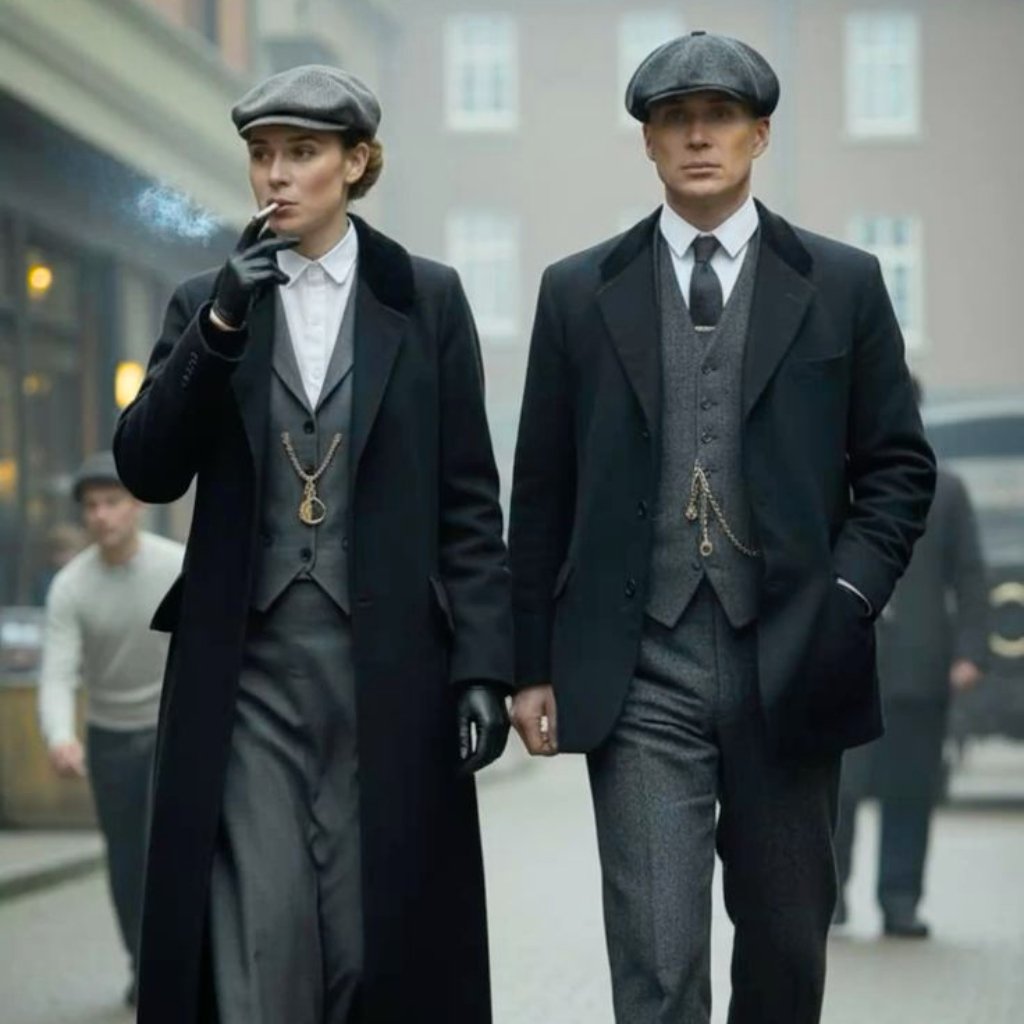
The Topcoat History is first from the 1700s. Coats from this time were long and heavy. They were made mostly to keep people warm. To show their wealth, however, people would wear fancy rich decorative pieces. They would wear robes made from rich fabrics, and wear robes that would have detailed stitchings and ornate buttons. After some time, Topcoat History shows and recognizes the practical pieces that were founded from the decorative pieces.
The Victorian Era and Top Coat History
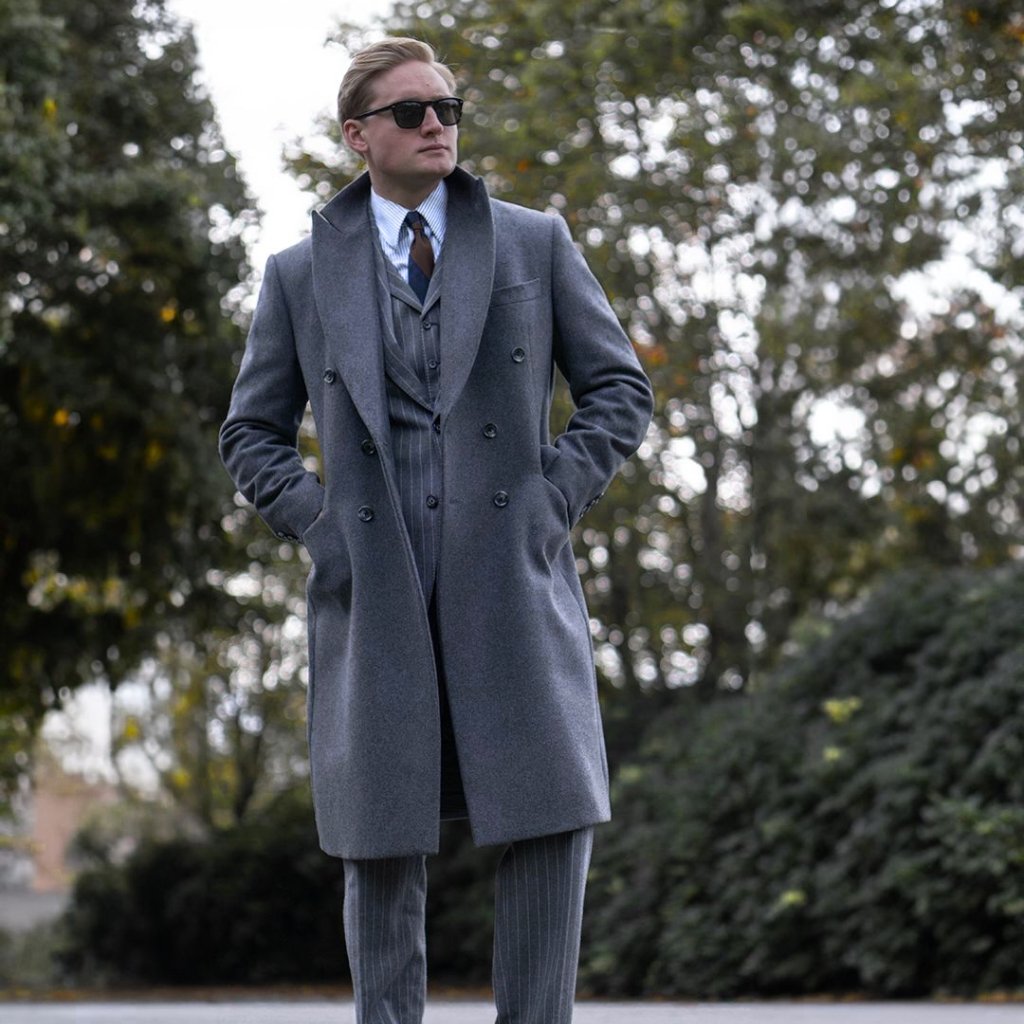
The Victorian era is and continues to be the most important era in Topcoat History. Men were now walking in the streets of the city and wore tailored clothing that was in perfect structure and showcased the elegance of the clothing. Topcoats now had elegance structured shoulders, and defined clearer lines giving the coat a streamlined silhouette. Because of the now busy and cold cities the coat was needed to be stylish yet warm. Topcoat History has and continues to show the impact that the Victorian era has had on the design of the modern topcoat.
Rise of the Modern Topcoat in the 20th Century
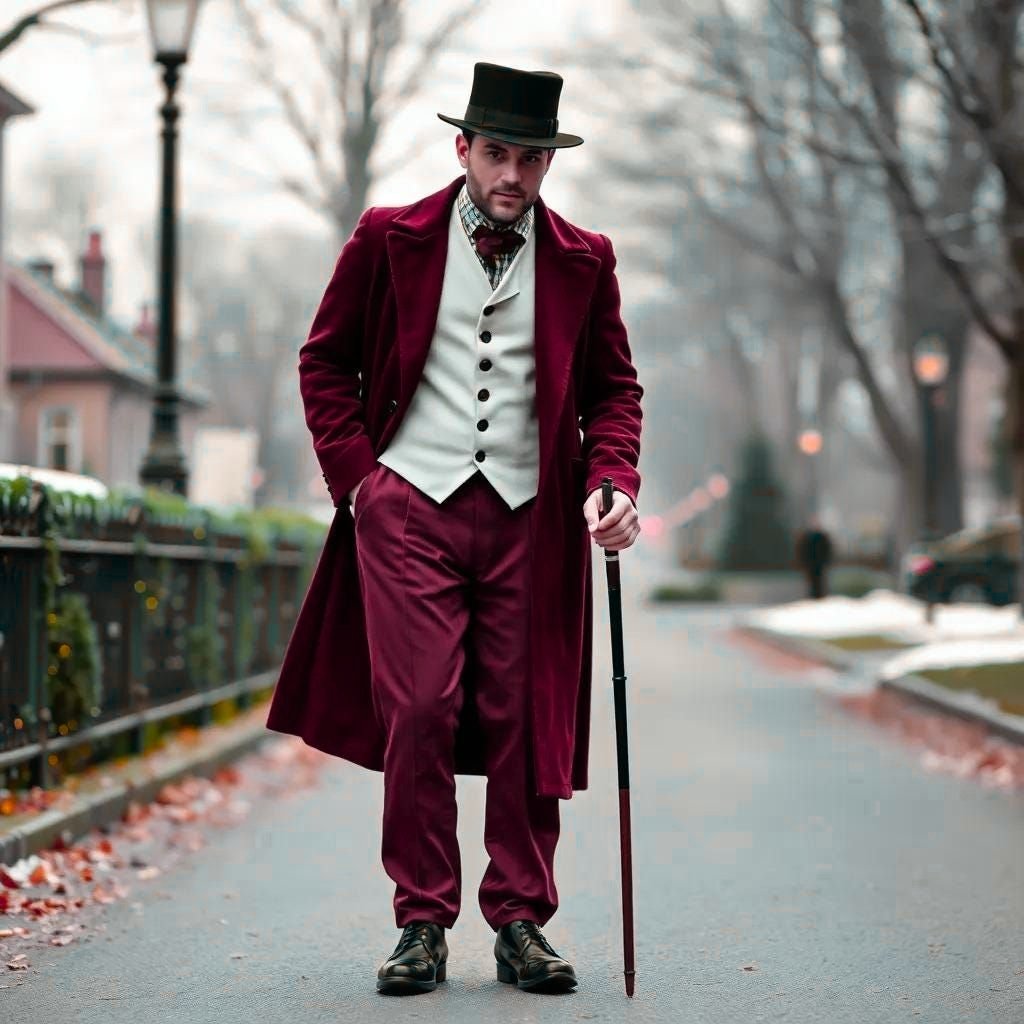
The 20th century was a time of change in Topcoat History. Tailors began using lighter materials and more modern styles. As suits became more narrow, topcoats began staying slimmer. Also, the world was exposed to more Euro-centric fashion, especially from London and Paris. These cities influenced the world in outerwear. Topcoat History from the 20th century is full of style revisions from new topcoats with new lapels to new buttons and new technological advancements in fabric.
Topcoats During The War Era
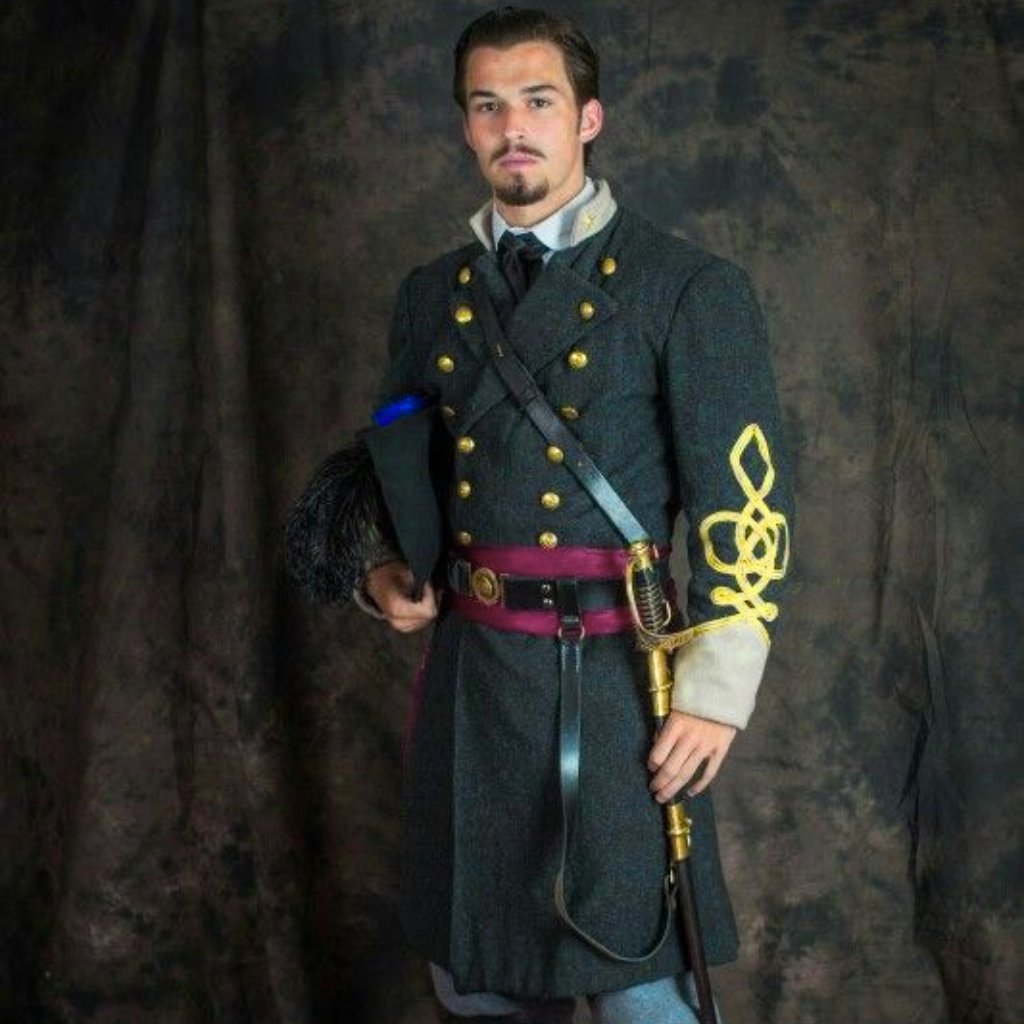
Topcoat History was influenced by The War Era in Fashion. Coats had to be practical, sturdy, and warm. The Military’s need for outerwear encouraged the use of warm, strong wool blends, and structured shoulder designs. The military colors, navy, grey, and olive, became more popular for everyday use due to their practical color and modern design. Post-war styles of topcoats and civilian outerwear became common and popularizing adding a military feature stryle topcoat jacket to everyday fashion. From this we can see a strong influence of military design styles on topcoats in everyday fashion, showing a clear link from military designs to civilian designs in Topcoat History.
History of Post-War Styles and Culture
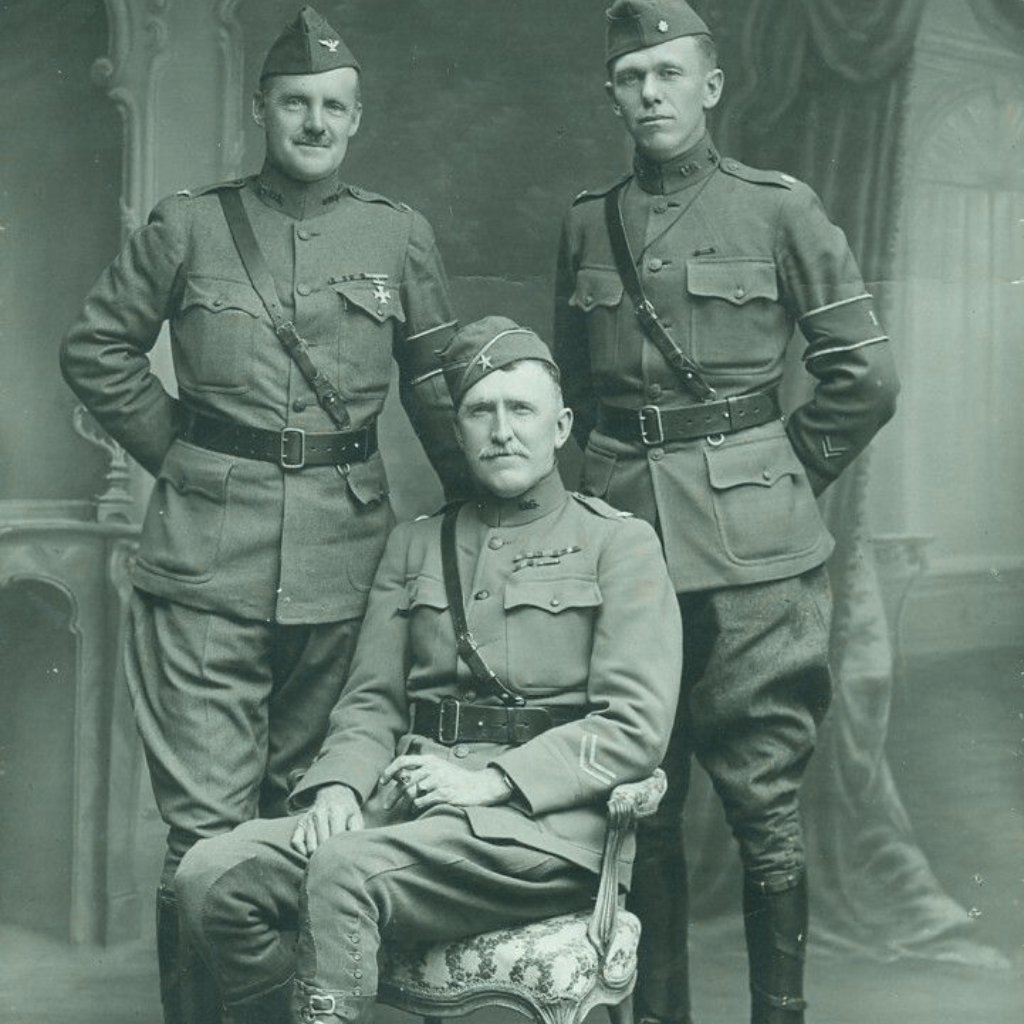
Designer focus shifted to the 1950s-1960s post-war culture on sleek and elegant styles. in Topcoat History. Movie stars wore long, sharply tailored and elegant coats. Camel and beige, introduced and tailored in this period, seems to have lasting popularity. Topcoat History also underwent a shift from strictly practical to elegant and luxurious, with the fashion houses incorporating softer fabrics.
History of Topcoat Fashion and its Hollywood Influence
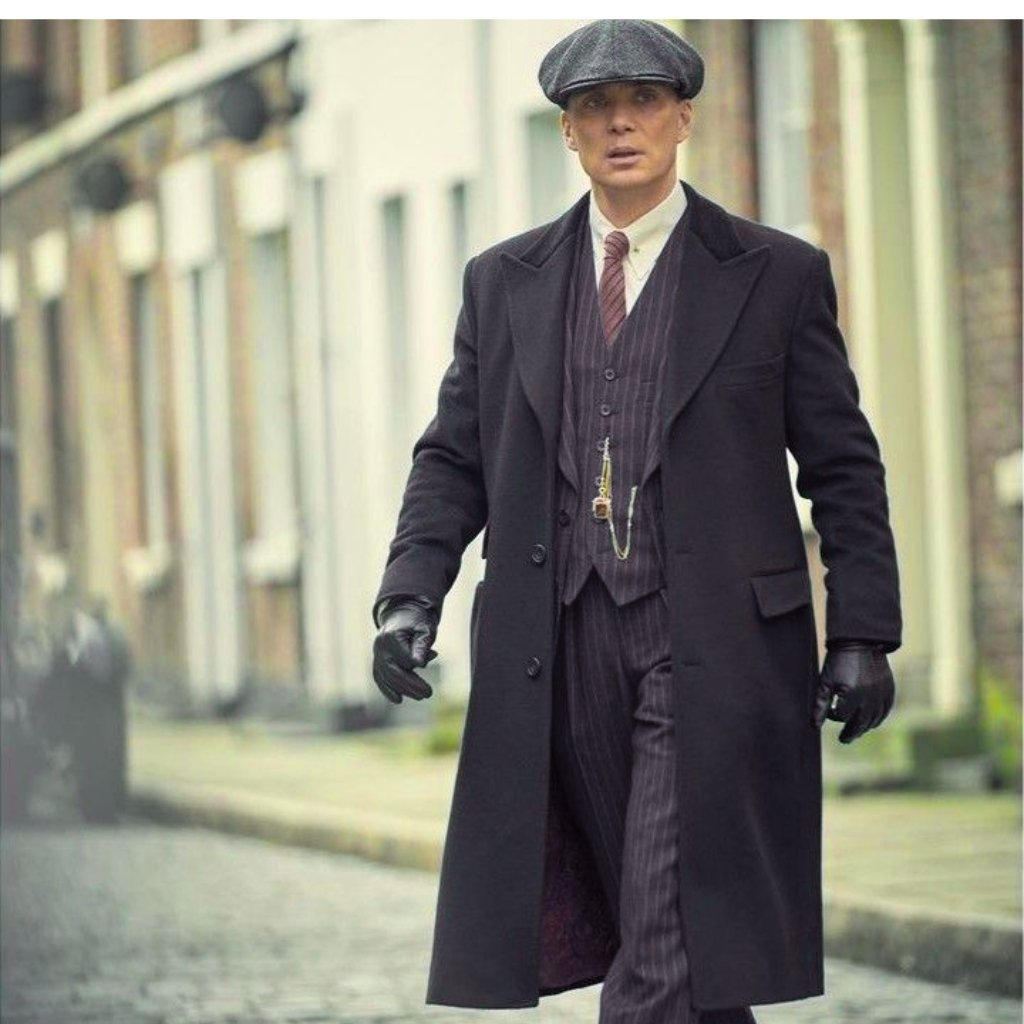
Hollywood has had a constant and major impact on Topcoat History. In classic films, long and dramatic coats worn by actors would steal the show and add to the overall glamour and authority of the characters in the scenes. Topcoat History is still influenced by the style of celebrities, which keeps the topcoats in fashion.
What to Know About the Evolution of Fabrics in Topcoat Design
One of the most important innovations in Topcoat History is the fabric innovation. Wool was the primary fabric for coats early in history because it is warm. With the advancement of technology came the introduction of more comfortable wool blends. Cashmere is more luxurious and modern synthetic cashmere is more durable. In the last few years, eco-conscious, sustainable cashmere is more widely available to consumers. These advancements in warm wool, and the innovations in other fabrics available, is clear Topcoat History is advanced along with fabric technologies.
What to Know About Changes in Tailoring and Fit Over Time
Changes in Tailoring and Fit history also influenced Topcoat History. In the beginning, designs focused on warmth and were meant to be long and loose. Then the tailored fit style was popular for the more polished look. These days, a happy medium is focused on having both comfort and a polished look. In the city, a more popular look is a shorter style, along with a more slim cut. Topcoat history changes a reflection of the tailoring and fit style changes for every decade.
What to Know About Topcoat Silhouettes Through the Decades
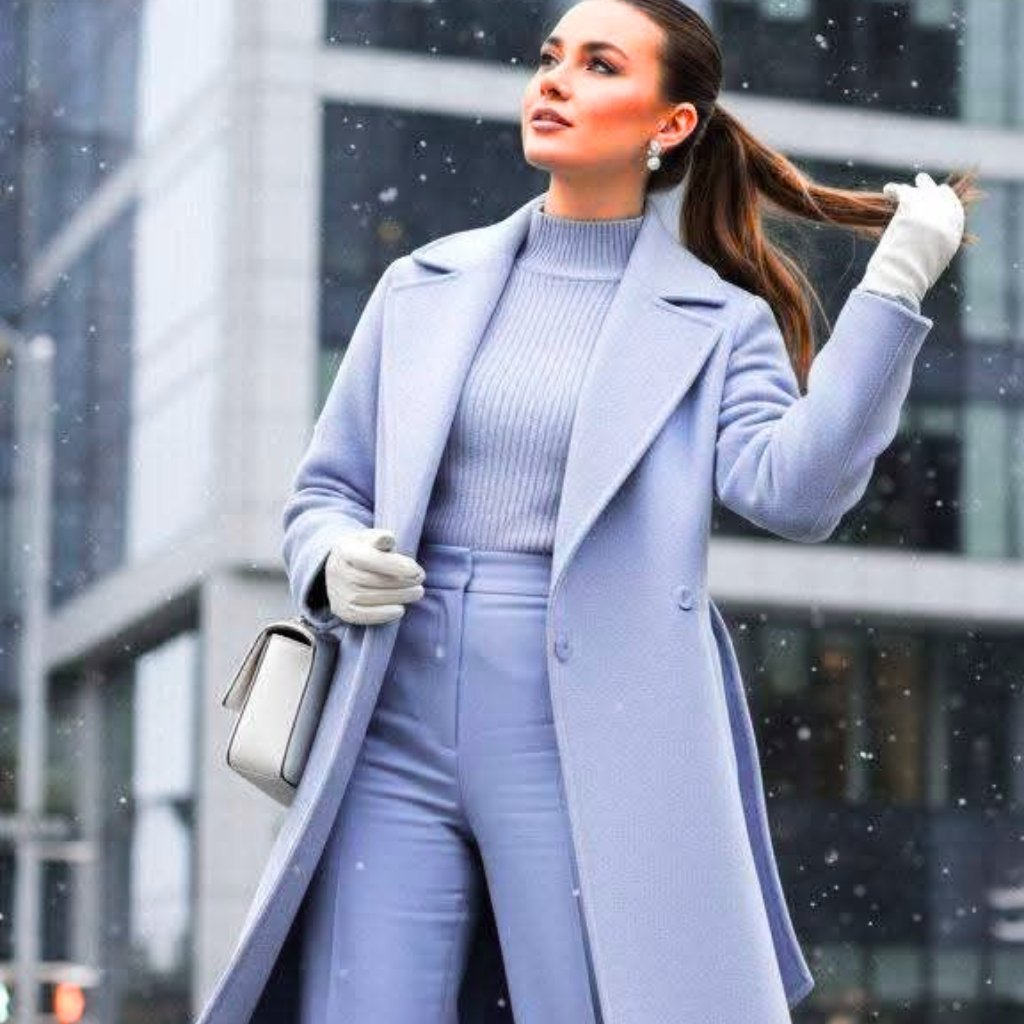
What is most dramatic in Topcoat history is the change in silhouette. Every decade showcased a different style contributing to the history of top coats. 1920’s showcased straight cut tops, while the 1950’s were known for their boxy, structured shoulder look. The 90’s also were known for fashion and over sized tops. Currently, topcuts are known for both a slim and relaxed fit. Because of this, top cut history is very versatile and current with today’s fashion.
Symbolism In The Topcoat’s History

Cultural symbolism also shapes Topcoat History. In many societies, a long coat represents authority, professionalism, and maturity. Business professionals wear topcoats to portray confidence. Meanwhile, artists often choose unique colors and textures to express creativity. Furthermore, these coats often appear in literature and films to highlight a character’s sophistication. Therefore, Topcoat History reflects both cultural identity and personal style.
Women’s Topcoats in Fashion History
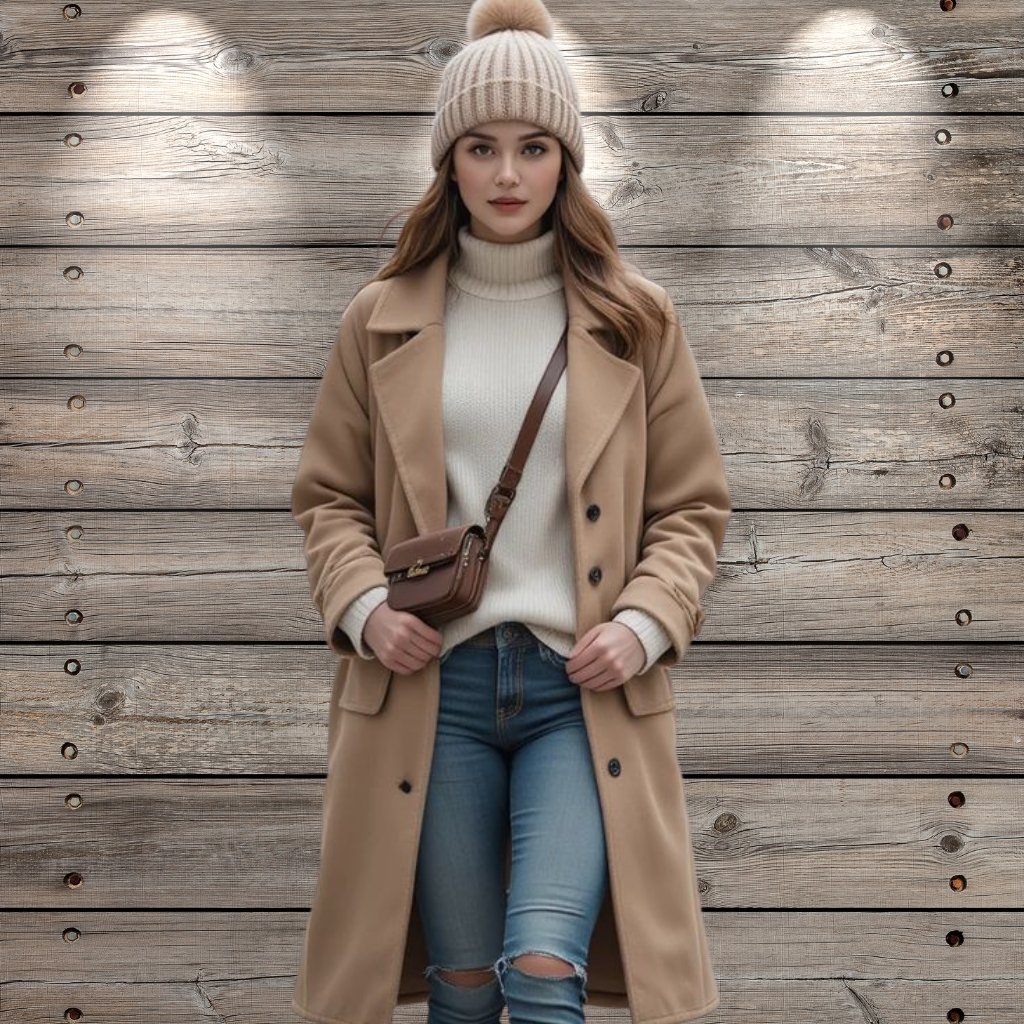
Topcoat History has been added to with the fashion of women. The first topcoats were designed almost exclusively for men, and women began to adopt this style in the 20th century. Fashion designers began making women’s topcoats with more tailored styles, belt waists, and softer fabrics. In a professional setting, soft neutral colors became the choice over other colors. With time, women began to view topcoats as an essential part of their diverse wardrobe. Now, Topcoat History has a wide range of styles designed for women.
Topcoats In Fashion Streetwear
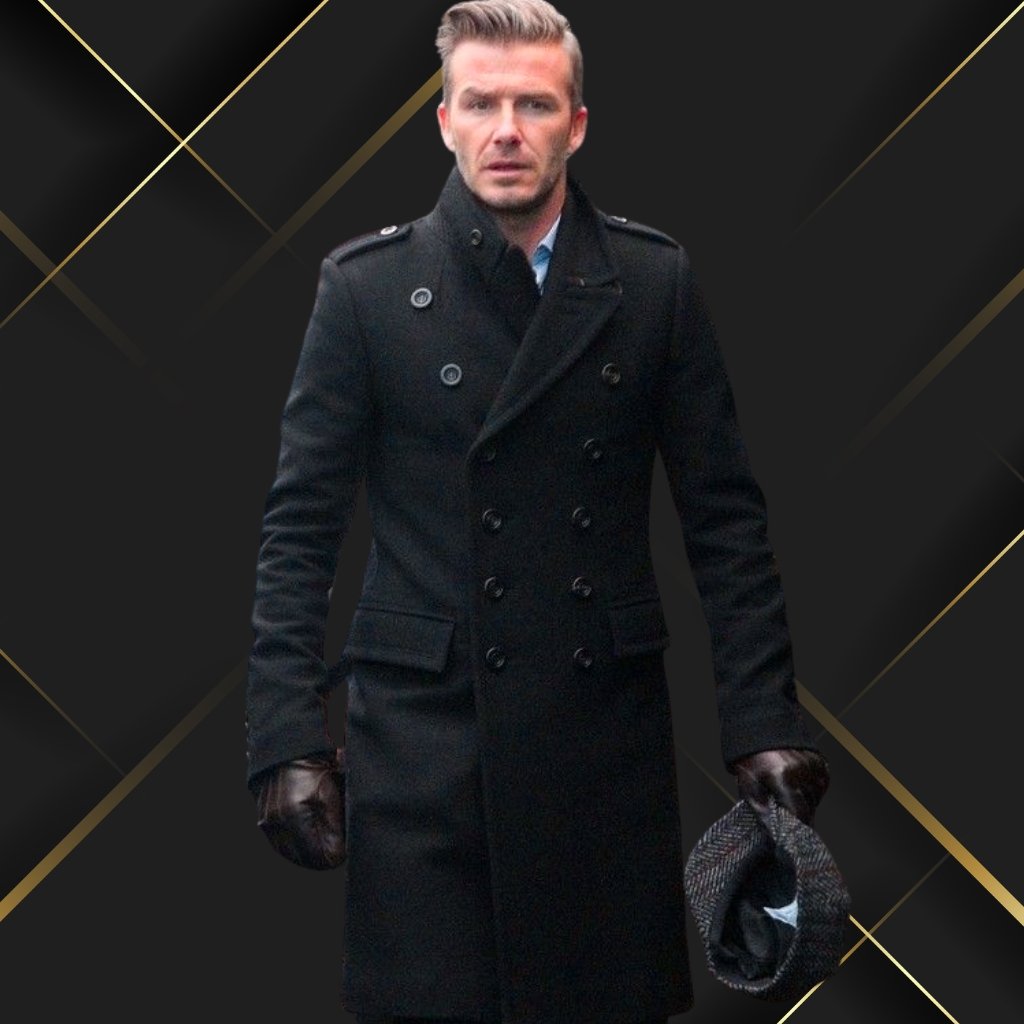
Influencers and stylists have integrated Topcoat History into the world of streetwear. They style topcoats with hoodies, sneakers, and denim. The mixture of formal and casual clothing has become a popular and different style. Younger consumers enjoy the large silhouette offered by oversized designs. Streetwear has also been a way for Topcoat History to modernize beyond its traditional style.
Sustainable Fashion and the Modern Topcoat
Over the years, Topcoat history has included sustainability. Many other brands use recycled fibers, ethically sourced wool, and low impact production. Customers are more likely to purchase durable garments that are made to last rather than opt for fast-fashion garments. This shift in demand encourages responsible purchasing behaviors. As the demands for sustainability continues to grow, Topcoat history continues to refelct a future of sustainable fashion.
Why Topcoats Remain a Timeless Classic
Topcoat history demonstrates that these coats are never going to run out of relevance. The coats are stylish and Elegant, and can fit in to just about any outfit. The coats provide warmth and versatility, even adapting to new fashions and trends that come about. The length of the coats add to the confidence of the wearer and the clean design keeps it fitting and appropriate for any outfit. That is why Top coat history continues to influence almost every new generation that comes about.
Modern Innovations in Topcoat Manufacturing
Modern times and fresh new technologies have made for new interesting changes in the history of Topcoats. Some brands add a new layer of modern practicality for these designs with water resistant coatings. Some add a layer of thermal lining for warmth. Thin blends of light weight synthetic materials make it easy to move in and reduce the overall weight of the coat. Modern tailoring from new machinery allows for even more precision. All of these factors contribute to the history of Topcoats and make sure it stays relevant.
History of Topcoats Compared to other Coats
The history of topcoats is different from overcoats, trench coats, and peacoats. Topcoats are lighter and made for mildly warm climates, while overcoats are heavier and made for winter. Water-resistant trench coats differ from peacoats and their shorter designs inspired by naval wear. This large variety is what makes the history of topcoats so unique. Every type of coat serves their own purpose while the topcoat keeps its unique and refined identity.
How the History of Topcoats Influences Modern Trends
Fashion trends today are inspired by the history of topcoats. Designers take vintage styles and mix them with modern elements and fashionable details. Neutral shades are also trendy because of their aesthetic and timeless quality. As topcoats are fashionable, people are choosing them for their sophisticated and functional styles, which are certainly increasing in demand. The history of topcoats plays a large part in modern day fashion trends
Conclusion
Topcoat History showcases centuries of evolution, innovation, and elegance. From early aristocratic garments to modern stylish coats, the topcoat has transformed repeatedly. Moreover, designers continue refining this iconic piece to match current lifestyle needs. Whether worn for business, evening events, or casual days, topcoats remain essential. With such a rich past, Topcoat History promises an equally exciting future.
FAQs
When did topcoats first appear in fashion?
They appeared between the 17th and 18th centuries as long, warm coats for wealthy individuals.
What fabrics shaped early Topcoat History?
Wool was the main material due to its warmth and durability.
How did Hollywood impact Topcoat History?
Celebrities wore stylish coats in films, creating global demand for similar designs.