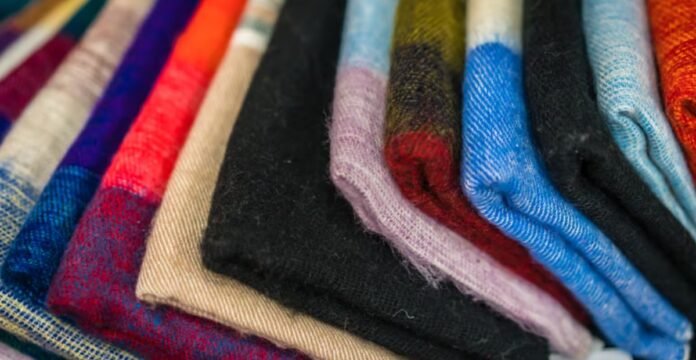
Sustainable Wool Fabric stands at the intersection of nature, comfort, and environmental responsibility. As people become more aware of climate change and ethical production, they increasingly seek materials that support both quality and sustainability. Sustainable wool fabric answers this demand by offering natural warmth without compromising ecological balance. It comes from renewable sources and supports ethical farming practices. Because of these qualities, it has become a preferred material in modern fashion and home textiles. This fabric reflects a shift toward mindful living and responsible consumer choices.
History of Sustainable Wool Fabric
The story of wool dates back thousands of years, long before industrialization changed the textile industry. Ancient civilizations, including the Egyptians, Mesopotamians, and Greeks, recognized wool’s natural warmth and durability. Sheep were domesticated primarily for their meat, milk, and wool. Early humans discovered that wool could be spun into threads and woven into garments, providing comfort and protection in colder climates. This marked the beginning of wool as an essential textile resource.
What Sustainable Wool Fabric Truly Means
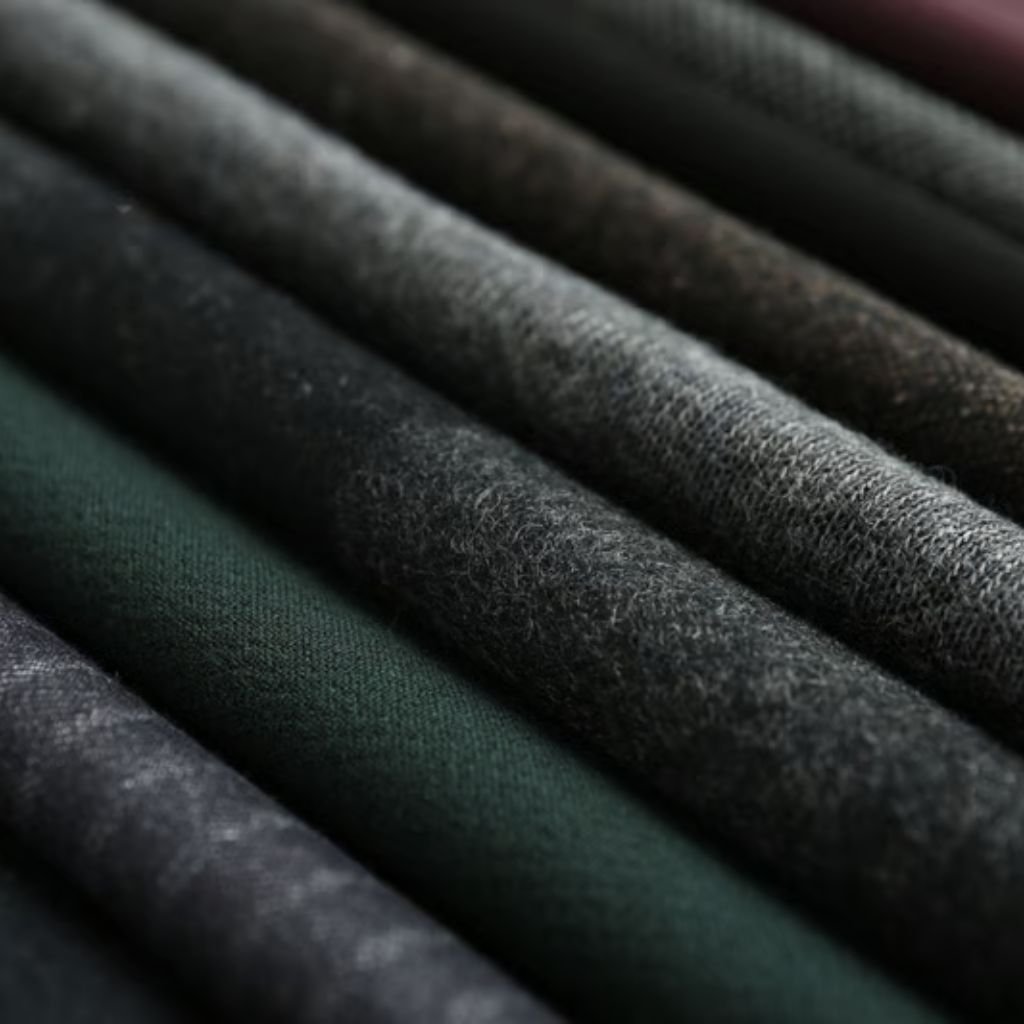
Sustainable wool fabric refers to wool produced using methods that protect animals, people, and the environment. Farmers raise sheep under humane conditions while preserving soil and biodiversity. At the same time, manufacturers avoid harmful chemicals during processing. This approach ensures that the final fabric remains safe, breathable, and environmentally friendly. As a result, sustainable wool fabric supports a cleaner and more transparent textile industry.
Types of Sustainable Wool Fabric Available Today
Sustainable wool fabric is available in several responsible forms, each designed to reduce environmental impact while maintaining comfort and durability. Although all sustainable wool types share ethical and eco-friendly principles, their production methods and intended uses can differ. Understanding these variations helps consumers choose the most suitable option. Today, textile innovation and ethical farming have expanded the range of sustainable wool fabrics available worldwide.
Organic Sustainable Wool Fabric
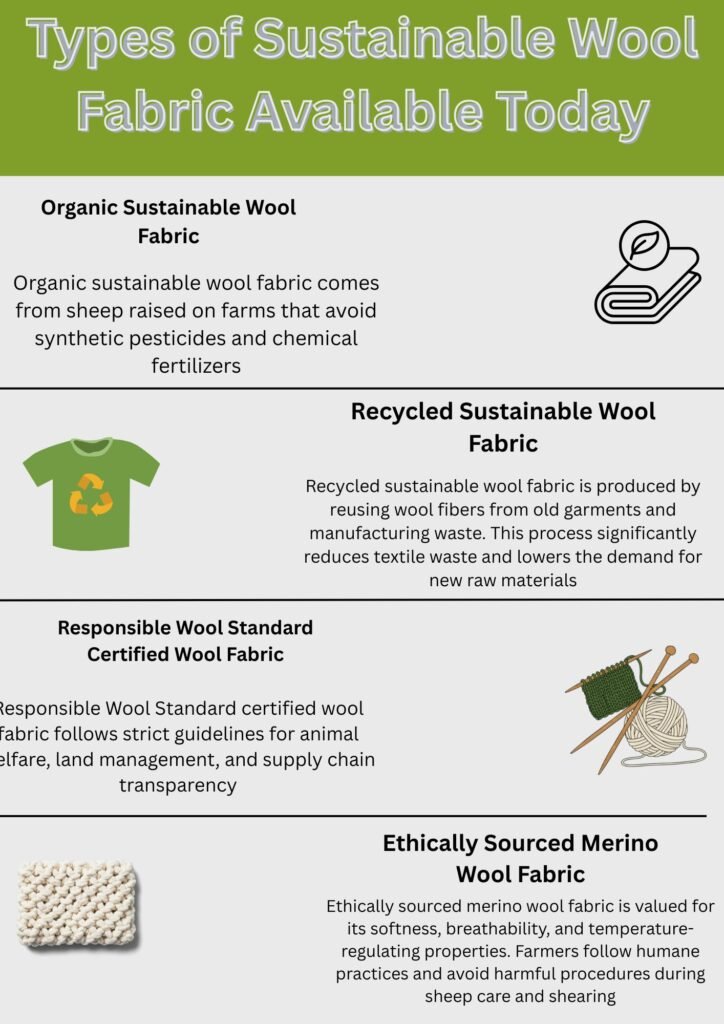
Organic sustainable wool fabric comes from sheep raised on farms that avoid synthetic pesticides and chemical fertilizers. These farming practices protect soil quality and support natural biodiversity. Because chemicals are excluded from both farming and processing stages, the wool remains gentle on the skin. As a result, organic sustainable wool fabric appeals strongly to eco-conscious consumers and those with sensitive skin.
Recycled Sustainable Wool Fabric
Recycled sustainable wool fabric is produced by reusing wool fibers from old garments and manufacturing waste. This process significantly reduces textile waste and lowers the demand for new raw materials. By extending the life of existing fibers, recycled wool supports circular fashion systems. Therefore, it helps reduce landfill pressure while maintaining warmth and durability.
Responsible Wool Standard Certified Wool Fabric
Responsible Wool Standard certified wool fabric follows strict guidelines for animal welfare, land management, and supply chain transparency. This certification tracks wool from farm to final product, ensuring ethical treatment at every stage. Because of this traceability, consumers gain confidence in the sustainability claims of the fabric. RWS wool also supports responsible environmental stewardship.
Ethically Sourced Merino Wool Fabric
Ethically sourced merino wool fabric is valued for its softness, breathability, and temperature-regulating properties. Farmers follow humane practices and avoid harmful procedures during sheep care and shearing. This careful approach results in fine wool fibers that feel comfortable against the skin. Consequently, merino wool remains popular for high-quality sustainable clothing.
Why Sustainable Textiles Matter in Modern Fashion
The fashion industry has long contributed to pollution and waste. Synthetic fibers rely heavily on fossil fuels and generate long-lasting environmental damage. In contrast, sustainable textiles promote renewable resources and longer garment life. Sustainable wool fabric plays a key role in this transition by offering durability and biodegradability. Therefore, it helps reduce waste while encouraging ethical production standards. This shift allows fashion to become more responsible and future-focused.
Growing Global Demand for Eco-Friendly Wool Materials
Consumer awareness continues to shape textile trends worldwide. People now care deeply about how clothing affects the planet and animals. Because of this mindset, eco-friendly wool materials have gained strong popularity. Sustainable wool fabric meets expectations by providing comfort, performance, and environmental responsibility. Brands have responded by adopting certified wool programs and increasing transparency. This growing demand signals a long-term change in consumer behavior.
What Makes Sustainable Wool Fabric Environmentally Responsible
Sustainable wool fabric follows a natural life cycle that supports environmental health. Wool grows naturally on sheep and regenerates every year. After use, it breaks down safely without releasing toxins. Unlike synthetic fibers, wool does not contribute to microplastic pollution. Because of these characteristics, sustainable wool fabric aligns perfectly with circular fashion principles and environmental protection goals.
Ethical Sheep Farming and Animal Welfare
Ethical sheep farming forms the foundation of sustainable wool fabric. Farmers provide proper nutrition, clean environments, and medical care for sheep. Shearing takes place carefully and at appropriate times to avoid stress or injury. These humane practices ensure that wool production respects animal welfare. As a result, the fabric reflects both ethical values and high quality.
Use of Sustainable Wool Fabric in Fashion and Home Textiles
Sustainable wool fabric plays an important role in both fashion and interior design because of its natural performance and eco-friendly qualities. Designers and consumers value this fabric for its warmth, durability, and breathability. As awareness of ethical production grows, sustainable wool fabric continues to replace synthetic materials in many everyday products. Its versatility allows it to perform well in clothing as well as home furnishings, making it a trusted material across industries.
Sustainable Wool Fabric in Winter Clothing
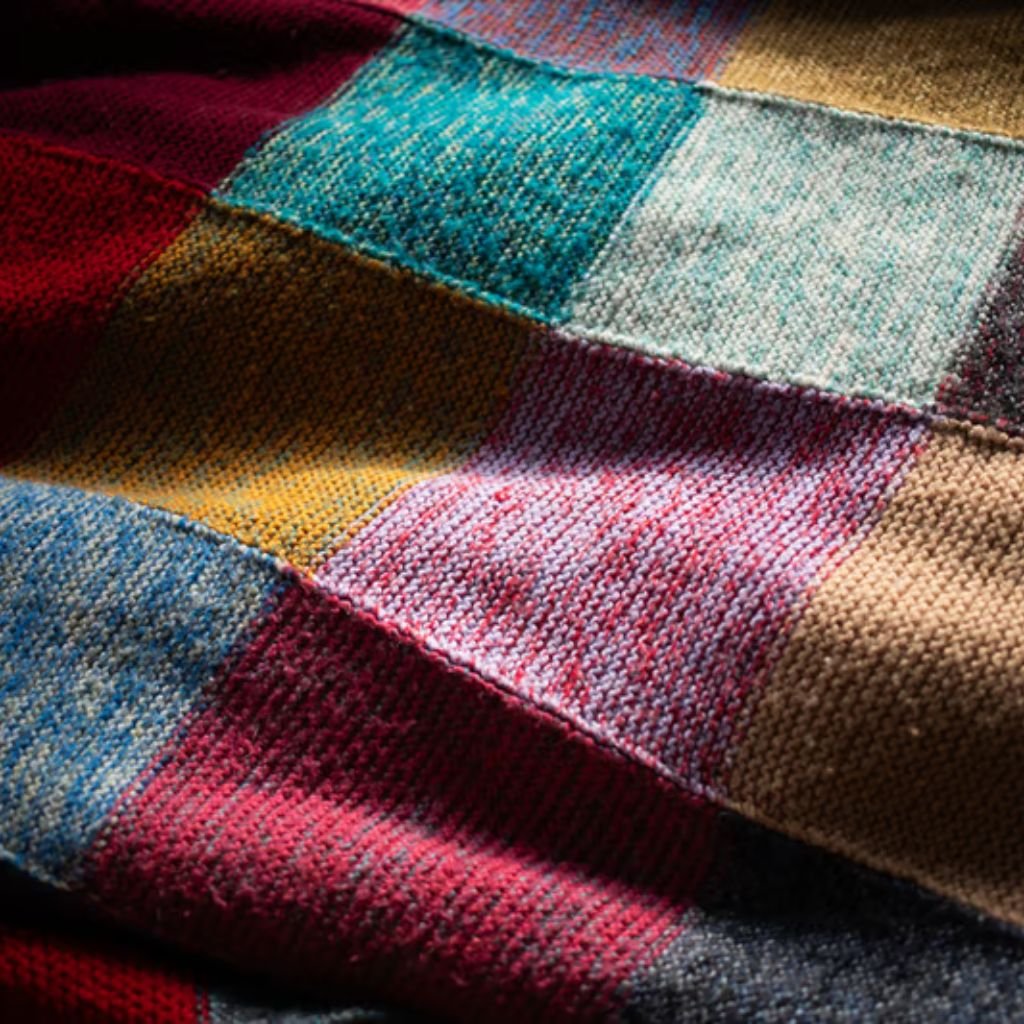
Sustainable wool fabric is widely used in winter clothing because it provides natural insulation without heavy weight. It helps retain body heat while allowing moisture to escape, which keeps wearers comfortable in cold conditions. Coats, sweaters, scarves, and jackets made from sustainable wool fabric offer long-lasting warmth and comfort. Because wool fibers regulate temperature naturally, these garments remain suitable for both outdoor and indoor wear.
Use of Sustainable Wool Fabric in Everyday Apparel
Beyond winter wear, sustainable wool fabric appears in everyday clothing such as cardigans, suits, and activewear. Its breathability and softness allow it to adapt to different climates and activity levels. Sustainable wool fabric also resists odors, which reduces the need for frequent washing. As a result, daily clothing made from wool stays fresh longer and requires less maintenance.
Sustainable Wool Fabric in Home Textiles
In home interiors, sustainable wool fabric brings warmth and durability to living spaces. It is commonly used in blankets, throws, carpets, and rugs because it resists wear and maintains shape over time. Wool fibers also help regulate indoor temperature and improve comfort. Additionally, wool’s natural resistance to dirt and allergens makes it suitable for healthy home environments.
Upholstery and Interior Design Applications
Sustainable wool fabric is also used in upholstery for furniture such as sofas, chairs, and cushions. Its strength allows it to withstand daily use while retaining an elegant appearance. Designers prefer wool upholstery because it combines comfort with sustainability. This makes it ideal for both residential and commercial interior spaces.
Renewable and Biodegradable Nature of Wool
Sustainable wool fabric stands out because it comes from a completely renewable natural source. Sheep grow a new fleece every year without harming their health or the environment. This natural regrowth makes wool a continuously available fiber, unlike synthetic materials that depend on limited fossil fuels. Because wool production follows a natural biological cycle, it supports long-term sustainability and responsible resource use.
Another major strength of sustainable wool fabric lies in its biodegradable nature. When wool reaches the end of its life, it breaks down naturally in soil. During this process, it releases valuable nutrients such as nitrogen back into the earth. As a result, wool does not contribute to long-term landfill waste or environmental pollution. This natural decomposition process makes wool far safer than plastic-based fibers.
Low Environmental Impact Compared to Synthetic Fabrics
Sustainable wool fabric has a significantly lower environmental impact when compared to synthetic materials. This difference becomes clear when examining raw materials, production methods, pollution levels, and long-term sustainability. While synthetic fabrics depend on fossil fuels and chemical processing, wool follows a natural and renewable cycle. Because of this, sustainable wool fabric supports a healthier relationship between fashion and the environment.
Natural Raw Materials Versus Petroleum-Based Fibers
Synthetic fabrics such as polyester and nylon originate from petroleum. This extraction process damages ecosystems and increases carbon emissions. Sustainable wool fabric, however, comes from sheep that naturally grow wool every year. Because sheep regenerate fleece without resource depletion, wool remains a renewable material. This natural origin reduces pressure on non-renewable resources and supports long-term environmental balance.
Microplastic Pollution Compared to Natural Fiber Shedding
One of the most serious environmental problems linked to synthetic fabrics is microplastic pollution. During washing, synthetic garments release tiny plastic particles into water systems. These particles harm marine life and enter the food chain. Sustainable wool fabric behaves very differently. Wool fibers shed naturally and biodegrade without polluting oceans or rivers. As a result, wool helps protect aquatic ecosystems.
Energy Use and Carbon Emissions During Production
Synthetic fabric manufacturing requires high temperatures, chemical reactions, and intensive energy use. These processes increase greenhouse gas emissions. In contrast, sustainable wool fabric relies more on biological growth and less on industrial energy. Although processing still requires energy, overall carbon emissions remain lower. Therefore, wool production supports climate-friendly manufacturing practices.
Durability and Long-Term Environmental Benefits
Sustainable wool fabric lasts longer than many synthetic alternatives. Wool fibers maintain strength, shape, and performance over time. Because garments last longer, consumers replace them less frequently. This reduced consumption lowers textile waste and production demand. Over the long term, durability significantly decreases environmental impact.
How Sustainable Wool Fabric Is Produced
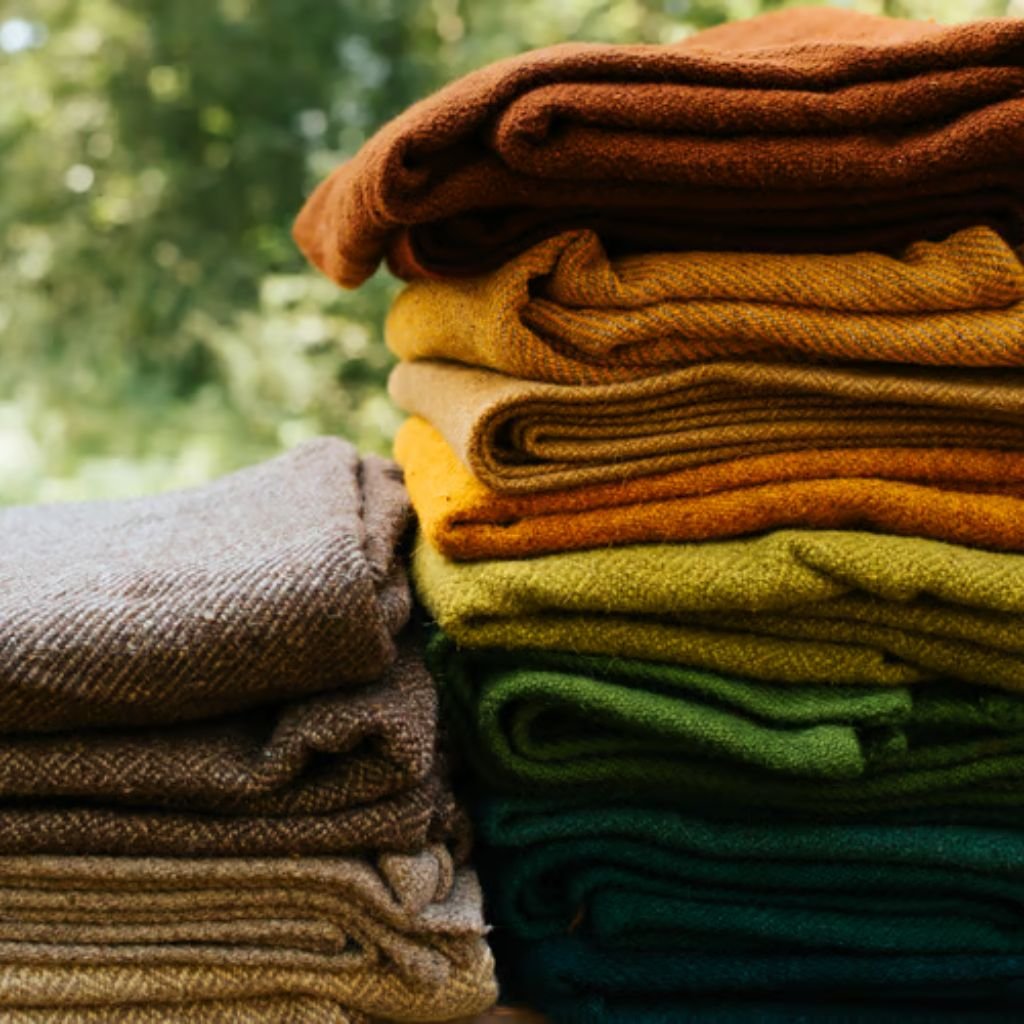
The production of sustainable wool fabric focuses on minimizing harm at every stage. Skilled professionals shear sheep carefully to ensure comfort and safety. Afterward, manufacturers clean the wool using biodegradable detergents and water-saving techniques. Wastewater receives proper treatment before release. Many producers also use natural dyes to reduce chemical pollution. These practices result in high-quality fabric with a low environmental footprint.
Environmental Benefits of Sustainable Wool Fabric
Sustainable wool fabric provides several environmental advantages. It reduces landfill waste through biodegradability and avoids microplastic pollution. Wool production also generates a lower carbon footprint than synthetic fibers. Additionally, sheep rely mainly on natural rainfall, which improves water efficiency. Because of these factors, sustainable wool fabric supports healthier ecosystems and long-term environmental stability.
Consumer Benefits of Sustainable Wool Fabric
Consumers enjoy numerous advantages when choosing sustainable wool fabric. Wool provides excellent insulation while remaining breathable and lightweight. It naturally regulates temperature, keeping wearers warm in cold conditions and comfortable in milder climates. Wool garments also last longer due to fiber strength and resilience. Additionally, wool resists odors and allergens, making it suitable for sensitive skin and daily wear.
Sustainable Wool Fabric Compared to Synthetic Alternatives
The comparison between sustainable wool fabric and synthetic fabrics highlights significant differences. Synthetic fibers release microplastics during washing, which harm marine life. Wool fibers biodegrade naturally and do not pollute waterways. Over time, wool garments offer better sustainability because they require fewer replacements. Therefore, wool remains a superior long-term textile choice.
Certifications That Verify Sustainable Wool Fabric
Certifications play a crucial role in confirming whether a product truly qualifies as sustainable wool fabric. In today’s market, many brands use sustainability claims as marketing tools. Because of this, certifications help consumers separate genuine ethical products from misleading ones. Verified certifications ensure that wool production follows strict environmental, animal welfare, and social responsibility standards. As a result, certifications build trust, transparency, and accountability across the textile supply chain.
Certified sustainable wool fabric gives consumers confidence that the material meets recognized global standards. These certifications cover every stage of production, from sheep farming to final fabric processing. They also encourage producers to maintain high ethical practices consistently. Therefore, certifications act as a guarantee of authenticity rather than a simple label.
How to Identify Authentic Sustainable Wool Fabric
Consumers can identify authentic sustainable wool fabric by reading labels carefully. Certifications provide reliable proof of ethical production. High-quality wool feels resilient, soft, and elastic. Transparent brands also share sourcing and manufacturing details openly. This level of traceability helps consumers make informed purchasing decisions.
Is Sustainable Wool Fabric Worth the Cost
Although sustainable wool fabric often costs more initially, it delivers strong long-term value. Wool garments last for many years and require fewer replacements. This durability reduces overall spending and waste. Additionally, purchasing sustainable wool supports ethical farming and environmental protection. Therefore, the price reflects both quality and responsibility.
Care Practices That Extend Wool Fabric Life
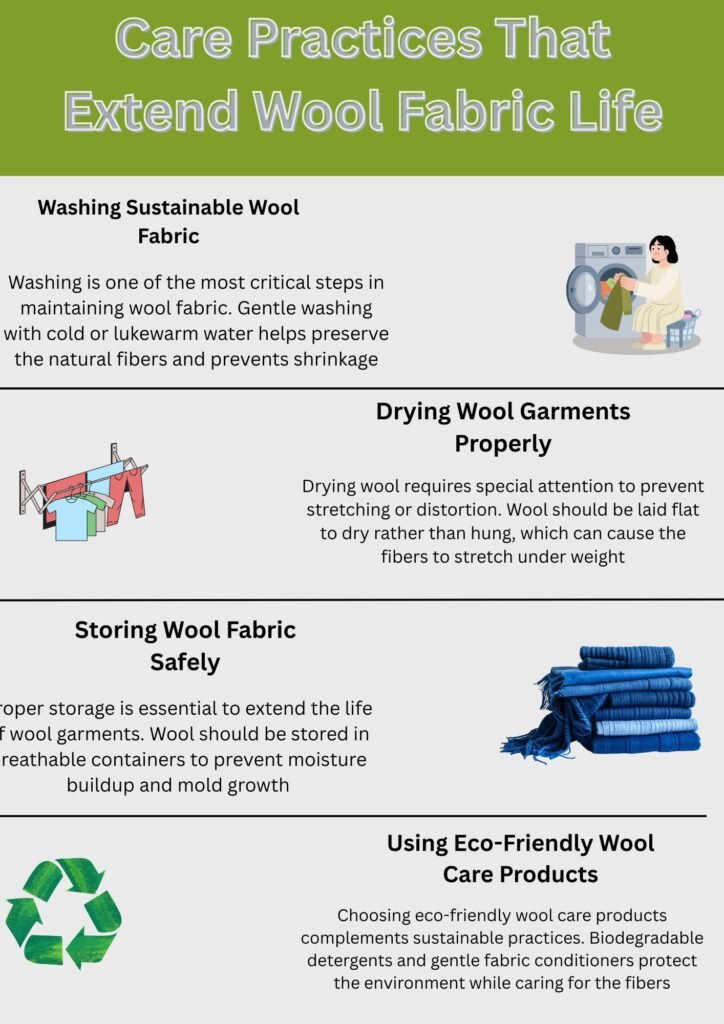
Sustainable wool fabric is naturally durable and long-lasting, but proper care ensures it maintains its quality and performance for years. Because wool fibers are delicate, following careful washing, drying, and storage methods can prevent shrinkage, distortion, or damage. Using eco-friendly products and mindful maintenance also protects both the fabric and the environment. With consistent care, wool garments continue to provide warmth, comfort, and aesthetic appeal while reducing the need for replacements.
Washing Sustainable Wool Fabric
Washing is one of the most critical steps in maintaining wool fabric. Gentle washing with cold or lukewarm water helps preserve the natural fibers and prevents shrinkage. Harsh detergents or high temperatures can damage the structure of wool, causing it to lose elasticity and softness. Many sustainable wool fabrics benefit from hand washing or machine washing on delicate cycles. Using mild, biodegradable detergents ensures the fabric remains safe for sensitive skin and avoids chemical pollution in water systems.
Drying Wool Garments Properly
Drying wool requires special attention to prevent stretching or distortion. Wool should be laid flat to dry rather than hung, which can cause the fibers to stretch under weight. Exposure to direct sunlight or high heat should be avoided, as it can weaken the fibers and fade colors. Air drying in a well-ventilated, shaded area maintains the shape and durability of the garment. Proper drying methods preserve the natural resilience and appearance of wool, allowing it to maintain its insulating properties over time.
Storing Wool Fabric Safely
Proper storage is essential to extend the life of wool garments. Wool should be stored in breathable containers to prevent moisture buildup and mold growth. Moth repellents, such as natural cedar or lavender sachets, help protect the fabric from insect damage without using harmful chemicals. Folding wool items rather than hanging them prevents stretching and deformation, especially for heavy garments like coats or sweaters. Thoughtful storage ensures that wool maintains its softness, shape, and performance season after season.
Using Eco-Friendly Wool Care Products
Choosing eco-friendly wool care products complements sustainable practices. Biodegradable detergents and gentle fabric conditioners protect the environment while caring for the fibers. Avoiding bleach, harsh chemicals, or synthetic softeners ensures wool remains breathable, durable, and non-toxic. Eco-conscious.
Common Myths About Sustainable Wool Fabric
Several myths surround sustainable wool fabric. Some believe wool harms the environment, despite its renewable and biodegradable nature. Others assume wool production causes animal cruelty, even though certified standards enforce humane treatment. Many people also think wool requires difficult care, although modern wool fabrics are easy to maintain. Understanding these facts helps remove misconceptions.
Future Outlook for Sustainable Wool Fabric
The future of sustainable wool fabric looks promising as innovation continues. Cleaner processing methods and energy-efficient technologies reduce environmental impact further. Circular fashion models increasingly rely on wool due to its recyclability and biodegradability. Consumer demand for ethical products continues to grow. As a result, sustainable wool fabric will remain a cornerstone of responsible fashion.
Conclusion
Sustainable wool fabric delivers natural warmth, durability, and ethical value. It protects animals, supports ecosystems, and reduces pollution. Its long lifespan and performance make it a smart investment for conscious consumers. Choosing sustainable wool fabric means supporting a cleaner planet and a more responsible fashion industry. Now is the perfect time to adopt ethical fashion choices that truly make a difference.
FAQs
Is sustainable wool fabric cruelty-free?
Sustainable wool fabric can be cruelty-free if it comes from farms that follow strict animal welfare standards. Certifications like the Responsible Wool Standard (RWS) ensure sheep are treated humanely, with proper nutrition, shelter, and careful shearing practices. Ethical wool production avoids harmful practices, ensuring animals are respected throughout their lives. Consumers can look for certified labels to confirm cruelty-free practices.
Does sustainable wool keep you warm?
Yes, sustainable wool fabric is highly effective at keeping you warm. Wool fibers trap air, creating natural insulation that regulates body temperature. It keeps heat in during cold weather while allowing moisture to escape, preventing overheating. This makes sustainable wool ideal for winter coats, sweaters, scarves, and even home textiles like blankets and carpets. Its warmth is natural, lightweight, and long-lasting.
Is sustainable wool better than organic cotton?
Sustainable wool fabric and organic cotton each have advantages, but wool is often better for warmth and durability. Wool regulates temperature efficiently, retains its shape, and is naturally odor-resistant. Organic cotton excels in softness and breathability but may not perform as well in cold or humid conditions. Additionally, wool is biodegradable and renewable, giving it a clear sustainability edge in certain climates and applications.