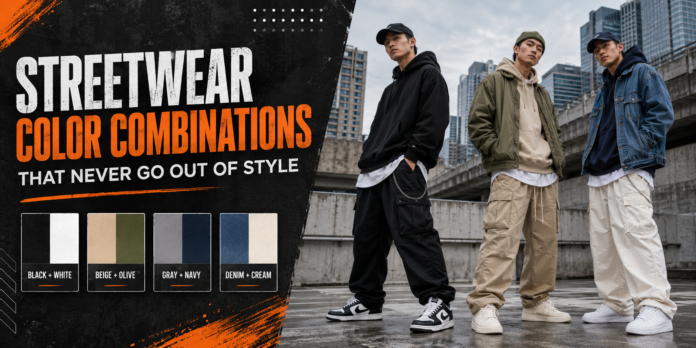
Color is one of the most powerful tools in streetwear. It communicates attitude, builds identity, and can transform an ordinary outfit into something genuinely memorable. But with so many options available, knowing which streetwear color combinations actually work — and which ones stand the test of time — is where a lot of people get stuck.
The good news is that great color combinations in streetwear aren’t random. There are clear, reliable principles behind the pairings that keep showing up season after season. Once you understand those principles, building outfits with strong, confident color becomes second nature rather than guesswork.
Whether you’re putting together everyday looks, building a brand, or stocking a retail range, this guide breaks down the color combinations that never go out of style in streetwear — and exactly why they work so well.
Why Color Matters So Much in Streetwear
Streetwear is a visual culture. It lives on social media, thrives in urban environments, and communicates identity before a single word is spoken. Color is at the center of all of that. The streetwear color combinations you choose directly affect how an outfit reads — whether it feels bold and confident, clean and minimal, or layered and complex.
Unlike formal fashion where color choices are often conservative and restrained, streetwear has always embraced color as a form of self-expression. From the bold primary colors of classic hip-hop aesthetics to the muted earth tones of contemporary outdoor-influenced streetwear, color has been a consistent defining element of the culture from the very beginning.
Understanding which combinations work and why gives you a foundation you can build on indefinitely — rather than constantly second-guessing every outfit decision.
Why It Matters — Key Benefits
Understanding timeless streetwear color combinations delivers real value for wearers, brands, and retailers. Here’s why it matters:
- Confident outfit building — Knowing which colors work together removes the uncertainty from getting dressed and builds genuine style confidence.
- Stronger wardrobe cohesion — A wardrobe built around reliable color principles creates pieces that work together naturally rather than clashing.
- Timeless appeal over trend dependence — Colors chosen for their enduring compatibility outlast purely trend-driven choices by years.
- Better brand identity — Brands that build consistent color systems create stronger visual recognition and more loyal customer bases.
- Smarter retail stocking — Retailers who understand color combinations stock ranges that sell together naturally rather than sitting as isolated pieces.
- More creative freedom — Understanding the rules gives you the foundation to break them confidently and creatively when the moment calls for it.
- Stronger social media visual impact — Well-chosen color combinations photograph better and perform stronger across the visual platforms that drive streetwear culture.
Black and White: The Foundation of Everything
If there’s one streetwear color combination that has proven itself completely timeless, it’s black and white. This pairing appears in every era of streetwear — from classic black and white Nike color-blocking to contemporary monochrome graphic streetwear — and it never loses its power.
The reason is simple. Black and white creates maximum contrast without requiring any complex color theory. It’s clean, bold, and readable from a distance — qualities that matter enormously in a visual culture like streetwear. Black and white outfits photograph with exceptional clarity, which is part of why they remain so popular in an era where social media presence shapes fashion trends.
Black and white also serves as the most versatile foundation for building a streetwear wardrobe. Every other color works with black and white — meaning pieces in this combination integrate seamlessly into virtually any existing wardrobe without creating coordination problems. A black hoodie with white graphic detail, white baggy jeans, and black and white sneakers creates a complete, cohesive streetwear look that requires zero complex color decision-making.
Monochromatic Outfits: One Color, Maximum Impact
The monochromatic approach — building an entire outfit in varying tones and shades of a single color — is one of the most impactful streetwear color combinations available. All-black outfits are the most common expression of this approach in streetwear, but all-grey, all-navy, all-olive, and all-camel monochromatic looks have all become equally strong choices in contemporary streetwear.
What makes monochromatic dressing so effective in streetwear is the way it simplifies the visual reading of an outfit. When the color story is consistent from top to bottom, the focus shifts to silhouette, texture, and proportion — which are exactly the elements that streetwear does best. An all-black layered look with a tee, hoodie, and cargo pants reads as deliberately intentional and stylish in a way that a randomly colored multi-piece outfit rarely achieves.
The key to making monochromatic streetwear work is varying the textures and tones within the single color family. All-black works best when the individual pieces bring different fabric textures — smooth cotton tee, fleece hoodie, and matte nylon jacket, for example. These textural variations create visual depth that prevents the outfit from looking flat or boring despite the single-color palette. Our baggy jeans shorts in neutral tones work beautifully as the foundation for this kind of tonal, monochromatic approach.
Neutral Base With One Bold Accent
One of the most reliable principles in streetwear color combinations is the neutral base with a single bold accent. This approach anchors the outfit in easily coordinated neutrals — black, white, grey, navy, or olive — and introduces one deliberately chosen accent color that becomes the focal point of the entire look.
The accent color can appear in a single piece — a bright red hoodie in an otherwise black and grey outfit, for example — or distributed across smaller elements like accessories, logos, and graphic details. Either approach works, as long as the accent color appears with enough visual weight to read as intentional rather than accidental.
This combination works so consistently across streetwear because it balances creativity with wearability. The neutral base keeps the outfit versatile and easy to style, while the bold accent gives it personality and visual interest. It’s the approach that most naturally produces the kind of put-together streetwear looks that feel effortless but clearly considered.
Some of the strongest neutral-plus-accent combinations in contemporary streetwear include black base with neon green or orange accent, grey base with burgundy or rust accent, navy base with white or cream accent, and olive base with black and white graphic accent.
Earth Tones: The Contemporary Streetwear Palette
Earth tones have become one of the defining streetwear color combinations of the current era — and their rise reflects broader cultural shifts toward natural materials, outdoor aesthetics, and a more grounded approach to fashion.
The earth tone palette in streetwear typically includes rust, camel, tan, olive, forest green, warm brown, terracotta, and sand. These colors work together naturally because they share the same warm undertones — creating outfits where any combination within the palette feels cohesive without requiring precise color matching.
Rust and olive is one of the strongest specific earth tone pairings in contemporary streetwear — the warmth of rust and the slightly cooler quality of olive create a natural tension that feels visually interesting without being jarring. Camel and brown creates a tonal, monochromatic earth tone look that feels luxurious and considered. Terracotta and sand brings warmth and lightness together in a combination that works particularly well in warmer weather streetwear contexts.
Earth tone streetwear also photographs beautifully in outdoor environments — parks, urban green spaces, and natural light settings where the warm tones of the palette interact naturally with their surroundings. This is part of why earth tone streetwear has thrived so strongly in the social media era. Our full fashion wear collection includes pieces across the full earth tone palette for exactly this reason.
Black and Red: The Classic Streetwear Statement
Few streetwear color combinations carry as much cultural weight as black and red. This pairing has deep roots in streetwear — from classic Air Jordan colorways to iconic hip-hop era fashion and contemporary luxury streetwear — and it continues to deliver maximum visual impact across every era of the culture.
Black and red works because the combination is inherently bold and high-contrast without requiring any additional styling complexity. A black and red color-blocked hoodie, a red graphic on a black tee, or black baggy jeans with a red outerwear piece all create immediate visual impact that reads strongly both in person and on camera.
The specific tone of red matters significantly in this combination. Deep, rich reds — burgundy, wine, and oxblood — create a more sophisticated, mature take on the classic black and red pairing that works across a wider range of styling contexts. Brighter, more saturated reds create a bolder, more aggressive visual statement that aligns more closely with the high-energy aesthetic of classic streetwear and sportswear.
Our hip hop baggy jeans in black pair naturally with red upper pieces, creating the kind of classic color-blocked streetwear look that has remained relevant across decades of the culture.
Navy and White: The Clean Coastal Combination
Navy and white is a streetwear color combination that brings a cleaner, fresher energy than the more aggressive black and red pairing — while maintaining the same high-contrast visual clarity that makes strong color combinations work in streetwear.
This pairing has roots in both athletic and nautical aesthetics — two visual worlds that have both exerted significant influence on streetwear over the years. Navy and white color-blocked jackets, navy tees with white graphics, and white baggy jeans with navy outerwear all create outfits that feel clean, confident, and visually sharp without being visually overwhelming.
Navy and white also works exceptionally well as a base for introducing accent colors. A navy and white foundation accepts almost any accent naturally — red, yellow, orange, and green all pop beautifully against a navy and white base — making it one of the most versatile starting points for building more complex color combinations in streetwear.
Grey and Neon: The Contrast Play
One of the most interesting contemporary streetwear color combinations is grey paired with neon accents. Grey — in its full range from light silver to deep charcoal — provides a perfectly neutral, understated base that allows neon colors to pop with maximum visual impact without overwhelming the overall outfit.
Neon green, neon orange, neon yellow, and electric blue all perform particularly well against a grey base. The contrast between the muted neutrality of grey and the aggressive brightness of neon creates a visual tension that feels genuinely dynamic and modern — aligning naturally with the technical, performance-influenced aesthetic that has become increasingly prominent in contemporary streetwear.
This combination works best when the neon appears in relatively contained doses — a neon graphic detail, a neon logo, neon laces, or a single neon accent piece — rather than as the dominant color of the entire outfit. Too much neon against grey creates visual exhaustion — the right amount creates exactly the kind of striking focal point that makes an outfit memorable.
Color Combinations to Approach With Care
Understanding streetwear color combinations that work also means knowing which combinations require more care to pull off successfully. Mixing multiple bold, saturated colors simultaneously — electric blue with neon orange and bright red, for example — creates visual chaos that overwhelms rather than impresses. If multiple bold colors are going to coexist in a single outfit, they need to be carefully distributed and balanced rather than appearing at equal intensity simultaneously.
Combining colors with clashing undertones — warm and cool colors that fight each other visually — can create an uncomfortable tension that makes an outfit feel unresolved. Pairing a warm rust tone with a cool blue-grey, for example, requires careful consideration of the specific tones involved to ensure the combination creates an interesting tension rather than a jarring clash.
Very light, pastel-dominant combinations can sometimes lose the visual confidence and edge that defines strong streetwear aesthetics — though contemporary pastel streetwear has developed its own sophisticated aesthetic that works beautifully when executed with the right pieces and proportions. Our off the shoulder dress styles work beautifully in softer, more feminine color combinations that bring a fresh energy to the broader streetwear aesthetic.
Building a Wardrobe Around Timeless Color Principles
The most practical application of understanding streetwear color combinations is using that knowledge to build a wardrobe where pieces work together naturally rather than existing as isolated individual items. The most effective approach is anchoring the wardrobe in versatile neutrals — black, white, grey, navy, and olive — that serve as the foundation for every outfit, then adding carefully chosen pieces in accent colors and earth tones that integrate naturally with that neutral base.
This approach means that virtually every piece in the wardrobe can be combined with virtually every other piece — creating maximum outfit flexibility from a relatively small number of individual items. It’s a smarter, more considered approach to building a streetwear wardrobe than buying individual pieces based purely on how they look in isolation without considering how they’ll integrate with everything else.
Explore our complete streetwear collection for pieces designed with exactly these color principles in mind — versatile neutrals, strong accent options, and earth tone pieces that integrate naturally into a cohesive streetwear wardrobe.
Conclusion
The streetwear color combinations that stand the test of time aren’t accidental — they’re built on clear principles of contrast, harmony, and visual balance that deliver consistent results across every season and styling context. Black and white, monochromatic tones, neutral plus accent, earth tones, and classic pairings like black and red all remain powerful precisely because they align with how the human eye processes color and visual information.
At Eco Jersey, we build streetwear pieces in colors chosen for their versatility, visual impact, and long-term relevance. Whether you’re putting together everyday looks or building a brand, we have the pieces you need. Ready to find your perfect color combination? Browse our complete streetwear collection and get in touch with our team today.
FAQs
What are the most timeless color combinations in streetwear?
Black and white, monochromatic neutrals, neutral base with bold accent, and earth tone combinations are the most consistently timeless color pairings in streetwear. They appear across every era of the culture and continue to deliver strong results regardless of specific trend cycles.
How many colors should a streetwear outfit include?
Two to three colors is the sweet spot for most streetwear outfits. One dominant neutral base, one secondary color, and one optional accent creates enough visual interest without becoming overwhelming or difficult to coordinate.
Can bold, bright colors work in streetwear without looking overwhelming?
Yes — when balanced correctly. The most reliable approach is pairing bold, bright colors against neutral bases rather than combining multiple bold colors simultaneously. A single bold color piece in an otherwise neutral outfit creates maximum visual impact without overwhelming the overall look.
What color combinations work best for building a versatile streetwear wardrobe?
Anchoring a wardrobe in black, white, grey, navy, and olive neutrals — then adding carefully chosen accent pieces in earth tones and one or two bold colors — creates the most flexible foundation for building a wide range of cohesive streetwear outfits from a relatively small number of individual pieces.