Home Blog Page 70

Heat Trap Insulation Fabric: Advanced Warmth for Winter Wear

0

Heat Trap Insulation Fabric is a modern thermal material made to keep warmth inside clothing. It works by trapping warm air near the body, which reduces heat loss in cold weather. Because of its advanced design, it delivers strong warmth without adding heavy weight. This is why many winter clothing brands now prefer this insulation for jackets and thermal wear. Moreover, it provides comfort and softness, which makes it suitable for daily winter use.

Heat Trap Insulation Fabric is also popular because it supports energy efficiency. It reduces the need for thick layering, therefore winter outfits feel lighter and easier to wear. In addition, it often includes wind-blocking and moisture control features. As a result, it performs well in both outdoor and indoor winter environments. People choose it because it offers warmth, flexibility, and long-term performance.Heat Trap Insulation Fabric:

How Heat Trap Insulation Fabric Works (Heat Retention Explained)

Heat Trap Insulation Fabric works by reducing the natural heat loss that happens when the body faces cold air. In winter conditions, the body produces heat, but outside air quickly pulls it away. However, this fabric slows down that process by trapping warm air inside its structure. Therefore, it creates a protective barrier that keeps the warmth closer to the skin.

This insulation uses micro air pockets that act like tiny heat chambers. These pockets hold warm air and stop it from escaping too fast. Moreover, the fabric reduces cold airflow entering the clothing. As a result, it helps maintain stable body temperature even when the weather becomes harsh. That is why it is widely used in winter jackets and thermal clothing systems.
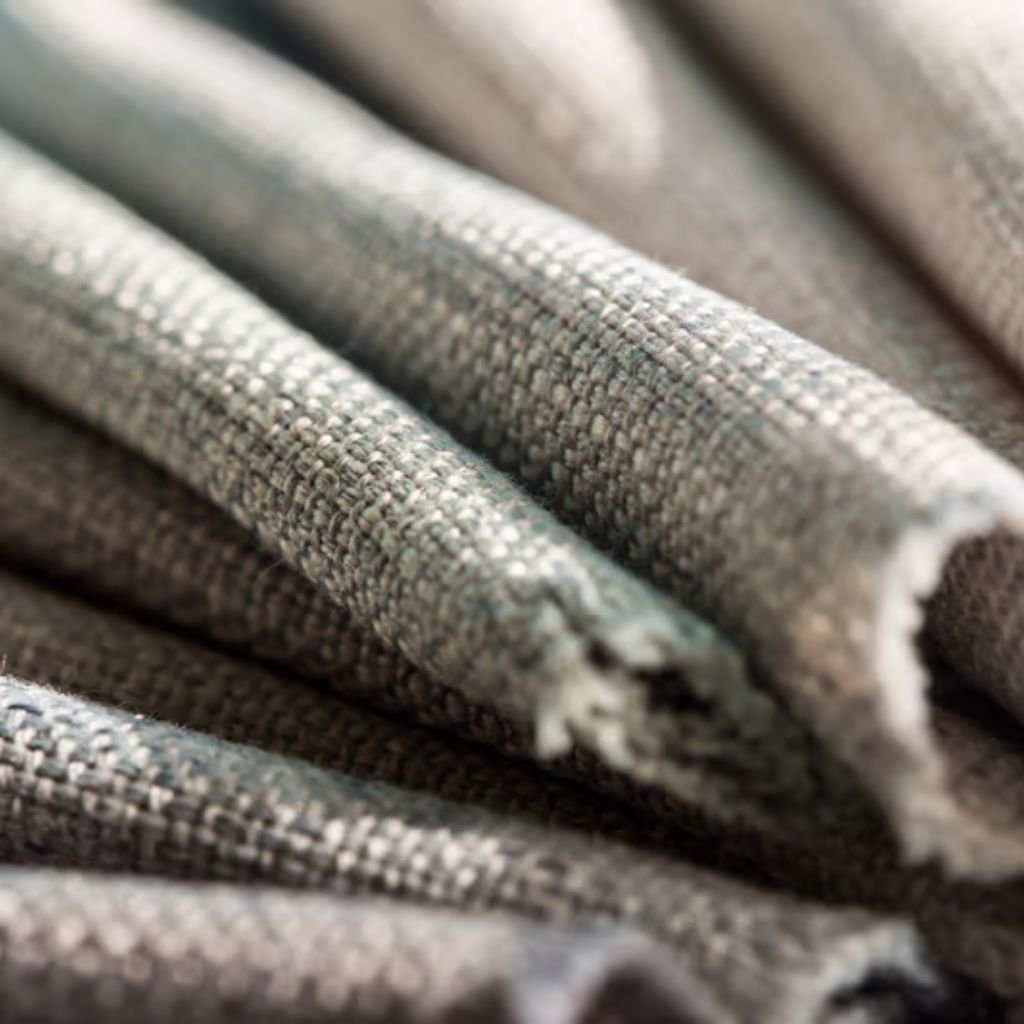
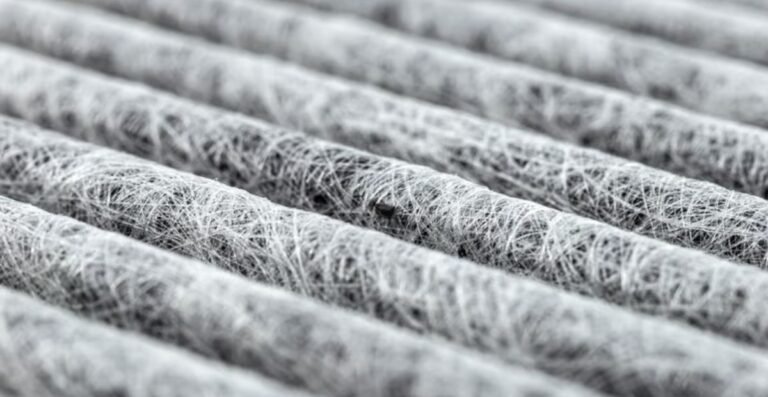
Alt text: "Close-up of folded gray woven fabric with a tight texture, showing soft highlights and shadows along the folds."
Heat Trap Insulation Fabric:
Caption: “Close-up of folded gray woven fabric, highlighting texture and depth.”

Heat Retention Mechanism in Heat Trap Insulation Fabric

The body constantly releases heat, even when a person is not moving. However, cold air reduces this heat quickly. Heat Trap insulation fabric prevents rapid heat loss by holding warm air close to the body. Therefore, it improves thermal comfort and winter safety.

This insulation method works because trapped air is a weak heat conductor. As a result, warmth stays protected between the body and the outer cold environment. Moreover, the structure keeps working even during long winter exposure. This is why many people trust this insulation for cold climates.

Air-Trapping Technology Explained Simply

The air-trapping system is the main reason behind the fabric’s high warmth performance. It contains layers of fibers designed to create small air gaps. These gaps hold warm air and reduce heat escape. Therefore, the body stays warmer for longer periods.

Moreover, the fiber arrangement reduces cold wind movement inside the clothing. This is important because wind often increases the cold feeling. As a result, the insulation stays effective even when weather conditions become rough.

Comparison with Traditional Insulation Methods

Traditional insulation often uses thick padding or heavy stuffing. However, thick stuffing makes winter clothing bulky and uncomfortable. Heat trap insulation fabric focuses on smart thermal structure instead of thickness. Therefore, it gives warmth without making the garment heavy.

In addition, traditional insulation may lose shape after repeated use. However, heat trap fabric often stays stable because of engineered fibers. As a result, it performs better in modern winter clothing compared to older insulation materials.

History of Heat Trap Insulation Fabric

Heat Trap Insulation Fabric is a modern concept, but its history connects with older insulation methods used for centuries. In the past, people relied on natural materials like wool, fur, and feathers to stay warm. These materials worked well because they trapped air inside their fibers. Therefore, the basic idea of heat trapping existed long before advanced fabrics were invented.

During the 20th century, winter clothing started changing because industries introduced synthetic fibers. Polyester and nylon became popular because they were strong, lightweight, and easy to produce. Moreover, these materials dried faster than wool and cotton. As a result, textile companies began experimenting with synthetic insulation to improve warmth without heavy thickness.

Key Features of Heat Trap Insulation Fabric

It also offers moisture resistance, which helps prevent damp cold feelings. In addition, it blocks wind effectively, which improves protection during harsh winter conditions. The fabric texture is usually soft, so it feels comfortable against the skin. As a result, it is often used in premium winter clothing collections.

Thermal Retention Capability

The strongest feature of heat trap fabric is its ability to retain warmth. It traps warm air inside micro pockets and holds it close to the body. Therefore, the body stays warmer even in freezing conditions.

Moreover, this insulation works consistently because the structure stays stable. As a result, warmth remains balanced throughout the day. This makes it a reliable fabric choice for winter outerwear.

Lightweight and Breathable Design

Unlike heavy insulation padding, this fabric stays light. Therefore, it reduces stress on the body during movement. Moreover, it allows controlled airflow, which prevents overheating.

Breathability is important because winter clothing often causes sweat buildup. However, heat trap insulation reduces that problem. As a result, it keeps comfort stable during outdoor activities.

Moisture Resistance

Moisture can reduce insulation performance quickly. However, heat trap fabric often includes moisture-resistant fiber structures. Therefore, it prevents water absorption and keeps insulation dry.

Moreover, this feature reduces the damp feeling in winter. As a result, the body stays warmer and more comfortable. It is especially useful for snow and light rain conditions.

Wind-Blocking Properties

Wind is one of the biggest reasons for winter discomfort. Heat trap insulation fabric reduces wind penetration through its tight structure. Therefore, it protects the body from wind chill effects.

Moreover, it works well when combined with outer shell fabrics. As a result, winter jackets provide stronger protection in open outdoor environments.

Soft Texture and Flexibility

Many insulation fabrics feel rough or stiff. However, heat trap insulation is often designed to be soft and flexible. Therefore, it allows comfortable movement during daily use.

Moreover, the smooth texture improves wearability. As a result, it is widely used in thermal innerwear and winter coats.

Benefits of Heat Trap Insulation Fabric

Heat Trap Insulation Fabric offers multiple benefits for winter wear. It provides warmth without heavy bulk, therefore it improves comfort. Moreover, it supports efficient insulation performance in cold climates. However, it also maintains flexibility, which is important for daily movement.
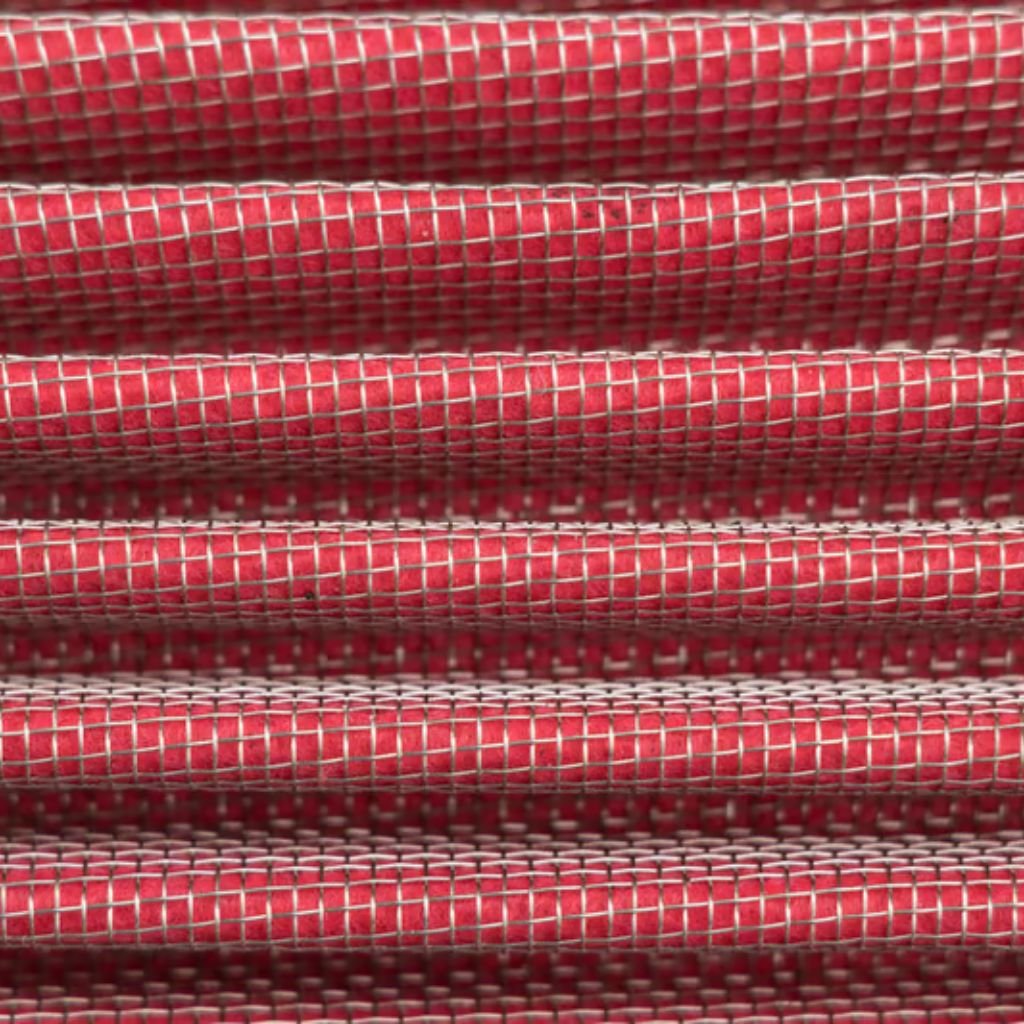
Alt text: "Close-up of stacked red fabric with a white grid weave pattern, showing a textured, shiny surface."
Heat Trap Insulation Fabric:
Caption: “Close-up of red, grid-weave fabric rolls with a reflective finish.”

Keeps the Body Warm in Extreme Cold

This fabric traps warm air and holds it near the skin. Therefore, it protects the body from extreme cold exposure. Moreover, it reduces sudden cold shocks in freezing temperatures.

Energy-Efficient Insulation

Heat trap fabric reduces heat loss, therefore the body stays warm longer. Moreover, it helps the body conserve energy during cold weather. This is important because the body uses more energy in winter environments.

Reduces Bulk in Winter Clothing

Many traditional winter coats look thick and oversized. However, heat trap insulation provides warmth without thick padding. Therefore, jackets feel slimmer and lighter.

Comfortable for Long Wear

This insulation fabric often feels soft and smooth. Therefore, it does not irritate skin easily. Moreover, breathable design prevents overheating in indoor spaces.

Cost-Effective in the Long Run

High-quality insulation lasts longer than cheap padding. Therefore, garments stay usable for many years. Moreover, the insulation does not flatten easily when cared for properly.

Types of Heat Trap Insulation Fabric

Heat trap insulation comes in different types depending on material and structure. Each type has its own warmth level and performance features. Therefore, buyers should understand these types before choosing winter clothing. Moreover, brands select insulation types based on climate and design requirements.
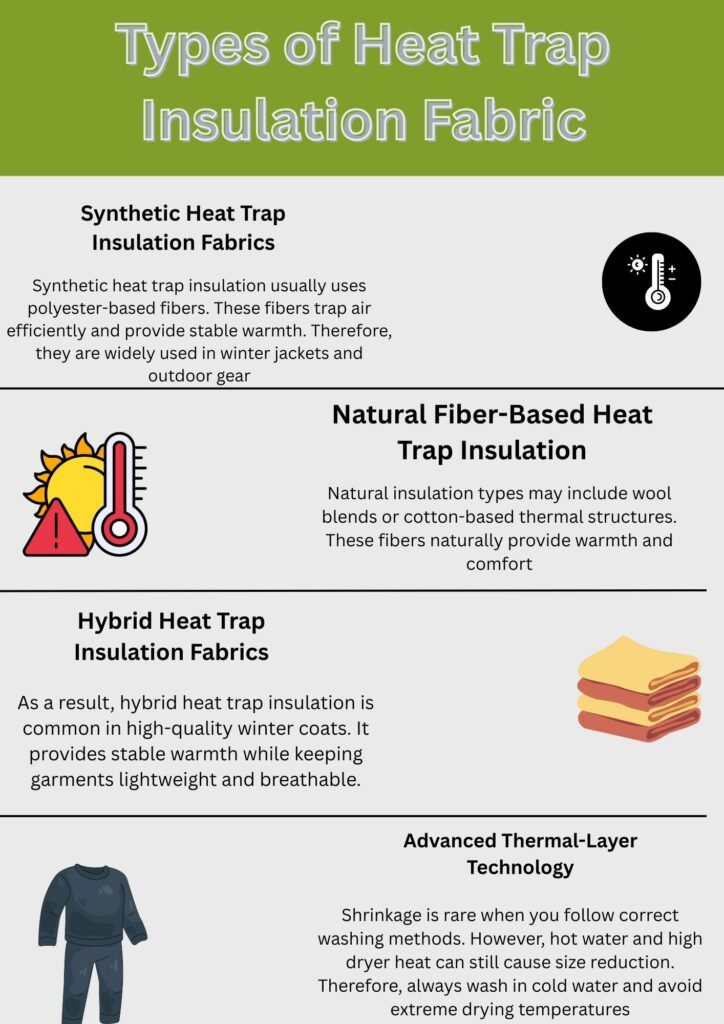
Alt text: "Infographic titled Types of Heat Trap Insulation Fabric, with sections and icons illustrating different insulation types."
Heat Trap Insulation Fabric:
Caption: “Types of Heat Trap Insulation Fabric – an infographic overview.”

Synthetic Heat Trap Insulation Fabrics

Synthetic heat trap insulation usually uses polyester-based fibers. These fibers trap air efficiently and provide stable warmth. Therefore, they are widely used in winter jackets and outdoor gear.

Moreover, synthetic insulation dries faster than natural fibers. As a result, it works well in wet climates. Therefore, it is a strong choice for snow regions and rainy winters.

Natural Fiber-Based Heat Trap Insulation

Natural insulation types may include wool blends or cotton-based thermal structures. These fibers naturally provide warmth and comfort. Therefore, they feel pleasant against the skin.

However, natural insulation may absorb more moisture. Still, it provides excellent softness and warmth. As a result, it is popular in premium winter innerwear.

Hybrid Heat Trap Insulation Fabrics

Hybrid insulation combines synthetic and natural fibers. Therefore, it balances softness with durability. Moreover, it improves moisture control compared to pure natural insulation.

As a result, hybrid heat trap insulation is common in high-quality winter coats. It provides stable warmth while keeping garments lightweight and breathable.

Advanced Thermal-Layer Technology

Some heat trap insulation uses advanced layered sheets. These layers may include reflective coatings or structured fiber mats. Therefore, they boost warmth while staying thin.

Moreover, these technologies improve performance in extreme cold. As a result, they are often used in technical outdoor jackets and survival gear.

Common Uses of Heat Trap Insulation Fabric

Heat Trap Insulation Fabric is used in many winter products today. It supports clothing, outdoor gear, and even household insulation. Therefore, it is considered a multi-purpose thermal material. Moreover, its lightweight nature makes it suitable for modern fashion needs.

This fabric is commonly used in winter outerwear. It is also used in bedding and blankets for extra warmth. In addition, outdoor equipment companies use it for sleeping bags and gloves. As a result, it has become a trusted insulation solution for many industries.
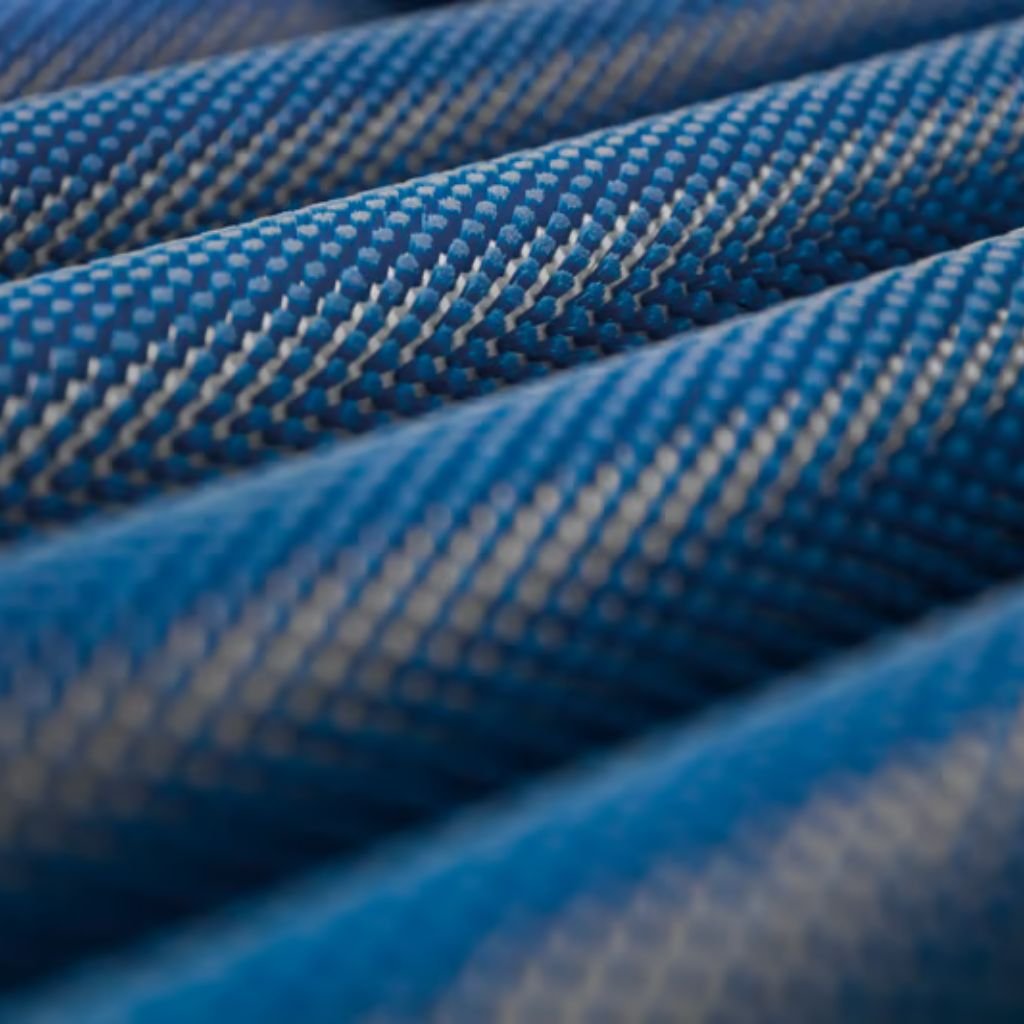
Alt text: "Close-up of several rolls of blue textured fabric with a woven pattern, showing variations in blue shades and a subtle sheen."
Heat Trap Insulation Fabric:
Caption: “Close-up view of blue textured fabric rolls, highlighting the weave and color variations.”

Winter Jackets and Coats

Winter coats need insulation that performs well in freezing weather. Heat trap insulation provides warmth without heavy thickness. Therefore, coats feel comfortable and easy to wear.

Thermal Wear and Activewear

Thermal wear requires warmth and breathability. Heat trap fabric supports both features. Therefore, it is ideal for winter sports clothing.

Bedding and Blankets

Heat trap insulation is also used in winter blankets. It traps warmth and reduces cold air penetration. Therefore, it improves sleeping comfort in cold nights.

Outdoor Gear and Winter Accessories

Outdoor products need high insulation performance. Sleeping bags often use heat trap layers for warmth retention. Therefore, campers stay warm even in freezing weather.

Home Insulation and Upholstery

Heat trap insulation is also used in furniture and home products. Some insulated curtains use this fabric to reduce heat loss. Therefore, rooms stay warmer during winter.

Moreover, upholstery insulation improves comfort on furniture surfaces. As a result, homes feel cozy and protected. Therefore, this fabric is useful beyond clothing applications.

Heat Trap Insulation Fabric vs Other Thermal Fabrics

Many winter fabrics provide warmth, but performance varies. Heat trap insulation focuses on air-trapping technology. Therefore, it provides better warmth with less weight. Moreover, it often performs well in windy conditions.

Fleece provides comfort but may not block wind well. Down provides strong warmth but struggles with moisture. Thermal lining fabric provides basic insulation but may not match advanced heat-trap performance. As a result, heat trap insulation fabric is often a balanced choice for modern winter wear.

Is Heat Trap Insulation Fabric Breathable?

Heat trap insulation fabric is usually breathable, depending on design. It allows moisture vapor to move outward while keeping warmth trapped. Therefore, it prevents sweat buildup. Moreover, it reduces discomfort during long wear.

Breathability is important for winter activewear. Without airflow, sweat stays trapped and makes clothing damp. However, heat trap insulation balances warmth and ventilation. As a result, it stays comfortable during physical activities and daily movement.

Moisture Management Explanation

Moisture can reduce warmth if it stays inside clothing. Heat trap insulation fabric helps manage this problem. It allows vapor to escape through fiber channels. Therefore, clothing stays dry and warm.

Moreover, this moisture control prevents cold dampness. As a result, users stay comfortable in changing temperatures. Therefore, it is a strong choice for winter layering systems.

Sweat Evaporation Process

Sweat evaporates when it moves away from skin. Heat trap fabric supports this process through breathable layers. Therefore, moisture escapes while warmth remains protected.

Moreover, this prevents the sticky feeling that happens during winter workouts. As a result, it improves comfort. Therefore, athletes often prefer this insulation in thermal clothing.

Comfort During Physical Activity

During movement, the body produces extra heat and sweat. Heat trap insulation fabric keeps warmth stable while allowing airflow. Therefore, it reduces overheating.

Moreover, it supports flexibility and easy movement. As a result, it is used in sports jackets and thermal leggings. Therefore, it fits well for hiking and winter running.

How to Choose the Right Heat Trap Insulation Fabric

Choosing the right heat trap insulation depends on your climate and purpose. A light version may work for mild winters. However, thicker insulation is better for snow regions. Therefore, buyers should match insulation level with weather conditions.

In addition, layering style matters for winter clothing. Some people prefer thin insulation for base layers. Others prefer heavy insulation for coats. As a result, selecting the right fabric type improves comfort and performance. Moreover, durability should also be considered for long-term value.

Climate Considerations

Cold climates require stronger insulation performance. Therefore, thicker heat trap insulation works better in extreme winters. However, moderate climates need lighter insulation.

Moreover, the wrong choice may cause discomfort. As a result, always consider temperature range before buying. Therefore, climate awareness is essential for smart selection.

Fabric Thickness and Layering Needs

Thickness directly affects warmth level. Therefore, thick insulation suits jackets and outdoor gear. However, thin insulation suits inner thermal wear.

Moreover, layered clothing systems often work best in winter. As a result, heat trap fabric works well in both thin and thick forms. Therefore, buyers can choose based on clothing style.

Intended Use: Fashion vs Performance

Fashion winter wear focuses on comfort and style. Therefore, lightweight insulation is often enough. However, performance wear requires stronger protection.

Moreover, outdoor sports demand breathable insulation. As a result, advanced heat trap fabrics are used in activewear. Therefore, intended use must guide the purchase decision.

Durability and Maintenance Needs

Durability matters because winter clothing is expensive. Therefore, buyers should check stitching quality and insulation strength. Moreover, washable insulation offers better convenience.

However, improper washing can reduce insulation life. As a result, maintenance requirements should be checked. Therefore, fabric durability is a key buying factor.

Care & Maintenance Tips for Heat Trap Insulation Fabric

Care plays a major role in insulation performance. If you wash insulation incorrectly, fibers can flatten. Therefore, warmth may decrease over time. Moreover, harsh detergents can damage the fabric structure.

Proper drying and storage also matter. If you store winter clothing in damp conditions, insulation quality can suffer. Therefore, you should keep garments clean and dry. As a result, heat trap insulation can last many winter seasons and stay effective.
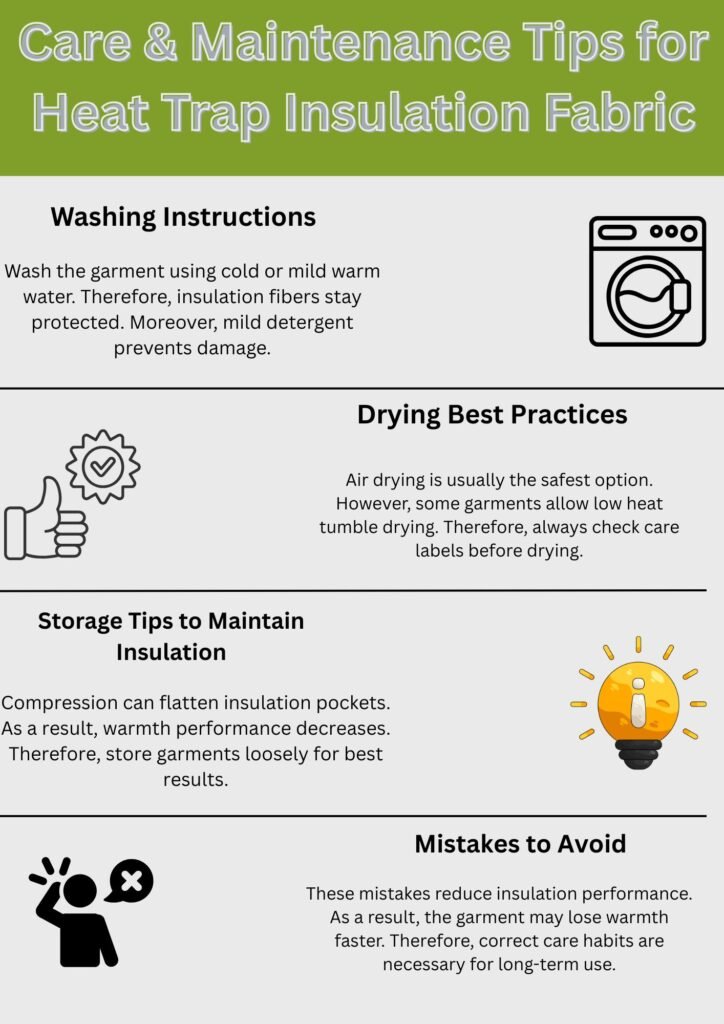
Alt text: "Small instructional infographic titled 'Care & Maintenance Tips for Heat Trap Insulation Fabric' with sections on Washing Instructions, Drying Best Practices, Storage Tips, and Mistakes to Avoid."
Heat Trap Insulation Fabric:
Caption: “Care and maintenance tips for heat trap insulation fabric.”

Washing Instructions

Wash the garment using cold or mild warm water. Therefore, insulation fibers stay protected. Moreover, mild detergent prevents damage.

Avoid strong chemicals because they weaken fabric structure. As a result, insulation stays stable after washing. Therefore, gentle cleaning improves fabric lifespan.

Drying Best Practices

Air drying is usually the safest option. However, some garments allow low heat tumble drying. Therefore, always check care labels before drying.

High heat can melt or flatten synthetic fibers. As a result, insulation loses its air-trapping ability. Therefore, gentle drying is always recommended.

Storage Tips to Maintain Insulation

Store insulated clothing in a dry place. Therefore, moisture cannot damage the fabric. Moreover, avoid compressing jackets for long periods.

Compression can flatten insulation pockets. As a result, warmth performance decreases. Therefore, store garments loosely for best results.

Avoid bleach because it weakens fiber structure. Do not iron insulation layers because heat can flatten them. Moreover, avoid storing clothing when it is damp.

Mistakes to Avoid

These mistakes reduce insulation performance. As a result, the garment may lose warmth faster. Therefore, correct care habits are necessary for long-term use.

Sustainability & Eco-Friendly Aspects of Heat Trap Insulation Fabric

Sustainability is becoming important in winter clothing production. Many heat trap insulation fabrics now use recycled materials. Therefore, they reduce plastic waste. Moreover, durable insulation reduces the need for frequent replacement.
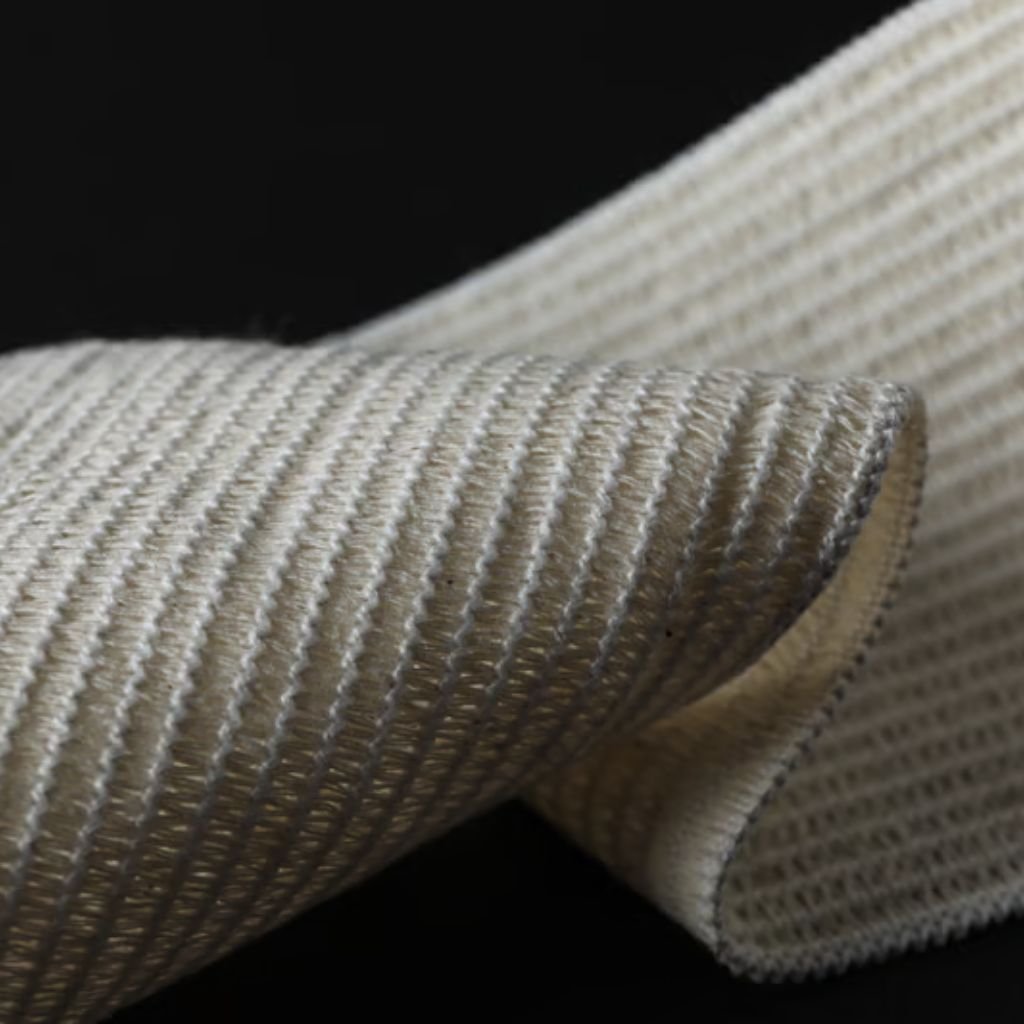
Caption: "A tactile close-up of ribbed, military-inspired fabric showcasing its sturdy weave and subtle color variation."
Heat Trap Insulation Fabric:
Caption: “A tactile close-up of ribbed, military-inspired fabric showcasing its sturdy weave and subtle color variation.”

Recyclable Insulation Materials

Some manufacturers use recycled polyester fibers. These fibers often come from plastic bottles. Therefore, waste is reused instead of thrown away.

Moreover, recycled insulation still performs well in winter. As a result, eco-friendly winter wear becomes more accessible. Therefore, it is a good option for sustainable buyers.

Energy Saving Benefits

Warm insulation reduces the need for heavy indoor heating. Therefore, people save electricity and fuel. Moreover, this reduces carbon emissions.

As a result, insulated winter clothing supports a more energy-efficient lifestyle. Therefore, heat trap insulation has environmental value beyond fashion.

Comparison with Natural Alternatives

Natural insulation like wool is biodegradable. However, it requires farming resources and animal care. Synthetic heat trap insulation may reduce animal-based dependency.

Moreover, modern recycled fibers reduce environmental harm. As a result, heat trap insulation can be a responsible choice. Therefore, sustainability depends on production quality and recycling methods.

Latest Innovations in Heat Trap Insulation Technology

Heat trap insulation continues to improve with modern textile science. Companies now focus on thinner, warmer, and lighter insulation. Therefore, winter clothing is becoming more comfortable than before. Moreover, new technology improves moisture control and flexibility.

Smart Thermal Fabrics

Smart insulation fabrics can adjust warmth automatically. They may trap more heat in cold conditions. However, they may release excess heat when temperatures rise.

Therefore, comfort stays balanced in changing environments. Moreover, these fabrics reduce overheating risk. As a result, they are becoming popular in premium outdoor clothing.

Nano-Insulation Technology

Nano insulation uses extremely fine fibers. These fibers create smaller air pockets than traditional insulation. Therefore, warmth increases even with thin layers.

Moreover, nano insulation reduces weight significantly. As a result, jackets become easier to wear and carry. Therefore, this innovation is important for travelers and athletes.

Lightweight High-Performance Insulation

Modern heat trap fabrics now provide strong warmth with less thickness. Therefore, winter coats feel less bulky. Moreover, they support better flexibility and comfort.

As a result, this technology improves both fashion and performance wear. Therefore, it is widely used in modern winter product development.

Conclusion

Heat Trap Insulation Fabric is an advanced winter insulation solution designed for modern comfort. It traps warm air, blocks wind, and reduces heat loss effectively. Therefore, it provides excellent warmth even in freezing conditions. Moreover, it stays lightweight and breathable, which makes it perfect for long wear.

It is also useful for coats, thermal wear, bedding, and outdoor gear. As a result, it has become a trusted choice in winter industries. In addition, its durability and energy efficiency make it a smart long-term investment. Therefore, if you want warmth without heavy bulk, heat trap insulation is one of the best options available today.

FAQs

Is Heat Trap Insulation Fabric good for extreme cold?

Yes, it performs well in extreme cold climates. It traps warm air and reduces heat loss quickly. Therefore, it protects the body effectively. However, thickness level still matters for harsh winter conditions.

Is it better than fleece or wool?

It is often warmer than fleece in windy conditions. Moreover, it provides better warmth with less weight than wool. However, wool may offer a more natural feel. Therefore, the best option depends on your personal needs.

Can it be used in sportswear?

Yes, it is commonly used in sportswear and activewear. It provides warmth without restricting movement. Moreover, it supports breathability during exercise. Therefore, it is ideal for winter sports clothing.
Polar Warm Weave Fabric Explained: Features, Benefits & Uses

0

Polar Warm Weave Fabric Explained as a modern winter textile made for strong cold-weather protection. It uses a dense weave structure that helps trap warm air inside the fabric. At the same time, it blocks icy winds from reaching the body. Because of this special design, it provides warmth without feeling overly bulky. Many winter brands now use it in jackets and thermal wear because it offers reliable insulation. As a result, it has become a popular choice for extreme winter conditions.

Moreover, this fabric is preferred because it supports comfort during long outdoor wear. Instead of wearing many heavy layers, users can rely on fewer layers. This makes movement easier during winter activities. Additionally, its soft surface improves the wearing experience.Polar Warm Weave Fabric Explained: Therefore, Polar Warm Weave Fabric has become a strong solution for both outdoor and daily winter clothing needs.

What Is Polar Warm Weave Fabric? (Core Keyword Section)

Polar Warm Weave Fabric Explained as a specially engineered winter fabric designed to deliver high thermal insulation. The term “Polar” represents its ability to perform in freezing temperatures. Meanwhile, “Warm Weave” highlights the special weaving method that creates heat retention. Unlike regular winter fabrics that depend only on thickness, this fabric uses structure to hold warmth. Polar Warm Weave Fabric Explained:Because of this, it performs better even when the garment feels lighter. It is considered a premium textile in winter clothing production.

History of Polar Warm Weave Fabric Explained

Polar Warm Weave Fabric Explained as a modern innovation in winter textile development. Although the exact name sounds new, the concept behind it comes from older cold-weather fabric techniques. For centuries, people in polar and mountain regions relied on tightly woven wool and layered cloth to survive harsh winters. These early fabrics focused on trapping heat and blocking wind. Over time, textile makers improved weaving machines and fiber quality. As a result, winter fabrics became lighter, stronger, and more comfortable. This slow evolution created the foundation for Polar Warm Weave technology.

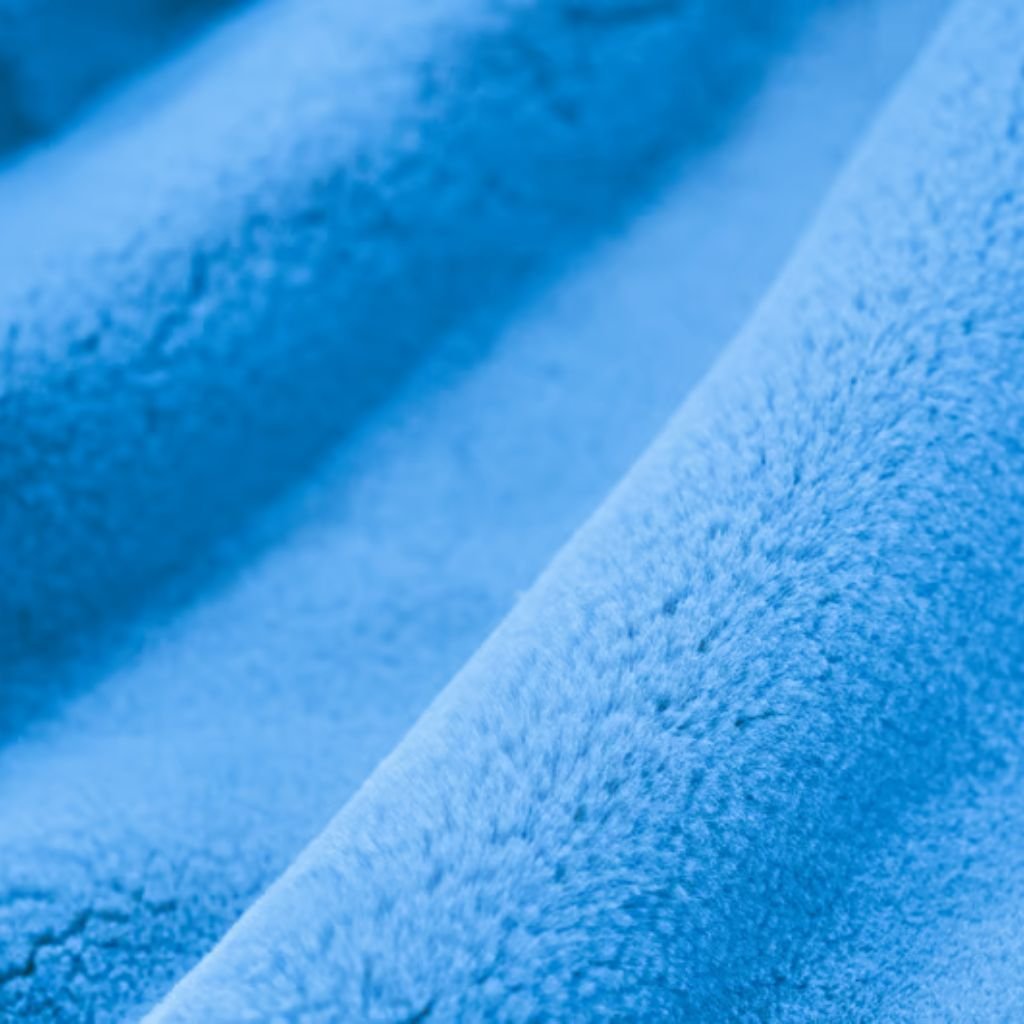
Alt text: A close-up of soft, blue fabric with a plush, velvety texture and gentle folds.Polar Warm Weave Fabric Explained:
Caption: Soft blue fabric with a plush texture and folds.

Types of Polar Warm Weave Fabric Explained

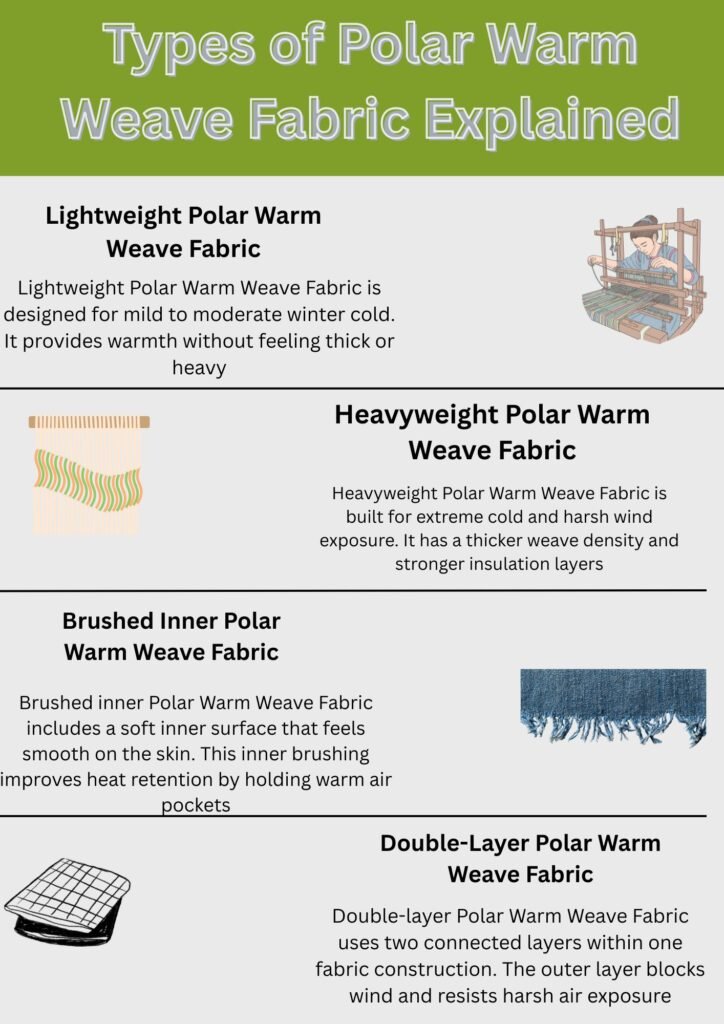
Polar Warm Weave Fabric Explained as a fabric category that includes several types based on weave style, thickness, lining, and fiber blend. Although the main purpose stays the same, different types are designed for different winter needs. Some versions focus on lightweight comfort for daily use. Polar Warm Weave Fabric Explained:Meanwhile, other versions focus on extreme insulation for harsh outdoor climates. Because of these variations, buyers can choose the best type for their weather conditions. Therefore, understanding the types helps in selecting the right winter garment.

Alt text: A colorful infographic titled "Types of Polar Warm Weave Fabric Explained" with four sections: Lightweight Polar Warm Weave Fabric, Heavyweight Polar Warm Weave Fabric, Brushed Inner Polar Warm Weave Fabric, and Double-Layer Polar Warm Weave Fabric. Each section includes a small illustration and descriptive text on a light gray background with a green header.
Polar Warm Weave Fabric Explained:
Caption: Infographic explaining four types of polar warm weave fabrics.

Lightweight Polar Warm Weave Fabric

Lightweight Polar Warm Weave Fabric is designed for mild to moderate winter cold. It provides warmth without feeling thick or heavy. Because the weave is still dense, it blocks wind better than normal fabric. However, it remains breathable and comfortable for daily wear. This type is commonly used in hoodies, sweatshirts, and light winter jackets. Therefore, it suits people who want warmth without bulky outerwear.

Heavyweight Polar Warm Weave Fabric

Heavyweight Polar Warm Weave Fabric is built for extreme cold and harsh wind exposure. It has a thicker weave density and stronger insulation layers. Because of this, it traps more warm air inside the fabric structure. It is often used in winter coats, long jackets, and outdoor expedition wear. This type feels thicker and warmer than standard winter textiles. Therefore, it is ideal for people living in snowy and freezing regions.

Brushed Inner Polar Warm Weave Fabric

Brushed inner Polar Warm Weave Fabric includes a soft inner surface that feels smooth on the skin. This inner brushing improves heat retention by holding warm air pockets. Because of this, the fabric feels extra cozy and comfortable. It is commonly used in thermal hoodies, winter joggers, and base-layer clothing. This type is also good for cold-sensitive users. Therefore, it is popular for long-hour winter comfort.
Double-Layer Polar Warm Weave Fabric

Double-layer Polar Warm Weave Fabric uses two connected layers within one fabric construction. The outer layer blocks wind and resists harsh air exposure. Meanwhile, the inner layer focuses on insulation and softness. Because of this structure, the fabric provides stronger warmth than single-layer versions.

How Polar Warm Weave Fabric Works

Polar Warm Weave Fabric works by combining tight weave density with thermal insulation design. The threads are woven closely to reduce gaps in the surface. Because of this, cold wind cannot easily pass through the fabric. At the same time, the inner side often has a brushed or soft thermal layer. This layer traps warm air close to the skin. Therefore, the fabric creates a protective warmth barrier.

Weave Structure and Layering Technique

The weave structure plays the most important role in its performance. The fabric uses multi-directional weaving patterns to strengthen the surface. This helps it resist cold airflow from different angles. Many versions also include double-layer weaving for extra warmth.Polar Warm Weave Fabric Explained: Because of this, the fabric feels thick but still remains flexible. As a result, it provides comfort during movement.

How It Traps Heat and Blocks Cold Air

The fabric traps heat by holding warm air inside its fibers. Warm air stays inside the weave pockets and slows heat loss. Meanwhile, the dense surface prevents cold air from entering. Because of this, the body stays warmer for longer periods. This feature becomes extremely useful in strong winter winds. Therefore, the fabric performs well in outdoor conditions.

Role of Thermal Insulation and Airflow Control

Thermal insulation depends on controlled airflow. Polar Warm Weave Fabric allows limited airflow for breathability. At the same time, it blocks harsh wind penetration. This balance prevents overheating while maintaining warmth. Therefore, it suits active winter users like hikers and workers. It also reduces sweat buildup, which improves comfort.

Key Features of Polar Warm Weave Fabric Explained

Polar Warm Weave Fabric Explained as a winter fabric known for advanced features that improve warmth and comfort. It provides strong insulation without excessive weight.Polar Warm Weave Fabric Explained: It also offers wind resistance through its dense outer surface. Because of its smooth texture, it feels comfortable for daily wear. Additionally, it stays durable even in harsh climates. Therefore, it has become a premium choice for winter clothing.
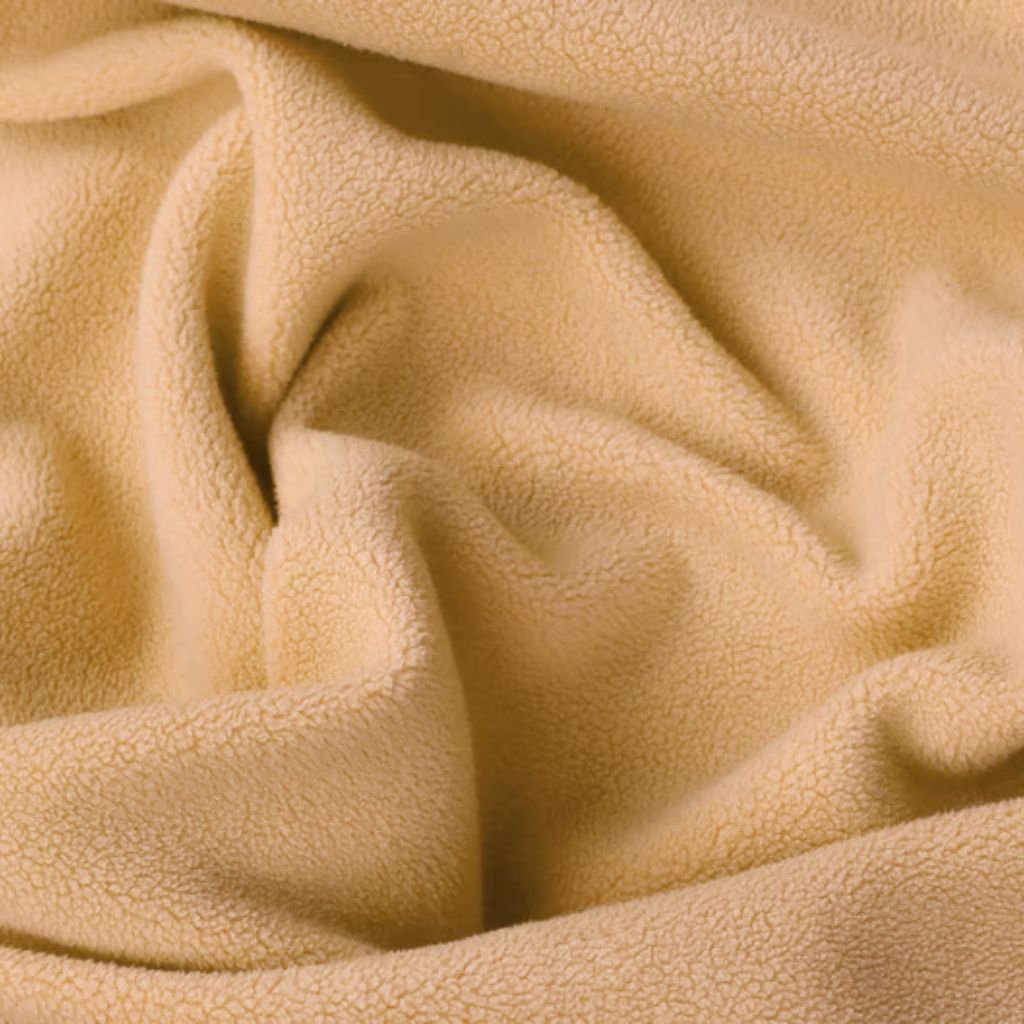
Alt text: Close-up of soft beige fabric with a plush, textured surface and gentle folds.Polar Warm Weave Fabric Explained:
Caption: Close-up of beige textured fabric.

Advanced Heat Retention

This fabric retains heat through its tightly packed fiber structure. It traps warm air and prevents heat from escaping. Because of this, the body stays protected even in freezing temperatures. It also provides stable warmth during long exposure.Polar Warm Weave Fabric Explained: Therefore, it is ideal for extreme cold regions.

Wind-Blocking Capability

Wind resistance is one of its strongest qualities. The dense weave blocks cold wind from passing through the fabric. This helps prevent sudden temperature drops around the body. Because of this, it feels warmer than many common winter fabrics. Therefore, it works well in windy snow areas.

Breathable Yet Insulating

Although it provides warmth, it also supports airflow control. This prevents sweat from building up inside the clothing. Because of this, it reduces discomfort during movement. It keeps the wearer warm while allowing moisture to escape slowly. Therefore, it is suitable for outdoor sports and active wear.
Lightweight but Thick Feel

The fabric feels thick and warm, yet it stays lightweight. This balance makes it easy to wear for long hours. It reduces the burden of heavy winter coats. Because of this, movement feels more natural. Therefore, it is a practical choice for daily winter clothing.

Soft Inner Texture

Most versions include a brushed inner layer. This layer feels soft against the skin and increases comfort. It also helps trap heat more effectively. Because of this, it is suitable for cold-sensitive users. Therefore, it provides warmth without irritation.

Durability in Harsh Climates

Polar Warm Weave Fabric resists tearing and abrasion due to its tight weave. It holds shape well even after repeated use. Because of this, it works well for outdoor workwear. It also maintains its structure during long winters. Therefore, it offers long-term value for buyers.

Benefits of Polar Warm Weave Fabric Explained

Polar Warm Weave Fabric Explained as a fabric that offers practical benefits for winter users. It provides warmth, comfort, and protection in cold climates. Polar Warm Weave Fabric Explained:Because of its design, it reduces the need for heavy layering. It also improves mobility during outdoor activities. Therefore, it becomes a smart winter fabric choice for many people.

Keeps Body Warm in Sub-Zero Temperatures

The fabric holds warmth by trapping air inside the weave. This insulation protects the body in freezing environments. Because of this, it works well for extreme winter conditions. It also reduces heat loss caused by cold winds. Therefore, it supports reliable winter protection.

Reduces Need for Heavy Layering

Many winter outfits require multiple thick layers. However, Polar Warm Weave provides warmth without extreme bulk. Because of this, users can wear fewer layers. This improves comfort and reduces clothing weight. Therefore, it becomes ideal for active winter lifestyles.

Comfortable for Long Outdoor Wear

The soft inner texture provides comfort during long wear. It reduces itching and irritation compared to rough fabrics. Because of this, it works well for daily winter use. It also stays flexible during movement. Therefore, it suits travelers and outdoor workers.

Energy-Efficient Insulation

The fabric reduces body heat loss and helps conserve energy. This keeps the body warmer without extra effort. Because of this, users feel less tired in cold weather. It supports better endurance during outdoor activities. Therefore, it becomes valuable for winter adventurers.Polar Warm Weave Fabric Explained:

Ideal for Cold-Sensitive Users

Cold-sensitive people need stable warmth for comfort. This fabric provides consistent insulation without overheating. Because of this, it suits older adults and cold-prone users. It also feels gentle on sensitive skin. Therefore, it offers both warmth and comfort.

Polar Warm Weave Fabric vs Other Winter Fabrics

Polar Warm Weave Fabric Explained as a fabric that competes with several winter materials. Each fabric type offers different warmth and comfort levels. Polar Warm Weave Fabric Explained:However, Polar Warm Weave stands out due to wind resistance and balanced insulation. It performs better than many standard fabrics in harsh conditions. Because of this, it is considered a premium winter textile. Therefore, comparing it helps buyers choose correctly.

Polar Warm Weave Fabric vs Fleece Fabric

Fleece provides softness and breathability, but it allows more wind penetration. Because of this, fleece works better as a middle layer. Polar Warm Weave blocks wind more effectively. It also offers stronger insulation in outdoor environments. Therefore, it is better for exposed winter weather.

Polar Warm Weave Fabric vs Thermal Knit Fabric

Thermal knit fabric feels lightweight and breathable. However, it depends heavily on layering for warmth. Polar Warm Weave provides stronger insulation even in a single garment. Because of this, it works better for extreme cold. Therefore, it is more reliable for outdoor winter use.

Polar Warm Weave Fabric vs Sherpa-Lined Fabric

Sherpa-lined fabric feels cozy but often becomes bulky. It also absorbs moisture more easily in damp weather. Polar Warm Weave offers warmth without excessive thickness. Because of this, it provides better mobility and durability. Therefore, it suits active winter wear more effectively.Polar Warm Weave Fabric Explained:

Polar Warm Weave Fabric vs Wool Blends

Wool blends provide excellent natural warmth. However, they can feel itchy and heavy for many users. Polar Warm Weave feels softer and lighter. Because of this, it suits daily wear better. Therefore, it becomes a comfortable alternative to wool coats.

Polar Warm Weave Fabric vs Down Insulation

Down insulation offers extreme warmth with very low weight. However, it loses performance when wet and can trap moisture. Polar Warm Weave provides balanced warmth and breathability. Because of this, it performs better in active conditions. Therefore, it becomes a practical alternative for outdoor users.

Uses of Polar Warm Weave Fabric Explained

Polar Warm Weave Fabric Explained as a fabric widely used in winter clothing and accessories. It suits products that require warmth and wind resistance. Because of its soft inner surface, it also works well for comfort wear.Polar Warm Weave Fabric Explained: It supports both outdoor performance and casual winter fashion. Therefore, many manufacturers use it in multiple categories.Polar Warm Weave Fabric Explained:

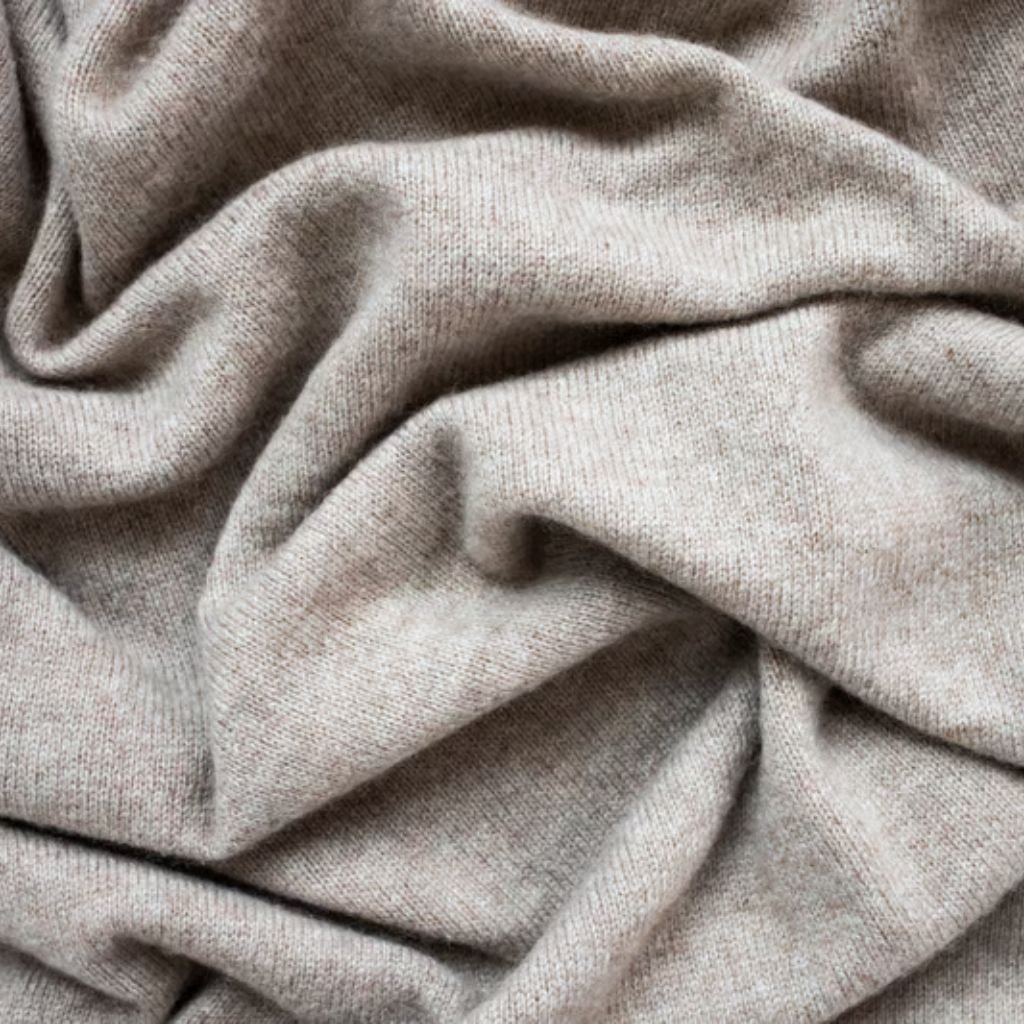
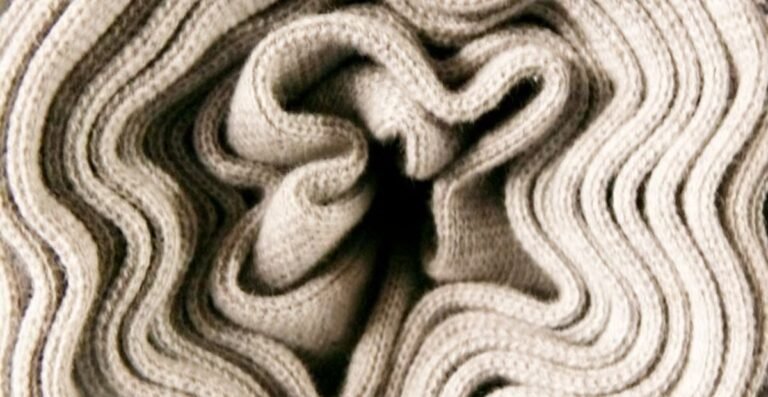
Alt text: Close-up of soft beige knitted fabric with twisted folds and gentle shadows.Polar Warm Weave Fabric Explained:
Caption: Close-up of a cozy beige knit fabric.

Winter Jackets and Coats

Winter jackets need insulation and wind protection. Polar Warm Weave provides both through dense weave technology. Because of this, it works well for snow and cold wind exposure. It also keeps jackets lighter than bulky winter materials. Therefore, it is commonly used in premium outerwear.

Thermal Hoodies and Sweatshirts

Hoodies made with this fabric feel warm and comfortable. They provide insulation while allowing controlled breathability. Because of this, they work well for casual winter fashion. Polar Warm Weave Fabric Explained:They also support outdoor walking and travel. Therefore, they are popular in winter streetwear.

Outdoor Sportswear

Outdoor sportswear requires warmth without stiffness. Polar Warm Weave allows movement while holding heat. Because of this, it suits skiing, hiking, and camping outfits. It also reduces cold exposure during high-speed activity. Therefore, outdoor brands use it in performance clothing.

Workwear for Cold Regions

Workwear must handle harsh weather and repeated use. This fabric offers durability and long-term insulation. Because of this, it works well for cold warehouses and construction zones. It also provides comfort during long shifts. Therefore, it is a strong option for winter uniforms.

Gloves, Scarves, and Linings

Accessories require soft warmth because they touch the skin directly. Polar Warm Weave provides a cozy feel and quick insulation. Because of this, it works well as lining fabric. It also improves comfort in gloves and scarves. Therefore, it is widely used in winter accessories.

Is Polar Warm Weave Fabric Suitable for Extreme Cold?

Polar Warm Weave Fabric performs very well in extreme cold climates. Many versions can handle temperatures between minus five and minus twenty-five degrees Celsius.Polar Warm Weave Fabric Explained: However, performance depends on thickness and garment construction. When combined with proper layering, it can support even colder environments. Therefore, it becomes a reliable fabric for serious winter protection.Polar Warm Weave Fabric Explained:

This fabric works best in windy and snowy conditions. Its dense weave blocks wind penetration effectively. Because of this, it protects the body even during storms. Urban users benefit during cold commutes, while outdoor users benefit during open-air exposure. However, it may feel too warm in mild winter climates. Therefore, it is best suited for real winter regions.

Breathability and Comfort Level

Breathability plays a major role in winter clothing comfort. Polar Warm Weave Fabric supports controlled airflow, which reduces sweat buildup. Because of this, moisture does not stay trapped inside the garment. This helps the wearer stay warm and dry. Therefore, it becomes ideal for active outdoor wear.

The inner surface often feels brushed and smooth. This reduces itching and skin irritation. Because of this, it suits sensitive users better than wool blends. It also remains comfortable during long wear hours. Therefore, daily winter use becomes easier and more enjoyable.

Durability and Fabric Maintenance

Polar Warm Weave Fabric is built for long-term performance. The tight weave structure improves tear resistance and abrasion strength. Because of this, it performs well in harsh winter conditions. It also holds its shape after repeated use. Therefore, it becomes a strong choice for workwear and outdoor wear.

Wash and Care Instructions

Wash the fabric in cold or lukewarm water to protect the fibers. Use mild detergent to maintain softness and strength. Avoid bleach because it damages fabric structure. Because high heat weakens the weave, avoid hot water washing. Air drying works best for long fabric life. Therefore, gentle care ensures better performance.

Shrinkage Resistance

This fabric resists shrinkage better than many winter textiles. However, high dryer heat can still cause minor shrinkage. Because of this, low heat drying is recommended. Proper care helps maintain the original garment size. Therefore, the fabric stays reliable for long-term use.

Does It Pill or Fade?

High-quality versions resist pilling due to stronger fiber bonding. However, low-quality versions may pill after heavy washing. Color fading remains low if washed in cold water. Because of this, proper washing methods protect fabric appearance. Therefore, it can stay fresh for multiple seasons.

Is Polar Warm Weave Fabric Eco-Friendly?

Eco-friendliness depends on fiber materials used in production. Many versions use polyester, which is not naturally biodegradable. However, recycled polyester options improve sustainability. Because of this, many brands now promote eco-friendly manufacturing. Polar Warm Weave Fabric Explained:Therefore, checking product labels becomes important.

This fabric also supports energy-efficient warmth. Users need fewer heavy layers, which reduces material use. Because of this, it indirectly supports resource savings. It also lasts longer, which reduces frequent replacement. Therefore, durability improves its environmental value.

How to Identify High-Quality Polar Warm Weave Fabric

High-quality Polar Warm Weave Fabric feels dense but flexible. If light passes through easily, the weave may be weak. Because of this, tight weave density is a key indicator. Thickness should feel warm but not stiff. Therefore, premium fabric should bend easily while staying strong.

Weave Density

A strong weave should appear tight and consistent. Loose gaps reduce wind resistance. Because of this, weave density directly affects warmth performance. The denser the weave, the stronger the cold protection. Therefore, checking weave quality is essential.

Fabric Thickness

Thickness improves insulation and comfort. However, thickness should not make the garment heavy. Because of this, premium fabric balances thickness and flexibility. It should feel warm while staying lightweight. Therefore, good thickness indicates better performance.

Inner Lining Quality

A smooth brushed inner layer improves warmth and comfort. It traps heat more effectively than rough lining. Because of this, soft inner texture indicates premium quality. Uneven lining often suggests weak manufacturing. Therefore, always check inner surface feel.

Brand and Manufacturer Indicators

Trusted brands often provide quality testing and performance labeling. These labels may mention thermal insulation or wind resistance. Because of this, buying from reliable manufacturers reduces risk. Good stitching and finishing also indicate durability. Therefore, brand reputation matters in winter fabric quality.

Pros and Cons of Polar Warm Weave Fabric Explained

Polar Warm Weave Fabric offers many strong advantages for winter users. It provides excellent insulation and reliable wind resistance. Because of its lightweight feel, it improves comfort and movement. It also stays soft, which makes it suitable for daily wear. Polar Warm Weave Fabric Explained:Therefore, it works well for both fashion and outdoor performance.

However, this fabric may cost more than basic fleece or knit materials. It may also feel too warm in mild winter climates. Waterproof performance depends on extra coating treatments. Because of this, buyers should check fabric type before purchase. Still, its benefits remain stronger for cold weather needs. Therefore, it remains a premium winter fabric option.

Who Should Choose Polar Warm Weave Fabric?

Polar Warm Weave Fabric is ideal for people who spend time in cold environments. Outdoor workers benefit from its durable warmth. Winter travelers benefit because it reduces layering needs. Because it stays breathable, hikers and campers also find it useful. Therefore, it supports active winter lifestyles.

Daily commuters can also benefit from this fabric. It provides comfort during cold wind exposure. Cold-sensitive people also gain stable insulation and better warmth control. Polar Warm Weave Fabric Explained:Because of its softness, it suits long wear without irritation. Therefore, it becomes a smart winter clothing investment.

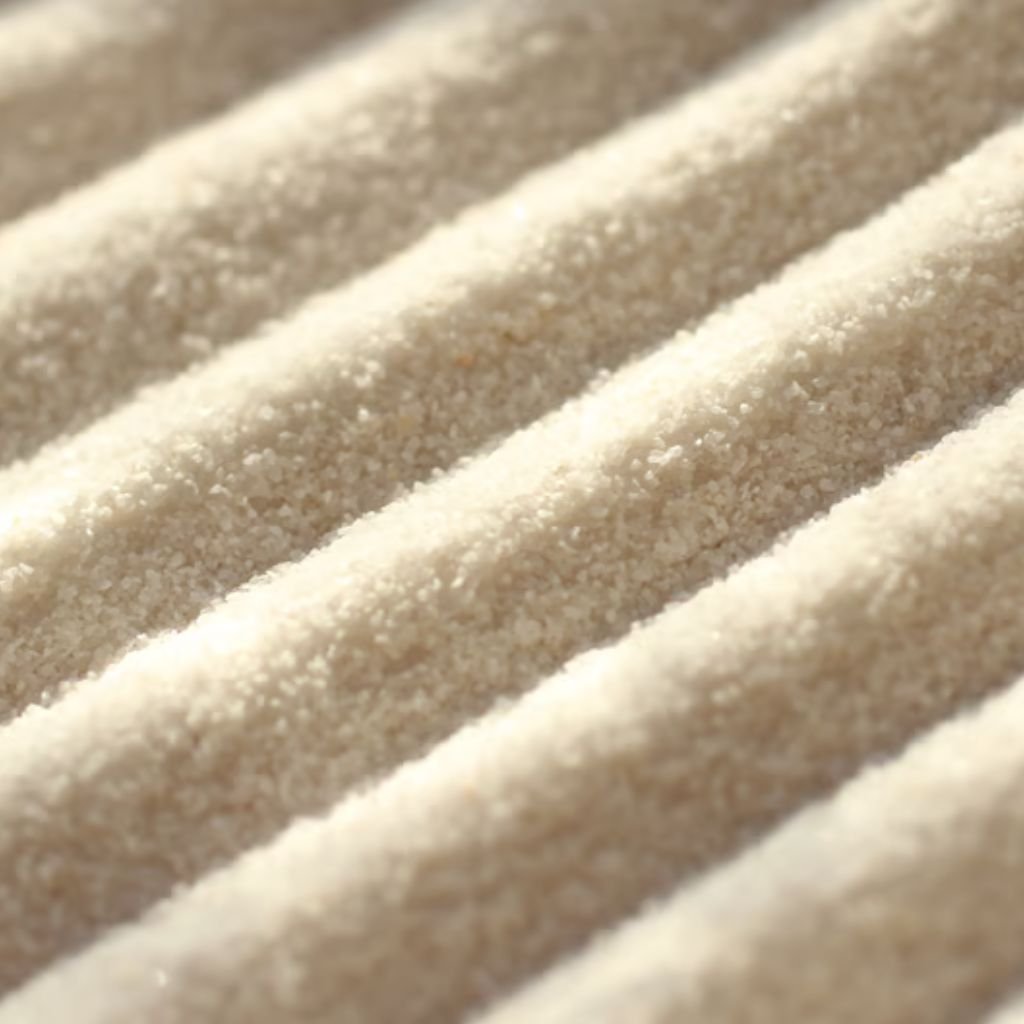
Alt text: Close-up of ribbed fabric with soft, sandy-beige texture and fine fuzzy fibers.Polar Warm Weave Fabric Explained:
Caption: Close-up of ribbed, beige textile texture.

Care and Maintenance of Polar Warm Weave Fabric Explained

Polar Warm Weave Fabric Explained as a winter textile that can last for years with proper care. Although it is durable, wrong washing methods can reduce its softness and insulation. Therefore, careful cleaning helps maintain its weave strength and heat retention ability.

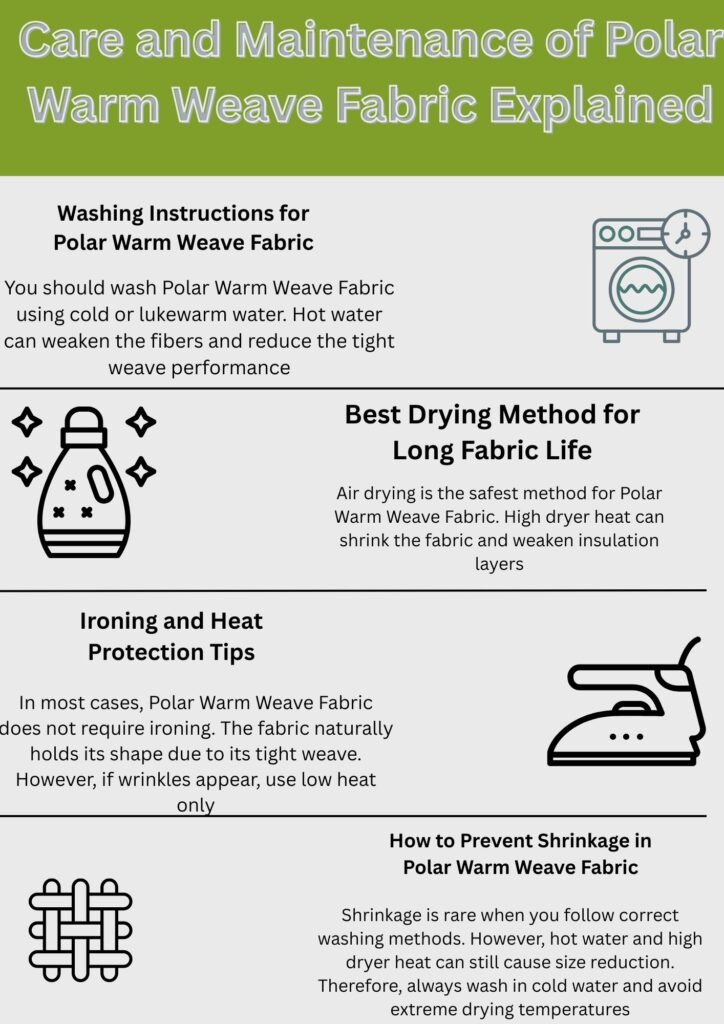
Alt text: A colorful infographic titled "Care and Maintenance of Polar Warm Weave Fabric Explained" with sections on Washing Instructions, Best Drying Method for Long Fabric Life, Ironing and Heat Protection Tips, and How to Prevent Shrinkage in Polar Warm Weave Fabric. Each section includes simple icons and descriptive text on a light gray background with a green header.Polar Warm Weave Fabric Explained:
Caption: Infographic on care and maintenance for polar warm weave fabric.

Washing Instructions for Polar Warm Weave Fabric

You should wash Polar Warm Weave Fabric using cold or lukewarm water. Hot water can weaken the fibers and reduce the tight weave performance. Mild detergent works best because it protects softness and color quality. Additionally, you should avoid using bleach because it damages fabric strength. It is better to use a gentle wash cycle to reduce friction stress. Polar Warm Weave Fabric Explained:As a result, the fabric keeps its original structure for a longer time.

Best Drying Method for Long Fabric Life

Air drying is the safest method for Polar Warm Weave Fabric. High dryer heat can shrink the fabric and weaken insulation layers. Therefore, you should dry it naturally in a shaded area. If you must use a dryer, choose low heat settings only. Avoid over-drying because it can cause stiffness in the fabric surface. Because of careful drying, the fabric stays soft and warm.Polar Warm Weave Fabric Explained: So, proper drying improves both comfort and durability.

Ironing and Heat Protection Tips

In most cases, Polar Warm Weave Fabric does not require ironing. The fabric naturally holds its shape due to its tight weave. However, if wrinkles appear, use low heat only. High heat can melt synthetic fibers and damage the fabric texture. It is also better to place a thin cloth between the iron and fabric. Because of this protection, the weave stays strong and smooth. Therefore, avoiding direct high heat is always the best option.

How to Prevent Shrinkage in Polar Warm Weave Fabric

Shrinkage is rare when you follow correct washing methods. However, hot water and high dryer heat can still cause size reduction. Therefore, always wash in cold water and avoid extreme drying temperatures. Gentle washing also prevents fiber stress, which reduces shrinkage risk. Polar Warm Weave Fabric Explained:Because the fabric is dense, it holds shape well when cared for properly. As a result, the garment stays true to its original fit.

Conclusion

Polar Warm Weave Fabric Explained as a high-performance textile designed for serious winter protection. It combines dense weave structure with heat-trapping insulation. Because it blocks wind and holds warmth, it performs well in extreme cold. Polar Warm Weave Fabric Explained:It also stays lightweight and comfortable, which improves daily wear. Therefore, it is a valuable fabric choice for winter clothing.

If you live in a cold region, this fabric is definitely worth buying. It suits outdoor workers, travelers, and winter sports users. However, people in mild climates may prefer lighter fabrics. Because of its premium warmth, it works best in freezing environments. Overall, Polar Warm Weave Fabric is a smart investment for long-lasting winter comfort.

FAQs

Is Polar Warm Weave Fabric better than fleece?

Polar Warm Weave Fabric is often better than fleece for extreme cold. It blocks wind more effectively because of its dense weave. Fleece provides softness but allows more airflow penetration. Because of this, fleece works better as an inner layer. Therefore, Polar Warm Weave performs better as outer winter protection.

Can Polar Warm Weave Fabric be worn daily?

Yes, it can be worn daily during winter. It feels soft and comfortable for long hours. Because it provides warmth without extreme weight, daily use becomes easier. It also works well for hoodies and coats. Therefore, it suits everyday winter wear perfectly.

Is Polar Warm Weave Fabric waterproof?

Polar Warm Weave Fabric is not fully waterproof by default. However, it can resist light moisture and dry snow. Many brands add water-resistant coatings for extra protection. Because of this, waterproof performance depends on the garment design. Therefore, check labels if waterproofing is required.

What Is Thermal Core Fabric for Winter Wear? Complete Guide

0

Thermal Core Fabric is a special textile developed to trap heat and keep you warm. It uses modern technology to balance insulation and breathability. For cold winter months, you need something that retains warmth without weight. Thermal core fabric does exactly that with high efficiency and comfort. Moreover, the fabric stays lightweight and feels soft against your skin. It is already used in jackets, innerwear, and outdoor gear. Hence, it’s becoming a top choice for winter clothing around the world.What Is Thermal Core Fabric for Winter Wear?

In winter, cold air steals body heat fast and can make you shiver. Therefore, a fabric must hold heat close to the body. Thermal core fabric absorbs and traps warmth effectively. For this reason, it helps you stay comfortable even in very cold weather. Also, weight and bulk are often problems with winter clothes. Thermal core fabric solves that by offering insulation without heaviness. What Is Thermal Core Fabric for Winter Wear?Thus, it is perfect for both daily wear and outdoor adventures.

History Of Thermal Core Fabric

The concept of thermal core fabric began with the demand for high-performance sportswear.What Is Thermal Core Fabric for Winter Wear? Athletes and outdoor enthusiasts needed clothing that could keep their body warm while remaining lightweight and breathable. Early winter fabrics such as wool and cotton provided basic insulation but often absorbed moisture and restricted movement. In response, textile innovators began experimenting with layered constructions and synthetic fibers that could trap heat more effectively.What Is Thermal Core Fabric for Winter Wear? Over time, this led to the creation of fabrics specifically designed with a “thermal core” to maintain warmth close to the body. Initially, thermal core technology was used in specialized gear for mountaineering, skiing, and cold-weather expeditions.

The combination of heat retention, moisture management, and lightweight design proved successful, leading to wider adoption in everyday winter wear. By integrating advanced fiber blends and breathable structures, manufacturers created thermal core fabrics that offered superior insulation without bulk. Today, thermal core fabric is not only used for extreme outdoor conditions but also for casual and urban winter clothing, reflecting decades of development in material science and textile engineering. This evolution shows how innovation in fibers and construction transformed winter apparel, making it both functional and comfortable for modern lifestyles.

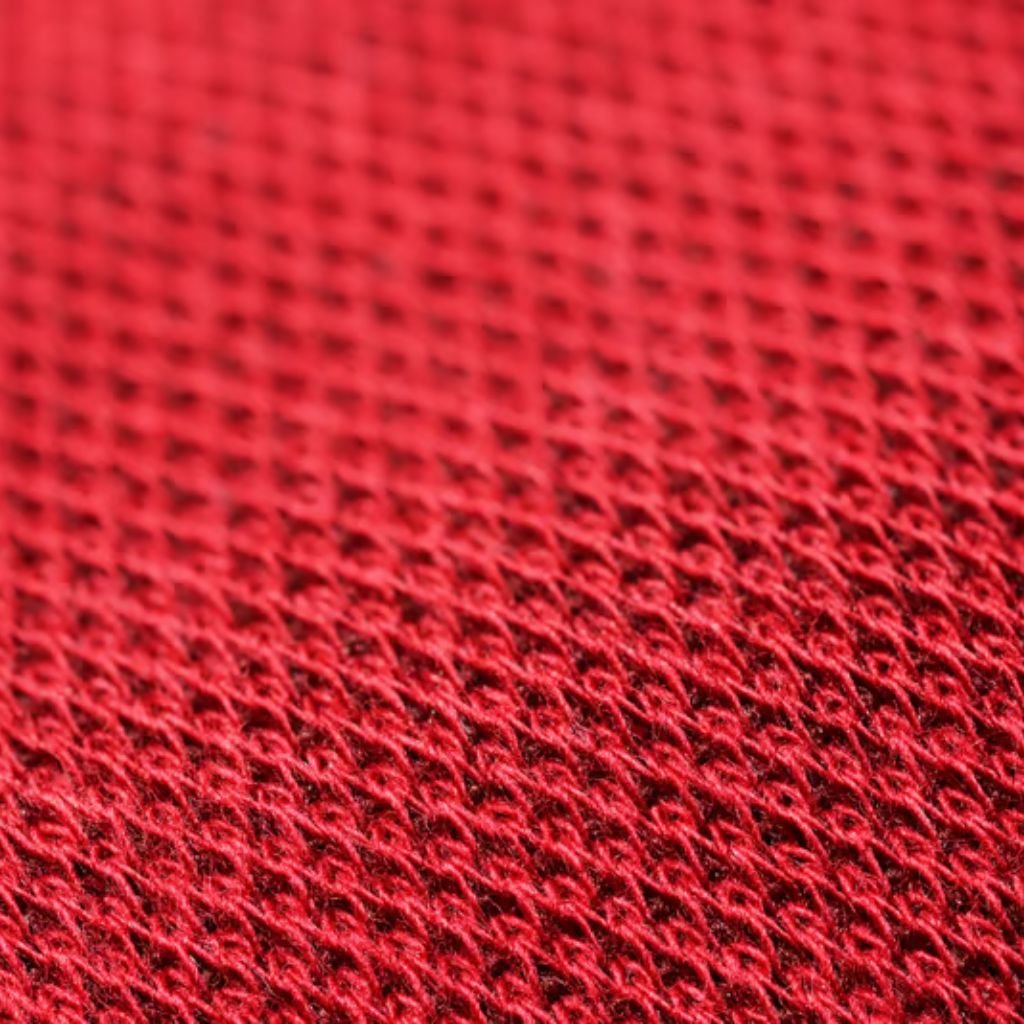
Alt text: A close-up macro of red woven fabric with a repeating diamond pattern and shallow depth of field.What Is Thermal Core Fabric for Winter Wear?
Caption: Close-up of red woven fabric with a detailed diamond pattern.

Why Choose Thermal Core Fabric for Winter Wear?

Choosing thermal core fabric for winter clothing is a smart decision for several reasons. First, it provides superior warmth without adding extra bulk. Unlike traditional fabrics, thermal core fabric traps heat close to your body efficiently. What Is Thermal Core Fabric for Winter Wear?This allows you to stay comfortable even in freezing temperatures.

Second, it balances breathability and moisture management. Your skin stays dry because sweat is wicked away from the body, preventing chills. This makes thermal core clothing ideal for both everyday wear and outdoor activities. Third, the fabric is lightweight and flexible, allowing freedom of movement. You can layer it with other garments without feeling restricted.What Is Thermal Core Fabric for Winter Wear?

Another reason to choose thermal core fabric is its durability. High-quality fibers maintain insulation performance even after repeated use and washing. Additionally, it is versatile.What Is Thermal Core Fabric for Winter Wear? Thermal core fabric works in jackets, inner layers, hoodies, gloves, and even socks. Finally, some types are water-resistant or windproof, making them suitable for extreme weather conditions.What Is Thermal Core Fabric for Winter Wear?

Types of Thermal Core Fabric for Winter Wear

Thermal Core Fabric comes in different types depending on fiber composition, insulation level, and intended use. Each type offers unique warmth, weight, and comfort. Knowing these types helps you choose the best option for your climate and activity.

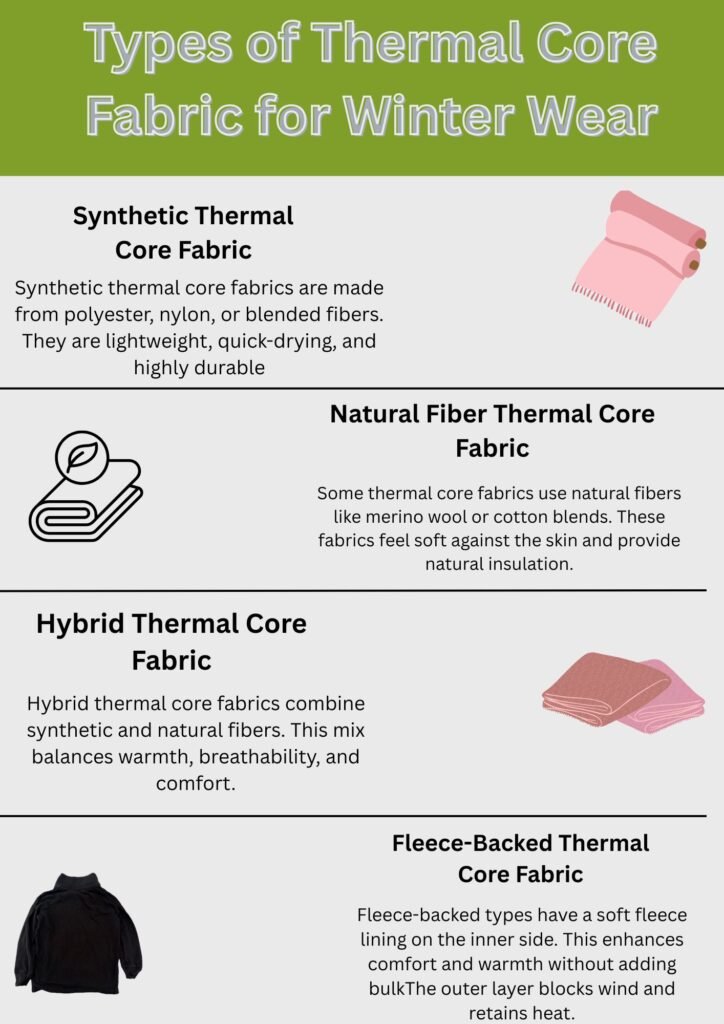
Alt text: A simple infographic titled "Types of Thermal Core Fabric for Winter Wear" with four sections and small illustrations.What Is Thermal Core Fabric for Winter Wear?
Caption: Infographic showing types of thermal core fabrics for winter wear.

Synthetic Thermal Core Fabric

Synthetic thermal core fabrics are made from polyester, nylon, or blended fibers. They are lightweight, quick-drying, and highly durable.What Is Thermal Core Fabric for Winter Wear?

These fabrics trap warmth efficiently while allowing moisture to escape. They are ideal for winter jackets, sportswear, and active outdoor gear. Synthetic thermal core fabric often resists water and wind, making it perfect for rainy or snowy climates.What Is Thermal Core Fabric for Winter Wear?

Natural Fiber Thermal Core Fabric

Some thermal core fabrics use natural fibers like merino wool or cotton blends. These fabrics feel soft against the skin and provide natural insulation.

Natural fiber types are breathable and eco-friendly.What Is Thermal Core Fabric for Winter Wear? They work well for base layers, thermal innerwear, and casual winter clothing. While slightly heavier than synthetic types, they maintain warmth for longer periods.

Hybrid Thermal Core Fabric

Hybrid thermal core fabrics combine synthetic and natural fibers. This mix balances warmth, breathability, and comfort.

The synthetic part provides moisture-wicking and durability. The natural fibers offer softness and long-lasting insulation. Hybrid fabrics are excellent for versatile winter wear. They perform well for everyday use and outdoor activities alike.What Is Thermal Core Fabric for Winter Wear?

Fleece-Backed Thermal Core Fabric

Fleece-backed types have a soft fleece lining on the inner side. This enhances comfort and warmth without adding bulk.

The outer layer blocks wind and retains heat. The fleece interior feels cozy and protects the skin from cold drafts. This type is popular in jackets, hoodies, and sweatshirts.What Is Thermal Core Fabric for Winter Wear?

What Is Thermal Core Fabric?

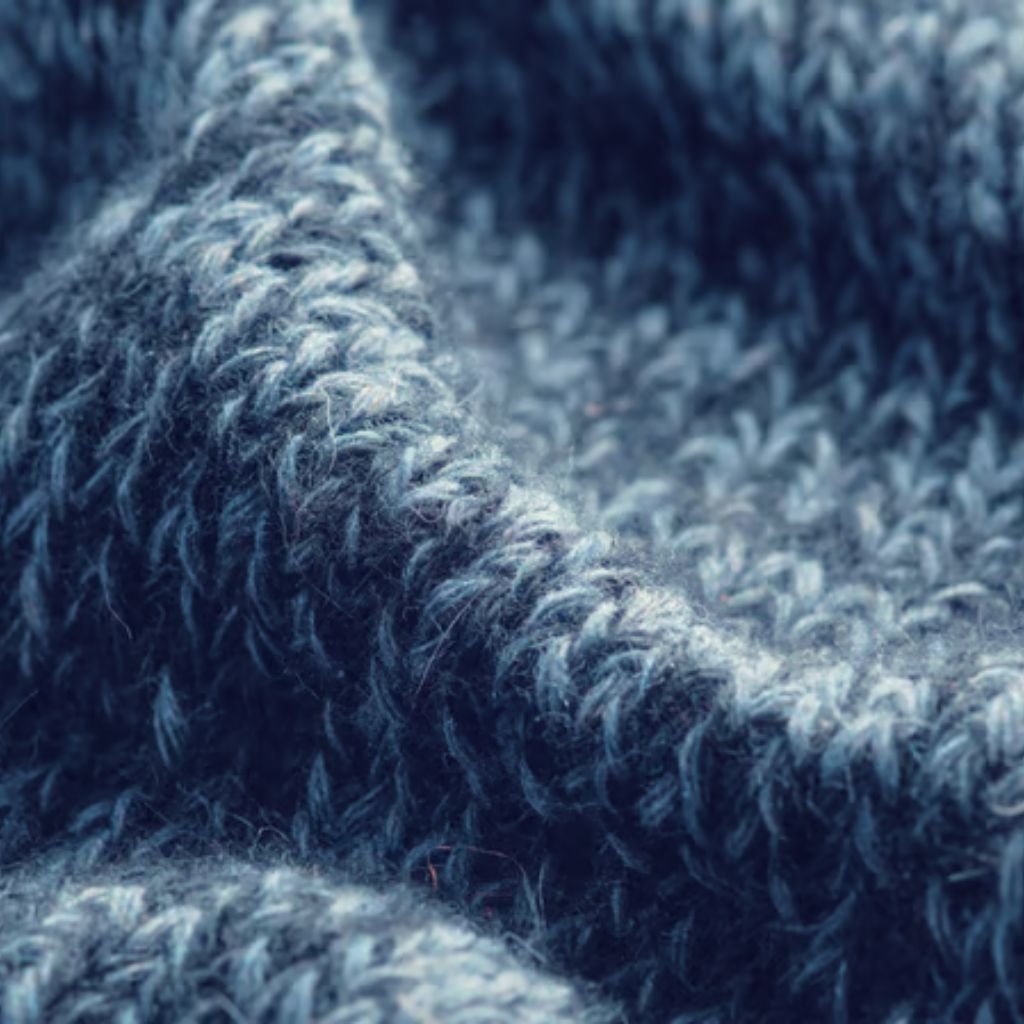
Alt text: Close-up of folded, dusty blue knitted fabric with a fuzzy texture, showing visible loops and strands and subtle color variations.
What Is Thermal Core Fabric for Winter Wear?
Caption: Close-up of a dusty blue knitted fabric with a soft, textured weave.

Clear Definition in Simple Terms

Thermal core fabric is a high‑performance material made to keep body heat close. It combines multiple fiber layers that trap warmth and block cold air. The design also allows moisture to escape easily. Because of this, the fabric feels warm yet breathable. What Is Thermal Core Fabric for Winter Wear?Essentially, thermal core fabric is engineered for cold conditions.

This fabric offers better warmth than basic cotton or polyester blends. Also, it reduces bulk, so garments feel light on your body. Today, thermal core fabric is used in many winter wear products including jackets, inner layers, and gloves.

How It Differs from Regular Winter Fabrics

Standard winter fabrics like cotton or wool can trap some heat. However, they often absorb moisture and feel heavy. In contrast, thermal core fabric has layered construction that moves moisture away. As a result, it dries faster and stays warm.What Is Thermal Core Fabric for Winter Wear? Also, normal fabrics do not manage airflow well.

Thermal core fabric uses airflow channels that help balance warmth and breathability. This makes it different from heavier or standard materials. In simple words, thermal core fabric feels warmer without being bulky.What Is Thermal Core Fabric for Winter Wear?

Origin or Concept Behind “Thermal Core” Technology

The idea of thermal core technology started with performance sportswear. Athletes needed fabrics that trapped heat while allowing movement and breathability. Over time, this concept moved into winter fashion. Manufacturers began blending advanced fibers to increase insulation performance.

The name “thermal core” means that heat stays near the core of the body. Also, the design lets moisture escape outward. What Is Thermal Core Fabric for Winter Wear?Therefore, early adopters were hikers, skiers, and outdoor workers. Now, thermal core fabric is widely used in everyday winter wear too.

How Thermal Core Fabric Works

Heat Retention Mechanism

Thermal core fabric traps air between fiber layers to hold warmth close to your body. What Is Thermal Core Fabric for Winter Wear?This air pocket acts as insulation. Heat cannot escape easily through these pockets. So, your body stays warm for longer.

Additionally, the fibers used have low thermal conductivity. This means heat passes through them slowly. Hence, warmth stays better inside the fabric.

Insulation Layers Explained

Most thermal core fabrics use multi‑layered construction. The inner layer pulls moisture from your skin. The middle layer traps warm air. The outer layer protects from cold winds and wet weather.

Together, these layers create a strong barrier against cold temperatures. Thus, you stay warm and dry even when the weather is harsh.

Moisture‑Wicking and Airflow Balance

One key strength of thermal core fabric is its ability to wick moisture. It pulls sweat away from your skin quickly. This stops you from feeling cold due to dampness.What Is Thermal Core Fabric for Winter Wear?

Moreover, the fabric allows fresh air to flow through. As a result, heat does not build up too much. You stay warm yet comfortable while active.

Body Heat Trapping Technology

Thermal core fabric uses tiny fibers that catch and hold warm air. These fibers also reflect some heat back to your body. The result is more effective warmth compared to flat fabrics.

Thanks to this smart construction, thermal core fabric adapts to changing body temperatures. This makes it ideal for winter activities.

Key Features of Thermal Core Fabric

Here are the top features that make thermal core fabric a winter favorite:

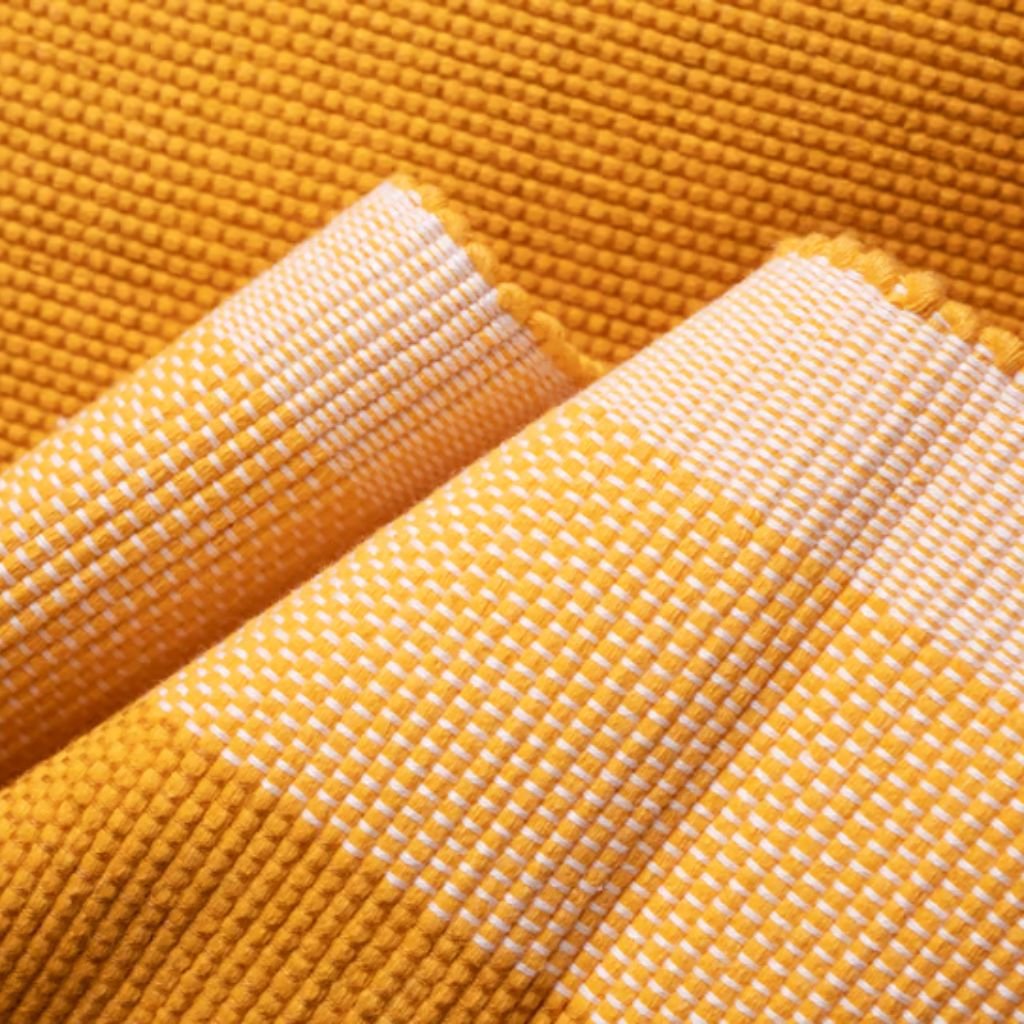
Alt text: Close-up of a textured mustard-yellow knit fabric with white thread accents, showing layered folds and a woven pattern.What Is Thermal Core Fabric for Winter Wear?
Caption: Close-up of a mustard-yellow knit fabric with a woven pattern.

  • High thermal insulation :Traps heat close to your body for maximum warmth.What Is Thermal Core Fabric for Winter Wear?
  • Lightweight yet warm :Feels light and not bulky on your body.
  • Breathable structure :Allows air movement to prevent overheat and sweat build‑up.
  • Soft inner lining :Gentle on skin and feels comfortable all day.
  • Moisture‑resistant or quick‑dry properties :Wicks moisture and dries fast.

Each feature adds value to winter wear. Thus, choosing thermal core fabric means comfort and performance together.

Benefits of Thermal Core Fabric for Winter Wear

Keeps the Body Warm in Extreme Cold

Thermal core fabric keeps warmth close to your body in freezing weather. Unlike regular fabrics, it traps fine layers of warm air.What Is Thermal Core Fabric for Winter Wear? This creates a heat barrier that blocks cold winds.

Also, you stay protected even when outdoors for long periods. This makes thermal core fabric perfect for harsh winter conditions.

Enhances Comfort During Outdoor Activities

Because the fabric breathes well, you stay dry and comfortable. Moisture does not stick to your body and cause chills. Also, the fabric stretches a little and moves with you.

Therefore, it fits perfectly whether you walk, hike, or work outside.

Reduces Bulk Compared to Heavy Fabrics

Most winter clothes feel heavy and restrict movement. Thermal core fabric solves that problem. It offers high warmth without thick layers.

Hence, you can wear less clothing and still stay warm. This is ideal for travelers and active lifestyle users.

Ideal for Layering

Thermal core fabric works great with layering. You can pair it with jackets, fleeces, or down coats. Since it is thin, base layers do not add bulk.

This lets you adjust layers based on climate and activity.

Energy‑Efficient Warmth

Because thermal core fabric holds heat well, your body stays warm using less energy. This reduces cold stress on your body.What Is Thermal Core Fabric for Winter Wear?

In simple terms, you feel warmer without wasting body heat fast.

Common Uses of Thermal Core Fabric

Thermal core fabric is versatile and used in many winter items:

Winter Jackets & Coats

Jackets made with thermal core fabric are warm without bulk. They protect you from cold and wind.

Thermal Innerwear

Thermal core inner layers wick moisture and hold body heat as a base layer. These are ideal under sweaters.

Hoodies & Sweatshirts

Warm hoodies with thermal core fabric feel soft and cozy. You can wear them in mild to cold climates.

Gloves, Socks, and Winter Accessories

Accessories made with thermal core fabric help keep fingers, toes, and ears warm. They trap heat and resist cold air.

Sports & Outdoor Winter Clothing

Thermal core fabric is perfect for skiing, snowboarding, hiking, and camping. It keeps athletes warm without limiting movement.

Is Thermal Core Fabric Good for Extreme Cold?

Performance in Freezing Temperatures

Thermal core fabric works well even in freezing weather.What Is Thermal Core Fabric for Winter Wear? Its multi‑layer insulation traps heat effectively. This makes it suitable for cold climates.

Also, the breathable design helps reduce sweat buildup. Moisture can cause chills if trapped inside. Thermal core fabric stops that problem.What Is Thermal Core Fabric for Winter Wear?

Wind Resistance and Heat Retention

The outer layer of thermal core fabric blocks cold winds while the inner layer traps warmth. This dual action keeps your core temperature stable.

Plus, the fabric does not lose warmth even with strong winds.

Suitable Climates and Conditions

Thermal core fabric performs well in dry cold and moist winter climates. It maintains warmth even when the air feels damp.

Because of this, it works well from mild cold to sub‑zero weather.

Ideal Users (Travelers, Hikers, Daily Wear)

If you travel often to cold places, thermal core fabric is a smart choice. Hikers can stay warm without heavy bulk. Even daily commuters can stay cozy during winter walks.

How to Choose the Best Thermal Core Fabric for Winter Wear

Thickness and GSM Guide

GSM means grams per square meter and indicates thickness. Higher GSM means warmer and heavier fabric.

For very cold climates, choose 250‑300 GSM. For moderate winter, 180‑220 GSM is good.

Fabric Blend Considerations

Thermal core fabric may blend synthetic and natural fibers. Synthetic blends dry faster and wick better. Natural blends feel softer on skin.What Is Thermal Core Fabric for Winter Wear?

Choose based on climate and comfort needs.

Fit and Layering Compatibility

Ensure the fabric fits well as base or outerwear. Slim fits allow better layering. Loose fits trap more warm air but may bulk up.

Pick styles based on your activity and layering plan.

Climate‑Based Selection Tips

For dry cold, light thermal core layers work well. In wet cold climates, pick water‑resistant options.

Also, look for fabrics with reinforced insulation if you travel to sub‑zero areas.

Care & Maintenance of Thermal Core Fabric

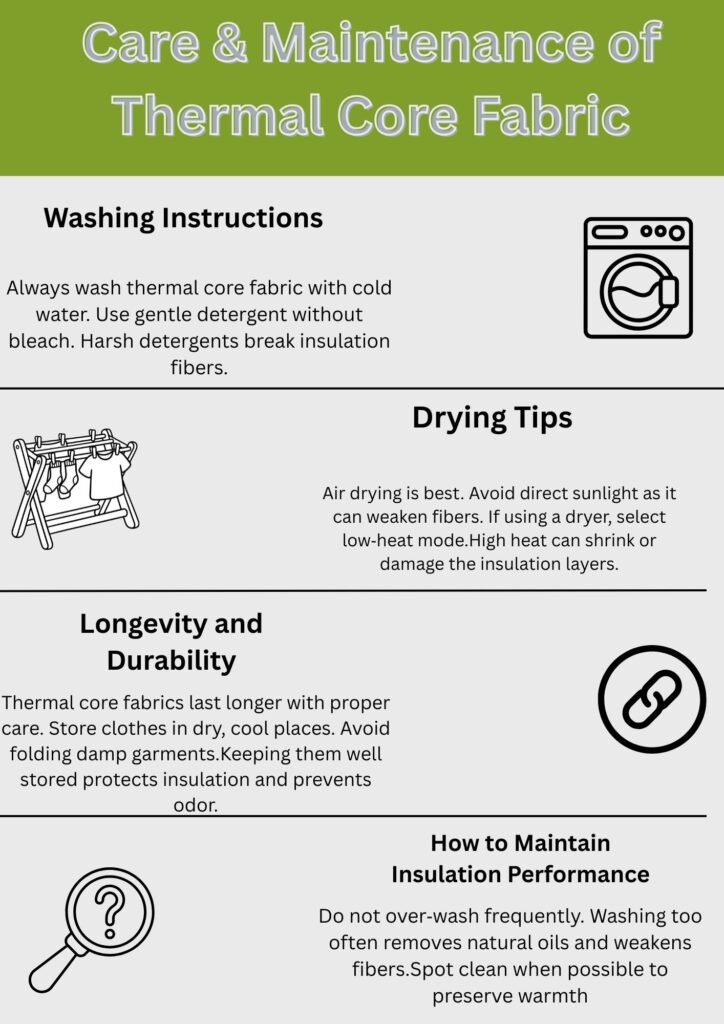
Alt text: An infographic titled "Care & Maintenance of Thermal Core Fabric" with sections on Washing Instructions, Drying Tips, Longevity and Durability, and How to Maintain Insulation Performance, each paired with simple icons.What Is Thermal Core Fabric for Winter Wear?
Caption: Care and maintenance guide for thermal core fabric.

Washing Instructions

Always wash thermal core fabric with cold water. Use gentle detergent without bleach. Harsh detergents break insulation fibers.

Turn garments inside out before washing for best results.

Drying Tips

Air drying is best. Avoid direct sunlight as it can weaken fibers. If using a dryer, select low‑heat mode.

High heat can shrink or damage the insulation layers.

Longevity and Durability

Thermal core fabrics last longer with proper care. Store clothes in dry, cool places. Avoid folding damp garments.

Keeping them well stored protects insulation and prevents odor.

How to Maintain Insulation Performance

Do not over‑wash frequently. Washing too often removes natural oils and weakens fibers.

Spot clean when possible to preserve warmth.

Is Thermal Core Fabric Sustainable or Eco‑Friendly?

Recycled Materials (If Applicable)

Some thermal core fabrics use recycled polyester or nylon. This reduces waste and lessens environmental impact.

Many brands now focus on sustainability while keeping performance high.

Energy Efficiency

Thermal core fabric keeps warmth with less bulk. Therefore, you use less energy to stay warm.

This means less pressure on your body and less waste in production.

Longevity Reduces Fast Fashion Impact

Since thermal core clothing lasts longer, you buy less often. This slows fast fashion waste.

Long‑lasting garments help reduce landfill waste.

Common Mistakes to Avoid with Thermal Core Fabric

Many people make mistakes when using or caring for thermal core fabric, which can reduce its performance. One common error is washing it with hot water or harsh detergents.What Is Thermal Core Fabric for Winter Wear? High heat and strong chemicals can break down the fibers, reducing insulation and softness. Another mistake is drying the fabric in direct sunlight or high-heat dryers. This can shrink the material and weaken its thermal properties.

Some users also assume that thicker layers always mean warmer clothing. With thermal core fabric, bulk is not required because its advanced fiber structure traps heat efficiently. Over-layering can actually reduce comfort and restrict movement. Another mistake is ignoring moisture management. Wearing damp thermal core fabric can make you feel cold, even though the fabric is designed to wick moisture.What Is Thermal Core Fabric for Winter Wear?

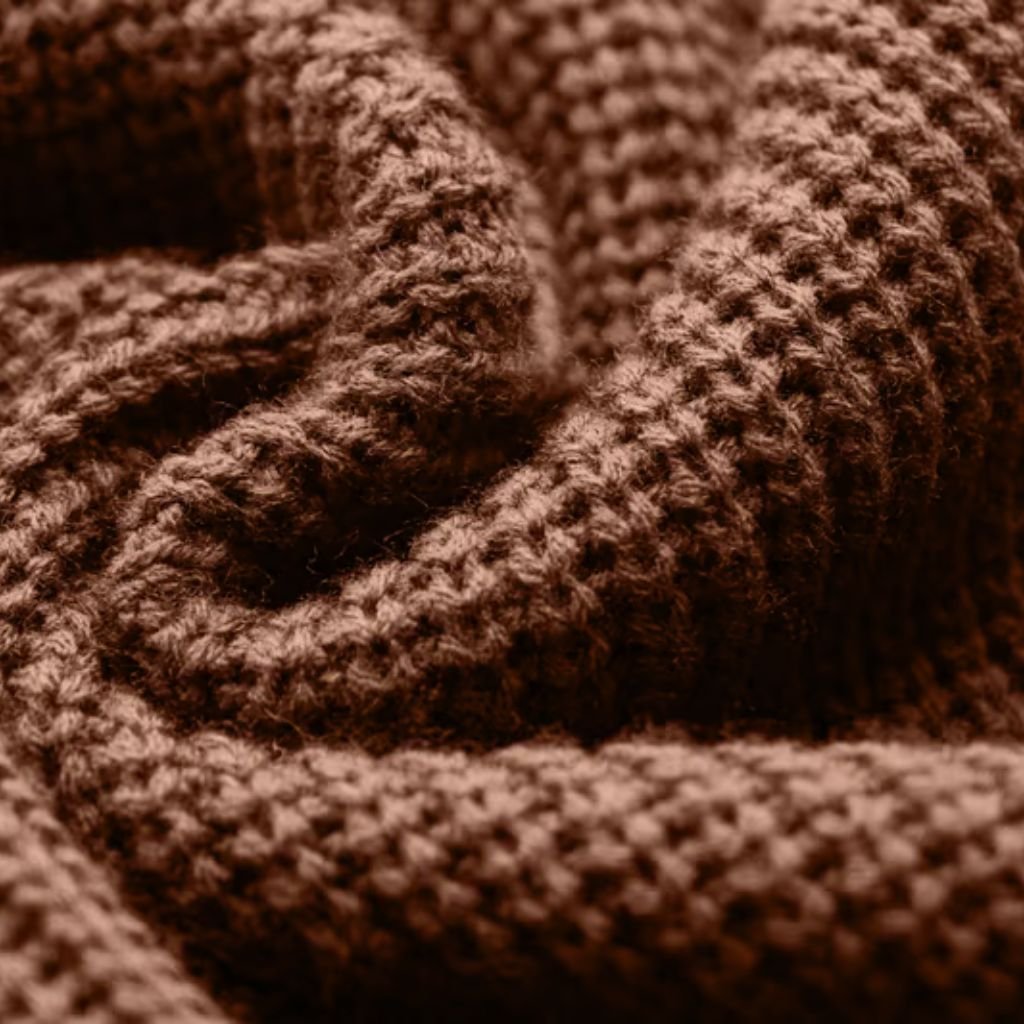
Alt text: A close-up view of brown knitted fabric, showing a rich texture with tightly interwoven yarns and prominent ridges that create a three-dimensional surface.
What Is Thermal Core Fabric for Winter Wear?
Caption: Close-up of a brown knit fabric, highlighting its textured, tactile surface.

Pros and Cons of Thermal Core Fabric

Pros

  • Excellent warmth without bulk
  • Lightweight and comfortable
  • Breathable and moisture‑wicking
  • Works well in many cold climates

Cons

  • May cost more than simple winter wear
  • Not ideal for hot or mild climates
  • Some advanced fabrics need special washing

Conclusion

Thermal core fabric stands out for warmth, comfort, and performance.What Is Thermal Core Fabric for Winter Wear? It works well in cold, windy conditions. Moreover, it keeps moisture away while staying breathable.

If you want winter clothing that is light yet warm, thermal core fabric is worth buying. It fits seasonal travelers, daily commuters, and outdoor lovers. With proper care, it lasts many winters.

Overall, understanding What Is Thermal Core Fabric for Winter Wear? helps you choose smarter clothes. You stay warm, comfortable, and ready for cold weather.

FAQs

What is Thermal Core Fabric made of?

Thermal core fabric is usually a mix of synthetic fibers and insulation. It traps heat and wicks moisture.

Is Thermal Core Fabric better than fleece?

Yes, thermal core fabric breathes better and dries faster than fleece.

Can Thermal Core Fabric be worn daily?

Absolutely. It is lightweight and comfortable for everyday winter use.

Is Thermal Core Fabric breathable?

Yes, it allows airflow so you stay warm without overheating.

Does Thermal Core Fabric shrink after washing?

If washed incorrectly, it might slightly shrink. Use cold water and low‑heat drying.

World Zoothanasia Day: Ending Animal Cruelty in Zoos

Every year, World Zoothanasia Day falls on September 22. This day is meant to raise awareness of the suffering caused by wild animals in captivity. This day calls for the end of cruel zoos, promotes compassion and freedom, and encourages ethical treatment of animals.

Millions of animals are confined behind bars. They lose their dignity, freedom, and natural behavior. World Zoothanasia Day is a reminder that animals deserve to live a pain-free life.

What Is World Zoothanasia Day?

World Zoothanasia Day is a day dedicated to raising awareness about the harm that wild animals are subjected to in zoos. The term zoothanasia refers to the practice of ending animal captivity for human entertainment.

Animal rights activists, organizations and supporters of animal welfare speak out against cruelty to animals on this day. On this day, animal rights activists and supporters speak out against animal cruelty.

Why World Zoothanasia Day Matters

Zoos claim to be able to protect animals. Many animals are forced to live in cages that are too small and have artificial environments. They suffer from stress, depression and poor health.

World Zoothanasia Day is important because:

  • Animal suffering in captivity highlighted
  • Animal rights and freedom is promoted
  • Encourages alternatives to the religious like sanctuaries
  • Animal welfare education is important for the public.

This day encourages the public to reconsider how they treat wild animals by raising awareness.

The Reality of Animals in Zoos

Wild animals belong to the wild. Unfortunately, many zoos do not meet the needs of their animals.

Some of the most common problems include:

  • Small enclosures
  • Mental stimulation is lacking
  • Forced breeding programs
  • Animals used in shows and photographs

Over time, animals develop abnormal behaviors. Animals may pace or rock or display signs of anxiety. These behaviors are a clear indication of emotional distress.

Zoos vs. Animal Sanctuaries

There is a huge difference between zoos, and sanctuary.

ZOOS Focus on Entertainment and Profit
Sanctuaries focuses on rescue, care and rehabilitation.

Animal sanctuaries provide:

  • Natural spaces with large areas
  • No forced breeding
  • No public performances
  • Lifelong care

World Zoothanasia Day promotes sanctuaries, a humane and effective alternative to zoothanasia.

How You Can Support World Zoothanasia Day

It is not necessary to be an activist in order to make a positive difference. Even small actions can make a difference.

You can help by:

  • Visit zoos, animal shows and other places to avoid
  • Support animal rescue and sanctuaries
  • Share awareness posts via social media
  • Animal freedom is important to teach children
  • Donate to animal welfare organisations

Every step counts towards creating a world that is kinder to animals.

The Role of Education and Awareness

Education is key to ending animal cruelty. People make better decisions when they learn the truth.

World Zoothanasia Day is a day to encourage schools, bloggers and communities, as well as their members, to discuss animal rights. By raising awareness, future generations will be able to protect wildlife and stop it from being exploited.

Looking Toward a Compassionate Future

World Zoothanasia Day does not promote hatred. The goal of World Zoothanasia Day is not hatred. It envisions a world where animals can live in the wild or in safety in sanctuaries.

Humans can choose compassion and become protectors, instead of captors. Change begins with awareness and awareness starts within you.

Conclusion

World Zoothanasia Day reminds that animals aren’t objects. Just like us, they feel fear, pain and joy. It is not acceptable to keep them in cages as entertainment.

Take a stand on September 22 for animal liberation. Support ethical choices. Speak up for those who are unable to do so. Together, we can stop animal suffering and create a more compassionate world. Learn About: International Days , National Black HIV/AIDS Awareness Day And Today’s International Days

International Greek Language Day: History, Importance

International Greek Language Day celebrates one of the oldest and most influential language in the world. Every year, people around the world celebrate this day on February 9. This date marks the birthday of Dionysios Solmos the Greek national poet.

The Greek language has many uses. It is the foundation of Western Civilization. Greek ideas continue shaping the modern world, from philosophy and science, to art and democracies.

The History of International Greek Language Day

Greece created International Greek Language Day in order to promote the Greek language throughout the world. Gradually, other institutions, such as schools, universities and cultural centers, joined in the celebration.

Greek communities from many countries are now involved. They hold events to raise awareness of the historical and cultural significance of Greek.

This day encourages global dialog and respect for the linguistic heritage.

Why the Greek Language Is So Special

Greek is one of the few ancient languages that are still spoken today. It has evolved for thousands of years, without losing its identity.

Greek is a language that connects ancient civilizations with the modern world. Ancient Greek texts can be read today to understand the influence they have had on modern knowledge.

Greek is also a living and vibrant language. It is spoken by millions of people every day.

Greek Influence on the English Language

Many English words are directly derived from Greek. These words are used in everyday life, science, medicine and technology.

Some common examples include:

  • Philosophy
  • Democracy
  • Astronomy
  • Psychology
  • Theater

Learning Greek will help you better understand English words.

The Greek Alphabet and Its Global Use

The Greek alphabet has 24 characters. The Greek alphabet is the basis for many modern alphabets.

Today’s Greek letters are:

  • Mathematics and Physics
  • Engineering formulas
  • Medical symbols
  • Research in academia

In the world, symbols such as p(pi) or D

Greek Language and Ancient Literature

The world has been blessed with some of the greatest literary works. Ancient writers and poets explored emotions, morality, and heroism.

The following are some of the most famous Greek literary works:

  • The Iliad
  • The Odyssey
  • Greek comedies and tragedies

The works of these authors still have a profound influence on modern literature, films, and theatre.

Greek Philosophy and Education

The Greek philosophers have shaped human thought. They still influence education systems.

The key Greek thinkers are:

  • Socrates– Critical thinking and Questioning
  • Plato– justice and ideal societies
  • Aristotle: logic and scientific observation

They made Greek the language of education in ancient times.

How People Celebrate International Greek Language Day

Celebrate International Greek Language Day creatively and meaningfully.

Some of the most common activities include:

  • Greek Poetry Readings
  • Workshops and lessons in language
  • Cultural Performances
  • Academic Conferences
  • Online campaigns to promote Greek words

Many schools and universities organize special events for students to get them involved.

Importance of Greek Language in the Modern World

Even today, Greek continues to play a significant role in culture, education, and research. Many academic terms have Greek roots.

The language also helps to preserve the cultural identity of Greek communities around the world. It preserves traditions, values and history.

Celebrate this day to promote cultural and multilingual understanding.

Why International Greek Language Day Matters

The International Greek Language Day is a reminder that languages are living treasures. They are living treasures that carry wisdom, knowledge and identity.

This day is a great opportunity for younger generations to:

  • Learn Greek
  • Ancient texts are worth studying
  • Respect for linguistic diversity

The preservation of languages is the preservation of human history.

Conclusion

The International Greek Language Day celebrates both the beauty and power of the Greek Language. The day celebrates the power and beauty of a language which has influenced human thought for thousands years.

Take a moment on the 9th of February to celebrate Greek words, culture, and ideas. We celebrate a legacy which continues to inspire people around the world. Learn About: International Days , National Black HIV/AIDS Awareness Day And Today’s International Days

1International Dentist’s Day–Celebrating Dental Health Heroes

Every year, International Dentist’s Day reminds us to appreciate the professionals who keep our smiles healthy and bright. Dentists do more than just clean teeth—they play a vital role in overall health, preventing serious oral diseases, and educating people about proper oral care. This day, observed annually on March 6th, offers a chance to acknowledge their dedication and commitment. Many dental associations organize events like free dental check-up camps, awareness programs, and educational seminars on this day.

These initiatives aim to promote oral hygiene and make dental care accessible to everyone. So, this International Dentist’s Day, let’s take a moment to thank our dentists for their hard work and commitment to our well-being. Don’t forget to book your regular check-up!

How You Can Celebrate International Dentist’s Day

You don’t need a big event to celebrate. Small actions can make a big difference.

Simple Ways to Celebrate International Dentist’s Day

  • Thank your dentist personally
  • Share a post appreciating dentists
  • Book a dental checkup
  • Teach children about oral hygiene
  • Follow good dental care habits

These actions honor the spirit of the day.


The Role of Technology in Dentistry

Modern dentistry relies heavily on technology. Advanced tools have completely changed the way dentists treat patients. Today, International Dentist’s Day use digital systems that improve accuracy and reduce discomfort. As a result, treatments are faster, safer, and more comfortable than ever before.

For example, digital X-rays produce clear images using very low radiation. These images help dentists detect problems early. Laser dentistry allows dentists to treat cavities and gum disease with little or no pain. In many cases, lasers also reduce bleeding and speed up healing. Because of this, patients feel less anxious during dental visits.

In addition, 3D imaging and computer-guided tools help International Dentist’s Day plan treatments with great precision. Dentists can now design crowns, bridges, and aligners using advanced software. This technology ensures a better fit and long-lasting results. Moreover, modern anesthesia techniques make procedures nearly painless.

Overall, technology has improved patient comfort and treatment success. It also saves time for both dentists and patients. Thanks to these innovations, dental care is no longer something to fear. Instead, it has become a smooth, efficient, and positive experience for people of all ages.

Modern Dental Technologies

  • Digital X-rays
  • Laser dentistry
  • 3D imaging
  • CAD/CAM crowns
  • Dental implants

Technology improves patient comfort and treatment success.


Pediatric Dentistry: Caring for Young Smiles

Children need special dental care. Pediatric dentists focus on children’s oral health from infancy to adolescence.

They help children develop healthy habits early. As a result, kids grow up with stronger teeth and fewer dental problems.


Cosmetic Dentistry and Confidence

Cosmetic dentistry improves smiles and boosts confidence.

Common Cosmetic Treatments

  • Teeth whitening
  • Veneers
  • Braces and aligners
  • Smile makeovers

Dentists help patients feel confident about their appearance.


The Global Impact of Dentists

Dentists work in cities, villages, and remote areas. Many participate in humanitarian missions.

They provide free care to underserved communities. Therefore, their impact goes beyond clinics and hospitals.

History of International Dentist’s Day

Every year, the International Dentist’s Day falls on 6th March. This day was created to recognize the contributions made by dentists around the world. The day also aims at raising awareness of oral health and encouraging regular dental checks. Although the origin of the campaign varies from country to country, the message remains the same: good oral health is important for overall well-being.Many dental associations and organizations use the day to launch oral health campaigns, offer free dental check-ups, and educate the public on preventative dental care. Some dentists also use the day to thank their staff and recognize their contributions to the practice.

International Dentist’s Day serves as a reminder to take care of our teeth and gums and to appreciate the work of dental professionals who help us maintain good oral health.It’s a day to acknowledge the importance of regular dental check-ups and proper oral hygiene practices, such as brushing and flossing. Many people celebrate by scheduling a cleaning or check-up with their dentist, or by making a commitment to improve their daily oral hygiene routine. After all, a healthy mouth contributes to overall well-being and a confident smile.

Why International Dentist’s Day are Important

They are capable of providing services far beyond simply addressing tooth decay by filling cavities and enhancing the brightness of your smile through teeth whitening procedures. In fact, their expertise extends to a much wider array of dental care treatments and preventative measures. These dedicated professionals also play a vital role in several other key aspects of oral health, going the extra mile to ensure your overall well-being. International Dentist’s Day

  • Early detection of oral diseases, such as oral cancer and gum disease
  • Patients should be educated on the proper way to brush, floss, and eat.
  • Perform corrective surgeries and surgery when necessary
  • Poor oral health can cause heart disease, diabetes and other complications.

Dental health is at risk without dentists. Minor problems can become serious health issues.Therefore, regular check-ups are essential for preventative care. Dentists can identify and treat cavities, gum disease, and other oral health problems early on. They also provide guidance on proper brushing and flossing techniques. Don’t neglect your teeth; schedule a visit with your dentist today.

How to Celebrate International Dentist’s Day

There are numerous avenues available to express your appreciation for the dedicated work of dentists on this special day. Showing respect and gratitude for their commitment to oral health can be achieved through various thoughtful gestures. Consider the many different ways to acknowledge and celebrate the important role dentists play in our well-being. International Dentist’s Day

  1. Visit your Dentist Schedule an appointment to show you appreciate their work.
  2. Share appreciation: Send an email or social media post to thank your dentist.
  3. Educate yourself: Learn more about oral health, and share your tips with friends and family.
  4. Promote oral care: Support campaigns and programs that provide dental treatment to underserved populations.

Keep your teeth healthy with these tips

Maintaining a consistent daily dental care routine is crucial for your oral health, regardless of how often you schedule appointments with your dentist. Even with regular professional cleanings and check-ups, the care you provide at home plays a vital role in preventing dental problems. To help you keep your smile healthy and bright, here are some helpful tips and recommendations for your daily dental hygiene practices. Following these suggestions can significantly contribute to the long-term health and appearance of your teeth and gums.

  • Brush with fluoride-containing toothpaste at least twice daily
  • Remove plaque between teeth by flossing daily
  • Avoid sugary drinks and snacks
  • Reduce bacteria with a mouthwash
  • Replace your toothbrush at least every 3-4 months

In order to keep your teeth and gums in good condition, it’s important to develop certain habits that you practice regularly. These habits are essential for promoting healthy teeth and gums and preventing dental problems from arising. While your dentist provides professional dental care during your check-ups and treatments, these everyday habits play a crucial role in maintaining your oral health between visits. Therefore, incorporating these habits into your daily routine, in addition to the dental care provided by your dentist, will ensure that your teeth and gums remain healthy and strong for years to come.

The conclusion of the article is:

International Dentist’s Day goes beyond a simple celebration. It’s also a way to remind people of the importance oral health. Thank your dentist for their work, take care of your teeth and help spread the word about oral hygiene. A healthy smile is not just beautiful, but also reflects overall health. Learn About: International Days , National Black HIV/AIDS Awareness Day And Today’s International Days

Daily Wear Jacket That Combines Comfort Style and Everyday Ease

0

The daily wear jacket has evolved from a simple outer layer for warmth. It has evolved into a style essential that combines comfort, functionality, and effortless fashion. People want clothing that can easily adapt to their daily routines in today’s fast paced world. A daily wear jacket was designed to meet these expectations, while still maintaining a polished appearance.

Fashion trends are constantly changing, but the need for practical clothing is not. The daily wear jacket is now popular among people of all ages. This jacket is perfect for everyday use, whether you are commuting, running errands or going on a casual trip.

Why the Daily Wear Jacket has Become an Essential in Wardrobes

A young woman with short, curly red hair stands outdoors in casual attire, wearing a white denim jacket over a brown sweater and brown pants. She has beige over-ear headphones around her neck, a brown shoulder bag, glasses clipped to her jacket, and holds a to-go coffee cup. A tree and building appear blurred in the background.
Daily Wear Jacket: effortless everyday style with neutral tones and practical details.

Modern fashion prioritizes comfort. Clothing must be light, breathable and comfortable to wear, as people spend many hours outdoors. Daily wear jackets, therefore, are made from soft materials to allow for freedom of movement. The fit should feel comfortable and not restrictive.

Style is important, but it cannot be overlooked. While comfort is important, style still matters. Daily wear jackets have clean cuts, subtle details, and versatile colours. They can therefore be worn with both casual and semi-formal outfits.

These jackets are also preferred for their durability. They are frequently worn, so they need to be made of quality materials and have strong stitching. This ensures long-term wear and delivers value for money.

Comfortable for Everyday Use

A young woman stands outside a modern glass-front building, wearing a black hat, a black leather jacket, a bright pink sweater, and light blue jeans. She holds the lapels of her jacket with both hands and looks to her right, with the glass facade reflecting the surroundings.
Comfortable for Everyday Use

Comfort is a must when it comes to everyday wear. Lightweight fabrics are frequently chosen for this reason. The balance between warmth and breathability must be carefully balanced. The jacket can therefore be worn all day long without feeling uncomfortable.

The tailoring is also designed to provide flexibility. The sleeves and shoulders are shaped to facilitate movement. The jacket is comfortable to wear even for long periods of time.

Interior linings remain smooth. Layering is easier as a result. The jacket is comfortable to wear over a shirt, or even a light sweater.27 types of jacket

A Style for Every Occasion

A young woman with auburn hair leans against a pale wall, looking at the camera. She wears a faded denim jacket over a light gray and white striped dress, with white makeup highlighting her eyebrows, and gold earrings and bracelets.
A versatile denim Jacket look: effortless style that fits any occasion.

The daily wear jacket is not only designed for everyday use but also has a stylish look. It offers a modern and clean appearance, which is suitable for many occasions. It can be worn in the office and especially in relaxed environments. It is also suitable for casual events.

A lot of the time, minimalist design elements are used. Buttons, pockets, and Zippers are all placed with care. The jacket is therefore neater than it would be if it were bulky. The jacket is timeless and stylish because simplicity is the key.

Neutral shades are also popular. Outfit matching is easier. The jacket can be worn with either jeans or trousers. It will complement the look without being too overwhelming.

The Versatility of the Daily Life Enhancer

A daily wear jacket is defined by its versatility. It is frequently worn, so it needs to adapt to different situations. This jacket can easily transition from day to night.

It can be worn for example during morning commutes, and yet still look good at evening get-togethers. The design is subtle and can be worn in a variety of settings.

Also, adaptability to weather is taken into consideration. A daily wear jacket is a reliable choice for mild or moderate weather conditions. It is therefore the best choice for everyday wear.

Materials that Support Daily Use

Fabric quality is a key factor in everyday wear jackets. Materials are carefully chosen. Often, soft cotton blends and lightweight synthetics are used. The jacket is soft on the skin.

Easy maintenance is also ensured. Fabrics that are wrinkle-resistant and retain their shape are chosen. The jacket will look fresh after repeated wear.

Many designs are finished with water-resistant materials. This means that light rain and unexpected weather will not be a problem. The breathability of the fabric is maintained throughout the day, providing comfort.

The Perfect Fit Increases Confidence

Clothing for daily use must fit well. Fitted jackets improve posture and confidence. Daily wear jackets have balanced proportions.

It is important that the length of the garments be practical. The movement is not restricted. The sleeves are designed so that they fit comfortably, without feeling tight. The jacket will feel natural on your body.

A variety of modern fits that fit different body types are also available. Sizing is important because comfort and style must be compatible. The jacket is therefore more personalized than generic.

Style a Jacket for Daily Wear with Ease

It is easy and fun to style a jacket for everyday wear. Its versatility allows it to be worn with a variety of outfits. It can be worn with jeans and a casual shirt for a more relaxed look. It can also be worn with tailored pants or chinos for a more refined look.

Layering is also effortless. On cooler days, you can wear a lightweight sweater underneath. This adds warmth without adding bulk. The jacket can be worn with the sleeves open in warmer weather to give a more relaxed feeling.

Accessories can be added in a subtle way. A simple watch or bag can complete the look without being distracting. Personal style is therefore enhanced.

Daily Wear Jackets: The importance of functionality

The jacket’s functionality is as important as its appearance. Practical features are added to the jacket because it is worn every day. The pockets are designed to comfortably hold essentials. Convenience is improved.

Durability is a major consideration when selecting zippers and buttons. The performance is not affected by frequent use. Closures are also designed to be simple to use and save time in busy routines.

Often, interior compartments are added to the vehicle for safe storage. This ensures that valuable items are protected. Functionality is important for daily living without compromising on style.

Choose a Sustainable Product for Modern Consumers

Fashion has taken sustainability into consideration. Many jackets for everyday wear are now made using environmentally friendly methods. Eco-friendly materials will be introduced in stages.

Reduce waste by choosing a durable jacket. As long-lasting items are chosen, there are fewer need for replacements. The environmental impact is reduced.

Moreover, ethical manufacturing is being implemented. This gives consumers confidence in their purchase. Daily wear jackets are not only a fashion choice but also a sensible one.

The Daily Wear Jacket Will Never Go Out of Style

Fashion trends may come and go, but practical style will always be relevant. Daily wear jackets continue to evolve, while still maintaining their core purpose. It never feels old.

Subtle design updates are made. The jacket remains modern, without losing its classic appeal. It is wearable throughout the year because simplicity is valued.

A jacket that supports personal expression. The jacket can be styled in a casual or elegant way. It becomes an essential part of your wardrobe.

The perfect gift for all ages and lifestyles

The daily wear jacket’s universal appeal is one of its greatest strengths. The jacket is suitable for students, professionals and people with active lifestyles. Age is irrelevant because comfort and style are well balanced.

It offers a relaxed yet polished look for professionals who are busy. Casual wearers will enjoy its effortless style. It is therefore easy to incorporate into many different routines.

It also supports activity and movement. The jacket is comfortable whether you are walking, travelling, or commuting. It is therefore suitable for the modern lifestyle.

Everyday Style Brings Confidence

A jacket for everyday wear can boost confidence. The outfit is complete and self-confidence comes naturally. The jacket should be designed to frame the body. This will enhance appearance.

A consistent style also creates familiarity. Outfit planning is easier when you can rely on the jacket every day. Stress is therefore reduced in the mornings.

Comfort is also a factor in confidence. When clothes feel good, they show in posture and attitude. The daily wear jacket provides both physical and psychological comfort.

A Smart Investment in Daily Fashion

A daily-wear jacket is an investment that will pay off in the long run. The value of a jacket that is frequently worn increases over time. Construction of high quality ensures durability.

A single jacket can be used for many different purposes. The clutter in your wardrobe is therefore reduced. Simplicity without sacrificing fashion is possible.

Additionally, timeless design ensures continued relevance. The jacket can be worn season after season.

Final Thoughts

Daily wear jackets are the perfect combination of comfort, functionality, and style. It is designed for modern life and enhances personal appearance. It is easy to adapt because versatility is a priority.

The daily wear jacket is an essential piece of clothing. Its thoughtful design, high-quality materials and practical features make it a wardrobe staple. The jacket is easy to wear, styles easily, and can be relied on daily.

In the end, choosing a daily wear jacket that is comfortable without compromising on style means you are choosing comfort. This jacket is a constant companion to everyday life as fashion evolves.

What is a Daily Wear Jacket used for?

A Daily Wear Jacket is designed for regular, everyday use. It is ideal for casual outings, commuting, and light outdoor activities.

Is the jacket comfortable for long hours?

Yes, it is made with lightweight materials and a soft inner lining to ensure comfort throughout the day.

Does the jacket provide warmth?

It offers moderate warmth, making it suitable for cool temperatures without feeling heavy or bulky.

Frost Flex Fabric Explained: Benefits, Features & Uses Guide

0

Frost Flex Fabric Explained begins with a simple concept. It is a modern winter textile designed to stay warm while allowing easy movement. This fabric does not stiffen when temperatures drop. Instead, it stays soft and flexible, which makes it ideal for cold-weather performance clothing. Therefore, many winter brands now prefer it over traditional heavy fabrics. Because of its comfort and stretch, Frost Flex Fabric is becoming popular in many regions.

Frost Flex Fabric is trending because people want warmth without bulky layers. It also supports active lifestyles during winter seasons. You can commonly find it in winter jackets, gloves, base layers, and outdoor sportswear. Many hikers and athletes also wear it because it supports full-body movement.Frost Flex Fabric Explained: As a result, it has become a strong fabric choice for modern winter fashion and performance gear.Frost Flex Fabric Explained:

What Is Frost Flex Fabric? (Detailed Explanation)

Frost Flex Fabric refers to a cold-weather fabric system that combines insulation with stretch. The name itself explains its function. The word “Frost” relates to freezing temperatures and winter climates. Meanwhile, the word “Flex” highlights its ability to stretch and move naturally.Frost Flex Fabric Explained: Together, the phrase describes a textile that remains comfortable in cold environments.

Frost Flex Fabric is not always one specific branded fabric. Instead, it often works as a category name used by manufacturers and clothing brands. Different companies may create their own frost flex material using different fiber blends. However, the goal remains the same in most cases. The fabric must resist cold stiffness and still allow flexibility.

Compared to standard winter fabrics, Frost Flex textile offers better movement support. Many traditional winter fabrics feel thick and heavy. They may also become rigid in cold wind. Frost Flex Fabric avoids this issue because it uses advanced fibers and flexible structures.Frost Flex Fabric Explained: Therefore, it becomes a preferred flexible cold-weather fabric for active users.

History and Development of Frost Flex Fabric

In earlier years, winter fabrics mainly focused on insulation. People used thick wool, heavy cotton layers, and bulky padding. However, these materials reduced movement. Over time, winter clothing users wanted warmth without stiffness. Athletes, outdoor workers, and winter commuters needed fabric that could bend easily.

As a result, textile companies began improving synthetic fabric technology. They experimented with stretch fibers and layered fabric systems. Softshell technology also played a big role in this development. Eventually, manufacturers began blending insulation with elasticity. Frost Flex Fabric Explained:This progress helped shape the modern concept of Frost Flex Fabric.

Today, Frost Flex continues to improve with better materials. Many brands now add breathable membranes and moisture control systems. Because of this, Frost Flex Fabric has become a modern solution for winter comfort and performance.

Alt text: A person in a blue and white striped shirt holds three rolls of wrapping paper. The top roll is light green with white stripes, the middle roll is dark green with white snowflakes, and the bottom roll is navy blue with red berries, green leaves, and white stars.
Frost Flex Fabric Explained:
Caption: Festive wrapping papers in green and navy with seasonal patterns.

Types of Frost Flex Fabric Explained

Frost Flex Fabric comes in different types because winter needs are not the same for everyone. Some people need lightweight fabric for running, while others need thicker fabric for freezing winds. Therefore, manufacturers produce Frost Flex textiles in several variations.

Alt text: An infographic titled “Types of Frost Flex Fabric Explained” showing four sections with headings and brief descriptions. Each section includes a small illustrative image: a T-shirt row for Lightweight Frost Flex, a plaid patch for Midweight Frost Flex, a rolled green fabric for Heavyweight Frost Flex, and a blue textured sample for Brushed Inner-Lined Frost Flex.
Frost Flex Fabric Explained:
Caption: Infographic: Types of Frost Flex Fabric Explained.

Lightweight Frost Flex Fabric

Lightweight Frost Flex Fabric is designed for active winter movement. It provides moderate warmth but focuses more on flexibility and breathability. Therefore, it works well for running, gym training, and hiking.

Midweight Frost Flex Fabric

Midweight Frost Flex Fabric offers a balance between insulation and mobility. It provides more warmth than lightweight versions, yet it still remains flexible. Therefore, it suits daily commuting, casual winter wear, and outdoor walking. Many winter jackets and pullovers use this type because it works in most climates.

Heavyweight Frost Flex Fabric

Heavyweight Frost Flex Fabric is designed for colder winter environments. It contains thicker insulation layers, which increase heat retention. However, it still maintains flexibility better than many traditional winter fabrics. Therefore, it works well for outdoor workers and people living in colder regions.

Brushed Inner-Lined Frost Flex Fabric

Some Frost Flex Fabric types include a brushed inner lining for added softness. This inner surface traps warm air close to the body. Therefore, it feels warmer and more comfortable against the skin.

How Frost Flex Fabric Works

Frost Flex Fabric works by using layered construction. Each layer performs a different function. Together, these layers help the fabric provide warmth, flexibility, and breathability. This design allows the wearer to stay comfortable in changing winter conditions.

The outer layer usually blocks wind and reduces cold air impact.Frost Flex Fabric Explained: It may also resist light moisture from snow. The inner section holds warmth by trapping air pockets. These air pockets act as insulation. Meanwhile, the inner lining manages moisture and keeps the skin feeling dry.

Frost Flex stays flexible because of its stretch fibers. These fibers do not lose elasticity easily in cold weather. Therefore, the fabric bends and stretches naturally. Frost Flex Fabric Explained:This feature makes it excellent for activities like hiking, skiing, or daily commuting. It offers warmth, yet it still supports movement.

Simple Process Diagram Explanation (Text-Based)

Cold air hits the outer fabric surface and wind resistance slows heat loss. Then, insulation inside the fabric traps body warmth in air pockets. At the same time, flexible fibers stretch with body motion instead of tightening. After that, sweat vapor escapes through breathable channels. Finally, the body stays warm, dry, and comfortable while moving.

Key Features of Frost Flex Fabric Explained

Frost Flex Fabric provides cold-resistant flexibility, which means it stays soft and bendable in freezing temperatures. It also offers lightweight insulation, so the fabric feels warm without feeling heavy. Another major feature is breathability, because it allows heat and sweat vapor to escape. This prevents overheating during activity.

In addition, Frost Flex Fabric provides wind resistance. This reduces the sharp cold feeling caused by winter air. It also offers moisture management by moving sweat away from the skin. Stretch recovery is another important feature because the fabric returns to its original shape after bending. Frost Flex Fabric Explained:Therefore, the garment stays fitted and supportive over time.

Is Frost Flex Fabric Warm Enough for Extreme Cold?

Frost Flex Fabric offers moderate to high warmth depending on its thickness. In many cases, it performs well in winter climates. However, extreme cold conditions may require layering. Most Frost Flex clothing works best in temperatures between about -5°C and 10°C. Frost Flex Fabric Explained:Some thicker versions can handle lower temperatures with proper base layers.

This fabric works well in mild winters and normal cold climates. It also performs well in windy conditions because it blocks airflow. In snow, it provides good protection because it resists frost buildup. However, deep snow exposure and long wet conditions may require waterproof layering. Therefore, Frost Flex is excellent for most winter use but not a complete replacement for extreme survival gear.

Warmth Comparison Table

Fabric TypeWarmth LevelFlexibilityBest Use
Frost Flex FabricMedium to HighExcellentActive winter wear
FleeceMediumGoodCasual cold weather
Thermal KnitHighLow to MediumBase layers and indoor warmth
Soft shellMediumMediumWindy outdoor use
Gore-Tex ShellLow by itselfLowWaterproof protection layer

Frost Flex Fabric vs Other Winter Fabrics

Frost Flex Fabric competes with several popular winter fabrics. Each fabric has strengths, but Frost Flex focuses more on flexibility and balanced warmth.

Alt text: Close-up of intricate frost patterns on a blue window or surface, forming delicate ice crystals in branching shapes.Frost Flex Fabric Explained:
Caption: Delicate frost motifs on a blue surface.

Frost Flex vs Fleece

Fleece is soft and warm, but it lacks wind resistance. It also absorbs moisture easily if exposed to snow. Frost Flex provides better wind blocking and stays more structured. Therefore, Frost Flex works better for outdoor performance clothing.

Frost Flex vs Softshell

Softshell fabrics are strong and wind-resistant. However, they may become slightly stiff in extreme cold. Frost Flex remains more elastic in low temperatures. This gives it an advantage for movement-based winter activities.

Frost Flex vs Thermal Knit

Thermal knit fabrics are warm and commonly used in base layers. However, they may feel tight and less protective against wind. Frost Flex offers more outer protection and better durability. Therefore, it performs better for outerwear and mid-layers.

Frost Flex vs Gore-Tex

Gore-Tex is designed for waterproof protection.Frost Flex Fabric Explained: It is excellent in heavy rain and snow. However, it does not offer high stretch and flexibility. Frost Flex offers better comfort and movement. Therefore, many people combine Frost Flex with a waterproof shell for complete winter protection.

Comparison Table

FeatureFrost FlexFleeceSoftshellThermal KnitGore-Tex
FlexibilityHighMediumMediumMediumLow
WarmthMedium-HighMediumMediumHighLow
Wind ResistanceHighLowHighLowHigh
WaterproofingLow-MediumNoneMediumNoneHigh
BreathabilityHighMediumMediumMediumMedium

Common Uses of Frost Flex Fabric Explained

Frost Flex Fabric is widely used in modern winter clothing because it provides warmth with smooth flexibility. It performs well in cold conditions, so many brands use it for both outdoor and daily wear. Since it does not feel stiff in freezing temperatures, it supports movement better than many traditional winter fabrics. Therefore, it has become a popular choice for active people and winter commuters.Frost Flex Fabric Explained: It also offers a stylish look, which makes it suitable for casual fashion as well. Because of these reasons, Frost Flex Fabric is now found in many cold-weather product categories.

Winter Jackets and Coats

Winter jackets often use Frost Flex Fabric because it blocks wind and holds body heat. At the same time, it allows the wearer to move freely without tightness. This makes it perfect for daily winter use and outdoor travel. Many brands use it in lightweight insulated jackets as well. Therefore, it helps users stay warm without bulky layers.

Outdoor Sportswear and Training Gear

Frost Flex Fabric works very well in outdoor sportswear because it stretches during body movement. Athletes need clothing that stays flexible during running, skiing, or climbing. Since the fabric also breathes well, it prevents overheating during intense activity. As a result, it supports both warmth and performance. Many winter training outfits now include Frost Flex textile materials.

Hiking and Trekking Apparel

Hiking clothing requires comfort and durability in cold weather. Frost Flex Fabric Explained:Frost Flex Fabric supports long movement and reduces stiffness in the knees and arms. It also helps maintain warmth during windy mountain walks. Because it is lightweight, it reduces clothing pressure during long hikes. Therefore, trekkers often choose Frost Flex pants, jackets, and mid-layer tops.

Gloves, Pants, and Cold-Weather Accessories

Gloves and winter pants need flexibility for proper movement. Frost Flex Fabric is a strong choice because it allows bending and stretching without resistance. This is especially useful for gloves, where finger movement matters. It also improves comfort in winter trousers and outdoor work pants. Therefore, many cold-weather accessories use frost flex material for better performance.Frost Flex Fabric Explained:

Benefits of Frost Flex Fabric Explained

The biggest benefit of Frost Flex Fabric is mobility. It allows easy bending, stretching, and movement even in cold weather. Frost Flex Fabric Explained:This makes it ideal for people who stay active during winter. It also provides comfort because it feels smooth and less bulky than heavy winter materials.

Another advantage is all-day wearability. People can wear Frost Flex clothing for hours without discomfort. It also reduces stiffness caused by freezing air. Therefore, the body stays relaxed during outdoor use. Overall, Frost Flex Fabric offers a strong combination of warmth, comfort, and flexibility.

Drawbacks and Limitations of Frost Flex Fabric

Although Frost Flex Fabric performs well, it has some limitations. It may not provide enough insulation for Arctic-level cold. In extremely low temperatures, users still need thicker insulation layers. Another drawback is cost. Frost Flex clothing may cost more than basic fleece or polyester options.

Waterproofing is also limited in many Frost Flex versions. Frost Flex Fabric Explained:While it resists light moisture, it may not handle heavy rain well. Therefore, users may need an extra waterproof jacket layer. Even so, the benefits still make it valuable for most winter climates.

Is Frost Flex Fabric Waterproof or Water-Resistant?

Frost Flex Fabric is usually designed to handle cold weather while staying flexible. However, many buyers also want to know if it can block water completely.Frost Flex Fabric Explained: In most cases, Frost Flex Fabric is not fully waterproof. Instead, it is mainly water-resistant, which means it can repel light moisture for a short time. Therefore, it works well in snow and small drizzles, but it may not survive heavy rain without extra protection. Understanding this difference helps you choose the right winter outfit for your climate.Frost Flex Fabric Explained:

What Waterproof Really Means

Waterproof fabric blocks water completely and prevents it from entering the inner layers. It usually contains a special membrane or coating that seals the fabric structure. Because of this, waterproof materials can handle heavy rain and wet snow for long hours. Many waterproof jackets also have sealed seams to stop water from leaking through stitching. Therefore, true waterproof clothing is built for extreme wet conditions.Frost Flex Fabric Explained:

What Water-Resistant Means in Frost Flex Fabric

Water-resistant fabric can repel water but only for a limited period. Frost Flex Fabric often includes a surface treatment that causes water droplets to slide off. This helps protect against light rain, snowflakes, and short exposure to moisture.Frost Flex Fabric Explained: However, the fabric can absorb water if the weather stays wet for too long. Therefore, water-resistant Frost Flex clothing is best for everyday winter use, not heavy storms.

How Frost Flex Fabric Performs in Snow and Light Rain

Frost Flex Fabric performs well in snowy weather because snow usually stays on the surface. Since the fabric blocks wind and keeps warmth inside, it also reduces discomfort during frost conditions. Light rain may not immediately soak through because the outer layer pushes water away. Frost Flex Fabric Explained:However, after extended exposure, moisture can slowly enter the fabric.Frost Flex Fabric Explained: Therefore, Frost Flex works best in dry cold winters or light snow environments.

When You Need Extra Waterproof Layering

If you expect heavy rain, wet snowfall, or long exposure to slushy conditions, layering becomes important. In such situations, a waterproof shell jacket over Frost Flex Fabric provides better protection. This combination keeps warmth inside while blocking water outside. Many hikers and winter travelers use this layering method for safety. Therefore, Frost Flex becomes more effective when paired with a proper waterproof outer layer.

Breathability and Moisture Control

Breathability is one of the strongest features of Frost Flex Fabric. It allows sweat vapor to escape during activity. This prevents overheating, especially during hiking, running, or outdoor work. It also keeps the inner clothing layer dry and comfortable.

Moisture control improves performance in active winter sports. When sweat stays trapped, the body cools quickly. Frost Flex helps prevent that problem. Compared to heavy insulated shells, Frost Flex often feels more breathable. Therefore, it supports both warmth and airflow balance.

Alt text: A roll of white fabric sits on a textured, light gray surface; the fabric is smooth and slightly glossy with a soft, rolled edge.
Frost Flex Fabric Explained:
Caption: Rolled white fabric on a neutral surface.

How Durable Is Frost Flex Fabric?

Frost Flex Fabric is generally durable and long-lasting. Many versions resist abrasion well, which means they handle friction from backpacks and movement. Frost Flex Fabric Explained:Stretch retention is also strong, so the fabric keeps its shape after repeated use. Therefore, it does not become loose quickly.

With proper care, Frost Flex garments can last for years.Frost Flex Fabric Explained: Many users notice that it stays comfortable even after frequent winter wear. Washing also does not damage the structure if done correctly. As a result, durability becomes one of its biggest selling points.

How to Choose the Best Frost Flex Fabric Clothing

Choosing the right Frost Flex garment depends on climate and activity. Thickness matters because heavier fabric offers more warmth.Frost Flex Fabric Explained: GSM is often used to measure fabric weight. Higher GSM usually means better insulation, but it may reduce breathability.

Stretch level also matters because high stretch suits sports and hiking. Lower stretch works well for casual jackets. Insulation type is another important factor. Synthetic insulation dries faster and works better in wet conditions. Intended activity level should guide the final choice because active sports require breathability, while static use requires warmth.

Alt text: A close-up view of light blue tulle fabric with white snowflake patterns scattered across the surface; the fabric is draped and folded, creating layered shadows and depth.
Frost Flex Fabric Explained:
Caption: Light blue snowflake-patterned tulle draped in soft folds.

Is Frost Flex Fabric Eco-Friendly?

Frost Flex Fabric is often synthetic, which raises sustainability concerns. Many versions use polyester and stretch blends. However, recycled polyester options are becoming more common.Frost Flex Fabric Explained: Some manufacturers now use eco-friendly production methods to reduce environmental impact.

Certifications may be available depending on the brand. Recycled fabric labeling and sustainable textile programs can improve trust. Therefore, eco-friendliness depends on the specific product. Buyers should check product tags and manufacturer sustainability claims for accuracy.

Who Should Use Frost Flex Fabric?

Frost Flex Fabric is best for athletes who train in winter. It is also ideal for daily commuters because it feels comfortable for long wear. Outdoor workers benefit from it because it allows movement during physical tasks. Hikers and trekkers also prefer it because it supports activity without heavy layering.

However, Frost Flex may not suit people facing extreme polar temperatures. In such climates, heavy down insulation or technical expedition gear works better. Therefore, Frost Flex is perfect for normal winters but not designed for deep survival cold.Frost Flex Fabric Explained:

Care and Maintenance Tips (Frost Flex Fabric Explained for Long Life)

Proper care is important if you want Frost Flex Fabric clothing to stay warm, flexible, and durable. Although this fabric is designed for cold-weather performance, wrong washing methods can damage its stretch fibers. In addition, harsh detergents can weaken the outer protective coating over time.

Alt text: An infographic titled “Care and Maintenance Tips (Frost Flex Fabric Explained for Long Life)” with sections and icons: hand-washing icon, a prohibition sign over a bottle, a crossed-out dry-clean symbol, and a person with a question mark, illustrating washing, detergents, drying, and protection tips.
Frost Flex Fabric Explained:
Caption: Frost Flex Fabric care guide: washing, detergents, drying, and protection tips.

Washing Instructions for Frost Flex Fabric

You should wash Frost Flex Fabric in cold or lukewarm water to protect its elastic structure. Hot water can weaken stretch fibers and may reduce flexibility. It is also best to use a gentle wash cycle because strong spinning can stress the fabric. Mild detergent works better than strong chemical cleaners.

Best Detergent Choices and What to Avoid

A mild liquid detergent is usually the safest option for Frost Flex Fabric. Powder detergents may leave residue, which can block breathability. Fabric softeners should be avoided because they reduce moisture-wicking performance. Strong fragrance detergents may also affect sensitive coatings.

Drying Dos and Don’ts

Air drying is the safest method for Frost Flex Fabric clothing. It helps preserve stretch and prevents shrinkage caused by high heat. If you must use a dryer, you should select a low heat setting. High heat can weaken elastic fibers and may damage water-resistant coatings. Hanging the garment in a shaded area is also important because direct sunlight can fade colors.

How to Protect the Stretch and Flexibility

Stretch is one of the biggest advantages of Frost Flex Fabric, so protecting it matters. You should avoid twisting or wringing the garment after washing. This can overstretch the fibers and reduce shape recovery. Instead, gently press out water using a towel.

Conclusion

Frost Flex Fabric Explained shows that this textile is a strong winter choice. It combines warmth with stretch, which makes it ideal for active lifestyles. It also offers wind resistance and moisture control. Therefore, it improves comfort during long outdoor use.

Although it may not handle Arctic-level cold alone, it performs well in most winter climates. With proper layering, it becomes even more effective. It also lasts long when cared for correctly. Overall, Frost Flex Fabric is worth buying for commuters, athletes, and outdoor users who need flexible winter comfort.

FAQs

Is Frost Flex Fabric good for winter?

Yes, Frost Flex Fabric works very well in winter climates. It provides warmth while allowing comfortable movement. It also blocks wind better than many basic fabrics. Therefore, it suits both casual and active winter use.

Does Frost Flex Fabric stretch in cold weather?

Yes, Frost Flex Fabric maintains stretch even in low temperatures. It does not stiffen like some traditional winter textiles. Because of this, it stays comfortable for sports and daily wear. This is one of its biggest advantages.

Is Frost Flex better than fleece?

Frost Flex can be better than fleece for outdoor use. It provides more wind resistance and better durability. It also manages moisture more efficiently. However, fleece may feel softer for indoor comfort.

Can Frost Flex Fabric be worn in snow?

Yes, Frost Flex Fabric can be worn in snow. It handles light snow exposure well. It also reduces frost buildup because of its outer structure. However, heavy wet snow may require a waterproof layer.


StormFlex Jacket: Waterproof, Durable, & Comfortable Rainwear

0

The StormFlex Jacket is a standout in the world of outerwear for active lifestyles and changing weather. This jacket is perfect for everyday wear or if you’re heading out into the city. It offers a great balance between protection, flexibility and refined design. It has also been designed to meet the needs of those who want comfort without sacrificing their style. The StormFlex Jacket is a popular choice among those who are looking for more out of their outerwear.

Everyday Adventures – Designed to Fit Your Lifestyle

A young woman stands confidently in a bright yellow, high-visibility safety jacket with reflective stripes and black accents, wearing a white hard hat. Her hands rest on her hips in an industrial setting with large yellow machinery in the background.
Designed to Fit Your Lifestyle: Safety that moves with you.

The StormFlex Jacket was designed to be versatile. It is able to adapt easily to different environments. This makes it ideal for both daily commutes and weekend getaways. This jacket is designed to be versatile and can be worn in a variety of settings. This thoughtful design allows it to be worn from morning errands through evening events.

The jacket also has a modern and clean silhouette. The jacket has been designed to be flattering, but still allow for enough space to move comfortably. The result is that the wearer feels confident and free throughout the day. The StormFlex Jacket is timeless and relevant year after year, even though trends are constantly changing.Read more Winter Lock Fabric

Advanced Fabric Technology

The StormFlex Jacket is built on a fabric with a high-tech construction. The fabric has been carefully selected to ensure flexibility and durability. It has also been treated so that it resists wind and light moisture. This helps to keep wearers comfortable in unpredictable weather conditions. The balance between softness, strength and durability ensures the jacket is comfortable on the skin.

Airflow is increased and overheating reduced because breathable properties are integrated into the fabric. The jacket is comfortable in both active and relaxed situations. This thoughtful fabric choice has proven its worth over time as it maintains comfort even after repeated use.

Comfort that Moves with You

The StormFlex Jacket has been designed with comfort in mind. Each element, from the inner lining through to the flexible outer layer, has been designed so that it moves naturally with your body. Daily activities like walking, driving or traveling will feel effortless. This jacket is designed to allow for natural movement.

The interior is also finished in a smooth finish to avoid irritation. The jacket can be layered without feeling uncomfortable, making it suitable for different temperatures. It is therefore a great choice for outfits that are subject to changeable weather.Read more Lightweight Fleece Hoodies

Weather Ready Protection

The StormFlex Jacket’s ability to adapt to changing weather is another key strength. The StormFlex Jacket is able to handle light rain and cool breezes effectively. This allows the wearer stay focused on their day. It is not intended for extreme weather conditions but it offers reliable protection in everyday environments.

The outer surface is treated to increase water resistance. The water drops are redirected away and not absorbed, so they do not soak up quickly. This helps to maintain the jacket’s dryness even during short showers. This feature makes the jacket suitable for both urban and casual outdoor wear.Read more ski jacket

A Style for Every Wardrobe

The appeal of the StormFlex Jacket is largely due to its style. The modern aesthetic of the jacket complements many outfits. It can be worn with Jeans, casual trousers or chinos. The versatility of your wardrobe is increased.

The jacket is also polished due to its clean lines and subtle details. The jacket can be worn with casual clothing or over smarter pieces to create a refined appearance. It can be worn in relaxed environments as well as more structured ones.

Ideal for Active Lifestyles

A woman wearing a bright yellow hooded jacket and round sunglasses stands with hands in pockets, looking toward the ocean. She has a backpack on, and a white lighthouse appears in the cloudy background.
Ideal for Active Lifestyles: Ready for adventure in gear built for the coast.

The StormFlex Jacket is a great choice for individuals who are active. The jacket’s movement-friendly construction makes it ideal for walking, commuting or doing light outdoor activities. Comfort is guaranteed even after long wear hours because the design incorporates flexibility.

The jacket is lightweight, so it does not feel bulky. It is ideal for those who want practical clothing that doesn’t add unnecessary weight. It supports an active lifestyle while maintaining everyday style.

The importance of thoughtful details

The StormFlex Jacket is a testament to this philosophy. The StormFlex Jacket has been designed with ease of use in mind, and the seams are finished to ensure durability. Pockets have also been placed in a convenient location to keep important items close by.

These features enhance functionality while not distracting from the overall look. These thoughtful details will contribute to a comfortable wearing experience over time that is both practical and refined.

Seasonal Versatility

The StormFlex Jacket’s ability to adapt throughout the year is one of its most attractive features. It is ideal for use as an outer layer on top of warm clothing during cooler months. In milder temperatures, the jacket can be used as a lightweight protective layer to keep away the cold.

This adaptability allows you to reduce the number of jackets as seasons change. It is a great addition to your wardrobe. The StormFlex Jacket is a great example of how a well-designed piece can be used for a wide range of purposes throughout the year.

Easy to Care for and Long-lasting Quality

The StormFlex Jacket has been constructed with durability in mind. Materials that are durable and maintain their shape over time have been selected. The jacket will continue to look good even after repeated use.

The care instructions are also simple and easy to follow. The fabric will continue to perform well with regular maintenance, adding value to the jacket over time. It is a good option for those who like to wear clothing that requires little maintenance.

Sustainability Style Choices

The StormFlex Jacket is a great choice for those who are looking to make thoughtful purchases. The quality construction of the jacket encourages longer wear, which is a sustainable approach to clothing. This jacket is made to last for many years, rather than being replaced frequently.

A versatile outerwear investment can also reduce unnecessary consumption. The StormFlex Jacket is versatile and can be worn for many different occasions. It eliminates the need to buy multiple garments. This approach is both practical and beneficial to the wearer as well as the environment.

Why the StormFlex Jacket is Different

Two high-visibility safety jackets on a gradient gray background. The left jacket is bright orange with reflective silver stripes around the arms and torso and black front buttons. The right jacket is fluorescent yellow-green with matching reflective stripes, a high collar, and multiple pockets.
StormFlex Jacket is Different: High-Visibility Safety Jackets in Orange and Yellow-Green

StormFlex Jacket is a sophisticated combination of style and performance. The StormFlex Jacket was designed for those who demand more from their clothes. Comfort is always delivered, but appearance is never compromised.

The jacket is also adaptable, making it an excellent choice for modern lifestyles. It supports many activities, from daily routines to spontaneous events. It is a reliable outerwear choice.

Style the StormFlex Jacket

This jacket is easy to style. It pairs well with sneakers and denim for a casual look. Combining it with tailored pants and clean footwear can create a polished look. The neutral design allows accessories to be easily added.

The versatility of the jacket is also enhanced by its ability to be layered. Under the jacket, lightweight sweaters or hoodies can be worn comfortably. This allows it to adapt to changes in temperature. It is practical and stylish all day long.

Smart Choices for Modern Living

Clothing that is able to adapt to changing conditions and busy schedules are essential for modern living. StormFlex Jacket is designed to meet this requirement with a balance design that promotes both comfort and movement. It feels reliable and relevant because it was designed with real-life use in mind.

Its understated elegance also allows it to be worn with a variety of lifestyles. This jacket is adaptable to any style, whether you like casual or refined. This jacket reflects an approach to outerwear which prioritizes everyday functionality.

Final Thoughts

The StormFlex Jacket is a stylish and functional jacket that combines comfort and functionality. The jacket is designed to provide support for daily activities, while still maintaining a stylish appearance. Its versatility makes it a reliable choice for many occasions.

This jacket is a timeless choice that will never go out of style. The StormFlex Jacket is a great example of how outerwear can be stylish and practical. This is more than just a jacket. It’s a reliable companion to modern life.

FAQs

What is the StormFlex Jacket made of?

The StormFlex Jacket is crafted from durable, weather-resistant fabric designed to block wind and light rain while staying breathable for all-day comfort.

Is the StormFlex Jacket suitable for cold weather?

Yes, it offers reliable protection in cool and mild winter conditions. Moreover, it can be layered easily for extra warmth in colder temperatures.

Is the StormFlex Jacket waterproof?

The jacket features a water-resistant outer shell that helps keep you dry during light rain and unexpected weather changes.

International Pizza Day: History, Meaning & How to Celebrate

Around the world, every year on February 9 people celebrate International Pizza Day. Pizza is the star of this fun food celebration. Pizza brings millions of people joy, whether it’s cheesy crusts or crispy slices.

Explore why International Pizza Day is important and how to celebrate it.

What Is International Pizza Day?

International Pizza Day celebrates the rich history of pizza around the world. Pizza lovers can enjoy their favorite pizza flavors on this day and spread their love of this iconic food.

Pizza connects cultures. Pizza brings people together. It makes people laugh.

When Is International Pizza Day Celebrated?

Every year, on the 9th of February, people celebrate International Pizza Day.

Restaurants often offer specials. Friends plan pizza parties. Pizza photos flood social media. The day is made festive and delicious.

The History of Pizza

In Italy and in particular in the city Naples, pizza was invented. Initially, it was a simple meal for workers. Bakers topped the flatbread with tomato, cheese, olive oil, and other toppings.

Later, the pizza spread to other countries. Immigrants spread the pizza to other countries. Each place developed its own style over time. Pizza is available in many different styles and flavors today.

Why Pizza Is Loved Worldwide

Pizza is popular because of many reasons. Pizza is popular for many reasons. It suits all moods. You can enjoy it at dinners, parties or late at night.

Pizza is also easy to customize. You can customize your pizza by choosing the crust, the sauce, the cheese and the toppings. This allows everyone to enjoy their perfect slice.

Popular Types of Pizza

Pizza comes in many varieties. Here are some of our favorites:

  • Margherita Pizza– Simple and Classic with Tomato, Mozzarella, and Basil
  • Pepperoni Pizza – Topped with spicy pepperoni slices
  • Veggie Pizza – Loaded with fresh vegetables
  • BBQ chicken pizza — A savory and smoky option
  • Cheese Pizza – Perfect for true cheese lovers

International Pizza Day is made special with each type.

How to Celebrate International Pizza Day

It is simple and enjoyable to celebrate International Pizza Day. Here are some ideas.

  • Pizza from your favorite restaurant
  • Pizza with the family: Make your own pizza
  • Try a new pizza flavor
  • Pizza photos to share online
  • Throw a pizza party for friends

Pizza is a great way to celebrate any occasion.

Fun Facts About Pizza

You might be surprised by the fun facts about pizza.

  • Pizza is the most popular food in the world
  • October is Pizza Month
  • Pizza is available in thousands of styles around the world
  • The largest pizza made to date was more than 100 feet wide

Pizza deserves its own holiday.

Why International Pizza Day Is Special

International Pizza Day encompasses more than food. It is a celebration of culture, creativity and togetherness. Pizza transcends borders and language. Every bite brings comfort and joy.From the busy streets of Naples to a cozy night in, pizza is a universal symbol of happiness. Its simple ingredients – dough, sauce, cheese, and toppings – come together to create endless variations, each a unique expression of culinary artistry. Whether it’s a classic Margherita, a spicy pepperoni, or a gourmet creation with exotic toppings, pizza offers something for everyone. It’s a blank canvas for chefs and home cooks alike, inviting experimentation and innovation. More than just a meal, pizza is an experience, a shared moment that brings people together.

The day is special for everyone.

Final Thoughts

International Pizza Day gives you the perfect excuse for enjoying your favorite pizza. Pizza has something to offer everyone, whether you prefer classic cheese or bold toppings.

Grab a pizza on the 9th of February and share the joy. Celebrate International Pizza Day the best way you can. Learn About:International Days , National Black HIV/AIDS Awareness Day And Today’s International Days