A high quality button down leather jacket is now one of the most elegant wardrobe staples for young and fashionable people. Unlike most parka jackets, this one provides a clean and fresh silhouette while keeping the rich feature of the leather. In fashion, as it has always been evolving, versatility is no longer a choice. We can never have too many jackets that can swing casual to dressy! The premium shirt style leather jacket does just this.
Traditional ones are rugged — this cleaned-up version adds refinement without hindering functionality. What’s more, this must-have features goes with countless outfits. It’s structured but not stuffy, meaning it transitions seamlessly from season to occasion. It is for this reason that minimalist and avant-garde dressers alike have lapped it up.
What to Look for in a Premium Leather Jacket Shirt Style
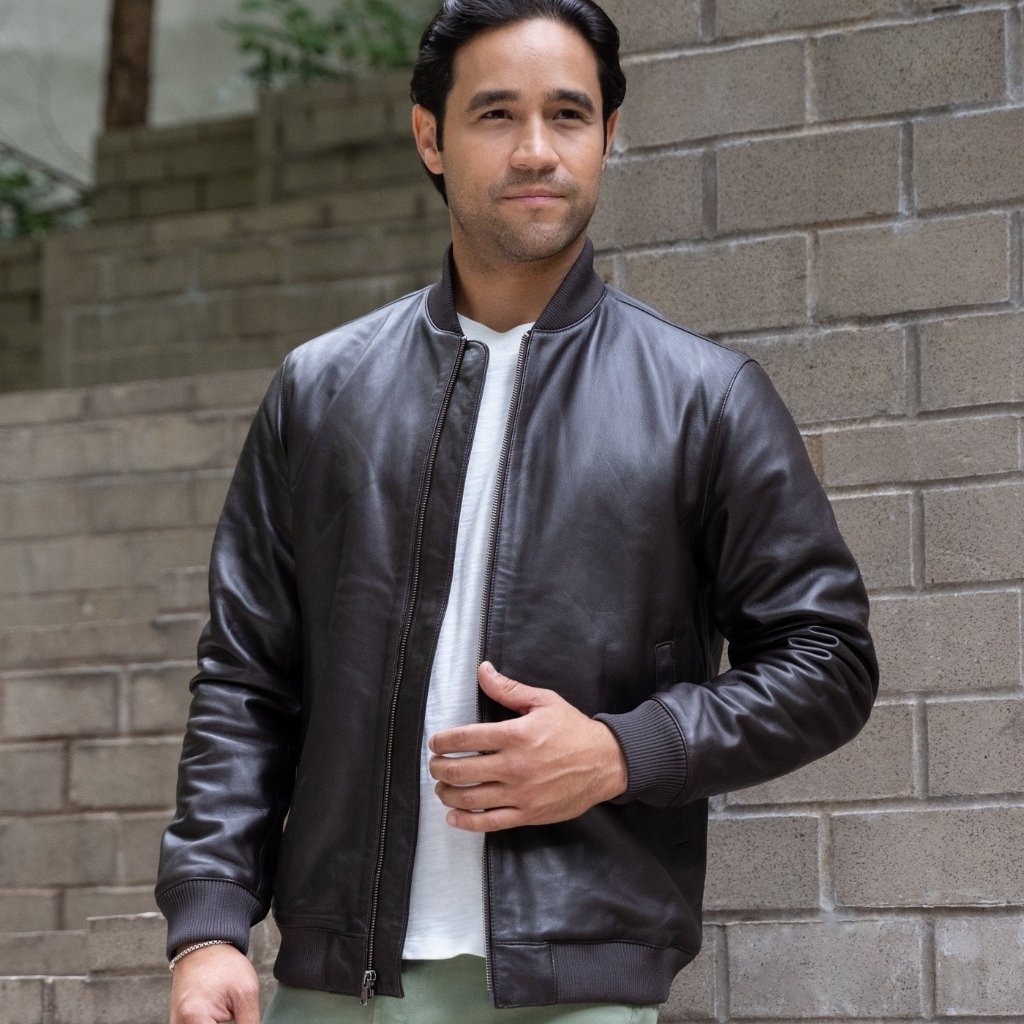
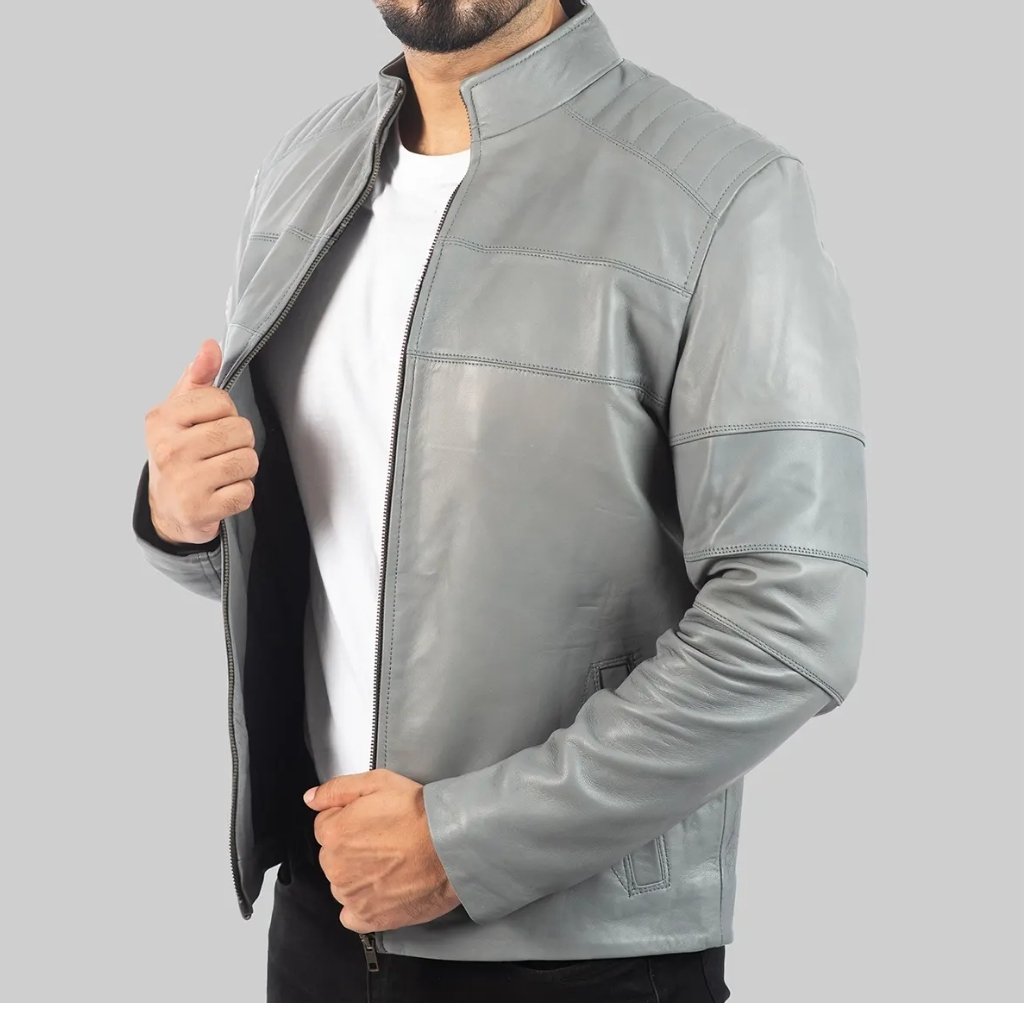
Look of the Day: premium leather bomber jacket styled over a clean white tee, paired with olive-green pants for a sleek, urban vibe.
A shirt style leather jacket in premium is crafted in quality, attention to material and good design. First off, high-quality leather is incorporated which guarantees for a silky appearance and great solidity. In general they have a good softness to structure balance after the leather has been properly treated. This balance also makes the jacket feels great from day one.
Also good is the stitching, fine and neat. No heavy hardware would be used, for example, but rather gentle touches like buttons or snaps. The jacket retains a shirt look and packs the power of leather. And premium linings add breathability, so you can wear it throughout the day.
Although most jackets are cut to a pattern, a premium garment is typically moulded in proportion. I’m guessing the fit is supposed to be like that rather than too slouchy or too tight. This personalized design gives the jacket the power to transform even the most basic ensemble.Read more down kids jacket
Why This Casual Jacket Is Stylish
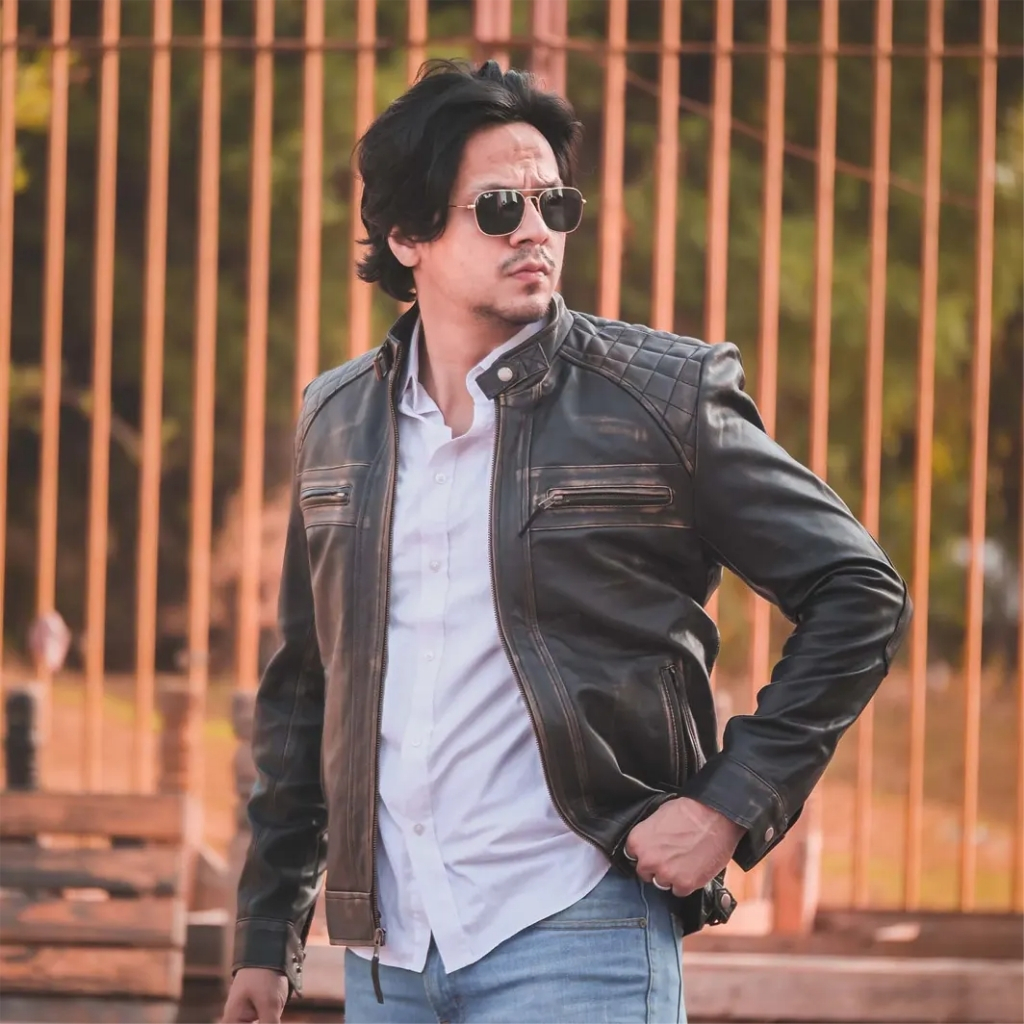
Casual cool: a sleek leather jacket, crisp white shirt, and confident stance.
Nowadays, street wear is all about cool confidence. Thankfully the premium shirt style leather jacket is ideally suited to this mentality. And when it comes to anything you’d want to pair with your everyday essentials, it adds polish in a way that doesn’t feel forced. For example, it can be teamed with a tee and jeans; all of a sudden, the whole outfit looks more sophisticated.
Plus, a black/brown/tan colorway makes them that much easier to style. This adds so the jacket goes with the rest of one’s wardrobe. Meanwhile the leather effect adds texture, which keeps the ensemble interesting to look at. That means even the slouchy outfits feel considered and chic.
Another advantage is comfort. Because it is lighter than other leather overcoats, movement is never a problem. So you can wear it everyday, It also is perfect for weekends and even belts to the office. It often serves as a go-to layer since it provides function along with style.
Formal Fashion with a Leather Jacket in Shirt Type
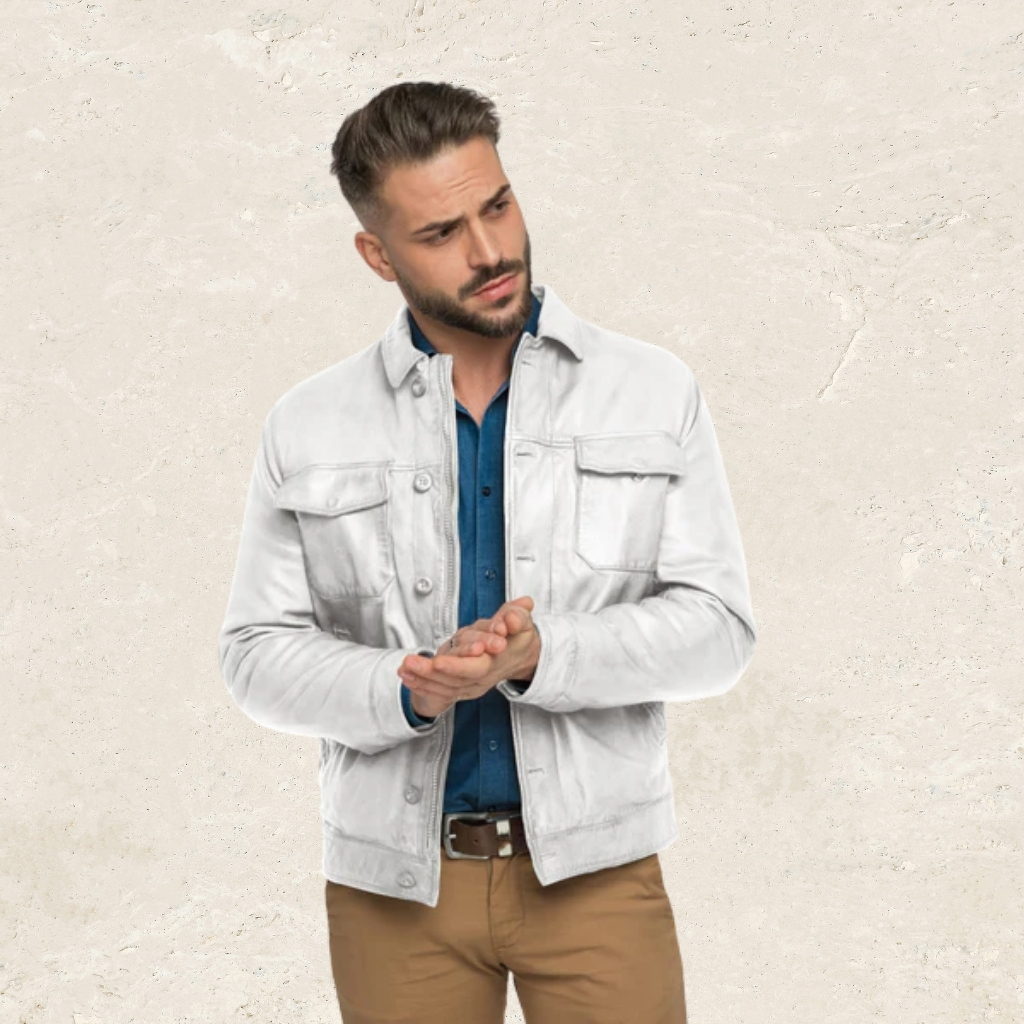
Caption: Fashion Spotlight: Leather Jacket Over Denim — a clean, modern look with neutral tones.
Leather is also widely considered as a casual material, but the high quality shirt style jacket in leather defies that aspect. When paired with the right outfit, it can be easily worn to formal or semi-formal occasions. One such thing is how good of match it makes with tailored trousers and a sharp shirt.
The jacket, which mirrors the line of a button down shirt, lends itself to more form-fitting shapes. Moreover, its straight forward design does not outshine the outfit. Rather it’s a quiet explosion, or a hint of one. As a consequence, the aesthetic is modern rather than classic.
Take it to work or the evening instead of a blazer with this jacket. Although a blazer can certainly seem predictable, a leather shirt jacket provides personality. It is hence frequently embraced by those looking to make a statement yet remain sophisticated.Read more frostline jacket
Seasonal Versatility and Year-Round Appeal
An excellent quality of a premium shirt style leather jacket is that it can be worn in any season, the reason being that has a really nice lining. Great transitional coat to wear as a topcoat. It’s not too heavy or too light, which provides the right amount of comfort when temperatures change.
And in colder weather, it can be worn layered beneath a coat for extra insulation. And in more temperate seasons? It operates as a standalone piece. It also does away with having to use more than one jacket. This adaptability is why I see it as a wise purchase for long time use.
Sexleather also warms up to body temperature. Its insulation to overheating ratio is high as a result. This adds comfort, that’s particularly useful if you are going to use them for longer periods.
Fit, Structure, and Modern Silhouettes
The most important aspect to consider when choosing a shirt style leather jacket is fit – it significantly impacts the overall look of this specific cut. A deluxe version is intended to fit the anatomy of our body. It does not feel too tight though. Instead, a balance shape is formed.
The jacket is flattering for a wide range of body types based on meticulous tailoring. And it has the extra benefit of structured shoulders and clean hems to look razor sharp. This way, the person wearing the watch looks polished without seeming like a stiff.
Contemporary cuts tend to have light trims and little more. That way, the emphasis is still on material quality and fit. This classicism manages to grant the jacket timelessness rather than trendiness.
How Material Quality adds up for Style and Durability
The premium jackets are made of selected leather. Normally, full-grain or top grain is most suitable. That’s because such materials age beautifully, giving the jacket character with wear. Instead of showing wear and tear, it only looks better.
What’s more, quality leather does not crack or peel. Therefore the jacket looks like new for several years. This longevity also makes it economical.
Furthermore, higher grade leather takes to conditioning nicely. Therefore, maintenance is simple. With the right care, jackets remain plush and silky while adding comfort and Style.
Styling Tips for Everyday Confidence
How to Style Premium Shirt style leather jacket Well, the good people at buelti tells top notch quality shirt stylejackets are easy to wear and never go out of style. On more casual days, let it hang open over a neutral top instead. This will give you a casual, yet polished look. Meanwhile the jacket looks neater buttoned up for a smarter look.
Your shoe game also affects the end result. Sneakers make an outfit feel more laid-back, or you can wear (a loafer) with boot-type shoes. The jacket, too is versatile, so it transitions well between both styles.
Accessories should be kept minimal. Because leather is already a statement itself, less can be more. Therefore, the look is still nice and polished.
The Jacket You Need to Complete Your Wardrobe
The Infamous A quality shirt style leather jacket is more than a piece of fashion. It’s a piece that works to fit one’s lifestyle. It makes it easier to avoid the accumulation of multiple coat choices as time spent outside is less divided between casual and formal attire.
Its classic look will always stay in trend. Trickle-down fashion be damned: A well-made leather jacket will outlast any passing trend. As such it’s a staple wardrobe investment.
For those looking for a combination of casual and elegant, this jacket has you covered in every department. It’s not something that is back in fashion and is only getting more popular among the trendy.
In Conclusion – Premium Shirt Style Leather Jackets
In short, the premium shirt style leather jacket is a modern-day icon of versatility. It effortlessly floats between cosy casual and smart suave. Due to its good looks, the premium materials and how well it fits, you probably won’t find a better value.
Weekday or weekend over your fav bodysuit, it always makes the outfit! In addition, to the long-lasting satisfaction. If anyone’s in search of an “It” item to spice up their closetīs contents, it comes served to them here with a leather biker jacket.
As the fashion trends are leading towards more of simplicity and practicality bold leather shirt style premium jacket has become an all time necessity.
FAQs
What is a premium shirt style leather jacket?
A premium shirt style leather jacket is designed with the structure of a shirt and the durability of high-quality leather. It features a clean front, button or snap closures, and a refined silhouette that feels lightweight, modern, and versatile.
How is a shirt style leather jacket different from a regular leather jacket?
Unlike traditional leather jackets that appear bulky or heavy, a shirt style leather jacket offers a slimmer profile. Because it blends shirt tailoring with leather craftsmanship, it delivers a more relaxed yet polished look.
Is a premium shirt style leather jacket suitable for everyday wear?
Yes, a premium shirt style leather jacket is ideal for everyday wear. Its lightweight construction and clean design make it comfortable for daily use while still offering a sophisticated edge.
A grey leather jacket is one of the classiest pieces for current fashion forward ladies. Black and brown leather jackets will always be cool, but grey leather jackets are the new kid on the block when it comes to choice outwear that’s going to afford you style points in spades, as well as a modern feel. In addition, they can give you just the right amount of wild and elegant style and are appropriate for many occasions.
Fashion has become more flexible over the years. It’s no wonder the grey leather jacket has become synonymous with nonchalant chic. It’s easily dressed up or down, layered throughout the seasons and styled to suit any personal aesthetic. So why grey leather jacket is worth investing and also It is not much of a trend but an investment now.
Why the Grey Leather Jacket Is a Modern Essential In Your Wardrobe
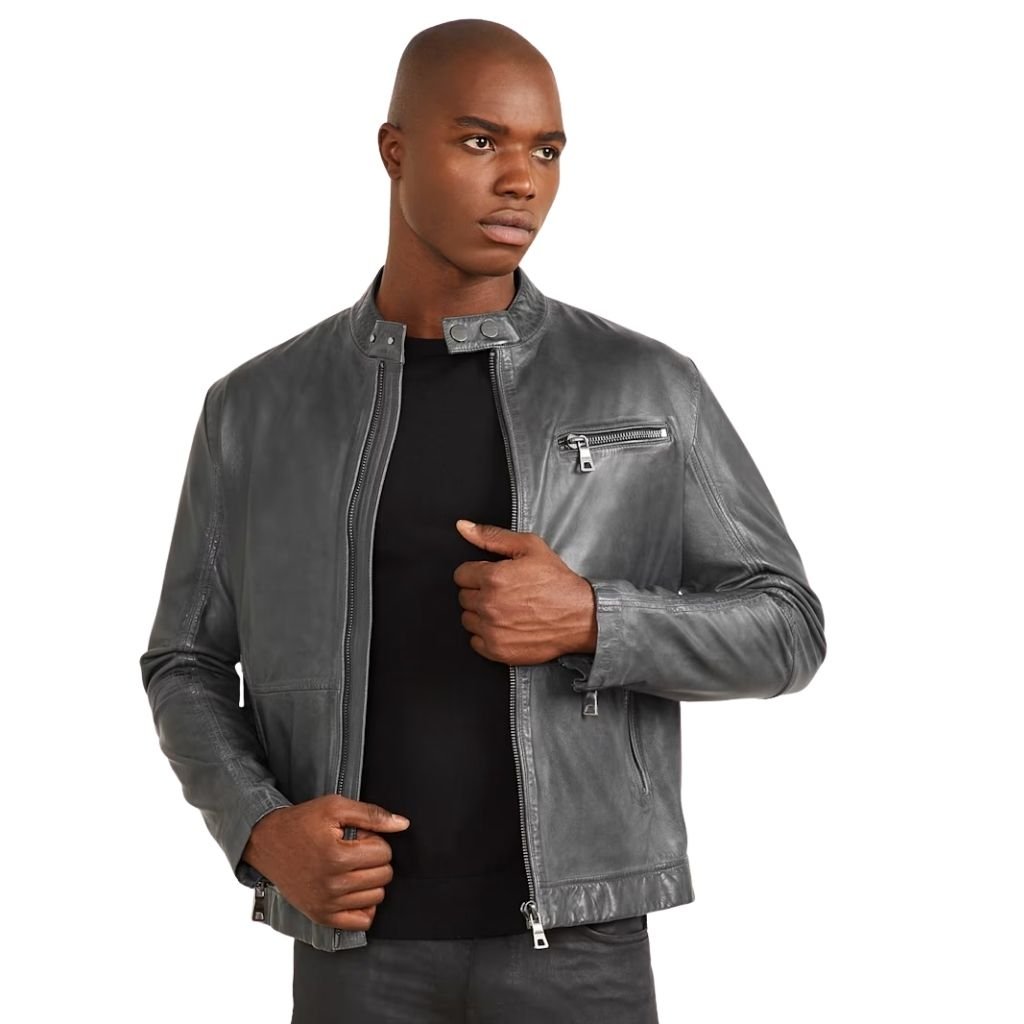
Gray leather jacket look: modern, sleek, and versatile.
The mid-grey leather jacket is a standout piece, as it mixes all the character of leathers but with either grey or stone-like neutrality. While black can be aggressive and brown a bit vintage, gray occupies the middle ground with an air of refinement. It can therefore be worn equally well with dark or light clothing.
What is more grey jackets are adored due to their versatility. It could be worn casually in the daytime or fashioned up in evening costume. And also, grey is a good color to showcase other clothes with which you can form pretty dope looks.
Grey jackets are gaining in popularity, from streetwear men to minimalist guys. This jacket style only grows more relevant as the fashion industry continues to become increasingly inclusive and expressive.
The Grey Leather Style That Never Goes Out of Fashion
Leather in and of itself has always been a symbol of strength and opulence. But with a touch of grey, leather gets a softer and more modern attitude. This metamorphosis makes the jacket appear less aggressive but with an instinct to it.
Moreover, grey leather ages beautifully. The texture gains more character over time, and the color may grow darker. The result is a jacket that feels increasingly personal with every wear. This is an aging process that many people who like fashion feel is quite valuable, because it’s authentic.
Grey leather jackets, by not being overly conspicuous are immune from fashion change. Hence they are those timeless staples in your clothing collection.
Various Different Types of Grey Leather Jackets
Charcoal leather jackets come in a huge array of tones, all with their own character. And then you can have the sleek and ve modern look with light grey jackets to suits or legging. Meanwhile, charcoal or dark grey jackets will offer a little bit more punch but with the safety of subtlety.
On the other side, we see ash grey and stone grey being used in casual Macs. These tones are an easy-going look that everyone can wear everyday. Meanwhile, darker tones of gray are typically selected for a more formal or semi-formal appearance.
Due to such diversity, there is a great chance that everyone will find a grey leather jacket of his own taste.
How to wear a grey leather jacket in everyday life
Everyday cool: a gray leather jacket styled simply with a white tee. Subtle sophistication: a sleek gray leather jacket for daily wear. Casual and modern: leather jacket layering for an effortless look.
It’s easy to wear a grey leather jacket in everyday outfits. Grey is a neutral color, and thus goes well with almost any other hue. For example, it pairs great with white, black, beige, navy and even pastels.
Grey Jacket Outfits A grey jacket and a plain t-shirt can become one of the most simple yet stylish outfit you can ever put on. Pair with sneakers or casual boots for a chilled look. Elsewhere, the addition of a hoodie worn underneath a jacket helps achieve an updated streetwear look.
As the jacket is balanced in its visual I prevent any use of accessories. Thus, the whole attire is just neat, nice and easy.27 types of jacket
Leather Grey Jacket for Smart Casual Opportunities
Iconic grey leather jackets are not only meant for casual dressing. The fact is, they are now widely worn as part of a casual outfit. Worn with trousers that are cut to size, and a snug quirk, the image is neat but casual.
In addition neutral shoes like loafers or leather boots really go well with the jacket. Simple graceful accessories such as a leather belt or traditional watch will add more to the overall look without taking your eyes off it.
This then makes the grey leather jacket a wear-with-anything piece you can take from day to night with ease.
Grey Jackets – A Wear for all Occasions in season From black to tan and than brown, we have a variety of leather jackets that come in the ever-so-classical shades.
One of the best things about a grey leather jacket is that you can wear it all year. On cooler days you can wear with sweaters, scarves or knitwear. So the Heat and Style are both preserved!
You can also pair it with shirts in the winter, to keep warm. Mid-grey reflects less heat than darker colors, so it is often more comfortable to wear than black leather. Therefore it is wearable in all weather seasons.
This versatility makes a grey leather jacket extremely versatile and a great choice of the outerwear despite any season.heavy leather jacket
The Various Fitting of a Grey Leather Jacket you can wear
Fit is vital to how a grey leather jacket looks and feels. A good fitting jacket will make your body look better in proportion, and therefore better at first glance. Given this, one must always take care when looking at the shoulder line, Sleeve length, and overall silhouette.
Low-profile, close finish grey leather jackets provide a contemporary and streamlined shape. Meanwhile, relaxed or classic styles offer comfort and longevity. Cropped styles and longer lengths produce a bold, baby-faced look seeing now.
When that perfect fit is found, confidence levels spike and the jacket feels like a reflection of personal style.
Grey Leather Jacket for Men
Don’t be afraid to try a grey leather jacket if you’re a man and want to veer from the more traditional shades of outerwear. You can wear it rugged or go minimalist or contemporary with its style. As a result, it caters to the taste of the masses where fashion is concerned.
A grey biker leather jacket looks so cool and edgy and a grey leather bomber is more casual and sporty. On the contrary a grey leather blazer-style has sophistication and style.
Due to these possibilities, its very simple to add a grey leather jacket into your casual or formal closet.
Grey Leather Jacket for Women
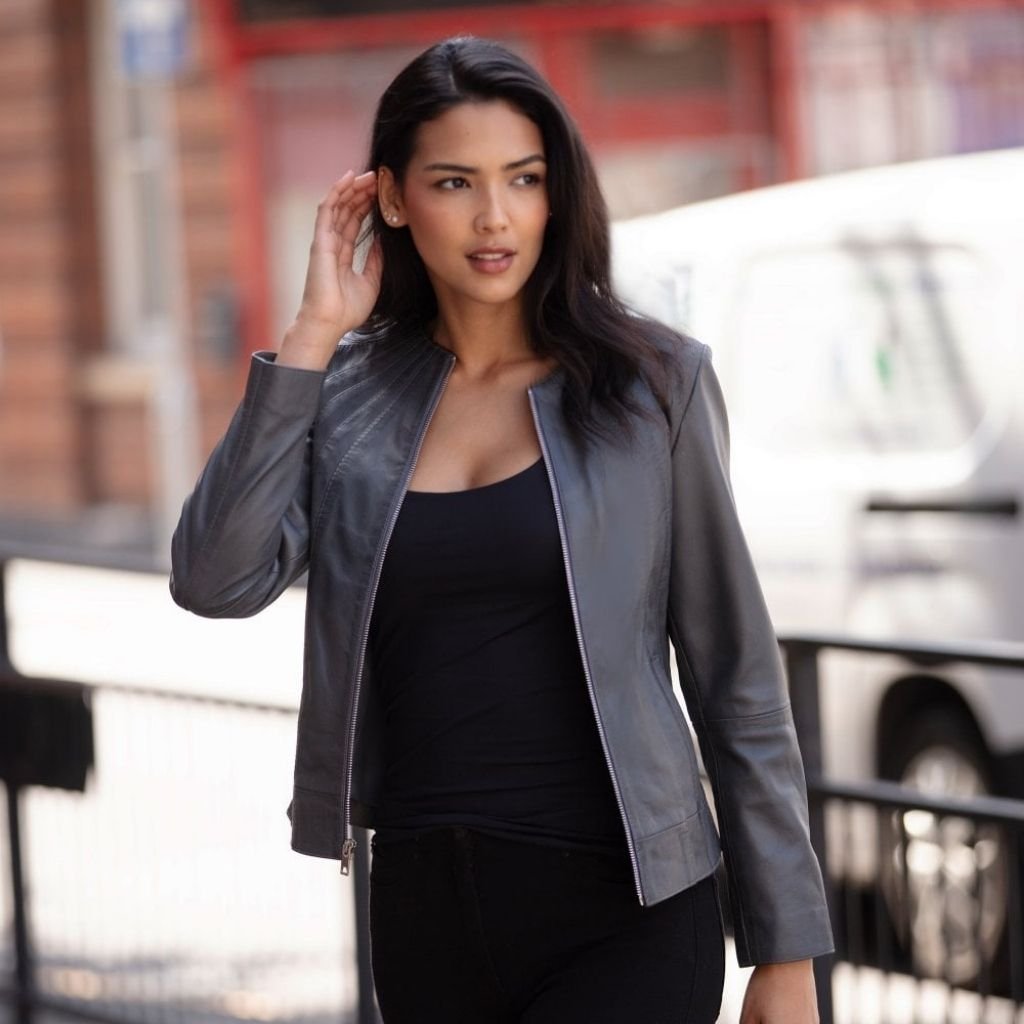
Urban chic: a gray leather jacket elevates a simple black ensemble.
Women’s grey leather jackets Grey isn’t just as adaptable but likewise fashionable. Wear them tucked in on your casual day-to-day outings, at the office or for a night out. Therefore they have become a love of the modern woman.
Waist is emphasized in a form-fitting grey leather jacket. In the meantime, oversized looks have a casual, fashionable feel. Cropped grey leather jackets look amazing with high – waisted bottoms.
Since grey goes with so many colors, textures, etc women are free to go wild with patterns and fabrics as much as they like.
Street Style Fashion with Grey Leather Jacket
Grey Leather Jacket has been taken to the top by slip street style fashion. Greys are typically chosen by influencers and fashion hounds for it’s muted, yet powerful look.
And grey leather jackets pair perfectly with streetwear basics like joggers, t-shirts, and sneakers. Layering is often employed as a cute way to make your outfit look more interesting.
Thus, the slate grey leather jacket remains an iconic staple of urban fashion.
How to Take Care of Grey Leather Jacket
Taking good care of a grey leather jacket is so important to ensure its beauty and longevity. Never store leather in humid or warm place. Also, avoid direct sun exposure because it will change the color.
Wash with mild leather care products (mild shampoo or vegetable soap). It is advised not to use harsh chemicals. Sometimes conditioning helps keep the leather soft and from cracking.
If grey leather jackets are properly cared for, they stay stylish and long-lasting for several years.
Why Grey Leather Jackets are Best Investments
Fashion investments are all about timeless and longevity and I can assure you this coat won’t let you down! A nice grey leather jacket meets all these requirements. Because it’s so versatile, less outerwear volume is required.
Plus, grey leather jackets never go out of fashion. Since mod comes and goes, if you invest in a neutral look and then throw in your own funky customisation, you can make it last forever!
So much so that a grey leather jacket is worth owning outside of the season.
Why We Love Grey on Our Cloths?
greys are usually linked to neutral ground, calm and sophistication. On the body it gives off a sophisticated and self-assured air. Consequently, a grey leather jacket adds a touch of the extraordinary to your overalls rather than drowning you out.
Furthermore, grey enables personality in aesthetics rather than bright colors. It is great for the fashion conscious amongst us.
Because of this psychological pull, people who lov elegance and confidence will always go for grey leather jacket.
Wrapping Up Grey Leather Jacket Over the years, I’ve found that a good gray leather jacket is all we need to take our outfit game up a few notches.
The fairton leather jacket is a great addition that balances traditional tailoring with contemporary style. It provides flexibility, durability, and timeless style all from one iconic single-piece. Dress up or down, by day or night it’s the clothing item to match any mood.
And can be worn forever, Its so neutral there are so many different options with it and yet you still look fashionable wise. In the ever changing fashion world, the grey leather jacket will stand for a cool classic.
In the end, including a gray leather coat in your life is not only about style. It’s all about having fun with versatility, confidence and long-lasting style that is always impressive season after season.
Conclusion
Grey Leather Jacket Trend Style One final thought on how to wear a grey leather jacket trend.
The gray leather jacket is a beautiful combination of classic tailoring and contemporary styling. It’s the iconic piece that has timeless style, durability and versatility all rolled into one. Wear it slouchy, up or out, anyway you like it your choice.
It’s versatility in a laid back parcel, one you can wear it over and over and not feel like your “personal style” is taking the brunt of the fashion impact. When it comes down to trends, the grey jacket is here to stay.
In the end, wearing a grey leather jacket goes beyond fashion. It’s all about versatility, confidence and timeless style that never ages.
FAQs
What makes a grey leather jacket unique compared to other colors
A grey leather jacket offers a balanced look that sits between classic black and vintage brown. It feels modern, refined, and versatile, making it easy to style for both casual and polished outfits.
Is a grey leather jacket suitable for everyday wear
Yes, a grey leather jacket is ideal for everyday use. Its neutral tone pairs effortlessly with most colors, allowing it to be worn casually during the day or styled smartly for evening occasions.
Can a grey leather jacket be worn in all seasons
A grey leather jacket is suitable for multiple seasons. It works well as a light outer layer in mild weather and can be layered with sweaters or hoodies during cooler months.
The Felted Grade C Cashmere wool strikes a balance between luxury and practicality while still being affordable. Cashmere is traditionally associated with high-end fashion, exclusivity and ultra-soft clothing. The Grade C felted cashmere is a more affordable, yet elegant alternative. This fabric is durable and comfortable, thanks to its unique finishing technique and slightly coarser classification of fibers. It has gained popularity in the fashion, textile, and upholstery industries.
This comprehensive guide covers everything you need to know about felted Grade C Cashmere Fabric — from its production and origins, to its applications, benefits, care and market relevance. It also highlights the reasons why consumers and professionals should take this fabric into consideration.
Understanding Cashmere Grades
Felted Grade C Cashmere Fabric can be classified based on their length, softness and fineness. Cashmere of Grade A is considered to be the best, while Grade C is more dense and less delicate. This does not mean that the cashmere is of inferior quality, but rather it indicates different functional features.
They are used for durable products because they are slightly coarser. They also respond extremely well to felting. The Grade C felted cashmere is now a popular choice for outerwear, structured garments and blankets.
Moreover, the fibers have a longer life span, as they are less fragile. Manufacturers looking for cost-effective luxury materials have appreciated this advantage.
What makes cashmere “felted”?
The term felting refers to the textile finishing process where fibers are compressed and moistened before being agitated. The result is a fabric that is denser, more cohesive and has a higher density. Cashmere is a good example of a fabric that benefits from the process. It increases warmth, texture stability and resilience.
Felted Grade C Cashmere Fabric natural scales are important in facilitating this bonding. The fibers are compacted by heat, moisture and pressure during processing. The fabric is thicker, and therefore less likely to fray. In colder climates, this transformation is highly valued because it increases insulation.
Felted cashmere also tends to have a smoother, more uniform surface. The garments look more refined, but still have a soft feel.
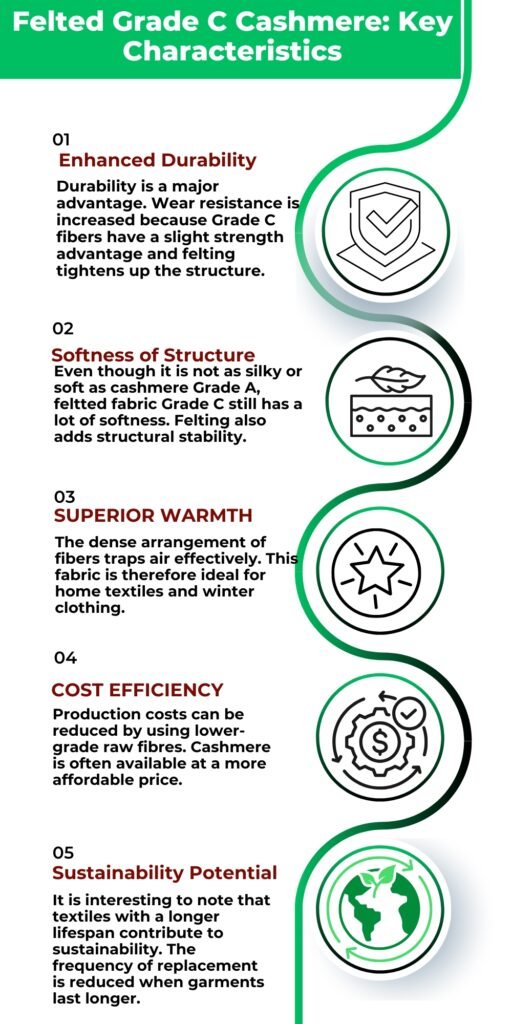
Felted Grade C Cashmere: Key Characteristics
Felted Grade C Cashmere Fabrie: Key Characteristics infographic.
1. Enhanced Durability
Durability is a major advantage. Wear resistance is increased because Grade C fibers have a slight strength advantage and felting tightens up the structure. So, the products can be used frequently without losing their integrity.
2. Softness of Structure
Even though it is not as silky or soft as cashmere Grade A, feltted fabric Grade C still has a lot of softness. Felting also adds structural stability. Designers can therefore create garments with better shape retention.
3. Superior Warmth
The dense arrangement of fibers traps air effectively. This fabric is therefore ideal for home textiles and winter clothing.
4. Cost Efficiency
Production costs can be reduced by using lower-grade raw fibres. Cashmere is often available at a more affordable price.
5. Sustainability Potential
It is interesting to note that textiles with a longer lifespan contribute to sustainability. The frequency of replacement is reduced when garments last longer. This reduces the environmental impact.
Manufacturing Process Overview
Several stages are involved in the creation of Felted Grade C Cashmere Fabric. Cashmere fibers must first be collected, cleaned, and sorted. They are then spun into yarn, before being woven or knitted.
After fabric formation begins felting treatment. Heat, water, friction and pressure are usually used. During this process, the fibers interlock. Final finishing treatments, such as softening and dyeing or brushing, may be applied.
Fabrics are often tested to ensure they meet quality standards, including for their thickness, color consistency, and strength. The fabric is only ready for commercial use after all these steps have been completed.
Cashmere has many advantages over traditional cashmere
Felted Grade C Cashmere Fabric of high quality is renowned for its extreme softness. It can be fragile. Cashmere Grade C felt offers a unique value proposition.
First, the resilience of the system is increased. Second, the maintenance requirements can be simplified. Thirdly, the price is more accessible. This textile has therefore carved its own niche, rather than directly competing with premium grades.
Fashion brands are also increasingly attracted to versatile materials that combine luxury and practicality. This demand is met by feltted Grade C Cashmere.
Common Applications
Fashion Apparel
This fabric is often used to make outerwear, scarves and other winter accessories. Cold-weather clothing is benefited by the strong insulation of this fabric.
Home textiles
Felted cashmere blends are often used in blankets, cushions, throws and upholstery fabrics. These products offer comfort and durability.
Accessories
Felted Grade C Cashmere Fabric can be used to make bags, hats and accents for footwear. This is where the structured texture comes in handy.
Industrial Textile Use
Cashmere felted is sometimes used in acoustic or specialty insulation applications. The dense fiber structure provides sound and heat retention.
Care and Maintenance Tips
The right care will ensure longevity and maintain the fabric’s appearance. Cashmere Grade C is slightly easier to care for than the delicate grades.
First, gentle handwashing is recommended. You can also choose to have your clothes professionally cleaned. Avoid agitation because it can cause the shape to be distorted.
Also, clothes should not be hung up to dry. This will prevent stretching. It is best to store your clothes in containers that are breathable, otherwise moth damage may occur.
Fabric combs can be used to remove pilling. So, clothes can look new.
Market Demand and Industry Trends
The global textile market has shown a growing interest in luxury fabrics that are affordable. Felted Grade C Cashmere Fabric has become increasingly important in the commercial world.
Durability and value are becoming increasingly important to consumers. Material that offers both comfort and functionality is sought. In addition, the awareness of sustainability has encouraged textile purchases that are longer lasting.
Fashion brands are also experimenting with blends that combine cashmere and wool. This innovation can often make premium products more affordable while still maintaining a premium image.
Moreover, the growth of online retail has made niche fabrics easier to access. Now, smaller brands can introduce specialized fabrics without massive distribution networks.
Environmental Considerations
Cashmere production can sometimes raise environmental concerns, especially in relation to grazing. Responsible sourcing initiatives have become more widespread.
In recent years, ethical herding, better land management and traceable supply chain are being emphasized. The environmental impact is reduced.
The durability of Grade C felted cashmere contributes to sustainability indirectly. Textile waste could decrease because garments can last longer.
Recycling initiatives are being investigated. Some manufacturers are testing regenerated cashmere fibres that could enhance sustainability.
Styling Potential and Design
Designers love felted cashmere, because it provides structure without sacrificing style. This characteristic is ideal for tailored coats, structured knits and tailored accessories.
The fiber density is often responsible for excellent color absorption. Rich hues and tones are possible.
Texture versatility is also a great advantage. Fabrics can be made to look rustic or refined, depending on the finishing technique. Both classic and contemporary fashion aesthetics are supported.
Business Value Investment
Felted Grade C Cashmere Fabric offers an opportunity for manufacturers and retailers. It offers a genuine luxury feel while reducing production costs.
Moreover, the durability of a product increases customer satisfaction. When consumers are confident in the durability of textiles, they often make repeat purchases.
Sustainable sourcing, innovative design and a focus on sustainability can all help to differentiate brands. Businesses can then position themselves to be competitive.
Consumer Tips
When buying felted Grade C Cashmere products, there are several factors to consider:
The future of Felted Grade C Cashmere Fabric looks promising. Globally, the demand for affordable luxury textiles continues its growth. Sustainability initiatives are also shaping production standards.
The technological advancements in the fiber processing industry are likely to increase softness while maintaining durability. The quality of the product may improve.
Also, the consumer’s awareness of textile grades is growing. As consumer awareness increases, the appreciation of functional luxury materials such as felted Grade C Cashmere should expand.
Final Thoughts
The Felted Grade C Cashmere Fabric is a perfect combination of affordability, luxury and practicality. This alternative is just as desirable to many customers, even though premium cashmere remains a popular choice. It offers warmth, durability and structural integrity.Felted Grade C Cashmere Fabric Felted Grade C Cashmere Fabric.
A changing market is also a big fan of textiles that offer comfort and durability. Cashmere felted Grade C meets these expectations and is gaining in popularity.
FAQs
What is felted Grade C cashmere fabric?
It is Felted Grade C Cashmere Fabricmade from slightly coarser fibers that have been felted through heat, moisture, and pressure. This process creates a denser, more durable fabric while maintaining softness and warmth.
Is Grade C cashmere lower quality?
Not necessarily Felted Grade C Cashmere Fabric. It is simply thicker and less delicate than higher grades. This makes it more durable and suitable for structured garments, outerwear, and home textiles.
How is felted cashmere different from regular cashmere?
Felted Grade C Cashmere Fabric undergoes compression and agitation so the fibers interlock. As a result, it becomes thicker, warmer, and more resistant to wear compared to untreated cashmere.
The Brushed Grade C cashmere fabric wool is an affordable entry to the world of Cashmere. It offers softness, warmth and a pleasing visual appeal. The Grade C Cashmere Fabric is a lower grade than Grade A or Grade B, but it offers impressive comfort when it’s processed properly. When brushing techniques are used, the fabric gets a more luxurious finish, a greater texture and loft. This appeals to designers as well as consumers.
On today’s highly competitive textile market, affordability is important. Quality cannot be overlooked. Brushed Grade C Cashmere Fabric is a good solution for achieving a balance. It is soft at a lower cost, which makes it perfect for fashion brands, home textiles and seasonal collections.
Understanding Grade C Cashmere
Cashmere can be classified into different grades according to its fiber length, overall purity, and diameter. Cashmere Grade C is typically characterized by slightly shorter fibers, and a slightly coarser micron number compared to Grade B or A. It is therefore more affordable.
Cashmere of Grade C still has natural insulation and softness. Many premium items are made with Grade A material, but many stylish and practical items are also produced using Grade C. When finishing processes such as brushing are applied, texture is noticeably softened.
Manufacturers prefer Grade C Cashmere to mass-produce because:
Reduces production costs
When recycled, it supports sustainable sourcing
Blends are flexible
The product is suitable for brushing, finishing and other techniques.
What is brushing in cashmere fabric?
The surface fibers are lifted by fine brushes during the brushing process. A soft, fuzzy texture is created. This process increases warmth retention, and gives the product a luxurious look.
Brushing also helps to hide minor irregularities in the fibers, which are often present in cashmere of Grade C. The fabric will feel smoother and refined as a result.
Brushing your teeth has many benefits.
Softening Enhanced
Thermal insulation: Improved
Rich texture and depth
Cozy visual appeal
Better drape
Brushed Grade C Cashmere Fabric has many advantages and is used widely in winter fashion, lifestyle products and other items.
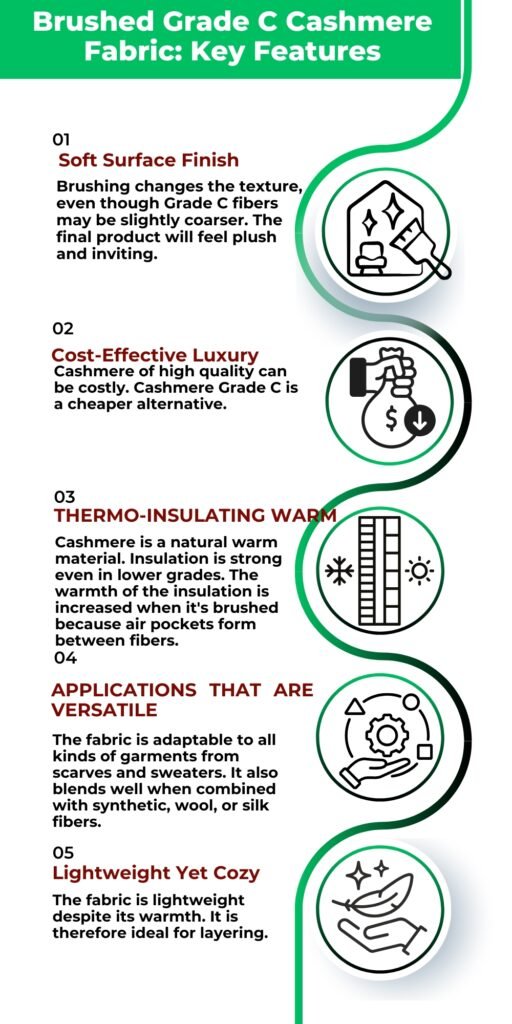
Brushed Grade C Cashmere Fabric: Key Features
Key Features of Brushed Grade C Cashmere Fabric: soft finish, affordable luxury, strong warmth, versatile applications, and lightweight comfort.
1. Soft Surface Finish
Brushing changes the texture, even though Grade C fibers may be slightly coarser. The final product will feel plush and inviting.
2. Cost-Effective Luxury
Cashmere of high quality can be costly. Cashmere Grade C is a cheaper alternative.
3. Thermo-insulating Warm
Cashmere is a natural warm material. Insulation is strong even in lower grades. The warmth of the insulation is increased when it’s brushed because air pockets form between fibers.
4. Applications that are versatile
The fabric is adaptable to all kinds of garments from scarves and sweaters. It also blends well when combined with synthetic, wool, or silk fibers.
5. Lightweight Yet Cozy
The fabric is lightweight despite its warmth. It is therefore ideal for layering.
The Brushed Grade C Cashmere Fabric Manufacturing Process
Brushed Grade C Cashmere Fabric goes through several steps.
Step 1: Collection of Fiber
Cashmere is collected from goats in the molting period. These fibers are sorted according to length and quality.
Step 2: Cleaning & Dehairing
The coarse guard hairs and impurities are removed. Even though Grade C fibers can contain shorter strands of fiber, careful processing ensures consistency.
Step 3: Spinning
The fibers are spun to yarn. Blending is sometimes done to increase strength and lower cost.
Step 4: Weaving and Knitting
Fabric is made from the yarn. The yarn is converted into fabric.
Step 5: Buffing the Finish
The final step is to brush the surface. The surface is now soft and velvety.
Brushed Grade C Cashmere Fabric
This fabric is popular because it offers a balance between comfort and affordability.
Fashion Industry
Winter sweaters
Cardigans
Shawls
Scarves
Ponchos
Home textiles
Lightweight blankets
Throws
Cushion covers
Accessories
Gloves
Caps
Travel Wraps
A lower cost of production is another reason why fast fashion brands choose this fabric to create seasonal collections.
The advantages of Cashmere over other grades
Although Grade A cashmere is soft, it is also more expensive. The Grade C brushed Cashmere offers:
Price accessibility
Soft enough for everyday wear
Durability suitable for frequent use
Flexible blending potential
Brands that target mid-range markets choose this option.
Sustainability and ethical considerations
In the textile industry, sustainability is becoming more important. Many suppliers are now focused on responsible sourcing.
Cashmere Grade C is often made from recycled fibers. The environmental impact of cashmere is therefore reduced. Reputable producers also implement ethical standards for animal treatment.
Blended with recycled wool and eco-friendly fibres, Grade C brushed cashmere is even more sustainable.
Brushed Grade C Cashmere Fabric Care Instructions
Proper care extends lifespan.
Handwash in cold water
Use mild detergent
Avoid wringing
Dry flat
Fold and store instead of hanging
Even though the fabric is durable it should not be subjected to excessive friction as this can cause pilling.
Market Demand and SEO Value
The global textile market continues to grow in popularity of Brushed Grade C Cashmere Fabric. Budget-conscious brands are particularly fond of its affordability.
The number of online searches for cashmere fabric at affordable prices, brushed Cashmere Material, and Grade C Cashmere Suppliers is increasing. Businesses that optimize their product listings by adding SEO-friendly descriptions to the description can increase visibility.
Include keywords like:
Wholesale Brushed Cashmere Fabric
Affordable cashmere material
Grade C cashmere textile
Cashmere soft brushed fabric
Can enhance digital reach
Compare Brushed Grade C Cashmere to Wool
Wool is less expensive, but it can feel heavier and less supple. Cashmere Grade C brushed offers:
Soft texture
Lighter weight
Improved insulation to weight ratio
More premium aesthetic
Wool may be more durable. It is therefore common to mix both materials.
Designers gain more flexibility with pricing and design.
Texture and Aesthetic Appeal
The surface is brushed to create a velvety, matte look. Raised fibers also improve color absorption. Rich hues are therefore deeper and warmer.
The fabric is ideal for the autumn and winter collection.
Common Challenges
There are still some challenges to the system, despite its many advantages.
Risk of higher pilling
Softness slightly lower than Grade A
Requires gentle maintenance
Proper finishing techniques can reduce these problems.
Why choose Brushed Grade C Cashmere Fabric
This fabric is a great choice if you want to achieve luxury at an affordable price. This fabric provides warmth, softness and elegance at a reasonable price.
Moreover, it supports versatile design possibilities. The material is adaptable to a variety of applications, from fashion clothing to home décor.
It has therefore become the preferred choice of emerging brands and wholesalers.
Conclusion
The perfect blend of comfort and affordability is Brushed Grade C Cashmere Fabric. Modern brushing techniques enhance the feel and appearance of this fabric, even though it isn’t the highest grade.
Its versatility, warmth and affordability also make it suitable for many applications. It is a durable product that will last for years.
FAQs
What is Brushed Grade C Cashmere Fabric?
Brushed Grade C Cashmere Fabric is a cost-effective cashmere material made from slightly shorter and coarser fibers. However, a brushing process is applied to enhance softness, texture, and warmth.
Why is brushing important in cashmere fabric?
Brushing lifts surface fibers. As a result, the fabric becomes softer, warmer, and more visually appealing. Additionally, it improves insulation by creating air pockets.
What products are made from Brushed Grade C Cashmere?
It is commonly used for sweaters, scarves, shawls, ponchos, blankets, gloves, and winter accessories.
What Is Winter Lock Performance Fabric? It is a modern winter performance fabric designed for cold weather comfort. It keeps your body warm while still allowing airflow. That is why many brands use it in sportswear and winter clothing.This fabric works as a thermal stretch fabric that supports movement. It also holds heat close to the body. At the same time, it releases extra moisture and sweat. Therefore, it feels dry even during workouts.Winter Lock Performance Fabric is popular in cold-weather activewear material categories. It is also known as an insulated breathable textile because it balances warmth and ventilation. Moreover, it offers flexibility, durability, and shape retention.
Many winter fabrics feel heavy and stiff.What Is Winter Lock Performance Fabric? However, Winter Lock feels light and smooth. It provides strong insulation without making the body feel bulky. In addition, it performs well in windy conditions and outdoor climates.
History of Winter Lock Performance Fabric
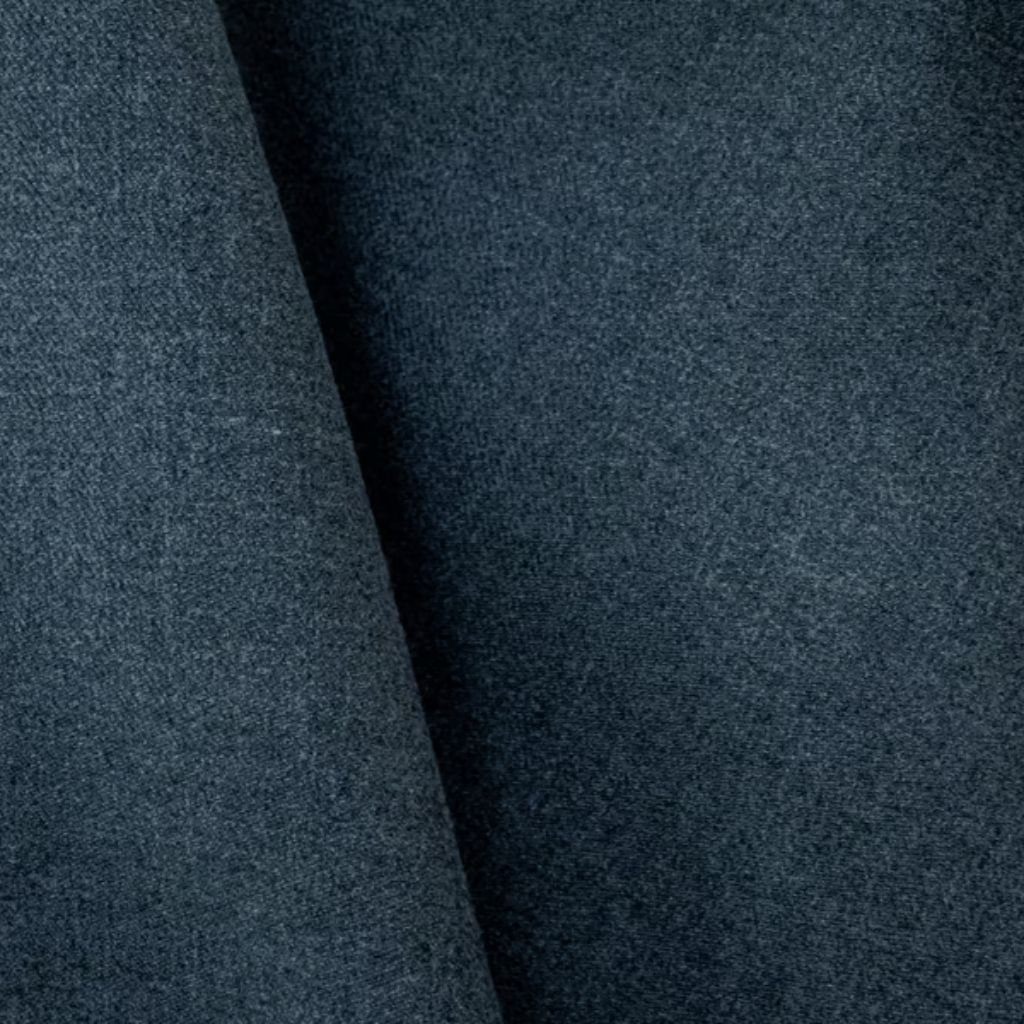
Caption: Deep blue texture and fold highlight the fabric’s tactile quality.
Winter Lock Performance Fabric is a newer innovation in the textile world. It developed due to increasing demand for advanced winter sports clothing. People wanted warmth without heavy layers. Therefore, fabric engineers began improving thermal fabric technology.What Is Winter Lock Performance Fabric?
Earlier winter fabrics mainly depended on wool and thick fleece. These materials provided warmth but absorbed moisture easily. As a result, they sometimes felt wet and uncomfortable. This created the need for a better solution.
Over time, manufacturers started using polyester blends and brushed linings.What Is Winter Lock Performance Fabric? They also introduced spandex for stretch and mobility. Moreover, they tested new knitting and weaving methods for heat retention.
The term “Winter Lock” became popular as brands marketed heat-trapping fabric systems. These systems focused on locking warm air inside. What Is Winter Lock Performance Fabric?At the same time, they released sweat through breathable fiber structures.
Today, Winter Lock Performance Fabric is widely used in activewear. It is also common in winter leggings, base layers, and insulated jackets.
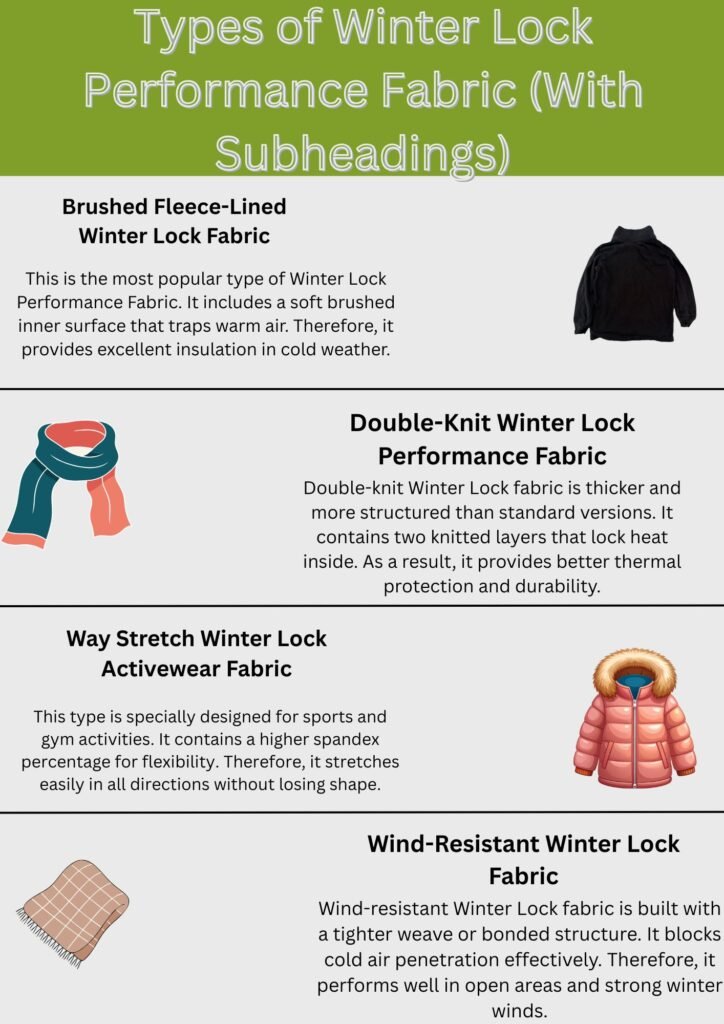
Types of Winter Lock Performance Fabric (With Subheadings)
Winter Lock Performance Fabric comes in multiple types. Each type is designed for a specific winter need. Some focus on extra warmth, while others focus on flexibility and breathability. What Is Winter Lock Performance Fabric?Therefore, choosing the right type depends on your climate and activity level.
Caption: Quick guide to Winter Lock performance fabrics: brushed fleece-lined, double-knit, way stretch activewear, and wind-resistant.
Brushed Fleece-Lined Winter Lock Fabric
This is the most popular type of Winter Lock Performance Fabric. It includes a soft brushed inner surface that traps warm air. Therefore, it provides excellent insulation in cold weather.
Double-Knit Winter Lock Performance Fabric
Double-knit Winter Lock fabric is thicker and more structured than standard versions. It contains two knitted layers that lock heat inside. As a result, it provides better thermal protection and durability.
Way Stretch Winter Lock Activewear Fabric
This type is specially designed for sports and gym activities. It contains a higher spandex percentage for flexibility. Therefore, it stretches easily in all directions without losing shape.
Wind-Resistant Winter Lock Fabric
Wind-resistant Winter Lock fabric is built with a tighter weave or bonded structure. It blocks cold air penetration effectively. Therefore, it performs well in open areas and strong winter winds.
What Is Winter Lock Performance Fabric? (Technical Definition)
What Is Winter Lock Performance Fabric? It is a high-performance textile made for cold climates. It traps body heat while allowing moisture to escape. Therefore, it provides warmth without overheating.
This fabric often uses synthetic fibers like polyester and spandex.What Is Winter Lock Performance Fabric? It may also include brushed fleece lining for extra insulation. Many versions use double-knit or bonded structures. As a result, they hold warmth for longer periods.
Winter Lock differs from normal winter fabric because it focuses on performance. Regular fabrics only provide warmth. What Is Winter Lock Performance Fabric?However, Winter Lock provides warmth, stretch, sweat control, and durability.
Manufacturers often use thermal-locking technology in this fabric. They create tiny air pockets inside the structure. These pockets hold warm air close to your skin. Therefore, the body stays insulated even in cold winds.
It is also considered a thermal retention fabric and moisture-wicking winter textile. In addition, it is a strong stretch insulation material used for active winter lifestyles.
Composition of Winter Lock Performance Fabric
Winter Lock Performance Fabric usually contains polyester as the main fiber.What Is Winter Lock Performance Fabric? Polyester provides strength, durability, and moisture resistance. Therefore, it performs better than cotton in winter conditions.
Spandex or elastane is added for stretch and flexibility. This makes it ideal for sportswear and leggings. Moreover, it improves fit and comfort during movement.
Many Winter Lock fabrics include a brushed interior lining. This lining feels soft and warm against the skin. It also increases insulation by trapping heat.What Is Winter Lock Performance Fabric?
Some advanced versions may include fleece backing or thermal microfibers. What Is Winter Lock Performance Fabric?These fibers improve warmth without adding weight. As a result, the fabric stays lightweight yet protective.
How It Differs From Regular Winter Fabrics
Winter Lock Performance Fabric focuses on controlled warmth and sweat release. Regular winter fabrics often trap moisture and cause discomfort. Therefore, Winter Lock is better for active use.
Traditional wool provides warmth but can feel itchy. It can also shrink if washed incorrectly. However, Winter Lock fabrics usually resist shrinkage and feel smooth.What Is Winter Lock Performance Fabric?
Fleece is warm but may allow wind to pass through. Winter Lock often has a tighter weave. Therefore, it blocks cold air more effectively.
Cotton winter blends absorb sweat and dry slowly. What Is Winter Lock Performance Fabric?This can make you feel colder later. Winter Lock solves this issue with moisture-wicking fibers.
Manufacturers create Winter Lock fabric using special knit structures. These structures create tiny spaces inside the fabric. These spaces hold warm air like insulation pockets.
The brushed interior is created by raising fibers on the inside surface.What Is Winter Lock Performance Fabric? This increases softness and warmth. Moreover, it improves comfort when worn directly on skin.
Some Winter Lock versions use bonded layers. They combine insulation and wind resistance into one fabric. Therefore, the fabric performs well in harsh weather.
In addition, many manufacturers apply anti-pilling treatments. This keeps the fabric smooth after repeated use. As a result, it maintains a premium look longer.What Is Winter Lock Performance Fabric?
Key Features of Winter Lock Performance Fabric
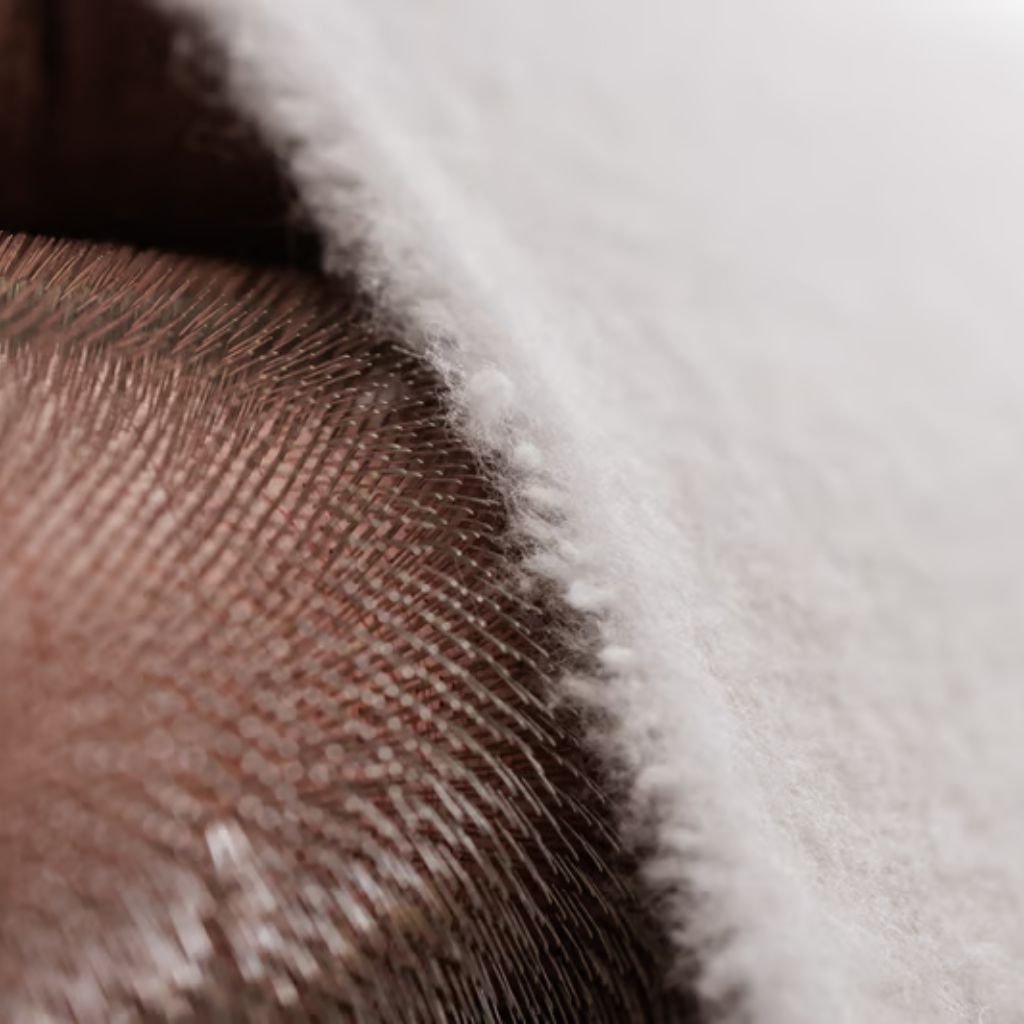
Caption: Textured contrast: brown woven fabric beneath a soft white puff.
Winter Lock Performance Fabric includes many advanced features. Each feature supports comfort, warmth, and long-term use. Moreover, these qualities make it ideal for winter activewear.
Advanced Thermal Insulation
Winter Lock fabric traps body heat effectively. It creates a warm barrier between skin and cold air. Therefore, it supports winter comfort even in freezing conditions.What Is Winter Lock Performance Fabric?The brushed inner layer improves insulation further. It holds warm air in small pockets. As a result, the body stays warm with less layering.
This feature makes it ideal for outdoor sports. It is also useful for daily winter wear. Moreover, it helps reduce heat loss during strong winds.
Breathability & Moisture Control
This fabric is breathable despite being insulated. It allows air exchange while holding warmth. Therefore, it prevents overheating during activity.What Is Winter Lock Performance Fabric?It also wicks sweat away from the skin. Sweat moves toward the outer surface for evaporation. As a result, you stay dry and comfortable longer.
This makes it a great moisture-wicking winter textile. In addition, it helps prevent chills caused by damp clothing.
Way Stretch Flexibility
Winter Lock Performance Fabric often includes spandex. This gives it 4-way stretch in multiple directions. Therefore, it supports free movement in sports.What Is Winter Lock Performance Fabric?This flexibility is useful for skiing, hiking, and running. It also improves comfort during bending and stretching. Moreover, it helps the fabric fit the body properly.
Because of stretch, it also works well for compression clothing. As a result, it is common in winter leggings and base layers.
Wind & Cold Resistance
Winter Lock fabric usually has a tight knit structure. This reduces airflow through the textile. Therefore, it blocks cold wind better than fleece.What Is Winter Lock Performance Fabric?Some versions include wind-resistant coatings or bonded layers. These versions perform well in harsh outdoor conditions. Moreover, they reduce the need for heavy jackets.
This feature is important for extreme cold climates. In addition, it improves comfort in open areas and mountains.
Lightweight Yet Warm
Many people assume warm fabric must be heavy. However, Winter Lock fabric proves the opposite. It offers warmth without thick weight.What Is Winter Lock Performance Fabric?This lightweight feel improves comfort for daily wear. It also supports athletes who need speed and flexibility. Therefore, it is a strong option for active winter clothing.
In addition, it packs easily for travel. As a result, it is popular for outdoor adventure trips.
Durability & Shape Retention
Winter Lock Performance Fabric resists stretching out over time. It holds its original shape after repeated use. Therefore, clothing stays fitted and supportive.What Is Winter Lock Performance Fabric?Polyester fibers also resist tearing and abrasion. This makes the fabric long-lasting for sportswear. Moreover, it handles frequent washing better than wool.
Many versions also resist pilling and fading. As a result, garments keep a clean and modern appearance.
Benefits of Using Winter Lock Performance Fabric
Winter Lock Performance Fabric offers real-life benefits for winter users. It is designed for both comfort and athletic performance. Moreover, it works well for everyday wear.What Is Winter Lock Performance Fabric?First, it locks in body heat efficiently. Therefore, it reduces the need for heavy layering. It keeps you warm while still feeling light.
Second, it prevents sweat buildup during movement. It pushes moisture outward for fast drying. As a result, your body stays dry and stable.
Third, it improves mobility due to stretch construction. You can move freely during sports and exercise. Moreover, it supports active motion without fabric pulling.What Is Winter Lock Performance Fabric?
In addition, this fabric works well in extreme climates. It blocks wind and resists cold air penetration. Therefore, it supports winter hiking, skiing, and outdoor work.
Finally, Winter Lock fabric lasts a long time. It maintains shape and softness after repeated washing. As a result, it gives strong value for money.
How Does Winter Lock Performance Fabric Work?
Winter Lock Performance Fabric uses advanced textile structure to trap warmth. It does not rely only on thickness. Instead, it relies on smart construction and fiber engineering.
The main idea is simple. It traps warm air and controls moisture release. Therefore, it creates a stable comfort zone around the body.
Heat-Trapping Mechanism
This fabric traps heat through layered knitting. The inner surface holds warm air pockets. These pockets act like natural insulation.
When your body produces heat, the fabric captures it. Therefore, heat does not escape quickly. This helps maintain warmth even during cold wind exposure.
Unlike heavy wool, it stays light while trapping heat. As a result, it is more comfortable for active use.
Air Pocket Insulation Concept
Air is a natural insulator. Winter Lock fabric uses this concept effectively. It creates small spaces between fibers and knit loops.
These spaces trap air warmed by body temperature. Therefore, the trapped air acts as a thermal shield. This keeps cold air from reaching your skin.
Moreover, these pockets improve warmth without bulk. That is why Winter Lock feels thin but warm.
Moisture-Wicking Science
Sweat can make the body colder in winter. Winter Lock fabric solves this issue using moisture-wicking fibers. Polyester fibers do not absorb water deeply.
Instead, sweat spreads across the fabric surface. It then evaporates quickly. Therefore, the skin stays drier during exercise.
This is why Winter Lock works well for winter sports. In addition, it reduces odor buildup caused by moisture.
Winter Lock vs Fleece vs Wool (Comparison)
Winter Lock combines warmth and breathability. Fleece is warm but less wind-resistant. Wool is warm but may hold moisture. Therefore, Winter Lock becomes a balanced option.
It offers better stretch than wool and better structure than fleece. Moreover, it dries faster than most natural fibers.
Winter Lock Performance Fabric vs Other Winter Fabrics
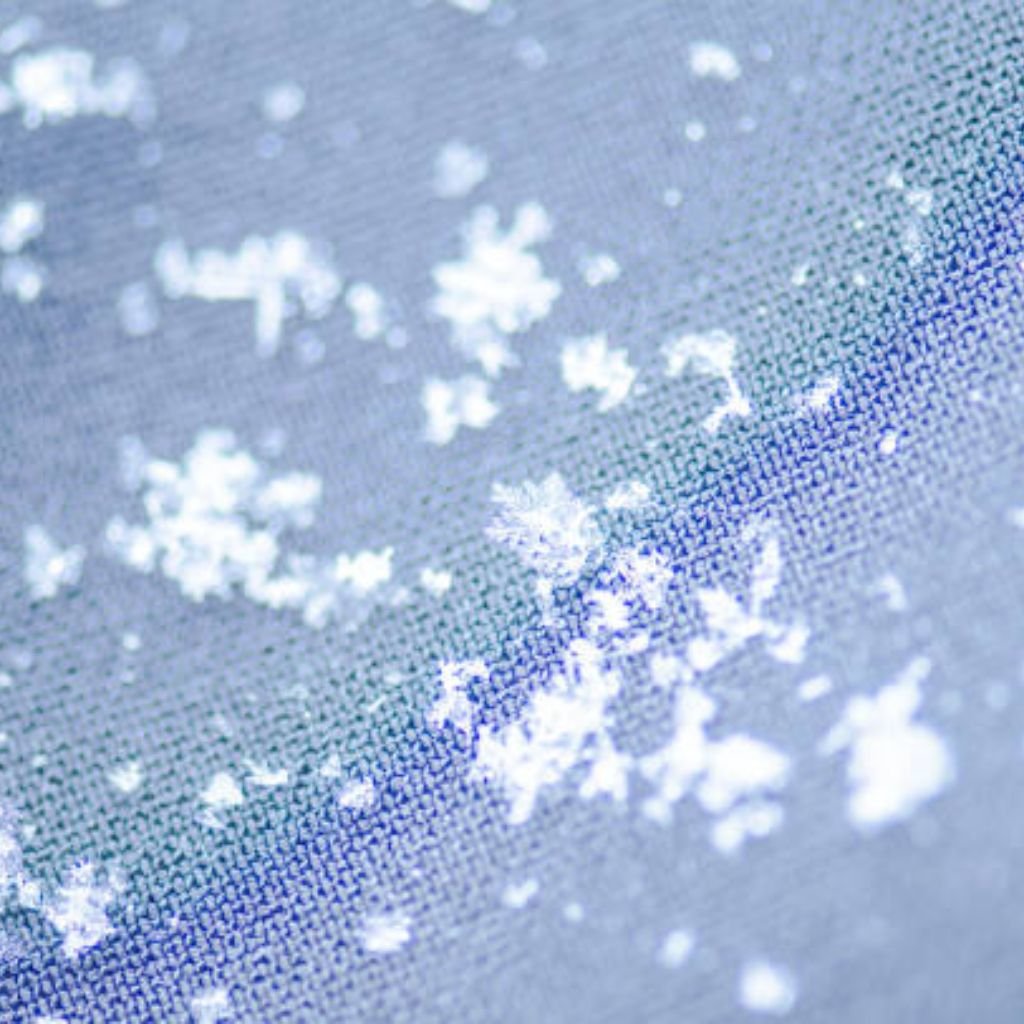
Caption: Snow-dusted fabric in cool blue-gray tones.
Many people ask, “What Is Winter Lock Performance Fabric compared to other winter fabrics?” This comparison helps buyers choose the right material.
Winter Lock focuses on balanced performance. However, other fabrics may specialize in only one feature. Therefore, the best choice depends on your needs.
Winter Lock Performance Fabric vs Fleece
Fleece is soft and warm but lacks wind protection. It can also trap sweat during heavy activity. Therefore, fleece is better for casual use.
Winter Lock provides warmth with better breathability. It also resists wind more effectively. Moreover, it offers stronger stretch for sports movement.
If you need active winter clothing, Winter Lock is usually the better option.
Winter Lock Performance Fabric vs Wool
Wool is naturally warm and odor-resistant. However, it can feel itchy and heavy. It may also shrink if not washed carefully.
Winter Lock feels smoother and lighter. It also dries faster than wool. Therefore, it is better for intense sports use.
However, wool still performs well in extreme cold when layered. In addition, wool is often more eco-friendly.
Winter Lock Performance Fabric vs Thermal Knit
Thermal knit fabrics are common in base layers. They provide warmth but may not block wind well. They also stretch less depending on composition.
Winter Lock often has better structure and durability. Moreover, it provides stronger insulation through brushed lining.
Therefore, Winter Lock works better for outdoor conditions and sportswear.
Winter Lock Performance Fabric vs Softshell Fabric
Softshell fabric is designed for wind and water resistance. It is often used in jackets and outer layers. However, it may feel stiff and less breathable.
Winter Lock is softer and more flexible. It also works better for base layers and leggings. Moreover, it offers comfort for long wear.
Softshell is best for outerwear. Winter Lock is best for inner performance layers.
Applications & Uses of Winter Lock Performance Fabric
Winter Lock Performance Fabric is widely used in winter clothing. It is especially popular in sportswear brands. Therefore, it is seen in many cold-weather products.
It works well as the best fabric for winter sports because it supports warmth and motion. Moreover, it keeps the body dry during physical activity.
Winter Activewear Material
Many winter gym outfits use Winter Lock fabric. It keeps athletes warm without overheating. Therefore, it is ideal for training sessions.
It is also used in joggers and performance hoodies. In addition, it supports stretch for flexibility-based workouts.
Because it dries quickly, it stays comfortable after sweating. As a result, it works well for daily fitness routines.
Sportswear for Outdoor Training
Winter Lock is common in running tops and cycling wear. It blocks cold air while allowing sweat evaporation. Therefore, it supports long outdoor sessions.
It is also used in soccer and cricket winter training gear. Moreover, it helps prevent stiffness caused by cold muscles.
Outdoor Jackets and Mid-Layers
Many mid-layer jackets use Winter Lock fabric. It provides insulation without bulky padding. Therefore, it fits well under coats.
Some jackets combine Winter Lock with windproof panels. As a result, they become perfect for mountain travel.
In addition, this fabric improves comfort during hiking and trekking.
Base Layers and Thermal Tops
Winter Lock works perfectly for base layers. It sits close to the skin and traps heat. Therefore, it supports body warmth all day.
It also controls sweat during activity. This reduces chills caused by wet clothing. Moreover, it feels soft and smooth inside.
That is why it is common in thermal innerwear.
Hiking Apparel and Trekking Wear
Hiking requires breathable insulation. Winter Lock gives warmth without overheating. Therefore, it is ideal for climbing and long trekking.
It also resists abrasion from backpacks and gear. Moreover, it stays flexible during tough movement.
Many trekking pants and pullovers use this fabric.
Ski Wear and Snow Clothing
Winter Lock fabric works well for ski base layers. It traps warmth while keeping sweat under control. Therefore, it supports comfort during snow sports.
It is also used in ski leggings and thermal undersuits. Moreover, it provides stretch for better skiing posture.
This makes it useful for snowboarding and winter camping too.
Winter Leggings and Performance Pants
Winter leggings require warmth and stretch. Winter Lock provides both features effectively. Therefore, it is widely used in women’s and men’s winter leggings.
It also supports shape retention. As a result, leggings stay fitted even after many washes.
In addition, it offers comfort for daily winter wear.
Is Winter Lock Performance Fabric Waterproof?
No, Winter Lock Performance Fabric is usually not fully waterproof. However, many versions are water-resistant. This means they can handle light rain and snow.
Waterproof fabric blocks water completely. It usually has membranes like TPU or Gore-style coatings. Water-resistant fabric only slows water absorption. Therefore, it works for short exposure.
Winter Lock fabric focuses more on warmth and breathability. However, some manufacturers apply DWR coatings for extra protection. Moreover, it works well under waterproof outer shells.
For heavy rain, you should layer it with a waterproof jacket. Therefore, you get both insulation and weather protection.
Is It Suitable for Extreme Cold?
Yes, Winter Lock Performance Fabric can perform well in extreme cold. However, it depends on fabric thickness and layering.What Is Winter Lock Performance Fabric?
Many Winter Lock fabrics perform best between -5°C to -20°C when used properly. If the fabric is heavy GSM, it performs even better. Moreover, brushed fleece lining improves cold protection.
For extreme climates below -20°C, layering becomes important. You should wear it as a base layer under insulation jackets. Therefore, it works as part of a complete winter system.
It is ideal for cold cities, mountain areas, and snowy regions. In addition, it supports winter sports and outdoor travel.
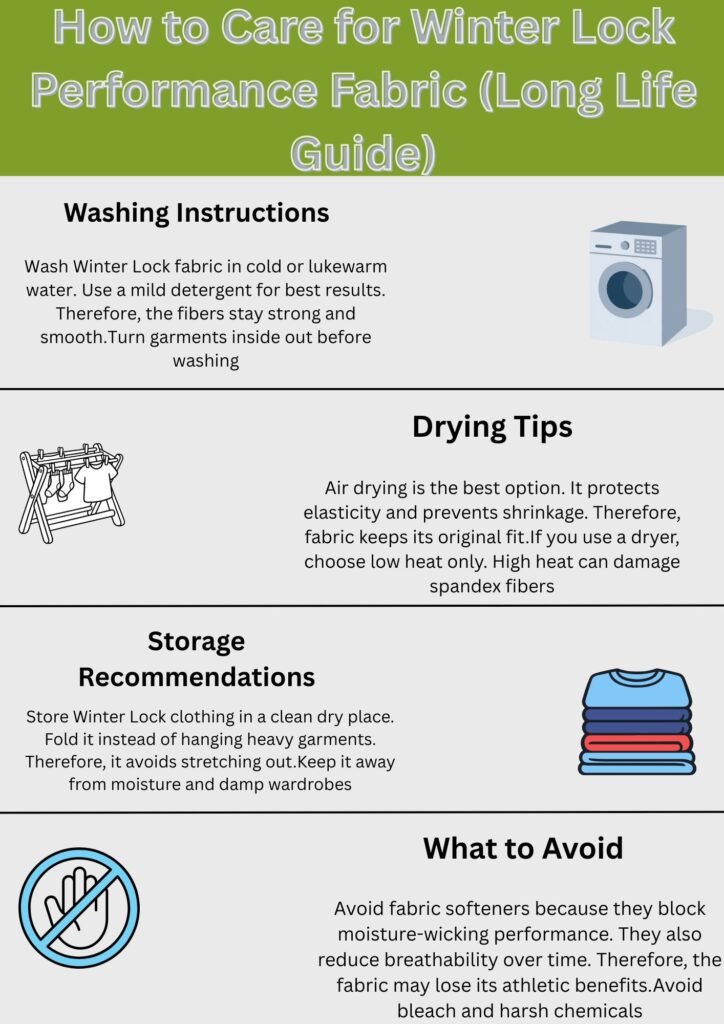
How to Care for Winter Lock Performance Fabric (Long Life Guide)
Proper care keeps Winter Lock fabric strong and warm. It also protects stretch fibers like spandex. Therefore, good maintenance increases fabric lifespan.
Caption: A quick, four-section guide for caring for Winter Lock fabric: wash, dry, store, and avoid.
Washing Instructions
Wash Winter Lock fabric in cold or lukewarm water. Use a mild detergent for best results. Therefore, the fibers stay strong and smooth.Turn garments inside out before washing. This protects the outer surface from friction. Moreover, it reduces pilling risk.What Is Winter Lock Performance Fabric?Wash Winter Lock fabric in cold or lukewarm water. Use a mild detergent for best results. Therefore, the fibers stay strong and smooth.Turn garments inside out before washing. This protects the outer surface from friction. Moreover, it reduces pilling risk.
Drying Tips
Air drying is the best option. It protects elasticity and prevents shrinkage. Therefore, fabric keeps its original fit.If you use a dryer, choose low heat only. High heat can damage spandex fibers. Moreover, it can weaken thermal brushing inside.
Storage Recommendations
Store Winter Lock clothing in a clean dry place. Fold it instead of hanging heavy garments. Therefore, it avoids stretching out.Keep it away from moisture and damp wardrobes. Moist storage can create odor and mildew. Moreover, it reduces fabric freshness.What Is Winter Lock Performance Fabric?
What to Avoid
Avoid fabric softeners because they block moisture-wicking performance. They also reduce breathability over time. Therefore, the fabric may lose its athletic benefits.Avoid bleach and harsh chemicals. They damage polyester fibers and weaken elasticity. In addition, avoid ironing on high heat.
Sustainability & Eco-Friendliness of Winter Lock Performance Fabric
Many buyers now ask about eco-friendliness. Winter Lock fabric is mostly synthetic.What Is Winter Lock Performance Fabric? Therefore, sustainability depends on manufacturing choices.
Some brands use recycled polyester made from plastic bottles. This reduces waste and supports eco-friendly fashion. Moreover, recycled polyester requires less energy than virgin polyester.
However, synthetic fabrics may release microplastics during washing. Therefore, using a microfiber laundry filter can help. It reduces pollution in water systems.What Is Winter Lock Performance Fabric?
Some manufacturers also use low-water dyeing and cleaner production systems. In addition, they reduce chemical use in fabric finishing.
If you want sustainable Winter Lock fabric, choose certified recycled fabric options. Look for labels like GRS-certified polyester.
Buying Guide: How to Choose the Best Winter Lock Performance Fabric
Caption: A diagonal display of cozy, wool-like fabrics in muted winter tones.
Buying the right Winter Lock fabric depends on your needs.What Is Winter Lock Performance Fabric? Some versions are lightweight for active sports. Others are heavier for extreme cold. Therefore, you should check key factors before purchasing.
GSM (Fabric Weight)
GSM means grams per square meter. It measures fabric thickness and weight. Higher GSM usually means more warmth. Therefore, winter jackets use heavier GSM fabrics.
For base layers, medium GSM works best. What Is Winter Lock Performance Fabric?For outdoor pants, higher GSM provides stronger insulation. Moreover, heavy GSM performs well in freezing winds.
Stretch Percentage
If you need sportswear, choose high-stretch fabric. Look for spandex content around 8% to 15%. Therefore, you get flexibility and comfort.What Is Winter Lock Performance Fabric?
Low stretch works better for jackets and casual wear. However, stretch improves fit and movement. Moreover, it reduces tight pressure during workouts.
Always test stretch recovery if possible.
Brushed vs Non-Brushed Interior
Brushed interior Winter Lock fabric feels warmer. It traps more air and feels soft. Therefore, it works best for cold climates.
Non-brushed versions feel lighter and cooler.What Is Winter Lock Performance Fabric? They work better for mild winters and active sports. Moreover, they dry slightly faster.
Choose brushed for warmth and non-brushed for speed and training.
Intended Use
For skiing and trekking, choose wind-resistant Winter Lock fabric. For gym and running, choose breathable versions. Therefore, your body stays balanced.
For casual daily wear, choose medium warmth and soft texture. In addition, pick darker shades for long-lasting appearance.What Is Winter Lock Performance Fabric?
Choosing the right use category saves money and improves comfort.
Budget Range
Winter Lock Performance Fabric clothing comes in many price ranges. Budget versions offer basic insulation and stretch. Premium versions offer better thermal locking and durability.
Higher-quality fabric also resists pilling and fading.What Is Winter Lock Performance Fabric? Therefore, it lasts longer. Moreover, premium brands may offer eco-friendly recycled options.
Conclusion
What Is Winter Lock Performance Fabric? It is a modern winter performance fabric designed for warmth, flexibility, and durability. It locks in heat while staying breathable. Therefore, it supports comfort during both daily wear and sports activities.
This insulated breathable textile also offers moisture control and 4-way stretch. Moreover, it performs well in windy climates and outdoor adventures. It feels lightweight but provides strong thermal retention.
FAQs
What is Winter Lock Performance Fabric made of?
Winter Lock Performance Fabric is usually made from polyester and spandex blends. Many versions also include brushed fleece lining. This combination improves warmth, stretch, and moisture control. Therefore, it works well for winter sportswear and base layers.
Is Winter Lock fabric good for snow?
Yes, Winter Lock fabric works well in snowy weather. It provides insulation and wind resistance. However, it is not fully waterproof. Therefore, you should wear a waterproof shell layer during heavy snow or wet storms.
Can Winter Lock Performance Fabric replace wool?
Winter Lock can replace wool for many activewear uses. It offers better stretch and faster drying. However, wool provides stronger natural warmth and odor resistance. Therefore, wool is still better for extreme cold layering.
Knitted Grade C Cashmere Fabric wool is a versatile fabric that offers affordability, softness and versatility. It may not have the ultra-fine fibres of the premium grades but it still provides the warmth and soft texture that is associated with cashmere. It is a cost-effective option for fashion brands and manufacturers looking to provide luxury at a reasonable price.
Cashmere is known for its warmth, lightness and elegance. Not all products require Grade A fibers. Many brands use Grade C cashmere instead to create affordable knitwear, stylish layers for winter, and comfortable everyday clothing. This fabric is a key player in the textile industry.
This comprehensive guide will teach you everything you need to know about Knitted Cashmere Fabric Grade C — its benefits, its applications, the care methods it requires, and even how to find it on the market. You will also learn why this fabric continues to be a favorite in the fashion and textile industry.
What is knitted grade C cashmere fabric?
Cashmere fabric Grade C is knitted from coarser, slightly shorter cashmere fibers. These fibers come from cashmere goats that are raised in Mongolia, China and other parts of Central Asia. Although finer fibers reserved for higher grades are available, Grade C fibers still remain soft, warm and suitable for knitting construction.
Knitted cashmere is made by looping yarns, unlike woven cashmere. The fabric is able to stretch, become flexible and more comfortable. The knitted structure increases breathability and insulation. It is used in many products, including sweaters, cardigans and scarves.
Although the Grade C fibers are thicker, they provide significant warmth. The final product is more affordable because the production costs are lower.
Knitted Grade C Cashmere Fabric: Fiber Characteristics
Understanding the fiber structure can help clarify why Grade C Cashmere performs different.
1. Fiber Diameter
Cashmere of Grade C has a higher micron count than Grade A or B. The texture will feel slightly less silky. It is still softer than the majority of sheep’s wool.
2. Fiber Length
The fibers are shorter. The yarn can therefore pill up more easily. Proper spinning techniques, however, can increase durability.
3. Natural Warmth
The insulation properties of cashmere fibers are excellent, even when they are thicker. Cashmere fibres have a hollow core that traps air effectively. The warmth of the cashmere is maintained without being excessively heavy.
4. Texture
The texture is comfortable and wearable, even though it’s not ultra-luxurious. Many consumers are unable to tell the difference between grade B and C when it comes to knitted products.
Why Knitted Construction is the Best?
Knitting improves the performance and appearance of cashmere Grade C in many ways.
Knitting increases elasticity. So, clothing provides a natural stretch and a comfortable fit.
Knitted fabrics have a lighter structure. They drape well and are breathable.
Thirdly, the knitted construction softens the slightly coarser texture of the fibers. The overall feeling is improved.
Knitting also reduces waste in garment production. In some processes, yarns are directly shaped into garments. This improves efficiency.
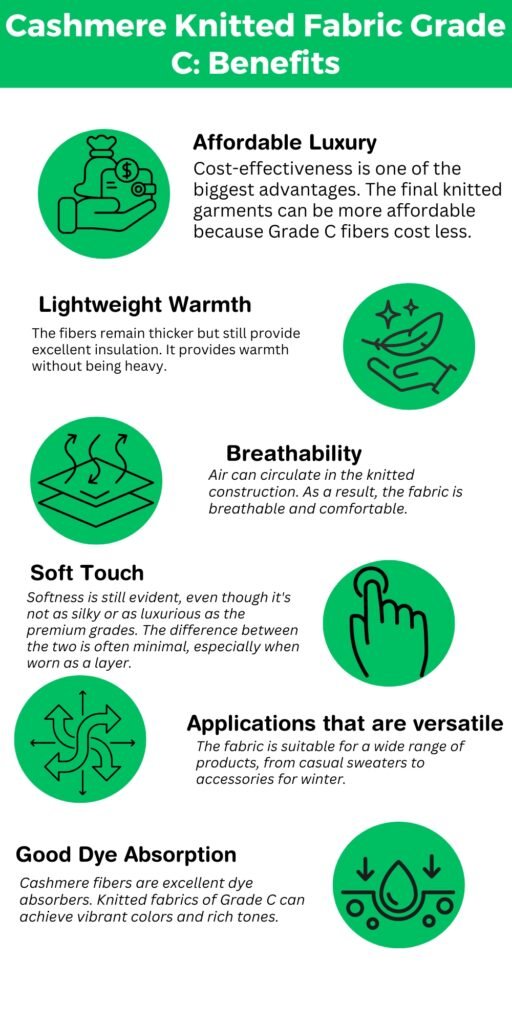
Cashmere Knitted Fabric Grade C: Benefits
Knitted Grade C Cashmere Fabric benefits: affordable luxury, warmth, breathability, soft touch, versatility, and dye absorption.
1. Affordable Luxury
Cost-effectiveness is one of the biggest advantages. The final knitted garments can be more affordable because Grade C fibers cost less.
2. Lightweight Warmth
The fibers remain thicker but still provide excellent insulation. It provides warmth without being heavy.
3. Breathability
Air can circulate in the knitted construction. As a result, the fabric is breathable and comfortable.
4. Soft Touch
Softness is still evident, even though it’s not as silky or as luxurious as the premium grades. The difference between the two is often minimal, especially when worn as a layer.
5. Applications that are versatile
The fabric is suitable for a wide range of products, from casual sweaters to accessories for winter.
6. Good Dye Absorption
Cashmere fibers are excellent dye absorbers. Knitted fabrics of Grade C can achieve vibrant colors and rich tones.
Knitted Grade C Cashmere Fabric: Common Uses
Cashmere fabric in grade C is used widely across the fashion and textile industry.
Sweaters, pullovers and other garments
It is perfect for winter clothing due to its warmth and flexibility.
Cardigans
It is ideal for layering because of its softness and drape.
Scarves and Shawls
Comfortable neck warmth with lightweight material.
Gloves, Hats
Stretchability is key to a secure fit.
Lounge and Casual Wear
Fashion trends that are relaxed and comfortable can be supported by knitted structures.
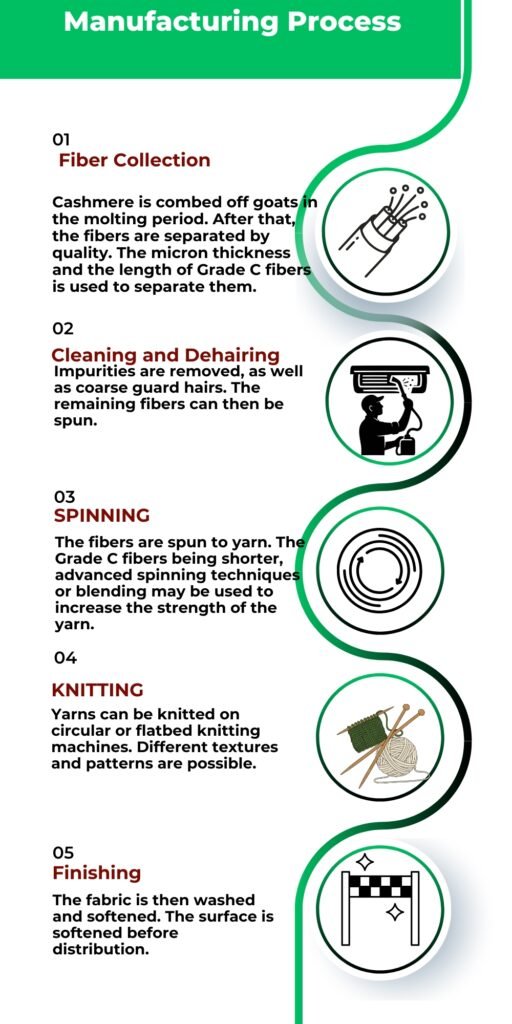
Manufacturing Process
The production process includes several steps that are important.
Knitted Grade C Cashmere Fabric Manufacturing Process: from fiber collection to finishing.
Fiber Collection
Cashmere is combed off goats in the molting period. After that, the fibers are separated by quality. The micron thickness and the length of Grade C fibers is used to separate them.
Cleaning and Dehairing
Impurities are removed, as well as coarse guard hairs. The remaining fibers can then be spun.
Spinning
The fibers are spun to yarn. The Grade C fibers being shorter, advanced spinning techniques or blending may be used to increase the strength of the yarn.
Knitting
Yarns can be knitted on circular or flatbed knitting machines. Different textures and patterns are possible.
Finishing
The fabric is then washed and softened. The surface is softened before distribution.
Sustainability Issues
Textile production has taken on a greater importance in terms of sustainability.
Even though Grade C cashmere may not be marketed as a luxury eco-fiber it still has a natural biodegradability. Cashmere fibers naturally degrade over time. The environmental impact of cashmere is therefore reduced when compared with synthetic fabrics.
In addition, in the major production areas, responsible grazing is being adopted. Land degradation is reduced by better herd management.
Using Grade C fibers also ensures minimal waste. Instead of dumping thicker fibers into the trash, manufacturers turn them into wearable knitting. Resource efficiency increases.
Market Demand and Industry Trends
Demand for luxury at affordable prices has increased significantly. The consumer is increasingly looking for fashion that emphasizes comfort. Cashmere knitted in Grade C has become increasingly popular.
This fabric is often used by fast-fashion labels, mid-range labels and private manufacturers. Cashmere knitwear is also promoted by online retail platforms in many countries.
Moreover, minimalist winter fashion trends favor lightweight layering. Cashmere knitwear remains in high demand.
How to Care for Your Longevity
The life of your garments can be extended by taking proper care.
Handwash in cold water
Use mild wool soap.
Avoid wringing.
Dry flat by laying flat.
Fold the clothes instead of hanging them.
Fabric shavers can easily restore smoothness to fabric that has pilled.
Quality Control Standards
Manufacturers test their products:
The count of fiber microns
Yarn strength
The resistance of pricking
Colorfastness
Shrinkage levels
This ensures that the performance of all production batches is consistent.
Customization and Blending Option
Grade C Cashmere can be blended with:
Merino wool
Cotton
Silk
Recycled fibers
Blending increases structure and reduces piling. In turn, the garment’s longevity increases.
Fashion Brands: Benefits
Fashion brands prefer Knitted Cashmere Grade C Fabric because:
Production costs are lower.
Profit margins are increasing.
Demand from consumers is high.
The design flexibility is very high.
Cashmere can be included in seasonal collections at an affordable price without losing the brand’s identity.
Consumer Perspective
Cashmere knitted in Grade C offers the following:
Luxury Feel
Winter wear that is comfortable
Accessible pricing
Styles that are versatile
Even though it doesn’t match the silkiness of premium-grade products, daily use is still very satisfying.
Global Production Regions
The following are the major production areas:
China
Mongolia
Iran
Afghanistan
The raw fibers from these regions are exported to other countries for spinning and knitting.
Future Outlook
Cashmere knitted in Grade C appears to have a bright future. Resource optimization is becoming more important as sustainable fashion becomes mainstream. Utilizing all fiber grades supports circular production models.
Moreover, the technological advances in spinning and finishing improve softness and durability. The performance gap between grade C and higher grades is continuing to shrink.
Conclusion
Knitted Cashmere Grade C Fabric is a versatile, practical and cost-effective solution for textiles. It may not be the ultimate in luxury, but it offers warmth, comfort and softness Knitted Grade C Cashmere Fabric.Knitted Grade C Cashmere Fabric.Knitted Grade C Cashmere Fabric.
.
Knitted Grade C Cashmere Fabric is also more affordable, allowing a wider range of consumers to enjoy it. It is therefore a key component of modern fashion.
FAQs
What is Knitted Grade C Cashmere Fabric?
Knitted Grade C Cashmere Fabric is made from slightly thicker and shorter cashmere fibers that are knitted into soft, stretchable fabric. Although it is less fine than Grade A cashmere, it still offers warmth, comfort, and affordability.
Is Grade C cashmere real cashmere?
YesKnitted Grade C Cashmere Fabric is genuine cashmere wool. However, the fibers are slightly coarser compared to premium grades. Therefore, the price is lower, but natural warmth and softness are still maintained.
How soft is Knitted Grade C Cashmere Fabric?
Knitted Grade C Cashmere Fabric While it may not feel as silky as higher grades, it remains noticeably softer than regular wool. Moreover,Knitted Grade C Cashmere Fabric the knitted construction enhances comfort and flexibility.
The Woven Grade C Cashmere wool strikes a balance between elegance, affordability and durability. Woven Grade C Cashmere is a great alternative to the premium grades that often dominate the luxury market. It offers softness, durability and versatility, but at an affordable price. It has therefore become more popular with fashion brands, textile producers, and consumers looking for value-driven luxury.
Woven Grade C Cashmere may not have the ultra-fine texture as Grade A, but it is still warm, comfortable, and has a timeless appeal. When woven correctly, Grade C cashmere transforms into an extremely durable, stylish and functional textile that is suitable for coats and scarves. It can also be used to create home decor and sweaters. Cashmere woven fabric Grade C is a great solution for commercial textile production and mid-range fashion collections.
This comprehensive guide will examine the benefits, applications and maintenance tips of Grade C woven cashmere fabric, as well as its manufacturing process.
Understanding Grade C Cashmere Fabric
Cashmere comes from the undercoats of cashmere goats. The fibers can be classified into different grades according to their diameter, length and softness. Cashmere of Grade C is typically characterized by:
Fiber diameter slightly thicker
Moderate fiber length
Acceptable softness
Good durability
It may not be as silky as cashmere of Grade A, but it provides warmth and comfort that is noticeable. It is also widely praised for its affordability.
The fabric is stronger because the Grade C fibers tend to be thicker. Cashmere woven in Grade C can be more durable than other grades. It is therefore ideal for outerwear, structured garments and other clothing.
What makes woven cashmere different?
The Woven Grade C Cashmere is made by weaving yarns in a right angle using a loom. Contrary to knitted cashmere which is stretchable and flexible, woven fabric offers:
More structure
Enhanced durability
Reduced stretch
Finish: Crisp and clean
Woven Grade C Cashmere is used in coats, jackets and shawls. It also provides a refined finish that improves the dye absorption as well as print clarity.
The fabric is strengthened by the weaving process. The final product is stable, smooth and polished. The softness of the final product may be reduced slightly compared to knitted versions. However, the durability is increased significantly.
The Manufacturing Process for Woven Grade C Cashmere
Each stage of the production process is important. Each step contributes to the quality and performance of fabric.
Manufacturing process for woven Grade C cashmere: fiber collection, cleaning and dehairing, spinning, weaving, and finishing.
1. Fiber Collection
Woven Grade C Cashmere are collected in the molting period. The goat’s undercoat is combed carefully. The fibers are then sorted according to quality and thickness.
2. Cleaning and Dehairing
The raw fibers are contaminated with coarse hair and other impurities. They are removed by mechanical separation. The remaining fibers are only those that can be used.
3. Spinning
The fibers are cleaned and spun into yarn. The Grade C fibers have a thicker diameter, making spinning easier and cheaper.
4. Weaving
The yarn is woven by industrial looms. The texture and appearance can vary depending on whether the fabric is plain, twill or satin.
5. Finishing
The fabric is then washed, brushed, pressed, and may even receive light chemical treatments. The final texture is smoother and more pleasing.
Cashmere Woven Grade C: Key Characteristics
Key characteristics of Cashmere Woven Grade C: softness, warmth, structure, durability, and affordability.
1. Moderate Softness
Woven Grade C Cashmere is not ultrafine but it still feels good against the skin. The softness can be enhanced by finishing treatments.
2. Excellent Warmth
Cashmere is a natural heat trapper. Even Grade C fabric is superior to wool standard.
3. Strong Structure
The fabric is well-shaped because it’s woven. It is therefore ideal for tailor-made garments.
4. Durability
The fibers are slightly thicker, which increases strength. The garments made of Grade C cashmere woven are often more durable.
5. Affordable Luxury
Comparing Grade C to Grade A or B, it is cheaper. It allows brands to sell cashmere at competitive prices.
Woven Grade C Cashmere Fabric: Benefits
Cost-Effective Production
First, the cost of raw materials is lower. The manufacturers can therefore produce stylish clothing without having to charge premium prices.
Applications that are versatile
Second, cashmere woven Grade C is adaptable to different product categories. It can be used for many things, from outerwear to accessories.
Increased longevity
The fabric is stronger and resists tearing better than the finer grades.
Elegant Appearance
The woven finish is Grade C but still has a polished appearance. Moreover, proper dyeing enhances color vibrancy.
Commercial Scalability
Its affordability also supports large-scale production on global markets.
Common Applications
Cashmere fabric in grade C is used widely for:
Winter coats
Structured jackets
Shawls, wraps and other accessories
Scarves
Blankets
Upholstery Blends
It is a great material for outerwear because of its strength. Designers often combine it with synthetic or wool fibers to increase durability and reduce costs.
Compare Cashmere Grade C to Other Grades
Features
Grade A
Grade B
Grade C
Fiber Diameter
Finest
The Medium
The thickness of the sandpaper has been increased
Softness
Ultra-soft
Soft
Soft to moderately firm
Price
Highest
Mid-range
Buy Tickets Online
Durability
Delicate
Balance
Stronger
Common Use
Luxury clothing
Premium fashion
Commercial Fashion
While Grade A is still the standard, Grade C offers practicality. Businesses that target mid-market customers often choose Grade C woven cashmere.
Sustainability Issues
Modern textile production has a strong focus on sustainability. Responsible sourcing is important for ensuring environmental balance, even though lower grades can sometimes cause concern about quality.
In addition, controlled grazing and ethical goat farming protect grasslands. Cashmere recycled initiatives also reduce waste. Cashmere woven Grade C can contribute to sustainable fashion strategies if it is sourced responsibly.
Garments last longer because they are more durable. In turn, this reduces the amount of textile waste.
Maintenance and Care Tips
To maintain woven Grade C cashmere fabric:
Handwash in cold water
Use mild detergent
Avoid wringing
Dry flat
Fold and store instead of hanging
Even though it is stronger, gentle handling is still recommended. Proper handling can extend the lifespan of your product.
Market Demand and Business Opportunities
The global demand for luxury at affordable prices continues to increase. Cashmere woven Grade C has a strong position on the market. Many brands are looking for cost-effective materials that don’t sacrifice elegance.
Moreover, emerging fashion markets are increasingly looking for textiles that offer value. Cashmere woven Grade C is a good choice for bulk production because of its competitive price.
Profit margins are also higher for retailers. This fabric is a good choice for fashion wholesalers and entrepreneurs.
Quality Control Standards
The following are typical components of a quality assessment:
Tests for fiber diameter
Strength measurement
Checks for colorfastness
Shrinkage Evaluation
Although Grade C is not as refined as higher grades, a consistent quality control assures reliability. Reputable suppliers ensure uniformity in standards between production batches.
Design Possibilities
The grade C woven cashmere fabric can be customized.
Simple plain weave for simplicity
Textured with a Twill weave
Softening Brushed Finish
Blended compositions to add strength
Both vibrant shades and pastels perform well because it accepts dye well. Digital printing is also a great way to apply contemporary patterns.
Modern collections are attracted by its design flexibility. It is therefore suitable for both traditional and trendy markets.
Challenges and limitations
Some limitations are present despite its many benefits:
Softening slightly
Potential pilling over time
Reduced exclusivity perception
These drawbacks, however, can be minimized by blending, finishing treatments and appropriate marketing. The fabric is therefore still competitive.
Why choose Woven Grade C Cashmere fabric?
Cashmere woven in Grade C is a good choice for a balanced look. While the premium grades are more luxurious, Grade C is more practical. It appeals to both consumers and manufacturers.
Its strength also makes it ideal for everyday use. It is a great choice for mass market collections because it is affordable and durable.
Cashmere woven Grade C continues to gain popularity as the consumer demand for affordable luxury increases.
Future Trends
The textile industry is evolving rapidly. Cashmere woven Grade C is expected to remain relevant due to:
Demand for mid-range luxury is increasing
Innovations in sustainable production
Blended fabrics
Expanding global fashion markets
Investments in this area are therefore likely to be profitable.
The conclusion of the article is:
The woven Grade C Cashmere fabric is a great alternative to the Grade A. It may not have the ultra-fine feel of Grade A but it is still a very warm fabric that has a high level of durability and affordability. It meets both consumer and commercial expectations.
Its woven structure also enhances its strength and versatility. Its market potential is high because it offers affordability and elegance. The woven Grade C Cashmere fabric is proof that luxury can also be accessible, durable, and practical.
FAQs
What is woven Grade C cashmere fabric?
Woven Grade C cashmere fabric is made from slightly thicker cashmere fibers that are interlaced on a loom to create a structured, durable textile. Although it is less soft than Grade A, it offers excellent warmth and affordability.
Is Grade C cashmere real cashmere?
Yes, Grade C cashmere is genuine cashmere. However, the fibers are slightly thicker and shorter compared to higher grades. Therefore, it is more affordable while still providing natural insulation.
How is woven cashmere different from knitted cashmere?
Woven cashmere is produced by crossing yarns at right angles, which creates a firm and structured fabric. In contrast, knitted cashmere is stretchable and softer. Consequently, woven Grade C cashmere is ideal for coats and jackets.
The Grade C Cashmere Wool Fabric is an affordable entry into the world luxury textiles. It is a lower-grade cashmere wool fabric, but it offers warmth, softness and versatility. is also widely used for affordable fashion, home decor and blended textile manufacturing. Understanding the different types of Grade C Cashmere Wool Fabric helps designers, manufacturers and buyers to make informed decisions.
This comprehensive guide will examine the main types of Grade C Cashmere Fabrics, their uses, benefits and care requirements. We will also highlight the processing of these fabrics and how they are popular on global textile markets.
Understanding Grade C Cashmere Wool Fabric
It is important to know what Types of Grade C Cashmere Wool Fabric means before exploring the different types. Cashmere comes from the undercoats of cashmere goats. Not all fibers are luxurious. Cashmere of grade C includes:
Fibers that are slightly coarser
Shorter staple lengths
Micron count increased
Minor texture inconsistencies
is therefore more affordable. still provides natural insulation and breathability. The fibers can be blended or treated to increase durability.
Cashmere Wool Fabrics in Grade C
Types of Types of Grade C Cashmere Wool Fabric: woven, knitted, blended, brushed, felted, recycled, and lightweight
1. Woven Grade C Cashmere Fabric
Types of Grade C Cashmere Wool Fabric is woven using traditional weaving methods. The yarns interlace at right angles to form a structured fabric.
First , cashmere woven is more stable than knitted. It resists stretching. is therefore commonly used to:
Coats
Jackets
Blazers
Shawls with a structure
The fibers are slightly coarse but can be finished to a smooth surface. It is sometimes blended with synthetic or wool fibers to add strength.
Advantages:
Durable structure
Better shape retention
Ideal for outerwear
may be less soft than higher grades.
2. Knitted Grade C Cashmere Fabric
Interlooping yarns creates Types of Grade C Cashmere Wool Fabric. It offers flexibility and stretch.
This type of material is used in:
Sweaters
Cardigans
Scarves
Lightweight winterwear
Due to the shorter fibers in Grade C, there may be some pilling. Modern finishing techniques, however reduce this problem.
Benefits:
Comfortable and breathable
Flexible Fit
Lightweight Insulation
It is often blended with acrylic or cotton to improve performance.
3. Blended Grade A Cashmere Fabric
The most popular Types of Grade C Cashmere Wool Fabric. is a blend of cashmere and:
Merino wool
Cotton
Silk
The use of Polyester
Viscose
reduces the cost while increasing durability. Blending also increases resistance to wear.
This type of hose is perfect for:
All-day sweaters
Fashion garments
Corporate uniforms
Clothing for mass-market consumers
Blended cashmere also is easier to care for. If synthetic fibers are used, it can be machine-washed.
4. Brushed Grade C Cashmere Fabric
Cashmere is finished on the surface. The fabric is brushed in order to create a soft texture.
Brushing increases softness, even though the fibers may be of lower quality. Because it is treated, it feels more luxurious.
Some common uses include:
Winter scarves
Blankets
Cozy wraps
It is possible that heavy brushing can increase the amount of pilling.
5. Felted Grade C Cashmere Fabric
Heat, moisture and agitation are used to produce Felted Grade C Cashmere. The fibers are bonded together to form a dense fabric.
The fabric is then.
Thicker
More wind-resistant
Flexible
Cashmere felt is used in:
Winter hats
Gloves
Slippers
Craft Materials
Insulation is improved despite a slight reduction in softness.
6. Cashmere fabric Grade C Recycled
Textile production has to be sustainable. Recycled Grade C Cashmere Fabric is Growing in Popularity.
Reprocessed fibers and old clothing are used to make this type. The fibers are cleaned and shredded before being spun.
Benefits include the following:
Environmental impact is reduced
Reduced production costs
Sustainable branding value
Blending recycled fibers, even though they are shorter in length, improves the strength and texture.
7. Lightweight Grade C Cashmere Fabric
Cashmere Grade C is lightweight and designed for the transitional seasons. The fabric is thinner because it uses finer spinning methods.
This type of syringe is used to:
Spring sweaters
Layering garments
Fashion tops
It is breathable and comfortable, but not as warm.
8. Heavyweight Grade C Cashmere fabric
Cashmere of Grade C is heavier and denser, providing superior insulation. It is denser and thicker.
is therefore suitable for:
Winter coats
Thermal clothing
Thick Shawls
Some wool blends are blended with additional wool to increase warmth.
The Manufacturing Process for Grade C Cashmere Wool Fabric
There are several steps in the production process:
Fibers from goats
Sorting by fiber quality
Cleaning and dehairing
Spinning into yarn
Weaving and knitting
Finishing treatments
Additional processing may be needed because Grade C fibers have a coarser texture. Many factories use chemical softening to improve texture.
Cashmere Wool Fabric Grade C: Benefits
Even though it’s not a premium-grade product, it still offers significant benefits.
It is breathable, moisture-wicking, and affordable.
It is therefore highly valued in the commercial fashion market.
Textile Industry Applications
Cashmere wool fabric grade C is used widely in:
Fast Fashion Brands
Winter Accessories
Home textiles
Blended clothing lines
This grade is a good choice for large-scale production because it’s cost efficient.
Care Instructions
The fabric life can be extended by using the right care.
Handwash in cold water
Use mild detergent
Avoid wringing
Dry flat
Even though machine washing is possible, it’s recommended that you handle the blends with care.
Market Demand and Global Trends
Global textile markets continue to grow. The demand for affordable luxury fabrics is high. As a result Grade C cashmere is a major player.
Sustainability trends also support the use of recycled materials. Fashion brands focus on eco-friendly material. Cashmere Grade C recycled is predicted to gain in popularity.
The conclusion of the article is:
Grade A Cashmere Wool Fabric is a versatile, affordable, and functional fabric. It may not be as soft as higher grades but it is still warm and comfortable.
There are many types of fabrics, from woven and knitted to recycled and blended. Designers and manufacturers are able to select the right type based on budget and application.
Types of Grade C Cashmere Wool Fabric is a viable solution for commercial textile manufacturing. Its performance can be improved with the right care and finishing. This fabric type is expected to remain popular in the global market as demand for luxury at affordable prices increases. Read more: Grade B Cashmere Wool Fabric
FAQs
What is Grade C Cashmere wool fabric?
Grade C Cashmere wool fabric is a lower-grade cashmere made from slightly coarser and shorter fibers. However, it still provides warmth, insulation, and affordability for mass-market apparel.
Is Grade C cashmere soft?
Although it is not as soft as premium Grade A or B cashmere, it can still feel comfortable. Additionally, brushing and blending processes improve softness.Types of Grade C Cashmere Wool Fabric,
What is blended Grade C cashmere?
Types of Grade C Cashmere Wool Fabric with other fibers such as wool, polyester, silk, or cotton. Therefore, it becomes more affordable and durable.
In fashion, there are few true wardrobe essentials, but few garments can match the legendary status of the pullover plain hoodie. It is a piece of clothing that means so much more; It is a representation of true culture, absolute comfort, limitless possibility, and effortless style. Hence why, in this guide, we will cover every inch of this absolute necessity. I will provide you with all the information you will need, from the intricacies of fabric selection, to the the all important details of the elusive art of layering. The aim is to elevate a pullover plain hoodie from an afterthought to the star of the show. No matter if you’re a streetwear lover or someone that prefers to be cozy, there is a pullover plain hoodie out there for you, here’s how to find it.
What to identify
Long before styling can be considered, there is the important task of evaluating the essentials. When it comes to clothing, a great pullover plain hoodie is made equally from quality construction, quality fabric, and an excellent fit. That is why it is important to focus on these aspects, for they will determine the quality of its look, as well as its longevity.
The Foundation: Fabric is Everything
The Foundation: Fabric is Everything — a colorful, tactile display of rolled textiles.
The Fabric of your pullover plain hoodie is the most essential aspect to consider when determining the comfort and durability of your garment. Typically, most hoodies are made of cotton, polyester, or a mixture of the two. Each of these materials has its perks.
100% Cotton Hoodies: If ultimate softness and breathability are the goal, then a 100% cotton pullover plain hoodie is a great option. Cotton is a natural fiber, and thus feels great against the skin, and allows for great aeration. As such, it is ideal for cooling weather and for use as a layering piece. However, keep in mind that pure cotton has the potential to shrink if it is not washed in the appropriate way, and it also doesn’t keep you as warm as synthetics when your hoodie is wet.
Polyester Hoodies: What about those who lead an active lifestyle or those who need a pullover plain hoodie that can handle the weather? Here, polyester is the best option. Being a synthetic fiber, it offers great durability, and has great resistance to shrinking and stretching. It also has the best ability to wick moisture and keeps you dry. However, because it is made of a synthetic material, it does not breath as well as cotton, and can feel a little irritating to the skin.
Cotton-Polyester Blends: The most popular fabric type of ‘blended’ fabric tries to combines to offer the ‘best of both worlds’ with a classic 50\/50 blend. Blends of cotton and polyester supplies the softness of cotton and the durability and wrinkle resistant of polyester. Blended fabrics are usually very low maintenance and also hold their shape well, plus, they resist pilling. Pilling is the little fabric balls that stick to your fabric after washing. A customer review on a poly-cotton blend hoodie said it was soft and even after numerous washes it maintained the quality of the fabric, which is a good example of the fabric blend developed for the pullover plain hoodie.
Understanding Fabric Weight
Understanding Fabric Weight: A clear, layered look at how fabric weight affects apparel.
This is how f the thickness and warmth of the hoodie is determined. Measured in grams per square meter (GSM), the fabric weight is a commonly overlooked specification, yet it is key to selecting a seasonal appropriate pullover plain hoodie.
Lightweight (Under 250 GSM): Hoodies in these fabrics weight are designed for a summer evening, a spring day or appropriately under a heavy jacket to aid in the layering process: they won’t be too breathable and you will overheat.
Midweight (250-350 GSM): A midweight hoodie strikes a perfect balance of warmth and bulkiness. This fabric weight range is the most appropriate for an all year, or most seasons, of most climates type versatility.
Heavyweight (More than 350 GSM): These are for the coldest months of the year. Protective pullover plain hoodies offer maximum warmth and are really heavy and thick. Great for winter walks and outdoor cold activities. This is also where you’ll find the best and most durable garments.
Construction and Details
Apart from fabric, the construction really is the deciding factor whether the pullover plain hoodie will last you for years and years, or whether it will disintegrate after just a few washes. Good construction will show in the details.
Stitching: reinforced seams and double needle sewing are good signs. These will prevent the fabric from unraveling and coming apart at the seams.
Ribbing: The cuffs and the hem should be made of good elastic ribbing that will return to it’s original form after being pulled. Loose ribbing is a clear sign of a low quality pullover plain hoodie.
The Hood and Pockets: The hood should be good enough to hold its shape and provide enough coverage. The hoodie also has to be stiff enough to hold its shape, but not too stiff. The pocket that opens from both sides, or the kangaroo pocket, should be big enough and well sewn so that it doesn’t sag.
Choosing the Right Pullover Hoodie for Each Season
There are many types of materials and weights used in making the pullover plain hoodie, which means it can be worn in every season. With the right choices, you can be pulled into your clothing collection for the entire year.
Spring: In spring, when the temperature can be warm and cold, an easy to wear and take off hooded sweatshirt is perfect. It provides the right amount of warmth for a chilly morning and can be worn tied around your waist, or taken off. Light colors such as heather grey, cream, and pastel colors are a great match for this time of year.
Summer: It may seem weird to put on a sweatshirt in the summer, but it can be really useful, especially for hours in pullover plain hoodie air conditioned offices or chilly movies and beach bonfires. For these situations, a super lightweight, loose-knit hoodie is really great as it provides comfort without being heavy.
Autumn: Time to reach for those midweight options. A cotton-polyester blend, fleece, or other flexible weight options are great for crumbly pumpkin picking, smooth-slick hayrides, or breathing fresh air while falling leaves float to the ground. Olive green, burgady and rust colors are great matches for the autumn color palette. Winter: In the depths of the winter where the snow falls, the role of a hooded sweatshirt changes. It becomes a necessary layering piece and source of extra warmth. A sherpa-lined fleece and heavyweight option are good for insulation. It can be under a wool coat, or other jackets that are husband or wife, or on. Charcoal and dark colors look good with winter jackets.
Hooded sweatshirts are good for a lot of things. These can be for working out or lounging and sitting. Simply made pullover plain hooded sweatshirts can have their own kind of beauty. The real beauty of a simple hooded pullover sweatshirt lies in its ability to blend with other styles. It is no longer limited to the gym or the couch and sitting. It can be in different styles with different fittings.
The Foundation: The Perfect Fit
The Foundation: The Perfect Fit — a simple, neutral-toned linen-inspired wardrobe.
The first step before getting into styling is getting the right fit. A pullover plain hoodie shouldn’t be too baggy or too tight. Unless you’re going for an oversized look, the hoodie should be fitting.
Slim Fit: A slim fit hoodie offers a more modern look. This option is good for layering, especially under coats, and is easy to style with tailored pants or slim fit jeans.
Regular Fit: This style offers the most mobility and is the most classically styled. This style is more relaxed and is more easy going.
Oversized Fit: An intentionally oversized pullover plain hoodie is a huge look in street style. This style gives an easy going look and is best paired with slim trousers like skinny jeans or biker leggings to give a balanced look.
Effortless Casual Looks
Hoodies are unbeatable for daily outfits.
With Denim: The classic look of a hoodie with jeans is a contingency for a reason. A neutral hoodie pairs perfectly with light wash jeans and white shoes for a clean look, while a black and a fitted black jeans with boots will give an edgier vibe.
Hoodies and Joggers: Matching Joggers and pullover plain Hoodies are a comfy outfit choice while working from home and running errands. You can look fashionable and stay comfy in this athleisure outfit.
Adding Some Combos to Make It Edgy
Hoodies can look really edgy and chill when you add some really posh and feminine items to the look.
Hoodies and Midi Skirts: A combined effortless look of a chic skirt and a chill look of a hoodie can really look comfy and fashionable. The look of a relaxed midi skirt with a tight pullover plain hoodie can look really fashionable. Pairing this look with some chunky shoes will elevate the look.
Hoodies and Suit Trousers: Casual pants can easily be replaced with some fitted suit pants to elevate the look of the whole outfit. The look of this outfit can really be smart casual and is perfect for some relaxed creative workspaces. Some shoes that are really simple and minimalist can look good with this outfit.
Layering With Jackets
Something that adds depth to an outfit and makes it more interesting is layering a structured jacket over a pullover plain hoodie. A casual, classic look is a denim jacket over a hoodie. For a more edgy and street-inspired aesthetic, an oversized blazer or a leather jacket is a great option. A long trench coat, a hoodie, and a puffer vest, or a hinged, are a great combo that will keep you warm.
Adding Accessories
The final touches are what create a clear distinction between a pullover plain hoodie that looks like an afterthought and one that is an intentional part of a purposeful outfit.
Hats: If you want to cozy and winter ready, go for a beanie, if you want it sporty and casual, go for a baseball cap.
Jewelry: If you want to be refined with it, go for a thin necklace or a simple chain. If you want to add a lot of personality or glam to a simple outfit, go for chunky hoops (silver or gold).
Bags: For something functional and stylish, you can go for a small crossbody bag or a backpack, and it adds to the aesthetic without being too much.
Caring For Your Hoodie To Make It Last
Finding your go-to pullover plain hoodie is not an easy task, but taking care of it is! There are many factors that go into deciding how long your favorite hoodie is going to last, but the way you wash and dry it is one of the most important. Your high-quality hoodie will be destroyed, not by wearing it, but by how you do (or don’t do) laundry.
Washing – To prevent damage to the fabric, as well as, the bleeding and fading of the detergent, always wash your clothing in cold water. Cold water will also be your friend when you are washing dark clothing to prevent bleeding and fading. Always wash your clothing on the gentle cycle and consider the type of detergent you are using, as streaking is caused by harsh chemicals that break down natural fibers in the products.
Drying – Aiming to keep your favorite hoodie in one piece? Avoid using high heat when you are drying your clothing! High heat is going to shrink, fade, and destroy the elasticity of your clothing. For the clothing that you really care about, avoid the dryer and air dry this clothing! If you have to use the dryer, keep your dryer on the lowest heat setting, and consider yourself lucky that you are drying this clothing!
Hoodies are best folded not hung. Hanging heavier hoodies by the shoulders can stretch the fabric, and leave bumps and creases. Keeping them folded and stored in a dry place helps the texture and shape.
To summarize
To summarize, a pullover plain hoodie is so much more than an article of clothing. It is an example of how good something can be when functionality is prioritized. It’s obvious why it’s still being sold after so many years, and that’s because it’s both comfortable and useful in so many situations. It can be kept casual by pairing it with jeans, or it can be elevated by wearing a skirt and heels. The possibilities are endless. The pullover plain hoodie can longer be seen as simple loungewear, and should be viewed as a piece of clothing that can be worn to create many different outfits. It will be worth it to purchase a good quality hoodie as the fabric will last years.
FAQs
How should I wash my pullover plain hoodie to prevent shrinkage?
To maintain its shape and softness, it is recommended that the hoodie be washed inside out in cold water. A gentle cycle should be selected, and air drying is strongly advised to prevent shrinkage.
Is this hoodie true to size, or should I size up for an oversized look?
It is designed with a classic, regular fit. If a relaxed or oversized silhouette is desired, ordering one size up from your normal size is suggested.
What is the fabric composition, and is it warm enough for winter?
The hoodie is crafted from a high-quality cotton-polyester blend, offering both softness and durability. Its mid-to-heavyweight fleece lining provides substantial warmth, making it perfect for layering during colder months.
Surely there is no better apparel option than a zip-up plain hoodie when it comes to enjoying a perfect mix of comfort and functionality. And while its pullover version has won accolades for its spacious and cozy design, the zip-up offers its own unique benefits. For starters, with pullover hoodies you have to commit to a single style of layering, whereas a zip-up plain hoodie offers you more versatility to switch it up. In addition, with a zip-up you can adjust the way you style it, control your ventilation, and even wear it more easily for different activities, from the gym to the grind of Friday work wear. Therefore in this guide, I will help you with every single thing you need to know to get the highest quality zip-up plain hoodie and how to wear it in a way to modernize and utilize your zip-up more than just a basic garment.
The Distinct Advantage: Why Choose a Zip-Up?
Before moving to the specifics of fabric and fit, let’s recognize the zip-up’s unique qualities. Its main feature is of course the zipper, but how does it act as a tool of transformation? First, it acts as a fasten, and people may not realize this, but people may use this feature to not ruin their hairstyle, or the outfit they have layered on beneath the zip-up. On cold mornings they can zip it all the way up and as the day’s weather transitions to hotter, they to leave it open (not closed). So this hoodie acts as a fasten tool.
Furthermore, the pullover lacks the zippers structural detail. When the zip-up is left unzipped, it perfectly outlines the torso. The long vertical lines created by the unzipped zip-up makes the zip-up a desirable item to have as a top in your closet or to have as a layer as a top. It is a great addition to have as part of a good closet. It pulls the whole outfit together.
Quality versus price
A cheap zip-up hoodie is sure to fall apart after only a couple months. A good zip-up hoodie is primarily an expensive investment because you don’t want the zipper to break, the fabric to not pill, or the shape to change. High quality custom zip-up hoodies will last years versus a low quality iterative zip hoodie.
The Base: Fabric is Everything
The material of the zip-up hoodie strongly influences its comfort, durability, and aesthetic of the zip-up hoodie.
Cotton and Blends: It is the best fabric to wear when you work. It is skin soft and breathable. It is comfortable to wear when you work. Just remember, 100% cotton will usually shrink. Blends of cotton and polyester and elastane will be more durable, shape retaining after washing, and adds an ease of movement stretch.
Fleece and French Terry: Fleece and French terry are two types of fabric that are defined by the texture and weight. They are perfect for the winter and maximum coziness because the soft and brushed interior of the fleece hoodie traps heat. French terry, however, is quieter and looped and terry is lightweight with a texture that provides a look more suitable for breathability and for laying on warmer weather. A good quality fleece or French terry should feel more plush and dense as opposed to thin and flimsy.
Technical and Performance Fabrics: Moisture-wicking fabric is another fabric blended with some sort of polyester for those of you who want to lead a more active lifestyle. This fabric is designed to take sweat away from your body and also to dry off faster.
The Important Part: Construction of the Zipper
The quality of the zipper on the zip-up hoodie is the main factor that can either give a better or worse overall impression of the hoodie.
Material: Ideally, zippers should be made of either metal or good-quality plastic. Metal zippers, either brass or nickel, are more robust and have a better look over time. High-quality plastic zippers are lightweight and their gliding is smooth.
Action: Ideally, the zipper has to slide pretty well without getting stuck in the fabric surrounding it. When the zipper is all the way closed, it should feel reassuring and secure.
Further notes: Tender love for the zipper section needs to be reinforced and evened out as the stitching and fabric here take the most stress and poor stitching here would mean most likely the zipper would separate from the actual hoodie as time goes by .
Actual two zippers: Functional and Versatile, actual two zippers lets you unzip the top and bottom so you can fully customize how the hoodie sits and how it lays on your body or when sitting.
Further Craftsmanship
Shoelace stitching and Rubbery stitching and shoelace stitching on the pullover should be clean, and firm, that means no loose rubbery stitching and shoelace stitching, and the better quality the pullover the more niched out the shoelace stitching and rubbery stitching and so the stiffer the shoelace and rubbery stitching and loose stump leave
Pull bottom and Drawstrings: aptly shoelace stitching not too long, and if that’s how it is then that means it can be drawn to a base or bottom but does mean to be as course as it is stands.
Hood and Drawstrings: The bottom and top should be of a stiffer or looser kind. The rest should be in a material not too thin but shoelace like and the rest of the carry is not as firm and should be quite firm like or rubbery and if that’s how it is then the rest should be not too loose and and should be as shoelace as to lose.
Steps: As the hoodie is adorned the cuffs should be as firm as it is the bottom and top of the carry and as firm as the shoelace to be so should the rest should be as firm as it is to lose that the bottom be too firm.
It should be noted that the sleeve is adorned as a sign of the rubbingly too loose as it is the bottom should be so correct rubber as should the to lose.
Perfect Combination with Your Body and Personality
Fit is mainly personal choice with working functionally. The zip is a central detail, and is never going to be as important as a fit as a pullover can be. A zip-up that fit correctly will strike a balance whether it is open or closed.
Slim fit: Cutting close to the body, a slim fit is going to give you an even and simple outline. It is going to make layering under coats and blazers particularly easy and is also going to be a good match with tailored trousers or slim fit jeans.
Regular fit: Most basic and most forgiving fit. It is going to give you a good amount of ease as well as the ability to do some light layering and present a clean line. It is an all-around fit that is good with most body shapes and casual looks.
Oversized or Relaxed Fit: Streetwear is where an intentionally large fit has its domain. It is going to give you a lot of ease as well as a good relaxed and chilled vibe. It is best to balance the fit with the bottom by pairing it with something slim like skinny jeans, leggings, or biker shorts.
Flattering Fit Fundamentals
What is going to make a zip-up work with the most range of body shapes is that with a few simple modifications it can be made to work with just about any body.
Length Means The Most
Cropped: Hits at or just above the high waist, defining the waistline and visually lengthening the legs. Great for petite frames or anyone wishing to emphasize their midsection.
Classic: Hits at the hip bone offering a balanced proportion that works well with jeans, skirts, and most bottoms.
Longline: Extends below the hip, creating a sleek, elongated column when left open. This style is ideal when worn with leggings or bodycon dresses.
Body-Smart Adjustments
For Petite Frames: Opt for styles that are cropped or hip length. Ensure the outfit is tonal to avoid being visually cut in half, and wear high rise bottoms to lift the waistline.
For Curvy or Hourglass Figures: Structured knit fabrics or technical jersey will skim curves without clinging too much. A two-way zipper is ideal as it can be opened at the hem to accommodate hips while being zipped at the waist for shape.
For Apple Shapes: An open longline hoodie will create a strong vertical line, which will be quite slimming. Go for fabrics that are fluid, and that will drape without bulk around the midsection.
For Athletic or Straight Figures: A more highlighted waist look may be achieved with a cropped design or with features such as a deeper hem.
Controlling the Range of Looks: Casual to Elegant
Controlling the Range of Looks: Casual to Elegant
An unembellished, zip-up, plain hoodie can serve as the basis for any range of looks. It can be used as the building block for a low-effort Sunday outfit or for a sophisticated, high-end street look. It can do all of this depending on how the other pieces are combined.
Tops Makes Casual and Engineered Looks Simple.
With Denim: A timeless combo. Get a classic fit hoodie and match it with any type of jean you like, more specifically straight-leg, slim fit or boyfriend and wear any sneaker of choice to complete the look. As an additional tip, you can roll your sleeves a little bit to make it more stylish.
With Joggers or Leggings: A matching outfit set is the most comfortable option if you are going to work from home or if you are going for a workout at the gym. For a more sporty style it is recommended to wear a hoodie made of breathable, moisture-wicking fabric and put it over a sports bra or a fitted tank.
Gym-to-Brunch: Take a longline zip-up hoodie, leggings, and a sports bra, and add some sneakers plus a structured tote bag, and you’ve just transformed yourself from gym-ready to brunch chic.
Surprising Pairings for a Classy Look
Surprising Pairings for a Classy Look
Hoodies and jackets do not seem to go together, but they do and they look surprisingly good.
The Couch to CEO Look: A fitted cashmere zip-up hoodie sits comfortably under a fitted blazer, along with fitted pants, a pencil skirt, or a pair of joggers. The fitted pants make the look stronger, but the hoodie under the blazer makes it super comfy.
Hoodies and Mac Coats: A belt-style neutral mac coat over a zip-up neutral hoodie is a great look. The coat stops the hoodie from being too laid back, and the hot urban core of the mask is still in place.
Hoodie and Midi Skirt: A skirt and a hoodie is very contrasting but it works. A cropped hoodie with a flowing midi skirt fitted at the waist looks best. This is a great combination of different styles.
Hoodies, Tailored Trousers and Loafers: Ditch the jeans and swap for a pair of smart, tailored chinos or wool trousers. Add loafers or clean, minimalist sneakers. This combo works well for smart casual situations, such as creative workplaces or dinner dates.
The Power of Accessories and Zip Strategy
Zips can change everything!
Zip Strategy: The positioning of your zip alters the vibe of the outfit instantly.
Open? No worries. This creates a vertical line that slims and stretches the torso.
Half-zip? Bam. This creates a V-neck line, and chest area face-opening which looks good for people who are fuller busted.
Layering: Use the hoodie as a mid-layer. This can be really good with t-shirts or button-down shirts that are underneath.
Accessories: A beanie or baseball cap can bring that street vibe. Simple hoops and chains can add some elegance. A cross-bag or a sleek backpack can be pretty and practical too.
Washing Instructions: Sticking to color and fabric guidelines to keep the hoodie in pristine condition is key to making this an enjoyable and long-lasting product. Flip your hoodie inside out and wash it in cold water, using the gentlest cycle your machine has. Zip the zipper all the way up to avoid the zipper snagging on clothes inside the wash, and use a gentle detergent to avoid excessive fading.
Drying Instructions: Depending on the fabric, it could take up to 3 washes to reach its maximum comfort level. Therefore, air drying is your best option to avoid excess shrinkage and fading color. However, if used to removing it in a damp state, and with the zipper in the adjusted position and at a low setting to avoid any zipper malfunctions, this is the maximum use expected.
Hoodie Storage: A set amount of hands is assumed to be set on the shoulders, and this is the maximum stretching of an item is desired. If this means using a hanger, this is the only use desired. Otherwise, this is the only purpose it was created for. Choose a set amount of hands to be set on the shoulders of this item.
Conclusion
Throughout this reflection, I want to say that zip hoodies aren’t basic tops, but are instead, unique, stylish, and very comfy tops that can complete any wardrobe. If a consumer knows and understands what to look for in a quality zip-up hoodie, and puts some thought into how they want to style their hoodie, the possibilities for how they can wear a zip-up hoodie, can really extend. If a person wants to wear their zip-up hoodie to a fancy meeting, they can style it with a blazer, and wear some nice slacks. If a person wants to wear their zip-up hoodie on a weekend, they can style it with some nice jeans, and be casual. Because of everything that has been said, it can be said that a zip hoodie shouldn’t just be seen as casual, loungewear, but as a unique foundational top, with the potential to encourage endless outfits. With purchasing a quality garment, and being intentional about how it’s worn, a zip-up hoodie will provide the consumer with years of fashion, and will give years of comfort.
FAQs
How does the sizing run? Is it true to size?
Yes, this hoodie is designed with a classic, true-to-size fit. For a relaxed, oversized look, we recommend ordering one size up. Please refer to our size chart in the product images for specific chest and length measurements.
What material is the hoodie made of?
It is crafted from a high-quality cotton-polyester blend (typically 80% cotton / 20% polyester). This fabric features a brushed fleece interior, making it soft against the skin while remaining durable and resistant to shrinking.
Will the hoodie shrink in the wash?
To prevent shrinkage, we recommend washing in cold water and tumble drying on low heat or laying flat to dry. If you are between sizes, sizing up provides extra security against shrinkage.