Home Blog Page 63

Polar Prime Fabric Guide: Comfort, Durability & Performance

0

Winter fabrics must offer warmth, comfort, and long-term durability. That is why many brands now prefer Polar Prime fabric. This textile has become popular because it delivers insulation without heavy weight. Moreover, it works well for daily clothing and outdoor performance wear.

This Polar Prime Fabric Guide explains everything you must know before buying or using it. You will learn its features, types, working technology, and benefits. Polar Prime Fabric Guide:In addition, you will discover how to care for it properly.

Polar Prime fabric is designed for cold-weather comfort. However, it also supports breathability, which makes it more wearable. Many users choose it because it stays soft while resisting damage. Therefore, it fits both fashion and performance clothing needs.

If you want a winter fabric that lasts longer, this guide will help. Furthermore, it will help you compare Polar Prime with other fabrics. By the end, you will clearly understand why it is trending in winter textiles.

History of Polar Prime Fabric (How It Became Popular)
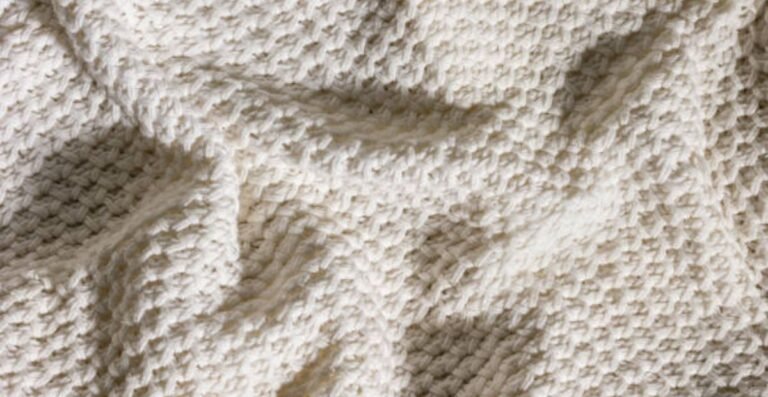
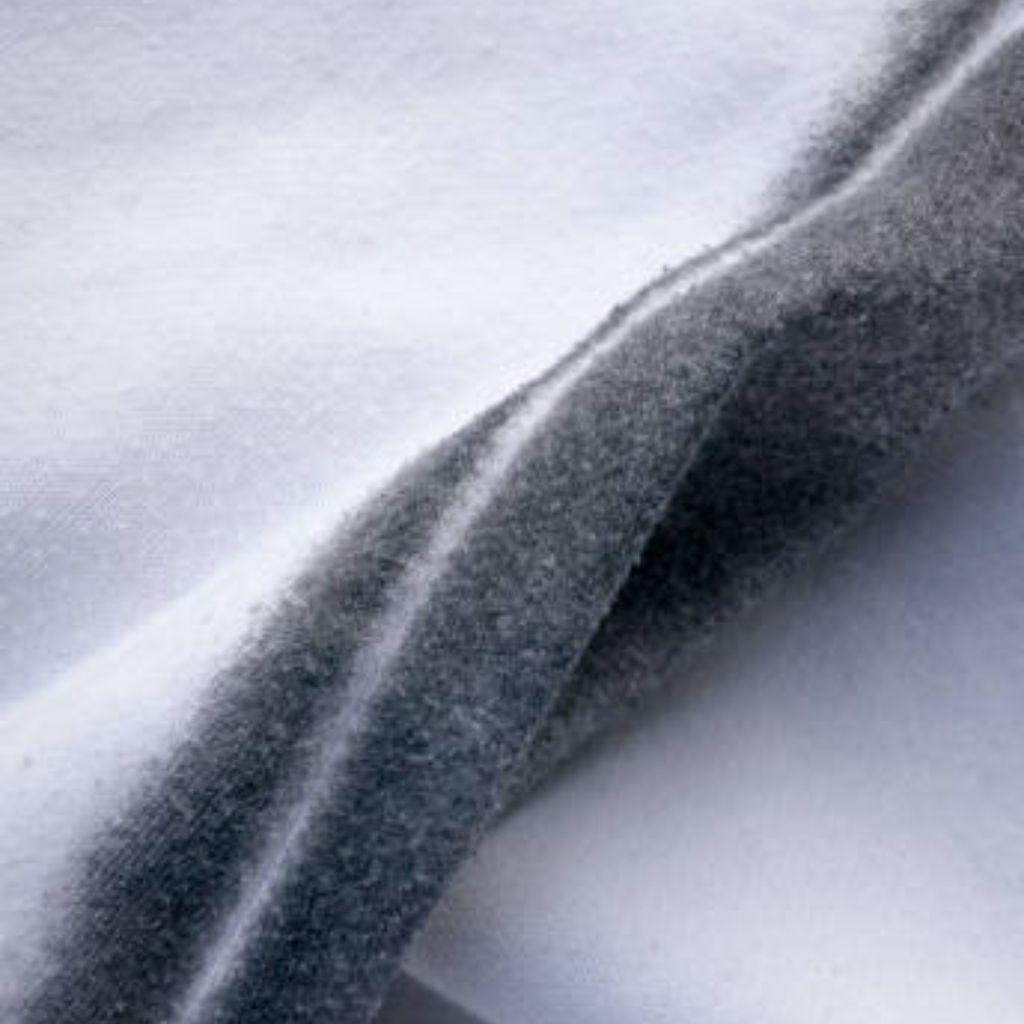
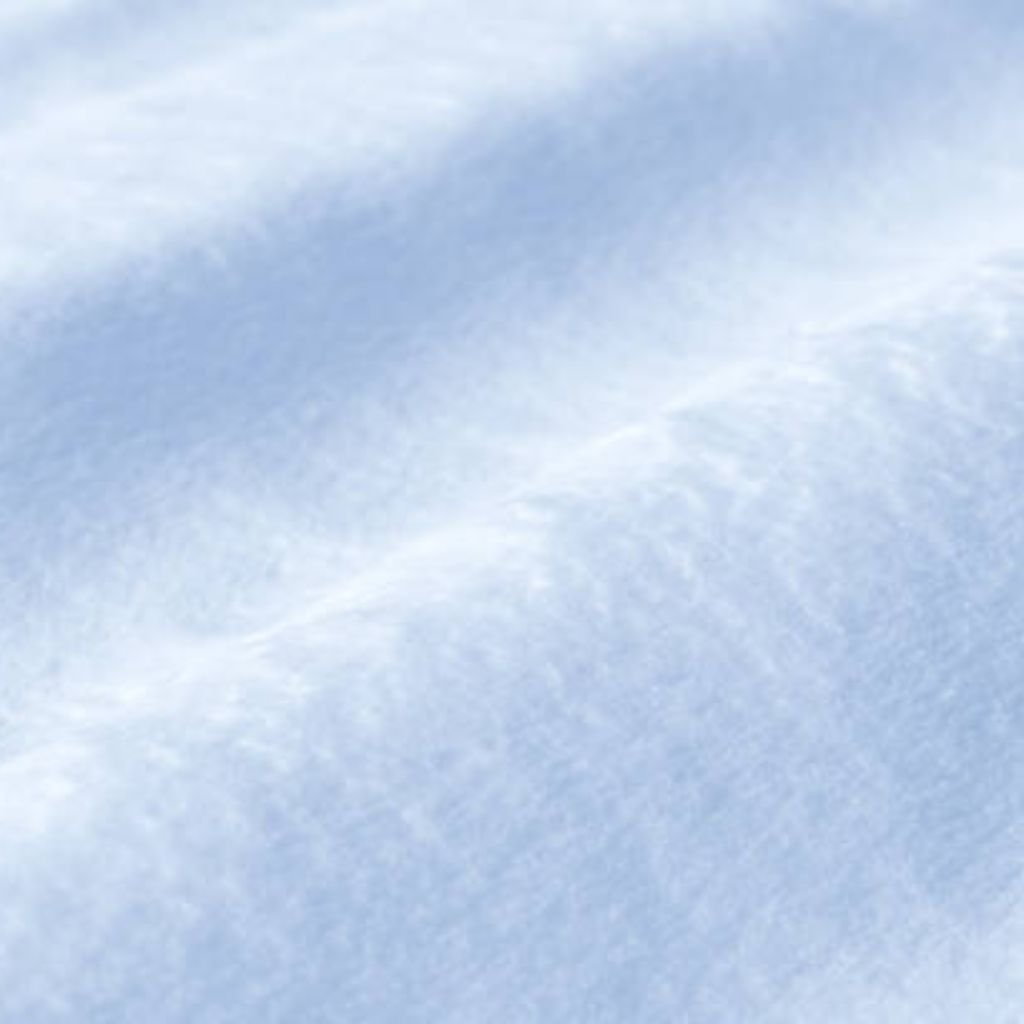
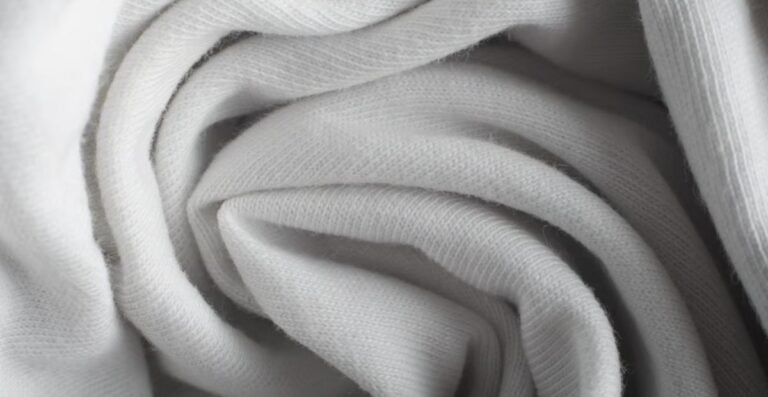
Alt text: Close-up of white fleece fabric with soft texture and subtle light-and-shadow variations suggesting folds.Polar Prime Fabric Guide:
Caption: White fleece fabric with gentle texture and subtle folds.

The demand for thermal fabrics increased when winter sports became more common. People needed lightweight clothing that could still trap body heat.Polar Prime Fabric Guide: As a result, manufacturers started improving synthetic fibers. Polyester blends became a major solution because they offered strength and warmth.

Over time, textile engineers introduced advanced fleece systems. These fabrics improved insulation by trapping warm air. However, traditional fleece sometimes lacked durability and wind resistance. Therefore, fabric developers created improved thermal structures with tighter weaves.

Polar Prime fabric emerged as a modern upgrade to standard fleece. It focused on heat retention while staying breathable. Moreover, it reduced bulk so people could layer easily. This made it popular in outdoor jackets and thermal innerwear. Polar Prime Fabric Guide:

In recent years, demand for performance winter textiles has grown rapidly. Because of this trend, Polar Prime fabric gained strong market value. Many clothing companies now use it in premium winter collections.

What Is Polar Prime Fabric? (Definition and Composition)

Polar Prime fabric is a high-performance winter textile designed for warmth and comfort. It is usually made from polyester fibers, often blended with spandex or other thermal materials. This blend increases flexibility while keeping the structure strong.

Most Polar Prime fabrics use a brushed inner surface. This soft inner layer feels warm against the skin. Meanwhile, the outer layer stays smooth and durable.Polar Prime Fabric Guide: Therefore, it works well for both casual and athletic clothing.

In many cases, Polar Prime fabric includes thermal core technology. This means the fiber structure traps heat efficiently. In addition, the fabric often contains moisture-wicking properties.Polar Prime Fabric Guide: It helps move sweat away from the body quickly.

Unlike traditional wool, Polar Prime fabric does not feel itchy. Also, it dries faster than natural winter fabrics. Because of these qualities, it becomes a practical option for modern winter wear.

This Polar Prime Fabric Guide highlights that the fabric is not a single material. Instead, it is a category of engineered thermal fabric blends. Polar Prime Fabric Guide:These blends focus on warmth, softness, and durability.

How Polar Prime Fabric Is Manufactured (Technology Behind It)

Polar Prime fabric production uses advanced synthetic fiber engineering. First, manufacturers create polyester filaments with controlled thickness.Polar Prime Fabric Guide: Then, they weave or knit them into a strong base structure. This base gives the fabric its durability.

After that, the fabric goes through brushing or fleece finishing. This process lifts tiny fibers on the inner surface. As a result, the fabric becomes softer and warmer. Moreover, this brushing creates air pockets that trap heat.

Many Polar Prime fabrics also use heat-setting techniques. This process stabilizes the fiber shape under controlled temperature. Therefore, the fabric resists shrinkage and maintains its size. In addition, it improves long-term strength.Polar Prime Fabric Guide:

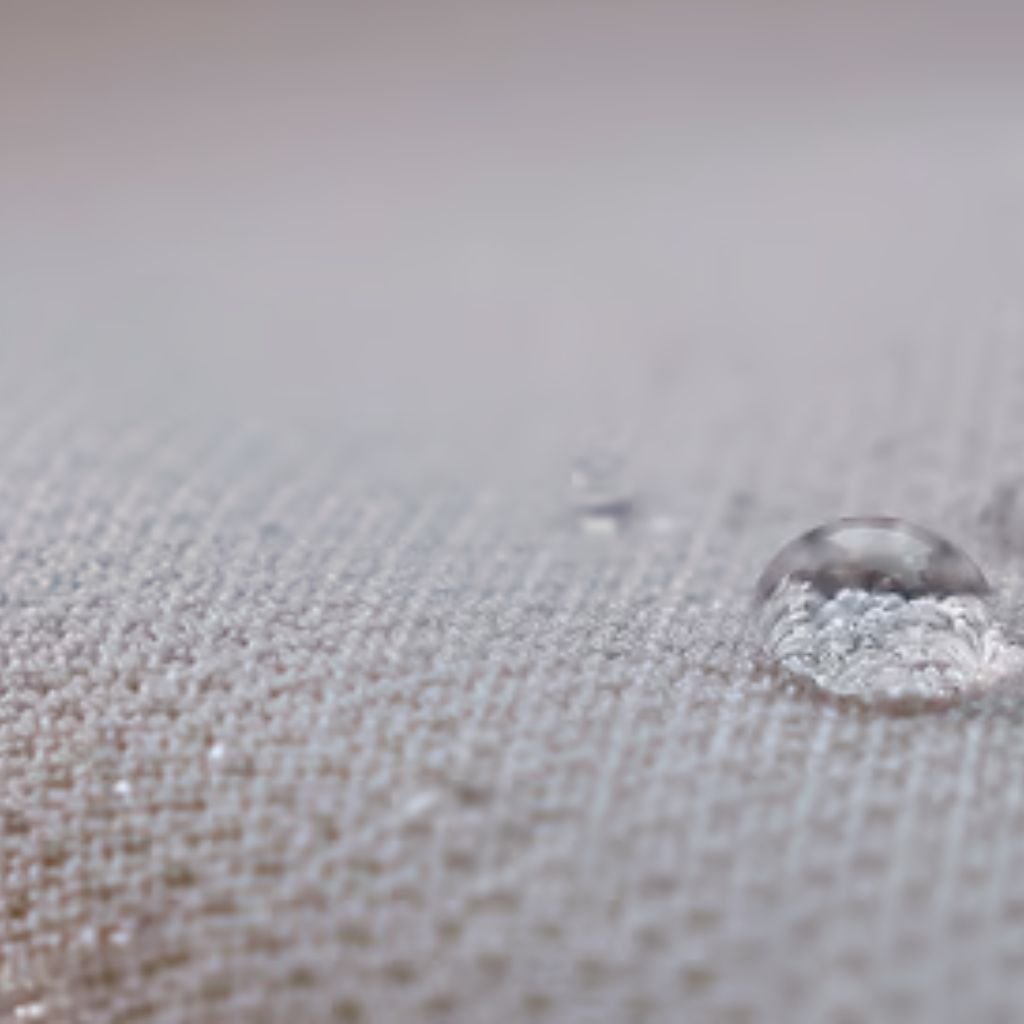
Some premium Polar Prime textiles also include coating layers. These coatings can improve wind resistance and water repellency. However, not all Polar Prime fabric versions are coated. That is why product quality depends on the manufacturer.

Overall, the production method makes Polar Prime fabric reliable for winter performance. Furthermore, it keeps the fabric lightweight while improving insulation.

Key Features of Polar Prime Fabric (Main Properties)

This Polar Prime Fabric Guide focuses on the core features that make it unique.Polar Prime Fabric Guide: Polar Prime fabric offers a balance between warmth and flexibility. Therefore, it performs better than many standard winter fabrics.

Superior Heat Retention

Polar Prime fabric traps body heat inside micro air pockets. This design reduces heat loss in cold conditions. Moreover, it keeps the wearer warm without thick layering. That is why it works well for jackets and innerwear.

Soft and Skin-Friendly Texture

The inner fleece surface feels smooth and gentle. Therefore, it remains comfortable even for long wear. Unlike wool, it does not cause irritation. In addition, it works well for sensitive skin users.

Moisture-Wicking Performance

Polar Prime fabric often includes moisture-control fibers. These fibers pull sweat away from the body quickly. As a result, the wearer stays dry during activity. Moreover, this feature prevents cold sweat buildup.

Breathability and Airflow Control

Even though it traps heat, it still allows airflow. Therefore, it reduces overheating during movement. In addition, it supports temperature balance in different climates. This makes it ideal for both mild and extreme winters.

Durability and Abrasion Resistance

The outer surface resists rubbing and surface damage. This feature helps it last longer than standard fleece. Furthermore, it keeps its shape after repeated washing. That is why it is used in outdoor gear.

Stretch and Flexibility

Some Polar Prime fabric types include spandex or elastic fibers. This improves movement and comfort. Therefore, it suits sportswear and active winter clothing. It also supports layering without tight restriction.

Benefits of Polar Prime Fabric (Why People Prefer It)
Alt text: Close-up of white fluffy fabric, likely fleece or wool, with a soft, uneven texture and subtle light-shadow variations throughout.
Polar Prime Fabric Guide:
Caption: Soft white plush fabric with a cozy, fuzzy surface.

Polar Prime fabric delivers practical benefits for daily life and outdoor activity. That is why it has become a premium winter fabric choice.Polar Prime Fabric Guide: Moreover, it fits many clothing categories.

One major benefit is consistent warmth.Polar Prime Fabric Guide: It maintains body temperature even during cold wind exposure. In addition, it feels lighter than thick wool coats. Therefore, it reduces clothing weight while still keeping warmth.

Another strong advantage is comfort. The soft fleece interior feels cozy and relaxing. Because of this, it is ideal for casual winter outfits. Furthermore, it works well for thermal pajamas and home clothing.

Polar Prime fabric also improves sweat control. It moves moisture outward instead of trapping it. Polar Prime Fabric Guide:As a result, you stay dry and warm. This is important for hiking and skiing.

Durability is another reason people prefer it. It resists tearing and surface wear. Moreover, it does not lose softness quickly. Therefore, it becomes a cost-effective long-term option.

Finally, Polar Prime fabric offers better versatility. You can use it in sportswear and daily fashion. In addition, you can use it for blankets and home textiles.Polar Prime Fabric Guide:

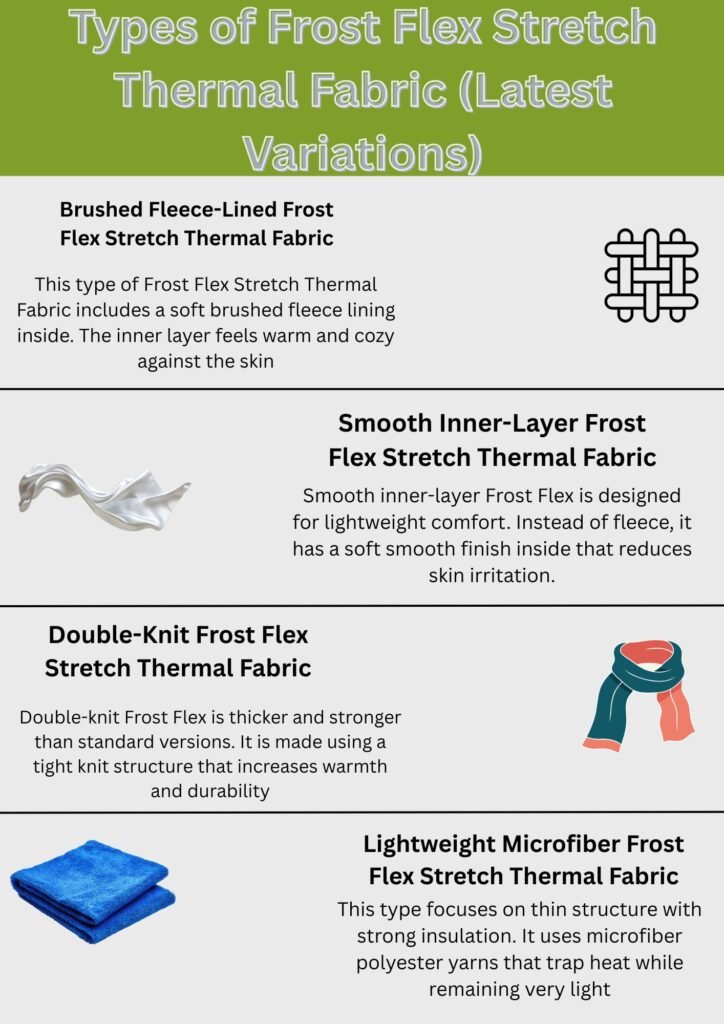
Types of Polar Prime Fabric (Latest Variations in 2026)
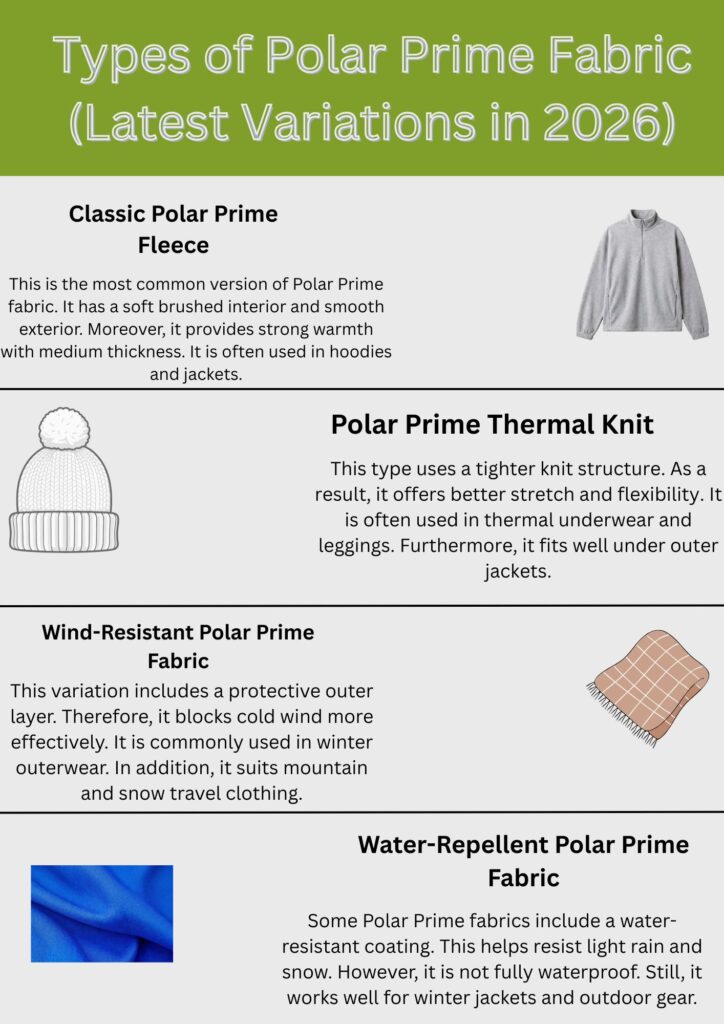
Alt text: Infographic titled “Types of Polar Prime Fabric (Latest Variations in 2026)” showing four fabric types with icons: Classic Polar Prime Fleece, Polar Prime Thermal Knit, Wind-Resistant Polar Prime Fabric, and Water-Repellent Polar Prime Fabric, each with descriptive text.Polar Prime Fabric Guide:
Caption: Overview of Polar Prime fabric varieties for 2026.

Polar Prime fabric comes in multiple types.Polar Prime Fabric Guide: Each type suits a different winter purpose. That is why you must choose based on your needs. This section of the Polar Prime Fabric Guide explains common variations.

Classic Polar Prime Fleece

This is the most common version of Polar Prime fabric. It has a soft brushed interior and smooth exterior. Moreover, it provides strong warmth with medium thickness. It is often used in hoodies and jackets.

Polar Prime Thermal Knit

This type uses a tighter knit structure. As a result, it offers better stretch and flexibility. It is often used in thermal underwear and leggings. Furthermore, it fits well under outer jackets.

Wind-Resistant Polar Prime Fabric

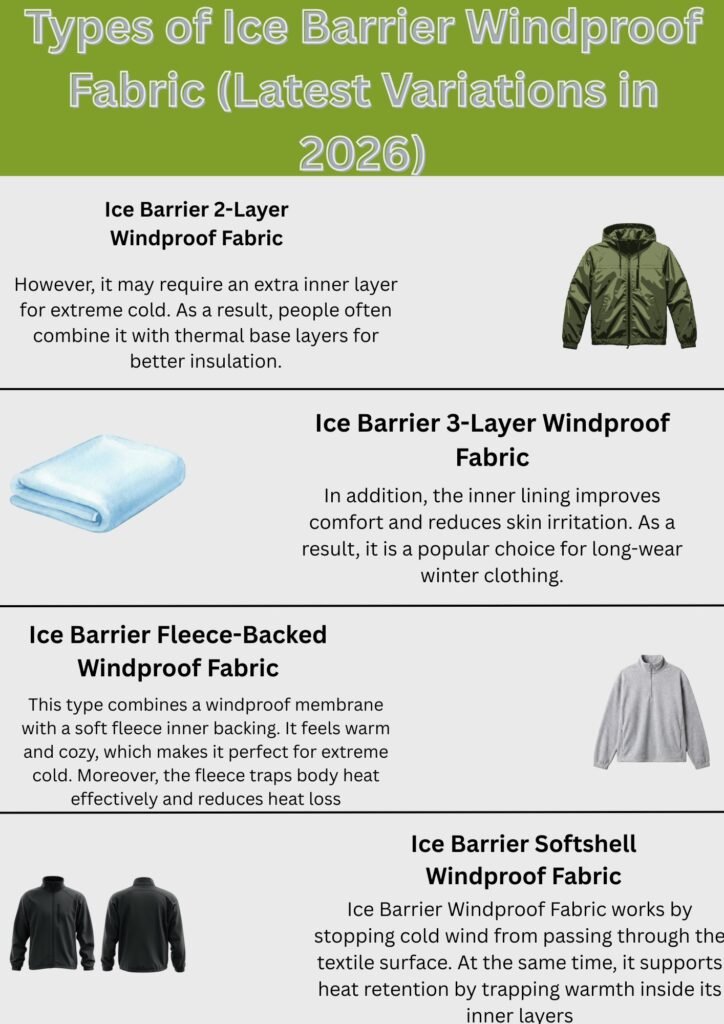
This variation includes a protective outer layer. Therefore, it blocks cold wind more effectively. It is commonly used in winter outerwear. In addition, it suits mountain and snow travel clothing.

Water-Repellent Polar Prime Fabric

Some Polar Prime fabrics include a water-resistant coating. This helps resist light rain and snow. However, it is not fully waterproof. Still, it works well for winter jackets and outdoor gear.

How Polar Prime Fabric Works (Thermal Technology Explained)

Polar Prime fabric works by trapping warm air close to the body. This trapped air acts like insulation.Polar Prime Fabric Guide: Therefore, it slows down heat loss in cold conditions.

The brushed fleece inner layer creates tiny fiber loops. These loops form air pockets inside the fabric. As a result, warm air stays inside longer. Moreover, the outer layer reduces wind penetration.

Another important function is moisture management. Polar Prime fabric pulls sweat away from the skin. Then, it spreads moisture across the outer surface. Polar Prime Fabric Guide:This helps the fabric dry faster. Therefore, it prevents dampness and cold discomfort.

You can imagine Polar Prime fabric like a “thermal sandwich.” The inner layer holds warmth and softness. The middle structure traps air for insulation. Meanwhile, the outer layer protects from friction and cold air.

Because of this smart design, Polar Prime fabric performs well in both daily and athletic use. Furthermore, it supports layering without overheating.Polar Prime Fabric Guide:

Why Polar Prime Fabric Is Trending in Winter Textiles

Many people now want lightweight winter clothing. They want warmth without heavy layers. That is why Polar Prime fabric is gaining attention. Moreover, it supports modern winter fashion designs.Polar Prime Fabric Guide:

Another reason is its durability. Traditional winter fabrics often lose softness after repeated washing. However, Polar Prime fabric holds its structure better. Polar Prime Fabric Guide:Therefore, it stays useful for years.

Also, the fabric is easy to maintain. It does not require special washing like wool. In addition, it dries quickly, which saves time. This is especially helpful in humid winter areas.

Outdoor sports also influence fabric demand. People need breathable and sweat-resistant winter wear. Because Polar Prime fabric manages moisture well, it becomes a top choice.

Finally, sustainability trends are pushing recycled fiber use. Many Polar Prime fabric versions now use recycled polyester. Therefore, eco-friendly buyers also prefer it.

Polar Prime Fabric vs Other Winter Fabrics (Comparison Guide)
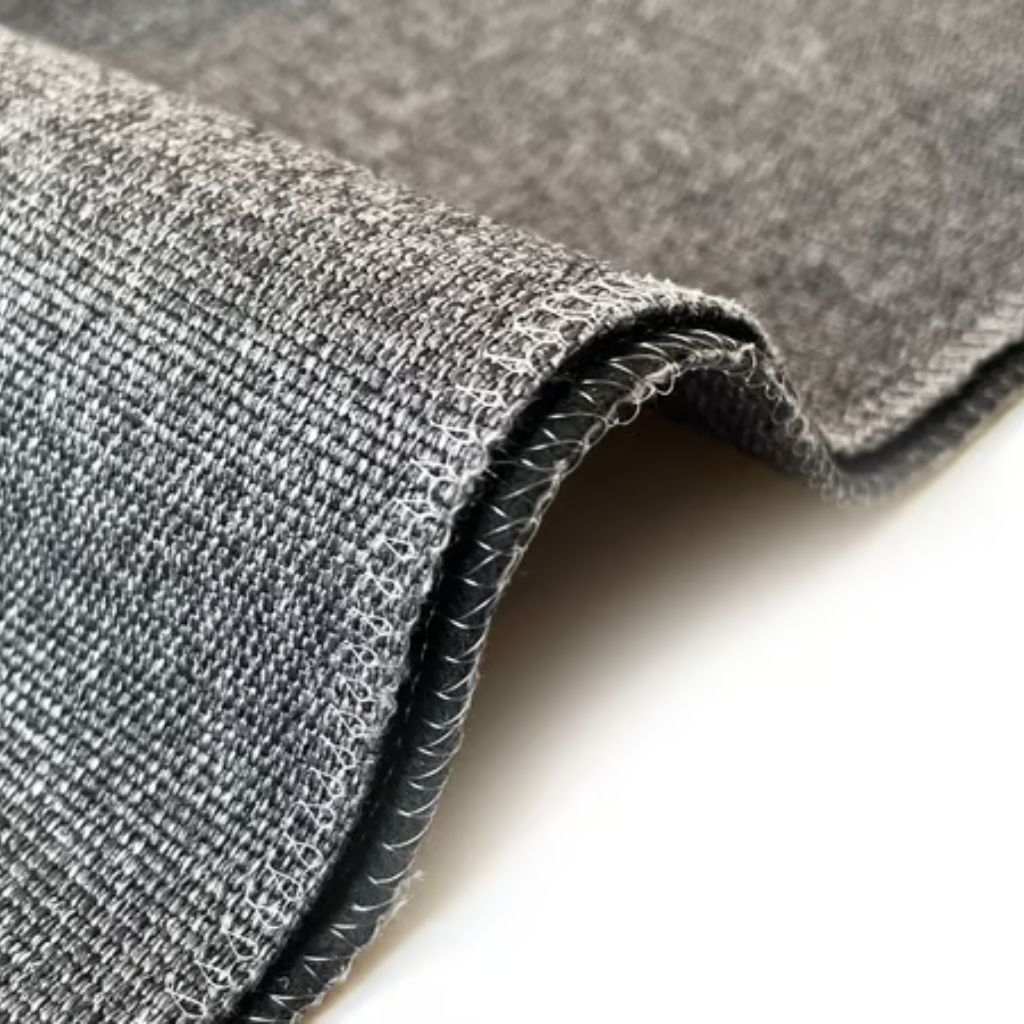
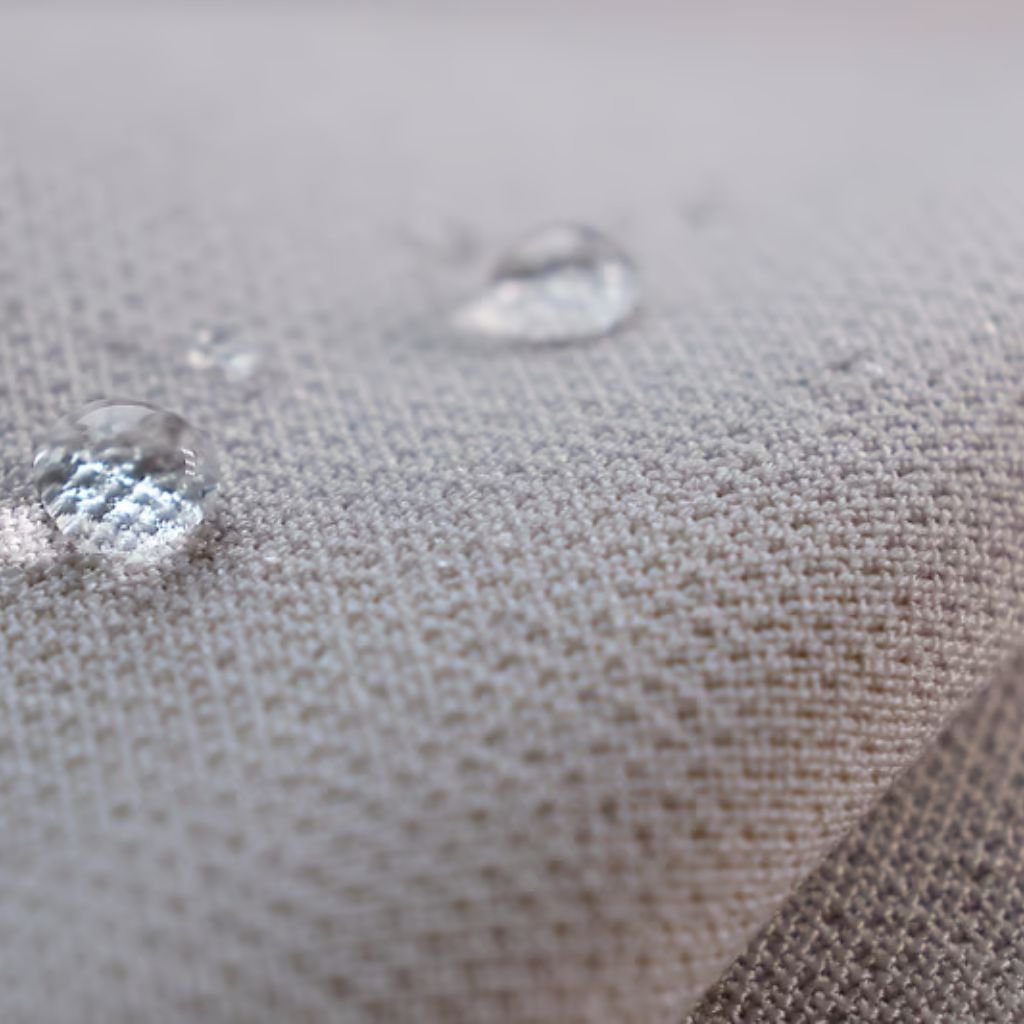
Alt text: Close-up of soft gray fabric with visible texture and gentle folds, lit from above.Polar Prime Fabric Guide:
Caption: Soft gray fabric with textured surface and subtle drape.

This section of the Polar Prime Fabric Guide compares Polar Prime fabric with other popular winter fabrics. These comparisons help buyers make better decisions.

Polar Prime Fabric vs Regular Fleece

Regular fleece feels warm but may lose shape quickly. Polar Prime fabric usually lasts longer and feels more premium. Moreover, Polar Prime often offers better moisture control. Therefore, it performs better for outdoor wear.

Polar Prime Fabric vs Wool

Wool provides natural warmth but can feel itchy. Polar Prime fabric stays soft and skin-friendly. In addition, it dries faster than wool. However, wool may offer better natural odor resistance.

Polar Prime Fabric vs Thermal Knit Cotton

Cotton thermal fabric feels comfortable but absorbs moisture.Polar Prime Fabric Guide: Therefore, it can become damp in cold weather. Polar Prime fabric handles sweat better. As a result, it is safer for outdoor winter activity.

Polar Prime Fabric vs Synthetic Insulated Fabrics

Insulated synthetic jackets often use padding like polyester fill. They offer strong warmth but can feel bulky. Polar Prime fabric provides warmth in a thinner structure. Therefore, it suits layering and flexible clothing designs.

Common Uses of Polar Prime Fabric (Where It Is Applied)

Polar Prime fabric works in many winter products. That is why manufacturers use it widely. This section of the Polar Prime Fabric Guide explains its most common applications.

Winter Jackets and Coats

Polar Prime fabric is used in winter jackets because it traps heat. Moreover, it stays lightweight for easy movement. Many coats also use it as an inner lining. Therefore, it adds warmth without bulk.

Sportswear and Activewear

Outdoor sports clothing needs breathability and flexibility. Polar Prime fabric provides both qualities. In addition, it dries fast after sweating. That is why it is used in hiking tops and skiing layers.

Thermal Innerwear

Thermal underwear requires softness and warmth. Polar Prime fabric offers comfortable insulation close to skin. Moreover, it does not feel heavy during wear. Therefore, it works well as a base layer.

Outdoor Accessories

Many gloves, scarves, and caps use Polar Prime fabric. It provides warmth while staying soft. Furthermore, it resists wear from frequent use. That is why it is common in winter accessories.

Blankets and Home Textiles

Polar Prime fabric is also used for winter blankets. It keeps warmth trapped for long comfort. In addition, it feels soft and cozy for home use. Therefore, it has become popular in luxury bedding products.

Is Polar Prime Fabric Good for Extreme Cold Weather?

Yes, Polar Prime fabric can perform well in extreme cold. However, its effectiveness depends on thickness and layering. Thicker Polar Prime fleece provides stronger insulation. Meanwhile, thin versions work best as base layers.

For very cold climates, you should use it with layering. Pair it with a windproof outer shell for better protection. Moreover, combine it with thermal innerwear for maximum warmth.

Polar Prime fabric works well in snow conditions because it traps heat efficiently. In addition, moisture-wicking reduces sweat chill. Therefore, it supports outdoor hiking, trekking, and winter sports.

Still, it may not replace heavy insulated jackets in extreme storms. Polar Prime Fabric Guide:However, it becomes highly effective when used correctly. That is why many outdoor brands recommend it as a layering fabric.

Pros and Cons of Polar Prime Fabric (Honest Review)

Polar Prime fabric has many advantages. However, it also has some limitations. Therefore, you must consider both sides before choosing it.

Pros of Polar Prime Fabric

Polar Prime fabric offers excellent warmth without heavy weight. Moreover, it feels soft and comfortable on the skin. It also resists wear and keeps its structure longer. In addition, it dries quickly after washing.

It is also breathable, which prevents overheating. Therefore, it suits both daily and active use. Many types also offer stretch for comfort. That makes it ideal for sportswear.Polar Prime Fabric Guide:

Cons of Polar Prime Fabric

Some Polar Prime fabrics may attract static electricity. This can happen in very dry winter climates. Moreover, low-quality versions may pill over time. That is why choosing premium quality matters.

Another limitation is that it is not always waterproof. Some versions resist water, but not all. Therefore, you may need an outer shell in rainy snow conditions.

Sustainability and Environmental Impact of Polar Prime Fabric
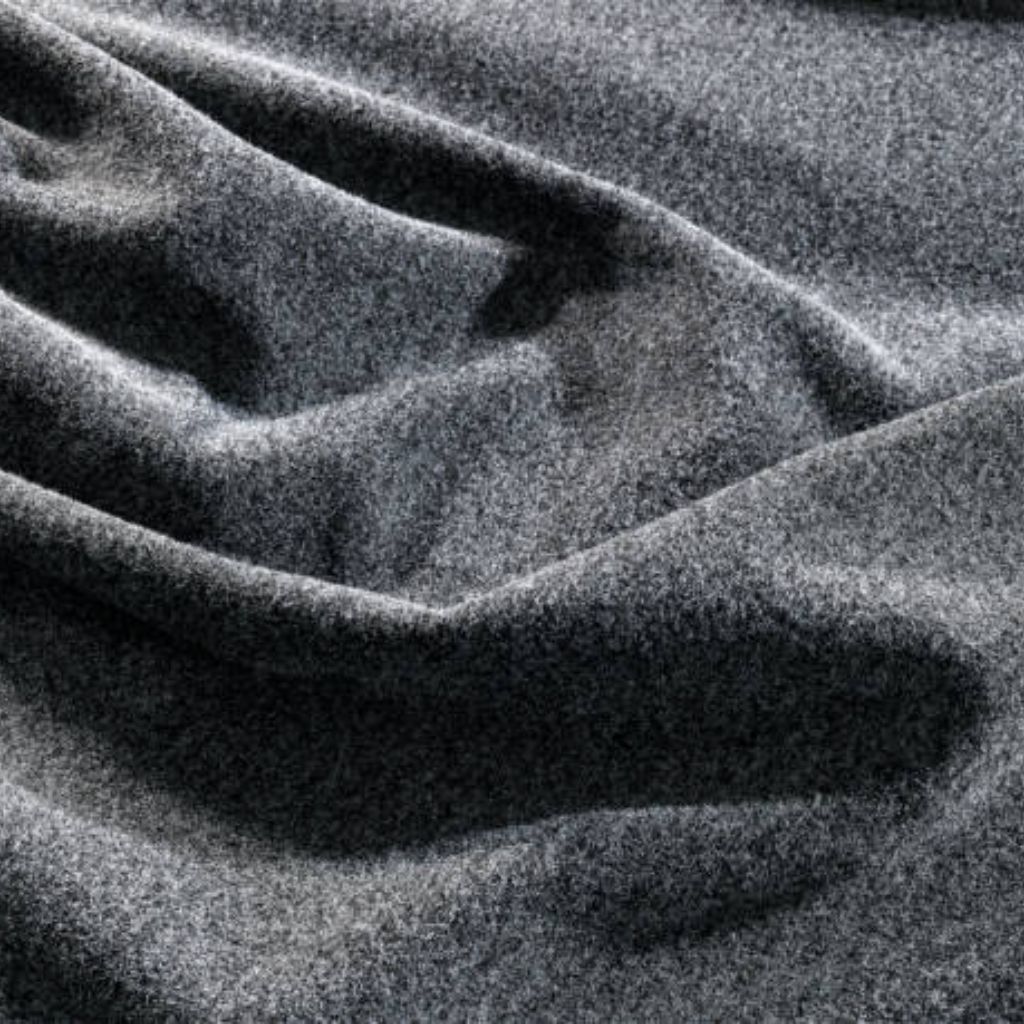
Alt text: Close-up of soft gray fabric with gentle folds and a fuzzy texture, creating depth with light and shadow.Polar Prime Fabric Guide:
Caption: Soft gray draped fabric with a fuzzy, felt-like texture.

Sustainability is becoming important in textile markets. That is why many buyers ask about fabric environmental impact. Polar Prime fabric is mostly synthetic, so it comes from petroleum-based polyester. However, manufacturers now offer recycled versions.

Recycled Polar Prime fabric uses recycled plastic bottles and industrial waste fibers. This reduces landfill waste and lowers raw material demand. Moreover, it reduces the environmental footprint compared to virgin polyester.

Still, synthetic fabrics can release microfibers during washing. Therefore, you should use microfiber washing bags when possible. In addition, washing less frequently reduces fiber shedding.

Some companies now develop low-impact dyeing methods for Polar Prime fabric. These methods reduce water waste and chemical pollution. As a result, the fabric becomes more eco-friendly.

Overall, Polar Prime fabric can support sustainability if you choose recycled options. Furthermore, proper care improves lifespan and reduces textile waste.

Buying Guide: How to Choose the Best Polar Prime Fabric

Buying the right Polar Prime fabric requires attention to quality.Polar Prime Fabric Guide: That is why you should check key factors before purchasing. This part of the Polar Prime Fabric Guide helps you choose correctly.

Check GSM Weight and Thickness

GSM means grams per square meter. Higher GSM means thicker and warmer fabric. For jackets, choose medium to high GSM. However, for base layers, choose lighter GSM for comfort.

Inspect the Inner Lining

The inner brushed surface should feel soft and even.Polar Prime Fabric Guide: If the lining feels rough, quality may be lower. Moreover, uneven brushing can reduce warmth performance. Therefore, always touch and test the texture.

Look for Stretch and Flexibility

If you need sportswear, choose stretch blends. These fabrics include elastane for movement. Therefore, they work better for hiking and active winter use.

Check Stitching and Fabric Density

High-density Polar Prime fabric lasts longer. It resists tearing and surface wear. In addition, strong stitching improves garment durability. That is why you should inspect seams carefully.

Choose Based on Intended Use

For outdoor snow trips, choose wind-resistant Polar Prime fabric. For casual wear, classic fleece works well. However, for rain and snow mix, choose water-repellent versions. Therefore, matching fabric type with use matters most.

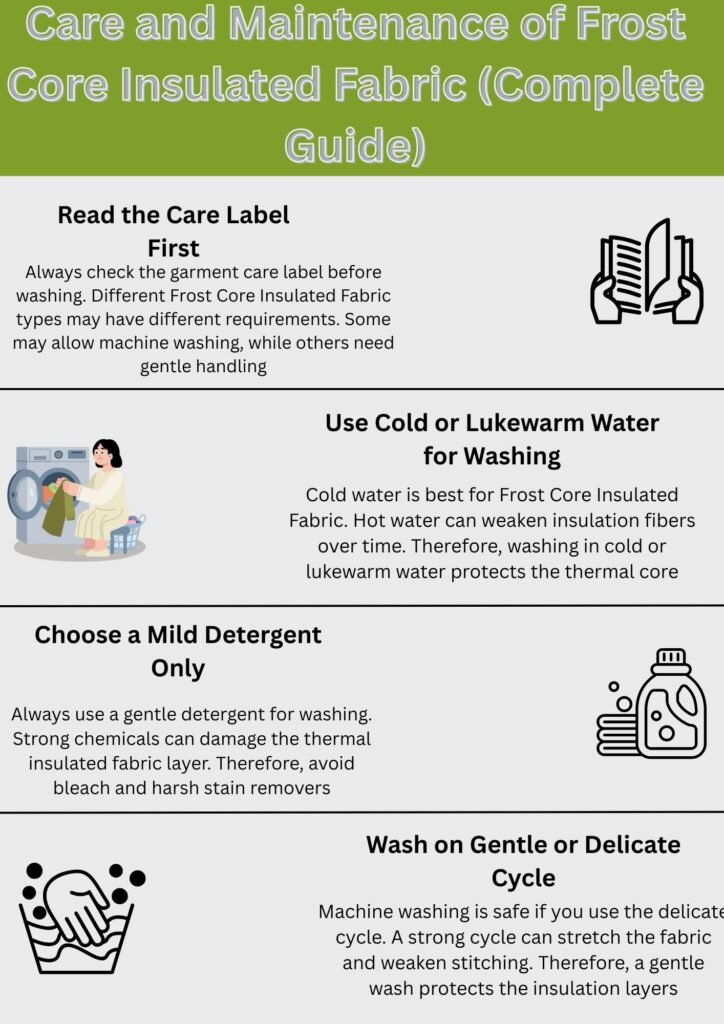
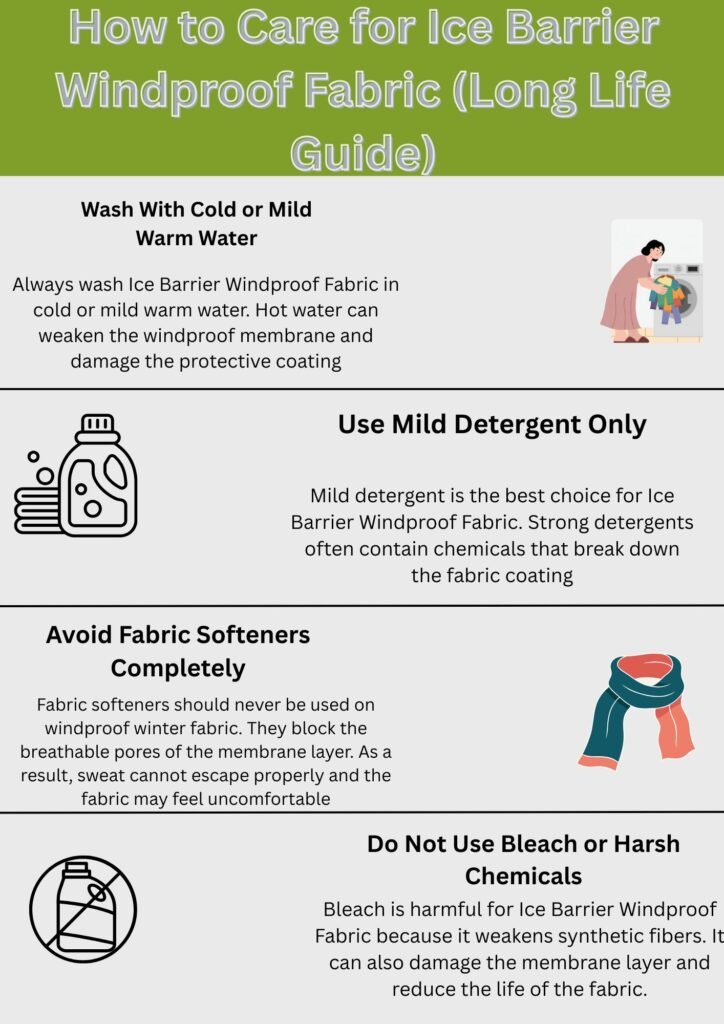
Care and Maintenance of Polar Prime Fabric (Complete Guide)
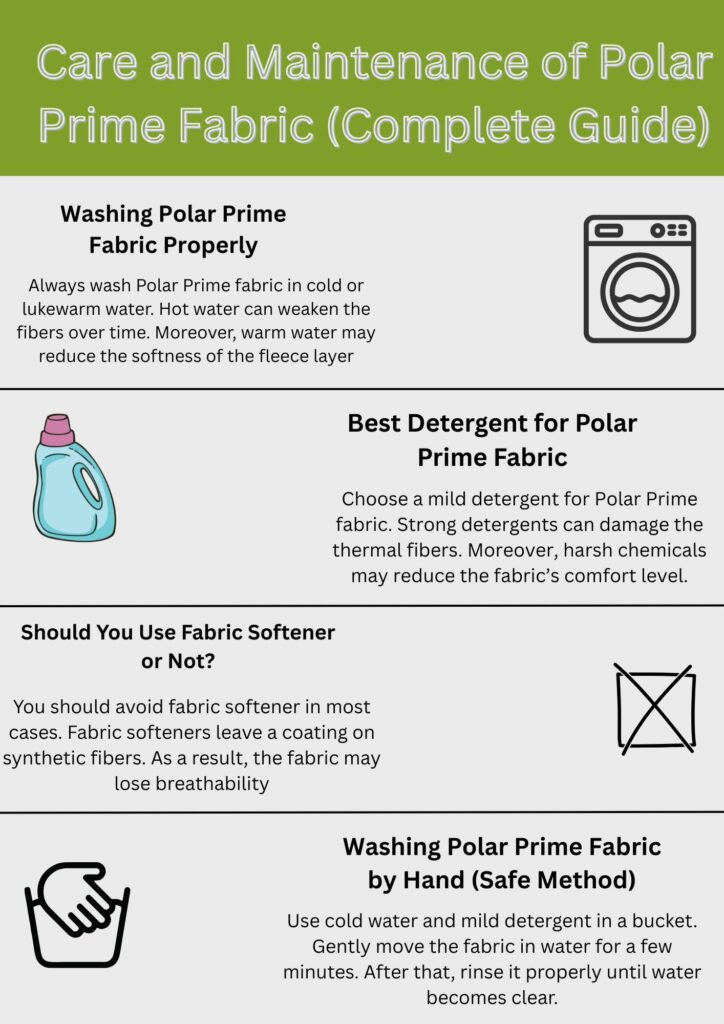
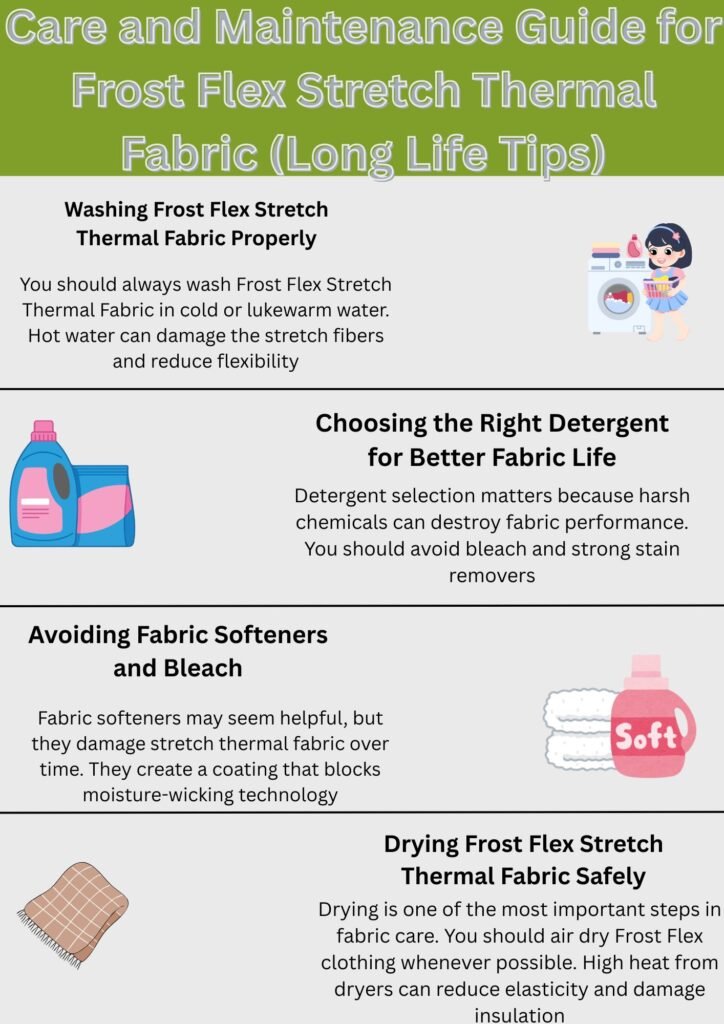
Alt text: Infographic titled “Care and Maintenance of Polar Prime Fabric (Complete Guide)” with sections on washing, detergent, fabric softener, and hand washing, each with simple icons.Polar Prime Fabric Guide:
Caption: Care guide for Polar Prime Fabric (2026 variations).

Taking proper care of Polar Prime fabric is very important. It helps the fabric stay soft, warm, and durable for years. Moreover, correct maintenance keeps the insulation performance strong. If you wash it the wrong way, the fibers may lose their structure. Therefore, you should always follow safe cleaning methods.

Washing Polar Prime Fabric Properly

Always wash Polar Prime fabric in cold or lukewarm water. Hot water can weaken the fibers over time. Moreover, warm water may reduce the softness of the fleece layer. Therefore, cold washing is the safest option.

Use a gentle washing cycle to avoid damage. Strong spinning can pull and stretch the fabric. In addition, it may cause fabric pilling. For best results, wash it with similar soft clothing items.

Best Detergent for Polar Prime Fabric

Choose a mild detergent for Polar Prime fabric. Strong detergents can damage the thermal fibers. Moreover, harsh chemicals may reduce the fabric’s comfort level. Therefore, always select gentle liquid detergent.

Avoid using bleach because it can break the fiber structure. Also, avoid strong stain removers unless required. If stains appear, treat them gently before washing.

Should You Use Fabric Softener or Not?

You should avoid fabric softener in most cases. Fabric softeners leave a coating on synthetic fibers. As a result, the fabric may lose breathability. Moreover, moisture-wicking performance may reduce.

Instead, use an extra rinse cycle for softness. This keeps the fabric fresh without chemical buildup. Therefore, your Polar Prime fabric stays clean and breathable.

Washing Polar Prime Fabric by Hand (Safe Method)

Hand washing is a great option for premium Polar Prime garments. It protects the fleece lining and prevents fiber damage. Moreover, it reduces friction that causes pilling. Therefore, delicate Polar Prime clothing lasts longer.

Use cold water and mild detergent in a bucket. Gently move the fabric in water for a few minutes. After that, rinse it properly until water becomes clear.Polar Prime Fabric Guide:

Conclusion

Polar Prime fabric is a modern winter textile built for comfort and performance. It provides strong insulation while staying lightweight. Moreover, it offers breathability, moisture control, and long-term durability. That is why it is now trending in winter clothing markets.

This Polar Prime Fabric Guide explained its history, composition, working technology, and latest types. In addition, it covered uses, care methods, and buying tips. These details help you make smarter fabric choices.

FAQs

Is Polar Prime fabric waterproof?

Polar Prime fabric is usually not fully waterproof. However, some versions include water-repellent coatings. These coatings resist light rain and snow. For heavy rain, you still need a waterproof outer layer.

Is Polar Prime fabric better than fleece?

Yes, in many cases it performs better than regular fleece. It often provides better durability and moisture control. Moreover, it holds its shape longer after washing. However, quality depends on the brand and blend.

Can Polar Prime fabric be used for sportswear?

Yes, it is widely used in winter sportswear. It offers warmth while allowing breathability. In addition, it dries quickly after sweating. Therefore, it is excellent for hiking and skiing.
Warm Aura Fabric Explained:Why It’s Perfect for Cold Weather

0

Warm Aura Fabric Explained is becoming a popular topic in winter fashion. People now want warmth without heavy layers. That is why modern textile brands are upgrading thermal materials. Warm Aura Fabric offers advanced comfort for cold climates. It works as a thermal winter fabric that keeps the body warm. At the same time, it stays breathable and soft.

This fabric is trending because it feels light yet performs strongly. It also supports daily wear and outdoor activities. Many clothing brands use it as an insulated performance material.Warm Aura Fabric Explained: It traps body heat and reduces cold air impact. As a result, it works as a strong heat retention textile. It also prevents sweat buildup, which improves comfort.

Warm Aura Fabric is also loved because it offers a smooth feel. It gives a cozy touch like fleece but feels more modern. In addition, it works well for sportswear and winter travel. If you want a breathable warm fabric, this is a smart option.

What Is Warm Aura Fabric? (Warm Aura Fabric Explained in Detail)

Warm Aura Fabric is a modern thermal fabric designed for winter warmth. It uses insulation technology to trap heat near the body. However, it also allows airflow for better comfort. Warm Aura Fabric Explained:This makes it different from traditional thick winter fabrics. It provides warmth without making the outfit bulky.

Warm Aura Fabric often uses polyester-based fibers. Many versions also include fleece blends for softness. Some advanced types contain micro-thermal fibers. These fibers create tiny heat-trapping pockets. As a result, the fabric holds warmth for longer hours. At the same time, it stays lightweight.

Manufacturers produce Warm Aura Fabric through layered textile construction. They combine insulating fibers with breathable surfaces. In addition, some designs include brushed inner linings. This lining creates a soft-touch interior feel. It also helps prevent cold air penetration.Warm Aura Fabric Explained:

Unlike wool or heavy cotton, Warm Aura Fabric dries faster. It also resists shrinking in most cases. Because of this, it fits modern winter clothing needs. Many experts call it a cold-weather textile innovation. It is also linked with thermal insulation technology and moisture-wicking winter fabric performance.

History and Evolution of Warm Aura Fabric

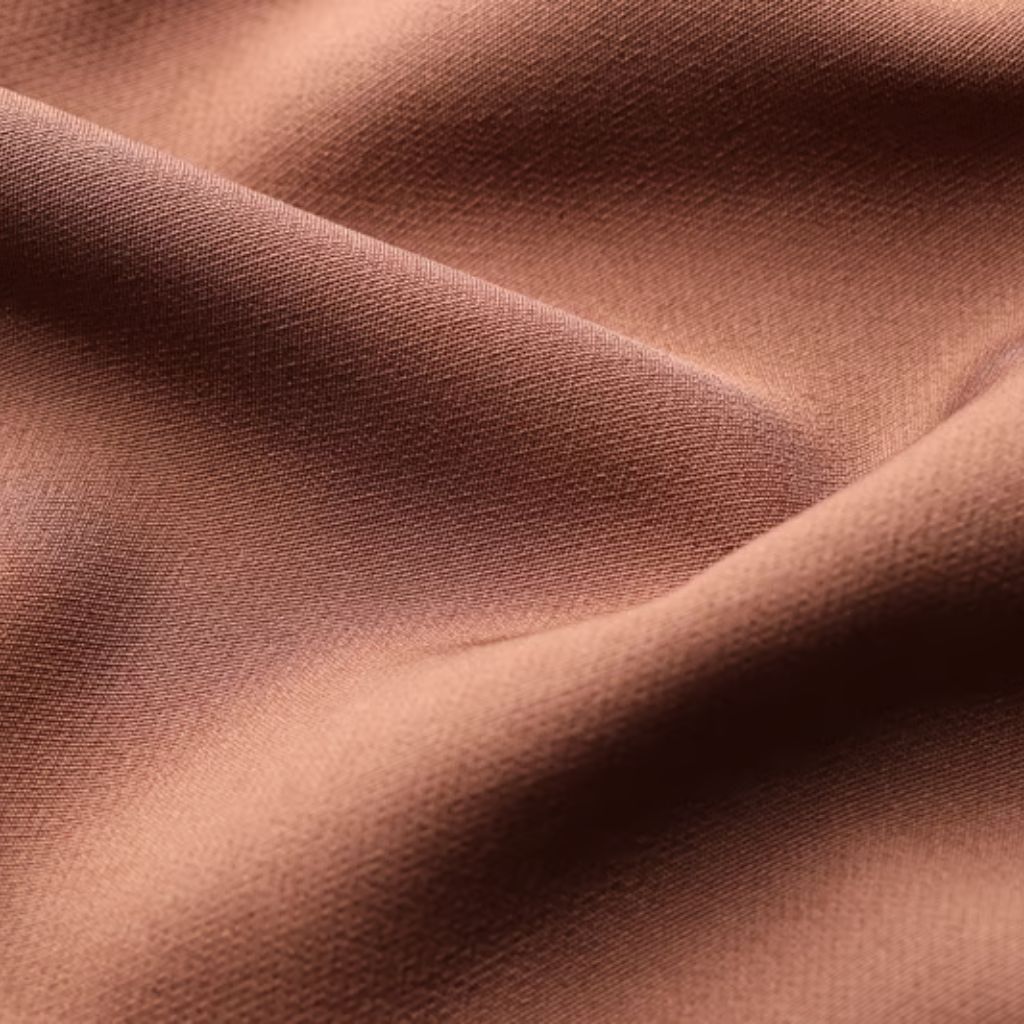
Alt text: Close-up of a folded piece of solid reddish-brown fabric with a fine visible weave; folds create highlights and shadows that emphasize the fabric’s texture.Warm Aura Fabric Explained:
Caption: Muted reddish-brown fabric with a refined weave and soft folds.

Warm Aura Fabric is a new textile name, but its technology is not new. It comes from the evolution of thermal performance fabrics. In the past, people relied mainly on wool and thick cotton. Warm Aura Fabric Explained:Those fabrics were warm but heavy. They also absorbed moisture quickly, which caused discomfort.

Later, polyester-based winter fabrics became popular. They provided better drying speed and durability. However, early polyester materials were not very breathable. People often felt sweaty after long wear. Because of this issue, textile brands started improving fiber engineering.

Warm Aura Fabric developed as part of this innovation trend. Manufacturers began using micro-thermal fibers and layered weaving methods. This allowed better heat trapping and airflow balance. As a result, Warm Aura Fabric gained attention as a breathable warm fabric.Warm Aura Fabric Explained:

Today, it is widely used in insulated performance material clothing. It is especially popular in winter sportswear and travel outfits. Many brands now market it as a heat retention textile for modern lifestyles.

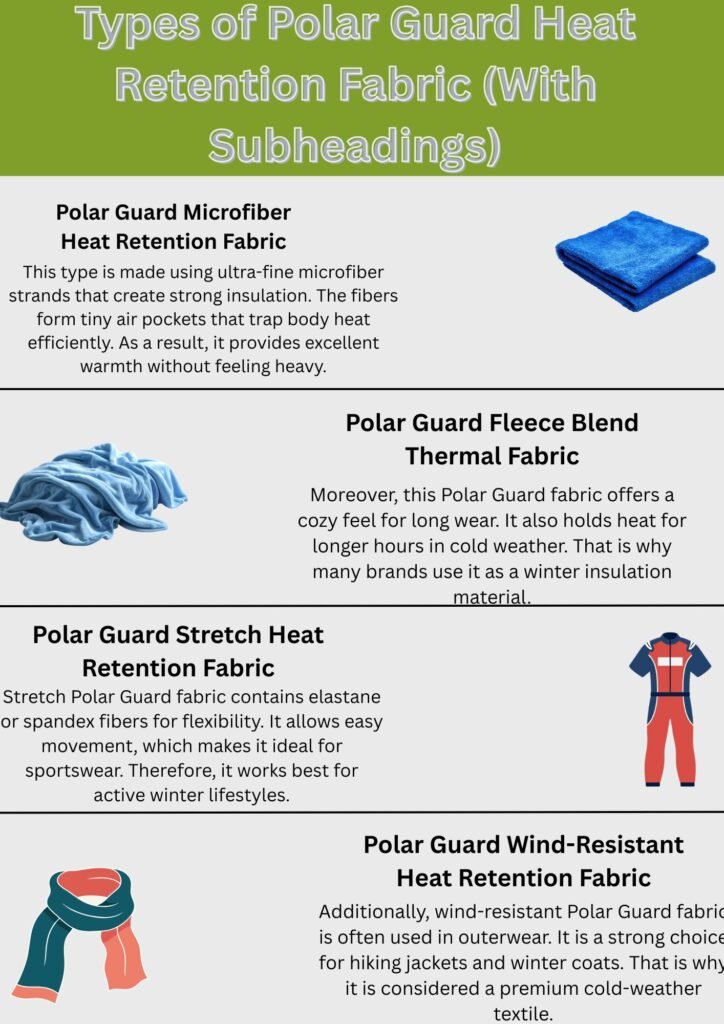
Types of Warm Aura Fabric (Latest Variations in 2026)

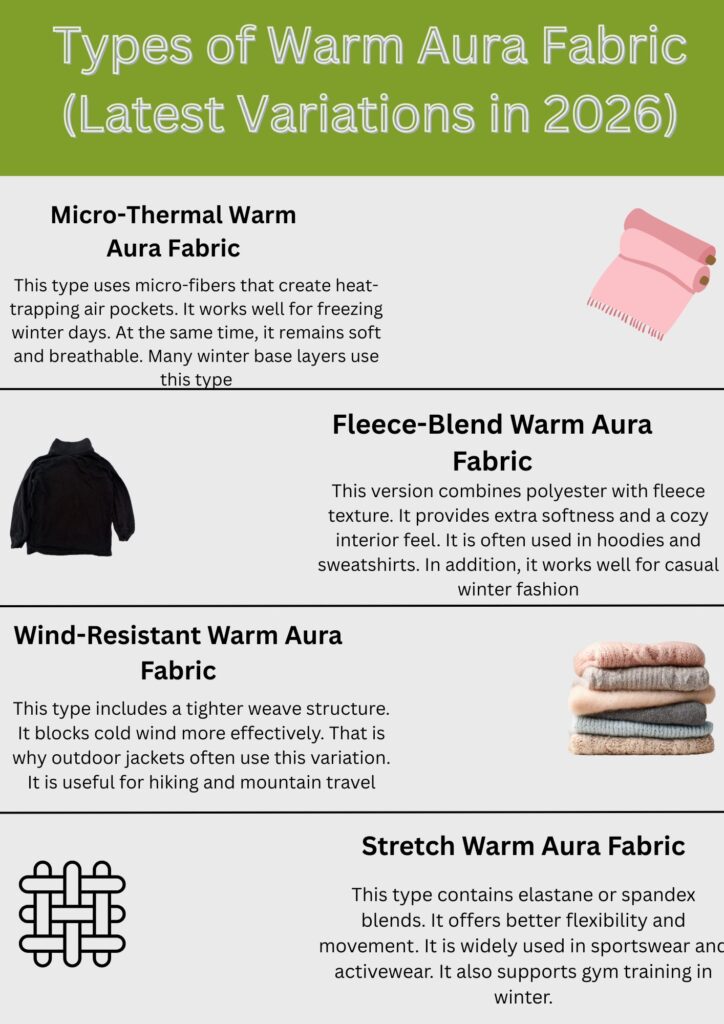
Alt text: Infographic titled “Types of Warm Aura Fabric (Latest Variations in 2026)” showing four fabric types with short descriptions: Micro-Thermal Warm Aura, Fleece-Blend Warm Aura Fabric, Wind-Resistant Warm Aura Fabric, and Stretch Warm Aura Fabric, each with a small illustrative icon.Warm Aura Fabric Explained:
Caption: Overview of four Warm Aura fabric variations for 2026.

Warm Aura Fabric Explained is incomplete without understanding its latest types. Different variations exist because brands design fabrics for specific weather needs. Some types focus on extreme cold protection. Others focus more on comfort and flexibility. Therefore, knowing the types helps buyers choose better.

Micro-Thermal Warm Aura Fabric

This type uses micro-fibers that create heat-trapping air pockets. It works well for freezing winter days. At the same time, it remains soft and breathable. Many winter base layers use this type. It also performs well as thermal innerwear.

Fleece-Blend Warm Aura Fabric

This version combines polyester with fleece texture. It provides extra softness and a cozy interior feel. It is often used in hoodies and sweatshirts. In addition, it works well for casual winter fashion. Many people like it because it feels luxurious.

Wind-Resistant Warm Aura Fabric

This type includes a tighter weave structure. It blocks cold wind more effectively. That is why outdoor jackets often use this variation. It is useful for hiking and mountain travel. It also supports long winter walks.

Stretch Warm Aura Fabric

This type contains elastane or spandex blends. It offers better flexibility and movement. It is widely used in sportswear and activewear. It also supports gym training in winter. Many athletes prefer this fabric type.

Key Features of Warm Aura Fabric

Warm Aura Fabric Explained becomes clearer when we explore its features. This fabric is engineered for comfort and performance. It works well in cold environments and daily winter life. Moreover, it offers modern fabric advantages that traditional textiles lack.

Main Features of Warm Aura Fabric

  • Advanced heat retention for long-lasting warmth
  • Breathable yet insulated structure for balanced comfort
  • Lightweight construction for easy layering
  • Moisture-wicking capability to prevent sweat buildup
  • Soft-touch interior lining for skin-friendly feel
  • Stretch flexibility for better movement
  • Wind resistance in many fabric versions
  • Fast drying performance compared to cotton

These features make Warm Aura Fabric a strong winter solution. It also supports both fashion and performance needs. Therefore, it works for casual wear and outdoor clothing.

Benefits of Warm Aura Fabric (Why People Prefer It)

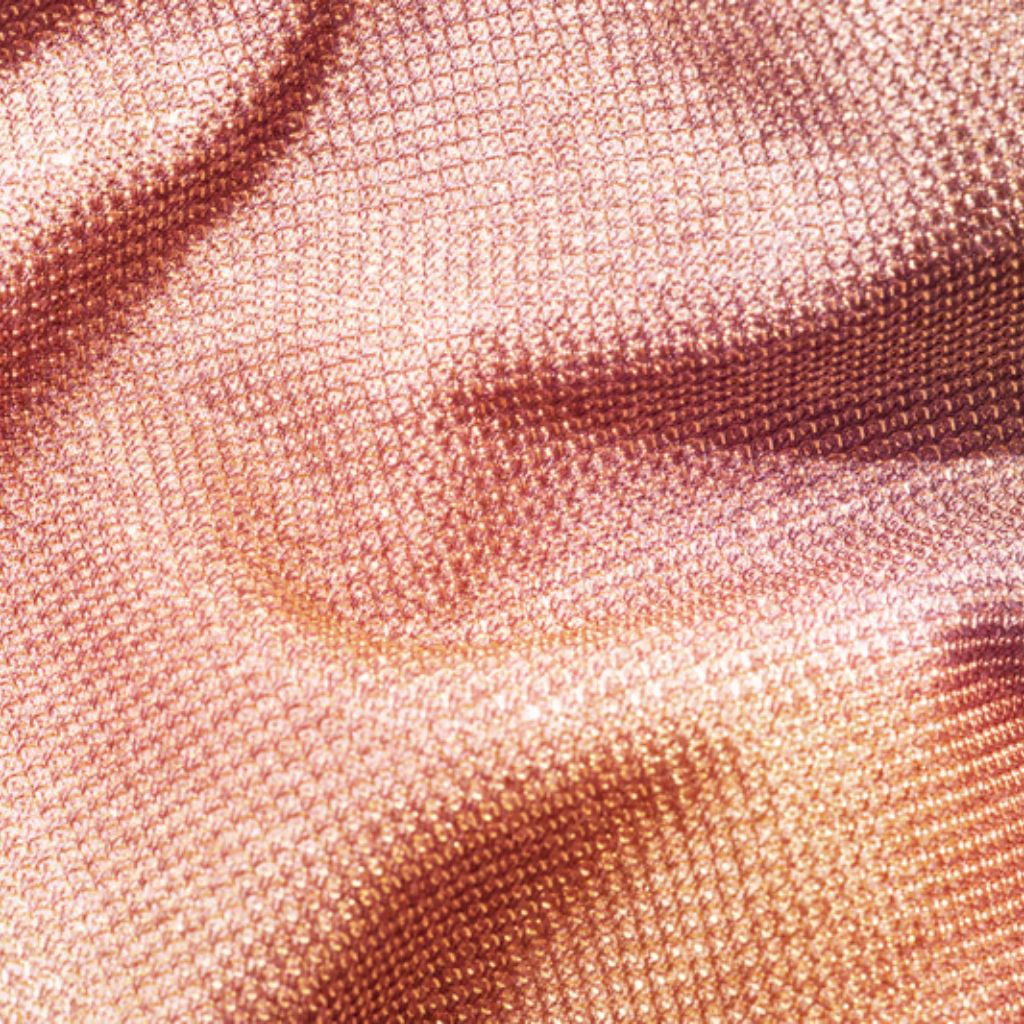
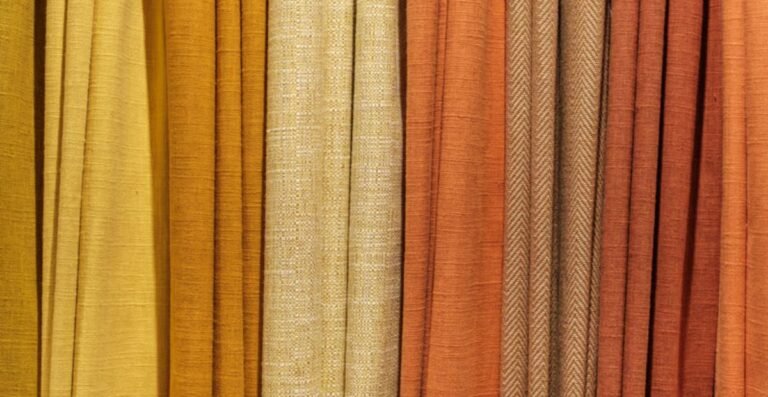
Alt text: Close-up of draped shimmering woven fabric in orange, copper, and light gold tones. The small textured pattern catches the light, with folds creating highlights and shadows.Warm Aura Fabric Explained:
Caption: Glowing copper-orange woven fabric with a rich, textured surface.

Warm Aura Fabric Explained is popular because it delivers real benefits. It is not just warm, but also comfortable and modern. Many people choose it because it supports active lifestyles. Warm Aura Fabric Explained:At the same time, it works for everyday winter wear.

Warm Aura Fabric keeps body temperature regulated. It traps heat when the weather gets colder. However, it also releases excess heat when needed. Because of this balance, it prevents overheating. It also reduces sweat buildup during movement.

In addition, Warm Aura Fabric works well for layering. You can wear it under jackets without feeling heavy. It also feels smooth on the skin, which improves comfort. Warm Aura Fabric Explained:Many people find it better than fleece for long wear. It also feels lighter than wool in many designs.

Warm Aura Fabric is also durable in harsh winters. It resists stretching damage and keeps shape longer. Since it dries quickly, it becomes a lightweight alternative to heavy jackets. It also supports travel and outdoor use.

Many buyers ask, “Is it warmer than wool?” In most cases, it depends on thickness. However, Warm Aura Fabric can feel warmer due to insulation technology. That is why many modern brands promote it strongly.

How Warm Aura Fabric Works (Science Behind It)

Warm Aura Fabric Explained includes science that makes it unique. This fabric works by trapping warm air close to the body. It uses micro-thermal fibers that create tiny air pockets.Warm Aura Fabric Explained: These pockets reduce heat loss and maintain warmth.

Warm Aura Fabric also uses insulation layers in its structure. These layers act like a thermal shield. They prevent cold air from entering easily. At the same time, they stop body heat from escaping fast. As a result, the fabric supports thermal regulation technology.

Breathability is also part of its working mechanism. The fabric allows airflow through tiny fiber gaps. This helps release moisture and sweat. Therefore, the wearer feels dry and comfortable.Warm Aura Fabric Explained: That is why it is often called moisture-wicking winter fabric.

Some versions also include brushed inner linings. This lining increases warmth by holding heat near skin. In addition, it adds softness and comfort. This technology makes Warm Aura Fabric a cold-weather textile innovation.

Common Uses of Warm Aura Fabric

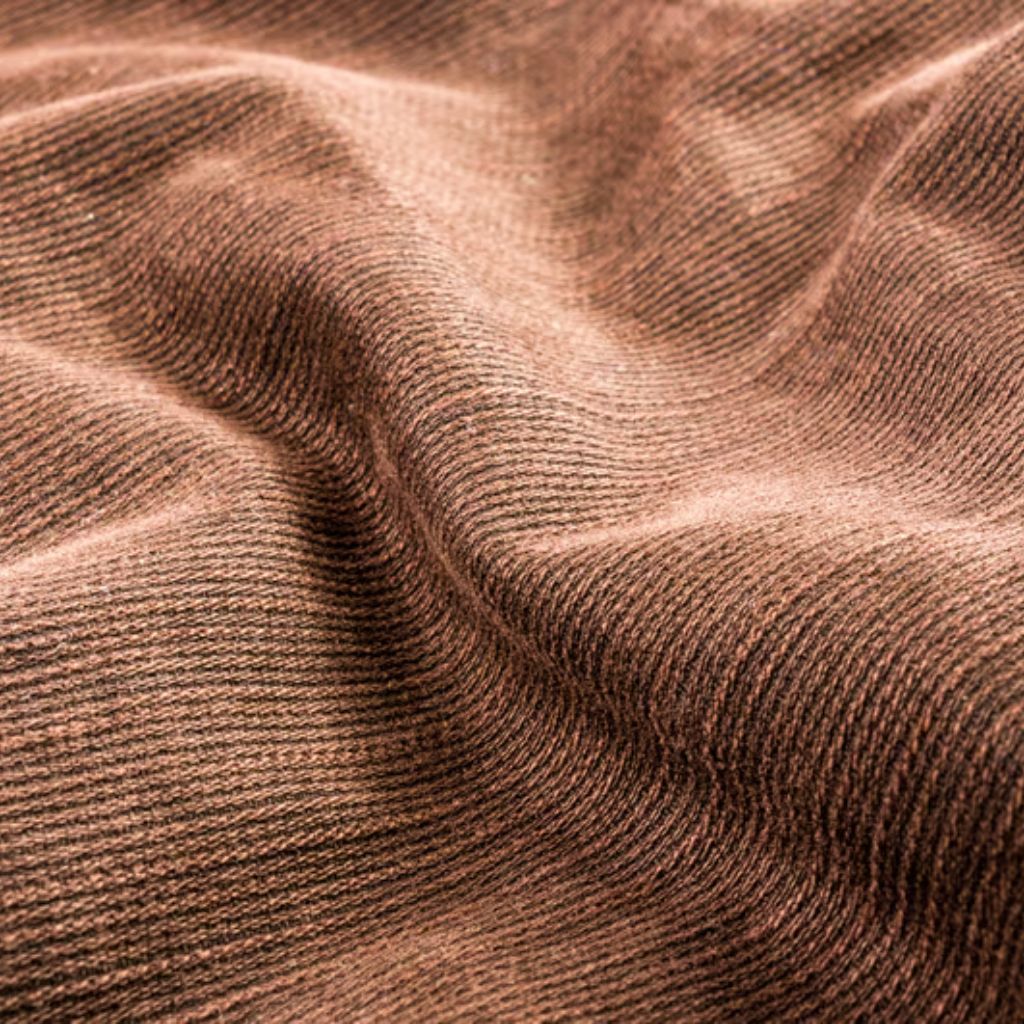
Alt text: Close-up of rumpled brown fabric with a visible weave pattern and dark horizontal lines; folds create shadows and highlights, emphasizing the fabric’s texture.Warm Aura Fabric Explained:
Caption: Textured brown fabric with pronounced weave and folds.

Warm Aura Fabric Explained becomes more valuable when we explore its real uses. This fabric is widely used in winter clothing industries. It works for fashion, sports, and outdoor protection. Because it offers warmth without bulk, brands love using it.

Warm Aura Fabric is commonly used in winter jackets. It provides insulation while staying lightweight. It is also used in thermal innerwear and base layers. Warm Aura Fabric Explained:These products help keep the body warm from inside.

Hoodies and sweatshirts also use this fabric. The fleece-blend versions feel soft and stylish. Sportswear brands use stretch Warm Aura Fabric for activewear. It helps athletes stay warm without sweating too much.

Outdoor gear also includes this fabric type. It is used in hiking clothing and travel jackets. Gloves, caps, and scarves also use Warm Aura Fabric. It works well because it traps heat effectively.

Best Clothing Made with Warm Aura Fabric

Warm Aura Fabric is ideal for:

  • Winter coats and puffer jackets
  • Thermal leggings and base layers
  • Hoodies and fleece pullovers
  • Ski suits and snowwear
  • Gloves and winter hats
  • Outdoor hiking pants

These uses show why the fabric is gaining popularity worldwide.

Is Warm Aura Fabric Good for Extreme Cold?

Yes, Warm Aura Fabric can work for extreme cold. However, the thickness and layering matter a lot. Double-layer Warm Aura Fabric works best in freezing conditions.Warm Aura Fabric Explained: Wind-resistant types also improve cold protection.

For extreme cold, you should combine it with proper outerwear. It performs best as a base layer or mid-layer. It traps heat while allowing sweat to escape. Therefore, it supports long outdoor activities.

Quick Summary

  • Best for cold climates with layering
  • Works well under winter jackets
  • Wind-resistant types improve performance
  • Double-layer versions suit extreme cold

So, Warm Aura Fabric can be the warmest fabric for extreme cold when chosen correctly.

Who Should Choose Warm Aura Fabric?

Warm Aura Fabric Explained helps buyers understand who benefits most. This fabric suits people who want lightweight warmth. It also works for those who need breathable winter clothing. Since it offers comfort and performance, many groups can use it.

Outdoor enthusiasts should choose it for hiking and camping. It keeps the body warm without heavy layers. Athletes also benefit because it supports movement and sweat control.Warm Aura Fabric Explained: Office workers in cold regions can wear it under coats. It improves comfort during long work hours.

Travelers should also consider Warm Aura Fabric. It packs easily and stays lightweight. Parents buying winter clothes for kids will also like it. The fabric feels soft and prevents irritation. It also works well for school jackets and winter uniforms.Warm Aura Fabric Explained:

Overall, Warm Aura Fabric fits both daily and adventure lifestyles.

Pros and Cons of Warm Aura Fabric

Warm Aura Fabric Explained should include balanced details. Google prefers content that shows both strengths and weaknesses. Therefore, this section helps readers trust the information.

Pros

  • Lightweight and easy to wear
  • Strong heat retention textile performance
  • Breathable warm fabric for comfort
  • Moisture-wicking winter fabric benefits
  • Soft interior feel for sensitive skin
  • Durable and long-lasting

Cons

  • May be premium priced compared to fleece
  • Limited natural fiber content in most versions
  • Some types may not be fully waterproof
  • Requires gentle washing for best durability

Even with a few downsides, the fabric offers strong value.

Buying Guide (How to Choose the Best Warm Aura Fabric)

Warm Aura Fabric Explained is very helpful for buyers who want smart shopping tips. Not all Warm Aura Fabric is the same. Some versions are thin and light.Warm Aura Fabric Explained: Others are thicker and designed for extreme cold. Therefore, you should check fabric details before buying.

First, check the GSM rating. Higher GSM means thicker and warmer fabric. For mild winters, 180–220 GSM is usually enough. For colder climates, 250–350 GSM is a better choice. For extreme cold, choose 400 GSM or higher.

Next, check thickness levels and inner lining. Brushed lining gives better warmth and softness. Wind-resistant layers also improve outdoor performance. In addition, stretch blends are better for sportswear.

Layering tips also matter. If you want daily comfort, use Warm Aura Fabric as a mid-layer. If you want maximum warmth, use it as a base layer under jackets. This improves insulation without extra bulk.Warm Aura Fabric Explained:

Also compare budget vs premium options. Premium Warm Aura Fabric lasts longer and feels softer. It may also have better moisture-wicking technology. Always check stitching quality and fabric composition. Look for polyester blends with micro-thermal fibers.Warm Aura Fabric Explained:

Finally, choose the right use-based type. Hoodies need soft fleece blends. Outdoor jackets need wind-resistant types. Thermal innerwear needs micro-thermal designs. With these tips, you can buy the best winter fabric confidently.

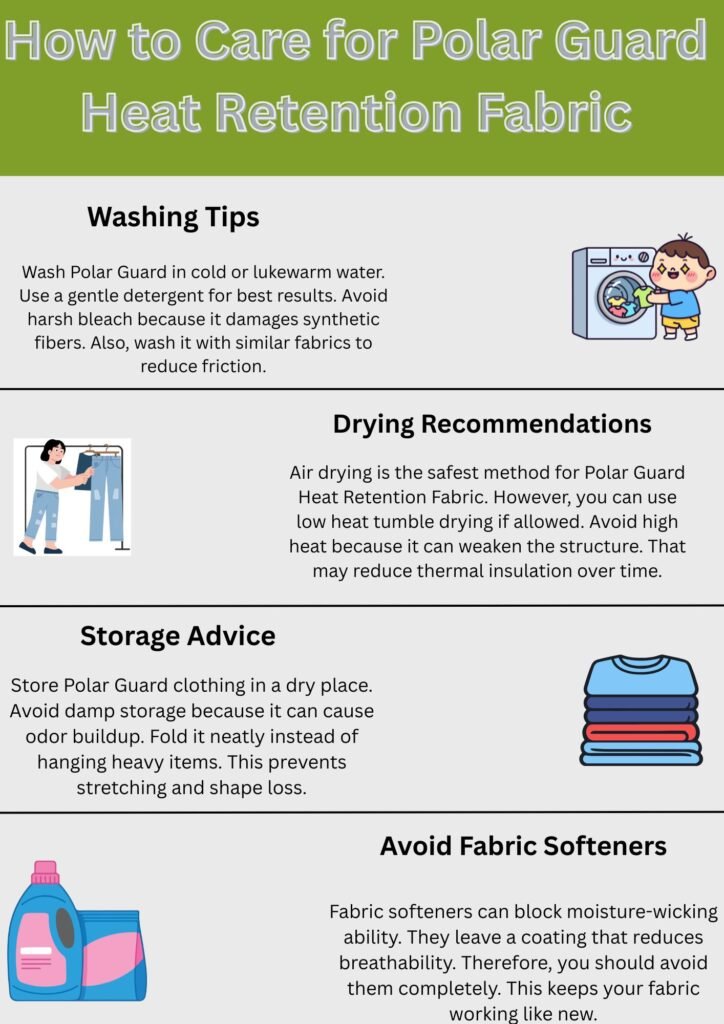
Care and Maintenance of Warm Aura Fabric (Complete Guide)

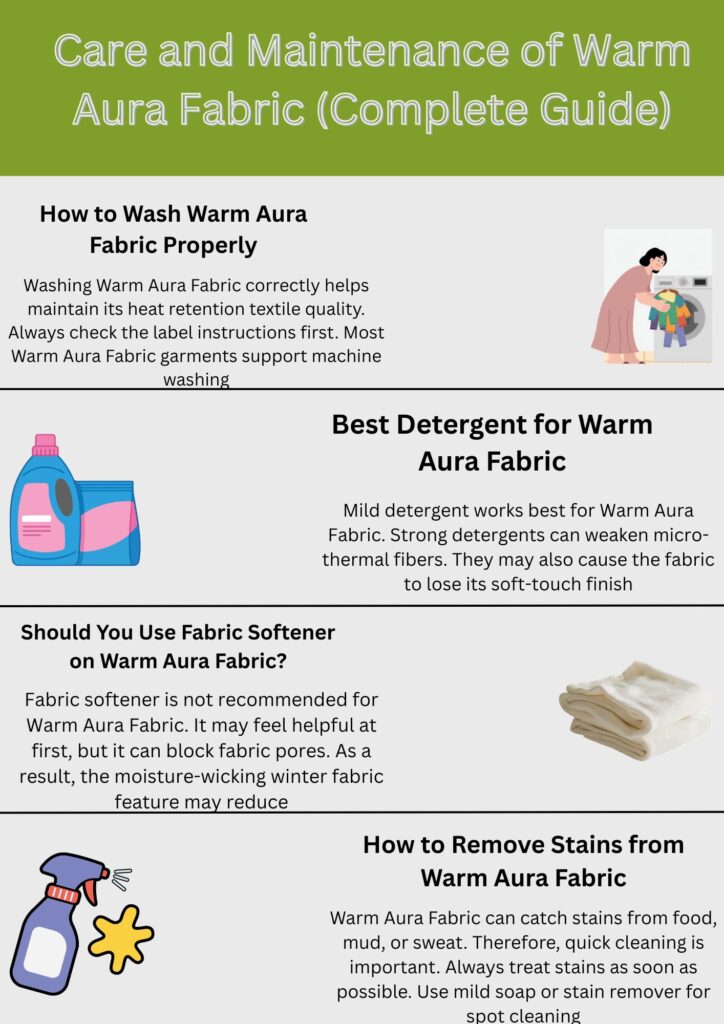
Alt text: Infographic titled “Care and Maintenance of Warm Aura Fabric (Complete Guide)” with sections on washing, best detergent, fabric softener, and stain removal. Includes illustrations of a person doing laundry, detergent bottles, towels, and a spray bottle.Warm Aura Fabric Explained:
Caption: Complete care guide for Warm Aura Fabric.

Warm Aura Fabric Explained is not complete without proper care knowledge. This fabric is designed for warmth and comfort. However, wrong washing methods can reduce its softness and insulation power. Therefore, you must follow the right care routine to maintain its quality. If you care for it correctly, it can stay warm and durable for years. Moreover, proper washing also protects the moisture-wicking winter fabric features.

Warm Aura Fabric usually contains polyester blends and micro-thermal fibers. These fibers stay strong, but they can weaken with high heat. That is why gentle cleaning is always recommended. In addition, using the correct drying method prevents shrinkage and fabric damage. If you want long-term comfort, you must follow these care steps carefully.

How to Wash Warm Aura Fabric Properly

Washing Warm Aura Fabric correctly helps maintain its heat retention textile quality. Always check the label instructions first. Most Warm Aura Fabric garments support machine washing. However, you should use a gentle wash cycle for best results. This prevents the fibers from breaking or losing softness. Also, it protects the inner lining texture.

Use cold or lukewarm water for washing. Hot water can damage the thermal insulation technology. It may also reduce fabric elasticity over time. Therefore, cold water is always the safest choice. Additionally, wash Warm Aura Fabric separately from heavy clothes.

Best Detergent for Warm Aura Fabric

Mild detergent works best for Warm Aura Fabric. Strong detergents can weaken micro-thermal fibers. They may also cause the fabric to lose its soft-touch finish. Therefore, always choose a gentle liquid detergent. Powder detergent can sometimes leave residue inside the fibers.

Avoid detergents that contain bleach or harsh chemicals. These chemicals can reduce the breathable warm fabric structure. They may also fade the fabric color quickly. If you want long-lasting performance, always choose a fabric-friendly detergent.

Should You Use Fabric Softener on Warm Aura Fabric?

Fabric softener is not recommended for Warm Aura Fabric. It may feel helpful at first, but it can block fabric pores. As a result, the moisture-wicking winter fabric feature may reduce. This means the fabric will trap sweat instead of releasing it.

Instead, use a small amount of white vinegar in the rinse cycle. Vinegar removes detergent buildup naturally. It also keeps the fabric soft without damaging the fibers. This is a safe and effective alternative.

How to Remove Stains from Warm Aura Fabric

Warm Aura Fabric can catch stains from food, mud, or sweat. Therefore, quick cleaning is important. Always treat stains as soon as possible. Use mild soap or stain remover for spot cleaning. Rub gently with a soft cloth to avoid fiber damage.

Conclusion

Warm Aura Fabric Explained shows why this textile is trending in 2026. It offers warmth, breathability, and comfort in one material. It traps heat using air pockets and insulation layers. At the same time, it prevents sweat buildup through moisture-wicking performance. Therefore, it keeps the body warm and dry.

Warm Aura Fabric also works well for daily wear and outdoor use. It fits jackets, hoodies, sportswear, and thermal innerwear. It also feels soft and lightweight, which improves winter comfort. Compared to fleece and wool, it provides a modern balance of performance and ease.

FAQs

Is Warm Aura Fabric waterproof?

Warm Aura Fabric is usually water-resistant, not fully waterproof. Some versions include coatings for better protection.

Is Warm Aura Fabric better than fleece?

Yes, in many cases it performs better than fleece. It offers better moisture control and balanced warmth.

Can Warm Aura Fabric be worn in snow?

Yes, it works well in snow when layered properly. A waterproof jacket on top improves protection.

Does Warm Aura Fabric cause sweating?

No, it usually reduces sweating because it is breathable. It also supports moisture-wicking performance.

Is Warm Aura Fabric eco-friendly?

Some versions use recycled polyester fibers. However, standard versions are not fully eco-friendly.

Arctic Hug Comfort Weave: The Ultimate Winter Warmth Fabric

Winter can feel harsh, uncomfortable, and exhausting. Cold air quickly steals body warmth. Therefore, people need fabrics that protect them without adding heavy layers. This is exactly why Arctic Hug Comfort Weave is gaining attention worldwide.

Arctic Hug Comfort Weave is a premium winter comfort fabric designed for maximum warmth. It also provides softness that feels gentle on the skin. Unlike older fabrics, it balances insulation and airflow. As a result, it feels cozy without overheating.

Many shoppers now search for lightweight but powerful thermal fabrics. That is why this thermal weave material is trending in winter fashion. It fits modern needs like travel, outdoor wear, and indoor comfort.

People also prefer fabrics that support layering. Arctic Hug Comfort Weave works perfectly under jackets and coats. At the same time, it looks stylish as an outer fabric too.

If you want comfort, warm, and flexibility, this fabric fits your lifestyle. It is ideal for adults, kids, and even elderly users. Moreover, it supports both fashion brands and home textile industries.

History of Arctic Hug Comfort Weave (Winter Fabric Evolution)

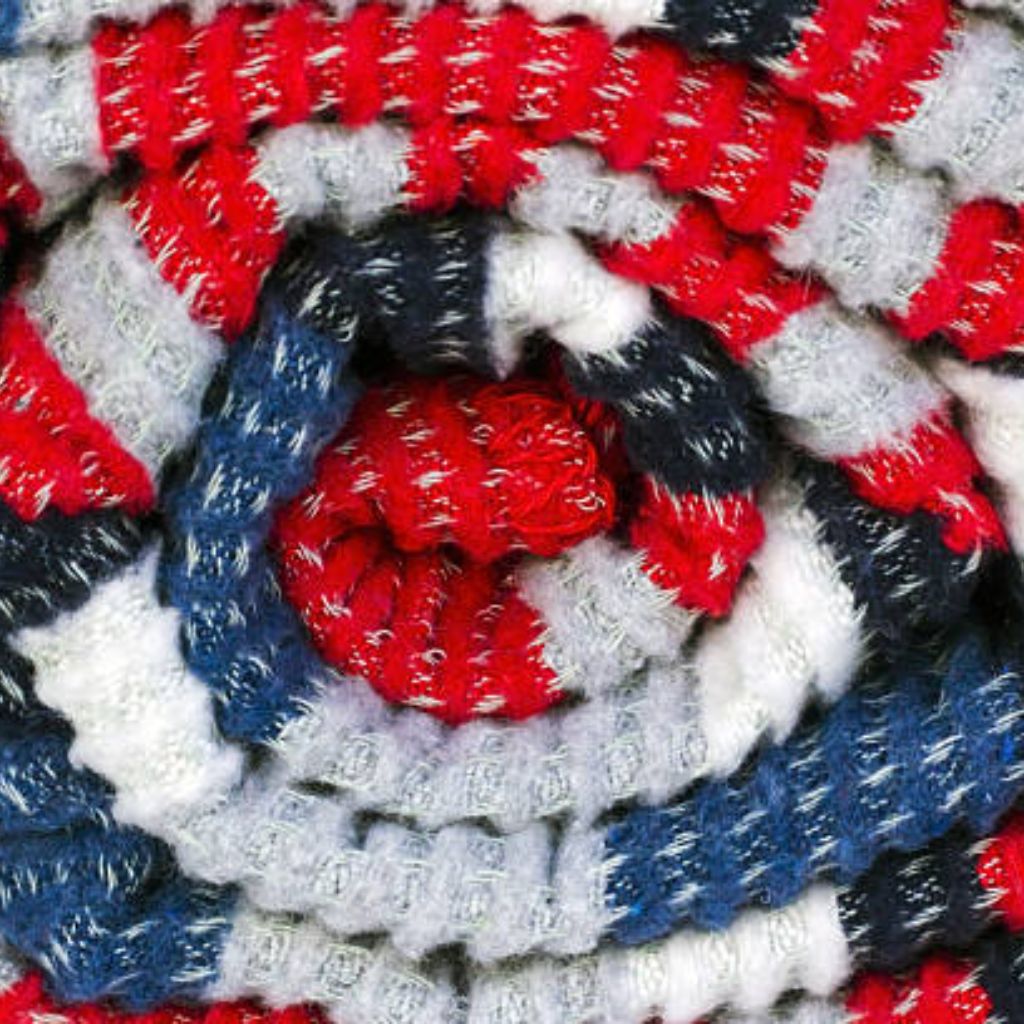
Alt text: Close-up of a tightly rolled textured blanket in red, white, and blue, forming a spiral pattern with alternating color rings and a red core.Arctic Hug Comfort Weave:
Caption: Spiral of red, white, and blue textured blanket.

Winter fabrics have changed a lot in the last few decades. In the past, people mostly relied on heavy wool. However, wool often felt itchy and uncomfortable for sensitive skin. Because of this, textile industries started searching for softer and lighter options.

Later, fleece fabrics became popular because they offered warmth at a low price. Still, traditional fleece had some drawbacks. It often trapped sweat and sometimes lost softness after repeated washing. As a result, brands started creating improved thermal weave material with better breathability.

This is where Arctic Hug Comfort Weave enters the market. It represents a modern upgrade in winter comfort fabric technology. It combines soft inner layers with a strong outer weave. Therefore, it offers both luxury and performance.

In recent years, consumers also demanded fabrics that feel cozy indoors and outdoors. Because of this, fabric makers designed advanced insulated winter fabric blends. Arctic Hug Comfort Weave follows the same direction.

Today, this fabric stands as a trending option in winter clothing material. It supports fashion, comfort, and daily winter use. That is why it has become a leading name in 2026 winter textiles.

What is Arctic Hug Comfort Weave?

Arctic Hug Comfort Weave is an advanced winter textile designed for extreme cold. It combines heat-trapping fibers with a soft brushed finish. Therefore, it feels like a warm hug in freezing weather.

It also uses modern knitting and fleece bonding techniques. As a result, it stays durable and long-lasting. This makes it a trusted fabric for winter wear and blankets.

Why is it trending in winter textiles?

This fabric is trending because people want warmth without heavy clothing. Arctic Hug Comfort Weave provides strong insulation in a lightweight form. So, it feels comfortable for daily movement.

It is also popular due to athleisure fashion growth. Hoodies, sweatshirts, and thermal joggers use this fabric. That is why demand keeps rising in 2026.

Who should use it?

This fabric is perfect for anyone living in cold climates. It works well for office workers, students, and travelers. It also supports outdoor sports lovers.

People with sensitive skin also benefit from its soft-touch finish. Therefore, it suits families who want comfort and safety.

What Is Arctic Hug Comfort Weave? (Definition + Composition)

Arctic Hug Comfort Weave is a modern insulated winter fabric. It is specially engineered to hold warmth close to the body. At the same time, it allows airflow for comfort. That balance makes it different from many ordinary winter fabrics.

This fabric usually combines polyester blends with soft fleece lining. Sometimes, manufacturers add spandex for flexibility. Because of this, it stretches easily and fits well. It also supports active winter wear.

The outer surface often features a tight knit weave. This helps block cold wind and reduces heat loss. Meanwhile, the inner side uses brushed knit material or microfleece. Therefore, it feels smooth and warm against the skin.

Many people compare it with thermal fleece fabric. However, Arctic Hug Comfort Weave feels softer and more premium. It also maintains its shape better after washing. As a result, it stays reliable for long-term use.

It also differs from wool because it avoids itchiness. Plus, it dries faster than wool in damp weather. This makes it an excellent winter comfort fabric for modern lifestyles.

Fabric Composition (Polyester Blend, Fleece Lining, and More)

Most Arctic Hug Comfort Weave fabrics use high-quality polyester fibers. Polyester traps heat well and stays durable. Therefore, it becomes a strong base for thermal fabrics.

The inner lining often contains microfleece or brushed fleece. This adds softness and extra insulation. Some versions also include spandex for stretch and comfort.

Technology Behind the Weave

Arctic Hug Comfort Weave uses layered textile construction. Manufacturers combine knit structures with bonded fleece lining. As a result, the fabric holds heat without becoming bulky.

Some advanced versions also include moisture-wicking yarns. Therefore, sweat dries quickly and comfort stays high.

How It Differs from Regular Winter Fabrics

Regular winter fabrics may focus only on warmth. However, they often feel heavy and stiff. Arctic Hug Comfort Weave stays lightweight and flexible.

It also reduces pilling compared to cheaper fleece. That is why it looks new even after repeated use.

Types of Arctic Hug Comfort Weave (Latest Variations in 2026)

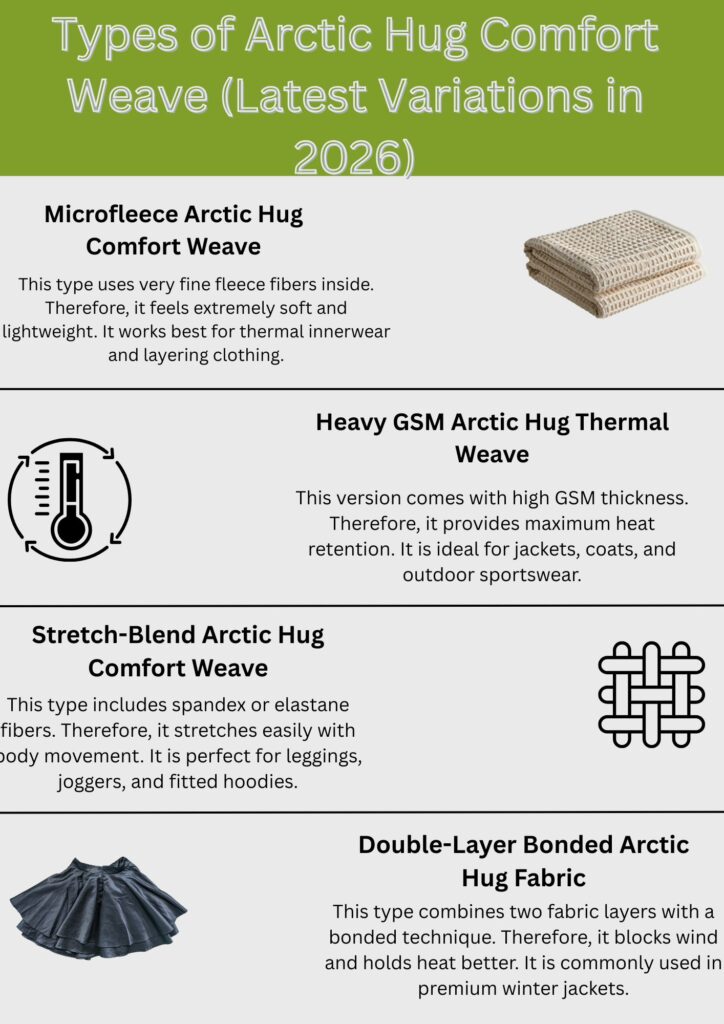
Alt text: An infographic titled "Types of Arctic Hug Comfort Weave (Latest Variations in 2026)" featuring four sections with icons and brief descriptions about different knit fabrics.Arctic Hug Comfort Weave:
Caption: Overview of Arctic Hug Comfort Weave variations for 2026.

The textile market continues to innovate every year. Therefore, Arctic Hug Comfort Weave now comes in multiple types. Each type fits different winter needs and fashion trends. Because of this, buyers can choose the best option for their lifestyle.

Some types focus on extreme insulation for snow regions. Others focus on breathable comfort for indoor wear. That variety makes this thermal weave material more useful. It also supports both sportswear and casual fashion.

Microfleece Arctic Hug Comfort Weave

This type uses very fine fleece fibers inside. Therefore, it feels extremely soft and lightweight. It works best for thermal innerwear and layering clothing.

It also dries quickly after washing. As a result, it stays convenient for daily winter use.

Heavy GSM Arctic Hug Thermal Weave

This version comes with high GSM thickness. Therefore, it provides maximum heat retention. It is ideal for jackets, coats, and outdoor sportswear.

However, it still stays softer than heavy wool fabrics. That is why it feels comfortable even in long wear.

Stretch-Blend Arctic Hug Comfort Weave

This type includes spandex or elastane fibers. Therefore, it stretches easily with body movement. It is perfect for leggings, joggers, and fitted hoodies.

It also works well for winter gym wear. So, athletes often prefer it.

Double-Layer Bonded Arctic Hug Fabric

This type combines two fabric layers with a bonded technique. Therefore, it blocks wind and holds heat better. It is commonly used in premium winter jackets.

It also adds durability and prevents fabric thinning. As a result, it lasts longer.

How Arctic Hug Comfort Weave Is Made (Manufacturing Process)

The production of Arctic Hug Comfort Weave requires modern textile methods. First, manufacturers select high-grade synthetic fibers. Polyester is often the main fiber because it is durable and warm. Then, they blend it with other fibers like spandex if needed.

Next, the outer knit structure is created using advanced knitting machines. This outer weave acts as a protective layer. Therefore, it blocks wind and reduces cold penetration. The tighter the weave, the better the thermal performance.

After that, the inner lining is added. Usually, a brushed knit material or fleece lining is attached. Manufacturers use bonding or weaving methods to connect layers. As a result, the fabric becomes stronger and warmer.

Then, the fabric goes through brushing and finishing. This step improves softness and creates the signature cozy texture. Therefore, the inside feels smooth and skin-friendly.

Key Features of Arctic Hug Comfort Weave

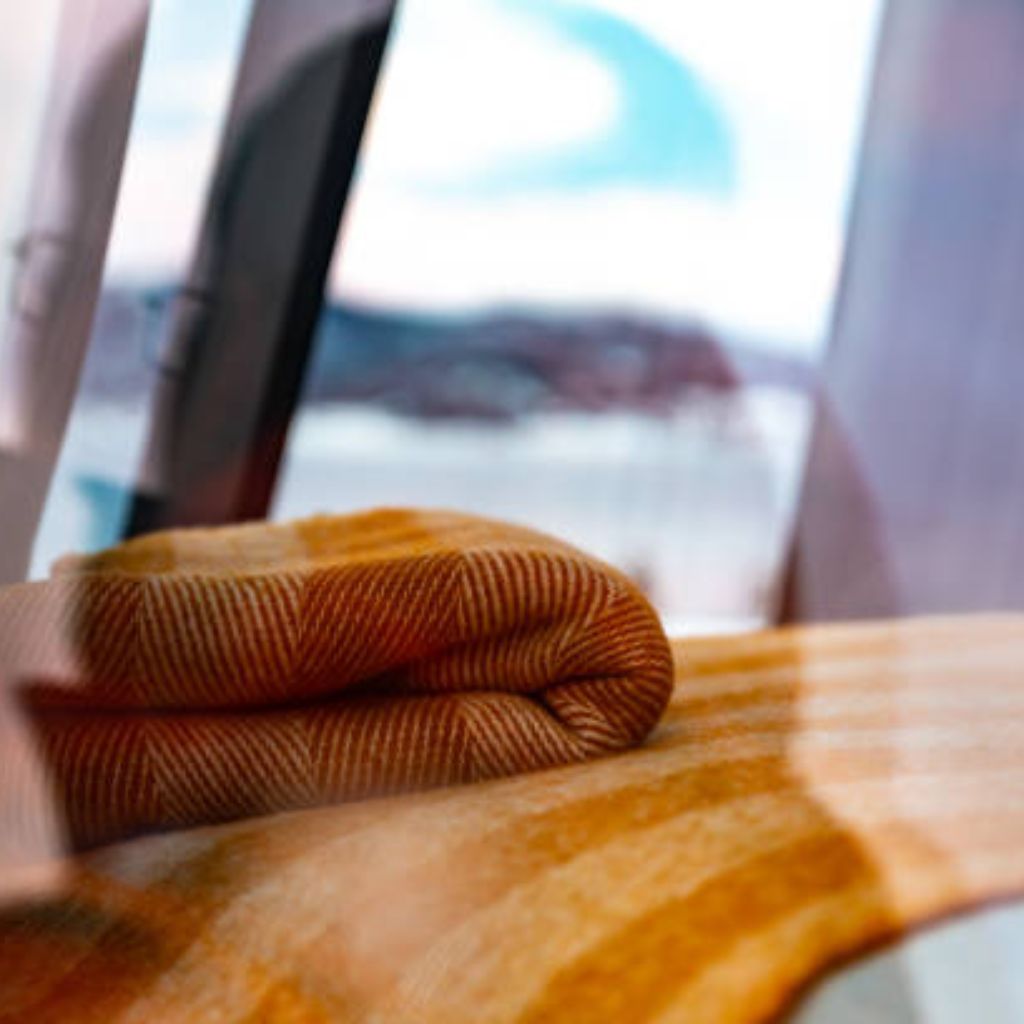
Alt text: Close-up of a folded yellow and brown patterned blanket with a window and snowy landscape visible in the blurred background.
Arctic Hug Comfort Weave:
Caption: Folded yellow-brown patterned blanket with wintry scene outside.

Arctic Hug Comfort Weave has gained popularity due to its strong performance features. It is not just a warm fabric. Instead, it combines insulation, softness, and durability in one textile. Therefore, it meets the needs of both fashion lovers and outdoor users.

Modern customers want fabric that feels comfortable in daily life. They also want fabric that looks stylish. Arctic Hug Comfort Weave supports both needs. It feels cozy indoors and performs well outdoors.

Another key reason for its popularity is balance. Many fabrics either trap heat or allow airflow. However, this fabric manages both. As a result, it provides warmth without suffocating the body.

It also supports active lifestyles. Stretch, flexibility, and lightweight comfort make it a strong choice. That is why many sportswear brands use it today.

Below are the most important features of this winter comfort fabric. Each feature adds value and improves user satisfaction. That is why it is considered a premium winter fabric option.

Superior Heat Retention

Arctic Hug Comfort Weave traps warm air within its fibers. Therefore, it keeps body heat locked in. This makes it perfect for cold and snowy climates.

It also reduces heat loss in windy weather. As a result, you feel warm even outdoors.

Breathability & Moisture Control

This fabric allows airflow while holding warmth. Therefore, sweat does not stay trapped inside. It helps reduce discomfort during long wear.

Many versions also wick moisture away from the skin. As a result, the body stays dry and cozy.

Soft-Touch Interior Finish

The inner lining feels like brushed fleece. Therefore, it stays gentle and smooth on skin. People with sensitive skin enjoy its comfort.

It also prevents itching, unlike wool. That is why it suits kids and elderly users.

Lightweight Yet Insulating

Even heavy GSM versions stay lighter than wool coats. Therefore, the fabric feels easy to wear. It does not create bulky layers.

This makes it ideal for travel clothing. You stay warm without heavy packing.

Stretch & Flexibility

Stretch-blend Arctic Hug Comfort Weave moves with the body. Therefore, it feels comfortable during walking and sports. It also supports fitted winter outfits.

This feature makes it excellent for activewear. It improves comfort and freedom.

Durability & Pilling Resistance

This fabric is designed to resist pilling. Therefore, it stays smooth and premium-looking. It also maintains shape after repeated washes.

Its outer layer stays strong against friction. As a result, it lasts longer than cheap fleece.

Benefits of Arctic Hug Comfort Weave

The benefits of Arctic Hug Comfort Weave go beyond warmth. It supports daily comfort and modern winter fashion. Therefore, it has become a favorite in premium winter fabric markets. People want clothing that feels soft and performs well. This fabric delivers both qualities.

One major benefit is its ability to provide warmth without heaviness. Many winter fabrics feel thick and uncomfortable. However, Arctic Hug Comfort Weave stays light and wearable. That is why it works well for long hours.

It also improves layering comfort. You can wear it under jackets without feeling tight. At the same time, it can act as a main outer layer. This makes it flexible for different winter situations.

Another advantage is skin-friendliness. Many users avoid wool because it causes itching. However, this cozy winter textile feels soft and smooth. Therefore, it is safer for sensitive skin.

Keeps Body Warm in Extreme Cold

The insulated structure holds warm air near the body. Therefore, it works well in freezing weather. It helps protect against wind chill too.

This makes it ideal for snow regions and winter travel. You stay warm without many layers.

Ideal for Layering

The fabric stays thin yet warm. Therefore, it fits well under coats and jackets. It also reduces bulky clothing discomfort.

Layering becomes easier for both kids and adults. As a result, daily winter dressing feels simple.

Skin-Friendly and Hypoallergenic

Many versions use smooth synthetic fibers that reduce irritation. Therefore, they work well for sensitive skin. The brushed knit finish feels gentle.

It also avoids roughness found in wool. That is why it feels safe for long wear.

Energy-Saving Clothing Option

Warm clothing reduces the need for indoor heating. Therefore, it can lower electricity use. This is useful during expensive winter seasons.

It also supports sustainable living habits. People stay warm while saving energy.

Where Is Arctic Hug Comfort Weave Used? (Common Applications)

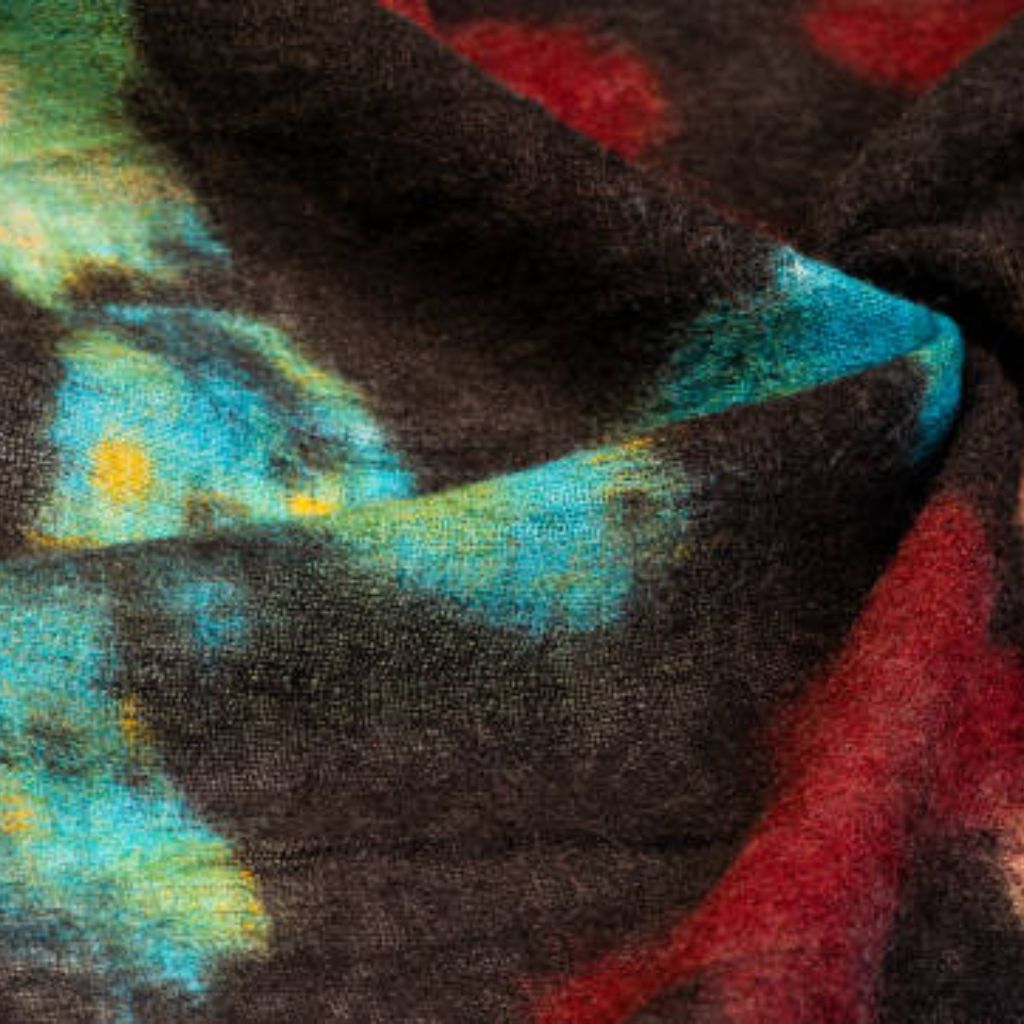
Alt text: Close-up of folded textured fabric with an abstract pattern in dark brown/gray as the base and bold splashes of blue, teal, yellow, and red.Arctic Hug Comfort Weave:
Caption: Abstract, colorful pattern on textured fabric.

Arctic Hug Comfort Weave is not limited to one clothing type. Instead, it is widely used in many winter products. Because it offers warmth, softness, and durability, brands use it across fashion and home textiles. This wide usage increases its popularity every year.

Winter jackets often use this thermal weave material as lining. It helps trap heat without adding heavy weight. Therefore, jackets feel comfortable and practical. Hoodies and sweatshirts also use it for cozy casual wear.

Thermal innerwear is another common use. People wear it as a base layer for extra insulation. Since the fabric is breathable, it prevents sweat discomfort. That is why it is perfect for daily winter wear.

Blankets and bedding products also use Arctic Hug Comfort Weave. It feels soft and warm, making it ideal for home comfort. Many families now prefer it for winter blankets.

Winter Jackets

Jackets use this fabric for insulation and lining. Therefore, they provide warmth without bulky padding. It also improves comfort in cold wind.

Many premium brands use it in modern coat designs. It adds softness and luxury feel.

Hoodies & Sweatshirts

Arctic Hug Comfort Weave makes hoodies warmer and cozier. Therefore, it works well for casual winter fashion. It also supports trendy oversized looks.

It keeps the body warm during outdoor walks. That is why it is popular among youth.

Thermal Innerwear

Thermal base layers need breathable warmth. This fabric provides both. Therefore, it works well under uniforms and winter outfits.

It also stays soft on skin. As a result, it feels comfortable all day.

Blankets

Winter blankets require warmth and softness. Arctic Hug Comfort Weave offers a plush feel. Therefore, it is used in luxury bedding products.

It also stays lightweight. So, it feels cozy without heaviness.

Loungewear

Comfort is essential for home wear. This cozy winter textile feels gentle and warm. Therefore, it is perfect for pajamas and lounge sets.

It also looks stylish enough for casual outings. That adds extra value.

Outdoor Sportswear

Sportswear needs warmth and flexibility. Arctic Hug Comfort Weave provides stretch and insulation. Therefore, it works for hiking, skiing, and running.

It also manages moisture well. As a result, athletes stay dry and comfortable.

Arctic Hug Comfort Weave vs Other Winter Fabrics (Comparison Table)

Many buyers compare fabrics before purchasing. That is why Arctic Hug Comfort Weave vs fleece or wool is a common search. Each fabric has its own strengths. However, Arctic Hug Comfort Weave often delivers the best balance of warmth, softness, and durability.

Traditional fleece is warm but may pill quickly. Wool is very warm but can itch and feel heavy. Polar fabric is soft but sometimes lacks breathability. Thermal knit is flexible but may not trap enough heat. Therefore, Arctic Hug Comfort Weave becomes a better modern solution.

It offers warmth similar to wool but feels softer. It provides comfort like fleece but lasts longer. It also stays breathable compared to polar fabric. As a result, it fits daily winter use better.

Below is a clear comparison table for easy understanding. This will help buyers make a smart decision. It also shows why this fabric is trending in 2026 winter fashion.

Why Arctic Hug Comfort Weave Is Sustainable (Eco-Friendly Factor)

Sustainability is now a major topic in textile markets. People want fabrics that last longer and reduce waste. Therefore, brands focus on eco-friendly winter fabric production. Arctic Hug Comfort Weave supports this growing demand in several ways.

Many manufacturers now use recycled polyester fibers in Arctic Hug Comfort Weave. This reduces plastic waste and supports circular production. As a result, the fabric becomes more environmentally responsible. It also helps brands build trust with eco-conscious buyers.

This fabric also lasts longer than cheap fleece. Because it resists pilling and tearing, people use it for years. Therefore, it reduces the need for frequent replacements. This long lifespan supports sustainability in a practical way.

Some factories also use energy-efficient production systems. They reduce water use during fabric dyeing and finishing. As a result, the overall carbon footprint becomes lower.

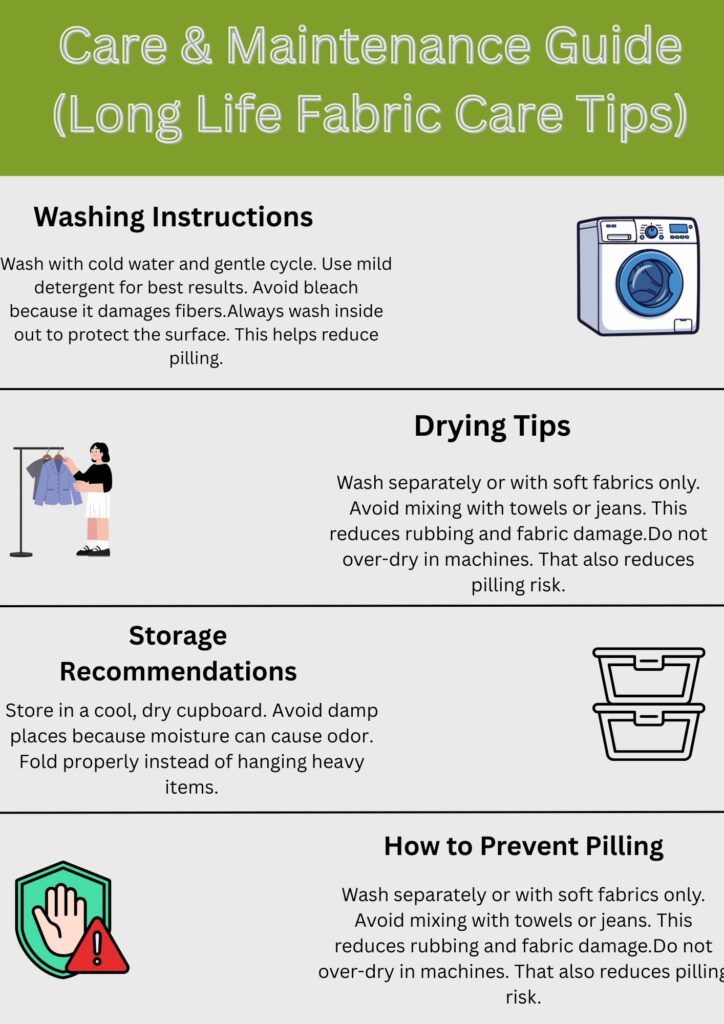
Care & Maintenance Guide (Long Life Fabric Care Tips)

Alt text: Infographic titled “Care & Maintenance Guide (Long Life Fabric Care Tips)” with sections: Washing Instructions, Drying Tips, Storage Recommendations, and How to Prevent Pilling. Each section includes simple icons (washing machine, clothes rack, storage bins, shield) and brief text blocks.
Arctic Hug Comfort Weave:
Caption: Care and maintenance guide for extending fabric life.

Proper care is important for every winter fabric. If you wash incorrectly, softness can disappear. However, Arctic Hug Comfort Weave stays durable if you follow basic rules. Therefore, learning the right care method increases fabric life.

Always wash the fabric in cold or lukewarm water. Hot water can weaken fibers and reduce elasticity. Also, use mild detergent because harsh chemicals damage fleece lining. That is why gentle washing keeps it soft.

Washing Instructions

Wash with cold water and gentle cycle. Use mild detergent for best results. Avoid bleach because it damages fibers.Always wash inside out to protect the surface. This helps reduce pilling.

Air drying works best for long fabric life. If using a dryer, select low heat. High heat may shrink the thermal weave material.

Drying Tips

Avoid drying under direct strong sunlight. This prevents color fading.

How to Prevent Pilling

Wash separately or with soft fabrics only. Avoid mixing with towels or jeans. This reduces rubbing and fabric damage.

Do not over-dry in machines. That also reduces pilling risk.

Storage Recommendations

Store in a cool, dry cupboard. Avoid damp places because moisture can cause odor. Fold properly instead of hanging heavy items.

Use fabric bags for long-term storage. This keeps the winter comfort fabric safe.

Buying Guide (How to Choose the Best Arctic Hug Comfort Weave)

Buying winter fabric requires smart decision-making. Many fabrics look similar but perform differently. Therefore, you should check quality details before purchase. Arctic Hug Comfort Weave comes in many variations, so choosing the right one matters.

First, always check the GSM level. GSM means grams per square meter. Higher GSM means thicker and warmer fabric. For extreme winters, 280 to 350 GSM is ideal. For mild winter wear, 200 to 250 GSM works well.

Next, check the inner lining quality. A good brushed knit material feels smooth and even. It should not feel rough or thin. Also, check stitching and finishing if buying ready-made clothing.

Stretch is another important factor. If you want sportswear, choose a spandex blend. It will feel flexible and comfortable. For blankets and jackets, heavy bonded versions work better.

Price range depends on brand and quality. Premium Arctic Hug Comfort Weave may cost more. However, it provides better durability and comfort. Therefore, it becomes a smart long-term investment.

Finally, buy from trusted fabric stores or verified online sellers. Always check reviews and product details. This ensures you get authentic premium winter fabric quality.

What GSM Is Best?

For daily winter wear, 220–280 GSM works well. For jackets and outdoor wear, 300–350 GSM is better. For blankets, heavier GSM gives extra warmth.

Choosing GSM depends on climate and personal comfort needs. Therefore, always match GSM with weather.

How to Check Fabric Quality

Touch the inner lining and check softness. Look for even fleece texture and smooth outer surface. Also, stretch slightly to check recovery.

High-quality fabric will return to shape quickly. That shows durability.

Price Range Expectations

Affordable Arctic Hug Comfort Weave fabric may cost medium pricing. Premium versions cost more due to better fibers. However, higher price usually means better pilling resistance.

Always compare price with GSM and finishing. That ensures value.

Where to Buy Arctic Hug Comfort Weave

You can buy it from textile wholesalers, fabric markets, and online platforms. Many winter fashion brands also sell it in ready-made products. Always choose trusted sellers for quality assurance.

Local winter textile suppliers may also offer good deals. So, compare options.

Pros and Cons of Arctic Hug Comfort Weave

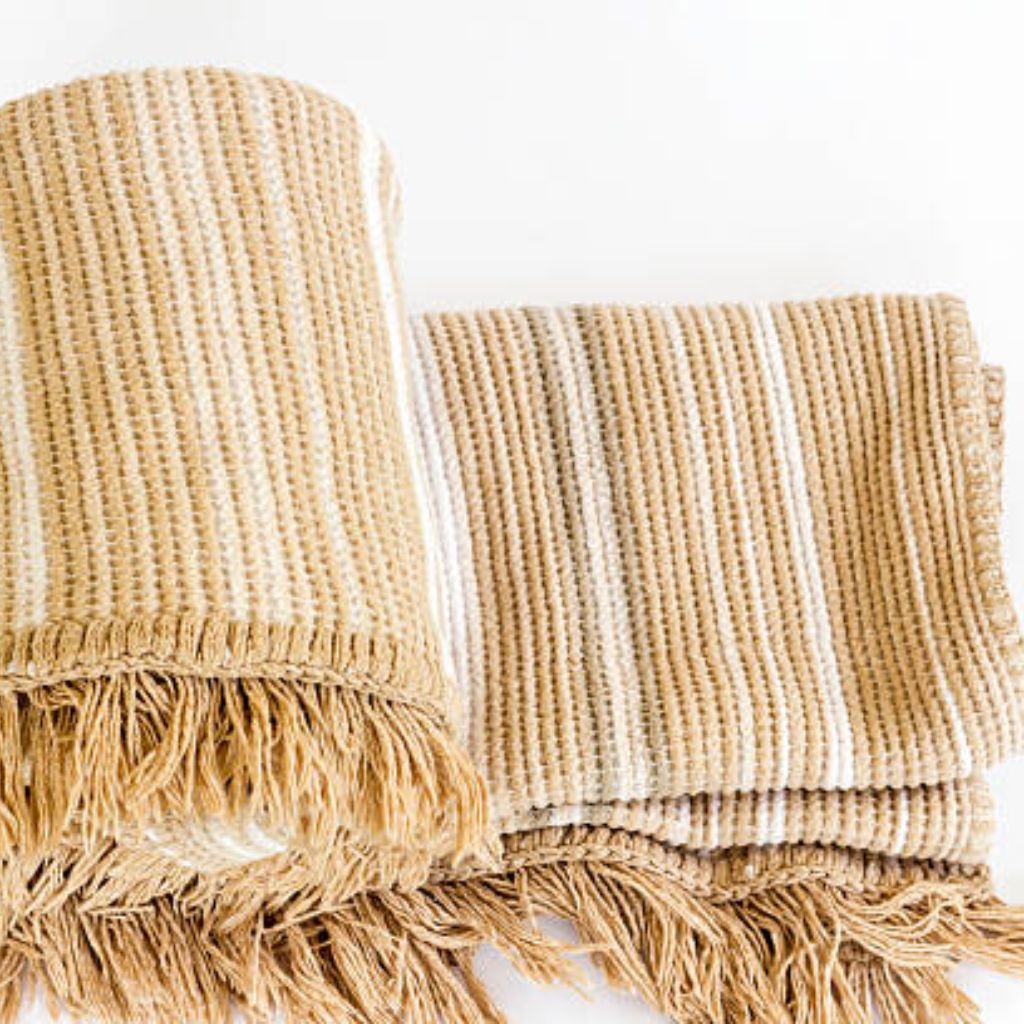
Alt text: A close-up of a tan and white striped woven blanket with a textured surface and fringed edges. The blanket is partially rolled on the left and laid flat on the right.
Arctic Hug Comfort Weave:
Caption: Textured tan-and-white striped woven blanket with fringe.

Every fabric has strengths and weaknesses. Therefore, a balanced review helps buyers. Arctic Hug Comfort Weave offers many benefits. However, it still has a few limitations depending on usage.

The biggest advantage is warmth with lightweight comfort. It also feels soft and skin-friendly. Therefore, it suits both adults and children. Its durability is also strong due to pilling resistance.

Overall, the pros strongly outweigh the cons. That is why it continues trending as the best fabric for winter wear.

Pros

Arctic Hug Comfort Weave provides excellent warmth and softness. It stays breathable and reduces sweat discomfort. It also resists pilling and lasts longer.

It is lightweight and easy to layer. Therefore, it suits modern winter lifestyles.

Cons

Premium versions can be expensive. Some cheap copies may lose softness quickly. Very heavy GSM types may feel too warm indoors.

Therefore, buyers must choose carefully for best results.

Why Arctic Hug Comfort Weave Is Trending in 2026

The demand for performance winter textiles is rising quickly. People want fabrics that offer warmth without heavy weight. Therefore, Arctic Hug Comfort Weave is becoming a top choice. It delivers insulation and comfort together, which modern consumers love.

Athleisure fashion is also growing globally. Hoodies, joggers, and thermal sets dominate winter wardrobes. Arctic Hug Comfort Weave fits perfectly in this trend. It supports casual style while providing premium warmth.

Conclusion

If you want warmth, softness, and durability, Arctic Hug Comfort Weave is a smart choice. It performs well in cold climates and feels gentle on the skin. Therefore, it suits daily winter wear, travel outfits, and outdoor sportswear.

It is also a strong option for layering and thermal innerwear. Because it stays breathable, it prevents sweat discomfort. That makes it better than many basic insulated winter fabric options. It also lasts longer due to strong pilling resistance.

FAQs

Is Arctic Hug Comfort Weave good for extreme cold?

Yes, it performs well in extreme cold climates. Its layered insulation traps heat effectively. Therefore, it works for snow and windy weather.

Is Arctic Hug Comfort Weave better than fleece?

In many cases, yes. It offers better durability and pilling resistance. It also provides improved softness and heat retention.

Does Arctic Hug Comfort Weave shrink after washing?

Most versions do not shrink if washed correctly. Cold water washing helps maintain size. Avoid high heat drying because it can cause shrinkage.

Two-Tone Leather Jacket for Bold Modern Everyday Street Style

0

Sometimes fashion never really goes out — it simply adapts to changing times. Of those standout staples, the two-tone leather jacket is a piece that has transcended style and become an icon of confidence, creativity and the modern street scene. Leather jackets will never go out of style but the integration of contrasting colours has completely revolutionised why and how we wear this classic piece today. The result is a new identity that directly addresses daring individuals’ and the everyday urban life.

At first glance, the contrasting leather jacket is an easy standout. But its seduction extends beyond mere visual dissonance. It embodies an individualistic feel, creative harmony and aesthetic. As today’s street style prizes authenticity, this jacket has been adopted by the forward-thinking individuals who let their clothing do the talking. As a result, it’s gained a following among people who prefer easy impact without too much hoo-ha.

The Two-Tone Trend In Streetwear.

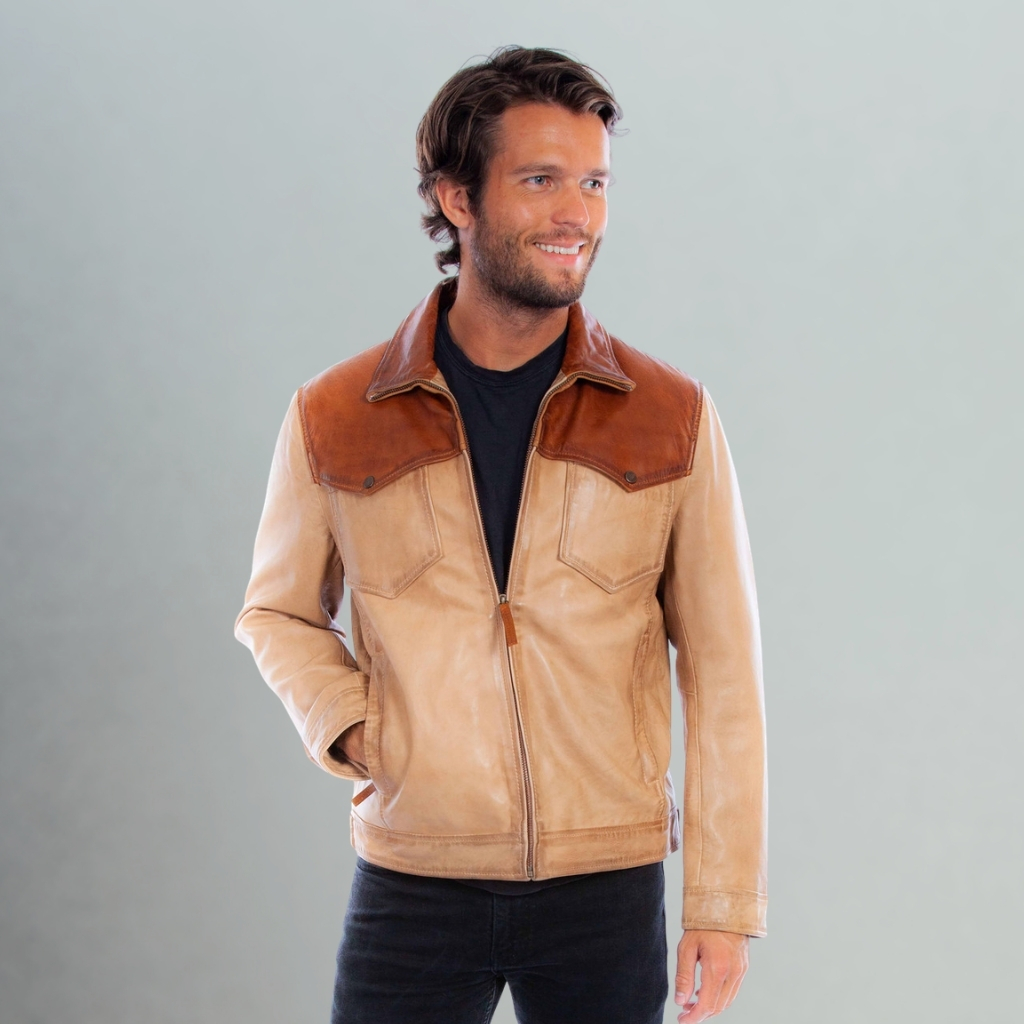
A light-skinned man with brown hair and a slight smile stands against a gray background, wearing a two-tone brown leather jacket over a black T-shirt and dark jeans. His left hand is in his pocket.
The Two-Tone Trend: Leather jacket with contrasting collar and pocket flaps adds depth to a sleek streetwear look.

Against A Background While streetwear has always been fueled by invention and defiance of sameness. Unsurprisingly, then, two-tone aesthetics have flourished in this culture. Instead of using a single color, they use contrasting panels to add dimension and flow. As a result, the resulting looks are layered and dynamic, expressive and absolutely contemporary.

As minimalist wardrobes evolved, they started to crave some statements. While the simple factor still mattered, artistic flair gained as much influence. That made way for the two-tone leather jacket to come out from the shadows. And since they tread the line between classic structure and modern design, they’re simultaneously recognisable and best .Read more grey leather jacket

Why a Two-Tone Leather Jacket Feels So Right

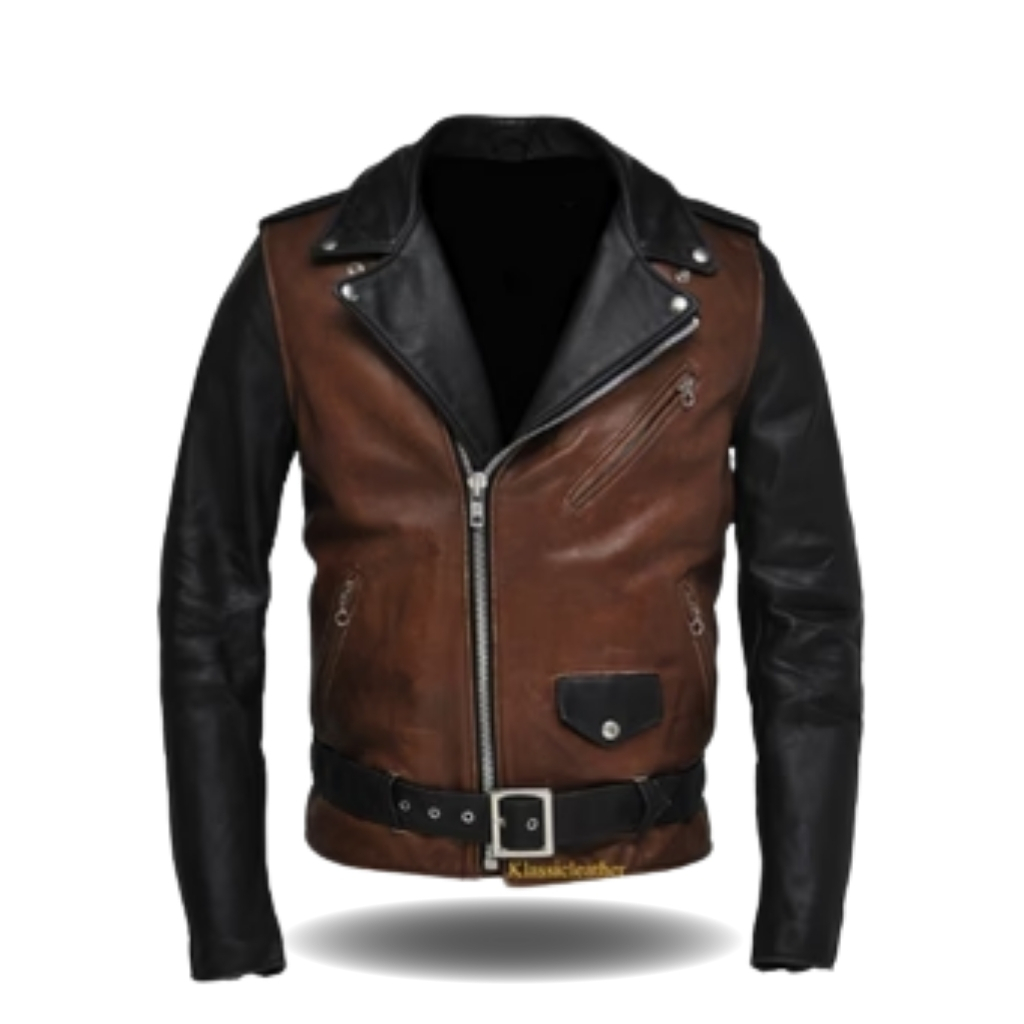
A brown and black two-tone leather motorcycle jacket displayed on a white background. The sleeves are black, while the body is brown. It features a diagonal front zipper, a snap-down collar, a small zippered chest pocket on the right, additional pockets, and a black belt at the waist.
Two-Tone Leather Jacket Feels So Right

Clothes, as they say express confidence more than anything else brought forward by man. A two-tone leather jacket is the one that does it. By contrast, it also directs the eye and helps balance things out. Hence, whoever wears it has confidence intentionality and boldness.

And the jacket is generally seen as a deliberate fashion risk. Whereas neutral jackets disappear, two-tone designs demand attention. That difference is where personal style can come through. Since the look comes off as intentional, rather than an afterthought, it really makes a statement in day-to-day life — whether walking around city streets or attending something more casual.Read more denim style leather jacket

Pieces for Every Day That Prove You’re Not Just an Average Joe

One of the best things about a two-tone leather jacket is probably the fact that it can be easily mixed and matched. It might look daring, but it’s also surprisingly versatile enough for everyday. Excerpt: Paired with subtle basics, the jacket is a statement piece that doesn’t overshadow an outfit. As a result, even the most effortless pairings look pulled together and cool.

Comfort, not just expression, reigns in street style. Thankfully, two-tone leather jackets are here to provide you with just that. And though the leather is structured, you can move around just fine. Adding up to a sleek but soft silhouette, for the modern tailoring is care of that comfort/fashion balance. The jacket has such a perfect, plunging V that it’s just as great anchoring everyday errands as it is for after-dark.Read more everyday leather jacket

Contrast in Leather Design

A stylish young woman poses in a black-and-white leather jacket, striped tank top, and faded jeans, wearing dark sunglasses against a soft pink-to-white gradient background.
Contrast in Leather Design: bold black and white textures meet casual denim for a chic, street-ready look.

Contrast is not only color. It is about harmony. In a well-cut two-tone leather jacket, one shade complements the other instead of competing. As such, the end result is balanced and elegant. Frequently light and dark shades are combined to accent seams, panels, or shoulders. Given this sensible position, the design also serves to better shape the physique.

Furthermore, contrast can guide the eye to sculpt the figure. Strategic paneling forces the eye upwards or inwards, depending on the design. So, on the one hand this jacket is designed to compliment a range of body shapes, but it’s still relatively full-on This thoughtful design decision means that boldness never feels overwhelming.

How to Wear the Two-Tone Leather Jacket

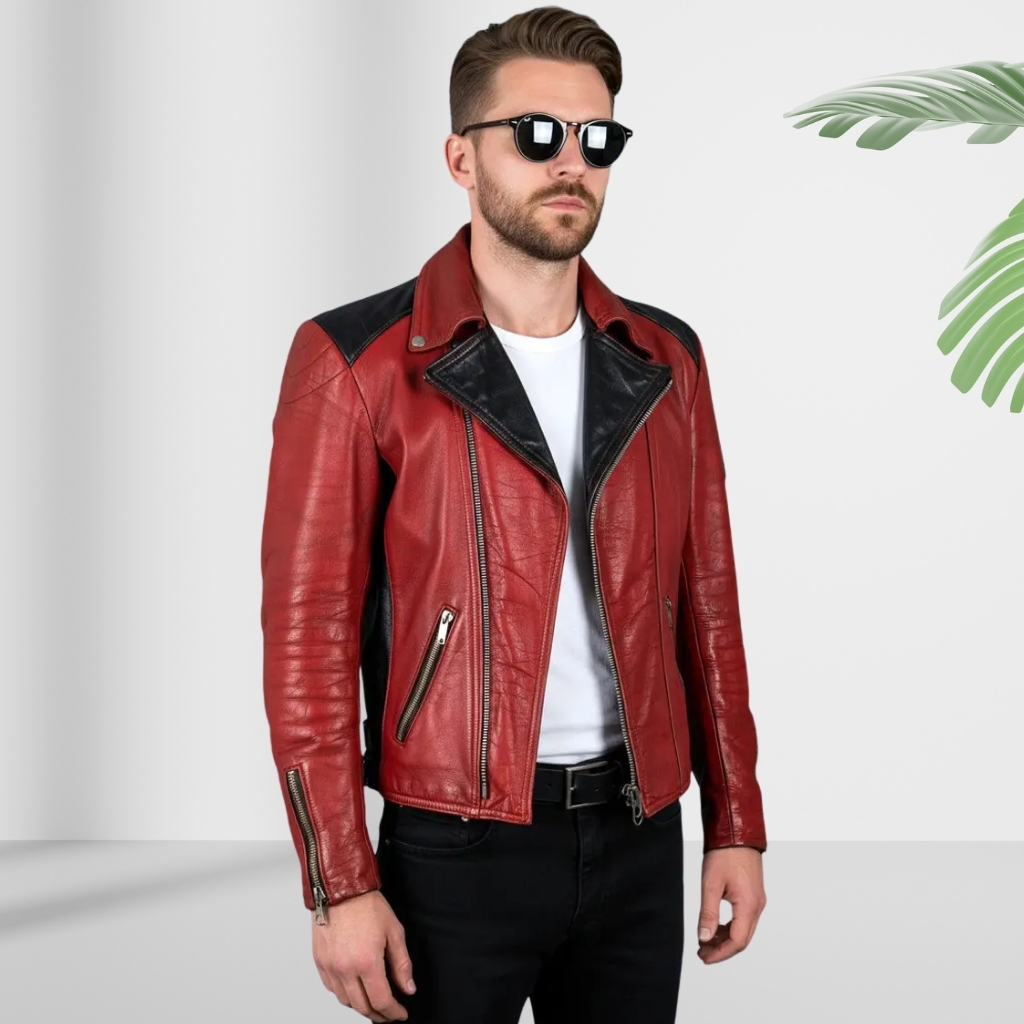
A man wearing a red and black two-tone leather motorcycle jacket, white t-shirt, black jeans, and black sunglasses, standing indoors with a palm frond in the background.
Two-Tone Leather Edge: A stylish red and black leather motorcycle jacket paired with a white tee and black denim.

The jacket is such a statement on its own, and I didn’t want the ensemble to be fussy. In fact, simplicity works best. Neutral t-shirts, blue jeans and tidy trainers allow the jacket to be the centre of attention. Since balance is kept, the entire look appears nonchalantly polished.

Layering can also be a subtle art on cooler days. Hoodie or fine knit are perfect to get the street look. Layers upon layers are there to be piled on, but that dominant two-tone leather jacket remains the favorite. So the ensemble is still connected without feeling too much.

From the Light of Day to the Dark of Night

Day to night transitions are always a little tricky when it comes to how you’re dressed. Fortunately, a two-tone leather jacket is up to the job. By day, it plays nice with casual street staples. From there, deeper hues and more pointed accessories take the look to new heights.

Because leather naturally has an edge, nightime settings always seems especially appropriate. The clashing colors play the light in different ways, creating more dimension post-sunset. As a result, the jacket is alive in movement and perfect for social environments, creative zones or relaxed evenings out.

Texture is Key in Today’s Street Style

Aside from color contrast, texture is also key for a desirable two-tone leather jacket. Straight smooth leather may be combined with matt finishes to form a tone on tone composition. Texture is a new visual layer, and so the jacket feels rich and dimensional.

This also serves to increase perceived durability. The jacket is perceived as well-made and high-quality even before it’s felt. Thus, an impression of superior quality is delivered immediately. Such is precisely the mindset of today’s modern streetwear, where originality and detail is king.

Seasonal Adaptability Without Compromise

Street style takes no breaks for the seasons. Thankfully, two-tone leather jackets transition so well through every season. They’re perfect for transitional weather, with just enough warmth. At the same time, breathable linings maintain steady comfort.

When the weather helps, layering gets more creative. Downhill Scarf Step, boots and sleek -fitting trousers add to the jacket., which drape. We don’t need to compete when the design already does all the hard work contrast-wise, it’s more a case of So, the Jackets is always in season.

Statement of Individual Belief

Fashion has always been narrative. A two-tone leather jacket with a pop of color and fearless form makes a statement about confidence and autonomy. It implies being willing to be a bit different, but also appealingly down-to-earth.

Fortunately, unlike in the case of trend-driven designs that quickly go out style, this jacket’s appeal endures. It’s the type of thing you could wear exclusively for 30 days without getting bored, which does not feel like old news because it mixes traditional materials with a modern design. Instead, it grows along with personal style. That longevity elevates it past mere outerwear; it becomes a part of identity.

Why Street Style Is Obsessed With Colorful Leather Pieces

Street fashion values originality. So anything that destroys uniformity, is a good thing. Two-tone leather jackets achieve just that while still being wearable. And while the design has an artistic quality, it’s all based on function.

Street style is at its best all about that very contrast. The high brow is mixed with the low, polished pieces are combined with casual basics and eye-catching statements are measured against comfort. In that scene, a two-tone leather jacket is just the ticket. It’s contrast in visual as well as cultural.

Belief That Comes Naturally, Not Imposed

Genuine style confidence never needs to shout. It is felt. A two-tone leather jacket says confidence in form, not with affectation. “It doesn’t feel random — because it’s intentional and organized, you’re more in control of the look.

By this means, wearers often find themselves more powerful than embarrassed. This jacket has presence without asking for your attention. That understated power also makes it perfect for everyday wear, where comfort has to reign alongside confidence.

Sustainability and Thoughtful Fashion Choices

Modern fashion increasingly values responsibility. Quality leather jackets that are designed to last, fit into that philosophy! A well-made two-tone leather jacket doesn’t bow to the fast-fashion turnstile.

It does not need to constantly be replaced because it’s fashionable from one season to the next, and even from year to year. It’s interesting investment and so does not pigeonhole itself as simply a trend. It’s an outlook that is particularly focused among the consciously minded consumers who prioritize longevity and timeless design.

The Psychology of Wearing Contrast

The contrast in color affects the way we see things and feel. Of course, donning a two-tone leather jacket is something that even comes with an air of confidence, as the style feels more like a choice than most. Contrast is simple, but individuation flies, with no explanation.

This psychological “by-product” goes beyond just how you look. A good outfit gives you better posture and walking, more engaging interactions. The jacket, then, does more than complete an outfit: It conditions how the wearer lives the day.

Effortless Pairing with Modern Wardrobes

One of the best things about two-tone leather jackets is how they blend with a range of wardrobe styles. Being that it’s a mix of many shades already, it works with more colors. Neut

That makes styling decisions easier. The jacket also plays a role in uniting various pieces. That functionality has made it a crowd favorite for those who want something both stylish and useful.

In the end, wearing a two-tone leather jacket is a matter of personal taste and self-expression. It is an attitude that oozes optimism, creativity and openness to modern aesthetics. Trends come and go, but authenticity never goes out of style.

it becomes uniquely personal over time as the jacket adjusts to your life, mood and environment. Creases are stories, movement shapes fit and wear gives character. The jacket grows with its owner, in that regard.

Some Parting Words on Everyday Street Style Evolution

Street style is still showing us all what current-day fashion means. Now the discussion is led by comfort, creativity and personality. The two-tone leather jacket (pictured) falls into that movement.

It is a mix between boldness and wearability, tradition and innovation, structure and freedom. So, it hasn’t gone out of style in a constantly-updating fashion universe. If you want a statement piece that is effortlessly cool, natural and expressive this jacket does it all

FAQs

What is a two-tone leather jacket?

A two-tone leather jacket is designed using contrasting leather shades within a single garment. Different panels, sleeves, or sections are styled in complementary tones, creating a bold yet balanced look that feels modern and fashion-forward.

Is a two-tone leather jacket suitable for everyday wear?

Yes, a two-tone leather jacket is ideal for everyday wear. While the design feels bold, it blends easily with casual outfits, making it perfect for daily street style, social outings, and relaxed urban settings.

How do you style a two-tone leather jacket?

A two-tone leather jacket is best styled with simple clothing pieces. Neutral t-shirts, plain hoodies, slim denim, and clean sneakers allow the jacket to remain the focal point while keeping the outfit balanced and effortless.

Stylish Nubuck Leather Jacket for Everyday Smart Looks

0

Nubuck leather jackets are admired for their refined texture, contemporary appeal and versatility. This Stylish Nubuck Leather Jacket Is a popular choice in today’s fashion world, where comfort and elegance are valued equally. Nubuck leather is timeless and will never go out of style. It’s a wardrobe essential for anyone who loves understated luxury.

A nubuck leather jacket, however, is more than just an outerwear item. It is more of a statement about taste, individuality, and confidence. Its soft finish and rich look seamlessly bridge the gap between casual comfort and polished style. It can be worn every day without feeling monotonous or repetitive.

This guide will explore the nubuck leather jacket in detail. Every detail, from its unique texture to its versatility in styling, will be explained. Moreover, we will share practical advice on how to wear this jacket effortlessly for smart everyday outfits.

Understanding Nubuck Leather and Its Refined Appeal

A man wearing a grey nubuck leather bomber jacket with a zip front and ribbed cuffs and hem stands on a city street. He has one hand in his pocket, wearing an olive pair of pants and a white t-shirt, with a blurred European-style building and cars in the background.Stylish Nubuck Leather Jacket
Nubuck Leather Bomber Jacket in grey, styled with olive pants on a city street.

Nubuck leather’s velvety finish and luxurious texture are its most cherished features. The outer layer of nubuck leather is sanded gently, creating a soft texture. This finishing process gives nubuck a character and depth of color that are instantly recognizable.

Nubuck leather is also associated with elegance, not ruggedness. The visual emphasis is on refinement, while durability is still there. It is therefore ideal for jackets that are designed for urban lifestyles or smart casual wear.

Nubuck leather also adapts beautifully to the natural light. The subtle color variations are visible depending on the surrounding environment. This enhances visual interest. The Stylish Nubuck Leather Jacket looks more stylish and dynamic compared to leather standard options.

Why a Nubuck Leather Jacket Elevates Everyday Style

A man stands indoors wearing a dark brown nubuck leather jacket over a gray sweater and gray trousers. He has short brown hair, is looking to his left, and has his hands in his pockets. A watch is visible on his left wrist, and the background shows a blurred interior space with white columns and windows.
Elevate your everyday style with a nubuck leather jacket.

The balance of a stylish nubuck leather jacket will elevate your everyday looks. The comfort is maintained without compromising elegance. Nubuck leather can give a more refined look to casual Stylish Nubuck Leather Jacket that may sometimes seem too relaxed.

This type of Stylish Nubuck Leather Jacket can be worn in a variety of settings. It adapts to any occasion, whether it’s a casual gathering or a semiformal one. This flexibility means that fewer changes of clothing are needed throughout the day.leather blazer jacket

Nubuck leather also conveys confidence, without being overly bold. The soft texture makes a subtle, rather than aggressive statement. It appeals to those who prefer quiet sophistication rather than loud fashion choices.

The Smart Look Advantage of Nubuck Leather

A brown nubuck leather jacket hangs on a black hanger against a textured beige background. The biker-style jacket features an asymmetrical zipper, a snap-fastened collar, and visible front zipper pockets.
The Smart Look Advantage of Nubuck Leather: refined texture, versatile styling, and timeless appeal.

Clean lines, rich textures and careful layering are all hallmarks of a Stylish look. Nubuck leather jackets meet all these criteria. A balanced silhouette can be achieved when paired with tailored pants or well-fitted jeans.

The Stylish Nubuck Leather Jacket also adds structure to an outfit that would otherwise be incomplete. Nubuck leather elevates even simple outfits. This makes everyday clothing more polished and intentional.

Nubucks in neutral tones also complement many colors. Styles become easier to style, and experiments are encouraged. The outfits are cohesive but still allow for individual expression.Stylish Nubuck Leather Jacket

Everyday Versatility That Never Feels Ordinary

Nubuck leather jackets are known for their versatility. This Stylish Nubuck Leather Jacket can be worn on a regular basis without looking repetitive.

The jacket can be worn over a simple shirt to enhance a casual outfit for the day. Evening looks are refined by pairing darker shades and structured accessories. This adaptability allows the jacket to be worn throughout the day.

It also blends seamlessly into seasonal wardrobes. It is versatile enough to be worn all year round. It becomes a go-to item rather than a one-off.kids leather jacket

Styling a Nubuck Leather Jacket for Smart Casual Looks

Nubuck leather is the perfect material to achieve this balance. The jacket looks great with minimal accessories and clean footwear.

Layering is also important. To add depth, you can layer lightweight knits, crisp shirts or subtle textures. The outfit will appear intentional and not accidental.

Attention to fit is also essential. The silhouette and posture are enhanced by a well-tailored leather jacket. This gives you a natural confidence and keeps you comfortable throughout the day.

Color Choices That Enhance Everyday Elegance

The color of the jacket is a major factor in its overall appearance. Earthy colors are preferred because they emphasize the texture of the leather. These shades add warmth and sophistication to an outfit without overwhelming it.

The neutral color of the jacket allows it to be styled with a variety of pieces. Each look is familiar yet fresh because visual harmony is maintained.

Nubuck leather also allows for subtle color variations. The natural depth of the leather adds character to the jacket and keeps it from looking flat. The jacket will remain visually appealing over time.

Comfort Meets Luxury in Nubuck Leather Jackets

Nubuck is a leather that excels at comfort. The soft surface is a pleasure to wear for extended periods of time.

Nubuck leather is flexible and allows for natural movement. It adapts to your body, unlike stiffer materials. The comfort increases with time, rather than decreasing.

A breathable lining is often included to enhance the overall wearability. These thoughtful design elements make the jacket feel as good as it appears.

How Nubuck Leather Enhances Personal Style

Details are what define your personal style. A nubuck leather jacket will add character to any outfit without being too individualistic. It can be worn with a variety of aesthetics – from minimalist to modern.

The jacket is not the main focus of the outfit. Other elements can be highlighted. Accessory, footwear and layering pieces can all be equally important. This creates a balanced and cohesive look.

Nubuck leather also ages gracefully. As time passes, the leather develops subtle changes that enrich its character. The jacket will reflect your daily life and personal experiences.

Maintaining the Refined Look of Nubuck Leather

A nubuck jacket will remain stylish for many years if it is properly cared for. It is important to maintain the jacket gently because of its texture. A light brushing will help maintain the softness of its surface and prevent buildup.

Often, sprays of protection are applied to protect against dust and moisture. The jacket will retain its charm with regular use.

Nubuck leather will develop a subtle patina if it is properly cared for. The jacket will continue to look sophisticated and not aged.

The Everyday Confidence Factor

Clothing has a greater impact on confidence than most people realize. The refined appearance of a stylish nubuck jacket can reassure. Wearing a leather jacket improves posture and boosts self-confidence.

The jacket is also often complimented for its uniqueness without having to try too hard. This reinforces the confidence.

The jacket’s effortless elegance allows you to focus on your daily activities and not worry about what you are wearing. Comfort and confidence are felt throughout the day.

Why Nubuck Leather Jackets Are a Smart Investment

Nubuck leather is a good investment, as it’s durable and versatile. Nubuck leather is a durable material that will last for years.

Moreover, the ability to adapt it to different outfits means that you don’t need to buy multiple jackets. This improves wardrobe efficiency and streamlines styling.

The jacket becomes more stylish and functional as the cost per wear drops over time. The jacket’s value is not only delivered by its appearance, but also through its long-term useability.

Creating a Polished Look Without Effort

Nubuck leather is the perfect material to support this philosophy. The jacket is visually interesting, so minimal styling is needed.

The look is intentional and relaxed when paired with simple textures and clean lines. Style decisions are easier to make because balance is achieved naturally.

The jacket can also be worn in a casual or refined setting. This means that fewer adjustments will be needed during the day.

The Timeless Appeal of Nubuck Leather

Nubuck leather is timeless. Its appeal is classic and rooted in natural beauty and quality craftsmanship.

It ages gracefully because it doesn’t rely on flashy features. The jacket is therefore timeless, regardless of fashion trends.

The timeless design ensures the jacket will be a staple for years to come, rather than just a trend item.

Final Thoughts on Everyday Smart Styling

A stylish nubuck jacket is much more than an outer layer. It reflects refined taste, thoughtful dress, and everyday confidence. Its soft texture, versatile style, and elegant understatement enhance any outfit.

It adapts to lifestyles, events, and individual preferences without losing charm. It is a great choice for anyone who wants to look stylish and sophisticated every day.

Nubuck leather jackets are the ideal solution when comfort, sophistication and versatility is desired. The jacket is more than just worn, it’s an experience.

FAQs

What makes a nubuck leather jacket stylish for everyday wear?

A nubuck leather jacket is considered stylish because of its soft, velvety texture and refined appearance. Moreover, its smooth finish adds elegance to casual and smart outfits, allowing it to be worn daily without looking ordinary.

Is a nubuck leather jacket suitable for smart casual looks?

Yes, a nubuck leather jacket is perfectly suited for smart casual styling. Because of its subtle texture and clean structure, it blends effortlessly with tailored trousers, chinos, or denim while maintaining a polished look.

How is nubuck leather different from regular leather?

Nubuck leather is created by gently sanding the outer surface of the hide. As a result, a soft and matte finish is achieved, unlike regular leather which has a smooth or glossy appearance. This process gives nubuck a more luxurious and modern feel.

Polar Guard Heat Retention Fabric: Comfort Meets Performance

0

Winter weather can feel harsh, especially when wind and moisture hit together. That is why people now prefer smart thermal textiles instead of heavy layers. Polar Guard Heat Retention Fabric is one of the most reliable innovations in modern winter clothing. It provides excellent warmth while still staying breathable and lightweight.

This advanced heat retention fabric helps trap body heat in a controlled way. As a result, it keeps you warm without making you feel sweaty. Many brands now use it as a high-end thermal performance fabric for outdoor and daily wear. It also works well as a strong winter insulation material for extreme climates.

In addition, Polar Guard is designed for comfort and flexibility. It performs better than many older cold fabrics. That is why it has become a trusted cold-weather textile in winter fashion and sportswear. If you want warmth without bulk, this fabric becomes a smart solution.

What Is Polar Guard Heat Retention Fabric?

Polar Guard Heat Retention Fabric is a specially engineered textile made to reduce heat loss. It traps warmth close to the body while still allowing airflow. Therefore, it feels comfortable even during long wear. Many people choose it for winter because it balances warmth and performance.

This fabric is usually made from synthetic blends. Most manufacturers use polyester, microfiber, and fleece-based fibers. Sometimes, they also add elastane for stretch and flexibility. Because of this blend, Polar Guard stays strong, soft, and long-lasting.

The real strength of Polar Guard comes from its insulation technology. It uses tiny fiber structures that create small air pockets. These air pockets work as thermal insulation and prevent body heat from escaping. At the same time, the fabric supports moisture-wicking for dryness.

Moreover, Polar Guard is also known as a breathable winter fabric. It does not trap sweat like cheap materials. Many versions also offer extra protection as a wind-resistant textile. That makes it a complete winter-ready solution.

History of Polar Guard Heat Retention Fabric

Alt text: Close-up of a gloved hand grabbing a black fabric. The glove has a white leather palm and fingers with a red knit cuff, and a blurred background of green and blue fabrics.Polar Guard Heat Retention Fabric:
Caption: Gloved hand holds a piece of black fabric.

Thermal fabrics have existed for decades, but early versions were heavy and uncomfortable. Wool and thick cotton layers were common choices in the past. However, these materials absorbed moisture and became heavy quickly. As a result, winter clothing often felt bulky and restrictive.

Later, synthetic fibers like polyester changed the fabric industry. Manufacturers started producing lighter and faster-drying insulation fabrics. This shift improved winter clothing performance for hikers, skiers, and workers. Still, many early synthetics lacked breathability. They often caused overheating during movement.

That is where Polar Guard-style innovation became important. Fabric engineers began combining microfiber structures with thermal layering techniques. This helped trap heat while still allowing moisture to escape. Over time, Polar Guard Heat Retention Fabric became a modern answer to winter comfort problems.

Today, many outdoor brands prefer it because it fits active lifestyles. It delivers warmth without adding extra weight. Therefore, it represents the next generation of thermal performance fabric.

Types of Polar Guard Heat Retention Fabric (With Subheadings)

Alt text: Infographic titled “Types of Polar Guard Heat Retention Fabric (With Subheadings)” showing four fabric types (Microfiber, Fleece Blend Thermal, Stretch, Wind-Resistant) with corresponding illustrations and short descriptions.Polar Guard Heat Retention Fabric:
Caption: Polar Guard fabrics for warmth: microfiber, fleece blend, stretch, and wind-resistant options with visuals.

Polar Guard Heat Retention Fabric comes in different types to meet different winter needs. Some types focus on maximum warmth, while others focus on flexibility and breathability. That is why brands design multiple variations for outdoor clothing, sportswear, and daily winter fashion. Each type offers a unique balance of insulation, comfort, and performance.

Polar Guard Microfiber Heat Retention Fabric

This type is made using ultra-fine microfiber strands that create strong insulation. The fibers form tiny air pockets that trap body heat efficiently. As a result, it provides excellent warmth without feeling heavy.

In addition, microfiber Polar Guard is soft and smooth on the skin. It also dries quickly after washing or sweating. Therefore, it is a popular choice for thermal base layers and innerwear.

Polar Guard Fleece Blend Thermal Fabric

This type combines Polar Guard technology with a fleece-style texture. It provides a soft and fluffy surface that feels warm instantly. Because of its thicker structure, it works well for jackets and winter hoodies.

Moreover, this Polar Guard fabric offers a cozy feel for long wear. It also holds heat for longer hours in cold weather. That is why many brands use it as a winter insulation material.

Polar Guard Stretch Heat Retention Fabric

Stretch Polar Guard fabric contains elastane or spandex fibers for flexibility. It allows easy movement, which makes it ideal for sportswear. Therefore, it works best for active winter lifestyles.

This type fits close to the body, so it improves heat retention. It also supports comfort during workouts and outdoor activities. As a result, it is widely used in leggings, thermal tops, and gloves.

Polar Guard Wind-Resistant Heat Retention Fabric

This type is designed with a tighter weave or a special wind-blocking layer. It reduces cold air penetration and protects the body in windy climates. Because of this, it performs well in harsh winter conditions.

Additionally, wind-resistant Polar Guard fabric is often used in outerwear. It is a strong choice for hiking jackets and winter coats. That is why it is considered a premium cold-weather textile.

How Does Polar Guard Heat Retention Fabric Work?

Polar Guard Heat Retention Fabric works through smart insulation science. It traps warm air near your body and reduces heat escape. This process keeps your temperature stable even in cold environments. It also prevents sudden chills caused by wind exposure.

Heat-Trapping Mechanism

The fabric contains tiny fibers that create a dense structure. This structure traps warm air inside small gaps. Because air is a natural insulator, it holds warmth effectively. Therefore, your body heat stays protected for longer hours.

At the same time, the fabric prevents heat from escaping outward. This reduces the need for heavy layers. As a result, you feel warm without extra bulk.

Air-Pocket Insulation Technology

Polar Guard uses advanced air-pocket design in its weave. These air pockets form a thermal barrier between skin and cold air. That barrier slows down heat transfer. Therefore, the fabric improves thermal insulation significantly.

This technology works even better when you layer clothing properly. It creates multiple insulation zones that protect you. That is why Polar Guard works well for extreme winters.

Moisture Control System

Sweat can reduce warmth because moisture cools the skin. Polar Guard solves this issue through moisture-wicking fibers. These fibers pull sweat away from the body. Then, the moisture spreads across the surface and dries faster.

Because of this, the fabric stays dry and comfortable. It also reduces bad odor buildup. That makes Polar Guard a premium breathable winter fabric.

Breathability vs Overheating

Many thermal fabrics trap heat but also trap sweat. Polar Guard avoids this problem through balanced airflow. It allows excess heat to escape when your body warms up. Polar Guard Heat Retention Fabric:Therefore, you stay comfortable during movement.

This breathability makes it ideal for sportswear. It works well in hiking, skiing, and running. That is why it is considered a smart thermal performance fabric.

Key Features of Polar Guard Heat Retention Fabric

Polar Guard Heat Retention Fabric includes several strong features. These features make it reliable for winter clothing and outdoor gear. It also supports comfort for daily use.

  • High thermal efficiency for long-lasting warmth
  • Lightweight yet warm design for easy wear
  • Stretchable and flexible feel for active movement
  • Quick-drying properties for sweat and washing
  • Windproof capability in special fabric versions
  • Durable and long-lasting structure for repeated use

Because of these features, Polar Guard competes with premium winter insulation material. It also stays effective in harsh weather. Therefore, it has become a top-rated cold-weather textile option.

Benefits of Using Polar Guard Heat Retention Fabric

Alt text: Close-up of folded gray woven fabric with a visible seam and white stitching along the edge; cross-hatched texture and a white surface visible at the bottom right.Polar Guard Heat Retention Fabric:
Caption: Close-up of textured gray fabric edge with prominent stitching.

Polar Guard offers benefits that directly solve winter comfort problems. It supports warmth, dryness, and easy wear. That is why many people now prefer it over traditional fabrics.

Keeps Body Warm in Extreme Cold

Polar Guard traps body heat efficiently. As a result, it protects you in freezing weather. It works well in snow and cold wind conditions. Therefore, it becomes ideal for outdoor winter life.

Comfortable for Long Wear

Some winter fabrics feel itchy or heavy. However, Polar Guard feels soft and smooth on skin. It stays comfortable even after hours of wear. That is why it works well for daily clothing.

Ideal for Layering

Layering is important for winter survival. Polar Guard fits easily under jackets and coats. It does not add unnecessary bulk. Therefore, it makes layering more practical and stylish.

Energy-Efficient Warmth

When your clothing keeps you warm, your body uses less energy. That means you feel less tired in cold conditions. Therefore, Polar Guard supports comfort during long winter walks. It also improves performance for sports activities.

Suitable for Outdoor Activities

Polar Guard supports flexibility and breathability. Because of this, it works well for hiking and skiing. It also performs well for outdoor workers. Therefore, it is a complete thermal performance fabric solution.
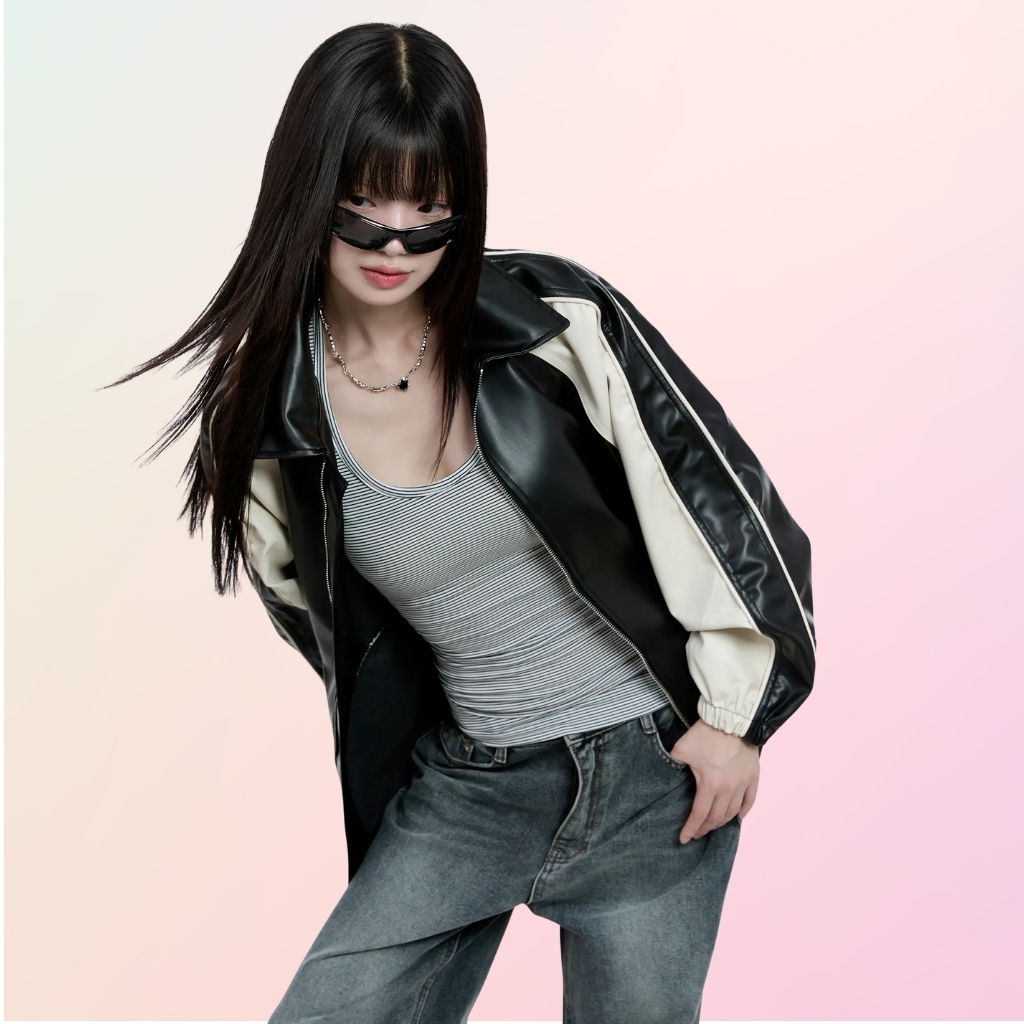
Applications & Uses of Polar Guard Heat Retention Fabric

Polar Guard Heat Retention Fabric is used in many winter products. It supports both fashion and functional clothing. That is why it attracts commercial demand.
Winter Jackets

Winter jackets need insulation without heavy padding. Polar Guard helps jackets stay warm while remaining lightweight. It also improves comfort during movement. Therefore, many modern jackets include this fabric technology.
Thermal Innerwear

Innerwear needs softness and sweat control. Polar Guard works well because it wicks moisture away. It also traps heat close to the skin. As a result, it becomes a trusted heat retention fabric for base layers.

Sportswear

Outdoor sports require breathable and flexible fabric. Polar Guard provides warmth without overheating. Therefore, it supports skiing, cycling, and winter running. It also helps athletes stay dry during intense activity.
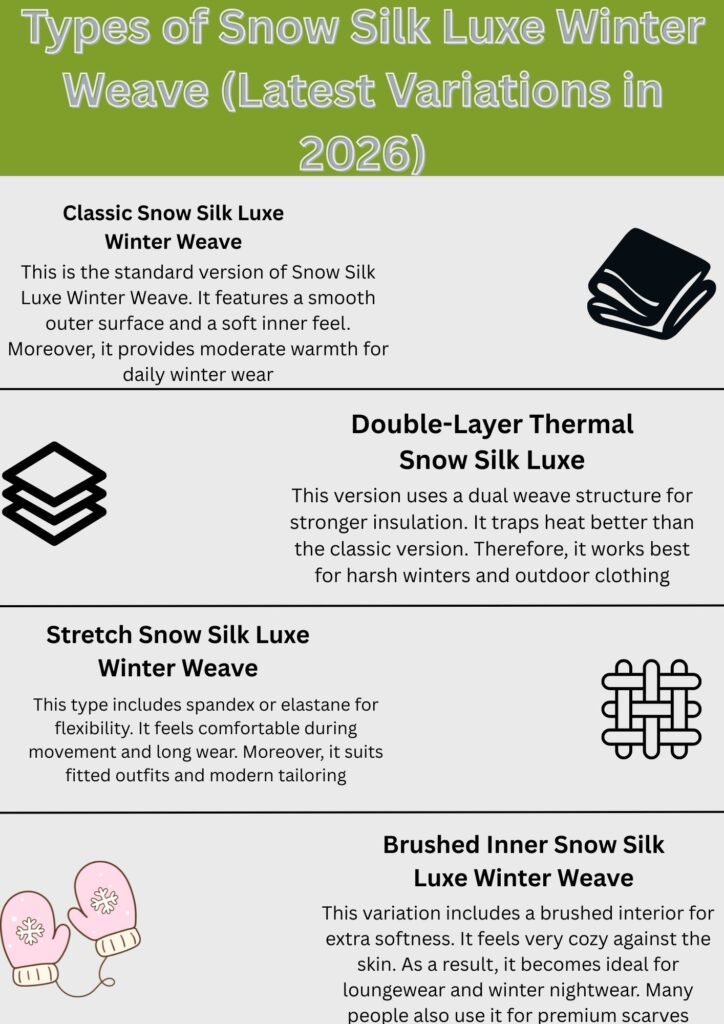
Hiking Apparel

Hikers need warmth but also need comfort. Polar Guard offers strong thermal insulation with lightweight feel. It also resists cold wind in special versions. That makes it an excellent cold-weather textile for mountain wear.

Gloves, Caps, and Scarves

Accessories lose heat quickly because they face direct wind. Polar Guard helps keep hands and head warm. It also feels soft, so it stays comfortable. Therefore, it is widely used in winter accessories.

Outdoor Workwear

Workers in cold areas need reliable insulation. Polar Guard offers durability and warmth for long shifts. It also dries quickly if exposed to moisture. That is why many winter workwear brands choose it.

Is Polar Guard Heat Retention Fabric Waterproof?

Alt text: Close-up of a large water droplet resting on a light-colored woven textile, with a smaller droplet in the background; the fabric texture is clearly visible.Polar Guard Heat Retention Fabric:
Caption: Water droplet on pale woven fabric, highlighting texture and surface tension.

Polar Guard Heat Retention Fabric is not always fully waterproof. However, some versions include water-resistant coating. These coated fabrics can repel light rain and snow. Still, heavy rain may require a waterproof outer shell.

Is Polar Guard Breathable?

Yes, Polar Guard is designed to be breathable. It allows airflow while trapping warmth. Therefore, it reduces sweating during activity. This makes it a reliable breathable winter fabric.

Can It Be Used in Extreme Snow?

Yes, Polar Guard works well in snowy conditions. It traps heat and blocks cold air. However, you should pair it with a waterproof outer layer. That combination gives full winter protection.

Is It Machine Washable?

Most Polar Guard fabric products are machine washable. You should still check the label before washing. Gentle washing helps maintain fiber strength. Therefore, proper care extends fabric life.

Does It Shrink?

Polar Guard usually does not shrink much because it uses synthetic fibers. However, high heat drying can damage it. Therefore, air drying is a safer option.

Advantages and Disadvantages of Polar Guard Heat Retention Fabric

Balanced content builds trust and improves SEO value. Polar Guard has many strengths, but it also has some limitations. Understanding both helps buyers make smart choices.

Advantages

Polar Guard provides strong warmth without heavy weight. It also supports moisture-wicking, so it stays dry. In addition, it remains flexible and comfortable for movement. Many versions also resist wind effectively.

It also dries quickly after washing. That saves time and effort. Moreover, it lasts longer than many cheap winter insulation materials. Therefore, it is a long-term investment fabric.

Disadvantages

Polar Guard is often more expensive than basic fleece. That may not suit every budget. Also, not all versions are waterproof. Therefore, heavy rain protection needs an extra outer layer.

Some low-quality versions may pill after repeated washing. That happens when manufacturers use weaker fiber blends. Therefore, buying from trusted brands is important.

How to Care for Polar Guard Heat Retention Fabric

Alt text: Infographic titled “How to Care for Polar Guard Heat Retention Fabric” with four sections: Washing Tips (child near washing machine), Drying Recommendations (woman hanging jeans), Storage Advice (stack of folded clothes), and Avoid Fabric Softeners (detergent bottle), each section including an illustrative icon.Polar Guard Heat Retention Fabric:
Caption: Care guide for Polar Guard Heat Retention Fabric: washing, drying, storage, and fabric softener avoidance with corresponding illustrations.

Proper care helps Polar Guard maintain warmth and performance. If you wash it incorrectly, fibers can weaken. Therefore, you should follow simple maintenance rules.

Washing Tips

Wash Polar Guard in cold or lukewarm water. Use a gentle detergent for best results. Avoid harsh bleach because it damages synthetic fibers. Also, wash it with similar fabrics to reduce friction.

Drying Recommendations

Air drying is the safest method for Polar Guard Heat Retention Fabric. However, you can use low heat tumble drying if allowed. Avoid high heat because it can weaken the structure. That may reduce thermal insulation over time.

Storage Advice

Store Polar Guard clothing in a dry place. Avoid damp storage because it can cause odor buildup. Fold it neatly instead of hanging heavy items. This prevents stretching and shape loss.

Avoid Fabric Softeners

Fabric softeners can block moisture-wicking ability. They leave a coating that reduces breathability. Therefore, you should avoid them completely. This keeps your fabric working like new.

Why Polar Guard Heat Retention Fabric Is Popular in Winter

People want warmth, but they also want comfort. Polar Guard provides both without compromise. It feels light, yet it protects against cold weather. Therefore, it has become popular in modern winter clothing.

Another reason is its moisture management performance. It keeps sweat away, so you stay warm and dry. That matters because wet clothing causes rapid heat loss. As a result, Polar Guard improves winter safety.

In addition, Polar Guard supports modern fashion needs. It fits well into slim jackets and stylish outfits. Therefore, people can stay warm without looking bulky. That makes it a top cold-weather textile choice.

Is Polar Guard Heat Retention Fabric Eco-Friendly?

Sustainability is now an important buying factor. Many brands produce Polar Guard Heat Retention Fabric using recyclable polyester. Some versions also include recycled microfiber materials. Therefore, they reduce plastic waste.

In addition, Polar Guard supports energy efficiency. Because it keeps the body warmer, people may rely less on indoor heating. That indirectly reduces energy usage. Many companies also use cleaner dyeing processes to reduce pollution.

However, not every Polar Guard fabric is eco-certified. Therefore, you should check product labels for recycled fiber claims. Choosing responsible brands improves sustainability impact.

Buying Guide: How to Choose Polar Guard Heat Retention Fabric

Alt text: Close-up image showing a silver, bumpy textured background with layered orange and dark grey fabrics draped over it, creating a rich, overlapping fold pattern.
Polar Guard Heat Retention Fabric:
Caption: Layered fabrics in orange and dark grey over a metallic-textured backdrop.

Buying the right Polar Guard fabric product depends on your lifestyle. Different climates and activities need different fabric thickness. Therefore, you should check key quality factors.

What to Check Before Buying

Always check fabric softness and flexibility. Look for stitching quality in clothing products. If seams are weak, warmth will escape. Therefore, construction matters as much as fabric.

GSM Level

GSM means grams per square meter. Higher GSM means thicker and warmer fabric. For mild winters, medium GSM is enough. However, for extreme winters, higher GSM works better.

Fabric Thickness

Thicker Polar Guard provides more insulation. However, thinner types work better for layering. Therefore, your choice depends on your clothing style.

Activity Level Suitability

If you hike or run, choose breathable stretch Polar Guard. If you work outdoors, choose thicker wind-resistant Polar Guard. This ensures comfort and performance together.

Climate Suitability

For dry cold areas, standard Polar Guard works well. For wet snow climates, choose water-resistant versions. Also, use a waterproof jacket shell for full protection.

Conclusion

Polar Guard Heat Retention Fabric is a modern solution for winter comfort. It combines insulation, breathability, and moisture control in one smart textile. Therefore, it delivers both performance and daily wear comfort.It works well for jackets, sportswear, hiking clothing, and workwear. It also offers flexibility, quick drying, and long-lasting durability. While it may cost more than basic fleece, it gives better long-term value.

If you want warmth without heavy layers, Polar Guard becomes an ideal choice. It is a premium heat retention fabric that fits modern winter lifestyles. In short, it truly proves that comfort can meet performance.

FAQs

What makes Polar Guard Heat Retention Fabric different from normal fleece?

Polar Guard traps heat more efficiently using air-pocket technology. It also offers better moisture-wicking. Therefore, it stays warmer and drier than basic fleece.

Is Polar Guard Heat Retention Fabric good for sensitive skin?

Yes, most Polar Guard fabrics feel smooth and soft. They do not cause itching like wool. Therefore, many people with sensitive skin prefer it.

Can Polar Guard Heat Retention Fabric be used for thermal bedding?

Yes, some manufacturers use similar heat retention fabric technology in blankets. It helps trap warmth while staying breathable. Therefore, it can be suitable for winter bedding products.

Frost Core Insulated Fabric: Ultimate Winter Warmth Solution

0

Winter clothing has changed a lot in recent years. People now want warmth without heavy layers. They also want comfort, flexibility, and breathable protection. Because of these demands, Frost Core Insulated Fabric has become a major trend in winter apparel.

Frost Core Insulated Fabric is designed to provide powerful insulation while staying lightweight. It keeps heat close to the body and reduces cold air penetration. At the same time, it helps release moisture and sweat during movement. Therefore, it suits both daily wear and high-performance winter sports.

Many winter fabrics fail in extreme conditions. However, Frost Core insulation material focuses on thermal efficiency and modern comfort. That is why brands and manufacturers are adopting it quickly. Moreover, outdoor lovers now prefer it for long winter adventures.

This fabric is useful for winter clothing brands, textile manufacturers, and buyers. It also benefits consumers who need warmth in harsh climates. If you want a winter fabric that balances warmth and breathability, Frost Core can be a smart solution.

What Is Frost Core Insulated Fabric?

Frost Core Insulated Fabric is a modern thermal insulated fabric created for cold environments. It combines insulation fibers with advanced thermal layers. This structure traps body heat and blocks winter air. As a result, it helps maintain stable body temperature.

The core technology behind Frost Core focuses on heat retention. It uses micro-structured fibers that hold warm air pockets. These trapped air pockets act as a thermal barrier. Therefore, heat stays inside instead of escaping.

Unlike regular winter fabrics, Frost Core does not rely only on thickness. Instead, it uses engineered insulation layers for performance. Traditional fabrics may feel heavy and stiff. However, Frost Core remains lighter and more flexible for active use.

Manufacturers often create Frost Core fabric using polyester blends. They also include microfibers, thermal cores, and stretch yarns. This combination improves durability and softness. Additionally, it increases resistance against wind and cold moisture.

Because of its design, it is also called a winter performance textile. Many brands use it as a cold weather insulation material for premium winter clothing. It fits well in both fashion wear and professional outdoor gear.

History of Frost Core Insulated Fabric (Evolution of Winter Insulation)

Alt text: Close-up of soft, fuzzy fabric in white and gray tones, with a gray fold running diagonally across the image.Frost Core Insulated Fabric:
Caption: Close-up of velvety, two-tone fabric texture with a pronounced crease.

Winter fabrics have existed for centuries. In the past, people used animal fur and heavy wool. These materials worked well, but they were bulky and hard to maintain. Over time, textile innovation introduced cotton blends and layered garments.

During the 20th century, synthetic fibers changed the industry. Polyester and nylon became popular because they were lightweight. They also dried faster than natural fabrics. However, early synthetic winter fabrics lacked proper insulation performance.

Later, advanced thermal fabrics entered the market. Manufacturers started using microfibers and thermal lining systems. These designs improved heat retention and reduced weight. As a result, winter clothing became easier to wear.

The idea of Frost Core insulation developed from this evolution. It follows the same modern approach of engineered warmth. Instead of using thick layers, it uses smart thermal structures. Therefore, it delivers warmth with better mobility.

Today, Frost Core Insulated Fabric represents the latest stage of winter textile progress. It meets modern expectations of warmth, breathability, and durability. That is why it continues trending in winter apparel industries worldwide.

Types of Frost Core Insulated Fabric (With Subheadings)

Alt text: Infographic titled “Types of Frost Core Insulated Fabric (With Subheadings)” showing four fabric types (Lightweight, Midweight, Heavyweight, Stretch) with short descriptions and simple icons.Frost Core Insulated Fabric:
Caption: Guide to Frost Core insulated fabrics: four weight options with quick descriptions and icons.

Lightweight Frost Core Insulated Fabric

This type is designed for mild to moderate winter conditions. It provides warmth without adding bulk or heaviness. Therefore, it is perfect for people who want comfort and easy movement. It is commonly used in thermal shirts, inner linings, and casual winter wear. Moreover, it works well for layering under jackets. Many brands prefer it for slim-fit winter collections.

Midweight Frost Core Insulated Fabric

Midweight Frost Core Insulated Fabric offers a balanced mix of warmth and breathability. It is thicker than lightweight versions but still feels comfortable for daily use. As a result, it is ideal for hoodies, sweatshirts, and winter pants. It also performs well in windy outdoor conditions. Additionally, it suits travelers and commuters who face cold weather regularly. This type is one of the most popular in winter apparel production.

Heavyweight Frost Core Insulated Fabric

This type is built for extreme winter environments. It contains dense thermal cores that trap maximum body heat. Therefore, it is widely used in winter jackets and snow coats. It also provides strong protection against freezing winds. Moreover, it works well for mountain and polar conditions. Many industrial and military uniforms use this version. It is best for people who face harsh outdoor climates.

Stretch Frost Core Insulated Fabric

Stretch Frost Core fabric includes elastane or spandex blends. This gives the fabric flexibility and improves body movement. Therefore, it is perfect for sportswear and outdoor activewear. It is often used in ski suits, trekking pants, and climbing jackets. Additionally, it feels more comfortable for long-term wear. This type also helps improve fitting and shape retention. It is highly demanded in performance winter fashion.

How Frost Core Insulated Fabric Works

Frost Core Insulated Fabric works by trapping warm air inside its fiber structure. The fabric creates tiny air chambers within the insulation layer. These chambers reduce heat loss and prevent cold penetration. Therefore, the body stays warmer for longer periods.

Another important function is moisture control. Frost Core fabric often includes moisture-wicking fibers. These fibers pull sweat away from the skin surface. As a result, the wearer feels dry even during activity.

Breathability also plays a key role in this fabric. Many winter textiles trap heat but cause overheating. However, Frost Core balances airflow and insulation. It allows excess heat to escape while maintaining warmth.

Wind resistance is another strong advantage. Cold wind usually removes body heat quickly. Frost Core includes a tightly woven outer structure that blocks airflow. Therefore, it improves thermal comfort in windy climates.

Because of these features, Frost Core is suitable for extreme cold weather clothing. It works well for sportswear, casual winter outfits, and technical outdoor uniforms. It provides stable insulation without compromising comfort.

Key Features of Frost Core Insulated Fabric

Frost Core is considered a premium thermal insulated fabric because it combines multiple features in one textile. It is engineered for both comfort and performance. That is why brands use it for winter gear that requires reliability.

Below are the most important features of Frost Core Insulated Fabric:

  • Advanced thermal locking system
  • Lightweight but high insulation power
  • Moisture control technology
  • Stretch flexibility for movement
  • High durability in extreme cold
  • Quick-dry performance for active users
  • Wind-blocking fabric construction
  • Soft inner feel for skin comfort

Each feature supports winter comfort in a different way. Together, they create a strong winter performance textile. Therefore, Frost Core becomes a complete insulation solution for harsh weather.

Benefits of Frost Core Insulated Fabric

The biggest benefit of Frost Core Insulated Fabric is its excellent warmth. It keeps body heat trapped inside the insulation layer. Therefore, it helps people stay comfortable in freezing temperatures. This makes it ideal for snowy regions and winter storms.

At the same time, it prevents overheating during physical activity. Many winter jackets become uncomfortable during sports. However, Frost Core releases excess heat through breathable fiber channels. As a result, the wearer stays warm but not sweaty.

This fabric is also perfect for outdoor sports. Skiing, trekking, and hiking require flexible winter clothing. Frost Core supports free movement because it is lightweight. Additionally, its stretch performance improves comfort.

Long wear comfort is another key advantage. Heavy fabrics often cause fatigue and stiffness. However, Frost Core stays soft and smooth. Therefore, it works well for long travel and daily winter use.

It also improves energy efficiency in insulation. Since it traps heat effectively, the body spends less energy staying warm. This benefit is useful in extreme cold environments. That is why professionals and military teams often prefer such fabrics.

Applications of Frost Core Insulated Fabric

Alt text: Close-up of light green, water-resistant fabric with a large bead of water resting on its surface, showing weave and surface tension.
Frost Core Insulated Fabric:
Caption: Close-up of waterproof-technical fabric in light green with droplets, emphasizing durability and texture.

Frost Core Insulated Fabric is widely used across winter clothing categories. It suits both fashion garments and technical sportswear. Since it offers warmth without bulk, designers can create slim winter outfits. Therefore, it is popular in modern winter collections.

Winter jackets are one of its main uses. Brands use Frost Core for insulation panels and full-body lining. It helps jackets stay warm without feeling heavy. Additionally, it improves comfort for daily commuting.

Thermal wear is another important application. Frost Core works well for base layers and thermal shirts. It keeps heat close to the skin and removes sweat. As a result, it improves comfort during winter workouts.

Ski apparel also benefits from this fabric. Ski suits require insulation, flexibility, and wind protection. Frost Core offers all these properties. Therefore, it is suitable for skiing and snowboarding gear.

Outdoor sportswear like trekking pants and hoodies also uses Frost Core. Hikers need lightweight warmth for long journeys. This fabric supports movement and reduces fatigue. That is why many premium hiking brands adopt it.

Military and industrial cold-weather uniforms also rely on advanced insulation. Frost Core provides reliable warmth and durability. Therefore, it works well in professional uniforms used in harsh climates.

Is Frost Core Insulated Fabric Waterproof?

Many people ask if Frost Core Insulated Fabric is waterproof. The simple answer is that it depends on the outer layer. Frost Core itself focuses on insulation, not full waterproofing. However, it often includes water-resistant coatings.

Water-resistant fabric can repel light rain and snow. It stops moisture from quickly soaking into the textile. Therefore, Frost Core performs well in snowy conditions. It also protects against mild winter drizzle.

Waterproof fabric is different because it blocks water completely. For full waterproof performance, manufacturers combine Frost Core with membrane layers. These layers include TPU or PU coatings. As a result, the final garment becomes waterproof and insulated.

Frost Core works best when used with proper layering. It can be paired with waterproof shells for heavy snowstorms. Therefore, it is an excellent mid-layer or insulated lining. It improves warmth without reducing protection.

Sustainability & Eco-Friendliness

Sustainability is now an important topic in textile manufacturing. Many brands want eco-friendly winter fabrics. Therefore, they are exploring recycled fiber insulation solutions. Frost Core fabric also has potential in this area.

Some manufacturers produce Frost Core Insulated Fabric using recycled polyester. This reduces plastic waste and supports circular fashion. Additionally, recycled fibers maintain strong durability and insulation quality.

Eco-production methods also improve sustainability. Modern factories reduce water waste and chemical usage. They also focus on cleaner dyeing methods. As a result, Frost Core production becomes more environmentally responsible.

Compared to natural insulation like down, Frost Core offers cruelty-free benefits. It does not require animal products. Therefore, it supports vegan winter fashion trends.

However, not all Frost Core fabrics are fully recyclable. Some blended versions include mixed fibers. This makes recycling harder. Still, brands are improving fabric designs to support better recycling systems.

Buying Guide: How to Choose the Best Frost Core Fabric

Choosing the right Frost Core Insulated Fabric depends on your intended use. Some people need lightweight warmth for daily life. Others need heavy insulation for extreme winter adventures. Therefore, you should consider fabric specifications carefully.

GSM weight is one of the most important factors. Low GSM fabrics feel lighter and suit thermal wear. Medium GSM works well for hoodies and winter pants. High GSM is best for jackets and industrial uniforms.

Thickness is another key detail. Thicker Frost Core fabrics provide stronger insulation. However, thinner fabrics offer better flexibility and layering. Therefore, you should choose based on weather conditions.

Stretch percentage also matters for sportswear. If you need movement, select Frost Core with elastane blends. This improves comfort during skiing or trekking. Additionally, stretch fabrics fit better on the body.

Always consider your climate needs. For mild winters, a medium insulation Frost Core is enough. For extreme winters, choose high-density insulation. Also, look for wind-resistant and water-resistant outer finishes for added safety.

Why Frost Core Insulated Fabric Is Trending in Winter Apparel

Alt text: Close-up of blue textured fabric with deep folds and shadows, creating a sense of depth.
Frost Core Insulated Fabric:
Caption: Close-up view of quilted blue winter jackets, highlighting rich texture and pattern.

The winter apparel market is changing fast. People want warmth but also want lightweight clothing. Frost Core meets these demands perfectly. Therefore, it has gained popularity in modern winter collections.

It also supports active lifestyles. Many consumers hike, ski, or travel during winter. They need breathable and moisture-free comfort. Frost Core helps them stay warm without sweat buildup.

Brands also prefer it because it is versatile. They can use it for jackets, pants, gloves, and base layers. It also supports modern slim-fit designs. As a result, it fits both fashion and technical markets.

Its durability is another reason for its growing demand. Many winter fabrics lose performance after repeated washing. However, Frost Core maintains structure and warmth. Therefore, it is considered a long-term investment.

Care and Maintenance of Frost Core Insulated Fabric (Complete Guide)

Alt text: Infographic titled “Care and Maintenance of Frost Core Insulated Fabric (Complete Guide)” with four sections: Read the Care Label First, Use Cold or Lukewarm Water for Washing, Choose a Mild Detergent Only, and Wash on Gentle or Delicate Cycle, each with a simple illustration.Frost Core Insulated Fabric:
Caption: Care guide for Frost Core insulated fabric: label reading, cold washing, mild detergent, and delicate cycle.

Read the Care Label First

Always check the garment care label before washing. Different Frost Core Insulated Fabric types may have different requirements. Some may allow machine washing, while others need gentle handling. Therefore, the label gives the safest cleaning instructions. It also helps prevent shrinkage or fiber damage. Following the label increases fabric life. It also keeps insulation performance strong.

Use Cold or Lukewarm Water for Washing

Cold water is best for Frost Core Insulated Fabric. Hot water can weaken insulation fibers over time. Therefore, washing in cold or lukewarm water protects the thermal core. It also helps maintain fabric softness and elasticity. Additionally, cold washing reduces color fading. This method is also eco-friendly. It keeps the fabric fresh without damaging its structure.

Choose a Mild Detergent Only

Always use a gentle detergent for washing. Strong chemicals can damage the thermal insulated fabric layer. Therefore, avoid bleach and harsh stain removers. Mild detergent keeps fibers smooth and strong. It also prevents insulation clumping in some fabric types. Additionally, it maintains the fabric’s moisture-wicking ability. This ensures long-term performance in winter conditions.

Wash on Gentle or Delicate Cycle

Machine washing is safe if you use the delicate cycle. A strong cycle can stretch the fabric and weaken stitching. Therefore, a gentle wash protects the insulation layers. It also reduces friction damage inside the drum. Moreover, delicate washing keeps the fabric shape stable. This is important for jackets and thermal wear. It improves the overall life of the garment.

Conclusion

Frost Core Insulated Fabric is one of the most advanced winter insulation solutions available today. It offers warmth, breathability, and durability in one lightweight textile. Therefore, it suits both fashion winterwear and performance outdoor gear.It also competes strongly against fleece, wool, and down. In many cases, it performs better in moisture and wind conditions. Additionally, it is easier to maintain and more comfortable for long wear.

If you want a modern thermal insulated fabric for winter clothing production, Frost Core is a smart choice. It delivers reliable protection, better comfort, and long-term performance. That is why it continues growing as a premium winter performance textile.

FAQs

Is Frost Core Insulated Fabric good for extreme winter?

Yes, Frost Core Insulated Fabric works well in extreme cold. It traps heat efficiently and blocks wind. Therefore, it performs better than many regular winter textiles.

Is Frost Core better than fleece?

In most cases, yes. Frost Core provides better insulation and wind resistance. Fleece feels soft but struggles in strong cold winds. Therefore, Frost Core is better for harsh winters.

Can Frost Core Insulated Fabric be used for sportswear?

Yes, it is ideal for sportswear. It offers warmth, flexibility, and moisture control. Therefore, it works well for skiing, trekking, and outdoor training.

Snow Silk Luxe Winter Weave: Softness Meets Superior Warmth

Snow Silk Luxe Winter Weave is quickly becoming a top choice in premium winter clothing. It combines luxury softness with powerful insulation for cold climates. In today’s fashion world, people want warmth without heavy layering. Therefore, this fabric answers both comfort and style needs.

Snow Silk Luxe Winter Weave feels smooth like silk but performs like a thermal textile. Moreover, it provides a cozy warmth that suits both casual and formal outfits. Many designers now prefer it because it offers a rich drape. As a result, winter outfits look more elegant and expensive.

This luxury winter fabric is trending because it matches modern lifestyle demands. People want breathable fabrics that still protect from freezing winds. In addition, customers want soft textures that do not irritate the skin. That is why Snow Silk Luxe Winter Weave stands out in winter collections.

It suits anyone who wants premium warmth and a polished look. It is ideal for fashion lovers, boutique owners, and winter brands. Furthermore, it works well for shawls, abayas, coats, and winter suits. This makes it a smart fabric for both comfort and business success.

What Is Snow Silk Luxe Winter Weave? (Luxury Winter Fabric Explained)

Snow Silk Luxe Winter Weave is a premium winter textile designed for softness and insulation. It is not pure silk, but it delivers a similar smooth finish. Instead, it uses a special blend of fibers to improve warmth. Therefore, it becomes a strong option for cold-weather fabric material.

Most Snow Silk Luxe Winter Weave fabrics contain silk-touch polyester, micro thermal fibers, and viscose. Sometimes manufacturers also add spandex for stretch. Moreover, some versions include acrylic fibers for stronger heat retention. This combination makes the fabric durable yet luxurious.

The texture feels silky, plush, and slightly brushed on the inner side. As a result, it traps body heat while remaining gentle on skin. It also has a clean surface that looks polished. Therefore, it works perfectly for luxury winter fashion garments.

This fabric uses advanced weaving technology to lock warmth inside. Many mills use tight twill weaving or satin-weave structures. In addition, some manufacturers apply double-layer weaving for extra insulation. This is why it performs better than many standard winter fabrics.

GSM is also an important feature of this premium winter textile. Most Snow Silk Luxe Winter Weave ranges from 240 GSM to 420 GSM. Lower GSM works for mild winters and indoor wear. However, higher GSM is perfect for harsh outdoor winters.

Snow Silk Luxe Winter Weave is known as a soft thermal weave. It keeps warmth inside while allowing airflow. Therefore, the body stays warm without sweating too much. That balance makes it a premium winter textile for modern lifestyles.

History of Snow Silk Luxe Winter Weave (How It Became Popular)

Alt text: Close-up of white silk fabric draped in soft folds, with diffused lighting that creates gentle highlights and shadows.Snow Silk Luxe Winter Weave:
Caption: Softly draped white silk with flowing folds.

The idea behind Snow Silk Luxe Winter Weave comes from two fabric worlds. One world is luxury silk fashion. The other world is technical winter insulation textiles. Designers wanted something that looked rich but worked in freezing weather. Therefore, the development of this fabric started as a fashion innovation.

Traditional silk always looked elegant but lacked strong warmth. On the other hand, wool gave warmth but felt rough to many people. As a result, textile manufacturers began blending thermal fibers with silk-touch yarns. This approach created a new luxury winter fabric category.

Snow Silk Luxe Winter Weave gained popularity when winter fashion shifted toward premium comfort. Many customers started demanding soft winter materials for daily use. Moreover, luxury abayas and winter shawls became more common in colder regions. That increased the need for a fabric like this.

In addition, modern weaving machines improved fabric engineering. Mills could now create tighter weaves that trapped heat better. Therefore, Snow Silk Luxe Winter Weave became possible at a commercial level. It soon entered boutique markets and luxury winter collections.

Today, this fabric is trending because it fits both style and function. It supports premium fashion branding and high-end tailoring. Furthermore, it provides warmth without adding bulky weight. That is why it is becoming a top choice for modern winter wardrobes.

Types of Snow Silk Luxe Winter Weave (Latest Variations in 2026)

Snow Silk Luxe Winter Weave comes in multiple types for different winter needs. Each variation offers a unique balance of warmth, softness, and structure. Therefore, designers can choose the right type for different garments.

Alt text: A page from a document titled "Types of Snow Silk Luxe Winter Weave (Latest Variations in 2026)" showing sections for Classic, Double-Layer Thermal, Stretch, and Brushed Inner Snow Silk Luxe Winter Weave with small graphics.
Snow Silk Luxe Winter Weave:
Caption: Overview of Snow Silk Luxe Winter Weave variations for 2026.

Classic Snow Silk Luxe Winter Weave

This is the standard version of Snow Silk Luxe Winter Weave. It features a smooth outer surface and a soft inner feel. Moreover, it provides moderate warmth for daily winter wear. It is commonly used for suits and winter dresses.

Double-Layer Thermal Snow Silk Luxe

This version uses a dual weave structure for stronger insulation. It traps heat better than the classic version. Therefore, it works best for harsh winters and outdoor clothing. Many luxury coat brands prefer this premium winter textile.

Stretch Snow Silk Luxe Winter Weave

This type includes spandex or elastane for flexibility. It feels comfortable during movement and long wear. Moreover, it suits fitted outfits and modern tailoring. That is why it is popular for winter pants and slim suits.

Brushed Inner Snow Silk Luxe Winter Weave

This variation includes a brushed interior for extra softness. It feels very cozy against the skin. As a result, it becomes ideal for loungewear and winter nightwear. Many people also use it for premium scarves.

How Snow Silk Luxe Winter Weave Is Made (Weaving Technology & Process)

Snow Silk Luxe Winter Weave is produced using a controlled weaving process. Manufacturers start by selecting fine silk-touch yarns. These yarns usually contain polyester and viscose blends. Therefore, the fabric becomes soft but still strong.

Next, thermal microfibers are added to improve insulation. These fibers trap warm air pockets inside the weave. As a result, the fabric performs well in cold climates. This is the main reason it is called a soft thermal weave.

After that, mills use high-density weaving machines. Tight weaving helps reduce cold air penetration. Moreover, it improves durability and shape retention. This also gives Snow Silk Luxe Winter Weave a premium look.

Some versions also receive a heat-setting treatment. This treatment stabilizes the fabric and reduces shrinkage. Therefore, the final textile becomes more reliable for winter tailoring. It also improves long-term performance after repeated use.

In addition, many manufacturers apply softening finishing techniques. These techniques enhance the silky touch and smooth drape. Therefore, the fabric feels luxurious while still acting as a cold-weather fabric material.

Finally, quality inspection checks GSM, stretch, and weaving consistency. Premium brands ensure even thickness across the roll. As a result, designers get clean cuts and perfect stitching results. This makes Snow Silk Luxe Winter Weave suitable for luxury fashion production.

Key Features of Snow Silk Luxe Winter Weave (Scannable Highlights)

Snow Silk Luxe Winter Weave offers advanced features that support both warmth and luxury. It is not just a stylish fabric. Instead, it is a performance-based premium winter textile.

  • Ultra-soft texture that feels smooth and gentle
  • High thermal insulation for strong winter protection
  • Breathable and moisture-wicking to reduce sweat buildup
  • Lightweight but warm, making it easy to layer
  • Elegant drape that enhances outfit appearance
  • Skin-friendly comfort for sensitive users
  • Wrinkle resistance for neat winter styling
  • Durable weaving structure for long-lasting use

Moreover, these features make Snow Silk Luxe Winter Weave suitable for premium brands. It delivers luxury comfort while still working as a cold-weather fabric material. Therefore, it offers value for both consumers and designers.

Benefits of Snow Silk Luxe Winter Weave (Why People Love It)

Alt text: Close-up of a semi-transparent off-white fabric with undulating folds and soft lighting that highlights gentle curves.
Snow Silk Luxe Winter Weave:
Caption: Ethereal folds in light, off-white fabric.

Snow Silk Luxe Winter Weave provides warmth that feels natural and cozy. It traps heat effectively and reduces the need for heavy layers. Therefore, people can enjoy winter comfort without bulky outfits. This makes it perfect for modern winter fashion.

It also offers unmatched softness for long wear. Many winter fabrics feel itchy after a few hours. However, this soft thermal weave stays comfortable all day. Moreover, it suits office wear and travel clothing. That comfort improves daily winter life.

In addition, it creates a premium and stylish appearance. The fabric drapes beautifully and gives garments a luxury finish. As a result, winter outfits look elegant even in simple designs. This is why it is used for premium abayas and shawls.

Snow Silk Luxe Winter Weave also supports skin-friendly performance. It does not irritate sensitive skin like rough wool. Furthermore, it reduces friction and feels gentle on the body. Therefore, it works well for people with skin discomfort issues.

Durability is another strong advantage. The weave structure stays stable after repeated use. Moreover, the fibers resist tearing and pilling. As a result, the fabric lasts longer than many winter textiles. This makes it a smart investment for luxury winter wardrobes.

Finally, it offers balanced breathability. It keeps warmth inside but still allows airflow. Therefore, it prevents overheating and sweat buildup. This benefit is important for indoor heating environments.

Why Snow Silk Luxe Winter Weave Is Trending in Winter Fashion

Snow Silk Luxe Winter Weave is trending because people now demand comfort and elegance together. Many winter fabrics focus only on warmth. However, modern consumers want softness and luxury too. Therefore, this premium winter textile fits current fashion needs.

Social media has also influenced winter trends. Luxury winter outfits now appear everywhere on fashion platforms. Moreover, influencers prefer fabrics that look rich on camera. Snow Silk Luxe Winter Weave offers a polished shine and smooth texture. As a result, it photographs beautifully.

Another reason is the rise of premium modest fashion. Winter abayas, long coats, and shawls are now high-demand items. In addition, customers want winter wear that feels soft and light. Therefore, this fabric has become a popular choice in boutique collections.

Climate changes also play a role in fabric selection. Winters in many regions have become unpredictable and harsh. Therefore, people want reliable cold-weather fabric material. Snow Silk Luxe Winter Weave provides warmth without excessive heaviness.

Lastly, it supports modern tailoring. Designers can stitch it into fitted suits and fleece coats. Moreover, it maintains shape and structure. That is why it continues to grow as a luxury winter fabric trend.

Snow Silk Luxe Winter Weave vs Other Winter Fabrics (Comparison Guide)

Alt text: Close-up of white textured fabric with diagonal ridges and a central crease, creating subtle shadows and highlights.
Snow Silk Luxe Winter Weave:
Caption: Textured white fabric with diagonal ridges and gentle folds.

Snow Silk Luxe Winter Weave competes strongly with traditional winter fabrics. It offers warmth, softness, and luxury at the same time. Therefore, it is often compared with wool, fleece, velvet, and thermal cotton.

Snow Silk Luxe Winter Weave vs Wool

Wool provides strong warmth but often feels rough. However, Snow Silk Luxe Winter Weave feels much softer. Moreover, it offers a more elegant drape. Therefore, it suits luxury fashion better than traditional wool.

Snow Silk Luxe Winter Weave vs Fleece

Fleece is warm and lightweight, but it can look casual. In contrast, Snow Silk Luxe Winter Weave looks premium and formal. Furthermore, fleece can pill over time. Therefore, this luxury winter fabric provides better long-term appearance.

Snow Silk Luxe Winter Weave vs Velvet

Velvet looks luxurious but can feel heavy. Moreover, velvet may trap heat too much and cause sweating. Snow Silk Luxe Winter Weave offers a lighter feel with better breathability. Therefore, it becomes more practical for daily winter use.

Snow Silk Luxe Winter Weave vs Thermal Cotton

Thermal cotton is breathable but may not provide extreme warmth. However, Snow Silk Luxe Winter Weave traps heat more effectively. In addition, it offers a richer surface finish. Therefore, it works better for luxury winter garments.

Common Uses of Snow Silk Luxe Winter Weave (Commercial & Fashion Uses)

Snow Silk Luxe Winter Weave is used in many premium winter garments. It supports both fashion appeal and functional warmth. Therefore, it is popular in both designer and commercial textile markets.

It is widely used for winter coats and long jackets. These coats stay warm without feeling heavy. Moreover, the fabric drapes smoothly and looks expensive. This makes it perfect for luxury outerwear.

Luxury shawls and scarves also use this soft thermal weave. The fabric feels gentle and protects the neck from cold winds. Furthermore, it adds elegance to winter outfits. That is why it is often sold in boutique winter collections.

Premium abayas and modest winter wear also use this fabric. It offers warmth while maintaining a graceful flow. In addition, it provides a clean and polished look. Therefore, it fits modern modest fashion trends.

Winter suits are another major use. Snow Silk Luxe Winter Weave supports tailoring and structured stitching. Moreover, it keeps the wearer warm in professional settings. As a result, it is ideal for office winter wear.

It is also used in loungewear and premium winter pajamas. The fabric stays soft against the skin for long hours. Therefore, it is perfect for indoor winter comfort.

Who Should Choose Snow Silk Luxe Winter Weave?

Alt text: A close-up view of snow with wavy, uneven texture, showing white and light blue shadows as if lit by the sky. The perspective is angled, with a vast field of snow extending into the distance.Snow Silk Luxe Winter Weave:
Caption: Textured snowfields under soft daylight.

Snow Silk Luxe Winter Weave is ideal for fashion designers who want premium fabric results. It helps designers create luxury garments with strong winter performance. Moreover, it supports elegant draping and modern stitching styles. Therefore, it is perfect for high-end collections.

Boutique owners should also consider this fabric for winter stock. Customers always search for luxury winter fabric options. In addition, boutique buyers prefer fabrics that feel rich and comfortable. Therefore, Snow Silk Luxe Winter Weave can increase sales and customer satisfaction.

Winter clothing brands can use it for premium product lines. It offers both warmth and brand value. Moreover, it supports multiple clothing categories like coats and suits. As a result, brands can expand their winter catalog easily.

Is Snow Silk Luxe Winter Weave Worth It? (Price, Value & Performance)

Snow Silk Luxe Winter Weave is often priced higher than standard winter fabrics. However, it offers luxury feel and superior performance. Therefore, the price matches its premium quality.

The cost depends on GSM, fiber blend, and finishing quality. Lightweight versions may cost less than heavy winter versions. Moreover, designer-grade fabric costs more due to tighter weaving. Therefore, the price range can vary widely.

In terms of longevity, this fabric performs very well. It resists pilling and keeps its smooth finish longer. Furthermore, it maintains warmth even after repeated use. As a result, it provides long-term value for money.

Care and Maintenance of Snow Silk Luxe Winter Weave (Long Life Guide)

Snow Silk Luxe Winter Weave is a luxury winter fabric, so it needs proper care. If you maintain it correctly, it stays soft, warm, and beautiful for years. Moreover, good care helps the fabric keep its premium shine and smooth drape. Many people damage winter textiles due to harsh washing methods. Therefore, you should always follow gentle cleaning steps. This will protect the fibers and prevent fading. In addition, correct care improves the overall life of the fabric.

Alt text: An informational infographic titled “Care and Maintenance of Snow Silk Luxe Winter Weave (Long Life Guide)” with sections on washing, machine washing, drying, and ironing, illustrated by icons.
Snow Silk Luxe Winter Weave:
Caption: Care and maintenance tips for Snow Silk Luxe Winter Weave in a clear, labeled infographic.

Washing Care for Snow Silk Luxe Winter Weave

Always wash Snow Silk Luxe Winter Weave with extra care. Since it contains silk-touch fibers, rough washing can weaken the weave. Therefore, hand washing is the safest method for this premium winter textile. Use cold water or slightly lukewarm water for best results. Moreover, choose a mild detergent without bleach. Harsh chemicals can remove softness and reduce warmth. As a result, the fabric may lose its luxury feel.

Machine Washing Instructions (If Needed)

If you want to use a washing machine, select the delicate cycle. Snow Silk Luxe Winter Weave should never be washed on a heavy cycle. Therefore, use low spin speed to prevent stretching. In addition, place the fabric inside a mesh laundry bag. This reduces friction and prevents fiber damage. Moreover, wash it separately from rough fabrics like jeans. As a result, the surface stays smooth and clean.

Drying Tips for Snow Silk Luxe Winter Weave

Drying is very important for maintaining the softness of this luxury winter fabric. Always avoid direct sunlight because it can fade the color. Therefore, air drying in shade is the best option. Do not use high heat tumble drying because heat can shrink the fabric. Moreover, high heat can weaken the thermal fibers. Instead, lay the fabric flat on a clean towel. As a result, the fabric keeps its original shape.

Ironing and Steaming Recommendations

Snow Silk Luxe Winter Weave does not wrinkle easily, but sometimes ironing becomes necessary. Therefore, always use low heat while ironing. Place a cotton cloth between the iron and the fabric surface. This prevents shine marks and burning. Moreover, steaming is a better option than direct ironing. Steam removes wrinkles without damaging the fibers. As a result, the fabric stays smooth and luxurious.

Conclusion

Snow Silk Luxe Winter Weave is a luxury winter fabric that delivers both softness and superior warmth. It combines modern weaving technology with premium fiber blends. Therefore, it provides comfort without sacrificing style.Moreover, it suits many winter garments such as coats, shawls, abayas, and winter suits. It also offers durability and skin-friendly comfort. As a result, it becomes an excellent option for both buyers and fashion businesses.

FAQs

Is Snow Silk Luxe Winter Weave good for extreme cold?

Yes, it works very well in extreme cold, especially heavy GSM versions. Moreover, it traps heat effectively. Therefore, it is suitable for harsh winter climates.

Is Snow Silk Luxe Winter Weave better than wool?

It is softer and more skin-friendly than wool. However, wool may offer slightly higher insulation in some cases. Still, Snow Silk Luxe Winter Weave provides a better luxury feel. Therefore, it is often preferred for premium fashion.

Does Snow Silk Luxe Winter Weave shrink after washing?

It may shrink slightly if washed in hot water. Therefore, always use cold water and gentle wash settings. Proper care prevents shrinkage and keeps fabric stable.

Ice Barrier Windproof Fabric: Advanced Shield Against Cold

Winter wind often feels more painful than snowfall. It moves fast, enters clothing gaps, and steals body heat within minutes. That is why modern winter clothing needs more than thick material. It needs advanced technology that blocks airflow and preserves warmth. Ice Barrier Windproof Fabric is designed for this exact purpose. It works as a protective layer that prevents cold air from entering the body zone.

In extreme winter conditions, wind chill can make temperatures feel far colder than they actually are. Therefore, people need fabric that can resist strong gusts and hold warmth inside. Moreover, Ice Barrier Windproof Fabric offers insulation support while staying lightweight. As a result, it has become a popular solution for high-performance winter jackets and outdoor wear.

In addition, this windproof winter fabric supports comfort by managing moisture and reducing heat loss. However, it does not depend only on thickness like ordinary textiles. Instead, it uses layered construction to improve cold weather performance. That is why many brands call it a cold weather performance textile and a thermal wind-resistant fabric.

What Is Ice Barrier Windproof Fabric?

Ice Barrier Windproof Fabric is a specially engineered textile that prevents cold wind penetration while supporting body heat retention. It is made for harsh winter environments where normal fabrics fail to provide full protection. Regular winter fabrics usually trap air for warmth, but they often allow wind to pass through. As a result, warmth escapes quickly and the body feels cold even with multiple layers.

Ice Barrier Windproof Fabric solves this problem through advanced membrane technology. This membrane blocks wind movement at a microscopic level. Therefore, it reduces heat loss and improves comfort in freezing temperatures. Moreover, it performs well in high-wind areas like mountains, open highways, and snowy cities.

This fabric is widely recognized as a windproof winter fabric because it protects against airflow better than traditional materials. It also falls under the category of cold weather performance textile because it combines wind resistance with insulation support. Many outdoor clothing manufacturers also describe it as a thermal wind-resistant fabric because it provides warmth while resisting icy winds.

Structure of Ice Barrier Windproof Fabric

Ice Barrier Windproof Fabric is usually made with a layered system that supports both comfort and durability. The outer layer is designed to resist abrasion and protect the fabric from rough weather conditions. This outer surface often feels smooth and strong, which makes it suitable for jackets and sportswear.

Beneath the outer layer, manufacturers include a thin membrane layer that performs the main wind-blocking function. This membrane works like a shield that controls air flow and stops cold gusts from passing through. Therefore, the body stays protected from wind chill and sudden temperature drops.

The inner layer often contains a lining such as fleece or brushed fabric. This layer adds warmth and gives a soft feel against the skin. Moreover, it traps body heat inside and improves insulation efficiency. As a result, the complete structure creates a reliable winter fabric system.

Materials Used in Ice Barrier Windproof Fabric

Most Ice Barrier Windproof Fabric designs use polyester as the main outer shell material. Polyester works well because it is lightweight, durable, and resistant to tearing. In addition, it holds its shape even after repeated use in harsh conditions.

The windproof membrane is often made from TPU or PU material. TPU membranes are popular because they remain flexible in freezing temperatures. They also provide strong wind resistance without becoming stiff. Many designs also include fleece backing or brushed lining for thermal insulation. As a result, the fabric stays warm and comfortable for long winter wear.

History of Windproof Membrane Fabrics (Ice Barrier Evolution)

Alt text: Close-up of light beige woven fabric with three water droplets; the largest droplet magnifies the fabric, while two smaller droplets are above and in the background. The fabric texture forms a grid-like pattern.Ice Barrier Windproof Fabric:
Caption: Beaded water droplets on beige woven fabric.

In the past, winter clothing depended mainly on wool and thick cotton layers. These fabrics provided warmth, but they absorbed moisture easily. As a result, they became heavy and uncomfortable during snow or rain exposure. Therefore, the textile industry began developing synthetic fibers to improve winter performance.

During the 20th century, polyester and nylon became popular in outdoor clothing. These materials dried faster and resisted damage better than natural fabrics. However, wind penetration was still a major problem. Therefore, membrane technology was introduced to block airflow.

Over time, windproof winter fabric became a major innovation in cold-weather clothing. Ice Barrier Windproof Fabric represents a modern version of this technology. It combines wind blocking membranes with insulation support and flexible comfort. As a result, it has become a strong solution for extreme winter conditions.

Types of Ice Barrier Windproof Fabric (Latest Variations in 2026)

Ice Barrier Windproof Fabric is not limited to one single style. Manufacturers create different types based on weather needs, comfort level, and end-use purpose. Therefore, each variation offers a unique balance of warmth, breathability, and durability. Moreover, fabric brands modify the inner lining, membrane strength, and outer shell texture to meet specific winter demands. As a result, Ice Barrier Windproof Fabric is widely used in jackets, uniforms, and technical sportswear.

Alt text: An infographic showing four types of Ice Barrier Windproof Fabric, each with a representative item: a green hooded jacket for 2-layer, a folded blue blanket for 3-layer, a light gray fleece-backed jacket for fleece-backed, and two black zippered jackets for softshell.
Ice Barrier Windproof Fabric:
Caption: Ice Barrier Windproof Fabric varieties: 2-layer, 3-layer, fleece-backed, and softshell.

Ice Barrier 2-Layer Windproof Fabric

This type uses two main layers: an outer shell and a windproof membrane. It is lightweight and commonly used in daily winter jackets. Moreover, it provides strong wind blocking while keeping the fabric flexible. Therefore, it works well for casual winter wear and light outdoor activities.

However, it may require an extra inner layer for extreme cold. As a result, people often combine it with thermal base layers for better insulation.

Ice Barrier 3-Layer Windproof Fabric

Ice Barrier 3-layer windproof fabric includes an outer shell, membrane layer, and inner lining. This version is more advanced and provides stronger cold protection. Moreover, it improves warmth without adding heavy thickness. Therefore, it is often used in premium winter outerwear and technical jackets.

In addition, the inner lining improves comfort and reduces skin irritation. As a result, it is a popular choice for long-wear winter clothing.

Ice Barrier Fleece-Backed Windproof Fabric

This type combines a windproof membrane with a soft fleece inner backing. It feels warm and cozy, which makes it perfect for extreme cold. Moreover, the fleece traps body heat effectively and reduces heat loss. Therefore, it performs well in snowy areas and high wind regions.

However, fleece-backed fabric can feel slightly heavier than basic types. As a result, it is mainly used for winter jackets, hoodies, and cold-weather workwear.

Ice Barrier Softshell Windproof Fabric

Softshell Ice Barrier Windproof Fabric is designed for flexibility and movement. It usually includes a stretch outer shell and a breathable windproof membrane. Therefore, it is ideal for hiking, climbing, and winter sports. Moreover, it allows body motion without stiffness.

How Ice Barrier Windproof Fabric Works

Alt text: A black and silver tarp-like cover lies on snow, weighed down by a grey concrete block with some snow on it.Ice Barrier Windproof Fabric:
Caption: Tarp covered on snow weighed down by a concrete block.

Ice Barrier Windproof Fabric works by stopping cold wind from passing through the textile surface. At the same time, it supports heat retention by trapping warmth inside its inner layers. Moreover, it manages moisture by allowing sweat vapor to escape. This balanced system makes it a high-performing winter fabric. Therefore, it provides comfort even during long exposure to cold climates.

The main advantage comes from its windproof membrane layer. This membrane blocks airflow at a microscopic level. As a result, cold wind cannot reach the inner body layer. Therefore, body heat remains stable and the wearer feels warmer.

Wind Blocking Technology

Wind is one of the biggest reasons people feel cold during winter. It pushes through fabric pores and removes warm air trapped inside clothing. Ice Barrier Windproof Fabric prevents this heat loss by using a micro-membrane barrier. This barrier is designed to stop wind particles from entering.

The membrane also controls air permeability carefully. It does not fully seal the fabric like plastic. Instead, it blocks wind while still allowing limited airflow for comfort. Therefore, the fabric stays breathable and wearable for long hours. This is why it is considered a cold weather performance textile.

Thermal Retention System

Ice Barrier Windproof Fabric also supports insulation by trapping heat. Its inner lining, often made from fleece or brushed fibers, holds warm air close to the skin. This reduces heat loss caused by convection. Therefore, the body stays warmer even in low temperatures.

The insulation system also reduces the need for heavy layering. As a result, the wearer can move more freely during sports or outdoor work. Moreover, this fabric provides warmth without adding excessive weight. That is why it is called a thermal wind-resistant fabric.

Moisture Resistance and Breathability

Sweat is a common winter problem, especially during outdoor activity. When sweat stays inside clothing, it cools down and makes the body feel colder. Therefore, Ice Barrier Windproof Fabric supports breathability and moisture control.

Many versions include a surface treatment that resists light water exposure. This helps snow and drizzle slide off instead of soaking into the fabric. However, the fabric may not always be fully waterproof. Therefore, buyers must understand that water resistance and waterproofing are different features.

Key Features and Benefits of Ice Barrier Windproof Fabric

Ice Barrier Windproof Fabric offers strong wind protection, which makes it highly valuable in winter clothing. It blocks cold gusts completely, which reduces wind chill effects. Therefore, the wearer stays warmer even in harsh outdoor environments.

This fabric also remains lightweight compared to thick wool or heavy down jackets. As a result, it feels comfortable and flexible for daily use. Moreover, its breathable structure allows sweat vapor to escape. This prevents overheating and discomfort during active movement.

Another important advantage is durability. The outer polyester shell resists tearing and abrasion, which makes it suitable for workwear and outdoor sportswear. In addition, the fabric dries quickly after snow exposure. Therefore, it stays reliable for long winter use.

Ice Barrier Windproof Fabric vs Other Winter Fabrics

Many winter fabrics provide warmth, but not all can block wind properly. Fleece, for example, feels warm and soft, but wind passes through easily. As a result, fleece performs poorly in strong wind conditions. Ice Barrier Windproof Fabric solves this problem by using a membrane that stops airflow completely. Therefore, it performs better than fleece in open winter environments.

Wool is another popular winter fabric because it provides natural insulation. However, wool can absorb moisture and may feel heavy when wet. Therefore, Ice Barrier Windproof Fabric performs better in wet snow climates because it dries faster.

Softshell fabrics are often used in sportswear because they stretch and breathe well. However, not all softshell fabrics provide full windproof protection. Ice Barrier Windproof Fabric provides stronger wind blocking because of its membrane layer. As a result, it becomes a better choice in extreme wind conditions.

Down-filled fabrics provide very high warmth. However, they are not naturally windproof unless paired with a strong outer shell. Therefore, Ice Barrier Windproof Fabric offers a more complete wind protection system for harsh winter air exposure.

Best Uses of Ice Barrier Windproof Fabric

Ice Barrier Windproof Fabric is widely used in winter jackets because it provides strong wind protection and stable warmth. It is also popular in outdoor sportswear such as ski clothing, snow pants, and trekking jackets. This is because winter sports require both insulation and airflow control. Therefore, this fabric performs well in skiing, hiking, and mountaineering conditions.

In addition, it works well for outdoor workwear. Workers in construction, delivery services, and security often face strong winter winds. As a result, Ice Barrier Windproof Fabric helps them stay warm while staying active.

Military and tactical clothing brands also use windproof membrane fabrics because they need durability and weather resistance. Moreover, motorcycle jackets benefit greatly from this fabric because riding creates strong wind pressure. Therefore, many manufacturers consider it one of the best fabric choices for extreme cold weather clothing.

Who Should Use Ice Barrier Windproof Fabric?

Alt text: Close-up of dark fabric with a melting icicle hanging from its edge and a single water droplet about to fall; a blurred figure stands in the background.Ice Barrier Windproof Fabric:
Caption: Melting icicle on dark fabric with a single droplet about to fall.

Ice Barrier Windproof Fabric is ideal for outdoor workers who spend hours in open cold air. It is also useful for mountaineers and climbers because mountain winds increase cold exposure. Therefore, this fabric provides a protective barrier in risky environments.

Travelers visiting snowy countries can also benefit from this fabric. It offers comfort and warmth without requiring heavy layers. Athletes who ski, snowboard, or run outdoors also need windproof winter fabric for better body temperature control. Moreover, urban winter wear brands use Ice Barrier Windproof Fabric because it offers modern style and high performance.

In addition, people who feel cold easily can benefit from this fabric. However, they should still wear thermal base layers for extreme snowstorms. Therefore, proper layering remains important for maximum protection.

Is Ice Barrier Windproof Fabric Waterproof?

Ice Barrier Windproof Fabric is mainly designed for wind resistance. However, many people assume windproof means waterproof. That is not always true. Windproof fabric blocks airflow, while waterproof fabric blocks water under pressure. Therefore, the two features are different.

Many Ice Barrier Windproof Fabric designs include a DWR coating. This coating helps water droplets roll off the surface. As a result, the fabric can resist light rain and snow. However, heavy rain may still penetrate if the fabric lacks seam sealing. Therefore, buyers should check product specifications carefully.

Some premium versions include waterproof membranes with hydrostatic ratings. These ratings may range from 5,000mm to 10,000mm depending on quality. Higher ratings provide stronger waterproof performance. Therefore, Ice Barrier Windproof Fabric can be waterproof, but only in specific versions.

Advantages and Disadvantages of Ice Barrier Windproof Fabric

Alt text: Close-up of clear water droplets resting on a textured woven fabric, with the background softly blurred.Ice Barrier Windproof Fabric:
Caption: Water droplets bead on textured fabric surface.

Ice Barrier Windproof Fabric has many advantages because it provides full wind blocking and strong thermal support. It keeps the body warm in harsh climates by reducing wind chill. Moreover, it stays lightweight, which improves comfort and mobility. It also dries quickly, which makes it useful in snow environments. Therefore, it is a strong fabric choice for winter jackets and outdoor gear.

However, it also has some disadvantages. Some versions may not provide full waterproof protection. Therefore, it may not perform well in heavy rain unless it includes waterproof coating and sealed seams. High-quality windproof membranes also cost more than regular winter fabric. Moreover, poor-quality membranes may reduce breathability and comfort. As a result, buyers should focus on quality when purchasing.

Buying Guide: What to Look For

Buying Ice Barrier Windproof Fabric requires checking important technical details. GSM rating is one of the key factors because it shows fabric thickness and weight. Higher GSM usually means better warmth. However, extremely high GSM can reduce flexibility. Therefore, buyers should choose based on activity needs.

Breathability rating is also important because it controls comfort during movement. Higher breathability helps sweat escape faster. As a result, the wearer stays dry and warm. Membrane type also matters because TPU membranes provide better flexibility and durability than basic coatings. Therefore, TPU-based fabrics are often preferred in premium winter wear.

Seam sealing is another feature to check if water resistance matters. Sealed seams prevent water entry through stitching holes. Moreover, stretch percentage improves movement comfort. Therefore, fabrics with slight stretch work better for sportswear and hiking jackets.

If you want to know how to choose windproof fabric for winter jackets, always check wind resistance, membrane quality, breathability, and lining type. As a result, you will get better warmth and long-term performance.

How to Care for Ice Barrier Windproof Fabric (Long Life Guide)

Alt text: An infographic titled How to Care for Ice Barrier Windproof Fabric (Long Life Guide) with four sections: Wash with cold or mild warm water, Use mild detergent only, Avoid fabric softeners completely, and Do not use bleach or harsh chemicals. Each section includes a small illustrative icon.Ice Barrier Windproof Fabric:
Caption: Care guide for Ice Barrier Windproof Fabric.

Ice Barrier Windproof Fabric needs proper care because it contains a membrane layer. This membrane blocks wind and supports breathability. However, wrong washing methods can damage the coating and reduce performance. Therefore, you should follow the correct care routine to keep the fabric strong. Moreover, good maintenance improves softness, durability, and water resistance. As a result, your winter clothing stays protective for many seasons.

Wash With Cold or Mild Warm Water

Always wash Ice Barrier Windproof Fabric in cold or mild warm water. Hot water can weaken the windproof membrane and damage the protective coating. Therefore, it is safer to use a gentle wash cycle. Moreover, mild washing prevents fabric shrinkage and keeps the lining soft. As a result, the fabric maintains its original comfort and performance.

Use Mild Detergent Only

Mild detergent is the best choice for Ice Barrier Windproof Fabric. Strong detergents often contain chemicals that break down the fabric coating. Therefore, the wind resistance and breathability may decrease over time. Moreover, mild detergent keeps the inner fleece lining smooth and clean. As a result, the jacket stays fresh without losing its technical strength.

Avoid Fabric Softeners Completely

Fabric softeners should never be used on windproof winter fabric. They block the breathable pores of the membrane layer. As a result, sweat cannot escape properly and the fabric may feel uncomfortable. Moreover, softeners reduce the fabric’s water-repellent finish. Therefore, skipping softener helps the garment stay breathable and protective.

Do Not Use Bleach or Harsh Chemicals

Bleach is harmful for Ice Barrier Windproof Fabric because it weakens synthetic fibers. It can also damage the membrane layer and reduce the life of the fabric. Therefore, you should avoid bleach in every form. Moreover, harsh stain removers may cause fading or stiffness. As a result, gentle cleaning keeps the fabric safe and long-lasting.

Conclusion

Ice Barrier Windproof Fabric is designed for harsh winter conditions where wind chill becomes dangerous. It blocks cold gusts, traps body warmth, and supports breathability. Moreover, it performs better than fleece and many traditional winter textiles. Therefore, it has become a premium choice for modern winter jackets and outdoor gear.

In addition, it suits workers, athletes, travelers, and urban winter wear brands. However, buyers should check waterproof ratings if rain protection is required. As a result, selecting the right version and maintaining it properly ensures long-lasting performance. Ice Barrier Windproof Fabric remains one of the best solutions for extreme cold weather protection.

FAQs

Is Ice Barrier Fabric good for extreme cold?

Yes, Ice Barrier Windproof Fabric works very well in extreme cold conditions. It blocks wind completely and reduces wind chill. Moreover, its thermal lining traps heat efficiently. Therefore, it helps maintain warmth during long winter exposure.

Can Ice Barrier Windproof Fabric be used for rain?

It can handle light rain and snow because many versions include DWR coating. However, it may not be fully waterproof unless seams are sealed. Therefore, it performs best in cold wind and snow rather than heavy rainfall.

Is Ice Barrier Windproof Fabric breathable?

Yes, most Ice Barrier Windproof Fabric designs allow moisture vapor to escape. The membrane blocks wind but supports breathability. As a result, sweat does not stay trapped inside. Therefore, it works well for hiking and winter sports.

Frost Flex Stretch Thermal Fabric: Warmth Meets Flexibility

0

Winter weather creates serious challenges for daily life and outdoor comfort. Cold winds, freezing temperatures, and snow make it difficult to stay warm without wearing heavy layers. Moreover, many winter fabrics feel stiff and thick, which reduces flexibility and makes movement uncomfortable. As a result, people often feel restricted while walking, working, traveling, or doing sports during winter. In addition, bulky clothing can trap sweat and create a damp feeling, which makes the body feel colder later. Therefore, choosing the right winter performance fabric becomes extremely important for comfort and protection.

This is where Frost Flex Stretch Thermal Fabric becomes a modern and practical solution. It provides warmth while still allowing freedom of movement. Unlike traditional thermal materials, it does not feel heavy or uncomfortable. Furthermore, it works well for people who need both warmth and flexibility in their winter clothing. Frost Flex Stretch Thermal Fabric is designed as a premium stretch thermal fabric that supports active lifestyles. It also acts as a reliable cold-weather stretch textile, making it ideal for outdoor conditions. For this reason, it has become a popular flexible insulation material for modern winter wear.

What Is Frost Flex Stretch Thermal Fabric?

Frost Flex Stretch Thermal Fabric is a specially engineered winter textile designed to provide insulation along with stretch performance. It is made to trap heat close to the body while still staying flexible and comfortable. Moreover, it supports movement without pulling or tightening, which makes it a perfect option for activewear and outdoor clothing. This fabric is often used in winter clothing where both warmth and mobility are required.

The composition of Frost Flex Stretch Thermal Fabric usually includes polyester as the main fiber. Polyester provides strength, durability, and shape retention. In addition, elastane or spandex is blended into the fabric to create stretch. Many variations also include a fleece lining or brushed inner layer that adds softness and warmth. As a result, the fabric feels comfortable against the skin and works effectively in cold weather. Furthermore, many manufacturers enhance this fabric with moisture control properties, which allows it to perform like a modern moisture-wicking fabric.

This fabric differs from traditional thermal fabrics because it focuses equally on comfort and flexibility. Traditional thermals often provide warmth but lack stretch, which causes stiffness and discomfort. Frost Flex, however, supports a balanced structure where insulation and movement work together. Therefore, it becomes an ideal winter activewear fabric. In addition, its insulation remains breathable, which makes it a form of breathable insulation that helps prevent overheating. For this reason, the combination of warmth and 4-way stretch matters a lot for modern winter clothing.

History of Stretch Thermal Fabric Technology

Alt text: Close-up of light blue knitted fabric, showing the weave texture with diffused lighting and soft shadows.Frost Flex Stretch Thermal Fabric:
Caption: Light blue knit fabric with a clear weave pattern.

Thermal fabrics have been used for centuries to protect humans from cold climates. In earlier times, people relied on natural materials such as wool, animal fur, and heavy cotton layers. These materials provided warmth, but they were often heavy and difficult to maintain. Moreover, they were not designed for active movement, which made them uncomfortable for work and travel. Therefore, textile manufacturers started searching for better solutions.

During the late 20th century, polyester became one of the most widely used winter materials. It provided warmth, resisted shrinking, and offered easier washing compared to natural fibers. In addition, synthetic fibers allowed textile engineers to create fabrics that could trap heat more efficiently. As a result, thermal wear became lighter and more affordable. Later, elastane technology changed the clothing industry by introducing stretch fabrics that improved mobility and comfort.

After elastane became popular in sportswear, manufacturers began combining stretch fibers with insulation fabrics. This created the foundation for modern stretch thermal textiles. Therefore, winter clothing improved in both comfort and performance. Today, Frost Flex Stretch Thermal Fabric represents a modern development of this textile evolution. It combines insulation, stretch, and breathability into one fabric, which makes it highly useful for modern winter lifestyles.

Types of Frost Flex Stretch Thermal Fabric (Latest Variations)

Frost Flex Stretch Thermal Fabric comes in different types because winter needs are not the same for everyone. Some people need extra warmth for snow areas, while others want lightweight comfort for daily wear. Moreover, fabric manufacturers create variations by changing the lining, thickness, and fiber structure. Therefore, understanding the types helps you select the best stretch thermal fabric for your purpose. In addition, each type offers a different balance of insulation, breathability, and flexibility. As a result, Frost Flex works well for many winter clothing categories.

Alt text: A product information sheet titled "Types of Frost Flex Stretch Thermal Fabric (Latest Variations)" showing four fabric variations with descriptions and small illustrative images: Brushed Fleece-Lined, Smooth Inner-Layer, Double-Knit, and Lightweight Microfiber.
Frost Flex Stretch Thermal Fabric:
Caption: Frost Flex Stretch Thermal Fabric variations: four fabric types with descriptions.

Brushed Fleece-Lined Frost Flex Stretch Thermal Fabric

This type of Frost Flex Stretch Thermal Fabric includes a soft brushed fleece lining inside. The inner layer feels warm and cozy against the skin. Moreover, it traps body heat effectively, which improves thermal insulation. Therefore, it becomes an excellent option for base layers, thermal leggings, and winter inner shirts. In addition, this variation is very popular for people living in colder climates because it provides extra warmth without heavy weight.

Smooth Inner-Layer Frost Flex Stretch Thermal Fabric

Smooth inner-layer Frost Flex is designed for lightweight comfort. Instead of fleece, it has a soft smooth finish inside that reduces skin irritation. Moreover, it slides easily under jackets and sweaters, making layering much easier. Therefore, it is often used in winter activewear and gym thermal clothing. In addition, it provides breathable insulation, which prevents overheating during workouts. As a result, it works well for mild winter activities and indoor sports.

Double-Knit Frost Flex Stretch Thermal Fabric

Double-knit Frost Flex is thicker and stronger than standard versions. It is made using a tight knit structure that increases warmth and durability. Moreover, this type provides better wind resistance because the fabric weave blocks airflow. Therefore, it is often used in winter trousers, hiking pants, and heavy-duty outerwear linings. In addition, it keeps its shape for a long time, which improves garment life. As a result, it is a reliable cold-weather stretch textile for rough use.

Lightweight Microfiber Frost Flex Stretch Thermal Fabric

This type focuses on thin structure with strong insulation. It uses microfiber polyester yarns that trap heat while remaining very light. Moreover, it dries quickly and performs well as a moisture-wicking fabric. Therefore, it is commonly used for running wear, cycling base layers, and travel clothing. In addition, it is a great option for people who want warmth without thick clothing. As a result, it becomes ideal for active winter lifestyles.

Key Features of Frost Flex Stretch Thermal Fabric

Frost Flex Stretch Thermal Fabric includes advanced features that make it different from ordinary winter textiles. One of its strongest features is its ability to stretch in multiple directions. This improves comfort and allows the fabric to move naturally with the body. Moreover, it provides thermal insulation that helps trap heat and reduce cold air contact. As a result, it keeps the wearer warm even in harsh winter conditions.

Another important feature is moisture control. Many Frost Flex variations include moisture-wicking technology that pulls sweat away from the skin. Therefore, the wearer stays dry and avoids the uncomfortable cold feeling caused by damp fabric. In addition, the fabric dries quickly, which makes it useful for sports and outdoor work. The fabric is also lightweight compared to heavy winter materials. As a result, it reduces bulk while still providing strong warmth.

Wind resistance is another valuable feature in many Frost Flex designs. The tight fabric structure helps block cold air, which improves winter comfort. Moreover, the fabric stays durable even with repeated stretching and washing. Therefore, it works as a long-lasting winter performance fabric that supports everyday use.

Benefits of Frost Flex Stretch Thermal Fabric

The benefits of Frost Flex Stretch Thermal Fabric make it highly useful for people living in cold climates. The biggest advantage is improved mobility. Many winter fabrics feel stiff and restrict movement. However, Frost Flex allows easy bending, stretching, and walking without discomfort. Therefore, it becomes a strong option for outdoor sports and active lifestyles. Moreover, it supports better performance in activities like skiing, hiking, running, and climbing.

Another major benefit is layering comfort. Winter layering is necessary, but thick materials can make clothing feel uncomfortable. Frost Flex stays lightweight and flexible, which makes it easier to wear under jackets and coats. As a result, people can stay warm without feeling bulky. In addition, the soft inner surface feels comfortable against the skin. Therefore, it is often used for base layers and thermal leggings.

Frost Flex also performs well in extreme cold conditions when the right thickness is chosen. It traps heat efficiently and reduces heat loss. Moreover, its breathable insulation helps balance body temperature during movement. As a result, the wearer avoids overheating while still staying protected. Durability is another important benefit because this fabric holds its shape and elasticity for a long time. Therefore, it remains useful even after repeated washing and regular use.

How Does Frost Flex Stretch Thermal Fabric Work?

Alt text: Close-up of royal blue fabric with visible wrinkles and folds, showing the texture and curves of the material.
Frost Flex Stretch Thermal Fabric:
Caption: Royal blue fabric, richly textured with natural folds.

Frost Flex Stretch Thermal Fabric works by using advanced fiber structure and insulation design. It traps warm air close to the body by creating tiny air pockets inside the fabric. These air pockets reduce heat escape and maintain body warmth. Therefore, the wearer stays warm even in cold outdoor environments. In addition, the fleece lining or brushed inner layer helps increase heat retention by keeping warmth close to the skin.

Another key working principle is moisture management. When the body produces sweat, Frost Flex moves moisture away from the skin surface. As a result, the body stays dry and comfortable. This is important because damp fabric can quickly lower body temperature in winter. Therefore, moisture-wicking ability makes Frost Flex highly reliable for winter sportswear and outdoor workwear.

Stretch integration is also an important part of how it works. Elastane fibers stretch with body movement and return back to their original shape. This allows the fabric to remain fitted while still offering comfort. Therefore, Frost Flex provides flexibility without losing its insulating ability. For this reason, it is considered one of the most advanced cold-weather stretch textile options available.

Frost Flex Stretch Thermal Fabric vs Other Winter Fabrics

Many people compare Frost Flex with other winter fabrics to find the best option. When compared to fleece, Frost Flex provides better stretch and more body-hugging comfort. Fleece offers warmth, but it often lacks flexibility. Therefore, Frost Flex becomes a better option for sports and active clothing. Moreover, Frost Flex dries faster than fleece, which improves performance during sweat-heavy activities.

When compared to wool, Frost Flex feels lighter and smoother. Wool provides excellent warmth, but it can feel itchy and heavy for some users. In addition, wool absorbs moisture and dries slowly. Therefore, Frost Flex becomes a better choice for people who need quick drying and moisture control. Many users also compare wool vs stretch thermal fabrics, and Frost Flex usually wins in mobility and comfort.

Compared to basic polyester thermals, Frost Flex provides better stretch performance. Standard polyester thermals can feel stiff and less breathable. However, Frost Flex includes stretch fiber integration, which improves flexibility. In addition, it often includes better moisture-wicking performance. Therefore, it ranks higher as a winter performance fabric.

When compared to softshell fabrics, Frost Flex feels more comfortable for base layers. Softshell fabrics are often used for wind protection, but they may not feel as soft against the skin. Therefore, Frost Flex works better as an inner layer fabric, while softshell works better as an outer protective layer.

Common Uses of Frost Flex Stretch Thermal Fabric

Frost Flex Stretch Thermal Fabric is used in many winter clothing categories. It is commonly used in winter sportswear because it provides warmth without restricting movement. Skiers and snowboarders often prefer stretch thermal fabrics because they need flexibility during fast movement. Moreover, it is also used in hiking clothing because it allows bending and climbing without discomfort. As a result, it becomes a popular winter activewear material.

Many brands use Frost Flex in thermal leggings and base layers. This is because it stays soft and fitted while still keeping the body warm. In addition, it works well for outdoor workwear because it supports long hours of comfort in cold conditions. Workers who spend time outside need flexible insulation material that does not feel heavy. Therefore, Frost Flex becomes a reliable choice for cold environments.

This fabric is also used in gloves, winter caps, and thermal accessories. These items require warmth but must remain lightweight. Therefore, Frost Flex supports better comfort in winter accessories as well. For this reason, it is now widely used in modern winter clothing production.

Is Frost Flex Stretch Thermal Fabric Good for Extreme Cold?

Yes, Frost Flex Stretch Thermal Fabric is suitable for extreme cold conditions when the right fabric thickness is chosen. Higher GSM versions provide better insulation and stronger heat retention. Therefore, they perform well in freezing temperatures. In addition, layering improves its performance even more. As a result, many people use it under jackets in harsh winter climates.

However, Frost Flex is not fully waterproof by default. It can resist light moisture in some designs, but heavy rain protection requires a waterproof outer layer. Therefore, it works best as an inner thermal layer in wet winter environments. Wind resistance is another advantage because many versions have tight weaves that block airflow. As a result, it protects the body against cold winds.

For sub-zero temperatures, Frost Flex can work well when combined with proper layering. Moreover, it stays breathable, which prevents overheating. Therefore, it remains comfortable even during active movement in extreme cold weather.

Buying Guide: How to Choose the Best Frost Flex Stretch Thermal Fabric

Choosing the best Frost Flex Stretch Thermal Fabric requires attention to quality and performance factors. Fabric weight is one of the most important factors. Higher GSM fabric provides stronger warmth and better insulation. Therefore, people living in very cold climates should choose thicker versions. However, lighter versions are better for mild winter and indoor use. As a result, GSM selection depends on your environment.

Stretch percentage also matters when buying stretch thermal fabric. A higher elastane blend provides better flexibility and movement comfort. Therefore, fabrics with a balanced polyester and elastane ratio are ideal. In addition, fabric blend quality matters because cheap materials may lose elasticity quickly. For this reason, it is important to check fabric labeling before purchase.

Intended use is another important factor. If you need base layers, choose breathable lightweight Frost Flex. However, if you need outerwear lining, thicker insulated versions are better. Moreover, quality certifications like OEKO-TEX provide trust and safety assurance. Therefore, certified fabric is often a better choice for long-term use.

Pros and Cons of Frost Flex Stretch Thermal Fabric

Alt text: A close-up view of light blue knitted fabric, softly draped and folded into swirling patterns, with visible fine knit texture.Frost Flex Stretch Thermal Fabric:
Caption: Soft, light-blue knit fabric arranged in graceful folds.

Frost Flex Stretch Thermal Fabric offers many strong advantages. It provides excellent warmth without making clothing heavy. Moreover, it offers high flexibility due to its stretch structure. As a result, it supports comfort for sports, work, and daily winter wear. It also dries quickly and controls moisture, which makes it ideal for active people. In addition, it remains durable and long-lasting even after repeated use.

However, it also has some limitations. It is not always waterproof unless coated. Moreover, premium quality Frost Flex fabrics can be more expensive than standard thermals. Low-quality copies may lose elasticity after washing. Therefore, buyers should focus on quality when purchasing.

Why Frost Flex Stretch Thermal Fabric Is So Popular

The popularity of Frost Flex Stretch Thermal Fabric comes from its balance of warmth and flexibility. People no longer want stiff winter clothing that limits movement. Therefore, Frost Flex provides a modern solution for comfort. Moreover, it supports breathable insulation and moisture-wicking technology, which improves overall winter wear experience.

Care and Maintenance Guide for Frost Flex Stretch Thermal Fabric (Long Life Tips)

Taking proper care of Frost Flex Stretch Thermal Fabric is very important if you want long-lasting warmth and flexibility. This fabric contains stretch fibers like elastane, so harsh washing can damage its elasticity. Moreover, incorrect drying can weaken its thermal performance over time. Therefore, you should follow the right cleaning routine to keep it soft, warm, and durable. In addition, proper maintenance also protects the moisture-wicking ability of the fabric. As a result, your winter clothing stays comfortable for many seasons.

Alt text: Infographic titled Caring for Frost Flex Stretch Thermal Fabric with sections on Washing, Detergents, Fabric Softeners/bleach, and Drying. Includes small illustrated icons of laundry items beside each section.
Frost Flex Stretch Thermal Fabric:
Caption: Care and maintenance guide for Frost Flex Stretch Thermal Fabric: washing, detergents, softeners, and drying.

Washing Frost Flex Stretch Thermal Fabric Properly

You should always wash Frost Flex Stretch Thermal Fabric in cold or lukewarm water. Hot water can damage the stretch fibers and reduce flexibility. Moreover, strong washing cycles may weaken the fabric structure. Therefore, using a gentle cycle is the best choice. In addition, mild detergent works better than heavy chemical cleaners. As a result, the fabric stays soft, breathable, and durable for long-term use.

Choosing the Right Detergent for Better Fabric Life

Detergent selection matters because harsh chemicals can destroy fabric performance. You should avoid bleach and strong stain removers. Moreover, these chemicals can reduce the thermal insulation quality. Therefore, always use a mild liquid detergent for best results. In addition, fragrance-heavy detergents can affect moisture-wicking layers. As a result, simple detergent keeps the fabric safe and effective.

Avoiding Fabric Softeners and Bleach

Fabric softeners may seem helpful, but they damage stretch thermal fabric over time. They create a coating that blocks moisture-wicking technology. Moreover, bleach can break down elastane fibers and weaken the fabric. Therefore, both should be avoided completely. In addition, avoiding these products keeps the fabric breathable and flexible. As a result, Frost Flex Stretch Thermal Fabric performs better for winter sports and activewear.

Drying Frost Flex Stretch Thermal Fabric Safely

Drying is one of the most important steps in fabric care. You should air dry Frost Flex clothing whenever possible. High heat from dryers can reduce elasticity and damage insulation. Moreover, overheating may cause the fabric to lose its original shape. Therefore, if you use a dryer, always choose low heat. As a result, the fabric remains stretchy and warm for a long time.

Conclusion

Frost Flex Stretch Thermal Fabric is a modern winter textile designed for warmth, flexibility, and comfort. It solves the problem of bulky winter fabrics by providing insulation without heaviness. Moreover, it supports smooth movement through its stretch technology. As a result, it becomes a strong choice for sportswear, hiking wear, and winter workwear.

FAQs

What makes Frost Flex Stretch Thermal Fabric different?

Frost Flex Stretch Thermal Fabric combines thermal insulation with stretch technology. Therefore, it provides warmth without restricting movement. Traditional thermal fabrics usually focus only on insulation.

Is Frost Flex Stretch Thermal Fabric breathable?

Yes, it is breathable because it allows airflow while trapping heat. Moreover, breathable insulation prevents overheating during physical activity. As a result, it stays comfortable for long wear.

Can it be used for gym workouts?

Yes, Frost Flex works well for gym workouts in cold weather. It stretches easily and controls sweat. Therefore, it supports comfort during training sessions.