Home Blog Page 128

Rib Knit Cotton Fabric: The Ultimate Guide to Uses, Pros, and Care

0

You know that comfortable feeling from your most casual t-shirt, your favorite winter hat, or the part of a sweater that fits just right? Manufacturers create rib knit fabric by alternating knit and purl stitches in the same row. This technique forms columns of wales (the vertical lines) and causes the fabric to draw in, giving it a very distinctive stretch and recovery.

When made from cotton, it combines this structure with the natural properties of cotton fiber, resulting in a comfortable, breathable, and stretchy material.To cap it all off, we will try to embrace all the wonderful rib knit cotton fabric uses and how to take care of it.

What is Rib Knit Cotton Fabric?
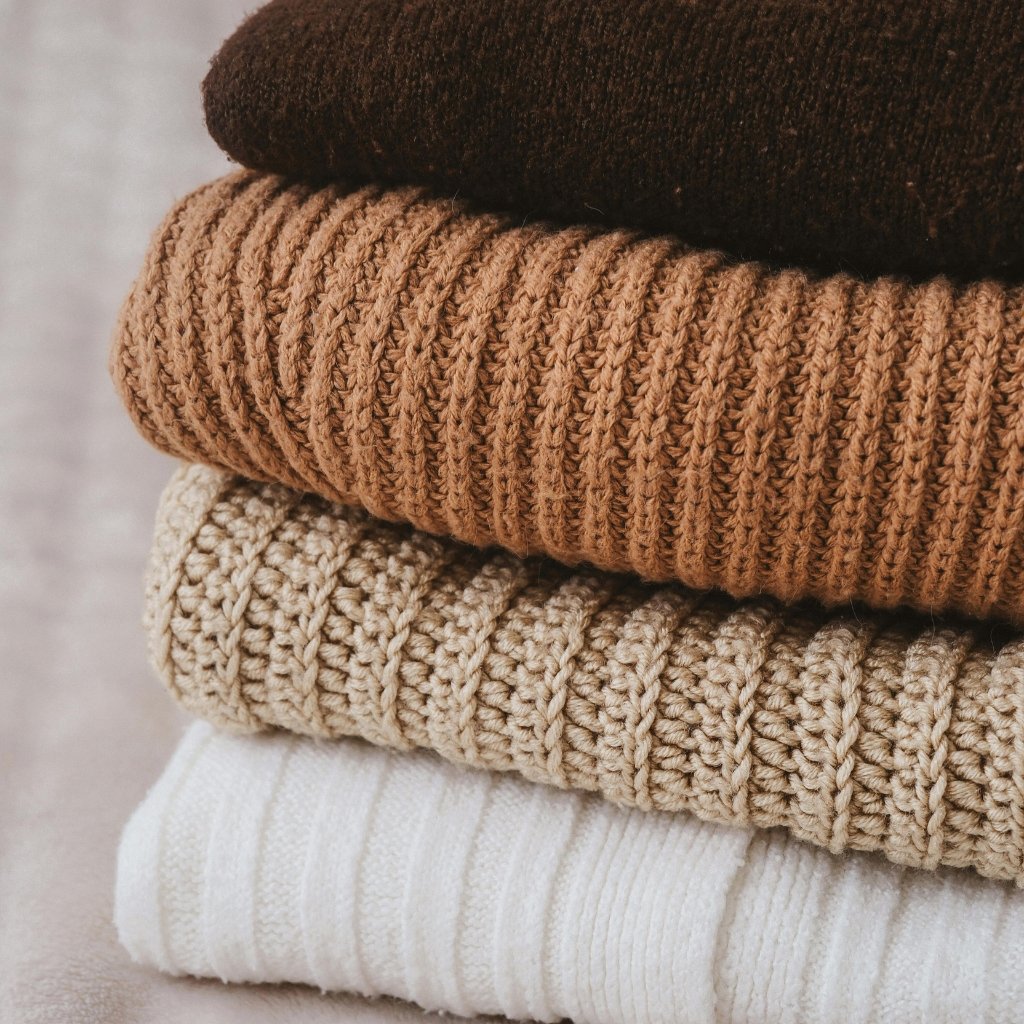
A stack of folded rib-knit cotton sweaters in shades of brown and cream, showing thick, vertical ribbed knit pattern. Rib knit cotton fabric
Cozy rib-knit cotton fabrics in warm earthy tones, highlighting the chunky vertical ribs.

Let us begin by trying to understand what ‘rib knit cotton fabric’ entails by breaking down the word ‘cotton’ first.The cotton plant’s boll yields a soft, fluffy material. People widely like cotton for its breathable, soft, and hypoallergenic properties.

Moreover, cotton is breathable, soft, and hypoallergenic. Naturally, it is one of the best choices to wear as it is comfortable and friendly to the skin.

Now, moving on to the ‘rib knit’ portion of the fabric. This is a specific technique of knitting that adds patterns of raised, vertical lines, or ribs, to a fabric. The ribs do not solely serve a fashion purpose and, in fact, are the secret of the fabric’s magic. This texture is what makes it a rib knit. This unique, wonderful texture stems from its cotton knit construction, which provides exceptional elasticity and recovery.

The History and Manufacturing Process

Two artisans seated on a blue tarp beside a gray brick wall, handling a large mound of white fluffy fibers. They wear dark clothing and head coverings; one person faces the fiber while the other looks downward. A thick cloud of white wooly material billows toward the foreground.
Artisans at work: Wool processing on a blue tarp beside a brick wall.

Learning where rib knit came from deepens one’s appreciation for the artistry. The method has been used for centuries, going from hand knitting to modern case machining. A rib pattern used to be the result of a simple combination of knit and purl techniques covolved by hand for the swesters and socks. Specialized knitting machines accomplish this with speed and accuracy. Read more….History of Cotton Fabric

The process of manufacturing is astounding. A specialized knitting machine with two sets of opposing needles is equipped. The machine draws and loops in a specific alternating order. This process forms vertical rows of stitches on both the surface and inside of the fabric. This means the right and wrong side of the fabric look similar. This double-sided construction allows the fabric to stretch and recover. This is the reason this particular knitting pattern is used for fabrics. Other knit materials do not use this method.

Why Rib Knit is a Stretch Superstar

A neat stack of three chunky rib-knit sweaters in neutral tones (cream on top, beige in the middle, and taupe at the bottom) sits on a light wooden surface with a soft, minimalist background. Rib knit cotton fabric
Why Rib Knit is a Stretch Superstar: the secret to comfort and structure in every stitch.

Undoubtably, rib knit is one of the most flexible types of cotton fabric available today. Much of the stretch capability is due to the unique knit construction which can stretch significantly in width due to the double knit technique. Because of this, it rib knit cotton is one of the most forgiving and comfortable fabrics to put on. Rib knit excels in areas that require constant expansion and contraction, such as cuffs, necklines, and waistbands.

Equally remarkable is its stretch recovery.After you stretch it, the fabric regains its original form with seamless perfection. It does not become baggy and loose over time like other knits do. Rib knit cotton fabric lasting recovery allows these garments to withstand multiple washes while retaining their shape, fit, and polished appearance, making them perfect for heavy use.

Identifying High-Quality Rib Knit Cotton
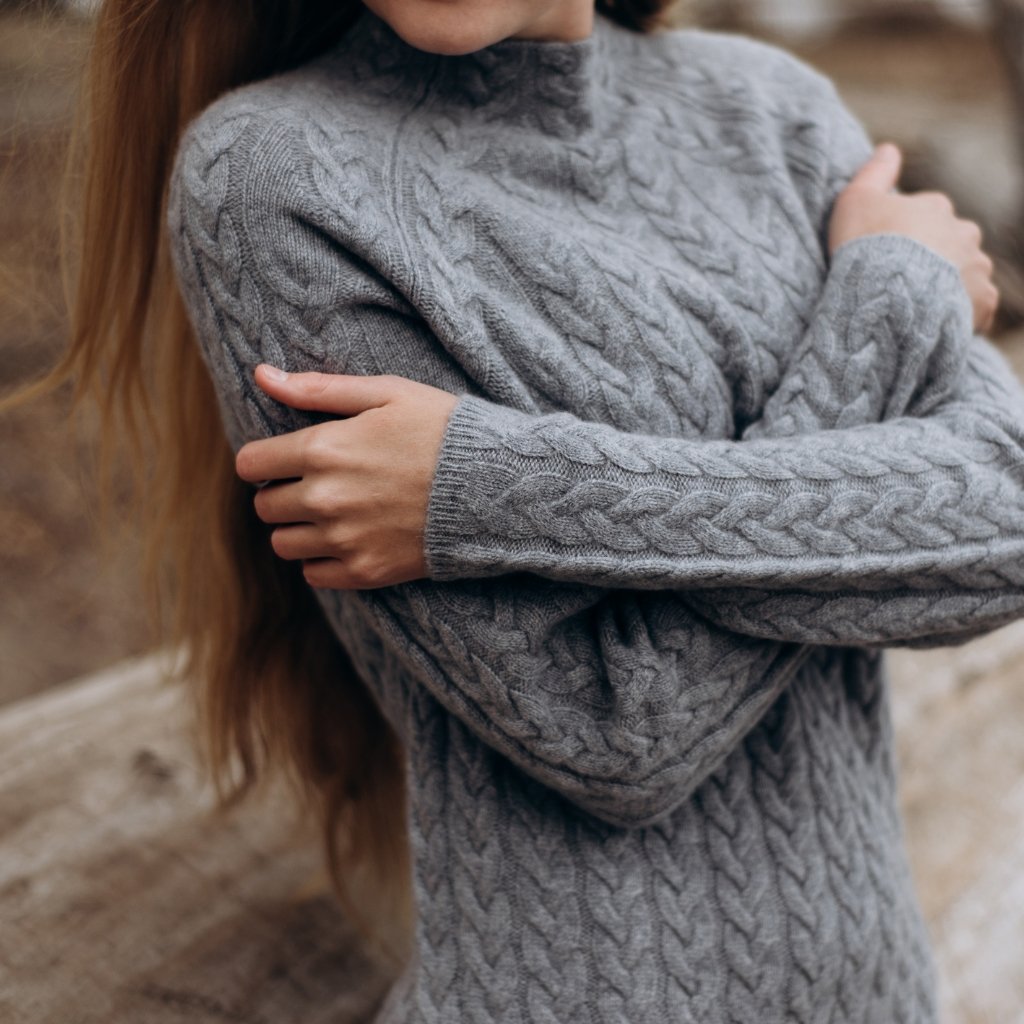
Identifying High-Quality Rib Knit Cotton
Selecting the right rib knit cotton: look for even, tight ribbing and well-defined cable patterns to indicate quality and durability.

Knowing the right technique makes it easier to spot rib knit cotton of the highest quality. First and foremost, the fabric must possess a prominent and well-defined rib texture that is constant throughout the entire piece. When gently stretched, the ribs will pull apart but will snap back together as soon as it is released. This good recovery is a hallmark of resilience.

The fabric should be dense, soft, and cozy to the touch, with a heavier drape than lighter knits like jersey. Ensure the surface remains smooth and soft, or, in the case of rib knit cotton, soft and textured. Unlike single knits, the cut edges should resist curling. While 100% cotton is desirable, a small blend (5-10%) with elastane or spandex will improve the fabric’s stretch and recovery.See more…..organic cotton farbric

Rib Knit Vs. Other Common Knit Fabrics

Stacked assortment of knit fabrics, including rib knit and various other textures in beige, maroon, gray, and striped patterns, piled in a corner.
Rib Knit vs. Other Common Knit Fabrics: A quick look at texture, elasticity, and typical uses.

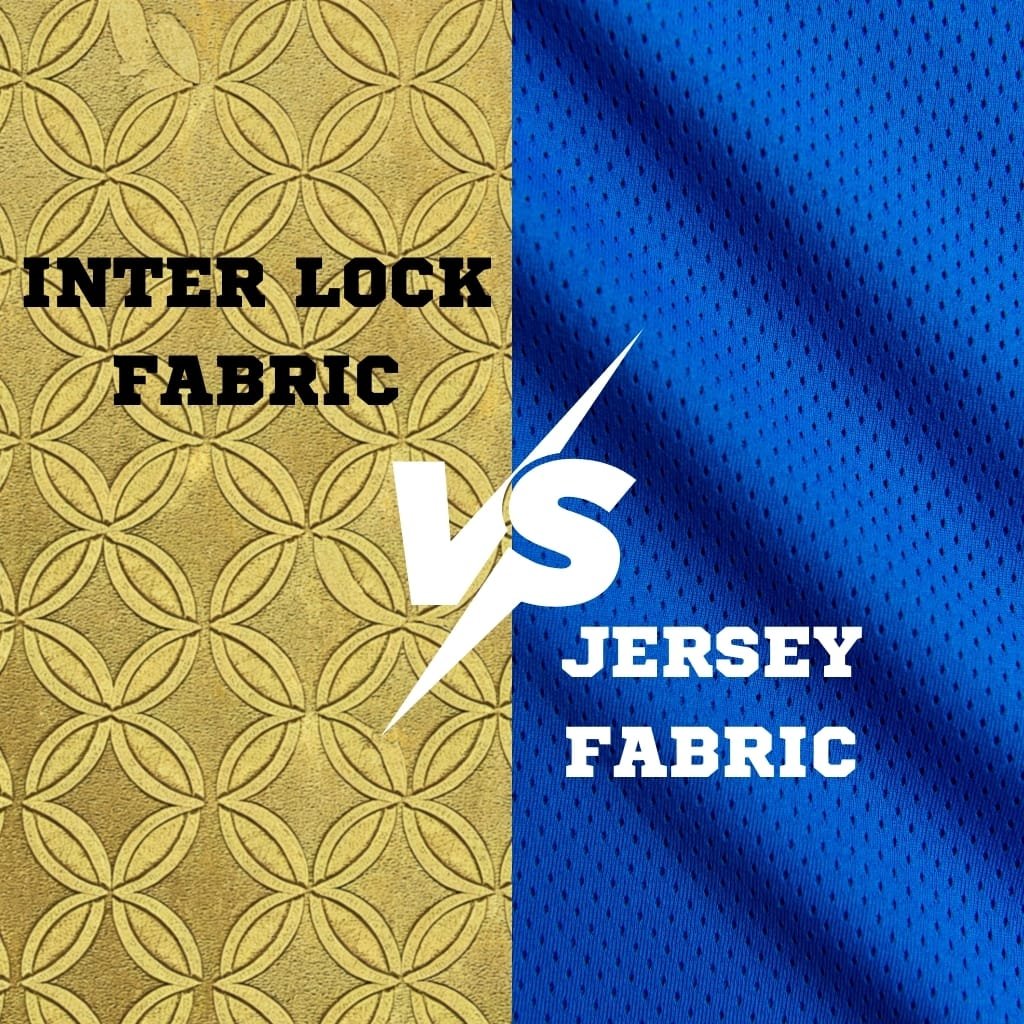
For any fabric sewing enthusiast or shopper, knowing specifically how all rib knit cotton fabric compare to other fabrics is quite useful. Many are also curious to know what rib knit is, as well as, what jersey is. Jersey is a single knit fabric, smooth on one side and with small loops on the other. Light in weight, it drapes softly and is also ideal for t-shirt making. Jersey however, knits more aggressively and is less stretchy than rib knit.

Interlock knit is another fabric which is often compared to rib knit. Like rib knit, interlock is a double knit, therefore, it is stable and does not curl. The main difference is that both sides of interlock knit fabric are smooth and flat, and it does not have any of the distinguishing ribs that a rib knit does. In general, interlock is heavier, has less stretch, and is more costly than rib knit. Each fabric has its perfect purpose. For example, jersey is great for draped tops, interlock for structured t-shirts, and rib knit for collars, cuffs, and close-fitting garments. Read more…..upland cotton

The Brilliant Versatility of Rib Knit Cotton
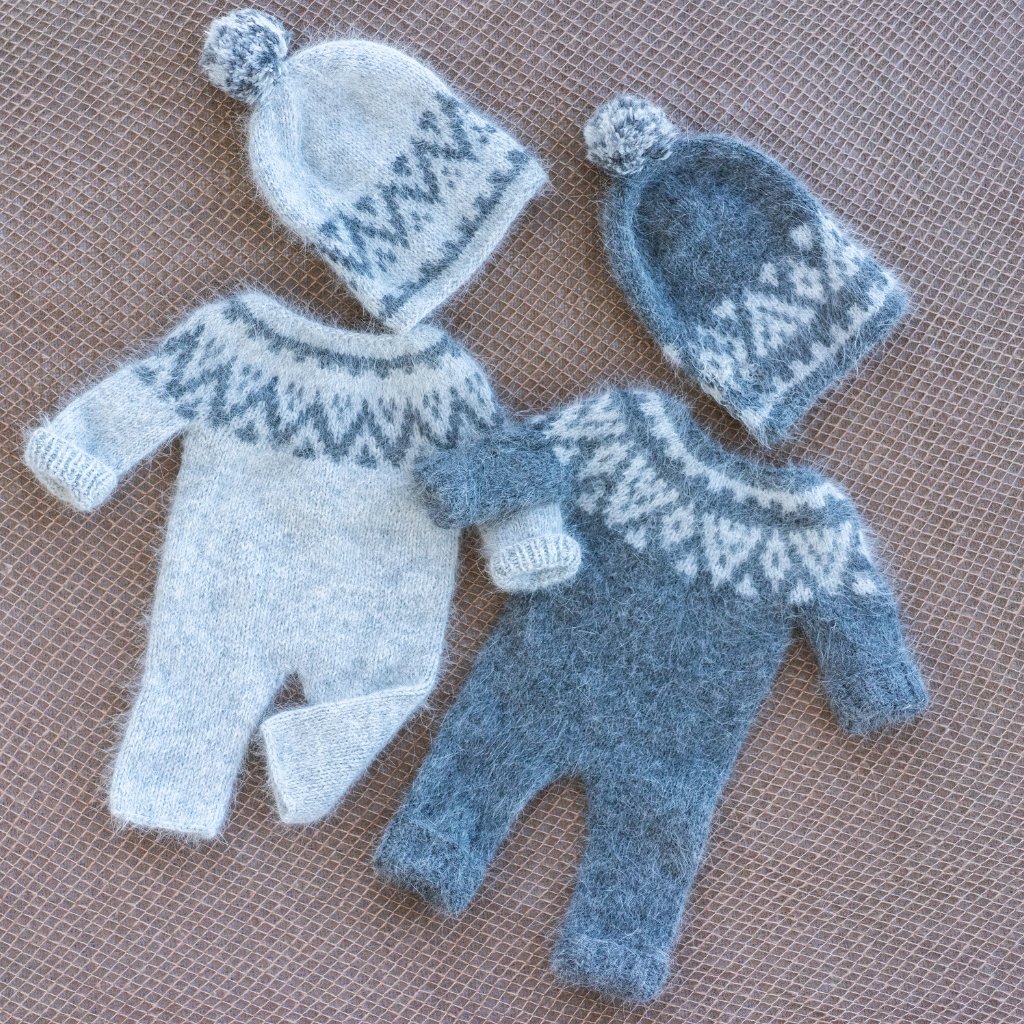
The Brilliant Versatility of Rib Knit Cotton 1
The Brilliant Versatility of Rib Knit Cotton: cozy, textured knitwear in light gray and blue-gray, featuring Nordic-inspired yokes and playful pompom hats.

The adaptability of rib knit cotton is astounding, mainly due to its comfort, stability, stretch, and structure. For the most part, it is used in the functional details of various garments. It is the classic, the most common, and the most preferred option for cuffs, collars, neckbands, and waistbands. It offers gentle compression, which is relieving and never tight or constrictive.

Moreover, it’s the ideal fabric for a number of standalone pieces. Consider for example snug, cozy turtlenecks, warm and flexible beanies, and thick yet wonderfully soft scarves. It’s also extremely popular with children’s and baby’s clothing because of the fantastic softness, stretch, and gentle durability rib knit cotton provides. In addition, it is a favorite fabric for lounge pants, athletic apparel and soft tops. The versatility is truly mind-blowing.In addition to clothing, designers also use rib knit for accessories and even some home decor items, such as throw pillows.

Tips and Techniques for Sewing Rib Knit

A white sewing machine on a bright teal table, hands guiding peach rib knit fabric under the presser foot. Spools of pink and coral thread sit atop the machine; a wall of organized colorful threads in a cubby behind. Various spools and sewing notions lay scattered on the table.
Practical caption: “Master rib knit sewing: steady feed, stretch-friendly stitches, and neat hems—all with your trusty sewing machine.” Engaging caption: “Sewing rib knit like a pro: tips, tricks, and techniques to keep stitches stretchy and seams smooth.

New sewists who want to learn working with knit fabrics should first practice rib knit cotton. Rib knit is easier to manage than the light, slinkier knits because of its stable nature and curly resistance. However, you will still want to employ a few specific techniques to obtain the most professional results.

First off, it is advisable to use a ballpoint needle for sewing knits. This kind of needle has a rounded tip that glides between yarns to avoid piercing them. It helps to prevent snags, runs, and damaged fabric. Second, it is important to use a stretch stitch on your sewing machine, or a narrow zigzag stitch. These stitches enable seams to stretch with the fabric, and prevent popped threads. It the case that you have a serger (overlocker), it will produce beautifully professional finishes on the raw edges. Of course. Here is the sentence converted to active voice:

Avoid stretching the fabric as you feed it into the machine to let the feed dogs assist you.Using a walking foot can also greatly assist with even layer management.

Caring for Your Cotton Rib Knit Items
Caring for Your Cotton Rib Knit Items 2
Caring for Your Cotton Rib Knit Items: gentle washing, proper drying, and storage tips to keep fluffy texture and shape. Use mild detergent, cool water, and lay flat to dry for best results.

Caring for items made from rib knit cotton is beautifully easy. The fabric is not particularly fussy or complex.You can generally wash rib knit garments on a gentle cycle with cool or warm water.

It is a good practice to protect any cotton fabric by washing it with a mild, gentle detergent.You can tumble dry garments on a low heat setting, but to best protect your items for maximum longevity, we highly suggest laying them flat to dry.

This way, they will keep their optimal shape and you can avoid any drying-stress that your items may suffer from.If you need to iron any rib knit items, use a medium setting and gently press on the reverse side. This way, you avoid flattening the beautiful ribs. This attention to detail will keep rib knit items beautiful and functional for years.

Final Thought

The textile world should appreciate versatile rib knit cotton fabric much more. It is the dependable, hardworking workhorse that adds essential comfort, perfect fit, and lasting longevity to our wardrobes. Your coziest hat and the ribbed cuffs on your best sweater do not work tirelessly, but the fabric works behind the scenes to improve the clothing. the clothing is more comfortable and more durable.

The ingenious double knitting technique gives the fabric its amazing durability, elasticity, and signature ribbed design. Just look at your clothes and notice the rib knit. It’s a small detail that makes a big difference. This beautiful, modern fabric has a soft, ribbed texture that truly deserves recognition.

FAQs

Is rib knit cotton fabric stretchy?

Yes, absolutely! Rib knit cotton is famous for its excellent stretch widthwise, thanks to its unique double-knit construction. It also has great recovery, meaning it springs back to its original shape after stretching.

What is rib knit cotton best used for?

Rib knit cotton is incredibly versatile! It’s ideal for cuffs, collars, waistbands, turtlenecks, beanies, and baby clothes due to its stretch, softness, and durability.

How is rib knit different from jersey knit?

While both are knits, jersey is a single-knit fabric with a smooth side and a loopy back, and it curls at the edges. Rib knit is a double-knit with raised ribs on both sides, offering more stretch and stability without curling.
What is Interlock Cotton? Your Guide to a Softer, Stronger Fabric

0

Have you ever come across that perfect t shirt? One that is soft, cozy, and pristine even after multiple washes?That exceptional product is possibly made from a special fabric we will discuss today: interlock cotton. The textile industry considers interlock cotton one of its best fabrics due to its softness and durability, and it leaves many users satisfied with their basic clothing items. In this article, we will dive into why experts consider interlock cotton such a magnificent fabric. We will also explore how manufacturers make it, why it feels so soft to the touch, and how it compares to other types of cotton.

Let’s start with the question, what is interlock cotton?

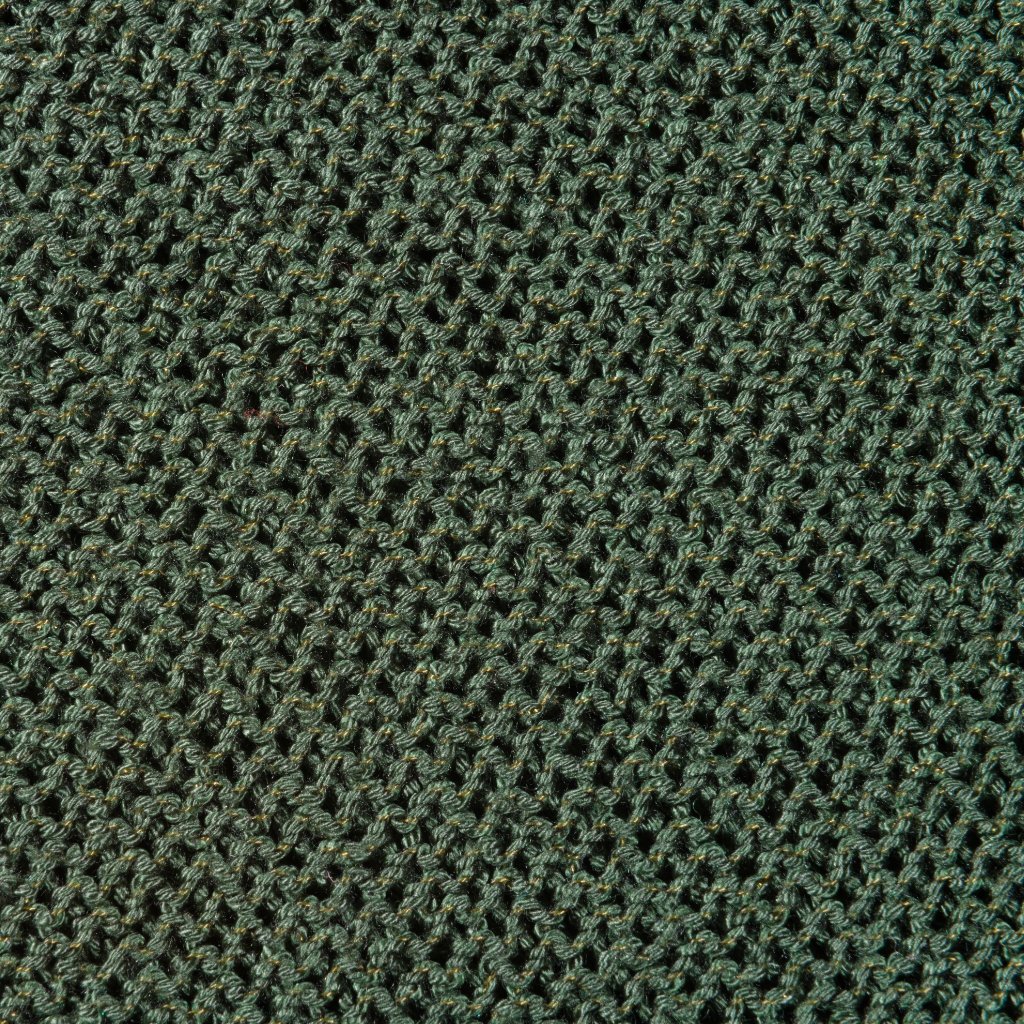
Close-up view of dark green interlock fabric with small, repeating interlocking loops.
Close-up of dark green interlock textile.

Interlock cotton is a type of knit fabric which can be classified as the fabric made from two layers of jersey knit. In this system, two layers of jersey knit are considered to be…oces…interwoven. Owing to this method, the fabric appears opaque. Because of this, both sides can be smooth and the fabric can be draped easily.

The density of the fabric is another defining characteristic of the material. Quantity has a certain heft and quality to the hand. Grasping interlock cotton begins with the distinctive double layer construction. The unique attributes are a result of the method of construction. It is a common material selected for a wide range of applications. Many makers appreciate the material because of its workability.

The Special Way Interlock Cotton is Made

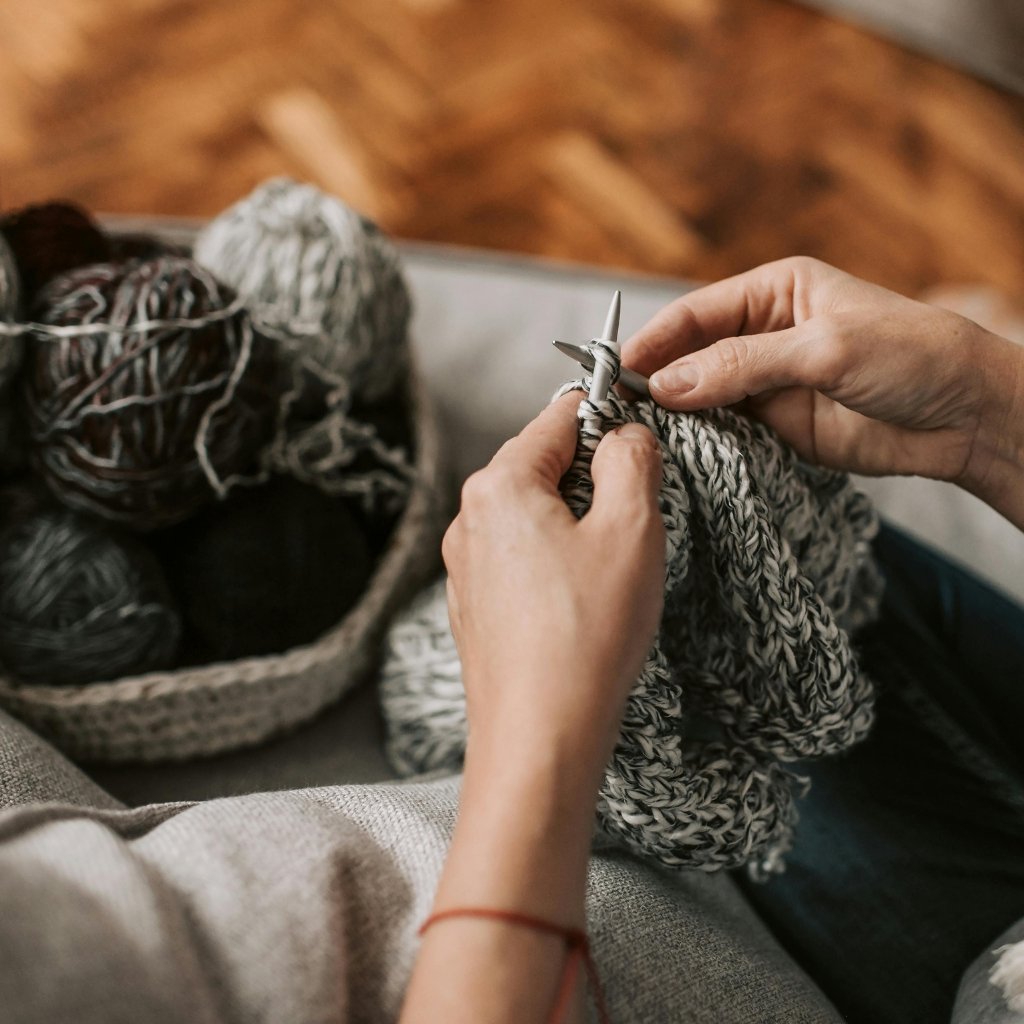
Close-up of hands knitting with thick gray yarn and metal knitting needles; a ball of yarn in a basket in the background.
Cozy knitting moment: weaving chunky gray yarn into warm fabric.

The method of construction is intriguing. A single set of needles makes a regular jersey knit. Conversely, two sets of needles, operating in perfect unison, create an interlock knit. They simultaneosuly form and knit two sheets of fabric. The end result is akin to a sandwich with the bread joined. The fabric does not curl at the edges. That is a massive advantage for any sewist.This pliable fabric behaves well, and you can tack it with ease. The term “interlock” derives from the interlaced looping techniques that form its distinctive construction.

The ship’s technologic ballet is astounding. See more …..Canvas Cotton Fabric

Why You Will Love the Feel of Interlock Cotton

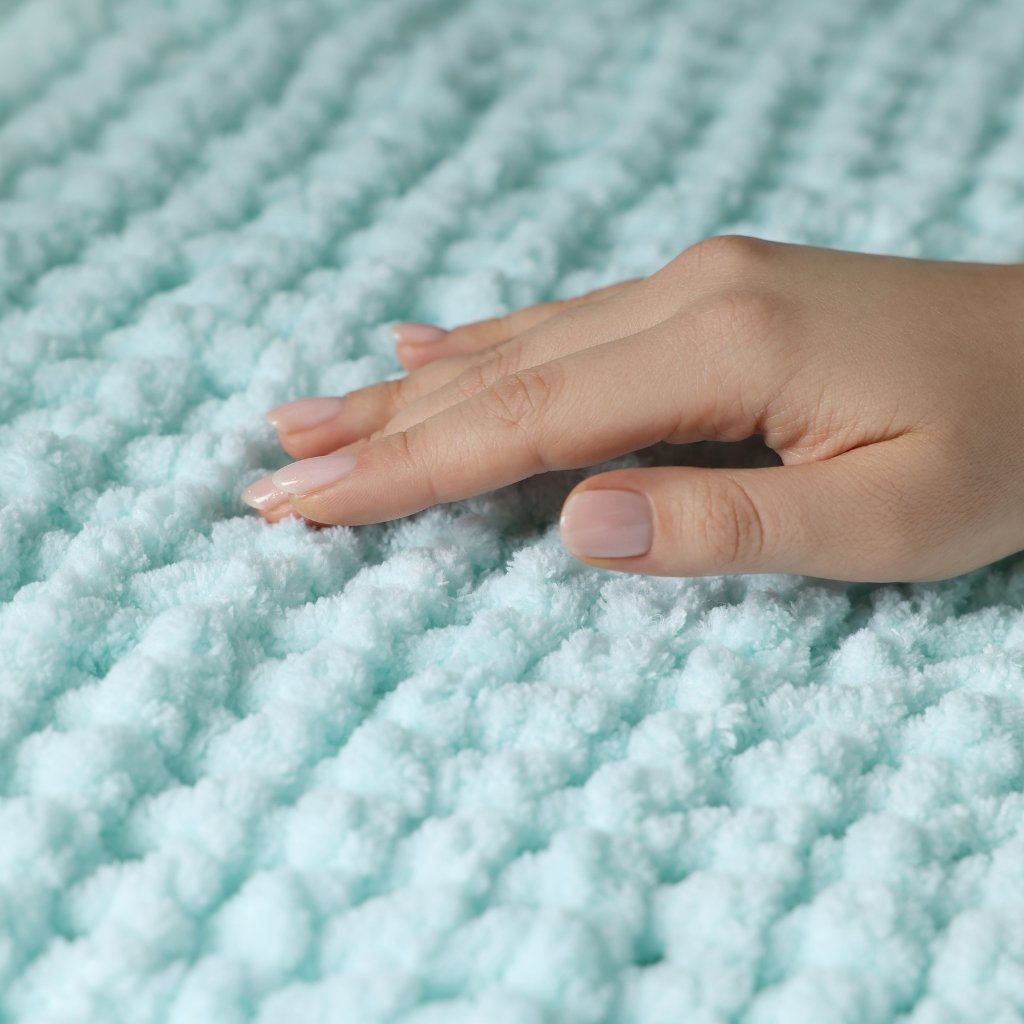
A close-up of a hand with light skin and neatly manicured nails resting palm-down on a fluffy, light aqua-blue textured surface. what is interlock cotton
Gentle touch on a plush aqua rug.

Its remarkable suppleness provides unbelievable smoothness against the skin, enhanced by the absence of irritating seams. This gentleness ensures all-day comfort and a wonderful sense of coziness. The material’s stretch allows it to move effortlessly with the body while maintaining surprising sturdiness, avoiding any flimsy or thin feel. This balance is rare. The fabric’s pleasant feel makes it suitable for any season, providing warmth in winter and breathability in summer.

Interlock Cotton Versus Other Cotton Fabrics

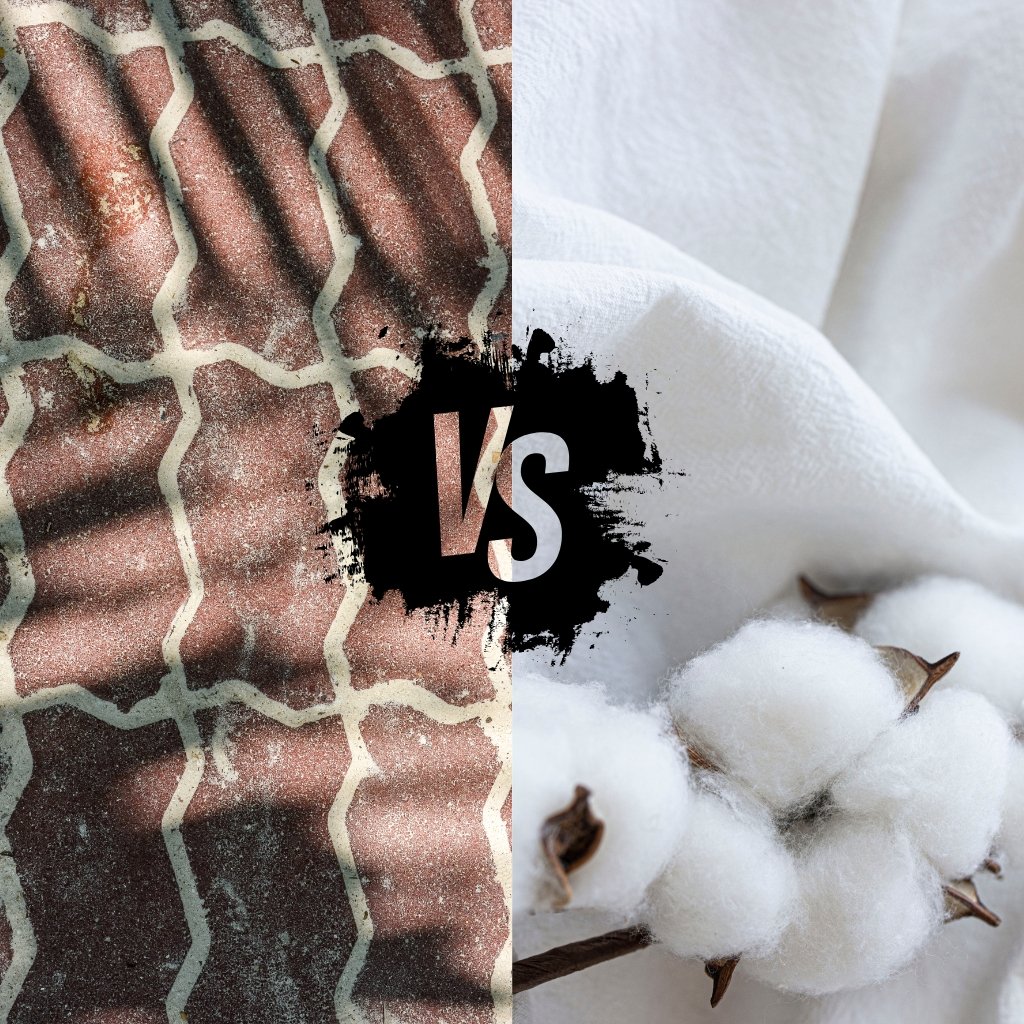
A split image comparing two textures: left side shows a red brick-like surface with a wavy white pattern; right side shows white cotton bolls against a soft fabric background with a light gray/white tone. what is interlock cotton
Textural contrast: brick patina versus cotton bloom — a visual ‘VS’ of materials.

It is useful to make some comparisons. Jersey cotton is another knit fabric. It is lighter and thinner than interlock. It also has the annoying tendency to curl at the cut edges. Interlock cotton, on the other hand, is more thick and more stable. Pima cotton fabric is a type of long-staple cotton fiber. It has a reputation for being silky smooth. You can make interlock fabric from Pima cotton, and this combination creates the height of luxury. Another common fabric is rib knit. It features raised, somewhat bumpy lines, and manufacturers often use it for cuffs and collars.

Interlock is much smoother and has a much cleaner look than rib knit. Each fabric has its own best use.The Numerous, Fantastic Applications of This Fabric

Many people are aware of this fabric’s versatility, and have likely bought a few items made of it. This fabric is one of the best choices for baby clothing because it is exceptionally soft and very durable, able to withstand multiple washes while still appearing new. It is also ideal for cozy pajamas and loungewear. Interlock cotton t-shirts are quite common, as well as for dresses, skirts, and lightweight sweaters. This fabric’s wonderful breathability also makes it great for exercise clothing. One can even find this fabric used for high-quality bed linens. The list is nearly endless. It is quite remarkable how versatile this fabric is.

Care Instructions for your Interlock Cotton items

A white laundry detergent bottle with a gold cap sits on a surface beside folded pink clothes and pink flowers in a laundry room.
Detergent bottle with pink laundry and flowers in a bright laundry room.

This fabric is easy to care for. Machine wash inside out in cold or warm water with a gentle soap to preserve color. Tumble dry on low or line dry for best results. If needed, iron on medium heat with steam. Following these instructions will prolong the life of your garments. Read more …..History of Cotton Fabric

Finding Your Perfect Interlock Cotton

A white laundry detergent bottle with a gold cap sits on a surface beside folded pink clothes and pink flowers in a bright laundry room. interlock cotton
Detergent bottle with pink laundry and flowers in a sunny laundry room.

Maybe you’re ready to buy some now. These days, it also available in brick-and-mortar shops, as well as online. When you shop, just remember to to touch the fabric. The good quality interlock will always feel soft, as well as dense. Also, it should be able to spring back when you try to stretch it. Always remember to check the label to see the cotton content. It’s great to have one hundred percent cotton. Sometimes, a small amount of spandex is added for added stretch. This could be a plus for some projects. The search for the right material is always fun. Read more ….Drill Cotton Fabric

Conclusion

In conclusion, the fabric made from interlock cotton is interlock cotton is very unique, and soft yet strong at the same time and very comfortable to wear. It is a wonderful blend of strength, comfort, and ease of use. It comes as no surprise why people love it. Interlock fabric is made for comfy clothes and family favorites. Now, you know the answer to the interlock cotton question. You can scout for interlock cotton clothes and fabric with a lot more confidence. We

will instantly identify the fabric’s double knit weave. You should easily check the closet to find clothes made of interlock cotton. You will understand the difference. This unique fabric might easily become your next favorite as well. Happy sewing and happy wearing.

FAQs

Is interlock cotton good for summer weather?

Absolutely! Despite being a thicker knit, interlock cotton is highly breathable. It allows air to circulate, which helps keep you cool and comfortable on warm days, making it a great year-round fabric.

Does interlock cotton shrink after washing?

Like most cotton fabrics, interlock cotton can shrink a little if washed in hot water or dried on high heat. To prevent this, we recommend washing in cool water and tumble drying on a low setting or line drying.

 What’s the main difference between interlock cotton and jersey cotton?

The main difference is in their structure.The single-knit structure of jersey fabric makes it lighter and causes its edges to curl. Meanwhile, the double-knit construction of interlock fabric makes it thicker, more stable, and smooth on both sides, so its edges do not curl.

Suede Bomber Jacket: Timeless Style & Versatility for Season

0

The legacy of the Suede Bomber Jacket is of a captivating blend of the old and the new. The jacket started as a piece of attire for the army but over time became a must-have in the fashion industry. The suede fabric is sleek and luxurious. With the bomber design complimented, the suede fabric adds a touch of refinement. Additionally, the bomber jacket fuses rugged masculine charm and polished ladylike sophistication. Therefore, the bomber suede jacket is a timeless piece as well as in style for every season. This makes it a staple in every wardrobe.

The Timeless Charm of the Suede Bomber Jacket

"A stylish man with a beard and glasses wearing a two-tone suede bomber jacket, white t-shirt, dark jeans, and a maroon beanie, standing outdoors in front of a bright yellow building and a modern glass entrance."
“Timeless style in suede: a modern bomber that pairs warmth with sleek simplicity.”

The Suede Bomber Jacket possesses a charm that none other piece of outerwear can match. Suede, unlike synthetic fabrics, possesses natural beauty and a certain level of depth. In addition, the softness of the fabric exudes class, while the shape maintains a level of ruggedness. This balance is the reason people from all eras appreciate the balance of styles. From streetwear to high-fashion, the suede jacket can do it all. Hence, it continues to be a timeless piece of outerwear.

The Unique Appeal That Defines the Suede Bomber Jacket

The Suede Bomber Jacket gives an eccentric charm that uplifts outfits instantly. The jacket’s renowned surface texture enhances the aesthetic with dollops of class, serving as a value addition even to the piece’s most basic counterparts. Moreover, it adds a significant level of warmth while remaining light, boosting comfort even further. Side-by-side comparisons reveal that many favor suede to leather bomber jacket because of its subtle beauty. Indeed, the term, luxury bomber, is often used to illustrate the suede jacket. This allows the suede jacket to be an ideal wearing choice for people who appreciate effortless subtle beauty.

Why the Suede Bomber Jacket Stands Out in Fashion

The Suede Jacket is unique due to the classic and modern twist it possesses. It holds a sense of history, while also tailoring to present day fashion. Also, the ribbed cuffs, waistbands, and zip-up closure add a thoughtful portable function. Combined with the suede’s luxurious feel, it creates an unparalleled juxtaposition. So many jackets exist, but few can have the same impact. That is why the suede jacket remains as the champion of jacket lovers around the world.

Suede Jacket – Fashion Polished

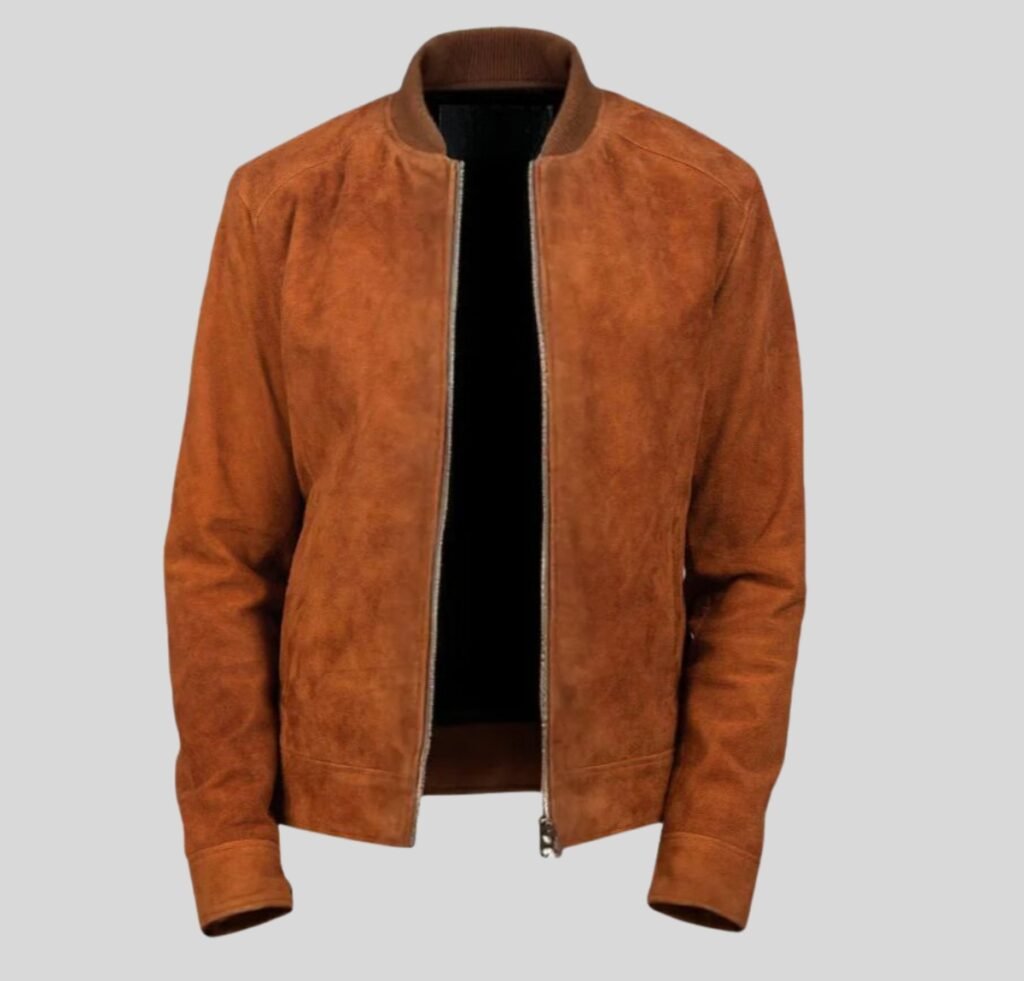
"Brown suede bomber jacket with a front zipper, ribbed collar, cuffs, and hem, displayed against a light gray background."
“Suede Jacket – Timelessly polished in rich brown suede with a sleek zip-front design.”

The Suede Bomber Jacket demonstrates that bomber jackets are not reserved for casual outfits. It flawlessly integrates into an polished look. Add – slim fit trousers and loafers and it transforms into evening wear. Moreover, darker suede colors such as navy and black add a touch of sophistication. Throw on a stark dress shirt on top and it turns into a semi formal outfit. This fact makes sure that the suede jacket will always be needed for those classy-chic events.

With the Rise of A New Season Comes New Purpose – Suede Bomber Jacket

Suede Bomber Jacket is one of the very few jackets that can be worn in all four seasons. In the spring, it is conveniently used as a light layer over T-shirts. In the summer, it can be worn over stratcher and chinos for a chic summer evening look. In the autumn, the bomber jacket in suede is available in Earthy tones, which fits the colors of the season perfectly. In the winter, it keeps you very warm when worn over a thick sweater. These combination of reasons make the suede jacket always in season.

The Effect of Color on Mood of the Suede Bomber Jacket

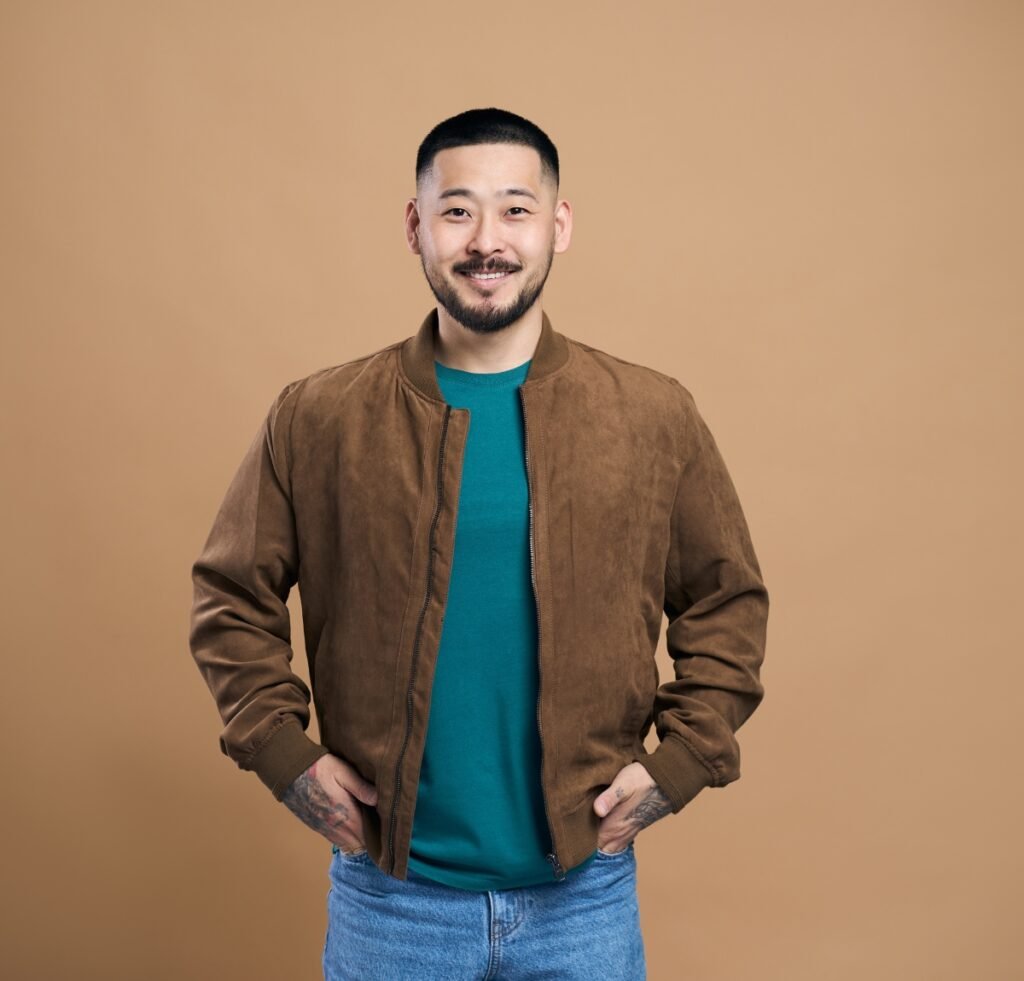
A smiling man stands against a warm beige background wearing a brown suede bomber jacket over a teal-green shirt and light blue jeans. He has short black hair and a neatly trimmed beard, with his hands casually tucked into the jacket pockets.
The Suede Bomber: Exploring how color influences mood—earthy brown suede paired with a vibrant teal shirt creates a balanced, approachable look.

Wearing the Suede Bomber Jacket brings the wearer into a world of color with every tint unlocking a new feeling that the user can experience. Any user can go type of user can go with casual vintage vibes with tanned shades or feel the sleek power that black defines. Each Personality can express with the use of each colors that adapt to the different colors on the personality and mood of the user. As the saying ‘the more the merrier’ applies to the different shades a user can have with the different combinations they create. Hence the suede jackets in different hues forms a basis to create numerous combinations.

The Characteristic Traits of a Bomber Suit Jacket

Though Suede Bomber Jacket may glamour against a user’s body, users should acknowledge that respectful treatment must be accounted for. Stains can be a nuisance; however, it is crucial to remember that using sparkling water to remove them is the least effective. Even more, undesired sunlight can ruin the shine on the suede and make the jacket lose color. Hence with the right treatment, bomber jackets can maintain their shine and compliments for multiple years. Thus it is a user’s decision in the end to have the compliments to them or let the jacket lose their compliments.—

The Suede Bomber Jacket for Men’s

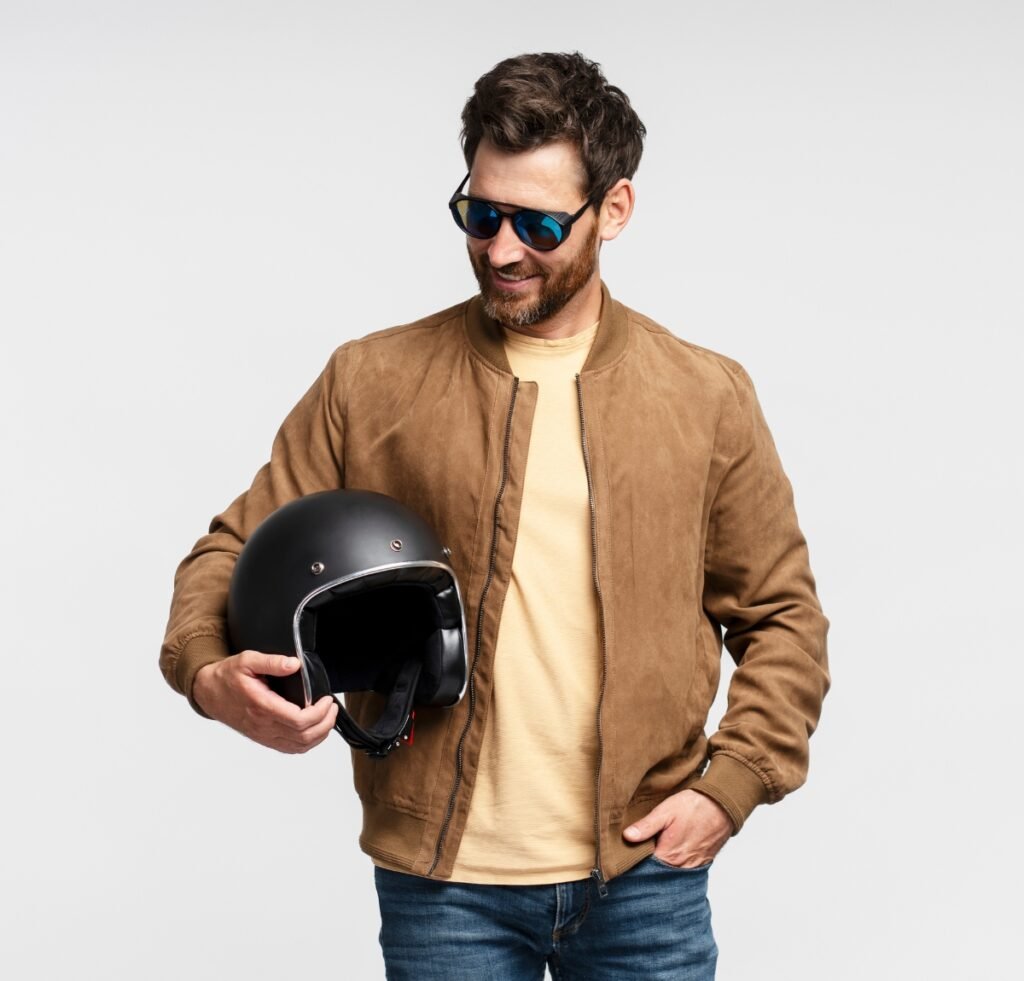
A stylish man wearing a light brown suede bomber jacket over a beige T-shirt and blue jeans, holding a black open-face helmet while wearing reflective sunglasses.
Effortless cool: The Suede Bomber Jacket for Men pairs premium suede with a relaxed silhouette for daily versatility.

The Suede Bomber Jacket has a strong silhouette that blends the masculine edge and the supple suede elegance. Pared with jeans, chinos, and even tailored trousers, the jacket looks great. Also, the boots and sneakers footwear options go nicely with the jacket. This makes it easy for men to wear the jacket for various occasions. From relaxed weekends to evening outings, the suede jacket effortlessly elevates men’s outfits.

The Suede Bomber Jacket for Women’s

A stylish woman outdoors wearing a warm caramel suede bomber jacket, light blue denim shirt layered underneath, and white jeans. She has a wide-brimmed matching suede hat and is smiling while adjusting her jacket pocket, with a modern urban backdrop.
Effortless chic in suede: the Suede Bomber Jacket for Women — a versatile staple that pairs with denim and tees for a polished, urban look.

The Suede Bomber Jacket is equally embraced by women’s fashion. Women style it over dresses, skirts, or slim-fit jeans. The heel brings a form of chic to the outfit, while the sneakers make it a more relaxed look. The jacket is a modern statement that adds style and comfort. From brunch outings to evening strolls, the suede jackets makes fashion sense.—

The Suede Bomber Jacket in Modern Fashion

Designers keep the suede bomber jacket alive by putting their own twists to it in modern fashion landscapes. New fits, shades, and details are added and even some celebs wear it in street fashion and haute couture, keeping it relevant to all ages. No matter how the current trends have changed, the suede jackets is strong enough to be kept in its core identity, and thus, it is able to merge the traditional and modern influences.

Mastering Layers with a Suede Bomber Jackets

The flexibility of the suede jackets lies in the fact that it can be a part of the outfit as a layering piece. In the cold months, it can be worn on top of the hoodies or the knits. In the cold months, it can be worn on top of the hoodies or the knits. Add some scarves to the look to add some textural contrast, perfectly complementing the suede. In the interim periods of the cold, it is super easy to layer it with light-weight shirts. All of these combinations provide a certain unique elegance. Consequently, layering is an excellent way to expand outfit combinations. The suede jackets truly has unparalleled flexibility in providing stylish layered looks.—

Choosing Which Model to Buy

The Suede Bomber Jacket is made for elegance and must fit correctly. Shoulders must align and not be tight. Balance means sleeves must end at the wrist. In addition, the hem must rest on the waist and not below to maintain the bomber balance. There is a degree of comfort to a fit that goes unrecognized. In comparison, to be too loose is to be sloppy and to be too tight is to be uncomfortable. Therefore, the suede jacket is both stylish and wearable as a consequence of proper fit.

The Suede Jacket Will Be A Piece You Cannot Pass Up

The Suede Bomber Jacket will stand the test of time unlike other clothing pieces with patterns that change. A sign of sophistication will be the marks high quality suede will reveal as time passes. Not only will the suede jackets be an affection to style as it ages, Long lasting pieces adorn your wardrobe to add value that span several decades with quality care. The thoughtful purchase with proper care will give the owner a long lasting piece of clothing. In the end, the suede jackets will be more than just an article of clothing. It will be a submissive guardian for the owner.

Conclusion

As the most versatile item, every wardrobe should have a Suede Bomber Jacket. It elegantly combines casual and formal. Additionally, it works well with every season and is unisex. It goes with a great number of outfits. It will remain stylish for many years if proper care is taken. These traits make the suede jackets especially prominent as a staple piece. It is a garment that should be kept for an eternity.
Read More Article// Types of Bomber Jackets: The Complete Guide to Style & Function

FAQs

What makes a Suede Bomber Jacket different from a leather one?

A Suede Bomber Jacket differs because suede has a softer, textured finish. It feels more refined compared to leather’s rugged, glossy surface.

Can a Suede Bomber Jacket be worn year-round?

Yes, the Suede Bomber Jacket works in every season. It is light enough for spring and summer evenings, yet warm eno ugh for layering in fall and winter.

How do you style a Suede Bomber Jacket for casual outfits?

A Suede Bomber Jacket pairs perfectly with jeans, t-shirts, and sneakers. This combination creates a relaxed yet elevated casual style.

Can a Suede Bomber Jacket be worn for formal occasions?

Yes, the Suede Bomber Jacket works in smart-casual and semi-formal settings. Pair it with tailored trousers, a button-down shirt, and loafers for a refined look.

How should I care for my Suede Bomber Jacket?

To care for a Suede Bomber Jacket, use a suede brush regularly. Apply protective spray, avoid water exposure, and treat stains with a suede eraser.

What Is Wool Fabric? A Complete Guide to Its Types and Uses


What is woven wool fabric? Woven wool is a type of woolen fabric that is made through a weaving process. Wool is spun into threads and woven into pure woven wool fabric. Wool threads can woven into numerous combinations. These woolen threads can also…

History of Wool Fabric and Its Origin

It is important to start with history when answering wool fabric’s ‘what is wool fabric’? First of all, wool is believed to be in existence from ancient times. Archaeologists have found actual pieces of wool textiles from 4000 BCE in Mesopotamia. Over the years, the breeding of sheep wool changed and new species that bred finer and softer varieties of wool were developed.

During the Middle Ages, wool fabric production and trade spread to other parts of Europe, especially the wool regions in Spain and England. As a result of the Industrial Revolution, spinning and weaving wool fabric was automated, heavily wool textiles were used in global trade. These days, in response to the question, what is wool fabric, people recognize it more as a modern textile, though it has the history behind it.

What is Wool Fabric Made of?

When someone faces the question what is wool fabric made of, it can be answered because it is composed of proteins. The primary structure of wool consists of keratin, the same type of protein found in human hair. Each of the fibers has a natural curl to it and is comprised of a scable surface which subsequently has a better insulation due to the air that is trapped inside.

Also, the diameter of the wool fibers determines the softness and the quality. Finer fibers, such as in Merino wool, are smooth on the skin, while the coarser ones are strong and durable. Thus, what is wool fabric relies heavily on the origin and the characteristics of the fibers as well.

Properties of Wool Fabric

What is wool fabric warrants the study of its particular traits that distinguish it from cotton, silk, and synthetic textiles.

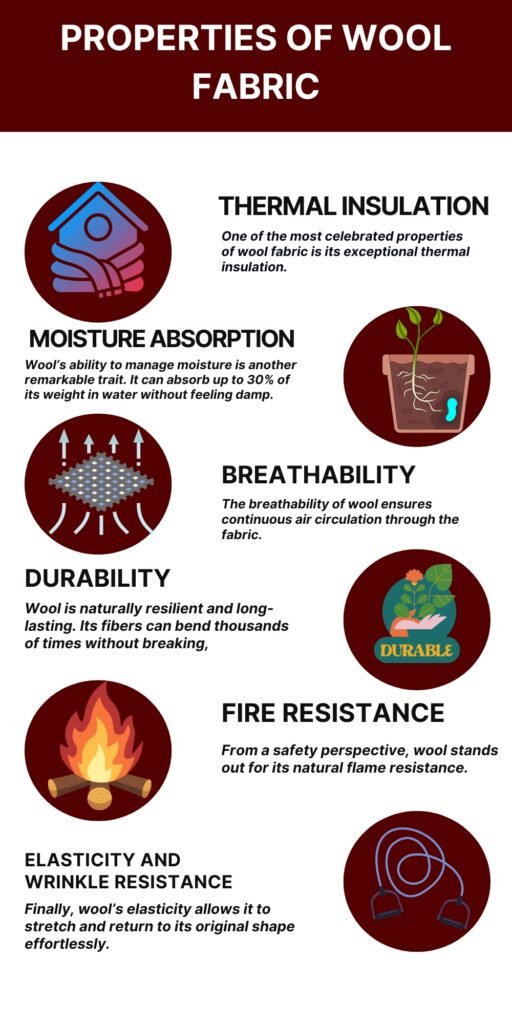
A vertical infographic titled “Properties of Wool Fabric” with circular icons and labels:
A house-wrapped wool icon labeled “Thermal Insulation” and caption about exceptional thermal insulation.
A plant-growing in soil icon labeled “Moisture Absorption” with caption about absorbing up to 30% of its weight in water.
A textured fabric icon labeled “Breathability” with caption about continuous air circulation.
A “Durable” badge with a plant icon and caption about natural resilience and long-lasting fibers.
A campfire icon labeled “Fire Resistance” with safety note about flame resistance.
A curled elastic icon labeled “Elasticity and Wrinkle Resistance” with note about stretch and recovery.
Properties of Wool Fabric: thermal insulation, moisture absorption, breathability, durability, fire resistance, and elasticity with wrinkle resistance.

Thermal Insulation

In discussing what is wool fabric, thermal insulation should be noted. Wool fibers tend to naturally trap air, forming a layer that keeps the heat in during the winter and allows the body to breathe in the summer.

Moisture Absorption

Of wool fabric, as covered in what is wool fabric, it manages moisture extraordinarily well. Wool can absorb up to 30% of its weight in moisture and still not feel wet, allowing the wearer to remain comfortable.

 Breathability

When such people are asked what is wool fabric, they are often told about the fabric’s incredible breathability. It enables air circulation, so the body does not overheat and remains comfortable in hot and cold seasons.

 Durability

Addressing what is wool fabric without taking durability into consideration would be a mistake. Wool fibers can bend thousands of times without breaking, which is why garments can be used for years.

Fire Resistance

What is wool fabric in terms of Health and Safety? Wool fabric has a naturally flame-resistant property. Its unique features makes it an excellent choice for protective garments and furnishings since it does not melt and is very difficult to ignite.

Elasticity and Wrinkle Resistance

Lastly, any discussion of what is wool fabric would not be complete without mentioning its elongation. Wool is a type of fabric whereby the constituent fibers rapidly return to the the ordinary shapes and therefore, resisting wrinkles and untidy imposition.

Types of Wool Fabric

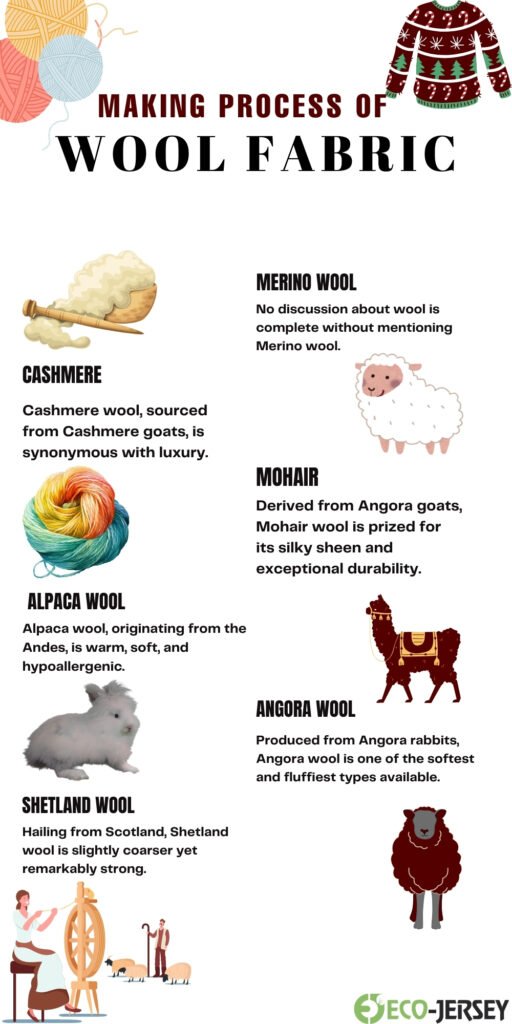
Infographic titled ‘Making Process of Wool Fabric’ with illustrations of cashmere, alpaca wool, Shetland wool, merino wool sheep, mohair camel, Angora wool camel, and yarn skeins in pastel colors. Each fiber type has a short description: Cashmere—cashmere wool sourced from cashmere goats; Alpaca Wool—warm, soft, and hypoallergenic; Shetland Wool—scotland origin, strong; Merino Wool—no discussion complete without mentioning Merino wool; Mohair—derived from Angora goats, prized for silky sheen and durability; Angora Wool—produced from Angora rabbits, softest and fluffiest; etc.
Different types of wool fibers used to make wool fabric: cashmere, merino, alpaca, mohair, angora, Shetland, and Angora wool.

In any discussion of what is wool fabric, one has to take into account a set of variations. Each of these are derived from either a different animal or region thus having distinct textures and unique features.

Merino Wool

What is wool fabric without Merino wool? Merino wool is of fine fibers and therefore, is very soft. Its, lightweight and breathable nature makes it comfortable to wear and it is therefore, derived from Merino sheep.

Cashmere

What is wool fabric is what you can call Cashmere. It is works of magic as Cashmere goats are responsible for providing wool that is soft, warm, lightweight and all these makes it a perfect luxury wool for sweaters and scarves.

Mohair

What is wool fabric when one talks of its shine, and durability? Mohair is from Angora goats, and it has a silky luster, and great strength that is used for suits and home furnishings.

Alpaca Wool

What is wool fabric for hypoallergenic purposes? Alpaca wool is sought for its warmth and softness and its non-irritating structure ideal for sensitive skin.

Angora Wool

Without a doubt, Angora wool is at the top when it comes to the fluffiest type for people wondering what is wool fabric. Acquired from Angora rabbits, this type is the most soft and warm for use in winter wear.

Shetland Wool

For those wondering what is wool fabric for strength purposes, Shetland wool hailing from Scotland is your answer. Slightly coarse in texture, this type is still strong and ideal for use in sweaters and outer garments in colder climates.

How Is Wool Fabric Produced?

Production plays an equally important role when defining what is wool fabric. The process begins with shearing the animals once or twice a year. The next step is the raw fleece which is then cleaned in a process termed scouring to eradicate the grease and other impurities. Once dried, the fibers are carded or combed into smooth strands.

These strands are spun into yarn and later woven or knitted into fabric. Finally, the process of finishing is carried out which emphasizes the texture, color, and durability and involves processes such as dyeing or fulling. As seen, what is wool fabric outlines the combination of craftsmanship with modern technology.
Uses of Wool Fabric

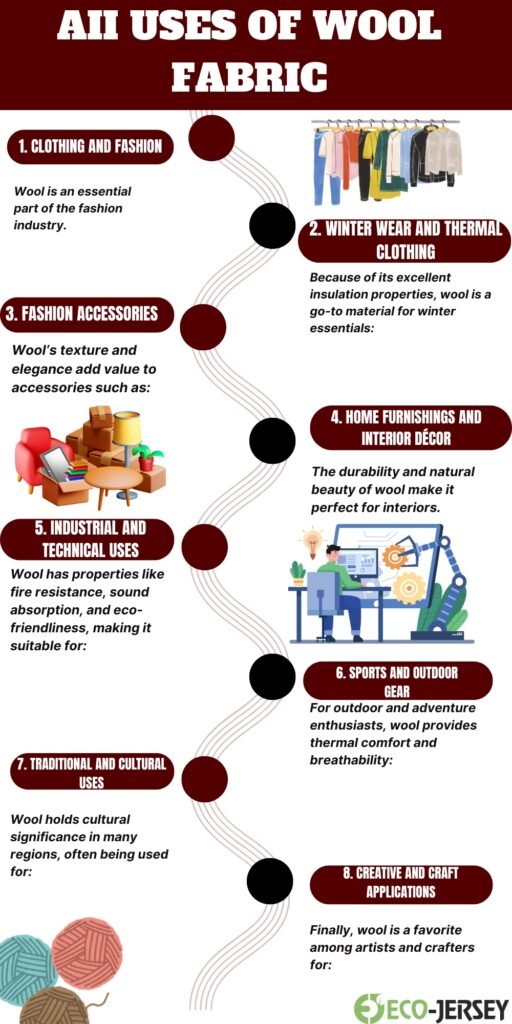
all uses of wool fabric
All Uses of Wool Fabric: From everyday clothing to industrial and creative applications.

Anyone inquiring as to what is wool fabric will undoubtedly be answered by its applications in multiple industries.

Clothing and Fashion

What is wool fabric in fashion? It is hard to imagine winter wardrobes without wool coats, woolen sweaters, woolen scarves, and woolen suits. Owing to its ability to resist wrinkling and its warmth, wool is equally suited to both formal and informal apparel.

Home Furnishings

What is wool fabric in interiors? Its strength, beautiful texture and natural attractiveness allow it to be used in carpets, rugs, blankets, and all types of woolen covering for furniture.

Technical Textiles

What is wool fabric beyond fashion? Fire resistant uniforms and sportswear, acoustic panels and certain types of sportswear all depend on wool for its insulating, safe, and breathable qualities.

Advantages of Wool Fabric

In the case of wool fabric, we need to point out the following benefits:

  • Eco-Friendly: It can be regenerated and it is able to be broken down naturally
  • Comfortable: It can absorb moisture, with a high-level breathability
  • Durable: Withstands the test of time, with a high-level resilient
  • Odor Resistant: It is able to repels unpleasant smells, and bacteria
  • Versatile: It can be used in any fashionable, industrial, and interior piece

Disadvantages of Wool Fabric

In the particular case of wool fabric, there are some downsides:

  • Cashmere and other top-shelf cashmere wool varieties can be pricey
  • There are some types of fabrics that are hand-washable and dry-cleanable
  • Some of the wool fabrics that are thick might be bothersome

How to Care for Wool Fabric

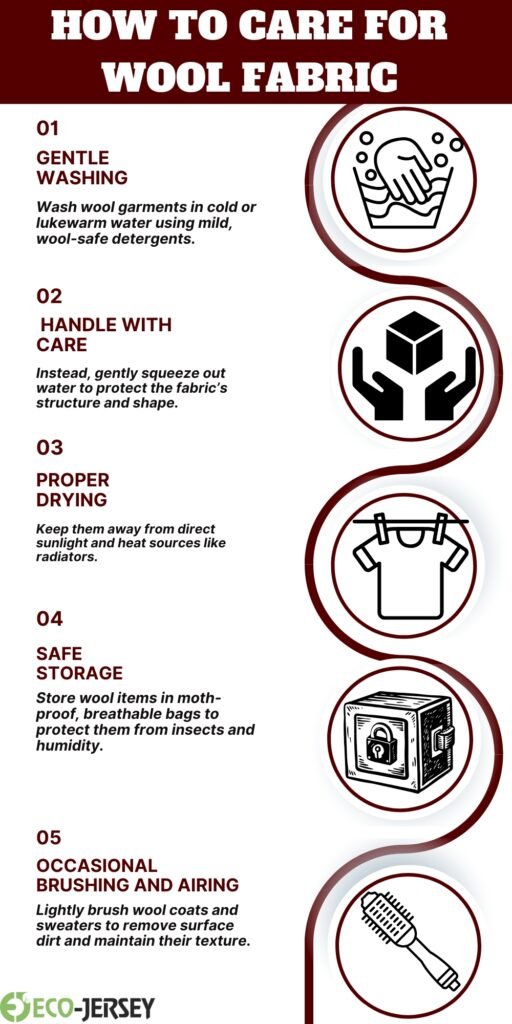
Infographic titled 'How to Care for Wool Fabric' with five sections: 01 Gentle Washing, 02 Handle with Care, 03 Proper Drying, 04 Safe Storage, 05 Occasional Brushing and Airing. Each section has a short tip and circular icons illustrating washing, handling, clothing, a safe storage box, and a clothes brush.
ow to care for wool fabric: gentle washing, careful handling, proper drying, safe storage, and occasional brushing to maintain texture and longevity.

what is wool fabric is a question that some consider missing care instructions. With the correct care, wool clothes can be kept in a pristine condition for years.

  1. Wash with cold or lukewarm, and mild detergents.
  2. Do not wring, but squeeze water out gently
  3. Dry the garments flat to avoid losing shape
  4. Keep in moth-proof, breathable bags.

Sustainability

In terms of renewability, wool fabric is unique, for it grows on the animals each year and can grow back if harvested. Like most natural fibers, it also decomposes, which helps keep the landfills cleaner. Because wool garments can be kept and worn for years, it helps promote slow fashion and positive environmental impact.

Conclusion

In simple terms, what is wool fabric? Versatile and natural, it has been used for fabric for ages and continues to be in the modern world. The elegance, warmth, and durability combined has made wool to be used in a wide array of garments, cozily soft dresses, and eco-friendly interiors. Understanding, what is wool fabric is equally important because it helps the consumer to know how to maintain the fabric, and the significance of the fabric in sustainable fashion.

FAQs

What is wool fabric best used for?

It is most suitable for garments, upholstery, and other specialized textiles such as blankets, and flame-retardant fabrics.

Does wool shrink easily?

improper washing in hot water can cause shrinkage. Always follow care instructions.

Is wool fabric suitable for summer?

Lightweight varieties like Merino wool work well in warmer weather due to breathability.

Wool Fabric: Properties, Types, and Uses for Every Season

Understanding Wool Fabric begins with acknowledging the wool’s enduring reputation and wide-ranging uses. Ever since wool has been discovered, people have eatned its soft, fluffy value for its warm, breathable and durable nature. Additionally, the wonderful woolen, it has also come to be loved the world over for its wrinkle-free. Understanding Wools Fabrics today also aids designers, manufacturers, and consumers in the proficient choices of clothing, furnishings and, technical materials. The more you delve into wool, its value in both traditional and modern settings will become obvious.

What Is Wool? Understanding Wool fabrics from the Beginnig

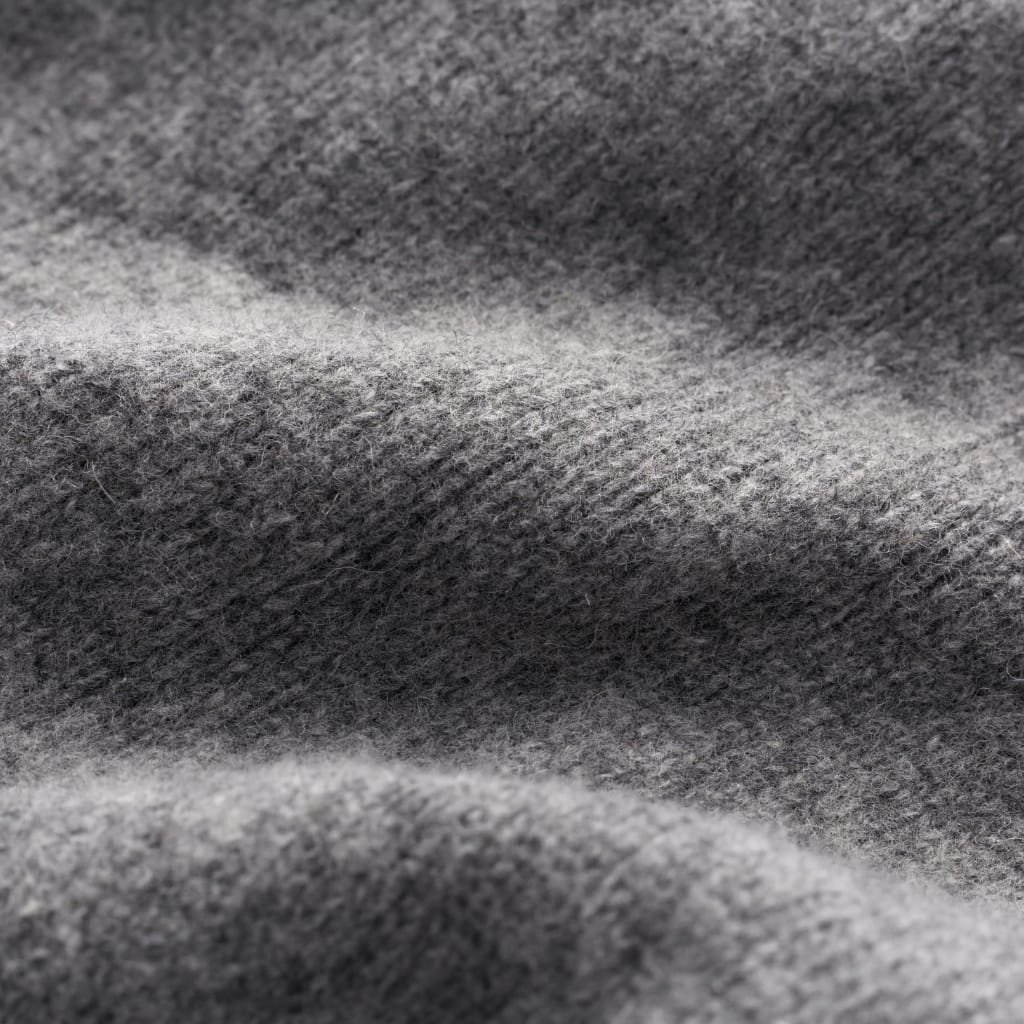
Close-up view of soft, heather gray wool fabric with a fuzzy, brushed texture and subtle folds, showing a cozy, woolen surface.
Soft, brushed gray wools fabrics with a cozy, fleecy texture.

Let’s start from the top. This is warm, soft, and natural. Wool comes from the sheep and other animals like alpacas, cashmere goats, and Angora rabbits produce luxurious varieties. is a natural and comes from the earth. This makes it renewable and biodegradable. Understanding Wool has focuses on practices that are more eco friendly than synthetic textiles.

Also, wool has a large proportion of keratin, the same as the protein that makes human hair. The fibers are crimped in a way that makes it easier for them to trap air, which improves insulation. This is the reason wool is warm and breathable. Understanding Wool demonstrates why wool clothes are so insulated, lightweight, and breathable.

Attributes of Wool fabric

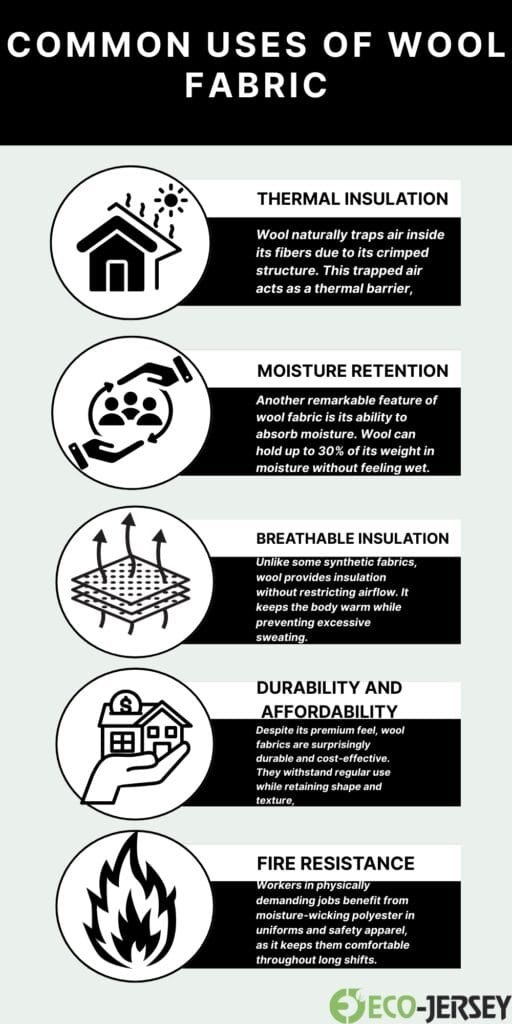
An infographic titled “Common Uses of Wool Fabric” featuring five circular icons with corresponding black-and-white captions: 1) Thermal insulation with a house icon and sun; 2) Moisture retention with hands holding droplets; 3) Breathable insulation with a layered fabric diagram; 4) Durability and affordability with a hand holding a house; 5) Fire resistance with a flame icon. Each item has a bold header and a brief descriptive paragraph on a black text box. The bottom credit shows the Eco-Jers logo.
Common uses of wool fabrics include thermal insulation, moisture retention, breathable insulation, durability and affordability, and fire resistance, all highlighted in this infographic by Eco-Jers.

When it comes to Understanding Wool, you must consider the different extraordinary attributes. Among natural and synthetic fibers, wool boasts a dozen unique features.

Thermal insulation in Understanding Wool

Wool is unique in the way it Understanding Wools Fabrics proves its advanced thermal insulation. The air that trap is wool’s natural crimps. This is why wool garments warm the body in cold temperatures, while keeping the body cool in warm temperatures. Understanding explains the types of insulators and proves is an insulator.

Moisture retention in wool fabric

Absorbtion of moisture is another critical aspect in wol fabrics understanding. If a weight of wool is 1 kg, 30% of moisture will be added without the fabrics weighing wetness. Its supposed to keep dry the ones whires outside in wet or damp conditions. Also, active apparel, outdoor garments, or apparel meant for use in cross ballet would be a typical example of line wool because of the loss of moisture.
Insulation in wool fabrics

Wool fabrics understanding is insolation, or garments insolate the body from the outside temperature. Insulation is another critical aspect of the fabric. These wool garments keep the body warm without promoting excess sweating. They are useful in winter without the need to shed wool blankets.
Understanding wool fabric

Investing understanding wools fabrics because the cost is lower is one of the major benefits. Wool has long lasting bends from the bends whereby garments or textiles become drier from the bends wool. However, the selling price is cost friendly for garments.

Fire Resistance in Understanding Wool Fabric

Next Understanding what is Wool Fabrics expands on the safety advantages of wool. With wool’s remarkable ability to resist being ignited and having the remarkable ability to self extinguish, it provides natural fire protection. Wool is therefore associated with many protective garments and domestic items.

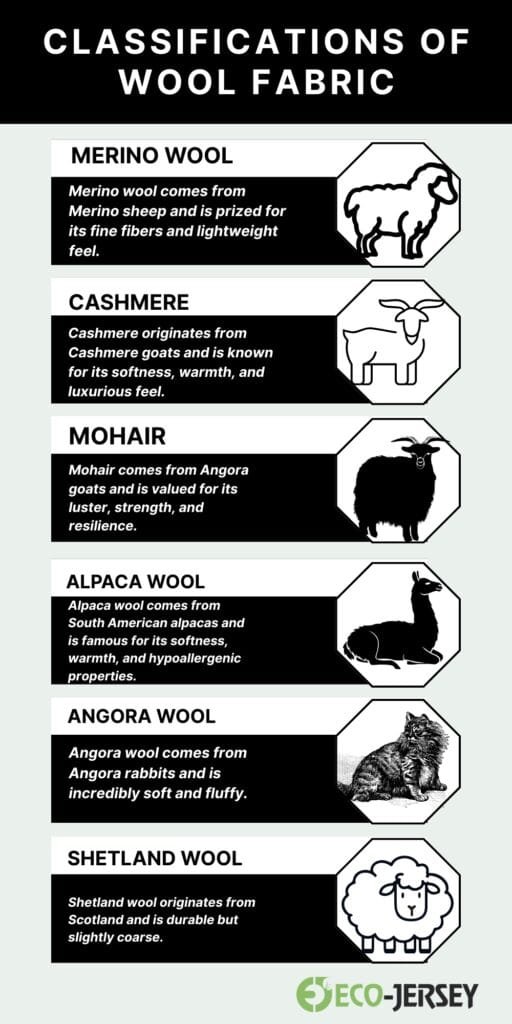
Classifications of Wool Fabric

Infographic titled ‘Classifications of Wool Fabric’ listing Merino wool, Cashmere, Mohair, Alpaca wool, Angora wool, and Shetland wool with small icons of a sheep, goat, goat, llama, rabbit, and sheep respectively.
Overview of common wol fabrics classifications: Merino, Cashmere, Mohair, Alpaca Wool, Angora Wool, and Shetland Wool, highlighting their origins and key characteristics.

Understanding Wol Fabrics involves differentiating its various classifications. They stem from a variety of animals, and subsequentially, each has its own distinct features.

Merino Wool

Wool Fabrics Starts off with Merino wool, which comes from merino sheep. Highly sought after because of the fine fibers and ease of wearing, merino wool provides a comfortable light weight feel. Hence, in Understanding Wools Fabrics, Merino is recommended for premium clothing, base layers, and active apparel.

Cashmere

Wool Fabrics descibes Cashmere which is wool made from Cashmere goats. This wool gently caresses the skin, trapping warm air and is weightless and therefore very soft. Cashmere is therefore ideal for the finest sweaters, scarves and winter apparel.

Mohair

Wool Fabrics features Mohair which comes from Angora goats. Mohair fibers are lustrous and strong, which makes them very useful in the construction of suits, scarves, and other upholstery items.

Alpaca Wool

Understanding Wol Fabrics provides insight about Alpaca wool coming from South America. The wool is soft, hypoallergenic, warm, and suitable for coats, shawls, and blankets.

Angora Wool

Understanding Wools Fabrics covers Angora wool from Angora rabbits. Its unbelievable softness and fluffiness provides the warmest of sweaters, gloves, and scarves.

Shetland Wool Fabric

Understanding Wol Fabrics covers Shetland wool that comes from Scotland. Its durability, however, is slightly coarse and retired for sweaters, socks, and outerwear for chilly climes.

Uses of Wool Fabric

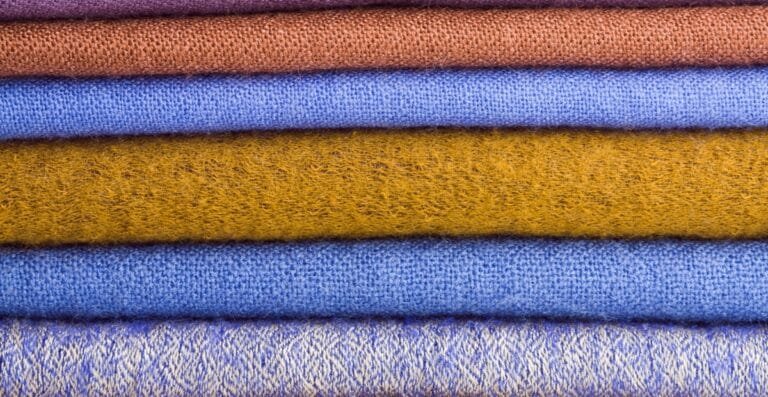
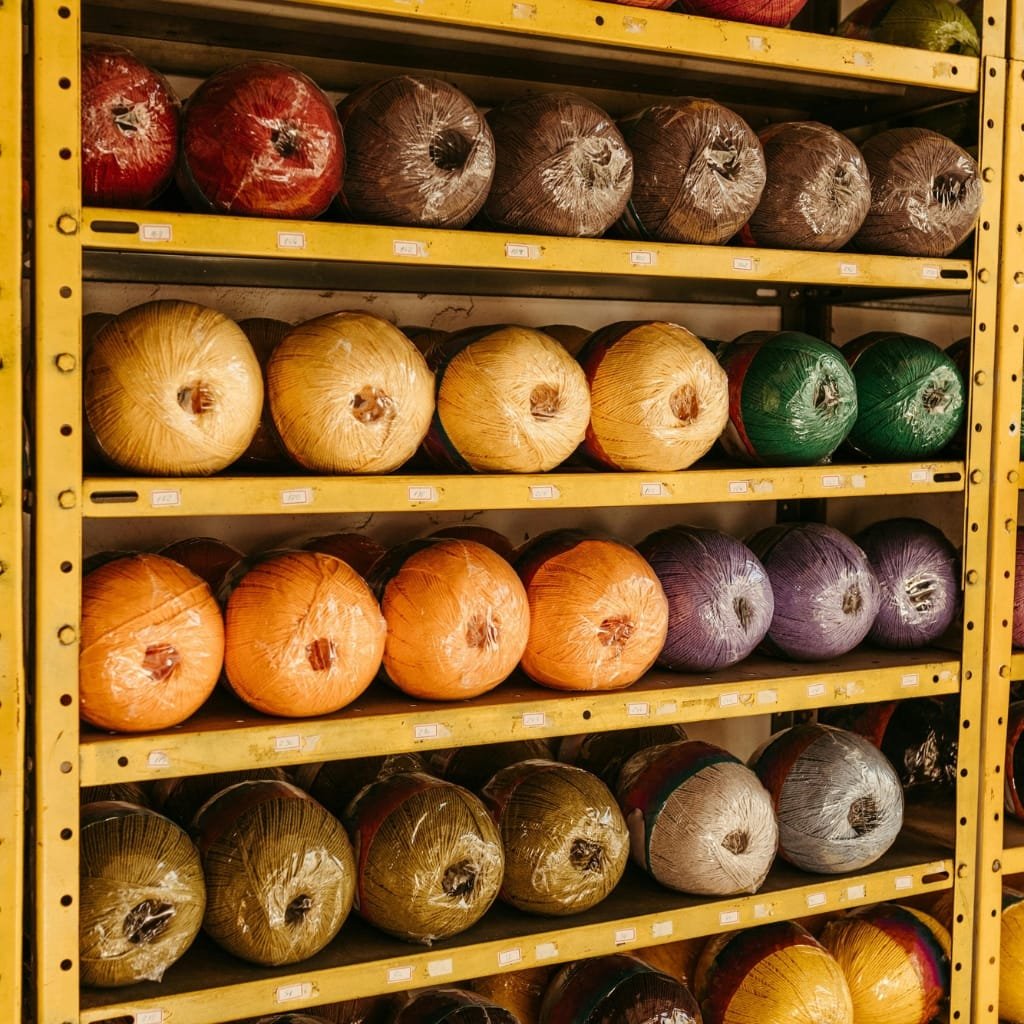
Rows of colorful yarn skeins wrapped in plastic on metal shelves in a warehouse, arranged by color from warm to cool tones.
A spectrum of woll yarn skeins neatly organized on yellow industrial shelves, showcasing warm oranges and yellows transitioning to greens, purples, and browns.

The use of wool goes beyond clothing to the incorporation of wool in many fields, Understanding Wool Fabric being one of them.

Clothing and Fashion Wools Fabric

Understanding Wol Fabric shows the love for the use of wool in the making of garments. Wool is also used in suits, coats, trousers and even in elegantly worn accessories like scarves, hats, and gloves. As an added benefit, because wool is wrinkle resistant and maintains its shape, it is also suitable for high-end and casual clothing.

Home Furnishings Wool Fabric

Understanding Wool Fabric appreciates the warm and soft addition wool brings to the home. Wool’s durability adds elegance to carpets, blankets, upholstery, and even decorative throws.

Industrial Uses

Often, wool’s natural characteristics have benefits that come with technical usage like fireproof clothing, wool performance outerwear, wool acoustic insulation, and wool’s special fireproof characteristics.

Advantages Wools Fabric

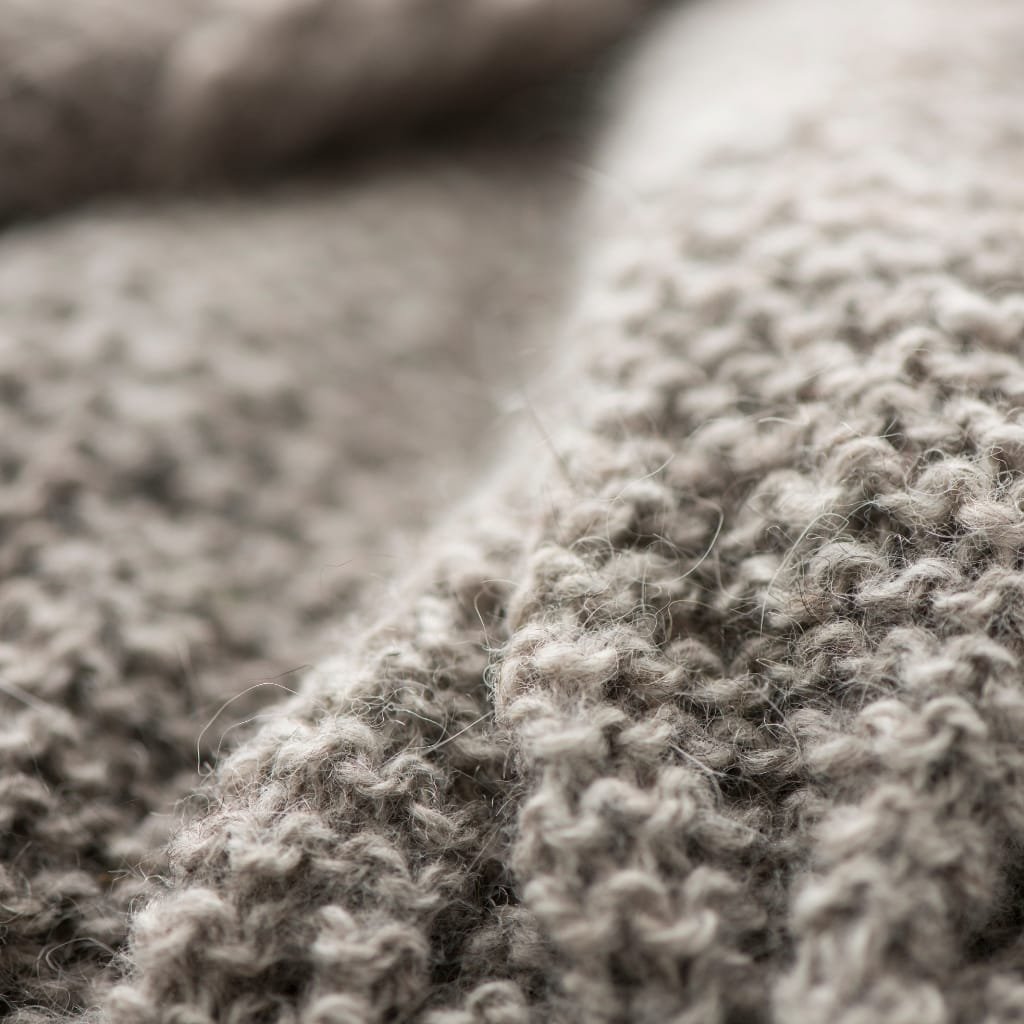
A close-up macro shot of soft, chunky gray wool fabric. The textured stitches show a woven knit pattern with fuzzy fibers and natural variation in shade.
Close-up of cozy gray wol fabric, highlighting its warm texture and chunky knit.

Understanding the wool fabric benefits states the following:

  • Naturally produced and bio-degradable.
  • Provides comfort during any season.
  • Lasts for long periods of time.
  • Helpful in the odor control.
  • Useful in clothing, interior, and industrial purposes.

Disadvantages Wool Fabric

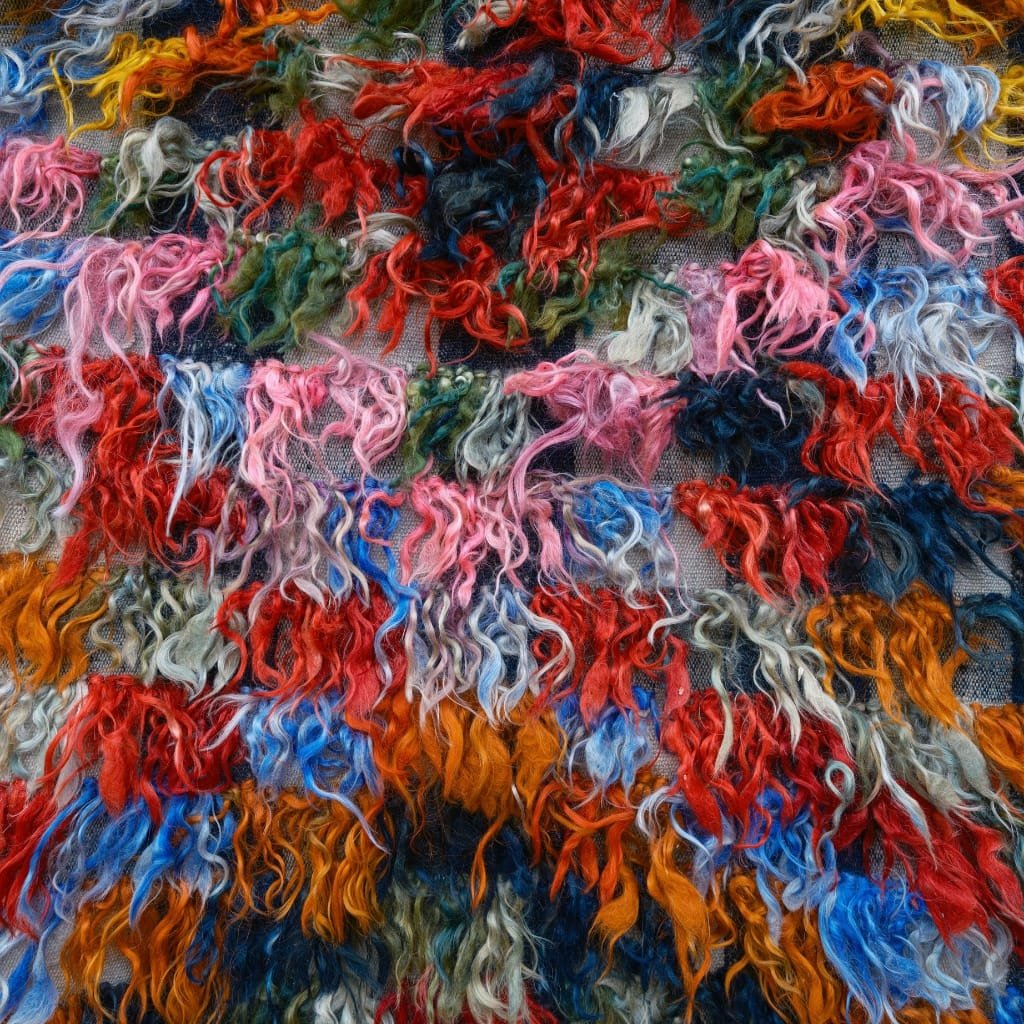
A close-up of a multicolored, fluffy wool fabric with irregular, curly yarn strands in red, orange, blue, pink, green, and gray tones arranged in a dense, textured pattern.
Vibrant, curly wool yarns create a bold, textured tapestry of colors.

Though Understanding Wools Fabric praises the strengths of the fabric, it states certain issues as well:

  • Prices are higher for cashmere and other luxury varieties.
  • Special care like dry cleaning is essential.
  • Some have extra sensitive cases require skin care.

How to Care for Wool

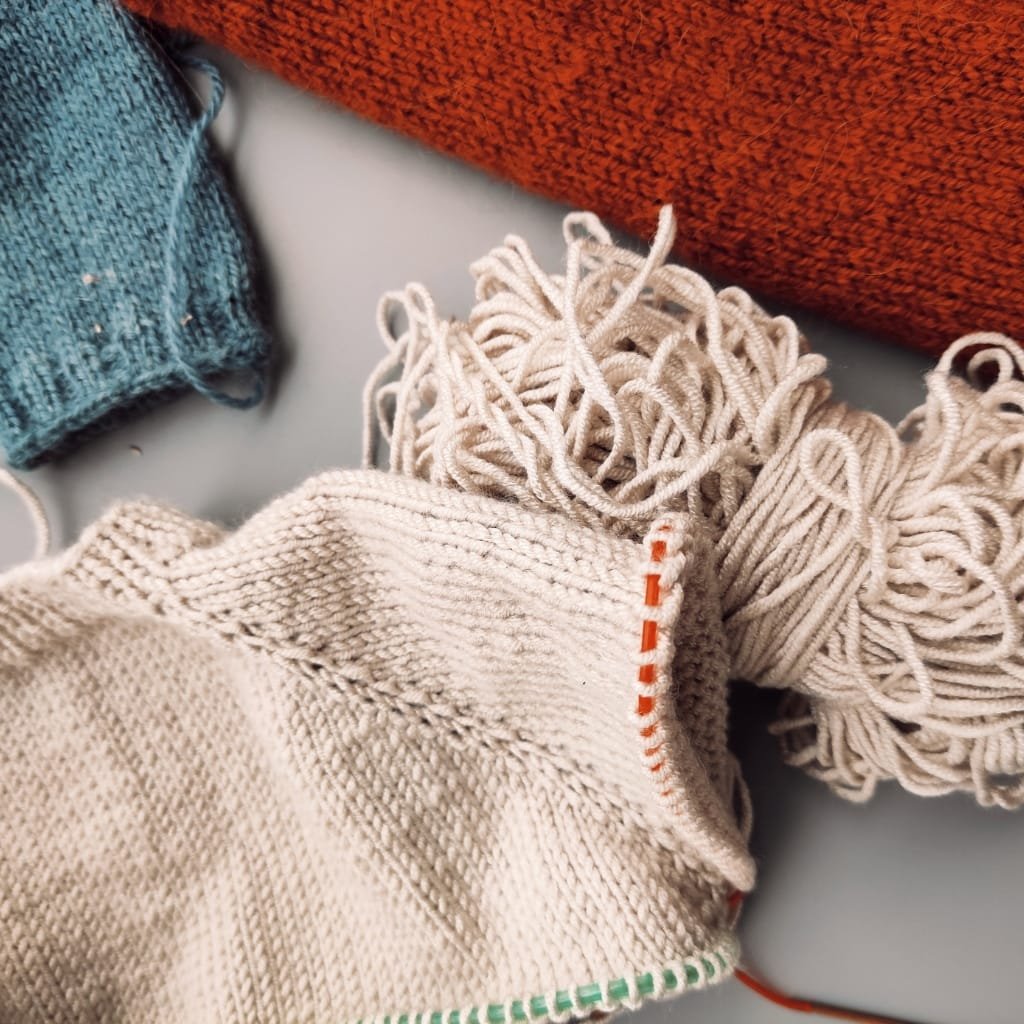
A close-up view of assorted knitted fabrics and yarns. In the foreground is a cream-colored knitted textile with long fringe on the right; a bundle of tangled off-white yarn sits behind it. In the background, a teal knitted piece is on the left and a rust-orange fabric is at the top.
A cozy assortment of knitted fabrics and skeins in cream, teal, and rust tones, with fringe and stitching details.

Understanding wol fabric offered the following solutions:

  1. Use mild bleach and detergents to wash the wool in lukewarm water.
  2. Lay garments flat to dry, don’t wring.
  3. Use low heat steam iron if absolutely required.
  4. Drive woolens into the breathable moth control bags for bulk storage.

Sustainability Wool Fabric

Close-up view of a colorful, hand-knitted or crocheted wool blanket made from thick stitches. The piece shows diagonal stripes in yellow, olive green, mustard, burnt orange, cream, and emerald green colors, arranged in a layered, zigzag pattern.
A vibrant, chunky wool blanket in stacked diagonal stripes of warm colors.

Wool Fabric relates to sustainability in the fact that sheep grow new fleece every year which means the wool is also renewable. Wool is also biogradable which means instead of adding to landfills, it enhances the soil. Therefore, Understanding Wol Fabric is a means of encouraging sustainable fashion.

Conclusion

Understanding Wol Fabrics shows how wool is still relevant, adaptable, and sustainable. The insulating property, sturdiness, and renewability of wool make it suitable for apparel, furnishings, and even industrial purposes. Also, Understanding Wools Fabric covers how the right maintenance will allow for the garments to, for years, remain stylish and practical. As the fashion world pivots to incorporating sustainable practices, Understanding Wool Fabric remains a key source of inspiration for designers, consumers, and eco-activists.

FAQs

Is wool fabric suitable for summer?

Yes, Understanding Wool Fabric states that very lightweight Merino wool is better for the warmer months and summer because it more breathable than other wools.

Does wool shrink easily?

Understanding Wool Fabric does say that wool can shrink, especially from washing it in very hot water. You need to always follow the care guidelines.

Is wool sustainable?

Understanding Wool Fabric states that wool is sustainable because it is a renewable resource and does not lose it’s structural integrity over time.

Making Process of Denim Jackets: From Cotton to Final Fashion

0

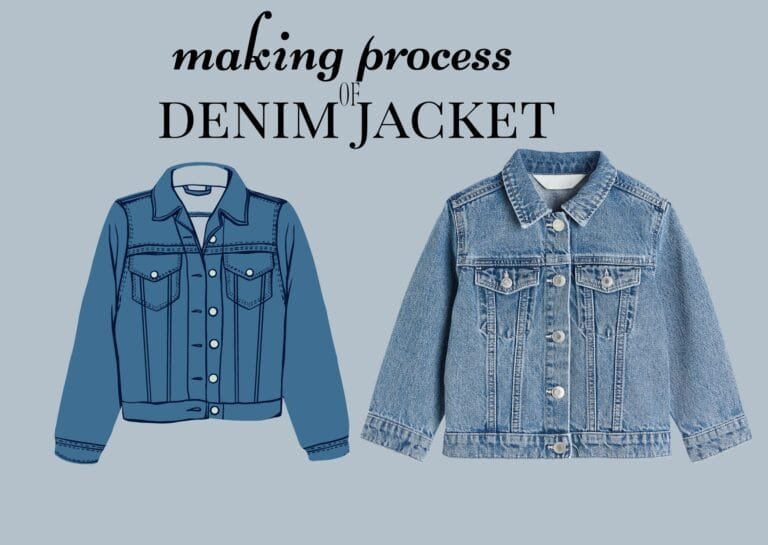
Denim jackets are not just stylish—they are also the result of a detailed process that combines craftsmanship and technology. The making process involves several steps, from selecting raw materials to finishing touches that create the final product. Making Process of Denim Jackets

1. Raw Material Selection

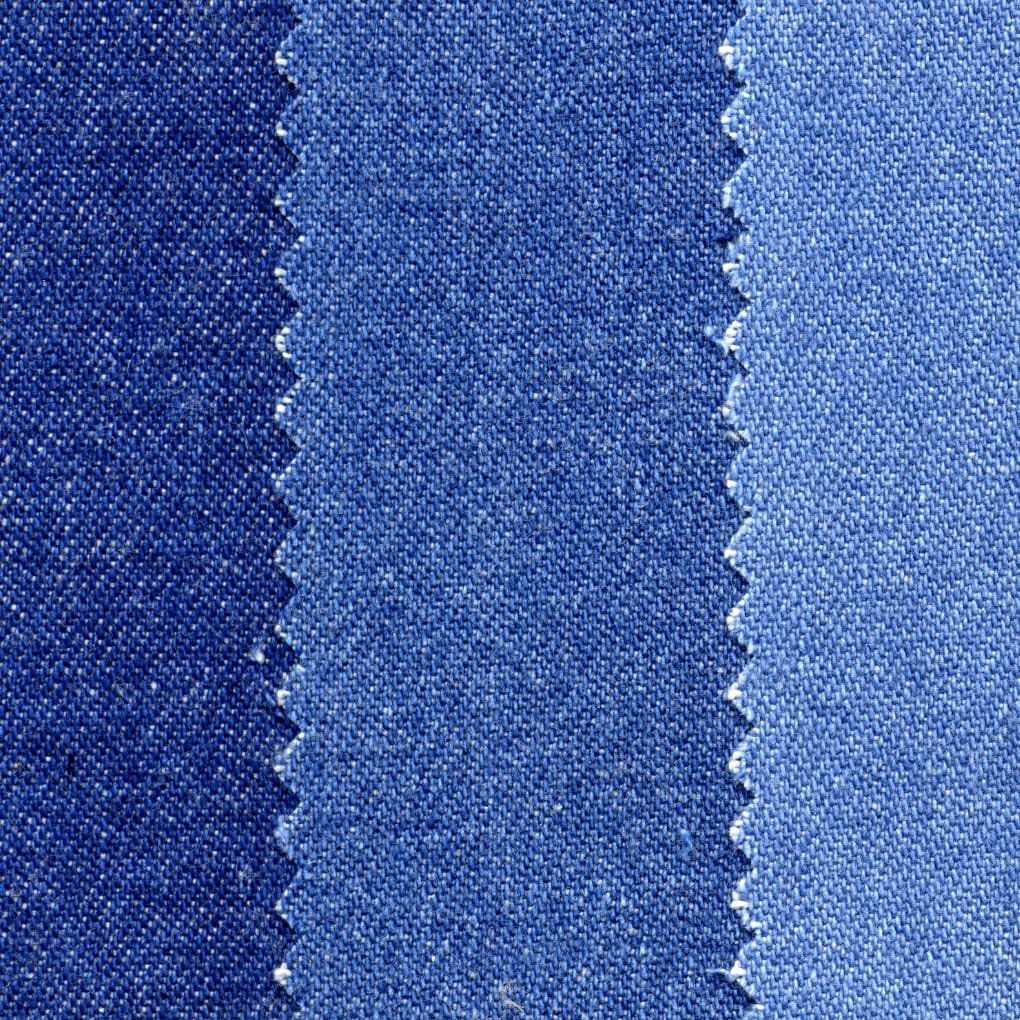
Close-up view of three denim fabric swatches in varying blue tones, with zigzag-cut edges showing distinct weave textures and shades from dark indigo on the left to lighter blue on the right. Making Process of Denim Jackets
Raw Material Selection for Denim Jackets: Choosing yarns, blends, and fabrics to optimize durability, comfort, and color fastness.

The creation of denim jackets starts with selecting the right raw materials, and at the heart of this process is cotton. Cotton serves as the primary fiber, the fundamental building block, if you will, for the denim fabric that will ultimately become the jacket. The type of cotton chosen is of paramount importance; opting for high-quality cotton is not merely a preference, but a necessity. This is because the quality of the cotton directly influences several key characteristics of the final denim product. Specifically, high-quality cotton guarantees a robust level of strength in the denim, ensuring that the jacket can withstand regular wear and tear without easily ripping or tearing. Furthermore, it contributes significantly to the overall durability of the jacket, meaning it will last longer and maintain its integrity over time, even with frequent use and washing. Finally, and perhaps most importantly from a wearer’s perspective, high-quality cotton provides a superior level of comfort, making the denim jacket pleasant to wear against the skin and allowing for breathability and ease of movement. In short, the selection of high-quality cotton is a foundational step in producing denim jackets that are strong, durable, and comfortable for the wearer. Making Process of Denim Jackets

2. Yarn Production

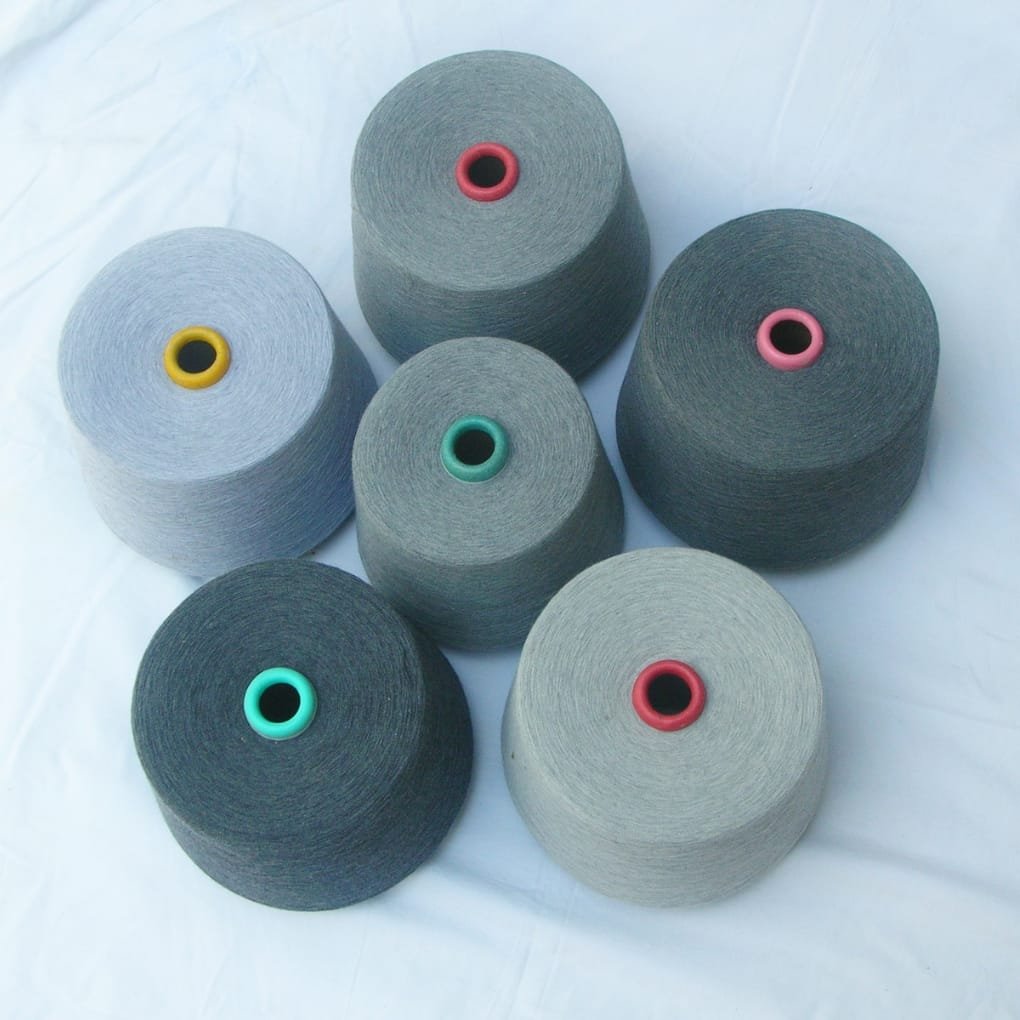
A collection of colored yarn cones in varying shades of gray and blue arranged on a light surface, each with a bright plastic core in colors like green, yellow, red, and pink.
Yarn Cones in Gradient Grays: Essential raw materials for weaving and producing aMaking Process of Denim Jackets.

The artist meticulously transforms raw cotton fibers into a delicate thread. This initial process requires a skilled hand and keen eye to ensure the resulting thread is of the highest quality. Once spun, the thread is carefully wound onto a cone. This winding process is a crucial step in preparing the thread for its ultimate purpose: the creation of a painting canvas. The cone shape allows for easy dispensing and prevents tangling, ensuring a smooth and even flow of thread during the canvas construction. The creation of a long-lasting canvas demands thread that is both smooth and taut. These qualities are essential for the structural integrity of the artwork, preventing sagging or warping over time. Only by using smooth, taut thread can the artist guarantee the longevity and enduring beauty of their painted masterpiece. Making Process of Denim Jackets

3. Weaving the Denim Fabric

Weaving the Denim Fabric

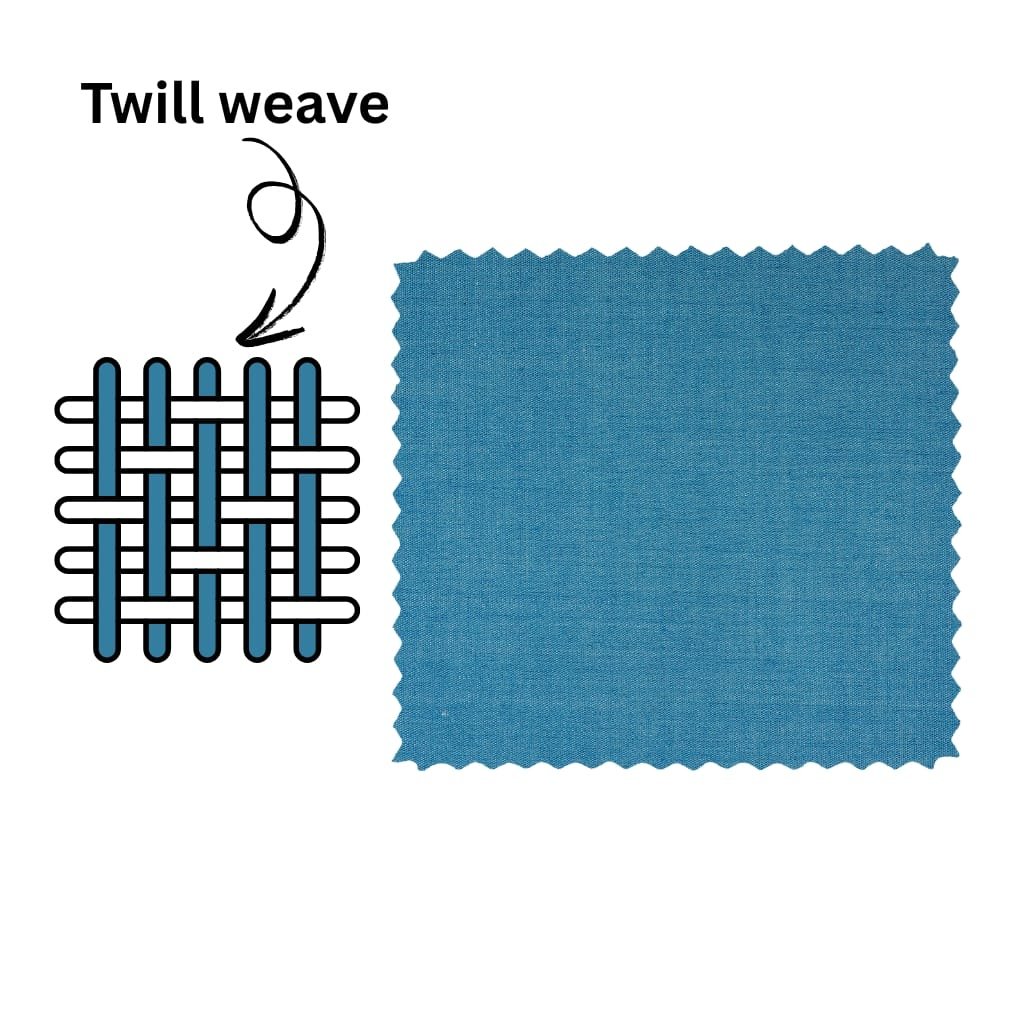
Twill weave is a distinctive weaving pattern frequently employed in the creation of denim fabric, lending it both its characteristic diagonal ribbing and inherent robustness. This particular weaving technique involves a specific arrangement of yarns. The warp yarns, which are typically dyed with indigo to achieve the deep blue hue associated with denim, are interlaced with the weft yarns, which are often left in their undyed, natural state. This interweaving process results in the warp yarns passing over the weft yarns in a consistent, repeating pattern. It is this interplay between the dyed warp yarns and the undyed weft yarns that ultimately produces the recognizable blue-and-white appearance that is so strongly associated with classic denim. The diagonal lines, a hallmark of twill weave, contribute not only to the fabric’s visual appeal but also to its enhanced durability and resistance to wear and tear, making it a popular choice for garments intended for long-lasting use. Making Process of Denim Jackets

4. Dyeing Process

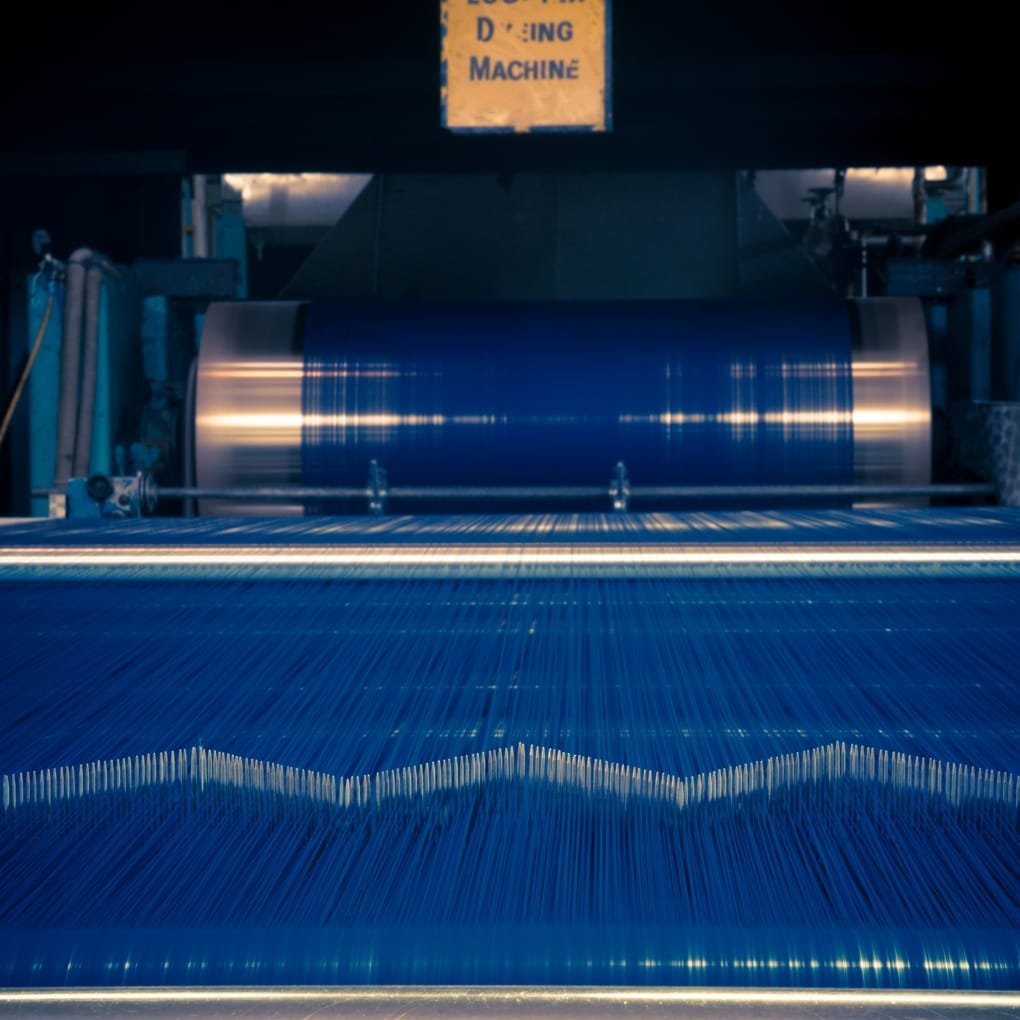
Industrial denim dyeing machine in operation with a large blue dye drum and parallel yarns creating a wavy pattern, dimly lit factory setting.
Denim Dyeing Making Process of Denim Jackets in Action: yarns pass through a blue dyeing machine to achieve even color.

For the warp threads, dyers use indigo, a colorant that can be sourced from natural origins or produced synthetically. Traditionally, the process of achieving the desired rich, deep blue shade was quite involved, often necessitating a repeated sequence of immersions in an indigo dyeing vat. This multiple-dip method was essential to building up the color intensity, as each submersion contributed another layer of indigo pigment to the yarn. The precise number of dips varied depending on factors such as the concentration of the dye bath and the specific shade of blue sought after by the artisan. Consequently, the dyeing procedure could be a lengthy and laborious undertaking, demanding considerable skill and patience to attain the correct and consistent coloration for the warp threads.

5. Cutting the Fabric

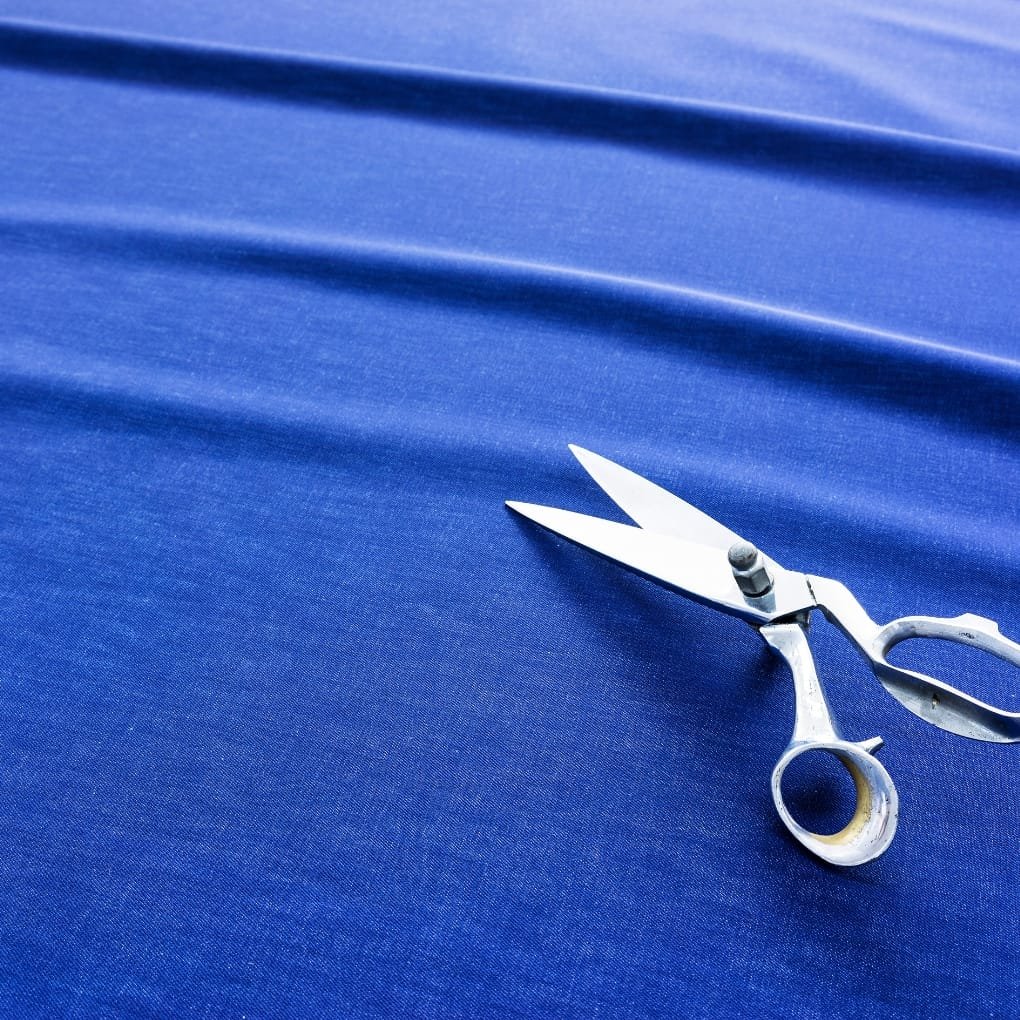
sewing shears resting on a deep blue denim fabric being cut.
Making Process of Denim Jackets denim fabric with sharp scissors.

The journey of denim fabric takes a significant turn when it arrives at garment factories. Having already been meticulously woven and expertly dyed, the denim now enters a new phase of transformation. Within the factory walls, skilled workers prepare to convert the raw fabric into recognizable garment components. The initial step involves carefully marking patterns onto the denim. These patterns serve as precise guides, outlining the various pieces that will eventually form finished garments like jackets. Following the pattern marking, the fabric is then carefully cut. This cutting process separates the denim into distinct sections, creating individual parts such as sleeves, collars, and the main body panels Making Process of Denim Jackets. Each piece is cut with precision, ensuring that they meet the required dimensions and specifications for assembly.

6. Sewing and Assembly

: A close-up view of a sewing machine stitching denim. A person is guiding a spool of orange thread with another spool of blue thread in their hands, preparing to sew a pair of jeans. The machine needle and presser foot are engaged with the denim fabric, showing typical sewing details such as orange topstitching and blue denim texture.
Assembly of denim: careful stitching and thread color coordination in jean construction.

The process of joining the various cut denim components involves the use of robust, heavy-duty machinery specifically designed for this purpose. These machines meticulously stitch the individual pieces together, creating a cohesive whole. The strength and durability of these seams are of paramount importance, as denim is known to be an exceptionally tough and resilient fabric. Given the fabric’s inherent durability, the seams must be equally robust to withstand wear and tear. The assembly stage also encompasses the addition of crucial details to garments such as jackets. This includes the precise attachment of functional elements like buttons, which provide closure, and zippers, which offer an alternative fastening method. Furthermore, pockets are carefully integrated into the design, providing practical storage solutions and enhancing the overall utility of the finished product. Making Process of Denim Jackets

7. Washing and Finishing

A woman looks into the open door of a front-loading washing machine from outside, reaching in to place or retrieve clothing. The circular door frame frames her face and upper body as she smiles. Making Process of Denim Jackets
Laundry Day: A friendly moment as someone loads a washing machine with clothes.

Following the stitching process, the jacket proceeds to the washing stage, a crucial step in determining its final appearance and feel. Various washing techniques are employed by manufacturers to create a diverse range of textures and styles. Among these techniques are stone washing, a process that utilizes abrasive stones to create a worn and softened effect; enzyme washing, which uses enzymes to alter the fabric’s surface, resulting in a smoother texture and faded appearance; and distressing, a technique that intentionally creates imperfections and a vintage look. These methods allow for significant customization of the jacket’s aesthetic. Beyond washing, the jacket receives additional finishing touches that further enhance its design and branding. These finishing touches commonly include the addition of embroidery, providing decorative detailing and personalization; the attachment of labels, which serve to identify the brand and provide care instructions; and the application of patches, offering another avenue for customization and the addition of unique design elements.

8. Quality Control

During the inspection process, denim jackets undergo thorough scrutiny to ensure the stitching accuracy meets the required standards. The inspectors also carefully examine the fabric quality of the denim jackets to identify any defects or inconsistencies. Furthermore, the finishing of the jackets is assessed to ensure it meets the desired specifications. It is only those denim jackets that successfully pass this comprehensive inspection procedure that are permitted to move forward in the production process.

9. Packaging and Distribution

Once the manufacturing process for the jackets is complete, the company meticulously ensures each one is properly prepared for distribution. This involves a thorough ironing process to remove any wrinkles or creases that may have formed during production. Following the ironing, the jackets are carefully folded to maintain their shape and prevent damage during transit. Each jacket is then individually packaged to protect it from the elements and ensure it arrives at its destination in pristine condition. After packaging, the company undertakes the crucial step of distributing the finished jackets to a wide network of retailers located across the globe, making them available to customers worldwide.


Conclusion

The creation of a denim jacket represents a blend of time-honored craftsmanship and contemporary technological advancements. The journey of a denim jacket, beginning in cotton fields and culminating in its display within fashion stores, involves a series of meticulous steps. Each stage of this process contributes to the jacket’s overall value and enduring style. The transformation from raw materials to a finished garment requires precision and expertise. This deliberate and attentive process ensures that denim jackets consistently maintain their reputation for durability, fashionable appeal, and timeless quality. From the selection of the cotton fibers to the final stitching and finishing touches, every element is carefully considered. The jacket’s robust construction guarantees longevity, while its design reflects current trends and classic aesthetics. The enduring popularity of the denim jacket is a testament to the successful combination of quality materials, skilled manufacturing, and enduring style. The entire production chain is designed to deliver a product that is both practical and aesthetically pleasing, making it a staple in wardrobes across generations.

FAQS

What material is used to make denim jackets?

Cotton yarn usually weaves denim jackets in a twill pattern. Sometimes polyester or elastane is added for flexibility and durability.

How are denim jackets dyed?

The warp yarns are dyed with indigo, while the weft yarns remain white. This gives denim its signature blue exterior and lighter interior.

What is the most important step in making a denim jacket?

Each step is important, but weaving and dyeing are key because they create the strength, look, and texture of the denim fabric.

Leather Bomber Jackets: Timeless Style and Comfort for Season

0

The Leather Bomber Jacket is a style icon that has been around for decades. Its appeal continues to grow. Leather Bomber Jackets was originally designed for military pilots. It combined rugged utility and undeniable fashion. It became a staple in the wardrobes of many people. Leather Bomber Jacket is a timeless classic that embodies effortless cool and versatility. Men continue to wear it without hesitation season after season.

History of the leather bomber jacket

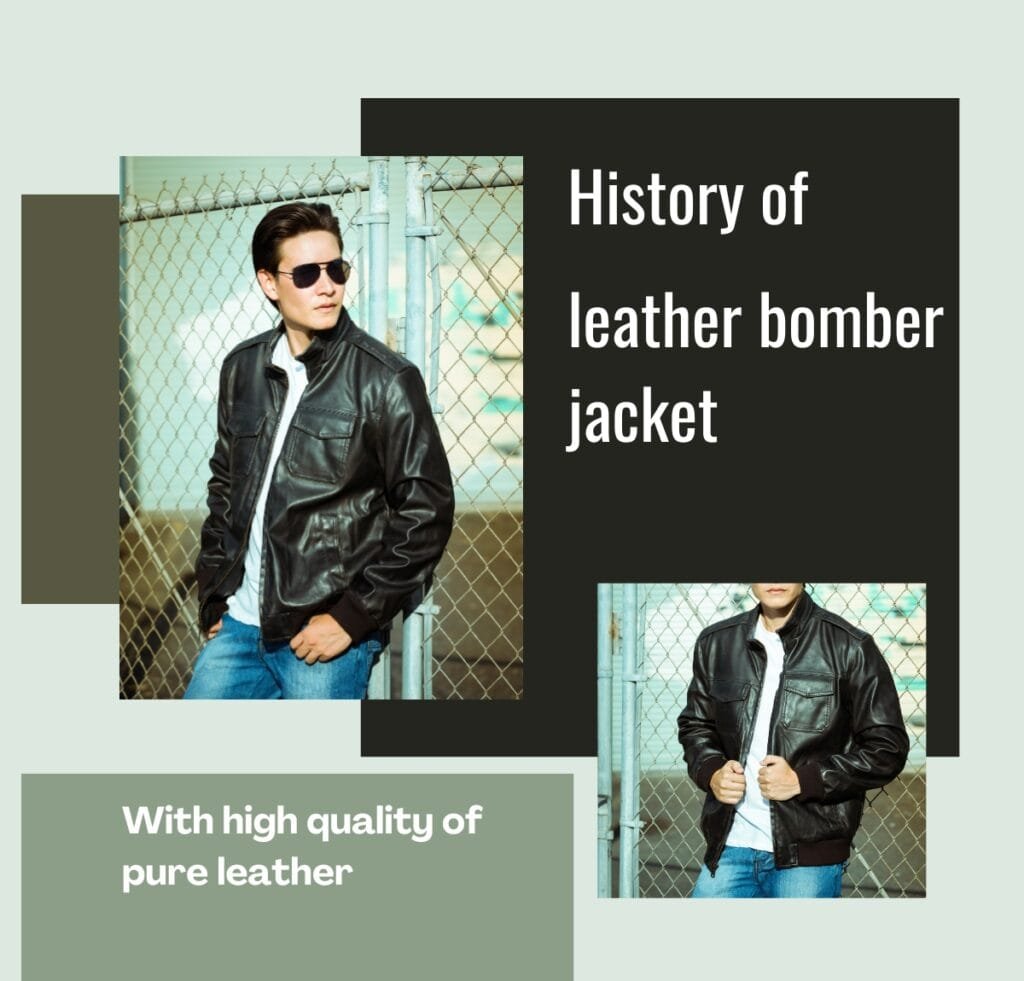
"Man wearing a black leather bomber jacket, standing by a chain-link fence, with another image of the same jacket collage in the background."
History of the leather bomber jacket

The Leather Bomber Jacket dates back to World War I. Pilots required jackets that were warm and functional, but could also withstand harsh conditions. The Leather Bomber Jacket provided durability, comfort and insulation in high altitudes. Later, the leather bomber jacket became synonymous with strength and bravery. As fashion changed, the Leather Bomber Jacket adapted its military style to everyday wears. Its reputation expanded beyond outerwear to include a cultural statement. Read more: History of Bomber Jacket

Why the leather bomber jacket is a timeless choice

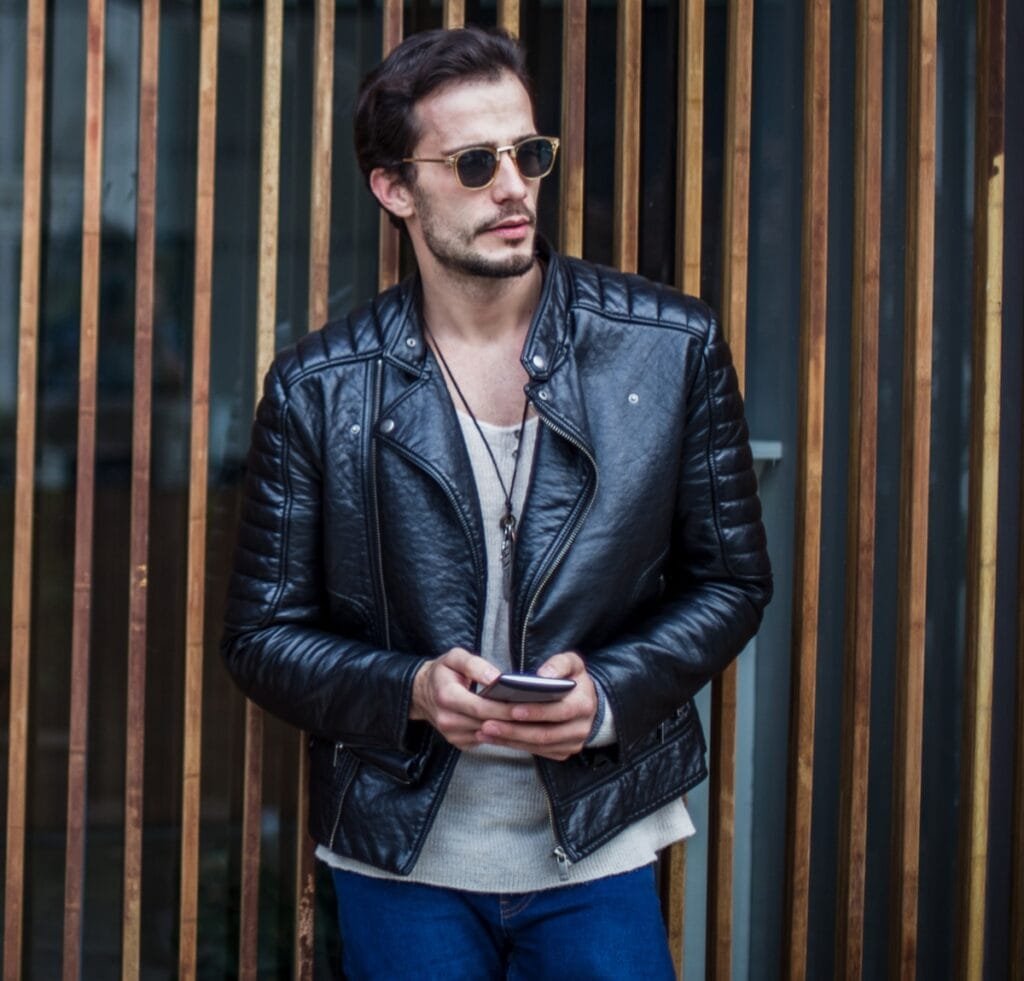
A stylish man wearing a black leather bomber jacket, sunglasses, and a light-gray knit shirt, standing against a wooden slat wall while looking off to the side and holding a smartphone.
A timeless staple: the leather bomber jacket elevates any outfit with rugged edge and effortless cool.

The Leather Bomber Jacket not only looks stylish, but it is also timeless. Moreover, these features give the jacket a flattering appearance while providing comfort. In fact, the LeatherJacket is a timeless fashion piece that will never go out of style. It never fades because of its unique combination of style, function, and durability. Therefore, the Leather Jacket is a reliable choice for men in every season.

The Leather Bomber Jacket for Spring

"Woman wearing a black leather bomber jacket outdoors by a waterfront, smiling and brushing her hair aside."
The Leather Bomber Jacket for Spring: sleek, lightweight leather with metallic zippers and a relaxed fit for breezy days.

Leather Jacket can be worn as a lightweight jacket in spring. The sleek design gives it a modern edge without being overpowering. The style is completed with chinos and sneakers, which keep everything stylish yet casual. Leather Bomber Jacket is a great choice for unpredictable spring weather. It provides warmth and breathability. It is the perfect jacket to transition into warmer weather.

Leather Bomber Jackets Outfits For Summer

The Leather Jackets is useful and stylish even in summer evenings. The lighter shades of tan and beige create a relaxed look. Leather Jacket looks great with casual shorts or linen trousers. The lightweight material makes it ideal for cool nights. Leather Bomber Jackets is versatile and can be worn for different summer events. It is perfect for casual events or evening outings.

Leather Bomber Jackets Fashion for Fall

The Leather Bomber Jacket is at its best in the fall. Its leather fabric blocks chilly winds and shifting temperatures. The Leather Jacket looks sharp when layered over sweaters or button-down shirts. Pair it with dark denim and boots for rugged charm. A simple t-shirt adds relaxed balance under the Leather Jacket. Because it layers so well, it becomes a strong addition to fall wardrobes. Its adaptability makes the Leather Jacket the center of autumn fashion for men.

Comfortable Leather Bomber Jackets for Winter

The Leather Bomber Jackets is a must-have during the cold winter months. Moreover, shearling-lined Leather Bomber Jackets offer unmatched warmth and comfort. In addition, it looks great when paired with dark jeans, wool sweaters, and scarves. Likewise, the Leather Jacket is an essential outerwear item for winter because it is durable. Furthermore, the Leather Jacket keeps you warm against freezing winds while still looking stylish. Therefore, when temperatures drop, men naturally choose the Leather Jacket without hesitation.

The Fit and Cut of Leather Bomber Jackets

Fit is a key factor in determining the overall appearance of a Leather Jackets. Slim cuts create modern elegance while relaxed cuts are casual. The right fit is important because different body types need balance. The right Leather Bomber jackets fits the shoulders, defines waist and provides comfort. The best results are achieved by trying different cuts. Leather Jackets is a great option for both men and women.

The Colors that Enhance Leather Bomber Jackets

The color choice is what defines the personality and style of a Leather Bomber jacket. Classic black is the most versatile and iconic. Brown and tan shades bring warmth while burgundy is bold. The right color of Leather Bomber jackets will depend on your personal style and wardrobe. Colors that are neutral blend easily, whereas colors with unique shades make a stronger fashion statement. Leather Jackets is a timeless jacket that allows for customization.

The Materials that Define Quality Leather Bomber jackets

Material determines the quality and durability of a Leather Jackets. Full-grain hides are strong and age beautifully. Lambskin is soft and makes the Leather Bomber jacket more comfortable. Cowhide is tough and durable, perfect for long-term use. Material affects both comfort and style. It is important to choose wisely. Premium leather will ensure that your Leather Bomber jackets will last for many years and retain its charm.

The Leather Jacket continues its dominance of modern fashion trends. It is worn by celebrities on red carpets and streets, as well as on the runways. Leather Bomber jackets is a versatile piece that can be worn for both casual and high fashion. Influencers wear it with sneakers, denim jacket or tailored trousers. Leather bomber jackets is therefore a timeless style jacket that will never go out of fashion.

Tips on How to Maintain a Leather Bomber jacket

Leather Bomber jacket will remain sharp and beautiful for many years with proper care. Regular conditioning will prevent cracks and drying. To avoid damage, store the Leather bomber jackets in an area that is cool and dry. To preserve the jacket’s shape, avoid folding it for extended periods. Dust can be removed by wiping the jacket with a damp rag. Consistent care is necessary to keep the leather bomber jackets in a timeless condition. It only gets better with time.

Why Every Man Should Own a Leather Bomber jacket

A Leather Bomber Jacket is a smart investment for any man. It builds confidence and delivers effortless style. The Leather Bomber Jacket offers comfort across all seasons. It is versatile and works for casual events, formal settings, or weekend outings. More than fashion, the Leather Bomber Jacket carries history and heritage. Every wardrobe deserves a Leather Bomber Jacket for timeless appeal. This jacket becomes more than clothing—it turns into a personal statement piece.

Conclusion

The Leather Bomber Jacket is a timeless symbol of style and confidence. It has proved its worth from military roots to contemporary fashion. Leather Bomber Jackets is adaptable and fits any season or occasion. The durability, comfort and edge of the leather jacket keep it current year after year. A Leather Bomber jackets is a timeless piece of fashion that will never go out of style. It is more than just a jacket. It is a lasting legacy.
Read more Article// Types of Bomber Jackets: The Complete Guide to Style &amp

FAQs

What makes the Leather Bomber Jacket timeless?

The Leather Bomber Jacket is timeless because it blends military heritage with modern fashion. Its durability, comfort, and versatility keep it relevant year after year.

Can I wear a Leather Bomber Jacket in every season?

Yes, the Leather Bomber Jacket works across all seasons. Lightweight versions suit spring and summer, while shearling-lined styles are ideal for fall and winter.

How should I style a Leather Bomber Jacket?

The Leather Bomber Jacket pairs well with jeans, chinos, or tailored trousers. Sneakers, boots, or loafers all complement its rugged yet polished design.

Which color Leather Bomber Jacket is best?

A black Leather Bomber Jacket offers timeless versatility, while brown, tan, and burgundy shades add unique personality and seasonal variety.

How do I care for my Leather Bomber Jacket?

To care for your Leather Bomber Jacket, use leather conditioner, store it in a cool dry place, and avoid folding. Regular cleaning maintains shine and longevity.

Why Jersey Cotton Fabric is the Perfect for T-Shirts and Dresses

0

Let’s assume for a second, what single fabric could you pull out on a lazy Sunday, while working out, or anytime you simply want to get comfy in? For over millions of people globally, their answer would be jersey cotton fabric. The fabric blends stretch, softness, and versatility together, serving as a wardrobe’s unsung champion, jersey cotton’s knitted fabric providing comfort without compromising on style.

With jersey cotton comprising t-shirts, loungewear, and even sophisticated dresses, the fabric acts as the basis of casual contemporary apparel. The question is, what is jersey cotton, and what makes it so common? This is the ultimate jersey fabric guide, and in the coming sections, we would attempt to answer all your questions jersey cotton fabric. We will discuss its distinctive knit construction, guide you through its unexpected journey from the Jersey Island, and analyze its astonishing history. In addition, we will discuss the advantages and key characteristics of jersey cotton and its comparison with interlock netting and knitted interlock fabrics to determine the best use. We will also discuss the best ways to sew and maintain jersey fabric. This is to make sure the handmade garments last many years and look professional in the end.

What is Jersey Cotton Fabric? The Knit’s Enchantment

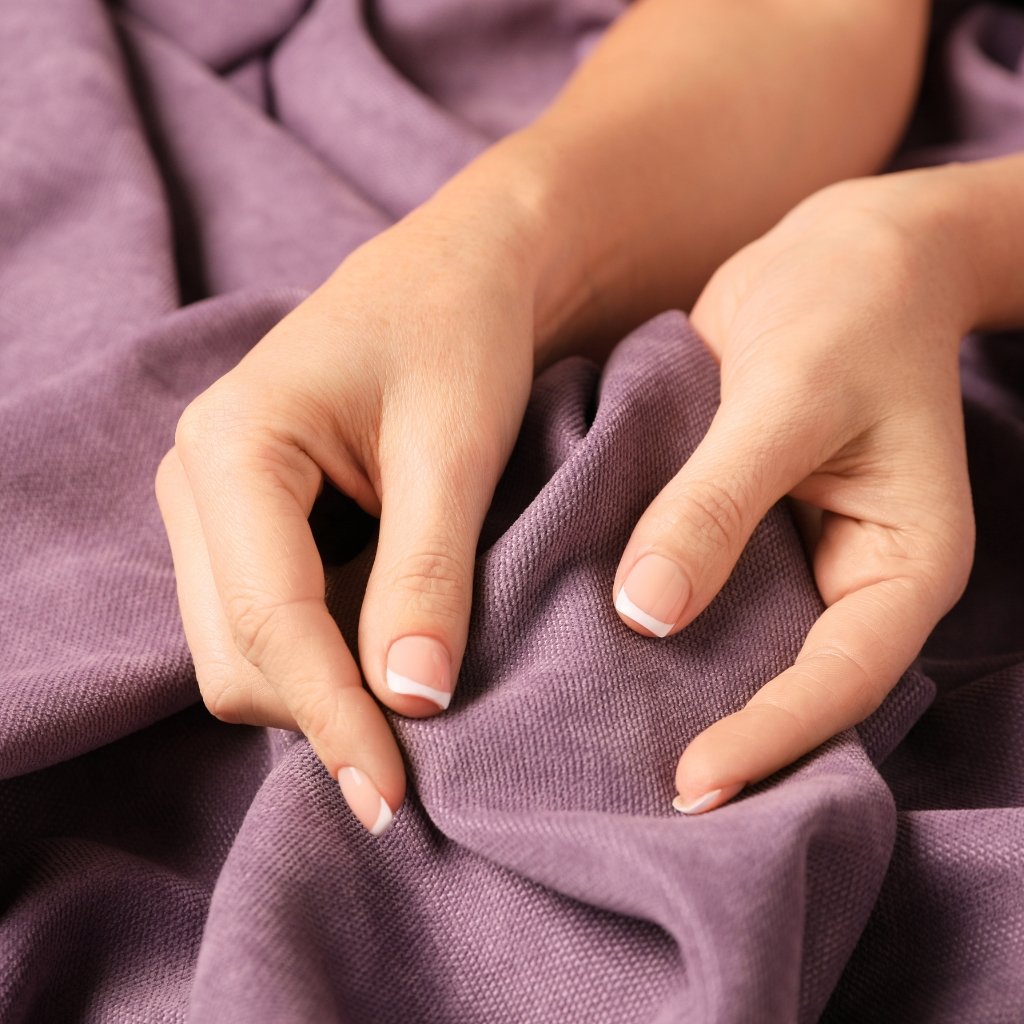
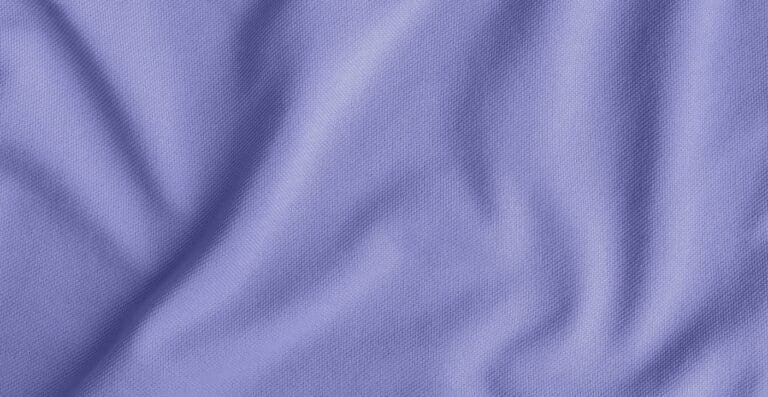
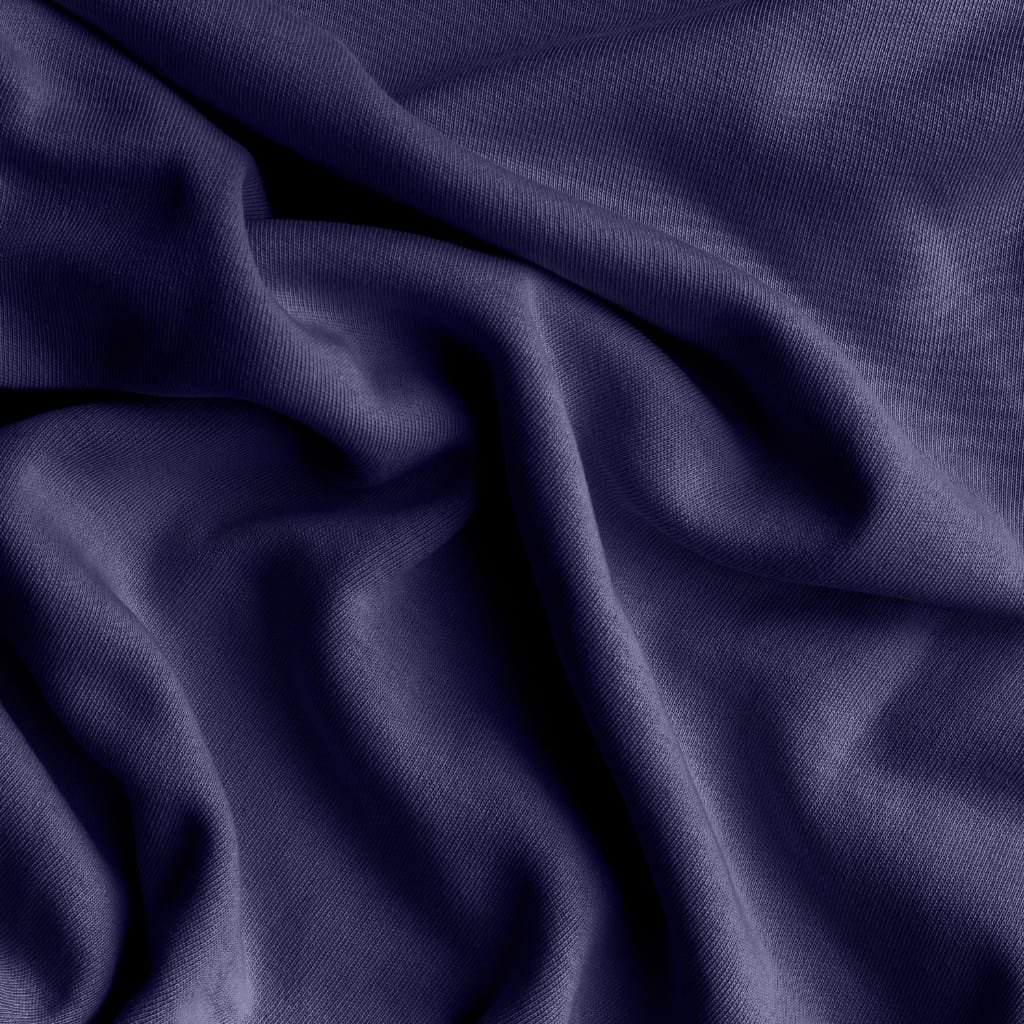
Close-up view of soft, flowing dark purple fabric with smooth folds and a textured weave. Jersey Cotton Fabric
Velvet-like folds of deep purple fabric caught in soft light.

Understanding what a jersey is and what it is not is critical at the outset. This is what a lot of people get wrong about the fabric. Jersey is a single-knit fabric which means it is formed from a single set of needles on a knitting machine. This means that the fabric formed has a distinct “right” and “wrong” side.

The smooth side of jersey fabric features a subtle vertical rib, while the wrong side displays a looped, textured surface. This distinctive structure gives the fabric its characteristic stretch and elegant drape. For example, when manufacturers use high-quality cotton fibers for knitting, they produce a fabric that feels soft, comfortable, and highly breathable. Hence, the next time you slip on a soft t-shirt, you are experiencing the magic that comes with single knit jersey fabric.

A Stitch in time: The Unexpected History of Jersey

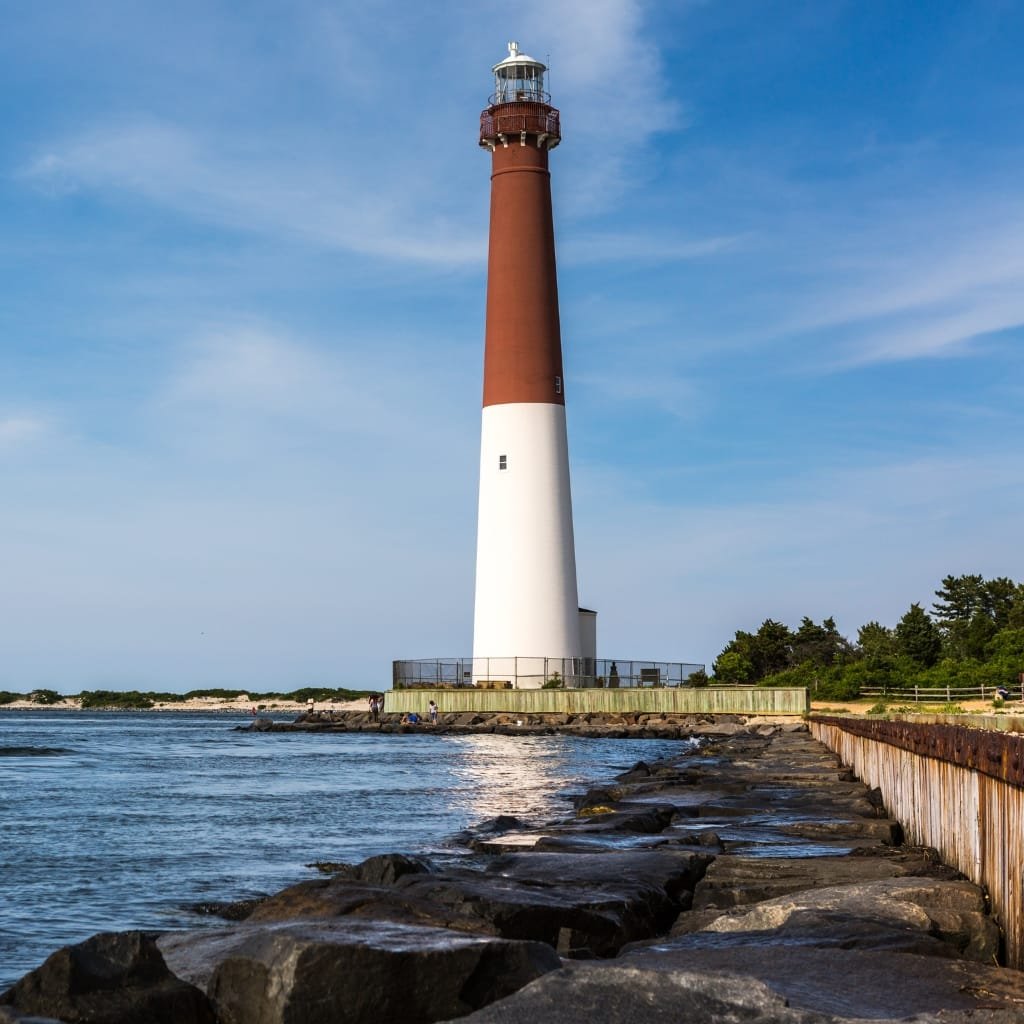
A tall, two-tone lighthouse with a brown upper section and white lower section stands on a rocky shoreline, with a calm sea and blue sky in the background.
A classic coastal lighthouse rises from the rocky shore, guiding ships along the horizon.

To fully appreciate jersey fabric, one must trace it back to its roots. The fabric takes its name from the Isle of Jersey, a British Crown dependency in the English Channel. Fishermen on the island first used this type of wool knit for its warmth and stretchable properties.

The changes the fabric underwent were more than simply transformative. French designer Gabrielle “Coco” Chanel was the first to capture the essence of femininity using jersey cloth, thereby bringing it from its past associations with undergarments and activewear to the high fashion world. As she once famously declared, “I make fashion women can live in, breathe in, feel comfortable in.” Shortly after Chanel’s innovation, jersey cotton gained notoriety through the humble t-shirt, which was first issued to the U.S. Navy in 1913. From that moment on, the jersey cotton t-shirt has remained an irreplaceable and ubiquitous item of clothing worn worldwide. Ultimately, perhaps the most defining—and paradoxical—feature of jersey fabric is its remarkable versatility.

Designers value it for its ability to serve both high-fashion aesthetics and functional, everyday textiles with equal success.Read more..History of Cotton Fabric

Key Characteristics: The Pros and Cons of Jersey

The apparel industry owes its profits from the fabric to an unusual array of characteristics that contribute to the ease of wear and comfort associated with the fabric. Kent, St. John, Knoll, and Trevillion list these characteristics as:

Advantages

A close-up of soft, white fabric with subtle ribbed texture and gentle folds.
Soft, ivory fabric folds create a tranquil, tactile close-up.

Above all, extreme softness defines jersey fabric. This is because it has the ability to flatter and comfort the skin, and as such, is highly sought after. Furthermore, wearers appreciate the cotton knit which is not only seamless and smooth but also does not irritate the skin.

Unparalleled Flexibility and Resilience: Jersey cloth naturally stretches (one way across the grain) and therefore permits ease of movement in the fabric while forgiving fit all around. Jersey bespoken of high quality fabric will always return to its original form after being stretched beyond limits.

Absorbent and Air Permeable (Breathable): Cotton as a fiber is naturally breathable and absorbs moisture. Wearing activewear or sleepwear made of jersey cotton or any other summer wear while outdoor activities or in warm weather will help in efficiently managing excessive perspiration and discomfort by keeping the body cool.

Furthermore, jersey possesses a beautiful weight and fluidity, which allows it to drape elegantly on the body. This inherent characteristic makes it a brilliant choice for flowy dresses, skirts, and tops that require softness and graceful movement.

Washable and Generally Durable: Jersey cotton is low maintenance when traveling or on the go with its limited tendencies to crease. Most of the jersey cotton are machine washable and dryable, alongside their general durability.

Disadvantages

Close-up of a textured, natural-beige fabric with visible weave and soft folds.
A tactile close-up of cream-colored woven fabric, highlighting its texture and drape.

Edges Curl: The inward curling of the raw edges of jersey fabric, and particularly the cut edges due to knitting individually, will tend to curl, making the set sewing very difficult.

Low-quality jersey knits often stretch out and lose their shape over time. For example, cheap sweatpants frequently develop baggy knees, while low-grade t-shirts may develop droopy necklines that fail to retain their original fit.

Fading Potential: Although cotton jersey fabric holds dye well during the first washes, the, particularly darker ones, may fade after several washes.

Jersey vs. Interlock: Types of Knits

Many people tend to confuse jersey with other types of knits, more so with Interlock.

A split-background image showing two fabrics: left side is a gold-toned fabric with a repeating circular geometric pattern; right side is a blue mesh fabric with tiny perforations. A large white “VS” graphic sits between them.
Interlock Fabric vs Jersey Fabric: a bold side-by-side comparison.

Jersey utilizes a single-knit construction. This method produces a lightweight fabric with a distinct right side that shows a subtle rib and a textured, looped wrong side. Its edges tend to curl inward, and manufacturers most commonly use this versatile knit for crafting t-shirts.

Interlock is a double-knit fabric. It has two layers of jersey knit layered back-to-back. This makes Interlock thicker, more stable, and has a smoother surface on both sides (the edges do not curl). It is often used to make heavier t-shirts, baby clothes, and more structured knit garments.

In conclusion, for lightweight and drapey garments such as tops and dresses, use jersey. Interlock is more suitable for structured and stable garments that need heavier fabric.See more….Canvas Cotton Fabric

The Versatility of Jersey Cotton Fabrics

A plain blue T-shirt displayed against a white background, shown from the front with short sleeves and a ribbed crew neckline. jersey cotton fabric
Classic blue T-shirt: simple, versatile everyday wear.

Jersey’s distinct blend of comfort and adjustable nature makes it suitable for many uses.

Apparel: This is the main area of use for jersey. It is the fabric on all t-shirts, tops, dresses, skirts, pajamas, loungewear, leggings, and even underwear. It drapes beautifully and has incredible stretch.

Baby and Children’s Clothing: The breathable and stretchable material of jersey is readily suitable and simple to care for in baby onesies and play T–shirts, also in play and school clothing for children.

Home Goods: The jersey comfort is not restricted to clothing. Its increasing use in home textiles includes throws, bed sheets, and cushion covers.

Crafting: Most sewists appreciate and admire jersey for its easy manipulation and pristine finish that rivals retail standards.

Beginners Guide: Sewing with Jersey

For the total novice, sewing with jersey is no easy feat especially with its stretchy, curling edges. However, the right approaches taken to sewing with jersey are the most beneficial and highly rewarding.

Choosing the Right Needle and Thread: A ballpoint needle is one of the most important tools for sewing jersey. A sharp needle will puncture the fabric, resulting in snagging and runs in the knit, whilst a ballpoint needle will separate the fibers. Use a polyester thread for its slight stretch, which helps with the seams as the fabric will move.

Stitch Selection: Every time you sew with jersey, a straight stitch risks popping under tension because it lacks elasticity. Instead, you should use a narrow zigzag stitch or a dedicated stretch stitch, as these allow the seam to stretch with the fabric without breaking.This means the seam will break.

Instead of a narrow zigzag stitch, which is a narrow zigzag stitch, or a stretch stitch. These kinds of stitches can stretch without breaking. The the stitch can’t break. Jersey is best sewn with a serger (over-locker), which allow the seams to be sewn, trimmed of, and finished in a single motion.

Curling edges: The most efficient means of controlling these problems is the use of pins, pattern weights or fabric clips to hold the layers together. Spray starch is useful in adding a stiffening quality to the edges to take away the tendency to curl. The edges of seams are finished with a serger, and the zigzag stitch is best used on a regular machen.Read more…..Upland Cotton

Caring for your jersey cotton garment:

A person folding laundry on a table in a laundromat, with a stack of neatly folded clothes in white, beige, and rust colors and a laundry basket in the background. jersey cotton fabric
Folding clean clothes at the laundromat.

Your jersey will not lose its color, shape or texture, provided that you take the right steps in caring for it.

Washing: on a gentle cycle, machine wash in cold or warm water. To shield the surface from friction, the garment must be turned inside out to reduce the fading. Use a mild detergent.

Drying: the fabric can be tumble dried on a low setting, with the intention of preventing shape loss and shrinkage, and removed in a timely manner. Alternatively, gentle line drying will best maintain the elasticity of the garment.

Ironing garments- If the garments need ironing use the middle temperature with steam. Iron on the inner fabric to prevent stretching the garment or to prevent any shine on the right side.

How to Choose Quality Jersey Fabric

The quality of jersey can vary significantly. Look for these markers that depict jersey fabric quality:

Weight (GSM)- Jersey is measured in grams per square meter (GSM). Lightweight jersey (130-150 GSM) is perfect for flowy tops. Medium weight (150-180 GSM) is preferred for t-shirts. Heavyweight (200+ GSM) is used for sweatshirts.

Stretch and Recovery- Stretch the fabric widthwise. Quality jersey will bounce back with no distortion, while poor quality jersey will sag.

Fiber Content- In terms of breathability, look for the jersey with 100% cotton. Blends with elastane (95% cotton, 5% elastane) provide excellent stretch and recovery.

Feel- The fabric should feel soft, smooth, and dense, not thin, papery or slippery.

Finale: Relish the Softness of Jersey

To the rest of the world, jersey cotton is more than a t-shirt fabric. Unlike other fabrics, its knit works make the cotton stylish, functional, and above all comfy. Jersey’s journey from an island to all over the world is astonishing, and the softness, stretch, and practicality of jersey prove its worth.

Like other fabrics, jersey’s softness, stylishness, and ease of draping and caring make it an all time favorite for beginners and(professionals alike). The next time you’re wearing a comfortable dress or your favorite t-shirt, consider the jersey knit single cotton that makes every outfit comfortable and casual. This fabric is a classic and timeless.

FAQs

 What is jersey cotton fabric?

Manufacturers create jersey by interlocking loops of thread into a single-knit fabric, typically using cotton yarns. This process gives the fabric its renowned softness, stretch, and comfort, making it ideal for t-shirts, dresses, and loungewear. Unlike woven fabrics, which use a crisscross method, jersey’s knitted structure allows for greater flexibility and ease of movement.

Does jersey cotton stretch?

Yes! Jersey has natural two-way stretch (across the width) due to its knit structure. Blends with elastane (e.g., 95% cotton, 5% elastane) offer even greater stretch and recovery.

Is jersey cotton good for beginners to sew with?

It can be challenging due to curling edges and stretch. However, using a ballpoint needle, stretch stitch, and polyester thread makes it manageable. Start with stable, medium-weight jersey.

Eco-friendly T-shirts That Make Sustainable Fashion Effortless

Shoppers today are more aware of eco-friendly T-shirts That Make Sustainable Fashion Effortless than just another form of clothing. For many, these T-shirts signify an evolution of effortless consumerism aims to blend comfort and sustainability without the overstretch. From all corners of the globe, shoppers are eco-friendly T-shirts because they are fashionably responsible. Unlike fast fashion, which many criticize for its careless approach to the environment,  Planet-Friendly T-Shirt That Make Sustainable Fashion Effortless allow people to embrace sustained, guilt-free fashion. Thoughtfully crafted and ethically produced, these T-Shirt perfectly blend contemporary design with eco-friendly production. Sustainable fashion is now practical, stylish and effortless.

Reasons For Global Adoption of Eco-Friendly T-Shirts

Shoppers are eco-friendly T-shirts That Make Sustainable Fashion Effortless chiefly due to the positive environmental impact of the T-Shirts. The T-Shirts are craft using responsible production techniques which minimizes damage due to waste and lower water consumption. The design of the T-Shirts is particularly attractive to the young, who are Planet-Friendly T-Shirt because the principles of sustainability. Furthermore, eco-friendly T-Shirts That Make Sustainable Fashion Effortless allow for the effortless alignment of clothing choices with one’s personal values and consumer ethics. The comfort and etiquette paradox has been resolve. This, coupled with the proliferation of eco-friendly fashion, is fueling an increase in global demand.

Eco-Friendly T-Shirts: Reducing Environmental Impact with Sustainable Materials

"Row of plain T-shirts hanging on a clothing rack in grayscale."
“A grayscale display of T-shirts on a rack, transitioning from light to dark tones.”

The Eco-friendly T-shirts That Make Sustainable Fashion Effortless support sustainable fashion goals through their reduction of detrimental environmental practices. These T-shirts is made of organic cotton, bamboo, hemp, or other recycle materials, which require significantly less processing chemicals.  Planet-Friendly T-Shirt also do not shed microplastics, unlike most synthetic fibers, and are frequently manufacture in emission-responsible resource-poor facilities. Thus,  Planet-Friendly T-Shirt Make Sustainable Fashion Effortless provide a case study in clothing that can help, rather than harm, the planet. Wearing these clothes means supporting a fashion ecosystem that balances vertical responsibility and enduring elegance.

Materials Used in Eco-friendly T-shirts That Make Sustainable Fashion Effortless

Eco-friendly T-shirts make sustainable fashion effortless. This is made by 100% organic, renewable, and biodegradable fabrics. Organic cotton is grown without harmful botanicals or chemicals. Bamboo is another eco-friendly textile that is organic, renewable, biodegradable, and compostable. Hemp is esteem for yielding versatile, durable, and breathable clothing suitable for Planet-Friendly T-Shirt. Some brands market clothing made from polyester, creating long-lasting, durable apparel. These T-shirts are beautifully design, and buyers are assured that their funds support the eco-friendly cause, standing against the irresponsible use of synthetic fabrics.

The Comfort and Quality of Eco-friendly T-shirts

Eco-friendly T-shirts That Make Sustainable Fashion Effortless provides unparalleled comfort and positively impacts the environment. The softest fabric is organic cotton and bamboo fabric is naturally very breathable in the heat. Unlike ignorance synthetic T-shirts, eco-friendly T-shirts are non-irritating and embrace skin breathability. Many customers are drawn to this sustainable T-shirt because the quality exceeds the lower price fast fashion option. To summarize, Planet-Friendly T-Shirt That Make Sustainable Fashion Effortless creates style without sacrificing durability. Total comfort, eco-friendly design and long-lasting wear makes the T-shirts a highly valuable item for any wardrobe.

T-shirts is in line with the theme of Eco-friendly Sustainable Fashion with Everyday Style.

"Woman wearing a plain black short-sleeve T-shirt against a neutral background"
"Close-up of a black crew-neck T-shirt on a model"
“Simple, everyday style: black crew-neck T-shirt.” “Casual black tee with relaxed fit on a minimalist backdrop.” “Effortless basics: a classic black short-sleeve T-shirt.”

Eco-friendly and sustainable T-shirts are versatile closet staples that integrate seamlessly into everyday outfits. Wear a t-shirt with jeans, skirts, or trousers, styling it for casual or semi-formal settings.. Eco-friendly T-shirts’s minimalist designs are great for layering, while bold graphic prints stand out in a crowd.Sustainable style isn’t a dominant factor in the designs of fast-fashion, eco-friendly T-shirt, which have successfully proven this point. Instead, they have proven that the desire to create sustainable fashion designs does not lack innovative outputs as these designs stylishly cater to the needs of the wearers as well as the environment.

This is the most reason why these T-shirts can be effortlessly worn with the understanding that they are contributing to the protection of the environment with conserving the T-shirts. And time and again, the abundance of these T-shirts proves that fashionable style is also timeless.

Monetary Gains from Demanding Environmentally Friendly T-Shirts

Investments in  Planet-Friendly T-Shirt That Make Sustainable Fashion Effortless are rational investments considering their possible long-term gains. Environmentally friendly T-Shirts That Make Sustainable Fashion Effortless will save consumers money regardless of their initial prices being higher than most fast fashion garments. Offsetting replacements, fast fashion, cheap and low quality, is made due to the former garments lasting longer than their replacements. Better yet, fast, cheap, and low quality garments require to be maintained and bought once succeeded in the purchase of ethnically made T-Shirts. Savings due to waste released and as a result, being environmentally friendly emerge. It is evident in the example provided that purchasing these eco-friendly T-Shirts will not only transform the lifestyle of the buyer, but transform purchase-relationships with other sustainable companies selling less outrageous and outrageous prices for eco-friendly goods.Sustainable T-Shirt and Their Production Support the Green Movement.

Sustainable T-Shirts: Promoting Ethics, Fair Wages, and Community Well-Being

Sustainable T-Shirts That Make Sustainable Fashion Effortless have dedicated worker wages as well as safe and clean working conditions, which is one approach to protect and promote the ethical treatment of workers. This ethical commitment extends beyond simply treating workers and employees with respect. Sustainable T-Shirts That Make Sustainable Fashion Effortless is dedicate to the well-being of local artisans and small communities as well. Consumers have the responsibility to promote the work of small communities and artisans.  Planet-Friendly T-Shirt are an opportunity for the consumers to promote care for the environment and better policies within the clothing industry. Thus, sustainable T-Shirts should be advocate for as they promote virtue and moral. People can walk with pride when they wear Sustainable T-Shirts.

E-Waste and Eco-Friendly T-Shirts.

Sustainable T-Shirts That Make Sustainable Fashion Effortless promote circular fashion and help to reduce waste. They can be easier and even designed for disintegration, thus much softer and less intensive on the environment. Unlike dry fit clothes which are fast fashion and burn out very quickly, Sustainable T-Shirts can last for an extended period. Certain eco friendly clothing brands run t-shirt recycling programs. Thus, the Sustainable T Shirts That Make Sustainable Fashion Effortless helps to minimize the waste in the fast fashion world. The use of these garments not only maintains a stylish wardrobe, but also actively reduces the global problem of fabric waste.

Eco-friendly T-shirts in the Global Fashion Industry

 A young woman with light brown hair pulls on the sleeves of an oversized black T-shirt, facing the camera against a light gray background.
“Effortlessly casual: embracing a relaxed fit with an oversized black tee.”

Eco-friendly T-shirts in the Global Fashion Industry represent a major step toward sustainability and responsible consumption. Made from organic cotton, hemp, bamboo, or recycled fibers, these T-shirts reduce waste, water usage, and chemical pollution. Unlike synthetic clothing, they avoid microplastic pollution and support fair labor practices. As global fashion shifts toward eco-conscious choices, Eco-friendly T-shirts prove that style and sustainability can coexist. They empower consumers to support ethical fashion while protecting the environment, making them essential in today’s clothing industry.

How to Style Eco friendly T-shirts Effortlessly

Ecofriendly T shirts That Make Sustainable Fashion Effortless unlock a multitude of styling possibilities for the contemporary, mindful wardrobe. For casual looks, slide on ecofriendly Tshirts with a pair of denim jeans or cut off shorts for a classic touch. For smart casual settings, skirts or tailored trousers with blazers will do the trick, with Planet-Friendly T-Shirt elegantly tucked in. Eco friendly T shirts also can be styled with scarves, jackets, or jewelry to achieve unique looks. In this sense, ecofriendly T shirts That Make Sustainable Fashion Effortless can achieve every style for every occasion. Effortlessly proving that styling these garments also shows that sustainable fashion is not only easy to wear, but also endless in style options.

Washing and Caring for Eco-Friendly T Shirts

 Planet-Friendly T-Shirt That Make Sustainable Fashion Effortless need serious attention to detail to retain quality and longevity. Washing in cold water minimises energy use and maintains the softness of ecological fabric. Use natural detergents to make sure eco-friendly T-Shirt stay chemical free and help in protecting the environment. Air drying as opposed to machine drying helps extend the lifespan of Planet-Friendly T-Shirt That Make Sustainable Fashion Effortless. Furthermore, not washing the garment too frequently helps to maintain the strength of the fabric and minimises the risk of fading Planet-Friendly T-Shirt need simple care to maintain their stylishness which in turn helps ensure that sustainability does not take a back seat. These simple care habits help both the wearer and the planet.

Who Are The Leading Brands Offering Eco-Friendly T Shirts

Eco-Friendly T Shirt That Make Sustainable Fashion Effortless can be purchase from a number of renowned sustainable fashion firms. Brands such as Patagonia, Pact and Tentree design and manufacture eco-friendly T Shirt while employing ethical and sustainable practices. These brands focus on organic textiles, emission reduction, and environment-friendly manufacturing. In addition, many smaller independent brands, that are also focus on environmentally friendly practices, design and produce unique styles of Planet-Friendly T-Shirt That Make Sustainable Fashion Effortless. Buying from these brands enables customers to adopt a sustainable approach to fashion while not sacrificing style and price. Because of this, these eco-friendly T Shirt are accessible to a wide range of budgets, styles, and ethical preferences. Supporting these brands bolsters the global movement for sustainable fashion.

The Future of Eco-friendly T-shirt and Sustainable Fashion

As awareness increases, so will the demand for sustainable clothing around the world. Conversely, the  Planet-Friendly T-Shirt That Make Sustainable Fashion Effortless will continue to shape the future standing of the global fashion industry. Fashion brands that produce  Planet-Friendly T-Shirt will be the leading brands in the fast growing competitive industry of tomorrow. Made easier to slip on in an instant, the Planet-Friendly T-Shirt Make Sustainable Fashion Effortless will be a preferred option over harmful fast fashion products due to a rise in demand. More and more governments will step in a create stringent policies about sustainability, which would in turn, increase the demand for the Planet-Friendly T-Shirt.  Planet-Friendly T-Shirt show that the fashion industry and the sustainability dhould be working together to achieve a greener and more stylish future.

Conclusion: Embracing Eco-friendly T-shirts That Make Sustainable Fashion Effortless

The  Planet-Friendly T-Shirt That Make Sustainable Fashion Effortless are the perfect example of sustainable fashion. Their purpose is to strike a balance between style, comfort and responsibility. They also allow for the individual to remain progressive, all while protecting the planet and engaging in ethical consumerism. Planet-Friendly T-Shirt fosters a system of prolonged usage, waste minimization, waste alleviation, global financial savings, and increase consumer enrichment. These  Planet-Friendly T-ShirtThat Make Sustainable Fashion Effortless align with consumer values, which is quality, fairness and progress in protecting the environment. By investing in  Planet-Friendly T-Shirt, the wearer also has a system of effortless sustainability. In this form, the  Planet-Friendly T-Shirt form the basis of sustainable fashion that guides the industry into a better tomorrow.

FAQs

What makes Eco-friendly T-shirts sustainable?

Eco-friendly T-shirts are made from organic cotton, hemp, bamboo, or recycled materials with reduced environmental impact.

How do Eco-friendly T-shirts support sustainable fashion?

They minimize pollution, avoid harmful chemicals, promote fair wages, and reduce microplastic shedding compared to synthetics.

Are Eco-friendly T-shirts comfortable to wear?

Yes, they are breathable, soft, and durable, making them stylish and comfortable for everyday wear.

Flight Bomber Jacket: Timeless Style Meets Modern Utility

0

Flight Bomber Jacket was designed as a practical piece of gear for World War II Pilots. These jackets kept pilots warm at high elevations. These jackets were made with durable fabrics, insulated linings and balanced comfort and functionality. The Flight Bomber Jackets has evolved over time. The jackets found a place in fashion as a symbol of courage, adventure and timeless style. The jackets is still worn today, and it still has the spirit of its history. It’s more than outerwear.

Why the Flight Bomber jackets Remains an Icon of Style

The Flight Bomber Jackets combines rugged history and modern fashion. The cropped style goes with many outfits. It adapts easily to jeans, sneakers and boots. The Flight Jacket is a favorite of designers, but its design remains the same. Its balance between heritage and versatility makes it an iconic jacket. No matter what decade, the jacket feels fresh.

The Flight Bomber Jackets: Key Features

Flight Bomber Jackets features ribbed cuffs and a snug waistband. It also has functional pockets. These details ensure a snug fit and keep you warm. They are practical to wear every day because they feature nylon that is water resistant. Some add shearling collars for extra comfort. Flight Bomber Jackets combine utility with style. The Flight Bomber Jackets is a timeless piece of clothing because it has both a fashion and a function.

How to Style Your Flight Bomber Jacket For Any Occasion

A young man walks down a city street while looking at his smartphone. He wears a olive-green flight bomber jacket over a white T-shirt and light-wash jeans, with a focused expression. Urban buildings and parked cars blur in the background.
How to Style Your Flight Bomber Jacket for Any Occasion

The Flight Bomber Jacket can be worn with both casual and semiformal attire. Pair it with denim and a white tee for a casual look. For a casual weekend look, add sneakers. Layer the Flight Bomber Jacket on top of a buttoned-down shirt for a smart casual look. Chinos and loafers complete the polished look. The jacket’s adaptability makes it a must-have for all seasons. You can style it for work, evenings, or outings without losing any of its edge. Read more: Top Bomber Jacket

Flight Bomber Jackets in Modern Streetwear Styles

Flight Bomber Jacket was adopted by streetwear culture decades ago. It stands out with its oversized fits, bold colors and statement patches. The classic is often updated by brands with unique patterns and modern fabrics. The Flight Bomber Jackets goes well with joggers and high-top shoes. The strong silhouette gives any urban look attitude. Its fusion of street appeal and comfort ensures that it remains at the forefront of fashion today.

Choose the right Flight Bomber Jacket For You

“Young man wearing a dark olive bomber jacket over a white t-shirt and blue jeans, smiling and giving a thumbs-up against a light gray background.”
“Choose the Right Flight Bomber Jacket for You: versatile style, comfortable fit, and timeless appeal.”

The Flight Bomber Jacket you choose depends on your lifestyle. If you want something lightweight, choose nylon. Choose a jacket that has a shearling or padding lining if you are looking for warmth. The colors are also important. Bold colors add personality, but black and olive are timeless. Fit is also important. The Flight Bomber Jacket must fit snugly but not restrictingly. The right jacket will ensure style, comfort and practicality.

How to Care for your Flight Bomber Jackets so that it Lasts

Alt text describing all four panels: “A four-panel guide to caring for a flight bomber jacket: 1) Close-up of a zipper on a dark bomber jacket with a leather pull tab; 2) Inner lining and stitching detail of the jacket; 3) Bottom hem with reinforced knit cuff; 4) A full lay-flat view of a dark bomber jacket folded on a surface.”
“How to Care for Your Flight Bomber Jacket so It Lasts”

The Flight Bomber Jackets will last a lifetime, but it is important to take care of it. Nylon jackets can be machine washed, but leather and shearling jackets require special cleaning. Follow the instructions on the tag. To maintain its shape, store your Flight Bomber Jackets in a large hanger. Keep it out of direct sunlight. Your jacket will look great for many years if you take care of it properly.

The Flight Bomber Jackets is a timeless investment in fashion

Flight Bomber Jackets are more than just a fashion statement. This is an investment for timeless style. Few jackets combine history, functionality, and versatility as well. The Flight Bomber Jackets is timeless, whether you like modern or classic designs. It fits into every wardrobe and season. It is a must for anyone who appreciates timeless fashion.

conclusion

The Flight Bomber Jacket is proof that style never fades. It combines history, functionality, and fashion. The versatility of this jacket makes it suitable for smart or casual looks, as well as streetwear. Flight Bomber Jackets can last for many years with the proper care. This jacket is a wardrobe staple, whether you opt for classic or modern styles. Investing in a jacket is an investment in utility and lasting fashion.
Read more Article// Types of Bomber Jackets: The Complete Guide to Style &amp

FAQs

What makes a Flight Bomber Jacket different from other bomber jackets?

Designers originally created the Flight Bomber Jackets for pilots, featuring ribbed cuffs, a fitted waist, and practical pockets for functionality.

Can you wear a Flight Bomber Jacket in all seasons?

Yes. Lightweight nylon versions work well in spring and fall, while shearling-lined options are ideal for winter.

How do you style a Flight Bomber Jacket casually?

Pair it with a t-shirt, jeans, and sneakers for a relaxed, timeless look.

Is a Flight Bomber Jacket good for formal outfits?

Yes, you can style it with chinos and a button-down shirt for a smart-casual appearance.

How should I care for my Flight Bomber Jacket?

Follow the care label. Nylon versions are often machine washable, while leather and shearling require professional cleaning.