Home Blog Page 114

Fashion Rayon Fabric: The Perfect Blend of Style & Comfort

0

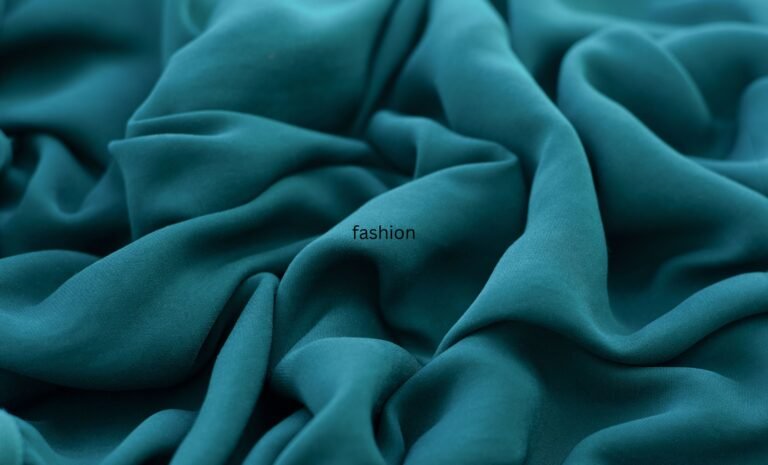
Fashion is much more than a statement. It holds a unique personality, mood, and lifestyle of a person. Every stylish outfit begins with the right fabric, and there is Fashion Rayon Fabric which offers beauty and comfort. This wonderful fabric combines luxury and practicality in a piece. People love the fabric because of its softness, smoothness, and elegant draping. It feels light on the skin and looks classy. It is adored by designers as well as the wearers. It suits all seasons and styles. No wonder this fabric is winning hearts around the globe.

The Origin & Charm of Rayon
A neatly folded white long-sleeve shirt on a light surface, showing the ribbed collar and cuffs.
The Origin & Charm of Rayon: A textile journey from fiber to fashion.

The beginning of rayon dates back to the late 19th century when scientists sought to create a substitute for silk. The intention was to a fabric that possessed a smooth finish like silk. In no time rayon was a Silk substitute. Today, Fashion Rayon Fabric carries the legacy of seamless innovation. It looks luxurious, is soft to the touch, and is cool to the body during warm weather. The charm of rayon is its versatility. It can imitate various natural fibers, having the luster of silk, warmth of cotton, coolness of linen, and added strength. This combination makes it ideal for any time and occasion.

Why Designers Enjoy Using Fashion Rayon Fabric
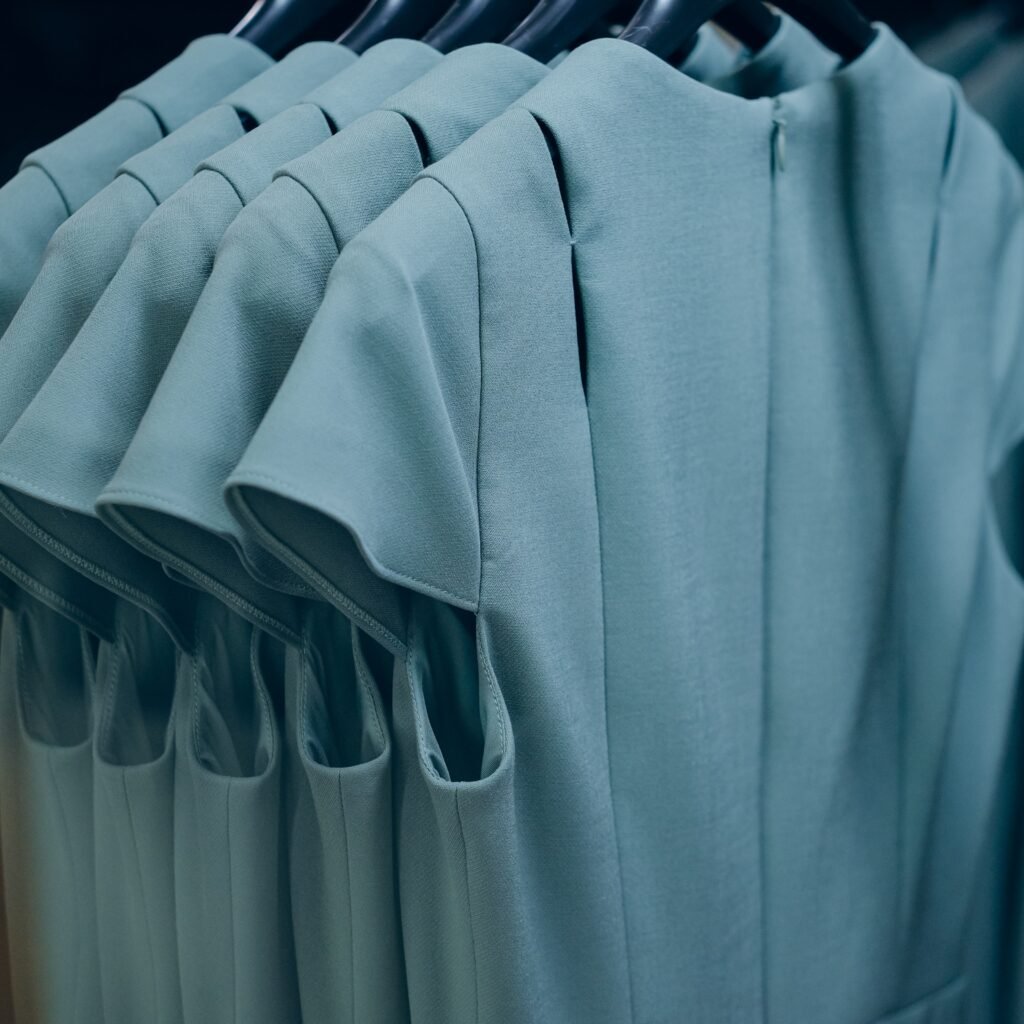
Rows of light teal rayon dresses hanging on racks, showcasing soft drape and smooth fabric.
Designers love fashion rayon fabric for its graceful drape, softness, and versatile feel.

Designers appreciate fabric versatility and use Fashion Rayon Fabric because it meets this requirement. It offers ease beginner sewists and helps them navigate more complex cuts. For novice sewists it may be used in draped dresses, skirts, or shirts. Every outfit is flattering and flows to the body. It also absorbs dyes and patterns beautifully. As a result, the colors are more vivid, the patterns beautiful, and the designs alive. These qualities make Fashion Rayon Fabric universally loved among designers.

Getting Comfortable in Fashion Rayon Fabric

Clothes that are soft, lightweight and smooth provide h comfort. Fashion Rayon Fabric is all this. Even after hours of wear fashion dryer fabric, keeps a cool and airy feel. It also smoothes out and gently glides to the skin. It adds a luxury feel and layer of frictionless smoothing to the already light fabric. From light casual wear, to more structured office wear, fashion dryer fabric improves comfort. It is also breathable, and offers an ease of movement making it suitable for warm weather.—

A Perfect Choice for Every Season

Finding the right fabric for each season can be quite a challenge. Fashion Rayon Fabric makes it easy. In the summer, it keeps you cool and breezy, while in the winter it can be layered comfortably without feeling heavy. The fabric absorbs moisture, allowing your skin to stay dry. It circulates air, and your body temperature sweat and discomfort. The fabric also adjusts to your body temperature, making it a top fabric for any season. People love the timeless adaptable nature of it. The perfect combination of style and function proves to maintain high demand.

The Role of Rayon in Sustainable Fashion

In the past couple of years, people have started to care more about sustainability in fashion. People started caring more about planet-friendly fabrics. Fashion Rayon Fabric offers a great contribution to that cause. Rayon is made from natural cellulose which predominantly comes from wood pulp. Though it undergoes some chemical treatment, it is still semi-natural. Many of the modern rayon producers use more eco-friendly methods which makes it safer for the environment. Sustainable Rayon Eco-Friendly options also reduce waste and pollution making modern fashion greener. Thanks to the new methods of producing rayon, the eco-system can style itself and age gracefully.—

How Fashion Rayon Fabric Feels on the Skin

Every cloth has a different feel to it. Some are rough while some are slippery. The texture of Fashion Rayon Fabric is just what you need for something that is silky and not sticky. It is also smooth and not fragile. The gentle touch has a nice cooling effect. It also bends and shapes with the body. The feel remains the same soft and graceful even when it is used in a fitted blouse or a flowing gown. It is also light and sophisticated, so people call it luxurious without being demanding. Wearing it makes it feels like there is a soft breeze flowing against the skin.

The Beauty of Colors and Prints

The best part about Fashion Rayon Fabric is that it adds life to any outfit. It has the ability to hold color and it absorbs dyes evenly so any shade you choose it will be vibrant and remarkable. It isn’t just the light colors that look good, the dark colors also look stunning. Rayons prints are also crisp and clear which is another reason designers love to use this material, they can highlight every detail. It will look just as amazing with floral designs as it will with geometric patterns. The surface will reflect light in a smooth way, adding even more elegance to your outfit.

Caring for rayon garments

Taking care of any fabric properly helps in retaining their initial form longer. Fortunately, Maintaining Fashion rayon fabric is easy. Although these types of garments appear to be weak, they can, in fact, be washed very gently at home. Washing rayon fabric under cold running water, along with gentle and mild soap, is preferred. Do not wring or twist the fabric, as this can ruin the rayon garments shape. To keep the fabric smooth or wrinkle free, ironing at the lowest temperature is suggested. Keeping rayon fabric neatly stored helps in longer wear. These small actions help as the protective.

Usage of rayon in modern trends

Fashion changes over time. However, some types of fabric continue to be loved and widely used. Fashion rayon fabric is one of these. From high fashion to street wear, rayon fabric is extremely versatile. Rayon fabric is widely used in modern day maxi dresses, business casual shirts, and even formal evening gowns. From casual to formal outfits, core and modern day designers have used rayon in their collections. In the past few years, rayon has become one of the core fabrics used in global branded collections. Outfits made in rayon flow nicely, and with their smooth texture, they have an overall premium feel. The way the fabric flows, it complements and flatters every body shape, making it universal to all.

The Reasons Customers Select Rayon Over Other Materials

Comfort and low cost are influential factors when making purchases. This is the reason Fashion Rayon Fabric is loved by consumers. It offers comfort comparable to expensive textiles at a lesser price. Many prefer it to polyester or nylon due to its breathability. It is also cool to the touch and does not capture heat or moisture which is a plus during summer. This is ideal for hotter countries. It also does not pill and the colors do not fade. Customers enjoy the ease of use and overall, the low maintenance is appreciated.

Rayon’s Impact on the Textile Market

The textile industry is fairly new, and is full of new innovations and materials. Even so, Fashion Rayon Fabric is and will always be a staple. It is the only fabric that connects and completes the cycle of natural and synthetic textiles. This is due to the advanced spinning and weaving techniques which add to the quality. This refinement increases the smoothness and strength of the fabric. Each year, its use drives more and more designers to start new lines. It also helps a lot of small industries. With technological advancements, rayon is predicted to do very well in the global scene.—

Combining Rayon with Other Fabrics

Sometimes, it is useful to combine fabrics to get different textures and different qualities. For the Fashion Rayon Fabric line, this has been particularly successful. When rayon is blended with cotton, it becomes softer, and more breathable and polyester blends make it stronger and more resistant to wrinkling. Each combination brings new possibilities in comfort and style. The flexibility of the combination has made it popular in the fashion industry. The blend of fabrics together offsets rayon’s strength and shine and adds new toughness to the fabric.

Rayon in Home Decor and Lifestyle

Fashion includes decor and rayon can be used to style a home as well. In fact Fashion Rayon Fabric can be used to make curtains, cushion covers and even upholstery. Draped and soft rayon adds a formal touch to the room and the fabric’s fine texture with varying shades of color work together to enhance the room’s decor. It is a practical choice and sophisticated as well. Designers in home decor use it to make a house feel warm and comfortable. That’s why it is used to make home and lifestyle decor items.

Why Everyone Loves Rayon

While every country has favorite fabrics, a few manage to gain worldwide popularity. Without a doubt, Fashion Rayon Fabric has that honor. People from every continent, from Asia to Europe, admire its style and comfort. Its production has rapidly advanced in the last few decades. Fashion brands in every region now rely on him for fresh collections. Its lightweight nature also makes rayon easy to ship, which is a bonus. Consumers love how affordable it is. This worldwide goodwill shows how rayon is a connector of fashion lovers from all corners of the world.

How Rayon Fuels the Imagination

Fashion is an art. Designers have the freedom to cut, shape, and color it in any way they choose. Fashion Rayon Fabric is the perfect way for them to express creativity. Designers love how rayon easily adapts to a silhouette while retaining softness and flow. It moves beautifully with the wearer, enhancing the natural lines of the body and adding flow to the garment. It also takes color beautifully, which is perfect for artists who love strong and vibrant statements. This relationship of art and fabric is profound and continues to shape fashion in a wonderful way.

The Future of Rayon in Fashion

Innovation and sustainability are the two foundation pillars that determine the future of fashion industry. Thankfully, Fashion Rayon Fabric suits both elegantly. Production methods are still undergoing research that makes it even safer. Modal and lyocell, eco-friendly advanced rayons, are already here in the market. No other eco-friendly rayons are as soft as these sophisticated advanced eco-friendly rayons. From the environmental awareness growing and the rayons being so soft and eco-friendly, the rayons being ‘sustainable luxury’ means the future of the rayons ‘stays in the spotlight’ for the upcoming years.

Conclusion:

Every wardrobe deserves fabric that feels good and looks better. That’s exactly what Fashion Rayon Fabric delivers. It combines elegance, comfort, and versatility effortlessly. From casual outings to special events, it suits every need. The smooth touch, vibrant colors, and perfect fit make it a winner. As trends evolve, rayon stays relevant because of its timeless appeal. It connects past craftsmanship with future innovation. Choosing this fabric means choosing style without sacrificing comfort. Truly, rayon stands as the perfect blend of fashion and function in today’s world.

Faqs

Q1. What is Fashion Rayon Fabric?

Fashion Rayon Fabric is a soft, smooth material made from wood pulp. It feels like silk and is loved for its comfort and shine.

Q2. Why is Fashion Rayon Fabric so popular?

People love it because it looks stylish and feels light on the skin. It’s perfect for both casual and formal wear.

Q3. Is Fashion Rayon Fabric comfortable in hot weather?

Yes, it keeps the body cool and fresh. The fabric breathes well and absorbs sweat, making it ideal for summer days.
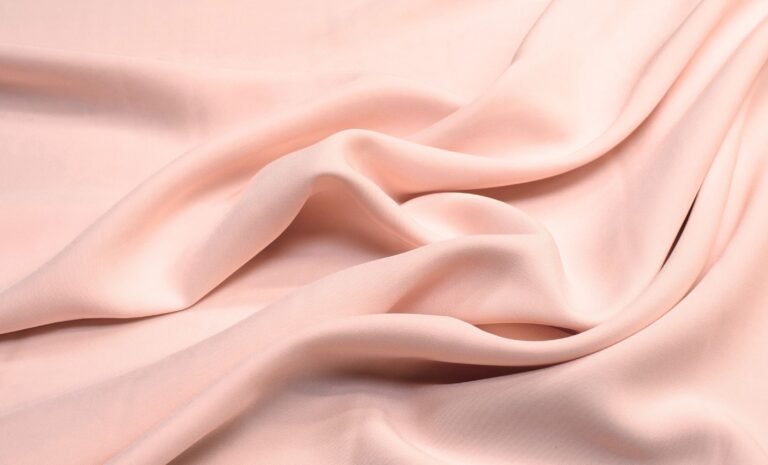
Is Rayon a Good Fabric? Everything You Need to Know.

0

Rayon has existed for a long time and is still a favorite when it comes to clothing. People love the soft and shiny touch of Rayon. But one question still comes to mind, Is Rayon a Good Fabric? It depends on it because it is used and what is expected of it. It has its downsides, its beautiful, its soft and it has a comfort level. Let’s explore its nature, comfort, and use case to see if it actually deserves a place in your closet.

What is Rayon Fabric?

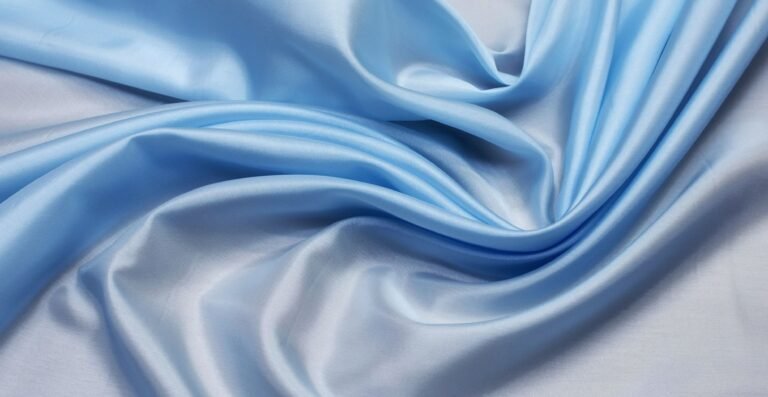
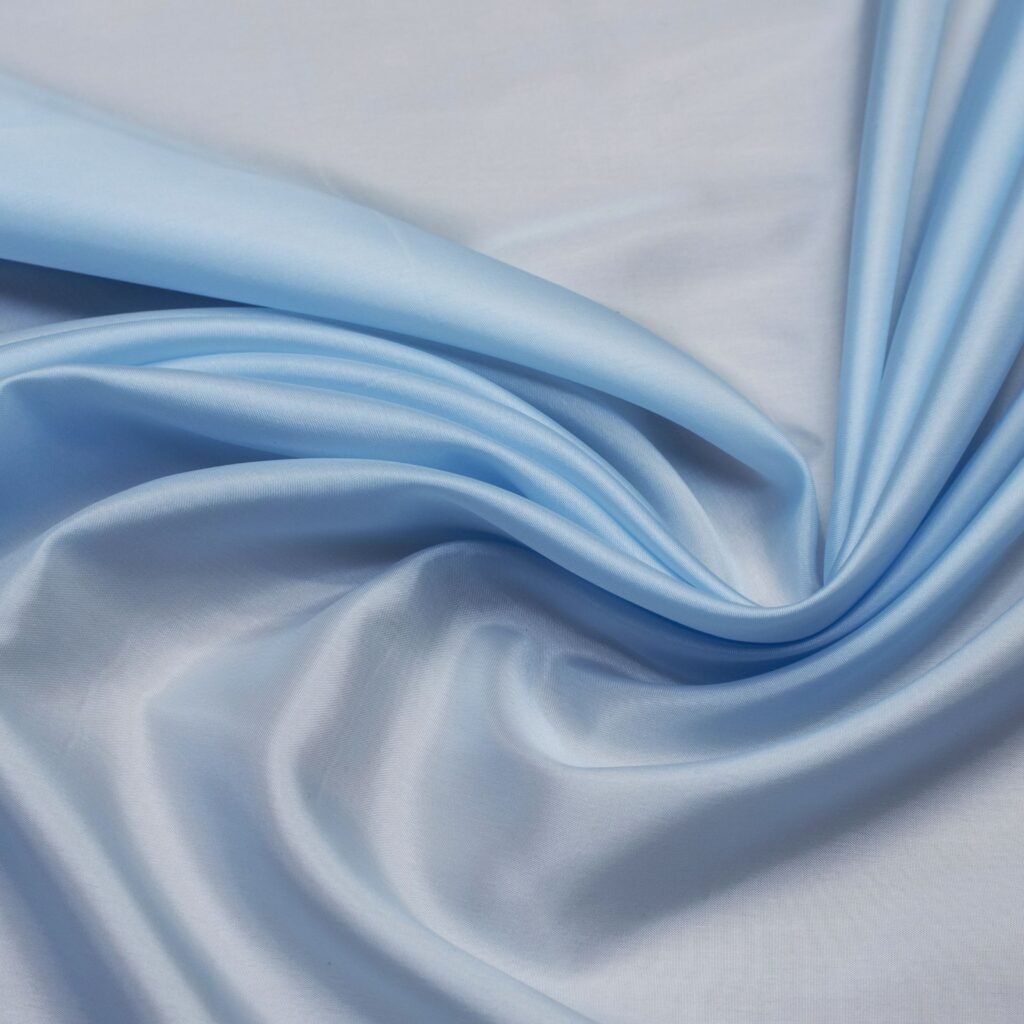
A smooth, light blue rayon fabric laid in soft folds with a shiny, draped texture.Is Rayon a Good Fabric.
Soft, silky drapes of light-blue rayon fabric.

To answer the question “Is Rayon a Good Fabric,” it is important to first understand the definition of rayon. Rayon is a semi-synthetic material that undergoes certain chemical processes after being made from cellulose that is derived from natural wood pulp. Because rayon is partially made from a natural source wood pulp, it achieves its unique and special characteristics. Rayon can be made to different levels of thickness and can have different finishes – shiny, matte, or a combination of the two. Because of its many finishes, rayon is a highly sought after material for clothing and home decor. It is similar to silk, which is why it is sometimes called “art silk” but is sold at a fraction of the price.

How Rayon Is Made

White fabric with the words 'The made of natural cellulose' overlaid
How rayon is made: a quick look at the process of turning natural cellulose into rayon fibers.

Production processes significantly influence the value of rayon as a fabric. The creation of rayon involves numerous chemical processes. Initially, a specific liquid is used to dissolve wood pulp, which is then turned into a thick solution. This solution is extruded through a spinneret to form rayon melt. The resulting rayon melt is removed from the extruder, then cleaned, dried, and spun into yarn. The yarn can then be woven or knitted into a fabric. The complete cycle of rayon production involves a series of thin sections to ensure the fabric is chemically treated. If the fabric is well manufactured, the result is a luxury fabric with a beauty finish. If the production processes are poorly executed, the fabric produced is low quality and rather weak.

The Feel and Comfort of Rayon

he comfort of rayon often makes people ask again — Is Rayon a Good Fabric? Rayon is known for its soft and silky texture. It feels cool on the skin, which makes it perfect for hot days. Many summer dresses, shirts, and skirts are made from rayon because it allows air to move easily. It drapes well and moves gently with your body. This smooth movement makes it a favorite for fashion designers who want light and flowing garments. Its soft feel adds comfort without heaviness. However, rayon can absorb moisture quickly and lose strength when wet. That means it needs gentle care.

Appearance and Versatility of Rayon

The beauty of rayon makes one wonder — Is Rayon a Good Fabric for a fashion lover? For rayon, fashion shines at the top because it imitates the look of luxurious silk and other high-end fabrics. It can be blended with cotton, polyester, and wool. It has a wide range of textures. This fabric is favorite of designers for making dresses, blouses, and scarves due to its beautiful draping quality. It takes dye amazingly, producing eye-popping colors that remain vibrant over time. Rayon is perfect for casual and formal outfits. For evening wear, it can look glossy and for day time it has the soft, matte texture. It conforms to every preference.

Strength & Durability of Rayon

When evaluating Is Rayon a Good Fabric, the questions of strength and durability arise. Rayon is strong when dry, but when wet, it weakens and becomes damaged, so washing it requires care. Hand washing or dry cleaning is often the best option. Machine washing may cause it to shrink or lose shape. Some modern versions like high wet modulus rayons are stronger and defend against damage much more. While it is true that rayon garments can last long and maintain all their aesthetic beauty, they are still not nearly as durable as cotton or polyester. Therefore, rayon is best used for fashion pieces and not heavy-duty garments.

Is Rayon Breathable & Comfortable to Wear?

When determining Is Rayon a Good Fabric, a personal level of comfort becomes most important. As a fabric, rayon is lightweight and allows for the flow of air, cooling the body, and providing comfort. Because of this, rayon is ideal for warm weather clothing and for use in tropical climates. Rayon can be worn next to the skin, as it is breathable and does not trap heat like its synthetic fabric counterparts. It also helps mitigate the discomfort caused by excessive sweating due to its moisture-wicking properties. However, rayon can also be a little more challenging to care for. It can stretch and wrinkle when it absorbs too much moisture, and thus special care should be taken when washing and ironing. Overall, its breathability makes it a popular choice for daily wear.

Is Rayon a Good Fabric for Sensitive Skin?

A common inquiry for people with sensitive skin is, Is Rayon a Good Fabric for comfort and safety? Rayon has a soft and smooth texture, which minimizes skin irritations, and is not rough like wool and stiff like polyester. Its breathability helps reduce the likelihood of heat rashes and itching. Its soft and smooth texture is the reason many individuals with SENSITIVE skin prefer rayon. A very sensitive person may experience slight skin irritations, due to the chemicals used in rayon. A person can avoid this by selecting high-quality rayon and blends made with safe dyes. Calcium is used in rayon, and properly washing the fabric aids in removing skin irritations.

The Eco-Friendly Side of Rayon

Naturally, the environmentally conscious would like to know, Is Rayon a Good Fabric for the environment? Rayon comes from naturally occurring cellulose, which seems a greener option. However, the environmentally damaging chemical processes that are used in its production are concerning. Factories using cigarettes, guns, and shields to handle the Chemical warfare that will end the tortured peace will damage the environment. Newer forms like lyocell and modal are more responsible, as they use safer production techniques. These also minimize waste and are biodegradable. Purchasing rayon from responsible brands means asserting supportive usage of cleaner production and sustainable practices. Nevertheless, the eco-friendliness of rayon ultimately comes down to the production process used in its manufacture.

Care & Maintenance of Is Rayon a Good Fabric

When inquiring Is Rayon a Good Fabric, people often wonder about care. Rayon does require gentle handling, so always check care labels before washing. Most rayon fabric performs best when hand washed with cool water. Do not twist or wring out rayon as this can weaken the fibers. Allow rayon to dry flat or hang it up, then iron it when slightly damp on a low temperature for a polished surface. Avoiding heat and using mild detergents preserves the fabric’s luster. Rayon’s beauty and longevity can be attributed to its proper and gentle care. Frequent wear will keep rayon soft and comfortable.

Comparing Rayon with Other Fabric Is Rayon a Good Fabric

To determine whether Rayon is a Good Fabric, a comparison is useful. Rayon is comparable to silk, but costs much less. It is softer than cotton and lighter than wool. However, cotton is stronger and easier to wash. While polyester is less breathable than rayon, it does resist wrinkles better. Thus, rayon lies in between natural and synthetic, balancing comfort and style. It only shines beautifully and softly, while requiring more care than cotton or polyester. Its only charm is its texture and drape, which is why it is used in elegant clothing and soft furnishings.

Uses of Rayon in Everyday Life Is Rayon a Good Fabric

When thinking about Rayon and whether it’s a Good Fabric, it helps to look at the outstanding range of uses it has. Rayon is present in clothing, drapery, bedsheets, and even upholstery. It incorporates seamlessly with other fibers, this is why it is used so much in the apparel industry. Rayon dresses, shirts, and trousers provide a feather-light, comfort. Rayon softens home décor with its unique silky touch and glossy shine. It simulates silk, creating a high end look at an affordable cost. The range of uses is a testament to why rayon remains a cherished and versatile fabric in homes and closets around the globe.

Benefits of Choosing Rayon

Most advocates answer yes when asked Rayon is Good Fabric. Rayon is soft and has fluidity. Rayon clothes are rich and have a cool feel. They come in a variety of bright colors and have smooth textures. Comfort is enhanced by rayon’s ability to blend with other fibers. Rayon fabric has a beautiful draping quality that flatters the body. Is has a cooling effect and is breathable making it beneficial to have on warm days. Without being pricey, rayon gives a calm and elegant appearance making it a favorite to many. It can be a hassle to maintain, but the comfort and the shine makes it worth the effort. It combines luxury and comfort with affordability.

Disadvantages You Should Know Is Rayon a Good Fabric?

To evaluate Is Rayon a Good Fabric fairly, we have to consider the downsides too. Rayon is weak when wet, which can make washing problematic. If it is not gently washed and handled, it can shrink or wrinkle. It also weakens with prolonged exposure to sunlight and heat. The chemicals used in rayon production can have negative impacts on the environment if not properly managed. Rayon also poorly insulates which makes it not ideal for cold weather. Nevertheless, with proper advancements in production and care, the aforementioned problems can be mitigated. People find the softness rayon offers the most desirable trait.

The Future of Rayon Fabric

People still ask, Is Rayon a Good Fabric for the future. The answer is becoming more and more positive. New sustainable and stronger rayon options are being invented. New generations, such as viscose, modal, and lyocell, are developed with more advanced and cleaner technology. They enhance the quality and reduce the amount of waste during production. It is becoming more common for rayon to be produced with eco-friendly technology. rayon can soon be produced in more desirable and responsible ways as sustainable technology is advancing rapidly. The cozy, stylish, and innovative nature of rayon is what makes it timeless in the fashion, and home industry.

Final Thoughts:

Throughout this exploration, one final question has come to my mind — Is Rayon a Good Fabric? It depends on your requirements. Rayon embodies all the qualities of effortless beauty, comfort, and weightlessness. It is smooth to the touch, beautifully drapes, and is available in vibrant shades. It is inexpensive and chic, which means it is perfect for everyday use and fancy dress. It needs, however, a bit more careful and thoughtful handling. Its comfort and elegance make it worth the reduction in longevity. And with the right decisions and care, rayon can be a fantastic piece for any collectio.

Faqs

What is rayon made from?

Rayon is made from wood pulp that goes through a chemical process. It feels soft like silk and looks shiny. Many people ask Is Rayon a Good Fabric, and the answer often depends on how it is made and cared for.

Is rayon comfortable to wear?

Yes, rayon is light, cool, and smooth on the skin. It allows air to pass through easily, keeping the body fresh. Many summer clothes use it because people often find Is Rayon a Good Fabric for warm weather outfits.

Can rayon be used every day?

Yes, rayon can be used for daily wear if handled gently. It is best for casual clothes, dresses, and home décor. Many still wonder Is Rayon a Good Fabric, and for daily comfort, the answer is yes.

Best Cotton Blankets: Soft, Breathable, and Cozy Comfortable

0

Best cotton blankets a good night’s sleep depends on many factors — from your mattress to the fabric that covers you. Among the countless materials available, cotton blankets have remained one of the most trusted bedding essentials for centuries. Soft, breathable, and durable, are a timeless choice for people who value comfort and natural quality.

In this detailed guide, we will explore the popularity of Best cotton blankets, their advantages, types, care, and how to select the best cotton blanket for your needs. Informed choices are important, so you can find the right cotton blanket for your needs, whether you want lightweight bedding for the summer or warm bedding for the winter.

🌿 Why Choose Cotton Blankets?

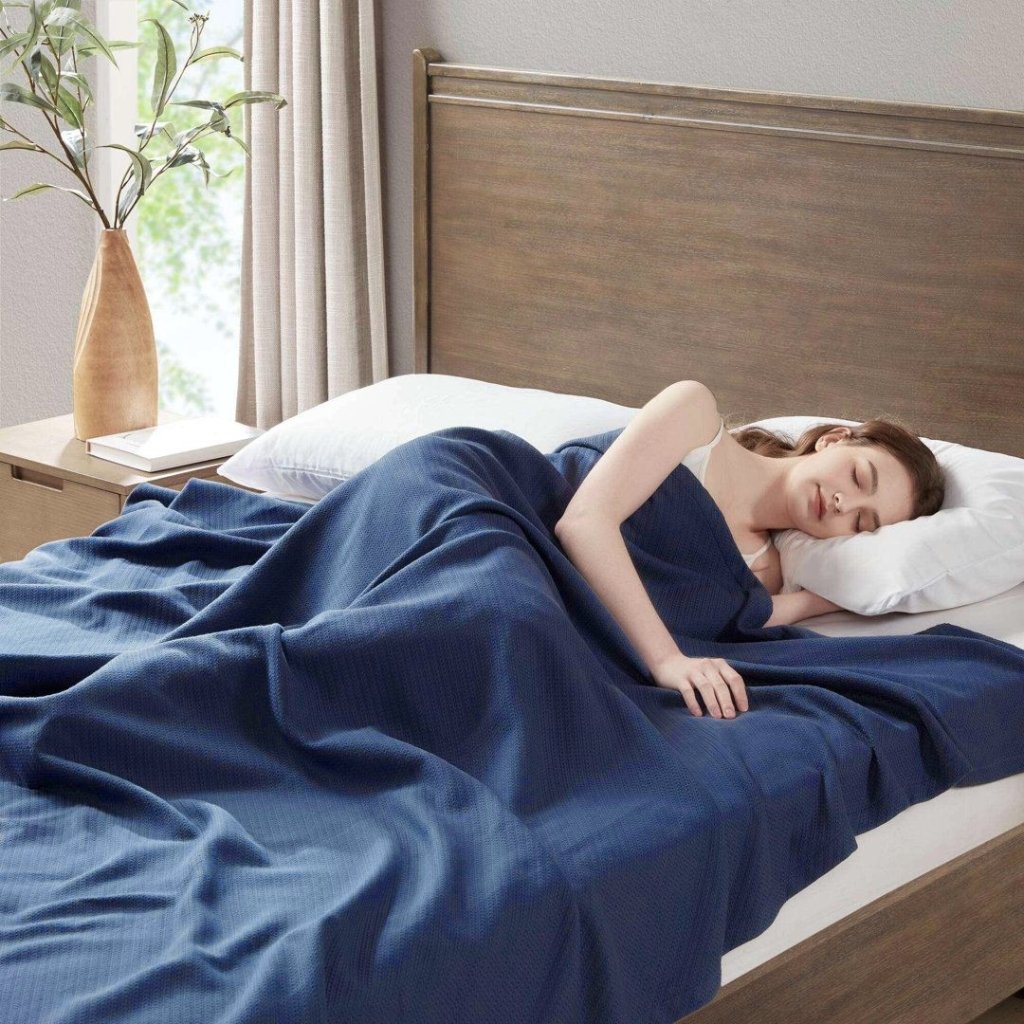
A woman sleeping on a bed, covered with a navy blue blanket, resting her head on a white pillow in a softly lit bedroom with a wooden headboard and a side table with a vase and book.
Resting peacefully: a cozy morning nap in a calm bedroom.

Corners have been rounded on reviews for a reason. Best cotton blankets have been lauded for their natural softness and breathability for a spending cotton excels. cotton blankets come from cotton fibre stacking excellence for comfort and versatility to their year-round use.

Cotton is a natural fiber. It is renewable, biodegradable, and hypoallergenic. It is also breathable. This means there isn’t any trapped heat, and you won’t sweat. You will feel warm and cozy in the winter and cool and comfortable in the summer.

Best cotton blankets are known for their durability. With tightly woven fibers, cotton blankets hold up structurally for years. Many people love the fact that, the more you wash a cotton blanket, the better it gets.

Also, cotton gets the job done when it comes to sensitive skin. It is safe for children, babies, and those with allergies because it doesn’t have any harsh chemicals or synthetic coatings. Read more…Calico Cotton Fabric 

🧵 Best Features in Cotton Blankets

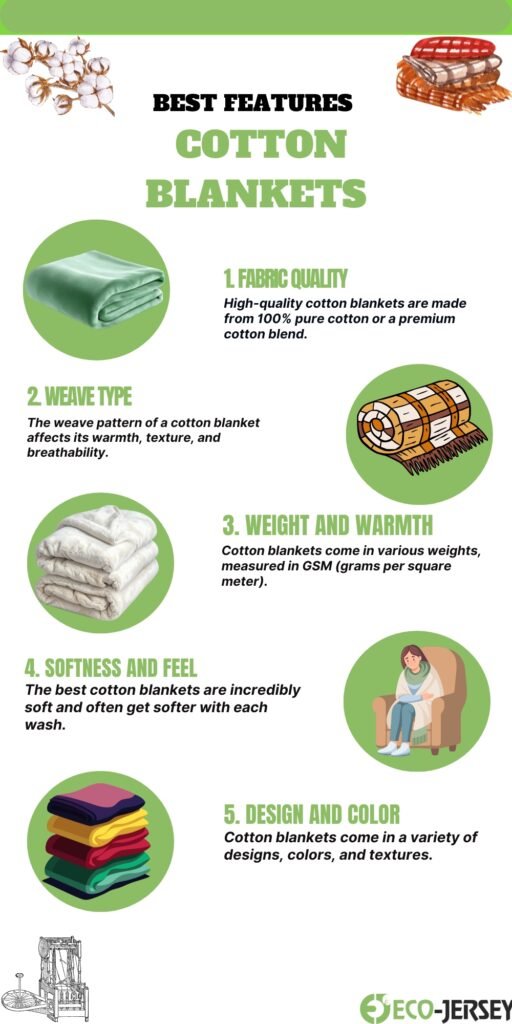
Infographic titled 'Best Features Cotton Blankets' with green accents. Sections shown: 1) Fabric Quality with an image of folded blanket, 2) Weave Type with a rolled blanket image, 3) Weight and Warmth with stacked blankets, 4) Softness and Feel with a fluffy white blanket, 5) Design and Color with a stack of colorful blankets. Circular icons accompany each section and small illustrations of cotton, yarn, and a person sitting on a blanket are visible.
Best Features of Cotton Blankets: fabric quality, weave type, weight and warmth, softness and feel, and design and color.

When considering a Best cotton blankets, there are some features that determine the quality and performance. Here are the most important aspects to look for.

1. Fabric Quality

Quality Best cotton blankets are crafted with 100% pure cotton or a high quality cotton blend. The Egyptian and Pima cotton types have long fibers, which means the fabric is smoother and more durable.

2. Weave Type

Different types of weaves impact the blanket’s toasty quality, heaviness, and feel:

  • Thermal Weave: This is lightly woven and is breathable, making it ideal for summer.
  • Waffle Weave: It gives a little more heat and has a woven look.
  • Twill or Herringbone Weave: This brings a little more toughness and has a more tailored look.
  • Sateen Weave: Soft and shiny.

3. Weight and Warmth

Different weights of Best cotton blankets are available. For summer, you can use an airy blanket (about 200 gsm), or for winter, you can use the thicker blankets (400-500 gsm). This all depends on your climate and preference.

4. Softness and Feel

The best quality cotton is soft to the touch and gets even more soft and comfy over the years. The best blankets are softest because they are pre-washed, and it helps to minimise shrinkage.

5. Design and Color

There are many styles and different color Best cotton blankets. From soft and neutral to bold and bright, or textured and patterned, cotton can work for anyone’s bedroom.

Benefits of Cotton Blankets

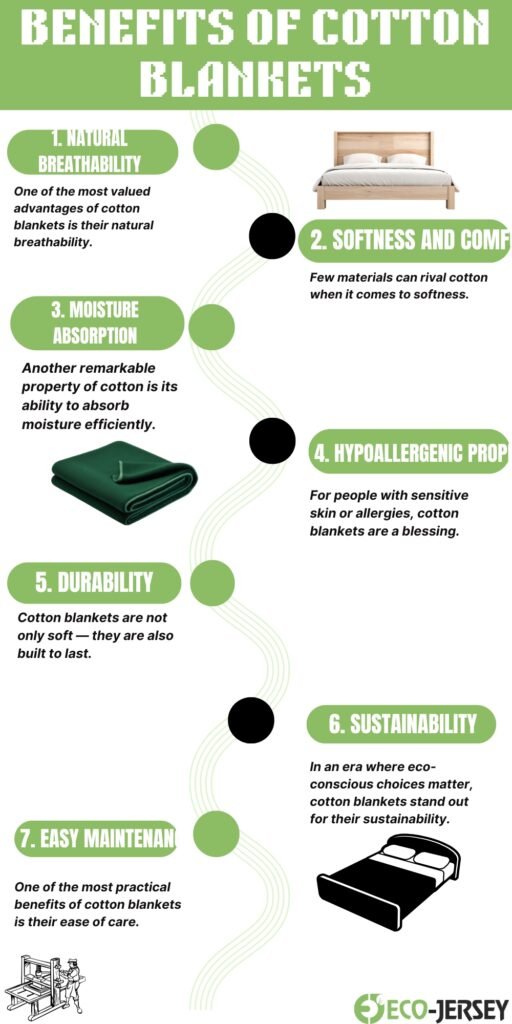
Infographic titled ‘Benefits of Cotton Blankets’ listing seven benefits with icons: natural breathability, softness and comfort, moisture absorption, hypoallergenic property, durability, easy maintenance, sustainability; each benefit has a short descriptive line and small illustration.
Benefits of Cotton Blankets: natural breathability, comfort, moisture management, hypoallergenic properties, durability, easy maintenance, and sustainability.

The comfort of Best cotton blankets is undeniable, but so is their practicality. Let’s look at the many reasons why cotton blankets are used in homes all over the world.

✅ 1. Natural Breathability

With its fibers, Cotton enables air to flow, and thus, helps in avoiding overheating, and guarantees a gentle and tranquil slumber. This characteristic is highly appreciated in tropical environments.

✅ 2. Softness and Comfort

Cotton blankets become smoother and gentler. Their warming properties are enhanced with every wash, which adds to the comfort.

✅ 3. Moisture Absorption

With the ability to absorb 27 times its weight in moisture, cotton effectively helps in moisture control and temperature regulation in the body.

✅ 4. Hypoallergenic Properties

Cotton is devoid of chemicals and as such is not attractant to allergens like dust and mites, which makes it ideal for sensitive skin.

✅ 5. Durability

Compared to many other synthetic fibers, which quickly wear out, cotton fabric can be washed many times and their shape and strength are retained.

✅ 6. Sustainability

Being a biodegradable and renewable resource, Best cotton blankets are an eco-friendly choice that promotes sustainable living.

✅ 7. Easy Maintenance

Best cotton blankets are machine washable and can be tumbled dried, which is a great benefit for busy families.

🛏️ Different Kinds of Cotton Blankets

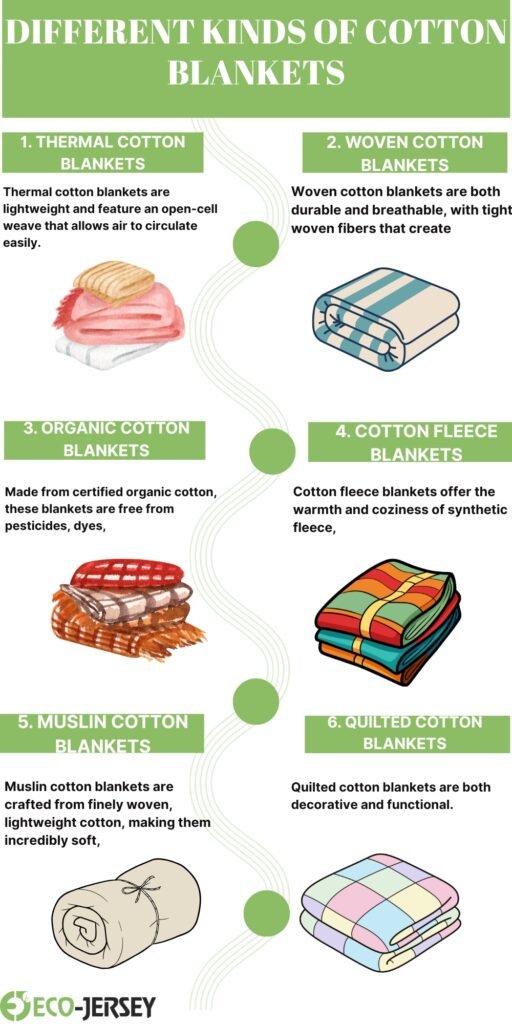
 infographic titled ‘Different Kinds of Cotton Blankets’ showing six types of blankets with illustrations: Thermal, Woven, Organic, Cotton Fleece, Muslin, and Quilted cotton blankets, each with a brief description.
Different Kinds of Cotton Blankets: Thermal, woven, organic, cotton fleece, muslin, and quilted cotton blankets with brief descriptions of their characteristics.

There are different cotton blankets for different needs. The different types help ensure the ideal match for your home.

1. Thermal Cotton Blankets

Thermal blankets are lightweight and have an open cell weave for air to pass through. They are good for summer nights and can be layered with a comforter in the winter.

2. Woven Cotton Blankets

These types of blankets are durable and breathble. They are closely woven and have beautiful designs of different patterns which can be used anytime during the year.

3. Organic Cotton Blankets

These blankets are made from certified organic cotton which means no pesticides or other harmful chemicals are used. They are marketed to eco-friendly customers.

4. Cotton Fleece Blankets

Best cotton blankets are much warmer and provide a similar comfort to synthetic fleece and are more natural. They are thicker and softer which are perfect for colder climates.

5. Muslin Cotton Blankets

These types of blankets made with muslin are made from a finely woven and light cotton is used. They are used most for baby bedding and for sleeping during warm months.

6. Quilted Cotton Blankets

These types of blankets are used to decorative your bed. They are usually placed with light padding to provide more comfort and a variety of texture.

🧺 Choosing the Right Cotton Blanket

When buying cotton blankets, the choices come down to just how comfy you want to be, and the season needs. Before you settle on a blanket, here are some of the things to keep in mind.

🩵 1. Weather and Temperature

For those who live in warmer areas, having a lightweight thermal or a muslin cotton blanket works best. The chilly season works better with quilted or fleece cotton blankets as they keep you warmer.

🩵 2. What is it Used For

The blankets can be used for sleeping, lounging, or just simply for decoration. Keep in mind that decorative throws are mainly for looks and style instead of for keeping you warm.

🩵 3. How Big

The size of your blanket depends on your mattress size; be it twin, or a full size queen or king sized. The extra large blankets are for those who want the full coverage.

🩵 4. How to Clean

Before a purchase, make sure to check the care label. Most cotton blankets can be washed in a washing machine, but those that are organic or have woven textures may need more gentle methods.

🩵 5. Price

You can get cotton blankets for pretty much any price. Egyptian cotton is top of the line, but normal cotton meets your needs and is much cheaper.—

🧼 Care and Maintenance Tips

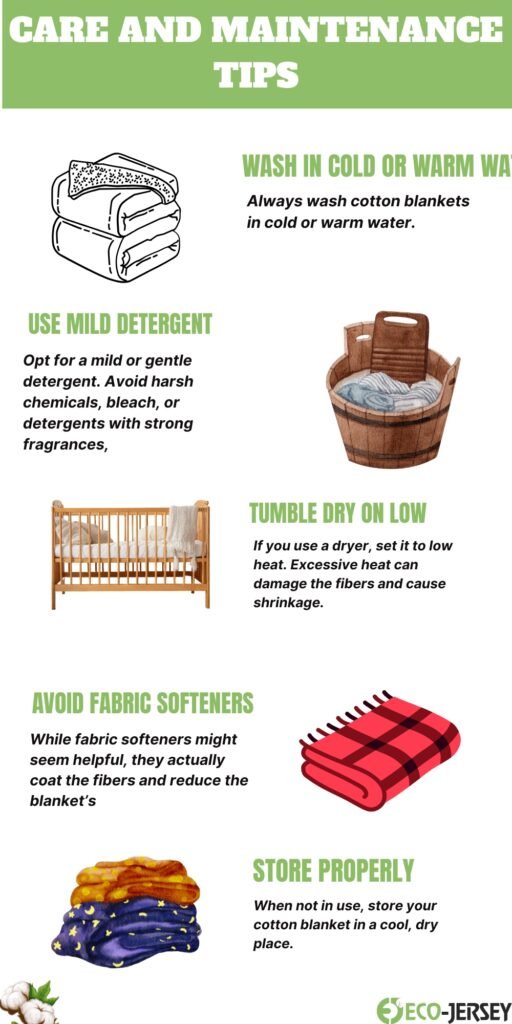
Infographic titled ‘Care and Maintenance Tips’ with illustrated items: folded blankets, a washing tub, a baby crib, a dryer, a folded plaid blanket, and a stack of colorful blankets. Tips include washing in cold or warm water, using mild detergent, tumble drying on low, avoiding fabric softeners, and storing properly.
Care and maintenance tips for cotton blankets: wash in cold or warm water with mild detergent, tumble dry on low, avoid fabric softeners, and store in a cool, dry place.

Cotton can last long and look good for many years, but it needs to be maintained in order to do so. Here are some ways to do so:

  1. Wash in Cold or Warm Water: Hot water will make cotton fibers shrink.
  2. Use Mild Detergent: Stay away from harsh chemicals and bleach.
  3. Tumble Dry on Low: Too much heat can damage and shrink your blanket.
  4. Avoid Fabric Softener: These will form a layer on the fibers making it harder to breathe.
  5. Store Properly: Blankets should be stored in a cool, dry place to avoid mildew.

Your cotton blanket will be able to maintain its softness, vivid colors, and durability for many years and will be a pleasure to use. Read more…Cotton Dresses💚

🌍 Sustainability of Cotton Blankets

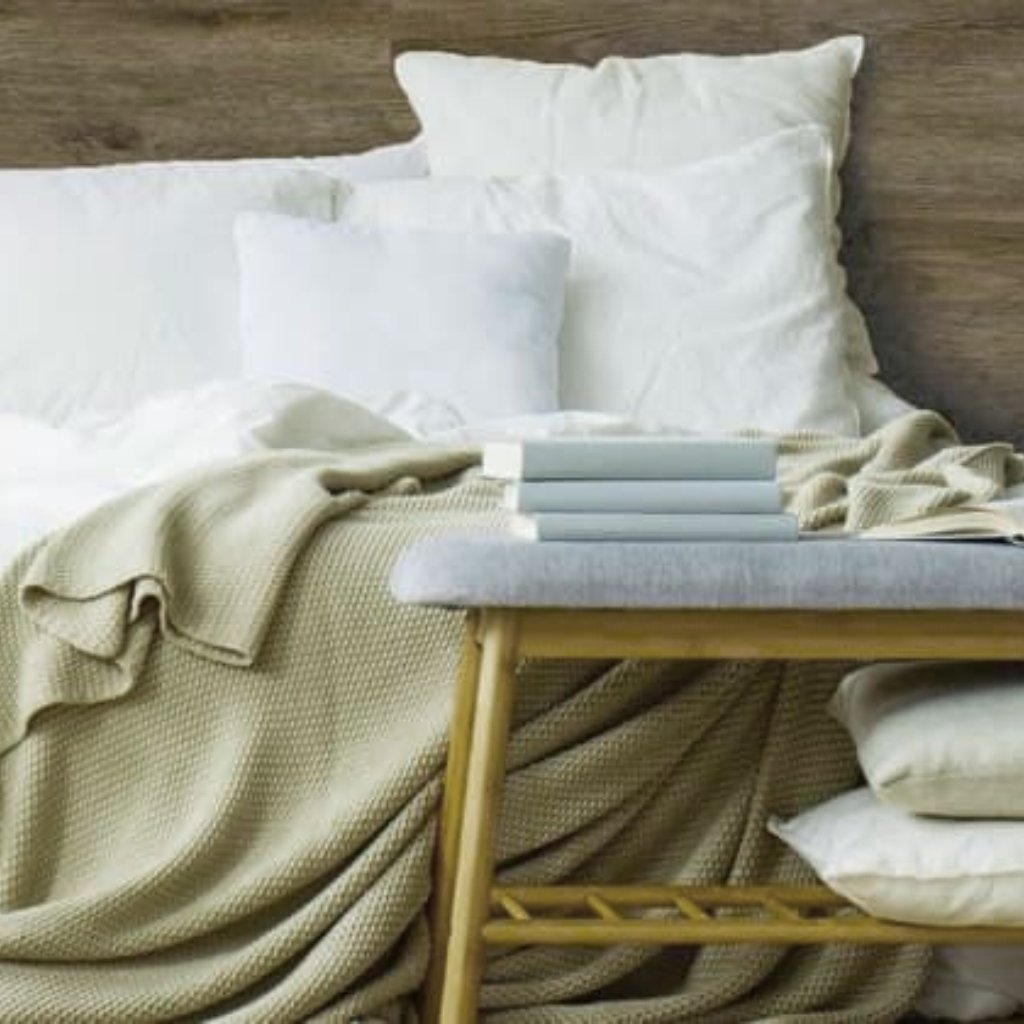
A cozy bedroom scene featuring a neatly made bed with white pillows and a beige knitted blanket. A light wooden bench at the foot of the bed holds a small stack of white books, with additional pillows and cushions nearby.
Soft, neutral tones and layered textures create a calm, inviting bedroom vignette.

Cotton is a natural, renewable, and biodegradable fiber, making it one of the most eco-friendly bedding options. Many brands now focus on organic cotton farming, which uses less water and avoids harmful chemicals.

Additionally, cotton blankets have a long lifespan, which means they don’t have to be replaced often. When responsibly sourced, cotton supports ethical farming communities and contributes to a cleaner planet.—

💤 Top Reasons to Love Cotton Blankets

  1. Naturally breathable and temperature regulating
  2. Soft and gentle on all skin types
  3. Durable and long-lasting even with regular washing
  4. Easily maintained with machine washing
  5. Environmentally friendly
  6. Stylish options available for every home
  7. Perfect for all seasons

Cotton blankets give you comfort, sustainability, and a timeless design.

🧠 Conclusion

Comfort, versatility, and sustainability makes cotton blankets a fantastic option when trying to find a balance between luxury and practicality.

The best cotton blankets have you covered for whatever season or need you have. They last for years, and with proper care, maintain their natural softness and charm.

If you want bedding that is breathable, durable, and eco-friendly, then a cotton blanket is your perfect match.Complete the blog to make it fully SEO ready. Can I proceed to write the FAQ section and meta description (145 characters) for this blog?

FAQs

Are cotton blankets good for all seasons?

Yes, cotton blankets are breathable and regulate temperature naturally, making them perfect for both summer and winter use.

What type of cotton blanket is best for summer?

Lightweight thermal or muslin cotton blankets are ideal for warm weather as they allow excellent airflow and prevent overheating.

Do cotton blankets shrink after washing?

Some natural cotton blankets may shrink slightly after the first wash. To minimize shrinkage, wash in cold or warm water and avoid high heat drying

Rayon vs Cotton Fabric: Which Is Better for Your Wardrobe

0

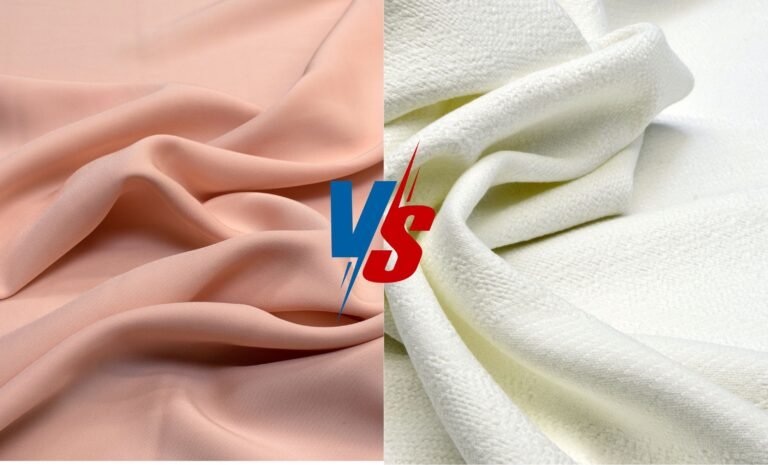
Choosing between Rayon vs Cotton Fabric can be tricky because both have unique qualities. Cotton is a natural fiber known for its softness, breathability, and durability, making it perfect for everyday wear. Rayon, on the other hand, is semi-synthetic and feels smooth, light, and luxurious, ideal for stylish outfits. While cotton keeps you cool and comfortable in warm weather, rayon offers a sleek, flowy look for special occasions. The choice between Rayon vs Cotton Fabric depends on your style, comfort needs, and how much care you want to give your clothes.

what is Rayon fabric ?

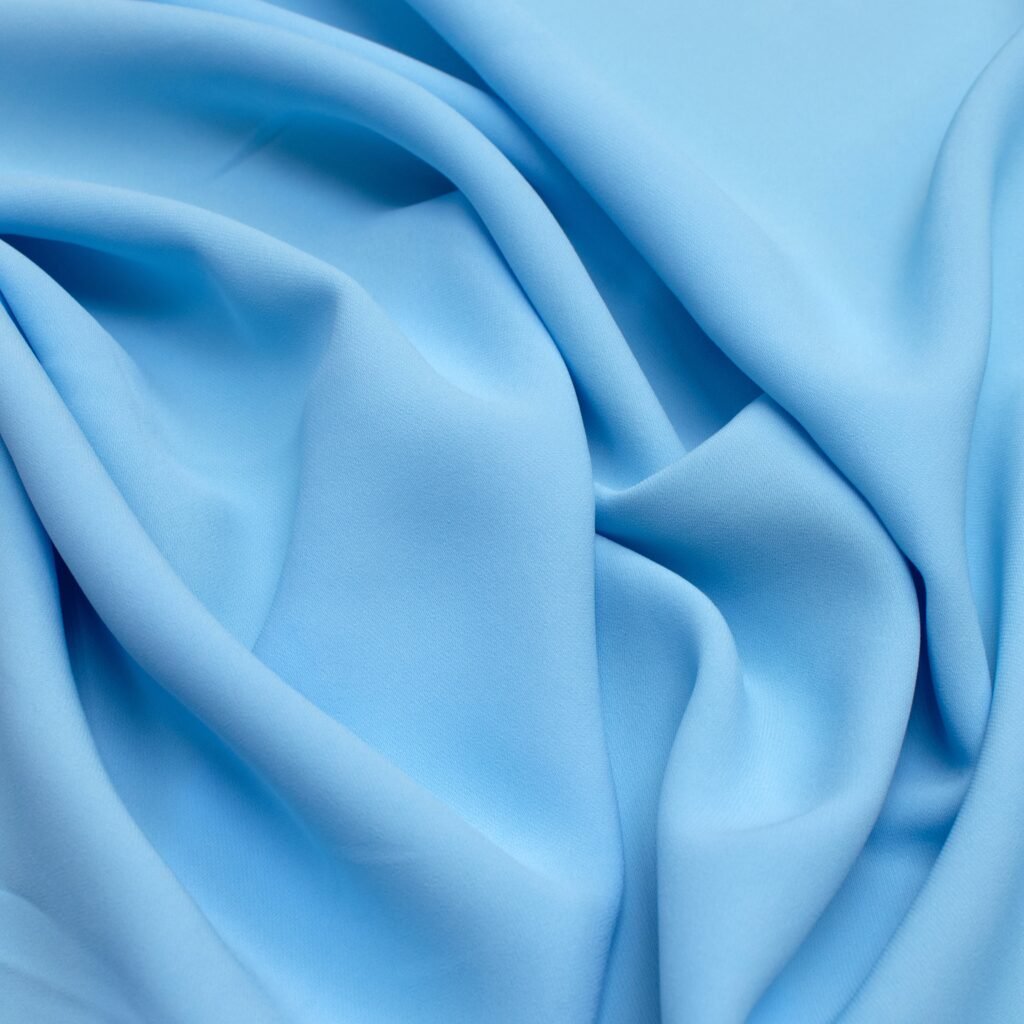
"Close-up of light blue Rayon fabric with soft folds and smooth texture."
“Luxurious light-blue Rayon fabric draped in graceful folds.

Rayon fabric is a soft, smooth material made from natural cellulose found in wood pulp. It is a semi-synthetic fiber that combines the comfort of natural fabrics with the elegance of silk. This fabric drapes beautifully, feels cool against the skin, and is often used in dresses, blouses, and linings. Because of its silky texture and shiny finish, Rayon fabric is popular in both casual and formal clothing. However, it requires gentle care, as it can lose strength when wet. Overall, Rayon fabric is loved for its luxurious appearance and lightweight comfort.

what is cotton fabric?

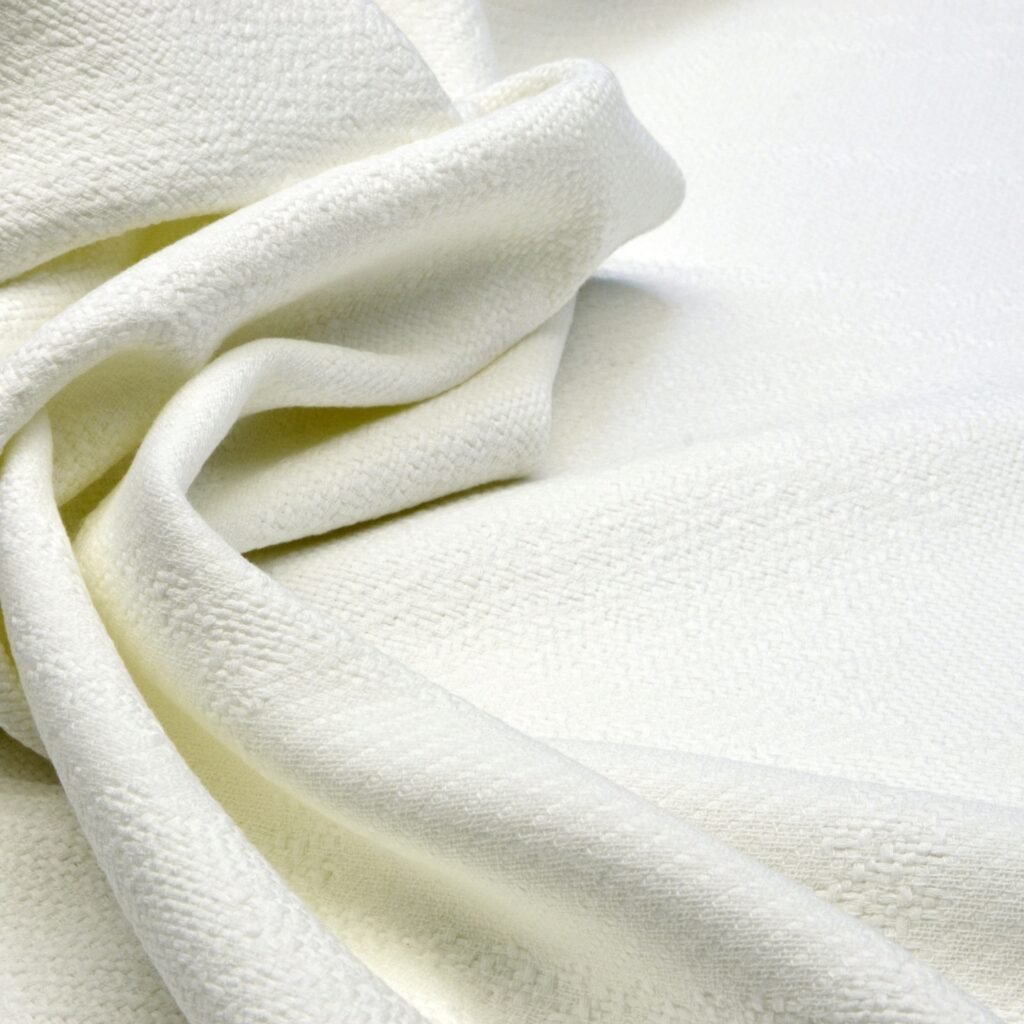
A close-up of soft, white cotton fabric with gentle folds and a textured weave.
Pure white cotton fabric, softly draped to reveal its cotton weave and gentle texture.

Cotton fabric is a natural material made from the soft fibers of the cotton plant. It is known for its breathability, comfort, and durability, making it ideal for everyday clothing. This fabric absorbs moisture well and keeps the body cool, especially in warm weather. Because of its softness and strength, Cotton fabric is widely used for shirts, dresses, and home textiles. It is easy to wash, long-lasting, and gentle on the skin. Overall, Cotton fabric remains one of the most popular and trusted choices for comfortable and practical wear.

Rayon vs cotton fabric?

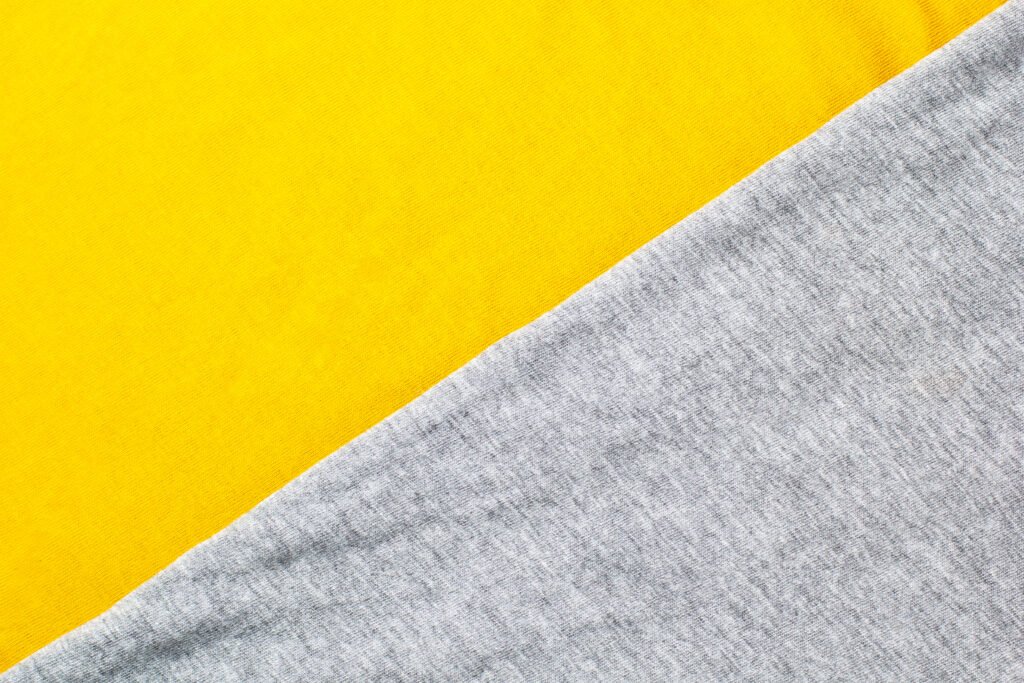
Close-up view of two folded fabric layers: a bright yellow rayon fabric on top and a heather gray cotton fabric beneath, with a diagonal seam where the two textures meet.
Rayon vs Cotton: A quick comparison of two popular fabrics Rayon and cotton shown side by side to highlight texture and color differences A close-up of yellow rayon over gray cotton for tactile contrast

When comparing Rayon vs Cotton Fabric, the main difference lies in their origin and texture. Cotton is a natural fiber made from the cotton plant, while rayon is a semi-synthetic fiber created from wood pulp. Cotton feels soft, breathable, and durable, making it great for everyday wear.Rayon the other hand, is smooth, silky, and lightweight, giving clothes a luxurious drape. Cotton performs better in hot weather, while rayon works well for elegant, flowy outfits. So, the choice between Rayon vs Cotton Fabric depends on your comfort needs and style preference.

care Rayon and cotton fabric ?

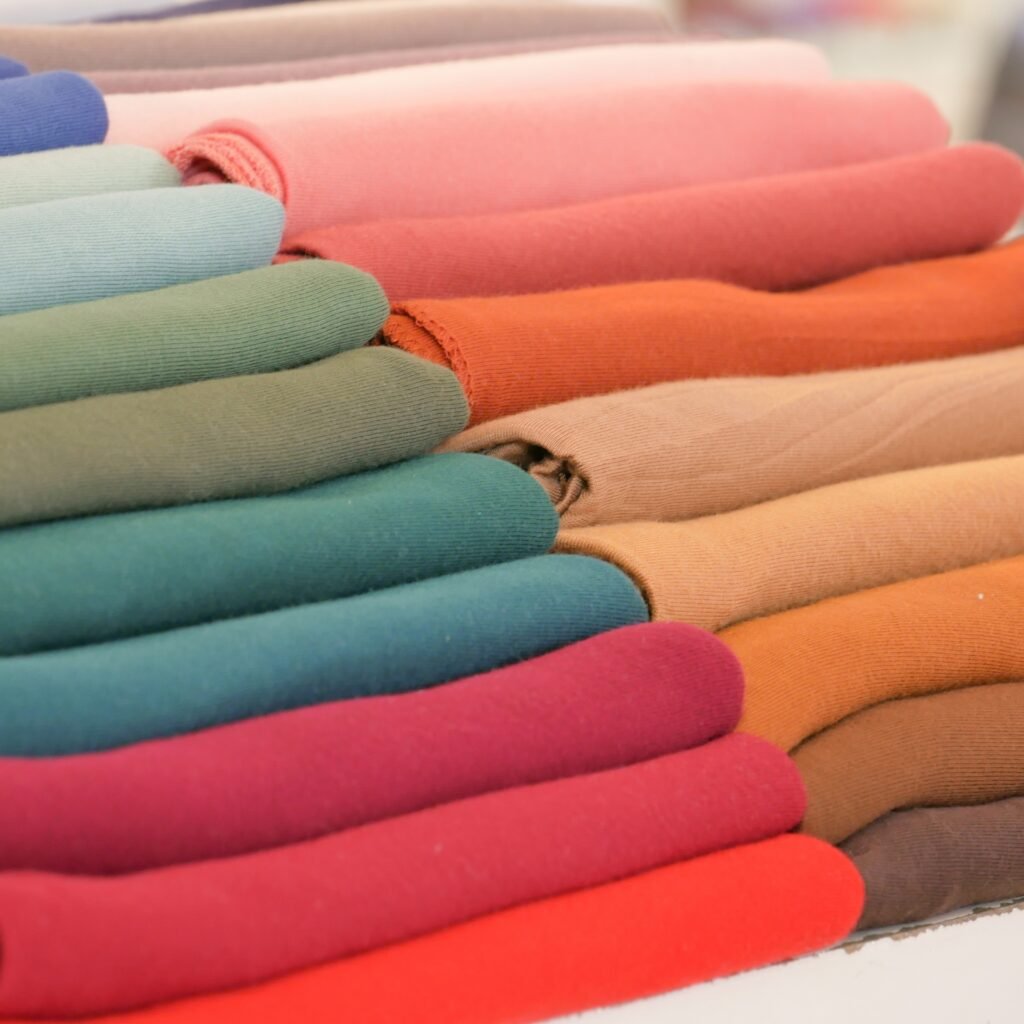
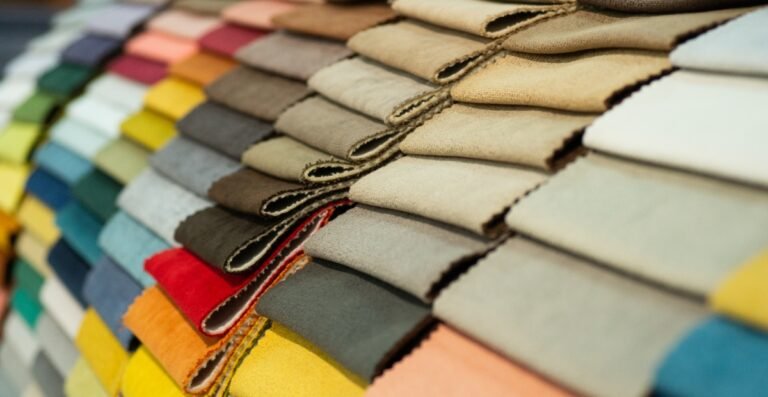
A neatly stacked pile of folded fabrics in a rainbow of colors, including blues, greens, pinks, oranges, and browns, with soft textures.
Colorful pile of rayon and cotton fabrics in various shades, neatly folded and displayed for selection.

Caring for Rayon fabric and Cotton fabric requires different approaches to keep them in good condition. Cotton is easy to maintain, as it can be machine-washed and ironed at high temperatures without losing shape. It stays strong even when wet, making it ideal for regular washing. Rayon, however, needs gentle care because it weakens when soaked in water. It’s best to hand wash rayon in cold water or use a delicate machine cycle. Always air dry it to prevent shrinking. With proper care, both Rayon fabric and Cotton fabric can stay soft, fresh, and long-lasting.

what is made rayon vs cotton fabric?

The main difference in what is made of Rayon vs Cotton Fabric lies in their source materials. Cotton is made from the fluffy fibers that grow around the seeds of the cotton plant. These natural fibers are spun into yarn and woven into soft, breathable fabric. Rayon, on the other hand, is made from cellulose derived from wood pulp or bamboo. It goes through a chemical process to create smooth, silky fibers that resemble natural ones. Because of this, Rayon vs Cotton Fabric differ in texture, strength, and care, even though both are comfortable and versatile.

Style and Feel

Rayon gives a soft, luxurious feel with a glossy finish. It flows smoothly, making it ideal for dresses and blouses. Cotton feels crisp and clean, perfect for casual or formal wear. When discussing Rayon vs Cotton Fabric, rayon wins in elegance while cotton wins in simplicity.

Final Thoughts

Choosing between Rayon vs Cotton Fabric is not about finding a winner but about finding what suits your needs. Cotton is natural, strong, and perfect for everyday use. It keeps you cool, feels soft, and lasts long with little care. Rayon, on the other hand, brings elegance, flow, and shine. It feels luxurious and gives your clothes a beautiful drape.

Both fabrics have something special to offer. The best choice depends on the weather, your activities, and how you care for your clothes. Cotton gives comfort and reliability, while rayon adds beauty and charm. When you understand Rayon vs Cotton Fabric, you can fill your wardrobe with clothes that feel great and look even better every day.

Faqs

What is the main difference between Rayon and Cotton fabric?

The biggest difference in Rayon vs Cotton Fabric is how they are made. Cotton is a natural fiber that comes from plants, while rayon is man-made using wood pulp and chemicals. Cotton feels soft and breathable, while rayon feels smooth and silky.

Which fabric is better for hot weather?

When comparing Rayon vs Cotton Fabric for summer, cotton usually wins. Cotton lets air flow easily and keeps your skin cool. Rayon can also feel light, but it does not handle sweat as well in very humid weather.

3. Is Rayon more comfortable than Cotton?

Comfort depends on the person and the weather. In Rayon vs Cotton Fabric, rayon feels smoother and lighter, while cotton feels soft and cozy. Some people like the coolness of rayon, while others prefer the natural touch of cotton.

Cotton Dresses for Women – Stylish, Breathable & Comfortable

0

Over the years, people have adored the practicality and style that cotton fabric can produce. One of the primary loves in this fabric category is the cotton dreses. have few rivals in their practicality, comfort and above all timeless aesthetics. This article will breakdown the enduring appeal of cotton dreses, their different styles and how to select the right styles for your collection.

Why Choose Cotton Dresses

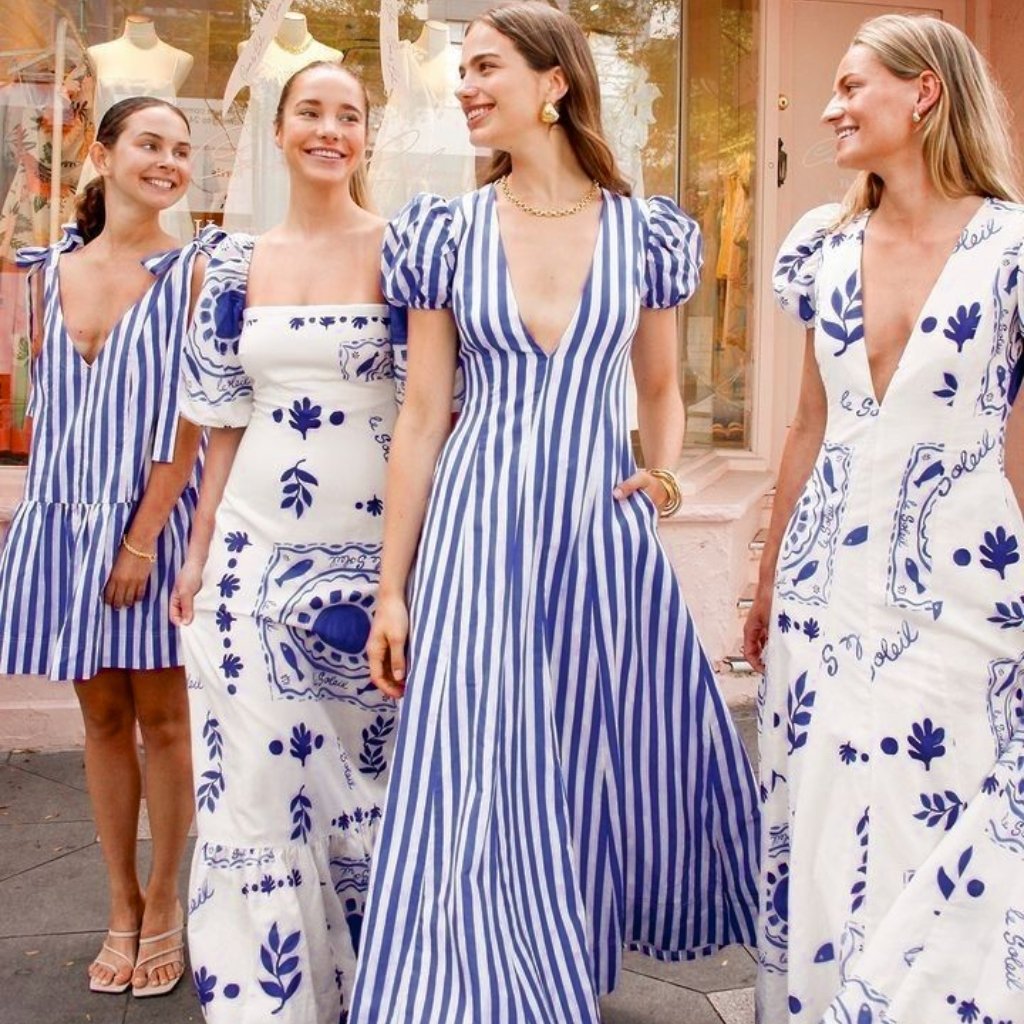
Four women wearing blue-and-white striped and patterned dresses walk together outdoors, smiling.
Summer vibes in blue and white: chic striped maxi and playful prints as friends stroll in style.

The softness and breathability attributes of cotton fabric has made it one of the most worn natural fibers in the world. This stunning fabric deserves the reputation as one of the most fabulously comfortable, luxurious and adaptable materials. Unlike synthetics fabric, cotton dresses keep you cool in summer and cozy in mild weather. This floating fabric is also highly breathable as well as hypoallergenic, making it the perfect candidate for sensitive and delicate skin.

Wearing cotton dresses has become the go to clothing for daily errands, travelling and dressing up. This is largely due to the fabric’s incredible ability to absorb moisture.

Different Styles of Cotton Dresses

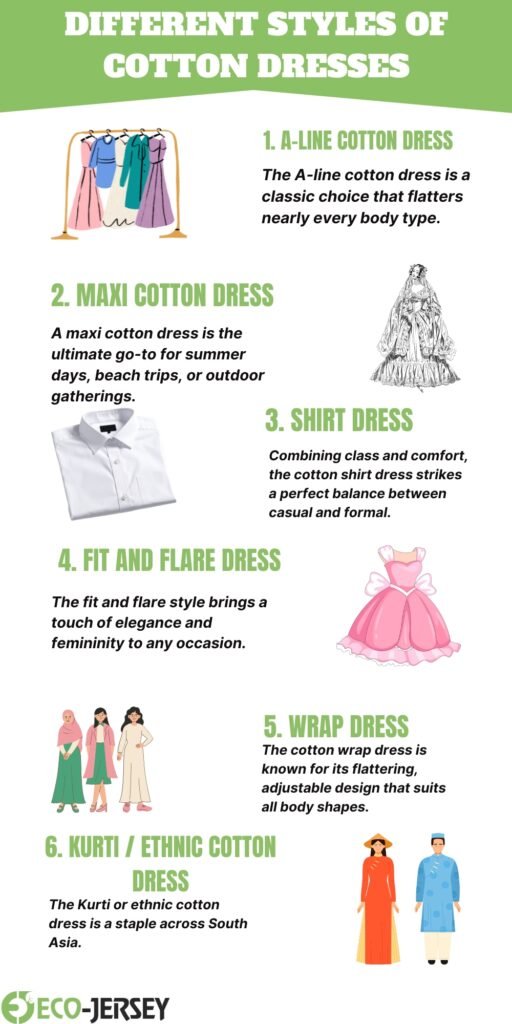
 infographic titled ‘Different Styles of Cotton Dresses’ showing six dress styles with brief descriptions and small illustrations.
Different Styles of Cotton Dresses: A-line, Maxi, Shirt, Fit & Flare, Wrap, and Kurti/Ethnic Cotton – with concise descriptions and visuals.

The dresses above are only just a taste of what cotton dresses can produce. There is a lot of visual appeal and endless charm that cotton dresses can provide. It’s best to start with the basics and work your way up to more formal and expressive looks:

  • A-Line Cotton Dress – Cute, flattering and very simple and easy to throw on.
  • Maxi Cotton Dress – Perfect and stunning for summer days out or the beach.
  • Shirt Dress – A perfect blend of classy and semi formal which can be used in an office environment.
  • Fit and Flare – A very elegant and party appropriate style.
  • Wrap Dress – A very flattering and adjustable style.
  • Kurti / Ethinic Cotton Dress – Very widely used in south asia. It can be worn for both daily activities and festive gatherings.

All of these designs can be customized with various accessories to match your style. For instance, with the proper jewelry, a simple cotton maxi can be turned into a stunning evening gown.

Benefits of Cotton Dresses

A row of white, loose-fitting dresses with bold floral embroidery. The center dress features pink and red flower clusters along the bodice and skirt, while the left and right dresses display palm tree and red blossom motifs respectively.
White embroidered dresses with tropical flower patterns on display.

They are very stylish, yet practical. They are very comfortable, and easy to maintain. Most dresses can be machine washed, and with the proper care, can last years if not decades.

Most cotton dreses are also sustainable. Grown organically, cotton is much more sustainable when compared to any synthetic material. This means, opting for cotton dresses is an easy way to practice sustainable fashion.

How to Choose the Right Cotton Dress

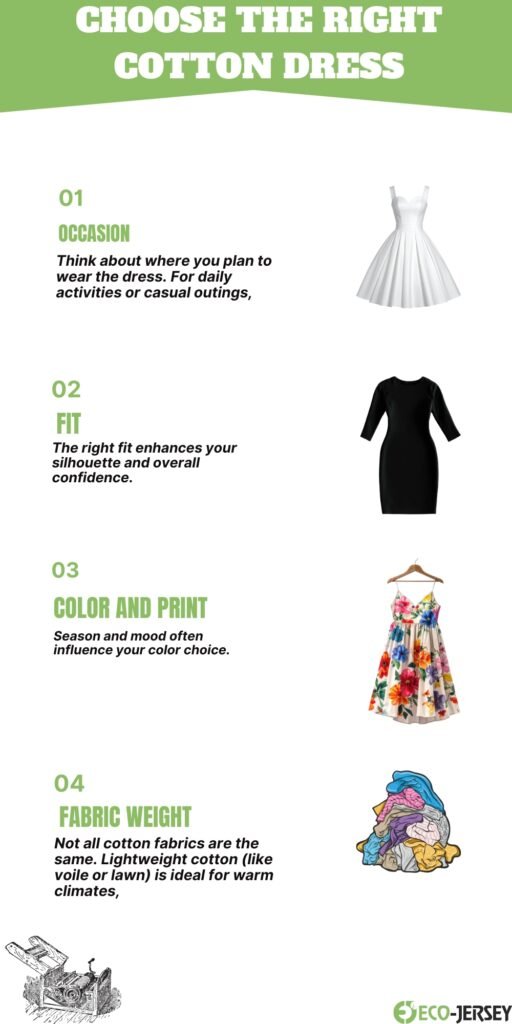
Infographic titled ‘Choose the Right Cotton Dress’ with four sections: 01 Occasion featuring a white dress, 02 Fit featuring a black dress, 03 Color and Print featuring a floral dress, 04 Fabric Weight featuring a pile of folded fabrics and a sewing machine illustration.
Choose the Right Cotton Dress: Occasion, Fit, Color and Print, and Fabric Weight.

Now, when it comes to buying cotton dreses, consider the following:

1. Occasion
Think about where you plan to wear the dress. For daily activities or casual outings, go for relaxed styles such as A-line, shirt, or wrap cotton dresses. For more formal events, a tailored or structured cotton dress works best, offering elegance without sacrificing comfort.

2. Fit
The right fit enhances your silhouette and overall confidence. Choose a design that complements your body shape — for instance, fit-and-flare dresses suit most figures, while straight or shift styles work well for a minimalist and modern look.

3. Color and Print
Season and mood often influence your color choice. Light and pastel shades are perfect for summer and daytime wear, while darker tones like navy, maroon, or emerald add a touch of sophistication to evening or formal occasions. Cotton also takes prints beautifully, from florals to geometric patterns.

4. Fabric Weight
Not all cotton fabrics are the same. Lightweight cotton (like voile or lawn) is ideal for warm climates, keeping you cool and breezy. Heavier cotton weaves (like poplin or twill) provide more structure and are suitable for transitional weather or dressier styles.

Moreover, the weave of the fabric must always be taken into account. For instance, Voile is more translucent and cotton poplin has a defined structure.

Caring for Cotton Dresses

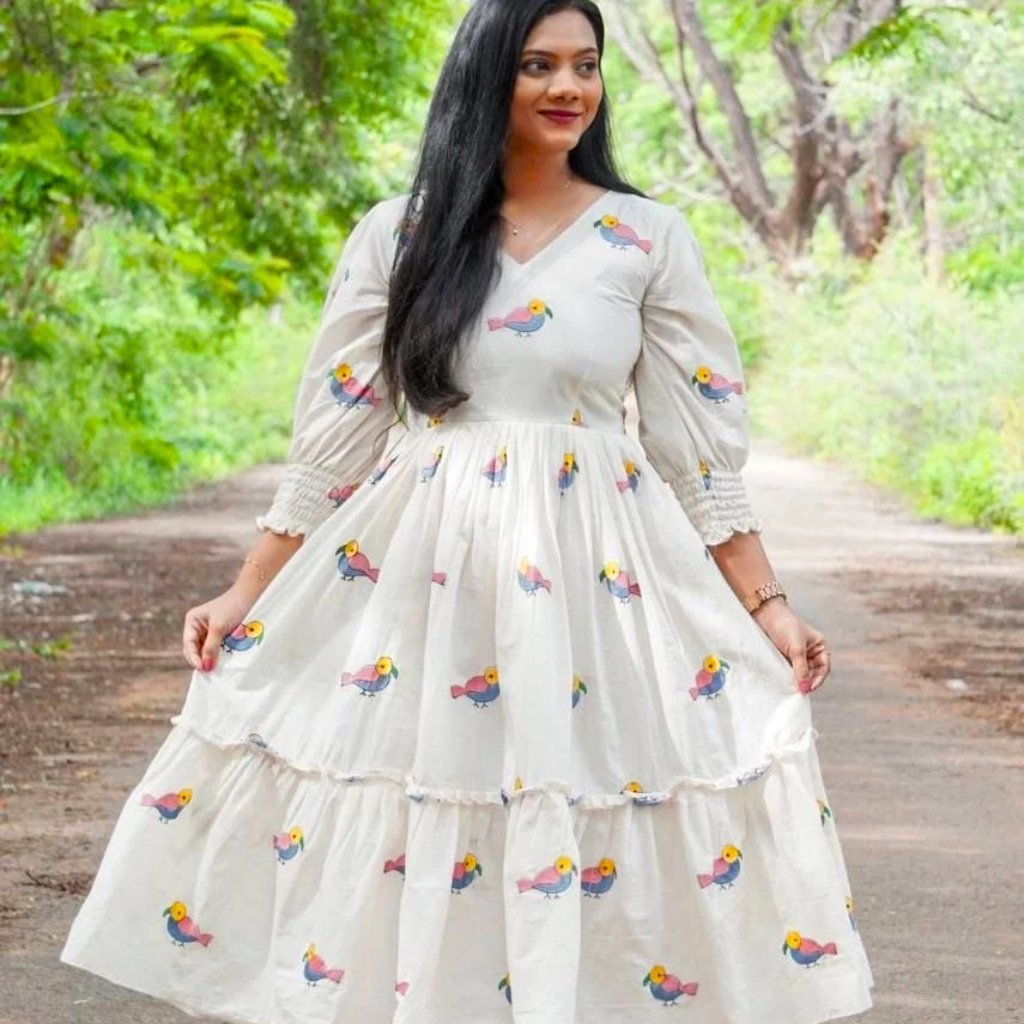
A woman wearing a long off-white dress with puffed sleeves and bird prints stands on a path in a lush green outdoor setting, smiling softly.
A graceful white dress adorned with colorful bird prints, modeled on a sunny forest path.

Cotton dresses require simple upkeep, but in order to prolong their longevity some specific steps must be taken. They must be gently washed in cold water and dried in the shade to maintain color. Moderate heat while ironing will maintain the shape of the dress and also make it look crisp. Thus, an investment into a cotton dress is paying for an item of clothing which will last for years.

Final Thoughts

As a result of the soaring popularity cotton dreses have sustained over the decades, it is easy to see they offer more than just an item of clothing. They also provide comfort and style, while helping the environment. Thus, if you are searching for an outfit that will make you comfortable and fashionable, cotton dreses for women are a must addition to your closet.

FAQs

Are cotton dresses good for summer?

Yes, cotton dresses are breathable and lightweight, which makes them perfect for keeping cool during hot summer days.
Can cotton dresses be worn for formal occasions?

Absolutely! Cotton dresses like shirt dresses and tailored styles can be worn to offices, meetings, and even semi-formal events.

How should I wash my cotton dresses?

Cotton dresses should be washed in cold water with mild detergent. They should be air-dried in shade to maintain their color and shape.

Cotton Fabric for Upholstery, Durable, Stylish & Comfortable

0

Choosing the right fabric for furniture can feel overwhelming. However, cotton remains one of the most trusted and versatile options. As a natural fiber, it combines durability with comfort, and therefore, cotton fabric for upholstery continues to be a favorite for both homes and commercial spaces.

Why Choose Cotton Fabric for Upholstery?

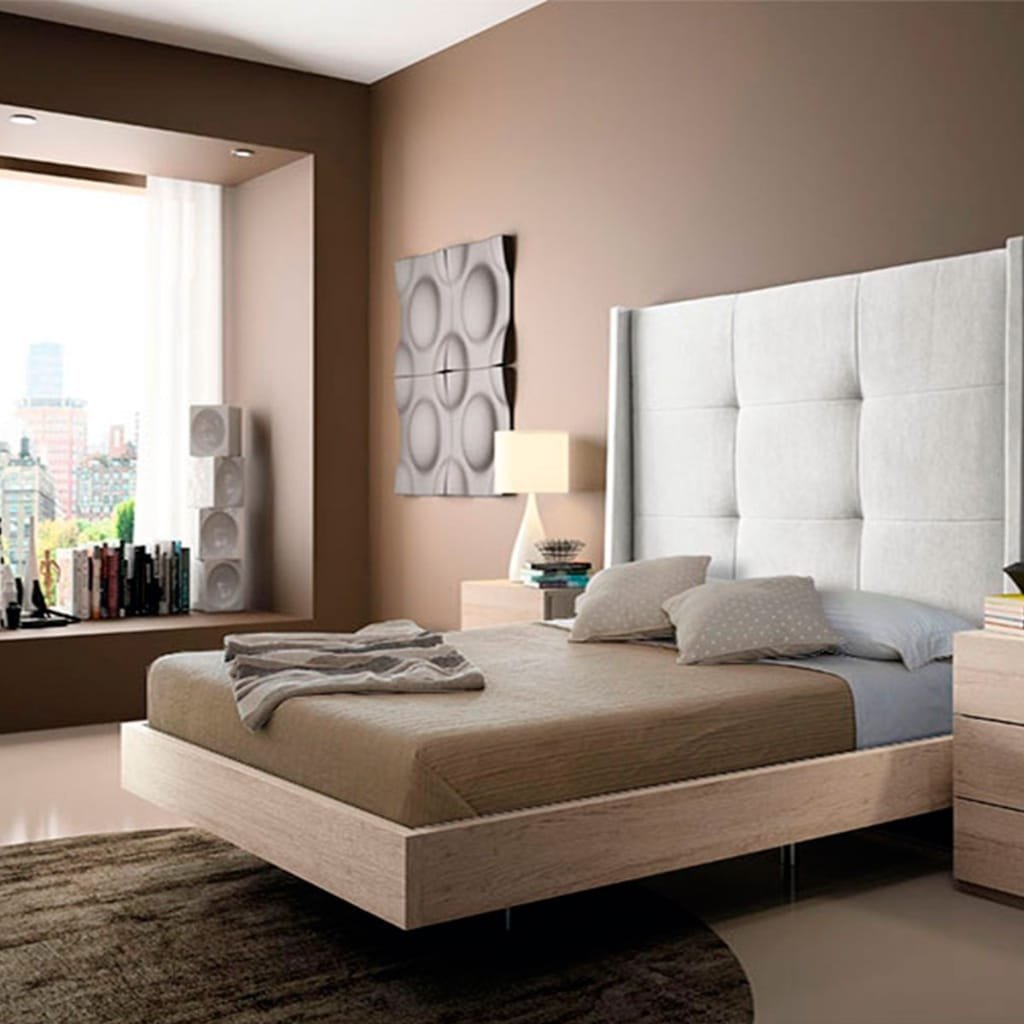
A modern bedroom with a light wood platform bed and a tall, upholstered headboard. A soft taupe bed cover, blue-grey sheets, and fluffy pillows sit on the bed. A nightstand with a lamp sits beside, and a large window with a city view is in the background. Neutral brown walls and a dark area rug complete the look.
Modern serenity: a minimalist bedroom with a plush upholstered headboard and cotton textiles.

Cotton fabric has remained one of the most popular upholstery materials for centuries—and for good reason. It combines comfort, durability, and versatility, making it a favorite among homeowners, designers, and furniture makers alike. Whether used in modern minimalist spaces or classic living rooms, cotton upholstery adds a touch of softness and natural beauty to any interior.

To begin with, cotton is incredibly soft and breathable, which makes it ideal for furniture that’s used frequently. Its natural fibers allow air to circulate freely, keeping the fabric cool in summer and cozy in winter. This breathability ensures lasting comfort, especially in warm climates where synthetic fabrics may trap heat and feel uncomfortable. Read more…

Another major advantage of cotton upholstery is its durability. When tightly woven, cotton can withstand daily use, making it perfect for family spaces, lounges, and homes with pets or children. Its strong fibers resist tearing and pilling, helping furniture maintain its shape and texture even after years of use. Many homeowners appreciate that cotton upholstery retains a smooth finish, offering a timeless and well-kept look.

Furthermore, cotton is a hypoallergenic fabric, meaning it’s safe for people with sensitive skin or allergies. Unlike some synthetic materials that may irritate the skin or trap dust, cotton’s natural fibers are gentle and easy to clean. This makes it an excellent choice for households where comfort and health go hand in hand.

From a design perspective, cotton’s versatility in color and pattern is another reason it stands out. Cotton fibers absorb dye exceptionally well, allowing for a vast range of hues—from soft neutrals to bold tones. Additionally, cotton fabric for upholstery can be printed with intricate designs, giving homeowners countless options to complement their décor style. Whether you prefer solid, textured, or patterned upholstery, there’s always a cotton fabric for upholstery that fits your taste.

Cotton upholstery also offers sustainability benefits. As a natural and renewable fiber, cotton fabric for upholstery has a smaller environmental footprint compared to many synthetic alternatives. When responsibly sourced and properly maintained, cotton furniture contributes to a more eco-conscious lifestyle.

Maintenance is another aspect that makes cotton appealing. Cleaning and caring for cotton fabric for upholstery is straightforward. Most stains can be treated with mild soap and water, and some covers are even machine-washable. This ease of upkeep ensures that cotton-upholstered furniture stays fresh and vibrant with minimal effort.

In summary, choosing cotton fabric for upholstery means embracing a perfect balance of beauty, comfort, and practicality. Its softness makes it pleasant to sit on, its durability ensures long-term use, and its wide range of colors and textures makes it adaptable to any interior theme. Whether you’re refreshing an old sofa or investing in a new armchair, cotton upholstery remains a smart, stylish, and sustainable choice for any home.

Key Benefits of Cotton Upholstery

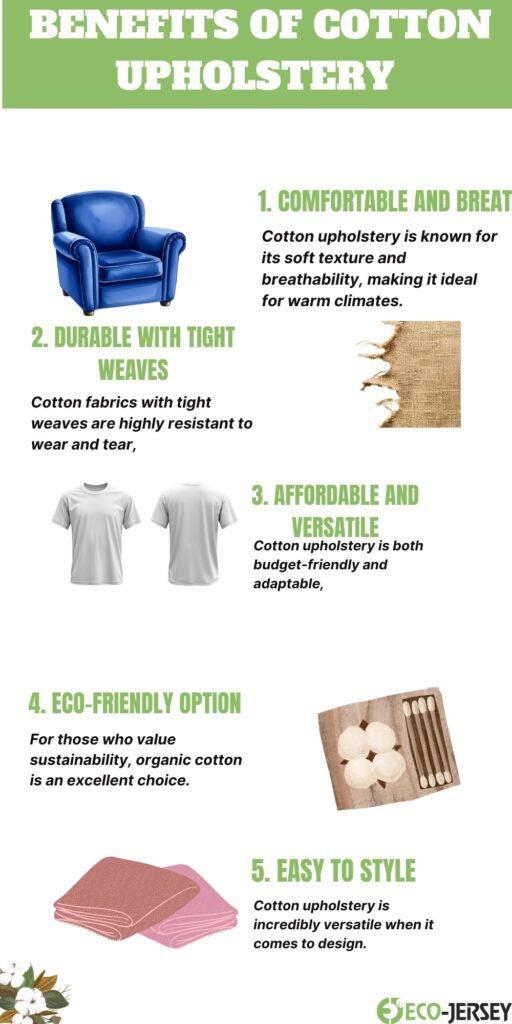
Infographic titled “Benefits of Cotton Upholstery” with five sections and accompanying images (blue chair, torn fabric, t-shirts, cotton swabs, pink blanket) highlighting comfort, durability, affordability, eco-friendly options, and easy style.
Benefits of cotton fabric for upholstery : comfort and breathability, durable tight weaves, budget-friendly versatility, eco-friendly options, and easy style.

There are many reasons why cotton upholstery fabric is considered reliable:

  • 1. Industrial Textiles
    In industrial settings, these fabrics are used in conveyor belts, tarpaulins, ropes, and lifting slings. Their high tensile strength and abrasion resistance ensure reliable performance under heavy loads and harsh conditions, making them essential for manufacturing and logistics.
    2. Automotive Industry
    The automotive sector relies on these materials for airbags, seat belts, and interior linings. Their combination of lightweight strength, heat resistance, and dimensional stability enhances passenger safety while maintaining a sleek interior design.
    3. Outdoor Products
    Outdoor gear manufacturers use these fabrics for safety equipment, backpacks, awnings, and tents. Their moisture resistance and UV protection make them perfect for withstanding unpredictable weather, while their durability ensures long-lasting use in rugged environments.
    4. Marine Applications
    In the marine industry, these fabrics are found in fishing nets, ropes, and sailcloth. Their resistance to saltwater, sunlight, and mechanical stress ensures dependable performance, even in challenging ocean conditions.
    5. Fashion & Apparel
    Beyond industrial use, these fabrics have made their way into fashion and apparel — from work uniforms and sportswear to outerwear and accessories. Their lightweight strength, breathability, and comfort make them ideal for creating garments that balance performance with style.

In addition, cotton blends with synthetic fibers are often used to improve stain resistance and strength.

Common Uses of Cotton Upholstery

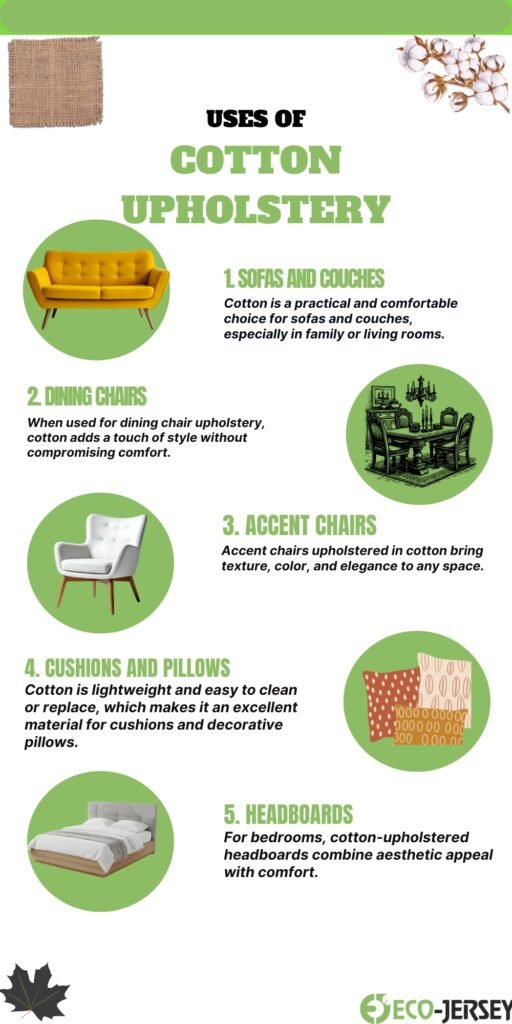
Infographic titled ‘Uses of Cotton Upholstery’ with green accents showing five categories: sofas and couches, dining chairs, accent chairs, cushions and pillows, headboards, plus round green icons and small illustrations.
Uses of cotton fabric for upholstery: A quick guide to how cotton enhances common furniture pieces like sofas, chairs, cushions, and headboards.

Cotton is widely applied in furniture because of its adaptability. For example:

  • 1. Sofas and Couches
    Cotton is a practical and comfortable choice for sofas and couches, especially in family or living rooms. It provides a cozy seating experience and holds up well under regular use, making it ideal for both modern and traditional interiors.

    2. Dining Chairs
    When used for dining chair upholstery, cotton adds a touch of style without compromising comfort. Its breathable nature keeps seats cool and fresh, while its versatility allows it to match a wide range of dining room aesthetics.

    3. Accent Chairs
    Accent chairs upholstered in cotton bring texture, color, and elegance to any space. The fabric’s softness and print-friendly nature make it perfect for statement pieces that enhance the room’s overall design.

    4. Cushions and Pillows
    cotton fabric for upholstery is lightweight and easy to clean or replace, which makes it an excellent material for cushions and decorative pillows. Whether solid-colored or patterned, cotton cushions add both comfort and personality to furniture.

    5. Headboards
    For bedrooms, cotton-upholstered headboards combine aesthetic appeal with comfort. They offer a soft surface to lean against and can be styled to complement any décor theme — from minimalist to luxurious. Read more…
    Chenille Cotton Fabric

Therefore, cotton upholstery remains suitable for both casual and formal furniture settings.

Caring for Cotton Upholstery

A person wearing red overalls and a striped shirt sprays a green cleaning solution onto a light gray sofa cushion while sitting on the arm of the couch and wearing white over-ear headphones.
Sprucing up the living room: quick sofa cleaning with a spray bottle.

Cotton upholstery is known for its comfort, breathability, and timeless appeal. However, to maintain its freshness and extend its life, proper care and maintenance are essential. While cotton is naturally durable, it still benefits from regular cleaning and protection against wear and tear. With the right attention, your cotton furniture can remain beautiful and inviting for many years.

To begin with, it’s important to vacuum your cotton upholstery regularly. Dust, dirt, and crumbs can easily become embedded in the fibers, dulling the fabric’s appearance over time. Using a soft brush attachment once or twice a week helps remove surface debris and prevents long-term buildup that could damage the fabric’s texture.

In the event of spills or stains, spot cleaning is the safest approach. Use a mild detergent mixed with lukewarm water, and gently blot (never rub) the affected area with a clean cloth. Rubbing may spread the stain or distort the fibers. For tough stains, a professional upholstery cleaner can help restore the fabric without causing discoloration.

Some types of cotton upholstery covers are removable and machine-washable, which makes maintenance even easier. However, it’s crucial to check the manufacturer’s care instructions before washing. Certain cotton blends may shrink or lose shape in hot water, so using a gentle cycle and air drying is usually the best option. Avoid harsh chemicals or bleach, as these can weaken the fibers and fade the color.

Additionally, it’s wise to protect cotton fabric for upholstery from direct sunlight. Prolonged exposure to UV rays can cause fading and weaken the material. Positioning furniture away from strong sunlight or using blinds and curtains can help preserve its color and integrity.

To keep cotton furniture looking its best, consider rotating and fluffing cushions regularly. This distributes wear evenly and maintains the fabric’s softness and resilience. You can also apply a fabric protector spray designed for cotton to create a barrier against spills and stains, especially if the furniture is in a high-traffic area.

With consistent care, cotton upholstery can last for many years while retaining its comfort and charm. Its natural strength, paired with proper maintenance, makes it a reliable choice for both modern and traditional interiors. By following a few simple cleaning habits and handling the fabric gently, your cotton-upholstered furniture will stay beautiful, fresh, and long-lasting—enhancing the warmth and elegance of your home for years to come. Read more…Gauze Cotton Fabric

Final Thoughts

Cotton fabric for upholstery is a smart choice for anyone who values comfort, durability, and style. It offers breathability, eco-friendliness, and affordability while blending easily with any interior design. Therefore, whether you are decorating a cozy home or a professional space, cotton remains one of the best upholstery fabrics available.

FAQs

Is cotton fabric good for upholstery?

Yes, cotton is durable, breathable, and comfortable, which makes it a great option for sofas, chairs, and cushions.

Does cotton upholstery last long?

With proper care, cotton upholstery can last for many years. A tightly woven fabric offers better durability and resists wear.

How do you clean cotton fabric upholstery?

Cotton upholstery should be vacuumed regularly and spot-cleaned with mild detergent. Some covers may also be removable and machine washable.

High-Tenacity Polyester: Strength, Durability & Key Benefits

Appreciated. As far as synthetic fibers are concerned, high-tenacity polyester is known for being one of the strongest and durable fibers. Also, it is highly resistant to stretching, tearing, and abrasion, which makes it suitable for many industrial and consumer uses. This blog focuses on the advantages, applications, and maintenance of and attempts to explain why it is so widely appreciated.

What Is High-Tenacity Polyester?

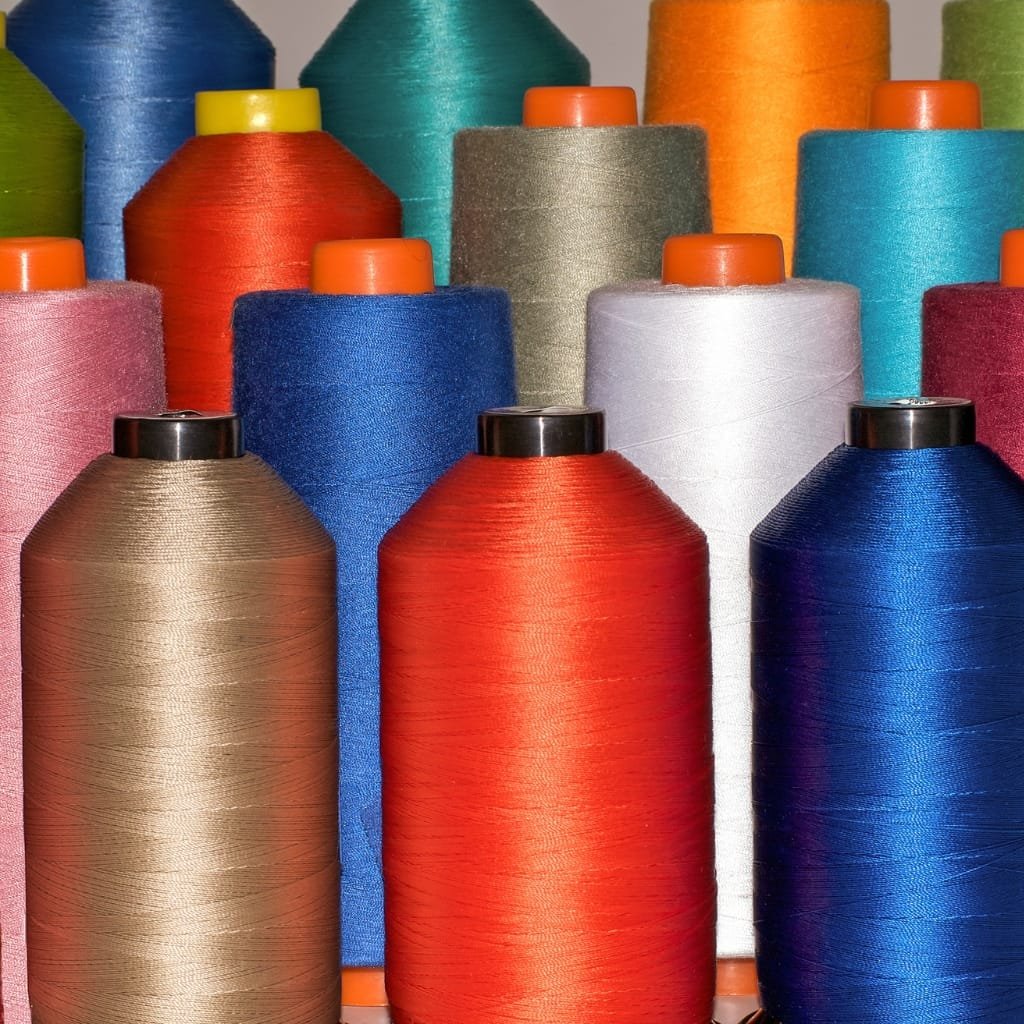
A close-up view of numerous colorful spool threads arranged in rows, featuring high-tenacity polyester threads in shades of red, blue, brown, white, orange, and green.
Vibrant assortment of threads in varied colors ready for sewing and industrial use.

High-tenacity polyesters a specific type of Blended polyester fiber characterized by its engineered extra strength and is, therefore, capable of performing spun polyester. Also, resistant to many damaging chemicals, UV rays, and moisture, makes it ideal for outdoors and heavy-duty applications.

Key Benefits of High-Tenacitys Polyester

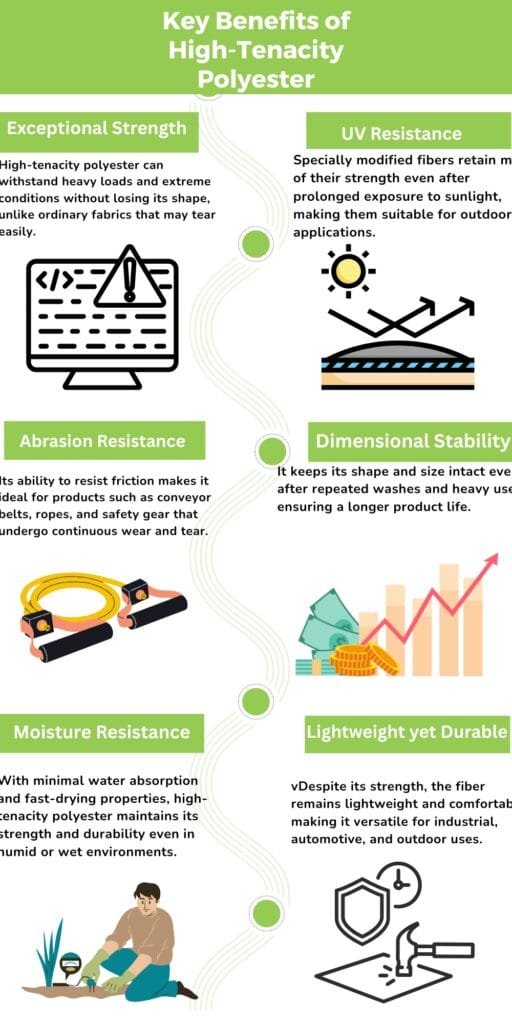
Infographic titled ‘Key Benefits of High-Tenacity Polyester’ arranged in a 2x3 grid. Each section has a green header with a white label: Exceptional Strength, UV Resistance, Abrasion Resistance, Dimensional Stability, Moisture Resistance, and Lightweight yet Durable. Each section includes a short description and a simple icon: a warning monitor, sun over fabric, traction belts, growing graph, a person performing a task, and a shielded tool. A dashed decorative line weaves through the sections.
Key benefits of : exceptional strength, UV resistance, abrasion resistance, dimensional stability, moisture resistance, and lightweight durability.

A beneficial in many ways, which is precisely why it is preferred in many industries across the globe:

1. Exceptional Strength

This fabric can withstand heavy loads and extreme conditions while maintaining its original shape. Unlike ordinary fabrics that tear or stretch over time, it remains durable and reliable, even under pressure.

2. Abrasion Resistance

Thanks to its ability to resist friction and surface wear, this fabric is perfect for products that undergo frequent abrasion. It maintains a smooth texture and attractive appearance, even after repeated use.

3. Moisture Resistance

With minimal water absorption and quick-drying properties, the material stays strong and fresh over the years. This moisture resistance helps prevent weakening or shrinking, making it an excellent choice for long-term use.

4. UV Resistance

Specially treated or slightly modified fibers provide protection against UV rays, retaining most of their strength even after long exposure to sunlight. This makes it ideal for outdoor clothing, gear, and furnishings.

5. Dimensional Stability

The fabric is designed to keep its shape and size even after multiple washes or extended use. It resists stretching, shrinking, and distortion, ensuring a consistent fit and finish.

6. Lightweight Comfort

Despite its strength and durability, the material remains lightweight and comfortable, offering ease of movement without compromising performance. This balance of toughness and softness makes it suitable for a wide range of applications.

Additionally, high-tenacity polyester usually coated or blended with other substances to further improve some of its properties.

High-Tenacitys Polyester Uses

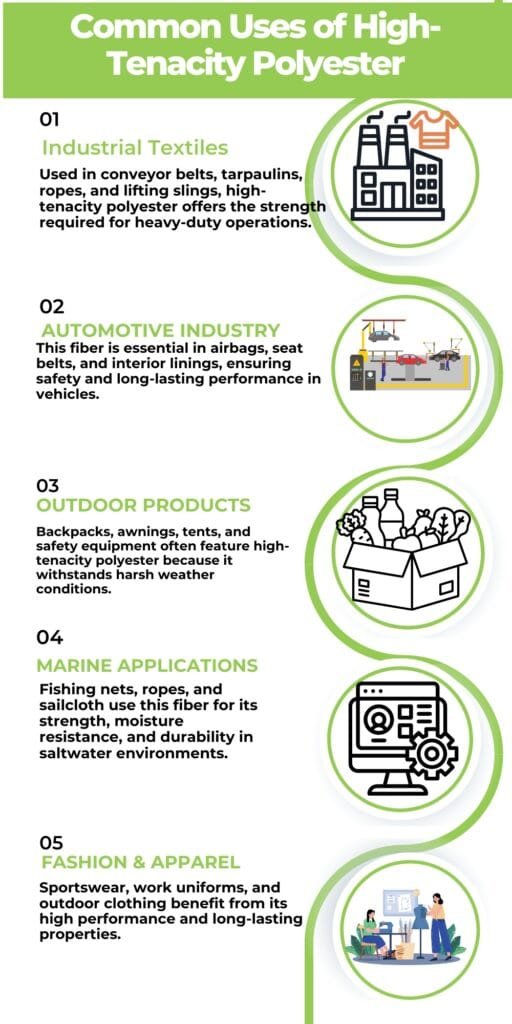
Infographic titled 'Common Uses of High-Tenacity Polyester' showing five sections with numbered headings. Each section includes a bold green title and a short description, paired with circular icons on the right: a factory, automotive workshop, a box with items, a computer with gears, and people in a design/shop setting. The design features a green wavy line and circular borders around the icons.
Common Uses of High-Tenacity Polyesters: industrial textiles, automotive industry, outdoor products, marine applications, and fashion & apparel.

Due to its strength and durability, high-tenacity polyesters used in many industries. Such as:

1. Industrial Textiles

In industrial settings, these fabrics are used in conveyor belts, tarpaulins, ropes, and lifting slings. Their high tensile strength and abrasion resistance ensure reliable performance under heavy loads and harsh conditions, making them essential for manufacturing and logistics.

2. Automotive Industry

The automotive sector relies on these materials for airbags, seat belts, and interior linings. Their combination of lightweight strength, heat resistance, and dimensional stability enhances passenger safety while maintaining a sleek interior design.

3. Outdoor Products

Outdoor gear manufacturers use these fabrics for safety equipment, backpacks, awnings, and tents. Their moisture resistance and UV protection make them perfect for withstanding unpredictable weather, while their durability ensures long-lasting use in rugged environments.

4. Marine Applications

In the marine industry, these fabrics are found in fishing nets, ropes, and sailcloth. Their resistance to saltwater, sunlight, and mechanical stress ensures dependable performance, even in challenging ocean conditions.

5. Fashion & Apparel

Beyond industrial use, these fabrics have made their way into fashion and apparel — from work uniforms and sportswear to outerwear and accessories. Their lightweight strength, breathability, and comfort make them ideal for creating garments that balance performance with style.

Thus, it is an important fiber in heavy-duty and performance-based products.

How to Take Care of High-tenacity polyester

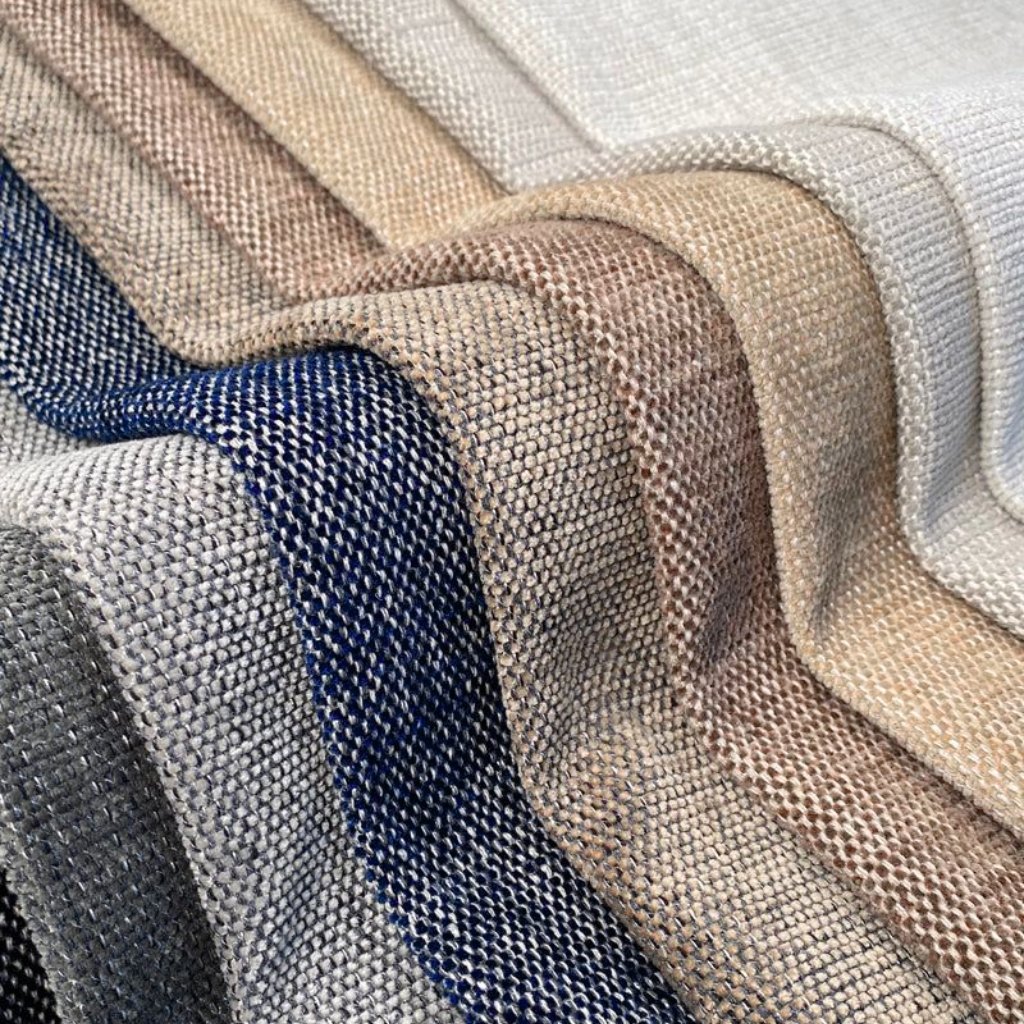
A close-up view of overlapping woven fabric swatches in various neutral colors (creams, beiges, taupes) and a dark denim blue, displaying textured, coarse weaves.
A spectrum of textured woven fabrics in earthy neutrals and denim tones.

Although high-tenacity polyesters durable, proper care will increase its lifespan. It can be washed in a machine with a light detergent and should be left to air dry or tumble dried on low. High temperatures should be avoided to eliminate the chances of polyester fiber damage.

Final Thoughts

For instance, high-tenacity polyesters has an excellent combination of strength, durability, and versatility. Also, high tenacity fiber has a durability to abrasion, moisture, UV rays, and other elements, which makes it suitable for an endless amount of uses. Hence, high-tenacity polyester is an ideal choice for a fabric that performs seamlessly, especially under stress.

FAQs

What is high-tenacity polyester used for?

High-tenacity polyesters used in industrial textiles, automotive seatbelts, outdoor gear, marine ropes, and heavy-duty fabrics because of its strength and durability.

Is high-tenacity polyesters stronger than regular fiber?

Yes, high-tenacity polyesters engineered for superior strength and abrasion resistance, making it much stronger than standard, fibers.

Can high-tenacity polyesters resist UV rays?

Many high-tenacity polyester fibers are treated to withstand UV exposure, therefore making them suitable for outdoor and marine applications.

Merino Wool Clothing Soft Breathable, and Sustainable Style

0

For all intricate outfits, i think Merino Wool deserves to be on top of the list as it is the clothing with the most sustainable comfort, performance, and stylish design. Compared to regular, harsher, irritating and rough wool Merino wool is comfortable, soft, and easy to breath. Merino wool is used for dresses, for the outer, for the under, and all day. It is comfortable, warm and gentle to the skin. Moulded fabrics manufactured from synthetic wool cannot be used for the synthetic dresses for comfort and warmth.

What is Merino Wool?

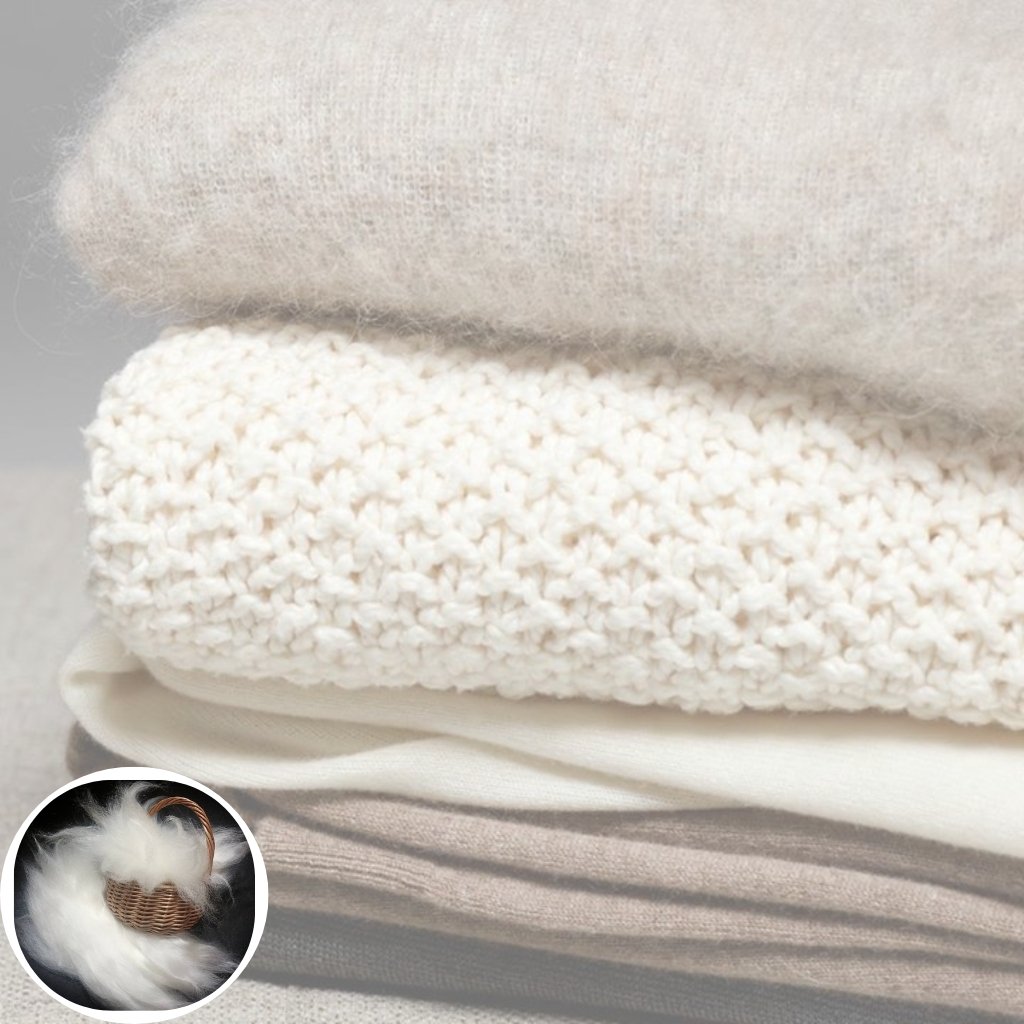
A soft, cream-colored stack of fluffy fabrics, including a fuzzy wool blanket on top and a chunky knit white textile beneath, with a small inset image of a white feathered basket in the corner.
Cozy Layers: plush textures and natural tones create a warm, inviting stack of blankets.

Merino wool clothing comes from Merino sheep, a special breed which is mostly raised in New Zealand and Australia. The wool fibres are fine made of 17 to 21 microns instead of regular wool which is thicker. The fabric is silky to touch and does not irritate the skin.

Also, Merino wool is all-natural, renewable, and biodegradable, which contributes to its sustainability. Every year, Merino sheep offer a new fleece, and sheep are not harmed in the fiber collection process.

Temperature Control: Nature’s Smart Fabric

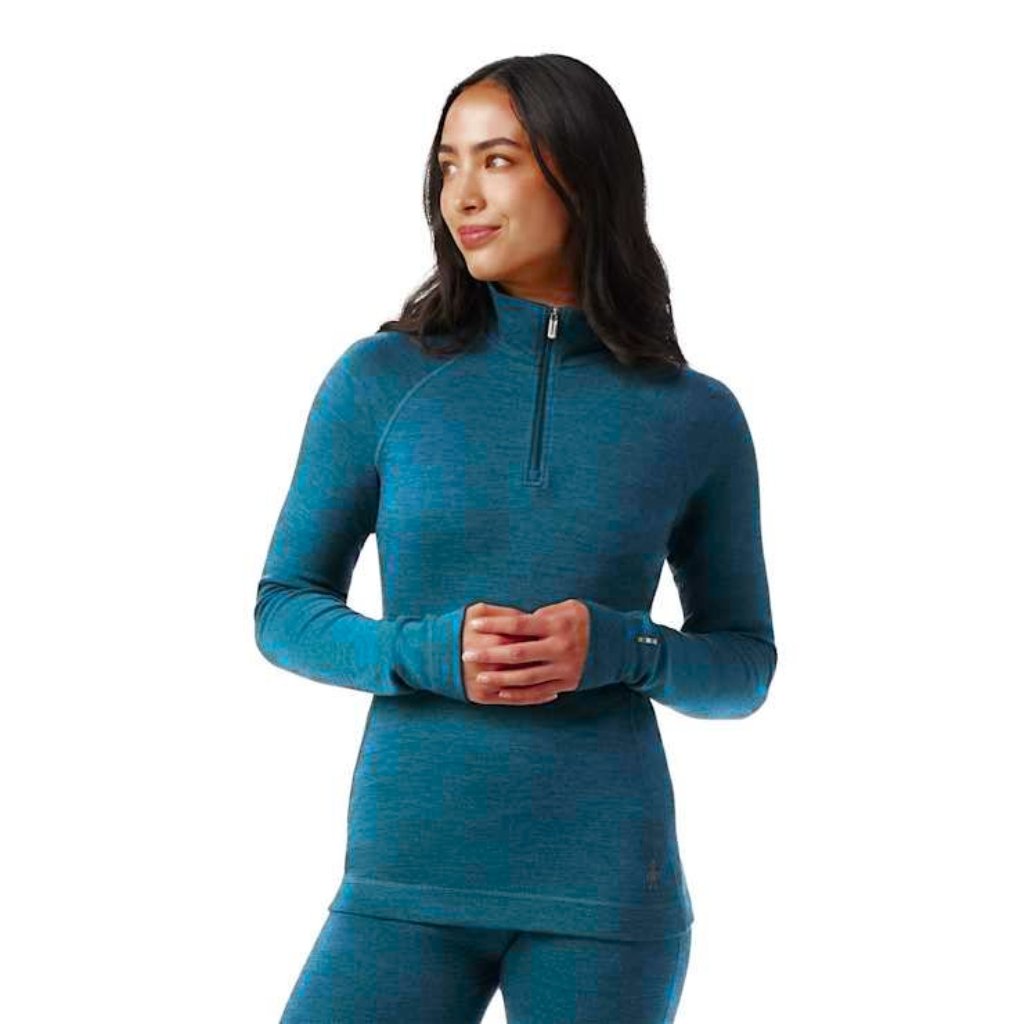
A woman wearing a teal long-sleeve athletic top with a half-zip neck and matching teal leggings, standing with hands clasped.
Athletic comfort in teal: a coordinating long-sleeve top and leggings set.

The ability to regulate temperature is one of the most amazing things Merino wol clothing offers. In the winter, the crimped wool fibers trap tiny pockets of air and help retain body heat. During the summer, moisture is drawn to the wool and heat is released, helping the body cool.

For this reason, Merino wool is often called a “four-season fabric.” It works as well in summer as in winter. Merino wool adapts to your body whether you are in an air-conditioned office, cycling in the city, or hiking in the mountains to provide comfort. Read more…What is wool fabric

Moisture Wicking and Quick Drying

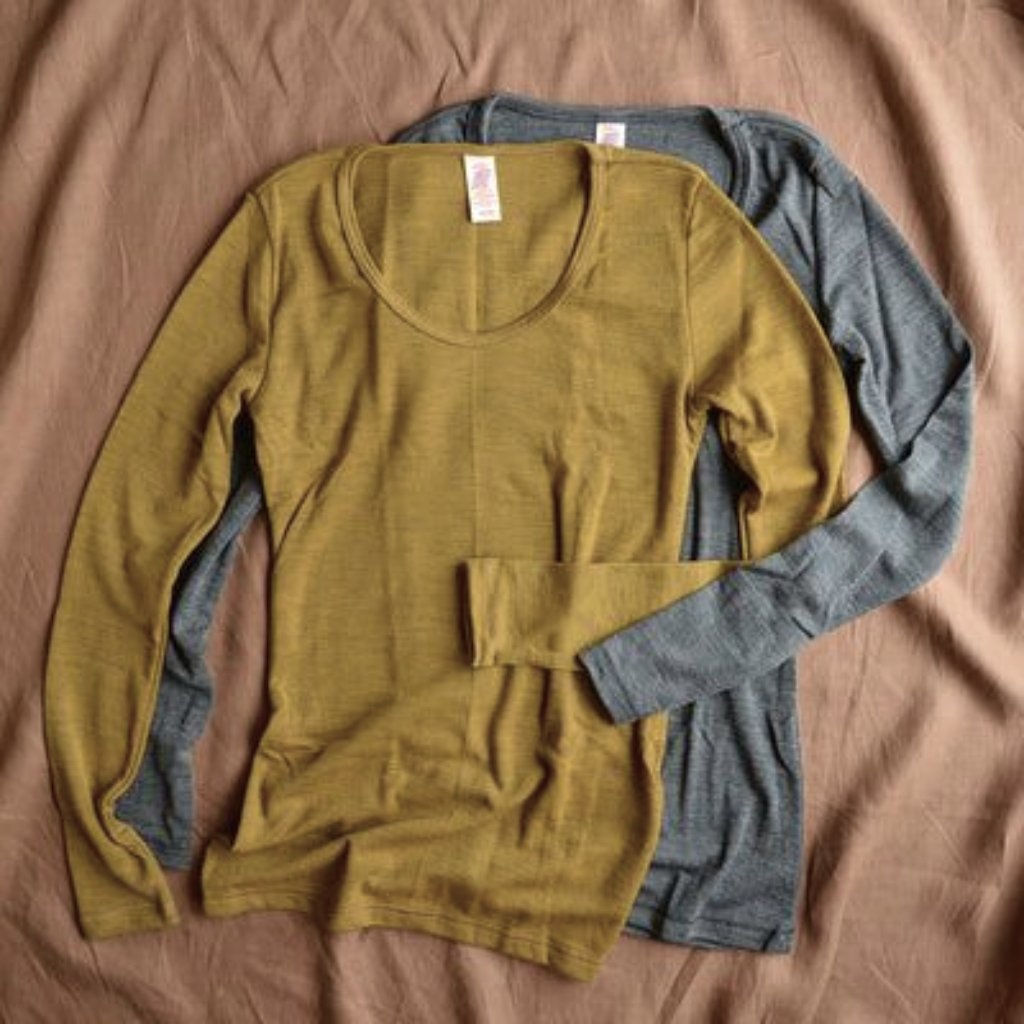
Two long-sleeve shirts layered on a beige surface; one mustard yellow in front, one muted blue-gray in back.
Layered long-sleeve shirts in mustard and blue-gray laid out on a smooth beige fabric.

Most materials, particularly cotton, absorb and retain moisture. Merino wool, on the other hand, wicks and evaporates moisture. It can absorb 30% of its weight in water and still not feel damp. Moisture evaporates as air passes over the skin, keeping the skin dry and eliminating the clammy feel of plastics.

These noticeable moisture management features explain the popularity of Merino wool among athletes, travelers and outdoor enthusiasts. Merino wool fabric also dries faster than cotton. This makes it easy to wash Merino garments and air dry them while traveling which is ideal for long trips or camping.

Naturally Odor Resistant

Three plain long-sleeve T-shirts in blue, gray, and black arranged in a row.
Basic crewneck long-sleeve T-shirts in blue, gray, and black.

Another reason for Merino wool’s popularity is its odor resistant properties. The fibers hold lanolin, a natural wax that provides anti bacterial protection. In other words, sweat and bacteria can’t build up, which eliminates odor.

For travel and backpacking, this is a great feature because you can wear a Merino wool shirt or base layer several times in a row without washing it. This not only helps to save energy and water for washing and drying, but also extends the life of your garments.—

So Lightweight and Comfortable

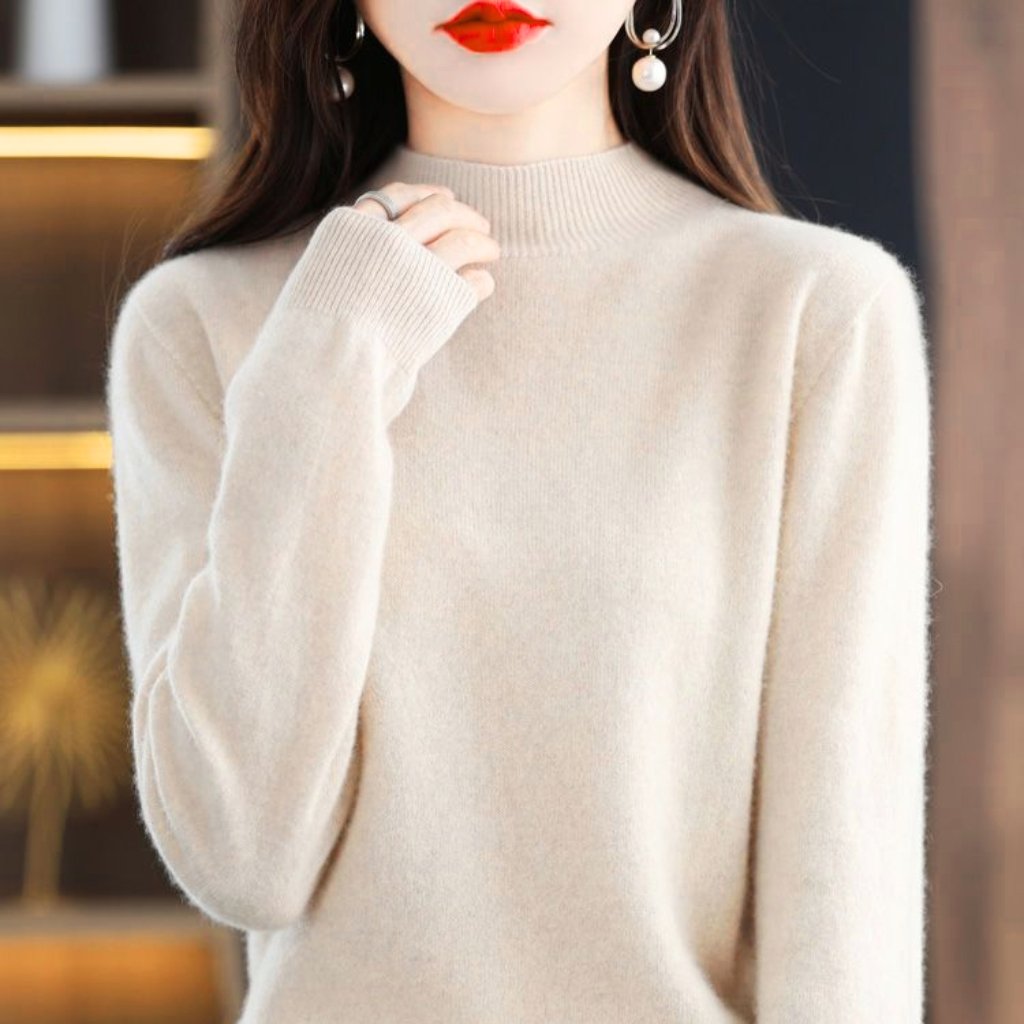
A close-up of a person wearing a soft, cream-colored knit sweater with a ribbed crew neck. The person has red lipstick and is accessorized with dangling pearl earrings; one hand rests near the collar.
Cozy vibes in a minimalist cream knit.” “Soft textures and timeless elegance.” “Effortless chic in a fuzzy cream sweater.

Even in cold weather, Merino wool is still lightweight and breathable. It may trap still keep air, but it won’t overheat and makes it even more comfortable. It is also highly elastic so it stretches as your body moves, so it is great for running, hiking, and even yoga.

Also, the smooth wool fibers make it very soft and more comfortable against your skin. It does not feel like normal wool, which is of low quality and very rough. Merino wool feels more like cotton and silk, so it makes great everyday clothing and for layering. Read more…Merino wool garments

Merino wool is Eco Friendly

A woman with long wavy red hair sits on a park bench in autumn, wearing a chunky cream sweater and olive green skirt, with a brown crossbody bag. Fallen leaves cover the ground and trees line a brick path in the background.

In today’s world, where sustainability and responsible fashion matter more than ever, Merino wool has emerged as a leading example of an eco-friendly and high-performance fabric. Its environmental benefits extend from the way it’s produced to how it eventually returns to nature, making it a truly circular and renewable resource.

Merino sheep naturally grow a new fleece every year, meaning their wool supply is completely renewable. This process doesn’t harm the animals and provides a consistent source of fiber without exhausting natural resources. Unlike synthetic fibers derived from petroleum, Merino wool comes directly from nature and supports the balance of ecosystems.

When a Merino wool garment reaches the end of its life cycle, it doesn’t linger in landfills for years like synthetic materials. Instead, it biodegrades naturally within a few months, breaking down into valuable nutrients that enrich the soil. This decomposition process leaves behind no harmful residues, making Merino wool clothing a truly environmentally responsible choice.

Additionally, Merino wool’s odor-resistant properties mean that garments made from it require less frequent washing. Because they stay fresh even after multiple wears, less water, detergent, and energy are consumed during their lifespan. This simple advantage reduces your carbon footprint while extending the life of each garment.

Moreover, the durability and longevity of Merino wool clothing encourage mindful consumption. Rather than buying and discarding cheap, short-lived items, consumers can invest in high-quality, long-lasting garments that perform well year after year. This shift toward rational and sustainable buying behavior plays a crucial role in minimizing textile waste and overproduction.

Finally, many Merino wool clothing brands are committed to ethical and sustainable sourcing. They work closely with farms that prioritize animal welfare, land conservation, and low-impact farming practices. This ensures that every stage of the production process—from sheep shearing to fabric finishing—respects both nature and the animals involved.

In essence, Merino wool represents the harmony between nature and innovation. It’s renewable, biodegradable, energy-efficient, and produced with integrity. Choosing Merino wool is not just a style decision—it’s a step toward a cleaner, greener, and more sustainable future.

Types of Merino Wool Clothing

Infographic titled ‘Types of Wool Clothing’ with five sections describing Merino wool T-shirts, base layers, sweaters and hoodies, socks and underwear, and jackets and outerwear. Each section includes a short description and a small illustration of the item.
A quick guide to common Merino wool clothing: T-shirts, base layers, sweaters and hoodies, socks and underwear, and jackets and outerwear.

Merino wool clothing isn’t just for sweaters and base layers. You can find all kinds of Merino wool clothing for different activities and weather.

  1. Merino Wool T-Shirts — Featherlight and airy Merino wool t-shirts are the best travel or summer clothing.
  2. Base Layers — Perfect for certain outer winter gear so you can keep your temperature balanced and for winter sports.
  3. Sweaters and Hoodies — Super comfy and ideal for the colder months.
  4. Socks and Underwear — Merino wool socks and underwear keep you comfy and help your feet avoid odors.
  5. Jackets and Outerwear — Merino wool jackets are super comfy and durable as they blend merino wool with nylon for wind protection.

No matter the season there will always be some merino wool clothing available for you.

How to Care for Merino Wool Clothing

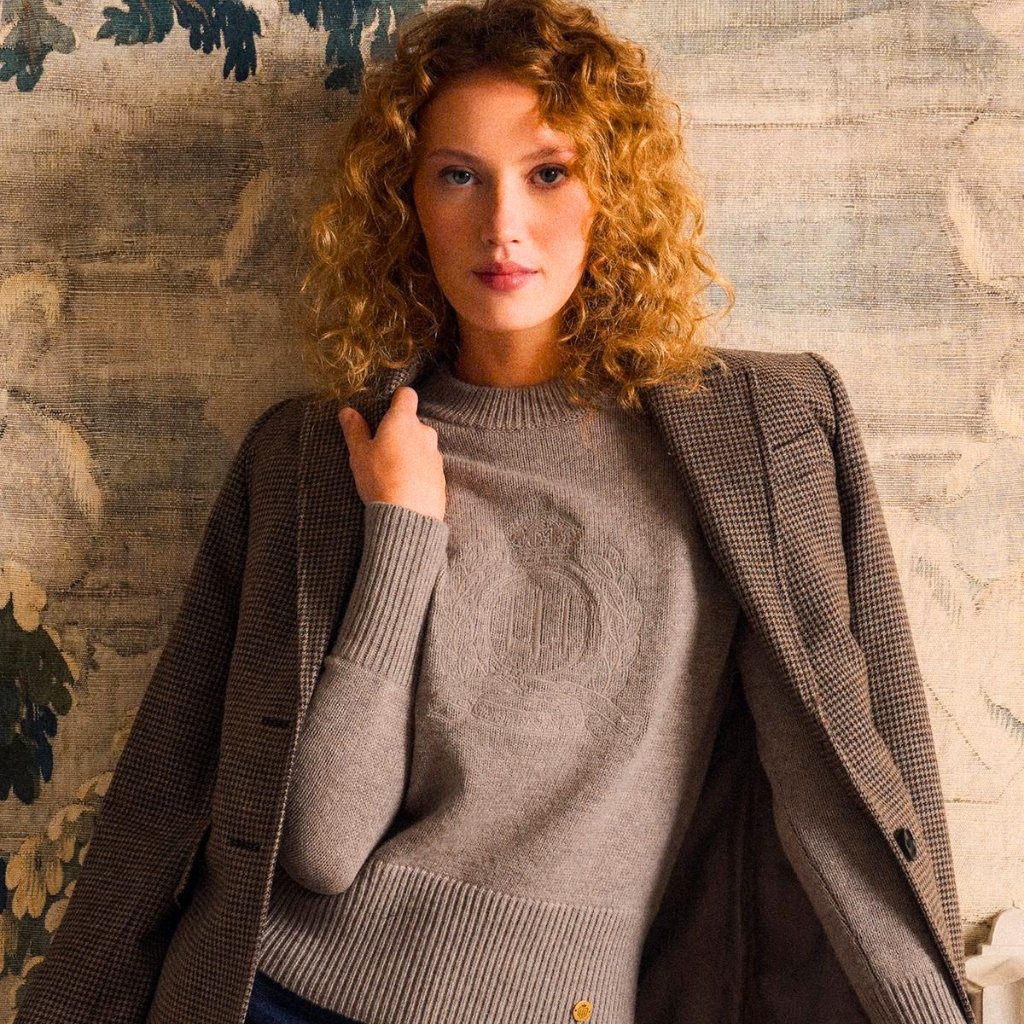
A woman with curly blonde hair wearing a taupe sweater and a brown checkered blazer, leaning against a textured wall.
Effortlessly chic: cozy knits and a tailored blazer for a timeless fall look.

Taking care of merino wool is simple and increases the lifespan of the clothing. Merino wool lasts a long time but will still benefit from gentle handling.

  • Use cold water.
  • Do not use bleach or softeners as they can ruin the merino wool.
  • To avoid shrinking air drying is best.
  • Merino wool should be laid flat to dry and not be hung. Hanging can stretch the fabric.

Merino wool is not as frequent as washing other fabrics because it has odor resistance. Simply air it out between uses, and it’ll stay fresh for days.
Merino Wool & Comfort

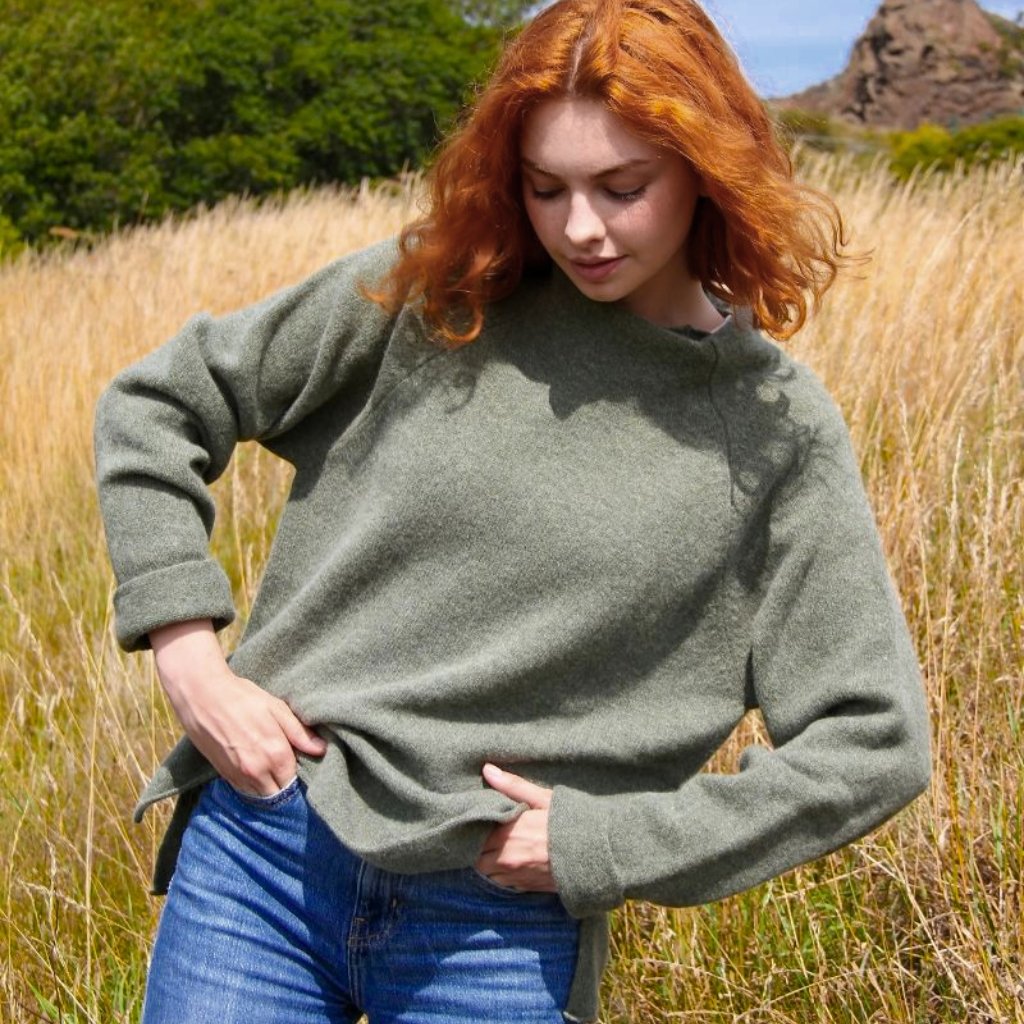
A young woman with shoulder-length red hair stands in a field of tall golden grass, wearing a loose green sweater and blue jeans, looking down while pulling the hem of her sweater.
Casual autumn vibes in the field: a woman in a cozy olive sweater and denim jeans enjoying a sunny day outdoors.

Merino wool outperforms cotton and is more comfortable to wear. Unlike cotton which retains moisture and leaves you feeling damp and clammy, Merino wool absorbs moisture and keeps you dry.

Compared to synthetic fabrics, Merino wool has more than one advantage. While synthetic fabrics dry quickly, they trap odors and are made of non-biodegradable synthetic materials. Merino wool has odor resistance and breathability and is eco-friendly.

Perfect for Every Lifestyle

A woman with shoulder-length blonde hair wearing a purple fleece jacket and black leggings, standing outdoors with a gray backpack. The background shows a desert landscape with rocky formations.
Exploring the outdoors in a cozy purple fleece jacket.

Merino wool effortlessly adapts from mountain trails to city streets. Skiers and hikers enjoy the outdoors while travelers love the easy care, light weight, and versatility of Merino wool. Merino wool provides comfortable polished outfits to professional settings as well.

Because the fabric holds its shape and softness, it is a smart investment to buy quality that is long-lasting. Merino wool suit is minimalist, commuter, or adventurer, is a fabric that fits every lifestyle.

Why You Should Wear Merino Wool

With its unparalleled benefits, Merino Wool is the perfect wool to wear as we focus on comfort, sustainability and performance.

  • Naturally regulates temperature
  • Exceptional moisture control
  • Lasting odor resistance
  • Delivers lightweight comfort and flexibility
  • Eco-friendly biodegradability

Wearing merino wool is choosing to wear clothing that works with both your body and the planet. It’s a high-quality, comfortable, and sustainable choice.

Conclusion

In conclusion, wearing Merino wool clothing is as practical as it is luxurious. It is warm yet breathable, soft yet durable, and stylish yet sustainable. It is a natural and renewable resource, which means, it benefits the environment and you.

Merino wool goes with you in every situation, as it is lightweight and adaptable. It is easy to understand why so many people switch to Merino wool when you experience its softness and performance. It is perfect for year-round comfort and eco-friendly fashion.

FAQs

What makes Merino wool clothing different from regular wool?

Merino wool is much finer and softer than regular wool, making it non-itchy and comfortable to wear. It’s also naturally breathable, moisture-wicking, and odor-resistant, unlike coarse traditional wool.

Is Merino wool suitable for hot weather?

Yes! Merino wool regulates body temperature effectively. It keeps you cool in hot weather by wicking away sweat and allowing air to circulate, making it perfect for summer or layering in any season.

Can Merino wool clothing be washed in a machine?

Most Merino wool garments can be machine washed on a gentle cycle using cold water and mild detergent. Always check the label and air dry flat to maintain the shape and softness of the fabric.

Is Rayon Eco-Friendly? Facts About Its Impact & Sustainability

0

Rayon is a nice and popular fabric that a lot of people appreciate. It has the softness and smoothness of silk, drapes and styles beautifully, and is generally a lot less expensive than other natural fabrics. But, a very common question arises, Is rayon eco-friendly.
This article will explain the background of rayon, its production, environmental impacts, and whether or not it can be deemed sustainable. By the end of the article, I intend to clear up and explain the intricacies concerning rayon in the fashion world.

What is Rayon fabric?


"Close-up of soft pink, flowing fabric with gentle folds and smooth texture."
“Soft pink rayon fabric: smooth, drapey, and versatile.”

Rayon is a semi-synthetic fiber. It is made from natural materials, generally wood pulp, but chemically processing the pulp to fabrics threads is considered “synthetic“. Hence, it lies in the balance of natural fibers like cotton and synthetic fibers like polyester.

Initially, rayon was created in the late 1800s due to the need for a more affordable substitute for silk. Currently, rayon is utilized in a wide range of items such as clothing, linens, and even some industrial goods. Its multi-purpose attributes make it a go-to material for many designers and manufacturers.

Why is Rayon fabric So Popular?

Vibrant magenta rayon fabric draped in soft folds, showcasing the fabric’s smooth, lustrous surface.
a silky-smooth fabric that blends comfort with versatility. Soft to touch, breathable, and easy to dye—a trend favorite for fashion and home textiles.

Rayon is admired by consumers and brands for multiple reasons:

  • Soft and comfortable – It feels nice and gentle against the skin.
  • Breathable – It helps in air circulation and is perfect for hot weather.
  • Drapes well – It imparts a flowy and elegant appearance to the clothing.
  • Versatile – It can be used in dresses, blouses, and even home curtains and upholstery.
  • Affordable – It provides a silky textured feel without a high price tag.

These attributes help rayon maintain a position in the highly competitive fabric industry. Still, the most important and concerning question is: Is rayon eco-friendly.

How is Rayon fabric Made?

Close-up image of smooth, light-blue fabric with soft folds and draping.
From Wood Pulp to Soft, Drapable Fiber.

Rayon production is the first step in understanding its effects on the environment. Rayon can be made from natural resources such as wood pulp, bamboo, and cotton linters. However, the transformation of these materials to fabric includes several processes involving the use of several harmful chemicals.

Steps in Rayon Production:

  1. Raw Material Collection – mainly trees such as beech, pine, or eucalyptus.
  2. Pulp Creation – this is the stage where the wood gets converted into pulp.
  3. Chemical Treatment – the addition of chemicals sodium hydroxide and carbon disulfide takes place.
  4. Spinning Process – the pulp which has been treated is pushed through spinnerets to produce pulp.
  5. Weaving/Knitting – the fibers produced are woven into a fabric.

Is Rayon Eco-Friendly?

Close-up of a rolled yellow fabric with soft, velvety texture (rayon)."Close-up of a rolled yellow fabric with soft, velvety texture (rayon)."
s Rayon Eco-Friendly? (1) — exploring the environmental footprint of rayon fabrics.

The short answer is NO. Although rayon is manufactured from natural resources, it still undergoes extensive and harmful chemical processing which makes it far less eco-friendly.

Reasons Rayon is Not Fully Eco-Friendly?

  • Deforestation risk – wood pulp comes from trees, and large-scale logging can harm forests.
  • Chemical pollution – the production process releases toxic chemicals.
  • Water usage – high amounts of water are needed in processing.
  • Non-durable quality – rayon fabrics wear out faster, leading to more waste.

Rayon is still not a sustainable option in most cases, although it is an improvement on synthetic fabrics like polyester.


1. Regular Rayon (Viscose)

Close-up of regular rayon fabric showing smooth, even weave with a soft sheen."
"Regular rayon textile with a lightweight, drapey appearance and subtle sheen."
"Plain-weave rayon fabric in a solid color with a soft texture and gentle luster.
Regular Rayon: A lightweight, drapey fabric with a smooth surface and subtle sheen.” “Regular Rayon textile—comfortable, breathable fabric with a soft hand.” “Regular Rayon: Everyday fabric for dresses, blouses, and linings due to its drape and softness.

Regular rayon, or viscose, is most inexpensive and most widely available type. Of all rayons, it is also the most environmentally damaging, because of the harmful rayon production methods.

2.Is Rayon Eco-Friendly Modal Rayon

Close-up of soft purple Modal Rayon fabric with a smooth, draped texture."
Luxuriously soft purple Modal Rayon fabric with a silky, drapeable finish.

Modal is produced from beech trees, which is why it’s sometimes referred to as “beechwood.” It is stronger and softer than viscose and is commonly used in activewear and underwear. Its production can be more sustainable if sourced from managed forests.

3.Is Rayon Eco-FriendlyLyocell (Tencel)

A close-up view of smooth, blue Lyocell fabric with fine weave and gentle folds.
“Lyocell fabric: smooth, breathable, and drapey with a subtle sheen.

Lyocell is considered the most eco-friendly version of rayon. It employs a closed-loop system in rayon production, which recycles solvents used in the process, greatly decreasing chemical pollution. Tencel is marketed as a sustainable brand because of the eco-friendly production methods used for rayons.

Environmental Concerns of Rayon

1. Deforestation

Since rayon is made from wood pulp, and if sourcing is not managed sustainably, it could lead to deforestation and loss of wildlife habitat.

2. Water Pollution

The chemicals used in the manufacturing of rayon can lead to the pollution of rivers and streams which in turn impacts wildlife.

3. Human Health Impact

The chemicals used in rayon production can affect the health of workers, as they are the first ones to be made ill from the toxins.

4. Waste and Durability

Rayon clothing does not last as long as cotton or linen. This means it gets tossed quicker and contributes to textile wa

Making Better Choices with Rayon

For those who love rayon and wish to remain eco cognizant, follow these suggestions.

  • Seek out certifications such as FSC (Forest Stewardship Council).
  • Opt for lyocell or modal instead of standard viscose.
  • Buy less, but better – choose quality items that last longer.
  • Certify that you are supporting sustainable brands.
  • Recycle or donate rayon clothes instead of throwing them away.

Fabric TypeEco-FriendlinessDurabilityComfort
RayonMedium (depends on type)ModerateSoft & breathable
CottonHigh (organic cotton best)StrongSoft & versatile
PolyesterLow (synthetic plastic)HighLess breathable
LinenHighVery durableBreathable & natural
LyocellHigher (eco-friendly rayon)StrongSoft & sustainable

This shows that while rayon has some plus sides, other natural fabrics tend to be much better when it comes to sustainability.


The Future of Rayon

There is pressure for the fashion industry to make sustainable practices more mainstream. For their part, rayon manufacturers are attempting to introduce some of the following:

  • Closed loop systems that recycle chemicals.
  • Sustainable wood sources, no longer sourcing rayon from endangered forests.
  • Rest on waste by improving fabric durability.

Growing sustainability awareness on the part of consumers is matched by brands looking to provide more sustainable rayon.

Conclusion

So, is rayon eco-friendly? Currently, it is mostly no, although there is room for improvement. Rayon is made from natural materials, but the production process is still chemical-intensive and damaging to the environment. Better choices are Sustainable lyocell (Tencel) and responsibly sourced modal.

As a conser, you can reduce waste, support eco-friendly brands, and select sustainable rayon alternativesh to take a positive ste

FAQs

1. Is rayon eco-friendly?

Rayon is partly eco-friendly because it’s made from natural cellulose, usually derived from wood pulp. However, the chemical process used in its production can harm the environment if not properly managed.

2. What makes rayon less eco-friendly?

Rayon production involves toxic chemicals like carbon disulfide and sulfuric acid. These can pollute air and water when factories lack proper waste treatment systems.

3. Is all rayon harmful to the environment?

Not always. Some types, such as Lyocell or Tencel, are more sustainable because they use closed-loop systems that recycle almost all chemicals and water used in production.
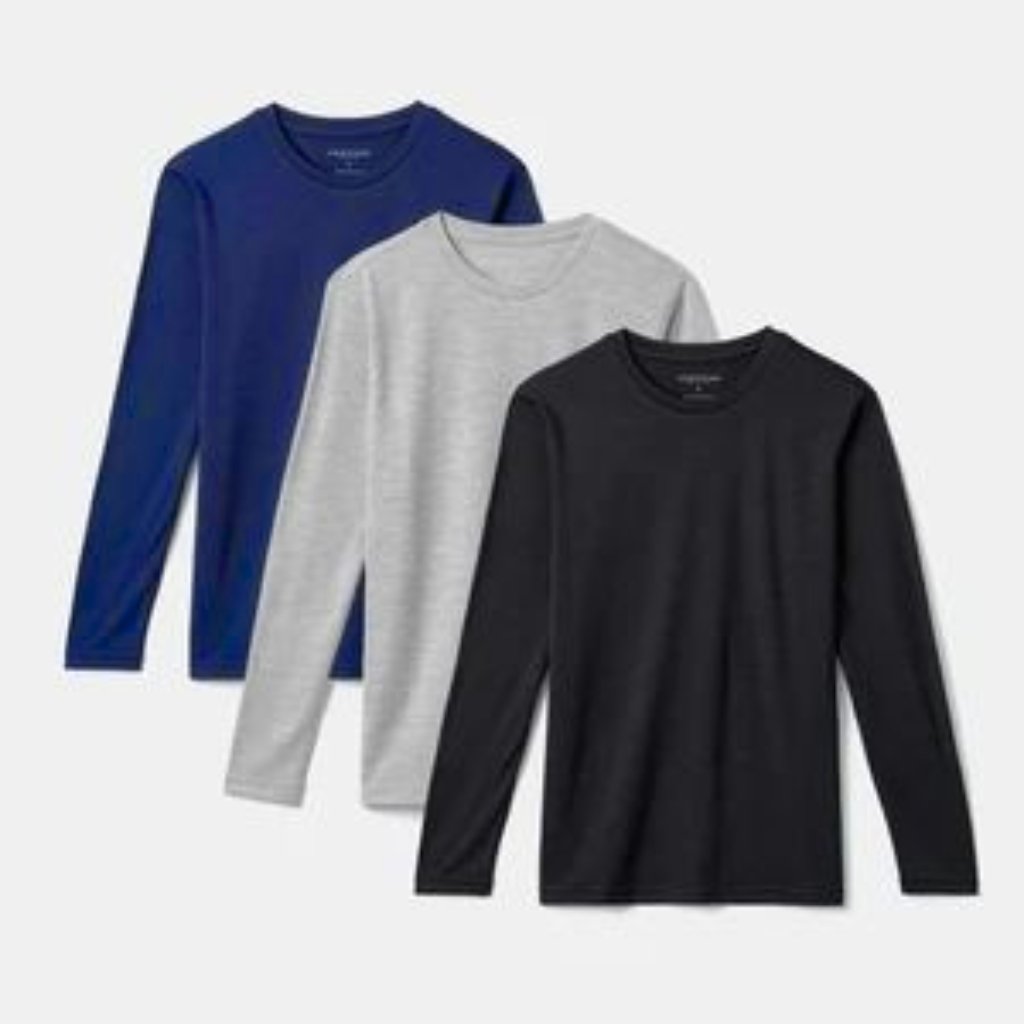
Rayon Fabric Jacket: Perfect Blend of Style & Softness

When you pick out a jacket, you want something that feels good and looks great. A Rayon Fabric Jacket can offer both warmth and smoothness while staying stylish. In this article, I will walk you through what makes a rayon jacket special, how you can wear it well, and why it might be the best choice for your wardrobe. With over twenty years of writing experience, I find that mixing comfort with fashion is the smartest way to dress.
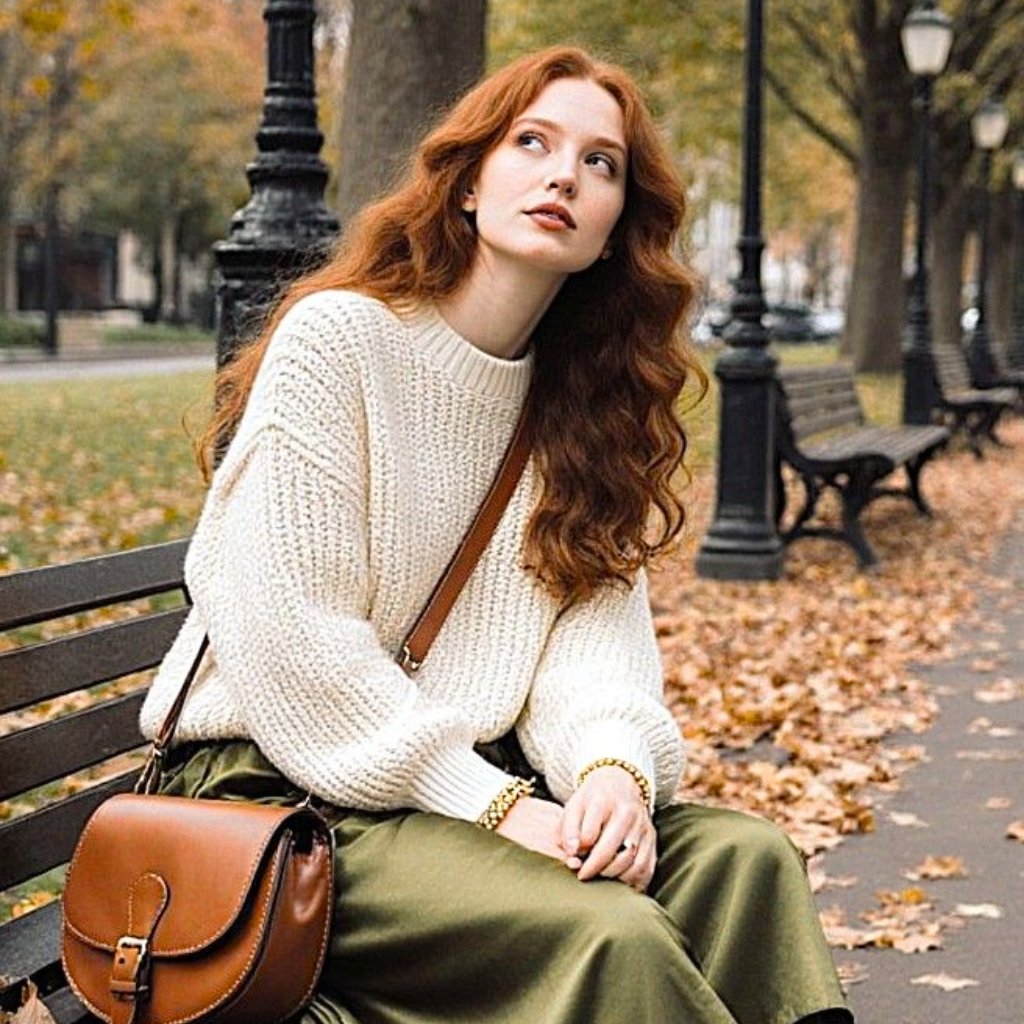
what is Rayon Fabric Jacket

A beige blazer laid open on a light fur surface, showing a black inner lining or shirt underneath.
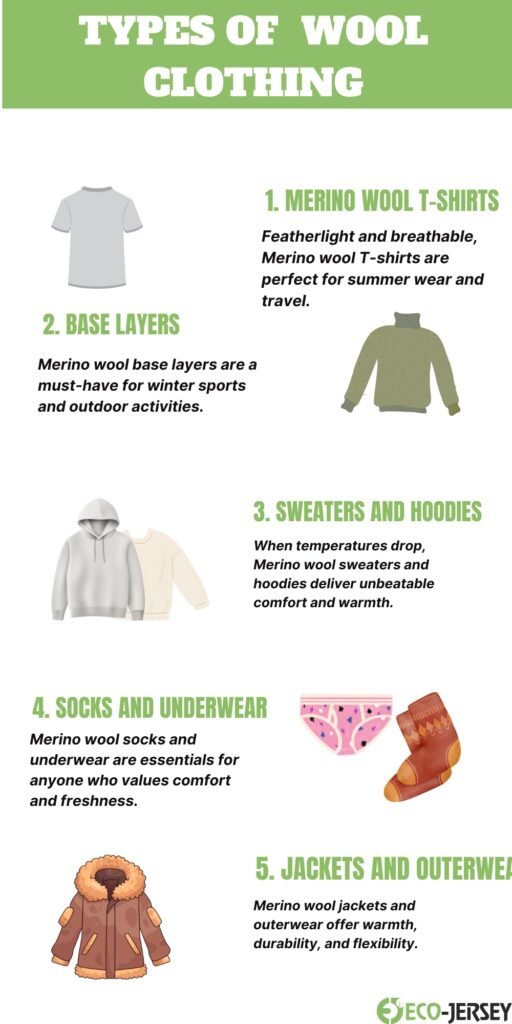
Lightweight rayon blazer in a sand beige tone with a contrasting dark lining.

A Rayon Fabric Jacket is a lightweight and stylish outerwear piece made from rayon, a soft and smooth fabric created from natural wood pulp. This jacket stands out because it feels gentle on the skin, making it comfortable to wear for long hours. Rayon gives the jacket a silky texture and a graceful drape, which adds elegance to any outfit. It is also breathable, allowing air to flow easily and keeping you cool in warm weather. Because of its shine and softness, a rayon fabric jacket looks refined yet casual, making it a great choice for both everyday wear and special occasions.

what is made Rayon Fabric Jacket

A Rayon Fabric Jacket is made from rayon, a semi-synthetic fiber that comes from natural sources like wood pulp or bamboo. The process starts by breaking down the wood into a soft pulp, which is then turned into smooth threads through chemical treatment. These threads are woven into a soft, shiny fabric known as rayon. When used to make jackets, this fabric gives them a silky texture, lightweight feel, and elegant drape. Because rayon blends the comfort of natural fibers with the beauty of silk, a Rayon Fabric Jacket feels cool, smooth, and stylish—perfect for wearing in both casual and semi-formal settings.

rayon vs fabric jacket

When comparing rayon vs fabric jackets, the key difference lies in the type of material used. Rayon is a specific kind of fabric made from natural wood pulp that feels soft, smooth, and lightweight. A Rayon Fabric Jacket therefore has a silky texture and elegant drape, making it comfortable and stylish for daily wear. On the other hand, “fabric jacket” is a broader term that can refer to any jacket made from materials like cotton, polyester, wool, or denim. While other fabrics may offer warmth or durability, rayon stands out for its breathability, gentle feel, and luxurious look. In short, a Rayon Fabric Jacket combines comfort and fashion better than many ordinary fabric jackets.

A Jacket That Holds Its Own Style

While some jackets prioritize comfort, others allow for the possibility of greater style retention without compromising comfort, shape, or color. A Rayon Fabric Jacket balances visual performance and comfort. As a fabric, rayon holds color beautifully and the low luster of the fabric adds aesthetic appeal. (Zelouf Fabrics)

Of course, every fabric has its care needs, and thoughtful handling of rayon will minimize loss of shape or shrinkage. However, with less frequent care this jacket will continue to look crisp and sartorial, allowing for reliance on a single piece over multiple seasons.

How to Style Your Rayon Fabric Jacket

Fun and exciting styling choices accompany the softness of a Rayon Fabric Jacket. On a mild day, the jacket may be a better alternative to a heavy coat. For a relaxed look, you may wish to pair it with a plain tee and relaxed chinos, but it can also be worn over a polished shirt and slim trousers for a dressier ensemble.

The jacket’s elegant texture means you don’t need to go bold with your accessories. Let the jacket do the talking with understated pieces like a simple watch, clean sneakers or loafers, and minimalist jewellery. The goal is to allow the jacket to shine without competing or distracting elements.

Care Tips to Keep Your Jacket Looking Great

As a Rayon Fabric Jacket is made from a semi-synthetic fibre, you need to care for it gently to keep it in good condition. First, check the label. Many sources say that washing rayon in hot water or drying in high heat may cause shrinkage or damage.

Here are simple steps: cold water washing, mild detergent, no fabric wringing, hang or lay to dry, and iron at low temp if necessary. Your care will pay off by extending the life of your jacket, and preserving the softness and shape!

Good Value for the Wardrobe

Purchasing a Rayon Fabric Jacket is a good purchase because you get quality without having to pay a premium for luxury. Rayon gives you a finish similar to silk, just less expensive.

It’s versatile so you can wear the same jacket for different occasions. Whether you want to go out for the evening, have a casual Wednesday, or go to a spontaneous brunch, the jacket is a good go to. Having that kind of flexibility is what makes the investment worthwhile.

Final Thoughts

To sum everything up, the Rayon Fabric Jacket is one of those pieces that offers a combination of softness, style, and ease. It offers comfort without sacrificing the polished look. It is the type of jacket that accommodates people in their daily routines, whether going to school, out for coffee, or meeting friends.

With proper care, it will serve as one of those no-thought pieces you grab for in your wardrobe. It is soft, stylish, and comfortable in a way that very few jackets are. If it is time to upgrade your wardrobe with something that looks and feels good, this jacket is a very go.

FAQs

1. What is a Rayon Fabric Jacket?

A Rayon Fabric Jacket is made from rayon — a soft, breathable, and lightweight fabric that mimics the feel of natural fibers like silk or cotton. It’s perfect for stylish layering in mild to moderate weather.

2. Is rayon a natural or synthetic fabric?

Rayon is a semi-synthetic fiber. It’s made from natural cellulose (usually wood pulp) that’s chemically processed to produce smooth, soft threads.

3. Can I wear a rayon jacket in summer?

Yes. Rayon is lightweight and breathable, making it suitable for warm weather. However, it’s best to avoid extreme heat or excessive sweating, as rayon absorbs moisture easily.