Home Blog Page 112

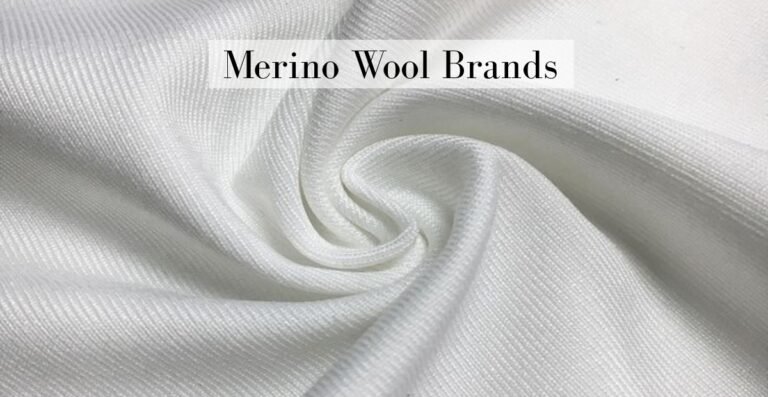
Best Merino Wool Brands : Soft, Breathable, and Eco-Friendly

0

Compared to other natural fibers, Merino Wool is growing in demand in the fashion and performance apparel sectors. This is because Merino Wool is not only soft, temperature regulating, and moisture wicking, but also one of the most sustainable clothing materials. Merino wool brands are shifting perceptions on wool, ranging from high-end brands to outdoor clothing specialists.

We will look into the top Merino wool brands, their histories, sustainability efforts, unique products, and the reasons designers and consumers continue to adore Merino wool. This guide will help you find the best Merino wool fashion whether you want premium knitwear, high-performance outdoor clothing, or ethically made apparel.

What Makes Merino Wool So Special?
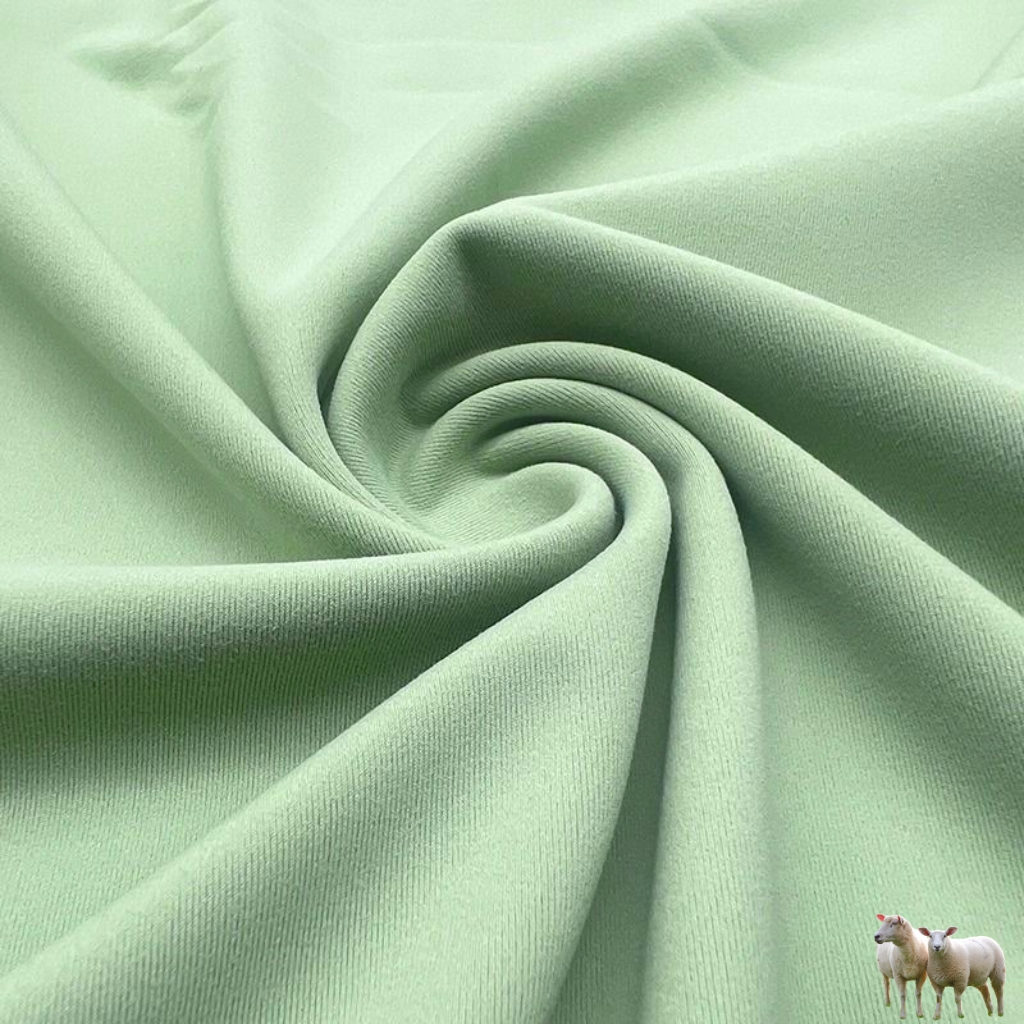
A soft mint-green fabric is twisted into a central spiral, creating folds and gentle texture. In the bottom-right corner, a small group of three sheep silhouettes stands, adding a whimsical touch.
Mint-green fabric swirls into a graceful spiral, with a tiny trio of sheep in the corner.

Merino wool comes from Merino sheep, most of which are raised in Australia and New Zealand. Merino wool is not the same as traditional wool. Merino wool is finer and softer than traditional wool, meaning it is more comfortable when worn against the skin.

Merino wool is breathable which means it keeps you warm in the winter and cool in the summer. Merino wool also does not stink, it absorbs moisture, and is more comfortable than most synthetic fibers. On top of it, Merino wool is biodegradable and renewable which makes it a worthy choice for eco-friendly fashion lovers.

Top Merino Wool Brands in 2025

Check out the best Merino wool brands that perfectly combine comfort, performance, and care for the planet.

1. Icebreaker – The Pioneer of Sustainable Merino Wool
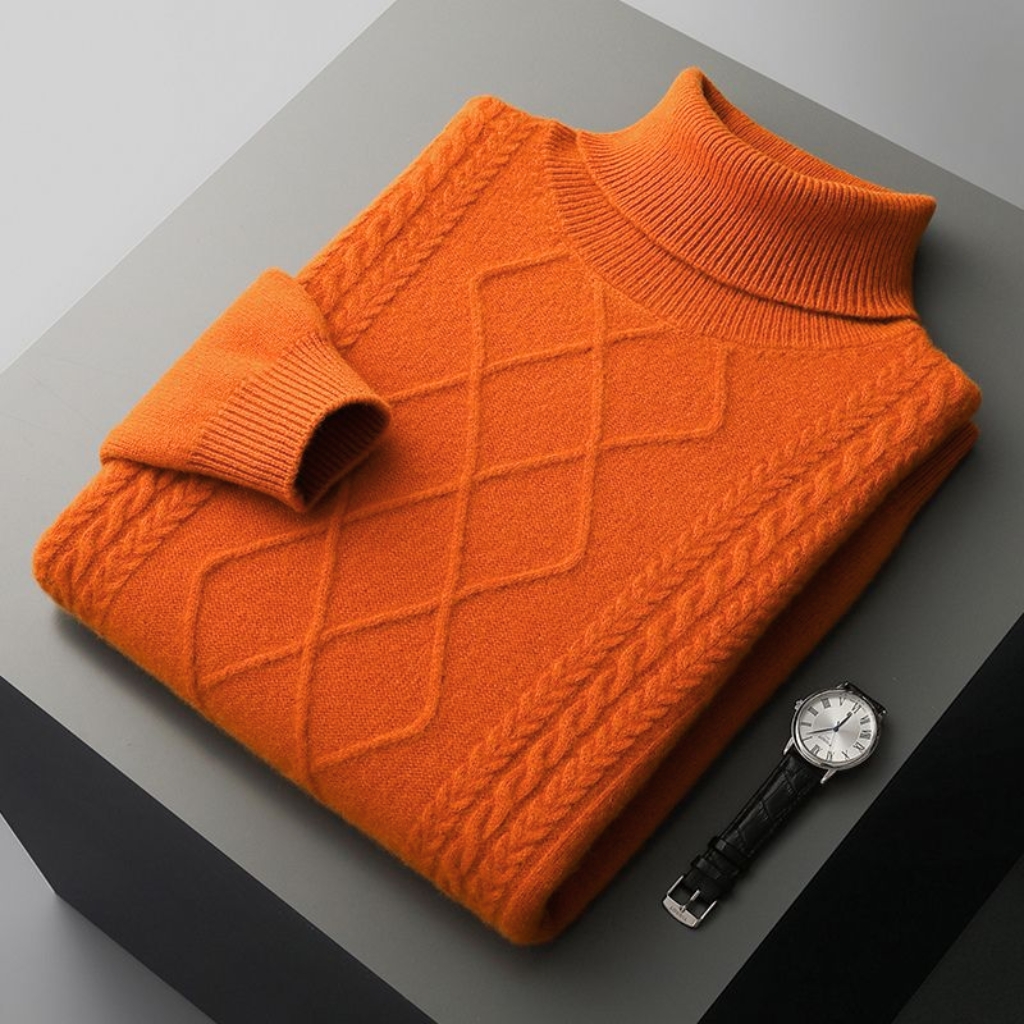
An orange knit turtleneck sweater with a cable-knit and diamond pattern, neatly folded on a geometric gray surface, with a black leather wristwatch placed beside it.
Vibrant orange knit sweater with a classic argyle-like pattern beside a sleek wristwatch.

Icebreaker, founded in New Zealand in 1995, is one of the most well-known Merino wool brands in the world. It was among the first to replace synthetic activewear with natural fibers.

The brand focuses on transparency and ethical sourcing, partnering directly with farmers who follow humane practices. Icebreaker offers a wide range of products, from base layers and socks to jackets and underwear.

Its commitment to sustainability is clear—by 2025, Icebreaker aims to eliminate all plastic-based fibers from its collection. The brand’s “Transparency Reports” also detail every step of its supply chain, ensuring consumers know exactly where their garments come from.

2. Smartwool – Comfort Meets Performance
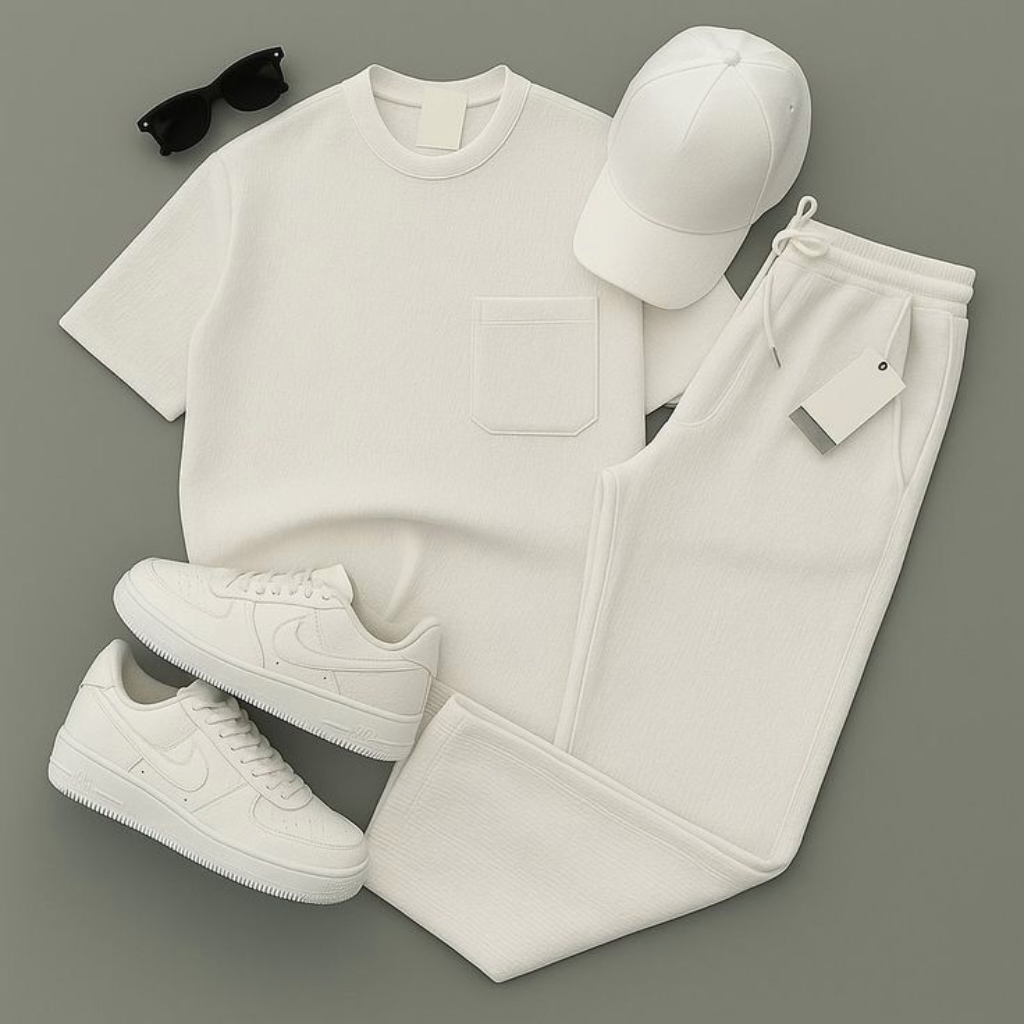
A flat lay of an all-white casual outfit, including a white T-shirt with a front pocket, white sweatpants with a tag, white sneakers, a white baseball cap, and black sunglasses on a muted green background.
Clean, minimalist white-on-white casual fit ready for a relaxed day out.

Established in Colorado, Smartwool was the first to integrate comfort to outdoor (apparel) adventuring in the USA. The brand also utilizes high-quality wool in outdoor thermal spends which is a performance knit range.

Alongside the brand other sets, the thermal sets is a go to favorite to the adventurers base layers and leggings. The brand positively rises on the adventuring climbing rank.

To promote a positive recycling culture, the Second Cut Project will reward the users for recycling their old socks.

3. Allbirds – Minimalist Merino for Everyday Wear
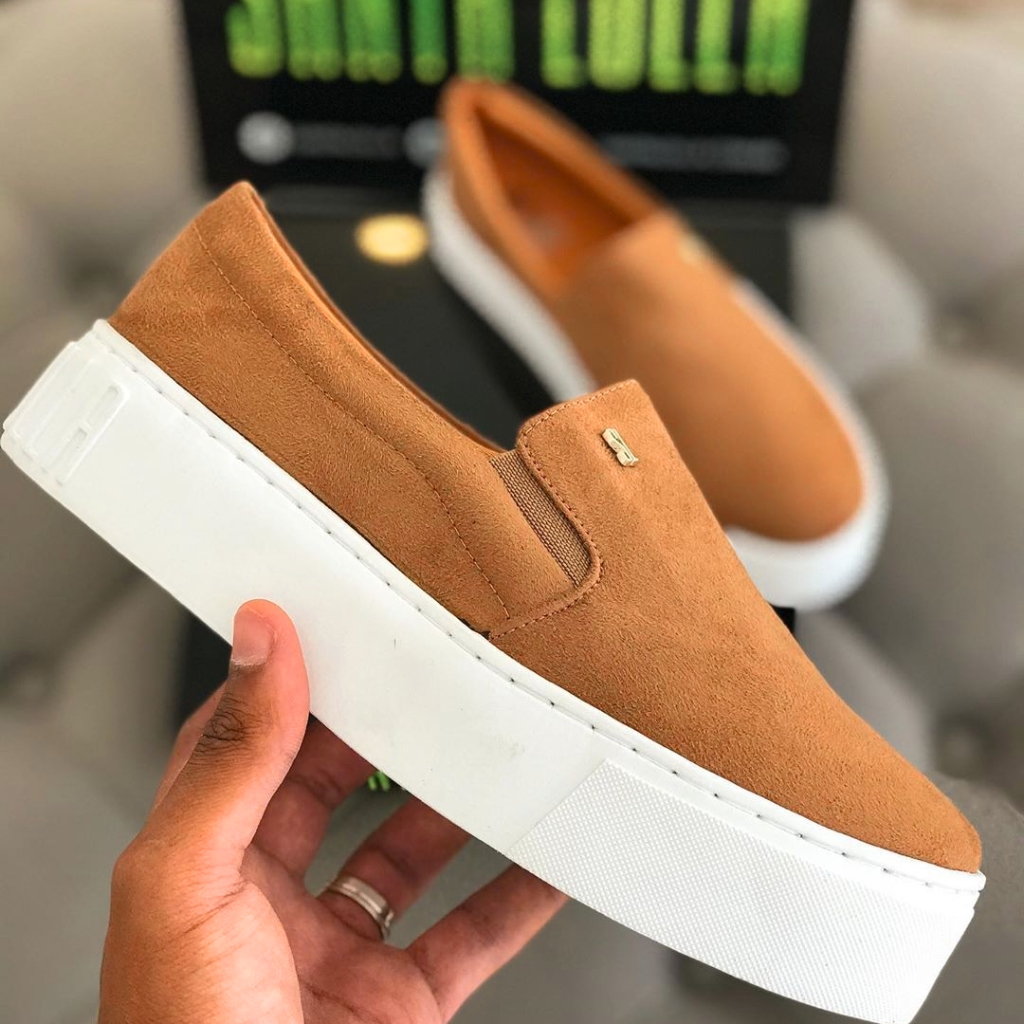
A tan suede slip-on sneaker with a thick white platform sole and elastic side inset, being held in a hand.
Everyday comfort meets clean style: tan suede slip-ons with a chunky white sole.

Allbirds was the first to introduce eco-friendly shoes and apparel with Merino wool. The shoes are made of superfine ZQ-certified Merino wool which controls temperature and odor which make them even better! Allbirds is best known for the simplicity and comfort of their shoes.

This brand also incorporates sugarcane-based soles and recycled laces, and deserves to be celebrated as one of the most eco-friendly Merino wool brands available in the market. Allbirds, which includes sneakers and slip-ons, as well as a range of cozy apparel, has completely transformed the concept of comfortable, eco-friendly apparel.

4. Unbound Merino – Travel-Friendly and Timeless
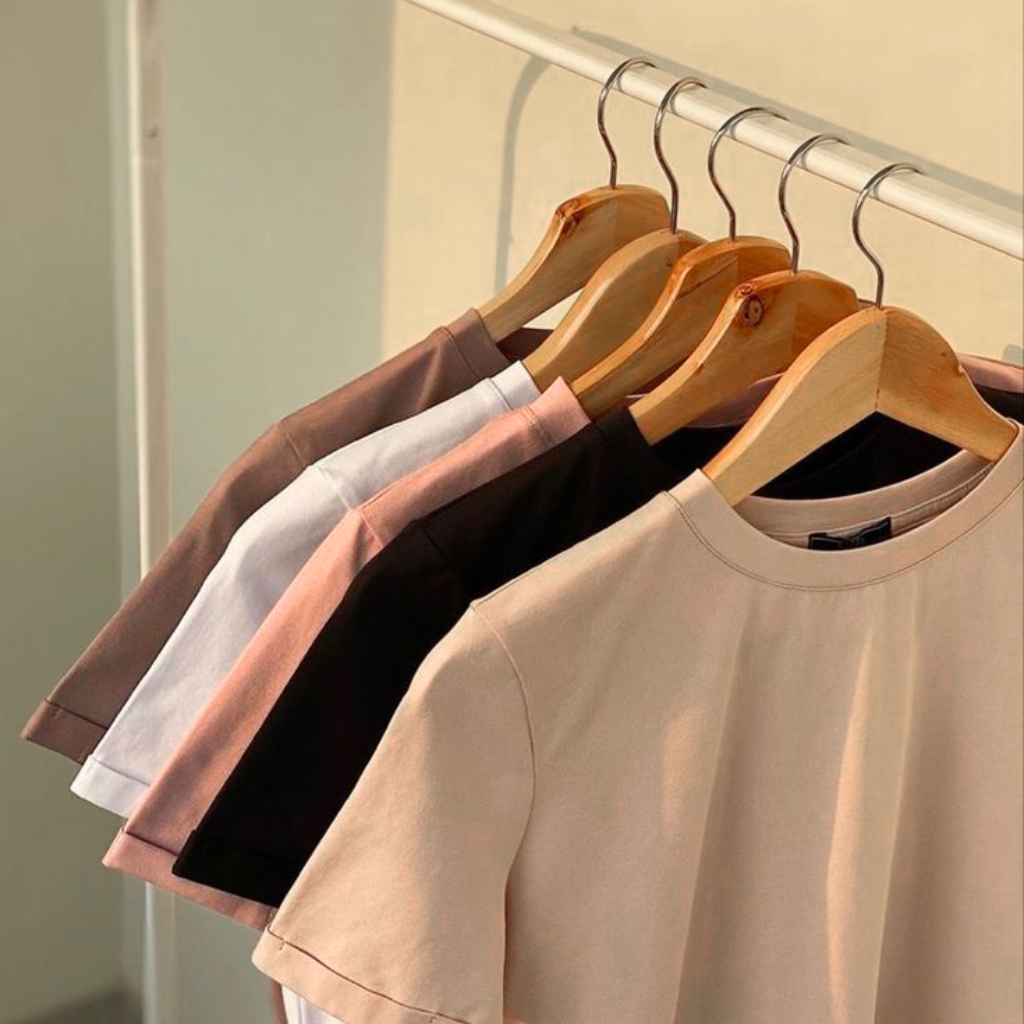
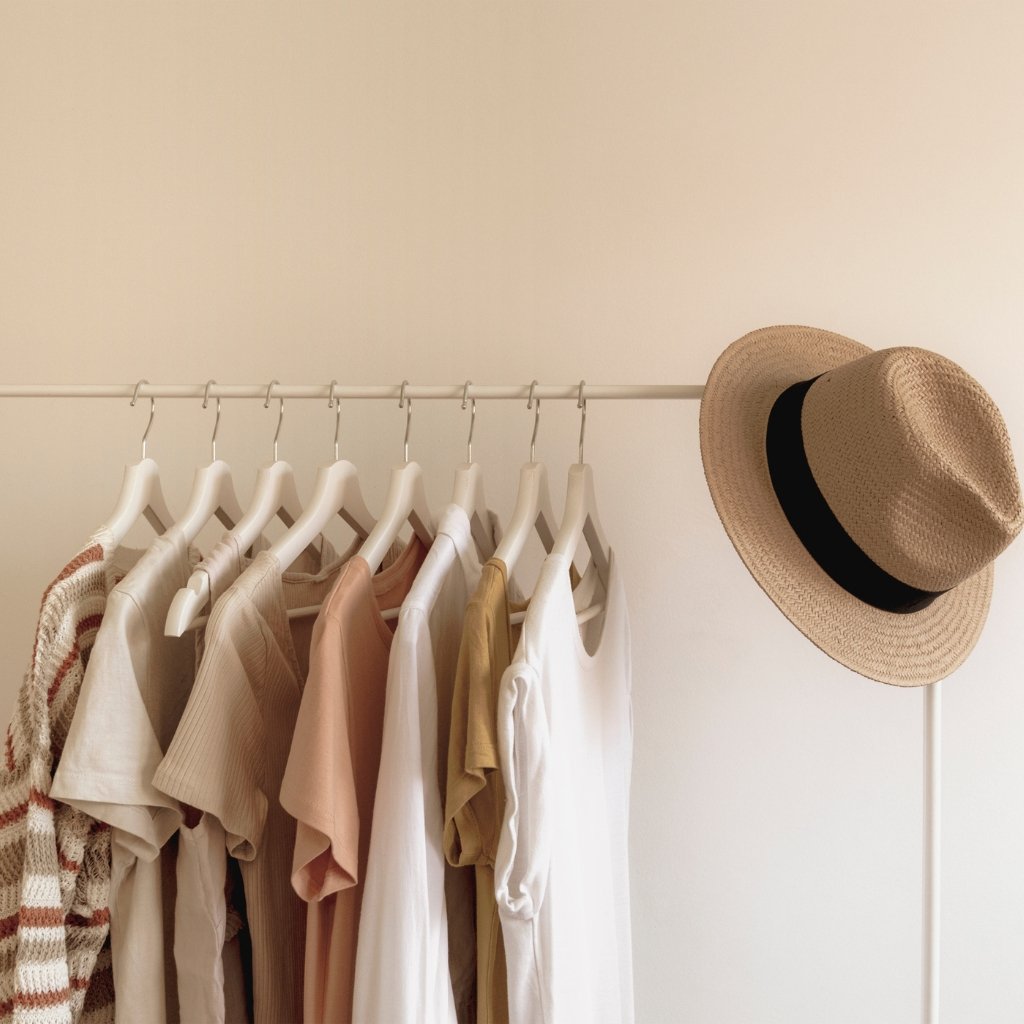
A row of pastel and neutral-colored T-shirts on wooden hangers hanging on a metal rack.
Soft-toned T-shirts on a rail—perfect for a minimalist wardrobe.

Unbound Merino focuses on minimalist, wrinkle-resistant, and odor-free travel clothing made entirely from premium Merino wool. Designed for travelers who value performance without compromising style, their shirts, hoodies, and underwear are made to be worn multiple times without washing.

Because Merino wool naturally resists bacteria, Unbound Merino garments remain fresh even after days of wear. Moreover, the brand emphasizes small-batch production, reducing waste and carbon emissions while offering timeless wardrobe essentials.

5. Ortovox – Alpine-Inspired Merino Innovation
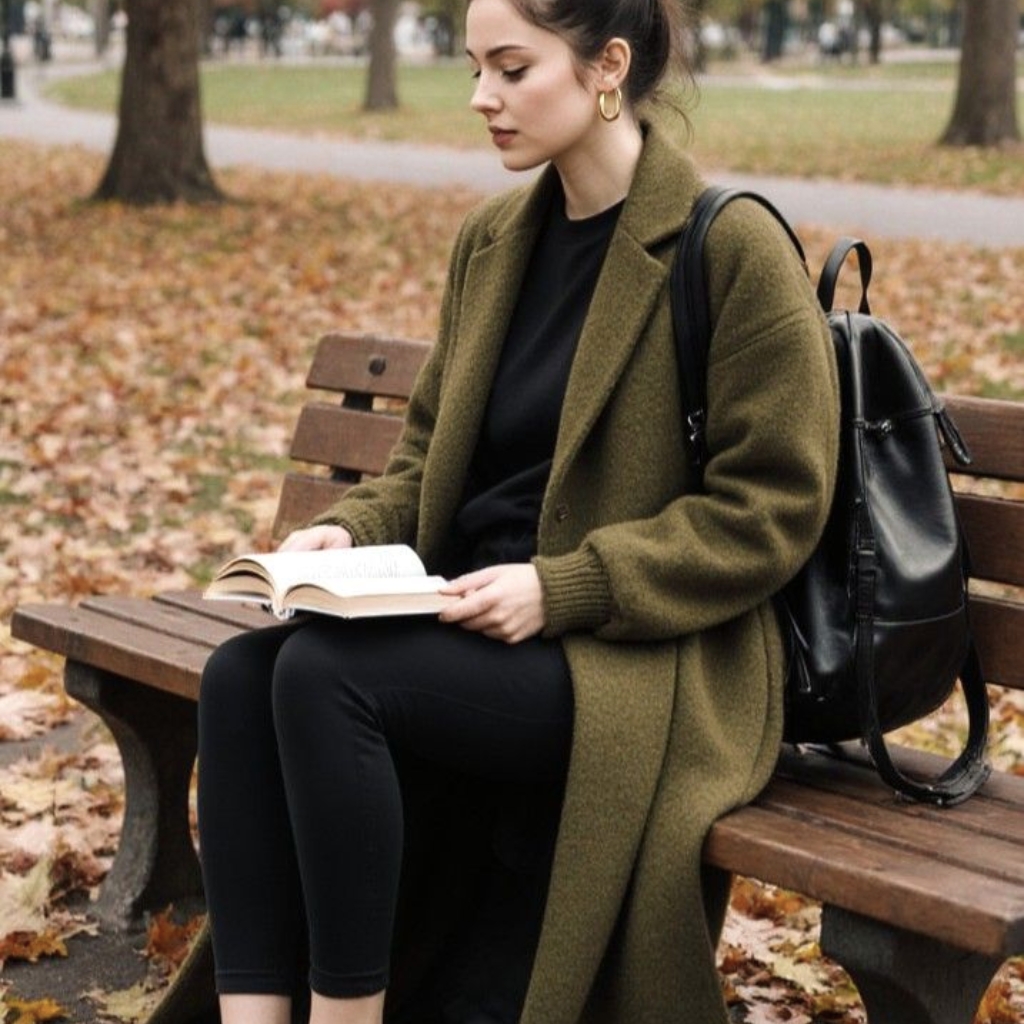
A stylish young woman sits on a wooden park bench reading a book. She wears a knee-length olive green coat over a black outfit, black leggings, and gold hoop earrings. A black backpack rests beside her as fallen autumn leaves cover the ground.
Autumn study break: a chic olive coat and all-black ensemble as a bookish moment on the park bench.

Ortovox, a German brand, combines Merino wool with advanced technology to create high-performance mountain gear. Its products include jackets, base layers, and climbing apparel designed for extreme conditions.

The brand partners with selected farms in Tasmania to source the finest Merino fibers. Furthermore, Ortovox promotes the Ortovox Wool Promise (OWP), ensuring animal welfare and fair working conditions. Its blend of innovation and tradition makes it a trusted name among mountaineers and athletes. Read more…Green Wool Fabric

6. Wool&Prince – Office-Ready Wool Wear
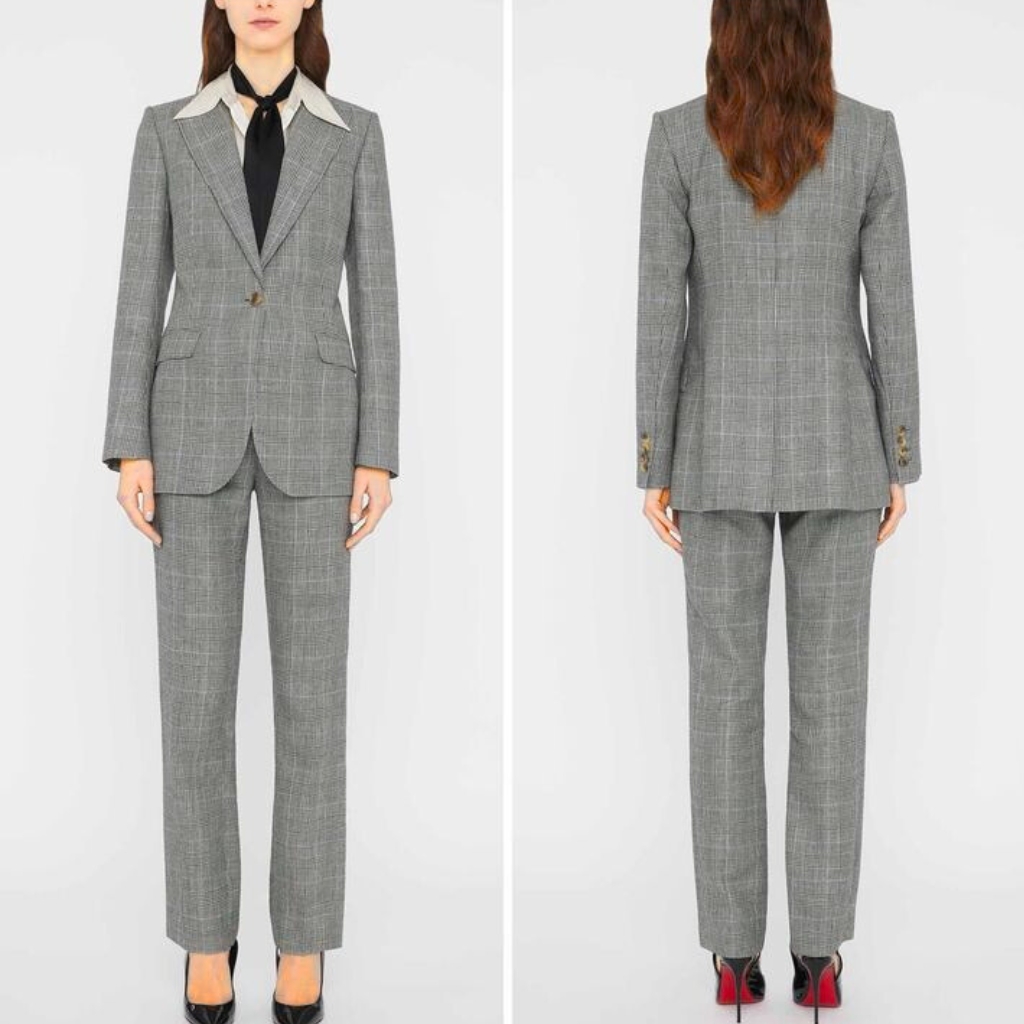
A woman wearing a light gray plaid suit consisting of a tailored blazer with a single button and matching straight-leg trousers, paired with black heels. The image shows the front and back views of the suit.
Tailored gray plaid suit: front and back views.

Wool&Prince makes Merino wool pieces for the office and for the weekend. We think of the Merino wool shirts and trousers as the nice business elk apparel. Every professional loves comfort along with elegance.

Merino wool also works as a moisture and odor barrier. So business travelers don’t need to wash these garments every night, and they won’t smell. The slow fashion focus makes Wool&Prince a Merino wool market leader.

7. Mons Royale – Bold Designs, Natural Performance
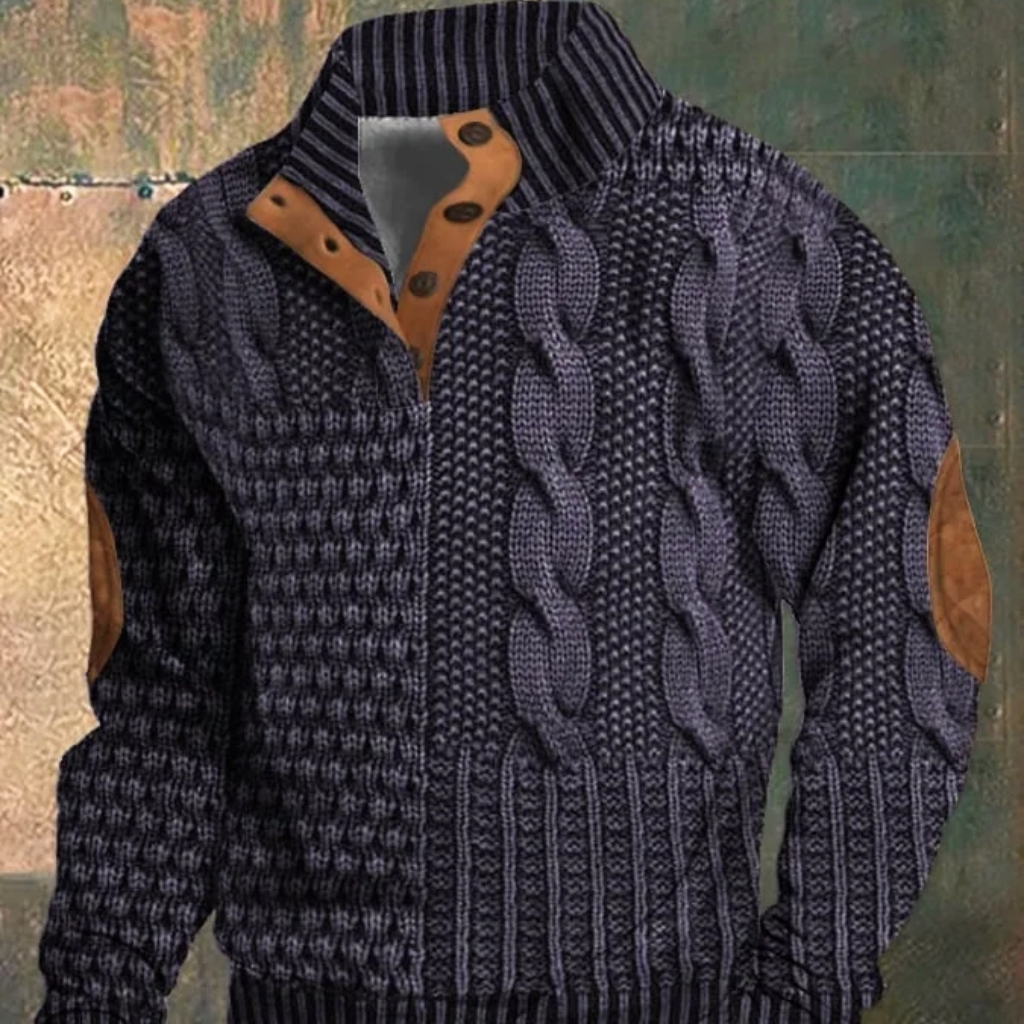
A dark blue cable-knit sweater with intricate braided patterns, brown suede elbow patches and a striped collar, displayed on a mannequin against a textured background. Mons Royale – Bold Designs, Natural Performance
Classic navy cable-knit sweater with braided motifs and suede elbow patches.

Mons Royale is another company from New Zealand, as with Merino wool. Mons Royale, however, makes fashion Merino wool performance apparel. Instead of traditional outdoor gear, they make bold and youthful Merino wool.

Mons Royale also makes snow gear and everyday apparel, using ethically sourced Merino wool according to the ZQ certification for sustainable and safe Merino wool. Mons Royale makes snow gear and everyday apparel, using ethically sourced Merino wool according to the ZQ certification for sustainable and safe Merino wool. Read more…Wool crepe fabric

8. Patagonia – Ethical Performance with Purpose
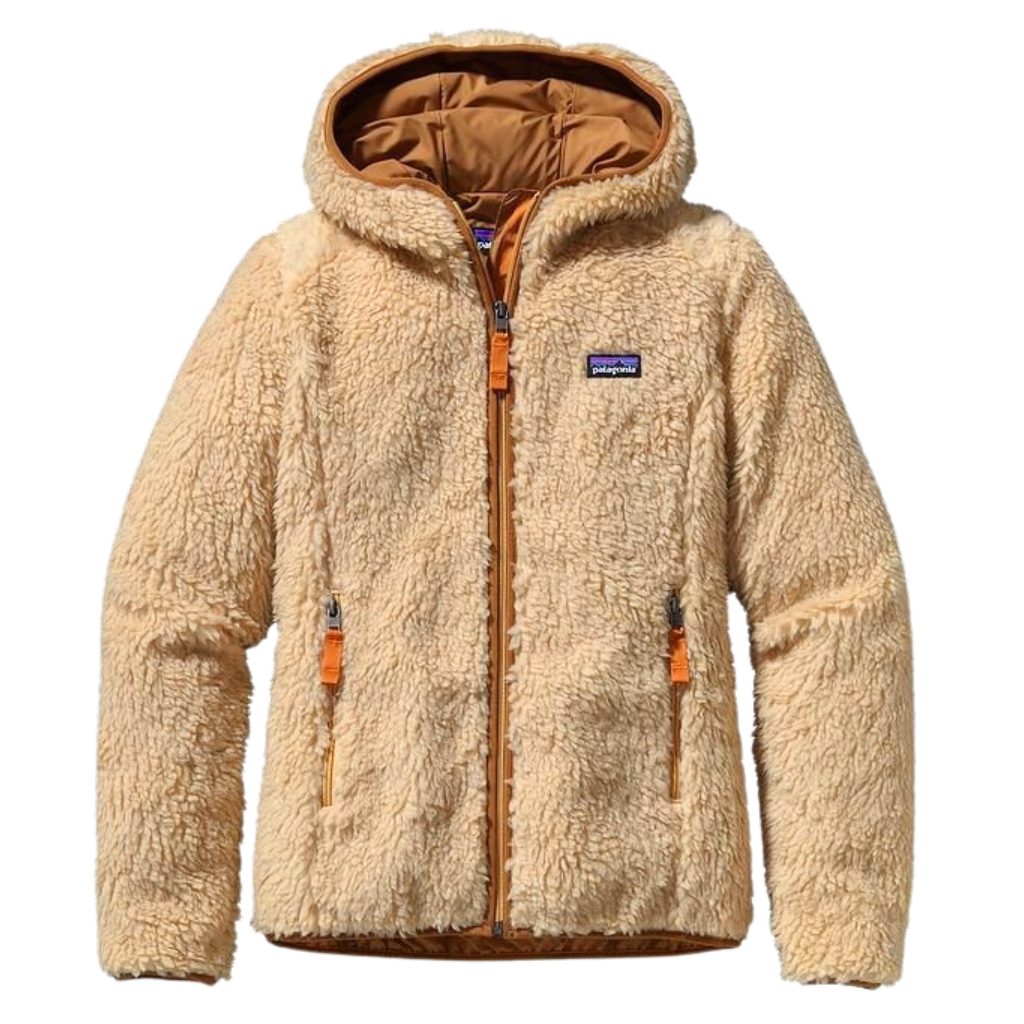
Beige tan fleece jacket with a fluffy sherpa texture, hood, and orange-brown zipper details. Small Patagonia logo on the left chest. Patagonia – Ethical Performance with Purpose
Cozy tan sherpa fleece jacket with a soft, textured exterior and bright zipper accents.

Patagonia is one of the original Earth friendly activists, as is the Merino wool line. The brand works with ethical wool sources and rigorous animal welfares standards.

Merino Air and Capilene Air base layers use Merino wool and recycled polyester to improve strength and functionality. Patagonia also embraces the philosophy of “buy less” and encourages longer use of garments. This emphasizes recyclability and repairability of all garments.

Through the Worn Wear Program, Patagonia proudly spearheads the “buy back” movement and ethical, sustainable fashion.

9. Ibex – Resilient Outdoor Essentials
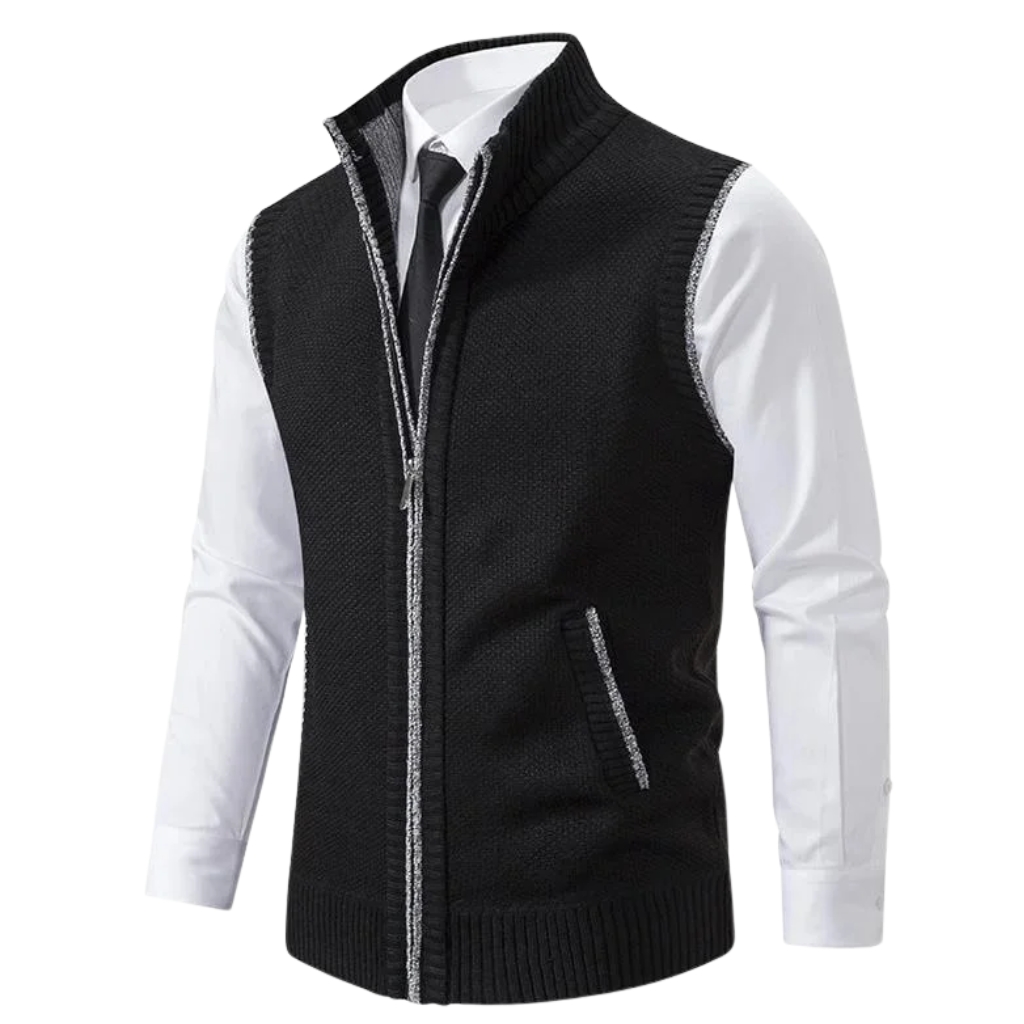
A black knitted zip-up vest worn over a white dress shirt and tie. It features a high ribbed collar, silver stitching along the zipper and pocket trim, and ribbed hem.
Modern black knitted zip vest over a white dress shirt.

Ibex is a U.S.-based Merino wool brand that crafts clothing for outdoor enthusiasts who need reliable, long-lasting apparel. The company’s collections feature base layers, mid-layers, and outerwear suitable for hiking, skiing, and everyday wear.

After a brief hiatus, Ibex made a strong comeback with renewed sustainability goals and improved designs. Its timeless pieces, like the Indie Hoodie and Shak Jacket, showcase Merino wool’s ability to perform under pressure while remaining stylish and durable.

10. Darn Tough – The Best Merino Wool Socks
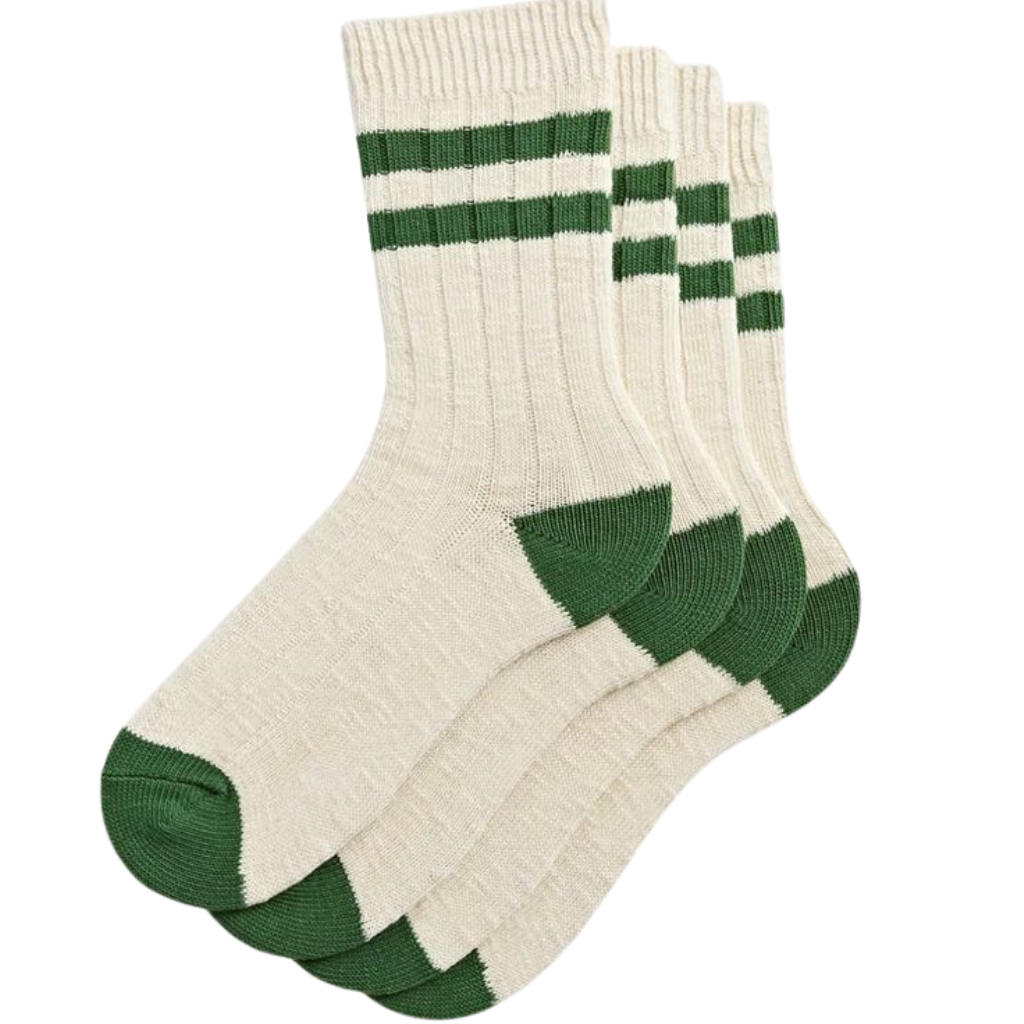
Cream-colored crew socks with green toe and heel, featuring two green stripes near the top and a green checker pattern detail on the ankle.
Cream crew socks with green accents.

Darn Tough, based in Vermont, USA, is known for producing some of the most durable Merino wool socks in the world. Each pair is made in the company’s family-owned mill using premium Merino wool that ensures comfort, moisture control, and longevity.

The brand offers a lifetime warranty on its socks—a testament to its commitment to quality. Whether you’re hiking, skiing, or just walking around the city, Darn Tough socks provide exceptional support and softness.

Sustainability and Ethics in Merino Wool Brands
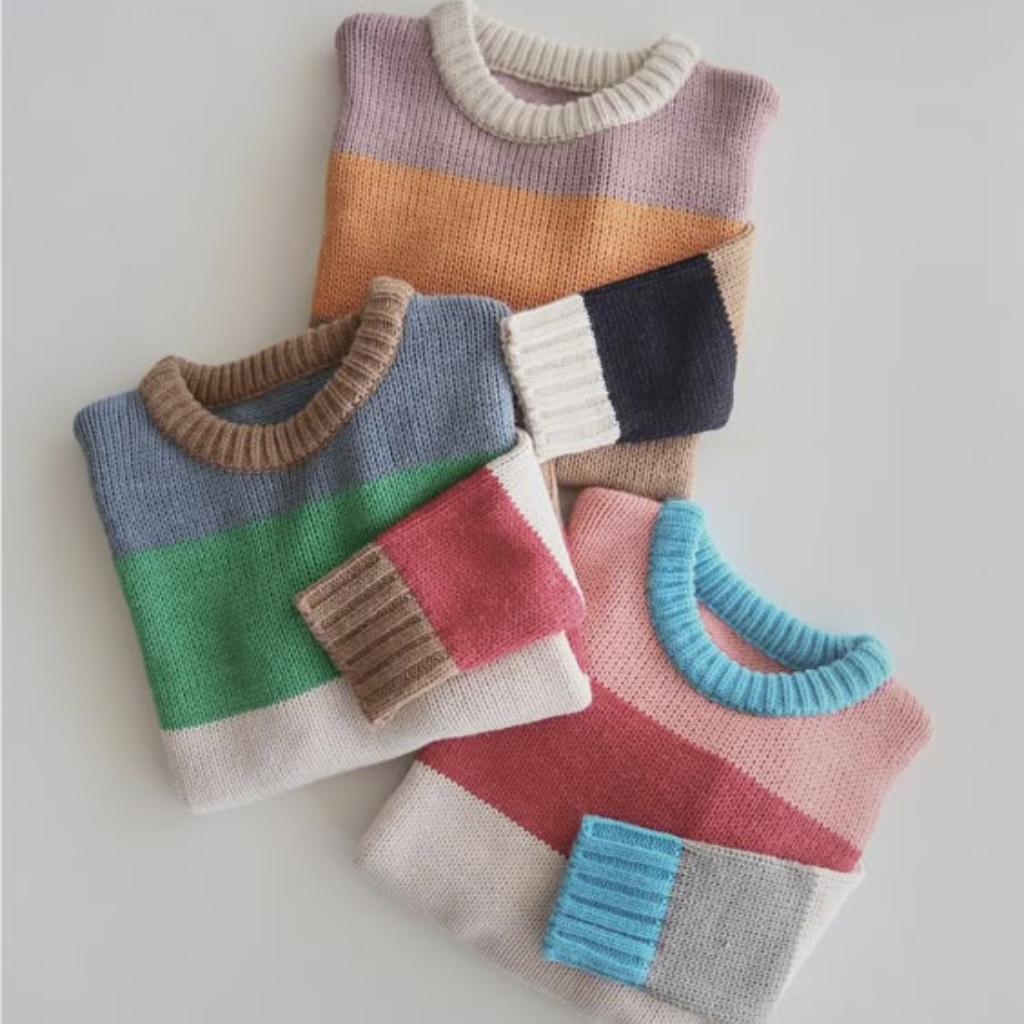
Three folded color-block knitted sweaters with contrasting ribbed collars and cuffs in pastel tones, arranged in a fan-like display.
Colorful, cozy knitwear: a trio of striped sweaters stacked for a soft, pastel-toned look.

Modern Merino wool brands are not just focused on comfort and style; they are also committed to ethical and sustainable production. The ZQ Merino standard ensures animal welfare, environmental care, and social responsibility across the supply chain.

Additionally, many brands now use traceable Merino wool, allowing consumers to see where their garments originated. This transparency helps build trust and ensures fair practices throughout the production process.

Moreover, because Merino wool fabric is biodegradable and renewable, it leaves a much smaller environmental footprint compared to synthetic fibers. When cared for properly, Merino garments last longer and require fewer washes—further reducing water and energy consumption.

Choosing the Right Merino Wool Brands
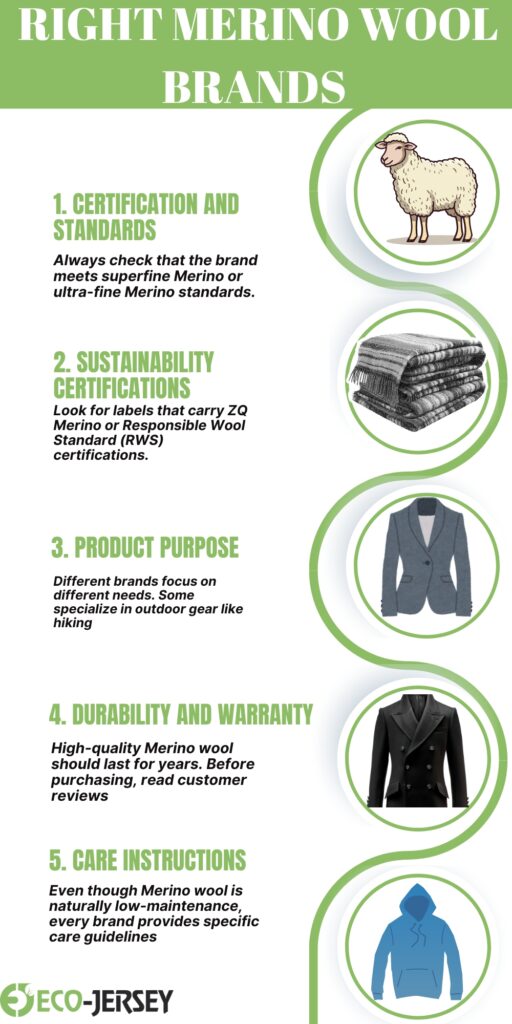
An infographic titled “Right Merino Wool Brands” with five sections: 1) Certification and Standards, 2) Sustainability Certifications, 3) Product Purpose, 4) Durability and Warranty, 5) Care Instructions. Each section has a short description and circular illustrations of a sheep, folded fabrics, a blazer, another blazer, and outerwear, connected by a green curved line. The Eco-Jersey logo appears at the bottom.
Right Merino Wool Brands: A quick guide to what to look for when choosing merino wool—certifications, sustainability, product purpose, durability and warranty, and care instructions.

When choosing Merino Wool brands look for the following:

  1. Complete certification and standards. Look for the superfine certification Merino and ultraMerino standards.
  2. Certifications. Select ZQ and RWS standards for sustainability.
  3. Product Purpose – For each brand, there is a focus: Outdoor gear, travel wear, and even clothing designed for fashion, each brand is proficient in the every category.
  4. Durability – Make sure to look at the reviews and warranty policies. Durable items won’t be a problem.
  5. Care Instructions – Even though most Merino wool clothing is easy to care for, every brand has specific instructions to give most effective results.

The Future of Merino Wool Fashion

Merino Wool Brands are at the forefront of the movement toward natural performance textiles, as the fashion world becomes more eco-conscious. These companies are changing the definition of premium by incorporating timeless design and sustainability.

There is more to look forward to as Merino wool continues to advance. Workout clothes, urban wear, and even shoes made with Merino wool will become more readily available. For ethical fashion, Merino wool is still a favorite because the fiber works well with modern everyday clothing and is designed to adapt to everyday lifestyles.

Conclusion

There are no perfect blend like Merino wool. The top Merino wool brands like Icebreaker and Allbirds carry made quality piece which proves that fashion is responsible. This is the ultimate delight, considering most people still focus on the outer wear. Merino wool with all its wonderful attributes, will offer unparalleled softness, and will be eco-conscious.

Once people start to value quality over quantity, the rest will follow for these brands: shape a more ethical, comfortable sustainable future for the fashion industry.

FAQs

What makes Merino wool different from regular wool?

Merino wool is finer, softer, and more breathable than regular wool. It offers natural temperature regulation, moisture control, and odor resistance, making it ideal for both activewear and fashion.

Are Merino wool brands eco-friendly?

Yes. Many Merino wool brands, such as Icebreaker, Smartwool, and Allbirds, focus on ethical sourcing, renewable materials, and sustainable manufacturing practices.

Which are the best Merino wool brands for outdoor wear?

Top outdoor Merino wool brands include Icebreaker, Smartwool, Patagonia, Ortovox, and Ibex. These brands are known for their durable, moisture-wicking, and weather-resistant garments.
Top 10 Benefits of Wool: Nature’s Smart Fiber

0

Benefits of wool is not just a fabric. It is a natural textile marvel and has its unique benefits of wool. From sophisticated comfort to powerful performance, every wool fiber provides a story of sustenance, breathability, and warmth. Even today, wool is amongst the most versatile and marvelously functional fabrics worldwide.

1. Natural Temperature Regulation

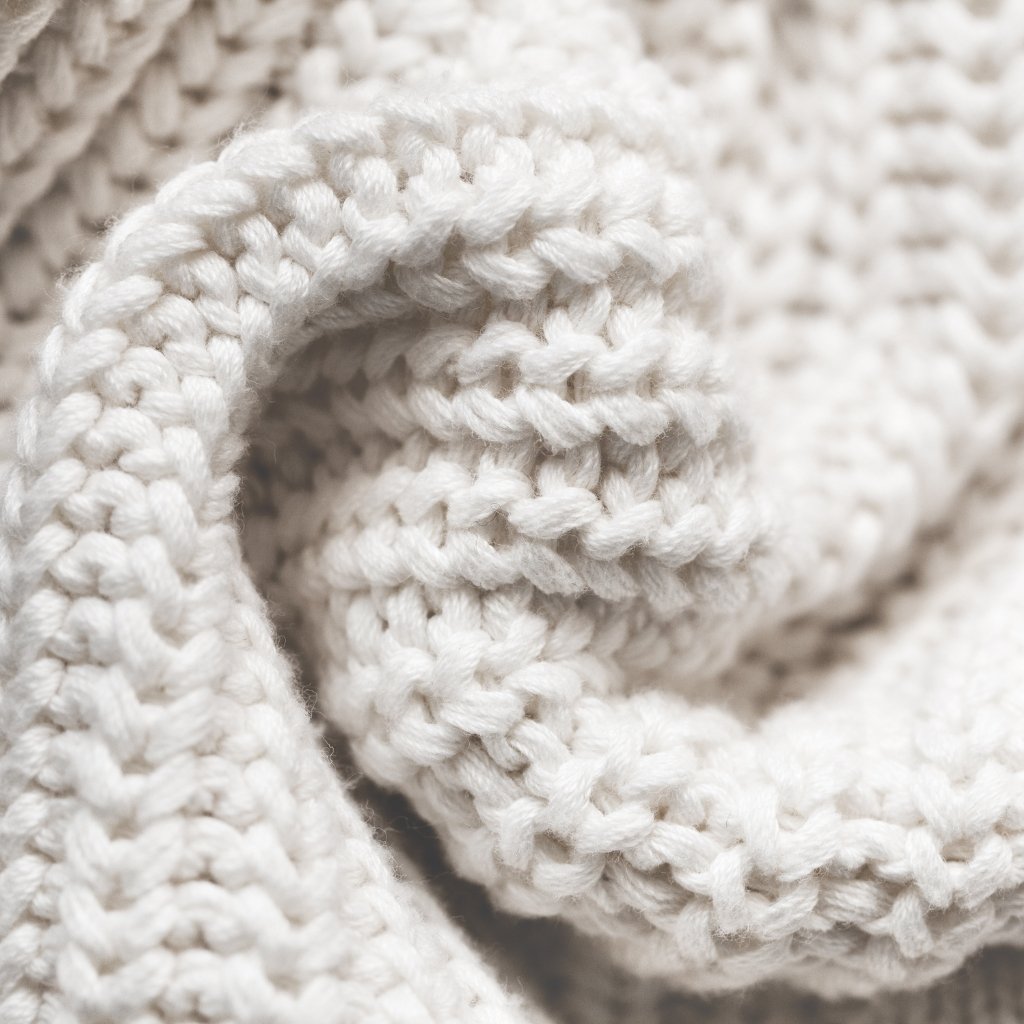
A close-up photograph of chunky cream-colored knitted fabric, showing thick interwoven stitches and a soft, cozy texture.
Cozy chunky knit scarf in creamy off-white.

The first and the most basic benefits of wool is its 360 degree temperature regulation. Each wool fiber captures and holds a specific volume of air which allows the formation of an insulative barrier. It keeps you warm on cold winter nights and allows the body to cool down on hot summer days. Read more…Benefits of wool

Additionally, this balance of temperature and moisture helps wool thermo-regulate the body and provides a specific measure of comfort for each individual. Wool is the most trusted fabric for all weather gear for hikers, travelers, and fashion enthusiasts.

2. Better Moisture Control

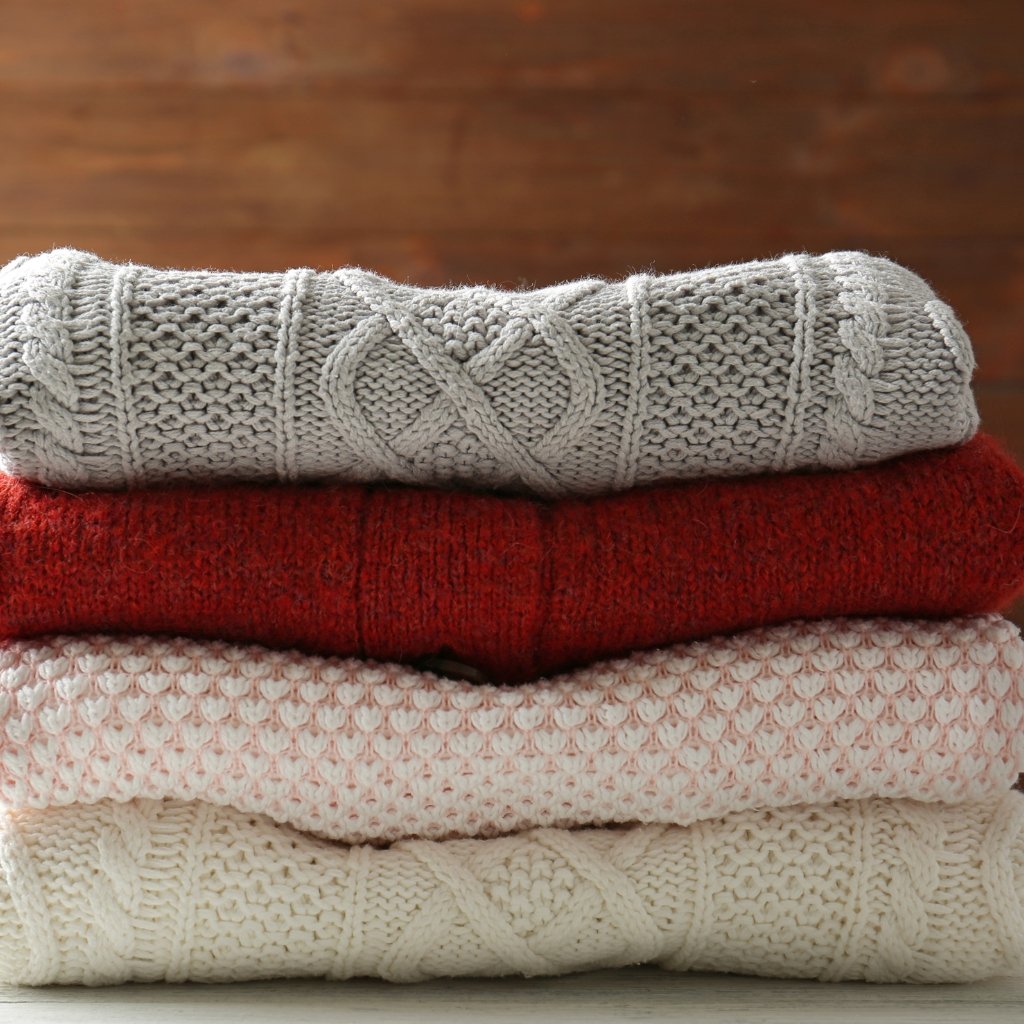
A stack of four knitted sweaters in varying colors (gray, red, light pink, cream) folded neatly on a wooden surface. Better Moisture Control
Cozy layers: a stack of knitted sweaters in soft tones.

Another amazing advantage of wool is how it handles moisture. Wool can take in moisture up to 30% of its weight without feeling wet for a long time. As a result, it ensures your skin is dry and comfortable from the feeling of moisture all day.

Thanks to the design of the wool fibers, moisture vapor is transferred away from the skin. This helps in controlling the freshness of the skin, and decreasing any annoyances from the skin. Wool works better than cotton and polyester, even during workouts. Read more…Benefits of wool

3. Naturally Odor Resistant

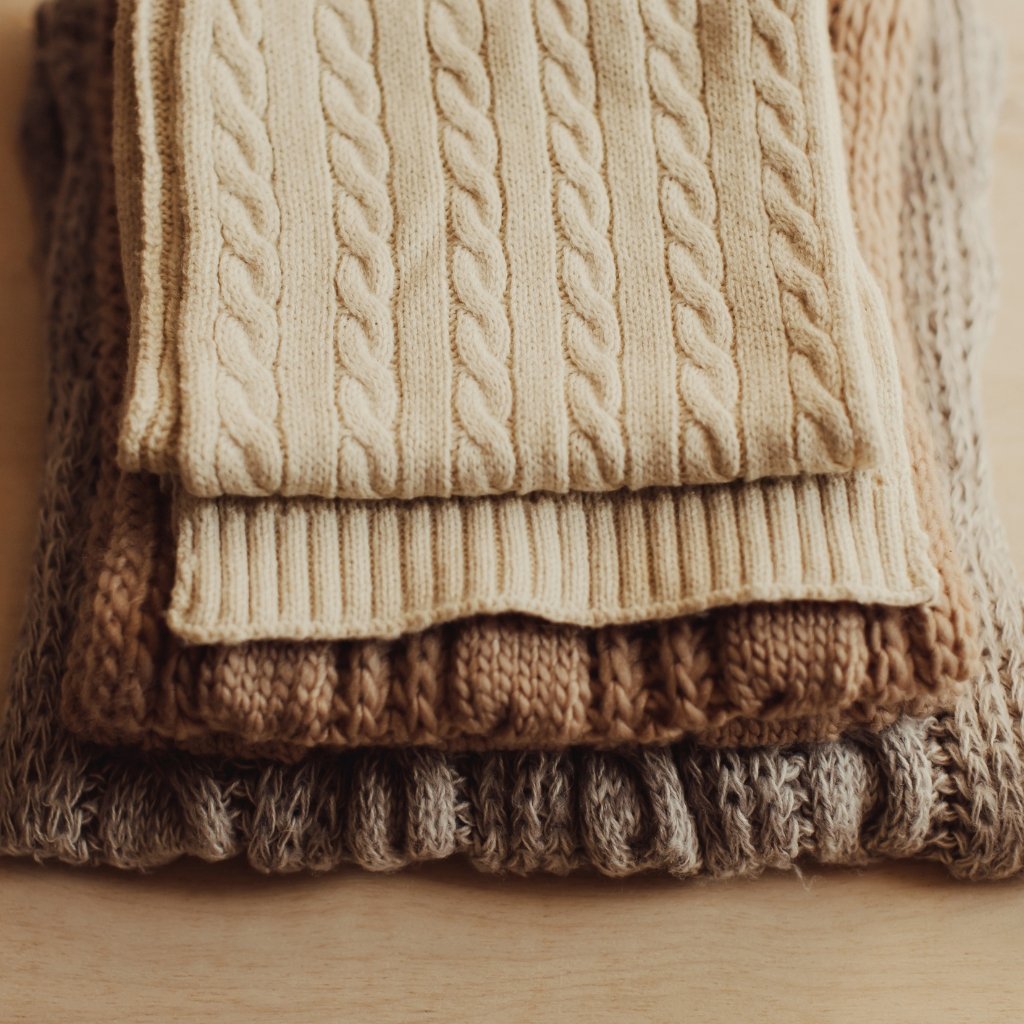
Stack of folded knitted sweaters in cream, beige, brown, and gray, with cable-knit and ribbed textures. Naturally Odor Resistant
Cozy cable-knit sweaters stacked in warm, neutral tones.

Not many people realize that of all the advantages to wool, and it’s odor resistance. Wool does have a small amount of kari and lanolin which helps fight bacteria. This makes it odor resistant even after multiple uses.

Also, it is possible to wear wool clothes multiple times in a row with out washing them which saves time and money. It helps to conserve water and is a good travel companion for outdoor activities. This is one of the many reasons to use wool.

4. Softness and Comfort

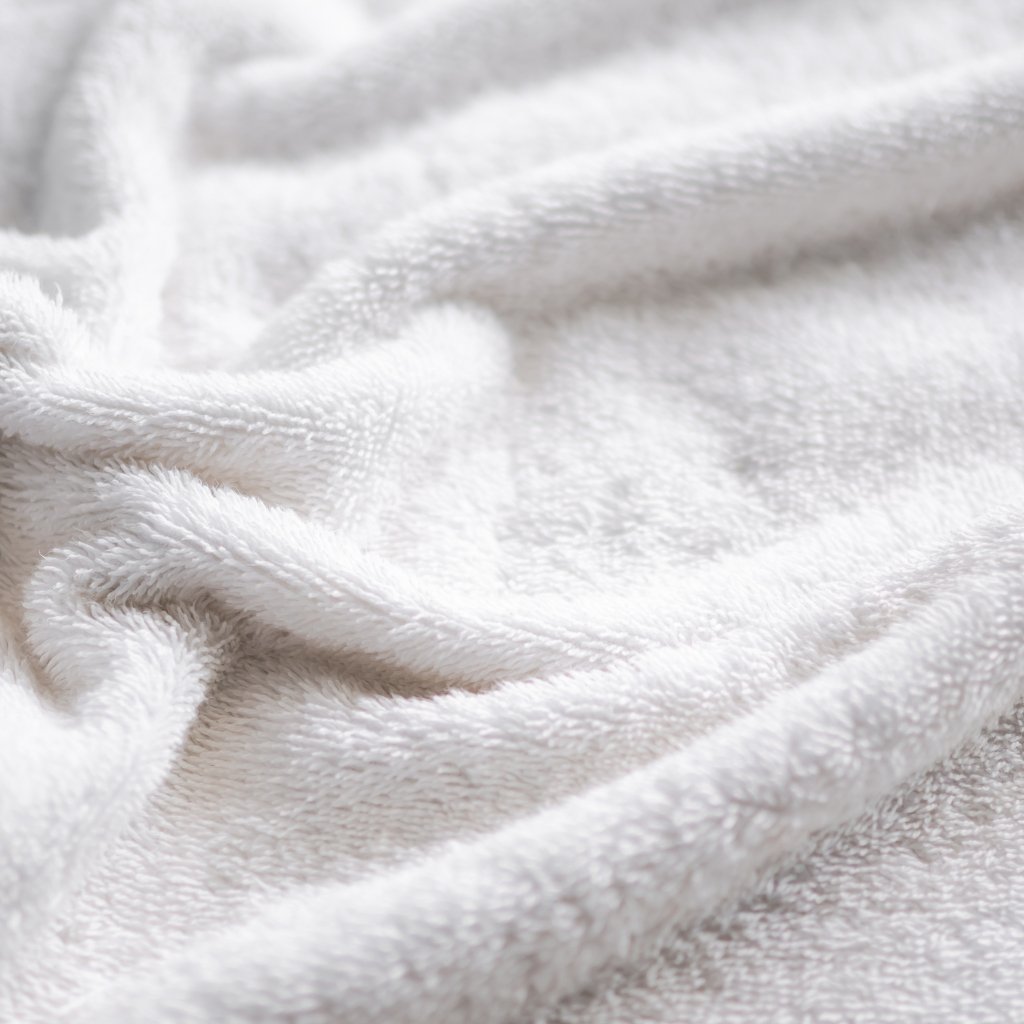
A close-up view of soft, white terry cloth fabric with gentle folds and texture. Softness and Comfort
Soft, white towels with plush texture and delicate folds.

Wool has come a long way from the old itchy sweaters. One of the most appreciated benefits of wool is its softness. Merino wool fabric has soft fibers that are comfortable to the skin.

Wool not only feels nice, but it also has great elasticity. It stretches as you move, and this gives you added comfort. Because of this, it is perfect for sports clothes, undergarments, and clothes you wear every day.

5. Durability and Longevity

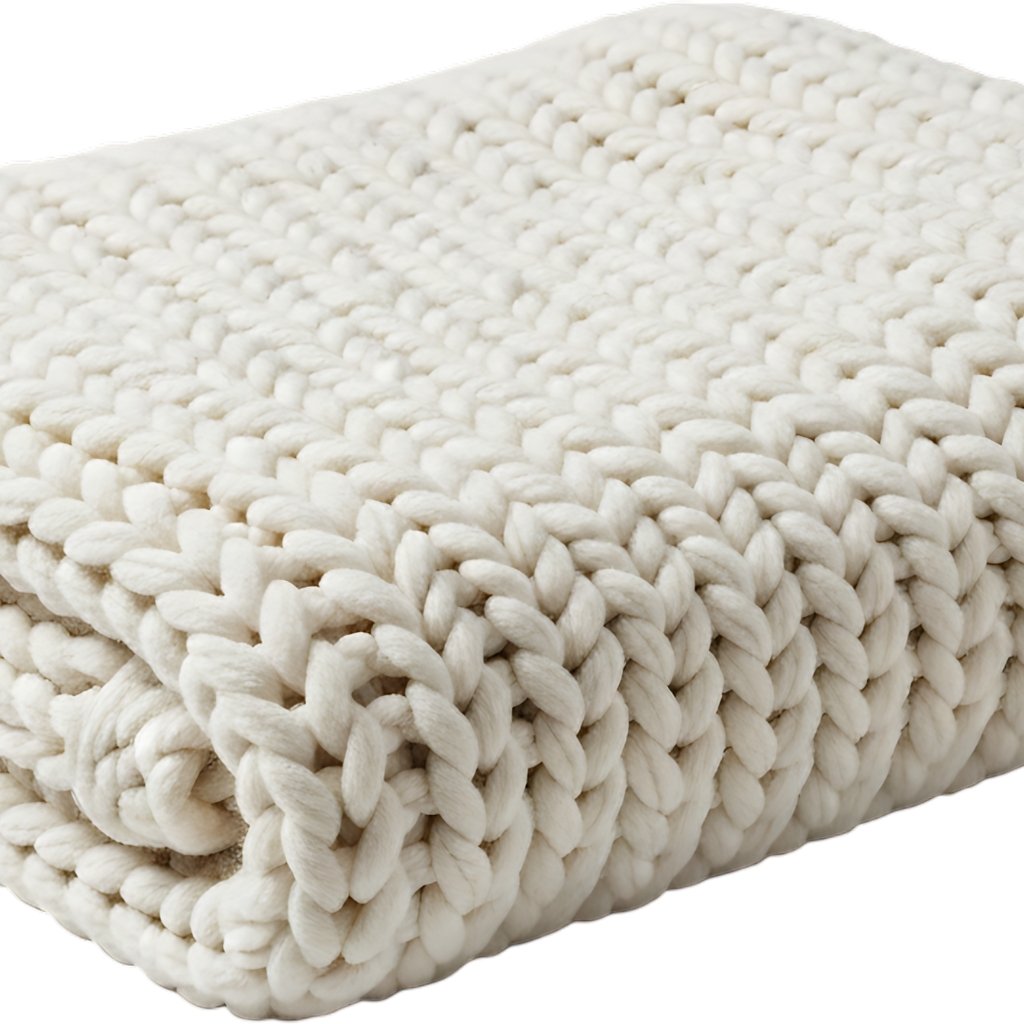
A close-up view of a chunky cream-colored knitted blanket made from thick yarn, showing large interwoven stitches and a soft, plush texture  _Durability and Longevity
Thick, cozy knitted blanket in creamy ivory.

Another great benefit of wool is that it is very durable. Each strand can bend thousands of times and still not break. Because of this, the shape of your wool clothes can last for years.

Also, wool does not accumulate wrinkles and static. You can wear a wool garment straight from the closet without ironing it. This is part of the reason why wool is so timeless and worth every penny. Read more…Green Wool Fabric

6. Fire Resistance and Safety

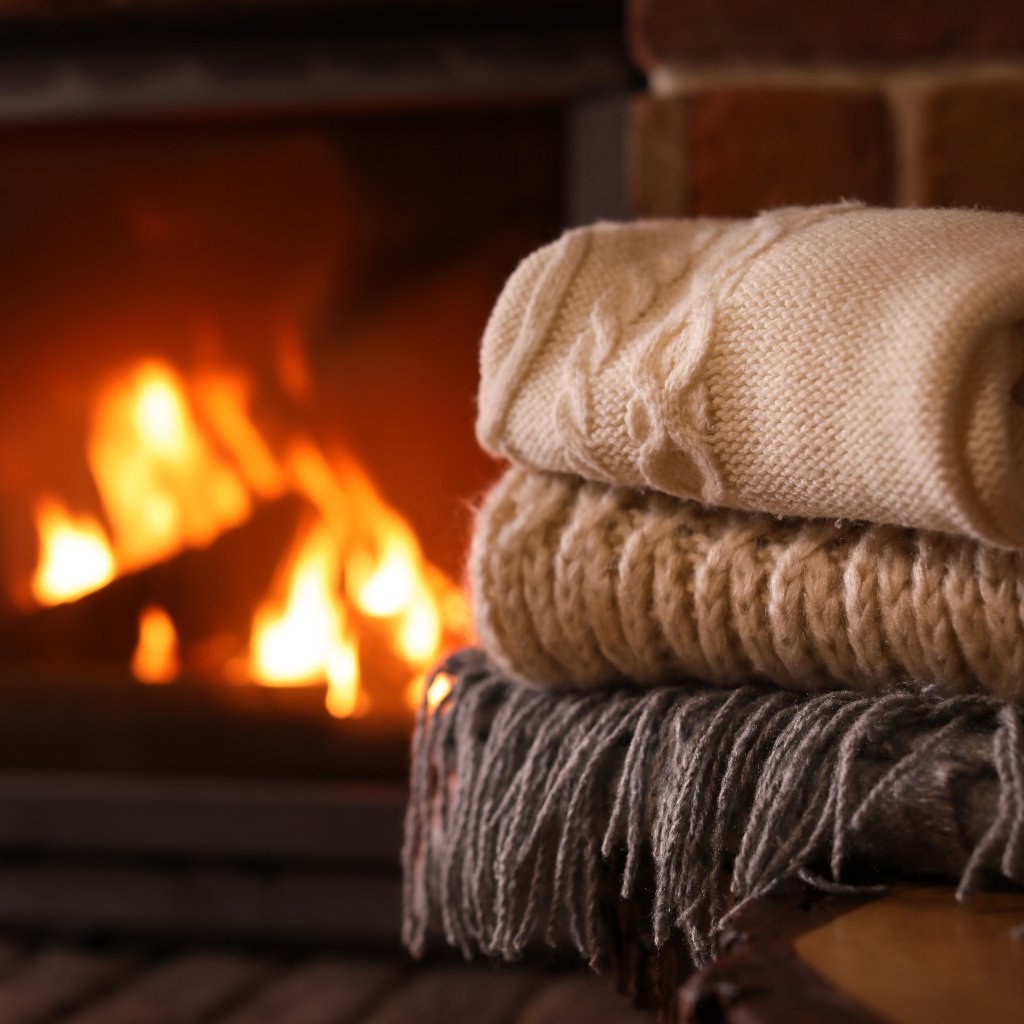
 A cozy stack of knit blankets and scarves sits by a glowing fireplace, flames softly illuminating the textures of the fabric. Fire Resistance and Safety
Cozy warmth by the fire.

When it comes to safety, the benefits of wool really stand out. Wool does not catch fire, and it does not melt or stick to your skin. It self-extinguishes when the flame goes away.

This is why wool is great for blankets, upholstery, and fire protective clothing. When burned, wool releases very low toxic fumes, making it a safer option than synthetic fabrics for indoor and outdoor use.

7. Biodegradability and Sustainability

Wool is one of the most eco-friendly materials. It is 100% natural, renewable, and biodegradable, regrowing every 12 months!

Wool also decomposes and contributes nutrients to the soil after disposal, leaving no harmful microplastics. It’s one of the most eco-friendly materials around! Read more…Blue Wool Fabric

8. Easy Care and Wrinkle Resistance

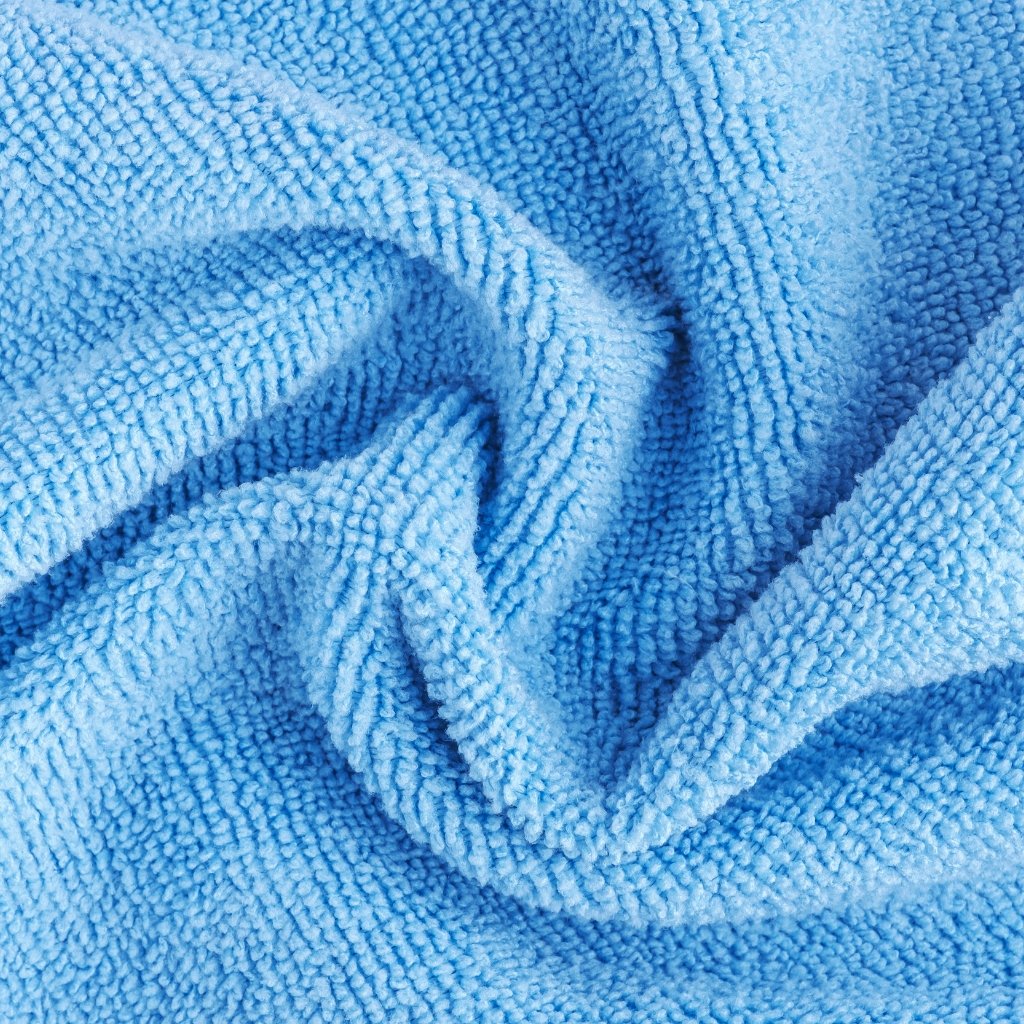
lose-up view of a soft, blue microfiber towel with textured loops. Easy Care and Wrinkle Resistance
A vivid blue microfiber towel with plush, looped fibers.

Wool is also very low maintenance. It naturally resists wrinkles, and because of the elasticity of the fibers, it looks tidy after hours of wearing.

Wool fibers resist and bead off dirt and stains. Simply airing the garment is refreshing, and it doesn’t need to be washed as frequently as synthetic fabrics.

9. Hypoallergenic and Skin-Friendly

Wool also works wonders for those with sensitive skin. Wool is a natural dust mite and mold killer, and high-quality c soft enough for babies, and allergy-prone individuals is also gentle enough to be used as a skin barrier.

Wool maintains temperature, moisture content, and natural skin barrier. It also prevents skin irritation and discomfort, allowing the wearer to enjoy prolonged wool wear.

10. UV Protection

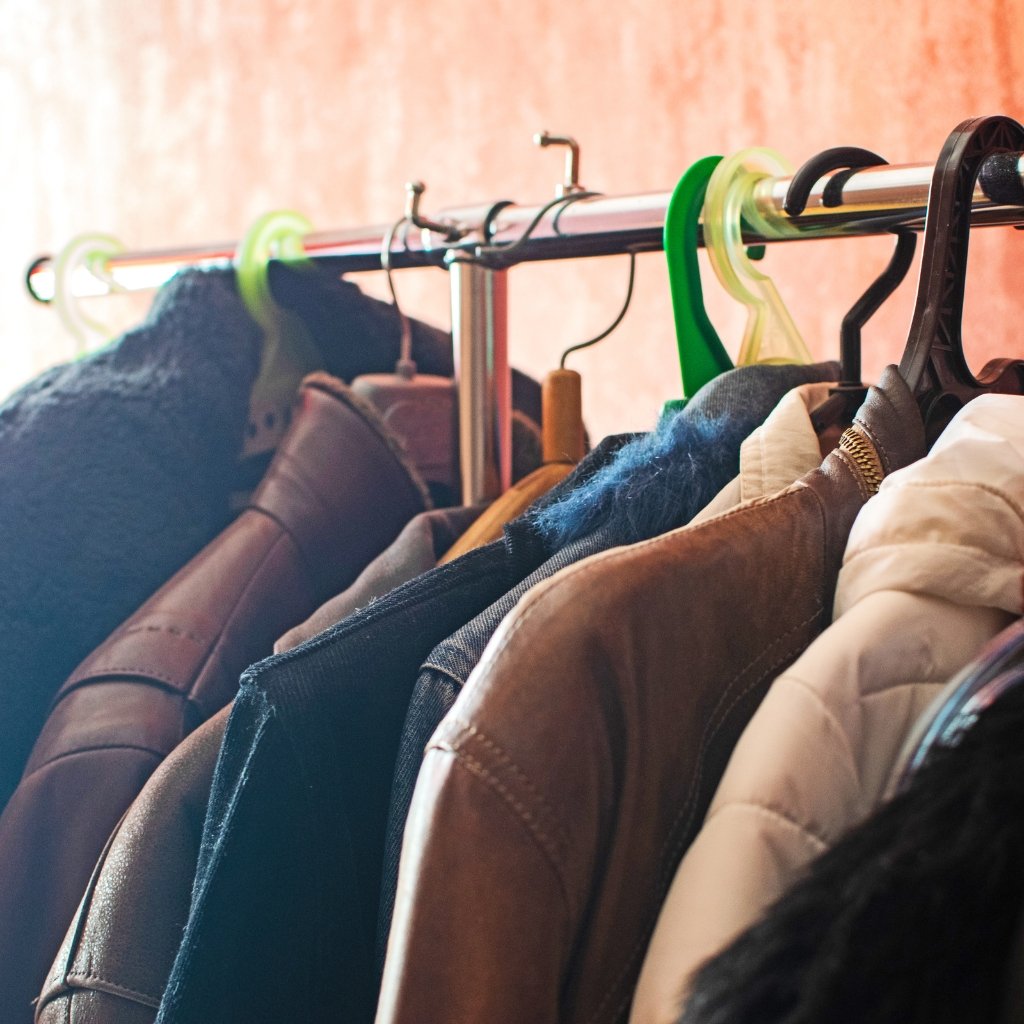
A row of jackets and coats hanging on a metal clothing rack with colorful hangers in green and black, against a warm, softly lit background . The image shows a clothing rack filled with various outerwear items, including leather, denim, and padded jackets, lined up on hangers. Bright green and clear hangers add pops of color, while the background features a soft, warm-toned wall. The scene evokes a sense of a boutique or wardrobe closet with well-organized attire ready for selection. UV Protection
A closet-filled display of coats on a rack with vibrant hangers.

One of the lesser spoken about benefits of wool is its UV protection. Wool even protects your skin from the sun’s harmful rays when you partake in outdoor activities.

Wool is also an ideal choice for summer clothes and travel gear because it’s UV protection is not a result of synthetic chemicals.

11. Odor Control in Activewear

For athletes and adventurers, the benefit of wool is it’s ability to control odors. Unlike synthetic clothing, it doesn’t let the bacteria build up and your clothes will smell fresh even after the most vigorous activities.

Wool is great for running, hiking, or even a gym session because it does not hold on to the sweat smell. It allows you to wear the clothes for a longer time and it does not smell.

12. Elasticity and Shape Retention

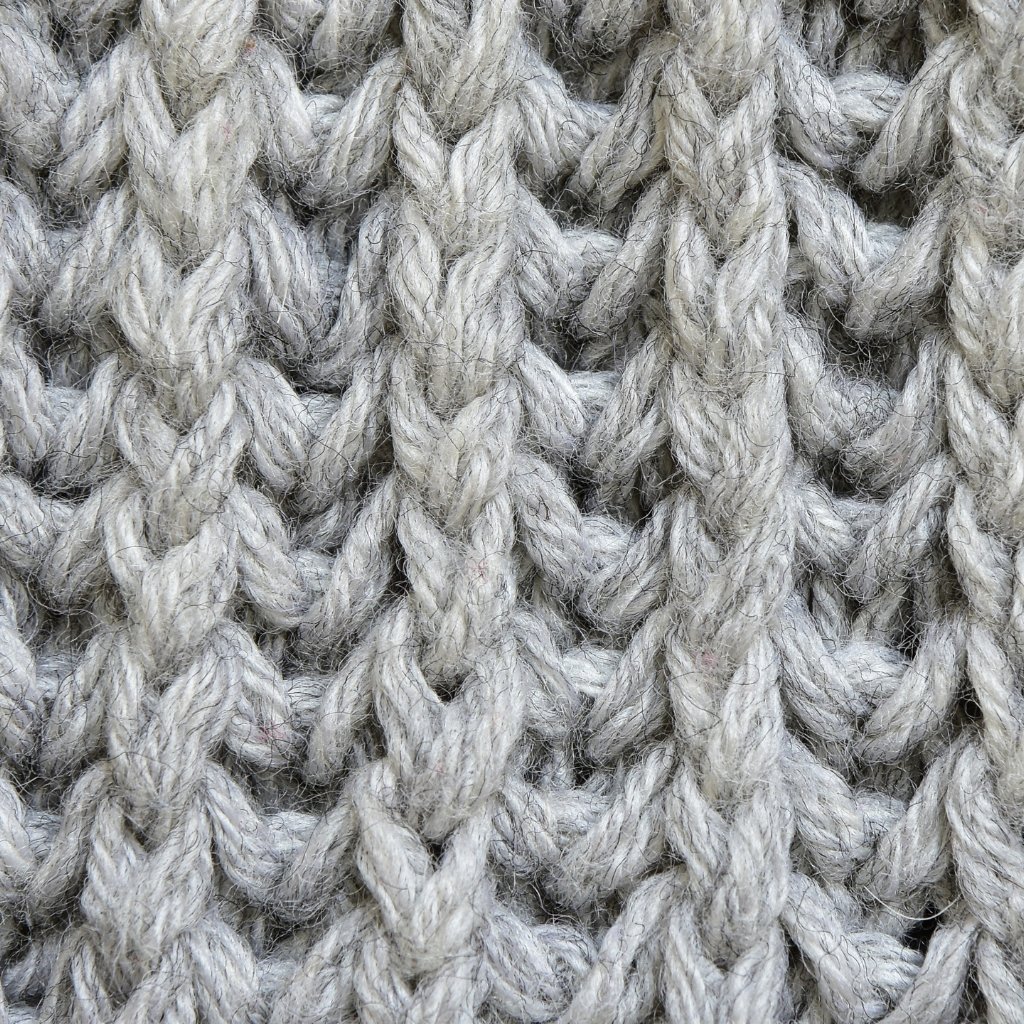
Close-up view of thick, gray, twisted knitting yarns interwoven in a chunky textile pattern. Elasticity and Shape Retention
A chunky gray knit texture with prominent twisted stitches.

Another of the benefits of wool is its elasticity. Wool fibers will stretch and then return to their original state, meaning the garment you are wearing will not sag and will hold its shape.

Other fabrics, particularly synthetic ones, will lose their shape over time. The ability for a fabric to hold its shape gives it an elegant appearance but also allows it to move naturally and freely with the person wearing it.

13. All-Season Comfort and Wool’s Breathability

Out of all benefits of wool, there is no better reputation in wool than it’s breathability. Wool is designed to allow a body’s temperature to regulate. This is done through the construction of its fibers. Resulting in air circulation when the body gets too warm.

No matter the season, it will help keep you warm and cool at the same time. Wool stays comfortable clothes in the summertime and remains an all-time favorite.

14. Eco-Friendly Farming

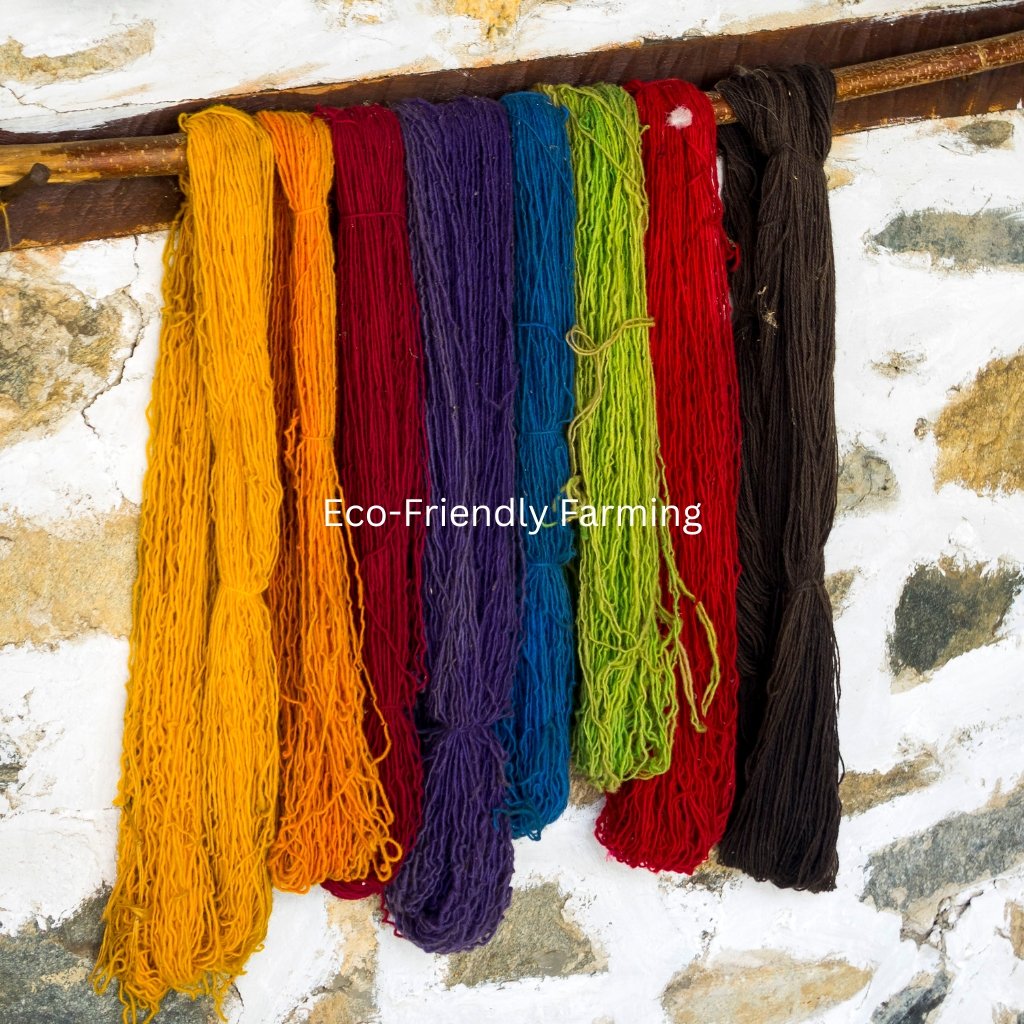
Hanging skeins of colorful yarn in warm tones against a white stone wall. Eco-Friendly Farming
Eco-Friendly Farming: An array of vibrant yarn skeins drying against a rustic wall.

Beyond the benefits of wool, wool becomes even better when it comes to sustainable farming. Sheep actually help in the restoration of the grasslands and help in the soil’s responsible grazing. And when wool is produced in a responsible way, it will satisfy the animal welfare standards.

Multifunction wool will also reduce fashion waste through the support of capsule wardrobes. Because of its closed cycle of use, wool will reduce waste, while still being eco-friendly, to sustain a fashionable lifestyle.

15. Ease of Dyeing and Design

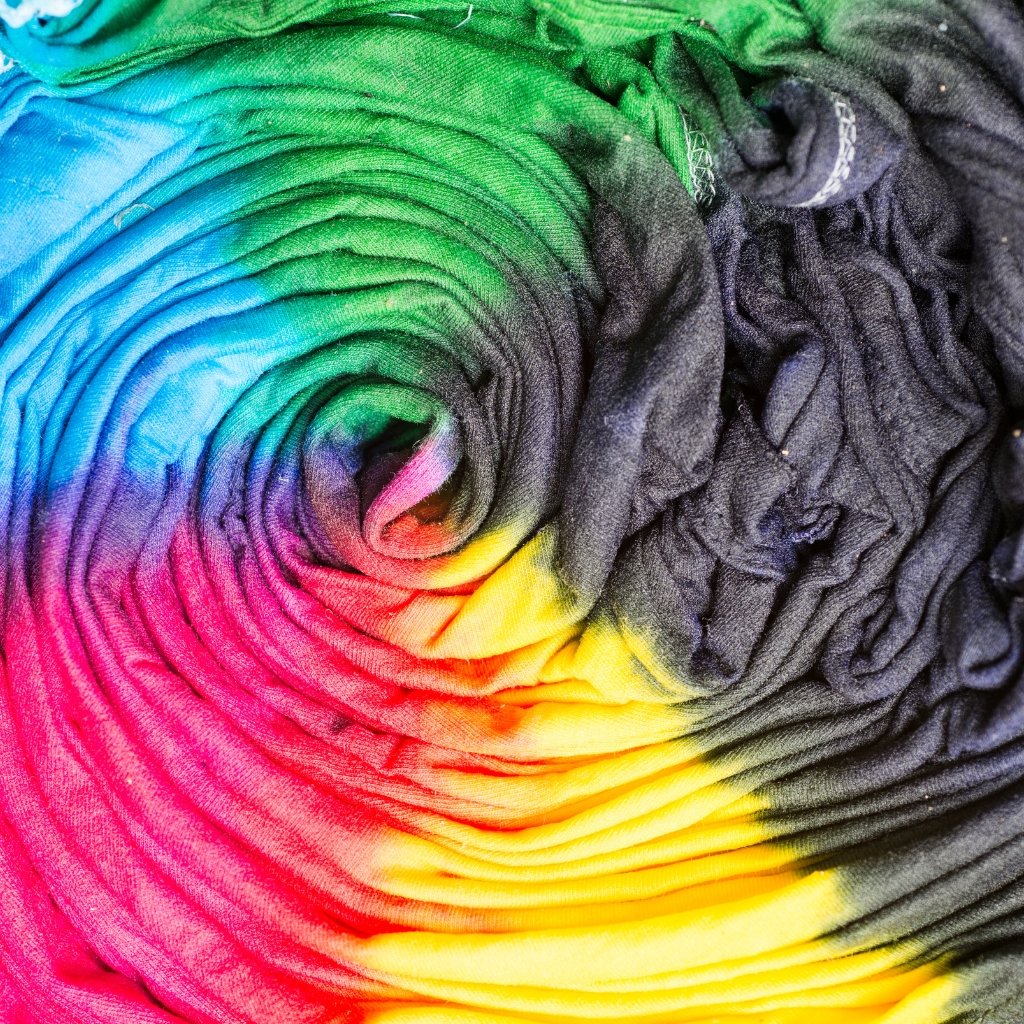
Coiled multicolored tie-dye fabric with a rainbow gradient transitioning from pink and red at the bottom to orange, yellow, green, blue, and black toward the top. Ease of Dyeing and Design
A vibrant rainbow tie-dye fabric, softly rolled into a spiral.

The ability of wool to hold color makes it even more attractive. Wool takes dye and absorbs it in a way so that every part is covered and creates a uniform color. This is just part of the reason why designers use a lot of wool in clothing lines. Color becomes bold and last a long time.

Wool also works great with other natural fibers, wool is responsible for a collection of clothing and other accessories from basic casual sweaters to high-end business suits.

16.Static Resistance

Another practical benefit of wool is the absence of static cling. Unlike other materials, wool does not cling and is more comfortable to wear.

Because of this characteristic, wool garments also do not attract dust and lint. As a result, wool clothing is consistently cleaner and more polished.

17. Eco-Conscious Washing and Maintenance

Wool helps sustain eco-friendly routines. One hidden benefit of wool is that it requires infrequent washing. Oftentimes, simple airing removes odors and freshens the fabric.

Wool also dries without needing a dryer, saving energy. Therefore, wool encourages responsible care for clothes.

18. Thermal Comfort in Layering

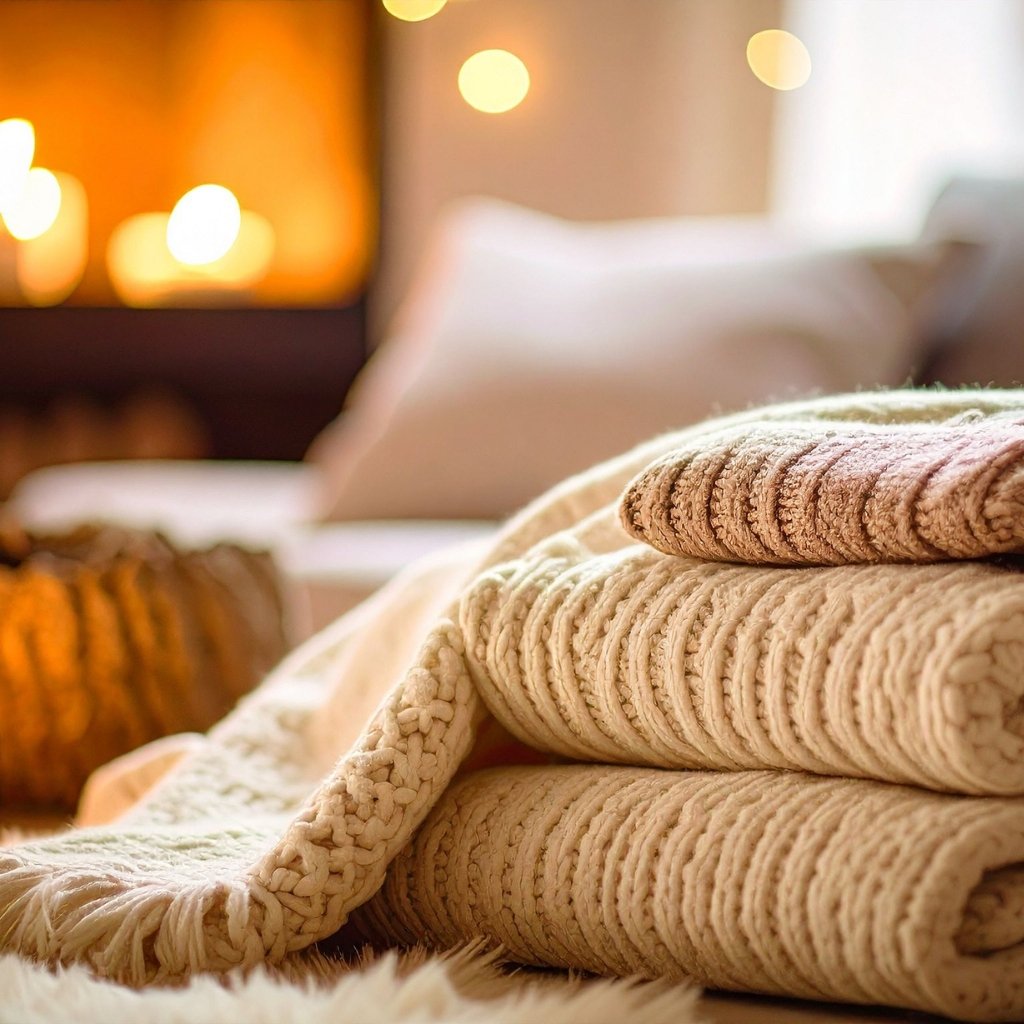
 A cozy close-up of soft, knitted cream-colored blankets stacked on a bed, with warm bokeh lights and a blurred fireplace in the background. Thermal Comfort in Layering
Coziness in stitches: plush knitted blankets piled high by the glow of a warm fire.

Comfort while layering is a significant benefit of wool. As a base layer in colder climates, it works perfectly. Wool keeps the body warm by managing moisture and heat.

It also works well with outer layers for additional insulation. As a result, it is a winter wardrobe essential and a staple in active clothing.

19. Long-Term Investment

A lasting benefit of wool is the value it stores over the years. While the initial cost may seem high, it pays off in the long run. Wool garments last for years and outlast cheaper versions.In the end, wool will end up being more cost-effective, making it a perfect example of “quality over quantity”.

20. Timeless Elegance and Style

One of the wool greatest benefits is its style. It is sophisticated and elegant. Regardless of the occasion, whether sought casual or formal, the wool attire fits every event.

For its performance, wool is also an elegant attire. It is why many modern fashions are inspired by wool.

conclusion

The advantages of wool are much more than its soft and comforting warmth. Each fiber of it is functional, durable, and, above all, eco-friendly. Wool is sustainable, comfortable, and most importantly, it is nature’s most importantly finest fabric.

Wool is an fabric for sustainable and conscious ease, whether it is in clothing, travel, or daily wear. It, not not only, stands out as an fabric, also as a sign of elegant taste.

FAQs

What are the main benefits of wool?

Wool offers warmth, breathability, odor resistance, and long-lasting comfort while remaining eco-friendly and durable.

Is wool good for summer wear?

Yes, wool regulates body temperature and wicks moisture, keeping you cool and dry even in warmer conditions.

How is wool sustainable?

Wool is 100% natural, renewable, and biodegradable, making it one of the most sustainable fibers in the world.

Wool Crepe Fabric: Benefits, Uses, and Style Guide Explained

0

Wool crepe fabric isone of the most elegant and versatile textiles in the fashion world. It is slightly crinkled, lightweight, and has a graceful drape and for these characteristics, it has been adored for many decades. Designers, tailors, and fashion lovers cherish it. The comfort, breathability, and luxurious look of wool crepe is perfect for casual as well as formal wear.

Here, we will discuss the many aspects of wool crepe fabric for example: how it’s made, the advantages, the uses, the different types of wool crepe fabric, and the care tips. Also, why the fabric is one of the most preferred in the sustainable fashion.

What Is Wool Crepe Fabric?

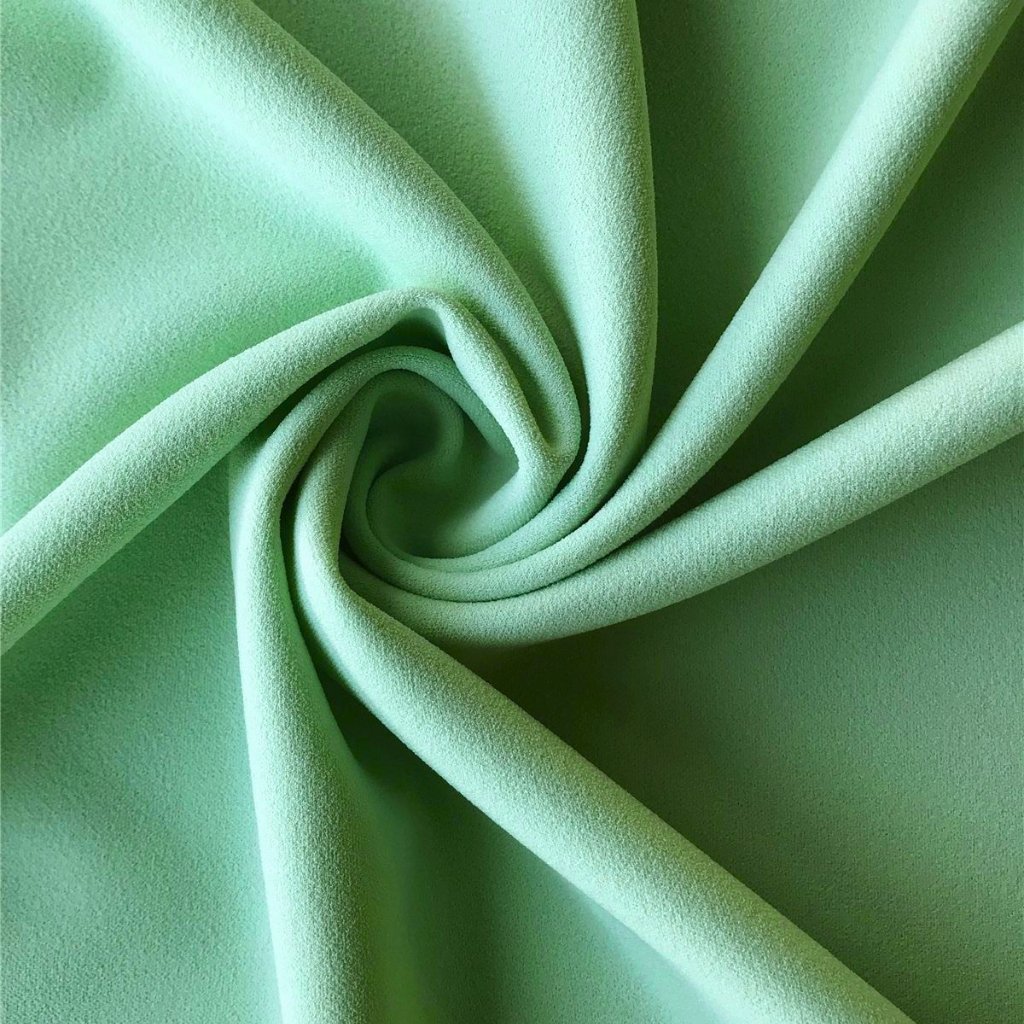
A close-up view of soft, mint-green fabric twisted into a spiral swirl, highlighting its smooth, velvety texture.
Mint-green fabric swirled into a silky spiral.

Wool crepe fabric is a high-quality textile made from twisted wool yarns that create a distinctive crinkled or pebbly surface. The name “crepe” refers to the crimped or grainy texture of the fabric, which results from the tightly twisted yarns used during weaving.

This twisting process gives wool crepe its signature elasticity and natural resilience. Unlike smooth wool fabrics, crepe has a subtle texture that enhances visual appeal while maintaining comfort and breathability.

Because of its refined structure, wool crepe is widely used in suits, dresses, skirts, and professional attire. Its natural stretch and soft flow make it easy to tailor into flattering silhouettes.

How Wool Crepe Fabric Is Made

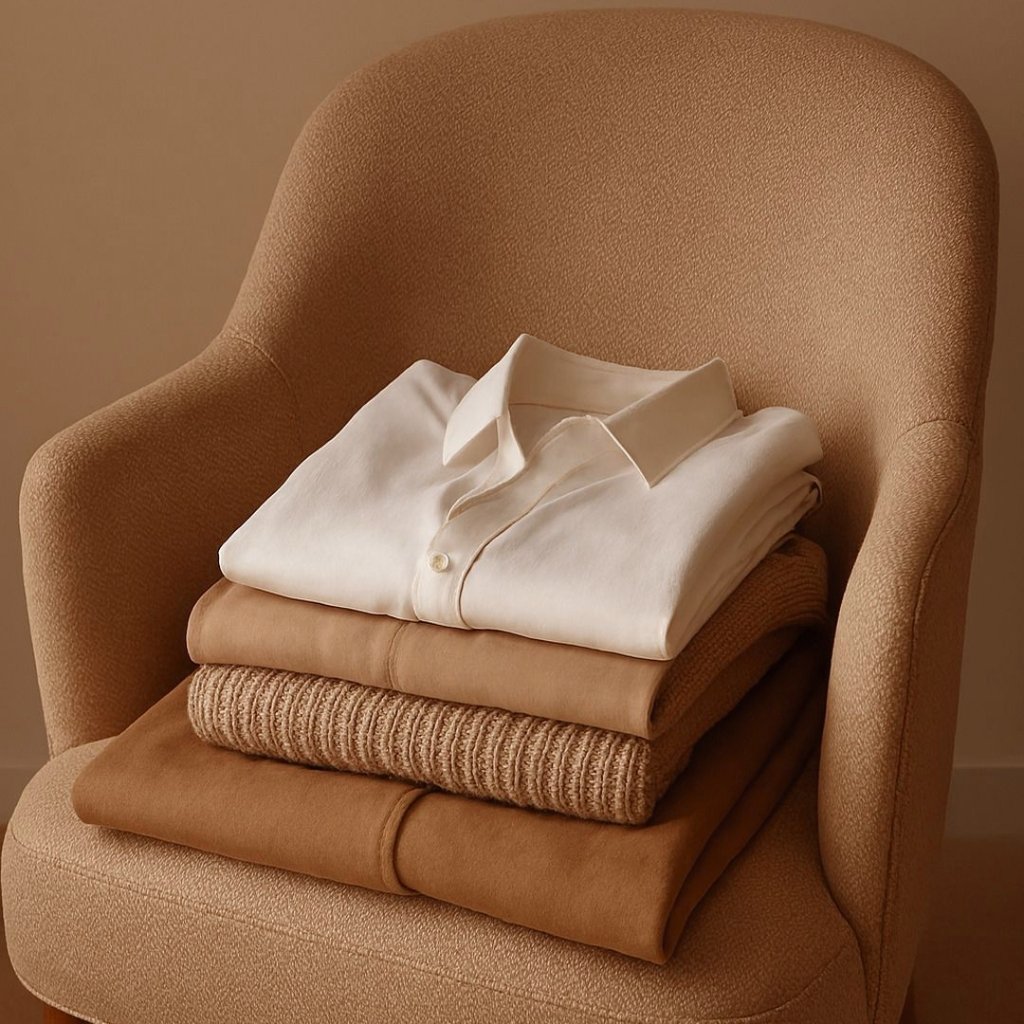
A stack of neatly folded neutral-toned clothes (white shirt on top, followed by beige and tan garments) sits on a soft, camel-colored upholstered armchair.
Cozy neutrals: a stack of folded clothes on a warm-toned chair.

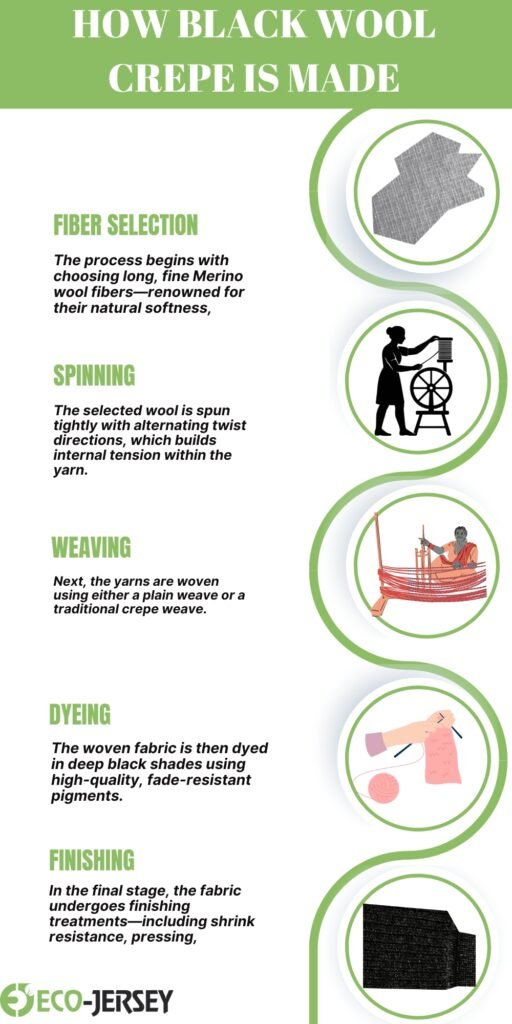
The production of wool crepe begins with the selection of fine wool fibers. These fibers are spun into yarns that are tightly twisted before weaving. The direction of the twist alternates in the warp and weft yarns, creating a surface tension that results in the fabric’s unique crinkled texture.

After weaving, the fabric is usually subjected to controlled finishing processes such as steaming, washing, and pressing. These processes help to stabilize the texture and enhance the natural elasticity of the fabric.

In some variations, a blend of wool with silk, rayon, or polyester is used to achieve different weights, finishes, and price points. However, 100% wool crepe remains the most luxurious and breathable option.

Characteristics of Wool Crepe Fabric

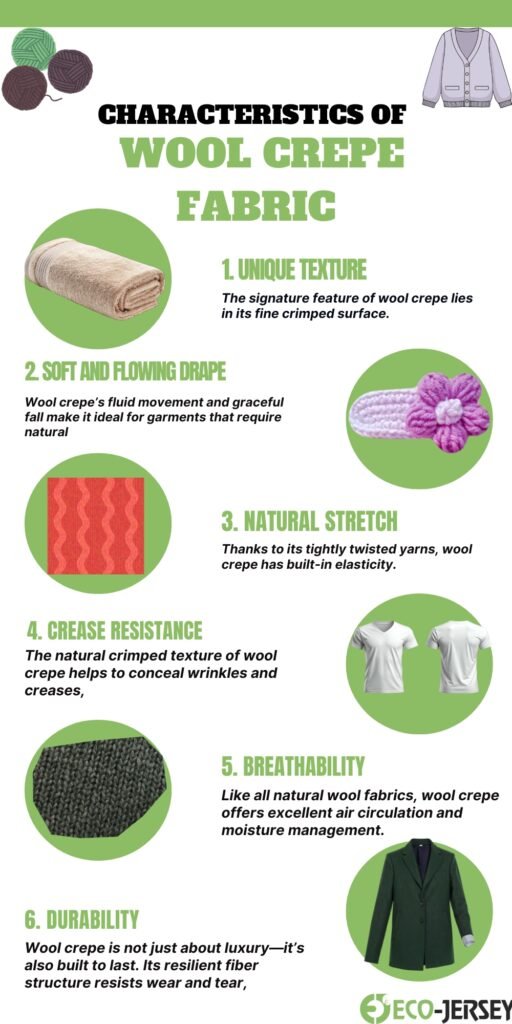
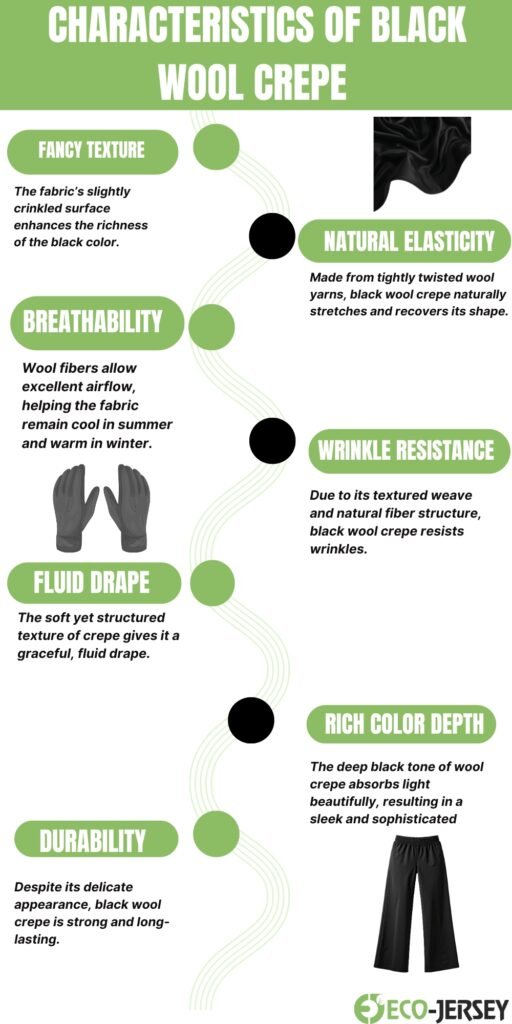
Infographic titled 'Characteristics of Wool Crepe Fabric' with numbered sections and circular images showing texture, drape, elasticity, wrinkle concealment, breathability, and durability; includes small clothing icons.
Key characteristics of wool crepe fabric: unique texture, soft drape, natural stretch, crease resistance, breathability, and durability.
  1. Unique Texture: The fine crimping gives the fabric dimension.
  2. Soft Flowing Drape: The fabric moves easily and is great for clothing that needs to flow.
  3. Natural Stretch: It has twisted yarns and creates a firmer stretch.
  4. Crease Resistance: The texture conceals creases, keeping the fabric looking fresh.
  5. Breathability: Like all wool fabrics, it circulates air and keeps the wearer comfortable in all seasons.
  6. Durability: It has wool pilling, and it loses its shape after repeated use.

Due to these features, it is one of the most preferred fabrics in the couture and ready-to-wear industries. Read more…Green Wool Fabric

Types of Wool Crepe Fabric

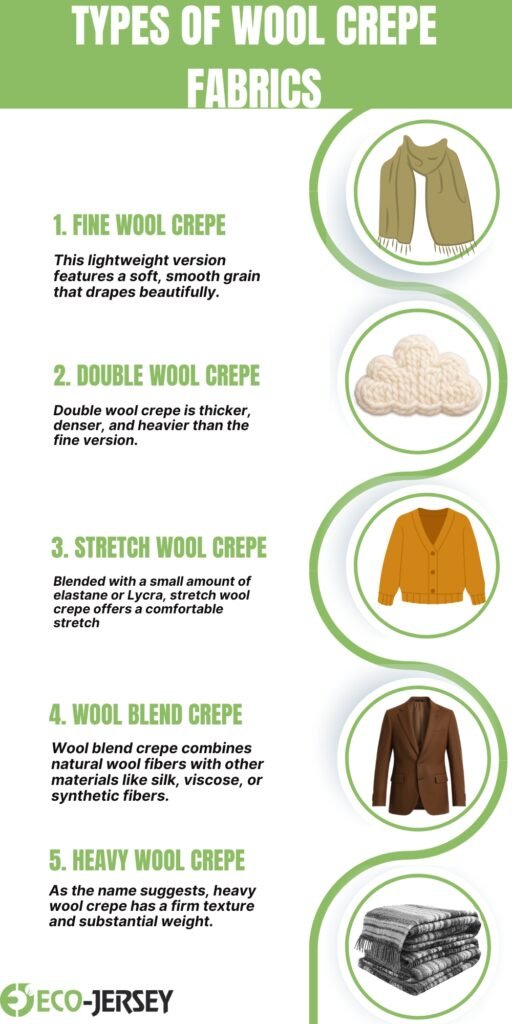
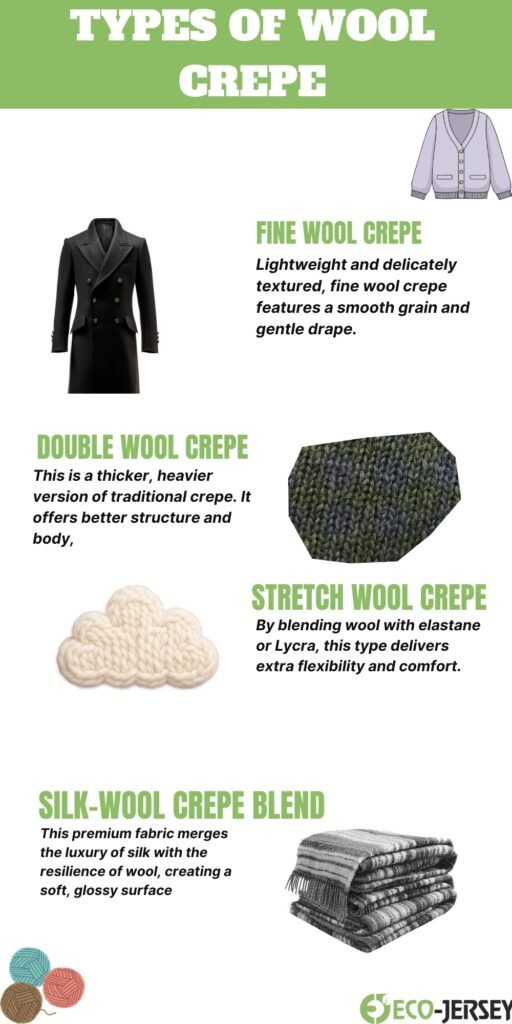
Infographic titled “Types of Wool Crepe Fabrics” listing five types with circular icons: 1) Fine Wool Crepe (scarf/garment), 2) Double Wool Crepe (cloud-like image), 3) Stretch Wool Crepe (orange cardigan), 4) Wool Blend Crepe (brown suit), 5) Heavy Wool Crepe (folded fabrics). Includes brief descriptions for each type and Eco-Jersey branding.
Types of Wool Crepe Fabrics: Fine Wool Crepe, Double Wool Crepe, Stretch Wool Crepe, Wool Blend Crepe, and Heavy Wool Crepe—each with a quick description of texture and use.

There are different types of wool crepe fabrics that vary in texture, weight, and purpose:

  1. Fine Wool Crepe: Lightweight and smooth, it is best for blouses and dresses.
  2. Double Wool Crepe: It is thicker and denser, which makes it suitable for structured suits or jackets.
  3. Stretch Wool Crepe: It has a small amount of elastane for stretch.
  4. Wool Blend Crepe: Blends wool with silk or other synthetic fibers to change its characteristics.
  5. Heavy Wool Crepe: Used for tailored coats, skirts, and formal gowns.

Every type serves a different function, which guarantees that there is a wool crepe fabric that fits every design requirement. Read more…Sherpa Wool Fabric

Benefits of Wool Crepe Fabric

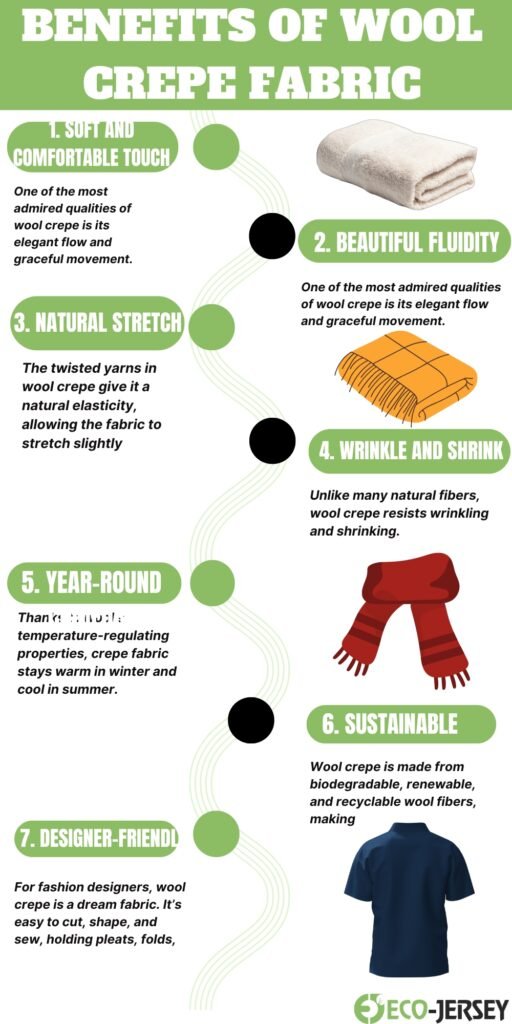
An infographic titled “Benefits of Wool Crepe Fabric” with numbered sections and icons. Left column highlights 1) soft and comfortable touch, 3) natural stretch, 5) year-round; right column highlights 2) beautiful fluidity, 4) wrinkle and shrink resistance, 6) sustainable, with small illustrations (rolled fabric, folded scarf, grid-pattern blanket, red scarf, and blue T-shirt).
Benefits of Wool Crepe Fabric: soft touch, natural stretch, year-round comfort, fluid drape, wrinkle resistance, sustainability, and style.

Wool crepe fabric has multiple advantages that differentiates it from other fabric materials.

1. A Soft Touch

The fine fibers produce a soft finishing touch that is tender and pleasant to the skin.

2. Beautifully Fluid

There is a beautiful and elegant flowing effect that adds sophistication and charm to a garment.

3. Natural Stretch

The twisted yarns in the fabric allow for a quick effortless stretch making it comfortable and relaxing.

4. Winkle and Shrink Resistant

The texture of the fabric disallows wrinkles, and it keeps its shape after washing.

5. Warm and Cool

Wool crepe keeps you warm in the winter and cool in the summer, so it is perfect for all seasons.

6. Sustainable

Wool is biodegradable, renewable, and recyclable making it eco-friendly and a sustainable choice for consumers.

7. Easy to Design

Wool crepe also is easy for designers to manipulate as it holds pleats, folds, and seams beautifully.

Wool Crepe Fabric in the Fashion & Textile Industries

Wool Crepe Fabric is used in different endless varieties in the fashion & textile industries like:

  • Business Attire. For its elegant drape, it is used in crafted suits,skirts, and blazers.
  • Formalwear. Fine Wool Crepe is a staple in evening gowns and cocktail dresses.
  • Casual Wear. Drees made of Lightweight Wool Crepe are great for the in-between seasons.
  • Uniforms. For garments that are meant to look neat all day, it works as the perfect fabric since it does not wrinkle.
  • Accessories. Wool Crepe made scarves, shawls and wraps are perfect for added warmth and texture.

Wool Crepe is used for its endless versatility and remains a classic staple in men and women’s clothing. Read more…Chenille Wool Fabric

Designer Love for Wool Crepe Fabric

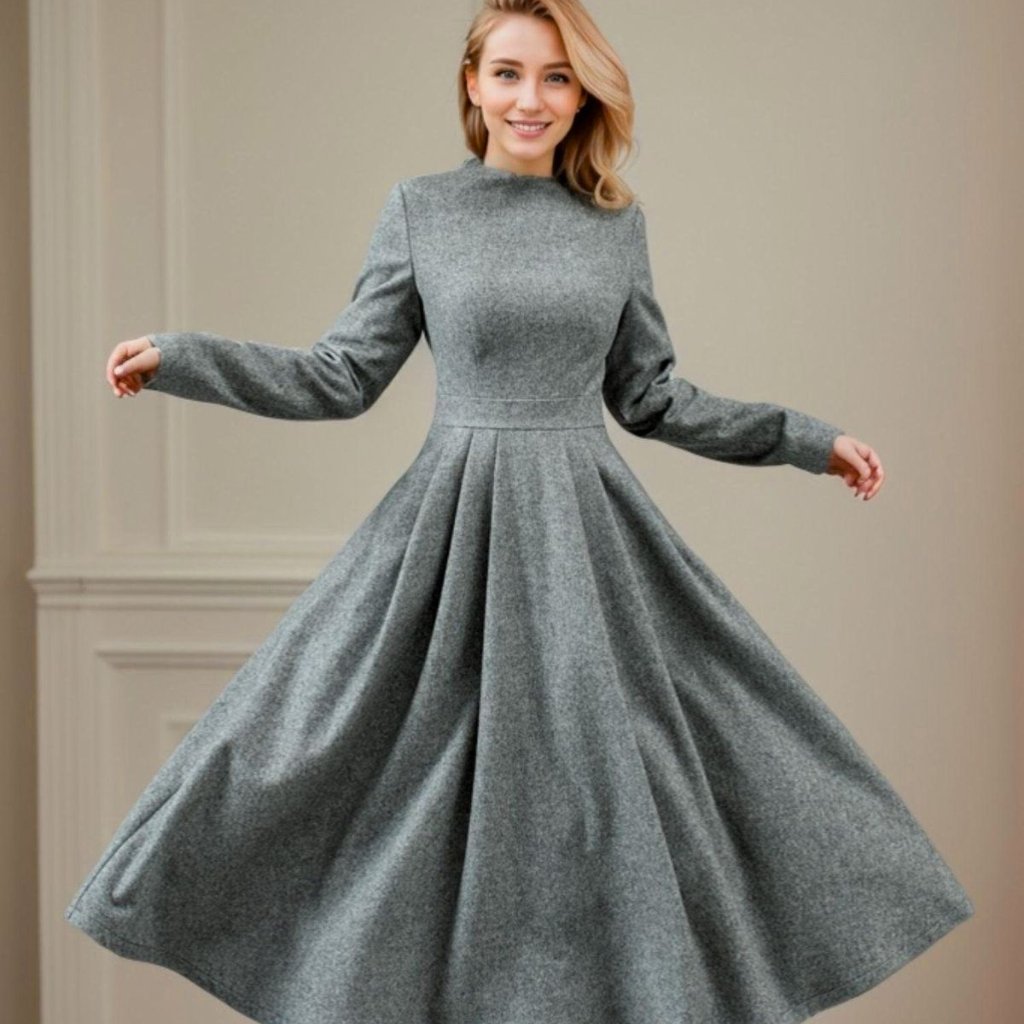
A woman wearing a long, gray, full-skirted dress with long sleeves spins gracefully, creating a circular motion with the pleated skirt.
A stylish woman in a flowing gray dress twirls, showcasing the dress’s full, voluminous skirt.

Wool Crepe is preferred by designers due to the perfect balance it provides. It has the ability to hold shape and still flow, which is necessary to create a tailored garment while still providing comfort.

Moreover, the fabric is naturally resistant to wear and tear and unlike other synthetic materials, absorbs dyes, which results in beautiful, rich, and long-lasting color. It’s matte finish makes it even more appealing as it adds a layer of sophistication to high-end designs. Read more…Gabardine wool fabric

Wool Crepe Fabric Care

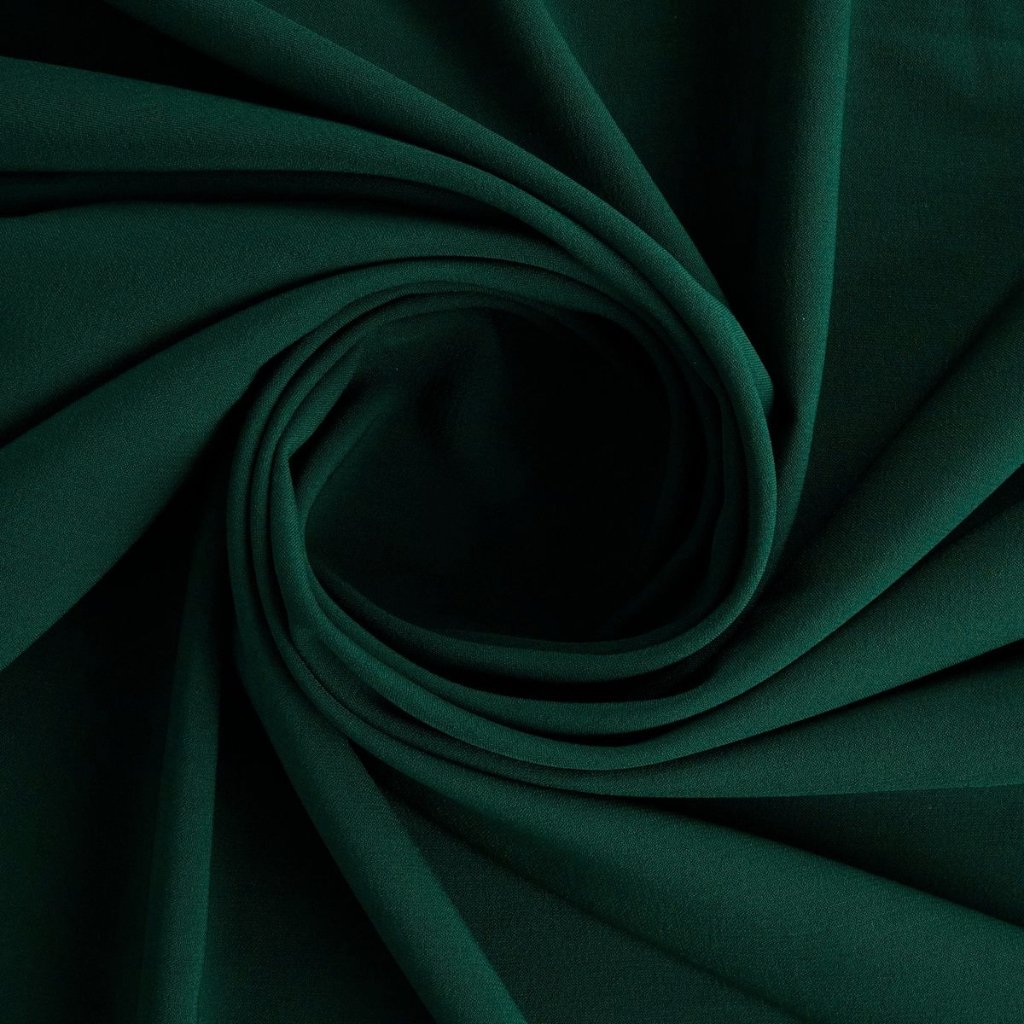
A close-up of dark emerald green fabric artistically folded into a swirl, creating soft concentric curves and shadows.
Rich emerald green fabric swirled into a dramatic, velvet-like fold.

Wool crepe lasts a long time if you care for it correctly. Key points are listed here.

  1. Dry Cleaning Recommended: To maintain their form, don’t skip the dry cleaning for wool crepe.
  2. Washing: If you must hand wash, do so with cool water and mild soap, and do not wring or twist.
  3. To Air Dry Flat: Garments must be laid flat and dried away from sunlight.
  4. Ironing: To remove light wrinkles, use a pressing cloth and low temperature.
  5. Storage: Use breathable bags and dust them to protect from moths.

Wool crepe can keep its gorgeous texture and wonderful drape for many seasons with proper care.

Eco-Friendly and Sustainibility Factors

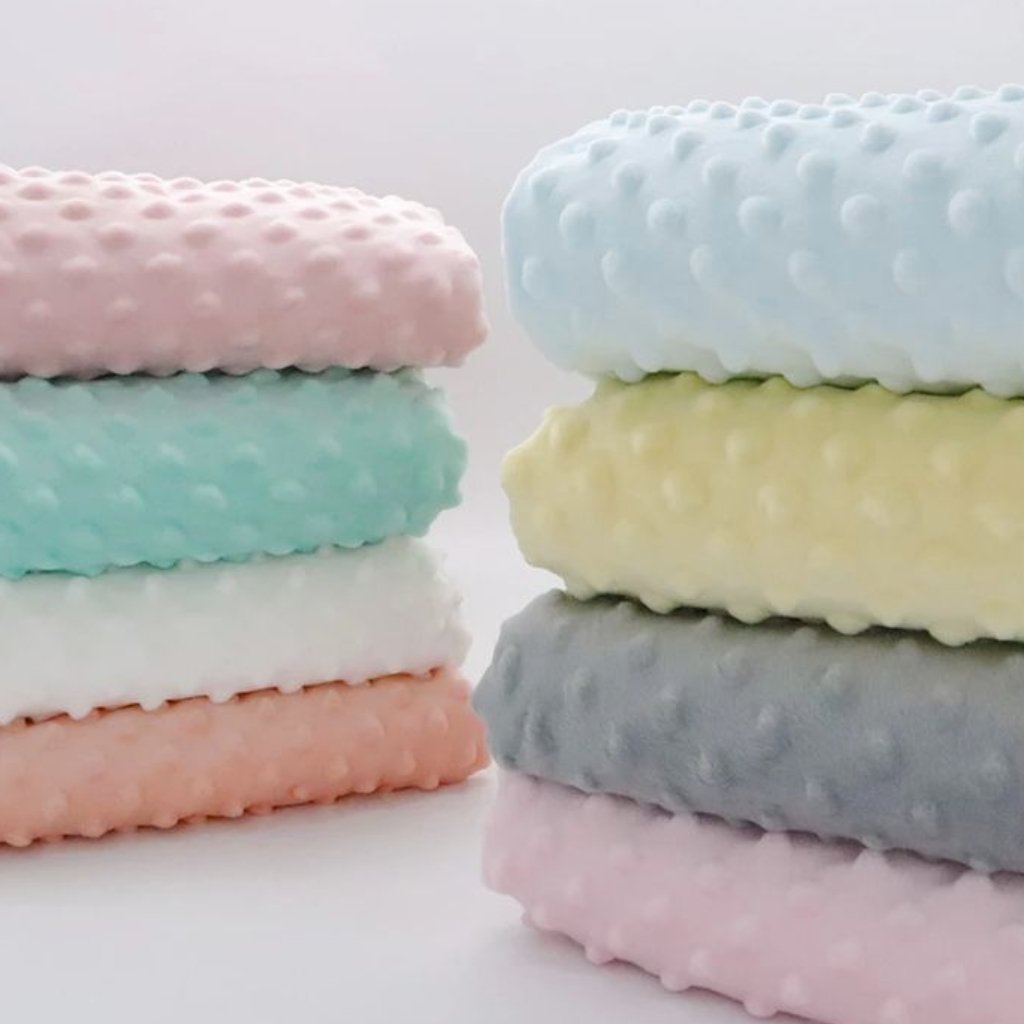
A stack of soft, pastel-colored towels with a dotted texture. The colors include pink, mint, white, peach, lavender, blue, and gray, arranged in two stacks.
Soft pastel towels with a cozy, textured pattern.

Nowadays, with wool crepe, the use of natural and biodegradable materials captures the interest of many. The fleece of sheep is a renewed resource, as it grows back each year. Soft, water absorbing, and biodegradable, wool helps to keep the environment clean and does not shed microplastics as other synthetic fibers do. Instead, it is made from crude oil plastic. Wool crepe is a great fabric for slow fashion because it is durable and encourages mindful consumption. It reduces waste and its longevity helps promote mindful consumption. Many eco-conscious brands pick wool crepe because it provides environmental and ethical benefits.

Fashion Trends Using Wool Crepe

Modern designers are reintroducing wool crepe in innovative ways. It’s used not only for formal garments but also in minimalist, everyday fashion. Oversized blazers, flowy trousers, and mid-length skirts made from wool crepe are becoming wardrobe staples.

Moreover, luxury brands have incorporated vibrant-colored wool crepe into eveningwear collections. The fabric’s ability to absorb deep, rich hues makes it ideal for bold statement pieces.

Even in sustainable fashion lines, wool crepe is gaining traction due to its eco-friendly nature and timeless aesthetic.

Designers around the world are embracing wool crepe for its perfect balance of sophistication, comfort, and sustainability. As fashion continues to merge luxury with everyday functionality, wool crepe has found a new spotlight in modern wardrobes.

Because the fabric holds its structure while maintaining a soft flow, it brings an elevated look to simple everyday outfits. Designers often pair wool crepe pieces with neutral tones and clean lines to highlight the fabric’s texture.

Luxury brands are also redefining how wool crepe is used in high fashion. In addition to traditional suits and gowns, top designers now incorporate it into modern eveningwear, jumpsuits, and statement dresses. This shift is largely due to the fabric’s ability to absorb dyes deeply and evenly, resulting in rich, bold hues that exude sophistication.

Conclusion

Wool crepe is a fabric that represents timelessness, elegance, durability and sustainability. It is a fabric that is loved for its natural crinkled texture, draping, breathability, and it is loved for its crinkle texture.

Wool crepe is perfect for designing classic suits, flowing dresses, and even environmental collections. Wool crepe continues to be a favorite for fashion designers and also enthusiasts for its luxury and practicality which is a rarity in fabrics.

FAQs

What is wool crepe fabric made of?

Wool crepe fabric is made from tightly twisted wool yarns that create a slightly crinkled surface. The twist gives it elasticity, durability, and a soft drape.

Is wool crepe fabric suitable for all seasons?

Yes. Wool crepe is naturally breathable and temperature-regulating. It keeps you warm in winter and cool in summer, making it ideal year-round.

Does wool crepe wrinkle easily?

No. Wool crepe resists wrinkles due to its textured surface, which hides creases and maintains a polished look even after long wear.

Merino Terry Fabric: Everyday Comfort with Natural Style

0

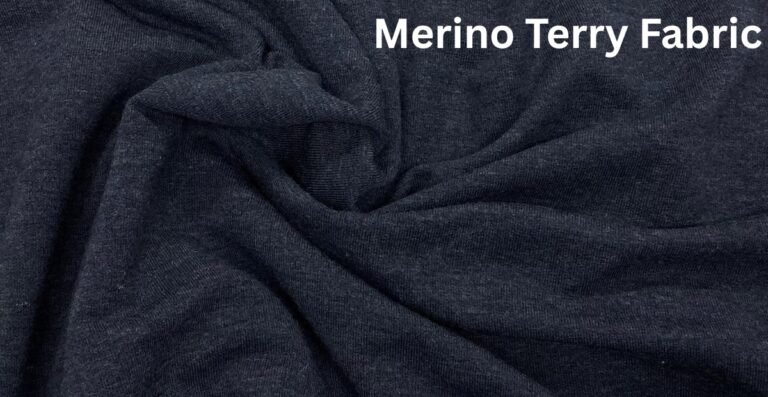
Everyday clothes should be soft, light, and easy to wear. Comfort is most important in the clothes you wear daily, especially when you want to move around freely. The Merino Terry Fabric is the perfect combination of comfy, soft, and stylish for Merino Terry Fabric. This is because it combines natural wool and innovative knitting. The outcome is a smooth fabric that can cozy up to your skin and can be worn in all the seasons.

Who doesn’t love clothes that are easy to wear and made of soft and flexible fabric? When it comes to Merino Terry Fabric, every piece of clothing is a masterpiece because it is made of natural fabric and will keep the wearer warm, yet comfortable, and will not restrict movement of the body in any way. It is perfect for daily wear, for active use, and for those lazy days when relaxing at home.

Merino Terry Fabric Soft Nature

 A close-up photograph of soft, green fabric with gentle folds and a fine weave.
Soft green fabric draped in delicate folds.

The charm of Merino Terry Fabric is in its soft, beautiful, and gentle texture. It is made of fine Merino wool which is a natural and smooth fabric. The terry knitting gives it a looped surface on one side and a flat surface on the other. This design keeps it plush and breathable at the same time.

The first and maybe the most important quality of Merino Terry Fabric is its softness. Merino wool fibers are quite thin and come close to the softness of cotton or silk. Furthermore, Merino wool does not cause itching, which makes it perfect for daily use. Merino wool does not irritate the skin, and therefore, Merino wool is ideal for use on sensitive skin.

The quality and softness of Merino Terry Fabric wool does not diminish over the years, and it does not lose its coziness even after multiple washes. Merino wool also has great resistance to wear.

Breathable Warmth for Every Season

 A woman wearing a two-tone long-sleeve dress, with an olive green sleeveless dress over a light gray long-sleeve shirt, standing against a neutral background and smiling.
Casual chic: olive-green shift dress layered over gray sleeves, perfect for easy everyday style.

Merino Terry Fabric is capable of keeping the body at the most comfortable temperature. Merino wool has great temperature regulation, warmth is retained under closed layers of clothing, and breathability is provided on warm days. This is due to the knitted structure of the Merino wool.

This fabric can be used any time of the year. Merino wool can keep the person warm in cold winter months, and the person will be comfortable and cool in mid spring. The Merino wool fibers will also absorb any moisture on the skin. The fabric will keep the person dry and comfortable whether they are inside or outside.

Since it responds well to heat and moisture, Merino Terry Fabric is great for travel, activewear, and leisurely clothing. It provides climate comfort without the bulk of extra layers.

Natural and Active Comfort

No one wants to feel restricted by their clothing. With Merino Terry Fabric, there is no lack of movement because the material stretches, and the terry knit design allows for quick return to its shape, which is, no doubt, great for activewear.

This is perfect for rest and activities such as yoga, walking, or simply the casual weekend. It provides comfort by bending and moving to your body.

Since the outer layer is smooth, it allows added clothing to slide, making layering easy and polished. There is no feeling of restriction.

Minimalistic and Modern

A man wearing an all-black athletic outfit (long-sleeve crewneck top and matching pants) stands against a neutral background.
Simple, sleek workout silhouette: all-black athleisure.

Merino Terry Fabric is an example of comfort and style is possible. The smooth and slightly textured material is sophisticated and modern. There are many options offered by this fabric and it does well in modern clothing as well. It does well for sweatshirts, pullovers, dresses, or lounge sets.

Since the Merino Terry Fabric doesn’t appear overly polished, the soft gleam adds elegance. The fabric naturally falls along the body and drapes nicely. While maintaining a laidback aesthetic, it charms every body type.

Versatility is what makes designers obsessed with this fabric. It embodies daily wear luxury while maintaining a relaxed vibe. Merino Terry Fabric uniquely integrates design and utility.

Soft clothes tend to lose quality after several washes. That is not the case with Merino Terry Fabrics. The unique combination of quality and softness is what makes it stand out. The natural coils of Merino wool fibers help the fabric regain shape. This helps garments look new after several wears.

The loops of the terry fabric also help with softness. The loops of the inside fabric absorb wear and tear stress, reducing pilling and stretching. Merino Terry Fabric withstands stretching, even with repeated washes.

Gentle washing with a mild detergent helps maintain the fabric Merino Terry Fabric is easy to care for. The fabric also dries quickly and resists odor. It wrinkles less, which eliminates the need for ironing. This is intriguing for those who appreciate comfort easily.

Choosing Sustainable and Eco-Friendly Options

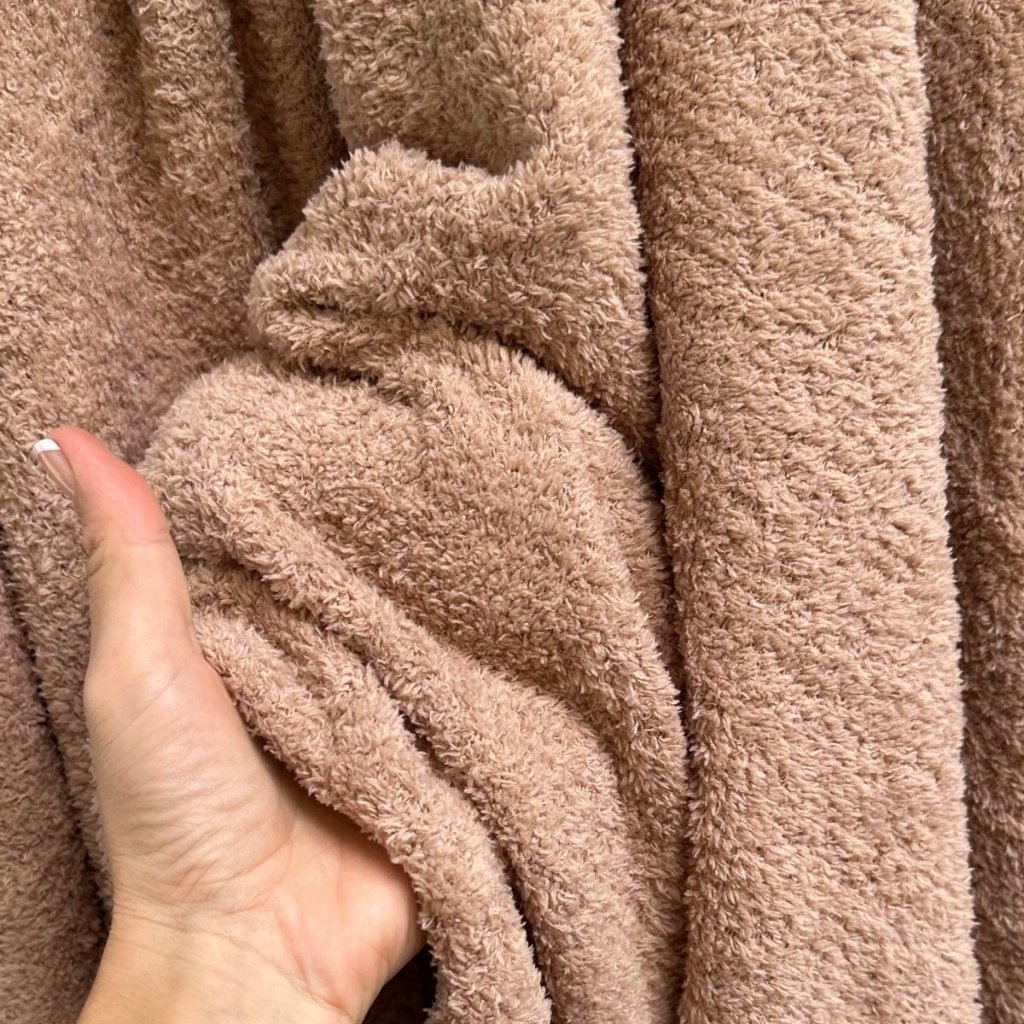
A close-up of a hand gripping soft, fluffy beige terry cloth fabric, showing the plush texture and folds.
Close-up of a hand holding a plush beige towel, highlighting its fluffy, textured surface.

Lately, more and more people are becoming environmentally conscious. Merino Terry Fabric is an eco-friendly option and a great way to support that awareness. Each year, merino sheep grow an entirely new fleece. Fleece is a great source of sustainable fiber since it is natural and renewable.

Merino Terry Fabric is also an environmentally sustainable option because it is fully biodegradable and does not harm the environment. It puts less pressure on the planet because its production uses less energy and chemicals than produced synthetic materials.

Merino Terry Fabric is comfort and planet-friendly. It’s a small decision that can make a huge difference.

How Fabric Functions

It is the different and unique structures of Merino Terry Fabric that make it function so well. Each fiber of the fabric works on a particular function. The outside layer of a fiber repells moisture, while the inside layer absorbs it. This is how the fabric regulates sweat and temperature, keeping the fabric free of moisture.

The crimped wool fibers provide the fabric with elasticity. This is how merino terry fabric regains its shape after stretching. The looped pile also provides insulation on the colder days but makes the fabric warm and breathable.

Naturally, this type of engineering means the fabric outperforms many synthetic textiles. It achieves the dual functionality of comfort with technical function without compromising the softness of the fabric.

Everyday Uses and Comfort Beyond Compare

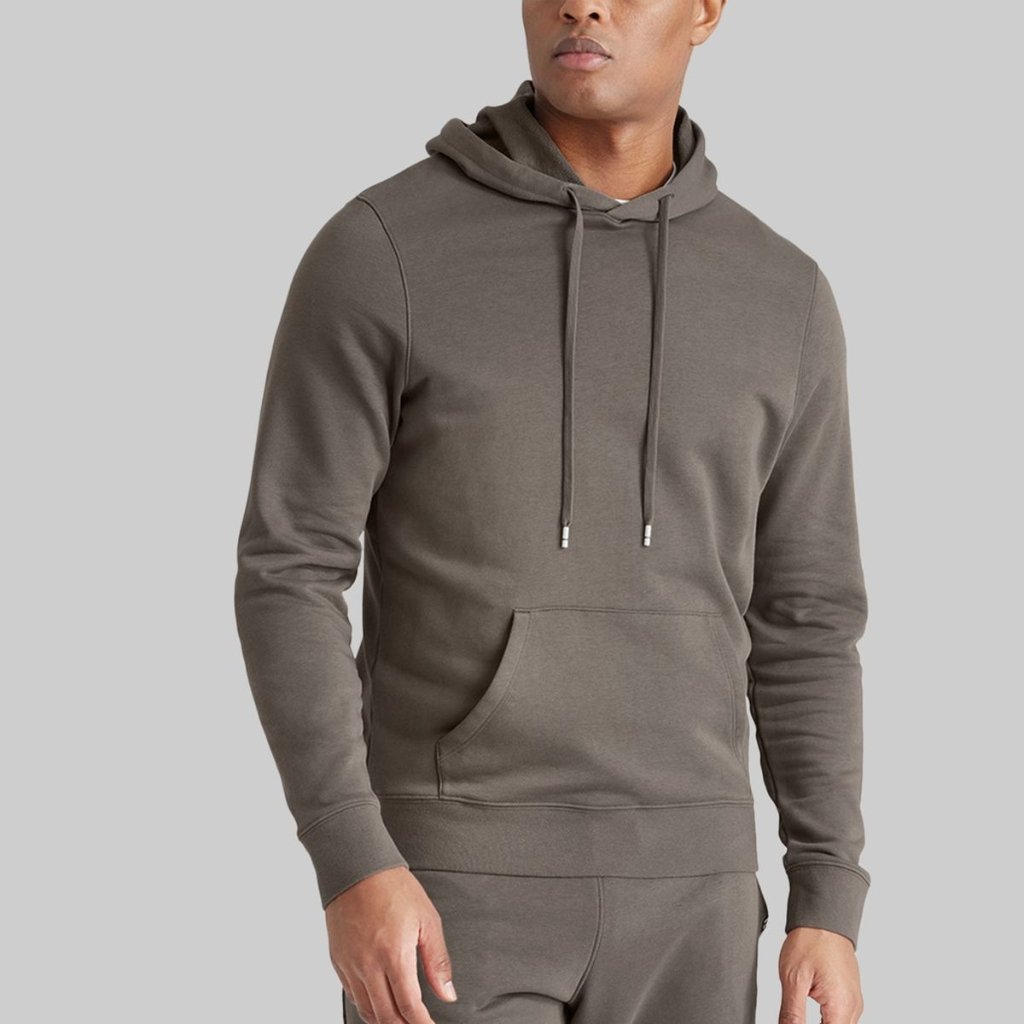
A man wearing a solid charcoal-gray hoodie with a front kangaroo pocket and drawstrings, standing against a light gray background. The outfit appears casual and athleisure-inspired, with matching sweatpants visible at the bottom.
Cozy, minimalist gray hoodie set — a clean, versatile look for casual everyday wear.

Merino Terry Fabrics fits many lifestyles It is used for activewear, loungewear, and travel clothing. It is popular because it is the perfect combination of cozy and comfortable yet stylish enough to wear outside. The soft loops are just the right bulk to provide warmth.

Merino Terry Fabric is breathable, which means you will feel fresh all day. It won’t keep heat in and it odourlessly keeps the smell from sweating with the fabric. It can be worn for hours and hours of of work without heavy and sticky feeling, and that is perfect for long work days. Weekend get aways are also better because for long periods of time you won’t be sweating.

Whether you are going to work, or just having relaxing mornings at home, Merino Terry Fabric will bring you joy and ease in overall every day activities. It really embodies and everyday comfort with a natural touch, and that is hard to find.

The Luxury Hidden in Simplicity

Luxury does not have to mean shiny or expensive. It can also mean subtle refinement, and lasting comfort which is what Merino Terry Fabric is all about. There is nothing over the top about it, but it all the right and soft materials. The fabric and fine knit wool really embodies quality construction.

Merino Terry Fabric is nice to look at and makes simple designs so much better. A quick sweatshirt can look so much better and classy. All of this while still feeling timeless and comfortable!

When you own Merino Terry Fabric clothing it becomes something extremely comfortable to wear every day. It becomes something special to own and easy to enjoy every day. It adds so much to a wardrobe that makes easy and elegant clothing.

Comfort That Fits Every Lifestyle

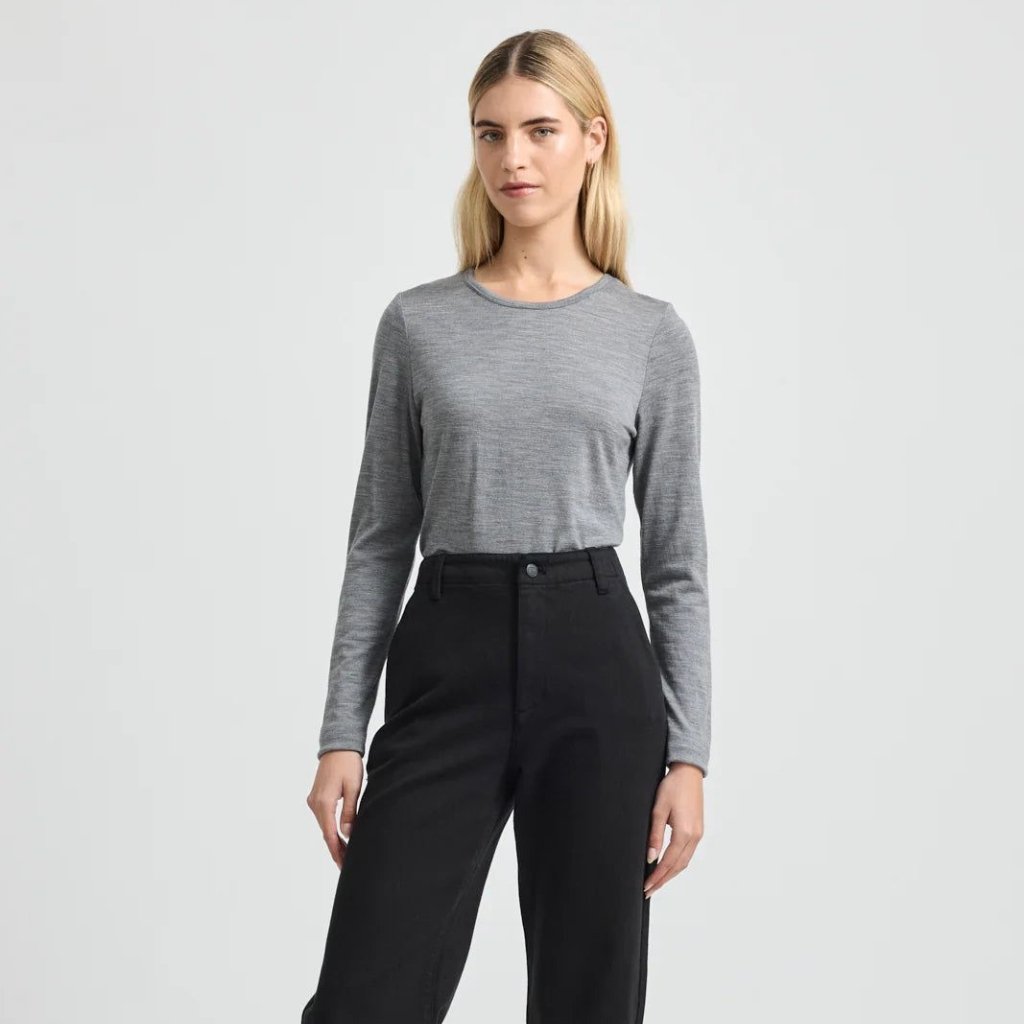
A young woman stands against a light gray backdrop, wearing a light gray long-sleeve top tucked into high-waisted black pants.
Minimalist office-ready look: heather gray long-sleeve top paired with high-waisted black trousers.

Everyday Merino Terry Fabric works with you no matter where you go. It can work with the cold and warm climates. It is nice and comfortable warm.

Merino Terry Fabric is nice and comfortable no matter what you are doing. It can be working from home, going out to run errands, or going on a short trip. It can be nice and stretchy for the whole day. It can be comfortable for everyday activities. The nice, soft material can also make you very relaxed.

It is nice and comfortable for anyone with a nice, modern look.

Why It Feels Different From Other Wool Fabrics

A lot of people think all different types of wool is heavy and rough. Merino Terry Fabric is able to prove them wrong. It nice,warm, and smooth wool.

Merino Terry Fabric has no itchiness like coarse wool. It has better temperature regulation and moisture handling abilities. Added comfort comes from the cushioning effect of the terry knit design.

The Merino Terry Fabric is proof that modern and stylish can still be natural. It showcases the future of wool and comfort.

How to care for Merino Terry Fabric.

A front-loading washing machine with its door open, two laundry baskets full of clothes spilling over, and detergent bottles placed on the floor nearby against a light green wall.
Laundry day: clothes spilling from baskets beside an open washing machine with detergent bottles nearby.

The right care will ensure the Merino Terry Fabric stays fresh for the long run. Always wash it gently using cold or lukewarm water. If you use harsh drying detergents, it will weaken the wool fibers. So use a mild, wool-safe soap.

Merino Terry Fabric has to be air dried on a flat surface after washing. It should be kept away from the sun and high heat to preserve its shape and softness. It also has a bouncy feel which means it will need minimal ironing.

Merino Terry Fabric will remain beautiful natural beauty if it is stored properly. It will also remain new looking with minimal care during the changing seasons.

The Future of Your Everyday Comfy Wear.

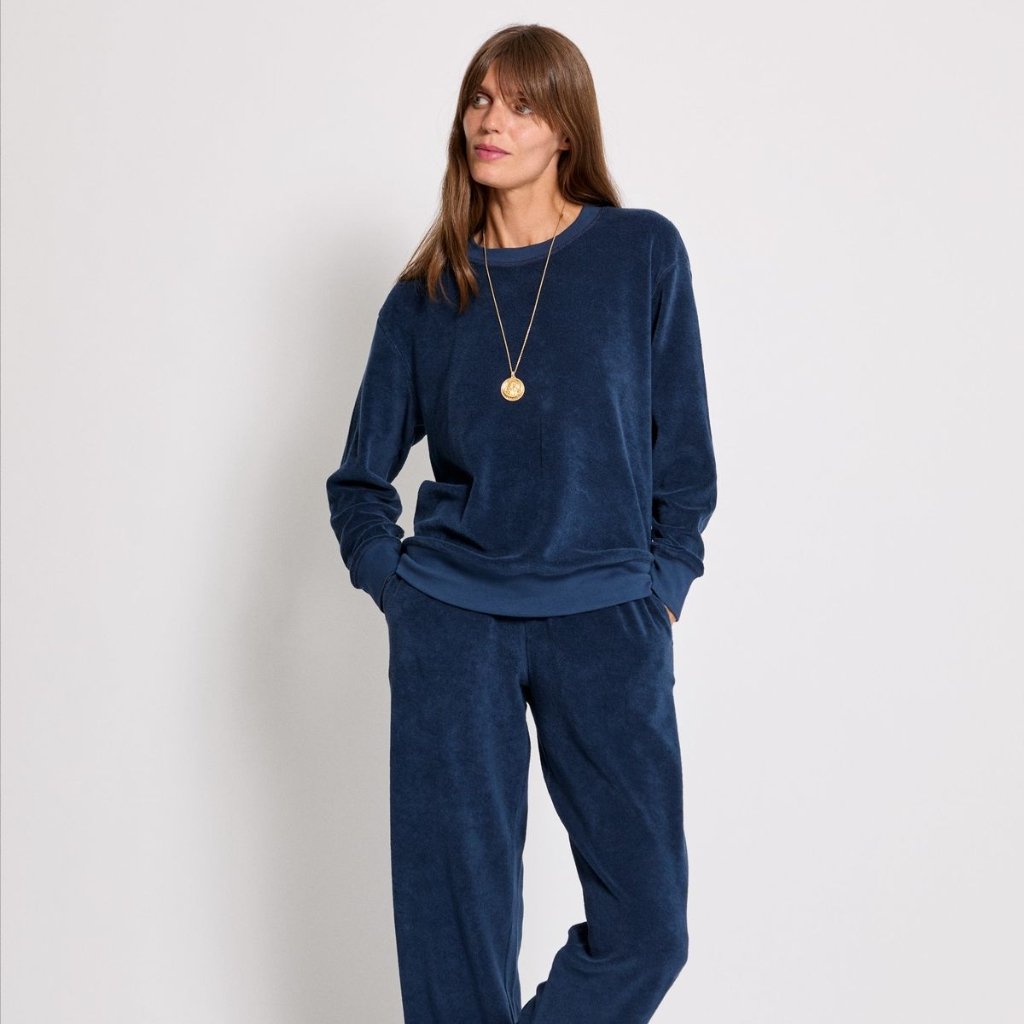
A woman wearing a matching navy blue velour tracksuit (crewneck sweatshirt and relaxed-fit pants) stands against a light background, hands in pockets, looking to the side. She wears a long pendant necklace.
Velvet navy tracksuit set with a pendant necklace

With Merino Terry Fabric, more people will be able to achieve a blend of style and functional comfort in their clothing. It is a leading fabric for modern wardrobes due to its natural balance of softness, breathability, and overall stylish look.

Fashion designers and textile experts acknowledge its versatility. Merino Terry Fabric shows that you can have beauty and comfort all at once. It captures innovation in nature’s design.

The Merino Terry Fabric revolution focuses on the fusion of ancient textiles and the future. It still relics on the comfort of the fabric while turning to the future.

Conclusion

True comfort is simple, natural, and enduring. Merino Terry Fabric captures all three in a singular, beautiful form. It is soft, stylish, and eases everyday life at every turn. Each touch of the fabric is a reminder of serene luxury and nature.

Merino Terry Fabric brilliantly combines functionality and aesthetic appeal, whether draped for warmth or attire. It is the type of fabric that is appreciated in the present and will always be. It encourages you to spend every second in comfort and in style, and beautifully works with the natural elements.

1. What is Merino Terry Fabric made of?

Merino Terry Fabric is made from fine Merino wool blended with a terry knit design for softness and flexibility.

2. Can I wear Merino Terry Fabric all year round?

Yes. It keeps you warm in winter and cool in summer because it naturally controls temperature and moisture.

3. Does Merino Terry Fabric feel itchy?

No. The fibers are very fine and smooth, so the fabric feels gentle and soft on the skin.

Merino Fleece Fabric: The Perfect Blend of Comfort and Style

0

Merino Fleece Fabric is unsurpassed in terms of softness, warmth and breathability. The fabric is soft and cozy for cool mornings, but light enough to wear during active days. Natural fibers provide warmth without retaining moisture. The fabric is known for its elegant and comfortable look. fabric is perfect for everyday wear and travel clothes. It provides a balance of comfort and style.

Merino Fleece Fabric: Origin and Nature

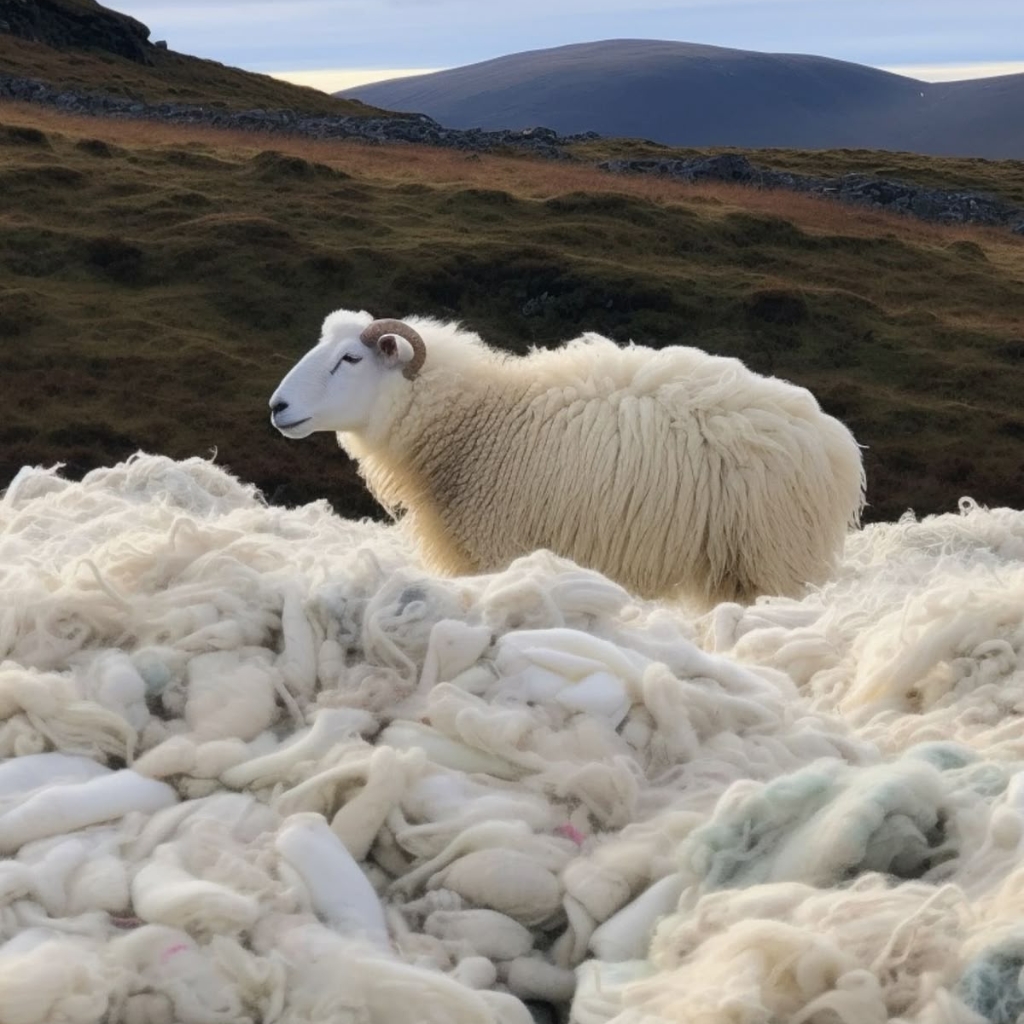
A fluffy white Merino sheep standing on a pile of soft wool in a moorland landscape, with rolling hills in the distance.
Merino Fleece Fabric: Origin and Nature

fabric is made from the fine Merino wool. The fibers produced by these sheep are softer and more flexible than human hair. The material is both durable and light when it’s processed into fleece. Merino’s natural qualities give the fabric its smooth texture and insulation properties. Each thread provides warmth without adding weight, resulting in clothing that feels natural and gentle.

Lightweight Warmth That You Can Trust

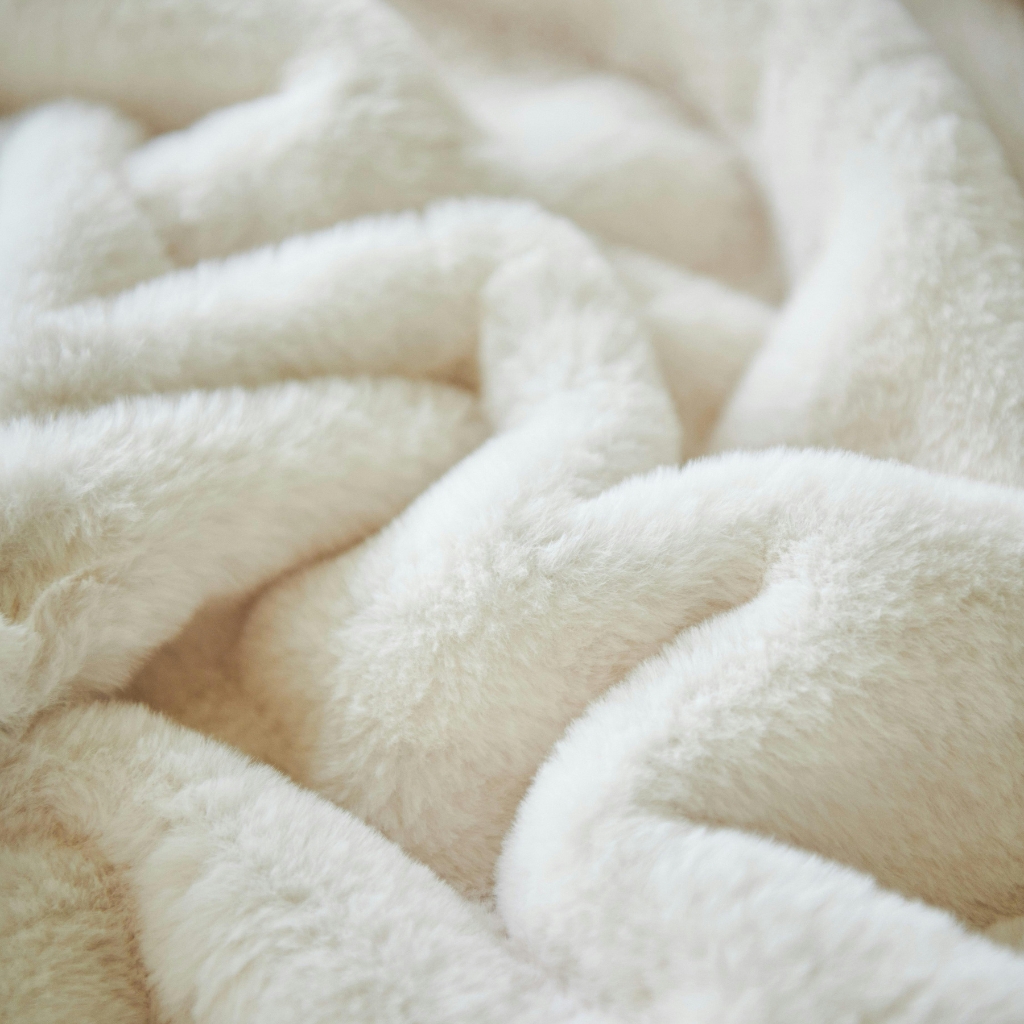
Close-up of fluffy, cream-colored fleece fabric with soft, plush texture and folds.
Lightweight warmth you can trust.

Merino Fleece Fabric’s lightweight warmth is one of its best features. The fine fibers keep warm air near the body while allowing excess heat to escape. The temperature is maintained at a comfortable level throughout the day. It is lighter than bulky fabrics and offers the same warmth.  fabric is a reliable companion for every season.

Natural Softness that Lasts

Merino Fleece Fabric is soft and unlike synthetic materials. The fabric is smoother against the skin because each fiber can be bent easily. Even after prolonged wear, it never feels rough or itchy. The fiber’s flexibility allows this natural softness to last over time. Fabric retains its original texture after many washings. The soft touch gives every garment a warm and inviting feel.

Comfort that adapts to your body

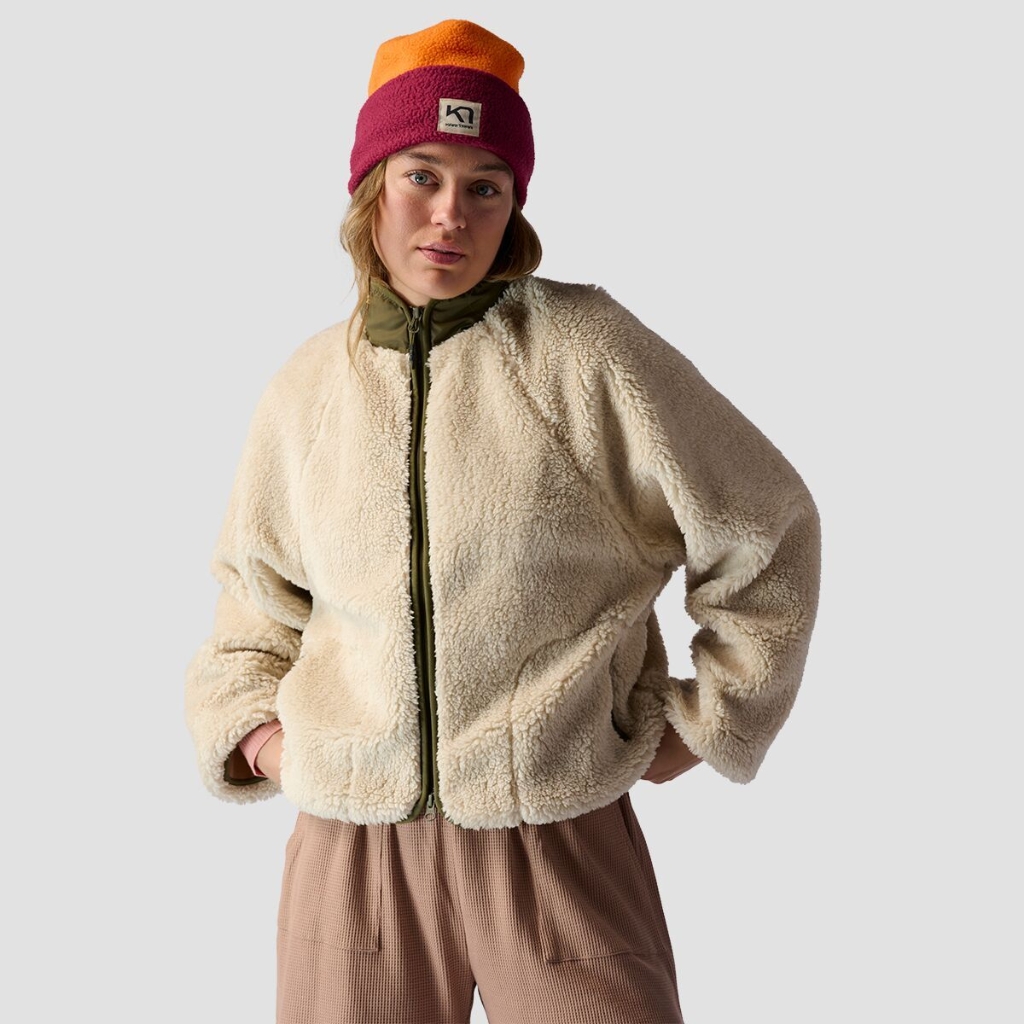
A stylish person wearing a cream-colored fleece jacket and a two-tone beanie (orange and burgundy) against a light background.
Comfort that adapts to your body

Fabric adjusts easily to your body’s temperature. When it is cold, the fibers hold heat. They release heat when it is warm to keep you cool. This ability to adapt naturally helps you maintain comfort in changing temperatures. Fabric that breathes and keeps skin dry. Merino Fleece is suitable for indoor and outdoor activities.

Comfort is enhanced by Breathability

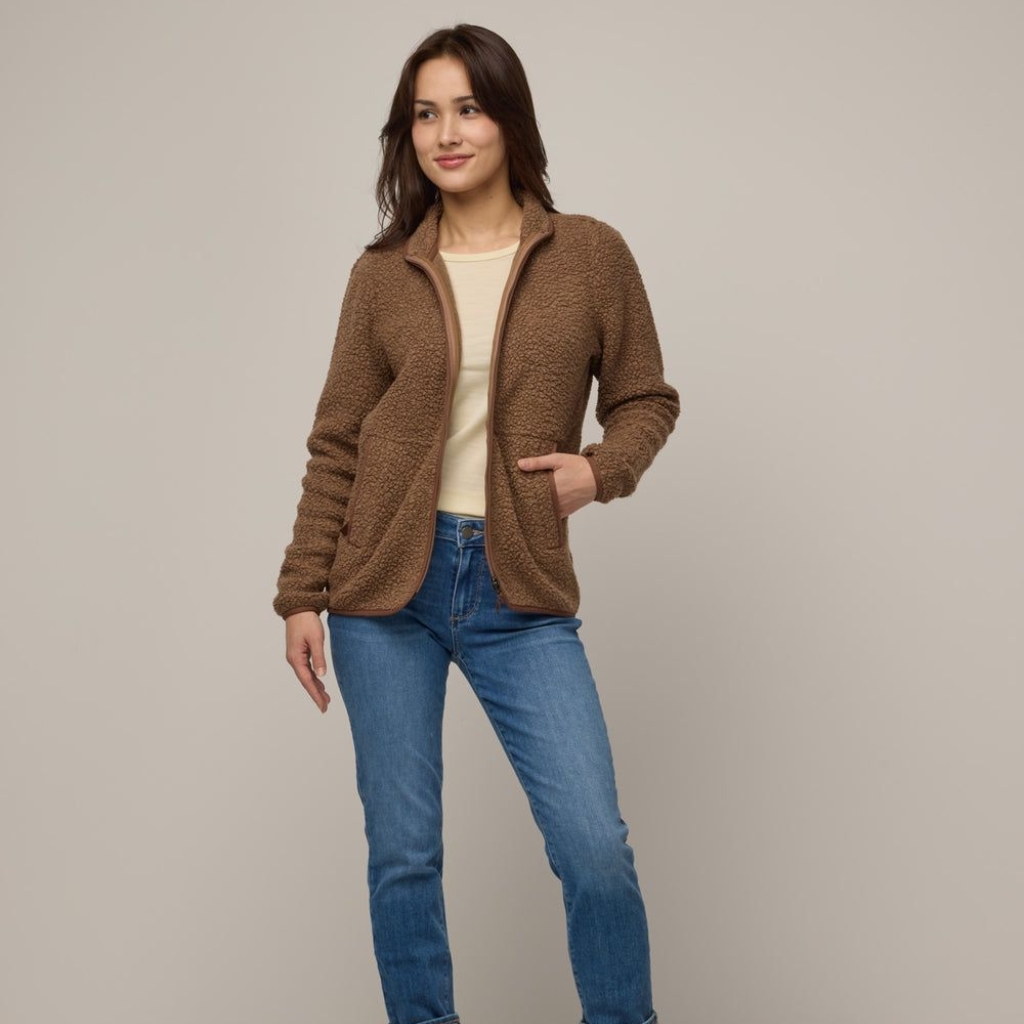
A woman standing in a neutral studio background wearing a brown sherpa zip-up jacket over a light top and blue jeans; she has a relaxed pose with one hand in her pocket.
Cozy and breathable: a comfortable sherpa jacket for everyday wear.

fabric is also known for its breathability. The fibers allow air to flow freely, which prevents sweat from accumulating. It keeps the body fresh, even during busy days. The airflow reduces odors and makes the fabric feel fresh after prolonged use.  Fabric is a great choice for both activewear and casual clothing. It maintains comfort without trapping heat unnecessarily.

Moisture Control: What is it?

Fabric regulates moisture naturally. The fibers absorb the water vapor, before it becomes sweat. This keeps the skin warm and dry at the same. As the air cools, moisture slowly evaporates from the skin’s surface. The body is kept balanced and relaxed.  fabric has a distinct advantage over other fabrics because of its moisture-controlling feature.

Soft Strength Everyday Use

Merino Fleece is a durable fabric that makes it a smart investment. Although the fine fibers may appear delicate, they are incredibly strong. Even with everyday wear, the fabric is resistant to pilling, stretching and tearing. It looks newer longer because it keeps its shape. After stretching, the fibers will return to their original form. Merino Fleece Fabric is durable and will last for many years.

Simple and Easy Maintenance

Fabric can be easily maintained. It can be cleaned with a gentle wash without losing its softness. It dries fast and wrinkles are rare. It is less necessary to wash the fabric because it resists odors. It maintains its smooth finish and color when handled correctly. Merino Fleece fabric is easy to care for and convenient for busy lives. This saves you time and keeps your garment looking neat.

Modern Fashion Style

 A stylish person walking down a sunlit street wearing a cream fuzzy pullover with a V-neck and white top underneath. They have a green bandana around the neck, layered necklaces, and a woven tote bag slung over one shoulder. The individual wears patterned drawstring shorts or loungewear below and has tousled blond hair partially obscuring their face.
Modern Street Style: cozy textures, layered neutrals, and boho accessories.

fabric has become popular in the modern world of fashion. Designers love its elegant drape and smooth surface. Natural shine adds an elegant look to casual clothing. It adds a sophisticated touch to any outfit, whether it’s tailored into jackets or pullovers. Merino Fleece Fabric is perfect for both outdoor and city wardrobes because it combines comfort with style.

Ideal for Active Lifestyles

Alt text (for screen readers): A man with a beard wearing a gray knit beanie, dark sunglasses, and a black hoodie, walking outdoors in a snowy, wooded area.
Man walks briskly through a snowy, forested landscape, dressed in a black hoodie, gray beanie, and dark sunglasses.

Merino Fleece Fabric is a favorite among active people because it moves with the body. The material is stretchy without feeling tight. The material is great for sports, travel, and hiking because it moves well. The breathability of the fabric keeps you dry during exercise. It remains comfortable and odorless even after long hours. Merino Fleece is functional and stylish for active wearers.

Merino fleece fabric is eco-friendly.

Fabric promotes an eco-friendly way of life. The fabric is made from renewable wool and therefore a sustainable option. It breaks down in a natural way, leaving no harmful residue. This reduces the environmental impact of synthetic alternatives. To protect their sheep, farmers often use ethical shearing techniques. Merino fleece fabric represents comfort and responsibility because of these efforts.

Why temperature regulation is important

Fabric is known for its ability to regulate temperature. The fabric keeps you warm when necessary and cool when temperatures increase. Fabrics that trap heat like synthetic fleece do not adjust to temperature changes as easily. The fabric adjusts naturally, unlike synthetic fleece that traps heat. fabric is perfect for indoors and outdoors. It maintains a balance between warmth, breathability, and comfort.

Enjoy the Feeling of Luxury with Every Thread

Fabric is a quiet, luxurious fabric. Silky fibers create an elegant texture. Its natural drape gives it a graceful look on the body. The luxurious feeling does not diminish with time. It remains comfortable even after many years. Merino Fleece Fabric has a timeless appeal due to its combination of smooth texture and refined appearance.

Everyday Versatility in Every Season

A stack of folded knit sweaters in neutral and muted colors (cream, light blue, beige, gray, black, and plum) photographed from the side
Cozy knits: a stack of soft, colorful sweaters ready for chilly days.

Fabric is suitable for all seasons and occasions. It locks in heat during winter. It feels light and airy in spring and autumn. Even during mild summer evenings, it provides gentle comfort. A single piece of clothing can be used for many different purposes because of its flexibility. Merino Fleece Fabric is practical and saves space in your wardrobe.

Odor Resistant for Long-Lasting Freshness

fabric is also popular for its resistance to odors. Natural fibers stop bacteria from growing. The clothing remains fresh for hours after wearing. This fabric is cleaner for longer than synthetic fabrics. This freshness gives travelers and busy people extra confidence. This fabric is more convenient and durable because it has a better odor control.

Freedom of Movement with Every Stitch

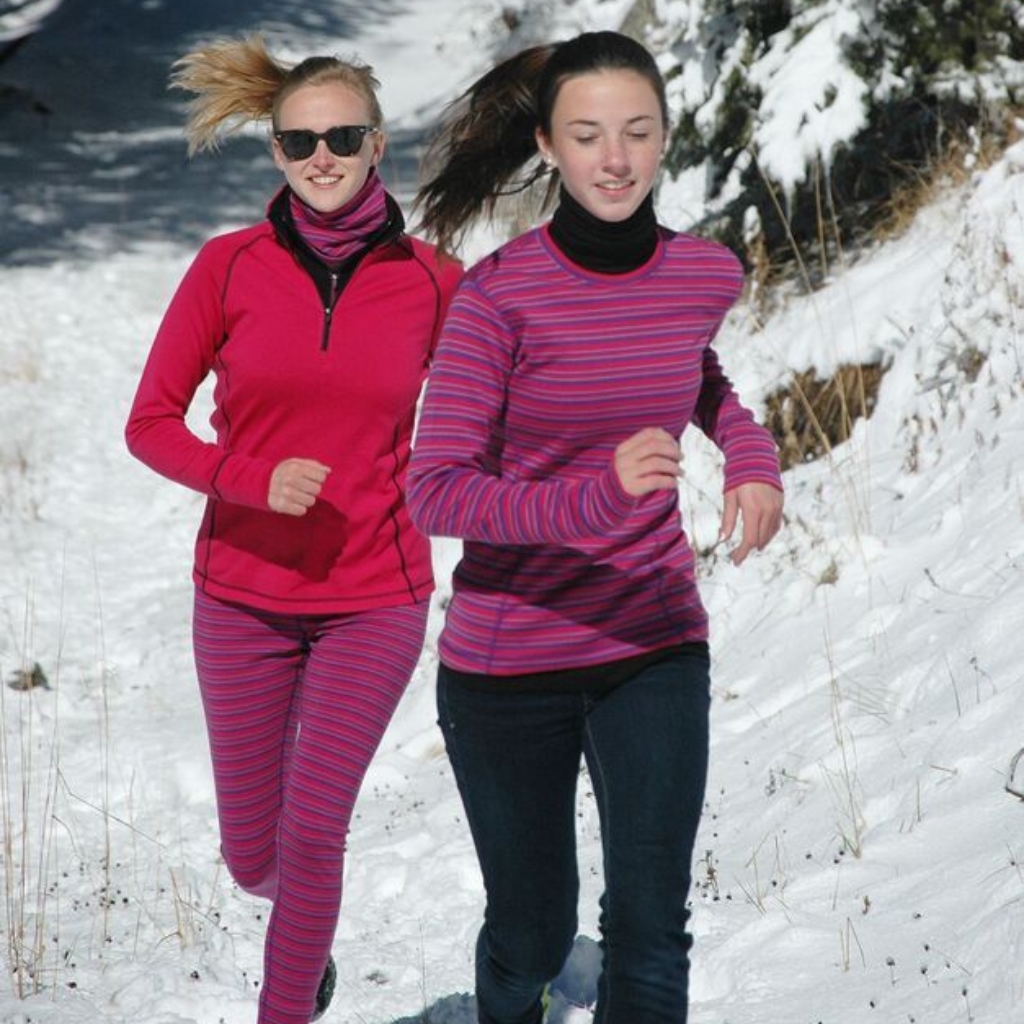
Two women running outdoors in a snowy trail, wearing pink athletic wear; one in a pink long-sleeve top with striped leggings and sunglasses, the other in a striped pink and purple top with dark jeans. Snowy landscape in the background.
Friends enjoy a snowy trail run together.

fabric is flexible and provides a natural, smooth fit. It is softly stretches and returns to shape without wrinkles. It supports all movements comfortably. It allows you to bend, walk or stretch without feeling restricted. Lightweight fabrics are easy to combine with other clothing. Fabric is comfortable and stylish in every season.

Durability that saves money over time

Fabric is more durable than most common materials. The fibers are strong and resist wear. Even after many years of use, the softness is still there. It requires less replacement because it retains its shape and texture. This durability will save you money over time and reduce waste. Merino Fleece Fabric is a durable fabric that will last for years.

Travel and Adventure with Perfect Travel and Adventure

Merino Fleece is a favorite among travelers. It is lightweight and wrinkle-resistant, making it ideal for long journeys. It dries fast after washing, and doesn’t require ironing. The odor-controlling properties of the fabric allow for repeated use without discomfort. fabric is the perfect travel companion because it can adapt to different climates. The fabric is comfortable wherever you are.

The role of design and color

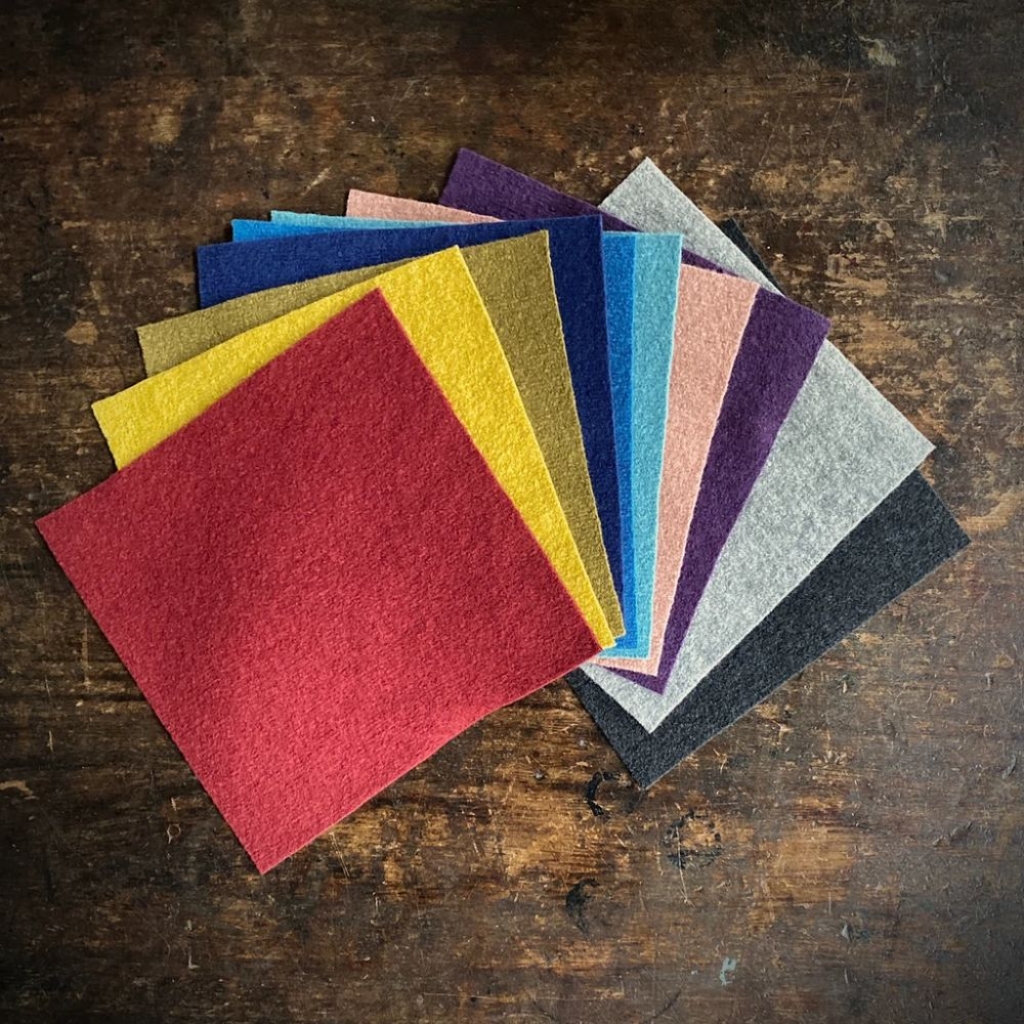
A fan of colorful felt squares arranged in a staggered arc on a dark wooden surface. The squares include red, yellow, gold, olive, blue, light blue, pink, purple, gray, and black tones.
Felt color swatches fanned out on a rustic wood table.

Fabric is a fabric that holds colors beautifully. The fibers are evenly dyed, giving rich and deep tones. Every color, from neutrals to vibrant shades, looks natural and smooth. Designers love the way it blends in with various styles. Elegant finish of the fabric enhances simple or detailed clothing. Merino fleece fabric comes in a variety of colors that tell a beautiful story.

Gentle Touch for Sensitive Skin

Merino Fleece Fabric is smooth and perfect for people with sensitive skin. The fine fibers are easy to bend, which reduces friction and irritation. It keeps skin calm and dry because it breathes. It feels calming after a long time of wearing. It is ideal for both children and adults that prefer gentle clothing.  fabric is gentle on the skin.

Why people prefer natural comfort

People are choosing more natural fabrics than synthetics. fabric offers natural comfort with no compromise. It is warm, stylish, and promotes sustainability. This fabric is perfect for buyers who are conscious. This fabric is gaining worldwide attention as awareness increases. Merino Fleece fabric combines nature and modern living in a beautiful way.

Soft, Sustainable Fashion is the Future

fabric is leading the fashion industry’s shift to sustainability. The fabric’s durability and renewable source make it perfect for future clothing designs. It is being used by more brands in everyday clothing. Comfort, elegance and responsibility are all combined to ensure that this fabric will remain popular. Merino Fleece Fabric is the future in soft, sustainable fashion.

Conclusion:

Merino Fleece Fabric combines nature’s comfort and modern style. It is lightweight and keeps you warm without feeling heavy. Fine fibers allow for good airflow, ensuring comfort at all times. The fabric’s elegant texture, ease of care and lasting softness create a perfect balance in daily life. This fabric is a perfect blend of warmth, style, and responsibility. Merino Fleece Fabric is the best choice for comfort, style and durability.

1. What is Merino Fleece Fabric made from?

Merino Fleece Fabric is made from the fine wool of Merino sheep. The soft fibers create a warm, breathable, and lightweight fabric.

2. Is Merino Fleece Fabric good for all seasons?

Yes. Merino Fleece Fabric adjusts naturally to temperature, keeping you warm in cold weather and cool during warmer days.

3. Does Merino Fleece Fabric cause itching?

No. Merino Fleece Fabric feels smooth and gentle because the fibers are finer than human hair, making it safe for sensitive skin.

Green Wool Fabric: Eco-Friendly Elegance for Modern Fashion

0

Given the growing emphasis on sustainability, green wool fabric combines luxury, warmth and eco-friendliness. It provides comfort and elegance, and bow enhances eco-friendliness. Used in apparel, upholstery and accessories, green wool provides charm and sophistication.

This guide will cover what green wool fabric is, its unique qualities, benefits, and uses, and its place as one of the most sustainably natural fabrics.

🧵 What Is Green Wool Fabric?

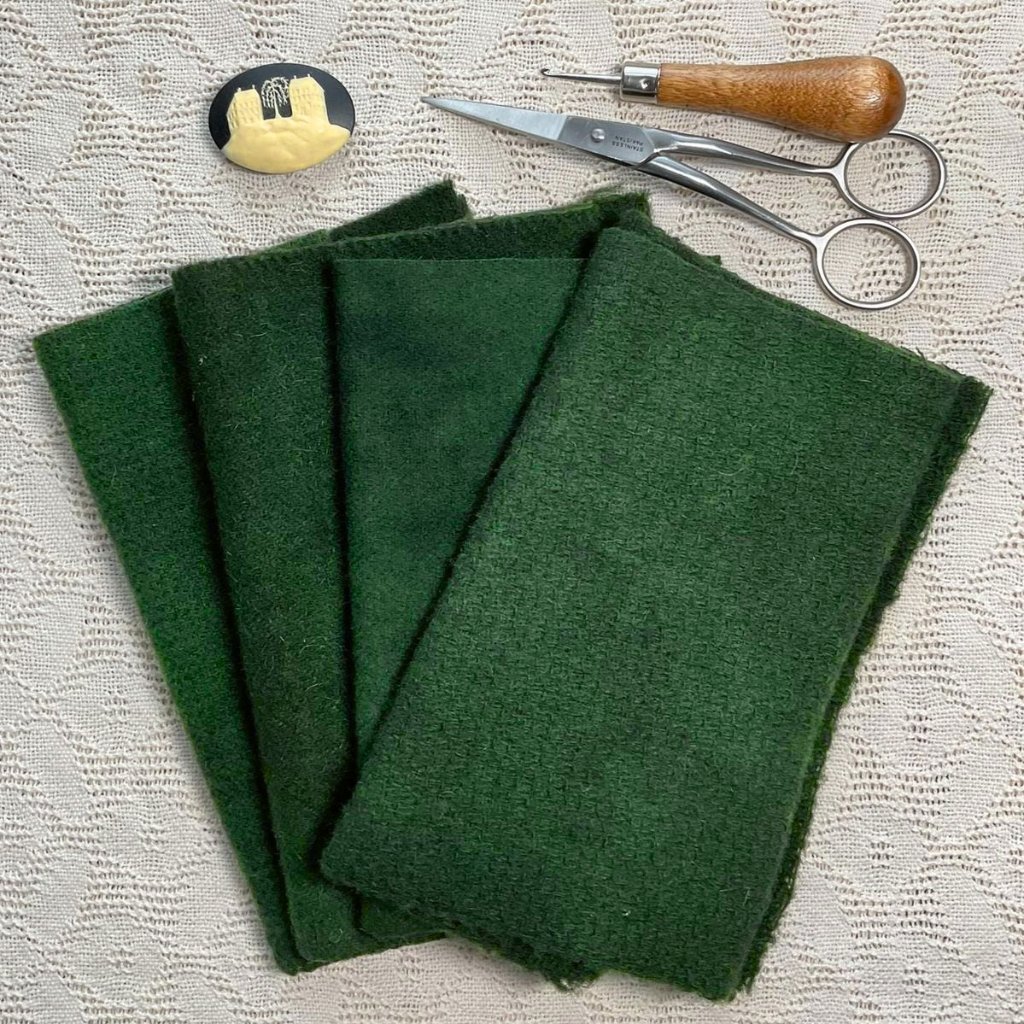
A collection of craft supplies on a lace tablecloth: four dark green felt sheets stacked in a fan, with a seam/rimmed pair of small scissors and a wooden-handled tool nearby; a small yellow-and-black pin or button sits at the top left.
Green felt sheets with scissors and a fiber tool on a lace background.

Green wool fabric refers to wool that is dyed in shades of green or produced through sustainable and environmentally friendly means. In this way, the term green holds dual meaning. Eco-friendly and through color, green.

In the textile world, green wool can refer to: 1. Wool dyed in natural or synthetic green pigments and 2. Eco-friendly wool which is sustainably farmed, dyed with low-impact methods, and and chemically nonpolluting. Whichever the case, all green wool fabric enjoys the natural warmth, comfort, and ethical craftsmanship which makes it loved by designers and more and more aware consumers. Learn about…Blue Wool Fabric

🌿 The Origin and Production Process

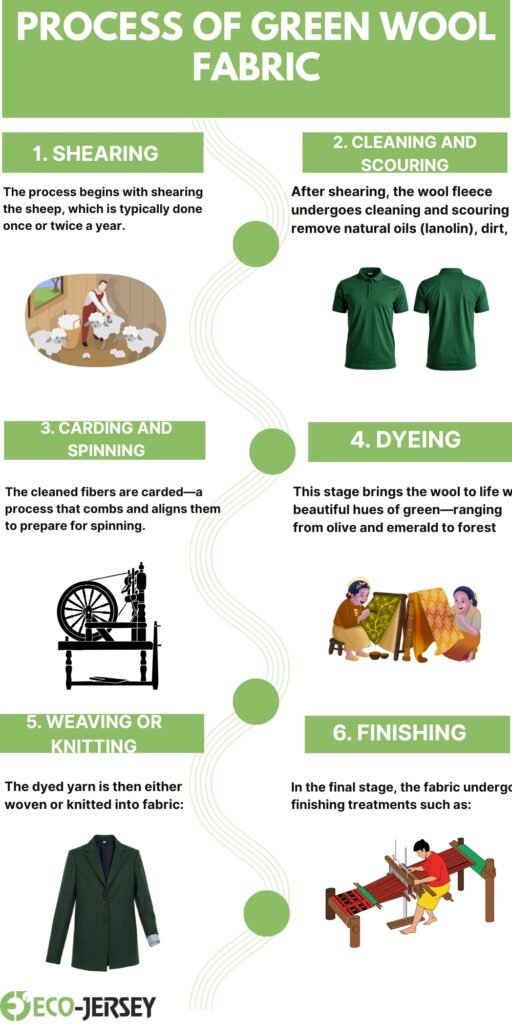
An infographic titled “Process of Green Wool Fabric” showing six steps: 1) Shearing, with a sheep herder shearing a sheep; 2) Cleaning and Scouring, with two green polo shirts; 3) Carding and Spinning, with a spinning wheel; 4) Dyeing, with people dyeing yarn; 5) Weaving or Knitting, with a green coat; 6) Finishing, with a weaving loom and workers.
Process of Green Wool Fabric: Shearing, Cleaning and Scouring, Carding and Spinning, Dyeing, Weaving/Knitting, and Finishing—an eco-friendly journey from sheep to finished fabric.

Creating green wool fabric requires steps taken to ensure softness, strength, and most importantly, environmental value.

1. Shearing

It all begins with shearing sheep which is done once or twice a year. The fleece is removed by a skilled shearer without any harm to the animal. Farms that care for the sheep and they are humanely sheared.

2. Cleaning and Scouring

Wool fleece is cleaned by washing it with water and soap to remove lanolin, dirt, and plant matter, or, if eco conscious mills wait for cleaned fleece to wash with biodegradable detergents and recycled water systems to reduce environmental impact.

3. Carding and Spinning

The cleaned wool is carded (combed) to align the fibers before it is spun into yarn. The yarn can be tightly or loosely twisted for different textures.

4. Dyeing

In this process, the wool is dyed different shades of green—from olive and emerald to forest and mintSustainable brands tend to use plant-based or low-impact dyes such as indigonettle, or chlorophyll.

5. Weaving or Knitting

The dyed yarn is either woven or knitted into a fabric. Weaving produces a durable, structured textile suitable for coats or upholstery, while knitting creates soft, flexible fabrics that are ideal for sweaters or scarves.

6. Finishing

In the final step, finishing treatments such as softeninganti-piling, and control of shrinking are applied to the fabric for comfort and to enhance performance.

🌈 Shades of Green Wool Fabric

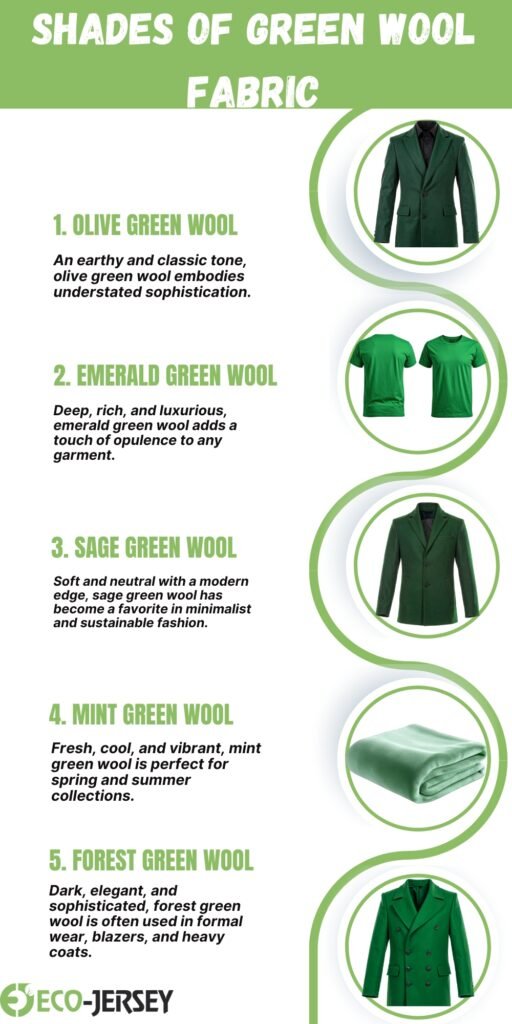
Infographic titled ‘Shades of Green Wool Fabric’ showing five green wool shades with brief descriptions and circular photos of garments (olive, emerald, sage, mint, forest) along a white background with green accents.
Shades of Green Wool: olive to forest tones and how each green wool shade elevates fashion.

Green wool is a calming color that is soothingnatural, and aesthetic. Green is associated with harmonyrenewal, and balance. The common shades of green are:

  • Olive Green Wool: Earthy and classic, perfect for outerwear or tailored suits.
  • Emerald Green Wool: Deep and luxurious, ideal for statement pieces.
  • Sage Green Wool: Soft and neutral, often used in modern minimalist fashion.
  • Mint Green Wool: Fresh and light, perfect for spring and summer apparel.
  • Forest Green Wool: Dark and sophisticated, suitable for coats, blazers, and formal wear.

The many shades of green wool fabric offer endless possibilities for both fashion and interior design. Read more…Shearling Wool Fabric

✨ Attributes of Green Wool Fabric

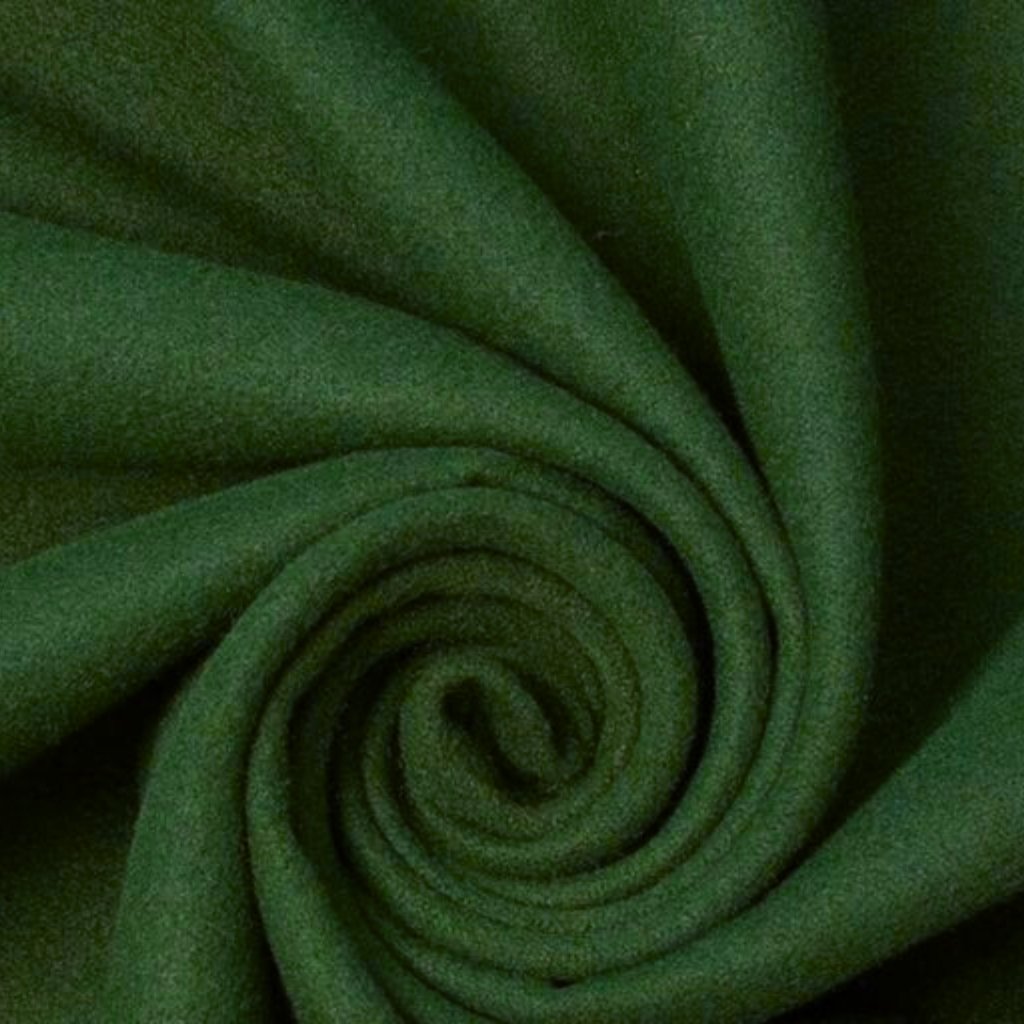
A close-up photo of dark green soft fabric folded into a spiral, creating concentric curves and a subtle texture.
Soft, deep-green fabric folded into a graceful spiral.

Green wool is appreciated for its rich texture and softness, combined with its natural elasticity. Here are the defining traits of green wool:

  1. Natural Warmth: The insulation properties of green wool is the result of the wool fibers trapping air pockets.
  2. Soft Texture: It is smooth and soft to touch and is also gentle to the skin, particularly the fine wools (Merino and Cashmere).
  3. Breathability: It allows excess moisture to evaporate from the skin, thus keeping the wearer dry.
  4. Elasticity: The fabric stretches to a certain degree with movement, and then immediately returns to the original shape.
  5. Durability: Fine wool is very durable and has a high resistance to wear and tear.
  6. Eco-Friendliness: It is a renewable, biodegradable, and recyclable resource.
  7. Wrinkle Resistance: It has a high resistance to abrasions which means less ironing is needed to keep the fabric looking polished.

🌟 Why Green Wool Fabric Is Sustainable

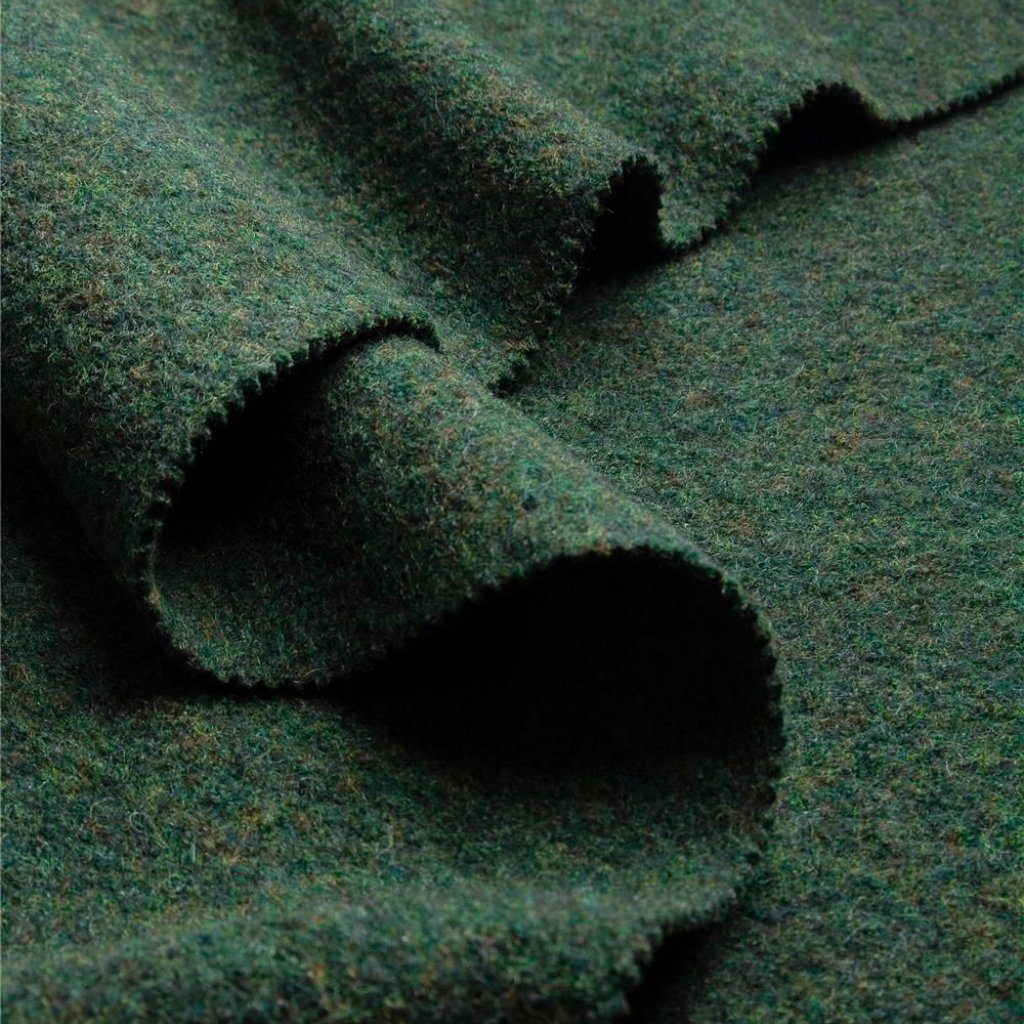
Close-up of dark green felt or wool fabric with a soft, fuzzy texture and curled folds.
A rich, forest-green felt fabric drapes in curling folds, highlighting its plush, textured surface.

Wool is one of the most sustainable fibers provided its production is eco-friendly and supports ethical fashion.

1. Renewable Resource

Wool is a renewable natural resource, as sheep naturally regrow their fleece every year.

2. Biodegradable Fiber

It decomposes and returns to the soil upon disposal, and during the process, it enriches the soil and adds important nutrients.

3. Energy Efficiency

Wool garments require less frequent washing and for a longer duration, which results in lowered energy and water usage.

4. Non-Toxic Dyeing

Many producers now use eco-friendly dyes to achieve green tones without releasing harmful chemicals.

5. Ethical Farming

Certified farms guarantee the welfare of the animals, ethical treatment of the workers, and proper stewardship of the land.

For these reasons, green wool fabric looks great, and is good for the environment! Read more…Faux Fur Wool Fabric

👗 Applications of Green Wool Fabric

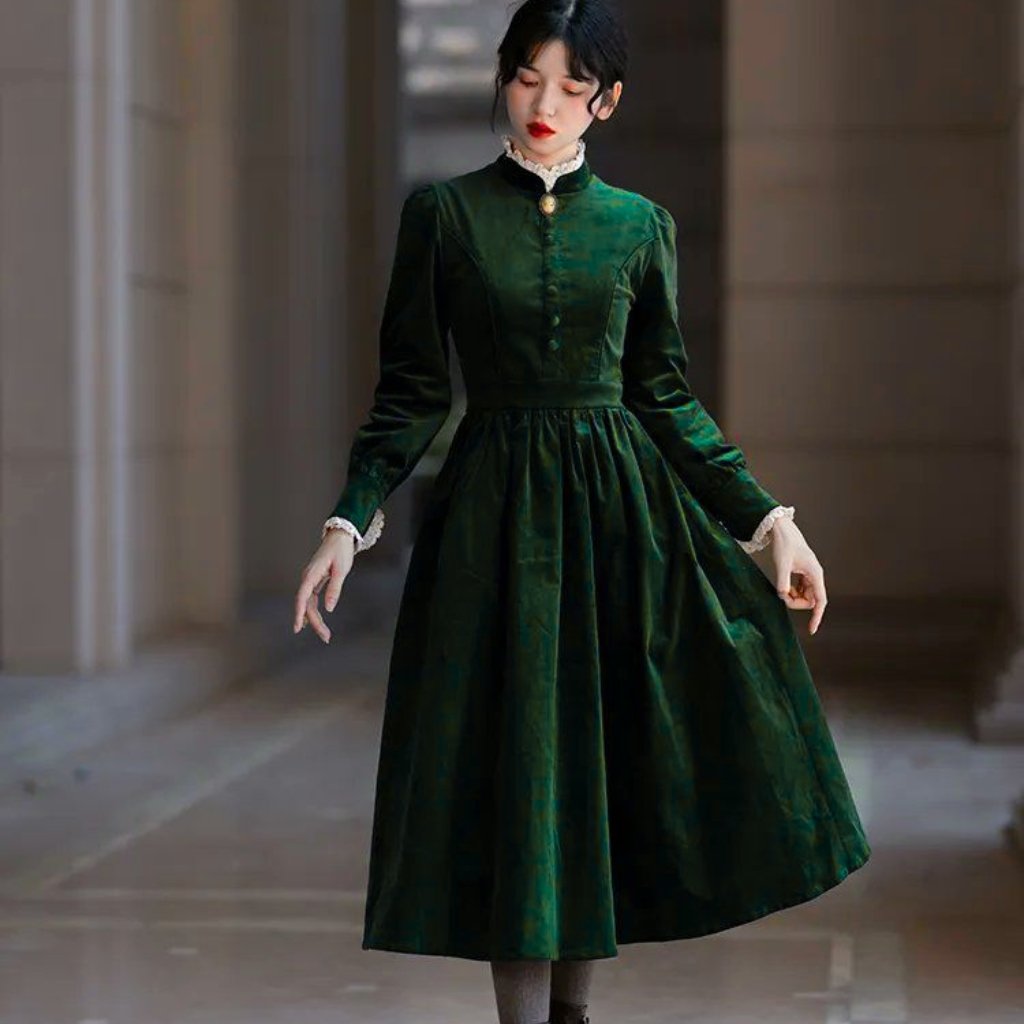
A woman wearing a dark emerald green velvet vintage-style dress with long sleeves, a high collar, lace cuffs, and a full skirt. She stands in a softly lit architectural corridor.
Elegant vintage wool gown in deep emerald green.

Due to its remarkable durability and visual beauty, green wool is widely utilized.

1. Fashion and Apparel

Green wool is a favorite for many designers, especially for:

  • Coats and Blazers: Wool in olive and forest green hues adds a layer of timeless sophistication.
  • Suits and Trousers: A staple for the fall and winter season wardrobes.
  • Sweaters and Cardigans: Comfortable and warm casual wear.
  • Scarves and Shawls: Luxurious wool scarves and shawls, perfect for the winter season.

2. Home Décor and Upholstery

Green wool fabric imparts a sense of richness and tranquility to the home. It is frequently used in upholstered furniture, curtains and drapes, and throw blankets and cushions.

3. Accessories

Green wool hats, gloves, and handbags are stylish, eco-friendly, and sturdy, providing functional and sustainable fashion.

4. Eco-Friendly Textiles

For their eco-aware collections, sustainable brands target ethical consumers by using organic green wool.

💎 Benefits of Green Wool Fabric

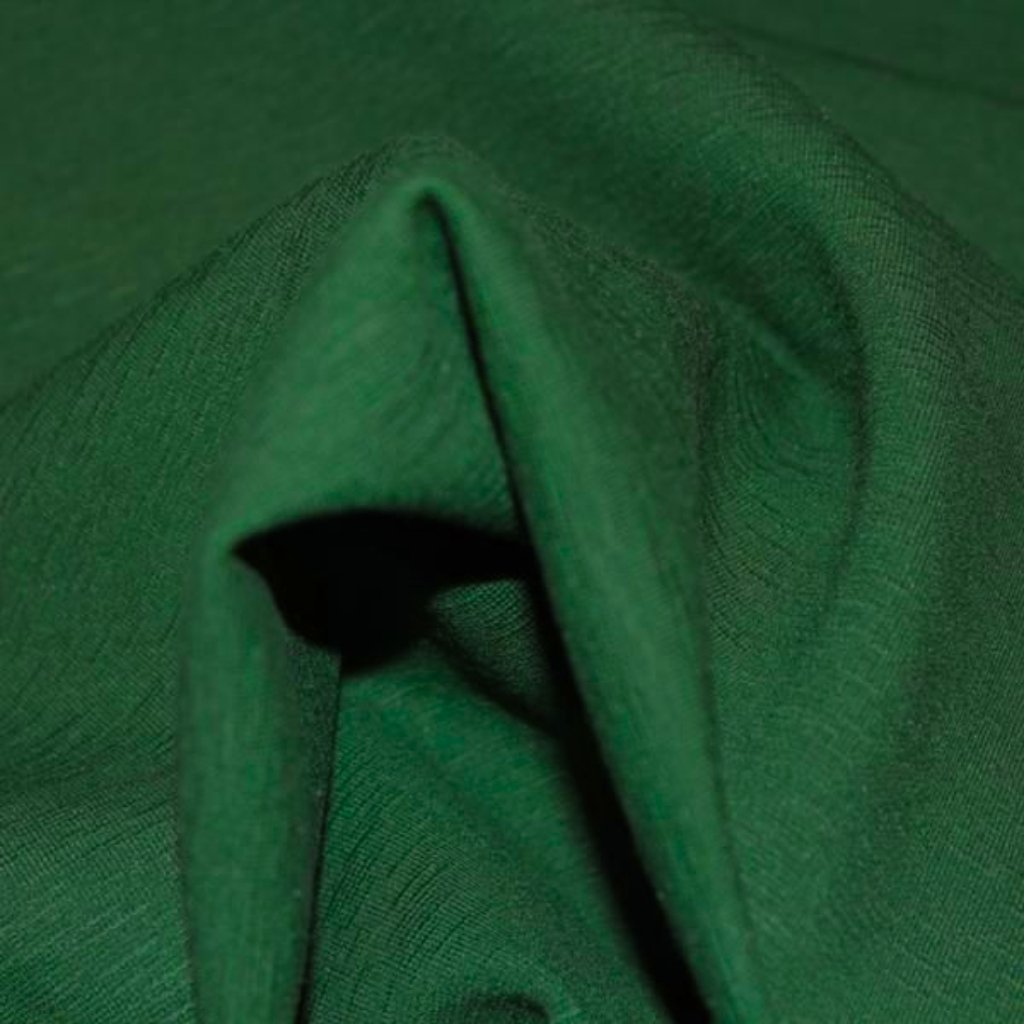
A close-up shot of dark green fabric with folds and a seam, creating a small pocket-like opening and shadows.
Close-up of rich green fabric with dramatic folds and shadows.
  1. Stylish and Versatile: The light hue of green matches with many colors which improves adaptability.
  2. All-Season Comfort: The fabric will help keep you warm in the winter and cool in the summer.
  3. Long-Lasting: Durable garments reduce fast fashion and textile waste.
  4. Easy Maintenance: Wool does not require frequent washing as it resists odors.
  5. Sustainable Choice: The fabric does not harm the environment as it uses renewable resources.
  6. Elegant Look: Green is calming and adds a touch of sophistication.EXIT

⚙️ Green Wool Fabric in Contemporary Fashion

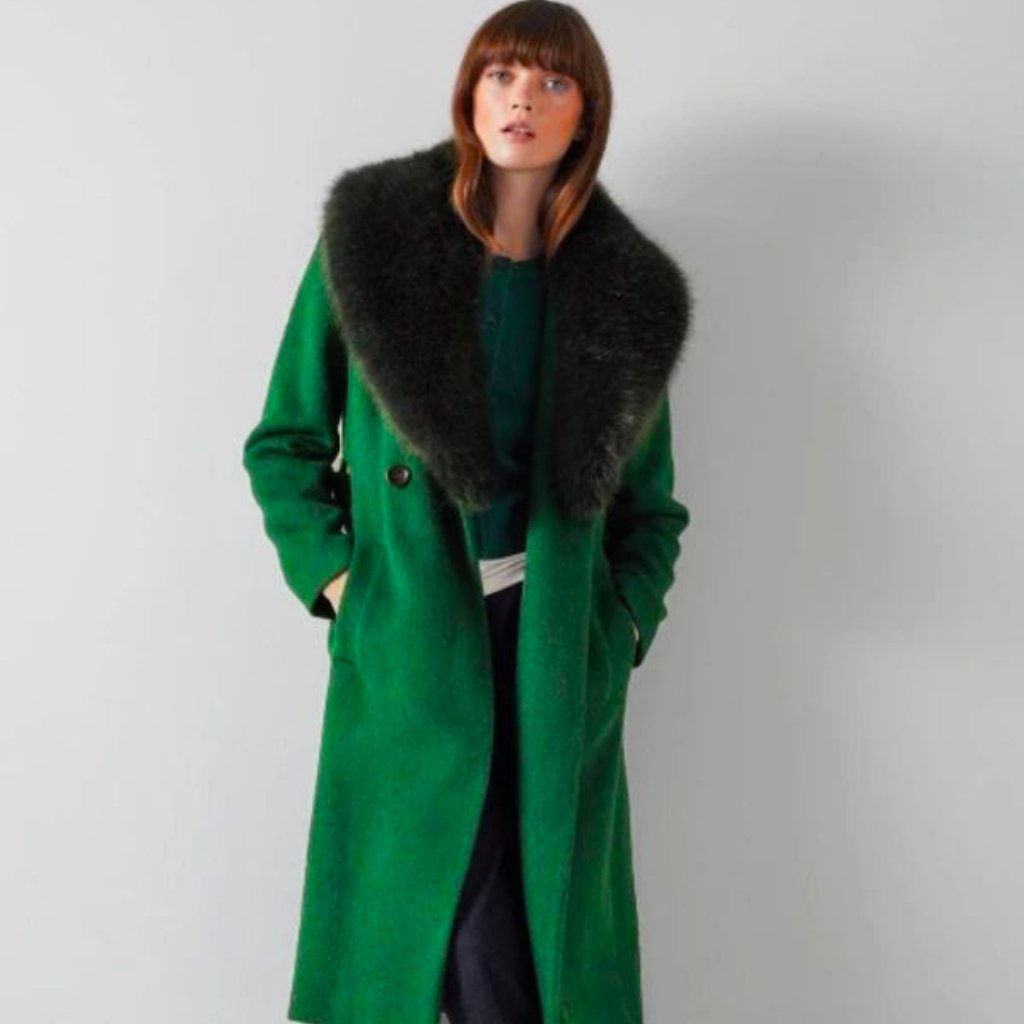
A woman wearing a vibrant green long coat with a large dark fur collar, standing against a light gray wall with hands in her pockets.
Bold Green Coat with Plush Fur: Statement Outerwear

Currently, more designers appreciate the appeal of green wool fabrics for their eco-conscious appeal and timeless beauty. Fashion houses are combining classic tailoring with eco-friendly materials, allowing clothing to look elegant while being planet-friendly.

For professionals who appreciate style and sustainability, green wool suits, coats, and skirts are essential closet pieces. Moreover, a greater number of high-end and luxury brands are providing their wool collections with eco-conscious titles like “eco-wool” and “responsibly sourced wool.

🧺 Caring for Green Wool Fabric

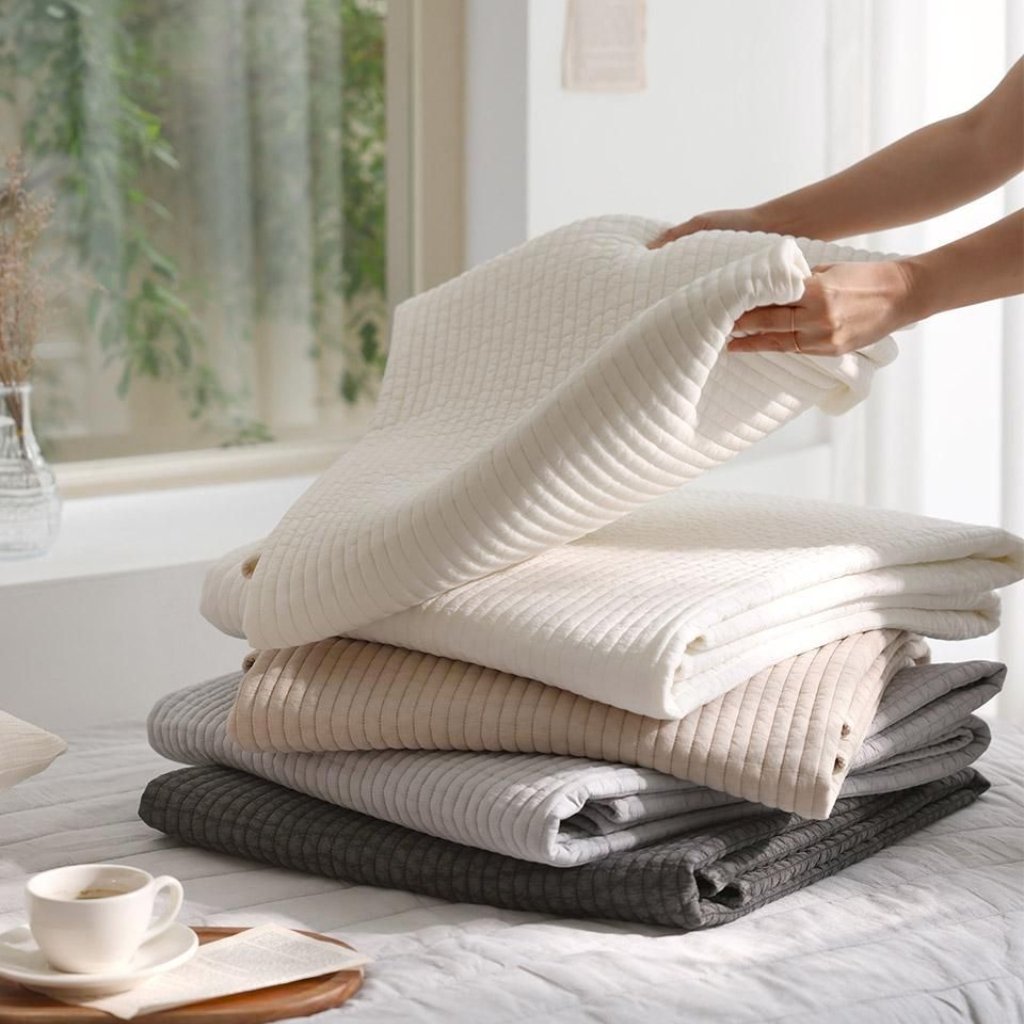
A stack of neatly folded ribbed blankets in neutral colors (cream, beige, taupe, light gray, charcoal) on a bed, with someone folding the top blanket. A cup of coffee and a small book sit nearby near a bright window.
Cozy, ribbed blankets stacked and being folded, creating a soft, inviting bedroom scene.

The following instructions will help in caring for your green wool garments:

  • Dry Clean Preferred. No alternative cleaning method will maintain the structure and color as well as a professional cleaner.
  • Hand Wash with Care. If a home wash is desired, use cold water and wool detergent, and thereafter treat as stated under the next bullet.
  • Avoid Heat. Never tumble dry; reshape and air dry flat.
  • Iron on Low. Use steam with a pressing cloth to avoid shine.
  • Store Properly. Place garments in breathable, moth-proof covers.

Longevity and beauty of green wool garments is achieved with proper care. Decades will pass and the rich texture and natural sheen will be preserved. Read more…Read more…Polar Fleece Wool Fabric

The Future of Green Wool in Sustainable Fashion

Slow fashion has increased the demand for eco-friendly materials and, within this expanding demand, green wool has found its niche. It offers natural elegance and responsible production simultaneously.
Innovation in recycled wool fibers, plant-based dyeing, and zero-waste design has and will continue to help the textile industry become greener. With the increased emphasis on sustainability, green wool fabric will continue to be indicative of timeless, ethical fashion. Read more…Chenille Wool Fabric

💬 Final Thoughts

Green wool fabric combines style, sustainability, and comfort. If you dressing with sophistication in mind or designing apparel that is eco-conscious, this fabric will offer you warmth, breathability, and elegance.

When you select green wool, you guarantee quality and conserve the earth. Its natural beauty, versatility, and durability will always make it the fabric of choice for contemporary fashion and interior design.

Adopting green wool is not a passing fad; it is a lifestyle of responsibility, innovation, and love for the environment.

FAQs

What is green wool fabric used for?

It is great for coats, suits, sweaters, scarves, upholstery, and décor. It brings warmth and a rustic aesthetic.

Is green wool fabric sustainable?

Yes, it is constructed of renewable, biodegradable wool fibers and was dyed using eco-friendly methods.

Can green wool be machine washed?

Hand washing or dry cleaning is better to preserve the softness and color.

Chambray Cotton Fabric: Features, Uses, and Care Guide

0

Chambray is a versatile, stylish fabric. Chambray is often mistaken for denim but has its own charm. It has the casual appeal and lightness of cotton with the casual appeal of jeans. This makes it an excellent choice for summer dresses, shirts, and t-shirts. This fabric is popular with designers, consumers, and home sewers alike because of its soft texture.

Chambray cotton is a great choice for today’s fashion, when comfort and sustainability are more important than ever. It is comfortable, easy to style, and durable. This fabric is perfect for making a crisp shirt or jacket. It can also be used to create home decor. Understanding the fabric’s characteristics and benefits will help you get the most out of your projects.

What is Chambray Cotton Fabric ?

A stack of folded blue denim fabrics and jeans with varying shades of blue, showing texture and frayed edges.
Stacked blue denim fabrics and jeans in a range of tones.

Chambray fabric is made of 100% cotton yarns. It is usually a plain-weave fabric with a blue warp and a weft of white. It is this that gives chambray a signature light blue color, similar to denim yet much lighter and softer. It’s made in a one-over-1 pattern, not a twill. Chambray is breathable and soft to the touch.

Contrary to heavy denim that feels stiff, chambray drapes softly. It is ideal for everyday use because of this quality. The chambray material can also be dyed in a variety of shades ranging from pale blue sky to deep indigo. The classic texture of chambray and its subtle sheen give casual clothing a refined appearance.

A Brief Histories of Chambray

A grand, ornate stone fountain with statues in a sunlit European square, surrounded by classic multi-story buildings.
A sunlit square surrounding a historic ornate fountain with classical statues.

The origins of chambray can be traced back to Cambrai in France, in the 1500s. The word “chambray”, which is derived from the fine linen fabric made in Cambrai, comes from this name. Cotton replaced linen over time and the weaving pattern evolved to what we know today as chambray.

In the 19th century chambray was popularized as a workwear fabric and uniform due to its comfort and durability. The term “blue-collar” was coined by American workers for their blue chambray shirt. It was originally a fabric that workers used, but it slowly entered the fashion world. Chambray shirts have become a staple in both men’s and women’s wardrobes.

The chambray journey from its French origins to the global fashion runways proves that it is timeless. The ability to combine style and functionality keeps chambray relevant in changing trends.

How Chambray Cotton is Made

The plain weave technique is used to create chambray fabric. The warp yarns, which are usually dyed indigo, remain undyed or white. This combination creates a textured and subtle color look.

Chambray is a lightweight fabric that allows for air circulation. Cotton fibers absorb sweat, keeping you cool and comfortable. The fabric’s smooth, non-pilling surface is also a plus. It feels soft on the skin.

The following steps are usually involved in the production process:

  1. Yarn preparation: High quality cotton fibers are spun to fine yarns.
  2. Dyeing – Only the warp and weft threads of the fabric are dyed.
  3. Weaving The yarns have a plain weave.
  4. Finishing : Fabric is softened and washed. Sometimes it’s treated to reduce shrinkage or wrinkles.

This process is simple but thoughtful and creates a fabric which looks luxurious, yet remains practical.

Chambray Cotton Fabric: Key Features

Chambray fabric is a versatile cotton fabric that has many qualities.

  • Breathable and Soft: The plain-weave structure allows air to pass, allowing the body to stay cool.
  • Durable and Lightweight: Chambray is soft but holds its shape.
  • Texture Smooth: The smooth texture is suitable for those with sensitive skin.
  • Versatile Appearance The fabric’s cross-dyed appearance pairs easily with colors and patterns.
  • Easy Sew: The stable weave is suitable for beginners.
  • Easy Maintenance: Chambray is machine washable and can be ironed.

Due to these qualities, chambray is a popular fabric for casual and semiformal clothing.

Chambray and Denim: What is the difference?

Denim and chambray may look alike, but they are very different. Although they both use white and colored weft yarns with colored warps, their weaving patterns make them different.

FeaturesChambrayDenim
Weave typePlain weaveTwill weave
TextureSmooth and softTextured and firm
WeightLightweightHeavy to medium
BreathabilityHighly BreathableLess Breathable
Common UsesShirts and dressesJeans, jackets, skirts

Chambray is woven with a plain-weave, which makes it feel lighter and smoother. Denim is heavier and more rugged because of its diagonal twill weaving. Denim is best for structured clothing and warm climates, while chambray suits relaxed styles.

The fabrics are both blue, but chambray has a more relaxed, elegant look.

Chambray Cotton Fabric

Chambray is a versatile and stylish fabric that offers many benefits.

Infographic titled ‘Chambray Cotton Fabric’ with five sections: Comfortable All Year Round, Elegant Appearance, Durability, Skin-friendly, and Sustainability. Each section has descriptive text and circular icons on the right showing a bed, a flower, a plant, a recycling symbol, and a handshake with green accents.
Chambray Cotton Fabric: lightweight, elegant, durable, skin-friendly, and sustainable for all-year comfort.

1. Comfortable All Year Round

Chambray cotton fabric has a lightweight and breathable quality, making it ideal for summer days. When layered it can provide moderate warmth during cooler seasons. It’s an all-season material.

2. Elegant Appearance

Chambray’s fine weave and subtle sheen give garments an elegant, polished appearance. You can dress it up or down with ease.

3. Durability

Chambray is surprisingly durable, even though it’s softer than denim. The tight weave makes the fabric more durable.

4. Skin-Friendly

It is hypoallergenic because it is made from natural cotton fibers. It is suitable for people with sensitive skin.

5. Sustainability

Cotton chambray can be made using environmentally friendly processes and is biodegradable. Most manufacturers use organic cotton, low-impact dyes and other eco-friendly processes.

Uses Popular of Chambray Cotton Fabric

Chambray is versatile. It can be used for many different types of clothing or home goods. Some of the most popular uses are:

Infographic titled ‘Uses Popular of Chambray Cotton Fabric’ with green circular icons showing shirts, dresses, trousers, children’s clothing, home decor, and more; each section has a short description about chambray cotton fabric.
Uses popular chambray cotton fabric for shirts, dresses, trousers, children’s clothing, and home decor.

1. Shirts

Chambray shirts have become wardrobe staples. The rugged look of denim is combined with the comfort and softness of cotton. They are perfect for relaxed weekends or casual Fridays.

2. Dresses, skirts and dresses

The lightweight chambray drapes beautifully and is ideal for dresses and skirts in the summer. It goes well with lace, embroidery and decorative stitching.

3. Trousers and shorts

Chambray is a great alternative for those who like denim but don’t like its weight. Chambray shorts and pants are cool and comfortable, they move well and keep their structure. Read more….Pima Cotton

4. Clothing for Children

Chambray cotton makes a great fabric for children’s clothing because it is breathable and gentle. Its softness and easy care are appreciated by parents.

5. Home Decor

Chambray’s use is not limited to fashion. Also, it’s used for tablecloths, curtains, and cushion covers. The subtle blue tones add a coastal feel to interiors. See more….Pique Cotton Fabric

Chambray is ideal for summer

A minimalist clothing rack with a row of light-colored shirts and garments hanging on white hangers. A straw hat with a black band rests on the right end of the rack. The background is a plain, light-colored wall.
Light, airy closet vibes: neutral-toned outfits on white hangers with a straw hat.

Chambray cotton is one of the few fabrics that performs well in hot climates. It’s natural fibers allow moisture to evaporate quickly. The plain weave increases airflow and keeps the body cool and dry.

Contrary to synthetic fabrics, Chambray does not trap heat. The lightweight fabric and moisture-absorbing properties make it perfect for outdoor wear. Chambray is a great fabric for summer wear, whether you’re at the beach all day or going to a brunch.

Care for Chambray Cotton Textile

Row of coats and sweaters in earthy tones hanging on white hangers along a clothing rack.
A spectrum of cozy neutrals—knits and outerwear in green, brown, and beige—on a minimalist rack.

It is important to maintain the color and quality of chambray fabric. It’s very easy to use. To extend its lifespan, follow these tips:

  1. Washing : Use lukewarm or cold water to avoid fading. It is best to use a gentle detergent.
  2. When possible, air-dry. When using a hair dryer, choose a low-heat setting.
  3. Ironing: Iron when slightly damp to get the best results.
  4. Storage Store folded clothing in a cool and dry location away from direct sunlight.

Even though chambray is prone to wrinkles, these creases can enhance the relaxed look. If you want a crisp, clean look, iron the fabric smooth. For casual wear, a few light wrinkles will add character. Read more…Damask Cotton Fabric

Eco-Friendliness and Sustainability

Chambray fabric is a good option for consumers who are more aware of their impact on the environment. Many manufacturers now use Organic Cotton which reduces pesticides and conserves water. low impact dyes also reduce pollution.

It decomposes in a natural way, unlike polyester and other synthetic fabrics. It is easily recyclable or repurposed. Its long life means that it will require fewer replacements. This reduces textile waste.

Choose chambray to enjoy stylish comfort and support environmentally friendly practices.

Style Tips for Chambray Cotton

Grey short-sleeve crew-neck T-shirt shown from the front and back, plain design, no logos.
Plain grey short-sleeve T-shirt

Chambray is a favorite because of its versatility. It can be worn in many different ways.

  • Combine a Chambray shirt and white trousers to create a nautical, crisp look.
  • Combining a Chambray Dress and leather sandals will give you a summer look that is effortless.
  • For casual weekends, layer a Chambray Jacket on top of a printed T-shirt.
  • For a contemporary twist, use chambray accessory such as scarves and tote bags.

Due to its neutral tone chambray goes well with bright colors, whites and neutrals. You can be creative with chambray. See more….Gingham Cotton Fabric 

Why Designers Love Chambray

A tailor in a workshop measures and adjusts a navy blue suit jacket on a dress form using a measuring tape.
“Tailor at work: Measuring and fitting a suit for a perfect cut.” ” precision in every stitch: a tailor’s careful fitting session.” “Custom tailoring in progress: navy suit being measured for a flawless fit.”

Chambray is a flexible fabric that designers love. It can be tailored to create structured garments, or left loose to create flowy designs. It also accepts embroidery and other decorative finishes well.

It maintains its shape because chambray does not stretch too much. Many premium brands use chambray in their wardrobe staples because it is durable. The fact that it can be worn in both casual and formal settings adds to its popularity.

Chambray Home Decor

A warmly lit, rustic bedroom with a large wooden wardrobe, a bed with neutral linens, woven chairs, and a tall bookshelf against the wall.
A serene, sunlit retreat: a sun-kissed bedroom with natural wood furniture, airy linen bedding, and cozy woven accents.

The soft texture of chambray and its soothing color palette makes it perfect for interior design. Cushion covers, table runners, and curtains made of chambray add a coastal feel to your home. The natural look and feel of chambray enhances comfort, while still maintaining a stylish aesthetic.

Chambray is durable and washable and can be used in areas that are frequently used, such as living rooms, dining rooms, and kitchens.

The Timeless Appeal Of Chambray Cotton Fabric

Chambray fabric is a classic blend of comfort, elegance and practicality. Its origins in France and its current popularity have proven that it is a fabric which adapts easily to different styles. The fabric’s softness, light weight and breathability make it a must-have for clothing and home decor.

As fashion continues to evolve, chambray remains relevant–sustainable, versatile, and always stylish. Chambray cotton fabric is a must-have for any designer, home sewer or person who enjoys comfortable clothing.

A chambray item can last years with proper care. It will become softer and prettier over time. This fabric is timeless, and it will never go out of fashion.

FAQs

What is chambray cotton fabric?

Chambray cotton fabric is a plain-weave textile made from 100% cotton. It uses colored warp yarns and white weft yarns, giving it a soft, denim-like appearance but with a much lighter feel.

How is chambray different from denim?

Chambray and denim look similar, but their weave structure is different. Chambray uses a plain weave, making it soft and breathable, while denim has a twill weave that makes it thicker and more durable.

Is chambray fabric good for summer?

Yes. Chambray cotton fabric is lightweight, airy, and moisture-absorbent, making it an excellent choice for hot and humid weather.

Blue Wool Fabric: Complete Guide to Types Benefits and Uses.

0

In the world of classic fabrics, few can equal the versatility and elegance of blue wool fabric. Wool dyed in blue shades are used from fine suits to home décor. The warm and luxurious blue shades convey sophistication. Designers and consumers appreciate the blue shades from soft sky to deep navy.

This guide details everything you need to know about blue wool fabric, its types, benefits, uses, care instructions and how it’s made. You’ll also learn why blue wool fabric continues to dominate the world of fashion and interior design.—

🧵 What Is Blue Wool Fabric?

A close-up view of a soft, royal blue fabric twisted into a gentle spiral fold with rich texture and subtle shading.
A close-up of a blue fabric twist, showcasing its plush texture and vibrant color.

Blue wool fabric is a natural textile product made from sheep fleece and dyed different shades of blue pre and post weaving. The base material,, pure wool fibers, is highly sought after for its strength, warmth, and ability to keep a person cool and comfortable.

When these fibers receive blue dye, they develop a certain richness and calmness, which is very alluring and functional. Blue wool, whether light blue in casual attire or dark navy in formal suits, is classic and comforting to wear, signifying the perfect blend of luxury and comfort.

Wool is unique and valuable because of its properties; after dyeing, the wool still breathes, remains elastic, and is soft. 100% Wool Military Blanket is enhanced, becoming delightful to wear, especially in winter, due to the natural crimped texture which traps air and provides excellent insulation.

🧪 How Blue Wool Fabric Is Made

A vertical infographic detailing the six steps of blue wool fabric production: 1) Shearing with an image of a rolled blue fleece, 2) Cleaning and scouring with a folded blue cloth, 3) Carding and spinning with a spinning wheel, 4) Dyeing with workers dyeing fabric, 5) Weaving or knitting with a purple skein on a loom, and 6) Finishing with a red scarf. Each step is labeled with a green banner and numbered from 1 to 6, connected by a curved pathway.
How Blue Wool Fabric Is Made: A six-step journey from sheep shearing to finished textile.

There are numerous technical and artistic phases that transform blue wool fabric into a finished product. Each phase specifically contributes to its durability, smoothness, and the vibrance of the color.

1. Shearing

The process starts with sheep shearing, where the fleece of wool is removed in a careful manner once or twice a year. The finest wool comes from Merino sheep which is prized for their softness.

2. Cleaning and Scouring

Unprocessed wool, when placed under cleaning and scouring procedures, undergoes minimal washes after which it is free from said wastes or unprocessed wool becomes wastes, unprocessed wool undergoes cleaning or scouring procedures after which it undergoes minimum washes.

3. Carding and Spinning

Said cleared wool undergoes carding or aligns fila which undergoes spinning and becomes extensive or tightly/spun loosely depending on the desired texture.

4. Dyeing

This is the most important step when it comes to blue wool fabric.

  • Fiber dyeing takes place prior to spinning and is the most prefferable as it allows for a complete and rich tone.
  • Consistency of color in a yarn dyeing step prior to weaving is vital.
  • Piece dyeing is after weaving where the most vibrant and to a rich blue as stated; sky blue to midnight navy.

Dyes used can either be from natural surfaces or synthetic. Long retaining color traditionally wool dyers used indigo or cobalt-based dyes.

5. Weaving or Knitting

Yarns that are made from woven or knitted wool are called fabric. Various weaving styles like twill, crepe, or plain weave create different textured.

6. Finishing

At the end, wool undergoes final washes and is pressed. Finishing can be the wool is treated to shrink resistance or anti-pilling to achieve a degree of smoothness to it thus impacting the durability.

💙 Shades of Blue Wool

Infographic titled ‘Shades of Blue Wool’ with five sections showing different blue wool shades and related clothing items, decorative yarn balls, scarves, and coats in circular accents.
Shades of Blue Wool: A guide to five blue wool shades and their fashion uses

Blue embodies different feelings including calmness, confidence, and trust but different shades of blue wool serves different purposes:

  • Navy Blue Wool – Professional suits and coats, timeless and formal.
  • Royal Blue Wool – Bolder and vibrant, excellent for making statement pieces.
  • Sky Blue Wool – Soft, fresh, and perfect for easter spring apparel.
  • Midnight Blue Wool – Elegant and mysterious color used for formal evening apparel.
  • Steel Blue Wool – Modern fashion has become neutral and this color pairs well.

As for versatility of blue wool it can be incorporated into casual and formal attires seamlessly. Read more…Black Wool Crepe

✨ Characteristics of Blue Wool Fabric

An infographic titled “Characteristics of Blue Wool Fabric” with a vertical timeline of eight green-labeled features. Green callouts read: “Soft and Smooth,” “Breathability,” “Rease-Free Finish” (likely “Wrinkle-Resistant” or “Rese-First Finish”—see note below), “Warmth and Insulation,” “Elasticity,” “Color Sustainability,” and “Longevity.” Each callout is paired with a small icon or fabric image and a short description explaining that blue wool is soft, breathable, moisture-resistant, elastic, color-sustainable, and durable. Green dots trace a wavy line from top to bottom connecting each feature. The bottom-right logo says “Eco-Jersey.
Characteristics of blue wool fabric: soft and smooth, breathable, wrinkle-resistant, warm and insulating, elastic, color-sustainable, and long-lasting. The infographic highlights natural moisture management and sustainability of blue wool.

Blue wool has style and practicality. Below are characteristics that define this:

  1. Soft and Smooth Texture

Fine-grade wool fibers produce a naturally soft finish that is comfortable and soothing to the skin.

  1. Warmth and Insulation

Wool keeps air trapped, which makes it a great insulator to keep you warm in winter and cool in summer.

  1. Breathability

Wool provides warmth to the body and moisture vapor can be released through the wool to prevent overheating.

  1. Elasticity

Blue wool fabrics are designed to recover from stretching and to help garments keep their shape.

  1. Crease-Free FinishWool’s unique fibers help it resist creasing, which helps it maintain the sharp look of the garments worn all day.
  2. Color SustainabilityWool as a natural fiber holds the dye and renders a vibrant blue color.
  3. LongevityWool garments, if treated properly, sustain the initial aesthetic and charm for many years.

🧥 Common Applications of Blue Wool Fabric

Close-up of soft, heathered blue fabric with rolled edges and layered folds.
Soft blue fabric with layered, rolled edges.

Due to its versatility, blue wool is appreciated in different disciplines, particularly in fashion, textile design for the home, and personal accessories.

1. Apparel Design

The most prevalent use of blue wool is for tailored clothing which includes:

  • Blazers and suits
  • Skirts and trousers
  • Jackets and overcoats
  • Cardigans and sweaters
  • Scarves and dresses

Navy blue wool is a designer’s favorite for formal outfits, as it exudes a look of professionalism and understated elegance, whilst its lighter variants are used for informal and semi-casual attires.

2. Premium Knitwear

Winter wear, which includes blue wool scarves, shawls, and hats, complements the outfit and enhances one’s style.

3. Decorative Textiles

In home decor, blue wool is used for:

  • Cushion and throw covers
  • Blankets
  • Drapery
  • Upholstered furniture

The textile’s luxurious and richly colored exterior enhances the aesthetic value of a space and promotes a warm and cozy ambiance.

4. Uniforms and Costumes

The consistent quality and practical appearance of blue wool makes it advantageous for school uniforms, military coats, and traditional costumes.

🌟 Benefits of Blue Wool Fabric

  1. Long-Lasting QualityThe strength of wool fibers indicate the garments will stand the test of time.
  2. Eco-Friendly MaterialBlue wool is an ethical choice because it is renewable, biodegradable, and sustainable.
  3. Moisture RegulationWool can absorb 30% of its weight in moisture without feeling damp, therefore keeping the wearer comfortable and dry.
  4. Odor ResistanceWool’s natural constituents, lanolin, and keratin, impede the growth of bacteria thus preventing odor.
  5. Flame ResistanceUnlike many synthetics, wool is naturally flame-retardant, providing extra safety.
  6. Stylish VersatilityBlue is appropriate for any occasion, as its shades and tones can be classic and trendy.
  7. HypoallergenicFine-grade wool is unlikely to irritate the skin, even in the most sensitive persons.

⚙️ Blue Wool Fabric in Fashion Design

A person wearing a blue, textured wool coat with a wide collar, layered over a light knit top. They have arms crossed and are standing indoors beside a wooden wall.
Effortlessly chic in blue: a structured coat with a soft, textured finish and a sleek, minimalist look.

Designers appreciate blue wool as it is easy to tailor, versatile in draping, and maintains its structure. Numerous high-end fashion companies utilize navy or royal blue wool crepe in their collections, owing to its luxurious appearance and weighty drape.

In addition, blue pairs well with various other colors, including gray, beige, white, black, and gold, which is a reason for its universal popularity.

Blue wool knitted fabrics are designed to be light yet perfect to transition from day to night, and maintain a professional and polished look for any occasion. Read more…Velour Wool Fabric

🧺 How to Care for Blue Wool Fabric

Hands folding and wiping a folded stack of blue fabrics with a white cloth, close-up on the cleaning action.
Careful wipe-down: gently cleaning a neatly folded stack of blue fabrics.

To maintain the beauty of your blue wool fabric, it is important to take care of it.

  • Dry Clean When Possible: Wool garments hold their shape better when cleaned professionally.
  • Hand Wash in Cold Water: When washing at home, use mild wool detergent and do not wring.
  • Dry Flat: Hanging wet wool causes it to stretch.
  • Iron on Low Heat: Steam iron with a pressing cloth, to avoid a shiny appearance.
  • Careful Storage: Store in a cool, dry place with cedar or lavender to protect against moths.

🌍 Sustainability and Ethical Value

Wool, including blue wool, is a sustainable and renewable fiber. Sheep naturally regrow their fleece annually, and the fiber decomposes naturally at the end of its life cycle.

Furthermore, many modern mills use eco-friendly dyes and closed-loop water systems to minimize their environmental impact. Choosing blue wool means supporting a sustainable textile economy that prioritizes craftsmanship and slows down fast fashion. Read more…Sherpa Wool Fabric

🧩 Comparative Analysis: Blue Wool and Synthetic Fabrics

To compare Blue Wool and Synthetic Fabrics, Blue Wool typically has greater breathability, temperature control, and softness, while Synthetic Fabrics and Blue Wool are both durable. Blue Wool is soft, natural, and has a luxurious look and feel while Synthetic Fabrics lack breathability, are artificial, and are shiny and coarse. Table 1 below summarizes a few more comparisons.

💬 Final Thoughts

Blue wool fabric is synonymous with elegance across the world of fashion and design. Its assured comfort, durability, and rich tone are ideal to seamlessly create both modern and timeless pieces.

The fabric works beautifully in a navy wool suit, a royal blue coat, and even soft home furnishings. Its endless versatility and striking beauty are remarkable.

The investment in blue wool is a mark of timeless quality, sustainability, and sophistication.

FAQs

What is blue wool fabric used for?

Blue wool is used in suits, coats, sweaters, scarves, and upholstery for its durable, soft, and warm qualities.

Is blue wool 100% natural?

Yes, it comes from natural wool and blue dyed fibers, typically fine sheep’s wool fleeces from Merino and others.

Does blue wool shrink easily?

 It can shrink if exposed to hot water. Best to hand wash in cold water or dry clean for avoiding shrinkage.

Black Wool Crepe: Full Guide to Elegant and Versatile Fabric

0

For sophisticated styles in the fashion industry, very few materials can beat the black wool crepe fabric. The fabric is cherished for its soft and gentle texture, fluid drape, and refined matte finish. Whether it is a classy suit, a flowy stylish dress, or any formal attire, black wool crepe fabric is the ultimate combination of luxury, strength, and versatility. It will forever be celebrated for its timeless appeal and usefulness.

This guide is tailored to describe in detail what black wool crepe is, the unique qualities, the process of black wool crepe manufacturing, the benefits, the applications, and essential care tips.

🧵 What Is Black Wool Crepe Fabric?

A close-up of dark black fabric with a visible seam or edge, showing a textured surface and subtle folds.
Close-up of black fabric with a pronounced seam.

Black wool crepe is a kind of woven wool fabric and has a crinkly and pebbly surface. The word “crepe” is used because of this different texture. It happens during the weaving process and twisting happens too. It has a very elegant drape and natural elasticity. Unlike the smooth wool fabric, crepe offers a subtle grainy feel.

The black version of wool crepe fabric is used the most because if its sophisticated and slimming look. It is generally used for evening wear, tailored suits, trousers, dresses, and skirts. Black is very deep and has luxurious look which is often used in tandem with professional wear.

What separates wool crepe from the rest is its structure and flexibility. It is lightweight and crepe fabric beautifully keeps its shape and does not wrinkle which is perfect for an sophisticated and polished look. Read more…Best types of wool

🌿 The Composition and Weaving Process

A close-up view of smooth black fabric gathered and twisted at the center, creating soft folds and a subtle spiral pattern.
Black fabric draped and twisted into a gentle spiral.

Black wool crepe comes from fine wool fibers, for the softness and resilience used often from Merino sheep. These fibers are used in a high twist spinning process, tightly twisting yarns and spinning them in opposing directions.

This method creates the “signature crepe texture”. I’m talking about that fine surface that is grainy, slightly crisp while being flexible, breathable, and smooth overall.

To achieve the rich and deep pigment, the fabric is dyed with staining, long lasting, and unfading pigments. Some varieties of black wool crepe of course mist be blended with silk or synthetic fibers to improve drape or silk and improve strech, or durability of the fabric for its end purpose.

✨ Characteristics of Black Wool Crepe

Infographic titled ‘Characteristics of Black Wool Crepe’ with green headers and black text, listing features like fancy texture, breathable, fluid drape, natural elasticity, wrinkle resistance, rich color depth, and durability, with small supporting images.
Key characteristics of black wool crepe: fancy texture, breathable fibers, fluid drape, natural elasticity, wrinkle resistance, rich color depth, and durable quality.

Black wool crepe makes it timeless and comfortable because of its performance. Here are the most bowable points.

  1. Fancy Texture:The fabric surface aids the color to be richer while the surface complex shows that is has depth and sophistication.
  2. Natural Elasticity:The twisted yarns provide and keep the shape by stretching and will ease any form of movement.
  3. Breathability:Because of the fibers that are and are wool lets air through the fabric, it gains popularity for all the seasons.
  4. Wrinkle Resistance:Keeping garments fresh and smooth are through the day is possible with the help of the weak natural fabrics with crepe wool.
  5. Fluidity of Drape:It is made of passages which gives it control and weakness, suitable for garments.
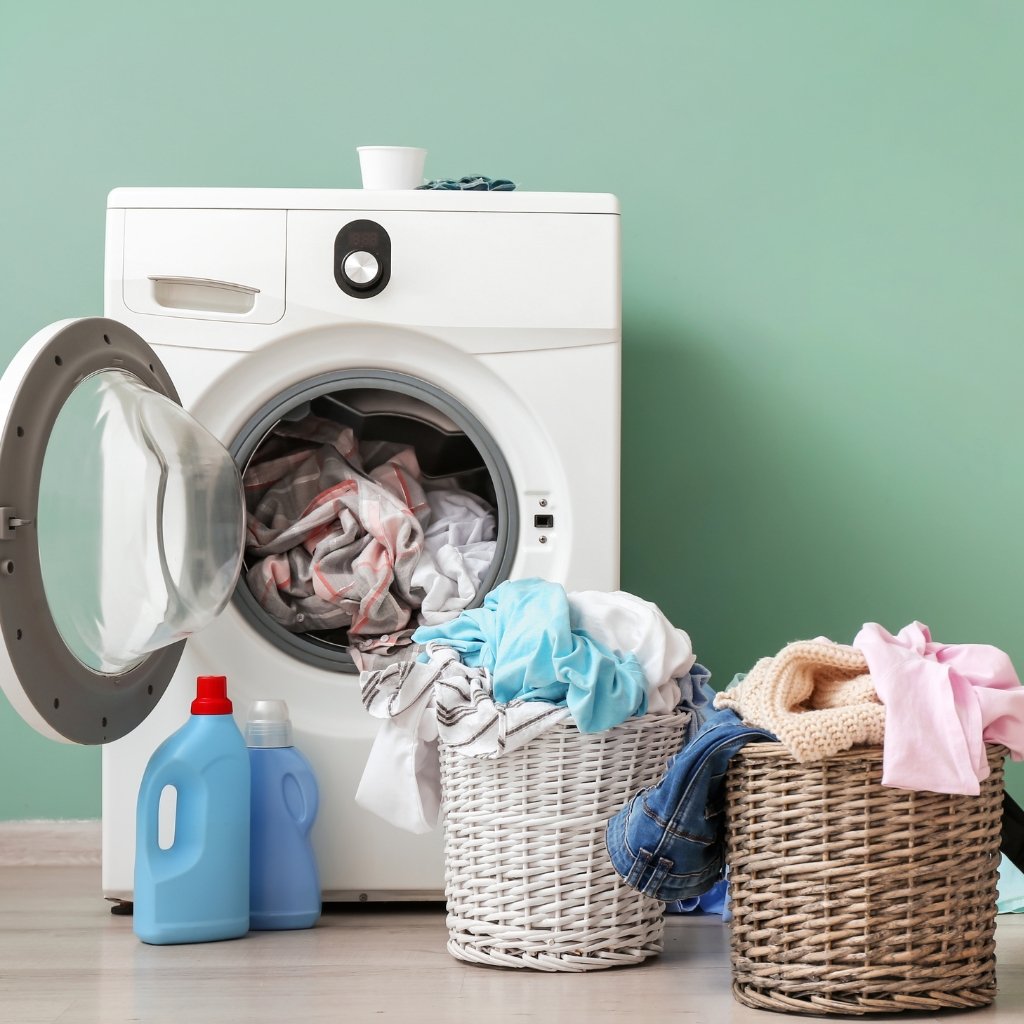
  6. Rich Color Depth:

The way the black shade of wool crepe absorbs light makes it sleek and sophisticated. Read more…Chenille Wool Fabric

  1. Durability:

Black wool crepe is also strong and durable and will last you a long time if taken care of properly, despite how refined it looks.

🪡 Types of Wool Crepe

Infographic titled ‘Types of Wool Crepe’ showing five fabric types with small representative images: Fine Wool Crepe (lavender cardigan), Double Wool Crepe (black coat), Stretch Wool Crepe (dark knit swatch), Silk-Wool Crepe Blend (stacked folded textiles), with green headings and a yarn balls icon in the corner.
Types of Wool Crepe: Fine Wool Crepe, Double Wool Crepe, Stretch Wool Crepe, Silk-Wool Crepe Blend (image: fabric swatches and garments).

There are different variations of wool crepe, all with different textures and weights, suitable for different uses.

  • Fine Wool Crepe: Lightweight with a smooth grain; perfect for blouses, dresses, and tailored suits.
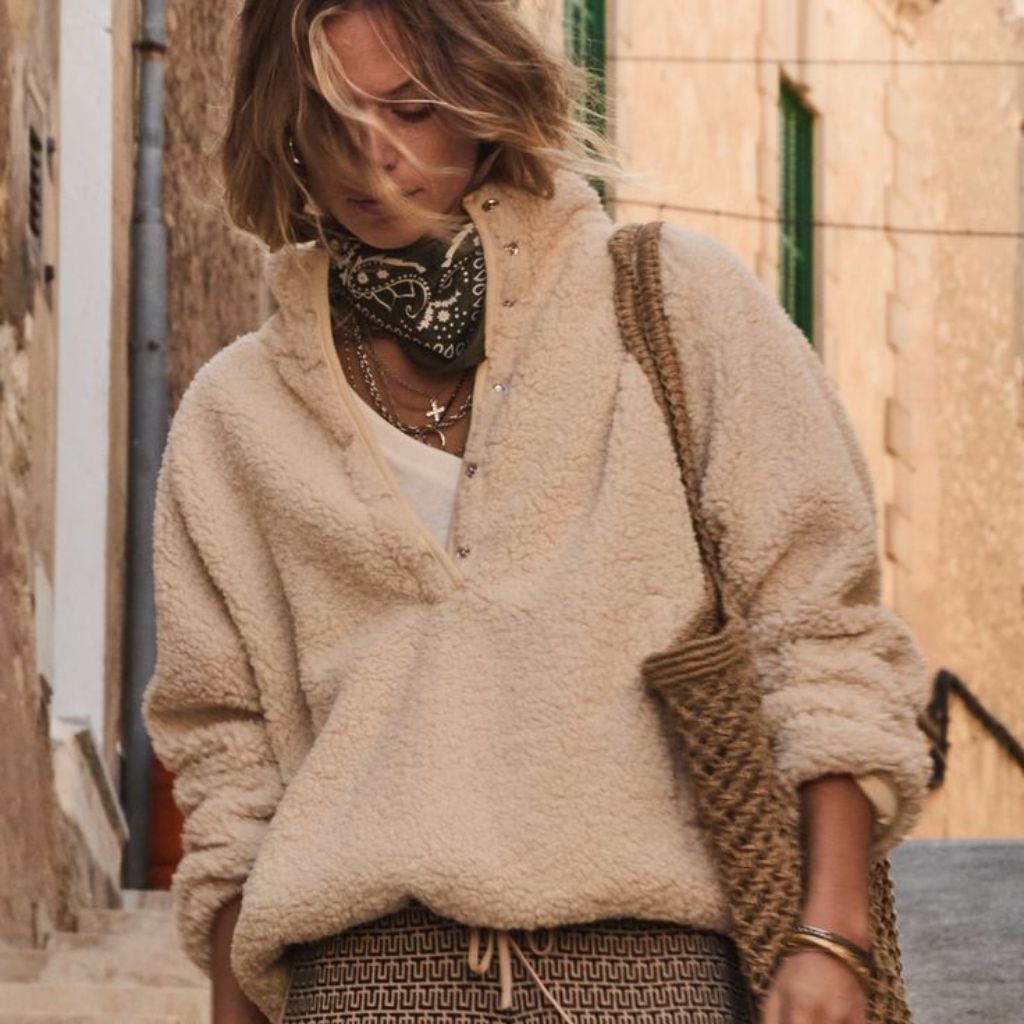
  • Double Wool Crepe: Thicker, heavier version with enhanced drape and structure; ideal for jackets, coats, and skirts.
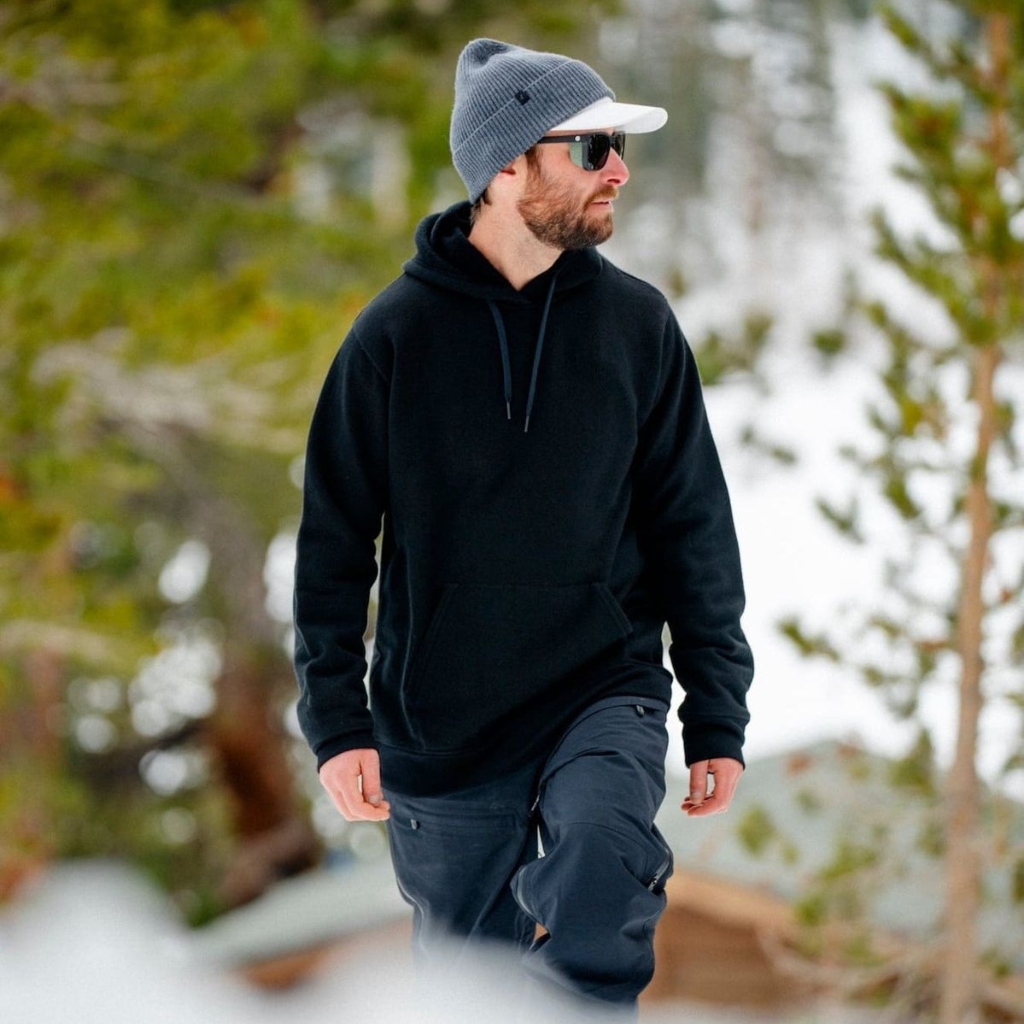
  • Stretch Wool Crepe: Added elastane or lycra, so this version is more comfortable and flexible.
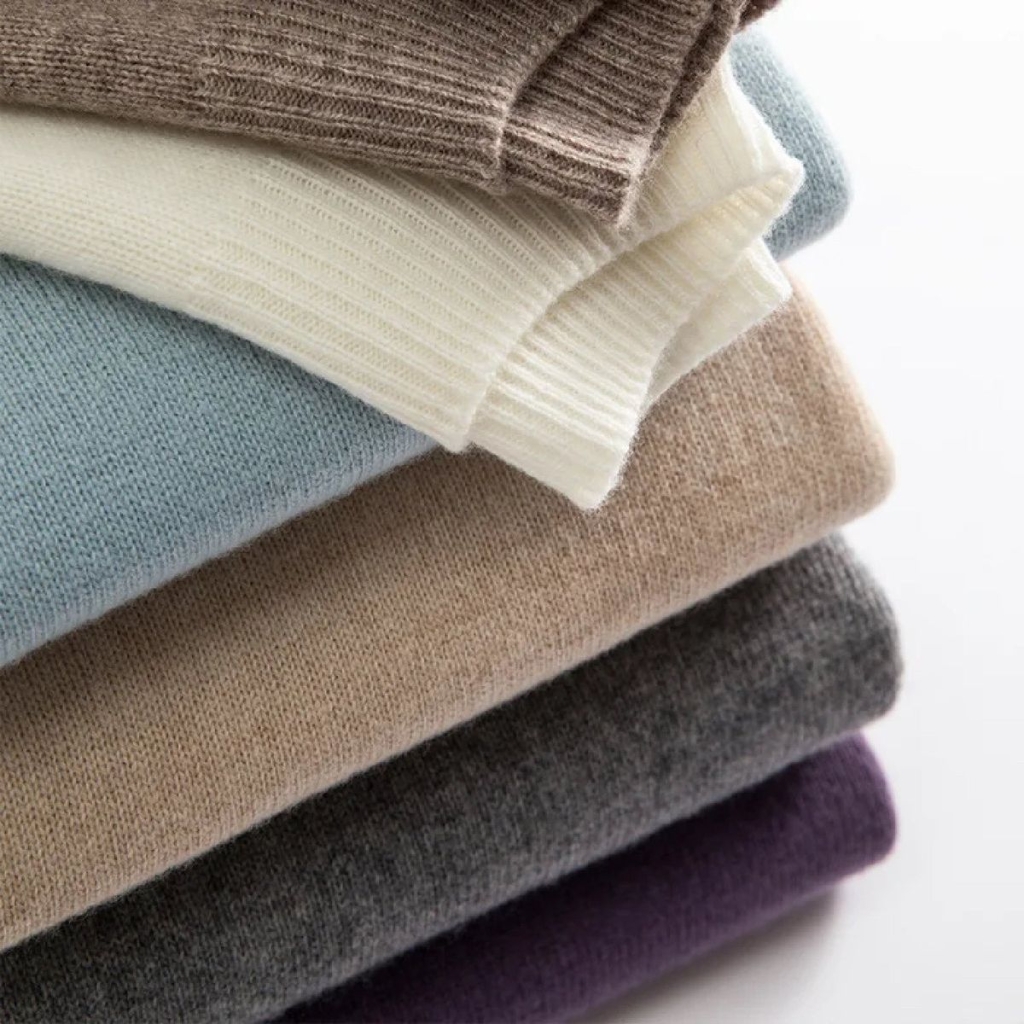
  • Silk-Wool Crepe Blend: The luxury of silk is combined with the resilience of wool, giving the fabric a sleek finish.

Of all the variations, black double wool crepe is the most sought after when it comes to high end tailoring because it offers a beautiful balance between structure and drape. Read more…Double Knit Wool Fabric

👗 Uses and Applications of Black Wool Crepe

The flexible black wool crepe is blend of refined home textiles and fashion design.

1. Women’s Apparel

Designers love to use black wool crepe because it flows nicely for elegant dresses, blouses, and skirts. This makes it ideal for professional and evening wear.

2. Tailored Suits and Trousers

Because it doesn’t lose its shape and structure, it works great for office wear, suits, and formal trousers. It keeps its silhouette all day while looking polished.

3. Formal and Evening Wear

Black wool crepe is really popular for cocktail dresses and gowns because it has a luxurious drape, and its deep colors provide a sophisticated, timeless appeal.

4. Outerwear and Jackets

Heavier crepe varieties work wonderfully for structured coats and blazers. They are warm without being bulky and provide a nice finish.

5. Home and Decorative Uses

Less common, black wool crepe can also be used for decorative items like drapes and cushion covers. Its rich texture makes it more elegant for interiors.

Advantages of Black Wool Crepe

  1. Timeless Elegance:

The black finish will always look sophisticated, bridging the gap between modern and classic.

  1. Wrinkle and Crease Resistant:

It is ideal for travel and everyday office wear because it doesn’t need constant ironing.

  1. Seasonal VersatilitySince wool breathes and insulates, you can wear the black wool crepe all year, even in the summer.
  2. Long-Lasting QualityWith the proper care, wool’s color and texture can last for decades.
  3. Comfort and Flexibility
    Wool’s natural elasticity helps you in even the most fitted styles.
  4. SustainabilityUnlike synthetic alternatives, black wool crepe has a lesser environmental impact. Wool is a renewable and biodegradable fiber.

⚙️ How Black Wool Crepe Is Made

A vertical infographic titled “How Black Wool Crepe Is Made.” It shows five stages with circular icons on the right: Fiber Selection (a fabric sample), Spinning (a person at a spinning wheel), Weaving (a loom with yarn), Dyeing (a hand dyeing fabric), Finishing (a black fabric swatch). Each stage has a bold green heading and a short black text block describing the step. The bottom-left shows the Eco-Jersey logo.
How Black Wool Crepe Is Made: from fiber selection to finishing, this illustrated guide walks you through fiber selection, spinning, weaving, dyeing, and finishing.

Creating black wool crepe requires durable and quality wool through a series of precise steps:

  1. Fiber Selection Long, fine Merino wool fabric is selected for its softness and strength.
  2. SpinningWool is spun tightly while alternating twist directions. This creates internal tension for the subsequent weave.
  3. WeavingThe threads are woven in a plain or crepe weave. This constructs the fabric’s characteristic grain and texture.
  4. DyeingThe fabric is dyed black using high quality pigments at a constant depth to ensure fade resistance.
  5. FinishingThe fabric is treated for shrink resistance, and is dyed, pressed and smoothed to meet inspection for a refined finish.

Each step enhances the luxurious quality of black wool crepe. It’s one of the most sought after fabrics in the world of fashion.

🧺 Care and Maintenance

A stylish woman stands confidently in a luxurious black velvet cape with a tied bow at the neck, paired with a sleek satin top and a dark skirt.
Elegance in velvet: a timeless cape and satin ensemble.” “Bold and chic: black velvet cape layered over satin for a polished silhouette.” “Evening glamour reimagined with texture and silhouette.

Black wool crepe needs gentle care to keep its structure and last long.

  • Dry Clean only: Most black wool crepe pieces need to be dry cleaned.
  • Avoid Heat and Sunlight: Heat and light exposure can damage the wool and can also cause fading.
  • Iron Carefully: Use a low temperature and a pressing cloth.
  • Store Properly: Use padded hangers and keep moths away with cedar and lavender sachets.

Handled properly, Wool crepe can last a long time and maintain its shape, color, and texture.

🖤 Why Choose Black Wool Crepe?

A dark, textured hood or draped fabric forming a subtle peak.
Dramatic close-up of a dark, textured hooded fabric.

Designers, professionals, and style enthusiasts all have their reasons for choosing black wool crepe and there are many reasons! The deep black tone goes with anything and the crepe texture adds interest. The fabric also has a nice structure and fluidity.

Most importantly, black wool crepe is a great long-lasting investment. Whether for casual business attire or high-fashion ensembles, black wool crepe always offers comfort and sophistication.

🌍 Sustainability and Ethical Value

 A close-up of dark, black fabric twisted into a spiral/folded pattern, revealing soft, plush texture.
A close-up of rich black fabric gathered into a graceful swirl.

Wool, biodegradable and renewable fiber, is a biodegradable and renewable fiber.. Ethical wool production, wool crepe, is humane, and animals treated well, are humanely shorn. With purchasing high quality wool crepe, the consumer with sustainable fashion, supports. fast trend, the focus is on lasting value.

As a ‘conscious luxury’ option, black wool crepe is a choice made because many contemporary manufacturers are utilizing eco-friendly practices such as eco-friendly dyeing and closed-loop water systems.

💬 Concluding Remarks

Black wool crepe is the embodiment of elegance, comfort, and functionality. It stands the test of time and continues to be a top pick for designers. It meaningful constructs luxurious suits, refined dresses, and tailored coats as it continues to define sophisticated modern fashion.

You can always use black wool crepe. It never loses its charm. It lasts forever. It is beautifully made and remains as beautiful as the first day each garment was made. With black wool crepe, you get Sustainability, Enduring Elegance, and Quality season after season.

FAQs

What is the fabric black wool crepe used for?

 It’s used for coats, dresses, suits, skirts, and blouses. Due to its rich texture and deep color, it is made for professional and haute couture outfits.

Is black wool crepe a natural fabric?

Yes, it is made from 100% Merino wool fibers. There may be some silk or elastane blends for stretch.

Do black wool crepe caps wrinkle?

No. Due to its twisted yarn, black wool crepe is wrinkle-free and stays smooth.

The Best Types of Wool for Clothing & Home Textile Explained

0

Best types of wool when you need something warm and soft for the cold winters, nothing beats wool. Though many people like to wrap and enjoy the luxuries of wool, some do not know the best types of wool.

There are several types of wool including Merino, Cashmere, Alpaca and Mohair. To help you know more about the different types of wool, their qualities, benefits and uses we created this wool guide.

What Makes Wool So Special

A close-up shot of soft beige suede fabric gathered into a spiral swirl, showing its smooth texture and folds.
Soft beige suede fabric swirled into a gentle fold.

Before going to types, we need to answer the most simple question: “What makes wool so loved and special?” Wool is a natural, renewable fiber obtained from the fleece of sheep, goats, alpacas and even camels. Wool is famous for its insulation, moisture management, elasticity and breathability. Read more…Best types of wool

Best types of wool is a natural fiber that can regulate your body temperature. It keeps you warm in winter and cool in summer. It even lets air circulate. Moreover, wool is biodegradable and flame-resistant. This means it is eco-friendly and safe. Read more…Best types of wool

These qualities are why wool has been used for blankets, clothing, carpeting, upholstery, and more for centuries

🧵 How Wool Types Differ

A collection of white or cream-colored yarns and fibers arranged on a wooden surface. Includes skeins, a small tassel, a frayed rope-like piece, a thick loop, and a worn spool, all in natural off-white tones.
A display of natural white yarns and fibers laid out on wood.

Different Best types of wool come from different animal breeds and each type is unique in its structure and performance. The fiber diameter, length, and crimp all contribute to varying degrees of softness, elasticity, and durability.

Merino wool is very fine and soft, whereas Cashmere is lightweight and provides warm softness. Shetland wool is coarse but very strong, making it an excellent outerwear option. Read more…Best types of wool

Let’s identify the top popular wools and highest quality wools used in modern times.

🐑 1. Merino Wool – The Softest and Most Versatile

A flat lay of cozy knit sweaters in neutral colors (beige, light gray, and camel) arranged on a white surface, with a small circular inset photo of grazing sheep in the bottom-left corner.
Cozy neutral sweaters ready for fall: soft cables, speckled knit, and warm tones.

Merino wool is obtained from Merino sheep found largely in Australia and New Zealand. It is considered the best all-around wool for its remarkable softness, breathability, and versatility, making it a top choice for wool. Read more…Best types of wool

Key Features:

Ultra-Fine Fibers for Ultimate Comfort

Merino wool fibers are extremely fine, typically measuring between 17 to 23 microns in diameter. This ultra-fine structure makes the fabric soft and smooth against the skin, unlike traditional coarse wool that can feel itchy.

Excellent Temperature Regulation

One of the most remarkable qualities of Merino wool is its ability to regulate body temperature naturally. It keeps you cool during summer by wicking away moisture and allowing air to circulate, while in winter, it traps warmth close to the body.

Odor Resistance and Moisture Management

Merino wool is naturally odor-resistant thanks to lanolin, a waxy substance found in wool fibers that repels bacteria and prevents unpleasant smells.

Lightweight, Flexible, and Breathable

Despite its insulating properties, Merino wool remains lightweight and breathable. It allows free movement, making it a top choice for outdoor enthusiasts and athletes.

Best Uses:

Activewear, sweaters, thermal wear, socks, and scarves, Merino wool is used for all of these. It is soft enough to be used for clothes that will be in direct contact with your skin. Read more…Best types of wool

Sustainability:

Merino wool is a renewable resource since Merino sheep are shorn annually. It is also biodegradable.

2. Cashmere Wool– The Symbol of Luxury

A soft, cream-colored fabric with a gentle swirl fold. In the bottom-left corner, three small goats stand together, appearing as tiny decorative figures against the textile.
Gentle textures meet curious goats.

Cashmere wool is soft and exquisite and is unmatched. It is made from the undercoat of Cashmere goats, primarily found in Mongolia, China and certain areas of India. Read more…Best types of wool

Key Features:

  • Exceptionally soft and fine (14–16 microns) fibers.
  • Triple warm compared to regular sheep wool.
  • Silky and lightweight.
  • Hypoallergenic and breathable.

Best Uses:

Luxury sweaters, scarves, shawls, coats, and blankets are made with Cashmere because it drapes beautifully and feels extremely soft. Read more…Best types of wool

Care Tips:

Although durable, Cashmere requires gentle handling. To maintain its softness and shape, be sure to hand wash or dry clean your garment.

3. Alpaca Wool – Durable and Hypoallergenic

A close-up photo of a soft, tan camel-colored fabric folded into a peak, with four small standing llamas/camels in the bottom right corner.
Folded in style: a warm-toned fabric peak with a tiny herd of camels at the edge.

Alpaca wool fabric comes from the Alpaca animal. The Alpaca is from South America, especially Peru. Alpaca wool is known for its softness and durability and is considered one of the warmest and most resilient wools.

Key Features:

  • Alpaca wool is silky, strong, and naturally glossy.
  • Alpaca wool is free from lanolin making it hypoallergenic.
  • It resists water and wind making it ideal for wearing in cold or humid climates.
  • Alpaca wool is available in 22 natural colors reducing the need for dyes.

Best Uses:

Alpaca wool is great for outerwear, blankets, coats, and scarves. It is lighter and warmer than sheep wool, which provides a great balance between comfort and insulation.

Eco-Friendly Aspect:

Alpacas are gentle grazers. This means they don’t harm the grass roots, making their wool environmentally sustainable.

4. Angora Wool – Extremely Soft and Fluffy

A woman with short platinum blonde hair wearing a fluffy white sweater, looking down with a gentle smile, while holding her hand to her chest. A small white rabbit sits near her on the ground.
Quiet moments in the golden hour: a woman in a white fluffy sweater and a curious white rabbit.

Angora wool fabric is harvested from the Angora rabbit. It is one of the softest and fluffiest fibers in the world, known for its silky feel and unique halo effect.

Key Features:

  • Incredibly fine fibers (11–13 microns).
  • Exceptionally soft and warm despite being lightweight.
  • Possesses a natural sheen and fluffiness.
  • Needs to be blended with other fibers for strength.

Best Uses:

Angora is commonly used in luxury sweaters, mittens, and accessories. Because of its airy nature, it traps heat efficiently and feels like wearing a cloud.

Care Tips:

Avoid machine washing or wringing. Always hand wash gently and air dry flat to maintain its delicate structure.

5. Camel Wool – Warmth from the Desert

A close-up shot of soft, beige-brown woolen fabric with folds and textures. In the bottom-right corner, a small camel stands, adding a whimsical element to the scene.
Close-up of cozy wool fabric with a tiny camel cameo.

Camel wool, especially from Bactrian camels, is valued for its softness, insulation, and rich golden color.

Key Features:

  • Naturally thermoregulatory, keeping the body comfortable in various temperatures.
  • Soft and luxurious texture with a subtle sheen.
  • Highly durable and moisture-absorbent.

Best Uses:

Used in coats, shawls, blankets, and suiting fabrics, camel wool provides elegant warmth for winter wear.

Sustainability:

Camels naturally shed their coats, so the wool is collected without harm, making it a cruelty-free fiber.

6. Shetland Wool – Strong and Rustic

A close-up of red and brown plaid fabric gathered into a swirl, with a small white lamb on the bottom left corner.
Cozy plaid fabric with a fluffy lamb companion.

Shetland wool comes from the Shetland Islands of Scotland. It’s a bit heavier but very durable, great for outdoor wear.

Key Features:

  • Medium to coarse texture.
  • Elastic and insulating.
  • Has vibrant natural shades.

Best Uses:

Shetland wool is for traditional sweaters, coats, and tweeds. It’s hard wearing, keeps you warm, and is perfect for cold climates.

7. Mohair Wool – Glossy and Luxurious

Close-up of light gray, fluffy wool fibers, showing tangled fleece with coarse, curly locks. A small circular inset image of a sheep is in the bottom-left corner.
A close-up of soft, tangled wool fibers from a sheep.

Mohair wool fabric comes from the Angora goat (not from the Angora rabbit). It is appreciated for its shimmering appearance and elasticity.Key Features:

  • Smooth and silky fibers (25-40 microns).
  • Lustrous, resilient, and durable.
  • Wrinkle-resistant.

Best Uses:

Mohair is used for suits, upholstery, scarves, and winter coats. Its shiny finish is perfect for fashionable and interior textiles.

Which Types of Wool Is Best?

The best type of wool depends on your needs:

  • For everyday comfort, choose Merino wool.
  • For luxury and softness, go for Cashmere.
  • For warmth and durabilityAlpaca is excellent.
  • For eco-friendly luxury, pick Camel or Alpaca wool.
  • For rugged outerwearShetland wool is the most reliable.

Every type of wool has its own benefits. The best wool for you takes into account your personal style and preferences, your budget, and what you are going to use it for.

Caring for Wool Fabrics

Infographic titled ‘Caring for Wool Fabrics’ with illustrations: washing, water temperature, drying, and ironing tips.
Simple tips for caring for wool fabrics: gentle washing, proper water temperature, careful drying, and lightweight ironing.

For best results, wool deserves gentle and kind care.

  • You can either hand wash or use the delicate wash cycle with a gentle detergent.
  • Be careful with water temperatures. Hot water will boil your wool.
  • If you need to dry your wool, do it flat and reshape the wool while it is still damp.
  • Keep it away from moths in a dry, cool place.

Good, proper care will make your wool soft, clean, beautiful, and last for years.

Sustainability and Environmental Impact

Of all natural fibers, wool is one of the most sustainable. It is also biodegradable, renewable, and recyclable. Ethical brands are careful when it comes to wool and make sure there is animal welfare, as well as eco-friendly production. By buying quality wool, you are helping to support greener practices and responsible waste with clothing.

Final Thoughts

What you value most will help you decide the best wool for you: softness, warmth, luxury, or durability? You also have to choose if you want Merino for versatility, Cashmere for indulgence, or Alpaca for eco-friendly comfort. Wool is still one of the best gifts from nature.

With proper care, it can last a long time and deliver comfort and timeless elegance. It also shows the quality of workmanship as well as the natural sophistication of the wool. Elegant sophistication will never go out of style!

Would you like me to create a Meta Description (within 155 characters) and a FAQ Section tailored for Google rich results next?

FAQs

What is the best type of wool for clothing?

The best wool for clothing is Merino wool because it’s soft, breathable, and suitable for all seasons. It keeps you warm in winter and cool in summer.

Which type of wool is the softest?

Cashmere wool is considered the softest type. Its ultra-fine fibers give it a luxurious, silky feel perfect for sweaters, scarves, and shawls.

What type of wool is the warmest?

Alpaca wool is among the warmest wools available. It provides superior insulation, is lightweight, and remains comfortable even in extreme cold.