For motorcycle riders, choosing the right riding gear is the core priority of pre-ride preparation. It provides collision protection, guarantees comfort during long-distance rides, and improves the overall riding experience. This motorcycle suit buying guide will next explain protection ratings and teach methods to match proper fit for riding gear.
Understanding Suit Types: One-Piece vs. Two-Piece
The first core decision when purchasing motorcycle suit buying guide riding gear is to choose between a one-piece and a two-piece design. These two types of products suit completely different riding styles and needs.
One-piece riding suits are the gold standard for professional races and track riding. They have fewer seams, which reduces weak points in protection during crashes. Their continuous design keeps protective pads properly positioned at all times, and they fit the leaned-forward riding posture of sport motorcycle suit buying guide. Used widely by professional racers, one-piece motorcycle suit buying guide deliver both top-tier abrasion resistance and aerodynamic performance.
Two-piece riding gear has a separate jacket and pants that can be connected via a zipper. The jacket can be worn alone for commuting or casual use, while pairing it with the pants works for weekend mountain road rides or long-distance trips. Most track day events also approve two-piece motorcycle suit buying guide that feature a full-circumference connecting zipper.
Decoding Safety Ratings: A, AA, and AAA
To choose the right motorcycle suit buying guide riding gear, you must first understand its core protection rating standards. The EN 17092 standard, implemented in Europe, divides
riding gear into three tiers. The highest tier, Class AAA, is designed for extreme scenarios such as track racing; it offers full protective performance but is relatively heavy. Class AA is motorcycle suit buying guide for long-distance sports riding or aggressive on-road riding. The basic Class A meets the needs of urban commuting. When purchasing, you
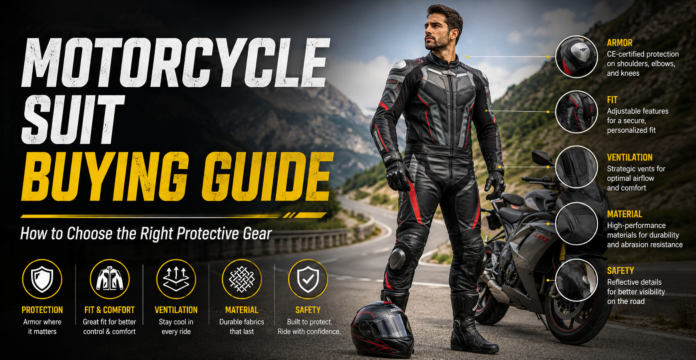
must confirm that the product carries CE certification—that is, it is a model tested by a professional body to meet European safety standards. In addition, you should prioritize models equipped with Class CE Level 2 protective armor at the shoulders, elbows, knees, and hips.
Armor and Impact Protection
Modern motorcycle suit buying motorcycle suit buying guide advice emphasizes the importance of armor placement. CE standards divide the body into impact zones that require different levels of protection:
- Zone 1: Shoulders, elbows, knees, and hips need Level 2 armor
- Zone 2: Outer arms, thighs, and back need reinforced padding
- Zone 3: Chest and abdomen use lighter materials for comfort
Premium suits feature advanced armor technology like viscoelastic polymers that stay flexible during normal movement but harden instantly upon impact. Some top-tier suits now integrate electronic airbag systems like Tech-Air® that activate automatically in a crash, protecting collarbones and shoulders. For women riders, specifically designed motorbike suit womens options offer the same level of protection with a fit tailored to a woman’s body shape and CE armor in critical zones.
Materials Matter: Leather and Advanced Fabrics
Professional heavy-use motorcycle suit buying guide riders have long chosen leather as the primary material for their riding gear. For general-purpose gear, market-proven cowhide is the most common choice, as it is wear-resistant and durable. High-end racing
suits use kangaroo leather, which has a tensile strength 20-30% higher than that of cowhide and is also lighter. Additional synthetic materials, such as A-CS®Tech composite panels and Kevlar-reinforced inserts, reduce overall weight while increasing toughness, making them suitable for protection in high-stress areas of the gear.
Finding the Perfect Fit
Fit is the most critical core factor in all purchasing guides for motorcycle suit buying guide riding gear, as an ill-fitting riding jacket cannot provide adequate protection. Below are several essential fit-related purchasing tips:
Take precise measurements: Use a soft measuring tape and ask another person to help you take your measurements. The key dimensions to measure include chest circumference, waist circumference, hip circumference, inner leg length, and height. Since size standards vary across brands, always cross-check the official size chart of the specific brand you are considering.
Try on the gear in your riding posture: The gear will feel uncomfortably tight and odd if you try it on while standing upright. Instead, sit astride a motorcycle suit buying guide or adopt the crouched riding position to test its comfort. Leather riding gear is purpose-built for the riding posture, so its pre-curved arm and leg structures will feel natural when you hold that position.
Choose gear that fits your unique body type: If you have long legs or a larger abdominal circumference, do not select a size based only on your chest measurement. Some brands offer tall, petite, and relaxed-fit versions to accommodate different body shapes.
Remember that leather gear will stretch over time: A close-fitting leather jacket will gradually stretch to conform to your body, but it must never be so tight that it causes pain or restricts your movement.
Breathability and Ventilation
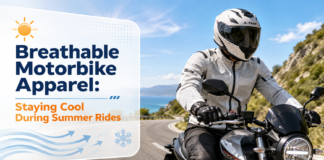
Riding comfort is a core essential requirement for motorcycle suit buying guide riding, and riding apparel must be selected to match specific use scenarios: for warm seasons, choose styles made of perforated leather or
For cold weather riding, consider a heated motorbike suit that provides warmth without adding bulky layers. These innovative suits feature carbon fiber heating pads that keep you comfortable in freezing conditions, making them perfect for year-round riders.
Practical Features for Real-World Use
Beyond protection and fit, look for practical features:
Pockets: Many one-piece suits lack pockets, while two-piecemotorcycle suit buying guide typically offer them. Consider where you will store essentials.
Ease of use: Two-piece suits are easier to put on and take off, especially when nature calls on long rides. One-piece suits offer simplicity but less convenience.
Hump design: Racing suits with aero humps offer aerodynamic benefits but can be uncomfortable if you ride with a backpack.
Off-Road and Adventure Suits
For riders who venture off the pavement, a mens motorbike suit designed for motocross and enduro offers specific benefits. These suits feature wear-resistant panels on the seat and inner legs, elastic waist closures for a secure fit, and stretch panels for enhanced freedom of movement. They are built to withstand the rigors of off-road riding while keeping you comfortable.
Rain Protection
Even the best suit needs backup for wet weather. A motorbike rain suit is an essential addition to your gear collection. These lightweight, waterproof suits can be worn over your regular riding gear when the weather turns wet. Look for features like full leg zippers for easy on/off, reflective tape for visibility, and heat guards to protect against hot exhaust pipes.
Customization Options
Most manufacturers of cycling protective gear sets offer basic customization services: they can add brand logos, let customers choose colors, and adjust the mounting positions of protective pads. Some suppliers have also launched full-size customization options for unisex sets, which specifically addresses the common pain point that female cyclists struggle to find gear sets that fit their body shapes properly.
Final Thoughts
Choosing the right cycling gear is a critical investment in one’s own safety. This cycling jersey motorcycle suit buying guide will help you sort out your selection logic: riders who frequently compete on tracks may opt for AAA-rated one-piece cycling suits, while commuters who ride on urban roads for daily travel can choose AA-rated two-piece sets. For all purchases, you must prioritize fit, CE certification, and high-quality fabric to fully put safety first.
Frequently Asked Questions
What is the difference between a one-piece and two-piece motorcycle suit?
One-piece suits offer maximum protection for track riding with fewer seams and precise armor positioning. Two-piece suits provide versatility for street riding, allowing you to wear the jacket separately or zip both pieces together.
What do CE ratings A, AA, and AAA mean?
AAA offers the highest protection for extreme conditions, AA provides mid-level protection ideal for sport-touring, and A offers basic protection for urban riding.
How should a motorcycle suit fit?
A suit should fit snugly without restricting movement. Try it on in riding position since leather suits are designed for the bike. The armor should stay positioned over your joints.
Can I wear a two-piece suit on a track day?
Many organizers allow two-piece suits with a full 360-degree connection zipper. Always check the specific event rules before booking.