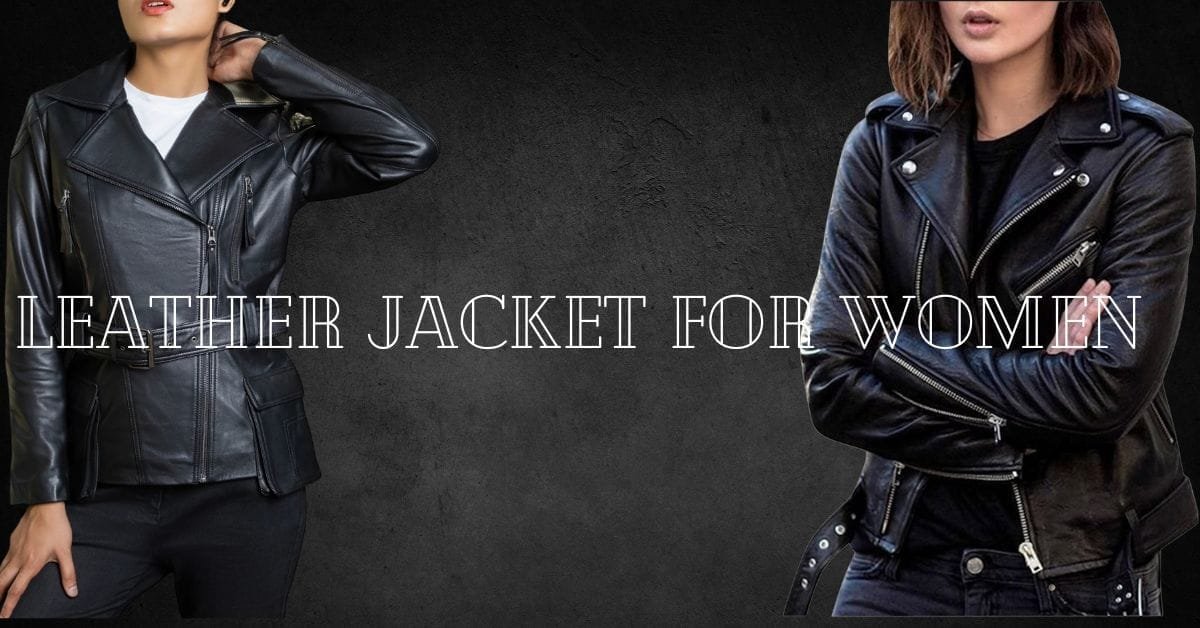
Motorcycle clothing was once quite simple. Riders mainly looked for thick leather jackets, strong boots, gloves, and helmets. Today, manufacturers are developing gear that can protect riders while also making riding more comfortable. Modern motorcycle gear trends are being shaped by better materials, smarter protection systems, improved ventilation, lighter construction, and designs made for different riding conditions. Riders now expect their equipment to protect them from impact and abrasion without feeling too heavy or uncomfortable. Technology is also becoming a bigger part of protective clothing. Airbag systems, improved body armor, temperature control, waterproof membranes, reflective details, and better ergonomic fits are becoming easier to find. At the same time, manufacturers are paying closer attention to how riders actually move on a motorcycle.
This means jackets, pants, gloves, suits, and other products are becoming more flexible around the shoulders, knees, elbows, fingers, and waist. These motorcycle gear trends are not simply about making riding clothing look more modern. Their main purpose is to reduce injury risk, improve rider confidence, and make protective equipment practical enough for riders to wear on every journey. As new materials and manufacturing methods continue to appear, motorcycle gear is becoming a combination of safety equipment, technical clothing, and riding technology.
Motorcycle Gear Trends Are Moving Toward Smarter Protection
One of the biggest motorcycle gear trends is the move from simple padding toward more advanced impact protection. Traditional protective clothing often used thick foam or hard plastic pieces around the shoulders, elbows, knees, hips, and back. These materials can still provide useful protection, but modern armor can be lighter, thinner, and more flexible. Some protective materials remain soft while a rider is moving normally but become much firmer when they receive a sudden impact. This allows manufacturers to create jackets and pants that feel comfortable during normal riding while still providing protection in a crash. Another change is that armor is being designed to follow the natural shape of the body more closely.
Better-shaped protectors are less likely to move away from the correct position when a rider changes riding posture. Riders looking at a wider range of motorcycle gear options can see how gloves and other protective products now form part of a much larger safety system rather than working as separate pieces. Manufacturers are also improving the pockets and adjustment systems that hold armor in position. These improvements matter because even good armor cannot work properly if it moves away from the area it should protect. Future protective gear will probably focus even more on reducing weight while increasing the amount of the body that can be covered comfortably.
Airbag Technology Is Expanding Beyond Professional Racing
Wearable airbag protection is one of the most important developments influencing motorcycle gear trends. Motorcycle airbags were once mostly associated with professional racing, where riders travel at very high speeds and face serious crash risks. The technology has gradually moved into equipment designed for everyday road riders and touring motorcyclists. A motorcycle airbag can be built into a vest, jacket, or racing suit. When the system identifies a crash, the airbag inflates quickly around important parts of the upper body. Depending on the design, protection may cover areas such as the chest, back, shoulders, neck, or collarbone area.
Some systems use a physical tether connected to the motorcycle, while newer electronic systems can use sensors and software to detect unusual movement. Electronic versions may measure factors such as acceleration, lean angle, and sudden changes in movement. The goal is to recognize a crash before the rider makes strong contact with the road or another object. Airbag gear is still more expensive and complicated than standard armor, so it has not replaced normal protective inserts.
Advanced Fabrics Are Making Protective Gear Lighter
Another major change in motorcycle gear trends is the development of stronger technical fabrics. Leather remains important because good motorcycle leather can provide strong abrasion resistance, but textile technology has improved greatly. Manufacturers can now combine strong synthetic fibers, stretch panels, mesh materials, waterproof layers, and abrasion-resistant reinforcements within the same garment. This allows each part of a jacket or pair of pants to perform a different job. High-risk areas such as the elbows, shoulders, knees, and seat can use stronger fabric, while lower-risk areas can use lighter or more breathable material. Stretch sections can also be placed around areas that need movement.
This construction method helps reduce unnecessary weight without removing protection from important zones. Textile motorcycle clothing also gives designers more freedom to create equipment for touring, adventure riding, commuting, and hot-weather use. Some fabrics are designed to resist tearing, while others focus on managing sweat or blocking wind. The important trend is not simply replacing leather with textile materials. Instead, manufacturers are learning how to select different materials for different parts of the same product. As material engineering develops further, riders can expect protective clothing to become thinner and easier to wear without automatically becoming less protective. This balance between strength and comfort is likely to remain one of the most important areas of motorcycle equipment development.
Modern Motorcycle Gloves Are Becoming More Specialized
Hands are especially vulnerable when a rider falls because people naturally try to protect themselves with their hands. For this reason, gloves remain an important part of modern motorcycle protection. However, motorcycle gear trends are changing the way manufacturers design gloves. Instead of producing one basic glove for every rider, companies are creating models for road riding, racing, touring, off-road riding, summer use, wet weather, and winter conditions. Materials and construction can change depending on the intended use. For example, dirt bike gloves may need to support flexible finger movement and good handlebar control because off-road riders constantly adjust their grip while traveling over uneven ground. Road and touring gloves may use more abrasion-resistant material, stronger palms, knuckle protection, or additional wrist coverage.
Manufacturers are also improving finger shaping so riders can operate levers and switches without fighting against stiff material. Touchscreen-compatible fingertips have become another practical feature because many riders use smartphones or navigation devices during stops. Some designs also use reinforced palm areas that can help deal with sliding contact. The overall direction is clear: gloves are becoming riding-specific safety equipment rather than simple hand coverings. Better fit, stronger materials, improved flexibility, and correctly positioned protective areas are allowing glove designers to improve safety without making the rider lose control or comfort.
Heated and Climate-Controlled Equipment Is Growing
Weather protection is becoming an increasingly important part of motorcycle gear trends because riders use motorcycles across more seasons and for longer journeys. Cold weather does more than make riding uncomfortable. When a rider becomes very cold, fingers can become stiff, concentration may decrease, and operating controls can become more difficult. Manufacturers are responding with insulation, wind-resistant layers, heated clothing, and temperature-management systems. Heated gloves are a good example because the hands receive constant airflow while riding and can become cold quickly. Modern heated gloves for motorbike riding can combine insulation and protective construction with heating features intended to improve comfort in cold conditions. Similar ideas are being applied to jackets, vests, insoles, and other riding equipment.
At the opposite end of the temperature range, summer gear is becoming more advanced as well. Large ventilation panels, perforated materials, breathable liners, and mesh zones can increase airflow while maintaining protective sections around important impact areas. Some jackets include vents that riders can open or close depending on the weather. Removable liners also allow one garment to work across different seasons. These developments show that temperature management is increasingly being treated as part of rider safety. A comfortable rider may stay more focused, react more naturally, and be less tempted to remove protective equipment because it feels too hot or too cold.
Important Innovations Riders Are Seeing Today
Modern protective equipment is developing in several areas at the same time, which is why motorcycle gear trends cover much more than one new material or device. Some of the most important developments include:
- Flexible impact armor that becomes firmer during sudden force.
- Wearable airbag jackets and vests for additional upper-body protection.
- Lightweight abrasion-resistant textile materials.
- Stronger reinforcement around common impact and slide zones.
- Stretch panels that improve movement while riding.
- Waterproof and breathable membranes for changing weather.
- Large ventilation areas for summer motorcycle clothing.
- Heated gloves and clothing for cold-weather riding.
- Better reflective sections for improved visibility at night.
- Touchscreen-compatible fingertips on motorcycle gloves.
- Adjustable armor pockets that help keep protectors correctly positioned.
- Removable thermal and waterproof liners for multi-season use.
- Ergonomic cuts designed around the rider’s seated position.
- Stronger yet lighter closures, zippers, and fastening systems.
- More riding-specific products for touring, adventure, racing, commuting, and off-road use.
- Increasing use of recycled and lower-impact materials where technically suitable.
These innovations do not mean that every new product automatically provides better protection. Riders still need to consider fit, construction quality, intended riding use, and recognized protective standards when comparing equipment.
Better Fit Is Becoming Part of Safety Design
A good fit has always mattered, but modern motorcycle gear trends are making fit a more technical part of protective design. Motorcycle clothing should not be designed exactly like ordinary fashion clothing because riders spend long periods with their arms forward, knees bent, and body positioned differently from someone standing normally. Modern riding jackets can use pre-curved sleeves, extra room across movement areas, and stretch panels around the shoulders or elbows. Motorcycle pants may use shaped knees, stretch sections around the waist or seat, and higher rear coverage so the rider remains covered while leaning forward. Gloves can use curved fingers that follow the shape of a hand holding motorcycle grips.
These small details can make a large difference during long rides. Fit also affects how protective components perform. Armor that is too loose can move away from the elbow, knee, shoulder, or hip during a crash. Clothing that is extremely tight can restrict movement and make riding uncomfortable. Therefore, manufacturers increasingly design adjustment straps, stretch zones, adjustable cuffs, waist systems, and multiple sizing options.
Visibility and Connected Features Are Entering Protective Gear
Visibility is another area influencing motorcycle gear trends. Motorcycle riders are physically smaller than cars and trucks, which can make them harder for other road users to notice. Protective clothing manufacturers are therefore using reflective piping, reflective panels, brighter color sections, and carefully positioned contrast details. Reflective materials can become especially noticeable when vehicle headlights shine on them at night. However, designers are also trying to integrate these features without making every motorcycle garment look like industrial safety clothing. This has led to more subtle reflective sections that blend into a jacket during daylight and become more visible when illuminated. Technology may expand this idea further. Some experimental and premium products are exploring integrated lights, electronic signals, communication devices, and connected sensors.
Helmets and communication systems already show how quickly digital features can enter motorcycle equipment. In the future, protective clothing could potentially communicate with motorcycles, navigation devices, smartphones, or emergency systems. Smart sensors may also help record impact information after an accident.
Sustainability Is Influencing Motorcycle Gear Development
Sustainability is beginning to influence motorcycle gear trends as apparel manufacturers look for ways to reduce waste and use materials more efficiently. This area can be difficult for protective motorcycle clothing because safety and durability must remain the first priorities. A material should not be selected simply because it sounds environmentally friendly if it cannot provide the strength needed for its intended use. However, there are still many areas where manufacturers can make improvements. Recycled synthetic fibers may be suitable for certain textile components when they meet the required performance level.
Pattern-making systems can help factories reduce fabric waste during cutting. Stronger products that last for several riding seasons may also reduce the need for frequent replacement. Replaceable armor, liners, sliders, and other components can extend the useful life of a garment because riders may be able to replace one worn part instead of discarding the entire product. Repair services and modular construction may become more important for the same reason. Packaging is another area where brands can reduce unnecessary material without changing the protection offered by the motorcycle garment itself.
Conclusion
Motorcycle equipment is becoming more advanced because riders increasingly expect protection to work without making every ride uncomfortable. The strongest motorcycle gear trends show a clear movement toward lighter protective materials, improved impact armor, wearable airbags, better temperature control, more specialized gloves, improved visibility, ergonomic fits, and smarter technology. At the same time, traditional principles still matter. Strong construction, suitable materials, correct fit, and protection of high-risk areas remain essential no matter how modern a product looks.
FAQs
What are the latest motorcycle gear trends?
The latest motorcycle gear trends include flexible impact armor, wearable airbags, lightweight abrasion-resistant fabrics, heated clothing, improved ventilation, reflective materials, ergonomic fits, and smart electronic features.
Is smart motorcycle gear safer than traditional motorcycle gear?
Smart features can add useful protection, especially technologies such as motorcycle airbags and advanced impact sensors. However, strong materials, correct fit, quality construction, and properly positioned protective armor are still essential.
Why are motorcycle jackets and pants becoming lighter?
Modern materials can provide strength without requiring extremely thick or heavy construction. Manufacturers can also reinforce high-risk areas while using lighter or more flexible materials in areas that need less protection.
Will technology replace traditional motorcycle protective equipment?
Technology is more likely to improve traditional protective equipment than replace it. Future gear will continue using strong fabrics, armor, gloves, boots, and helmets while adding features such as airbags, sensors, heating, ventilation, and connected systems.