Riding a motorbike at night feels calm, but it also brings more risk. Roads are darker, drivers may feel tired, and small dangers are harder to see. A pothole, wet patch, animal, broken road line, or slow vehicle can appear suddenly. This is why motorcycle gear for night riding must do more than look stylish. It should help the rider stay visible, warm, comfortable, and protected. A rider wearing dark clothes without reflective areas can blend into the road.
A rider with bright panels, reflective strips, clear lights, safe gloves, and a proper helmet is easier to notice. Good gear does not remove every danger, but it gives the rider more time, better control, and stronger protection. Night riding is not only about the bike’s headlight. It is about the full riding setup from helmet to boots. When riders choose the right clothing and accessories, they can reduce simple mistakes that often lead to serious safety problems.
Motorcycle Gear for Night Riding
Motorcycle gear for night riding means protective clothing and accessories that help a rider stay safer in low light. This includes a helmet with a clear visor, reflective jacket, armored pants, gloves, boots, bright panels, and weather-ready layers. It may also include heated gloves, rain gear, neck warmers, and reflective add-ons. The goal is simple: the rider should be easy to see and able to ride without distraction. If the rider feels too cold, too wet, or unable to move properly, safety drops quickly. Night gear should also protect common impact areas like hands, elbows, shoulders, knees, hips, and ankles.
Good motorcycle gear for night riding should not feel heavy or confusing. It should fit well, close properly, and allow the rider to check mirrors, turn the head, grip the bars, and use the controls. Safe riding at night starts before the engine starts, because the gear choice decides how prepared the rider will be.
Mistake One: Wearing Dark Clothing Without Reflective Details
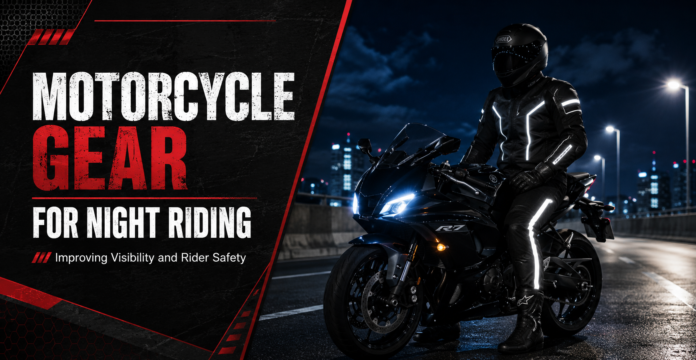
One of the biggest night riding mistakes is wearing plain black or very dark clothing with no reflective detail. Many riders like black gear because it looks clean and strong, but black fabric is difficult to notice on dark roads. A driver may not see the rider until the bike is very close. That small delay can be dangerous. Motorcycle gear for night riding should include reflective strips, bright panels, or contrast areas on the jacket, pants, gloves, and helmet.
Reflective material is useful because it catches vehicle lights and makes the rider stand out. Riders can also choose gear with reflective piping on the sleeves, chest, back, knees, and lower legs. When building a safer kit, riders can review Eco Jersey’s motorcycle gear options to understand how gloves and riding accessories fit into a complete night riding setup. The best choice is not always the brightest outfit, but the rider should never disappear into the road.
Mistake Two: Using a Tinted Visor at Night
A tinted visor can look good in the daytime, but it is a bad choice for night riding. It reduces light and makes the road harder to see. At night, the rider already has less vision than during the day, so blocking more light can increase danger. Motorcycle gear for night riding should include a clear visor, clean lens, and scratch-free face shield. A dirty visor can scatter light from street lamps and car headlights, which may create glare. Riders should clean the visor before every night ride and carry a soft cloth if needed. Anti-fog protection also matters because fog inside the visor can hide the road at the worst time.
Some riders lift the visor when it fogs, but that can expose the eyes to dust, cold wind, insects, and road debris. A clear visor with good ventilation is safer. A helmet is not only for impact protection; it is also the rider’s main window to the road. If that window is dark, dirty, or foggy, the rider loses time to react.
Mistake Three: Ignoring Jacket and Pants Protection
Some riders think visibility is enough at night, but protection still matters. A bright jacket without armor is not complete safety gear. Motorcycle gear for night riding should protect the rider if a fall happens. A proper riding jacket should cover the arms, shoulders, chest, and back. Riding pants should protect the knees, hips, and legs.
Normal jeans, casual trousers, and fashion jackets may tear quickly on rough road surfaces. At night, a rider may not see loose gravel, oil, uneven turns, or broken road edges in time. That is why the gear should combine visibility with abrasion resistance and impact protection. A safe jacket should not flap in the wind, and pants should not pull up when the rider sits on the bike. Sleeves should stay down near the wrists, and trouser legs should stay over the boots. Motorcycle gear for night riding works best when every part of the body has proper coverage, not only the upper body.
Mistake Four: Forgetting Cold Weather Comfort
Night air is often colder than daytime air, even in warm seasons. When a rider gets cold, the hands become stiff, the body gets tense, and reaction time can slow down. This can affect braking, clutch control, and steering. Motorcycle gear for night riding should keep the rider warm without adding unsafe bulk. Gloves are especially important because cold fingers make it harder to feel the controls. In winter or late-night rides, riders may need insulated or heated gloves to keep grip strength steady.
For cold riding conditions, Eco Jersey’s heated gloves for motorbike are a relevant option for riders who want extra warmth while keeping their hands covered. The rider should also think about base layers, neck coverage, and windproof outerwear. Cold weather is not only uncomfortable; it can become a real safety problem. A warm rider can focus better, move better, and react faster when the road changes suddenly.
Mistake Five: Wearing Weak or Wrong Gloves
Hands are often the first body part to touch the road during a fall. That is why gloves are not optional for night riding. Some riders wear thin fashion gloves, gym gloves, or no gloves at all. This is a serious mistake. Motorcycle gear for night riding should include gloves made for riding, with grip, protection, and secure closure. Gloves should protect the palms, knuckles, fingers, and wrists. They should also allow easy use of the throttle, brake, clutch, horn, and indicators. Loose gloves can slip. Tight gloves can reduce blood flow and make the hands feel numb. Riders who use off-road routes, dusty areas, or rough streets should choose gloves with stronger grip and surface protection, and Eco Jersey’s dirt bike gloves are a useful example for grip-focused hand protection. Night riding needs calm control. If the hands are cold, exposed, or slipping, the rider may lose that control when it matters most.
Mistake Six: Not Checking Lights and Reflective Gear Together
A bright headlight is important, but it is not the full answer. Many riders check the headlight and forget the rear light, brake light, indicators, helmet reflectors, and clothing visibility. Motorcycle gear for night riding should work with the bike’s lighting system. The bike helps other road users see the machine, while reflective gear helps them see the rider’s body shape. This matters when the rider is turning, stopped at the roadside, walking near the bike, or standing after a breakdown.
Reflective areas on the back of the jacket, side of the legs, and gloves can show movement better than a single rear light. Riders should also avoid covering reflective panels with backpacks or loose outer layers. Before leaving, check the headlight, tail light, brake light, indicators, and number plate light. Then check the gear in a mirror or under light. If nothing reflects or stands out, the rider needs better visibility support.
One-Paragraph Night Riding Gear Checklist
Use this simple checklist before choosing motorcycle gear for night riding:
- Choose a clear helmet visor, not a dark tinted one.
- Wear a jacket with reflective panels or strips.
- Use armored pants instead of casual trousers.
- Pick gloves that protect the palms, fingers, and wrists.
- Keep hands warm so grip stays steady.
- Wear boots that protect the ankles and do not slip.
- Check headlight, brake light, tail light, and indicators.
- Add reflective details to the back and sides of the body.
- Avoid loose clothing that flaps in the wind.
- Clean the visor before every night ride.
- Make sure gear fits while sitting on the bike.
- Keep rainwear ready if the weather may change.
- Do not cover reflective panels with a backpack.
- Replace damaged gloves, jackets, pants, or boots.
- Choose comfort and protection together, not only style.
Mistake Seven: Choosing Style Over Fit
Good-looking gear is not always safe gear. If a jacket is too loose, it may move during a fall and expose the skin. If it is too tight, it can stop the rider from turning, reaching, or breathing comfortably. Motorcycle gear for night riding should fit the riding position, not just the standing position. The rider should sit on the bike and check the sleeves, back length, shoulder movement, gloves, pants, and boot coverage. A jacket that feels fine while standing may ride up when the rider leans forward. Pants that look fine in a mirror may pull above the boots when sitting. Gloves that feel normal indoors may feel tight after one hour of riding. Fit also affects visibility. Reflective panels only work well when they stay in the right place. If the gear twists, folds, or gets covered, visibility becomes weaker. Safe night gear should feel natural on the bike, not only in a product photo.
Conclusion
Motorcycle gear for night riding should help the rider stay seen, stay protected, and stay focused. The biggest mistakes are easy to avoid: wearing dark clothing without reflection, using a tinted visor, skipping gloves, ignoring cold weather, riding without armor, and choosing poor fit. Night roads give the rider less time to react, so every part of the gear should support safety. A clear visor improves vision. Reflective panels improve visibility. Gloves improve control. Jackets, pants, and boots improve protection. Warm and weather-ready layers improve comfort. The best motorcycle gear for night riding is not only about one item. It is a full setup that works together from head to toe. When riders prepare before the ride, they can feel more confident, more visible, and more in control after sunset.
FAQs
What is the most important motorcycle gear for night riding?
The most important motorcycle gear for night riding includes a clear helmet visor, reflective jacket, armored pants, protective gloves, and sturdy boots. These items help the rider see better, stay visible, and protect the body if a fall happens.
Should I wear reflective clothing when riding a motorcycle at night?
Yes, reflective clothing is strongly recommended for night riding. Reflective panels help other drivers notice the rider in low light, especially from the back and sides.
Are tinted visors safe for night motorcycle riding?
No, tinted visors are not a good choice for night riding because they reduce light and make the road harder to see. A clear visor is safer for dark roads.
Why are gloves important for night riding?
Gloves protect the hands, improve grip, and help the rider control the throttle, brake, and clutch. Warm gloves are also helpful because cold hands can reduce control during night rides.