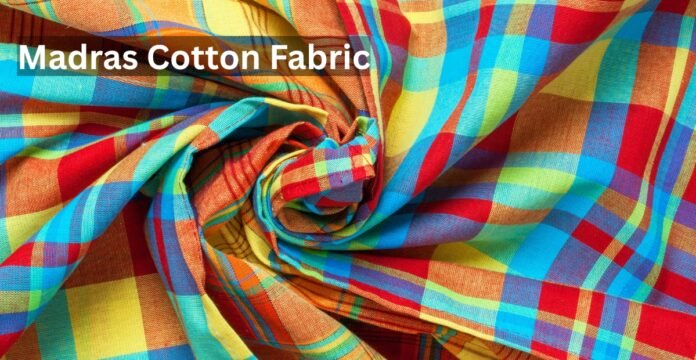
Madras cotton has a unique place in the textile world. It is a fabric that’s more than a fabric. It’s cultural heritage. It has become a global fabric and is used in many fashions and home décor. This detailed guide will examine its history, characteristics and types, as well as the benefits it offers. We’ll also discuss fashion applications and why this fabric is still relevant today. We will also discuss the journey of this fabric from Madras’ streets to the international runways, and how it has been used in modern fashion.
Introduction – What is Madras Cotton Fabric
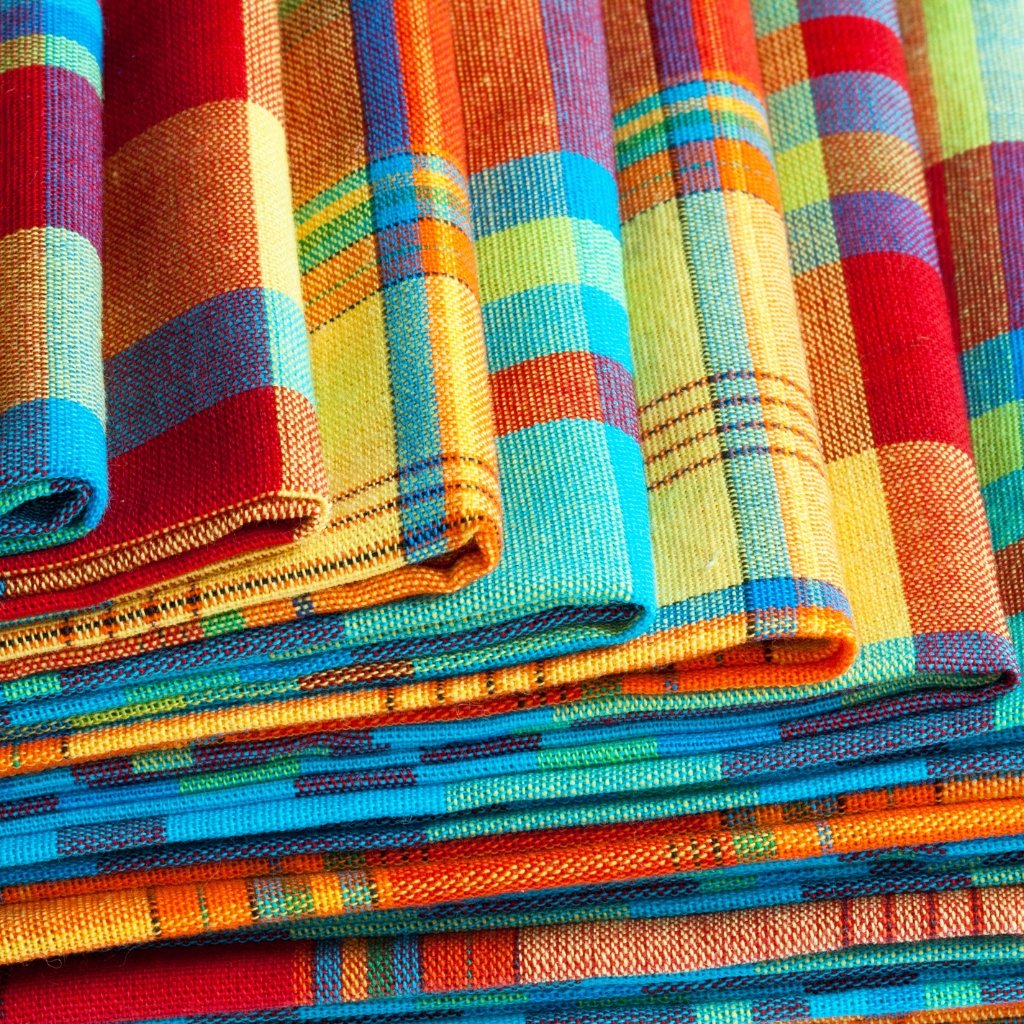
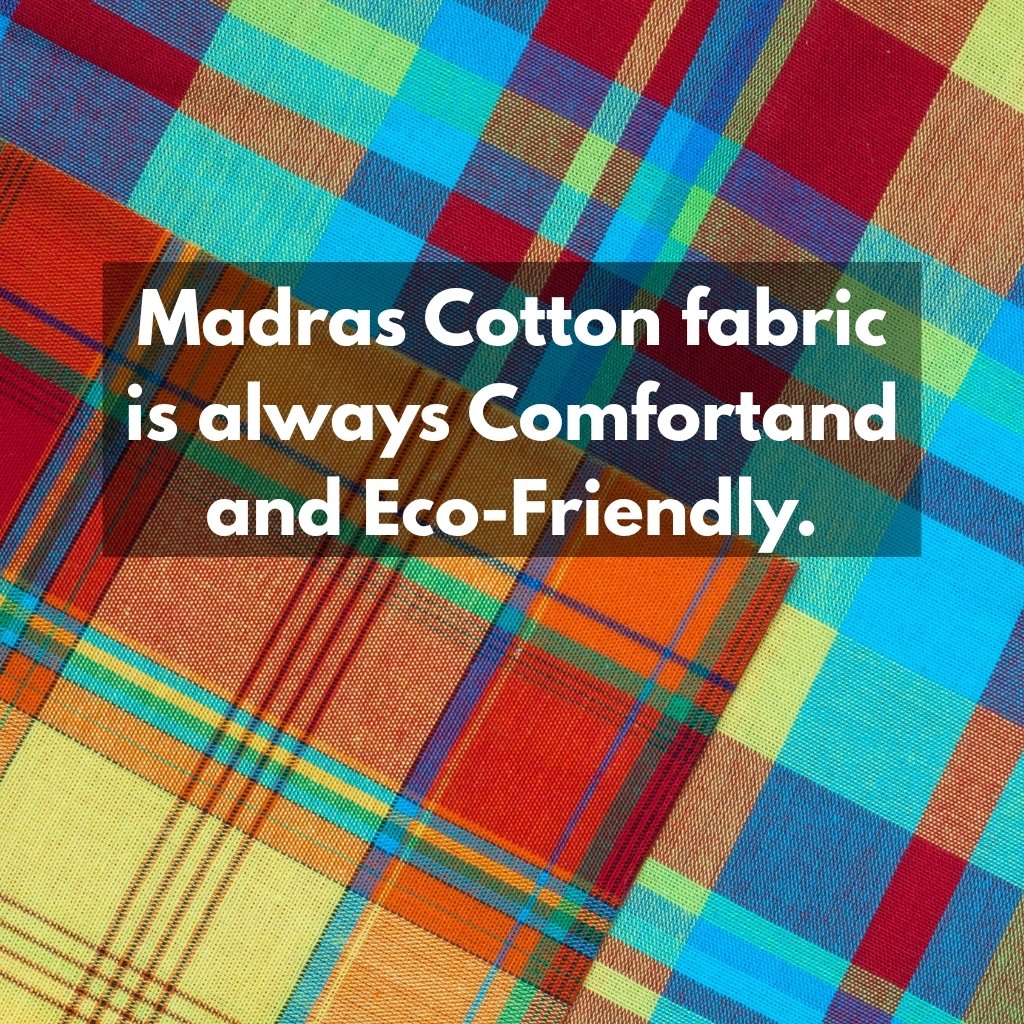
Madras Cotton Fabric is a light, hand-woven fabric that originates from Madras in India (now Chennai). The fabric is known for its bright checks, stripes and patchwork designs. It is ideal for hot climates because it’s made of pure cotton and feels soft against the skin. The unique dyeing technique used on this fabric creates its signature “bleeding colors” or slightly faded appearance after washing.
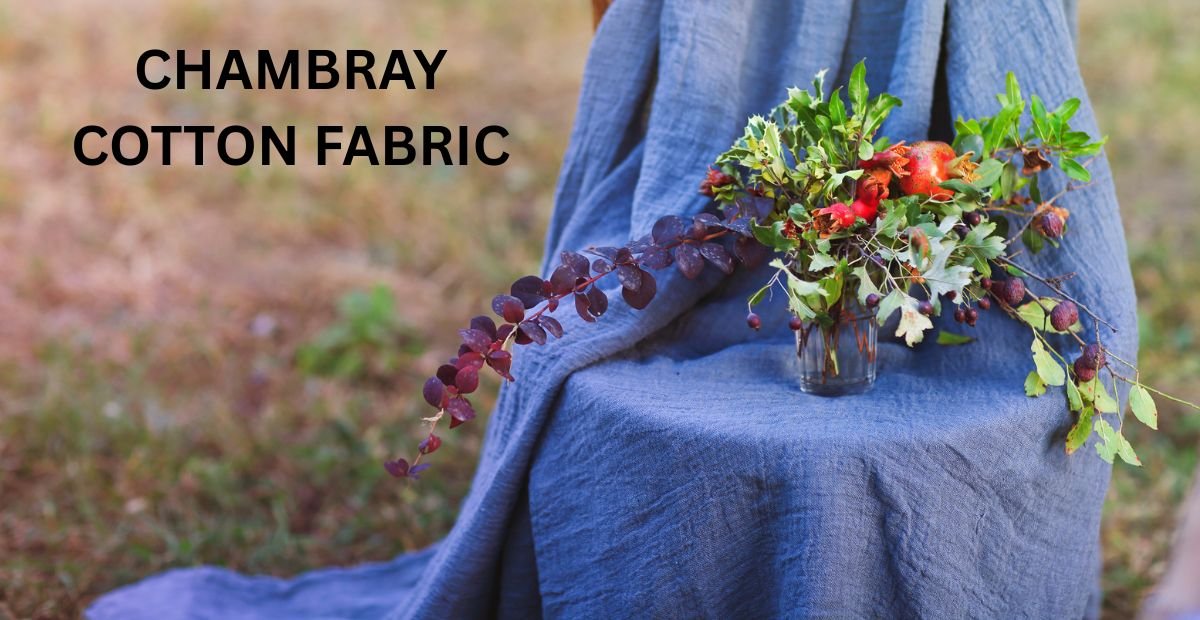
Madras Cotton Fabric, which began as a local art, gained worldwide attention, particularly in the United States and Europe. It is usually associated with summer casual wear, especially shirts and shorts. It has gained popularity over the years for its natural fibers, authenticity and handcrafted feel. Read more….Chambray Cotton Fabric
History of Madras Cotton Fabric

Madras cotton fabric has a long history. Madras had a strong weaving community. This area has been weaving cotton for over 400 years. In the past, local artisans wove the fabric on handlooms. Although the process was long, it produced a high-quality fabric. Natural dyes are also used to give the fabric a unique raw finish.
The colorful cotton textiles of Madras were a big attraction for European traders when they visited India. Exports soon began and the fabric was popularized in European markets. Madras Cotton was being exported in large amounts to other countries by the 17th century. The global demand for the fabric encouraged its production. It quickly became a symbol of Indian workmanship.
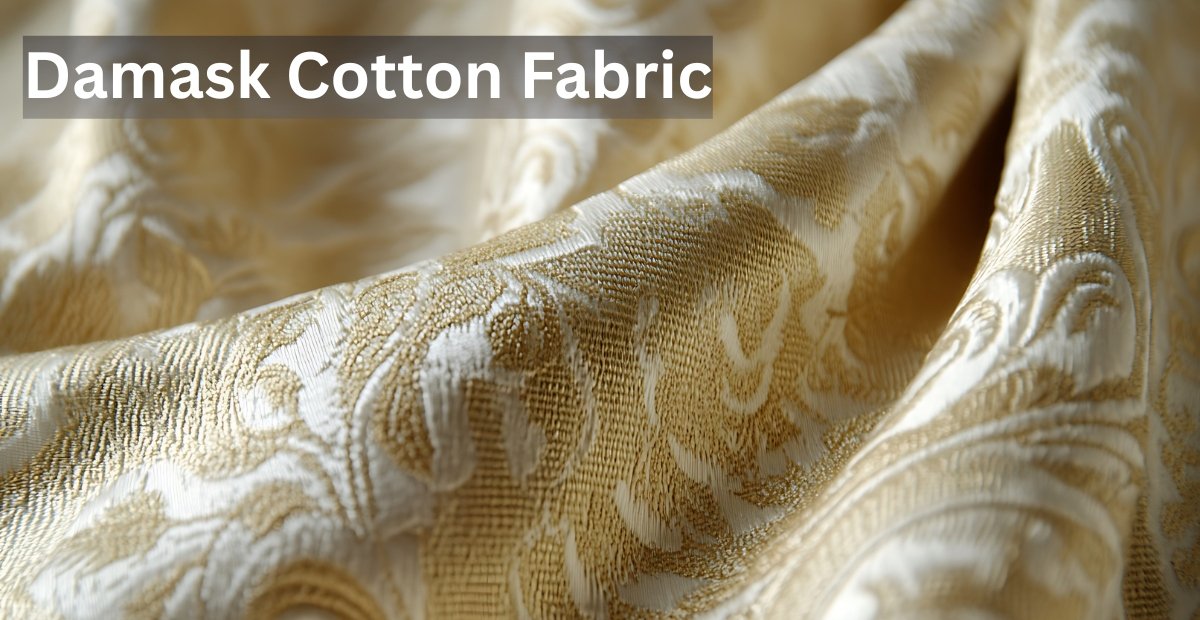
In the United States, this fabric became iconic in the 1960s with the “bleeding Madras trend”. The colors did not have to be chemically fixed and blended well after washing. This color bleeding, which was originally considered a flaw, later became fashionable. Madras cloth was a fashionable statement of preppy style. See more…..Damask Cotton Fabric
Madras Cotton Fabric Characteristics
Madras cotton fabric is unique because of its characteristics. Here are the main features that make it unique:
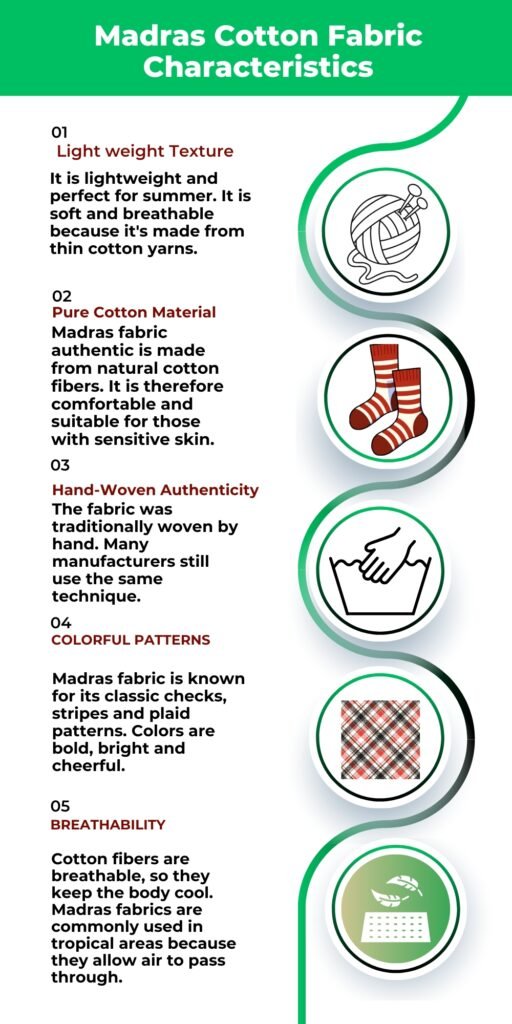
1. Lightweight Texture
It is lightweight and perfect for summer. It is soft and breathable because it’s made from thin cotton yarns.
2. Pure Cotton Material
Madras fabric authentic is made from natural cotton fibers. It is therefore comfortable and suitable for those with sensitive skin.
3. Hand-Woven Authenticity
The fabric was traditionally woven by hand. Many manufacturers still use the same technique. The handcrafted aspect adds to the value of this product and makes it unique. Some factories still carry out the process manually.
4. Colorful Patterns
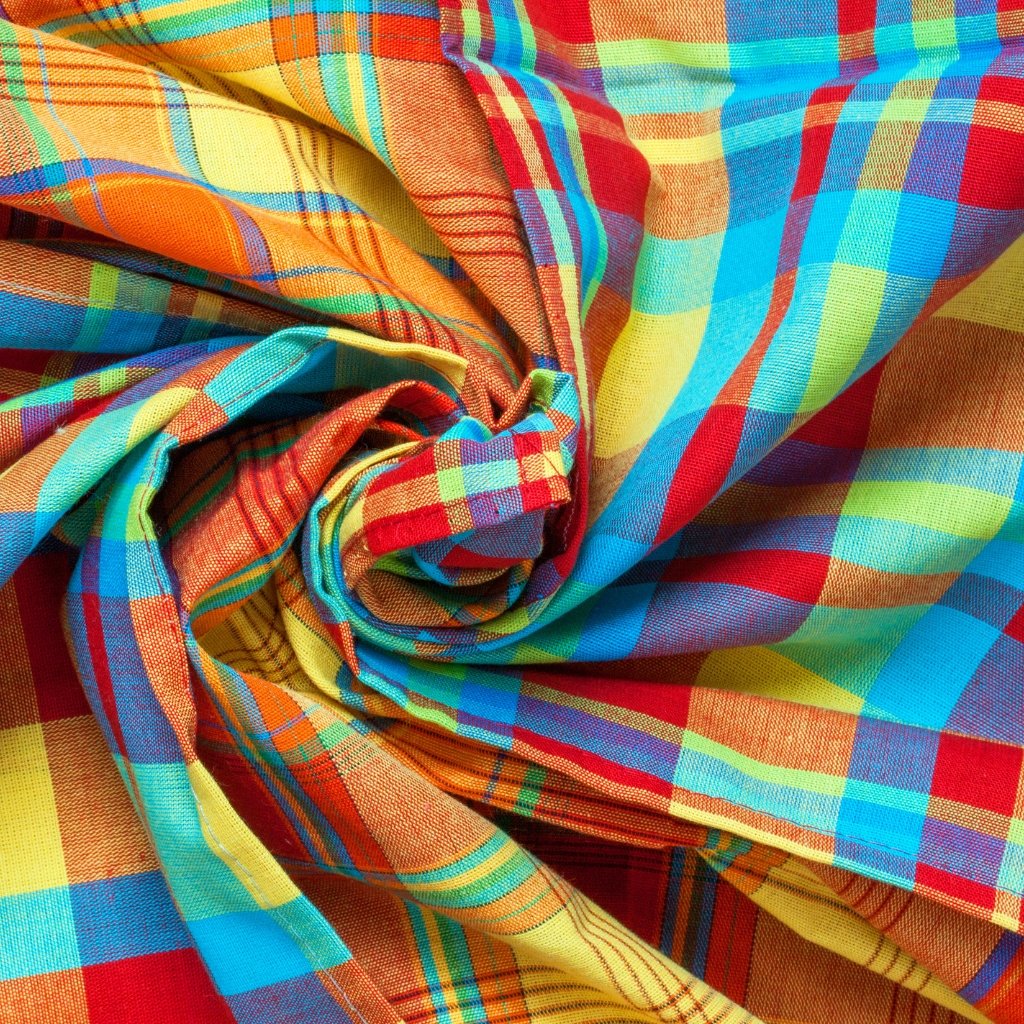
Madras fabric is known for its classic checks, stripes and plaid patterns. Colors are bold, bright and cheerful. Patchwork designs, which are created by sewing together different patterns of fabric, are another signature style.
5. Breathability
Cotton fibers are breathable, so they keep the body cool. Madras fabrics are commonly used in tropical areas because they allow air to pass through.
How Madras Cotton fabric is made: The weaving process
Understanding the process of making fabric allows you to appreciate the quality behind the product. The traditional steps have not changed, even though the processes have evolved over time. See more….Pima Cotton
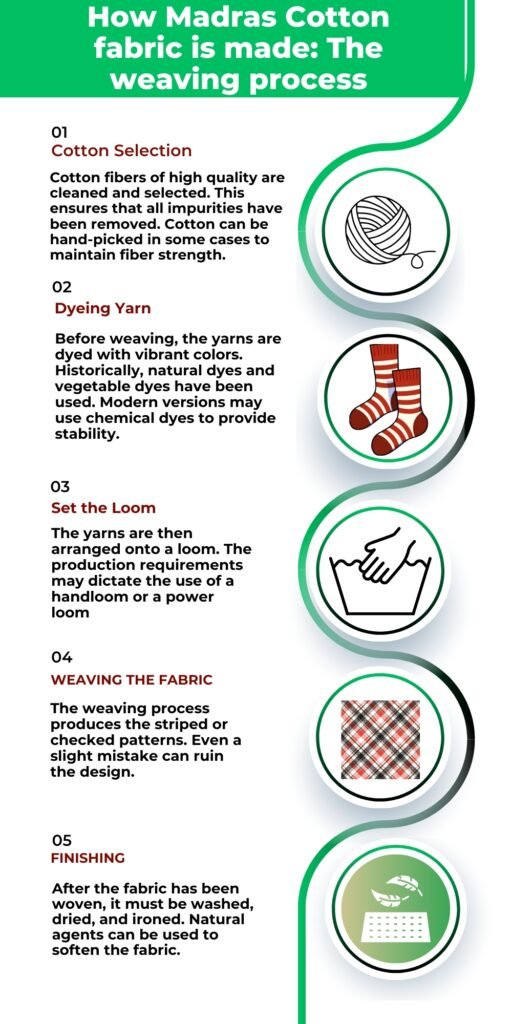
1. Cotton Selection
Cotton fibers of high quality are cleaned and selected. This ensures that all impurities have been removed. Cotton can be hand-picked in some cases to maintain fiber strength.
2. Dyeing Yarn
Before weaving, the yarns are dyed with vibrant colors. Historically, natural dyes and vegetable dyes have been used. Modern versions may use chemical dyes to provide stability.
3. Set the Loom
The yarns are then arranged onto a loom. The production requirements may dictate the use of a handloom or a power loom. In some regions, however, the traditional Madras Cotton is still woven manually.
4. Weaving the Fabric
The weaving process produces the striped or checked patterns. Even a slight mistake can ruin the design.
5. Finishing
After the fabric has been woven, it must be washed, dried, and ironed. Natural agents can be used to soften the fabric. To preserve the natural feel, some fabrics are left unprocessed.
Madras Cotton Fabric Types
Madras fabric is available in many varieties. All types of Madras cotton fabric are similar, but they have different appearances and uses.
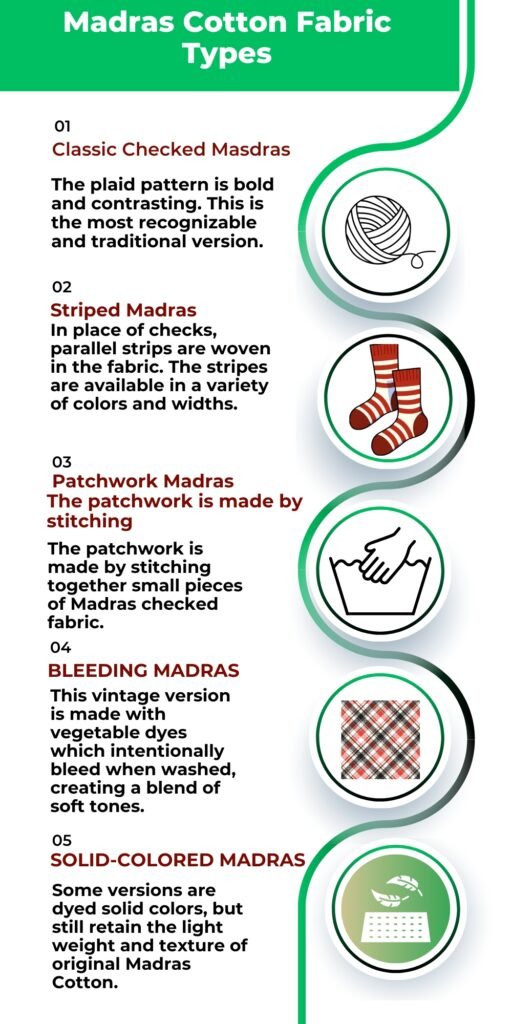
1. Classic Checked Masdras
The plaid pattern is bold and contrasting. This is the most recognizable and traditional version.
2. Striped Madras
In place of checks, parallel strips are woven in the fabric. The stripes are available in a variety of colors and widths.
3. Patchwork Madras
The patchwork is made by stitching together small pieces of Madras checked fabric. This pattern was extremely popular among Western fashion.
4. Bleeding Madras
This vintage version is made with vegetable dyes which intentionally bleed when washed, creating a blend of soft tones.
5. Solid-Colored Madras
Some versions are dyed solid colors, but still retain the light weight and texture of original Madras Cotton.
Madras Cotton Fabric
Madras cotton fabric is still popular because of its many benefits. Despite its simplicity, it has many benefits.
Breathability
Cotton’s porous structure allows heat to escape. The wearer stays cool in hot weather.
Soft Texture
The fabric is soft on the skin because it is made of fine cotton yarns.
Eco-Friendly Production
Madras cotton, traditionally woven in India, is dyed with natural colors and sometimes vegetable dyes. It uses minimal chemicals.
Versatility
You can use it for home decor, clothing, accessories and even as a fabric.
Unique Authentic Look
Hand-woven fabrics have a rustic appeal that is impossible to replicate with machine-made fabric.
Fashions Made from Madras Cotton
Madras cotton has a stylish appearance and is comfortable. Here are some of the most popular applications:
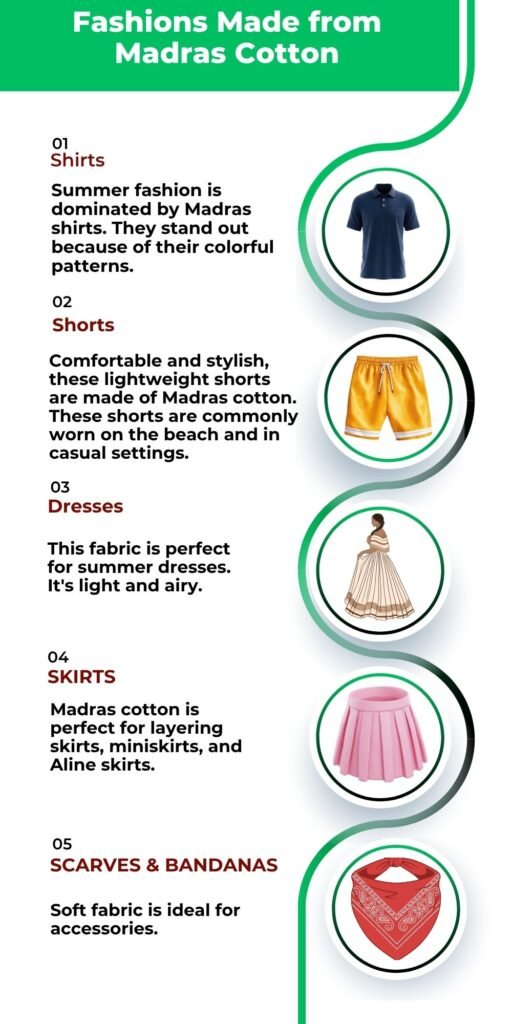
1. Shirts
Summer fashion is dominated by Madras shirts. They stand out because of their colorful patterns.
2. Shorts
Comfortable and stylish, these lightweight shorts are made of Madras cotton. These shorts are commonly worn on the beach and in casual settings.
3. Dresses
This fabric is perfect for summer dresses. It’s light and airy.
4. Skirts
Madras cotton is perfect for layering skirts, miniskirts, and Aline skirts.
5. Scarves & Bandanas
Soft fabric is ideal for accessories.
Home Decor Applications
Madras Cotton is not only used for clothing but also in the home.
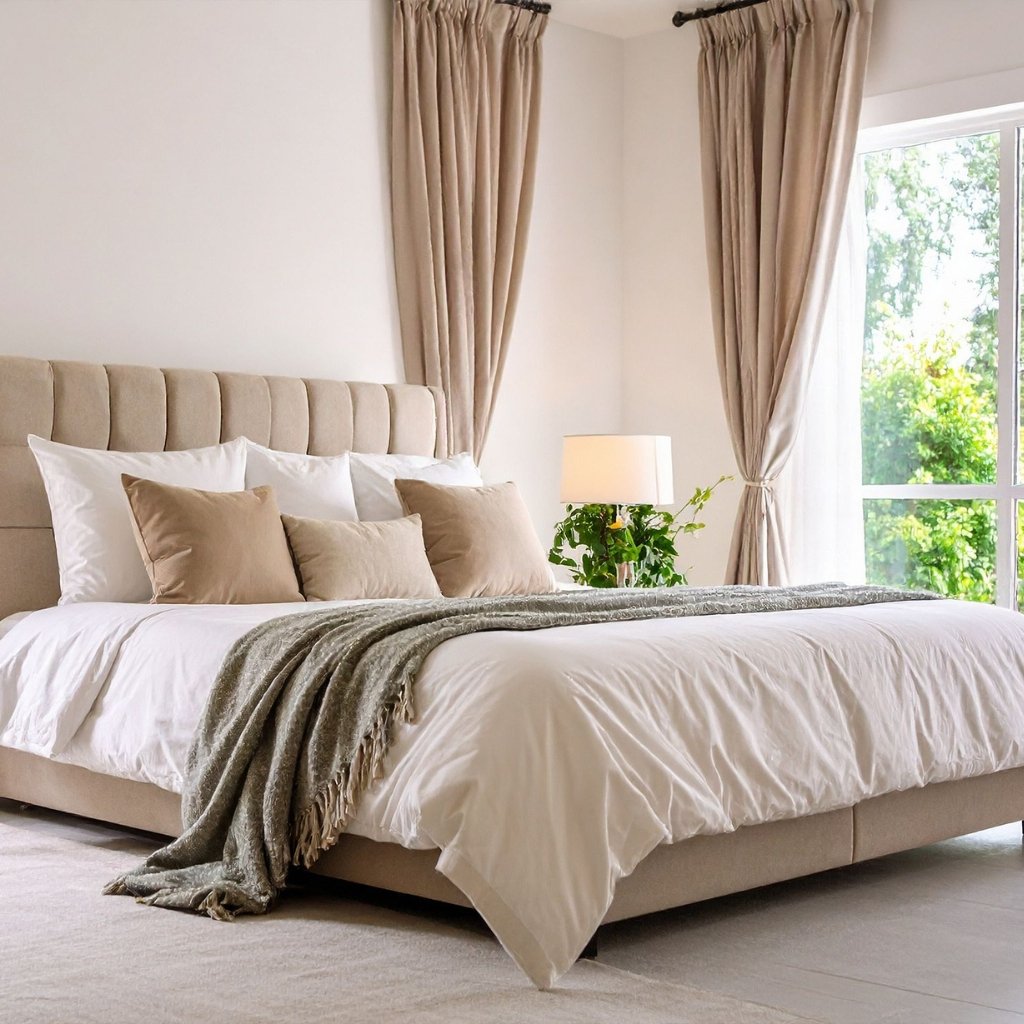
Cushion Covers
Colorful patterns brighten up interiors.
Tablecloths
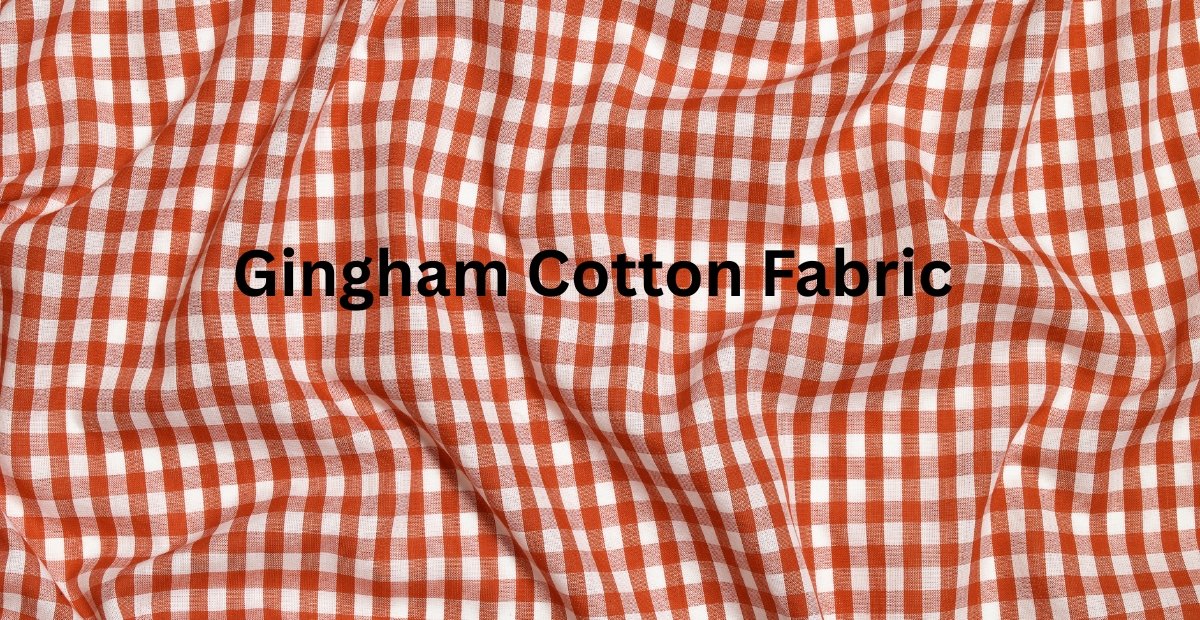
The checks create a rustic, cozy aesthetic. Read more….Gingham Cotton Fabric
Curtains
Lightweight curtains let natural light pass through.
Throws and Quilts
Madras patchwork quilts are particularly popular.
Madras Cotton in Global Fashion Trends
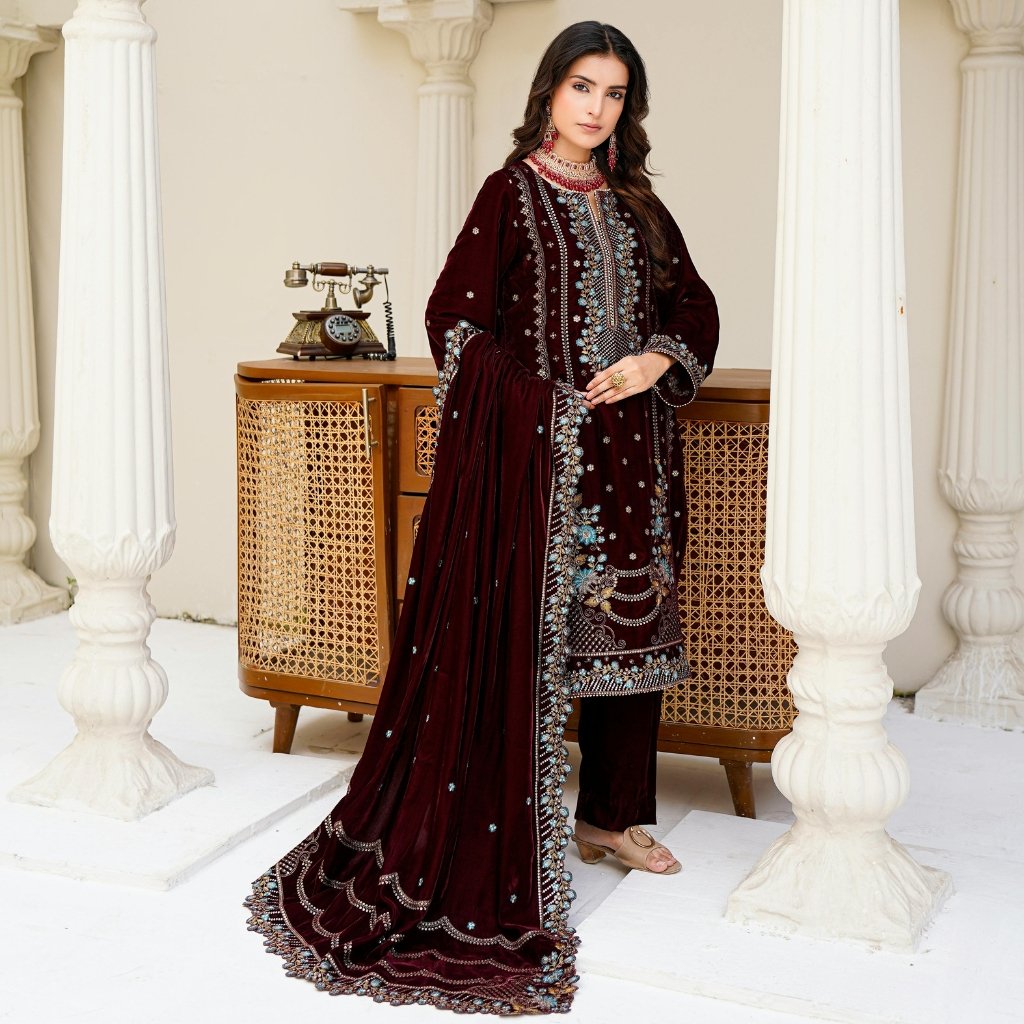
Madras cotton has evolved from a traditional Indian fabric to a global fashion. Designers from all over the world have embraced this unique personality. International brands also use Madras patterns in their spring and summer collections.
Preppy Fashion Influence
In the 1960s top American brands marketed Madras cotton as a symbol for a relaxed lifestyle. The fabric was a part of Ivy League fashion.
Japanese Fashion
Handcrafted fabrics have been a favorite of Japan for centuries. Madras Cotton became popular because of its natural feel and “imperfect perfection.”
European Designers
Madras is a favorite of many European designers for their bohemian or artisanal themes.
Madras Cotton Fabric Care Instructions
Special care is needed to maintain the quality of this product.
Was in cold water
The colors may fade if you use hot water.
Use mild detergents
Harsh chemicals damage cotton fibers.
Do not bleach
Bleach weakens fabrics.
Air dry
Avoid using high-temperature drying methods.
Iron at low heat
Cotton can be shrinked by high heat.
Natural fading is part of the fabric charm.
Why Madras Cotton fabric is still relevant today
Despite the introduction of synthetic fabrics due to technological advances, Madras Cotton continues to be a favorite worldwide. This is due to several factors:
Comfort
Cotton is suitable for all skin types, climates and weather conditions.
Cultural Value
The fabric is given a deeper meaning by the traditional weaving history.
Eco-Friendly Appeal
Sustainable fashion is becoming more popular among consumers.
Handcrafted Artistry
The authenticity of hand-woven fabrics is admired.
Global Trend Cycles
Bright and colorful patterns are still popular.
Madras Cotton vs. Regular Cotton
Both fabrics are made of cotton but they differ in many ways.
| Features | Madras Cotton | Regular Cotton |
|---|---|---|
| Weaving Style | Hand-woven | Machine-woven |
| Patterns | Checks and stripes | Variety |
| Texture | Lightweight | Variations |
| Dye | Chemical or Vegetable? | Most of the chemicals are chemical |
| Appearance | Rustic, artisanal |
Madras cotton is unique in its heritage and character.
Conclusion
Madras Cotton fabric is much more than a textile. It is a tale woven of culture, tradition and craftsmanship. This fabric has endured centuries of change, from its Indian origins to its influence in global fashion. The lightweight fabric, vivid patterns and eco-friendly properties make it a favorite. Madras Cotton remains timeless, even as trends change and materials improve. It is also a symbol for authentic craftsmanship that the entire world respects.
FAQs
What is Madras cotton fabric?
Madras cotton fabric is a lightweight, breathable, hand-woven cotton textile known for its colorful checks, stripes, and patchwork patterns. It originated from Madras (now Chennai), India.
Why is Madras cotton fabric popular in summer?
It is popular in summer because the fabric is made from thin cotton yarns that allow air to flow easily, keeping the body cool and comfortable in hot climates.
Does Madras cotton fabric bleed color?
Traditional Madras fabric often bleeds color because it was originally dyed using vegetable dyes. This “bleeding” effect is considered a signature characteristic of authentic Madras fabric.