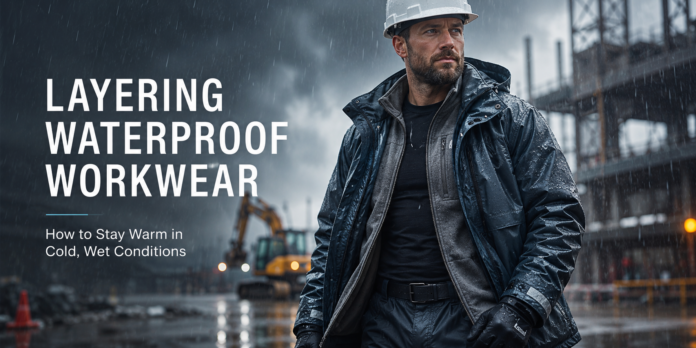
Cold and wet conditions are among the most physically demanding environments any worker can face. When the temperature drops and the rain sets in, staying warm and dry becomes a matter of safety — not just comfort. That’s where layering waterproof workwear becomes an essential strategy for outdoor and field-based workers.
The right layering system keeps workers protected, comfortable, and productive through long shifts in the harshest weather conditions. Let’s break down exactly how it works and why every layer matters.
What Is Layering Waterproof Workwear?
Layering waterproof workwear refers to the practice of wearing multiple clothing layers together, each serving a specific protective function, to create a complete system of warmth and weather protection. Rather than relying on a single heavy garment, the layering approach combines breathable base layers, insulating mid layers, and waterproof outer layers.
Layering waterproof workwear is the standard approach used by professional outdoor workers across construction, utilities, energy, and field services. When each layer is selected and worn correctly, the system protects against cold, wind, rain, and moisture simultaneously.
Why It Matters — Key Benefits
A proper layering waterproof workwear system delivers real protection for workers in cold, wet conditions. Here’s why it matters:
- Complete cold and wet weather protection — Each layer addresses a specific threat — moisture, cold, and wind — creating a comprehensive protective system.
- Flexible adaptation to changing conditions — Layers can be added or removed as temperatures and weather conditions change throughout the shift.
- Improved worker safety — Properly layered workwear reduces the risk of hypothermia and cold-related health issues during prolonged outdoor exposure.
- Better breathability than single heavy garments — Multiple thinner layers allow moisture vapor to move outward more effectively than one thick layer.
- Consistent warmth through physical activity — Workers can adjust layers to regulate body temperature during periods of high and low physical exertion.
- Long-term cost efficiency — A well-chosen layering system lasts longer and performs better than single-garment solutions across a full working season.
- Compliance with outdoor safety requirements — Proper layering supports compliance with cold weather working regulations in many industries.
The Base Layer: Managing Moisture First
The foundation of any layering waterproof workwear system is the base layer. This is the layer closest to the skin, and its primary job is moisture management — wicking sweat away from the body quickly to prevent the chilling effect of wet skin against cold air.
Merino wool and moisture-wicking polyester are the most effective base layer materials for cold, wet working conditions. Both move sweat away from the skin efficiently while retaining some insulating warmth even when damp. A good base layer sets the foundation for the entire layering system — if moisture builds up against the skin, no amount of insulation or waterproofing on the outer layers can fully compensate.
The Mid Layer: Trapping Heat
The mid layer is the insulating heart of the layering waterproof workwear system. Its job is to trap warm air close to the body and retain heat even when the worker is exposed to cold outdoor temperatures. Fleece, down, and synthetic insulation fills are the most common mid layer materials in professional workwear.
Fleece mid layers are particularly popular in outdoor work environments because they remain warm even when damp — an important quality given that workers in wet conditions may encounter moisture from multiple sources. The thickness of the mid layer should match the severity of the cold conditions — lighter fleece for cool conditions, heavier insulation for genuinely cold working environments.
The Outer Layer: Blocking Wind and Rain
The outer layer is the final barrier between the worker and the elements. In a layering waterproof workwear system, this layer needs to deliver two things simultaneously — complete waterproof protection and sufficient breathability to allow moisture vapor from the inner layers to escape outward.
A high-quality outer shell with sealed seams, waterproof zips, and a reliable DWR coating or membrane is essential at this stage. Without proper breathability in the outer layer, moisture builds up inside the garment and undermines the insulating performance of the mid layer. Businesses can explore a full range of properly constructed outer shells through dedicated waterproof workwear options designed for professional outdoor use.
Who Needs a Layering Waterproof Workwear System?
Layering waterproof workwear is essential for any workforce regularly exposed to cold, wet, or unpredictable outdoor conditions. Construction workers on open sites face changing weather throughout the day, making a flexible layering system critical for maintaining comfort and safety across a full shift.
Workers in the energy sector — including those on oil and gas installations — often work in some of the most exposed and hostile outdoor environments in any industry, where proper layering is a genuine safety necessity. Utilities workers, agriculture teams, and emergency services also rely on effective layering systems to maintain performance in cold and wet field conditions. Businesses sourcing layered workwear solutions can explore the full range through a specialist workwear manufacturer.
Standards of Quality in Layering Waterproof Workwear
Quality across every layer of a layering waterproof workwear system matters equally — because the system is only as strong as its weakest layer. Base layers need to genuinely wick moisture away from the skin without retaining dampness against the body. Mid layers must deliver consistent insulation without adding excessive bulk that restricts movement during physical work.
Outer layers must meet measurable waterproof and breathability standards — including hydrostatic head ratings and moisture vapor transmission rates — to perform reliably in real outdoor conditions. Seam construction, zip quality, and adjustability features all contribute to how well the complete system performs. Businesses should also verify that their chosen workwear meets all relevant workwear safety standards for cold and wet working environments. In high-traffic areas, combining layering with high visibility workwear ensures workers stay both warm and visible.
Layering in Specialized Work Environments
Some work environments present additional challenges that need to be factored into the layering waterproof workwear system. In industrial workwear environments, layers may need to incorporate flame-resistant properties across every level of the system — not just the outer shell. A flame-resistant base layer underneath a standard insulating mid layer and waterproof outer shell creates a layering system that addresses both cold weather protection and industrial safety simultaneously.
Similarly, businesses in the oil and gas sector need to ensure every layer in the system meets the specific chemical and flame resistance requirements of their working environment. Getting expert guidance from a specialist workwear manufacturer helps businesses build layering systems that address every safety requirement without compromising on warmth or waterproofing.
Why Choose Eco Jersey for Layering Waterproof Workwear?
Eco Jersey is a specialist workwear manufacturer with deep expertise in producing complete layering waterproof workwear systems for demanding outdoor and industrial environments. We understand that effective cold weather protection requires every layer to be selected and constructed correctly.
Our waterproof workwear range covers outer shells with fully sealed seams, breathable membranes, and all the features professional outdoor workers need. We also manufacture insulating mid layers and moisture-wicking base layers, giving businesses a complete single-source solution for their entire layering system. We offer full customization, flexible order quantities, and reliable delivery — and we also manufacture corporate uniforms and high visibility workwear for businesses that need a complete workforce apparel solution.
Conclusion
Layering waterproof workwear is the most effective strategy for keeping outdoor workers warm, dry, and protected in cold, wet conditions. From moisture-managing base layers to insulating mid layers and waterproof outer shells, every layer plays a critical role in the complete system.
At Eco Jersey, we help businesses build complete layering systems that perform in the real world — with quality, customization, and expertise behind every piece. Ready to protect your outdoor workforce properly? Explore our waterproof workwear options and get in touch with our team today.
FAQs
How many layers do I need for effective waterproof workwear in cold conditions?
A three-layer system is the standard for cold, wet conditions — a moisture-wicking base layer, an insulating mid layer, and a waterproof outer shell. The thickness of each layer can be adjusted based on the severity of the cold and the level of physical activity involved.
Can I wear a single thick jacket instead of layering in cold wet conditions?
A single heavy jacket rarely matches the performance of a proper three-layer system. Layering allows better moisture management, more flexible temperature regulation, and superior overall protection compared to any single garment — even a very heavy one.
Do all layers in a workwear system need to be waterproof?
No. Only the outer layer needs to be waterproof. The base layer should focus on moisture-wicking, while the mid layer focuses on insulation. Adding waterproofing to inner layers can actually reduce the system’s overall breathability and comfort.
How should I care for layered waterproof workwear to maintain performance?
Follow the specific care instructions for each layer separately. Waterproof outer shells benefit from periodic re-treatment with DWR spray after washing. Fleece mid layers should be washed at low temperatures to preserve their insulating properties over time.