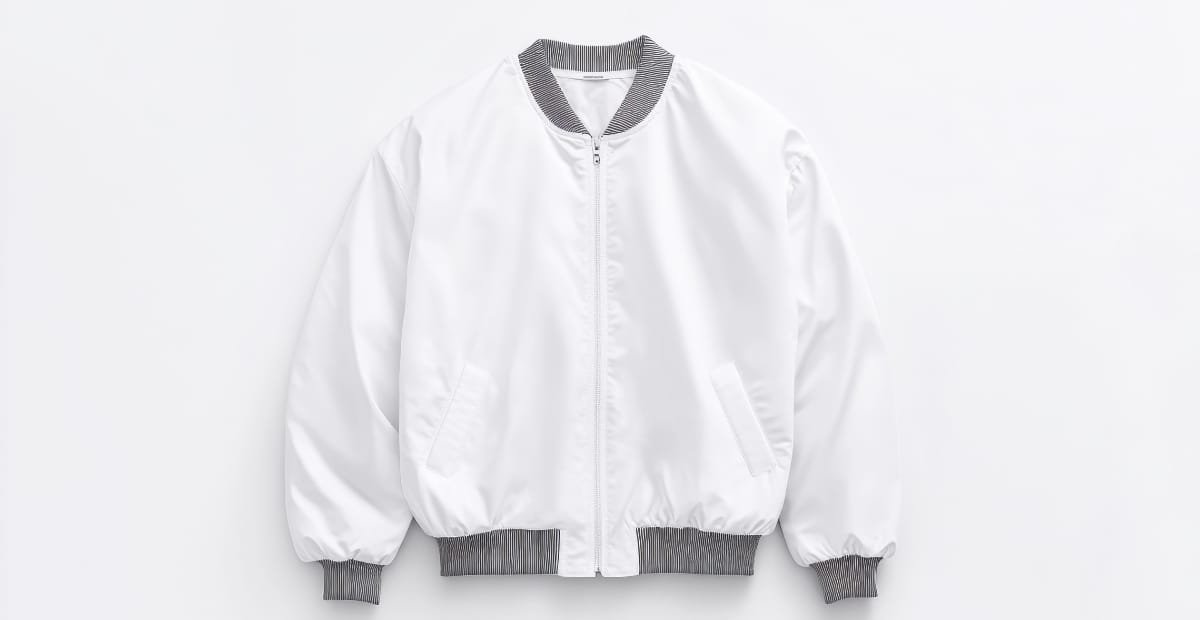
A layering topcoat offers a different experience than your average bulky winter coat. Instead of being a winter coat that limits styling options for the rest of your outfit, the layering top coat allows the wearer to adjust their layering systems up and down based on the weather, the occasion, or their personal preference. The layering top coat has become a staple piece of modern wardrobes.—
What is a Layering Topcoat?

A layering topcoat is a type of outerwear that can be worn on top of multiple layers without feeling constrictive or bulky. Unlike traditional topcoats which focus on formality, a layering topcoat prioritizes comfort and flexibility. Most topcoats are made with a relaxed fit and breathable, lightweight, to midweight materials. The insulation is not excessive, allowing for a variety of fit underneath layers like sweaters, blazers, and even light jackets. The insulation, along with the breathable materials, keeps the wearer from overheating. Many designs use minimal construction and details with clean lines. That makes layering topcoats versatile enough to be worn with any style, and remain fashionable regardless of the layers worn underneath.
Why Layering Topcoats are Essential Today
One reason layering topcoats have become essential today is because of how layers are now a practical part of dressing. Layering is practical because of the temperature swings that many places now experience. Many places now experience extremely cold mornings, warm afternoons, and once again cold evenings. These extreme shifts in temperature require a variety of layers to be worn for comfort. A layering topcoat allows the wearer to adhere to the practical approach of layering for temperature swings. Another reason layering top coats have become essential is because modern wardrobes focus on versatility. Instead of taking multiple bulky jackets everywhere, people can take a layering topcoat that provides the same warmth and utilizes layers. That is why layering top coats have become practical and highly valued. There is also the element of comfort. Layering topcoats are made to move with the body. This means they are great for commuting, walking, or working in them for long hours. They integrate nicely into daily routines.
Key Features of a Layering Topcoat

1. Relaxed Yet Refined Fit
Layering topcoats are designed to be form fitting in a way that they are not too tight or too lose. They are intended to look balanced. This sure fit right also means that you are able to relax under the fit and have some extra breathability available.
2. Breathable Construction
When layering is done, some extra warmth is generated. Therefore, the fabrics are carefully chosen to ensure breathability and therefore, comfort.
3. Lightweight and Mid-Weight Fabrics
While heavy fabrics are to be avoided, blending fabrics like wool, cotton and technical fabrics keep the coat light, yet sturdy for long hours of wear.
4. Minimalist Design
When topcoats have designs that are more on the simpler side, they are able to be more easily integrated into a variety of looks. This also allows for a greater freedom of design when a topcoat is worn.
Layering Topcoat vs Traditional Winter Coat
While they are both able to provide warmth, they are designed to accomplish different things. Traditional winter coats are designed with heavy insulation to withstand extreme cold, while winter coats are not. This means they provide less layering and styling options with their use.
On the other hand, you can control your warmth and flexibility with layering topcoats. This gives the wearer the ability to adjust to different climates.
Additionally, layering topcoats are better for the urban lifestyle. They seamlessly transition from indoors to outdoors which is why they are popular with professionals and city goers.
Ways to Layer with a Topcoat
Base Layer
The base layer needs to be breathable and lightweight. The best options include t-shirts, thermal tops, or light shirts. Also, because comfort starts with the base, the fabric is crucial.
Mid Layer
Mid layers are for insulation. Commonly used options include a sweater, cardigan, or even joggers. When the weather is cold enough, you can add more mid layers.
Top Outer Layer
The layering topcoat is the last layer which completes the outfit. It provides structure, warmth, and style so that you can be fashionable and warm. Big emphasis, here, is that the layering topcoat should be able to fit comfortably over all of the layers without feeling restrictive.
Looks for Layering Topcoats

Casual Looks
Pairing your layering top coat with some joggers is perfect for your street style. It provides structure to your fit, so you stay warm, and adding some sneakers completes the style.
Smart Casual Looks
A nice pair of Chinos and some leather shoes can really compliment your look when paired with a turtleneck and a top coat. This is a great look for the workplace when your office plays it a little more casual.
Urban Street Style
Street wear loves the top coat look as well. A great way to give it a modern aesthetic is to pair it with a hoodie or sweatshirt. This gives you a modern and effortless look.
Business Casual
Top coats worn over a blazer or a suit jacket looks really nice and business professional. They feel a little more relaxed than a regular overcoat.
Best Fabrics for Layering Topcoats
Wool Blends
A good wool coats are a great choice for the chilly months. They are warm but breathable, and the blend helps with the durability.
Cotton Twill
A great option for the lighter months is a cotton top coat. They are a little lighter and the breathability makes it a little easier to wear layers.
Technical Fabrics
Top coats with technical materials are increasing in popularity. They are great for the rain and wind, keeping you warm and dry.
Recycled & Sustainable Fabrics
People are more concerned with using materials that are less harmful to the environment. More top coats are being made with recycled yarn for this reason.
Choosing your Layering Topcoat
When it comes to picking layering topcoats, there is a bit to consider. Start looking at the climate. Slightly thicker materials are needed in colder areas, while lighter weights are easier to wear in warmer climates.
Next is fit. Top coats need to allow for movement, both to restrict movement and for active layering. If it feels restrictive, either the sizing is off or the cut is wrong.
Also, color is a big piece of the puzzle. insulated Topcoats in neutral colors like black, gray, navy and camel allow for more flexibility in pairing with other pieces and are often recommended.
And finally, construction. A well made top coat will stay in good shape for longer and retain its appearance.
Layering Topcoats Everyday
Fall
Fall is the prime season for layering top coats. The Best part is the lightweight layers can be changed as the day goes on.
Winter
Thicker mid layers can be added under the vintage topcoat in Winter. Topped coats can even be good for the winter in the city, although extremely cold weather does require a heavy coat.
Spring
The spring season can be unpredictable and layering top coats give just enough protection without the risk of overheating.
Layering Topcoats for Travel
Travel calls for comfort and versatility, and layering topcoats does just that. Lightweight and flexible, top coats are easy to wear for long stretches.
Moreover, they use wrinkle-resistant fabrics, so they look polished after hours of wear. For those who travel frequently, layering topcoats are a great investment.
Care and Maintenance Tips
Caring for a layering topcoat is important and will extend its life. Most wool urban topcoats require a dry-cleaning every so often, but avoid dry-cleaning too much.
After wearing the coat, let it sit for a while. Allowing the coat to breathe will help moisture evaporate. A strong hanger helps the coat maintain its shape.
Using breathable garment bags will extend the life of top coats during off-season storage.
Sustainability and Layering Topcoats
Layering topcoats fit well with the principles of sustainable fashion. Their versatility and timelessness mean that fewer outerwear pieces are needed, which decreases total consumption.
In addition, an increasing number of brands are prioritizing ethical production and the use of sustainable materials. With this evolving landscape, layering top coats have become a staple of conscious wardrobes.
Why Every Wardrobe Needs a Layering Topcoat
A layering topcoat is more than outerwear– it’s a solution. It compliments nearly every outfit, and can be worn in any season. Because of this versatility, it’s likely to become one of your most worn outerwear pieces.
Additionally, layering topcoats can boost your self funk. When there’s a synergy of comfort and style, the outfit and the outfit maker become a confident force. Because of this synergy, layering topcoats become daily go to pieces.
Final Thoughts:
The layering topcoat is a perfect example of smart future outerwear. It seamlessly blends comfort, style and versatility in one, making it the ideal coat for modern life, adapting to the changing weather and your style.
Whether you’re traveling, working or casually wearing your top coat, it will always deliver. Its easy to wear, timeless style will prove to be a smart and lasting addition to your wardrobe.
FAQs
What is a layering topcoat?
A layering topcoat is a versatile outerwear piece designed to be worn over multiple layers such as sweaters, blazers, or hoodies without feeling bulky or restrictive.
How is a layering topcoat different from a winter coat?
Unlike heavy winter coats, layering top coats focus on flexibility and breathability. Warmth is adjusted through layers rather than thick insulation, making them ideal for urban and transitional wear.
Can a layering topcoat be worn in winter?
Yes, layering top coats can be worn in winter when paired with proper mid-layers. In mild to moderate cold, they provide excellent warmth and comfort.