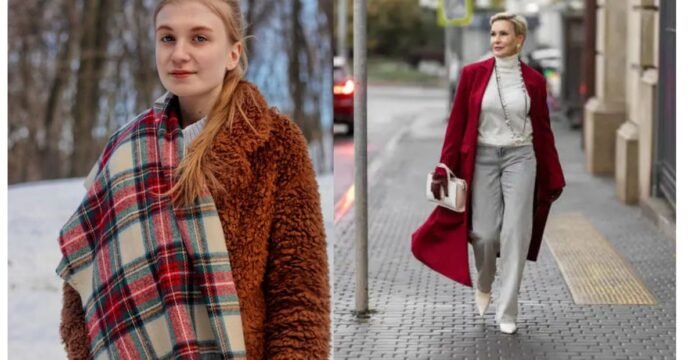
History of Winter Fashion Trends discloses the process of human adaptation to cold climate in ingenuity and design. People had to be covered by the cold winds all the time and thus, they created intelligent dress codes. As time passed on, these decisions became cultural and identifiable. Each age brought in new concepts that defined our modern-day fashion. Winter wear became more of a fashion statement than a survival need as fashion increased. This is the reason why winter fashion is important and full of meaning.History of Winter Fashion Trends.
As we move through centuries, winter fashion shows how climate, traditions, and innovations influenced what people wore. Early civilizations relied on natural materials like fur, wool, and leather because they provided reliable warmth. Later, industrial advances introduced structured tailoring, synthetic fibers, and new manufacturing techniques. These developments transformed winter clothing into something far more functional and fashionable. With each decade, winter apparel evolved to match cultural moods, making coats, scarves, and knitwear symbols of status, style, and comfort.
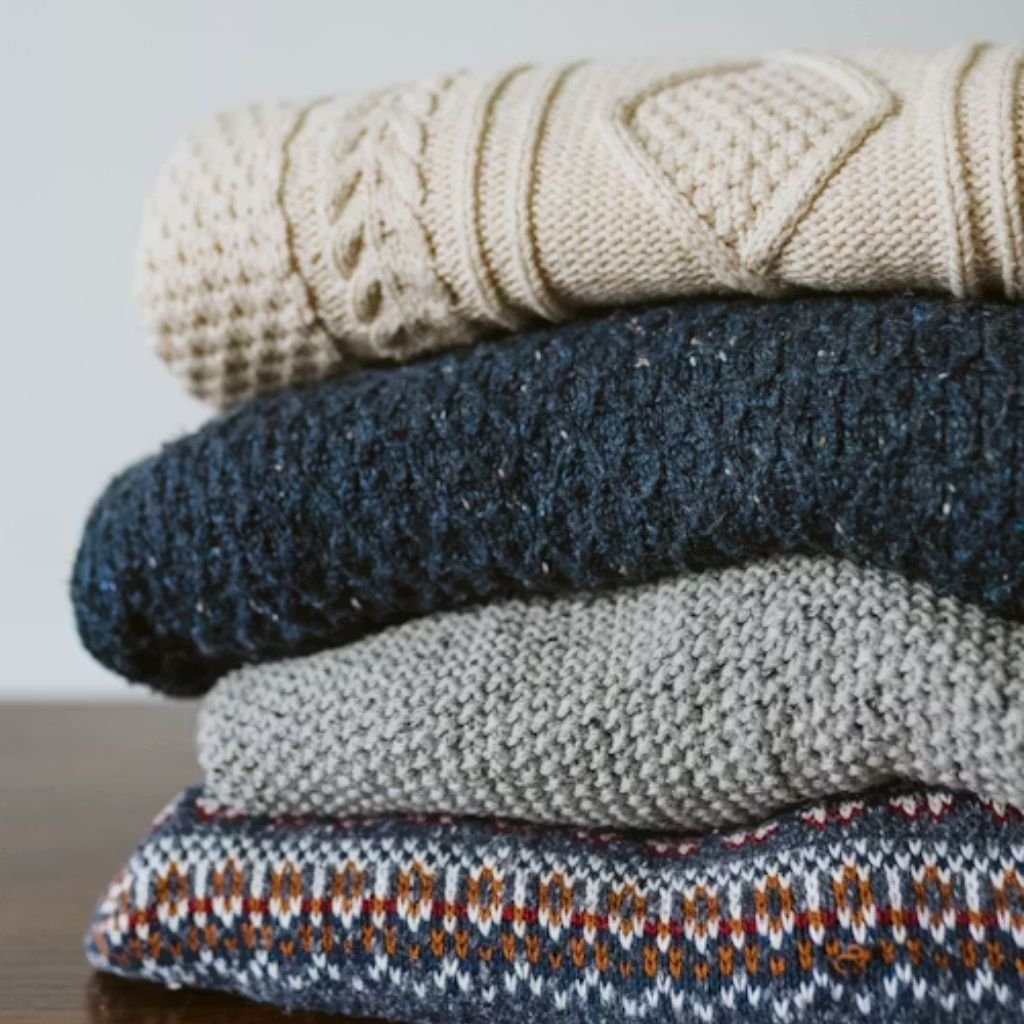
How winter fashion evolved over centuries
Winter styles was developed as the societies acquired the improved methods of dressing in unfriendly seasons.History of Winter Fashion Trends The natural materials were utilized by the ancient people and the subsequent generations provided its structure and style. Design, practicality and comfort were all changed in each new era. Hundreds of years of development moved winter wear to outerwear. Fashion has been created as a response to real life necessity and it advances as new concepts are developed. The trend is still affected by this evolution.
Why winter style is important culturally and practically
Winter style relates functionality to culture. Warm clothing is embraced by people due to their comfortability, but they equally desire beautiful design. Special coats, scarfs and wool garments are part of many of these traditions. Such styles demonstrate membership and belonging. Practical winter wear also ensure that people are safe during violent weather.History of Winter Fashion Trends This combination of allure and functionality is the reason why winter fashion is important.
Common Uses of Winter Fashion
Winter outerwear protects the body from cold temperatures and harsh winds.History of Winter Fashion Trends. People use coats and jackets for daily travel, work, and outdoor tasks. These pieces provide warmth while keeping the wearer comfortable and stylish. Many designs also offer durability for snow, rain, and strong winter conditions.
Layering helps people control body temperature in changing winter weather. It makes it easy to add or remove clothing pieces throughout the day. This method works well for moving between indoor heat and outdoor cold. It also supports flexible, stylish, and practical winter outfits.
People use scarves, gloves, hats, and beanies to protect sensitive areas such as the head, neck, and hands. These accessories give essential warmth during low temperatures.History of Winter Fashion Trends They also add color, texture, and style to any winter look. Many outfits rely on these items for both comfort and personality.
Winter fabrics like wool, fleece, and polyester allow designers to create warm and breathable clothing. These materials support sweaters, coats, shawls, and base layers that hold heat well. People choose them for insulation and moisture control. They help maintain comfort in everyday winter life.
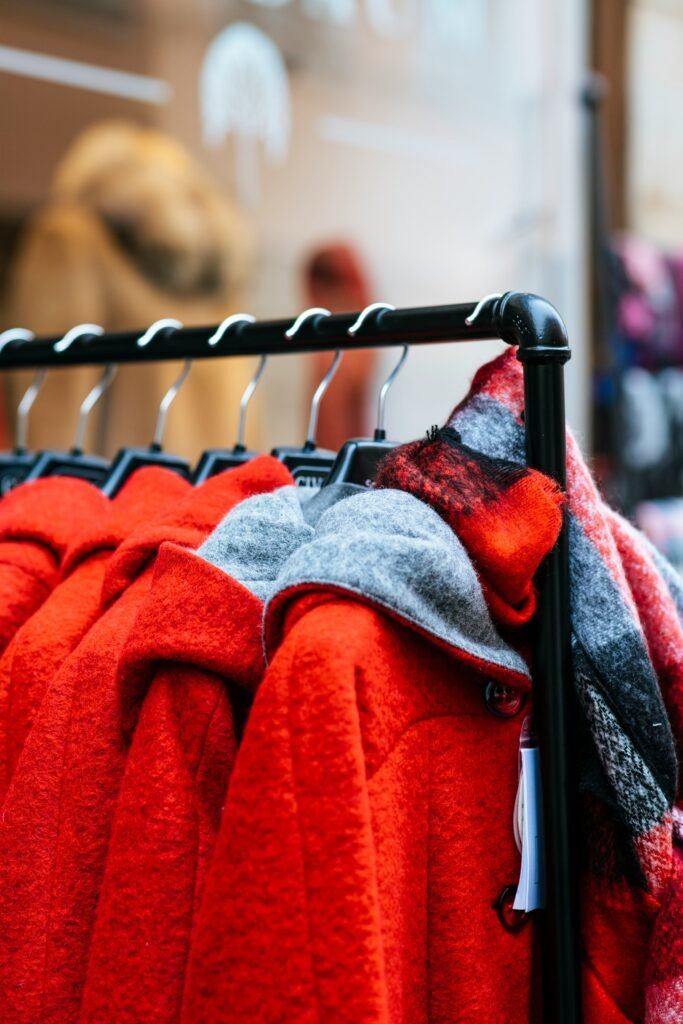
How climate, technology, and culture shaped winter dressing
The climatic conditions required powerful materials and intelligent layers. With the improvement of technology new fibers and designs were introduced.History of Winter Fashion Trends. All this led to lighter winter clothes being worn. Trends were also influenced by culture with people imitating icons and leaders. These forces combined to create a winter fashion world as it is today. The influence persists even nowadays.
Early Beginnings of Winter Clothing (Ancient to Medieval): The First Steps in Winter Style History
Simple ideas were the beginning of early winter fashion. Human beings required a source of warmth and thus they sought natural materials. They employed all land resources to make defense. The styles were primitive but formed the initial history of the Winter Fashion Trends.History of Winter Fashion Trends These primitive products informed the future designs.
Primitive winter clothing and natural materials
Secular man used fur, leaves and hide to keep warm. These were thermal resistant materials. They put them in wrappers to keep off cold winds. Their fashion was minimalistic, but it was not ineffective. These primitive concepts gave inspirations to the subsequent clothing. In turn, this made nature the best designer.
Fur, wool, and leather in early civilizations
Wool and fur were commonly used by such civilizations as Greeks, Vikings, and Romans. Such materials were used to keep them warm even in extreme winters. Leather was also very important in protection. Natural dyes and simple instruments were applied by a large number of groups to mold clothing. As time passed their designs became stronger and more durable.
Medieval winter garments and layering methods
Layered garments were popular in the medieval age. Individuals were dressed in tunics, wool wraps, and cloaks. Burger upper classes wore fur-lined coats. History of Winter Fashion TrendsOrdinary citizens were dressed in warmer materials of wool. Warmth was now more convenient with layering. Winter layering is still inspired by these techniques.
Evolution of Winter Fashion in the 18th & 19th Centuries: The Rise of Structured Winter Wear
The 18 th and 19 th centuries saw a rapid change in the History of Winter Fashion Trends. The society expanded, and the new classes emerged. It was desired that people should have clothes which would depict status, elegance and warmth. Customized clothing became the in-thing and winter dresses took shape.
Victorian-era winter coats
Coats of the Victorian era were long and heavy. They consisted of heavy wool, and were furred. Rich colors and fine details were employed by the wealthy families. The coats were used in order to defend the people in extreme winters. Their designs are classic in the history of fashion.
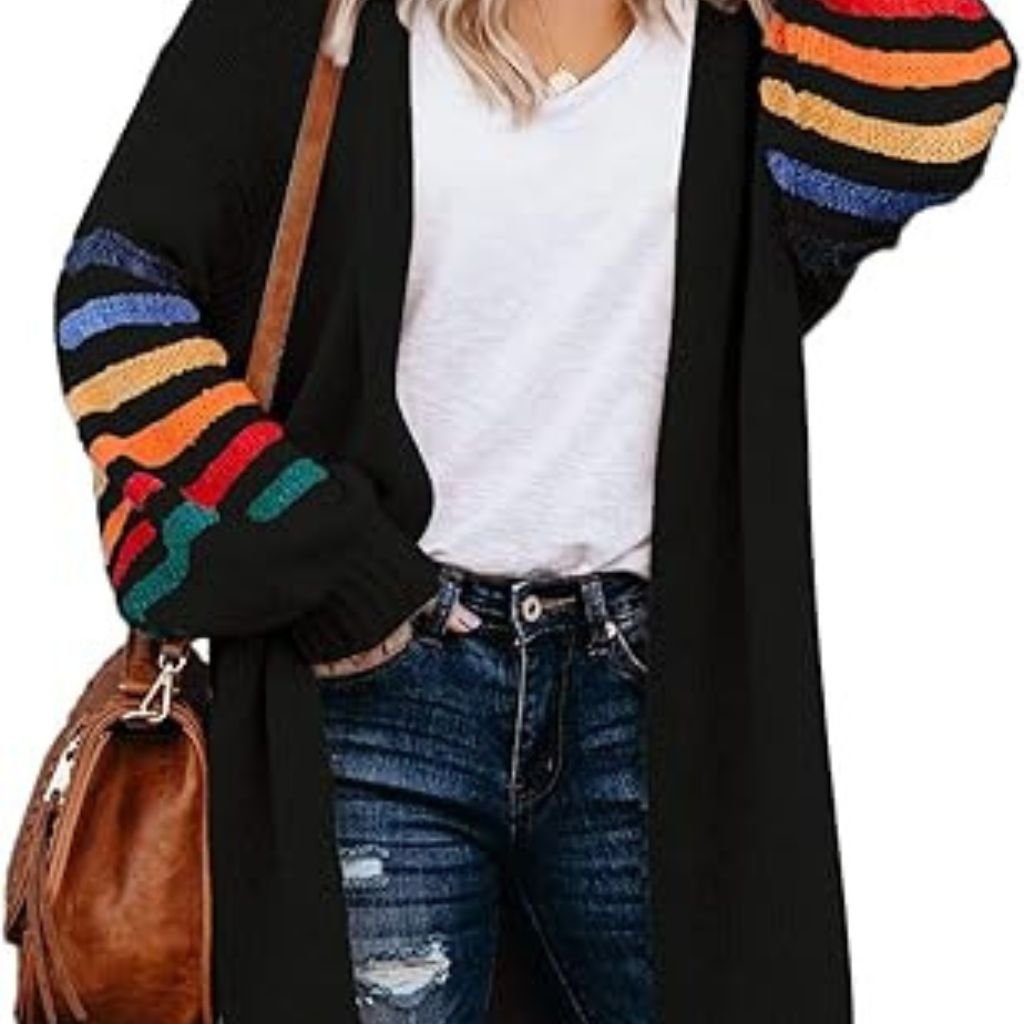
Rise of tailored outerwear
Customized better fitting clothes. Winter coats were now made into structure and neatness. This fashion trend turned winter clothes into fashionable ones. The tailors pioneered the use of shaping which is still in existence today. Their work brought the winter fashion into a different direction.
Influence of class, society, and industrialization
The production of fabrics was altered through industrialization. Winter goods were now cheaper. Individuals of every social group were able to wear improved clothes. The fashion in winter was highly contagious. Designs and fabrics were also influenced by social values.
Best Uses Winter fashion
Winter fashion serves many important uses that support comfort, protection, and personal style during cold seasons. People rely on winter clothing to stay warm in low temperatures and to shield their bodies from strong winds, snow, and rain. These pieces help maintain body heat while allowing easy movement throughout daily routines. Winter outfits also support health by reducing the risk of chills and cold-related problems.
Many people use winter fashion to express their personality through layers, textures, and colors.History of Winter Fashion Trends Coats, scarves, boots, and jackets let individuals show their style while staying comfortable.History of Winter Fashion Trends. Winter accessories help create unique looks that match different settings, whether casual, formal, or outdoor-focused. Fashion becomes a tool for creativity even in the coldest weather.
Winter wear also supports outdoor activities such as hiking, traveling, or working in snowy areas. People use insulated jackets, boots, and gloves to stay warm during long hours outside.History of Winter Fashion Trends These items offer safety by improving grip, visibility, and protection. With strong materials and smart designs, winter fashion helps people stay active without discomfort.
Another important use is cultural expression.History of Winter Fashion Trends. Many regions use traditional winter garments to honor history and identity. People wear unique fabrics, patterns, and styles that reflect their heritage. These cultural pieces help preserve traditions while blending with modern trends.
Best Care for Winter
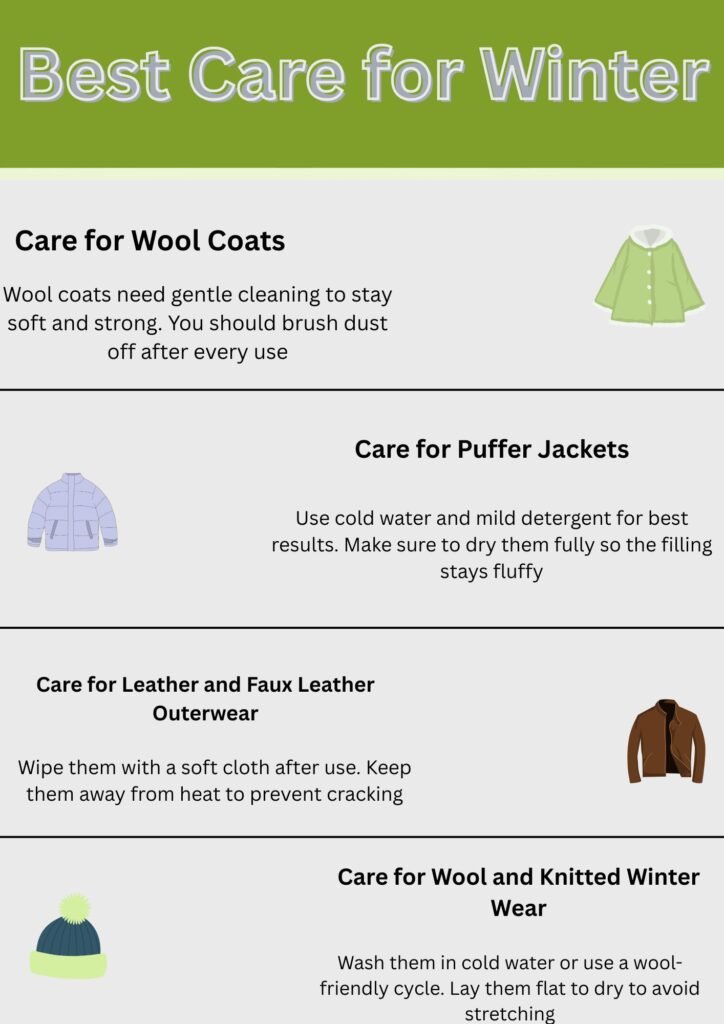
Care for Wool Coats
Wool coats need gentle cleaning to stay soft and strong. You should brush dust off after every use. Always hang them on wide hangers to keep their shape. Dry-clean them only when needed to avoid damage.
Care for Puffer Jackets
Puffer jackets require careful washing to protect their insulation. Use cold water and mild detergent for best results. Make sure to dry them fully so the filling stays fluffy. Store them uncompressed to keep their shape.
Care for Leather and Faux Leather Outerwear
Leather and faux leather jackets need regular conditioning. Wipe them with a soft cloth after use. Keep them away from heat to prevent cracking. Always store them in a cool and dry place.
Care for Wool and Knitted Winter Wear
Wool sweaters and knitted pieces need gentle handling. Wash them in cold water or use a wool-friendly cycle. Lay them flat to dry to avoid stretching. Keep them folded, not hung, to protect their form.
Winter Fashion Trends by Decades (1900–2000s): A Century of Style Evolution
This section of History of Winter Fashion Trends emphasizes on the fact that each decade contributed something new. Each period produced various forms, color and materials.
a. 1920s–1940s
Classic wool coats
Wool coats were in fashion over winter. They were plain, trim and fashionable. They were comfortable and durable and people liked them. This appearance is still imitated in lots of contemporary designs.
Military presence in coats in winter.
World wars changed fashion. Shapes and colors were impacted by the military coats. The coats that were popularised consisted of double breasts. The robust figure and the use of the warm design were appreciated by people.
b. 1950s–1970s
Classy pea coats and trench coats.
Pea coats and trench coats were classics. Their sharp lines and minimal forms were outstanding. They were used by people to work and live. They remained cozy, but trendy.
Rise of synthetic fabrics
Polyester and nylon were introduced into fashion. These were cheaper and warm fabrics. Winter dresses were made lighter. Producers created numerous new styles in shorter time.
Birth of the puffer jacket
The puffer jacket was created during the 1930s. Yet it became popular in the 1970s. Strong insulation was popular with people. It transformed winter fashion into a new world.
c. 1980s–1990s
Comfortable colors and exaggerated silhouettes.
The 80s were characterized by bright color and big coats. Fashion became expressive. Comfort and bold style were made by oversized trends. These figures revived winter clothes.
Sportswear and Explosion of fleece jackets.
Fleece became a mainstream fashion. Sports brands rose quickly. Individuals were fond of warm and cozy jackets. Fleece had become winter stuff.
d. Early 2000s
Metallic puffer jackets
Puffer jackets made of metals were fashionable. History of Winter Fashion Trends.They were shining and attracted attention. This glittering fashion was much adored by many teens. It remained a winter icon.
Logo-heavy winter fashion
Jackets were printed with huge logos of brands. People wore labels proudly. This is what influenced the winter style in the first years of the 2000s. Logo fashion is still in the present day.
Types of Winter Fashion Trends
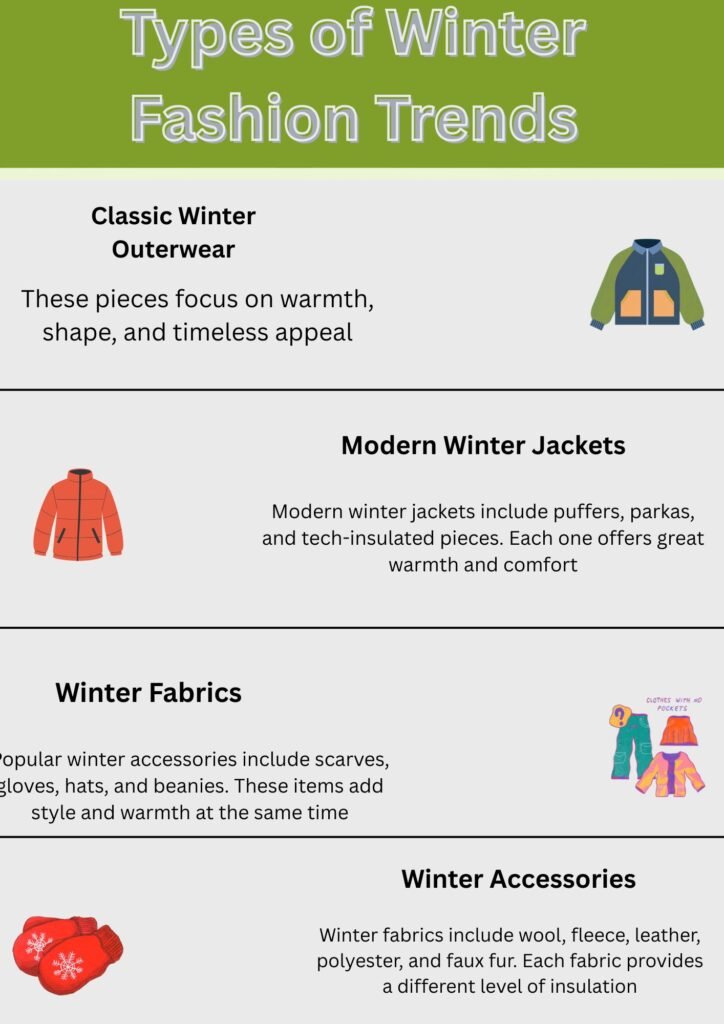
Classic Winter Outerwear
Classic winter outerwear includes coats that stay popular across decades. These pieces focus on warmth, shape, and timeless appeal. People choose them because they work in all winter settings. They also match both casual and formal outfits easily.
Modern Winter Jackets
Modern winter jackets include puffers, parkas, and tech-insulated pieces. Each one offers great warmth and comfort. These jackets use advanced fabrics that stay light yet protective. They are perfect for harsh winter climates.
Winter Fabrics
Winter fabrics include wool, fleece, leather, polyester, and faux fur. Each fabric provides a different level of insulation. These materials help balance warmth and breathability. They shape how comfortable winter outfits feel.
Winter Accessories
Popular winter accessories include scarves, gloves, hats, and beanies. These items add style and warmth at the same time. People use them to complete their outfits or add color. They also protect sensitive areas from cold wind.
Future Predictions for Winter Fashion Trends
The future of winter fashion looks innovative.
AI-driven fashion
AI will create custom winter outfits. It will predict trends faster. It will guide design choices.
Sustainable winter wardrobes
People will choose fewer and better pieces. Eco-friendly fashion will stay strong. Winter wear will become greener.
Recycled & biodegradable materials
More brands will use recycled fibers. Biodegradable jackets may appear. This trend protects nature.
Functional luxury outerwear
Luxury will meet smart function. People will pay for quality. Warmth and style will blend well.
Conclusion
The History of Winter Fashion Trends shows how clothing evolved with need, culture, and innovation. Every era added new ideas. Today, winter fashion balances warmth, beauty, and sustainability. History of Winter Fashion Trends.As technology grows, winter clothing will improve more. The journey is long, rich, and full of creativity. Winter fashion will always keep evolving.
Another major use of winter fashion is personal expression. People use coats, scarves, boots, and accessories to show their style in colder months. Winter fashion allows creativity with textures, patterns, and colors. Even simple items like knitted scarves or soft beanies can turn a basic outfit into something unique. Because winter clothing involves many layers, people can create different looks every day. This flexibility helps them feel confident and stylish while staying warm.History of Winter Fashion Trends.Fashion becomes a tool that blends practicality with beauty during the winter season.
What truly distinguishes Supima cotton is the strict quality control behind it. Unlike many other cotton types whose standards vary widely, Supima cotton is carefully grown, harvested, and regulated in the United States by farmers who focus on innovation, sustainable practices, and responsible production.History of Winter Fashion Trends This ensures that every fiber carrying the Supima name meets high standards—not just in softness and feel, but also in environmental stewardship and transparency.History of Winter Fashion Trends. The result is a fabric that aligns with modern expectations for both comfort and mindful consumption.
FAQs
What makes Supima cotton different from regular cotton?
Supima cotton stands out because it is made exclusively from extra-long staple (ELS) fibers grown in the United States. These fibers are significantly longer, stronger, and smoother than those found in regular cotton, giving Supima cotton exceptional softness, durability, and resistance to pilling.
Is Supima cotton worth the higher price?
For many people, yes — Supima cotton is worth the investment because it lasts far longer than typical cotton while staying soft and comfortable. Since the fibers are naturally strong and less prone to fraying, shrinking, or fading, products made from Supima cotton often look and feel new even after heavy use.
Does Supima cotton shrink after washing?
Supima cotton may shrink slightly, but far less than regular cotton if cared for properly. Because its fibers are longer and stronger, the structure of the fabric remains more stable. Washing in cold water, avoiding high-heat drying, and following care labels will help maintain its shape and size. High heat can shrink any cotton, so gentle washing and low drying settings are recommended to keep Supima clothes looking their best.
Is Supima cotton good for sensitive skin?
Yes, Supima cotton is an excellent choice for people with sensitive or easily irritated skin. Its fibers are extremely smooth, reducing the friction that can cause itching or discomfort. The fabric is naturally breathable, hypoallergenic, and free from the roughness often found in lower-grade cotton. This makes it comfortable for babies, people with eczema, or anyone who prefers soft, irritation-free clothing.
Is Supima cotton environmentally friendly?
Supima cotton is grown in the U.S. using advanced, regulated farming practices that focus on water conservation, soil health, and responsible crop management. While cotton farming always has environmental impact, Supima growers use modern technology to reduce waste and improve sustainability. Its superior durability also makes it more eco-friendly long-term, since the products last longer and do not need frequent replacement.