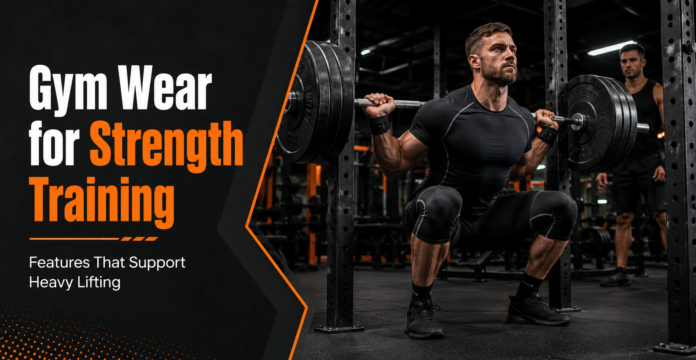
Strength training is not only about lifting heavy weights. It is also about control, balance, comfort, and safety. The clothes you wear can help or hurt your workout. Good gym wear for strength training lets your body move freely while keeping the fabric close enough so it does not get caught in machines, bars, or benches. It should feel strong, flexible, breathable, and steady during squats, deadlifts, presses, rows, lunges, and core work. The right gym outfit can help you stay focused because you are not pulling your shirt down, fixing your waistband, or worrying about sweat marks. Gym wear for strength training should support your movement, not distract you from it. This guide explains the most important features to look for before choosing workout clothing for heavy lifting.
What Makes Gym Wear for Strength Training Different?
Gym wear for strength training is different from casual sportswear because lifting needs more control and body support. Running clothes are often very light and loose, but lifting clothes need a better balance between stretch and structure. When you lift, your body bends, braces, pushes, and pulls from many angles. Your clothes should allow deep movement without feeling weak or baggy. A shirt should not ride up during overhead presses. Shorts should not pull tight during squats. Joggers should not twist around the knees during deadlifts. Gym wear for strength training is built around stable movement, sweat control, and a secure fit. It does not need to be stiff, but it should feel dependable. The best clothing feels almost invisible during a workout because it moves with your body and stays in place.
Why Fit Matters More Than Style
Fit is one of the most important parts of gym wear for strength training because poor fit can break your focus. If clothing is too loose, it may bunch up, slide around, or get in the way during machine work. If it is too tight, it can limit blood flow, reduce comfort, or make deep movements harder. A good fit should feel close to the body without feeling trapped. For upper body training, shirts should allow full shoulder movement during bench press, pull-ups, and overhead press. For lower body training, bottoms should allow hip and knee bend without pulling at the seams. The best gym wear for strength training gives you confidence before the lift even starts. Style is nice, but performance comes first. When clothes fit right, you can focus on form, breathing, and strength instead of adjusting your outfit.
gym wear for strength training Needs Stretch and Recovery
Gym wear for strength training needs stretch because lifting uses a full range of motion. Stretch helps the fabric move when your body moves, especially during squats, lunges, Romanian deadlifts, rows, and overhead lifts. But stretch alone is not enough. The fabric should also recover, which means it should return to shape after being pulled. Weak stretch fabric may feel good at first, but it can become loose after repeated workouts. Strong stretch fabric keeps its shape and supports your body through each set. This is why blends with spandex or elastane are common in serious gym clothing. Good stretch also helps prevent awkward pulling around the shoulders, thighs, and hips. Gym wear for strength training should stretch smoothly, but it should not sag, wrinkle, or lose structure after heavy use.
Breathable Fabric Helps You Train Longer
Heavy lifting can make you sweat quickly, even if you are not running. Breathable fabric helps heat escape and keeps your skin more comfortable between sets. When fabric traps too much heat, you may feel sticky, tired, or distracted. Breathability is especially useful during long sessions with compound lifts, accessory work, and conditioning at the end. A good gym outfit should manage sweat without feeling heavy. Many lifters prefer performance fabrics because they dry faster than basic cotton. Cotton can feel soft, but once it becomes wet, it may stay damp and heavy. For better comfort, gym wear for strength training should use fabric that pulls sweat away from the skin and allows air to pass through. If you want to explore broader workout clothing choices, the activewear collection is a natural place to compare different performance options inside a training-focused paragraph.
Tops Should Support Movement Without Riding Up
A good lifting top should give your arms, shoulders, chest, and back enough space to move. During strength training, your upper body changes shape through each rep. Your lats spread during rows. Your shoulders rotate during presses. Your chest expands when you brace. Because of this, tops should be flexible but not floppy. Tank tops can be useful for lifters who want more shoulder freedom and better airflow. T-shirts can be better for people who want more coverage during bench work or machine exercises. Compression shirts can help some lifters feel more secure, especially during intense sessions. The key is to choose a top that stays in place when you raise your arms or bend forward. Gym wear for strength training should not keep moving around while you are trying to control the weight.
Bottoms Need Strength, Stretch, and Stability
Lower body training tests your clothing more than many people realize. Squats, leg press, lunges, hip thrusts, and deadlifts all put pressure on seams, waistbands, and thigh areas. Good gym bottoms should allow deep movement without pulling or becoming see-through. Shorts are useful for hot gyms and leg days because they keep the legs cooler. Joggers are useful for warmth, coverage, and a clean athletic look. A strong waistband is also important because it keeps the bottoms secure while you brace your core. For men who prefer a clean tapered fit during lifting and warm-ups, tapered joggers can be a practical choice when the cut gives room at the thighs and stays narrow near the ankles. Gym wear for strength training should make lower body work feel stable, not restricted.
Compression Can Help Some Lifters Feel More Supported
Compression clothing is not magic, but it can help some people feel more supported during training. Compression tops and leggings fit close to the body and may reduce fabric movement during lifts. Some lifters like compression because it gives a firm feeling around the muscles and helps them stay aware of body position. This can be useful during rows, presses, squats, and conditioning work. However, compression should never feel painful or too tight. If it leaves deep marks, limits breathing, or makes movement harder, it is not the right fit. Gym wear for strength training should support the body, not squeeze it too much. A balanced compression piece should feel secure, smooth, and breathable. For upper body sessions, compression t-shirts can be useful when lifters want a close fit that stays controlled during movement.
Seams, Waistbands, and Stitching Make a Big Difference
Small clothing details matter a lot when lifting heavy. Seams should feel smooth because rough seams can rub the skin during repeated movement. Flat seams are often better for gym wear because they reduce friction. Strong stitching is also important because lifting puts stress on the fabric, especially around the shoulders, underarms, crotch, and thighs. Waistbands should stay firm without rolling down. Drawstrings can help, but they should not be bulky or uncomfortable under a lifting belt. Gym wear for strength training should also avoid unnecessary zippers, thick pockets, or loose parts that may press into the body on benches or machines. These details may look small, but they can decide whether a workout feels smooth or annoying. Durable construction is one reason quality gym clothing lasts longer than basic casual clothing.
One Simple Checklist Before Buying
Before choosing gym wear for strength training, check these simple points so your outfit works well during heavy lifting:
- The fabric stretches when you squat, press, pull, and bend.
- The fabric returns to shape after stretching.
- The shirt stays in place during overhead movement.
- The waistband feels secure but not painful.
- The seams do not rub your skin.
- The fabric handles sweat without feeling heavy.
- The fit is close enough for safety but not too tight.
- The outfit gives you confidence during heavy sets.
Comfort Builds Confidence During Heavy Lifting
Comfort is not a small thing in strength training. When you lift heavy, your mind needs to stay clear. You need to think about your setup, grip, breath, brace, path, and control. If your clothes are itchy, hot, loose, tight, or distracting, your focus breaks. Good gym wear for strength training helps you feel ready before the first set starts. It gives you a feeling of control, especially when the workout gets hard. A comfortable outfit also helps beginners feel less nervous in the gym. They can move without feeling exposed or awkward. For advanced lifters, comfort helps them stay locked in during high-effort sets. The right clothing will not lift the weight for you, but it can remove small problems that make training harder than it needs to be.
Conclusion
The best gym wear for strength training should give you stretch, support, breathability, durability, and confidence. It should allow full movement without sagging, slipping, or getting in the way. Tops should support shoulder and arm movement. Bottoms should handle deep bends and strong bracing. Compression pieces can help some lifters feel more secure, while breathable fabrics help keep sweat under control. Small details like seams, waistbands, and fabric recovery can make a big difference during real workouts. In the end, gym wear for strength training is not about looking perfect in the mirror. It is about feeling comfortable, safe, and focused while lifting. Choose clothing that supports your body, protects your movement, and helps you train with better confidence every time.
FAQs
What is the best gym wear for strength training?
The best gym wear for strength training is clothing that fits well, stretches properly, handles sweat, and stays in place during heavy movement. It should feel comfortable during squats, deadlifts, presses, rows, and lunges.
compression wear good for strength training?
Compression wear can be good for strength training if it feels supportive and does not limit movement. It should fit close to the body without making breathing, bending, or lifting uncomfortable.
Should gym wear for strength training be tight or loose?
Gym wear for strength training should be close-fitting but not too tight. Very loose clothing can get in the way, while very tight clothing can limit movement. A balanced fit is best.
What fabric is best for heavy lifting workouts?
Stretch performance fabric is usually best for heavy lifting. Blends with polyester, nylon, and spandex can offer sweat control, stretch, shape recovery, and better comfort than basic cotton.