
With the dropping temperatures, and onset of winter, a good coat is no longer a fashion statement, but a necessity. Of all the winter outerwear options, great coats have the unparalleled combination of elegance, functionality, and timelessness. Great coats do not no trans from city to city, office, or a coat for travel in the many colder climates, because they not only warm, but they define the style of the outfit.
This extensive guide covers the history, types, materials, tips for styling and maintenance of winter great coats. You will finish this guide with a complete understanding of why these Great Coats for Winter have been a wardrobe staple for decades, and will know how to find the best one for you.
Defining Great Coats
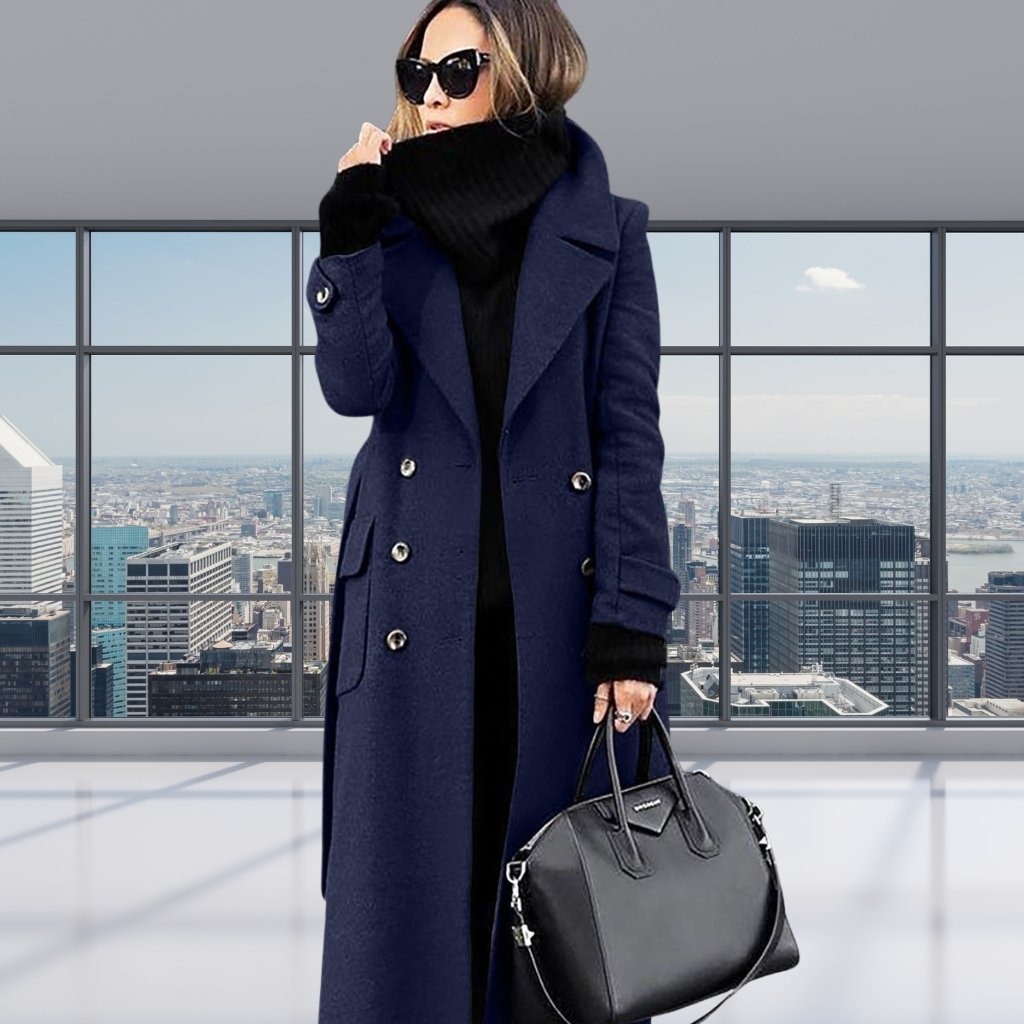
A great coat is a long coat that is fitted and tailored for a polished look. The coat is made with heavy wool, or a blend of wool, for a warm insulating overcoat. Great coats have modernized with the addition of new materials and innovative design features, or even insulation, but they still fulfill the same function of protecting people from inclement weather without sacrificing a professional look.
Great coats have an elegant history, having been worn largely by high-ranking military personnel and aristocracies. It is this legacy that informs the sturdy, tailored, and detail-oriented construction on these modern, fashion coats. Great coats have been sought after for their timeless elegance and practicality by people of all walks of life, including professionals and fashionistas.
The History of Great Coats
One of the most recognized features of great coats that speaks to their unique style and practicality is the name itself. The great coat was a style that began in Europe in the 18th and 19th centuries. These coats were considered to be great in that they were longer than any overcoat that would have been considered standard, offering a greater degree of coverage and warmth.
At first, great coats were military issue. They were constructed using a specific heavier wool, and were often double-breasted with wide lapels and large side pockets. Eventually, civilians adopted the style and began to appreciate the tailoring and sophistication of the great coats. In the present, great coats are a part of a leading style for winter, a perfect combination of traditional and contemporary.
Key Considerations of a winter great coat
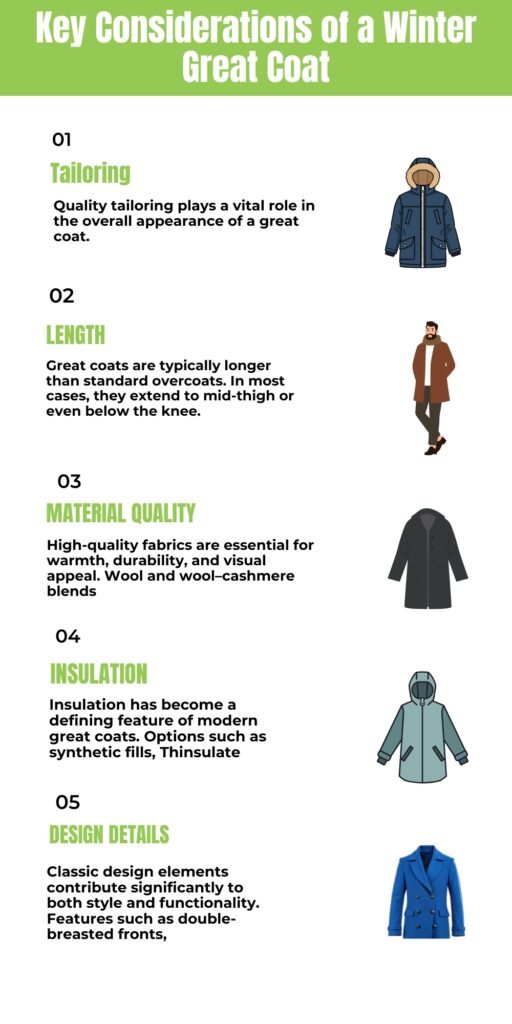
There are a number of features to consider for a winter great coat.
1. Tailoring
With good tailoring, the coat will enhance a a dress silhouette. It will also add a touch of sophistication to any winter outfit. Quality tailoring will keep lines and shape of the coat.
2. Length
Great coats are longer than most overcoats. They will more often than not reach mid-thigh, if not below the knee. This length is also a great style for a professional and polished look.
3. Material Quality
Fabrics with a high degree of quality are important for the warmth, longevity, and aesthetic of the garment. Wool and blends with wool-cashmere are ideal due to their ability to insulate, their softness, and the longevity of the twill weave. For some contemporary styles, the integration of modern technical fabrics provides wind and water resistance and offers extra practicality for fluctuating winter weather.
4. Insulation
Insulation has become one of the core characteristics of contemporary great coats. Insulation options such as synthetic fills, Thinsulate™ and down are designed to trap warmth, all the while maintaining a low silhouette. Good insulating fabrics allow the wearer to remain warm in the most extreme weather conditions without the bulk.
5. Design Details
The structures of classic archetypes and their forms such as double-breasted fronts, wide lapels, storm flaps, and structured shoulders are all classic styles that add finesse and functionality. The placement of pockets has been addressed as they are usually deep and convenient for storage. For adaptability and comfort, belts and back vents are provided for ease of movement.
Materials Used in Great Coats
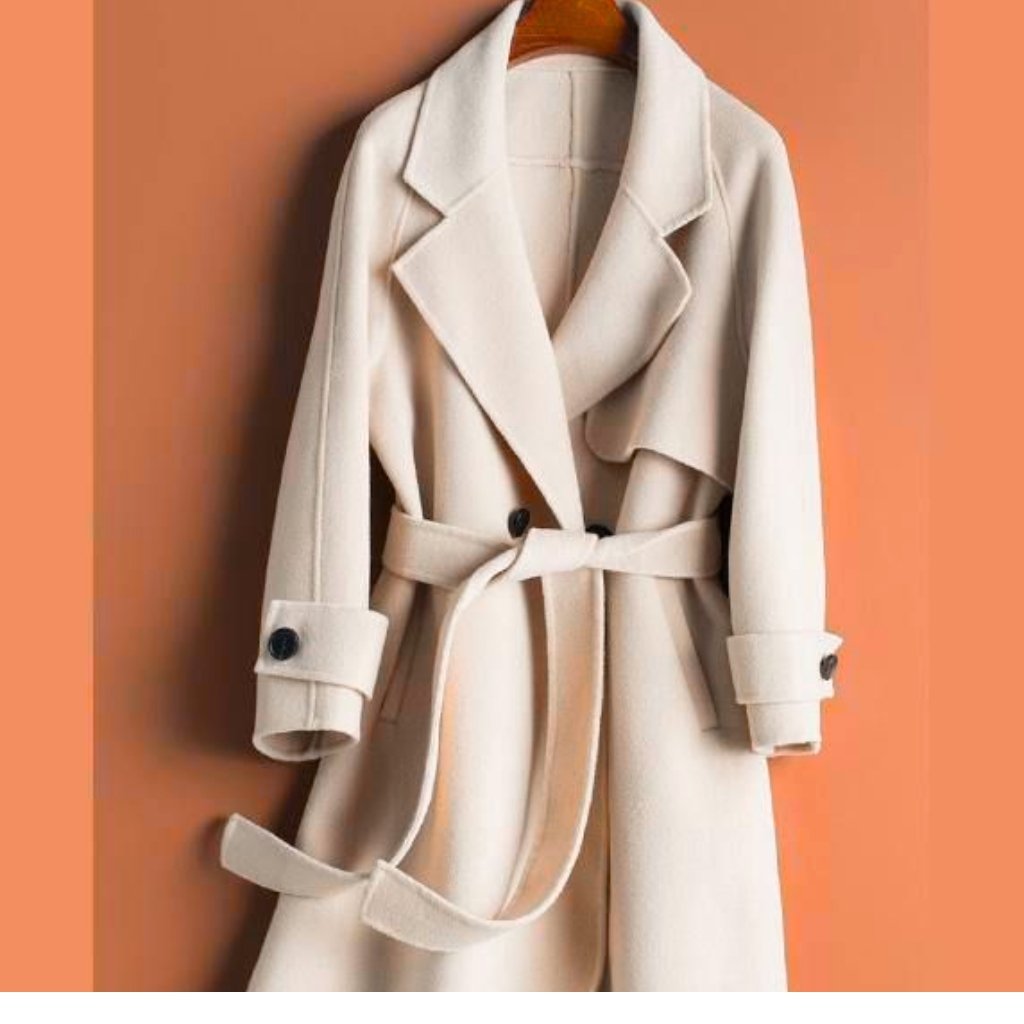
Elevate your outerwear with a minimalist beige trench coat.
The materials specified in a great coat determine its longevity and functionality. The following are the most Great Coats for Winter frequent fabrics and insulations.
Wool
Wool is the most classic and most liked material to use for great coats. It is elegant, breathable, and naturally insulating. Wool is often mixed with synthetic fibers to improve durability and wrinkle resistance.
Cashmere
Cashmere enhances garments with extreme softness and warmth without added bulk. Its incorporation and careful selections of synthetic blends masters the art of thermal regulation in premier Great Coats for Winter.
Technical Fabrics
Optional technical fabrics in Great Coats for Winter are wind and water resistant. These modern features are a great asset for stormy winter conditions whether in the city or outdoors.
Insulation Types
- Down Insulation: Lightweight with high warmth retention. Is generally quilted for added structure.
- Synthetic Fill: Durable retention of moisture with consistent warmth.
- Thin Insulation: Great Coats for Winter thermal retention without the bulk.
Types of Great Coats
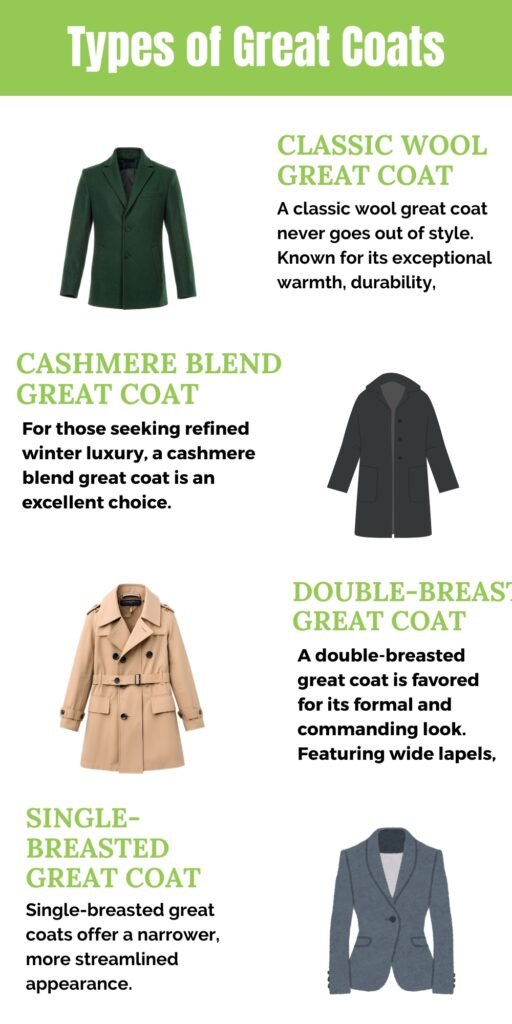
Great Coats come in a variety of styles to suit a range of tastes, occasions, and climates.
Classic Wool Great Coat
A traditional wool topcoat coat never goes out of style. Its warmth, elegance, and structure make it a perfect fit for professional environments.
Cashmere Blend Great Coat
For that ultimate winter luxury look, a cashmere blend Great Coats for Winter is ideal. These blends are softer and lighter, and the men topcoat are generally smoother for a more polished look.
Double-Breasted Great Coat
A double-breasted coat is a popular style for its formal and polished look and gives a commanding presence with wide lapels, structured shoulders, and a commanding presence.
Single-Breasted Great Coat
Single-breasted designs offer a narrower, streamlined appearance. They are adaptable to both work-related and leisure ensembles.
Technical/Performance Great Coat
These contemporary history of topcoat are made of cutting-edge materials that are multitasking as wind and waterproof. They are best suited for urban commuting as well as traveling to cold and rainy places.
Styling Great Coats for Winter
A great coat is so adaptable that it can be styled to fit a multitude of occasions and settings.
Formal and Professional
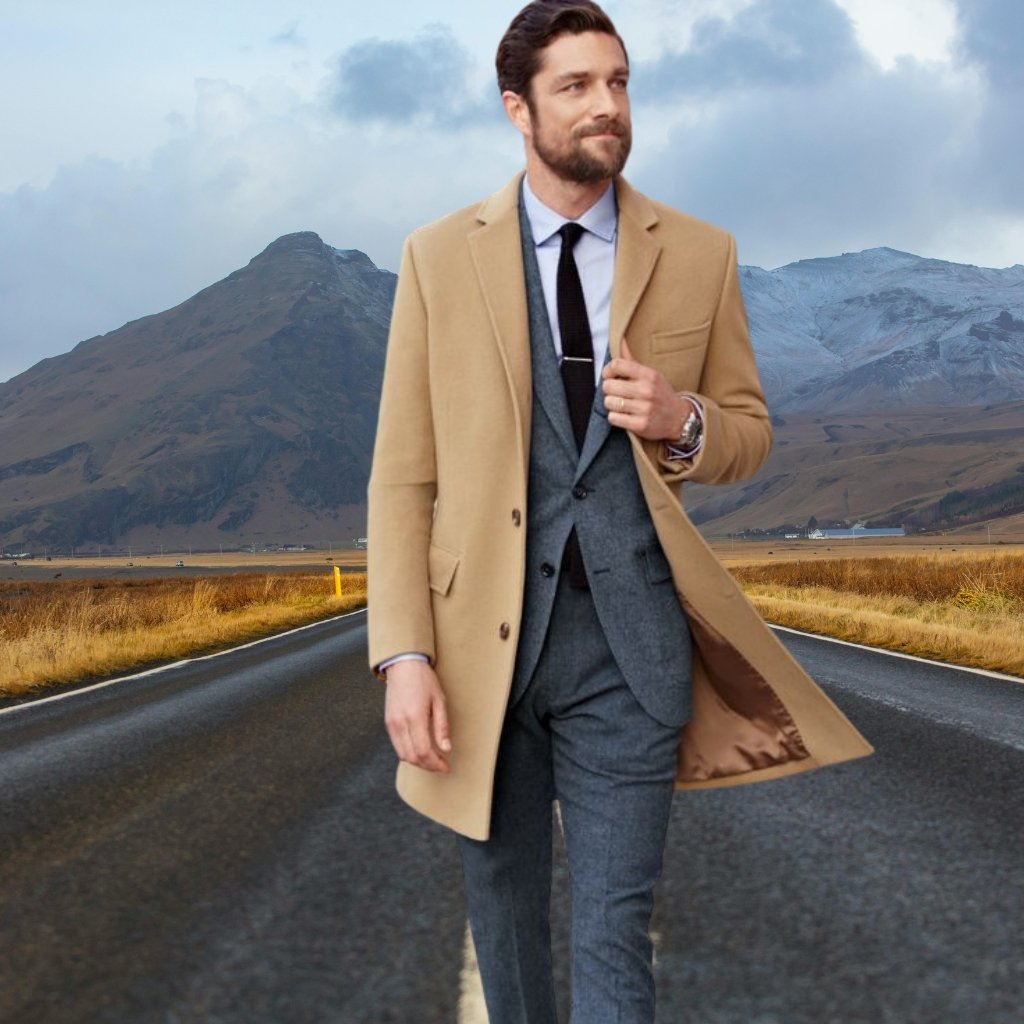
In the office or during a business gathering, it is most fitting to wear a dark wool or cashmere coat Great Coats for Winter with a matching tailored suit, a pair of leather shoes, and a typical scarf. The coat should be long enough to touch the suit jacket so that a clean and polished silhouette is achieved.
Smart Casual
A single-breasted coat looks Great Coats for Winter over a sweater or a turtleneck, as well as with a pair of chinos or tailored trousers, and boots or loafers, as a way to **even out class and ease.
Casual Winter Outfits
For a smart yet practical option, Great Coats for Winter look stylish over jeans and a comfy sweater, along with a pair of winter boots. Accessories like scarves, gloves, and hats can add warmth and style.
Evening or Formal Events
A dark, well-tailored great coat looks especially good over dress shirts, ties, and dress pants. Classic designs work best so the great coat, by itself, looks well-rounded and keeps the wearer looking poised and professional.
Importance of Great Coats
A good great coat has Great Coats for Winter benefits. Some of them are.
1. Great Longevity
Great coats are timeless in fashion and the structure of them will not go out of style for years.
2. Great Warmth
Great coats use quality fabric and insulation which keep the wearer warm and protect them from the elements.
3. Great Versatility
Great Coats for Winter can be paired with many outfits with different levels of formality from business to casual.
4. Great Details
A well constructed great coat will use high quality fabrics and ensure the Great Coats for Winter will not break the bank.
5. Great Slimming
A tall great coat will enhance posture, slim the waist, and will wear with confidence, an overall great style statement will be made.
Maintenance of Great Coats
A great coat requires maintenance of and will ensure its shape and elegance over the years.
Dry Cleaning
Great coats made of wool and cashmere blends should get a professional dry cleaning every season. It enables the cleaning of the exterior and protects the material from getting damaged. This also helps to retain the insulation underneath.
Storage
You should store your Great Coats for Winter using a wide, sturdy hanger so that it does not lose its form. While breathable garment bags protect the coat from dust, they also let air circulate to the coat.
Maintenance Tips
- Use a lint roller to clear your coat of lint and dust.
- To avoid damage to theGreat Coats for Winter, steaming it is a good alternative to remove wrinkles.
- To sustain insulation and the look, the coat should not be exposed to heavy moisture.
Choosing the Right Color
The choice of coat color should be versatile, stylish, and practical.
- Black: It is a classic that is formal and can be worn with many things.
- Navy Blue: It is a less formal but elegant color.
- Charcoal Grey: It is modern and professional with its color and it can be paired with many things.
- Camel: It is a stylish color that is perfect if you want to look luxurious.
- Brown: It is a classic and warm color that is perfect for a casual look during winter.
The best coat colors are neutral and classic colors which are easy to pair and never go out of fashion.
Men’s and Women’s Great Coats
Although there may still be overall usability differences between great coats, the men’s and women’s coats do have some differences in design:
Men’s Great Coats
- More structured
- More double-breasted variants
- Longer, straight to the point
Women’s Great Coats
- More variety in silhouette (belted, tailored, A-line)
- More feminine design in details (curves, buttons)
- Warm but lightweight
Both coats have been tailored to be worn on multiple occasions, with the men’s and women’s differing in style, and focus on comfort, elegance, and practicality.
Innovations in Great Coats`
Great coats have also been able to adopt some technological advancements:
- Performance Fabrics: Water and Wind resistant Great Coats for Winter to protect from harsh weather.
- Eco-Friendly Materials: Wool, sustainable cashmere, and synthetics to use up as little of the Earth’s resources.
- Lightweight Insulation: Synthetic fill to provide warmth without bulk.
Great coats are able to combine classical with advanced and modern to provide for modern-day coat needs.
Mistakes to Avoid
- Not having correct fit: Too big or too small coats are unsightly and uncomfortable.
- Not using good quality insulation: Cheapless insulation and bad design means less warmth and longevity.
- Not knowing the right balance between trendy and classic: Fast design means outdated, high rate of obsolescence.
- Not using correct care: Improper filling and storage means reduced lifespans of the coats.To retainyour great coat being functional, stylish, and durable, avoid making these mistakes.
Conclusion
A great coat offers more than winter outerwear; it is an investment for style, warmth, and confidence. Great coats enhance timeless design, and help help capture and keep superior materials while also maintaining versatile functionality. Great coats never let you down.
Appropriate outerwear maintains warmth for dress assignments, casual events, and formal gatherings. With consistent care and selective processes, the coat can vitalize your closet for many seasons to come, highlighting the balance between style and utility.
FAQs
What is a great coat?
A great coat is a long, structured winter coat traditionally made from wool or wool blends. It is designed to provide superior warmth while maintaining a classic and elegant appearance.
Are great coats suitable for extreme winter weather?
Yes, great coats are suitable for cold and harsh winter conditions, especially when they feature high-quality insulation, heavy fabrics, and wind-resistant construction.
What materials are best for winter great coats?
Wool, cashmere blends, and technical fabrics are considered the best materials. These fabrics provide insulation, durability, and comfort during cold weather.