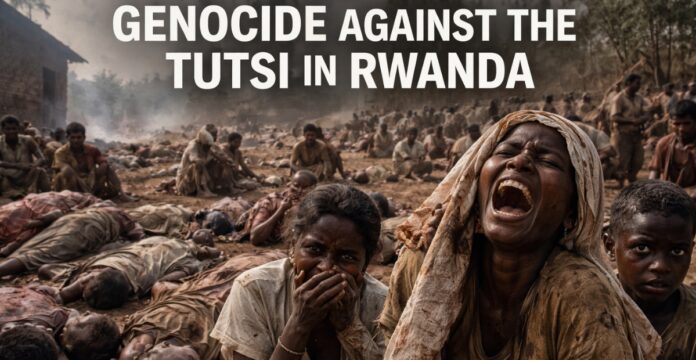
Every year on April 7, the world observes the International Day of Reflection on the 1994 Genocide Against the Tutsi in Rwanda. This day honors the memory of the hundreds of thousands of Tutsi victims and raises awareness about the dangers of hatred, discrimination, and genocide.
Remembering the 1994 Genocide
In 1994, Rwanda faced one of the most tragic events of the 20th century. Over the course of just 100 days, approximately 800,000 Tutsi and moderate Hutu were killed in a systematic campaign of violence. Families were torn apart, communities destroyed, and the social fabric of the nation was deeply scarred.
The United Nations recognizes April 7 as a day to reflect on this tragedy, to remember the victims, and to commit to preventing future genocides worldwide. It also serves as a reminder of the resilience and courage of survivors who rebuilt their lives in the aftermath.The Rwandan genocide stands as a stark reminder of the fragility of peace and the devastating consequences of hatred and division. It underscores the importance of international cooperation in preventing and responding to such atrocities, as well as the need to address the root causes of conflict, such as discrimination, inequality, and impunity.
The Purpose of Reflection
The International Day of Reflection is more than a memorial. It encourages global reflection on human rights, tolerance, and the responsibilities of individuals, communities, and nations. By learning about the genocide, people can understand the consequences of unchecked hate and the importance of standing against discrimination and violence.
How the Day is Observed
Observances include:
- Ceremonies and memorial services in Rwanda and around the world.
- Educational events to teach about the history and impact of the genocide.
- Moments of silence and reflection to honor victims and survivors.
- Media campaigns to promote awareness about the dangers of hatred and intolerance.
Rwandan communities also organize walks, exhibitions, and storytelling sessions where survivors share their experiences. These activities help preserve the memory of those lost and inspire a commitment to peace.Educational initiatives in schools and universities further contribute to understanding the genocide’s causes and consequences. Through these programs, younger generations learn about the importance of tolerance, reconciliation, and preventing future atrocities. The Rwandan government also supports research and documentation efforts to ensure that accurate accounts of the genocide are preserved for posterity, countering denial and promoting historical understanding.
Lessons for the World
The genocide against the Tutsi is a stark reminder that hatred and discrimination can escalate to unimaginable horrors. Observing this day encourages individuals and governments to:
- Promote human rights and dignity.
- Speak out against racism, discrimination, and dehumanization.
- Support international efforts to prevent genocides and mass atrocities.
By reflecting on the past, the world can work towards a future where tolerance, empathy, and peace prevail.It is through remembrance and education that we inoculate ourselves against the recurrence of atrocities. We must learn from the shadows of history, acknowledging the pain and suffering inflicted upon individuals and communities. This understanding forms the bedrock of a more just and compassionate world, one where differences are celebrated, and human dignity is universally respected. Let the lessons of the past guide our actions in the present, fostering a global society committed to preventing future acts of inhumanity and building a legacy of understanding and reconciliation for generations to come.
Conclusion
The International Day of Reflection on the 1994 Genocide Against the Tutsi in Rwanda is a solemn reminder of the devastating consequences of hatred. It calls on everyone to remember the victims, honor the survivors, and commit to building a more just and compassionate world. Reflection, education, and action are key to ensuring that such atrocities never happen again.