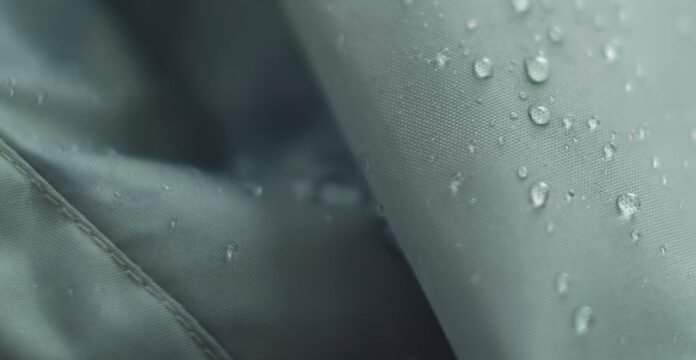
Storms can strike unexpectedly, leaving many people wondering if their clothing truly protects them. Does Storm-Proof Fabric: live up to its name and promises? Modern outdoor clothing often advertises storm-proof capabilities, claiming protection from heavy rain, wind, and snow. Users expect garments to offer complete security during harsh conditions, but performance varies depending on quality, construction, and layering. Understanding its benefits helps make smarter choices when buying winter coats, jackets, or outdoor gear. Storm-proof fabric is designed for extreme weather, but exploring both strengths and limitations is essential for informed decisions.
History of Storm-Proof Fabric
Storm-proof fabric has evolved over decades to meet the needs of outdoor enthusiasts, workers, and travelers. Its development reflects advances in materials science, textile engineering, and clothing technology. Understanding the history of storm-proof fabric helps users appreciate how modern garments balance protection, comfort, and performance.The earliest attempts to make clothing resistant to rain and wind date back centuries. Does Storm-Proof Fabric:People used natural materials like oiled leather, waxed cotton, and treated wool to repel water. Sailors, fishermen, and explorers relied on these materials to survive harsh maritime and stormy conditions. While effective to some degree, these fabrics were heavy, stiff, and lacked breathability, limiting comfort and mobility.
What Is Storm-Proof Fabric?
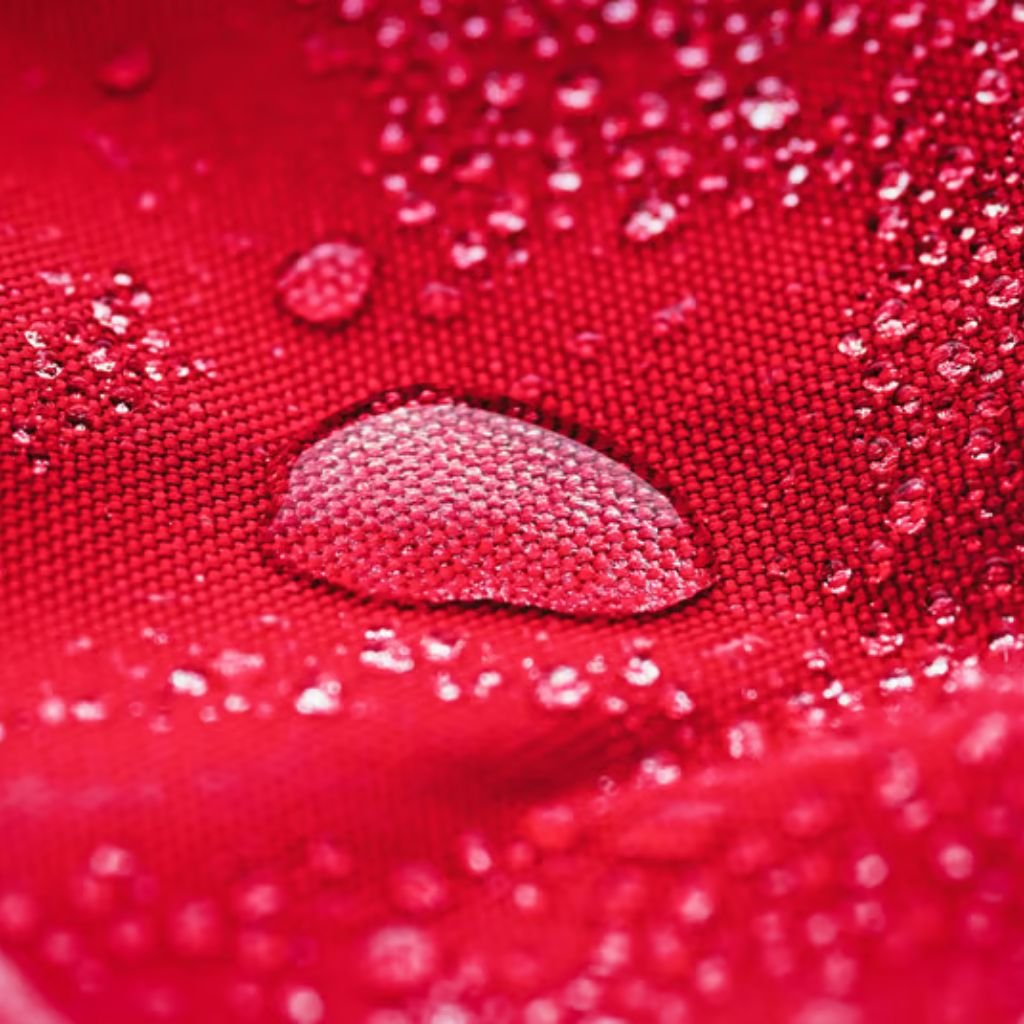
Storm-proof fabric is a specially engineered textile designed to protect wearers from harsh weather. It combines windproofing, water repellency, and breathability to keep the body safe and dry. Unlike regular fabric, it resists penetration by rain, snow, and cold gusts. Many people confuse it with waterproof materials, but the two are distinct. Water-resistant fabrics repel light rain but may allow water in during heavy storms. Does Storm-Proof Fabric:Waterproof fabrics prevent water entirely but often reduce breathability. Storm-proof fabric balances protection and comfort, offering some water and wind resistance while allowing moisture from sweat to escape.
Common materials used in storm-proof garments include nylon, polyester, Gore-Tex, and softshell fabrics.Does Storm-Proof Fabric: These textiles provide durability, flexibility, and weather resistance. Gore-Tex membranes repel water while remaining breathable, and softshell fabrics resist wind and light rain, making them ideal for active outdoor use. High-quality storm-proof fabric is sometimes referred to as storm-proof material or weatherproof fabric, emphasizing its protective qualities.
Types of Storm-Proof Fabric
Storm-proof fabrics come in a variety of types, each engineered for specific weather conditions, activity levels, and comfort. Understanding these different types helps users select the right garment for their needs. From daily commuting to extreme outdoor sports, choosing the appropriate fabric ensures maximum protection against wind, rain, and snow while maintaining breathability and flexibility.
Nylon Storm-Proof Fabric
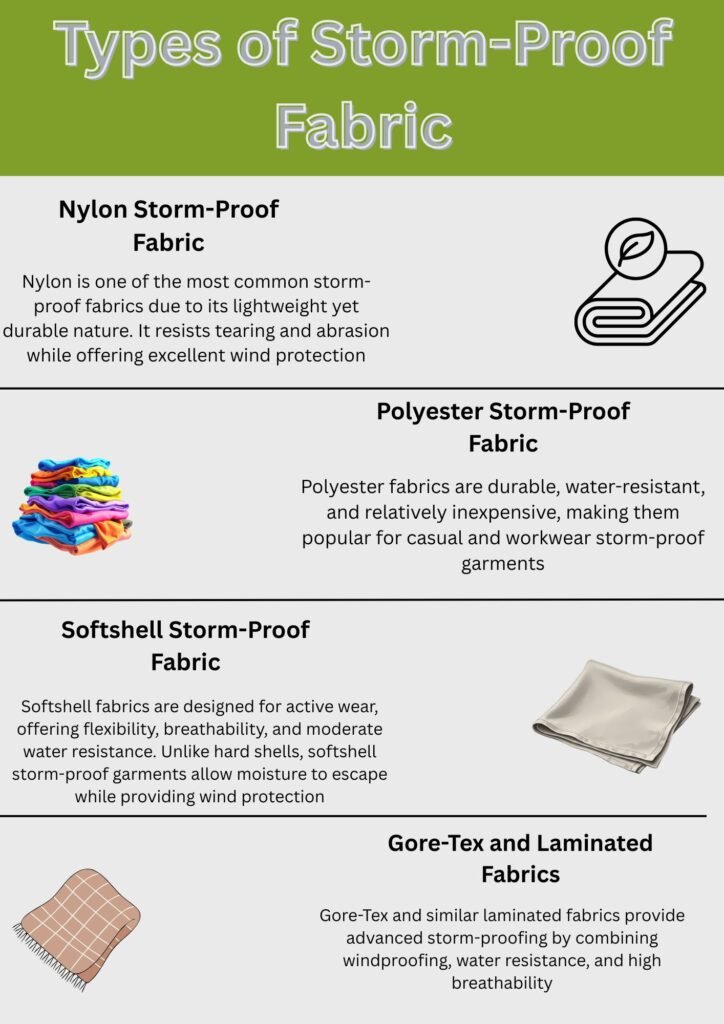
Nylon is one of the most common storm-proof fabrics due to its lightweight yet durable nature. Does Storm-Proof Fabric:It resists tearing and abrasion while offering excellent wind protection. When treated with a water-repellent coating, nylon effectively repels rain and snow. Nylon storm-proof jackets are ideal for hiking, skiing, and other outdoor sports because they combine flexibility with protection.
Polyester Storm-Proof Fabric
Polyester fabrics are durable, water-resistant, and relatively inexpensive, making them popular for casual and workwear storm-proof garments. Polyester resists shrinking, stretching, and UV damage, which contributes to long-lasting performance. This fabric works well for daily winter coats, travel jackets, and light outdoor use, providing a balance of protection and comfort.
Softshell Storm-Proof Fabric
Softshell fabrics are designed for active wear, offering flexibility, breathability, and moderate water resistance. Unlike hard shells, softshell storm-proof garments allow moisture to escape while providing wind protection. They are particularly suited for high-intensity activities such as climbing, skiing, or snowshoeing. Softshell jackets are comfortable, lightweight, and ideal for layering in cold conditions.
Gore-Tex and Laminated Fabrics
Gore-Tex and similar laminated fabrics provide advanced storm-proofing by combining windproofing, water resistance, and high breathability. These fabrics are made with multi-layer membranes that block rain and snow while allowing sweat to evaporate. They are commonly used in high-end outdoor jackets, ski apparel, and professional workwear. Gore-Tex offers premium protection for extreme weather conditions but is often more expensive.
How Storm-Proof Fabric Protects Against Harsh Weather
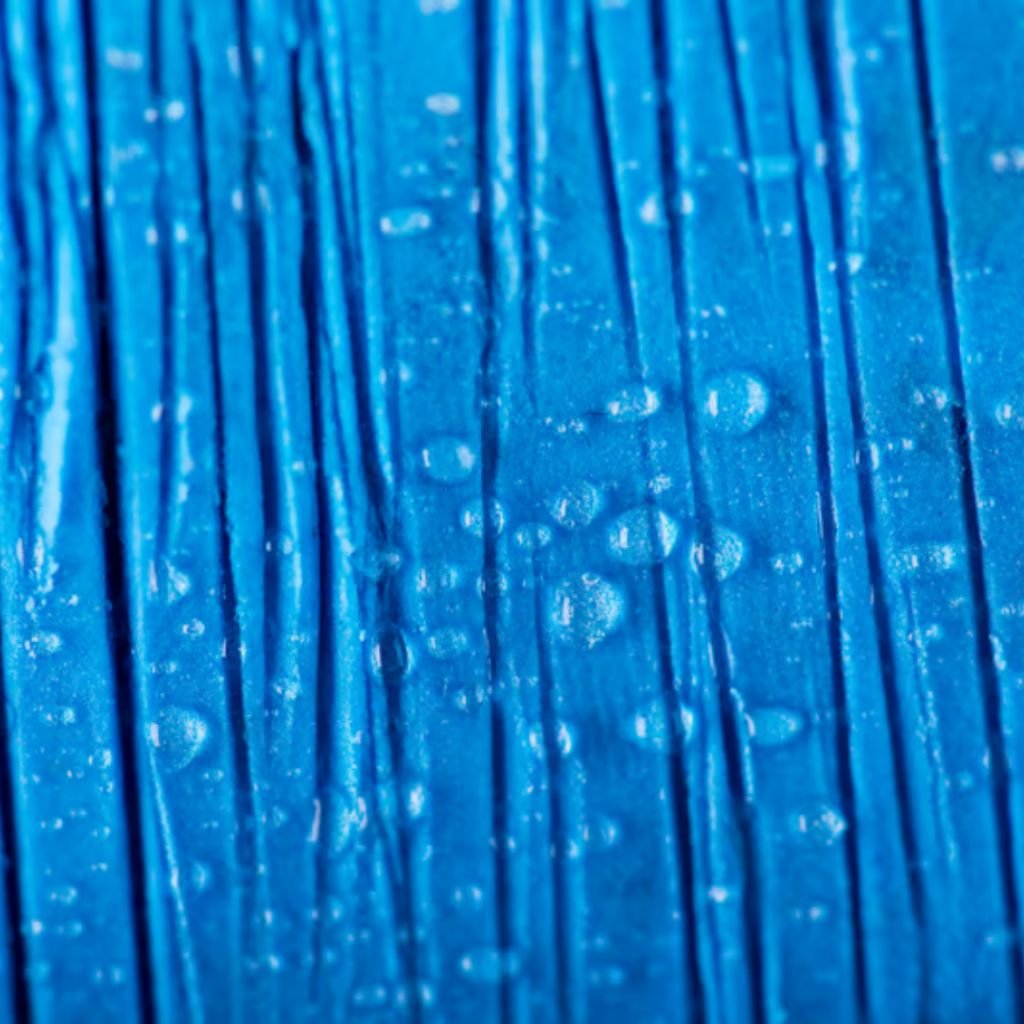
Storm-proof fabric protects against harsh weather using several mechanisms. Wind-blocking technology prevents body heat loss during high-speed gusts, reducing wind chill and keeping wearers comfortable during outdoor activities. Durable Water Repellent (DWR) coatings create a protective barrier on the fabric surface, causing water to bead and slide off. Regular reapplication of DWR maintains performance over time.
Storm-proof fabrics also allow sweat and moisture to escape, preventing overheating and dampness inside garments. Does Storm-Proof Fabric:Moisture Vapor Transmission Rate (MVTR) ensures comfort during physical activity. Finally, storm-proof fabric works alongside insulation layers like down or synthetic fills. While the fabric resists wind and water, insulation retains warmth, which is crucial in winter storms.
Does Storm-Proof Fabric Keep You Dry in Heavy Rain?
Storm-proof fabric handles moderate rain and light sleet effectively, but performance under heavy rain depends on additional features such as membrane layers and seam sealing. High-quality storm-proof garments often include sealed seams or internal membranes, preventing water from seeping through stitching lines. Multi-layered construction improves resistance, especially during prolonged exposure.
In real-world usage, storm-proof coats excel in urban commutes, hiking, or skiing. However, prolonged exposure to torrential rain may require a fully waterproof shell. Choosing the right layering ensures dryness in extreme conditions.
Windproof and Breathable Properties of Storm-Proof Fabric
Windproofing is another essential feature of storm-proof fabric. Tightly woven fibers or protective membranes block air penetration, reducing the chilling effect of wind. Does Storm-Proof Fabric:This effect is amplified when combined with insulation layers during winter. Storm-proof fabric also maintains breathability through high MVTR ratings, ensuring moisture escapes to prevent sweat buildup. This feature is particularly beneficial during active outdoor activities such as hiking or skiing.Does Storm-Proof Fabric:
Storm-proof garments provide flexibility and ventilation, allowing freedom of movement without overheating, unlike some fully waterproof fabrics, which can be stiff or restrictive.
Storm-Proof Fabric vs Waterproof Fabric: Key Differences
When choosing outerwear for extreme weather, many users wonder how storm-proof fabric compares to waterproof fabric. While both offer protection, their purposes and performance differ significantly. Understanding these differences helps in selecting the right garment for daily use, outdoor sports, or travel.
Water Resistance
Storm-proof fabrics are designed to resist moderate rain and light sleet. They often feature durable water repellent (DWR) coatings that allow water to bead and roll off. Waterproof fabrics, on the other hand, block all water penetration, even in heavy rain.Does Storm-Proof Fabric: While waterproof fabrics excel in wet conditions, storm-proof fabrics strike a balance between water resistance and breathability. Users seeking light to moderate protection often prefer storm-proof materials.
Breathability
Breathability is a crucial factor for active outdoor use. Storm-proof fabrics allow sweat and moisture to escape, maintaining comfort during physical activity. Does Storm-Proof Fabric:This prevents overheating and dampness inside the garment. Waterproof fabrics tend to have lower breathability because fully sealed membranes block both water and moisture. As a result, waterproof garments may trap sweat, making them less comfortable during hiking, skiing, or other high-intensity activities.
Wind Protection
Both fabrics provide wind resistance, but storm-proof fabrics are specifically engineered to block strong gusts effectively. The tightly woven fibers or membranes prevent heat loss due to wind chill. While some waterproof fabrics also offer wind protection, their stiffness can limit mobility and flexibility. Does Storm-Proof Fabric:Storm-proof garments are therefore ideal for active use in windy conditions without sacrificing comfort.
Comfort and Flexibility
Storm-proof fabrics are lightweight, flexible, and designed for everyday wear or active outdoor use. They move naturally with the body, reducing restrictions. Does Storm-Proof Fabric:Waterproof fabrics, while highly protective, can feel stiff or restrictive due to sealed seams and additional membrane layers.
Does Storm-Proof Fabric Keep You Warm in Winter?
Winter protection is one of the main concerns when choosing storm-proof outerwear. Many users wonder, “Does Storm-Proof Fabric:” keep me warm in freezing temperatures?” While storm-proof fabric provides excellent defense against wind and moisture, warmth depends on several factors including insulation, layering, and fabric construction. Understanding these elements helps you choose garments that are both protective and comfortable.
Role of Fabric vs Insulation
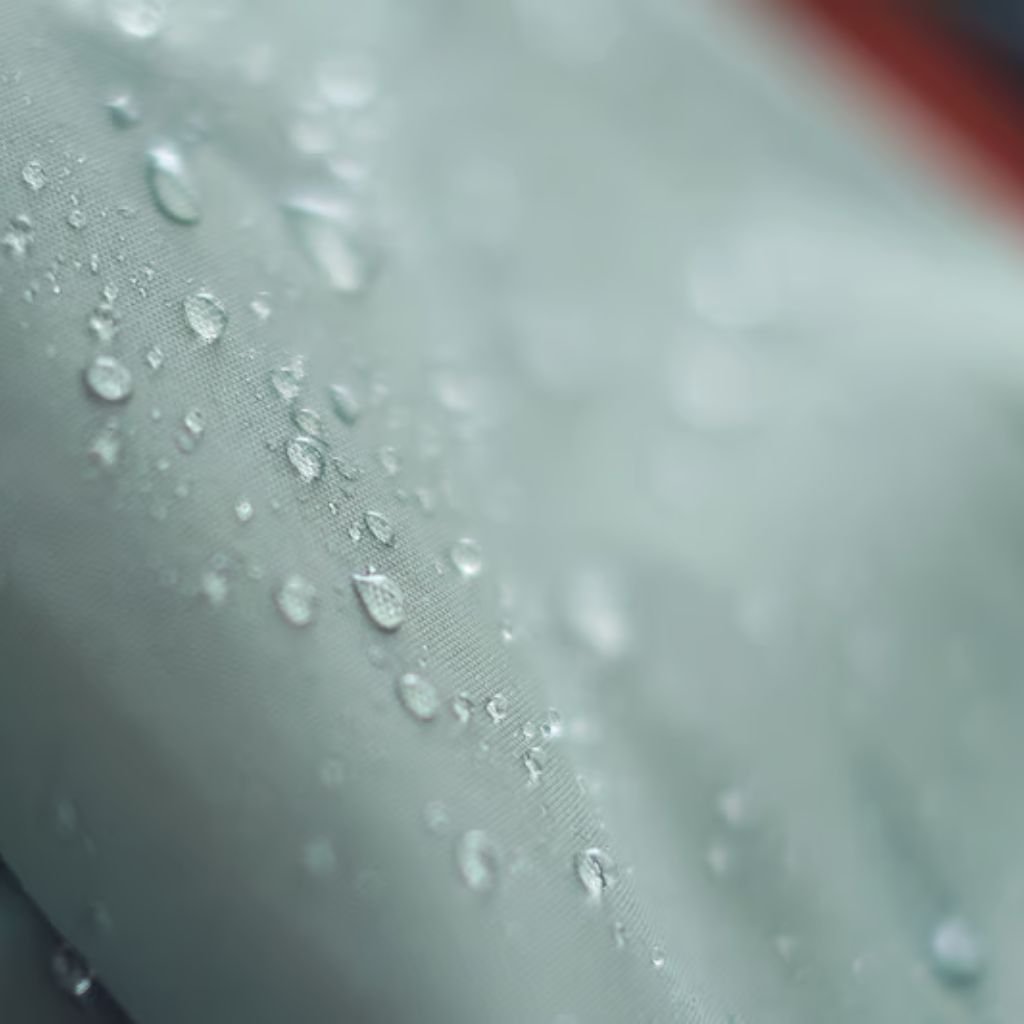
Storm-proof fabric primarily blocks wind and light precipitation. It is not designed to generate heat on its own. The warmth you experience comes largely from insulation layers, such as down, synthetic fills, or fleece. The storm-proof fabric protects this insulation from wind and water, ensuring that retained heat remains inside the clothing. Without proper insulation, even the best storm-proof fabrics cannot keep you sufficiently warm in very cold conditions.
Layering Compatibility
Storm-proof fabric works best when incorporated into a layered clothing system. A typical winter setup includes a base layer that wicks moisture away from the body, a mid-layer that retains heat, and an outer storm-proof layer that shields against wind and light snow or rain. Does Storm-Proof Fabric:This combination allows you to stay warm while remaining active, flexible, and comfortable in unpredictable weather. Proper layering maximizes the thermal efficiency of your winter outfit.Does Storm-Proof Fabric:
Ideal Temperature Conditions
Storm-proof garments are most effective in moderate to very cold temperatures, particularly when paired with insulated layers. In extreme sub-zero conditions, additional insulation or a thermal inner layer is recommended. The fabric’s wind-blocking properties reduce heat loss from gusts, while breathability prevents overheating during physical activity. This balance ensures comfort in varying winter scenarios, from city commutes to outdoor adventures.
Active vs Casual Winter Wear
For active winter sports like hiking, skiing, or snowshoeing, storm-proof fabric is especially advantageous. It provides wind resistance while allowing sweat and moisture to escape, keeping the wearer dry and warm.Does Storm-Proof Fabric: In casual winter wear, such as commuting or traveling, storm-proof fabric ensures consistent warmth without the bulk of heavy waterproof jackets. Users benefit from its flexibility and lighter weight while staying protected from cold winds.
Best Uses of Storm-Proof Fabric
Storm-proof fabric is highly versatile and designed to provide protection against wind, light rain, and snow. Understanding its best applications can help you choose garments that maximize comfort, warmth, and performance. From winter coats to outdoor sports gear, storm-proof fabric offers solutions for both everyday use and extreme conditions.
Winter Coats and Jackets
Storm-proof fabric is an ideal choice for winter coats and jackets. It blocks cold winds, repels light precipitation, and works effectively with insulation layers to retain warmth. Commuters benefit from its lightweight comfort, while outdoor enthusiasts enjoy protection without bulk. High-quality storm-proof coats provide the perfect balance between warmth, mobility, and durability during everyday winter activities.
Outdoor Sports and Adventure Gear
Active individuals engaging in hiking, skiing, snowboarding, or mountaineering can greatly benefit from storm-proof fabric. Its windproof and breathable properties allow for extended physical activity without overheating. Moisture from sweat escapes while the outer layer resists wind and snow.Does Storm-Proof Fabric: This makes it particularly suitable for endurance sports and high-intensity winter adventures where both protection and comfort are essential.
Travel and Workwear
Storm-proof fabric is excellent for travel clothing and professional workwear. Travelers face unpredictable weather, and storm-proof jackets or pants offer reliable protection without excessive bulk. Similarly, workers in outdoor environments, such as construction, logistics, or transportation, require windproof, breathable clothing that allows movement while protecting against the elements. Storm-proof garments combine practicality, comfort, and weather resistance, making them highly suitable for these uses.
Layering with Other Garments
Another key use of storm-proof fabric is as a protective outer layer in a layering system. It pairs effectively with base layers that wick sweat and mid-layers that retain heat. This approach allows users to adapt to changing temperatures and activity levels while maintaining warmth and comfort.Does Storm-Proof Fabric: Whether for winter hiking or commuting in cold, windy conditions, layering with storm-proof fabric enhances overall performance.
Durability and Care of Storm-Proof Fabric
Storm-proof fabric is engineered to withstand harsh weather, but its effectiveness depends on proper care and usage. Understanding durability, washing methods, and maintenance routines ensures your garments provide long-lasting protection. Proper handling preserves windproof, water-resistant, and breathable properties, allowing your storm-proof jacket or coat to remain reliable season after season.
Durability and Care of Storm-Proof Fabric
Durability and Wear Resistance
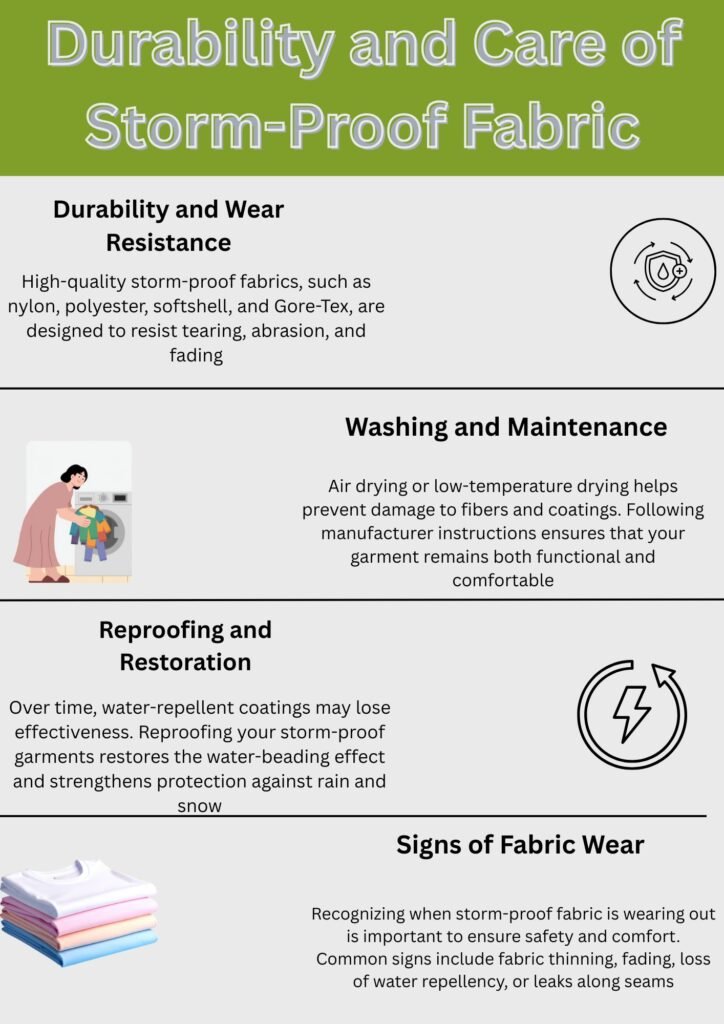
High-quality storm-proof fabrics, such as nylon, polyester, softshell, and Gore-Tex, are designed to resist tearing, abrasion, and fading. These materials retain structural integrity even under frequent outdoor use, making them ideal for commuting, hiking, skiing, or traveling. Stitching quality also plays a crucial role, with reinforced seams providing additional strength and extending garment lifespan. Investing in reputable brands ensures a higher standard of durability and consistent performance over time.Does Storm-Proof Fabric:
Washing and Maintenance
Proper washing is essential to maintain the protective features of storm-proof fabric. Harsh detergents, bleach, and fabric softeners can degrade coatings like Durable Water Repellent (DWR). It is best to wash garments using mild detergent, cold water, and a gentle cycle. Air drying or low-temperature drying helps prevent damage to fibers and coatings. Following manufacturer instructions ensures that your garment remains both functional and comfortable.
Reproofing and Restoration
Over time, water-repellent coatings may lose effectiveness. Reproofing your storm-proof garments restores the water-beading effect and strengthens protection against rain and snow. Spray-on DWR treatments work best on high-friction areas such as shoulders, sleeves, and outer shells. Does Storm-Proof Fabric:Regular reproofing maintains optimal performance, especially before the start of the winter season or after heavy use.
Signs of Fabric Wear
Recognizing when storm-proof fabric is wearing out is important to ensure safety and comfort. Common signs include fabric thinning, fading, loss of water repellency, or leaks along seams. Small tears or loose stitching can reduce overall effectiveness.Does Storm-Proof Fabric: Addressing these issues early, either by reproofing or repairing seams, prolongs garment life and maintains protection in harsh weather.
How to Identify High-Quality Storm-Proof Fabric
Identifying high-quality storm-proof fabric involves checking ratings and certifications such as ISO or ASTM standards. These indicate verified performance in waterproofing, breathability, and windproofing. Stitching and seam quality are critical; tightly stitched seams prevent leaks, and reinforced or taped seams enhance protection. Trusted brands with a strong reputation, customer reviews, and warranties also indicate reliable storm-proof garments.
Pros and Cons of Storm-Proof Fabric
Storm-proof fabric has many advantages. It effectively blocks wind, repels light rain and snow, allows breathability for active use, is lightweight, and works well with layering systems. However, it also has limitations. Storm-proof fabrics may not be fully waterproof in heavy rain, require reproofing for long-term water resistance, and rely on insulation for warmth rather than the fabric itself.
Is Storm-Proof Fabric Worth Buying?
Whether storm-proof fabric is worth buying depends on cost and performance. These fabrics are generally mid-range in price, with performance justifying the investment for outdoor enthusiasts. Breathability, comfort, and flexibility often outweigh minor water limitations. Does Storm-Proof Fabric:People who hike, ski, travel, or commute in variable weather benefit most. Those in extremely wet climates may require an additional waterproof outer layer for maximum protection.
Conclusiion
Storm-proof fabric generally delivers on its promises for wind resistance, breathability, and moderate water protection. While it may not completely replace waterproof gear in heavy, sustained rain, it excels in comfort, flexibility, and active use.Does Storm-Proof Fabric: Layering with insulation maximizes warmth in winter storms, making storm-proof fabrics a practical choice for outdoor enthusiasts and commuters.
Understanding both its strengths and limitations ensures informed buying decisions. Ultimately, Does Storm-Proof Fabric: live up to expectations depends on user activity and weather conditions, but for most situations, it remains highly effective, balancing protection, comfort, and versatility
FAQs
Does storm-proof fabric stop heavy rain?
It resists light to moderate rain but may allow water penetration in prolonged heavy storms.
Is storm-proof fabric better than waterproof?
Storm-proof fabric offers better breathability and comfort. Waterproof fabrics excel in continuous downpours.
Can storm-proof fabric be washed?
Yes, but mild detergents and following manufacturer instructions are necessary to maintain water repellency.
Is storm-proof fabric good for snowstorms?
Yes, it protects against wind and light snow. Insulation improves warmth during prolonged exposure.