Does Shetland wool itch? The easy and straightforward answer to this is yes, the wool of Shetland wool may itch in some individuals. But not all people are afflicted by this itchiness in the same way. People listen to a lot of negative comments prior to trying it. This tends to give the Shetland wool a bad reputation.
The common belief about the shetland wool is the belief that it is itchy due to its stiffer nature compared to others. It retains its natural feel unlike very soft wools. Thus, novice users occasionally feel a small prickle. This sensation is more felt on naked skin.
Nevertheless, there is a reason why Shetland wool exists. Nature made it in such a way as to defend against severe weather. The sense of its feel can be explained by the mechanism of its structure. There is nothing like knowing how it works and then wearing it with ease and comfort.
This is the reality that is explained in this guide. You shall know why Shetland wool itches, how it is compared to other wools, and to what people it must be worn. Above all, you will determine whether it will be suitable to your needs.
What Is Shetland Wool?
The wool of the Shetland is found on the Scotch island of Shetland. There are bitter winds, downpour and harsh weather in these islands throughout the year. Due to this climate, sheep grow with powerful and robust fleece inherently.
Shetland wool is not highly processed unlike most commercial forms of wool. The manufacturers do not over-soften the fibers. This has made the wool retain its natural strength and texture. This aspect renders it strong and enduring.
The Shetland wool is not similar to other wools in a number of ways. Its fiber diameter is a bit thicker and its hand feel drier. This type of structure however enhances breathability and insulation. The traps of wool are able to trap the air whereas releasing moisture.
In terms of SEO, when someone poses a question of what is Shetland wool, the answer will be related to tradition, durability, and weather protection. These are the distinguishing characteristics.
History of Shetland Wool
Shetland wool has a history that dates back to hundreds of years. Years Islanders depended on it to survive besides dress. Sheep were naturally adjusted to fit the environment without having to be manipulated. Thus, their fleece became warm and protective.
Early knitters used to hand spindle the yarn and make useful garments. Blankets, shawls, and sweaters assisted the family to survive extreme winters. Comfort was not paramount to performance at that time.
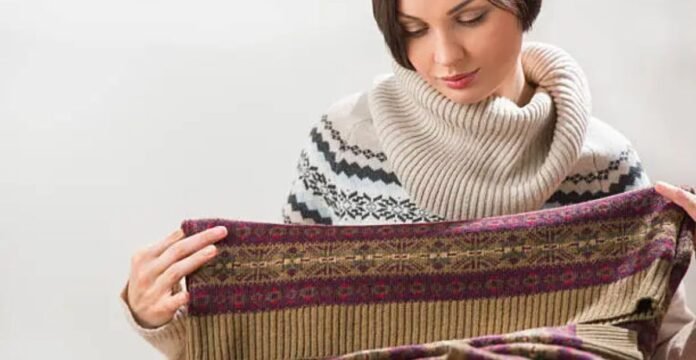
Subsequently, Fair Isle knitting made Shetland wool known throughout the world. These color pattern patterns highlighted the craftsmanship of the islands. Production gradually increased with the increase in demand.
Shetland wool is a blend of tradition and modernity today. The wool has retained its original nature though the comfort has been enhanced.
Why Does Shetland Wool Irritate a Part of people?
The overall question that is asked by many people is why wool itches. The solution is in fiber thickness and hardness. The wool fibers are measured in microns. Fiber of greater thickness is not as easily bent over the skin.
The count of microns in Shetland wool is greater than that of fine wools. Thus, the fibers exert more pressure on nerve endings. The pressure on some wearers results in a prickly feel.
Sensitivity of the skin is also significant. Individuals whose skin is sensitive to irritation are quick to detect it. The skin may feel dry and particularly during winter.
This response does not imply that the wool is bad. It is just that the fiber structure is different as compared to softer options.

Why Does Somebody Find Shetland Wool Itchy?
Shetland Wool, Fiber Thickness and Natural Structure.
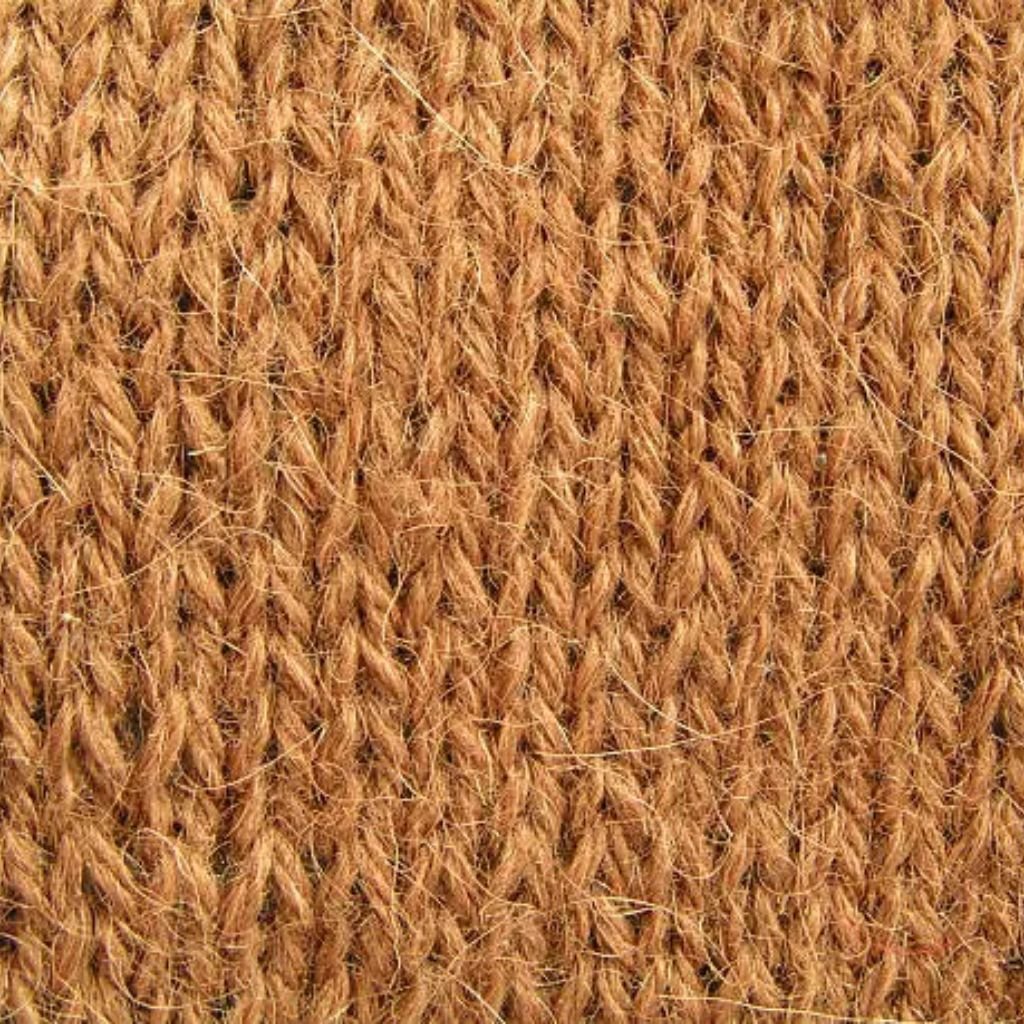
Shetland wool is itchy to most people, primarily due to the thickness of natural fibers. The wool fibers are measured in microns and the Shetland wool has more microns as compared to fine wools. Fibers that are thicker are not easily bent when they come in contact with the skin. Consequently, they squeeze nerve endings provoking a prickly feeling. Such a response occurs faster when it occurs on the bare skin of the wool. The wool is, however, also strong and durable by this structure.
Coarse and Fine Wool Fiber Difference.
Not wool fibers all feel the same on the skin. There are fine fibers (Merino), which are easy to bend and touch. As compared to that, the Shetland wool has more coarse fibers. These fibers are rigid and do not bend. Thus, the skin is more sensitive to them. That is why, Shetland wool is coarse in comparison with soft types of wool. Nevertheless, rough fibers are more effective as thermal resistant in cold.
Individual levels of Comfort and Skin Feel.
Shetland wool is significantly sensitive to the skin. Others have skin which is sensitive to touch. The difference is hardly perceived by others. The skin is dry or sensitive which makes it more likely to be irritated. This is also aggravated by cold weather. Hence, a single individual might get Shetland wool uncomfortable and another individual might be okay with wearing.
Absence of Heavy Processing in Traditional Shetland Wool.
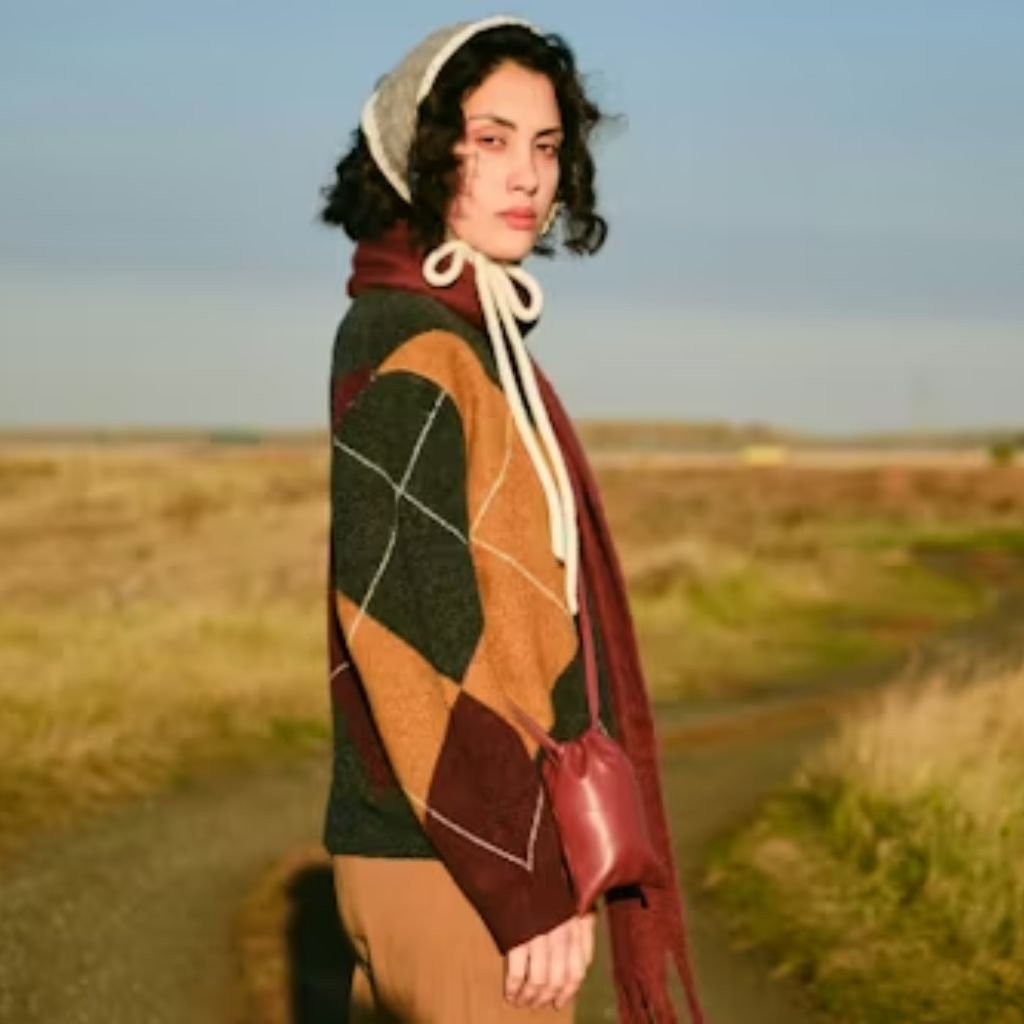
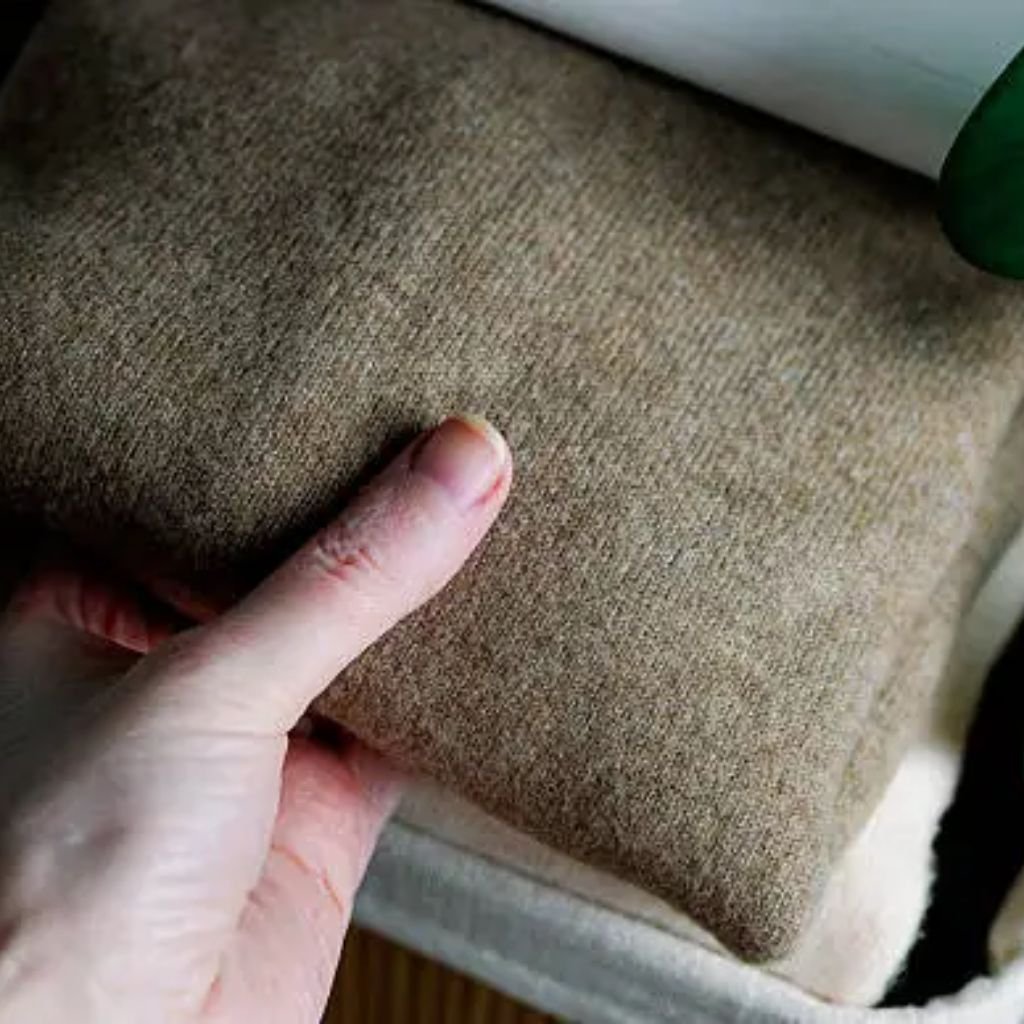
Shetland traditional wool receives very little processing. Manufacturers shun the heavy treatments with chemicals which soften fibers. Owing to this, the wool retains its natural feel. Although this maintains durability and breathability, it contributes to the possibility of itchiness. The contemporary versions are softer and yet the natural character can be found.
Types of Shetland Wool
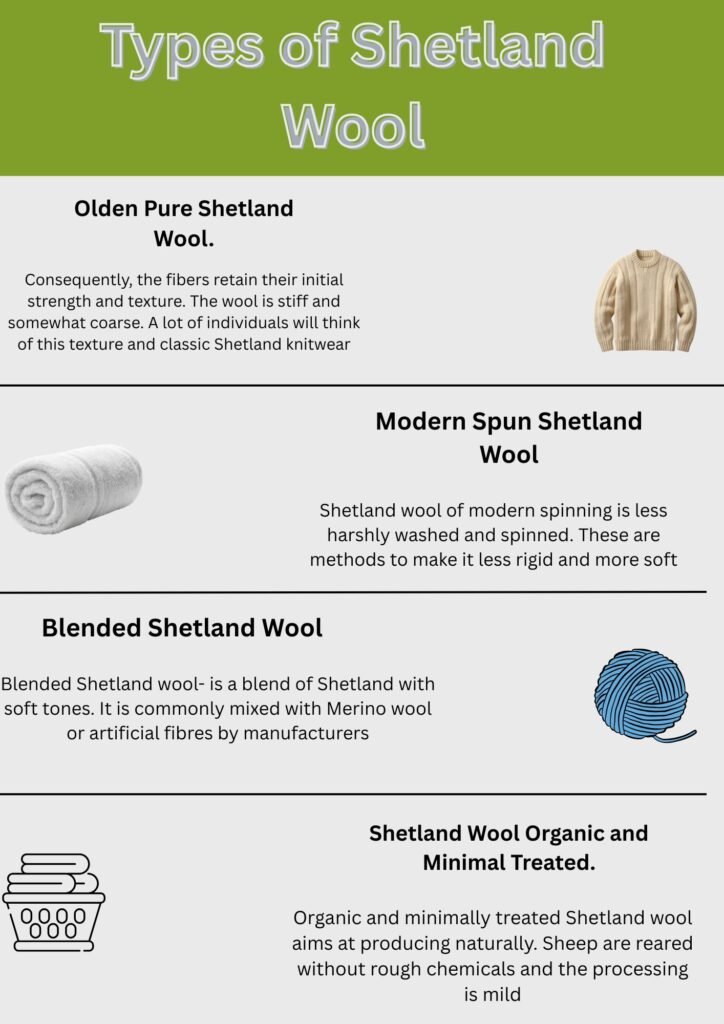
Olden Pure Shetland Wool.
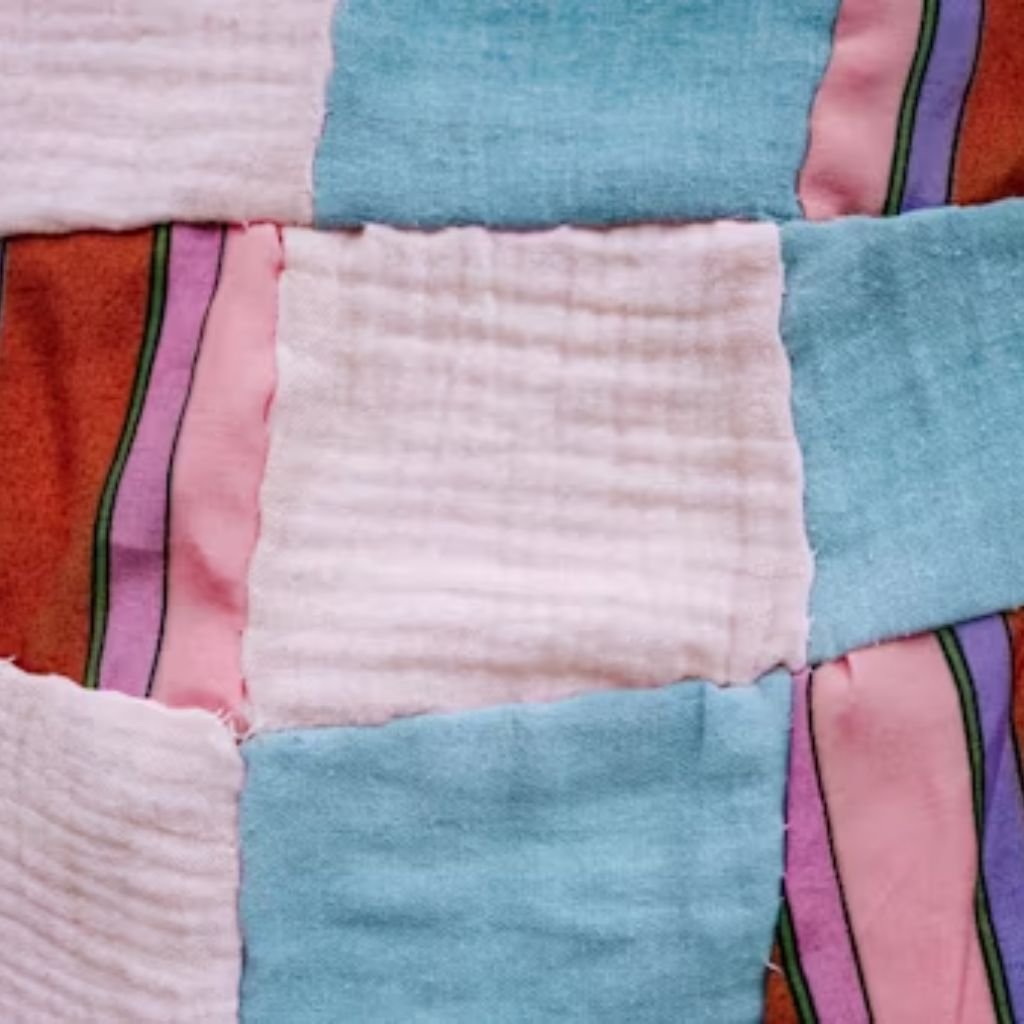
The old pure Shetland wool remains as natural as possible. There is minimal chemical processing on this type. Consequently, the fibers retain their initial strength and texture. The wool is stiff and somewhat coarse. A lot of individuals will think of this texture and classic Shetland knitwear. It is coarse, but it is so warm and lasts long. The type is most suitable with sweaters, outer garments and clothing during the cold weather.
Modern Spun Shetland Wool
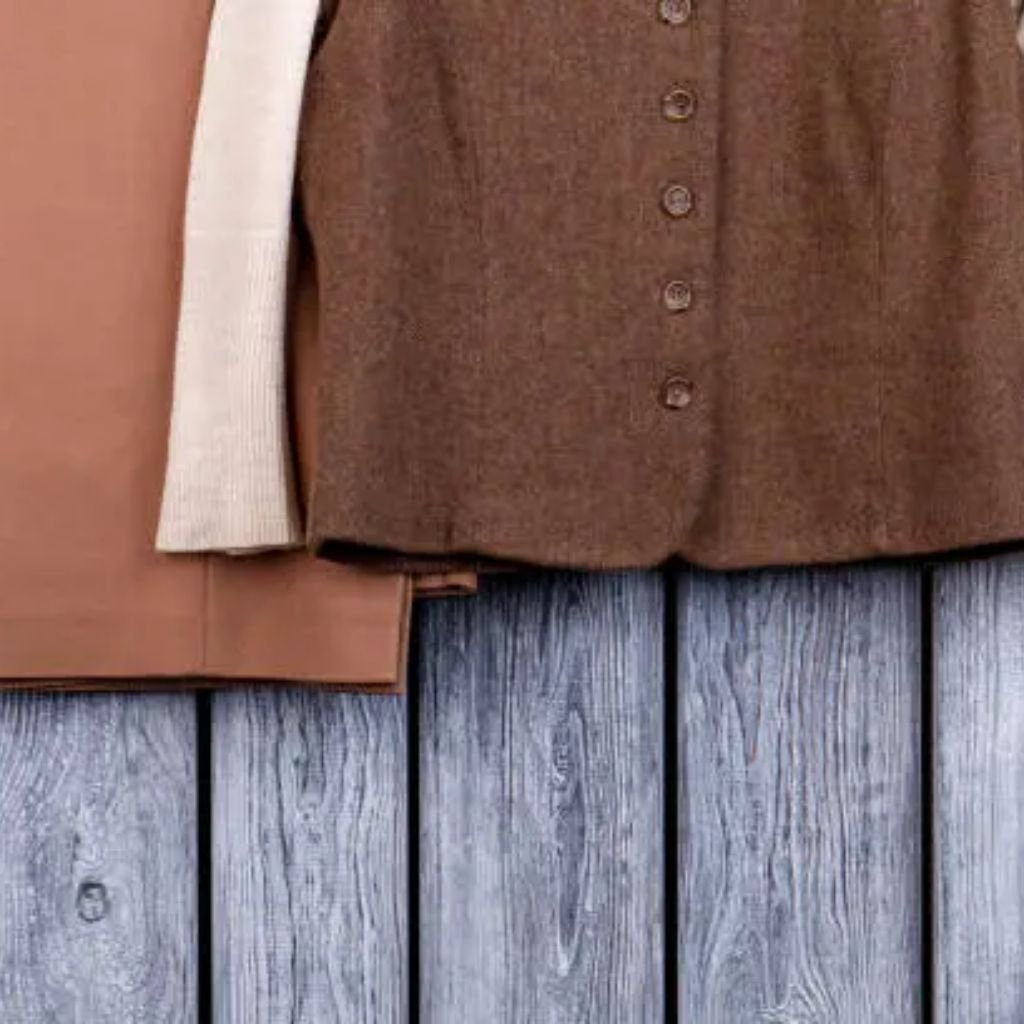
Shetland wool of modern spinning is less harshly washed and spinned. These are methods to make it less rigid and more soft. The wool itself does not lose its natural resilience; it is much smoother to the touch. This type is utilized by many modern brands to combine comfort and performance. Although it is not as soft as Merino, it is more wearable than ordinary Shetland wool. This category is appropriate in daily knitwear that is well layered.
Blended Shetland Wool
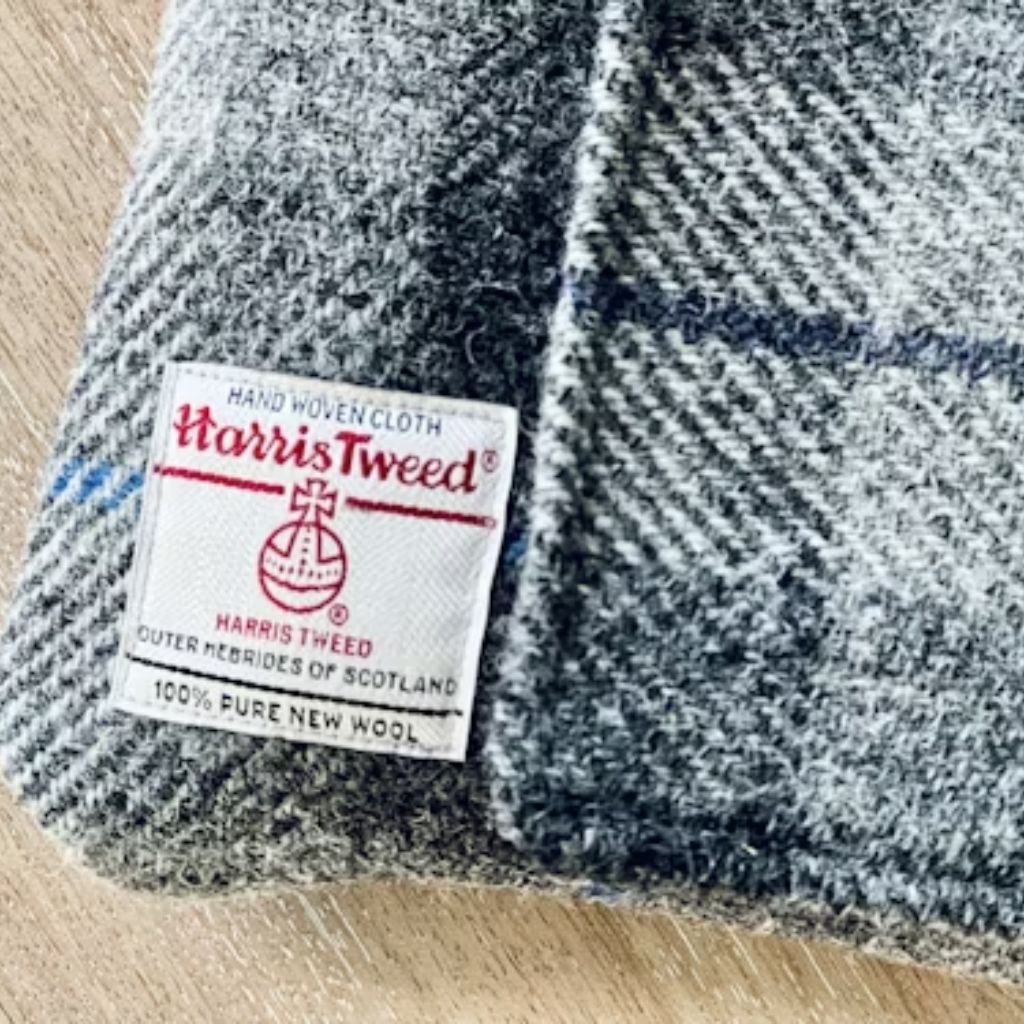
Blended Shetland wool- is a blend of Shetland with soft tones. It is commonly mixed with Merino wool or artificial fibres by manufacturers. This will decrease itchiness and enhance the comfort. Simultaneously, the mixture is warm and structured. Nevertheless, the authentic Shetland feel is altered a bit with the mixing. This type is favored by people who cannot do without comfort and are not attached to tradition.
Shetland Wool Organic and Minimal Treated.
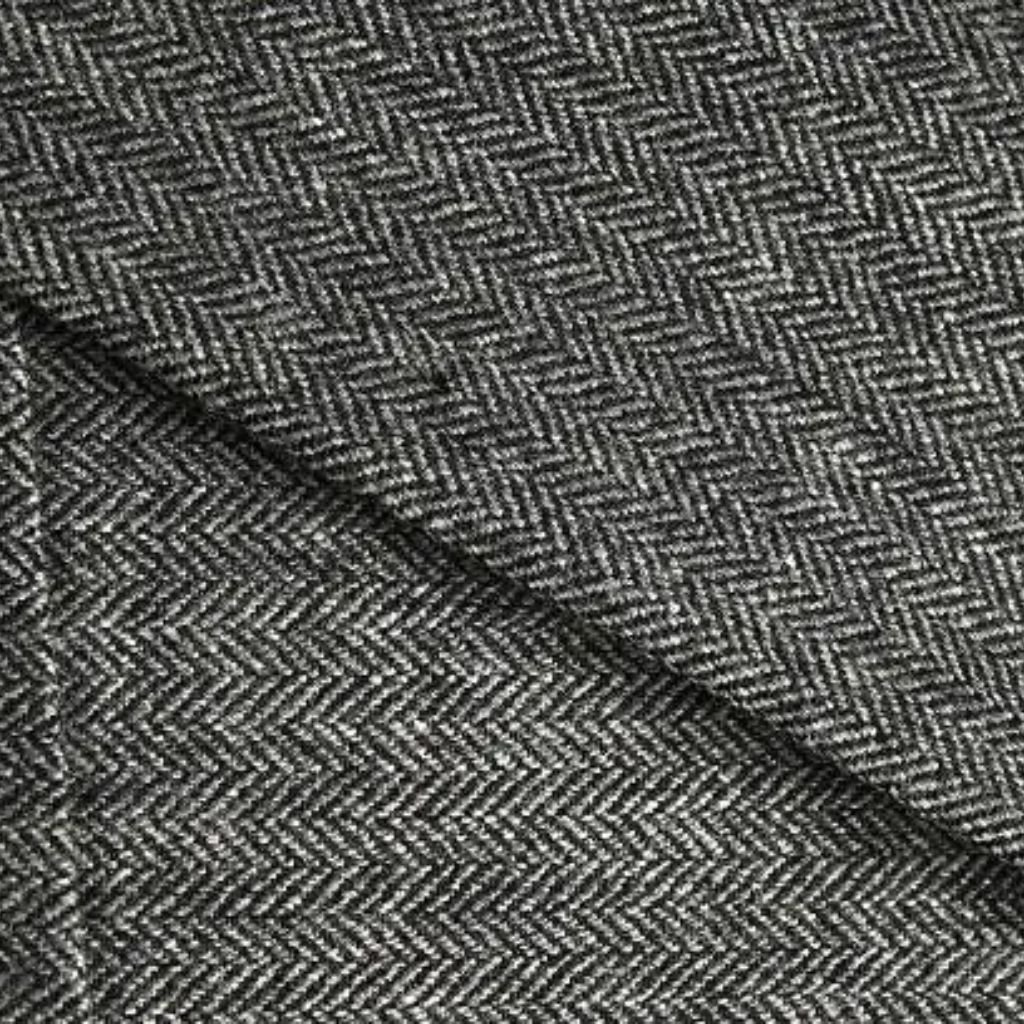
Organic and minimally treated Shetland wool aims at producing naturally. Sheep are reared without rough chemicals and the processing is mild. Such kind is desirable to environmentally friendly consumers. The wool is like the classic Shetland wool but possibly has a cleaner and lighter feel. Although it is still firm, it also has better breathability and natural performance.

Does Shetland Wool Soften With Time?
The question arises, does the Shetland wool soften as time passes by?
Yes it does get soft after due wear and care.
The garment is made of fibers that naturally flex. This motion makes stiffness decrease gradually. The structure is also loosened by gentle washing.
Nevertheless, Shetland wool never gets so soft as Merino. It is a character that is a bit stiff.
Buyers are supposed to see an improvement and not transformation. This knowledge will help avoid disillusionment in the future.
Patience has two virtues: it pays off to the long-sighted and the warm-hearted.
Common Uses of Shetland Wool
Shetland Wool for Cold-Weather Sweaters
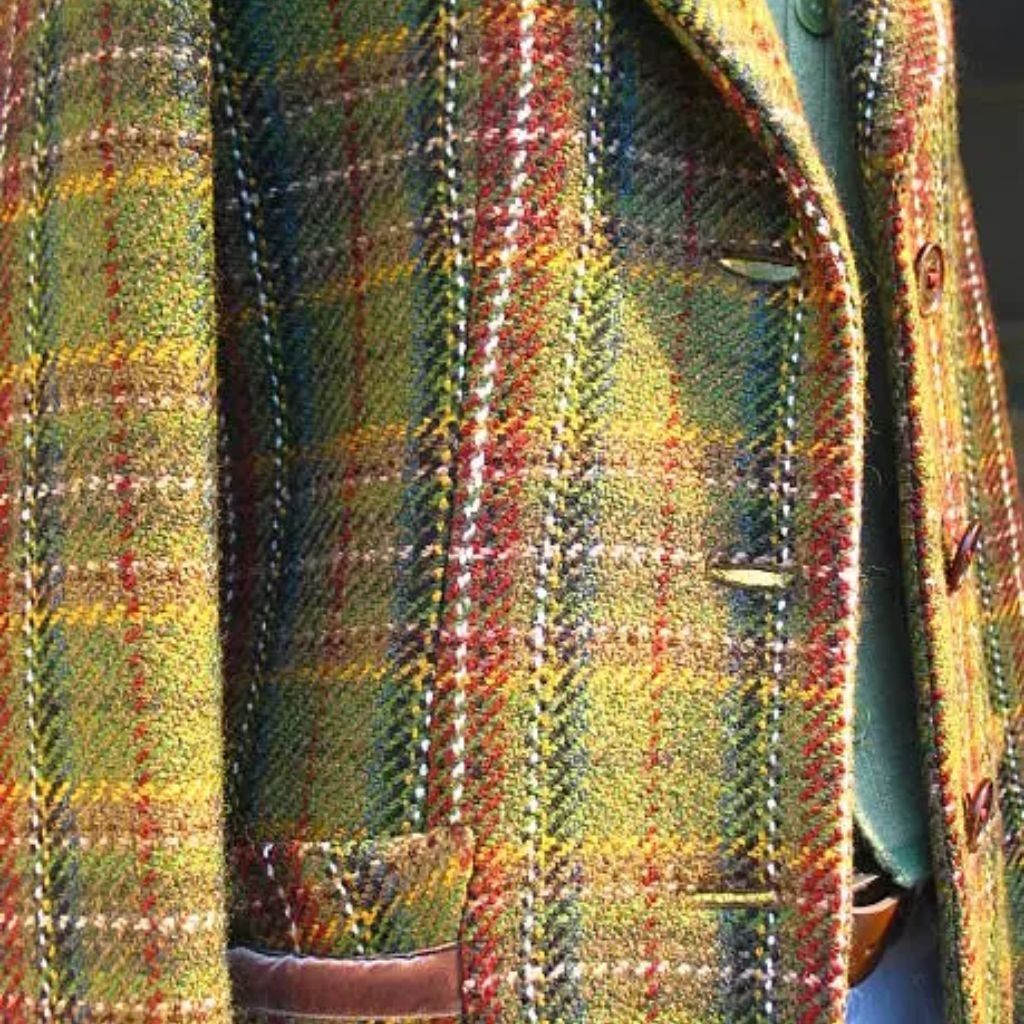
Shetland wool is commonly used for cold-weather sweaters because it provides strong natural insulation. The fibers trap warm air effectively and help the body stay warm in low temperatures. These sweaters perform well in windy conditions where softer wools struggle. Although the texture feels firm at first, layering makes them comfortable for long wear. Over time, many people appreciate the warmth and reliability these sweaters offer.
Shetland Wool for Cardigans and Layered Knitwear
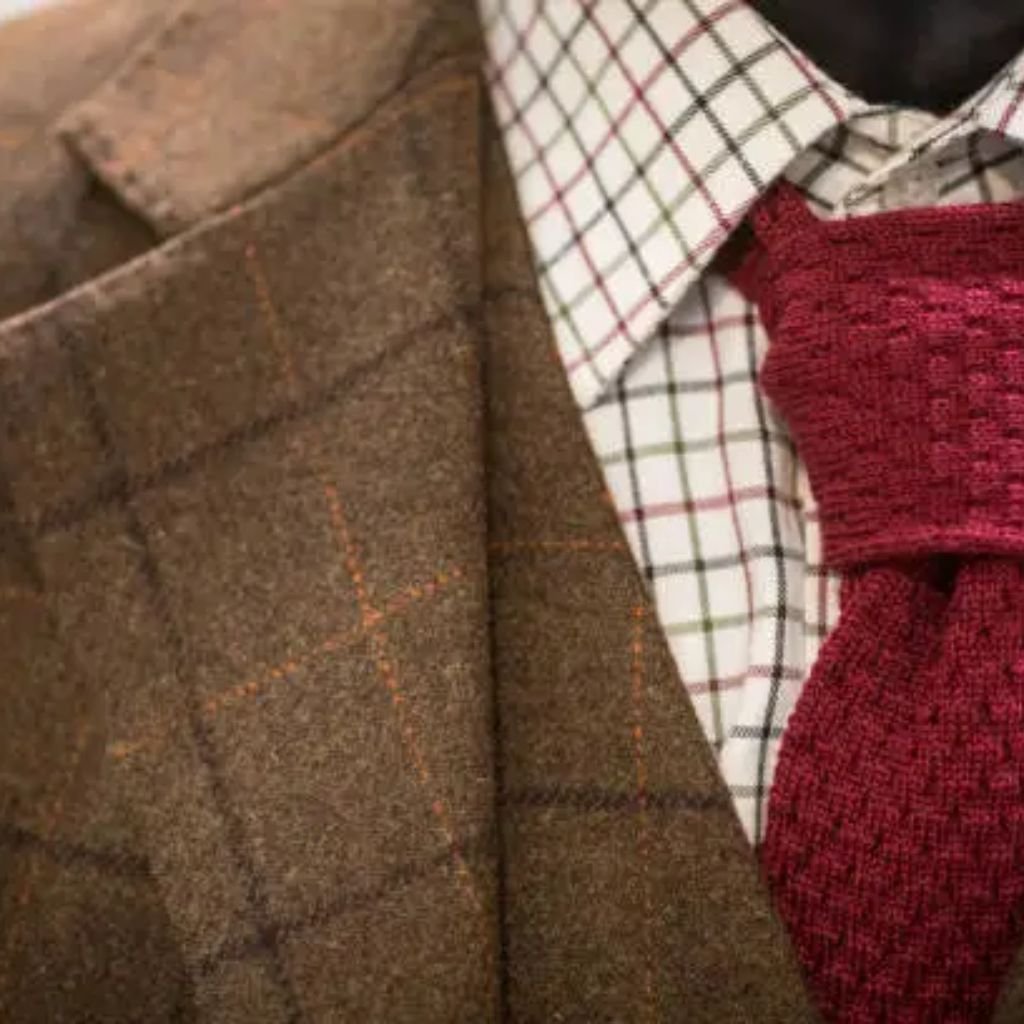
Cardigans and layered knitwear often use Shetland wool because of its structure and durability. The wool holds its shape well and resists stretching. This quality makes it ideal for garments worn frequently. When paired with a base layer, Shetland wool cardigans feel comfortable throughout the day. They work well in both casual and semi-formal winter outfits.
Shetland Wool for Jackets and Outer Layers
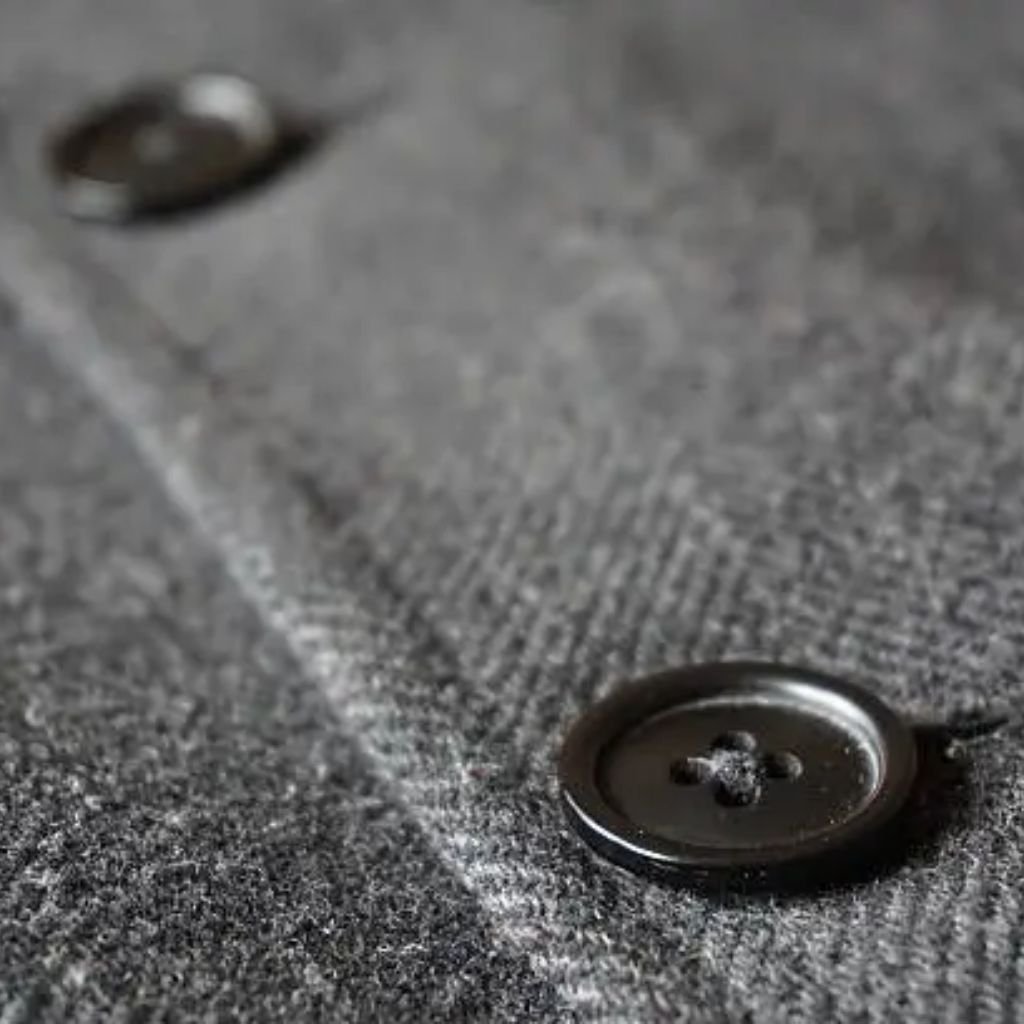
Shetland wool is widely used in jackets and outer layers designed for cold climates. Its natural resistance to wind adds extra protection. Garments made from Shetland wool feel warm without becoming heavy. This makes them suitable for outdoor activities during winter. Many people prefer Shetland wool outerwear because it performs reliably in changing weather.
Shetland Wool for Traditional and Heritage Knitwear
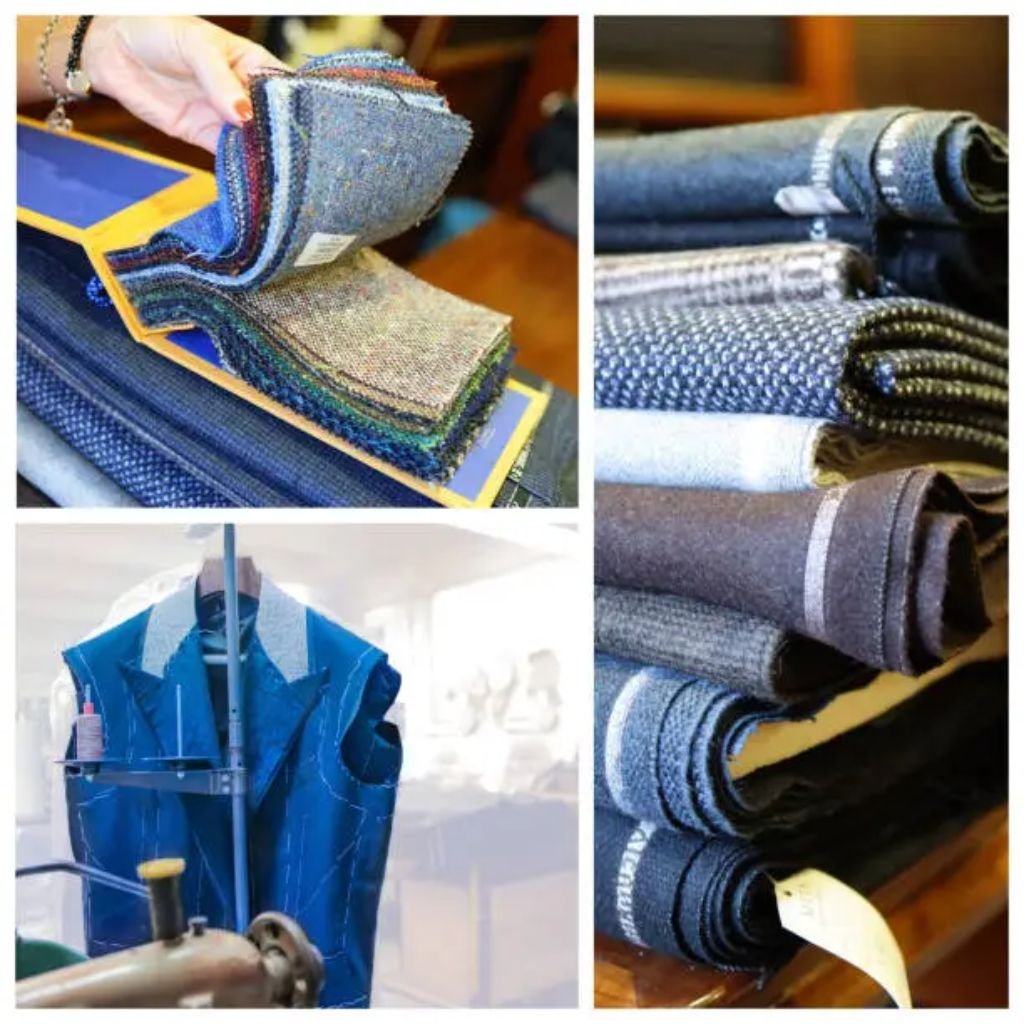
Traditional knitwear remains one of the most important uses of Shetland wool. Fair Isle sweaters and heritage designs rely on its strength and texture. These garments represent craftsmanship passed down through generations. The durability of Shetland wool allows these pieces to last for many years. Wearing them connects modern users with historical traditions.
How to Wear Shetland Wool without Itching.
Layering is a relatively easy way of solving comfort problems. A base is a skin protector made of cotton or merino. The barrier decreases the friction immediately.
- The selection of blended Shetland wool serves the purpose as well. Blends warm and mellow the texture.
- Fit matters greatly as well. Light clothing has an less contact with skin. Tight fits are provocative of irritation.
- Comfort is also influenced by seam placement and knit density. Well constructed clothes are smoother to touch.
- Regarding SEO perspective, the key to preventing wool itching begins with intelligent layering decisions.
Can Shetland Wool Be Worn by the Sensitive Skin?
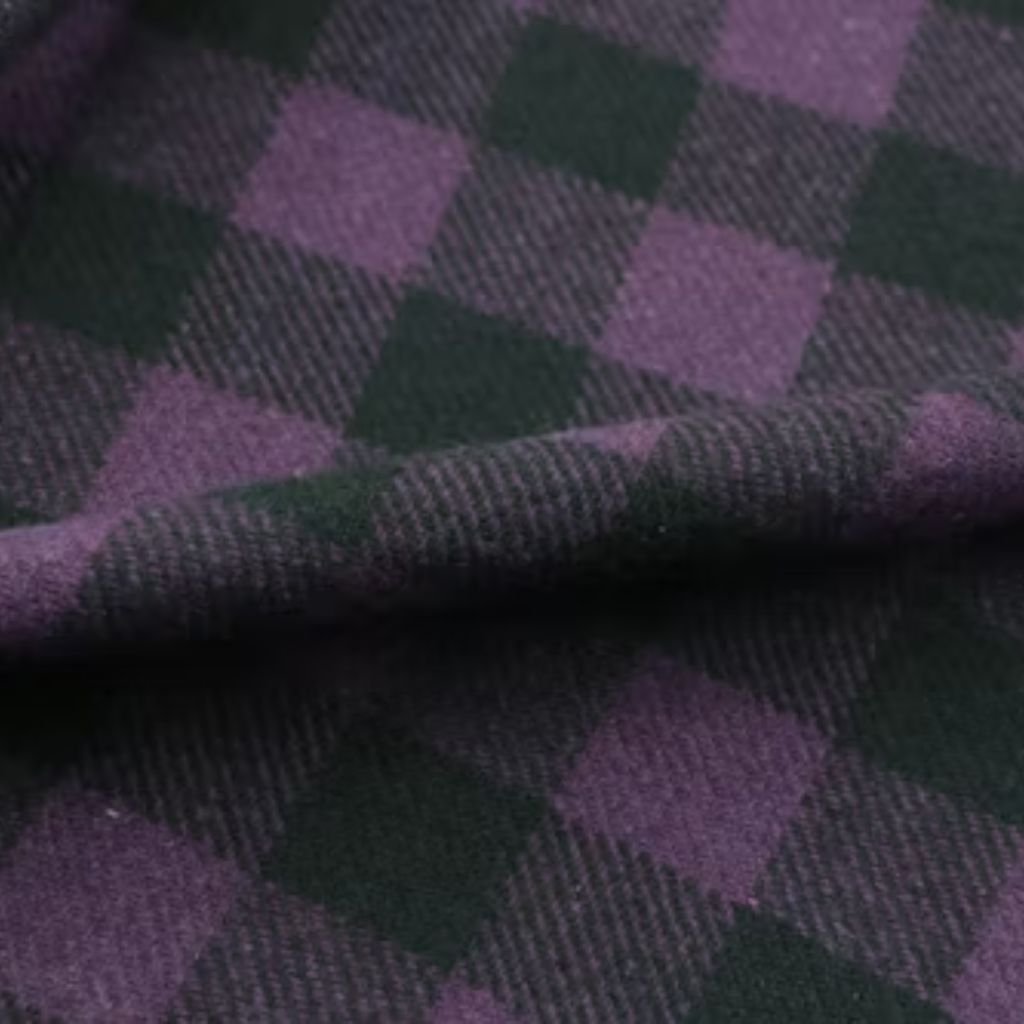
Shetland wool is capable of defying sensitive skin. There are wearers who become irritated soon. Other people bear it by means of overlaying.
- Direct contact should be avoided with those people who have allergies or eczema. In this instance, less coarse wools are better.
- Nevertheless, the delicate users continue to use Shetland wool in outerwear. Cardigans and jackets are effective.
- Merino, alpaca, or cashmere are some of the substitutes. These fibers are less coarse on skin.
- Honesty matters here. Shetland wool is more of a performance-driven wool.

Washing and Raising Shetland Wool to Make It Itch Less.
- It is greatly alleviated by good care. The Shetland wool is best washed by hand. Use cold water always.
- Select enzyme free, wool safe detergents. These shield fiber integrity. Do not use strong soaps.
- Never wring the garment. Rather, squeeze water out of the press. Lay flat to dry naturally.
- Storage is also quite important. Fold up store garments with cedar protection.

Uses of Shetland Wool
Shetland Winter Wool Sweaters and Knitwear.
Shetland wool finds its application in winter sweaters and knitwear due to its good insulation power. The natural fibers are good traps of warm air. Consequently, the garments that consist of Shetland wool as sweaters ensure that the body is warm even in cold weather. The moisture is also able to escape through the wool and prevents overheating. The balanced wearability of the shetland wool knitwear makes it a common choice of people who wear it on a daily basis during winter to stay warm but not overheated. These clothes are more comfortable as time passes with frequent use.

Shetland Wool Outerwear and Layers.
Shetland is very useful in an outer garment that is meant to withstand the cruel weather. Its natural design withstands the wind as compared to soft wools. This is an advantage of jackets, overshirts, and heavy cardigans. Shetland wool is also suitable as an outer layer when one wants to be protected but not to feel that he/she is overly clothed. This renders it the best on outdoor activities in winter. This is one of the reasons why people in windy or cold areas tend to wear the Shetland wool.
Shetland wool Wool to Traditional and Heritage Wool.
The Shetland wool is of great cultural importance in traditional clothes. This wool is frequently used at Fair Isle sweaters and heritage knitwear. These clothes are a manifestation of art and tradition. The use of Shetland wool enables these items to be used over a long period of time. A lot of wearers value the affiliation to tradition and have the warmth which is practical. This application makes Shetland wool current in terms of generations.

Shetland Wool to use in Outdoor and Rural activities.
Shetland wool is wearable in the outdoor and rural situations. Its warmth and strength are encompassed by walkers, hikers, and countryside workers. The wool is also effective in wet weather. It remains insulative even when a bit damp unlike synthetic fabrics. This ensures its suitability as long time outdoor wear. Shetland wool is also believed to be a useful accessory to many people instead of a fashion statement.
Pros and Cons of Shetland Wool
Pros of Shetland Wool
- Shetland wool offers exceptional durability. Fibers resist wear over time.
- Warmth remains its strongest advantage. It insulates even when damp.
- Breathability prevents overheating during activity. This balance improves comfort outdoors.
Cons of Shetland Wool
- Initial itchiness concerns many users. Direct skin contact feels uncomfortable.
- It does not suit lightweight layering well.
- Therefore, buyers must choose use cases carefully.

Who Should Choose Shetland Wool?
- Shetland wool suits cold climates perfectly. Windy regions benefit most.
- Outdoor enthusiasts appreciate its resilience. Hikers and walkers stay warm longer.
- Casual wearers enjoy sweaters and cardigans with layering.
- Those seeking softness should look elsewhere. However, durability lovers will stay satisfied.
Care of Shetland Wool

Proper Washing Methods for Shetland Wool
Caring for Shetland wool starts with correct washing. Gentle handling protects the natural fibers and reduces itchiness over time. Hand washing in cold water works best for most garments. Cold water prevents fiber tightening and shrinkage. Light movement during washing keeps the wool intact. Although some modern garments allow machine washing, gentle cycles should always be used. Careful washing helps Shetland wool maintain its shape and comfort.
Choosing the Right Detergent for Shetland Wool
The type of detergent used greatly affects Shetland wool. Wool-safe detergents work best because they clean without damaging fibers. These detergents keep the wool soft and breathable. Harsh soaps or regular detergents should be avoided. They strip natural oils from the wool and increase stiffness. Over time, proper detergent use improves how the wool feels against the skin.
Drying Shetland Wool the Correct Way
Drying Shetland wool correctly prevents damage. After washing, excess water should be pressed out gently. Twisting or wringing damages fibers and causes stretching. Flat drying on a clean surface helps maintain the garment’s original shape. Natural air drying works best. Heat from dryers or direct sunlight weakens wool fibers and increases roughness.
Storing Shetland Wool Safely
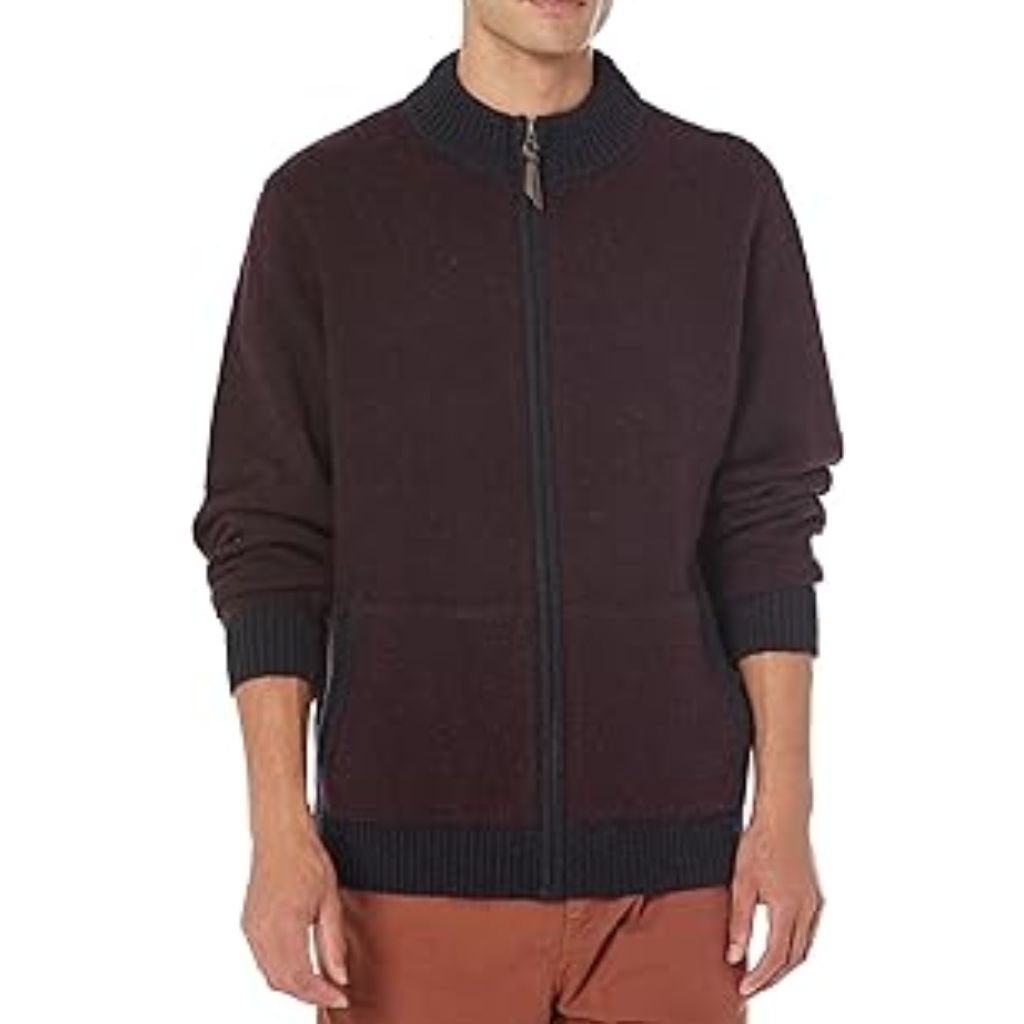
Proper storage keeps Shetland wool garments in good condition. Always store them clean and completely dry. Folding garments instead of hanging prevents stretching. Storage in a cool, dry place protects fibers from moisture damage. Natural repellents help protect against moths. Good storage habits extend the life of Shetland wool significantly.
Conclusion
So, does Shetland wool itch? The honest answer remains yes, it can feel itchy for some people, especially at first contact. However, this sensation does not define the overall value of Shetland wool. Its natural texture exists because the wool prioritizes warmth, durability, and protection. Understanding this helps buyers make realistic expectations before purchasing.
Shetland wool offers excellent insulation in cold and windy climates. It performs well when layered correctly and cared for properly. Over time, the fibers relax, and comfort improves noticeably. While it may never feel as soft as Merino, it delivers reliability that softer wools often lack.
FAQs
Does Shetland wool itch more than other wool?
Yes, it usually feels itchier than Merino and lambswool.
Can you wear Shetland wool directly on skin?
Some people can, but most prefer layering.
Is Shetland wool good for winter?
Yes, it provides excellent warmth and wind resistance.
Does Shetland wool shrink?
Yes, improper washing can cause shrinkage.
How long does Shetland wool last?
With care, it can last decades.