
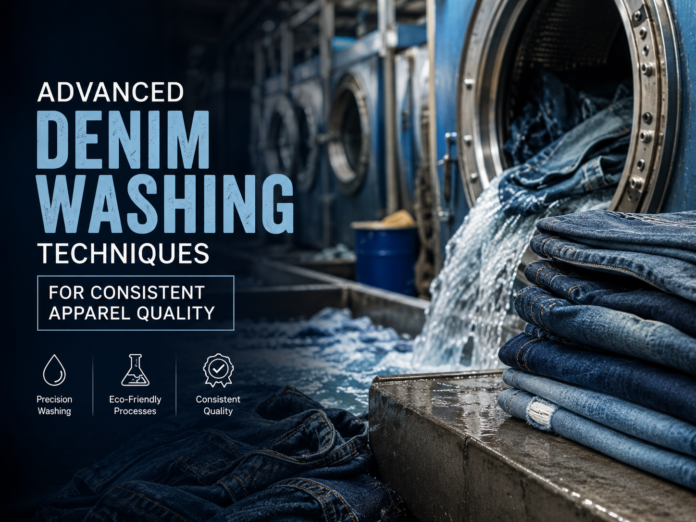
Denim has always been a key part of the fashion industry. However, creating denim garments with the same color, texture, softness, and finish in every production batch can be challenging. Even a small difference during the washing process can affect the final product quality.
That is why professional Denim Washing Techniques are so important in apparel manufacturing. These techniques help brands maintain consistency while also creating the desired look and feel customers expect. From achieving a vintage fade to improving fabric softness, every washing method plays a different role in the final appearance of denim garments.
Brands that work with experienced Washing & Dyeing Services can maintain better quality standards and deliver more reliable products to the market.
Why Consistent Denim Quality Matters
Customers notice quality differences very quickly. If one batch of denim looks darker, feels rougher, or fits differently than another, it can reduce customer confidence in the brand.
For this reason, manufacturers focus heavily on maintaining consistency throughout the washing process. Consistent denim quality not only improves customer satisfaction but also helps brands reduce production issues and maintain a professional image in the market.
A controlled washing process helps manufacturers:
- Maintain uniform color and texture
- Improve fabric durability
- Reduce production defects
- Deliver consistent garment finishing
- Build long-term customer trust
- Minimize product returns and complaints
In addition, consistent production helps factories operate more efficiently and reduce unnecessary material waste.
Popular Denim Washing Techniques Used in Manufacturing
Stone Washing
Stone washing is one of the most widely used Denim Washing Techniques in apparel manufacturing. In this process, manufacturers place pumice stones inside industrial washing machines with denim garments. As the machine rotates, the stones rub against the fabric and create a naturally faded appearance.
This method gives Denim Washing Techniques a soft feel and a timeless vintage look that remains popular in fashion collections. However, manufacturers must carefully control the process because excessive abrasion can damage the fabric and reduce garment durability.
When managed correctly, stone washing creates stylish denim products with a comfortable finish.
Benefits of Stone Washing
- Creates a classic faded appearance
- Makes denim softer and more comfortable
- Adds a fashionable vintage effect
- Improves the overall garment feel
Factories usually monitor machine speed, washing time, and stone quantity to maintain consistent results during production.
Enzyme Washing
Enzyme washing has become increasingly popular because it provides a softer finish without causing heavy fabric damage. Instead of using stones, manufacturers use biological enzymes to break down surface fibers gently and create a clean washed effect.
Compared to traditional methods, enzyme washing delivers better consistency and supports more sustainable production practices. It also reduces machine wear and minimizes excessive abrasion on the fabric.
Many apparel brands prefer advanced Production Capabilities because controlled enzyme washing helps maintain premium fabric quality across large production runs.
Advantages of Enzyme Washing
- Produces a soft fabric texture
- Reduces fabric stress and damage
- Improves color consistency
- Supports eco-friendly manufacturing
- Creates cleaner finishing results
Because of these advantages, enzyme washing is commonly used for premium-quality Denim Washing Techniques collections.
Acid Washing
Acid washing is known for creating bold contrast patterns and dramatic fading effects on denim garments. Manufacturers use special chemicals during this process to produce strong visual textures that stand out in fashion markets.
This technique became highly popular because it creates unique and eye-catching Denim Washing Techniques styles. However, the process requires careful chemical control and proper safety management to protect both the fabric and production staff.
Manufacturers must closely monitor every stage of acid washing to maintain product quality and avoid uneven finishing results.
Factors That Affect Denim Washing Consistency
Fabric Quality and Development
The washing result always depends on the original fabric quality. Different cotton blends, yarn structures, and dyeing methods react differently during washing and finishing processes. Manufacturers that focus on professional Fabric Sourcing & Development can achieve more stable and predictable washing outcomes.
High-quality fabric sourcing helps brands:
- Maintain even color results
- Improve garment durability
- Reduce shrinkage issues
- Achieve balanced fading effects
Strong fabric development creates a better foundation for every washing technique used during production.
Chemical Management
Chemical control plays a major role in denim washing consistency. Incorrect chemical measurements can lead to uneven fading, shade variations, or weakened fabric strength.
For this reason, experienced manufacturers carefully monitor chemical usage throughout the washing process. Controlled chemical application helps maintain stable production quality while reducing unnecessary fabric damage.
Machine Settings and Process Timing
Industrial washing machines require precise settings to achieve consistent results. Even small changes in washing duration or temperature can create noticeable differences between garments.
Manufacturers usually control:
- Water temperature
- Machine rotation speed
- Washing duration
- Drying conditions
- Chemical dosage levels
Accurate process management helps factories maintain consistency across large production volumes.
Skilled Production Teams
Experienced technicians play an important role in denim manufacturing. Skilled teams understand how fabrics respond to different washing treatments and can quickly adjust processes when needed.
Manufacturers that follow structured Manufacturing Process systems often produce more reliable and consistent denim products.
Sustainable Denim Washing Solutions
Sustainability has become a major focus in modern apparel manufacturing. As a result, many brands now prefer eco-friendly denim washing techniques that reduce water usage and minimize chemical waste.
Several sustainable washing solutions are becoming more common in the industry, including:
- Ozone washing
- Laser finishing
- Eco enzyme treatments
- Water recycling systems
- Low-impact dyeing methods
These advanced solutions help manufacturers improve environmental performance while still maintaining high-quality garment finishing.
Many factories also follow strict QC Standards Resources to ensure consistency throughout sustainable production processes.
Image Prompt
Eco-friendly denim washing facility with advanced water recycling systems and sustainable textile manufacturing equipment
Quality Control in Denim Washing
Quality control is essential in denim manufacturing because it helps maintain consistency across every production batch. Manufacturers inspect garments throughout the washing process to identify issues before products reach the market.
Common quality inspections include:
- Shade consistency testing
- Shrinkage evaluation
- Fabric strength checks
- Softness inspection
- Chemical residue testing
Strong quality management systems help brands reduce production errors, improve customer satisfaction, and maintain long-term product reliability.
Conclusion
Professional denim washing techniques play a critical role in modern apparel manufacturing. From stone washing to enzyme treatments, every process affects the final appearance, softness, and durability of denim garments.
Brands that invest in advanced washing technologies, skilled production teams, and proper quality control can maintain consistent product standards while meeting customer expectations. As the denim industry continues to evolve, controlled and sustainable washing processes will remain essential for producing premium-quality apparel.
What are denim washing techniques?
Denim washing techniques are manufacturing processes used to improve the appearance, softness, texture, and finish of denim garments.
Which denim washing method is considered eco-friendly?
Enzyme washing and ozone washing are considered more sustainable because they reduce water usage and minimize fabric damage.
Why is consistency important in denim washing?
Consistency helps brands maintain the same color, softness, durability, and garment quality across all production batches.
Can stone washing damage denim fabric?
Yes, excessive stone washing can weaken denim fabric if the process is not properly controlled.
How do manufacturers maintain denim washing quality?
Manufacturers maintain quality through controlled machine settings, proper chemical management, skilled technicians, and detailed inspections.


