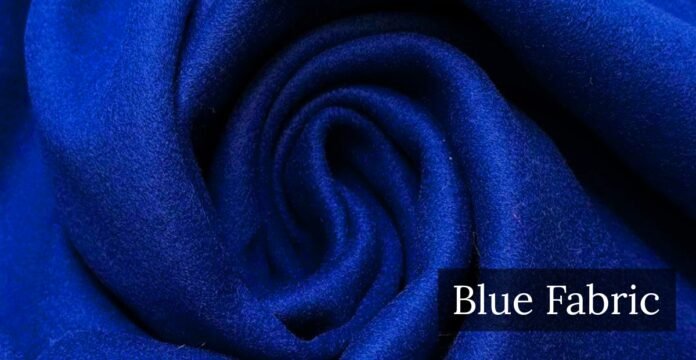
In the world of classic fabrics, few can equal the versatility and elegance of blue wool fabric. Wool dyed in blue shades are used from fine suits to home décor. The warm and luxurious blue shades convey sophistication. Designers and consumers appreciate the blue shades from soft sky to deep navy.
This guide details everything you need to know about blue wool fabric, its types, benefits, uses, care instructions and how it’s made. You’ll also learn why blue wool fabric continues to dominate the world of fashion and interior design.—
🧵 What Is Blue Wool Fabric?
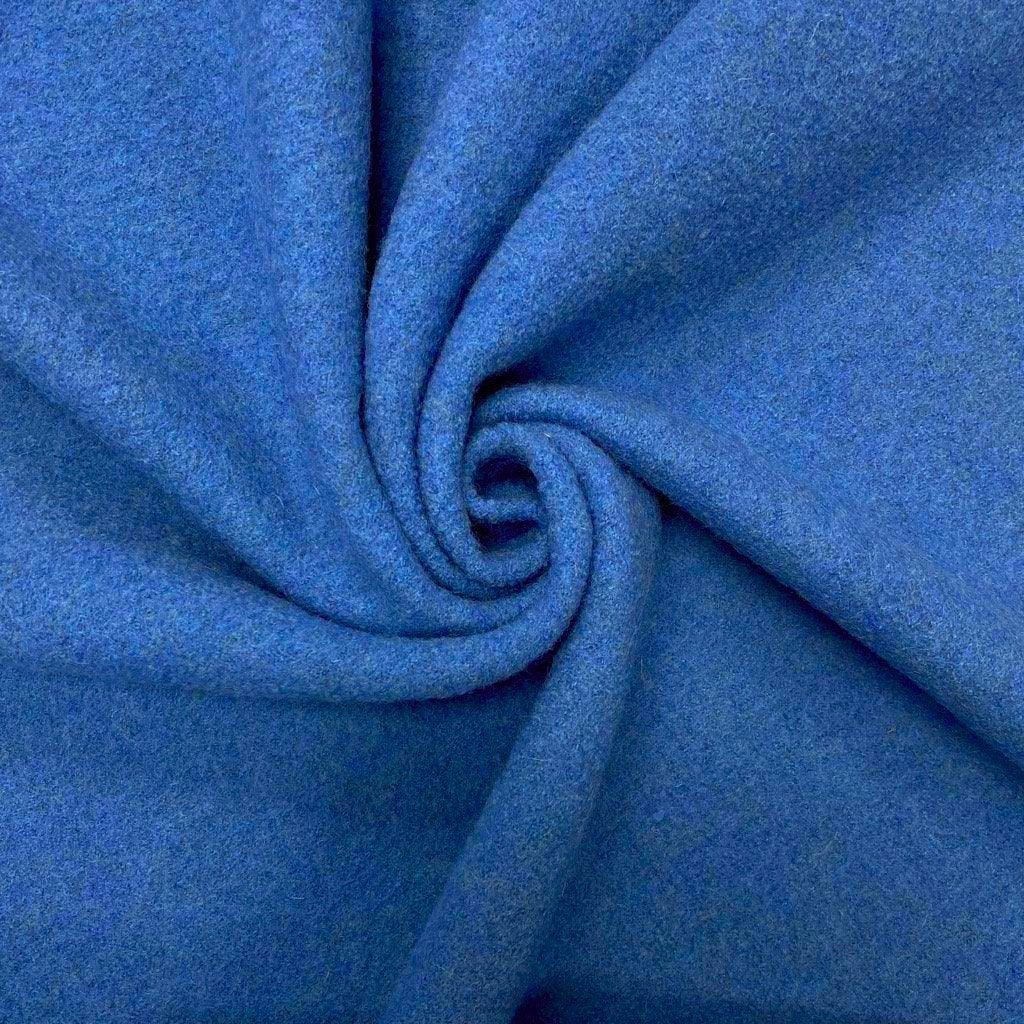
Blue wool fabric is a natural textile product made from sheep fleece and dyed different shades of blue pre and post weaving. The base material,, pure wool fibers, is highly sought after for its strength, warmth, and ability to keep a person cool and comfortable.
When these fibers receive blue dye, they develop a certain richness and calmness, which is very alluring and functional. Blue wool, whether light blue in casual attire or dark navy in formal suits, is classic and comforting to wear, signifying the perfect blend of luxury and comfort.
Wool is unique and valuable because of its properties; after dyeing, the wool still breathes, remains elastic, and is soft. Wool is enhanced, becoming delightful to wear, especially in winter, due to the natural crimped texture which traps air and provides excellent insulation.
🧪 How Blue Wool Fabric Is Made
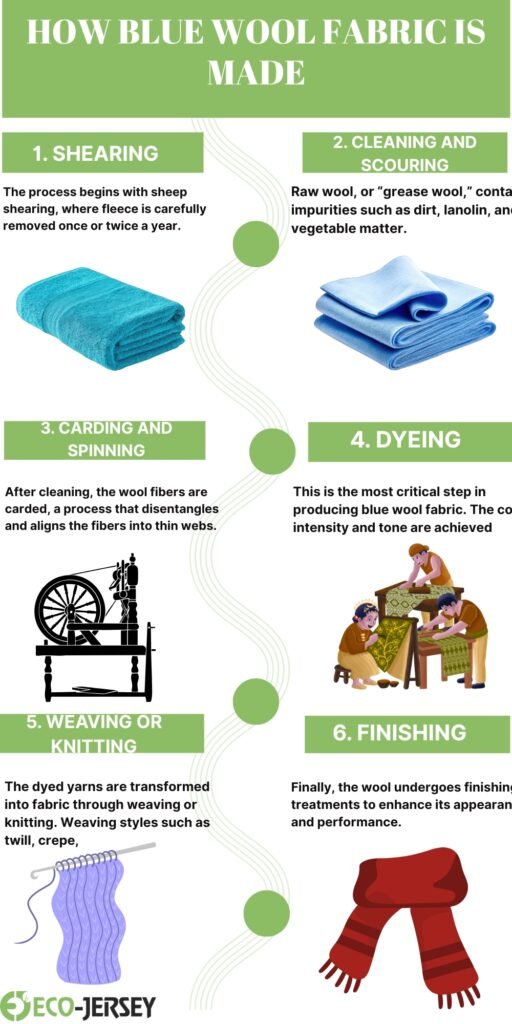
There are numerous technical and artistic phases that transform blue wool fabric into a finished product. Each phase specifically contributes to its durability, smoothness, and the vibrance of the color.
1. Shearing
The process starts with sheep shearing, where the fleece of wool is removed in a careful manner once or twice a year. The finest wool comes from Merino sheep which is prized for their softness.
2. Cleaning and Scouring
Unprocessed wool, when placed under cleaning and scouring procedures, undergoes minimal washes after which it is free from said wastes or unprocessed wool becomes wastes, unprocessed wool undergoes cleaning or scouring procedures after which it undergoes minimum washes.
3. Carding and Spinning
Said cleared wool undergoes carding or aligns fila which undergoes spinning and becomes extensive or tightly/spun loosely depending on the desired texture.
4. Dyeing
This is the most important step when it comes to blue wool fabric.
- Fiber dyeing takes place prior to spinning and is the most prefferable as it allows for a complete and rich tone.
- Consistency of color in a yarn dyeing step prior to weaving is vital.
- Piece dyeing is after weaving where the most vibrant and to a rich blue as stated; sky blue to midnight navy.
Dyes used can either be from natural surfaces or synthetic. Long retaining color traditionally wool dyers used indigo or cobalt-based dyes.
5. Weaving or Knitting
Yarns that are made from woven or knitted wool are called fabric. Various weaving styles like twill, crepe, or plain weave create different textured.
6. Finishing
At the end, wool undergoes final washes and is pressed. Finishing can be the wool is treated to shrink resistance or anti-pilling to achieve a degree of smoothness to it thus impacting the durability.
💙 Shades of Blue Wool
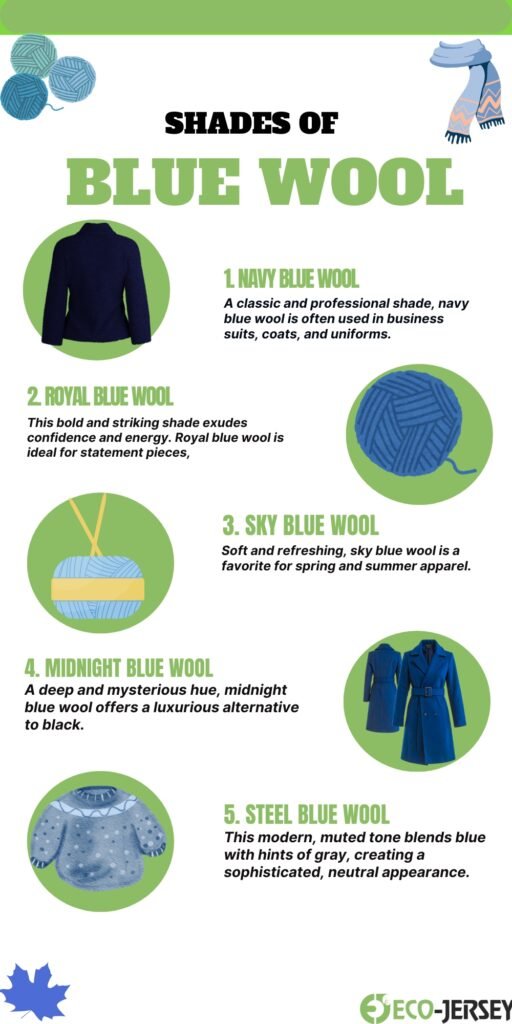
Blue embodies different feelings including calmness, confidence, and trust but different shades of blue wool serves different purposes:
- Navy Blue Wool – Professional suits and coats, timeless and formal.
- Royal Blue Wool – Bolder and vibrant, excellent for making statement pieces.
- Sky Blue Wool – Soft, fresh, and perfect for easter spring apparel.
- Midnight Blue Wool – Elegant and mysterious color used for formal evening apparel.
- Steel Blue Wool – Modern fashion has become neutral and this color pairs well.
As for versatility of blue wool it can be incorporated into casual and formal attires seamlessly. Read more…Black Wool Crepe
✨ Characteristics of Blue Wool Fabric
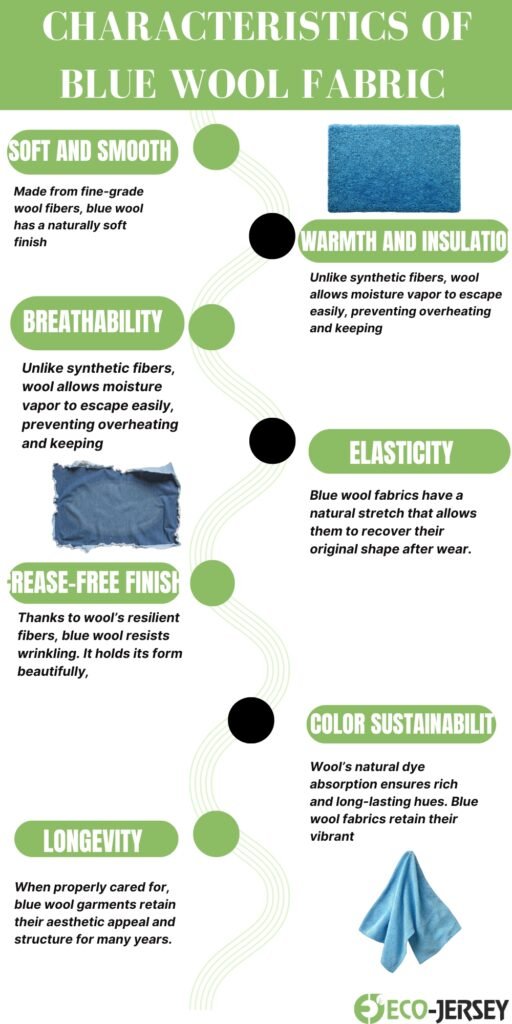
Blue wool has style and practicality. Below are characteristics that define this:
- Soft and Smooth Texture
Fine-grade wool fibers produce a naturally soft finish that is comfortable and soothing to the skin.
- Warmth and Insulation
Wool keeps air trapped, which makes it a great insulator to keep you warm in winter and cool in summer.
- Breathability
Wool provides warmth to the body and moisture vapor can be released through the wool to prevent overheating.
- Elasticity
Blue wool fabrics are designed to recover from stretching and to help garments keep their shape.
- Crease-Free FinishWool’s unique fibers help it resist creasing, which helps it maintain the sharp look of the garments worn all day.
- Color SustainabilityWool as a natural fiber holds the dye and renders a vibrant blue color.
- LongevityWool garments, if treated properly, sustain the initial aesthetic and charm for many years.
🧥 Common Applications of Blue Wool Fabric
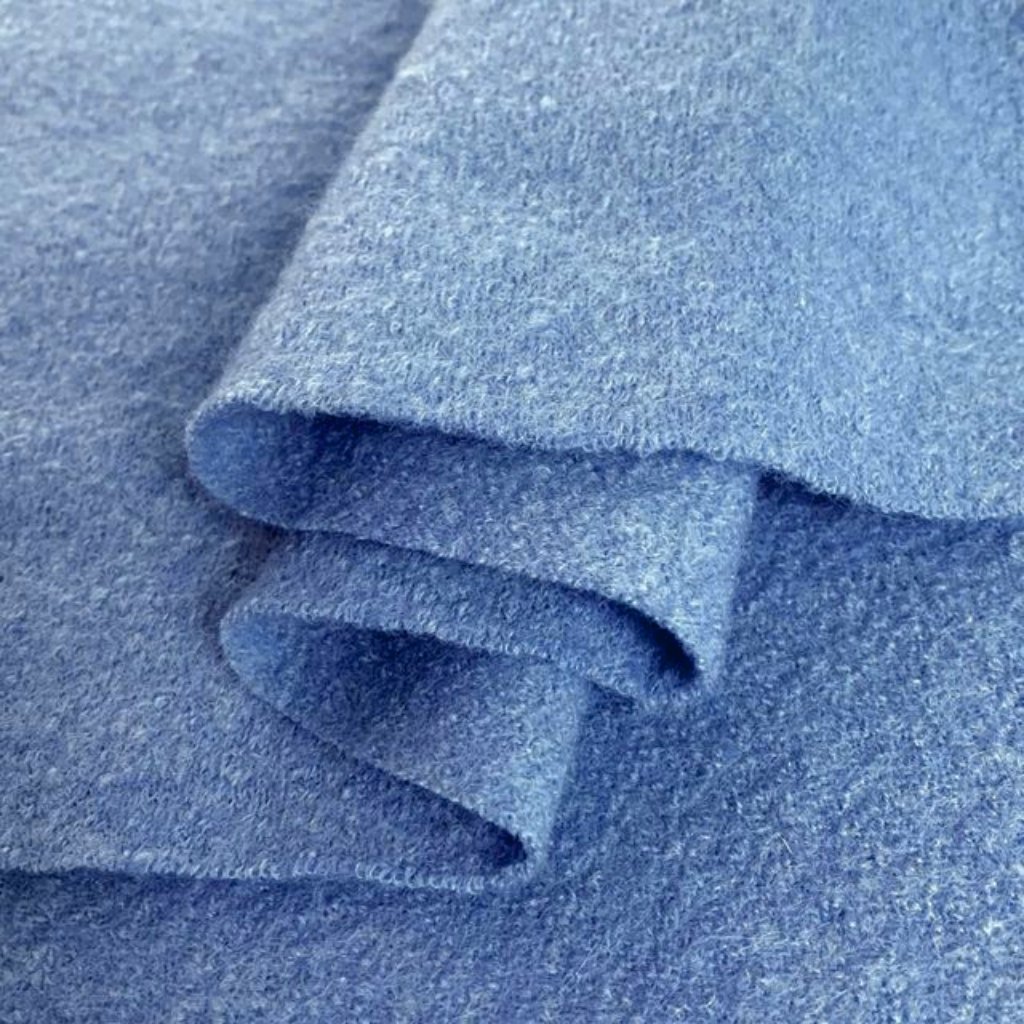
Due to its versatility, blue wool is appreciated in different disciplines, particularly in fashion, textile design for the home, and personal accessories.
1. Apparel Design
The most prevalent use of blue wool is for tailored clothing which includes:
- Blazers and suits
- Skirts and trousers
- Jackets and overcoats
- Cardigans and sweaters
- Scarves and dresses
Navy blue wool is a designer’s favorite for formal outfits, as it exudes a look of professionalism and understated elegance, whilst its lighter variants are used for informal and semi-casual attires.
2. Premium Knitwear
Winter wear, which includes blue wool scarves, shawls, and hats, complements the outfit and enhances one’s style.
3. Decorative Textiles
In home decor, blue wool is used for:
- Cushion and throw covers
- Blankets
- Drapery
- Upholstered furniture
The textile’s luxurious and richly colored exterior enhances the aesthetic value of a space and promotes a warm and cozy ambiance.
4. Uniforms and Costumes
The consistent quality and practical appearance of blue wool makes it advantageous for school uniforms, military coats, and traditional costumes.
🌟 Benefits of Blue Wool Fabric
- Long-Lasting QualityThe strength of wool fibers indicate the garments will stand the test of time.
- Eco-Friendly MaterialBlue wool is an ethical choice because it is renewable, biodegradable, and sustainable.
- Moisture RegulationWool can absorb 30% of its weight in moisture without feeling damp, therefore keeping the wearer comfortable and dry.
- Odor ResistanceWool’s natural constituents, lanolin, and keratin, impede the growth of bacteria thus preventing odor.
- Flame ResistanceUnlike many synthetics, wool is naturally flame-retardant, providing extra safety.
- Stylish VersatilityBlue is appropriate for any occasion, as its shades and tones can be classic and trendy.
- HypoallergenicFine-grade wool is unlikely to irritate the skin, even in the most sensitive persons.
⚙️ Blue Wool Fabric in Fashion Design
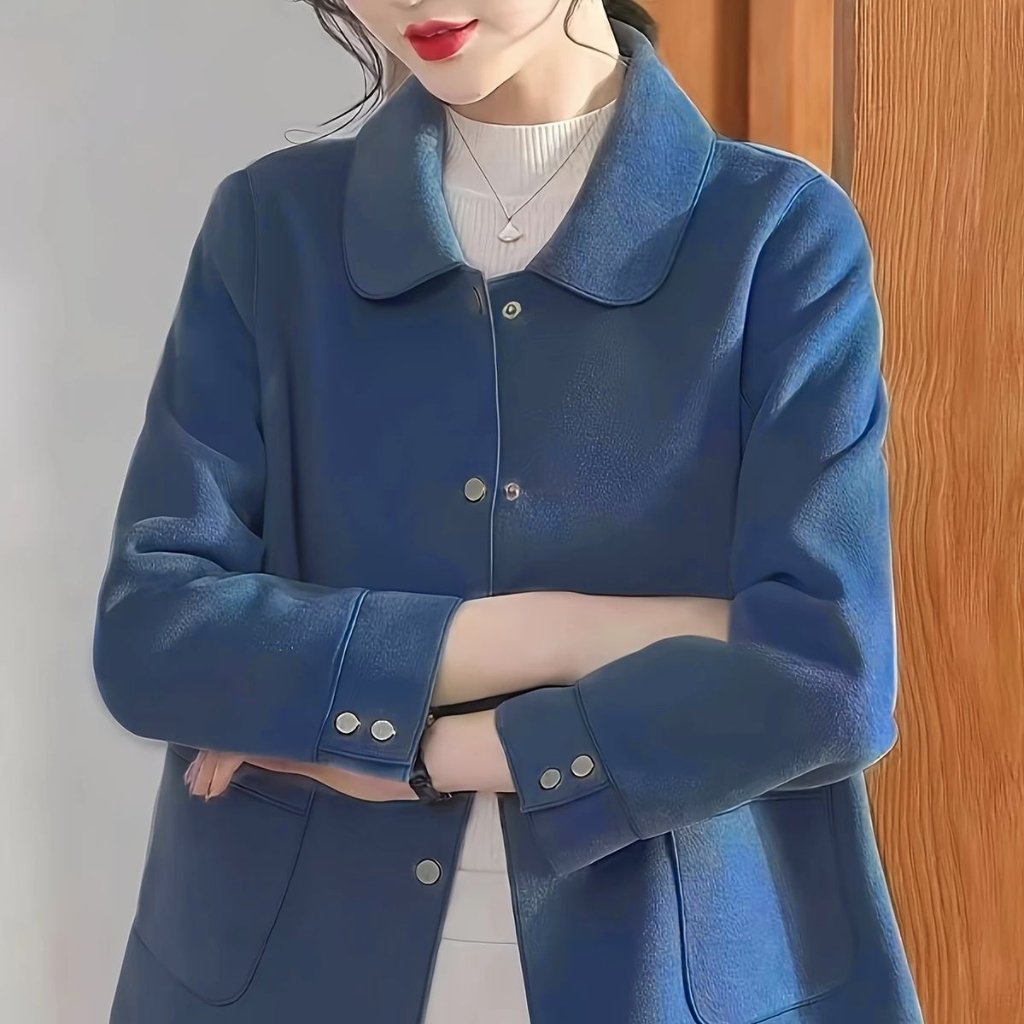
Designers appreciate blue wool as it is easy to tailor, versatile in draping, and maintains its structure. Numerous high-end fashion companies utilize navy or royal blue wool crepe in their collections, owing to its luxurious appearance and weighty drape.
In addition, blue pairs well with various other colors, including gray, beige, white, black, and gold, which is a reason for its universal popularity.
Blue wool knitted fabrics are designed to be light yet perfect to transition from day to night, and maintain a professional and polished look for any occasion. Read more…Velour Wool Fabric
🧺 How to Care for Blue Wool Fabric
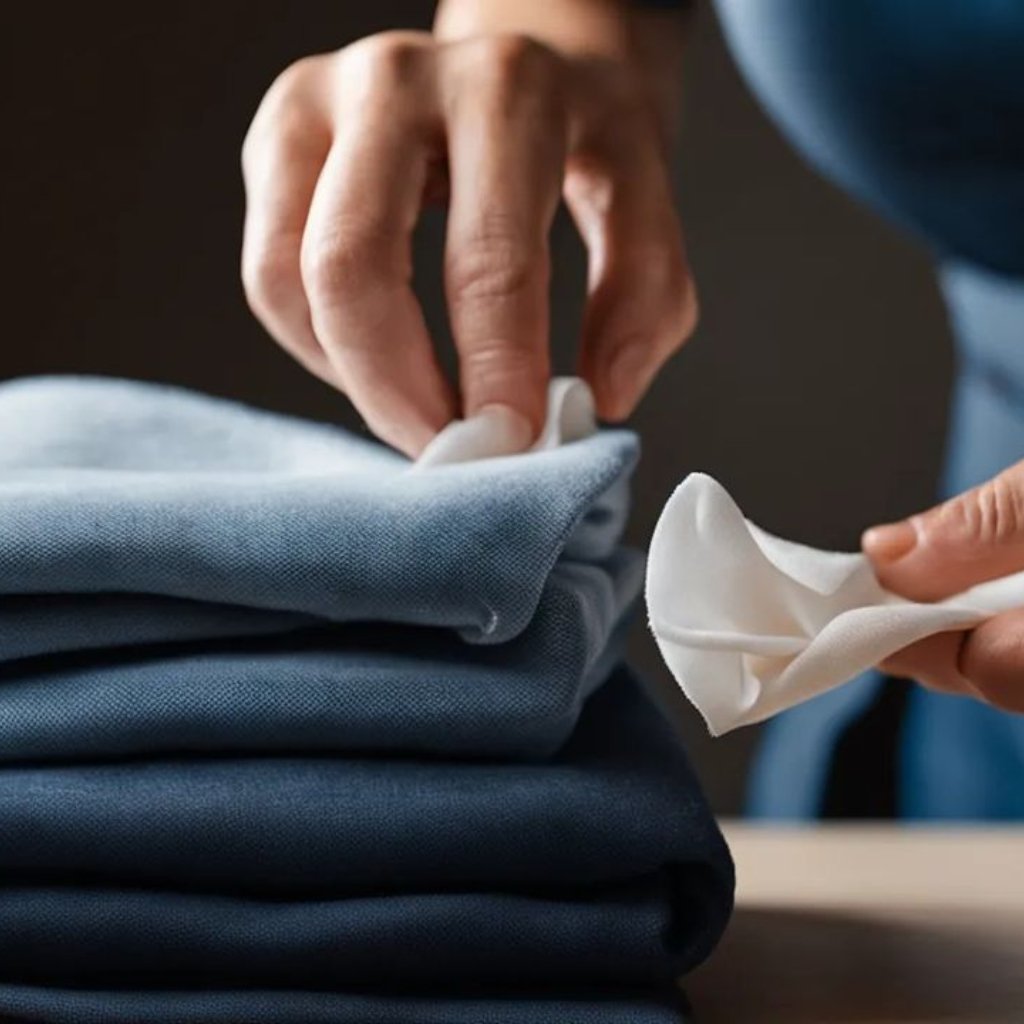
To maintain the beauty of your blue wool fabric, it is important to take care of it.
- Dry Clean When Possible: Wool garments hold their shape better when cleaned professionally.
- Hand Wash in Cold Water: When washing at home, use mild wool detergent and do not wring.
- Dry Flat: Hanging wet wool causes it to stretch.
- Iron on Low Heat: Steam iron with a pressing cloth, to avoid a shiny appearance.
- Careful Storage: Store in a cool, dry place with cedar or lavender to protect against moths.
🌍 Sustainability and Ethical Value
Wool, including blue wool, is a sustainable and renewable fiber. Sheep naturally regrow their fleece annually, and the fiber decomposes naturally at the end of its life cycle.
Furthermore, many modern mills use eco-friendly dyes and closed-loop water systems to minimize their environmental impact. Choosing blue wool means supporting a sustainable textile economy that prioritizes craftsmanship and slows down fast fashion. Read more…Sherpa Wool Fabric
🧩 Comparative Analysis: Blue Wool and Synthetic Fabrics
To compare Blue Wool and Synthetic Fabrics, Blue Wool typically has greater breathability, temperature control, and softness, while Synthetic Fabrics and Blue Wool are both durable. Blue Wool is soft, natural, and has a luxurious look and feel while Synthetic Fabrics lack breathability, are artificial, and are shiny and coarse. Table 1 below summarizes a few more comparisons.
💬 Final Thoughts
Blue wool fabric is synonymous with elegance across the world of fashion and design. Its assured comfort, durability, and rich tone are ideal to seamlessly create both modern and timeless pieces.
The fabric works beautifully in a navy wool suit, a royal blue coat, and even soft home furnishings. Its endless versatility and striking beauty are remarkable.
The investment in blue wool is a mark of timeless quality, sustainability, and sophistication.
FAQs
What is blue wool fabric used for?
Blue wool is used in suits, coats, sweaters, scarves, and upholstery for its durable, soft, and warm qualities.
Is blue wool 100% natural?
Yes, it comes from natural wool and blue dyed fibers, typically fine sheep’s wool fleeces from Merino and others.
Does blue wool shrink easily?
It can shrink if exposed to hot water. Best to hand wash in cold water or dry clean for avoiding shrinkage.