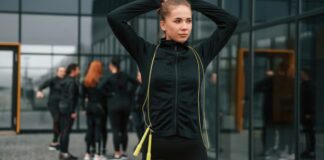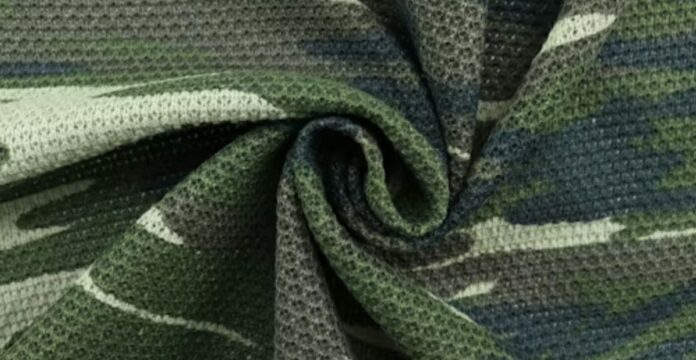
Air Weave Performance Fabric is a modern textile designed for maximum airflow and comfort. It uses a specialized weave that creates tiny ventilation channels. Therefore, air moves freely across the fabric surface.Moreover, this fabric combines lightweight fibers with advanced engineering. As a result, it feels soft and breathable on the skin. Additionally, it supports moisture control during physical activities. Consequently, athletes remain dry and comfortable.
Air Weave Performance Fabric is trending due to its high-performance features. Today, athletes demand fabrics that improve endurance and comfort. Therefore, brands focus on breathable and lightweight materials.Additionally, fitness awareness continues to grow worldwide. As a result, consumers prefer advanced sportswear. Furthermore, social media influences activewear trends strongly. Therefore, innovative fabrics gain rapid popularity.
History of Air Weave Performance Fabric
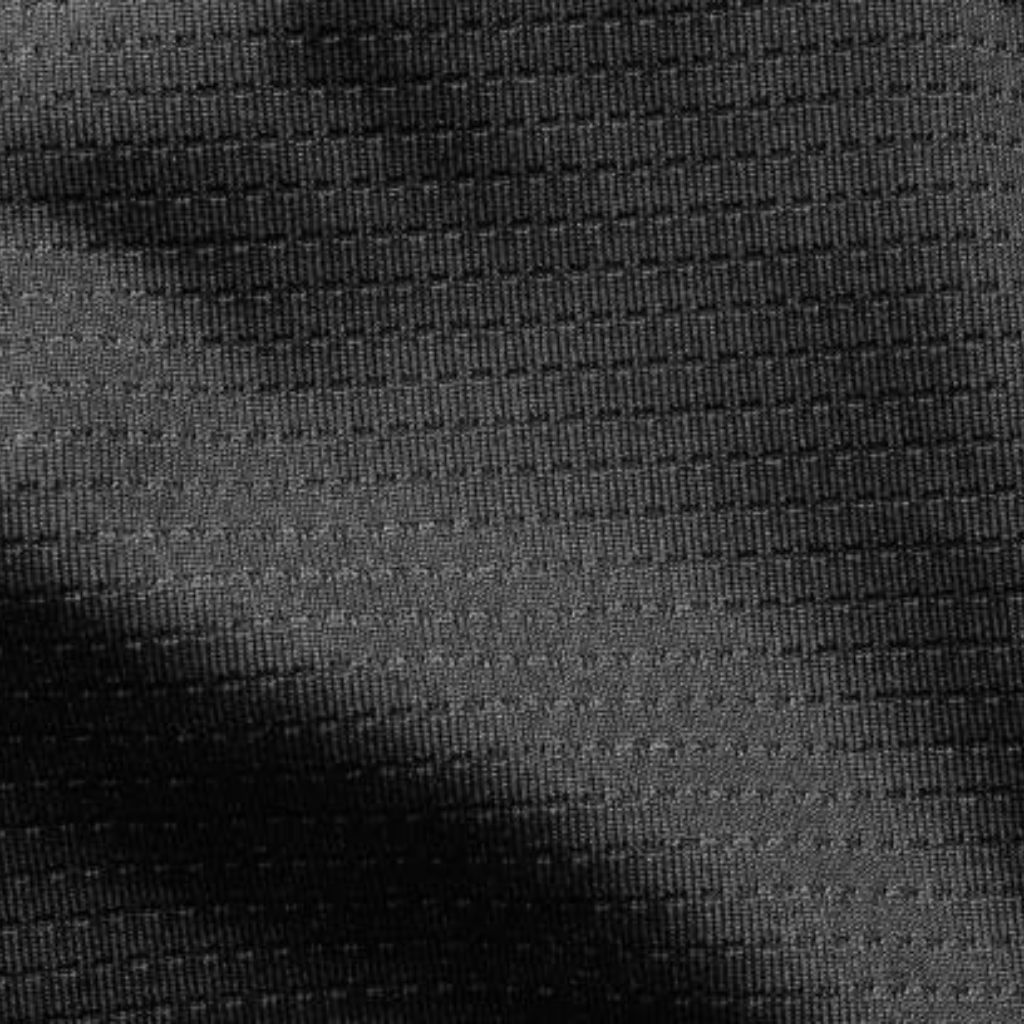
The origins of Air Weave Performance Fabric trace back to the evolution of sportswear textiles over the past several decades. In the early 20th century, athletes primarily relied on natural fabrics like cotton and wool. These fabrics were soft and comfortable but had a major drawback they absorbed sweat and retained moisture, leaving athletes uncomfortable and prone to overheating during intense physical activity.
By the 1960s and 1970s, synthetic fibers such as polyester and nylon began revolutionizing sportswear. Polyester provided durability, lightweight characteristics, and faster drying than natural fibers. However, early synthetic fabrics still lacked proper airflow and ventilation. Athletes experienced sweat accumulation and skin irritation, which highlighted the need for fabrics that could both wick moisture and allow airflow.
Types of Air Weave Performance Fabric
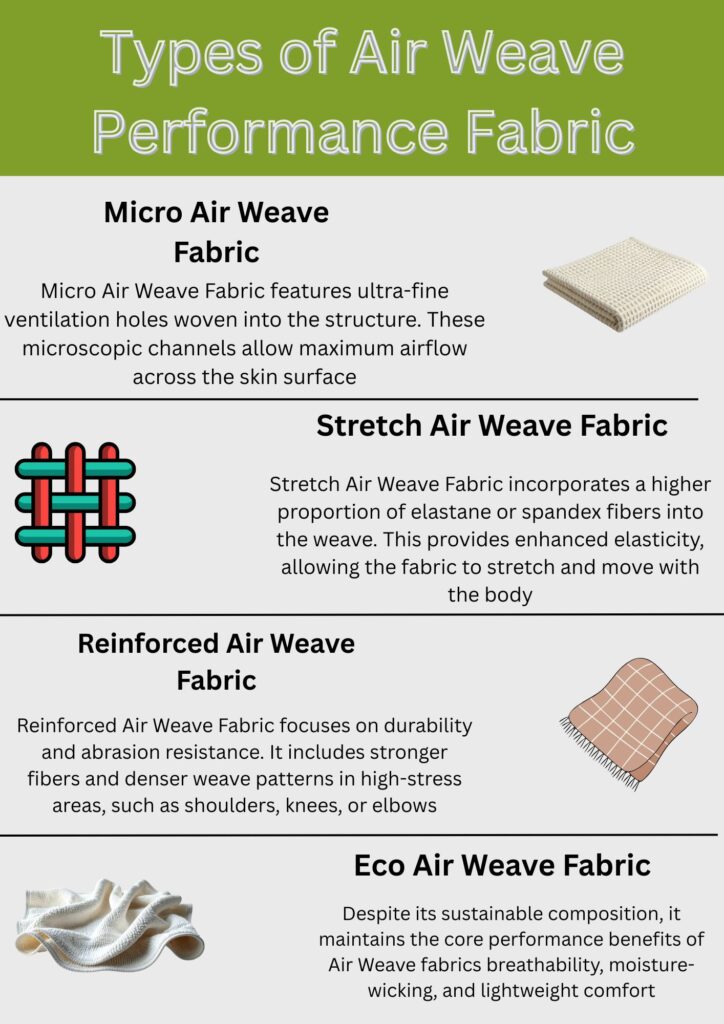
Air Weave Performance Fabric comes in multiple variations, each designed to meet specific performance and comfort needs. Understanding these types can help athletes, fitness enthusiasts, and sportswear brands choose the right fabric for their activities.
Micro Air Weave Fabric
Micro Air Weave Fabric features ultra-fine ventilation holes woven into the structure. These microscopic channels allow maximum airflow across the skin surface. As a result, it keeps the body cool even during high-intensity workouts or running sessions. Additionally, the lightweight nature of this type ensures that athletes feel unrestricted during dynamic movements. It is particularly popular in running apparel, gym t-shirts, and lightweight training tops where continuous airflow is critical.
Stretch Air Weave Fabric
Stretch Air Weave Fabric incorporates a higher proportion of elastane or spandex fibers into the weave. This provides enhanced elasticity, allowing the fabric to stretch and move with the body. Consequently, it is ideal for activities that require flexibility, such as yoga, Pilates, or gym training. The fabric’s combination of breathability and stretch ensures that users maintain comfort and mobility without compromising performance.
Reinforced Air Weave Fabric
Reinforced Air Weave Fabric focuses on durability and abrasion resistance. It includes stronger fibers and denser weave patterns in high-stress areas, such as shoulders, knees, or elbows. This design allows the fabric to withstand repeated friction and outdoor conditions without tearing. As a result, it is perfect for outdoor sportswear, hiking gear, and adventure training kits. While maintaining airflow, this type ensures longevity for rugged use.
Eco Air Weave Fabric
Eco Air Weave Fabric is a sustainable variation made from recycled fibers, including post-consumer polyester and other eco-friendly materials. Despite its sustainable composition, it maintains the core performance benefits of Air Weave fabrics breathability, moisture-wicking, and lightweight comfort. It appeals to environmentally conscious athletes and brands seeking to reduce their ecological footprint. Additionally, Eco Air Weave fabrics are increasingly used in athleisure clothing and casual sportswear.
What Makes Air Weave Performance Fabric Unique?
Advanced Weave Construction
Air Weave Performance Fabric uses a highly engineered weave pattern. This pattern creates micro gaps across the fabric. Therefore, it allows continuous airflow during movement.
Additionally, the structure improves durability without increasing weight. As a result, the fabric remains strong yet lightweight. This balance makes it ideal for sportswear applications.
Lightweight Structure
The fabric features a low-density construction. Therefore, it feels extremely light on the body. This reduces fatigue during long workouts.
Moreover, lightweight materials improve mobility significantly. Consequently, users move freely without restrictions. This feature enhances athletic performance effectively.
Engineered Airflow Channels
Airflow channels are built into the fabric design. These channels guide air across the surface. Therefore, heat escapes quickly from the body.
Furthermore, these channels reduce sweat buildup. As a result, users feel cool and fresh during activities. This innovation improves comfort dramatically.
Moisture Control Technology
Air Weave fabric uses advanced moisture-wicking fibers. These fibers pull sweat away from the skin. Then, the moisture evaporates quickly.
Consequently, the fabric stays dry even during intense workouts. Additionally, it reduces skin irritation and discomfort. Therefore, it enhances the overall user experience.
Key Features & Technical Specifications of Air Weave Performance Fabric
Breathability Rating
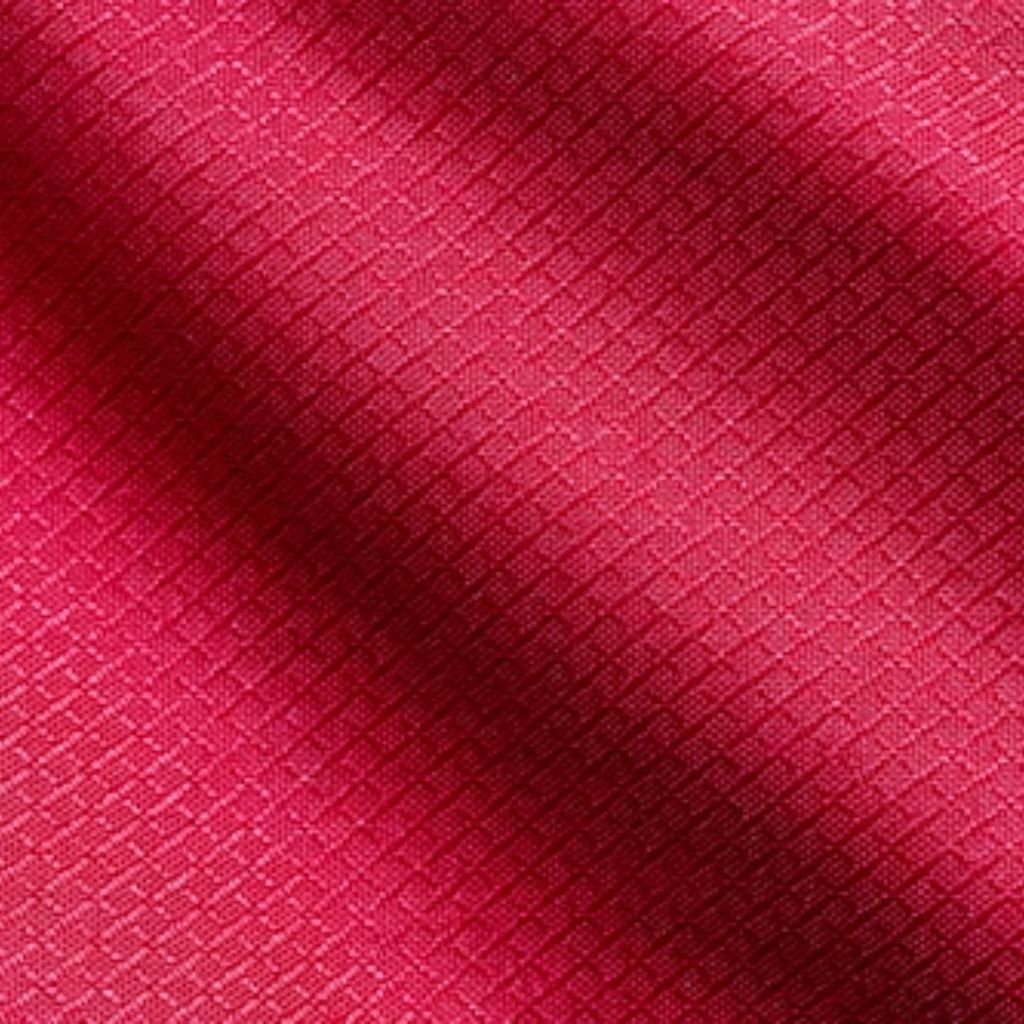
Air Weave Performance Fabric offers excellent breathability. It allows air to pass through easily. Therefore, it prevents heat buildup effectively.Moreover, high breathability supports long training sessions. Consequently, athletes maintain performance levels. This makes it ideal for hot climates.
Sweat-Wicking Performance
The fabric absorbs sweat and releases it quickly. Therefore, it keeps the skin dry. Additionally, it reduces stickiness during workouts.As a result, users feel comfortable throughout their sessions. This feature improves focus and performance significantly.
Stretch & Flexibility
Air Weave fabric includes elastic fibers for flexibility. Therefore, it moves with the body naturally.Moreover, flexibility supports dynamic movements. Consequently, it reduces strain during workouts. This improves comfort and efficiency.
Fabric Weight (GSM)
Most Air Weave fabrics range between 120–180 GSM. This lightweight range ensures comfort and durability.Additionally, it balances strength with breathability. Therefore, it suits various performance needs effectively.
Drying Speed
The fabric dries quickly due to its airflow structure. Moisture evaporates within minutes. Therefore, users avoid discomfort from damp clothing.Moreover, quick drying supports repeated use. This is ideal for active lifestyles.
Durability & Abrasion Resistance
Despite being lightweight, the fabric remains durable. It resists wear and tear during regular use.Additionally, it maintains its structure after multiple washes. Therefore, users enjoy long-lasting performance.
Benefits of Air Weave Performance Fabric
Keeps Body Cool During Intense Workouts
Air Weave Performance Fabric allows heat to escape easily. Therefore, body temperature remains stable.Moreover, cooling improves endurance during workouts. Consequently, athletes perform better under pressure.
Reduces Sweat Buildup
The fabric removes sweat quickly from the skin. Therefore, it prevents moisture accumulation.Additionally, it keeps users dry for longer periods. This improves overall comfort significantly.
Prevents Odor Formation
Moisture control limits bacterial growth. Therefore, odor formation reduces significantly.Moreover, the fabric stays fresh even after long use. This is beneficial for active individuals.
Enhances Mobility & Comfort
The lightweight structure improves movement. Therefore, users experience less restriction.Additionally, soft texture reduces skin irritation. This enhances comfort during extended wear.
All-Weather Usability
Air Weave fabric adapts to different climates. It keeps users cool in summer. Meanwhile, it remains comfortable indoors.Therefore, it works effectively in various environments. This versatility increases its value.
How Air Weave Technology Works
Air Circulation Mechanism
Air Weave fabric uses micro gaps for airflow. These gaps allow air to circulate continuously. Therefore, heat escapes from the body.Additionally, airflow prevents overheating during activities. This improves comfort and performance.
Fiber Composition
The fabric often combines polyester and elastane fibers. Polyester ensures durability and moisture control. Meanwhile, elastane adds stretch.Therefore, this blend supports both comfort and performance. It meets modern sportswear requirements effectively.
Knit vs Woven Structure
Air Weave fabric uses both knit and woven techniques. Knit structures provide flexibility and softness.Meanwhile, woven structures offer strength and stability. Therefore, manufacturers select based on application needs.
Performance Engineering Process
The fabric undergoes advanced production processes. Engineers design airflow channels precisely.Therefore, the final product delivers consistent performance. Additionally, testing ensures durability and quality.
Best Uses & Applications

Air Weave Performance Fabric works across multiple applications. It adapts to different activities effectively.Gym wear benefits from its moisture control. Running apparel uses its lightweight structure. Training kits rely on its flexibility. Outdoor sportswear depends on its durability.Additionally, compression wear uses its stretch properties. Athleisure clothing combines style and function. Therefore, this fabric supports both performance and lifestyle needs.
Air Weave vs Other Performance Fabrics
Comparison Table
| Feature | Air Weave | Mesh | Polyester | Spandex | Nylon Knit | Cooling Fabric |
|---|---|---|---|---|---|---|
| Breathability | Excellent | High | Medium | Medium | Medium | High |
| Weight | Very Light | Light | Medium | Light | Medium | Light |
| Moisture Control | Advanced | Moderate | Good | Good | Moderate | High |
| Flexibility | High | Medium | Low | Very High | High | Medium |
| Drying Speed | Fast | Fast | Moderate | Moderate | Moderate | Fast |
| Durability | High | Medium | High | Medium | High | Medium |
Explanation
Air Weave Performance Fabric offers a balanced performance. It combines airflow, flexibility, and durability.Mesh fabrics provide airflow but lack durability. Polyester offers durability but lacks breathability. Spandex provides stretch but traps heat. Nylon knits feel strong but heavier.Therefore, Air Weave fabric stands out as a complete solution.
Why Air Weave Performance Fabric Is Important
Air Weave Performance Fabric improves comfort and performance significantly. It addresses common issues like overheating and sweat buildup.Therefore, athletes perform better in challenging conditions. Additionally, it supports long training sessions.Moreover, it enhances user experience in daily wear. This makes it valuable for both sports and lifestyle use.
Common Uses of Air Weave Performance Fabric
Air Weave Performance Fabric is versatile and designed for various activities, ranging from professional sports to casual athleisure. Its unique combination of breathability, moisture control, and lightweight comfort makes it suitable for multiple applications. Understanding its common uses helps consumers and sportswear brands make informed choices.
Gym Wear
Air Weave Performance Fabric is ideal for gym clothing. T-shirts, tank tops, and training shorts made from this fabric keep users cool during high-intensity workouts. The moisture-wicking fibers pull sweat away from the skin, reducing discomfort and irritation. Lightweight construction allows free movement, while flexibility ensures that exercises like squats, lunges, and lifting are not restricted. This makes Air Weave gym wear perfect for both casual fitness enthusiasts and professional athletes.
Running Apparel
Runners benefit greatly from Air Weave Performance Fabric due to its breathability and rapid drying properties. Running shirts, shorts, and jackets made from this fabric maintain airflow across the body, preventing overheating during long runs. Its lightweight design reduces drag and adds comfort for endurance activities. Additionally, reflective versions of Air Weave garments enhance safety for outdoor runners during early morning or evening runs.
Training Kits
Sports teams often integrate Air Weave Performance Fabric into their training kits. From practice jerseys to shorts and warm-up jackets, the fabric provides comfort, durability, and moisture control. Its flexibility supports dynamic drills and repetitive movements, while the reinforced weave ensures long-term wear even with frequent washing. This makes it a preferred choice for schools, professional teams, and athletic clubs.
Outdoor Sportswear
Air Weave Performance Fabric adapts well to outdoor activities like hiking, trekking, and cycling. Its moisture management properties prevent sweat accumulation during physically demanding activities, while the breathable structure ensures airflow even under multiple layers. Reinforced Air Weave variants provide extra durability, resisting abrasion from backpacks, rocks, or branches. Lightweight performance ensures that outdoor enthusiasts are not weighed down during extended excursions.
Who Should Choose Air Weave Performance Fabric?
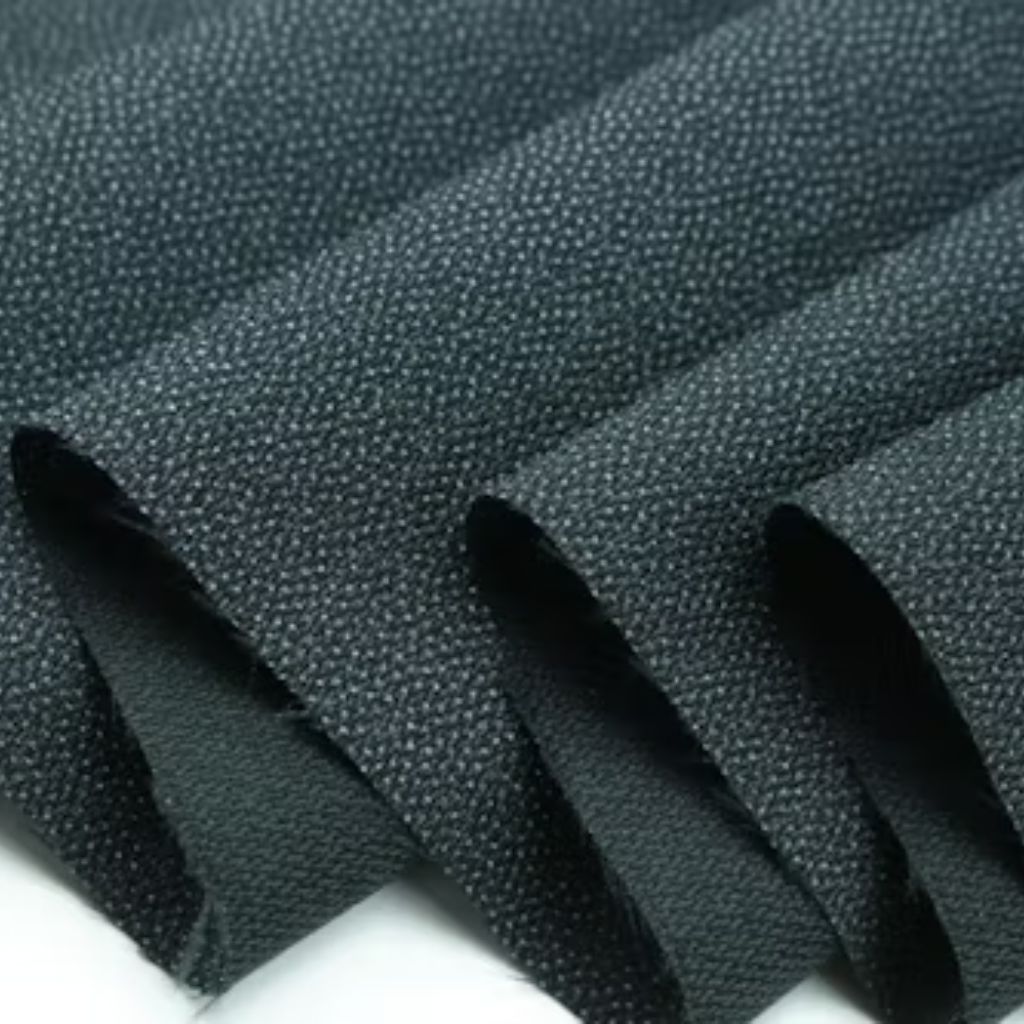
Professional athletes benefit from its advanced features. Fitness enthusiasts enjoy comfort during workouts. Outdoor adventurers rely on its durability.
Sportswear brands use it to improve product quality. Apparel manufacturers benefit from its versatility. Therefore, it suits a wide audience.
Climate Suitability
Air Weave Performance Fabric performs well in hot and humid climates. It removes moisture quickly. Therefore, users stay dry and comfortable.
It supports summer training effectively. Additionally, it works well indoors and outdoors. Therefore, it ensures consistent performance.
Sustainability & Eco-Friendliness
Some Air Weave fabrics use recycled fibers. Therefore, they reduce environmental impact.Additionally, production methods consume less energy. This lowers carbon emissions.Therefore, the fabric supports sustainable practices. It aligns with modern eco-friendly trends.
Buying Guide: What to Look For
Choose the right fabric blend for your needs. Polyester and elastane provide balance.Check stretch level for flexibility. Look for high breathability ratings.Select based on activity type. Also, check quality indicators like stitching and texture.Therefore, you ensure the best performance and durability.
Pros and Cons of Air Weave Performance Fabric
Understanding the advantages and limitations of Air Weave Performance Fabric helps athletes, fitness enthusiasts, and apparel buyers make informed decisions. While it offers multiple benefits, knowing the potential drawbacks ensures proper use and care.
Pros of Air Weave Performance Fabric
Exceptional Breathability
Air Weave Performance Fabric is engineered with micro-air channels, allowing constant airflow across the body. This prevents overheating during workouts and outdoor activities. The breathability also supports comfort in hot and humid climates, making it a reliable choice for intense training sessions.
Lightweight Comfort
The fabric feels remarkably light on the skin, reducing fatigue during long workouts. Its low-density weave provides a barely-there sensation while still offering durability and structure. This lightweight feature enhances mobility, allowing users to move freely without restrictions.
Excellent Moisture Management
One of the standout benefits is its advanced moisture-wicking technology. Sweat is drawn away from the skin and evaporates quickly on the fabric surface. This prevents dampness, stickiness, and irritation, keeping athletes dry and comfortable.
Cons of Air Weave Performance Fabric
Higher Cost Compared to Standard Fabrics
Advanced engineering, specialized fibers, and airflow technology make Air Weave fabrics more expensive than traditional cotton or polyester garments. This can be a consideration for budget-conscious buyers.
Requires Specific Care
To maintain optimal performance, Air Weave garments need careful washing and drying. Harsh detergents, fabric softeners, or high-heat drying can damage airflow channels and elasticity. Users must follow care instructions to ensure longevity.
Limited Thermal Insulation
While excellent for hot climates and active workouts, Air Weave fabrics are lightweight and may not provide sufficient warmth in cold conditions. Users may need additional layers in winter or extremely cold outdoor activities.
Potential for Snagging
The fine micro-air channels and lightweight weave can be susceptible to snagging on sharp objects or rough surfaces. Although reinforced versions reduce this risk, users must handle garments carefully.
Care & Maintenance of Air Weave Performance Fabric
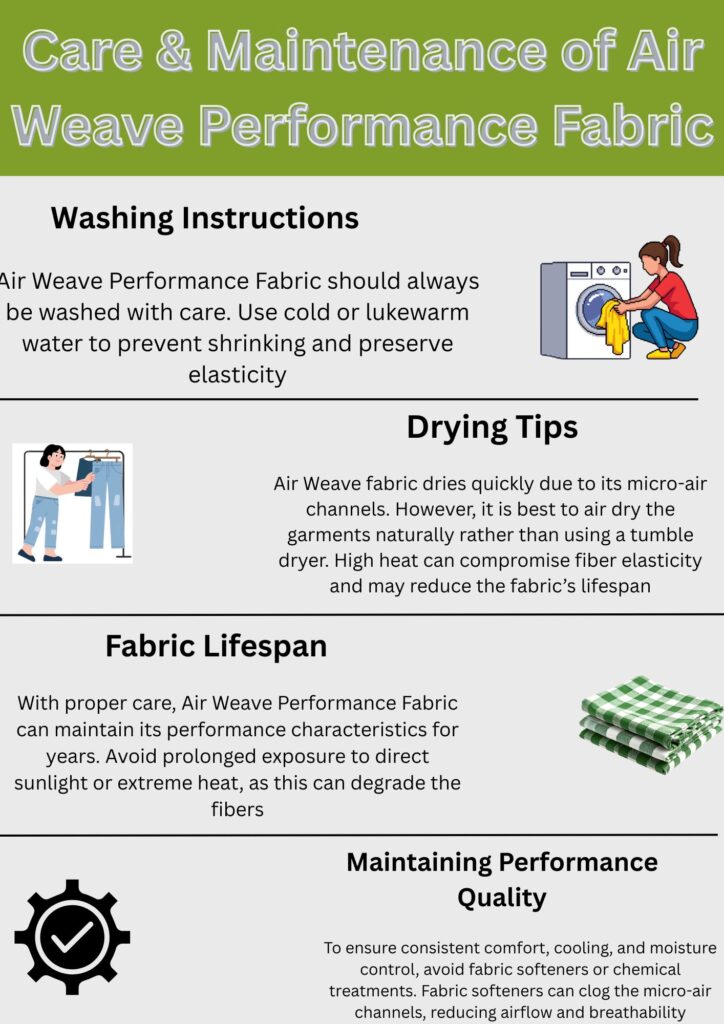
Proper care is essential to maintain the unique performance qualities of Air Weave Performance Fabric. Its advanced weave, moisture-wicking fibers, and airflow channels require specific handling to ensure long-lasting comfort, flexibility, and durability.
Washing Instructions
Air Weave Performance Fabric should always be washed with care. Use cold or lukewarm water to prevent shrinking and preserve elasticity. Avoid using bleach or harsh detergents, as they can weaken the fibers and reduce moisture-wicking efficiency. It is best to wash Air Weave garments inside out, especially those with prints or reinforcements, to prevent abrasion. Machine washing on a gentle cycle is preferred, while hand washing provides even more protection for delicate designs.
Drying Tips
Air Weave fabric dries quickly due to its micro-air channels. However, it is best to air dry the garments naturally rather than using a tumble dryer. High heat can compromise fiber elasticity and may reduce the fabric’s lifespan. Hanging the garment in a shaded area or laying it flat ensures even drying and helps maintain the shape. Quick drying also helps preserve the moisture-wicking properties, keeping the garment ready for the next workout.
Fabric Lifespan
With proper care, Air Weave Performance Fabric can maintain its performance characteristics for years. Avoid prolonged exposure to direct sunlight or extreme heat, as this can degrade the fibers. Additionally, storing garments folded or hung neatly reduces unnecessary stretching or creasing. Regular inspection for minor tears or loose threads and prompt repair can prevent long-term damage.
Maintaining Performance Quality
To ensure consistent comfort, cooling, and moisture control, avoid fabric softeners or chemical treatments. Fabric softeners can clog the micro-air channels, reducing airflow and breathability. Likewise, ironing is generally unnecessary; if needed, use a low-temperature setting. Following manufacturer care guidelines ensures the fabric retains its lightweight feel, elasticity, and sweat-wicking efficiency over time.
Conclusion
Air Weave Performance Fabric represents a significant advancement in sportswear textiles. Its lightweight structure, engineered airflow channels, and moisture-wicking technology make it ideal for athletes, gym enthusiasts, and outdoor adventurers. The fabric’s versatility allows it to perform well in diverse activities, from running and training to compression wear and athleisure clothing.
FAQs
Is Air Weave fabric good for summer?
Yes, it allows airflow and keeps the body cool.
Is it better than mesh fabric?
Yes, it offers better durability and moisture control.
Does Air Weave shrink after washing?
No, it resists shrinkage with proper care.
Is it good for high-intensity workouts?
Yes, it manages sweat and heat effectively.