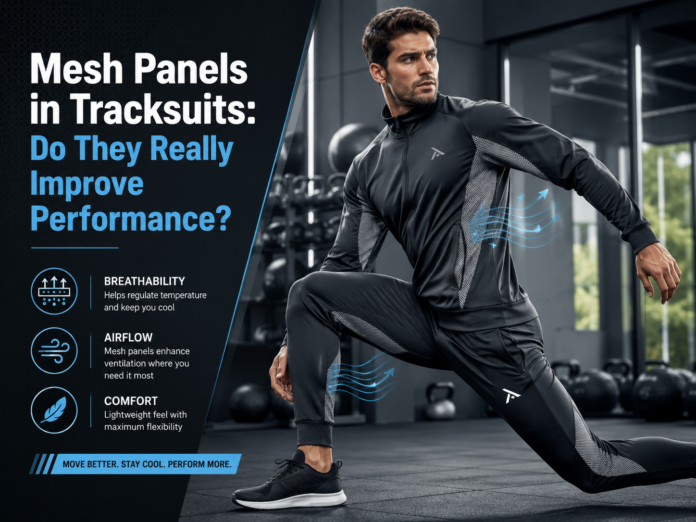
If you’ve shopped for tracksuits recently, you’ve almost certainly noticed them — panels of open, breathable mesh fabric strategically placed across different sections of the garment. Sometimes they appear under the arms. Sometimes along the sides of the legs. Sometimes across the back panel of the jacket. But do mesh panels in tracksuits actually do anything meaningful for performance and comfort, or are they purely a design feature that looks athletic without delivering real functional benefit?
The honest answer is that mesh panels genuinely work — but only when they’re placed correctly and constructed from the right materials. Understanding the difference between functional mesh paneling and purely decorative mesh helps you make smarter purchasing decisions and genuinely appreciate the engineering behind quality tracksuit design.
Let’s break down exactly how mesh panels work, where they’re most effective, and what to look for when evaluating a tracksuit with mesh construction.
What Are Mesh Panels in Tracksuits?
Mesh panels are sections of open-weave or knit fabric incorporated into specific areas of a tracksuit’s construction — replacing the solid main fabric in those zones with a more breathable, ventilated alternative. The mesh material used in quality tracksuits is typically a lightweight polyester or nylon knit with an open structure that allows significantly more air movement than standard tracksuit fabric.
Mesh panels in tracksuits work by creating ventilation zones at strategic points where the body generates and retains the most heat during physical activity. Rather than relying on the main fabric to manage all moisture and heat simultaneously — a task it can only do partially — mesh panels provide direct ventilation pathways that allow heat to escape and fresh air to enter at precisely the moments and locations where the body needs it most.
Why It Matters — Key Benefits
Mesh panels in tracksuits deliver specific, measurable performance and comfort benefits when executed correctly. Here’s why they matter:
- Targeted ventilation where it counts — Strategically placed mesh panels release heat from the body’s highest-temperature zones during activity — the underarms, back, and inner legs — rather than relying on uniform fabric breathability across the entire garment.
- Reduced overheating during exercise — Direct air circulation through mesh zones prevents the heat buildup that causes premature fatigue and discomfort during sustained physical activity.
- Better moisture management — Mesh panels allow sweat vapor to escape from high-perspiration areas efficiently — reducing the wet, uncomfortable sensation that occurs when sweat accumulates in enclosed fabric zones.
- Lighter overall weight — Replacing solid fabric with lightweight mesh in specific zones reduces the overall weight of the tracksuit — keeping it feeling lighter during movement.
- Improved freedom of movement — Mesh panels placed at articulation points — underarms, behind the knees — reduce fabric resistance during dynamic athletic movement.
- Extended comfortable wearing range — Better ventilation extends the range of temperatures and activity intensities where a tracksuit remains comfortable to wear.
- Modern athletic aesthetic — Mesh paneling creates a visually dynamic, performance-oriented appearance that communicates athletic intent alongside functional benefit.
The Science Behind How Mesh Panels Work
To understand why mesh panels in tracksuits genuinely improve performance, it helps to understand the basic physiology of how the body manages heat during exercise. When you exercise, your muscles generate heat as a byproduct of energy production — and your body manages that heat primarily through sweating, which cools the skin surface as sweat evaporates.
The problem with wearing a tracksuit during exercise is that the fabric creates a boundary layer between your skin and the surrounding air — slowing the evaporation of sweat and the escape of heat from the body surface. The thicker and less breathable the fabric, the more heat accumulates within this boundary layer, causing body temperature to rise faster and discomfort to set in sooner.
Mesh panels address this problem directly by creating openings in the boundary layer at specific, high-priority locations. Air moving across the outside of the tracksuit can enter through the mesh zones, interact with the sweat-moistened skin beneath, and carry heat and moisture vapor away from the body far more efficiently than even the most breathable solid fabric can achieve. This isn’t a subtle effect — the temperature difference between a mesh panel zone and an adjacent solid fabric zone during moderate exercise can be genuinely significant.
Where Mesh Panels Work Best
The effectiveness of mesh panels in tracksuits depends enormously on placement — and understanding which locations genuinely benefit from mesh ventilation helps you evaluate whether a specific tracksuit’s panel design is functional or purely decorative.
The underarm zone is the single most impactful location for mesh panel placement. The axilla — the underarm region — is one of the body’s primary heat release points, and it’s also an area where conventional tracksuit fabric traps heat and moisture particularly effectively. A mesh panel extending from the underarm across the inside of the sleeve creates a ventilation pathway that dramatically reduces heat and moisture accumulation during activity.
The back panel of the jacket is the second most important mesh panel location. The large surface area of the back generates and retains significant heat during exercise — and a mesh insert or full mesh back panel allows this heat to escape across a broad surface area simultaneously. Well-designed back panel mesh significantly extends the comfortable wearing range of a tracksuit during sustained aerobic activity.
The inner leg panels of the trousers — running from the crotch down the inner thigh — address one of the most uncomfortable heat accumulation zones in any lower body athletic garment. The inner thigh generates significant friction heat during running and other dynamic lower body movement, and mesh panels in this zone directly address both heat and moisture accumulation that otherwise creates significant discomfort during sustained activity.
Side panels along the lateral seams of both the jacket and trousers provide additional ventilation in secondary priority zones — extending the overall breathability of the garment without compromising the structural integrity of the main fabric panels.
Functional vs Decorative Mesh: How to Tell the Difference
Not all mesh panels in tracksuits serve genuine ventilation purposes — and distinguishing functional from purely decorative mesh is an important skill for making informed tracksuit purchases.
Functional mesh panels are placed in anatomically meaningful locations — underarms, back panels, inner legs, and side seams — where heat and moisture accumulation genuinely occurs during activity. They use a genuinely open mesh construction that allows meaningful air movement rather than a slightly less dense version of the main fabric. When you hold functional mesh up to light, you should see clear, consistent openings in the fabric structure that allow light to pass through freely.
Decorative mesh panels appear in locations that look dynamic and athletic — front chest panels, outer thigh stripes, sleeve panels in visually prominent positions — but don’t correspond to the body’s primary heat generation and moisture accumulation zones. They may use a mesh construction that’s visually similar to functional mesh but with a denser weave that limits actual air movement. These panels add visual interest and an athletic aesthetic without delivering meaningful ventilation benefit.
The test is simple — hold the mesh panel up to a light source and observe how much light passes through. Then feel the air movement through the panel by gently fanning air across it with your hand. Functional mesh should show clear light transmission and perceptible air movement. Decorative mesh often shows limited light transmission and minimal air movement despite appearing visually similar to functional panels.
Mesh Panel Construction Quality
Beyond placement and genuine functionality, the construction quality of mesh panels in tracksuits significantly affects both performance and longevity. Poor quality mesh panels deliver limited functional benefit and deteriorate quickly with regular use and washing — undermining the tracksuit’s performance and appearance simultaneously.
Quality mesh fabric for tracksuit panels should feel lightweight and consistently even across its entire surface — no thick spots, no inconsistent weave density, and no areas of the mesh where the open structure is compromised by manufacturing inconsistency. The individual strands of a quality mesh weave should feel smooth and strong — not rough or prone to snagging under light contact.
The most important construction quality indicator in mesh paneled tracksuits is how the mesh attaches to the surrounding solid fabric. The seam between mesh and main fabric receives significant stress during wearing and washing — and poorly executed joining seams are the most common failure point in mesh panel construction. High-quality tracksuit construction uses reinforced flat seams or bound edges at all mesh-to-fabric junctions — preventing the panel edges from fraying, lifting, or separating from the main fabric over time.
Check that mesh panels are consistently positioned — symmetrical panels on both sides of the garment should sit at identical positions and cover identical surface areas. Misaligned or inconsistently sized panels indicate careless manufacturing that likely extends to other quality compromises throughout the garment.
How Mesh Panels Affect Tracksuit Styling
While the primary purpose of mesh panels in tracksuits is functional, their visual impact on the overall aesthetic of the garment is equally worth understanding. Mesh panels create visual interest, depth, and a performance-oriented energy that affects how the tracksuit reads as a style piece beyond its athletic context.
Strategically placed mesh panels break up the uniform surface of a solid fabric tracksuit — creating visual contrast between the open, textured mesh zones and the smooth main fabric. This contrast adds visual dynamism that makes even a simply designed tracksuit look more considered and technically oriented than a comparable solid fabric alternative.
The color relationship between mesh panels and the main fabric is another important styling consideration. Mesh panels in a contrasting color create a bold, graphic effect that emphasizes the paneling as a design feature. Mesh panels in the same color as the main fabric create a more subtle, tonal effect where the ventilation benefit is the primary purpose and the visual impact is secondary. Both approaches work effectively in different tracksuit design contexts — the choice depends on whether the visual statement or the functional subtlety is the priority.
Our tracksuit for men and women’s tracksuit ranges include options with both functional and aesthetically considered mesh panel designs — built for genuine performance alongside strong contemporary styling.
Caring for Tracksuits With Mesh Panels
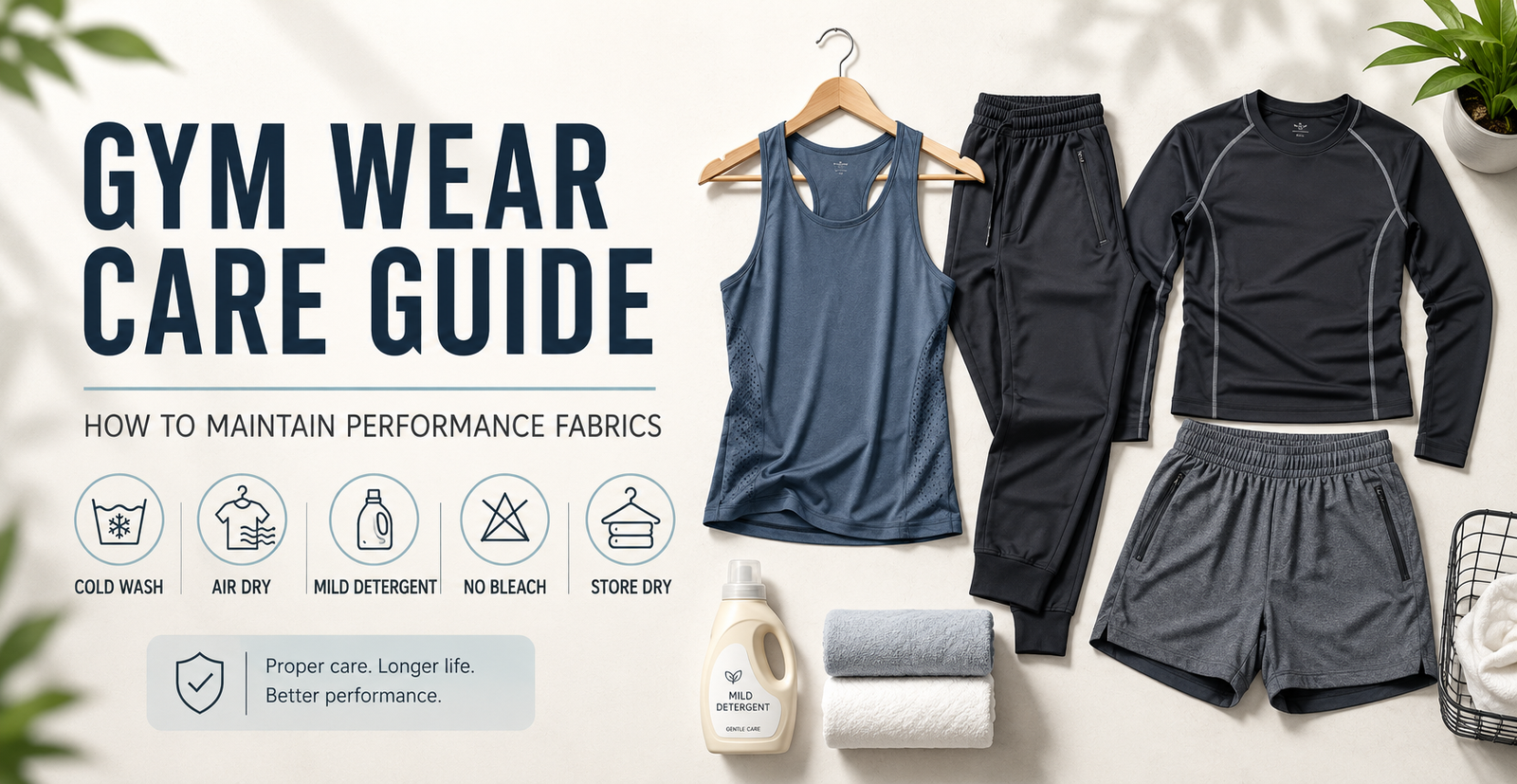
Tracksuits with mesh panels require slightly more careful washing attention than solid fabric alternatives — because the mesh construction and the junction seams between mesh and main fabric need protection from the mechanical stress of aggressive washing cycles.
Cold water washing on a gentle or delicate cycle is the correct approach — the same cold water principle that applies to all tracksuit fabric types applies with particular importance to mesh panels, where hot water can cause the polyester or nylon mesh fibers to distort and lose their consistent open structure. Turn the tracksuit inside out before washing to protect both the exterior surface of the main fabric and the mesh panel surfaces from friction against the washing machine drum.
Washing in a mesh laundry bag adds an extra layer of protection for tracksuit mesh panels — preventing the open mesh structure from catching on other garments in the same load and creating snags or tears at the mesh fabric or its junction seams. This is particularly valuable if the tracksuit has delicate or narrow mesh panels that could be vulnerable to catching during the agitation of a normal wash cycle.
Air drying is always preferable to tumble drying for mesh panel tracksuits. The heat of a tumble dryer can damage both the mesh fabric and the junction seams — causing the mesh to distort and the seam bonding to weaken over time. Lay both pieces flat on clean towels to air dry — ensuring the mesh panels are laid flat rather than folded across a seam, which can create permanent creasing in the mesh structure.
Our kids tracksuit range with mesh panels is designed with durable construction at all mesh junctions — but gentle washing still makes a meaningful difference to how long the panels maintain their performance and appearance.
When Mesh Panels Are Worth Prioritizing
Understanding mesh panels in tracksuits ultimately comes down to a practical question — when should they be a priority in your tracksuit selection, and when does a solid fabric tracksuit serve you just as well or better?
Mesh panels are worth prioritizing when the tracksuit will be used for genuine physical activity — light to moderate exercise, outdoor training, yoga, cycling, or any activity where elevated body temperature and perspiration are expected. In these contexts, the ventilation benefit of well-placed functional mesh panels is immediately and consistently noticeable — making the tracksuit more comfortable, allowing more sustained activity, and making post-exercise recovery more comfortable.
Mesh panels are less critical for tracksuits worn primarily in sedentary or low-activity contexts — home wear, travel, relaxed social occasions, or casual wearing where physical exertion isn’t part of the picture. In these contexts, the fabric’s overall comfort and appearance matter more than ventilation performance — and a well-made solid French terry or fleece tracksuit may actually deliver a more satisfying wearing experience than a mesh-paneled alternative.
The clearest answer is that mesh panels in tracksuits are a genuine performance feature worth seeking when activity is the primary context, and a design consideration worth understanding — but not necessarily prioritizing — when comfort and appearance across casual contexts are the main wearing goals. Explore our complete tracksuit collection for options across both performance-oriented and casual tracksuit designs.
Conclusion
Mesh panels in tracksuits genuinely improve performance and comfort when placed correctly in anatomically meaningful ventilation zones and constructed from quality open-weave materials. The difference between a mesh-paneled tracksuit and a solid fabric alternative during physical activity is real and noticeable — better heat management, improved moisture escape, and extended comfortable wearing across a wider range of activity intensities.
At Eco Jersey, we manufacture tracksuits with functional mesh panel designs for men, women, and children — combining genuine ventilation performance with quality construction and contemporary styling that works across athletic and casual contexts. Ready to find your perfect tracksuit? Browse our complete tracksuit collection and get in touch with our team today.
FAQs
Do mesh panels in tracksuits actually make a difference to performance?
Yes — when placed correctly in high-heat zones like the underarms, back panel, and inner legs, mesh panels create meaningful ventilation that reduces overheating and improves moisture management during physical activity. The effect is immediately noticeable during moderate to sustained exercise.
How can I tell if mesh panels are functional or just decorative?
Hold the mesh panel up to light — functional mesh shows clear, consistent openings that allow light to pass through freely and create perceptible air movement when fanned gently. Decorative mesh often has a denser weave that limits actual air movement despite looking visually similar.
How should I wash a tracksuit with mesh panels?
Cold water, gentle cycle, inside out, and air dried flat. Using a mesh laundry bag adds extra protection for the mesh fabric and junction seams. Avoid tumble drying — heat can distort mesh fabric and weaken the seam bonding at mesh-to-fabric junctions over time.
Are mesh panel tracksuits suitable for children?
Yes — when constructed with durable junction seams and quality mesh fabric. Children’s active wearing actually benefits significantly from the ventilation properties of mesh panels during energetic play and sport. Ensure the tracksuit uses reinforced seams at all mesh junctions for durability under heavy use.