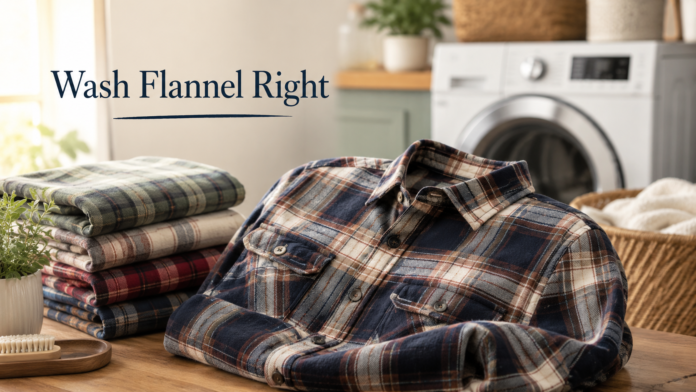
Flannel shirts are an investment worth protecting. Whether you own a single favorite piece or a full collection built over years, knowing how to wash a flannel shirt correctly makes the difference between clothing that lasts decades and clothing that deteriorates after a handful of washes.
The good news is that caring for flannel properly isn’t complicated. It just requires understanding what makes flannel unique, what damages it, and which simple habits keep it looking and feeling its best season after season. Whether you’re washing your own shirts or advising customers on care, this guide covers everything you need to know.
Why Proper Flannel Care Matters
Flannel is a brushed fabric — meaning its soft, fuzzy surface is created by brushing the woven fibers to raise a fine layer of texture. That texture is exactly what makes flannel so comfortable and warm. But it’s also what makes flannel vulnerable to damage if washed incorrectly.
Understanding how to wash a flannel shirt properly protects that brushed surface, prevents shrinkage, maintains color vibrancy, and extends the life of the shirt significantly. A well-cared-for flannel shirt genuinely improves with age — developing a softer, more characterful feel over time. A poorly cared-for flannel deteriorates quickly, losing its texture, shape, and color after just a few incorrect washes.
This is true across every style and weight in our flannel shirts collection — from heavyweight plaid work shirts to lightweight fashion-forward styles. Proper care applies universally, regardless of the specific flannel you own.
What Are the Key Benefits of Washing Flannel Correctly?
Washing flannel the right way delivers real, lasting benefits. Here’s why it matters:
- Prevents premature shrinkage — Incorrect washing temperatures cause flannel to shrink significantly, distorting the fit and making the shirt unwearable.
- Preserves the brushed texture — Correct washing techniques maintain the soft, fuzzy surface that makes flannel so comfortable against the skin.
- Maintains color vibrancy — Proper care prevents fading and color bleed, keeping flannel looking fresh and vibrant wash after wash.
- Extends the garment’s lifespan — Well-cared-for flannel lasts years longer than poorly washed alternatives, delivering better long-term value.
- Prevents pilling — The right washing approach minimizes friction on the fabric surface, reducing the formation of unsightly fabric pills.
- Maintains the shirt’s original fit — Correct temperature and drying methods keep flannel in its intended shape across years of regular washing.
- Protects stitching and construction — Gentle washing preserves seam integrity and button attachment, preventing premature structural deterioration.
Read the Care Label First
Before washing any flannel shirt, the first and most important step is reading the care label. Manufacturers include specific washing instructions for a reason — the care label reflects the exact fabric composition, dye type, and construction of that specific garment.
Most flannel shirts recommend cold or cool water washing, gentle or delicate machine cycles, and low heat or air drying. Some premium wool-blend flannel shirts may require hand washing or dry cleaning. Always follow these instructions as the primary guide — the general advice in this article applies broadly, but individual garments may have specific requirements that override general guidance.
If the care label has worn off or become illegible, default to the most cautious approach — cold water, gentle cycle, and air drying. This conservative approach is unlikely to cause damage regardless of the specific flannel composition. Our flannel shirts for men and flannel shirts for women all come with clear care instructions designed to make this step as straightforward as possible.
Sorting and Preparation Before Washing
Proper washing starts before the flannel shirt even goes near water. Sorting your laundry correctly protects flannel from damage caused by washing it alongside incompatible garments.
Always wash flannel shirts with similar colors — dark flannel with dark clothing, light flannel with light clothing. Washing a red or dark plaid flannel alongside white or light-colored garments risks color transfer, particularly during the first few washes when dyes are still setting. New flannel shirts are especially prone to bleeding color in the first one or two washes.
Turn flannel shirts inside out before washing. This simple step significantly reduces friction on the outer surface during the wash cycle, protecting the brushed texture and printed or woven patterns from fading and abrasion. It also reduces pilling on the visible outer surface — keeping the shirt looking newer for longer with minimal effort.
Close all buttons before washing to help the shirt maintain its shape through the wash cycle. Leaving buttons open allows the shirt to twist and pull unevenly during agitation, which can distort the placket and collar over time.
Choosing the Right Water Temperature
Water temperature is one of the most critical factors in understanding how to wash a flannel shirt without causing damage. Hot water is the single biggest enemy of flannel — it causes both cotton and wool flannel to shrink, often significantly, in a single wash.
Cold water is the safest and most universally recommended temperature for washing flannel. It cleans effectively, prevents shrinkage, protects color vibrancy, and is gentler on the brushed fiber surface than warm or hot water. For most everyday washing situations, cold water delivers excellent results without any of the risks associated with higher temperatures.
Warm water can be used for flannel that has been pre-washed multiple times and is fully stabilized in terms of shrinkage — but even then, cold water is the safer default. Never use hot water for flannel under any circumstances. The shrinkage risk is simply too high, and the damage caused is permanent and irreversible.
Selecting the Right Wash Cycle
Beyond water temperature, the wash cycle itself matters significantly when washing flannel. The gentle or delicate cycle is the correct choice for most flannel shirts — it uses slower agitation speeds and shorter wash times that protect the fabric from unnecessary stress.
Understanding how to wash a flannel shirt in a standard machine means resisting the temptation to use a normal or heavy-duty cycle, even for heavily soiled flannel. If a flannel shirt is particularly dirty, pre-treat stains individually rather than relying on a more aggressive wash cycle to do the cleaning work. Pre-treatment is always kinder to the fabric than extended or vigorous machine agitation.
Avoid washing flannel with heavy, abrasive items like jeans with exposed metal rivets, towels with rough surfaces, or garments with velcro that can catch and pull at the flannel’s brushed surface. These items create friction that damages the flannel texture and accelerates pilling over time.
Choosing the Right Detergent
Detergent choice plays a more significant role than most people realize in how flannel looks and feels over time. Harsh detergents with strong chemical formulas strip natural oils from cotton flannel fibers, gradually degrading the soft, brushed feel that makes the fabric so appealing.
A mild, gentle detergent is the best choice for flannel. Look for formulas specifically marketed as gentle, delicate, or suitable for sensitive fabrics. These detergents clean effectively without the harsh chemical action that degrades natural fibers over repeated washing.
Avoid fabric softeners with flannel in most cases. While this might seem counterintuitive, fabric softener actually coats the flannel fibers with a residue that gradually flattens the brushed texture and reduces the fabric’s natural breathability. The softness of good flannel comes from the fiber itself — not from chemical treatment. If you feel the shirt needs softening, air drying naturally produces a softer result than machine drying with dryer sheets.
For kids’ flannel shirts especially, choosing a gentle, fragrance-free detergent is important — both for the fabric’s longevity and for the comfort of young wearers with sensitive skin. Our kids flannel shirt range is designed for durability, but gentle detergent still plays an important role in maintaining the softness children need.
Dealing With Stains on Flannel
Stains are inevitable — particularly on flannel shirts worn during outdoor activities, work, or casual everyday use. The key to successful stain removal on flannel is acting quickly and treating stains correctly before they set into the fabric.
For most everyday stains — food, mud, or general soiling — blot the stain immediately with a clean cloth to remove as much of the substance as possible before it dries. Avoid rubbing, which pushes the stain deeper into the fiber and spreads it across a larger area. Once you’ve blotted away the excess, apply a small amount of mild liquid detergent directly to the stain and gently work it in with your fingers or a soft brush.
Allow the pre-treatment to sit for ten to fifteen minutes before washing the shirt as normal on a cold, gentle cycle. For oil-based stains, a small amount of dish soap applied directly to the stain works particularly well as a pre-treatment before the regular detergent wash.
For stubborn or set-in stains, a specialist fabric stain remover designed for natural fibers can be used carefully — but always test it on an inconspicuous area of the shirt first to ensure it doesn’t affect the color or texture. Avoid bleach on flannel under all circumstances, as it permanently damages both the fiber structure and the dye.
Machine Washing vs Hand Washing Flannel
Most cotton flannel shirts are machine washable on a gentle cycle with cold water — making hand washing unnecessary for everyday care in most cases. However, there are specific situations where hand washing is the better approach.
Premium wool-blend flannel shirts, delicate vintage flannel pieces, or shirts with intricate embroidery or embellishments benefit from the gentler handling that hand washing provides. To hand wash flannel correctly, fill a basin or sink with cool water and a small amount of mild detergent. Submerge the shirt and gently agitate it by hand for two to three minutes — never wringing, twisting, or stretching the fabric.
Rinse thoroughly in clean, cool water until all detergent is removed. Again, avoid wringing — instead, gently press the water out of the fabric by folding the shirt and applying light pressure. This preserves the shirt’s shape and prevents unnecessary stress on the fibers. Our fashion wear collection includes some lighter, more fashion-forward flannel pieces where hand washing is worth the extra care investment.
How to Dry a Flannel Shirt Correctly
Drying is just as important as washing in understanding how to wash a flannel shirt without causing damage. The dryer is the second biggest threat to flannel after hot water — high heat causes shrinkage, degrades the brushed texture, and accelerates color fading significantly.
Air drying is always the preferred method for flannel. Lay the shirt flat on a clean, dry towel and reshape it to its original dimensions while the fabric is still damp. Laying flat rather than hanging prevents the shirt from stretching under its own wet weight — which can distort the shoulders and elongate the body of the shirt over time.
If you do need to use a tumble dryer, use the lowest heat setting available — or better yet, a no-heat air-only cycle. Remove the shirt while it’s still slightly damp and allow it to finish drying naturally in the open air. Never leave flannel in a hot dryer until it’s completely dry — this is one of the fastest ways to shrink and damage the fabric irreversibly.
Avoid drying flannel in direct sunlight for extended periods, as UV exposure fades colors over time — particularly in darker, richer tones that are common in plaid and solid flannel designs.
Ironing and Steaming Flannel
One of the great advantages of flannel is that it rarely needs ironing. The brushed, textured surface of flannel naturally conceals minor creases and wrinkles in a way that smoother fabrics cannot — which is part of its effortless, relaxed appeal.
If a flannel shirt does need pressing, always iron on the reverse side — inside out — using a low to medium heat setting. High heat damages flannel fibers in the same way that hot water and high-dryer temperatures do. Always use a pressing cloth between the iron and the flannel surface when ironing on the right side to protect the brushed texture from direct heat contact.
Steaming is a gentler alternative to ironing that works well on flannel. A handheld garment steamer removes wrinkles without direct contact with the fabric surface, making it a safer approach that preserves the flannel’s texture far better than direct ironing.
Storing Flannel Shirts Correctly
Proper storage is the final piece of understanding how to wash a flannel shirt and maintain it in the best possible condition. How flannel is stored between wears and between seasons significantly affects how it looks and feels over time.
Fold flannel shirts rather than hanging them for long-term storage. Heavy flannel shirts can stretch at the shoulders when hung for extended periods — particularly if stored on narrow hangers that concentrate pressure on a small area of the fabric. Folding preserves the shirt’s shape and prevents shoulder distortion.
Store flannel in a cool, dry place away from direct light. Excessive humidity can encourage mildew growth in natural fiber fabrics like cotton and wool flannel, while direct light exposure fades colors over time. Cedar blocks or lavender sachets placed near stored flannel naturally deter moths without the chemical damage that mothballs can cause to natural fibers.
For seasonal storage, ensure flannel shirts are completely clean and fully dry before storing — stains set permanently over extended storage periods, and even small amounts of residual moisture can cause mildew in enclosed storage spaces.
How Often Should You Wash a Flannel Shirt?
One of the most common questions about how to wash a flannel shirt is simply how frequently it needs washing. The good news is that flannel doesn’t need to be washed as frequently as many people assume — and washing less often is actually better for the fabric’s longevity.
For everyday casual wear in clean, indoor environments, flannel shirts can typically be worn three to five times before washing — provided they haven’t been exposed to strong odors, stains, or heavy physical activity. Airing the shirt out between wears — hanging it in fresh air for an hour or two after wearing — significantly extends the time between necessary washes.
For shirts worn during outdoor activities, physical work, or in conditions where sweating is likely, more frequent washing is appropriate — but still use cold water and a gentle cycle every time. The key is washing when genuinely needed rather than defaulting to washing after every single wear. This habit alone significantly extends the life of any flannel shirt. Our full flannel shirts collection is designed for lasting wear — and proper washing frequency is a key part of getting the most from that investment.
Conclusion
Knowing how to wash a flannel shirt correctly is one of the simplest and most effective ways to protect your investment in quality flannel clothing. Cold water, gentle cycles, mild detergent, and air drying are the four pillars of proper flannel care — and following them consistently makes a dramatic difference in how long your shirts last and how good they continue to look.
At Eco Jersey, we manufacture flannel shirts built for longevity — but even the best-made shirts need proper care to perform at their best over time. Whether you’re caring for a men’s work shirt, a women’s overshirt, or a child’s everyday flannel, the same principles apply across every piece. Ready to explore our full range? Browse our complete flannel shirts collection and find your next favorite piece today.
FAQs
Can I wash a flannel shirt in hot water?
No. Hot water is one of the most damaging things for flannel fabric. It causes significant shrinkage, fades colors, and degrades the brushed texture that makes flannel so comfortable. Always use cold water when washing flannel shirts, regardless of how heavily soiled they are.
How do I prevent my flannel shirt from shrinking in the wash?
Use cold water on a gentle or delicate machine cycle, and avoid the tumble dryer entirely or use only the lowest no-heat setting. Lay the shirt flat to air dry and reshape it to its original dimensions while still damp. These three steps together eliminate the main causes of flannel shrinkage.
Why is my flannel shirt pilling after washing?
Pilling occurs when friction during the wash cycle causes short fibers on the flannel surface to tangle into small balls. To prevent pilling, always turn flannel inside out before washing, use a gentle cycle, avoid washing flannel alongside abrasive items like jeans or towels, and air dry rather than tumble dry.
How do I soften a flannel shirt that has become stiff after washing?
Pilling occurs when friction during the wash cycle causes short fibers on the flannel surface to tangle into small balls. To prevent pilling, always turn flannel inside out before washing, use a gentle cycle, avoid washing flannel alongside abrasive items like jeans or towels, and air dry rather than tumble dry.