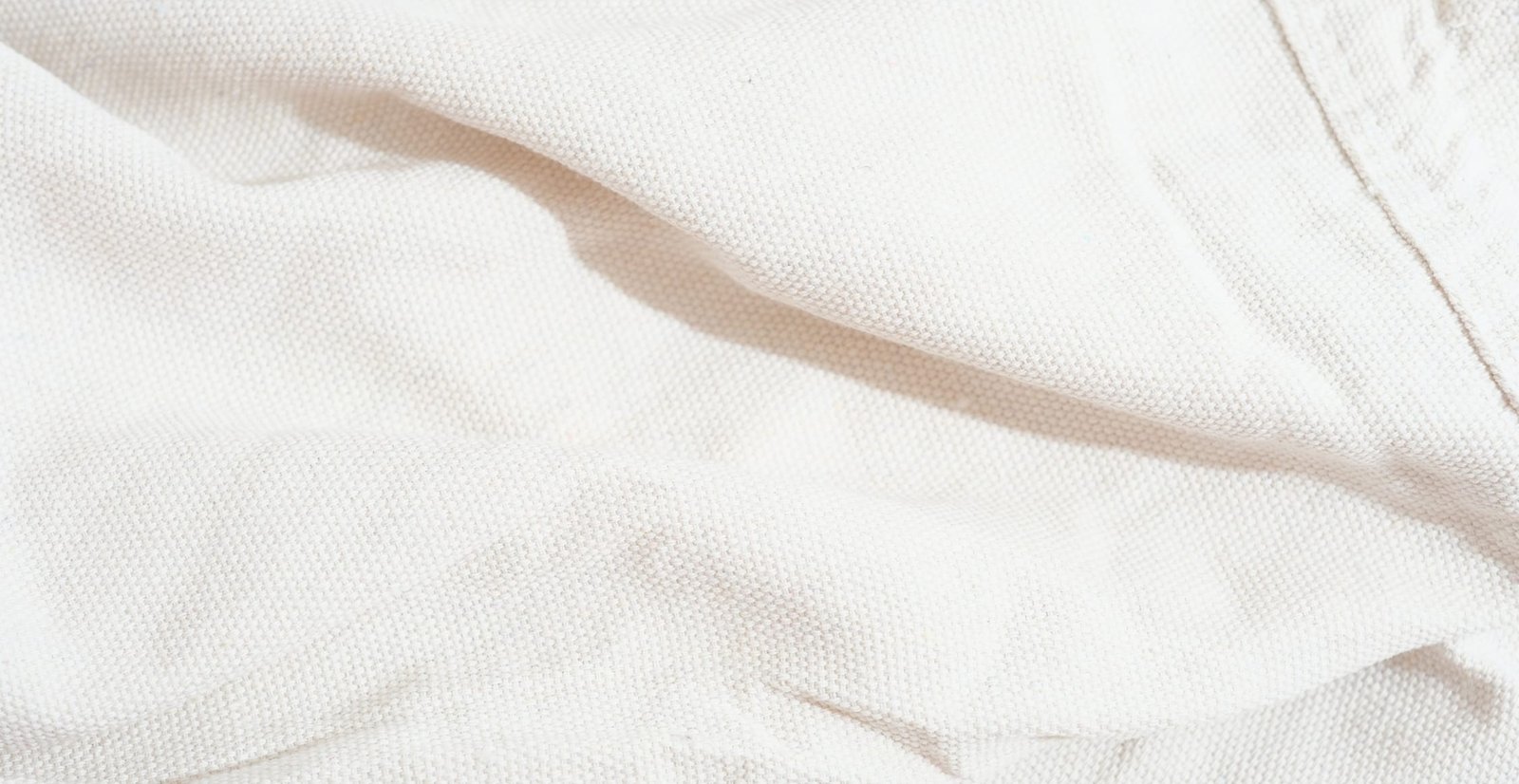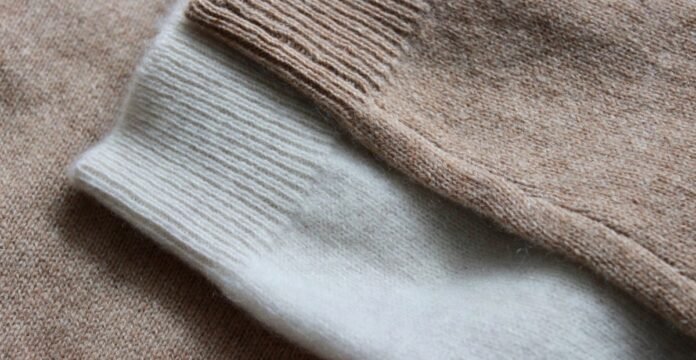
Knitted Grade C Cashmere Fabric wool is a versatile fabric that offers affordability, softness and versatility. It may not have the ultra-fine fibres of the premium grades but it still provides the warmth and soft texture that is associated with cashmere. It is a cost-effective option for fashion brands and manufacturers looking to provide luxury at a reasonable price.
Cashmere is known for its warmth, lightness and elegance. Not all products require Grade A fibers. Many brands use Grade C cashmere instead to create affordable knitwear, stylish layers for winter, and comfortable everyday clothing. This fabric is a key player in the textile industry.
This comprehensive guide will teach you everything you need to know about Knitted Cashmere Fabric Grade C — its benefits, its applications, the care methods it requires, and even how to find it on the market. You will also learn why this fabric continues to be a favorite in the fashion and textile industry.
What is knitted grade C cashmere fabric?
Cashmere fabric Grade C is knitted from coarser, slightly shorter cashmere fibers. These fibers come from cashmere goats that are raised in Mongolia, China and other parts of Central Asia. Although finer fibers reserved for higher grades are available, Grade C fibers still remain soft, warm and suitable for knitting construction.
Knitted cashmere is made by looping yarns, unlike woven cashmere. The fabric is able to stretch, become flexible and more comfortable. The knitted structure increases breathability and insulation. It is used in many products, including sweaters, cardigans and scarves.
Although the Grade C fibers are thicker, they provide significant warmth. The final product is more affordable because the production costs are lower.
Knitted Grade C Cashmere Fabric: Fiber Characteristics
Understanding the fiber structure can help clarify why Grade C Cashmere performs different.
1. Fiber Diameter
Cashmere of Grade C has a higher micron count than Grade A or B. The texture will feel slightly less silky. It is still softer than the majority of sheep’s wool.
2. Fiber Length
The fibers are shorter. The yarn can therefore pill up more easily. Proper spinning techniques, however, can increase durability.
3. Natural Warmth
The insulation properties of cashmere fibers are excellent, even when they are thicker. Cashmere fibres have a hollow core that traps air effectively. The warmth of the cashmere is maintained without being excessively heavy.
4. Texture
The texture is comfortable and wearable, even though it’s not ultra-luxurious. Many consumers are unable to tell the difference between grade B and C when it comes to knitted products.
Why Knitted Construction is the Best?
Knitting improves the performance and appearance of cashmere Grade C in many ways.
Knitting increases elasticity. So, clothing provides a natural stretch and a comfortable fit.
Knitted fabrics have a lighter structure. They drape well and are breathable.
Thirdly, the knitted construction softens the slightly coarser texture of the fibers. The overall feeling is improved.
Knitting also reduces waste in garment production. In some processes, yarns are directly shaped into garments. This improves efficiency.
Cashmere Knitted Fabric Grade C: Benefits
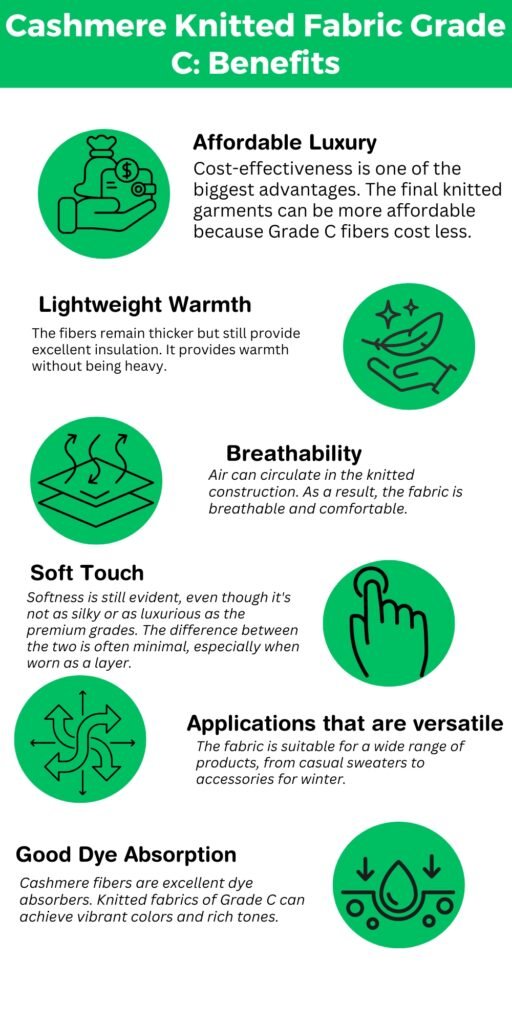
1. Affordable Luxury
Cost-effectiveness is one of the biggest advantages. The final knitted garments can be more affordable because Grade C fibers cost less.
2. Lightweight Warmth
The fibers remain thicker but still provide excellent insulation. It provides warmth without being heavy.
3. Breathability
Air can circulate in the knitted construction. As a result, the fabric is breathable and comfortable.
4. Soft Touch
Softness is still evident, even though it’s not as silky or as luxurious as the premium grades. The difference between the two is often minimal, especially when worn as a layer.
5. Applications that are versatile
The fabric is suitable for a wide range of products, from casual sweaters to accessories for winter.
6. Good Dye Absorption
Cashmere fibers are excellent dye absorbers. Knitted fabrics of Grade C can achieve vibrant colors and rich tones.
Knitted Grade C Cashmere Fabric: Common Uses
Cashmere fabric in grade C is used widely across the fashion and textile industry.
Sweaters, pullovers and other garments
It is perfect for winter clothing due to its warmth and flexibility.
Cardigans
It is ideal for layering because of its softness and drape.
Scarves and Shawls
Comfortable neck warmth with lightweight material.
Gloves, Hats
Stretchability is key to a secure fit.
Lounge and Casual Wear
Fashion trends that are relaxed and comfortable can be supported by knitted structures.
Manufacturing Process
The production process includes several steps that are important.
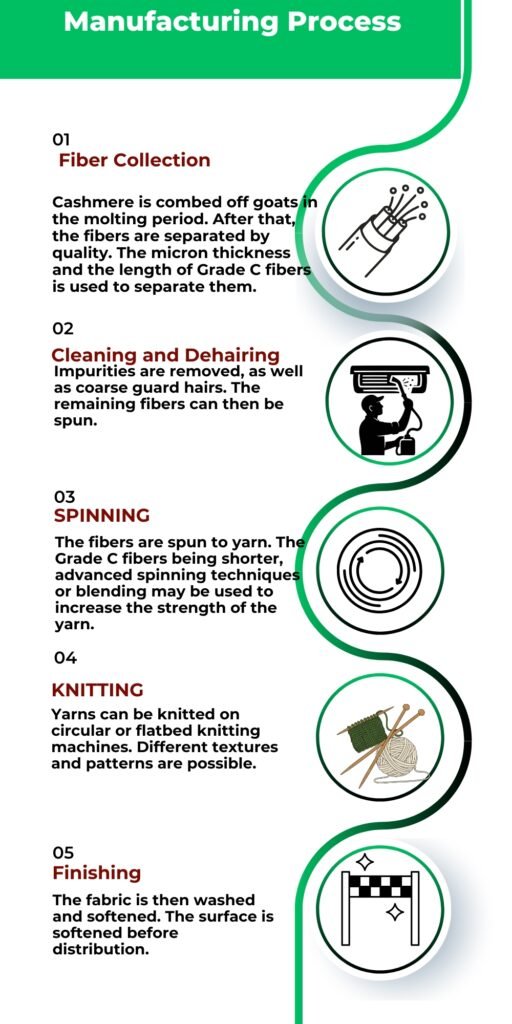
Fiber Collection
Cashmere is combed off goats in the molting period. After that, the fibers are separated by quality. The micron thickness and the length of Grade C fibers is used to separate them.
Cleaning and Dehairing
Impurities are removed, as well as coarse guard hairs. The remaining fibers can then be spun.
Spinning
The fibers are spun to yarn. The Grade C fibers being shorter, advanced spinning techniques or blending may be used to increase the strength of the yarn.
Knitting
Yarns can be knitted on circular or flatbed knitting machines. Different textures and patterns are possible.
Finishing
The fabric is then washed and softened. The surface is softened before distribution.
Sustainability Issues
Textile production has taken on a greater importance in terms of sustainability.
Even though Grade C cashmere may not be marketed as a luxury eco-fiber it still has a natural biodegradability. Cashmere fibers naturally degrade over time. The environmental impact of cashmere is therefore reduced when compared with synthetic fabrics.
In addition, in the major production areas, responsible grazing is being adopted. Land degradation is reduced by better herd management.
Using Grade C fibers also ensures minimal waste. Instead of dumping thicker fibers into the trash, manufacturers turn them into wearable knitting. Resource efficiency increases.
Market Demand and Industry Trends
Demand for luxury at affordable prices has increased significantly. The consumer is increasingly looking for fashion that emphasizes comfort. Cashmere knitted in Grade C has become increasingly popular.
This fabric is often used by fast-fashion labels, mid-range labels and private manufacturers. Cashmere knitwear is also promoted by online retail platforms in many countries.
Moreover, minimalist winter fashion trends favor lightweight layering. Cashmere knitwear remains in high demand.
How to Care for Your Longevity
The life of your garments can be extended by taking proper care.
- Handwash in cold water
- Use mild wool soap.
- Avoid wringing.
- Dry flat by laying flat.
- Fold the clothes instead of hanging them.
Fabric shavers can easily restore smoothness to fabric that has pilled.
Quality Control Standards
Manufacturers test their products:
- The count of fiber microns
- Yarn strength
- The resistance of pricking
- Colorfastness
- Shrinkage levels
This ensures that the performance of all production batches is consistent.
Customization and Blending Option
Grade C Cashmere can be blended with:
- Merino wool
- Cotton
- Silk
- Recycled fibers
Blending increases structure and reduces piling. In turn, the garment’s longevity increases.
Fashion Brands: Benefits
Fashion brands prefer Knitted Cashmere Grade C Fabric because:
- Production costs are lower.
- Profit margins are increasing.
- Demand from consumers is high.
- The design flexibility is very high.
Cashmere can be included in seasonal collections at an affordable price without losing the brand’s identity.
Consumer Perspective
Cashmere knitted in Grade C offers the following:
- Luxury Feel
- Winter wear that is comfortable
- Accessible pricing
- Styles that are versatile
Even though it doesn’t match the silkiness of premium-grade products, daily use is still very satisfying.
Global Production Regions
The following are the major production areas:
- China
- Mongolia
- Iran
- Afghanistan
The raw fibers from these regions are exported to other countries for spinning and knitting.
Future Outlook
Cashmere knitted in Grade C appears to have a bright future. Resource optimization is becoming more important as sustainable fashion becomes mainstream. Utilizing all fiber grades supports circular production models.
Moreover, the technological advances in spinning and finishing improve softness and durability. The performance gap between grade C and higher grades is continuing to shrink.
Conclusion
Knitted Cashmere Grade C Fabric is a versatile, practical and cost-effective solution for textiles. It may not be the ultimate in luxury, but it offers warmth, comfort and softness Knitted Grade C Cashmere Fabric.Knitted Grade C Cashmere Fabric.Knitted Grade C Cashmere Fabric.
.
Knitted Grade C Cashmere Fabric is also more affordable, allowing a wider range of consumers to enjoy it. It is therefore a key component of modern fashion.
FAQs
What is Knitted Grade C Cashmere Fabric?
Knitted Grade C Cashmere Fabric is made from slightly thicker and shorter cashmere fibers that are knitted into soft, stretchable fabric. Although it is less fine than Grade A cashmere, it still offers warmth, comfort, and affordability.
Is Grade C cashmere real cashmere?
YesKnitted Grade C Cashmere Fabric is genuine cashmere wool. However, the fibers are slightly coarser compared to premium grades. Therefore, the price is lower, but natural warmth and softness are still maintained.
How soft is Knitted Grade C Cashmere Fabric?
Knitted Grade C Cashmere Fabric While it may not feel as silky as higher grades, it remains noticeably softer than regular wool. Moreover,Knitted Grade C Cashmere Fabric the knitted construction enhances comfort and flexibility.