Trends come and go in the men’s outerwear industry, but there are some garments that will always stay in style. The Pioneer Topcoat is one of them, and as the name indicates, it was one of the first topcoats to combine the rough durability of outerwear with the fine looseness of upper wear.
The Pioneer Topcoat is still one of the most admired topcoats on the market today, and that is because, even after countless designs and reinvented versions of fashion over the decades, it stands the test of time. Not to mention, it was the first of many styles, including the Crombie, Paletot, and Chesterfield. It is important to note that fashion and style is only one component of the topcoat; the history that it represents is of great significance.
In this essay, I will analyze and explain the Pioneer Topcoat’s origin, structure, fabric, styling, and modern significance, in addition to the various reasons it has influenced contemporary fashion.
The Beginning of Style and Functionality in Pioneer Topcoat
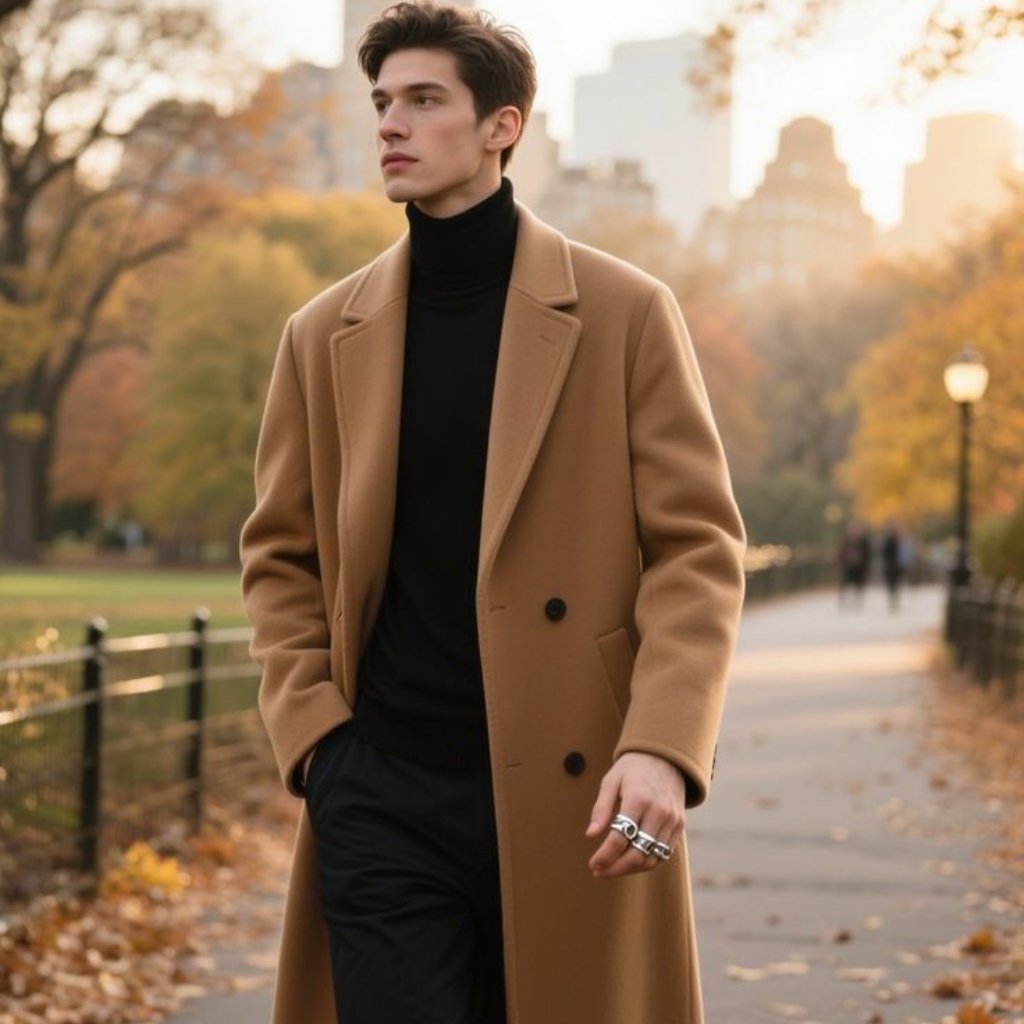
To begin with, the Pioneer Tocoat was created in an age where design and functionality were equally important. It was first worn by pioneers, merchants and early city professionals who needed protective wear with the ability to command respect and control.
Prior to the period, clothing was designed and created purely for survival. As society became more sophisticated, the Urban Topcoat of Pioneer became one of the first designs of clothing where style was inextricably woven with survival.
Moreover, the Tocoat was created to be worn over uniforms and suits, resulting in precise construction. This gave rise to master tailoring and the construction of structured silhouettes, elevating the white Topcoat rank socially from functional wear to high society possession. Eventually, the coat was the go-to for aristocrats and other sophisticated businessmen, elevating its rank from functional clothing to high society possession.
Defining Characteristics of the Pioneer Topcoat
The Pioneer Topcoat can be worn in a variety of ways. Differeing materials can affect the other aspects of the top coat. It can be worn in a variety of ways. It can be worn in a variety of ways. It can be worn in a variety of ways. It can be worn in a variety of ways. It can be worn in a variety of ways.
Distinguishing Characteristics
- Stylish yet Straight
- Heavier to Medium-Fabric Weight
- Minimal Embellishments
- Double or Single Bristle Front
- Wide Lapels for Function and Fashion
With these qualities, the Pioneer Topcoat keeps an elegant look while still maintaining quit a decorative design. It also provides the range of motion that was important for the first wearers.
Importantly, virtually all of these design elements remain in windproof topcoat designs. Thus, it is often seen as the first example of today’s classic outerwear.
Pioneer Topcoats Materials

The choice of materials is an important defining factor in the quality and effectiveness of a topcoat. Traditionally, Pioneer Topcoats were made of materials that keeps the wearer warm, are durable and breathable.
Wool: The Foundational Fabric
The primary fabric was wool. It provided insulation and was breathable. Wool also had soil and water resistant properties. Wool also has amazing draping quality and thus enhances the look of the topcoat aswell and was also relatively easy to source and process.
Cashmere Blends: Added Softness
Cashmere blends were added as fashion progressed to, soften the texture and reduce weight. The Pioneer Topcoat was warm and exceptionally comfortable.
Heavy Twills and Meltons
Dense twill and melton fabrics were used for the urban Topcoat, especially in colder climates. These fabrics are tightly woven which helps block wind and retain heat, making them an ideal winter companion.
The Pioneer Topcoat has traditionally been designed with heavy winter fabrics. However, modern versions incorporate technology such as water-resistant treatments, stretch blends, and heavy winter fabrics.
The Tailoring Philosophy Behind the Pioneer Topcoat
The philosophy behind the tailoring of Pioneer Topcoat is what truly distinguishes them. These coats, unlike other mass-produced outerwear, were made to measure, or produced with careful detail to construction.
Coats were made with careful detail to construction and the shoulders to ensure it fell perfectly over any formal wear it was layered with. A flattering figure was created with the construction detail and waist shaping, while the balanced hem detail provided ease of walking and a clean line.
Wearing the coats provided an instant sense of statuesque authority and elegance. This approach to coat construction is still influential to high-end tailors today.
Why the Pioneer Topcoat Became a Style Icon
Over the years, The Pioneer Topcoat has evolved from a utilitarian garment into a striking piece of outerwear. Why did the Pioneer Topcoat become an icon?
A Balance of Form and Function
It protected the wearer from the elements, and it also conveyed an image of power and prestige. It quickly became the top choice of outerwear for leaders, professionals, and fashion influencers.
Suitability for All Occasions
The versatility of the coat was also a strong contributing factor for its success. It was suitable for business appointments, social functions, and even travel, which made it perfect for the many demands of everyday life.
Impact on Subsequent Designs
Its influence on subsequent designs was perhaps the most impressive testament to its legacy. The Crombie, Chesterfield, and Paletot coats, among many others, all featured design elements from the Pioneer Topcoat.
Pioneer Topcoat vs Modern Topcoats
Even though many designs of modern topcoats may borrow elements from the top coat pioneer, advancements in coat design have created more contemporary options.
Fit and Silhouette
Pioneer Topcoats offered a strong, structured silhouette, which many modern topcoat contrast with a sleeker, more streamlined shape. Modern top coats also make the silhouette recognizable.
Fabric Innovation
Many of today’s fabrics are lighter and made of more flexible and weather resistant synthetics. On the luxury end of modern topcoats, wool and cashmere are still in style.
Stylistic Versatility
Pioneer Topcoats used to be strictly business, but now they can be dressed down, for example, being worn over denim or a knit top.
Styling a Pioneer Topcoat
The Pioneer Topcoat is designed with history, but is easily adaptable to today’s fashion.
Formal Styling
For business or formal occasions, pair it with:
- A tailored suit
- Leather Oxford shoes
- A silk tie or scarf
This look is designed to enhance the coat’s original elegance.
Smart Casual Styling
For a relaxed look,
- It is designed to be worn over a turtleneck or sweater
- It can also be worn with chinos or dark denim
- Chelsea boots or loafers can be added
This look proves that the Pioneer Topcoat does adapt to modern wardrobes.
Winter Layering
The Pioneer Topcoat is designed with multiple layers capabilities, The ideal layering look features a Pioneer Topcoat over a Blazer or thicker knit.
Traditionally Pioneer Topcoats were Black, Navy, Charcoal, and Camel.
Designers would choose these colors to lend themselves to formal ya.
Current interpretations also encompass:
- Rustic forest
- Burgundy
- Checked pattern
- Textured fabric
Yet, neutral colors remain the most versatile and timeless.
Why the Pioneer Topcoat Is Still Relevant Today
The Pioneer Topcoat is representative of the other philosophy of fast fashion: quality over quantity.
It encourages the consumer to invest in staple pieces which are guaranteed to last, thereby supporting sustainable fashion and avoiding the need to constantly replace garments. It also offers a timeless look that is not based on a passing trend.
For these reasons, many fashion savvy individuals are embracing and opting for the Pioneer Topcoat, returning to styles of the past with a focus on quality and craftsmanship.
Pioneer Topcoat in Sustainable Fashion
It is interesting that the principles behind the Pioneer Topcoat align perfectly with modern sustainability goals.
Wool and cashmere are natural materials that are biodegradable and renewable. The Pioneer men topcoat is also designed to last a long time, meaning that it reduces waste which is what we need to solve modern sustainability fashion issues.
The relevance of emphasis on the slow fashion movement, which many of today’s brands are advocating for, is also evident in the classic version of the coat.
Considerations When Choosing Your Pioneer Topcoat

When selecting a Pioneer Topcoat or its modern equivalent, there are several things to consider.
Fit
Check the fit of the coat over your usual attire. There should be no tightness over the chest and shoulders, but it shouldn’t be baggy either.
Fabric Quality
Check the fabric composition. Better warmth and durability is indicated by a higher percentage of wool or cashmere.
Length
Knee length is the ideal length for a coat. Anything shorter may compromise the traditional look, and overly long coats may appear dated.
Construction
Details like strong stitching, quality lining, and reinforced seams often determine the longevity of a coat.
Common Mistakes to Avoid
Wearing or purchasing the Pioneer Topcoat may be done incorrectly, despite it being a timeless piece.
- Selecting highly fashionable colors that detract from versatility
- Poor fit due to the price
- Fabric quality being ignored
- Casual outfit that lacks balance
Classic pieces that are well constructed will have more value than a piece that is made for a short lived trend.
Pioneer Topcoat: A Global Fashion Influence
Pioneer Topcoat is a recognizable outerwear piece across the globe; from Europe to Asia to the United States. Elements of this coat can be found in the tailoring traditions of the Brits, the elegance of the Italians, and the minimalism of the Japanese.
Even today, some of the world’s luxury fashion houses reinterpret designs inspired by the Pioneer Topcoat for each fashion season. This means that the legacy can be preserved, and simultaneously, renewed.
Pioneer Topcoat for Every Body Type
Pioneer Topcoat’s popularity can be attributed to the diversity of body shapes it can be tailored to, and the following characteristics it encompasses:
- Slim builds: A slightly structured fit adds presence and strength to the coat’s wearer.
- Athletic builds: Broad shoulders and a tapered waist enhance physique.
- Heavier builds: A straight cut provides balance and elegance.
When tailored properly, this outerwear piece can suit almost every body shape.
Pioneer Topcoat’s Future
The Pioneer Topcoat is believed to be a lasting influence in the world of outerwear fashion for many years to come. This coat’s materials, and fit characteristics may change, but the core characteristics that make this coat a pioneer will not.Designers are attempting to work with:
- Wool fabric made from recycled materials
- Linings integrated with new technologies
- New modular designs
However, the classic silhouette remains the dominant style across the industry. So, while the Pioneer Topcoat may look like a piece that belongs in history, it is also a piece that belongs in the future.
Final Thoughts:
The Pioneer Topcoat is more than just a piece of outerwear that keeps you warm — it is the beacon of style, functionality, and attention to detail.
It is a piece that will satisfy the needs of people who embrace history, and the people who want to look fashion-forward, as it meets the needs of the contemporary fashion world and history. It is a masterpiece. It is a piece that will satisfy the needs of people who embrace history, and the people who want to look fashion-forward. It is a masterpiece.
FAQs
What is a Pioneer Topcoat?
A Pioneer Topcoat is one of the earliest styles of classic men’s outerwear, known for its structured design, knee-length cut, and timeless elegance that inspired modern topcoat fashion.
Why is it called a Pioneer Topcoat?
It is called “Pioneer” because it represents the foundation of tailored topcoat design, influencing later styles such as Crombie, Chesterfield, and Paletot coats.
What fabrics are used in Pioneer Topcoats?
Traditionally, Pioneer Topcoats are made from wool, cashmere blends, and heavy twills or melton fabrics for warmth, durability, and refined drape.