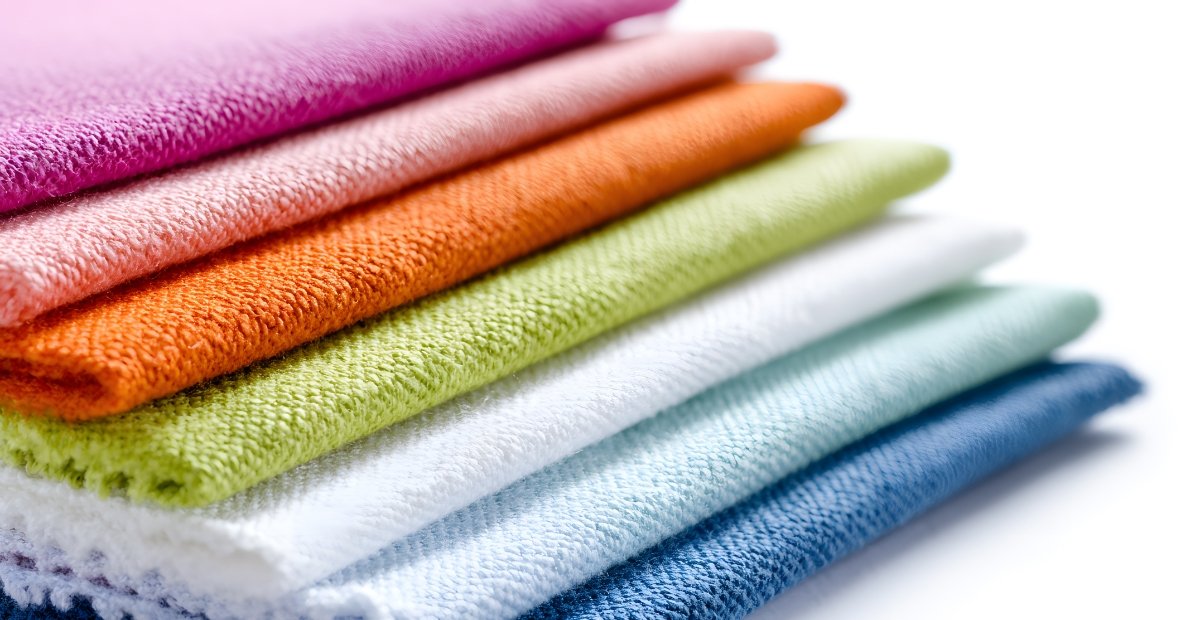
Keeping warm during winter is something everybody takes care of either we live in freezing areas or we just feel like keeping warm during cold seasons. Selecting the right winter clothes can be considered one of the most significant aspects of keeping warm. All it takes is the kind of fabric that you put on, and whether you will be cold all day or be warm and comfortable. Today we are going to take a full tour and see the history of winter fabrics and their types, their advantages, and why they are important.
A Short History of Winter Fabrics
Historical records show that winter fabrics have been around for millennia. Since the very beginning of civilization, people have had the very basic need of seeking cover from the elements. In the Ancient world before the advent of modern technology, people relied on natural materials. Knowing the history of winter fabrics proves the evolution of clothing has come a long way.
Early Natural Fibers
In the ancient world humans weathered the elements by using animal skins and furs. These resources were abundant, and easy to come by. In the colder regions, humans wore furs from bears, wolves and deer and other large game. Wools of all kinds also became popular winter fibers. Sheep’s wool was communally owned and inexpensive to spin weave and die.
The Growth of Wool Fabric
In Europe, Asia and the Middle east wool became the predominate winter fabric and was used for dusters, coats, blankets, tents and even padded armor. Wool would keep a person warm and dry even when it was wet making it ideal for colder rainy climates.
The Rise of Cotton and Flannel
The Industrial Revolution saw the ushering of technology and the rapid industrialization of cotton and weaving mills. Cotton was softer than wool, and with the invention of brushing, a new warmer fabric blend was created, now known as flanel.
Modern Synthetic Fabrics
During the second half of the 20th century, the invention of fabrics untraditionally weather and unsustainably created provided the world with a new era of synthetic fabrics. Examples include:
- Fleece
- Polyester
- Nylon
- Acrylic
- Microfiber
These fabrics brought lighter and cheaper alternatives to naturals and today winter clothing synthetically and naturally blends fabrics to provide the user with the best options.
What Are Winter Fabrics?
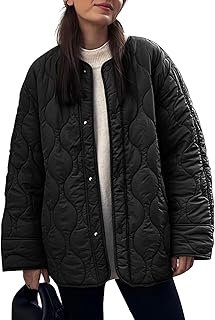
Winter fabrics are all materials designed to keep the body warm during cold weather and winter by trapping heat, blocking wind, or providing a moisture barrier. Fabrics that care designed to provide this protection against the elements can be natural, synthetic or a blend of the two.
A winter fabric must:
- Trap heat.
- Block cold air.
- Absorb or repel moisture.
- Feel comfortable on the skin.
- Be thick or layered for insulation.
Winter fabrics are used in:
- Coats.
- Jackets.
- Sweaters.
- Scarves.
- Gloves.
- Socks.
- Blankets.
- Hats.
Even the soft lining inside winter boots or jackets is made from special winter fabrics.
Why Winter Fabrics are Important
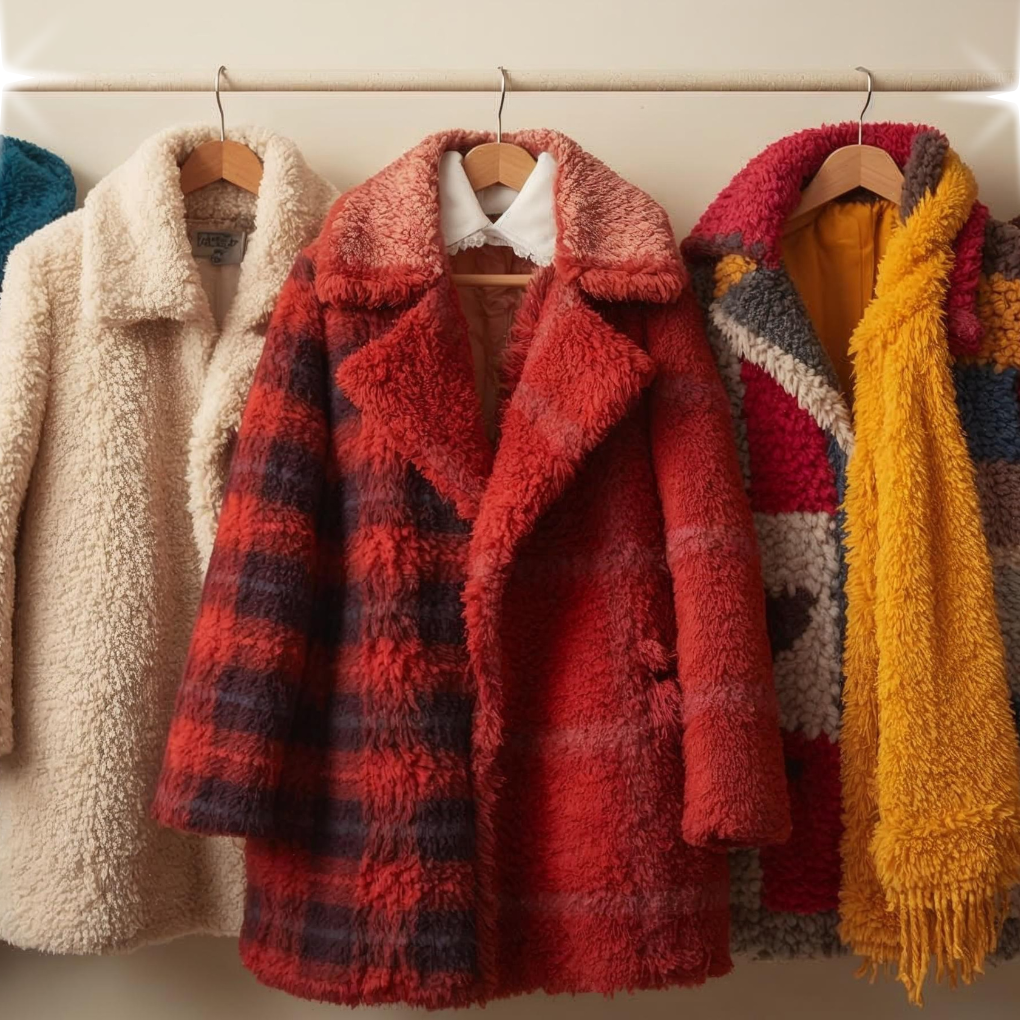
Wearing the right winter fabric keeps the body warm and safe. When the body gets too cold, it loses energy quickly. Good winter fabrics help you:
- Stay warm longer.
- Feel comfortable outdoors.
- Save energy by reducing heat loss.
- Avoid getting sick from cold exposure.
For people in cold countries, winter fabrics are not just clothing – they are part of everyday survival.
Types of Winter Fabrics
There are many different winter fabrics, each with its own features, benefits, and uses. Below is a complete list of common and popular winter fabrics used today.
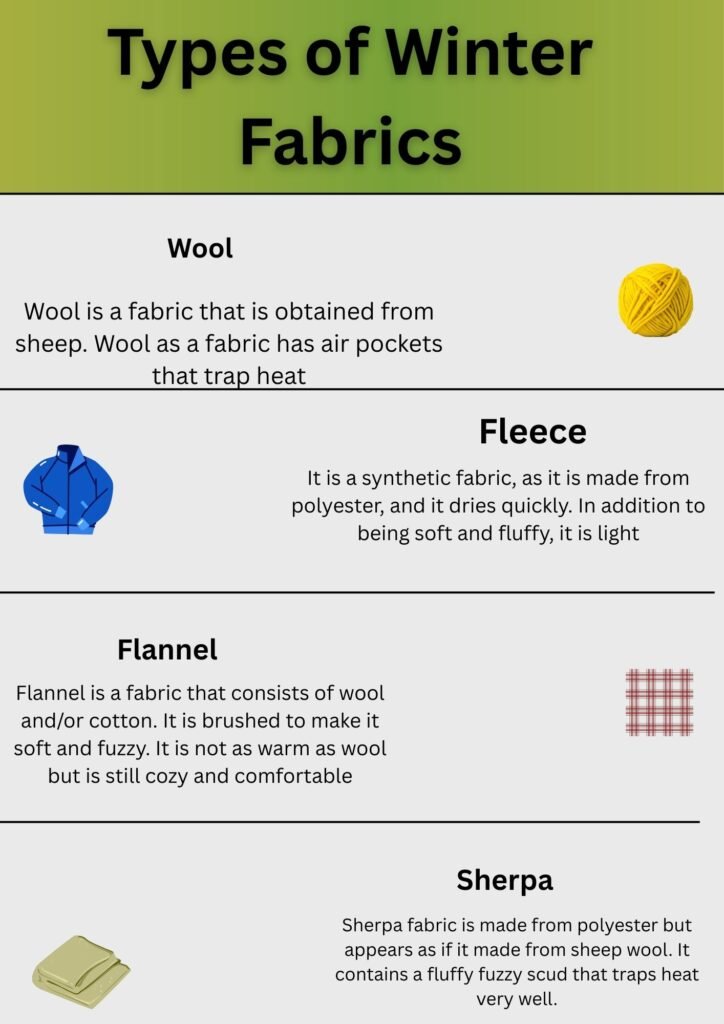
Wool
Of every fabric in the world, wool is the warmest during the winter months. Wool is a fabric that is obtained from sheep. Wool as a fabric has air pockets that trap heat. Wool is a fabric that is warm, even when wet, making it a good fabric to use when it’s snowing or raining.

There are many kinds of wool, such as:
- Merino wool (soft, great for base layers)
- Cashmere (luxury, very soft and light)
- Alpaca wool (strong, warm, hypoallergenic)
- Lambswool (soft and warm)
Best for: sweaters, scarves, coats, blankets.
Fleece
Fleece is soft. It is fluffy and warm. It is a synthetic fabric, as it is made from polyester, and it dries quickly. In addition to being soft and fluffy, it is light. It is created to replicate the thermal resistance of the wool fabric and be breathable. The garment retains heat thus suitable in winter and outdoor clothing. It evaporates fast and pulls out the wetness which makes the wearer feel comfortable.
Benefits of fleece:
- lightweight
- breathable
- very warm
- great for layers
- affordable
Best for: jackets, hoodies, blankets, liners.
Flannel
Flannel is a fabric that consists of wool and/or cotton. It is brushed to make it soft and fuzzy. It is not as warm as wool but is still cozy and comfortable. It is rubbed on one or both of the sides to produce a cozy, fuzzy feel. The material is very insulating and hence it is good in colder climatic conditions.
Best for: shirts, pajamas, bed sheets, light jackets.
Sherpa
Sherpa fabric is made from polyester but appears as if it made from sheep wool. It contains a fluffy fuzzy scud that traps heat very well. The cloth is very insulating, and the warmth remains close to the body.
Sherpa is light but very comfortable; it is perfect even in the cold weather.
Best for: jackets linings, hoodies, and blankets.
Velvet and Velveteen
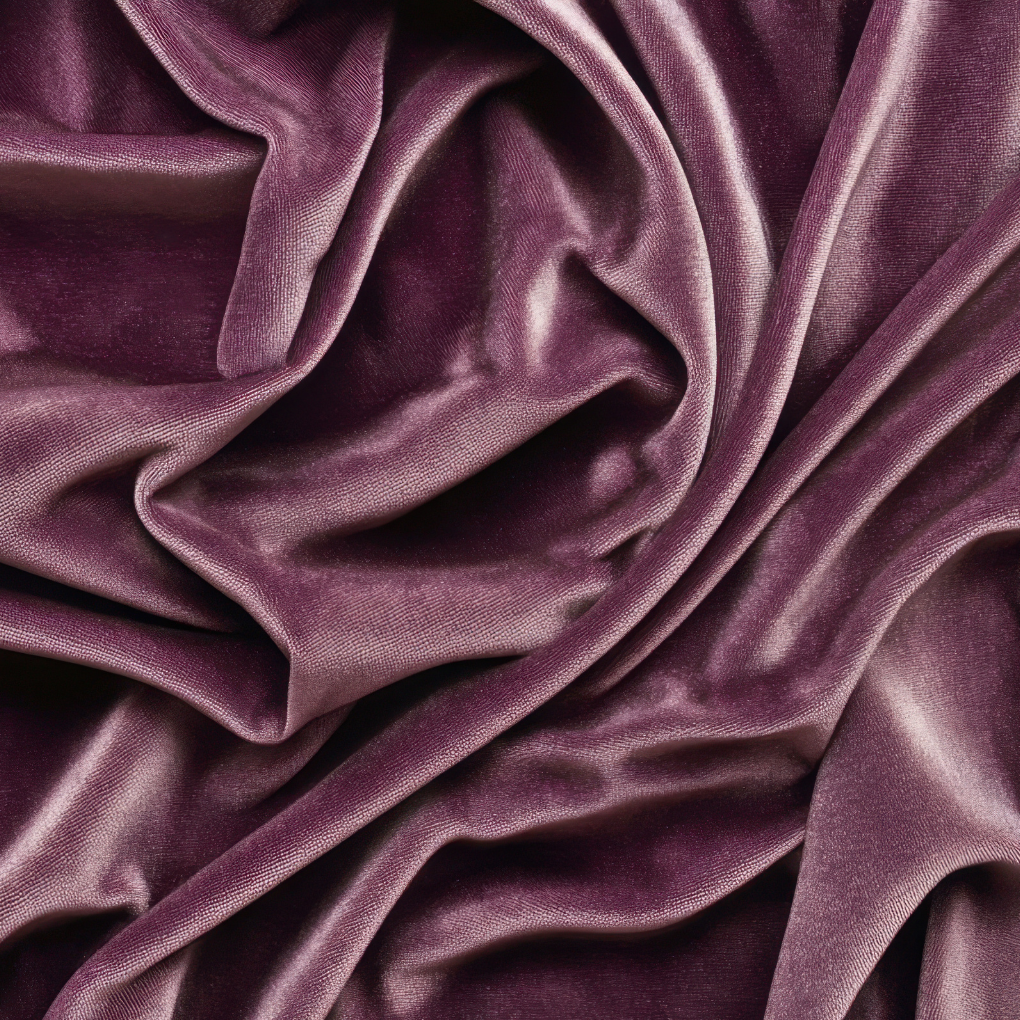
Velvet is a warm, thick, and soft material with a smooth finish. Due to its winter luxury appearance, it is common for winter apparel.It is traditionally crafted of silk, but currently it can be of polyester, rayon, or blends. The cloth is a good reflector of light, which makes it have a rich and elegant shine. It is usually applied in dresses, evening dresses, upholstery, and accessories.
Velveteen is a cotton fabric that is designed in the form of velvet but with a shorter pile. It is smooth and less shiny than actual velvet. The garment is heavier, firmer and is not as flowing as velvet. Velveteen provides the same comfortable feeling but at a lower price.
Best for: dresses, winter jackets, and attire for winter events.
Corduroy
Stylishly durable, corduroy is warm and has air pockets sealed with fabric. It has a soft finish with a raised design. It is normally composed of cotton or cotton mixtures, which makes it soft but durable. The ridged texture is also warm, hence can be used during cool seasons. Corduroy is worn resistant, comfortable and breathable.
Best for: pants, jackets, and skirts.
Down
This is the soft, lower layer of a goose or duck’s feather coating, not a fabric, but a filler.Down is not a conventional cloth, it is a natural, natural insulation of the under-layers of the birds, composed of the fluffy, soft hair of them.
It entraps air efficiently and it is incredibly warm but not weighty.
Benefits: extremely warm, lightweight, and good insulation.
Best for: puffer jackets, blankets, and sleeping bags.
Quilted Fabrics
These are two layers of fabric with a layer of insulation, which can be cotton, wool, or even synthetic polyester.
Best for: coats, vests, and bedding.
Leather and Suede
When unlined, leather is windproof. It traps heat and, with a lining, becomes very warm.
Best for: jackets, gloves, and boots.
Thermal Fabrics (Waffle Knit)
Special materials known as thermal fabrics are those that trap the heat of the body in cold weather.
They are normally covered with waffle or honeycomb design that retains warm air. These fabrics are insulating, and they are light weight and breathable. Thermal fabrics also absorb water and so the wearers will be dry and comfortable.
Most appropriate for: layer tops, socks, and leggings
Snow-resistant fabrics
Certain types of winter clothing should be able to withstand snow, rain, and wind. Snow-resistant clothes are specifically made to resist the entry of moisture and allow snow not to seep in. They also have waterproof or water repellent finishes such as DWR (durable water repellence).These clothes are also wind resistant and keep the wearer warm during extreme climatic conditions. They are still breathable, and the sweat can escape but not snow. Included are these fabrics:
- Gore-tex (breathable and waterproof)
- Softshell (wind-resistant)
- Hardshell fabric (high level of waterproof protection)
Most appropriate for: snow pants, ski jackets, and outdoor gear
How winter fabrics work
Choosing the best material for your needs is determined by knowing how winter fabrics work. Winter fabrics keep you warm with insulation, breathability, protection from wind, and moisture control.
Insulation
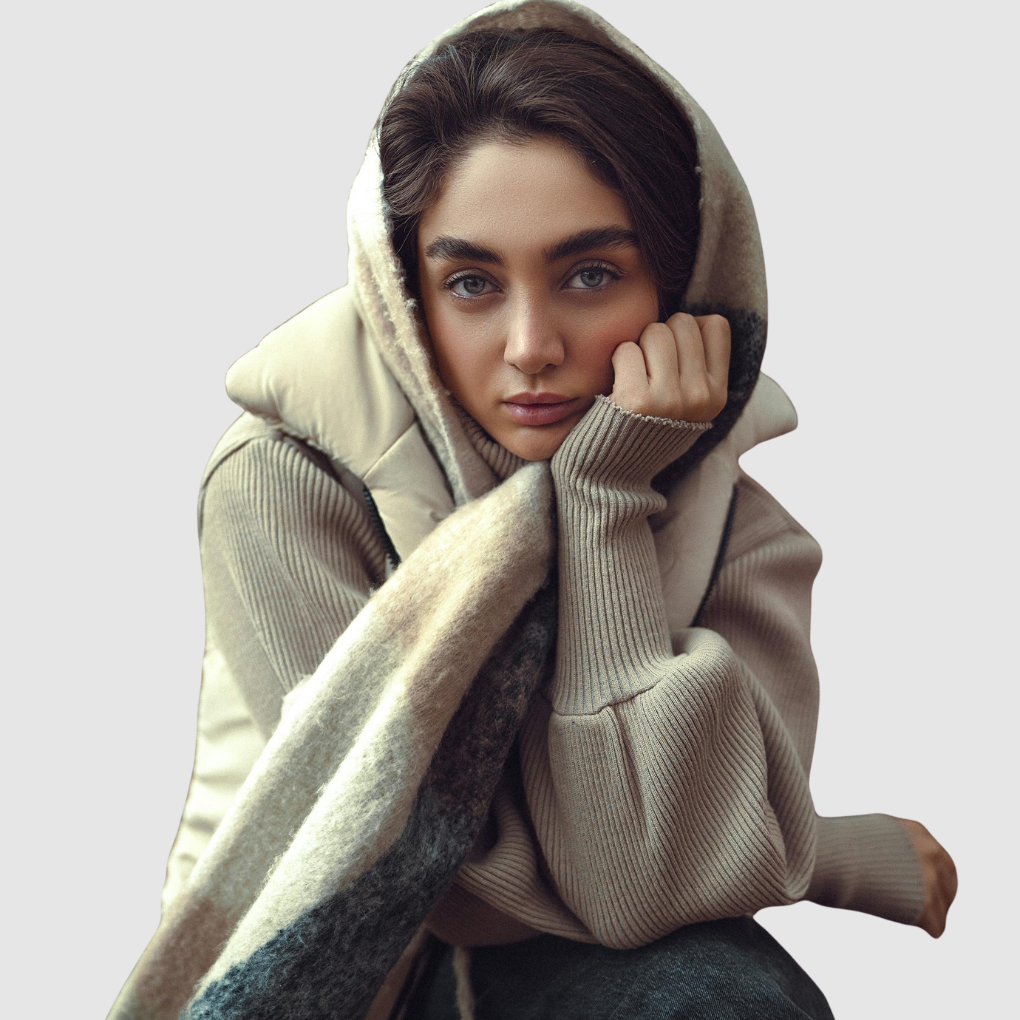
Insulated means that warmth is being retained. Winter fabrics keep warm air trapped close to your body. Tiny pockets of warm air are formed. This is what you call insulation. Excellent insulation is provided by wool, fleece, down, and sherpa.
Protective from wind
Wind makes you feel colder because it blows warm air that is contained close to your body. Fabrics that help keep the heat are leather, softshell, and hardshell materials.
Moisture control
Cold wet clothing makes your body feel colder. Winter fabrics control moisture by:
- Absorbing sweat (cotton, wool)
- Repelling water (Gore-Tex)
Dry clothing keeps your body warm. Winter fabrics control moisture by not absorbing sweat and repelling water. Winter fabrics control moisture and moisture is kept from absorbing it, thereby repelling it. When winter clothing is wet, it makes you cold.
Layering Effect
Winter’s best fabrics are at the very best when worn in multiple layers:
- Base Layer (thermal or merino wool)
- Middle Layer (fleece or wool sweater)
- Outer Layer (windproof or waterproof jacket)
Not only is this method more efficient than one thick layer, but it also traps body heat better than one thick layer would.
Common Uses of Winter Fabrics
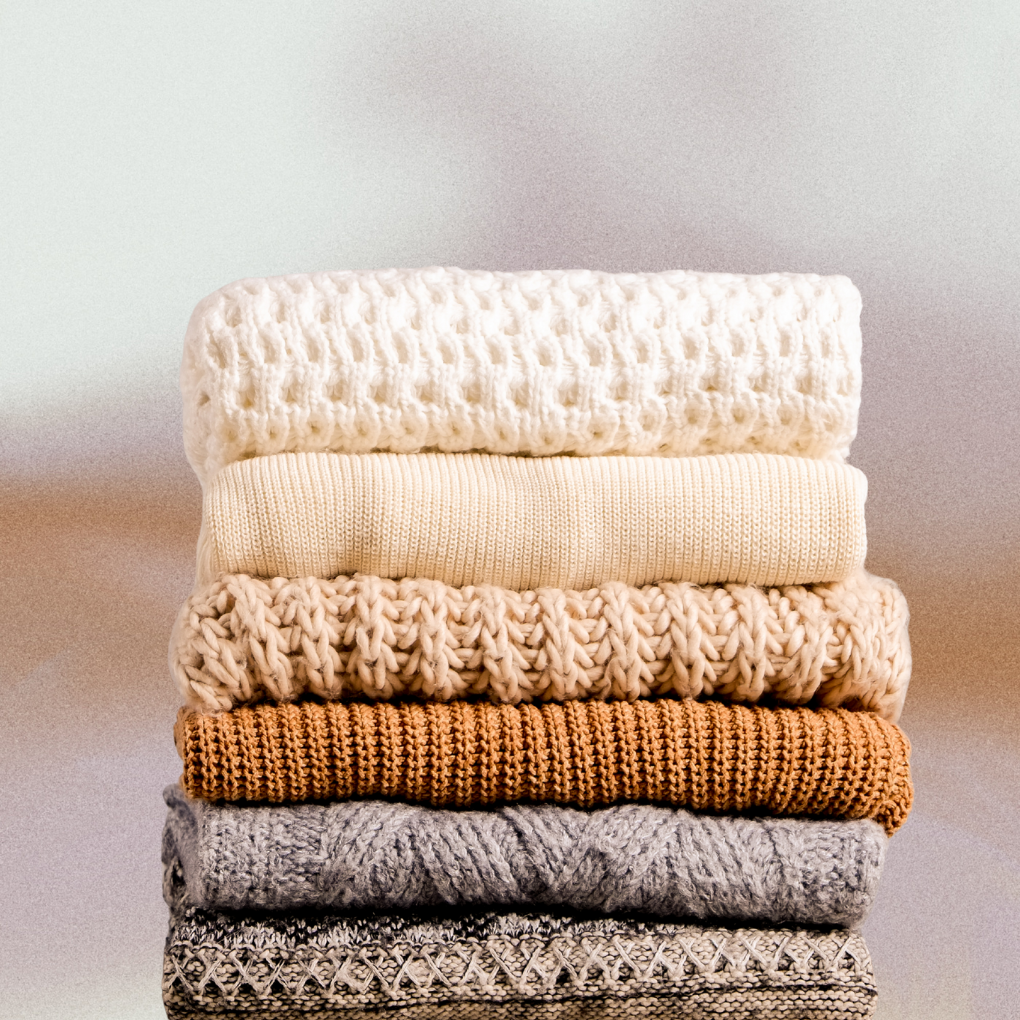
In most of the things people wear during the winter, they use winter fabrics in order to keep their bodies warm, cozy, and to protect them during the cold seasons. These are mostly available in winter wear including coats, jackets, sweaters, cardigans, and thermal wear. Scarfs, hats, and gloves made of wool, fleece, and acrylic are also widely used by many individuals to ensure that their body is covered in low temperatures. Outdoor and sports apparel also utilizes winter types of fabrics (mainly in skiing, snowboarding, hiking and camping) with insulated jackets, thermal layers, and waterproof outerwear such as Gore-Tex, to withstand the cold weather.
In the house, winter materials are also popular in blankets, throws, beddings, and flannel sheets, which give a warm and comfortable atmosphere inside the house. Thermal curtains that are thick in nature aid in holding heat as well as curtailing cold drafts. Workwear and uniforms of employees who work outdoors such as industrial, military and construction clothes are also very common in these fabrics due to their durability and warmth.
Winter clothes in fashion, include boots, bags, trims, and accessories like beanies and ear warmers, and usually are lined with wool, fleece, or faux fur. Winter requirements of children also include such fabrics, particularly in snowsuits, warm pajamas, blankets, and fleece-lined. Even pets are not left out as winter fabrics come in the shape of warm jackets, plush beds, and insulated booties that are worn in cold seasons.
In knitting, crocheting, quilting and sewing winter fabrics are utilized in creating creative works. They enable individuals to create handmade and warm things like scarves, mittens, quilts, and home decorations. On the whole, the winter clothes will be significant in ensuring that the people stay comfortable, warm, and covered in their clothes, residential, work, fashion, and lifestyle products.
Why Winter Fabrics Matter
Having the right winter fabrics for the season is critical. For comfort, safety, and your health the winter fabrics are very important. Here are the reasons why winter fabrics matter the most.
Protection From the Cold
Winter fabrics help your body protect itself from losing heat too quickly. This makes it possible to keep your body warm when temperatures are extremely low.
Comfort and Softness
Winter fabrics are great because they can be very comfortable and nice when wearing. Materials like cashmere, fleece, and thermal cotton are especially snuggly and very comfort orientated.
Weather Resistance
Winter fabrics can help protect you from extreme temperatures like very cold snow and rain. They also can keep the wind from touching your skin and keep your body dry.
Health and Safety
Being outside in cold air for long periods of time can lead to:
- Hypothermia.
- Frostbite.
- Cold stress.
- Extreme Fatigue.
Wearing warm winter fabrics help protect your body and stop you from having these problems.
Fashion and Style
Winter looks great with warmth and comfort. The fabrics allow you to feel good and enjoy your time in the outdoors.
Durability
Winter fabrics are strong and can be worn roughly. They do not wear out as quickly.
How to Choose the Right Winter Fabric
The choice of winter fabric can boil down to the Activities you do, the Weather conditions, and your own feel. Here is a small reference…
For Extremely Cold Weather
- Down
- Wool
- Fleece
- Quilted fabrics
- Sherpa
The above are the warmest.
For Snowy or Wet Weather
- Gore-Tex
- Nylon
- Polyester blends
- Waterproof shells
These are good to keep the body dry.
For School or Casual Wear
- Flannel
- Corduroy
- Thermal cotton
- Knit fabrics
These are comfortable and simple to wear.
For Fashion and Style
- Velvet
- Wool blends
- Leather
- Tweed
These are great for winter look.
For Outdoor Activities
- Softshell fabric
- Fleece
- Merino wool
- Moisture-wicking synthetics
These are good for warm movement.
Easy tips to stay warm using winter fabrics
- Dressing in layers works best
- Choose a warm base layer
- Select fabrics that trap heat
- Stay away from wet fabrics
- Scarves, gloves, and hats are useful
- Consider the weather and choose the right fabric
Conclusion
Winter fabrics are essential to keep warm, comfortable, and safe in the cold. Wool and fur have a long and rich history, and modern winter fabrics such as fleece and Gore-Tex have been developed over the years. Today, we have a number of materials to choose from, based on our personal needs and style. Knowing what winter fabrics are, their types, how they work, and why they matter, gives us the ability to make better decisions in the cold months.
What are winter fabrics?
Winter fabrics are materials designed to keep the body warm during cold weather. They trap heat, block wind, and help control moisture so you stay comfortable.
Is wool better than synthetic fabrics for winter?
Wool offers natural warmth, breathability, and moisture-wicking, while synthetics like polyester and fleece provide lightweight insulation and quick drying. Each has unique benefits depending on the weather and activity.
Are fleece and wool the same?
No. Wool is a natural fiber, while fleece is synthetic. Both are warm, but fleece is lighter and dries faster, while wool provides superior temperature regulation.