Introduction
The year 2025 has seen the production of linen fabric ascending in importance to the linchpin of the fashion and textile production. With climate change and the need to save resources becoming a global agenda, consumers and brands are on the lookout for environmentally friendlier substitutes to fast fashion and synthetic materials. Linen, with it’s eco-friendly origins and durability, is at the forefront of this transition. In comparison to polyester, which is based on petroleum and thus detrimental to the environment, and cotton which has a water-intensive production cycle, the production of linen fabric uses fewer resources and provides a strong, breathable, and biodegradable textile. This is not a textile fabric: it is a pledge to the worn torn world for responsible choice and a promise to progress in sustainable practices.
Linen Fabrication Begins with the Flax Plant
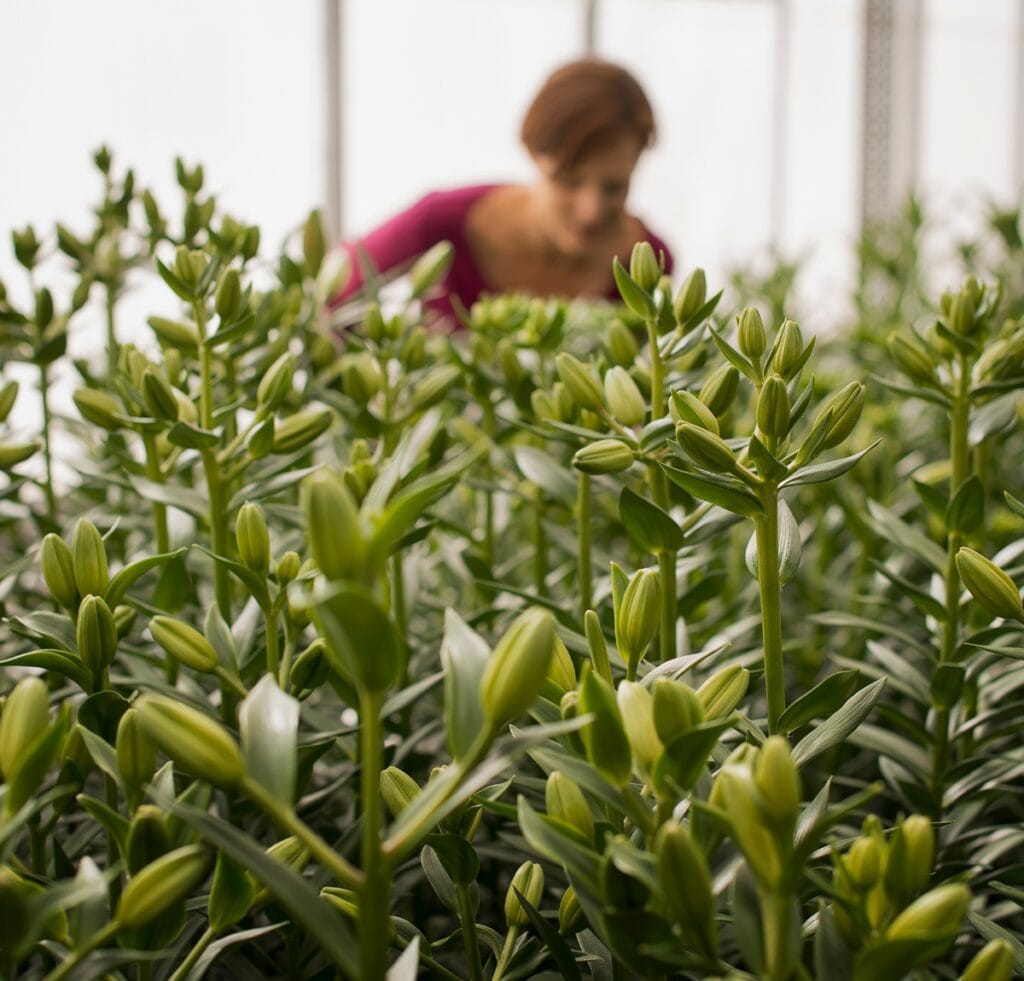
The Linen fabrication starts with the flax plant, which is bred in cooler climates with little need for maintenance. Unlike many other commercial crops which need excessive irrigation and pesticides to grow, flax requires very little and thrives in nutrient-dense and seasonal rainfall. Once cultivated, its stalks provide lengthy fibers which are spun into linen threads. This linen and plant transformation is practical in addition to its symbolic value. The cycle remains primal and eco conscious, a rarity for the world today. This is the current perception of linen, which indigenously relates to the long practiced heritage farming.—
The Significance in History of Linen Fabric Production
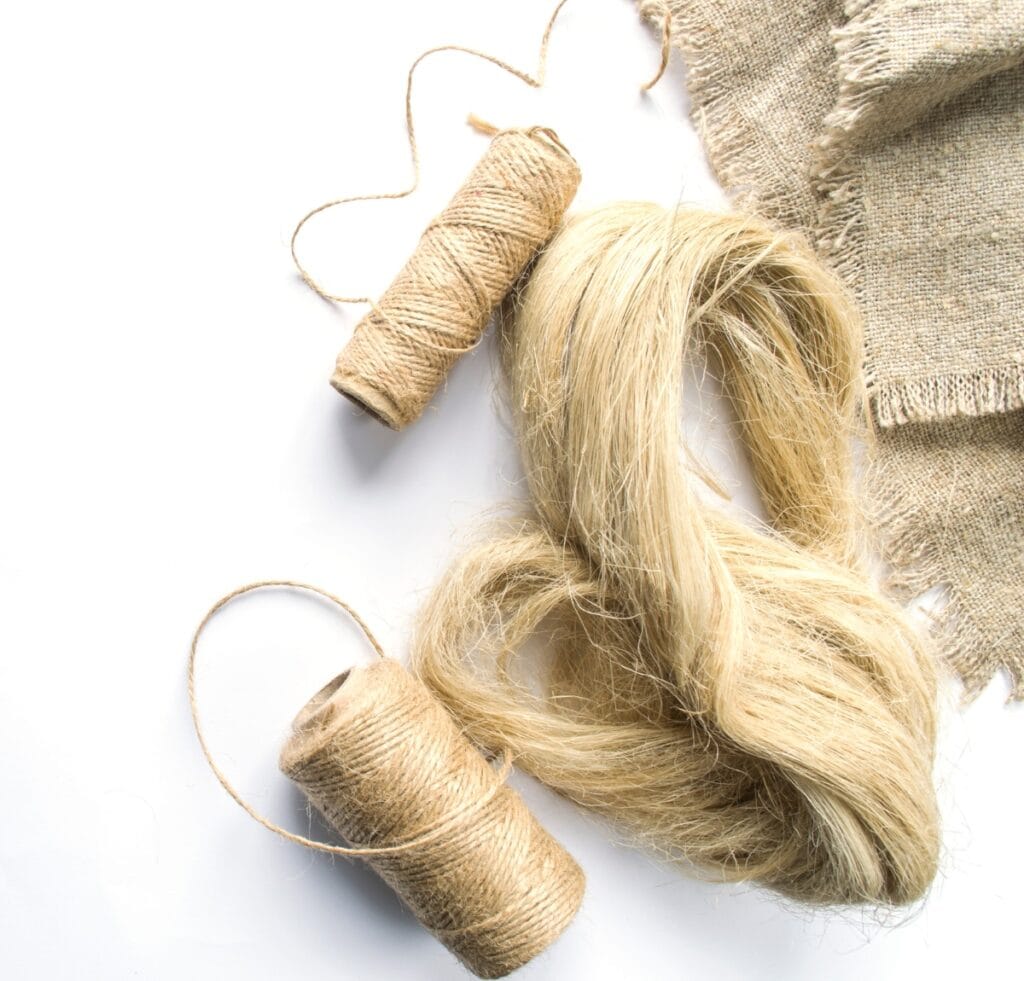
Producing linen fabric can be associated with rich and priceless history that spans over centuries. Ancient Romans wrapped linen around mummies, and associated the cloth with the symbolism of purity and eternal life. The Romans used linen attires because of their comfort in the Mediterranean climate. During the Middle Ages linen was an essential item in European households for secondary clothes, table cloths and bed linens. Gradually, linen came to be associated with practicality as well as luxury, creating a bridge over various cultures and generations. Even in 2025, we could still honor a rich cultural and spiritual practice. The craft of producing linen fabric fulfills contemporary needs, while embracing the ancient stem of the craft.
Reasons How Flax Farming Encourages Eco-Friendly Practices
Part of sustainable agriculture linen fabric wheat cultivation begins with cultivating less water intensive crops like flax instead of cotton in water deficient or drought prone areas. This practice enhances soil fertility naturally, as the cultivation of flax requires lesser synthetic fertilizers and more natural crop rotation. Flax is a cash crop that farmers grow Spring and summer with little to no pesticides, and it is less polluting to the farmer. These farmers by growing linen help enrich soil, water, and carbon depleted areas. Linen fabric is then the linen is a prime example of sustainable agriculture.
The Updated method of producing Linen fabric
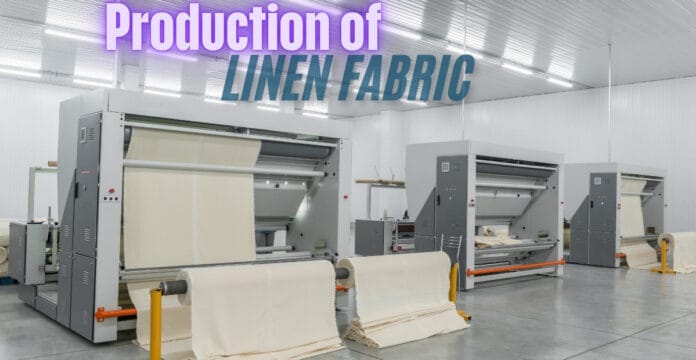
Like all fabrics, the production of linen fabric has shifted from traditional methods such as hand spinning and natural fiber retting to modern techniques. Producers still use traditional practices, but they now combine them with innovations that overcome past barriers while improving efficiency and reducing labor demands. Craftsmen and manufacturers create linen using processes that balance resource savings with waste reduction. With growing market demand and rising inflation, producers continue directing more resources toward innovative methods in the production of linen fabric. And more over, the preservation of traditional methods is evermore relevant. There would be no better reflection of perfect balance between tradition and modernity than this. And this is what is linen the world shall experience in the year 2025.
Modern Innovations vs. Traditional Techniques
Linen still undergoing its first production is still done manually through hand spinning, dece, and hand scutching. The techniques still produce high quality fabrics, however the current innovations have changed the industry for the better. Modern technology in the use of spinning machines yields smother, stronger yarns. Moreover, the finish techniques used in fabrics leave the linen soft and smooth skin friendly, and synthetic unused. It is however, remarkable, that the producers still focus on the use of pure woven linen as the basic fiber for the fabrics. The soft modern innovations and the integration of old age techno
Key Steps in Production of Linen Fabric
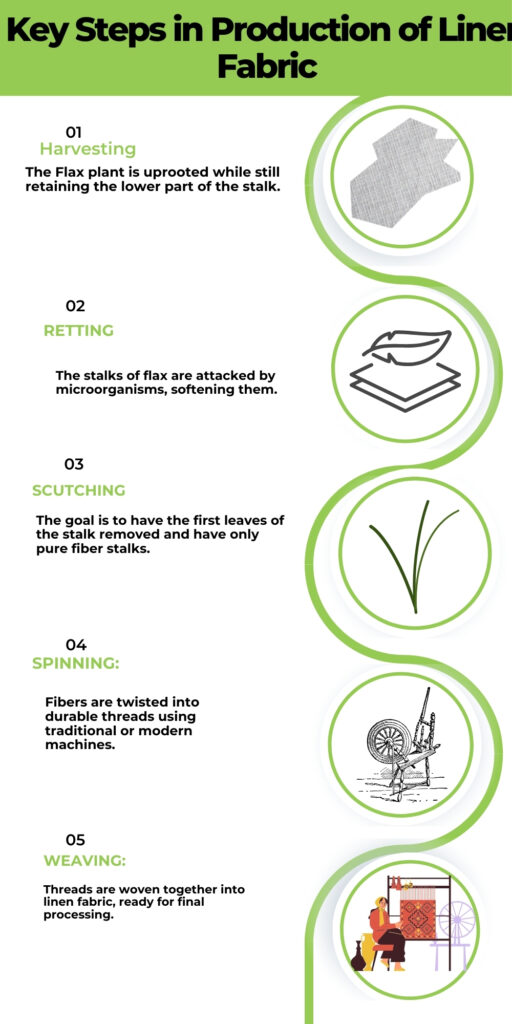
Harvesting: The Flax plant is uprooted while still retaining the lower part of the stalk.
Retting: The stalks of flax are attacked by microorganisms, softening them.
Scutching: The goal is to have the first leaves of the stalk removed and have only pure fiber stalks.
Spinning: Fibers are twisted into durable threads using traditional or modern machines.
Weaving: Threads are woven together into linen fabric, ready for final processing.
Every stage embodies balance in cultivation and sustainable farming, coupled with fine craftsmanship, enabling linen fabric production to stand as one of the most organic textile processes still utilized.
Why the Production of Linen Fabric Is Made to be Truly Sustainable
Another advantage for the method of the production of linen fabric is the lack of resources needed. Linen, from cultivation to the final garment, needs less linen and still outlasts and outperforms cotton, polyester, and viscose. It is less chemically intensive in production, less water is needed, and there are no environmental hazards from the fabric after its usefulness is over. There is also less electronic waste, because of the longer lifespan of the garments, which in turn leads to less waste. All of these factors combined make linen one of the most sustainable and environmentally positive fabrics in 2025.
Low Water Usage and Abridged Chemical Requirements
When it comes to the linen fabric production, it has been praised for the low impact on the environment particularly the water usage. The growing of the flax plant requires only rainfall irrigation as it sustains itself that way in most climates. This is quite the opposite of cotton which is known to drain freshwater in the areas where it is cultivated. Flax is unlike most crops as it requires almost no pesticide or fertilizer application, which leads to reduced chemical pollution of soils and groundwater. This makes linen fabric the most suitable choice for consumers who wish to spend their money on a fabric that is made in a socially and environmentally responsible way.
The Biodegradable Nature of Linen Fabrics
Linen fabric is one of the textiles which has unique and outstanding quality of being biodegradable. Contrary to polyester and nylon which are considered synthetic and take hundreds of years to decompose, linen can under the right conditions, be completely broken down within months. Linen is one of those rare textiles, which after disposal improves the quality of soil instead of polluting it. The closed-loop system of production and the end-of-life usage of the linen fabric underpin the circular fashion principles and help mitigate the industry’s long-lasting waste burden.
Longevity and Maintenance Compared to Other Fabrics
When it comes to linen fabric, linen fbrics has been proven to durable and sustain longer than other types of clothes such as cotton and synthetic clothing. Due to the proper maintenance and care of linen clothing, one can use it for many years, sometimes decades. This aspect makes linen clothing very useful in the slow fashion movement. Shifting the focus for linen fabric as an investment helps cut down on personal spending as well as the fashion we waste. Since every piece of clothing is made of linen, farming and production ensure durability. The post-consumer phase stays in line, making linen purchases less impactful on global pollution compared to plastic fabrics.
The Position of Linen in the Industry for Textiles in 2025
In 2025, line fabric and its production is still assisting in the transition of the global textile industry toward sustainability. In recent years, awareness of climate change has grown quickly. This shift increased demand for fabrics beyond polyester and fast fashion. Shoppers and brands now prefer eco-friendly materials that align with sustainability. With sustainable farming and production, linen has taken the lead in this movement. Linen also carries deep cultural value, which adds to its global appeal. It adapts easily to many uses. Designers use it in luxury fashion, casual clothing, and stylish home textiles. This makes is one of the leading fabric for the sustainable textiles revolution.
Global Demand for Eco-Friendly Fabrics
The worldwide rise in demand for eco-friendly textiles supports the production of linen fabric. Consumers want clothing made from natural and sustainably sourced fibers, and industry leaders are taking action to meet this need. Reports indicate that global demand for linen has risen steadily, and 2025 will mark the height of this trend. Brands are increasingly turning to linen for textile production. It offers a sustainable path for fashion industry growth. With demand rising, linen helps reduce fabric waste and supports eco-friendly approaches. Linen-producing brands must also lower carbon waste. At the same time, they need to address carbon emissions responsibly.
How Production of Linen Fabric Supports Circular Fashion
Circular fashion targets carbon waste reduction by closing the loop throughout the entire fabric life cycle. This approach ensures that textiles are reused, recycled, or naturally returned to the environment. The production of linen fabric fits perfectly into this model of circular use. Manufacturers can transform old clothes into repurposed fabrics, or consumers can dispose of them to biodegrade in landfills. Linen waste from production processes also finds new purpose in paper, insulation, or composite material products. The pliable nature of the fabric used in the construction of garments makes the production of linen fabric pivotal to evolving the linear fashion system into a controlled loop system for a circular economy.—
Designers Choosing Linen for Future Collections
Linen fabric lends fine cuts and natural sheen to luxury houses. It also brings soft ease to streetwear. Over the years, curators have shifted linen into a standard textile in the fashion pipeline. Linen has gained popularity for its ease in dyeing and comfort. It also offers sustainability benefits, inspiring designers. With its versatility, linen motivates creators to design unique and multifunctional pieces.
Challenges in the Production of Linen Fabric
Many may believe that the production of fabric linen has many positive aspects, but, that is in fact false and the fabric has its own downsides. The costs of production and farming remain to impressionable and far lower than that of sleek and polished synthetic alternatives. Locations of flax cultivation scientifically remain to refine to areas of the world which do have geographical advantages, therefore making the cultivation of flax a worldwide disbursed and far-spread activity. In this time of modernity, rising demand sets new industrial standards, which in turn restrain certain forms of environmentalism. These problems need solving to make certain the streamlined production of linen remains in the popular and successful categories of the textile world.
Cost of Flax Cultivation and Processing
One major barrier in the production of linen fabric is the expense involved. Farmers must cultivate flax in the right climate, and turning it into linen requires a labor-intensive process. In contrast, linenette fabric sells at a lower price because of its cotton-like qualities. Polyester fabric costs even less since manufacturers produce it easily from petroleum-based crops. As a result, finished linen remains more expensive than other fabrics. However, linen clothing justifies its premium price because its durability saves people money over time. The customers who understand the value will feel like the linen is more of an investment, rather than an unnecessary expense.
Balancing Mass Production with Sustainability
While the population grows, the consumption and clothing goes hand in hand. For specialists, fabric production is overwhelming when paired with environmental responsibility. A customer’s dissatisfaction, caused by negligence, can harm biodiversity. Flax cultivation also suffers when precision is lacking, stripping vital nutrients from the soil. Success requires balancing supply and demand within the region. This must happen without compromising production quality. Linen fabric production works the same way. It needs careful methods to meet demand and protect the environment. Customers also expect clothing to stay high-quality and eco-friendly.
Future of Linen: Innovations Shaping Sustainable Textiles
The production of linen fabric has not escaped the ever-changing world linen technology which seeks to enhance quality and reduce the environmental impact of the product. New retting methods are now waterless and under controlled digital supervision. New methods of weaving produce lighter and more flexible fabrics which can be used for day-to-day and high-end usages. These changes will help the linen fabric industry stay prominent in the advancing world of textiles to remains competitive in the high environmental consciousness era.
New Technologies in Linen Fabric Production
The addition of new closed loop retting systems, energy saving weaving looms and systems for improved fiber treatment in the production of linen fabric are the highlights of this achievement. With the addition of these technologies, the energy and waste linen fabrics are exposed to are minimized and the fabrics become more soft and versatile to the different styles of fashion. Other researchers aim to blend linen with other biodegradable natural fibers and textiles. With these integrations, the linen fabric industry is beginning to embrace the harmony between efficiency and environmental care.
Forecast of Linen’s Role in Sustainable Fashion by 2030
Forecasts suggest that by 2030 the production of linen fabric will serve as a linchpin for the wider adoption of linen in the fashion industry. It will likely be the first of its kind to be adopted in the linen collection of sustainable fashion due to its signature traits of increased sustainability and versatility. Such positive linen trends will ascend in tandem with the increased demand for ethical and sustainable transparency from the brands. The linen fabric’s cultivation and refinement innovations a of bold designs and a shift in luxury-focused linen markets= will capably expand linen’s dominance within premier fabric within both niche and mass fashion.
The jacket as limb to sustainable hardware positive base linen’s on forecast consumer guide
Keen and socially responsible consumer expect to have linen as it will be the most the most growing fabric smart and chic choice. The positive forecast for the production of linen fabric guarantees that each piece of garment embodies the cultivation of positive durable as discrete, rest, oxygen fabric low resource reverse. Beyond being beauties, it is a functional fabric that possesses warmth and absorbs moisture. Having strongest in all synthetic no have the most linen and optimal care most for the fabric.
Advantages of Buying Linen Instead of Synthetic Fabrics
Linen unsually prevails compared to synthetic fabrics, such as, polyester, and nylon. Linen is suitable for the summer as it is breathable and for the winter as it is insulating. It is comfortable to wear all day because it wicks away moisture without sticking to the body. Supporting the production of linen fabric helps furthers environmentally sustainable farming practices, such as avoiding harmful synthetics and conserving water. Buying linen fabrics instead of synthetic fabrics is more than just a fashion statement; it means a more personal step toward being environmentally conscious.
How to Care for Linen to Further Increase Its Lifespan
Linen fabric is naturally strong and durable, but it needs proper care to maintain its lifespan. To preserve additional durability without weakening the fibers, people must handle linen correctly. The best way to wash linen is with mild detergent and cool water, which protects its natural strength and texture. Preserving the fabrics chemical free helps the fabric greatly. it is better to avoid the heat of the sun, and tumble drying, but it is possible to use them for time’s sake, as long as they are on low heat. it is less striking to a garment if the garment is dry and ironed than if it is moist, though it is more favorable to preserve the crisp form. Simple care of linen helps with personal linen garments, as they are a form of investment for enduring and sustainable fashion.
Conclusion
2025 will find the production of linen fabric pioneering the field of sustainable textiles. From the flax fields to advanced processing technologies, linen leads the way in responsible fashion. Minimal water use, low chemicals, biodegradability, and extreme longevity, all in one fabric, makes it ideal for consumers and designers alike. Linen has challenges in cost and scalability, however, it survives as even timeless and forward thinking textile. The production of linen fabric serves an even better purpose as more people begin to embrace linen as it safe to say that fashion can be sustainable and so can the future as a whole. Read About Article// Linen Fabric: A Complete Guide to History, Uses, and Benefits
FAQs
What is the production of linen fabric?
The production of linen fabric is the process of turning flax plants into strong, breathable, and sustainable textiles. It involves harvesting, retting, scutching, spinning, and weaving. Unlike synthetic fabrics, the production of linen fabric requires fewer resources and produces biodegradable, eco-friendly materials that last for years.
Why is the production of linen fabric considered sustainable?
The production of linen fabric is sustainable because flax grows with minimal water and pesticides. Linen is biodegradable, durable, and long-lasting, which reduces waste. Compared to cotton or polyester, the production of linen fabric leaves a much smaller environmental footprint while supporting eco-friendly farming practices.
What are the main steps in the production of linen fabric?
The production of linen fabric involves five main steps: harvesting flax stalks, retting to release fibers, scutching to remove woody parts, spinning into threads, and weaving into fabric. Each stage of the production of linen fabric blends tradition with modern techniques to ensure strength and sustainability.
How does the production of linen fabric support circular fashion?
The production of linen fabric supports circular fashion because linen is recyclable, reusable, and biodegradable. Old linen garments can be repurposed into new textiles or naturally decompose without polluting the environment. This makes the production of linen fabric a perfect match for sustainable and circular fashion models.
Why is linen more durable than other fabrics?
The production of linen fabric results in long fibers that create strong, durable textiles. Unlike cotton or polyester, linen withstands wear and becomes softer with each wash. This durability means fewer replacements, reducing waste and making the production of linen fabric a leading choice for sustainable fashion.