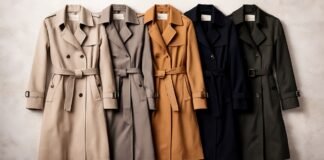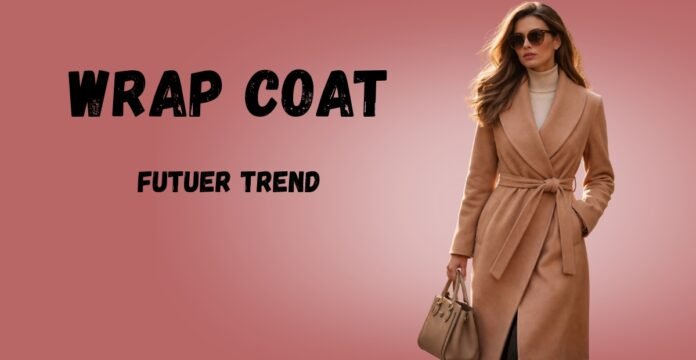
In the ever-evolving world of fashion, certain garments never lose their charm. Among these classics, the wrapcoat stands out as a perfect blend of elegance, versatility, and comfort. While trends come and go, the wrapcoat continues to be embraced by style enthusiasts across generations. Not only does it flatter a wide range of body types, but it also offers a refined silhouette that feels both luxurious and practical.This is the type of overcoat.
Moreover, as fashion increasingly values sustainability and timeless design, the wrapcoat has been rediscovered as a smart and stylish investment. From casual city strolls to polished formal looks, this coat adapts seamlessly. Therefore, understanding its history, styling potential, and fabric choices can help you make the most of this iconic outerwear piece.
What Is a Wrap Coat?
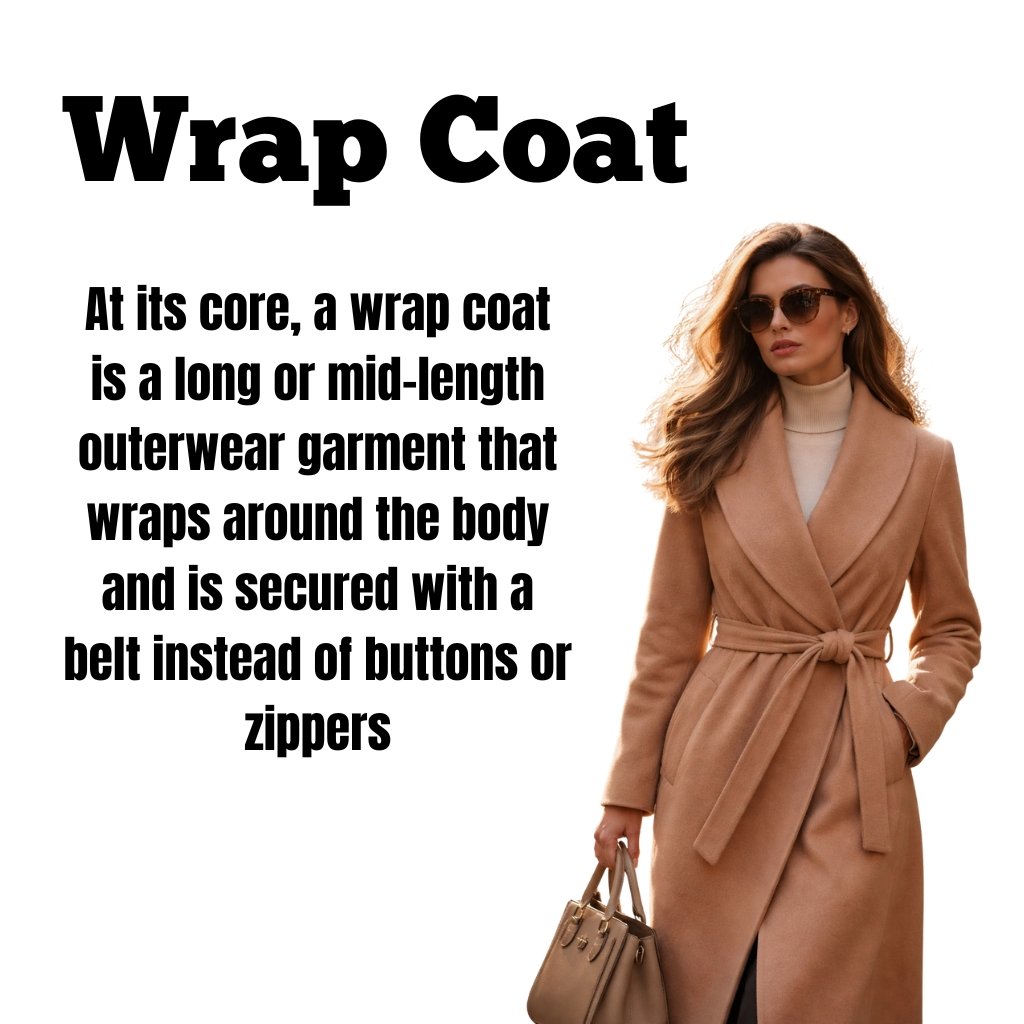
At its core, a wrapcoat is a long or mid-length outerwear garment that wraps around the body and is secured with a belt instead of buttons or zippers. As a result, a clean and fluid silhouette is created. Unlike structured coats, the wrapcoat offers softness and flexibility, which makes it exceptionally comfortable.
Traditionally, wrapcoats have been inspired by robes and kimono-style garments. Over time, however, the design was refined, and modern tailoring techniques were applied. Consequently, today’s wrapcoats balance structure and ease beautifully. Additionally, they are available in various lengths, fabrics, and styles, ensuring there is a perfect option for every wardrobe.
The History and Evolution of the Wrap Coat
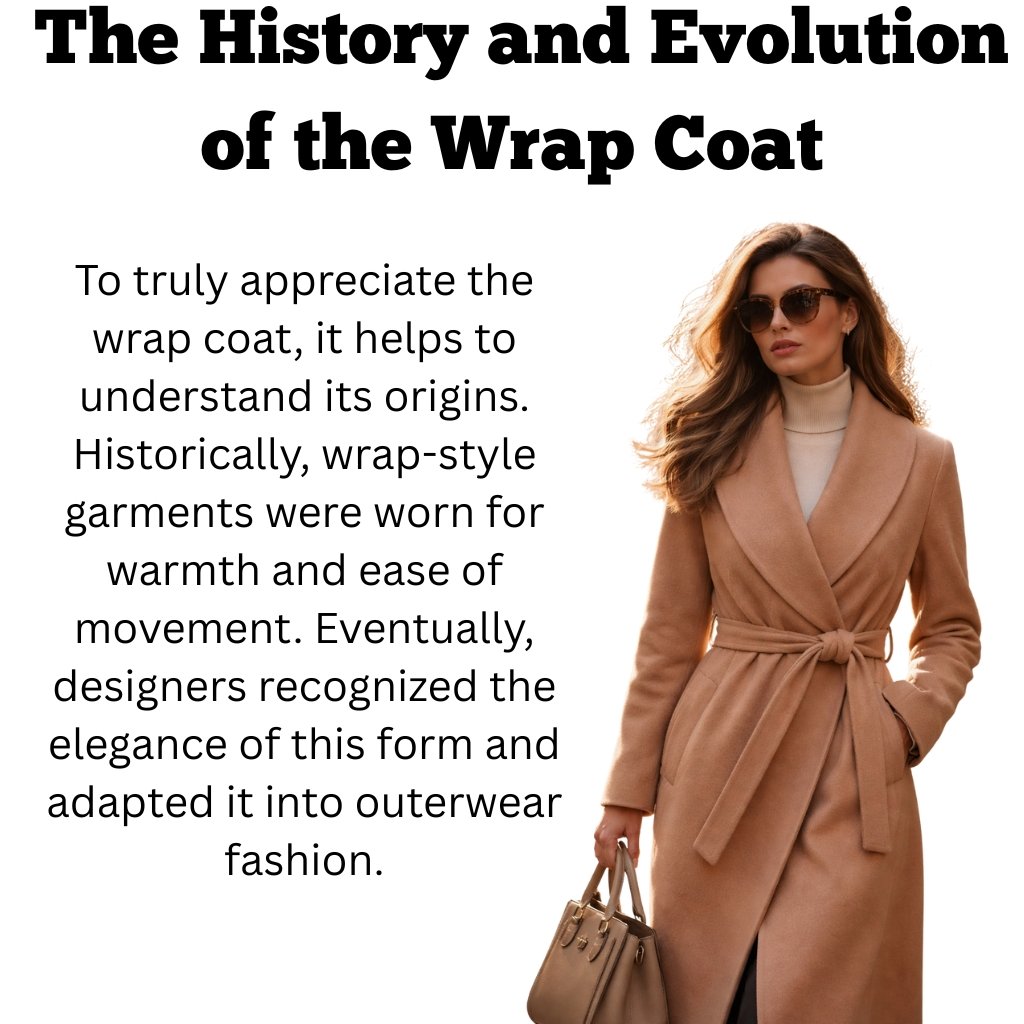
To truly appreciate the wrapcoat, it helps to understand its origins. Historically, wrap-style garments were worn for warmth and ease of movement. Eventually, designers recognized the elegance of this form and adapted it into outerwear fashion.
During the early 20th century, wrapcoats gained popularity among women seeking freedom from restrictive clothing. As fashion evolved, the wrapcoat was refined further and became a symbol of understated sophistication. In many cases, it was favored by designers who valued simplicity and functionality.
Today, the wrapcoat has been reimagined in countless ways. While classic wool versions remain popular, contemporary designs often include modern cuts, bold colors, and innovative fabrics. Thus, the wrapcoat continues to evolve while maintaining its timeless appeal.
Why the Wrap Coat Never Goes Out of Style
One of the main reasons the wrapcoat remains fashionable is its universally flattering design. Since the coat is wrapped and tied at the waist, the body’s natural shape is enhanced. As a result, a balanced and elegant look is achieved effortlessly.
Furthermore, the wrapcoat offers unmatched versatility. It can be dressed up or down with ease. For example, when paired with tailored trousers and boots, it creates a polished outfit. On the other hand, when worn over jeans and knitwear, a relaxed yet stylish appearance is achieved.
In addition, minimalism plays a major role in its lasting popularity. Because excessive details are avoided, the wrapcoat feels timeless rather than trendy. Therefore, it can be worn season after season without feeling outdated.
Popular Types of Wrap Coats
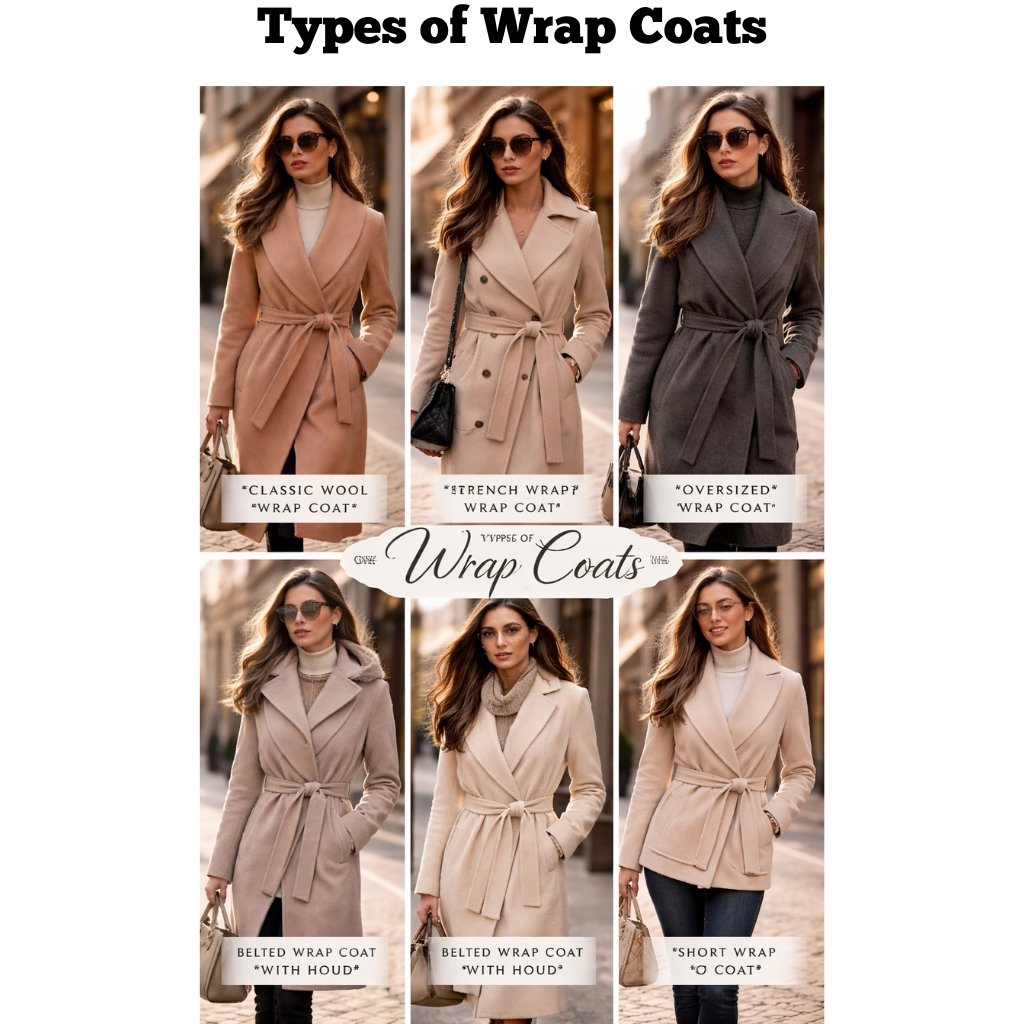
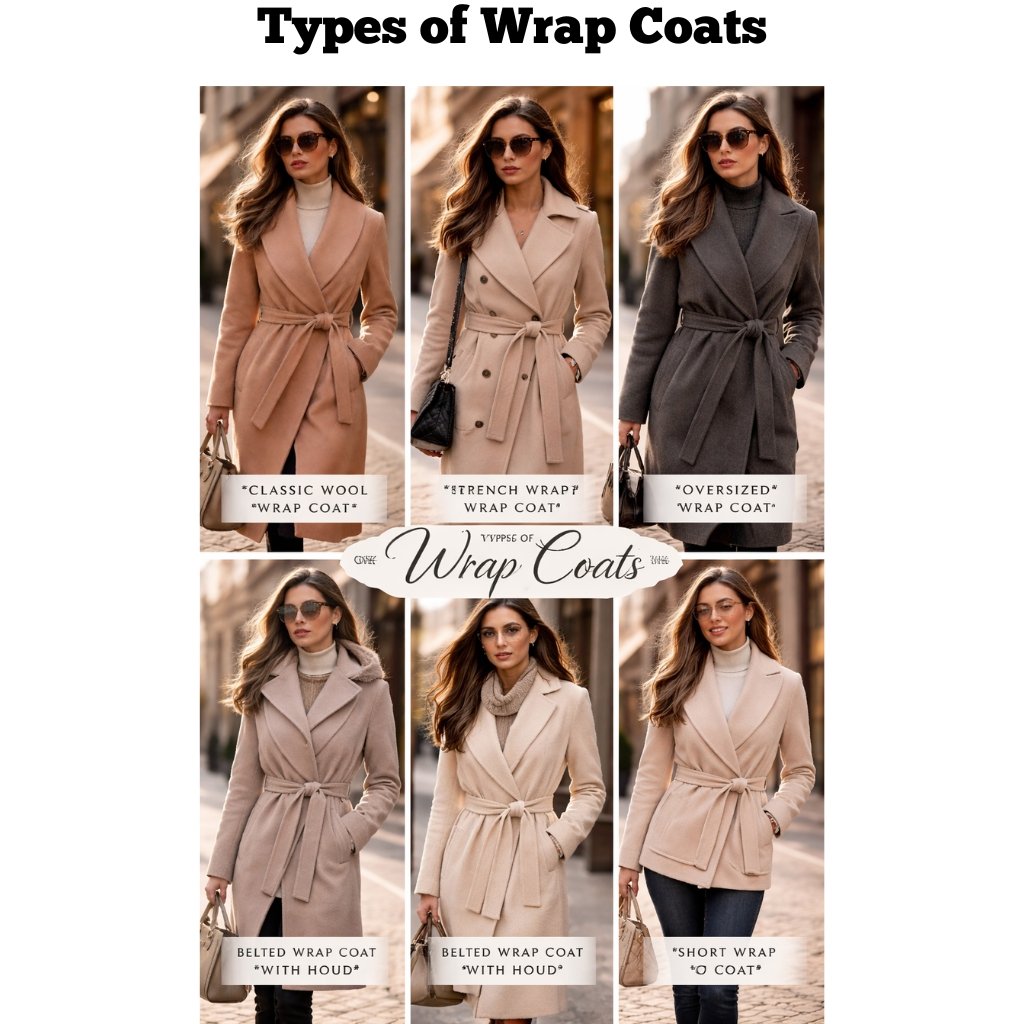
Although the basic design remains consistent, wrapcoats come in several variations. Each type offers its own unique charm and functionality.
Classic Wool Wrap Coat
This is perhaps the most traditional option. Made from wool or wool blends, it provides warmth while maintaining a clean silhouette. As expected, it is ideal for winter wear and formal occasions.
Cashmere Wrap Coat
For those seeking luxury, cashmere wrapcoats are highly desirable. Not only are they incredibly soft, but superior insulation is also provided. Consequently, comfort and elegance are perfectly combined.
Belted Wrap Coat
While all wrapcoats include some form of tie, belted versions emphasize the waist more prominently. As a result, a structured and feminine look is created.
Lightweight Wrap Coat
Designed for transitional seasons, lightweight wrapcoats are made from fabrics such as cotton blends or thin wool. Therefore, they are perfect for spring and autumn layering.
Choosing the Right Fabric for a Wrap Coat
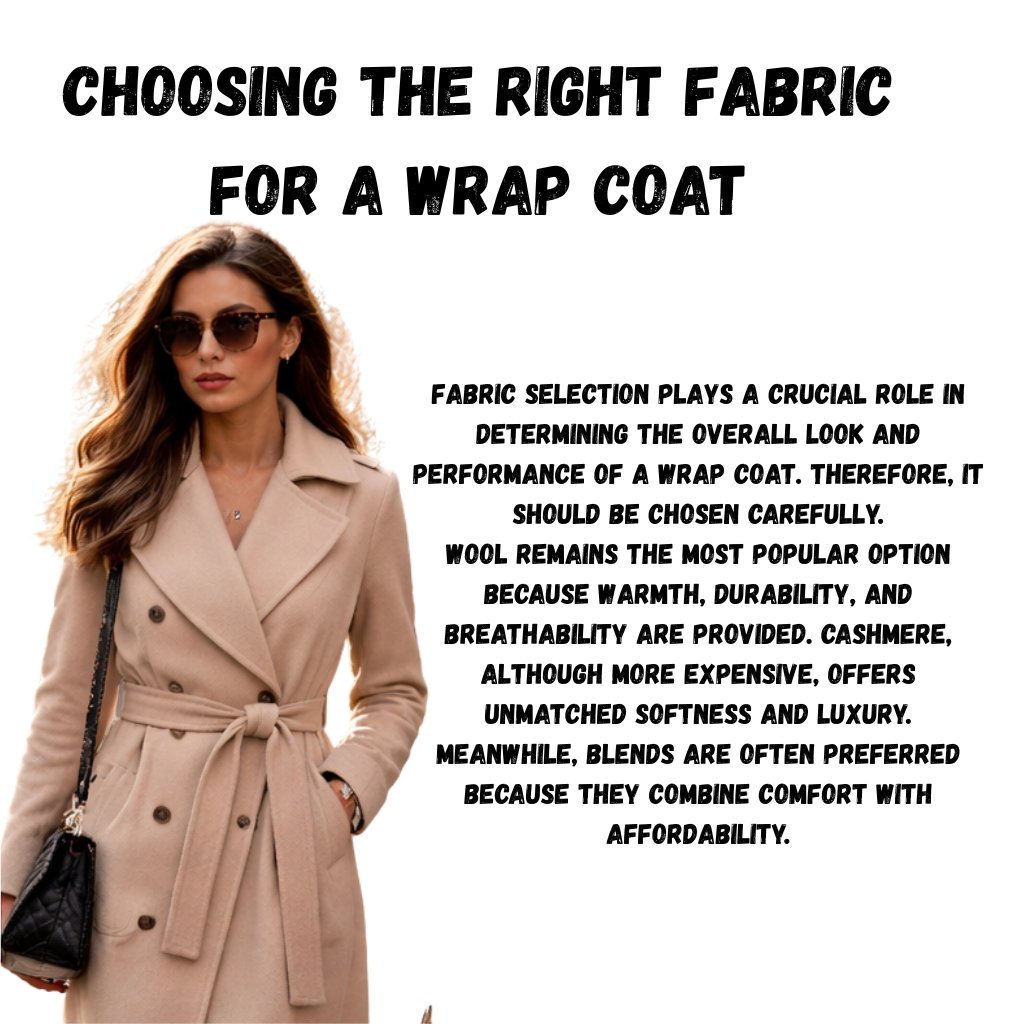
Fabric selection plays a crucial role in determining the overall look and performance of a wrapcoat. Therefore, it should be chosen carefully.
Wool remains the most popular option because warmth, durability, and breathability are provided. Cashmere, although more expensive, offers unmatched softness and luxury. Meanwhile, blends are often preferred because they combine comfort with affordability.
In warmer climates or mild seasons, lighter fabrics such as cotton or viscose blends are commonly used. As a result, the wrapcoat becomes a year-round staple rather than a seasonal piece.
How to Style a Wrap Coat Effortlessly
Styling a wrapcoat is surprisingly simple. Thanks to its versatile design, it works well with both casual and formal outfits.
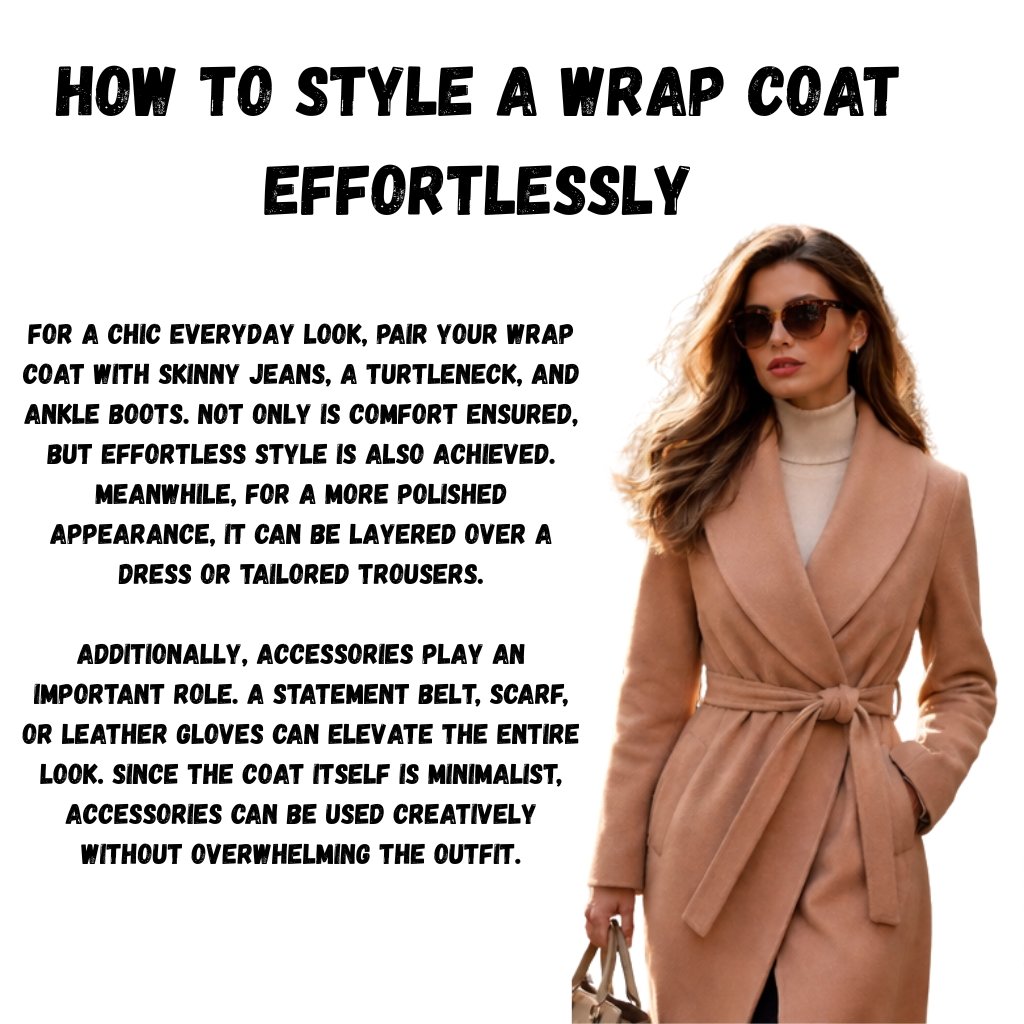
For a chic everyday look, pair your wrapcoat with skinny jeans, a turtleneck, and ankle boots. Not only is comfort ensured, but effortless style is also achieved. Meanwhile, for a more polished appearance, it can be layered over a dress or tailored trousers.
Additionally, accessories play an important role. A statement belt, scarf, or leather gloves can elevate the entire look. Since the coat itself is minimalist, accessories can be used creatively without overwhelming the outfit.
Wrap Coat for Different Body Types
One of the most appealing aspects of the wrapcoat is its adaptability to different body shapes. Because the fit can be adjusted with the belt, it offers flexibility that many coats lack.
For petite individuals, shorter wrapcoats are recommended to avoid overwhelming the frame. In contrast, taller figures can easily carry long wrapcoats that create a dramatic and elegant silhouette. For curvier body types, wrapcoats are especially flattering, as the waist is defined naturally.
As a result, confidence is enhanced, and comfort is never compromised.
Seasonal Versatility of the Wrap Coat
Although wrapcoats are often associated with winter, they are surprisingly versatile across seasons. In colder months, thick wool or cashmere versions provide essential warmth. Layers can be added underneath without compromising style.
During transitional seasons, lightweight wrapcoats become the perfect outer layer. Since heavy insulation is avoided, comfort is maintained. Therefore, the wrapcoat proves to be a reliable choice throughout the year.
Wrap Coat vs. Other Coat Styles
When compared to other outerwear styles, the wrapcoat offers distinct advantages. Unlike buttoned coats, it allows for adjustable fit. Unlike trench coats, it feels softer and more refined. Additionally, compared to structured overcoats, it offers greater comfort and ease of movement.
While each coat style has its place, the wrapcoat stands out for its simplicity and elegance. Consequently, it often becomes a wardrobe favorite.
Caring for Your Wrap Coat

Proper care is essential to maintain the beauty and longevity of a wrap coat. Most wool and cashmere wrap coats should be dry-cleaned to preserve their shape and texture. It is also recommended that the belt be removed before cleaning.
When not in use, the coat should be hung on a sturdy hanger. This ensures that the fabric drapes naturally and creases are avoided. With proper care, a wrap coat can remain in excellent condition for many years.
Why the Wrap Coat Is a Smart Investment
From a fashion perspective, investing in a wrap coat makes sense. Because trends do not heavily influence its design, it remains relevant year after year. Moreover, its versatility allows it to be worn in various settings, from casual outings to formal events.
Additionally, high-quality wrap coats often age beautifully. As time passes, the fabric softens, and character is added. Therefore, the value of the garment increases rather than diminishes.
Sustainability and the Modern Wrap Coat
In recent years, sustainable fashion has gained importance. Fortunately, the wrap coat aligns well with this movement. Since it is designed to last, fast fashion cycles are avoided.
Many brands now offer wrap coats made from responsibly sourced wool or recycled fabrics. As a result, consumers can enjoy style while making environmentally conscious choices.
Final Thoughts
In conclusion, the wrap coat is more than just outerwear—it is a statement of timeless style, comfort, and versatility. Through its flattering design, adaptable fit, and elegant simplicity, it continues to earn its place in modern wardrobes.
Whether you prefer classic wool, luxurious cashmere, or lightweight seasonal options, a wrap coat can effortlessly elevate your look. Ultimately, when a garment offers beauty, practicality, and longevity, it becomes an essential investment—and the wrap coat does exactly that.
FAQs
What is a wrap coat?
A wrap coat is a style of outerwear that wraps around the body and is secured with a belt instead of buttons or zippers. It is designed to offer a flattering fit, comfort, and a clean, elegant silhouette.
Are wrap coats suitable for winter?
Yes, wrap coats are suitable for winter, especially when they are made from warm fabrics such as wool or cashmere. In colder weather, insulation is provided, and additional layers can easily be worn underneath.
Can wrap coats be worn casually?
Absolutely. Wrap coats can be styled casually with jeans, knitwear, and boots. Because of their versatile design, they transition effortlessly from casual to formal looks.