Cold weather makes outdoor workouts difficult, yet many people still train daily. That is why Winter Shield Active Fabric has become an important winter clothing option. It is designed to keep you warm without overheating. At the same time, it helps you stay dry during heavy movement. This combination makes it useful for both sports and daily winter wear.
Winter Shield Active Fabric is a modern thermal shield fabric made for performance. It focuses on insulation, moisture control, and comfort. Because of this, it is becoming common in winter jackets, leggings, base layers, and hoodies. Many brands now promote it because people want lightweight clothing that still feels warm.
This fabric is trending because winter sports have increased worldwide. More people now run, hike, ski, and cycle in winter. Therefore, they need clothing that blocks wind but still breathes. Winter Shield Active Fabric meets these demands. It provides warmth, flexibility, and sweat control in one fabric system.
History of Winter Shield Active Fabric in Cold-Weather Sportswear
Winter sportswear has improved a lot over the past few decades. In earlier times, people mostly depended on wool, thick cotton, and heavy layered clothing. These materials provided warmth, but they also trapped sweat. As a result, athletes often felt uncomfortable after training. When sweat stayed inside the fabric, the body cooled down quickly. That situation caused chills and sometimes even health risks.
Later, synthetic performance fabrics started becoming popular. Brands realized that winter clothing should not only provide heat. It should also allow airflow and remove moisture. Therefore, the sportswear industry began developing modern textiles. These fabrics combined warmth with sweat control and flexibility. Over time, this demand led to the rise of advanced materials like Winter Shield Active Fabric.
Types of Winter Shield Active Fabric
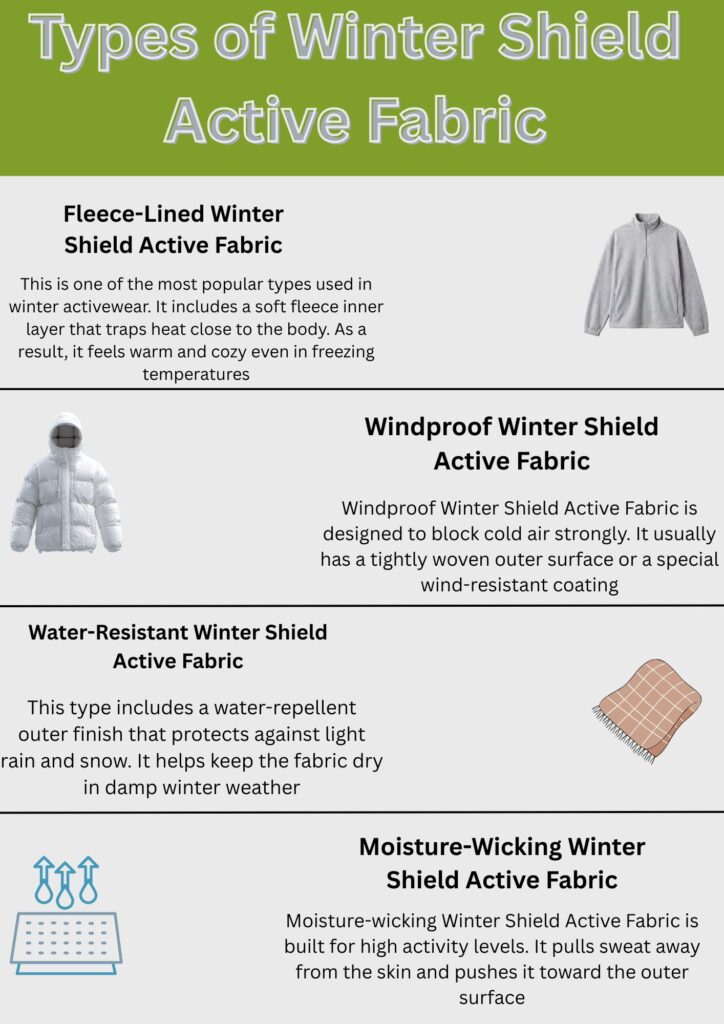
Winter Shield Active Fabric comes in different types because brands design it for different winter needs. Some versions focus on warmth, while others focus on breathability or wind protection. That is why choosing the right type depends on your activity level and climate.
Fleece-Lined Winter Shield Active Fabric
This is one of the most popular types used in winter activewear. It includes a soft fleece inner layer that traps heat close to the body. As a result, it feels warm and cozy even in freezing temperatures. This type is commonly used in hoodies, winter leggings, and training jackets.
Windproof Winter Shield Active Fabric
Windproof Winter Shield Active Fabric is designed to block cold air strongly. It usually has a tightly woven outer surface or a special wind-resistant coating. Because of this, it reduces wind chill and helps the body stay warm. This type is commonly used in cycling jackets, running tops, and outdoor workwear.
Water-Resistant Winter Shield Active Fabric
This type includes a water-repellent outer finish that protects against light rain and snow. It helps keep the fabric dry in damp winter weather. Many outdoor jackets and hiking pants use this thermal shield fabric variation. It works well for snowy walks, winter travel, and outdoor training.
Moisture-Wicking Winter Shield Active Fabric
Moisture-wicking Winter Shield Active Fabric is built for high activity levels. It pulls sweat away from the skin and pushes it toward the outer surface. This helps moisture evaporate faster and keeps the body dry. This type is common in base layers, workout shirts, and thermal sports tops.
What Is Winter Shield Active Fabric?
Winter Shield Active Fabric is a high-performance winter textile designed for active use. It is not the same as ordinary thick winter cloth. Instead, it is built using technical fibers that trap heat and manage moisture. It protects the body from cold air while still allowing ventilation. Because of this, it works well during workouts, hiking, and outdoor training.
Most Winter Shield Active Fabric uses synthetic fiber blends. Polyester is often the main material because it is durable and dries quickly. Elastane or spandex is added for stretch and flexibility. Many versions also include fleece lining for extra warmth. Some designs use brushed inner layers to create a soft thermal feel. Others use tightly woven outer surfaces to block wind effectively.
This winter active performance fabric differs from traditional winter fabrics because it is designed for motion. Wool can provide warmth, but it may feel heavy or itchy. Cotton can feel comfortable, but it absorbs sweat and stays wet. Down is extremely warm, but it struggles when exposed to moisture. Winter Shield Active Fabric avoids these problems by balancing warmth, breathability, and moisture control.
Many people compare this thermal shield fabric with famous outdoor materials. Gore-Tex is known for waterproof membranes and rain protection. Polartec is famous for advanced fleece insulation systems. The North Face uses proprietary materials like DryVent and ThermoBall for outdoor performance. Winter Shield Active Fabric is different because it often combines multiple features in one design. It focuses more on active training comfort than extreme storm protection.
Key Features of Winter Shield Active Fabric
Winter Shield Active Fabric has gained popularity because it offers modern performance features. It is designed for winter conditions, but it still supports movement and comfort. It provides insulation while keeping sweat under control. This makes it useful for training, hiking, cycling, and outdoor work.
One key feature is advanced thermal insulation. The fabric traps body heat without adding too much weight. This makes it ideal for cold mornings and freezing wind. Another major feature is moisture-wicking ability. It moves sweat away from the skin and spreads it across the surface. This allows moisture to evaporate quickly, which prevents sweat chill.
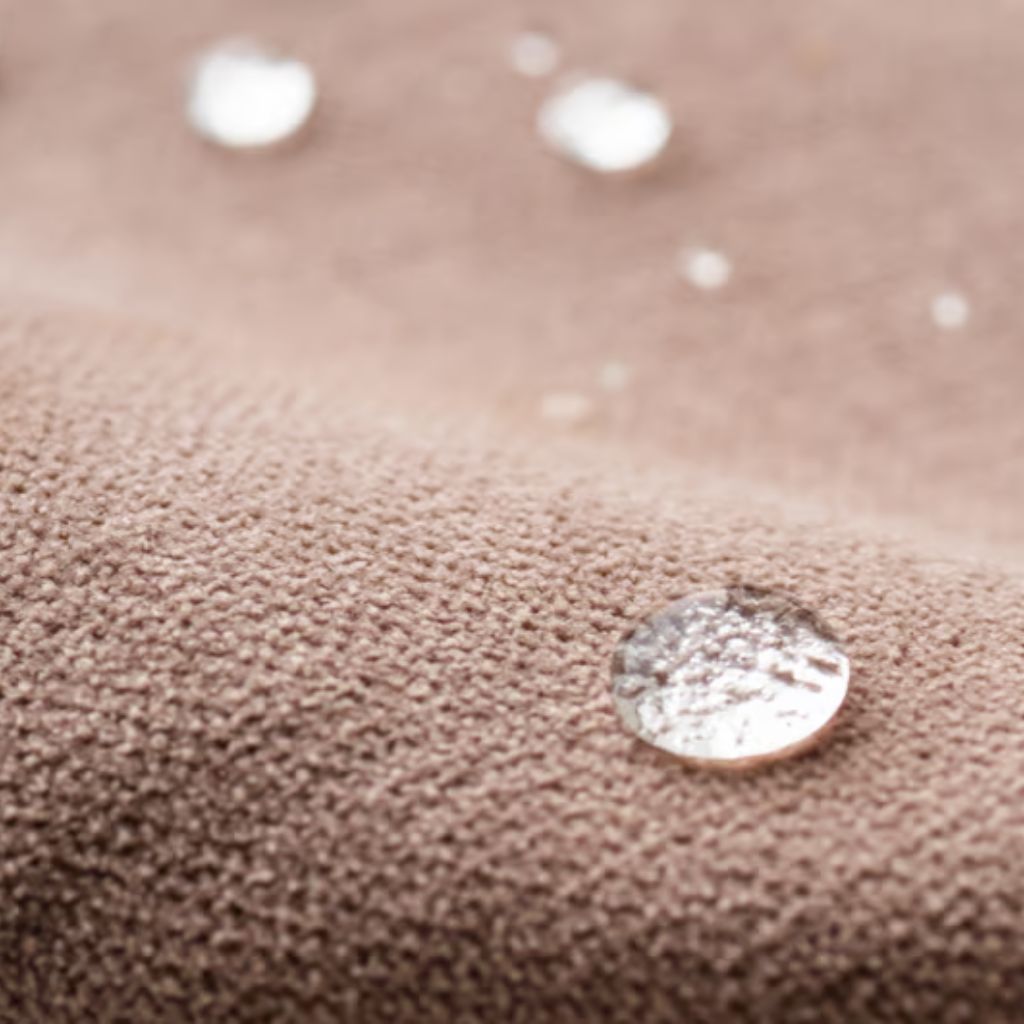
Wind resistance is another important feature of Winter Shield Active Fabric. Many versions block cold wind effectively, which helps maintain warmth. Some designs also provide water resistance, which protects against light snow and drizzle. However, heavy rain still requires a waterproof jacket.
Stretch flexibility is also a major advantage. Many Winter Shield active performance fabrics include elastane blends. This gives the fabric four-way stretch movement. It allows the wearer to bend, squat, climb, and run without discomfort. Breathability also plays a big role. The fabric releases heat during intense movement. Therefore, the wearer stays comfortable instead of overheating.
These features make the fabric practical for real-life winter activity. Running in freezing weather becomes easier because the body stays protected. Hiking in snow becomes more comfortable because wind exposure feels less harsh. Outdoor workouts feel smoother because sweat does not stay trapped inside the clothing.
How Winter Shield Active Fabric Works
Winter Shield Active Fabric works through smart textile engineering. It combines insulation, airflow control, and moisture management. Instead of relying only on thickness, it uses fabric structure to trap warmth. At the same time, it allows sweat to move outward. This creates balanced comfort for active winter use.
The fabric holds heat through air pocket insulation. Many versions have textured inner surfaces. These surfaces create tiny spaces between the skin and fabric. These spaces trap warm air and reduce heat loss. This is similar to how thermal blankets work. Because of this, the body stays warm even when the air temperature drops.
Moisture control works through capillary action. Sweat moves away from the skin into the outer layers of the fabric. Then, airflow helps moisture evaporate quickly. This prevents the fabric from feeling wet and heavy. As a result, the body avoids sudden cold chills after activity.
Winter Shield Active Fabric also works well with layering systems. Many people use it as a base layer under jackets. Others wear it as a mid-layer during hiking and skiing. It fits well under waterproof shells and windproof coats. Therefore, it becomes a flexible option for different winter environments.
Why Winter Shield Active Fabric Is Important for Cold Weather Workouts
Winter training requires clothing that balances warmth and breathability. If clothing traps too much heat, the body overheats. If clothing traps sweat, the body becomes cold later. Therefore, winter clothing must manage heat and moisture at the same time. Winter Shield Active Fabric solves this issue effectively.
This thermal shield fabric keeps the body warm without creating heavy bulk. It also prevents sweat chill by removing moisture quickly. This matters because sweat chill is one of the biggest winter workout problems. When sweat cools down, it reduces body temperature rapidly. Winter Shield Active Fabric reduces this risk by keeping the skin dry.
Another reason it matters is flexibility. Winter workouts require full movement range. Many thick winter fabrics restrict movement. However, Winter Shield activewear material supports stretching and bending. This makes it ideal for running, cycling, hiking, and gym training.
Outdoor workers also benefit from this fabric. Workers often sweat during physical tasks. Then, they face cold wind exposure during rest. This fabric reduces discomfort by maintaining warmth and dryness. That is why it is valuable for both athletes and daily winter workers.
Benefits of Winter Shield Active Fabric
Winter Shield Active Fabric provides many benefits for active users. It offers a combination of warmth, moisture control, and comfort. This makes it a strong choice for winter sportswear. It also supports people who spend long hours outdoors.
One major benefit is stable warmth. The fabric traps heat efficiently and reduces cold wind impact. At the same time, it prevents overheating because it releases excess heat. This balance improves comfort during long training sessions. Another benefit is sweat control. It keeps the skin dry and reduces sweat chill. This helps users stay comfortable even after intense movement.
The fabric is also lightweight. Many winter materials feel heavy and uncomfortable. However, Winter Shield active performance fabric feels lighter while still offering insulation. Durability is another advantage. Polyester blends resist wear and tearing. This makes the fabric suitable for repeated use across many winter seasons.
Winter Shield Active Fabric is also practical for many users. Athletes benefit because they need movement and breathability. Outdoor workers benefit because they need warmth and durability. Travelers benefit because the fabric packs easily and works in many environments. Therefore, it becomes a versatile winter investment.
Winter Shield Active Fabric vs Other Winter Fabrics
Winter Shield Active Fabric is often compared with fleece, wool, and down. Each fabric has its own strengths, but performance needs vary. Winter Shield activewear material focuses on balance. It provides warmth while still supporting sweat control and flexibility.
Fleece is warm and soft, but it does not block wind well. It also holds moisture longer than performance fabrics. Wool provides strong insulation, but it can feel itchy and heavy during workouts. Wool also dries slower compared to polyester blends. Down provides extreme warmth and lightweight comfort, but it performs poorly when wet. Down jackets also require careful maintenance.
Winter Shield Active Fabric stands out because it combines insulation with moisture-wicking. It also provides better stretch compared to wool or down. Many versions also resist wind better than fleece. Some versions even resist water, which improves winter protection. This makes it a better choice for active sports and outdoor movement.
People also compare this fabric with Thinsulate and Patagonia winter materials. Thinsulate focuses mainly on insulation and is common in gloves and boots. Patagonia materials like Capilene focus on layering systems and moisture control. Winter Shield Active Fabric fits between these systems. It offers insulation, flexibility, and sweat control in one package.
Best Uses of Winter Shield Active Fabric
Winter Shield Active Fabric performs best in winter sportswear and outdoor clothing. It is designed for movement, so it fits active lifestyles. Many brands use it in jackets, leggings, hoodies, and base layers. This makes it useful for multiple winter activities.
Winter running jackets made with this fabric offer warmth without overheating. They also reduce wind chill, which improves comfort. Ski base layers also benefit because skiers sweat inside heavy outer shells. Winter Shield Active Fabric helps manage moisture and keeps the body dry. Cycling gear made with this fabric works well because cyclists face strong cold wind exposure. The fabric blocks wind and protects muscles.
Gym hoodies made with Winter Shield activewear material provide warmth in cold gyms. They also work well for outdoor training sessions. Thermal leggings are another common use. They keep legs warm while allowing flexibility. This makes them useful for hiking, running, and winter travel.
Because the fabric supports movement and comfort, it works well for many sports. It is also useful for daily winter clothing. People who commute in cold weather often choose it for warmth and lightweight comfort.
Who Should Use Winter Shield Active Fabric?
Winter Shield Active Fabric is ideal for anyone who stays active in winter. Athletes benefit because they need sweat control and breathability. Hikers benefit because they face changing temperatures during climbs and descents. Cyclists benefit because wind exposure can reduce body warmth quickly. Outdoor workers benefit because they need durable warmth during long shifts.
Travelers also benefit because the fabric is lightweight and easy to pack. It works well for winter trips and cold destination travel. People who want casual winter comfort can also use it. Since it feels soft and warm, it works well for daily wear too.
Many people search for the best fabric for winter running. Others want fabric for cold weather workouts. Some look for windproof activewear material for cycling. Winter Shield Active Fabric matches these long-tail keyword needs strongly. That is why it continues to gain popularity.
Is Winter Shield Active Fabric Worth It?
Winter Shield Active Fabric is worth it for people who stay active outdoors. It provides warmth, flexibility, and moisture control in one fabric system. This makes it more useful than basic winter clothing. It also reduces the need for heavy layering, which improves comfort.
One advantage is durability. Polyester blends resist wear and tearing. With correct care, the fabric can last several winter seasons. Another advantage is performance. It keeps the body warm without trapping sweat. This makes it ideal for sportswear and outdoor work clothing.
However, some disadvantages exist. Certain versions may cost more than basic fleece. Some designs may not handle heavy rain. Water resistance varies depending on coating and fabric type. Still, for winter training and daily outdoor use, it remains a strong value choice.
Care & Maintenance of Winter Shield Active Fabric
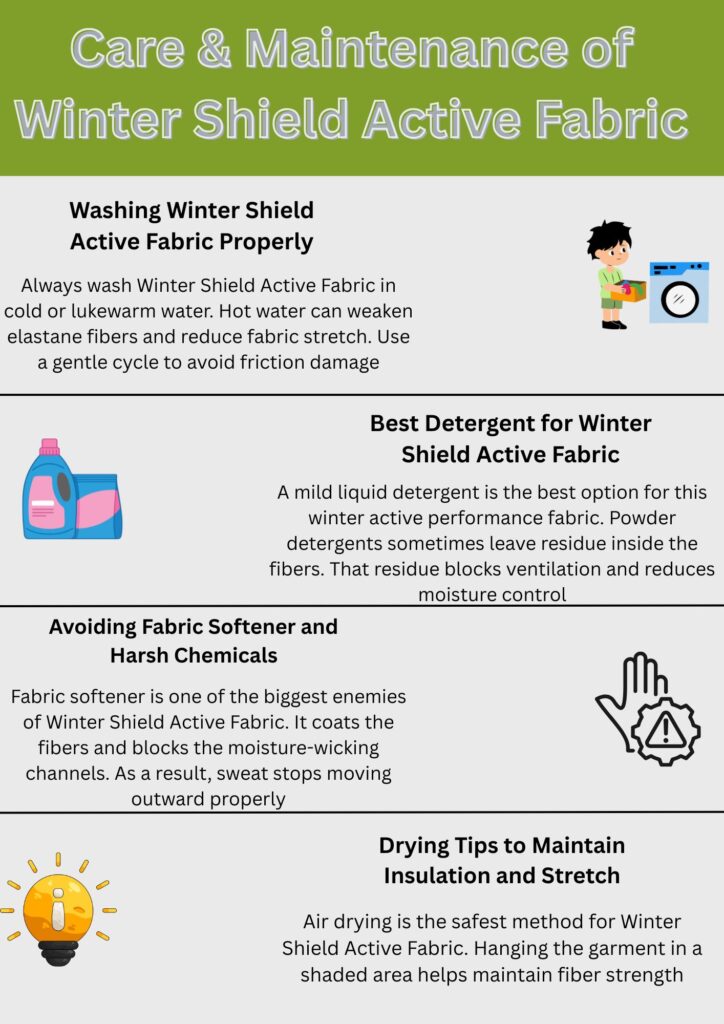
Winter Shield Active Fabric can last for many seasons if you care for it properly. Since it contains technical fibers and coatings, incorrect washing can damage its insulation and stretch. That is why proper cleaning and storage are important. With the right care routine, the fabric stays warm, breathable, and moisture-wicking. It also keeps its soft texture and performance shape. Therefore, always follow safe maintenance steps.
Washing Winter Shield Active Fabric Properly
Always wash Winter Shield Active Fabric in cold or lukewarm water. Hot water can weaken elastane fibers and reduce fabric stretch. Use a gentle cycle to avoid friction damage. Mild detergent works best because harsh chemicals can break fabric coatings. It is also better to wash the garment inside out. This protects the outer surface from fading and rough rubbing.
Best Detergent for Winter Shield Active Fabric
A mild liquid detergent is the best option for this winter active performance fabric. Powder detergents sometimes leave residue inside the fibers. That residue blocks ventilation and reduces moisture control. Sportswear detergents are also a good choice because they protect performance fabric technology. They remove sweat smell without harming insulation.
Avoiding Fabric Softener and Harsh Chemicals
Fabric softener is one of the biggest enemies of Winter Shield Active Fabric. It coats the fibers and blocks the moisture-wicking channels. As a result, sweat stops moving outward properly. This reduces breathability and makes the fabric feel sticky during workouts. Harsh chemicals also damage windproof and water-resistant coatings.
Drying Tips to Maintain Insulation and Stretch
Air drying is the safest method for Winter Shield Active Fabric. Hanging the garment in a shaded area helps maintain fiber strength. If you use a dryer, always select low heat. High heat can shrink the fabric and damage elastic fibers. It can also weaken the insulation lining over time.
Conclusion
Winter Shield Active Fabric has become a top choice for modern winter clothing. It provides warmth, moisture control, and stretch flexibility in one fabric system. That is why it supports athletes, hikers, cyclists, travelers, and outdoor workers. It also reduces sweat chill, which improves comfort after workouts.
This winter active performance fabric is not just a fashion trend. It is a smart textile solution designed for cold-weather activity. It works well as a base layer, mid-layer, or outer sportswear piece. With proper care, it can last many seasons while maintaining performance.
FAQs
Is Winter Shield Active Fabric waterproof?
Winter Shield Active Fabric is often water-resistant rather than fully waterproof. It can handle light snow and small rain drops. However, heavy rain requires a waterproof shell jacket.
Is Winter Shield Active Fabric better than fleece?
It is usually better than fleece for active sportswear use. It provides stronger wind resistance and better moisture-wicking performance. However, fleece may feel softer for casual indoor wear.
Can you wear Winter Shield Active Fabric for snow sports?
Yes, it works very well for skiing and snowboarding. It performs best as a base or mid-layer. For full protection, a waterproof outer jacket is still recommended.