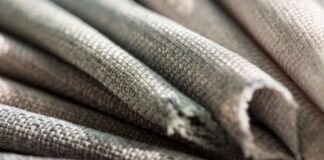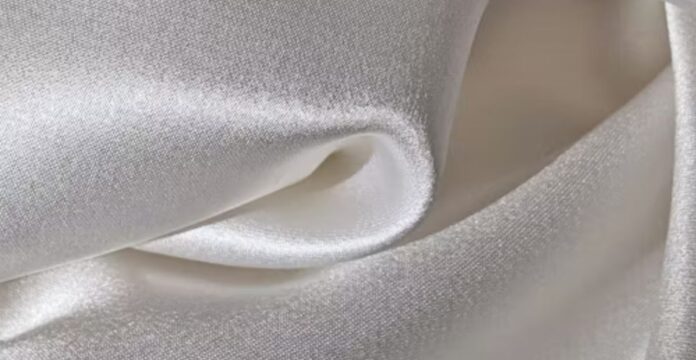
Windproof winter fabric refers to textiles designed specifically to prevent the cold wind from penetrating the material and stripping away body heat. Unlike regular winter fabrics that rely mostly on thickness or insulation to keep the wearer warm, windproof materials block airflow directly, maintaining body warmth without adding unnecessary bulk. By preventing convective heat loss, these fabrics create a thermal barrier that feels comfortable even in freezing conditions.Windproof Winter Fabric Material Guide:
Wind protection is especially critical during winter because cold air moving across the skin can make temperatures feel much lower than they actually are. For example, a 0°C day with strong wind can feel closer to -10°C, creating a chilling effect known as wind chill. Traditional winter fabrics like thick wool or standard polyester may provide warmth initially but cannot prevent rapid heat loss when exposed to wind. This is why windproof materials have become a staple for outdoor winter clothing. The difference lies in design philosophy.
History of Windproof Winter Fabrics
The history of windproof winter fabrics is rooted in humanity’s struggle to survive harsh climates. Early humans relied on animal hides to shield themselves from biting cold winds. These hides provided a natural barrier against air, trapping some body warmth, but they were often heavy, stiff, and uncomfortable. Over time, the development of tightly woven wool and spun cotton introduced more flexible, breathable, and practical options.Windproof Winter Fabric Material Guide: People no longer had to sacrifice comfort for protection, and these early innovations formed the foundation for modern textile technology.
The twentieth century brought a significant shift in fabric science, driven largely by military needs. Soldiers exposed to extreme weather required clothing that was both protective and lightweight. Researchers began to explore fabric construction, wind permeability, and insulation strategies more systematically. This led to tightly woven synthetics, laminated membranes, and innovative coatings designed specifically to block wind. Windproof Winter Fabric Material Guide:During the same period, outdoor enthusiasts began to adopt these materials, transforming how civilians approached winter wear. By the late twentieth century, softshells, hardshells, and membrane-integrated fabrics became standard for winter sports, hiking, and urban clothing.
How Windproof Fabric Works
Wind accelerates heat loss through a process called convection. Moving air strips away the thin layer of warm air trapped close to the skin, forcing the body to expend more energy to maintain warmth. Windproof fabrics counter this by creating a barrier that prevents cold air from penetrating, thereby preserving the natural thermal layer around the body.
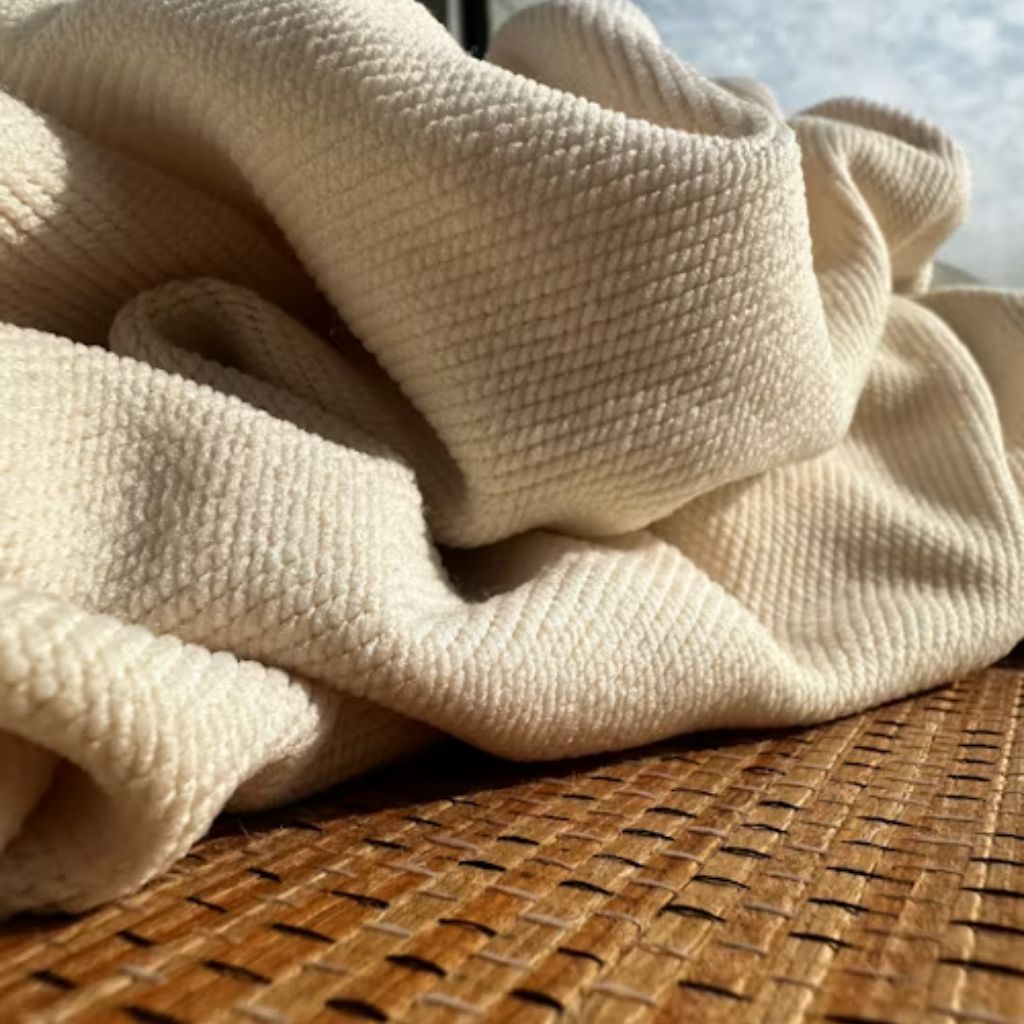
Modern windproof fabrics achieve this through a combination of tight weaves, membranes, and surface coatings. Tightly woven fibers reduce the spaces through which wind can pass, while ultra-thin membranes act as impermeable shields that block airflow completely.Windproof Winter Fabric Material Guide: Coatings applied to the fabric surface can further enhance wind resistance, often creating water-repellent properties as a secondary benefit. Every method has its advantages: tightly woven fabrics offer softness and flexibility, membranes provide near-total protection, and coatings add durability against environmental factors.
Types of Windproof Winter Fabric Materials
Windproof winter fabrics vary significantly depending on the level of protection, comfort, and activity requirements. Understanding the types of fabrics helps in selecting the right material for specific winter conditions. This section of the Windproof Winter Fabric Material Guide explains the main categories of windproof fabrics and how they differ in performance, warmth, and flexibility.
Softshell Fabrics
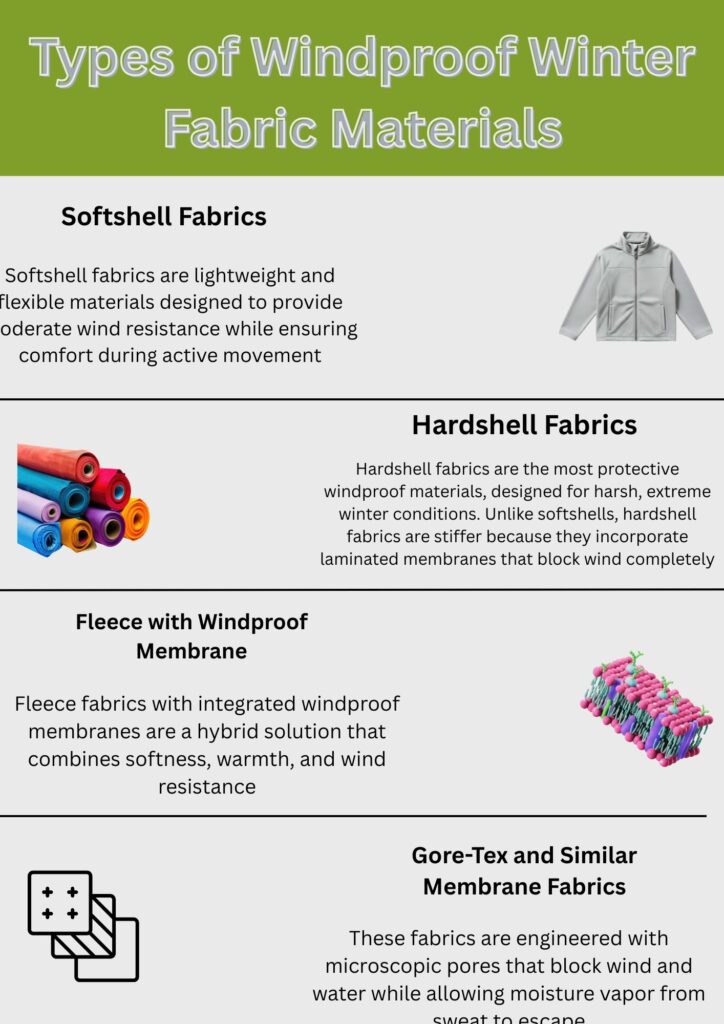
Softshell fabrics are lightweight and flexible materials designed to provide moderate wind resistance while ensuring comfort during active movement. They typically combine tightly woven synthetic fibers with a thin membrane or water-resistant coating. This construction creates a barrier that blocks wind without restricting mobility. Softshell fabrics are quiet, stretchy, and often breathable, making them ideal for outdoor activities such as hiking, cycling, or skiing where freedom of movement is essential.Windproof Winter Fabric Material Guide:
Hardshell Fabrics
Hardshell fabrics are the most protective windproof materials, designed for harsh, extreme winter conditions. Unlike softshells, hardshell fabrics are stiffer because they incorporate laminated membranes that block wind completely. They are often combined with waterproof layers, creating garments that protect against wind, rain, and snow simultaneously.
Fleece with Windproof Membrane
Fleece fabrics with integrated windproof membranes are a hybrid solution that combines softness, warmth, and wind resistance. The fleece component traps body heat, while the membrane prevents cold air from penetrating the material. This combination creates a comfortable and lightweight option for moderately cold and windy conditions.
Gore-Tex and Similar Membrane Fabrics
Gore-Tex and similar advanced membrane fabrics represent the high-performance end of windproof materials. These fabrics are engineered with microscopic pores that block wind and water while allowing moisture vapor from sweat to escape. The result is a highly functional material that remains breathable while offering superior protection against wind chill.
Windproof Fabrics for Different Winter Conditions
Selecting the right windproof fabric requires understanding the environmental and activity context.Windproof Winter Fabric Material Guide: Hardshell fabrics are best for extreme cold with strong winds, offering complete protection and compatibility with layered systems. For everyday winter wear, softshell fabrics provide a comfortable compromise between mobility, warmth, and wind resistance.
Active winter sports, such as skiing, snowboarding, and mountain climbing, demand fabrics that combine wind resistance with breathability. Membrane-integrated fleece or softshell fabrics meet these requirements by allowing moisture escape while maintaining thermal efficiency. Urban winter jackets often rely on synthetic insulated fabrics that deliver warmth without adding unnecessary bulk. These fabrics allow for stylish cuts and ease of movement while protecting against cold, windy conditions. Choosing the right fabric depends on balancing protection, comfort, and functionality for each situation.
Common Uses of Windproof Winter Fabrics
Windproof winter fabrics are highly versatile and are used in a wide range of clothing and gear to protect against cold, windy conditions. Windproof Winter Fabric Material Guide:Their ability to block wind while maintaining warmth without bulk makes them indispensable for outdoor activities, urban wear, and specialized winter gear. This section explores the common applications of these fabrics and how they improve comfort, performance, and safety during winter.
Windproof Winter Jackets and Coats
The most popular use of windproof fabrics is in winter jackets and coats. These garments are designed to block cold air, reduce heat loss, and provide comfort during daily wear or outdoor adventures. Softshell jackets use lightweight, flexible windproof fabrics for active movement, while hardshell coats offer maximum protection in extreme weather. The windproof property ensures that even in strong gusts, the body remains warm, allowing people to stay outdoors longer without discomfort.
Windproof jackets often incorporate additional features such as adjustable hoods, high collars, and storm flaps to further prevent heat loss.Windproof Winter Fabric Material Guide: By using membranes, tight weaves, or coatings, these jackets allow for warmth without excessive bulk, making them practical for both urban and outdoor settings.
Gloves, Hats, and Other Accessories
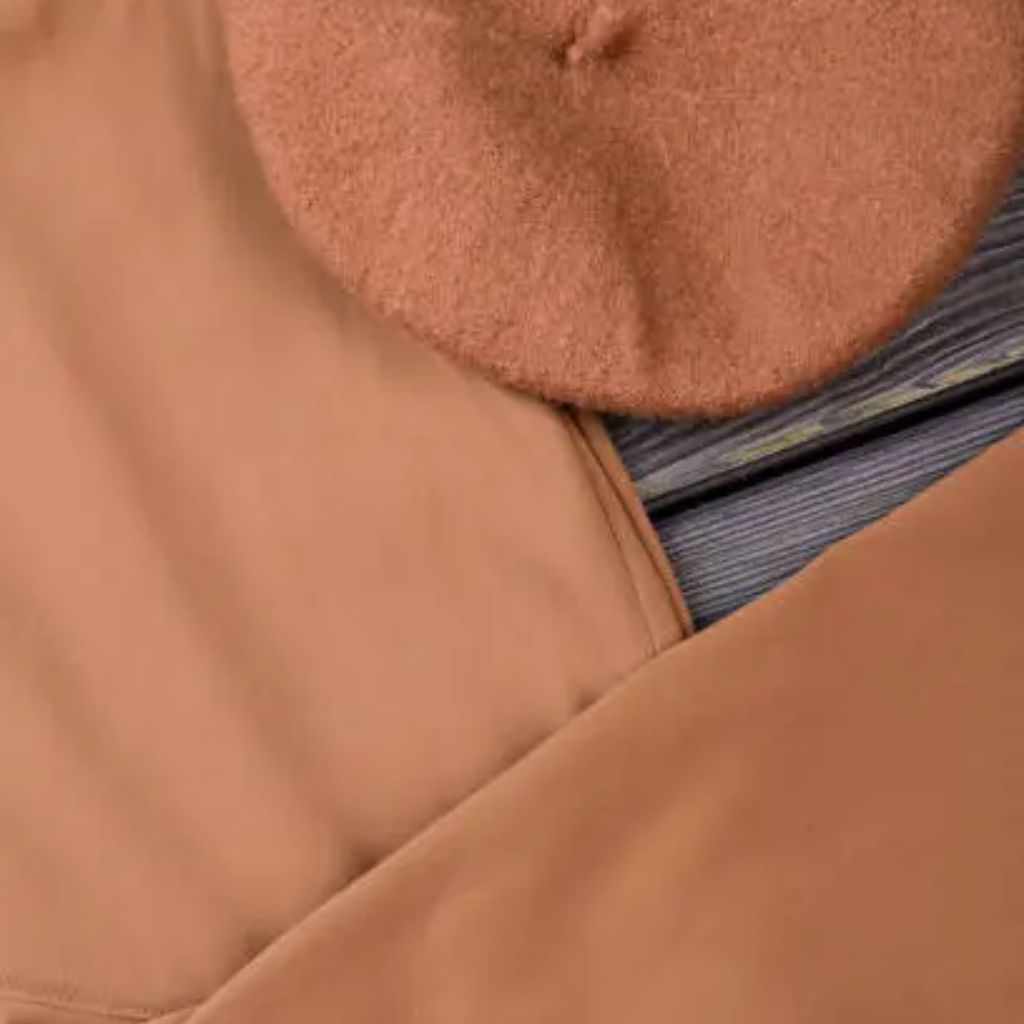
Windproof fabrics are also widely used in winter accessories. Gloves made from windproof materials prevent heat loss from the hands, which are particularly vulnerable to cold winds. Hats and beanies constructed from these fabrics protect the head and ears while remaining lightweight and comfortable.
Scarves, neck gaiters, and other small accessories benefit from windproof construction as well. They help maintain body warmth by creating an additional barrier against wind, especially in exposed areas where heat loss can occur quickly. Windproof Winter Fabric Material Guide:Incorporating windproof fabrics into accessories complements jackets and coats, ensuring full-body protection from cold and wind.
Windproof Versus Waterproof and Breathable Fabrics
Windproof fabrics primarily prevent airflow, whereas waterproof fabrics resist water penetration. Breathable fabrics facilitate moisture transfer from the skin to the atmosphere, preventing overheating and sweat accumulation. Understanding the distinctions between these characteristics is critical for selecting winter clothing that meets your needs.
In dry, cold climates, windproof fabrics alone can provide sufficient warmth. However, wet snow or rain conditions require waterproof layers to prevent moisture penetration. Breathability becomes particularly important during active outdoor activities, as trapped sweat can cool the body and reduce comfort. Windproof Winter Fabric Material Guide:Modern windproof fabrics often incorporate limited breathability to strike a balance, allowing them to function effectively in a variety of winter conditions.
Benefits of Windproof Winter Fabrics
Windproof fabrics provide several key advantages over traditional winter materials. By preventing convective heat loss, these fabrics maintain stable body temperature and reduce the need for heavy insulation.Windproof Winter Fabric Material Guide: As a result, clothing feels lighter and less restrictive, improving mobility and comfort. Windproof materials also enhance performance during outdoor activities, allowing individuals to remain active without feeling chilled. These fabrics ensure that warmth is preserved efficiently, making them indispensable in both extreme and moderate winter environments.
Limitations of Windproof Materials
While windproof winter fabrics provide excellent protection against cold air and help maintain warmth, they are not without limitations. Understanding these drawbacks is essential for making informed clothing choices. Although these fabrics improve comfort and thermal efficiency, certain factors may reduce their overall effectiveness or suitability for specific activities.
Reduced Breathability in Some Fabrics
One of the most significant limitations of windproof materials is reduced breathability. Fabrics designed to block wind often have tightly woven fibers or membranes that prevent airflow. While this is excellent for retaining warmth, it can trap moisture and sweat during high-intensity activities. Windproof Winter Fabric Material Guide:When the body perspires and the fabric cannot release moisture effectively, condensation builds up inside the clothing, leading to dampness and a cooling effect that counteracts the fabric’s warmth.
This issue is particularly noticeable in hardshell materials and membranes that prioritize wind resistance over vapor permeability. While advanced technologies like Gore-Tex or windproof softshell fabrics improve moisture management, complete windproofing may still reduce airflow enough to make prolonged physical activity less comfortable. Users engaging in vigorous outdoor activities may need to layer strategically to avoid overheating or moisture buildup, balancing warmth with breathability.
Higher Cost of Windproof Materials
Another limitation of windproof fabrics is their higher cost compared to standard winter textiles. The specialized construction methods, such as tight weaves, laminated membranes, and protective coatings, require advanced manufacturing techniques and quality materials. Windproof Winter Fabric Material Guide:These factors increase production expenses, which are reflected in the price of garments.
While investing in windproof fabrics is worthwhile for extreme winter conditions or frequent outdoor use, casual wearers may find them more expensive than conventional insulated jackets or fleece. Consumers must weigh the benefits of wind protection against budget constraints. In some cases, lightweight synthetic clothing fabric hybrid options may provide adequate wind resistance at a lower cost, though they may not offer the same durability or performance as high-end membranes.
Not Always Waterproof
Although windproof fabrics excel at preventing airflow, most are not fully waterproof. Cold air penetration and water infiltration are separate challenges. A garment that blocks wind effectively may still allow rain, sleet, or snow to penetrate unless it includes a waterproof coating or membrane.
This limitation is important for outdoor activities in wet climates, where wind and moisture often occur simultaneously. Users may assume that windproof garments alone are sufficient, but without additional waterproofing, clothing may become wet and lose insulation properties. Windproof Winter Fabric Material Guide:Layering waterproof shells over windproof garments or choosing hybrid fabrics that combine wind resistance with water repellency can address this concern, ensuring protection against both elements.
Choosing the Right Windproof Winter Fabric
Selecting the appropriate windproof fabric involves considering climate, activity level, and layering needs. Regions with consistent wind require stronger wind resistance, whereas milder areas may allow softer fabrics. High-intensity activities demand breathable fabrics to prevent moisture buildup, while urban wear emphasizes style, comfort, and lightweight performance. Windproof Winter Fabric Material Guide:Fabric weight and thickness also influence warmth and mobility. Finally, sustainability is increasingly important, with eco-friendly options such as recycled polyester, PFC-free membranes, and responsible outdoor brands becoming more widely available.
Applications in Clothing and Accessories
Windproof fabrics extend beyond jackets and coats. Gloves, hats, pants, and base layers benefit from wind-resistant construction, preventing heat loss in extremities and maintaining thermal comfort. Outdoor gear, such as sleeping bags and shelters, also employs windproof fabrics to protect against chilling drafts. Windproof Winter Fabric Material Guide:The versatility of windproof materials ensures that winter protection can be applied throughout the wardrobe and outdoor equipment, making these fabrics an essential part of winter preparation.

Care and Maintenance of Windproof Fabrics
Proper care and maintenance are essential for ensuring that windproof fabrics retain their protective qualities and longevity. Although these fabrics are designed to withstand harsh winter conditions, neglecting them can reduce wind resistance, compromise breathability, and shorten the garment’s lifespan. This section of the Windproof Winter Fabric Material Guide explains practical tips and best practices to maintain windproof fabrics effectively.
Washing Tips for Windproof Fabrics
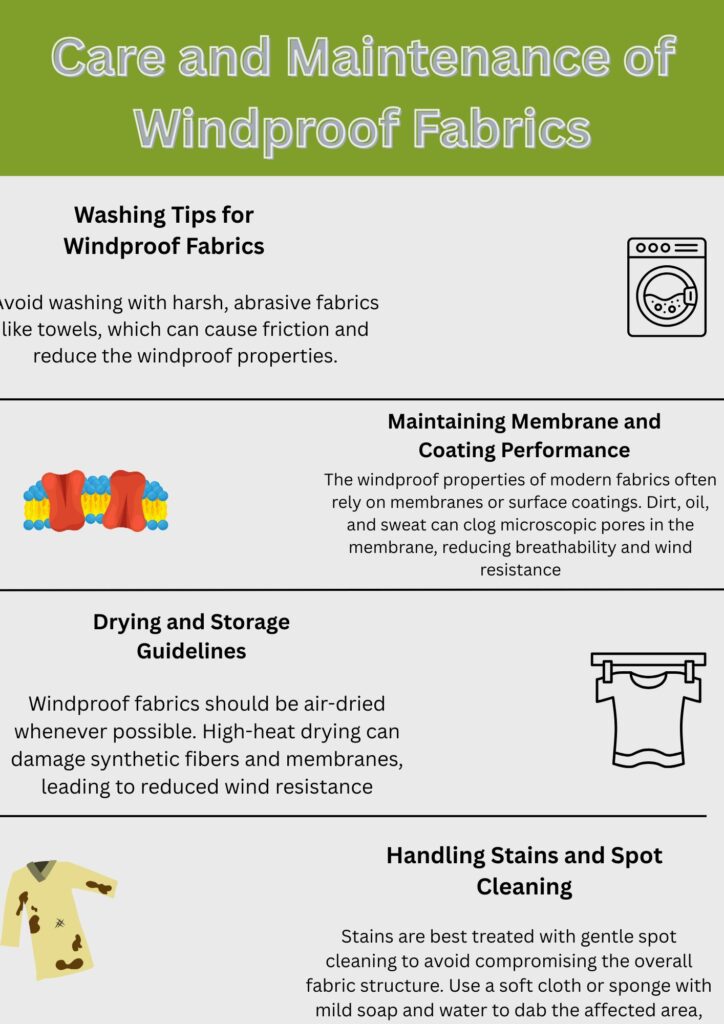
Windproof fabrics require gentle washing to preserve their structure and membrane performance. Always use a mild detergent that does not contain bleach or fabric softeners, as these chemicals can damage the protective coating or membrane. Avoid washing with harsh, abrasive fabrics like towels, which can cause friction and reduce the windproof properties.
Maintaining Membrane and Coating Performance
The windproof properties of modern fabrics often rely on membranes or surface coatings. Dirt, oil, and sweat can clog microscopic pores in the membrane, reducing breathability and wind resistance. Regular cleaning ensures that these pores remain functional.
Drying and Storage Guidelines
Windproof fabrics should be air-dried whenever possible. High-heat drying can damage synthetic fibers and membranes, leading to reduced wind resistance. If machine drying is necessary, use a low-heat setting and remove the garment promptly to avoid overheating.
Handling Stains and Spot Cleaning
Stains are best treated with gentle spot cleaning to avoid compromising the overall fabric structure. Use a soft cloth or sponge with mild soap and water to dab the affected area, avoiding vigorous scrubbing. Immediate attention to stains prevents buildup and reduces the need for full washing, which can stress the fabric over time.
Sustainable and Eco-Friendly Options
Eco-conscious consumers can now choose windproof fabrics that minimize environmental impact. Recycled polyester and nylon offer durability and wind protection while reducing waste. PFC-free membranes eliminate harmful chemicals, making these fabrics safer for both users and ecosystems. Windproof Winter Fabric Material Guide:Brands focusing on sustainable outdoor gear continue to innovate, providing high-performance materials that align with environmental responsibility. The integration of sustainability into windproof fabrics ensures that warmth and protection do not come at the expense of the planet.
Common Myths About Windproof Fabrics
A common misconception is that windproof always equals waterproof, which is not true. While some windproof materials resist water, many require additional layers to prevent moisture penetration. Another myth is that thicker fabrics automatically provide better wind protection. In reality, the construction and permeability of the material determine effectiveness more than thickness alone. Finally, breathability is often overlooked, yet it remains essential for comfort during activity. Understanding these myths ensures informed fabric choices and optimal performance.
Conclusion
Windproof winter fabrics have transformed cold-weather clothing by blocking chilling winds while minimizing bulk. They maintain warmth, enhance mobility, and improve comfort across diverse winter conditions. This Windproof Winter Fabric Material Guide highlights different fabric types, their benefits, limitations, and applications in everyday and extreme environments. By understanding how windproof materials function, readers can make informed choices that maximize warmth, comfort, and performance throughout the winter season.
FAQs
What is the best windproof fabric for winter?
Hardshell fabrics with membranes provide the strongest protection for extreme cold.
Is windproof fabric breathable?
Modern windproof fabrics allow controlled moisture escape to maintain comfort.
Can windproof fabric keep you warm?
Yes, it reduces heat loss effectively and works well with layering.