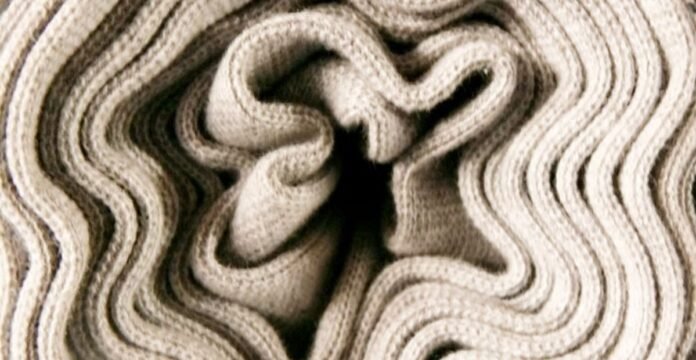
Thermal Core Fabric is a special textile developed to trap heat and keep you warm. It uses modern technology to balance insulation and breathability. For cold winter months, you need something that retains warmth without weight. Thermal core fabric does exactly that with high efficiency and comfort. Moreover, the fabric stays lightweight and feels soft against your skin. It is already used in jackets, innerwear, and outdoor gear. Hence, it’s becoming a top choice for winter clothing around the world.What Is Thermal Core Fabric for Winter Wear?
In winter, cold air steals body heat fast and can make you shiver. Therefore, a fabric must hold heat close to the body. Thermal core fabric absorbs and traps warmth effectively. For this reason, it helps you stay comfortable even in very cold weather. Also, weight and bulk are often problems with winter clothes. Thermal core fabric solves that by offering insulation without heaviness. What Is Thermal Core Fabric for Winter Wear?Thus, it is perfect for both daily wear and outdoor adventures.
History Of Thermal Core Fabric
The concept of thermal core fabric began with the demand for high-performance sportswear.What Is Thermal Core Fabric for Winter Wear? Athletes and outdoor enthusiasts needed clothing that could keep their body warm while remaining lightweight and breathable. Early winter fabrics such as wool and cotton provided basic insulation but often absorbed moisture and restricted movement. In response, textile innovators began experimenting with layered constructions and synthetic fibers that could trap heat more effectively.What Is Thermal Core Fabric for Winter Wear? Over time, this led to the creation of fabrics specifically designed with a “thermal core” to maintain warmth close to the body. Initially, thermal core technology was used in specialized gear for mountaineering, skiing, and cold-weather expeditions.
The combination of heat retention, moisture management, and lightweight design proved successful, leading to wider adoption in everyday winter wear. By integrating advanced fiber blends and breathable structures, manufacturers created thermal core fabrics that offered superior insulation without bulk. Today, thermal core fabric is not only used for extreme outdoor conditions but also for casual and urban winter clothing, reflecting decades of development in material science and textile engineering. This evolution shows how innovation in fibers and construction transformed winter apparel, making it both functional and comfortable for modern lifestyles.
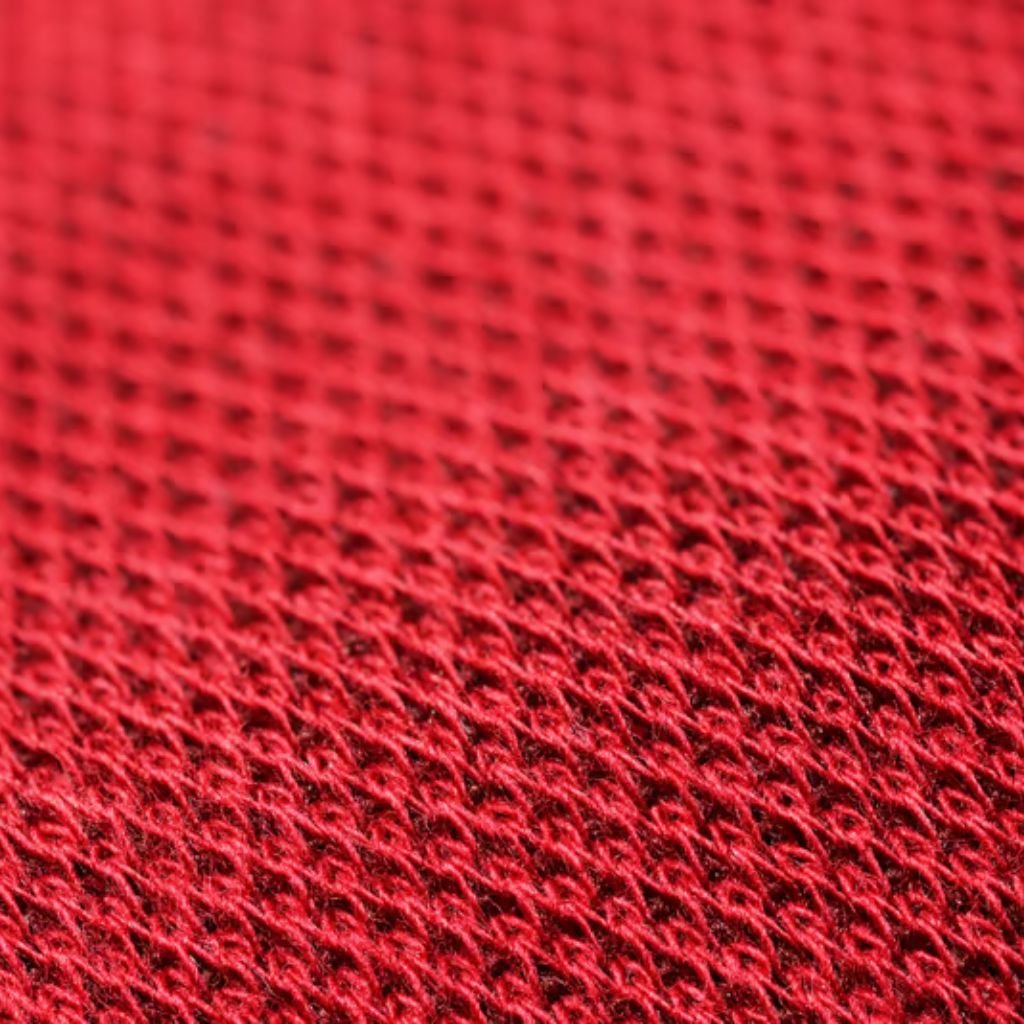
Why Choose Thermal Core Fabric for Winter Wear?
Choosing thermal core fabric for winter clothing is a smart decision for several reasons. First, it provides superior warmth without adding extra bulk. Unlike traditional fabrics, thermal core fabric traps heat close to your body efficiently. What Is Thermal Core Fabric for Winter Wear?This allows you to stay comfortable even in freezing temperatures.
Second, it balances breathability and moisture management. Your skin stays dry because sweat is wicked away from the body, preventing chills. This makes thermal core clothing ideal for both everyday wear and outdoor activities. Third, the fabric is lightweight and flexible, allowing freedom of movement. You can layer it with other garments without feeling restricted.What Is Thermal Core Fabric for Winter Wear?
Another reason to choose thermal core fabric is its durability. High-quality fibers maintain insulation performance even after repeated use and washing. Additionally, it is versatile.What Is Thermal Core Fabric for Winter Wear? Thermal core fabric works in jackets, inner layers, hoodies, gloves, and even socks. Finally, some types are water-resistant or windproof, making them suitable for extreme weather conditions.What Is Thermal Core Fabric for Winter Wear?
Types of Thermal Core Fabric for Winter Wear
Thermal Core Fabric comes in different types depending on fiber composition, insulation level, and intended use. Each type offers unique warmth, weight, and comfort. Knowing these types helps you choose the best option for your climate and activity.
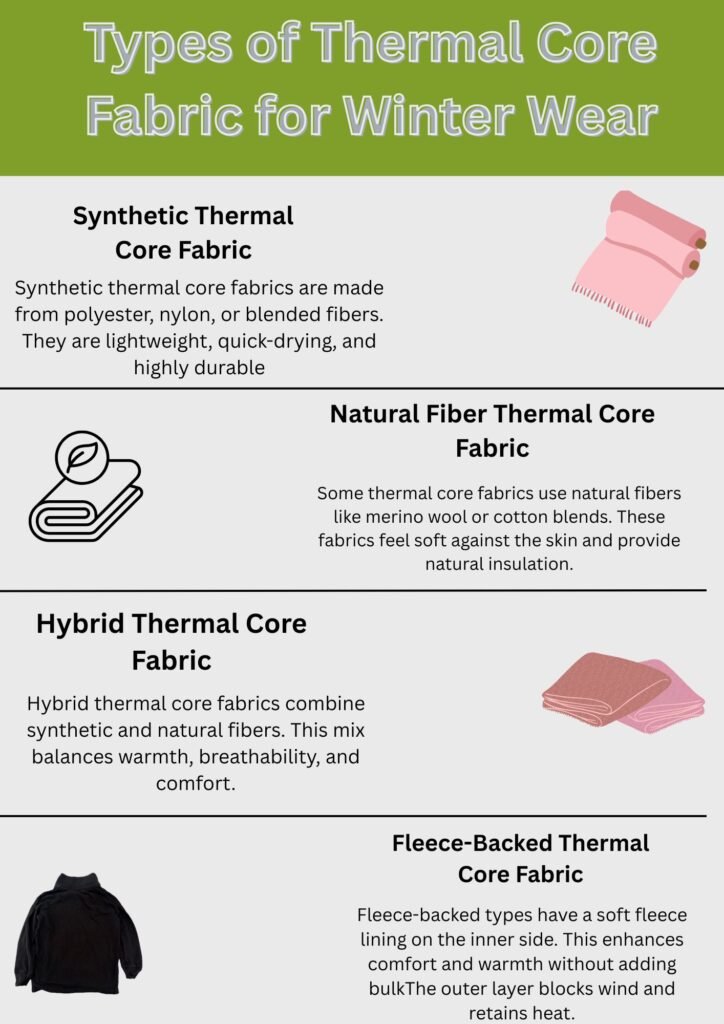
Synthetic Thermal Core Fabric
Synthetic thermal core fabrics are made from polyester, nylon, or blended fibers. They are lightweight, quick-drying, and highly durable.What Is Thermal Core Fabric for Winter Wear?
These fabrics trap warmth efficiently while allowing moisture to escape. They are ideal for winter jackets, sportswear, and active outdoor gear. Synthetic thermal core fabric often resists water and wind, making it perfect for rainy or snowy climates.What Is Thermal Core Fabric for Winter Wear?
Natural Fiber Thermal Core Fabric
Some thermal core fabrics use natural fibers like merino wool or cotton blends. These fabrics feel soft against the skin and provide natural insulation.
Natural fiber types are breathable and eco-friendly.What Is Thermal Core Fabric for Winter Wear? They work well for base layers, thermal innerwear, and casual winter clothing. While slightly heavier than synthetic types, they maintain warmth for longer periods.
Hybrid Thermal Core Fabric
Hybrid thermal core fabrics combine synthetic and natural fibers. This mix balances warmth, breathability, and comfort.
The synthetic part provides moisture-wicking and durability. The natural fibers offer softness and long-lasting insulation. Hybrid fabrics are excellent for versatile winter wear. They perform well for everyday use and outdoor activities alike.What Is Thermal Core Fabric for Winter Wear?
Fleece-Backed Thermal Core Fabric
Fleece-backed types have a soft fleece lining on the inner side. This enhances comfort and warmth without adding bulk.
The outer layer blocks wind and retains heat. The fleece interior feels cozy and protects the skin from cold drafts. This type is popular in jackets, hoodies, and sweatshirts.What Is Thermal Core Fabric for Winter Wear?
What Is Thermal Core Fabric?
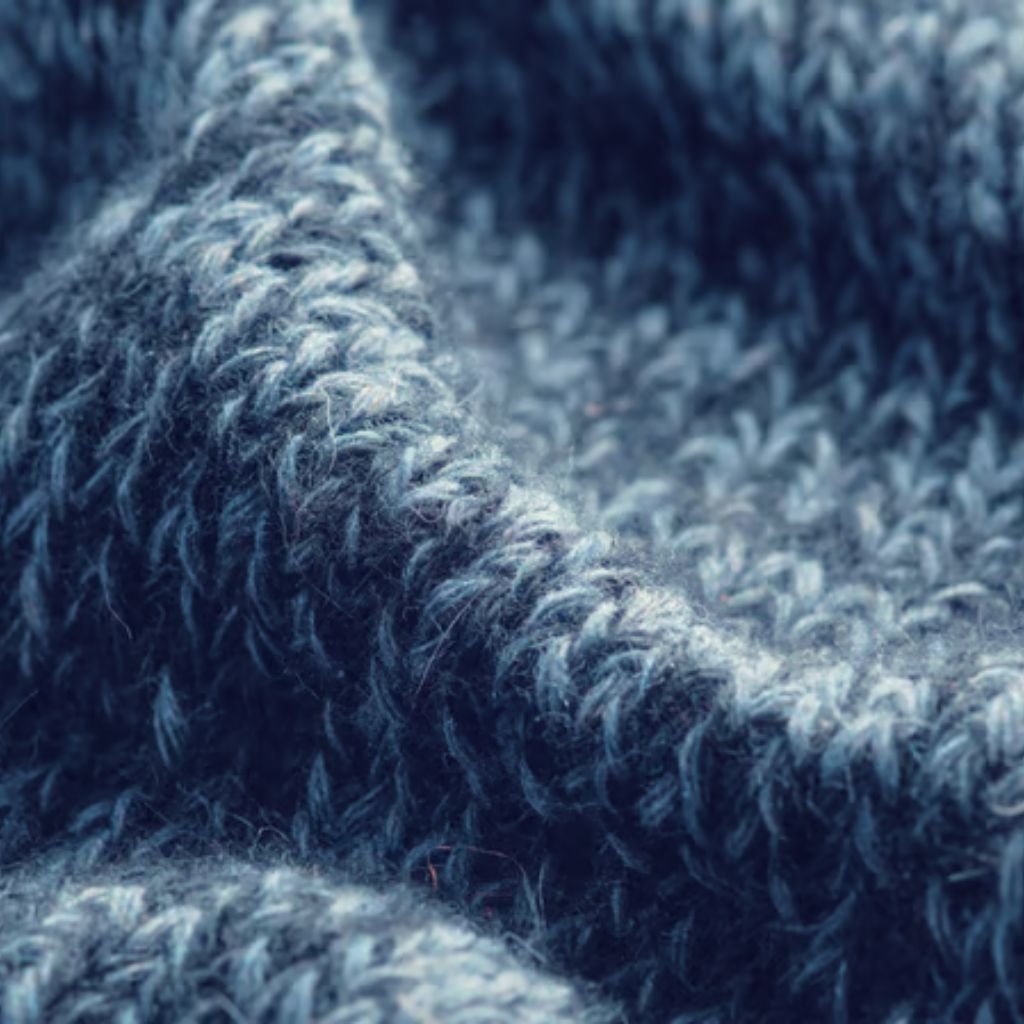
Clear Definition in Simple Terms
Thermal core fabric is a high‑performance material made to keep body heat close. It combines multiple fiber layers that trap warmth and block cold air. The design also allows moisture to escape easily. Because of this, the fabric feels warm yet breathable. What Is Thermal Core Fabric for Winter Wear?Essentially, thermal core fabric is engineered for cold conditions.
This fabric offers better warmth than basic cotton or polyester blends. Also, it reduces bulk, so garments feel light on your body. Today, thermal core fabric is used in many winter wear products including jackets, inner layers, and gloves.
How It Differs from Regular Winter Fabrics
Standard winter fabrics like cotton or wool can trap some heat. However, they often absorb moisture and feel heavy. In contrast, thermal core fabric has layered construction that moves moisture away. As a result, it dries faster and stays warm.What Is Thermal Core Fabric for Winter Wear? Also, normal fabrics do not manage airflow well.
Thermal core fabric uses airflow channels that help balance warmth and breathability. This makes it different from heavier or standard materials. In simple words, thermal core fabric feels warmer without being bulky.What Is Thermal Core Fabric for Winter Wear?
Origin or Concept Behind “Thermal Core” Technology
The idea of thermal core technology started with performance sportswear. Athletes needed fabrics that trapped heat while allowing movement and breathability. Over time, this concept moved into winter fashion. Manufacturers began blending advanced fibers to increase insulation performance.
The name “thermal core” means that heat stays near the core of the body. Also, the design lets moisture escape outward. What Is Thermal Core Fabric for Winter Wear?Therefore, early adopters were hikers, skiers, and outdoor workers. Now, thermal core fabric is widely used in everyday winter wear too.
How Thermal Core Fabric Works
Heat Retention Mechanism
Thermal core fabric traps air between fiber layers to hold warmth close to your body. What Is Thermal Core Fabric for Winter Wear?This air pocket acts as insulation. Heat cannot escape easily through these pockets. So, your body stays warm for longer.
Additionally, the fibers used have low thermal conductivity. This means heat passes through them slowly. Hence, warmth stays better inside the fabric.
Insulation Layers Explained
Most thermal core fabrics use multi‑layered construction. The inner layer pulls moisture from your skin. The middle layer traps warm air. The outer layer protects from cold winds and wet weather.
Together, these layers create a strong barrier against cold temperatures. Thus, you stay warm and dry even when the weather is harsh.
Moisture‑Wicking and Airflow Balance
One key strength of thermal core fabric is its ability to wick moisture. It pulls sweat away from your skin quickly. This stops you from feeling cold due to dampness.What Is Thermal Core Fabric for Winter Wear?
Moreover, the fabric allows fresh air to flow through. As a result, heat does not build up too much. You stay warm yet comfortable while active.
Body Heat Trapping Technology
Thermal core fabric uses tiny fibers that catch and hold warm air. These fibers also reflect some heat back to your body. The result is more effective warmth compared to flat fabrics.
Thanks to this smart construction, thermal core fabric adapts to changing body temperatures. This makes it ideal for winter activities.
Key Features of Thermal Core Fabric
Here are the top features that make thermal core fabric a winter favorite:
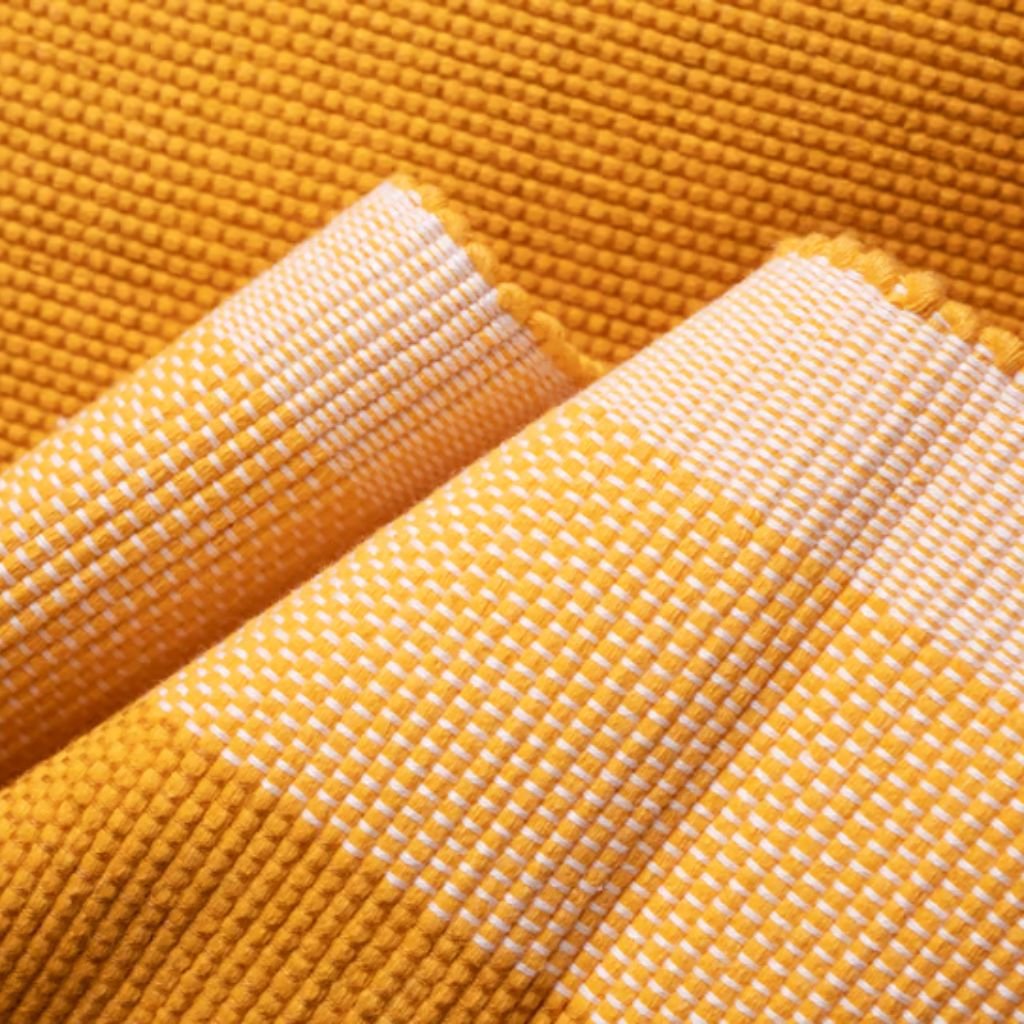
- High thermal insulation :Traps heat close to your body for maximum warmth.What Is Thermal Core Fabric for Winter Wear?
- Lightweight yet warm :Feels light and not bulky on your body.
- Breathable structure :Allows air movement to prevent overheat and sweat build‑up.
- Soft inner lining :Gentle on skin and feels comfortable all day.
- Moisture‑resistant or quick‑dry properties :Wicks moisture and dries fast.
Each feature adds value to winter wear. Thus, choosing thermal core fabric means comfort and performance together.
Benefits of Thermal Core Fabric for Winter Wear
Keeps the Body Warm in Extreme Cold
Thermal core fabric keeps warmth close to your body in freezing weather. Unlike regular fabrics, it traps fine layers of warm air.What Is Thermal Core Fabric for Winter Wear? This creates a heat barrier that blocks cold winds.
Also, you stay protected even when outdoors for long periods. This makes thermal core fabric perfect for harsh winter conditions.
Enhances Comfort During Outdoor Activities
Because the fabric breathes well, you stay dry and comfortable. Moisture does not stick to your body and cause chills. Also, the fabric stretches a little and moves with you.
Therefore, it fits perfectly whether you walk, hike, or work outside.
Reduces Bulk Compared to Heavy Fabrics
Most winter clothes feel heavy and restrict movement. Thermal core fabric solves that problem. It offers high warmth without thick layers.
Hence, you can wear less clothing and still stay warm. This is ideal for travelers and active lifestyle users.
Ideal for Layering
Thermal core fabric works great with layering. You can pair it with jackets, fleeces, or down coats. Since it is thin, base layers do not add bulk.
This lets you adjust layers based on climate and activity.
Energy‑Efficient Warmth
Because thermal core fabric holds heat well, your body stays warm using less energy. This reduces cold stress on your body.What Is Thermal Core Fabric for Winter Wear?
In simple terms, you feel warmer without wasting body heat fast.
Common Uses of Thermal Core Fabric
Thermal core fabric is versatile and used in many winter items:
Winter Jackets & Coats
Jackets made with thermal core fabric are warm without bulk. They protect you from cold and wind.
Thermal Innerwear
Thermal core inner layers wick moisture and hold body heat as a base layer. These are ideal under sweaters.
Hoodies & Sweatshirts
Warm hoodies with thermal core fabric feel soft and cozy. You can wear them in mild to cold climates.
Gloves, Socks, and Winter Accessories
Accessories made with thermal core fabric help keep fingers, toes, and ears warm. They trap heat and resist cold air.
Sports & Outdoor Winter Clothing
Thermal core fabric is perfect for skiing, snowboarding, hiking, and camping. It keeps athletes warm without limiting movement.
Is Thermal Core Fabric Good for Extreme Cold?
Performance in Freezing Temperatures
Thermal core fabric works well even in freezing weather.What Is Thermal Core Fabric for Winter Wear? Its multi‑layer insulation traps heat effectively. This makes it suitable for cold climates.
Also, the breathable design helps reduce sweat buildup. Moisture can cause chills if trapped inside. Thermal core fabric stops that problem.What Is Thermal Core Fabric for Winter Wear?
Wind Resistance and Heat Retention
The outer layer of thermal core fabric blocks cold winds while the inner layer traps warmth. This dual action keeps your core temperature stable.
Plus, the fabric does not lose warmth even with strong winds.
Suitable Climates and Conditions
Thermal core fabric performs well in dry cold and moist winter climates. It maintains warmth even when the air feels damp.
Because of this, it works well from mild cold to sub‑zero weather.
Ideal Users (Travelers, Hikers, Daily Wear)
If you travel often to cold places, thermal core fabric is a smart choice. Hikers can stay warm without heavy bulk. Even daily commuters can stay cozy during winter walks.
How to Choose the Best Thermal Core Fabric for Winter Wear
Thickness and GSM Guide
GSM means grams per square meter and indicates thickness. Higher GSM means warmer and heavier fabric.
For very cold climates, choose 250‑300 GSM. For moderate winter, 180‑220 GSM is good.
Fabric Blend Considerations
Thermal core fabric may blend synthetic and natural fibers. Synthetic blends dry faster and wick better. Natural blends feel softer on skin.What Is Thermal Core Fabric for Winter Wear?
Choose based on climate and comfort needs.
Fit and Layering Compatibility
Ensure the fabric fits well as base or outerwear. Slim fits allow better layering. Loose fits trap more warm air but may bulk up.
Pick styles based on your activity and layering plan.
Climate‑Based Selection Tips
For dry cold, light thermal core layers work well. In wet cold climates, pick water‑resistant options.
Also, look for fabrics with reinforced insulation if you travel to sub‑zero areas.
Care & Maintenance of Thermal Core Fabric
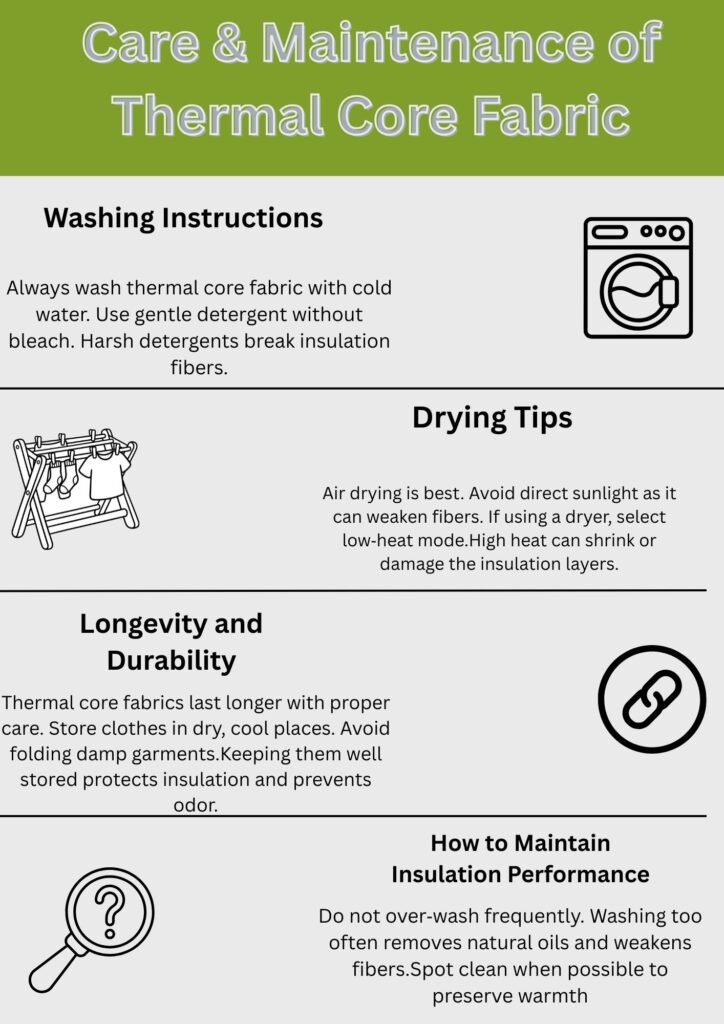
Washing Instructions
Always wash thermal core fabric with cold water. Use gentle detergent without bleach. Harsh detergents break insulation fibers.
Turn garments inside out before washing for best results.
Drying Tips
Air drying is best. Avoid direct sunlight as it can weaken fibers. If using a dryer, select low‑heat mode.
High heat can shrink or damage the insulation layers.
Longevity and Durability
Thermal core fabrics last longer with proper care. Store clothes in dry, cool places. Avoid folding damp garments.
Keeping them well stored protects insulation and prevents odor.
How to Maintain Insulation Performance
Do not over‑wash frequently. Washing too often removes natural oils and weakens fibers.
Spot clean when possible to preserve warmth.
Is Thermal Core Fabric Sustainable or Eco‑Friendly?
Recycled Materials (If Applicable)
Some thermal core fabrics use recycled polyester or nylon. This reduces waste and lessens environmental impact.
Many brands now focus on sustainability while keeping performance high.
Energy Efficiency
Thermal core fabric keeps warmth with less bulk. Therefore, you use less energy to stay warm.
This means less pressure on your body and less waste in production.
Longevity Reduces Fast Fashion Impact
Since thermal core clothing lasts longer, you buy less often. This slows fast fashion waste.
Long‑lasting garments help reduce landfill waste.
Common Mistakes to Avoid with Thermal Core Fabric
Many people make mistakes when using or caring for thermal core fabric, which can reduce its performance. One common error is washing it with hot water or harsh detergents.What Is Thermal Core Fabric for Winter Wear? High heat and strong chemicals can break down the fibers, reducing insulation and softness. Another mistake is drying the fabric in direct sunlight or high-heat dryers. This can shrink the material and weaken its thermal properties.
Some users also assume that thicker layers always mean warmer clothing. With thermal core fabric, bulk is not required because its advanced fiber structure traps heat efficiently. Over-layering can actually reduce comfort and restrict movement. Another mistake is ignoring moisture management. Wearing damp thermal core fabric can make you feel cold, even though the fabric is designed to wick moisture.What Is Thermal Core Fabric for Winter Wear?
Pros and Cons of Thermal Core Fabric
Pros
- Excellent warmth without bulk
- Lightweight and comfortable
- Breathable and moisture‑wicking
- Works well in many cold climates
Cons
- May cost more than simple winter wear
- Not ideal for hot or mild climates
- Some advanced fabrics need special washing
Conclusion
Thermal core fabric stands out for warmth, comfort, and performance.What Is Thermal Core Fabric for Winter Wear? It works well in cold, windy conditions. Moreover, it keeps moisture away while staying breathable.
If you want winter clothing that is light yet warm, thermal core fabric is worth buying. It fits seasonal travelers, daily commuters, and outdoor lovers. With proper care, it lasts many winters.
Overall, understanding What Is Thermal Core Fabric for Winter Wear? helps you choose smarter clothes. You stay warm, comfortable, and ready for cold weather.
FAQs
What is Thermal Core Fabric made of?
Thermal core fabric is usually a mix of synthetic fibers and insulation. It traps heat and wicks moisture.
Is Thermal Core Fabric better than fleece?
Yes, thermal core fabric breathes better and dries faster than fleece.
Can Thermal Core Fabric be worn daily?
Absolutely. It is lightweight and comfortable for everyday winter use.
Is Thermal Core Fabric breathable?
Yes, it allows airflow so you stay warm without overheating.
Does Thermal Core Fabric shrink after washing?
If washed incorrectly, it might slightly shrink. Use cold water and low‑heat drying.