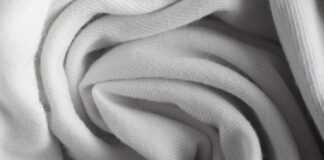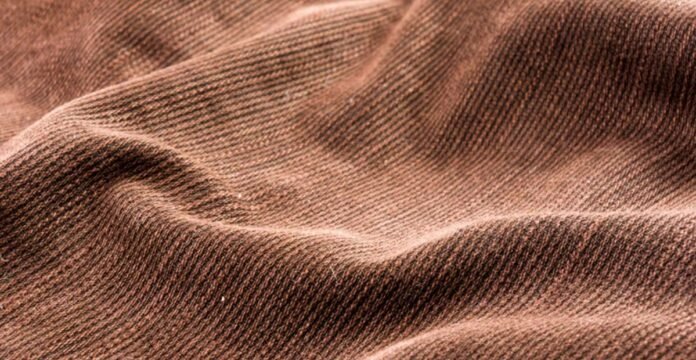
Velvet is a soft and luxurious fabric that is famous for its smooth feel and rich appearance. People often describe velvet as a premium textile because it looks elegant and feels comfortable. In winter seasons, velvet becomes even more popular because it helps keep the body warm. This happens because velvet has a special surface texture called a pile, which holds warmth better than flat fabrics. In this Velvet Warm Fabric Explained guide, you will understand why velvet works so well in cold weather. You will also learn how velvet is used in winter clothing and home interiors.
Velvet is commonly used in jackets, blazers, and winter dresses because it gives warmth without making clothing look bulky. At the same time, velvet is also used in furniture coverings, curtains, and blankets. This is because velvet not only adds insulation but also makes a room feel cozy. Since velvet looks stylish, it becomes a top choice for festive winter outfits. Overall, velvet is considered a warm fabric because it combines softness, thickness, and heat retention in a unique way.
History of Velvet Warm Fabric (Velvet Warm Fabric Explained in Detail)
Velvet has a long and fascinating history that connects it with luxury and royalty. Many historians believe velvet was first developed in Asia and later became popular in the Middle East. Over time, velvet reached Europe through trade routes and quickly became a symbol of wealth. Rich families and royal leaders loved velvet because it looked expensive and felt warm during cold seasons. For this reason, velvet was often used in winter robes, cloaks, and ceremonial clothing.
During the Renaissance era, velvet became even more valuable and was seen as a fabric of high social class. At that time, velvet was mainly made from silk, which made it costly and rare.Velvet Warm Fabric Explained: Only wealthy people could afford it, so velvet became linked with nobility and prestige. Later, cotton velvet became more common and slightly more affordable. In modern times, synthetic velvet became widely available, which made velvet accessible for everyone. Still, velvet remains connected to winter fashion and luxury interiors because of its warmth and beauty.
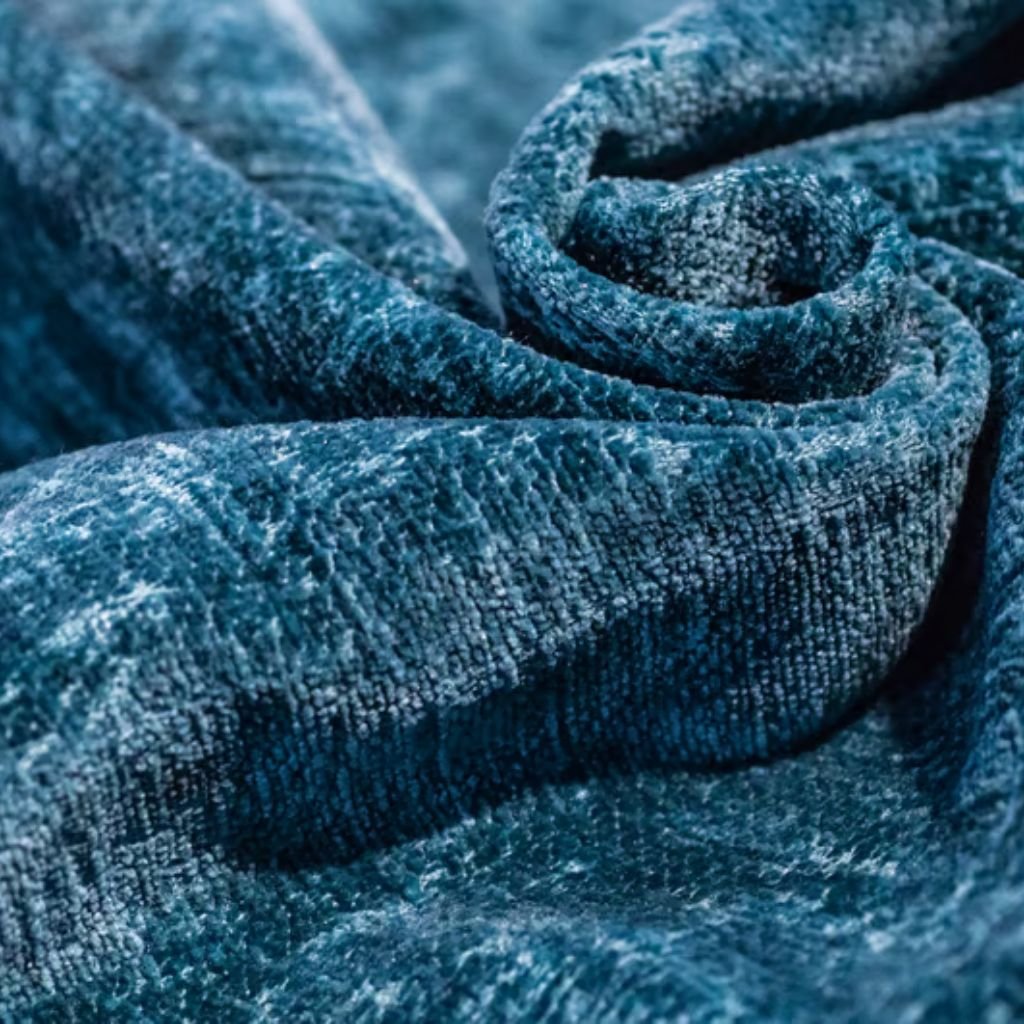
What Is Velvet Fabric Made Of? (Velvet Warm Fabric Explained by Composition)
Velvet is not limited to one material because manufacturers can create velvet using different fibers. The surface pile of velvet may be made from natural fibers, synthetic fibers, or a blend of both. This is important because velvet fabric composition affects how warm, soft, and breathable it feels. When people search for velvet material types, they usually want to know which velvet is best for winter wear. The truth is that the material choice plays a big role in warmth level.Velvet Warm Fabric Explained:
Natural velvet is often made from silk or cotton. Silk velvet feels extremely soft and luxurious, and it also provides good warmth because the fabric is dense. However, silk velvet is expensive and requires careful maintenance. Cotton velvet, on the other hand, feels warmer and more breathable at the same time.Velvet Warm Fabric Explained: It absorbs moisture better than synthetic velvet, so it feels comfortable for long winter use. Because of this, cotton velvet is often preferred for everyday winter clothing.
Why Is Velvet Considered a Warm Fabric? (Velvet Warm Fabric Explained Clearly)
Velvet is considered warm because of its dense pile structure. Unlike flat fabrics, velvet has thousands of tiny upright fibers that create a thick and soft surface. These fibers trap air between them, and trapped air works as insulation. This means velvet slows down heat loss from the body, which helps maintain warmth. That is why velvet is often described as a heat-retaining velvet fabric and a reliable winter textile.
Another reason velvet feels warm is that it blocks airflow better than many lightweight fabrics. Flat fabrics allow cold air to pass through easily, but velvet’s thickness reduces wind penetration. As a result, velvet protects the body from cold air, especially in dry winter climates. Velvet also creates a cozy feel because its surface is smooth and soft. This comfort makes velvet an ideal fabric for cold-weather clothing and indoor winter décor.
Compared to summer fabrics like linen or thin cotton, velvet performs much better in winter. Linen feels cool because it allows air movement, but velvet prevents that cooling effect.Velvet Warm Fabric Explained: That is why velvet works as an insulating fabric for cold seasons. In simple words, velvet keeps you warm because its pile traps heat and reduces cold airflow. This makes velvet one of the best winter fabrics for style and comfort.
Types of Velvet Warm Fabrics (Velvet Warm Fabric Explained for Buyers)
Velvet is not just one fabric type. Instead, it comes in several variations that differ in texture, stretch, shine, and warmth. Each velvet type is designed for a specific purpose, which is why some velvet fabrics work better for winter clothing while others are ideal for home décor. When you understand the types of velvet warm fabrics, you can easily choose the right one for your needs. This section of Velvet Warm Fabric Explained will help buyers identify the best velvet fabric for winter use.
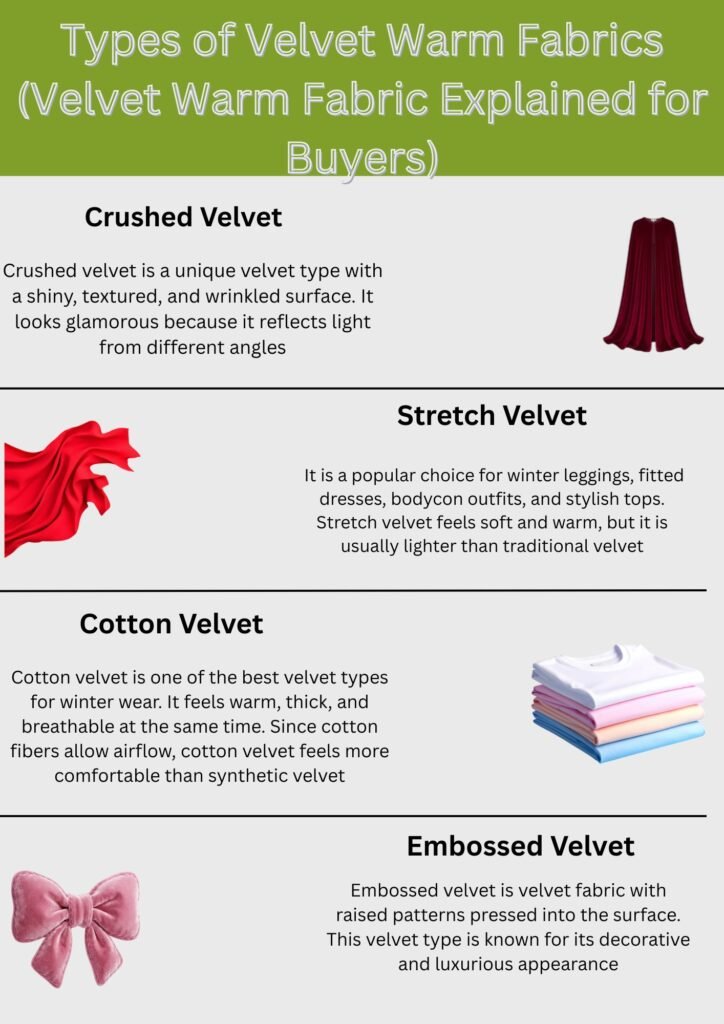
Crushed Velvet
Crushed velvet is a unique velvet type with a shiny, textured, and wrinkled surface. It looks glamorous because it reflects light from different angles. This velvet type is often chosen for winter party dresses, festive outfits, and stylish evening wear. Since crushed velvet still has a dense pile structure, it provides good warmth in cold weather.
Stretch Velvet
Stretch velvet is velvet fabric mixed with elastane or spandex. Because of this, it stretches easily and fits the body comfortably. It is a popular choice for winter leggings, fitted dresses, bodycon outfits, and stylish tops. Stretch velvet feels soft and warm, but it is usually lighter than traditional velvet.
Cotton Velvet
Cotton velvet is one of the best velvet types for winter wear. It feels warm, thick, and breathable at the same time. Since cotton fibers allow airflow, cotton velvet feels more comfortable than synthetic velvet. This makes it ideal for winter jackets, trousers, coats, and even cozy winter robes.
Embossed Velvet
Embossed velvet is velvet fabric with raised patterns pressed into the surface. This velvet type is known for its decorative and luxurious appearance. Many interior designers prefer embossed velvet for winter curtains, cushions, and furniture upholstery. It adds richness to home décor while also providing insulation.
Velvet Fabric Warmth Level Compared to Other Fabrics (Velvet Warm Fabric Explained)
Velvet is widely known as a warm and cozy fabric. However, many people still wonder how velvet compares with other popular winter fabrics. Velvet Warm Fabric Explained:This comparison is important because different fabrics perform differently in cold weather. Some fabrics trap heat better, while others feel lighter and more breathable. In this part of Velvet Warm Fabric Explained, you will clearly understand where velvet stands in terms of warmth level.
Velvet vs Wool (Warmth and Insulation Comparison)
Wool is one of the warmest winter fabrics available. It naturally traps heat and keeps the body warm even in harsh climates. Wool also handles moisture well, which makes it a reliable choice for snow and damp conditions. Compared to velvet, wool performs better in extreme cold because it provides deeper insulation.
Velvet vs Fleece (Which Feels Warmer?)
Fleece is popular because it is lightweight and warm. It traps heat efficiently and works well for casual winter jackets and hoodies. Fleece also dries quickly and performs well in active outdoor use. Velvet Warm Fabric Explained:When people search velvet vs fleece warmth, they usually want to know which fabric gives more comfort in winter.
Velvet vs Sherpa (Cozy Warmth Comparison)
Sherpa fabric is extremely warm because it has a fluffy and thick texture. It is often used as lining inside jackets and hoodies. Sherpa traps a large amount of air, which makes it ideal for cold climates. Compared to velvet, sherpa usually provides higher warmth because it is heavier and thicker.
Velvet vs Corduroy (Texture and Warmth Difference)
Corduroy is a winter-friendly fabric known for its ridged texture. It is thicker than normal cotton fabric, which helps it trap warmth. Corduroy is often used in trousers, jackets, and winter shirts. Compared to velvet, corduroy feels slightly rougher but still provides decent warmth.
Is Velvet Suitable for Winter Wear? (Velvet Warm Fabric Explained for Clothing)
Yes, velvet is very suitable for winter wear, especially when the weather is dry and cold. Velvet provides warmth while still looking fashionable, which makes it popular in winter clothing collections. Many designers use velvet in winter because it looks rich and feels cozy. Velvet also feels soft against the skin, so it is a great option for people who dislike itchy fabrics like wool.
Velvet jackets and coats are widely worn in winter because they provide insulation and elegance together. Many velvet coats also include inner linings, which increase warmth and comfort. Velvet dresses are also common in winter parties and festive events because they feel warmer than silk or satin. Velvet Warm Fabric Explained:Velvet trousers are another stylish option because they provide warmth without looking heavy.
Breathability & Comfort of Velvet Fabric
Velvet comfort depends greatly on the material used to create it. Cotton velvet is more breathable and absorbs moisture better, which makes it more comfortable for long wear. Polyester velvet is warmer, but it can trap moisture, which may cause discomfort in heated indoor spaces.Velvet Warm Fabric Explained: That is why velvet feels best in cool environments where extra warmth is needed.
Velvet generally feels comfortable because it is smooth and soft. It does not irritate the skin, which makes it a good choice for sensitive users. However, velvet may feel too warm if worn indoors for long hours. For example, wearing a thick velvet jacket in a heated room can feel uncomfortable. Still, for outdoor winter use, velvet performs well because it provides warmth quickly. In simple terms, velvet offers great comfort, but you should choose the right velvet type depending on your climate.Polyester
Pros and Cons of Velvet Warm Fabric (Velvet Warm Fabric Explained Simply)
Velvet offers many advantages that make it a strong winter fabric choice. It feels luxurious, looks elegant, and provides excellent heat retention. Since velvet has a dense pile, it traps warmth effectively and keeps the body cozy. Velvet also has a stylish winter appeal, which makes it perfect for festive clothing. Many people prefer velvet because it creates a premium look without needing heavy layering.Velvet Warm Fabric Explained:
However, velvet also has some disadvantages. Velvet can feel heavier compared to lighter fabrics like fleece. It also attracts dust and lint easily, which means it needs frequent cleaning.
Best Uses of Velvet Warm Fabric (Velvet Warm Fabric Explained for Practical Use)
Velvet is one of the most useful fabrics for winter because it combines warmth with luxury. It feels soft, thick, and cozy, which makes it perfect for cold weather.Velvet Warm Fabric Explained: At the same time, velvet also looks stylish, so it improves the appearance of clothing and home décor. That is why many people prefer velvet during winter seasons. In this section of Velvet Warm Fabric Explained, you will explore the best practical uses of velvet fabric.
Velvet Winter Coats and Jackets
Velvet is commonly used in winter coats because it provides warmth without looking bulky. The dense pile structure helps trap body heat, which keeps you comfortable outdoors. Many velvet coats also include extra lining, which increases insulation even more. Velvet Warm Fabric Explained:Therefore, velvet coats work well for evening outings and cold weather gatherings.
Velvet Blazers and Formal Winter Wear
Velvet blazers are one of the most popular winter fashion items. They provide moderate warmth while giving a rich and classy appearance. Many men wear velvet blazers in winter weddings, dinners, and formal events. Women also prefer velvet blazers because they look stylish and feel cozy.
Velvet Dresses and Party Outfits
Velvet dresses are a winter favorite because they feel warm and look glamorous. Unlike silk or satin, velvet traps heat better, which makes it comfortable for cold evenings. Velvet is also available in rich colors, so it looks perfect for parties. Therefore, velvet dresses are often worn during Christmas, weddings, and winter festivals.
Velvet Trousers, Skirts, and Winter Bottom Wear
Velvet trousers are a practical winter option because they provide warmth while staying stylish. They work well with sweaters, hoodies, and long coats. Since velvet feels thick, it protects the legs from cold air. Therefore, velvet trousers are a smart choice for mild to moderate winters.
Is Velvet Fabric Eco-Friendly?
Velvet eco-friendliness depends on the fiber type used in its production. Natural velvet fabrics like cotton velvet and silk velvet are biodegradable, which makes them more eco-friendly than synthetic options. However, silk velvet requires more resources and careful production, so it may not always be the most sustainable choice. Cotton velvet is biodegradable, but cotton farming often uses large amounts of water. Velvet Warm Fabric Explained:Organic cotton velvet is a better alternative because it reduces chemical use and supports healthier soil.
How to Choose the Best Velvet Warm Fabric (Velvet Warm Fabric Explained Buying Guide)
Choosing velvet for winter requires careful attention because velvet quality can vary greatly. The warmth of velvet depends on fabric thickness, GSM, and pile height. Higher GSM velvet is thicker and provides more warmth, which makes it better for coats, upholstery, and winter curtains. Velvet Warm Fabric Explained:Pile height also affects warmth because taller pile traps more air. However, taller pile velvet may attract more dust, so you should balance warmth with maintenance needs.
How to Care for Velvet Fabric in Winter (Velvet Warm Fabric Explained for Maintenance)
Velvet is a delicate fabric that needs proper care to stay soft and beautiful. Since velvet has a raised pile surface, rough washing or drying can crush the fibers. Velvet Warm Fabric Explained:As a result, velvet may lose its smooth texture and luxury shine. That is why winter velvet care is very important, especially when velvet is used in coats, dresses, and home décor. In this part of Velvet Warm Fabric Explained, you will learn the best care methods for long-lasting velvet.
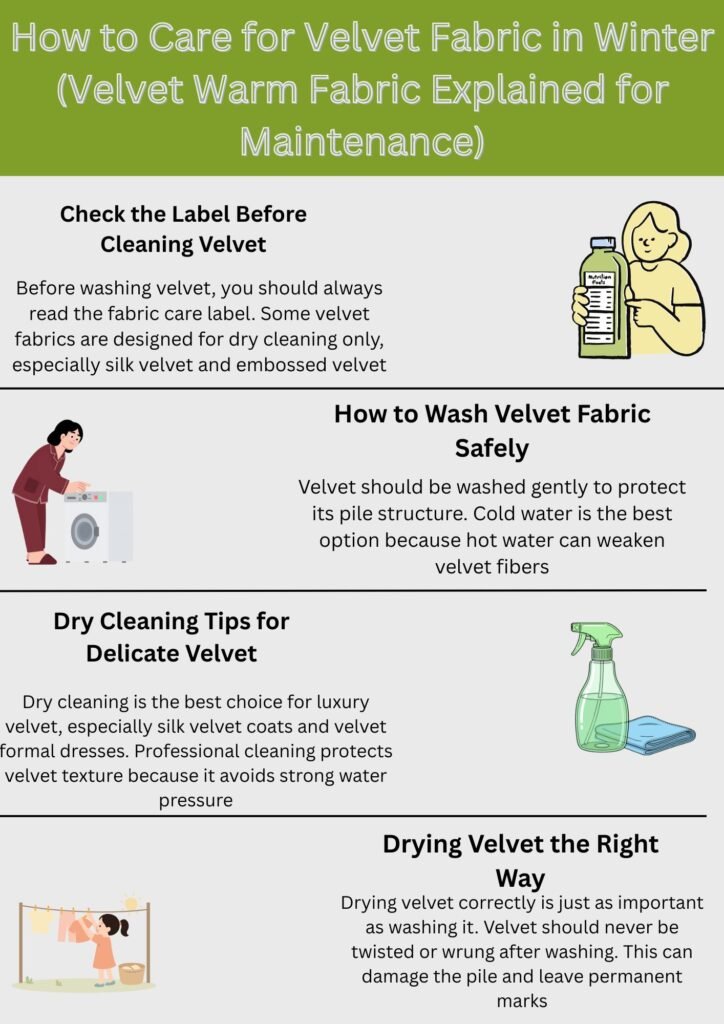
Check the Label Before Cleaning Velvet
Before washing velvet, you should always read the fabric care label. Some velvet fabrics are designed for dry cleaning only, especially silk velvet and embossed velvet. If you ignore the label, the velvet pile may get damaged permanently. That is why checking the cleaning instructions is the first and most important step.
How to Wash Velvet Fabric Safely
Velvet should be washed gently to protect its pile structure. Cold water is the best option because hot water can weaken velvet fibers. Mild detergent should also be used because harsh chemicals can remove velvet softness. If velvet is rubbed too strongly, the fabric pile may flatten and look dull.
Dry Cleaning Tips for Delicate Velvet
Dry cleaning is the best choice for luxury velvet, especially silk velvet coats and velvet formal dresses. Professional cleaning protects velvet texture because it avoids strong water pressure.Velvet Warm Fabric Explained: It also reduces the risk of crushing the velvet pile. That is why dry cleaning is recommended for expensive velvet items.
Drying Velvet the Right Way
Drying velvet correctly is just as important as washing it. Velvet should never be twisted or wrung after washing. This can damage the pile and leave permanent marks. Instead, you should gently press the fabric using a clean towel. This removes extra water without harming the velvet surface.
Conclusion
Velvet is a very good warm fabric for cold weather because of its thick pile structure. It traps air between fibers and prevents body heat from escaping quickly. This makes velvet ideal for moderate winter climates, cold evenings, and indoor winter comfort. Velvet also feels smooth and soft, which makes it comfortable for sensitive skin. At the same time, velvet offers a rich and stylish look, which makes it perfect for winter fashion.
FAQs
Is velvet warmer than fleece?
Velvet can feel warmer than fleece in calm winter weather because it blocks airflow better. Its dense pile traps warm air and reduces heat loss. However, fleece performs better during outdoor activities because it dries quickly. Fleece also feels lighter, so it is easier to wear for long hours.
Can velvet be worn in snow?
Yes, velvet can be worn in light snow if the weather stays dry. However, velvet is not a water-friendly fabric, so wet snow can damage its surface. Moisture may leave stains or marks on velvet, especially on silk velvet. Therefore, velvet is better for cold dry weather rather than heavy snowfall.
Does velvet trap heat?
Yes, velvet traps heat very well because of its thick pile structure. The raised fibers hold air between them, and that air works as insulation. This slows down body heat escape and keeps the wearer warm. That is why velvet is often called a heat-retaining winter fabric.