Vapor Flow Athletic Fabric is a modern performance textile designed for sportswear and training clothing. It focuses on moisture management, breathability, and lightweight comfort. Athletes need fabrics that help them stay dry during intense activity. Therefore, this advanced fabric uses special fibers and knitting structures.In simple words, Vapor Flow Athletic Fabric quickly moves sweat away from the body. After that, it spreads moisture across the surface for fast evaporation. As a result, athletes remain cool and comfortable for longer periods.Moreover, manufacturers design this fabric to support body movement. It stretches easily while maintaining its shape. Consequently, it works well for both casual workouts and professional training.
Why Vapor Flow Athletic Fabric Is Popular in Modern Sportswear
Sportswear technology has changed significantly during the last decade. Athletes now demand fabrics that enhance performance and comfort. Therefore, Vapor Flow Athletic Fabric became popular among designers and athletes alike.First, the fabric manages sweat effectively. When athletes sweat heavily, moisture quickly moves away from their skin. As a result, their body temperature stays more stable.Second, the fabric offers excellent breathability. Air easily passes through the material. Consequently, the body remains cooler during workouts.Additionally, Vapor Flow fabric feels extremely light. Athletes often prefer clothing that does not restrict movement. Therefore, lightweight textiles provide a major advantage.Because of these benefits, sports brands increasingly choose Vapor Flow performance fabric for training collections.
Types of Vapor Flow Athletic Fabric
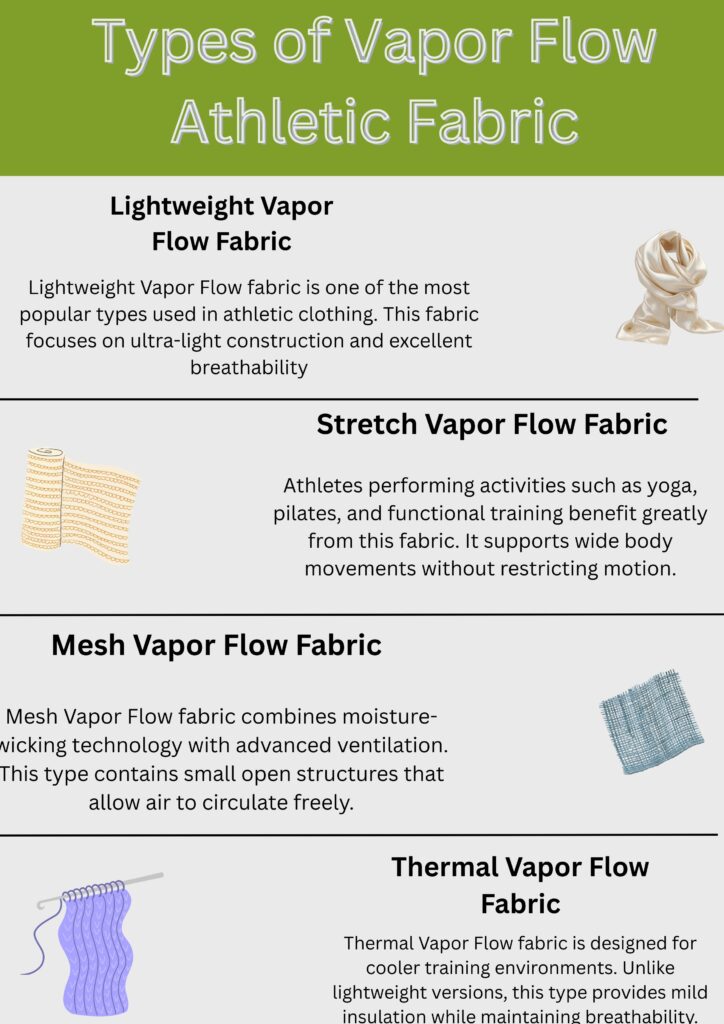
Vapor Flow Athletic Fabric comes in several variations. Each type serves a specific athletic purpose. Manufacturers design these types by adjusting fiber blends, knitting structures, and ventilation systems. As a result, athletes can choose the fabric that best suits their training needs.
Lightweight Vapor Flow Fabric
Lightweight Vapor Flow fabric is one of the most popular types used in athletic clothing. This fabric focuses on ultra-light construction and excellent breathability. As a result, athletes experience minimal fabric weight during movement.
The material uses fine synthetic fibers that create a soft and smooth texture. These fibers allow sweat to move quickly away from the body. Consequently, runners and endurance athletes often prefer this type of Vapor Flow fabric.
Stretch Vapor Flow Fabric
Stretch Vapor Flow fabric provides enhanced flexibility for dynamic athletic movements. This type usually includes elastane or spandex fibers. Therefore, the fabric stretches easily in multiple directions.
Athletes performing activities such as yoga, pilates, and functional training benefit greatly from this fabric. It supports wide body movements without restricting motion.
Mesh Vapor Flow Fabric
Mesh Vapor Flow fabric combines moisture-wicking technology with advanced ventilation. This type contains small open structures that allow air to circulate freely.
Because of this design, body heat escapes more quickly during intense workouts. Athletes who perform high-intensity training often prefer mesh Vapor Flow clothing.
Thermal Vapor Flow Fabric
Thermal Vapor Flow fabric is designed for cooler training environments. Unlike lightweight versions, this type provides mild insulation while maintaining breathability.
The fabric traps a small layer of warm air close to the body. At the same time, it continues to move sweat away from the skin. Consequently, athletes remain warm without feeling wet or uncomfortable.
How Vapor Flow Athletic Fabric Improves Athletic Performance
Performance clothing plays an important role in modern athletics. Proper fabric supports movement and improves comfort during activity. Therefore, Vapor Flow Athletic Fabric directly contributes to better training experiences.First, it regulates body temperature efficiently. Sweat evaporates quickly, which prevents overheating. As a result, athletes maintain energy during long sessions.Second, the lightweight structure reduces unnecessary weight. Even small reductions in clothing weight improve mobility.Furthermore, the flexible design supports dynamic movement. Athletes can stretch, run, or jump comfortably.Because of these features, many professional athletes prefer advanced moisture-management fabrics for training.
History of Vapor Flow Athletic Fabric
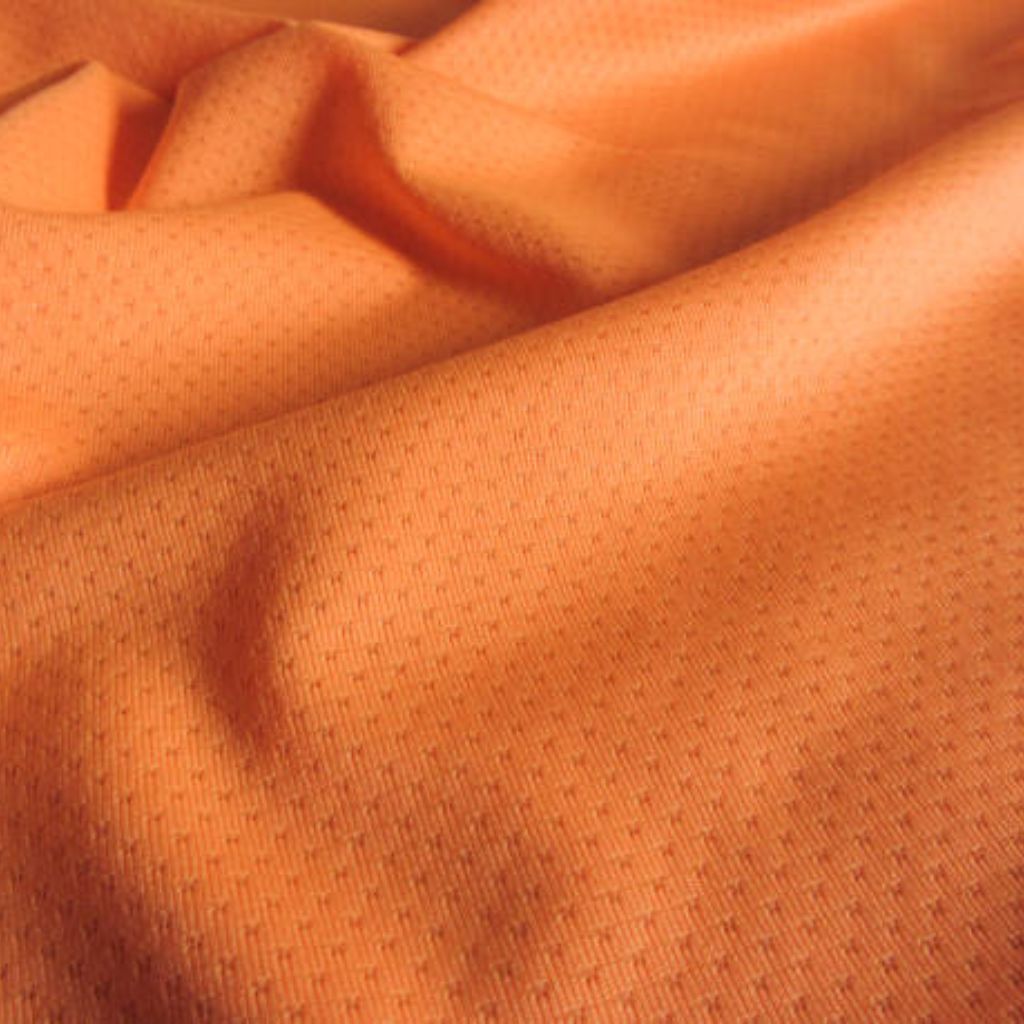
Sports fabrics have evolved greatly over time. Earlier athletic clothing used natural materials like cotton and wool. However, those fabrics absorbed sweat heavily. As a result, they often became uncomfortable during exercise.During the late twentieth century, textile engineers began experimenting with synthetic performance fibers. Polyester and nylon fabrics improved moisture control. Nevertheless, they still lacked advanced breathability systems.Later, sports technology companies developed specialized moisture-wicking textiles. Engineers created fibers that pull sweat away from the skin. At the same time, new knitting structures improved airflow.Consequently, Vapor Flow Athletic Fabric emerged as a modern evolution of performance textiles. It combines moisture-channeling fibers with breathable knit structures.
What Makes Vapor Flow Athletic Fabric Unique?
Advanced Moisture-Wicking Technology
One key feature of Vapor Flow Athletic Fabric is advanced moisture-wicking technology. This system quickly transfers sweat away from the skin surface.First, special fibers absorb moisture from the body. After that, the fabric spreads the moisture across a larger area. Consequently, evaporation happens faster.Because sweat disappears quickly, athletes feel dry during workouts. Moreover, dry skin reduces irritation and discomfort.Therefore, moisture-wicking technology remains one of the most important features of this fabric.
Breathability and Airflow Design
Breathability is another defining feature of Vapor Flow performance fabric. Designers create micro ventilation channels inside the fabric structure.These channels allow fresh air to circulate through the material. As a result, heat escapes easily during exercise.Additionally, airflow prevents excessive sweating. When the body stays cooler, athletes maintain better endurance.Therefore, breathable fabric construction improves both comfort and performance.
Lightweight and Flexible Structure
Modern athletes prefer clothing that feels almost weightless. Vapor Flow Athletic Fabric addresses this need with a lightweight fiber structure.The fabric uses thin yet durable synthetic fibers. Consequently, the material remains light without sacrificing strength.Furthermore, it stretches naturally with body movement. Athletes can perform high-intensity exercises without restriction.Because of its flexibility and lightness, this fabric suits many types of sports apparel.
Key Features of Vapor Flow Athletic Fabric
Moisture Wicking Technology
Moisture management remains the core feature of Vapor Flow Athletic Fabric. The fabric actively pulls sweat away from the skin.After that, moisture spreads across the outer surface. Consequently, evaporation occurs faster than traditional fabrics.This process keeps athletes dry even during intense training sessions. Therefore, the fabric supports better comfort and hygiene.
Breathable Micro-Vent Structure
Another important feature is the breathable micro-vent structure. Tiny ventilation openings allow air to move freely through the fabric.Because of this design, heat escapes quickly. At the same time, fresh air reaches the skin.Consequently, athletes feel cooler and more refreshed during workouts.
Quick-Dry Performance
Quick-dry performance helps athletes remain comfortable during activity. The fabric dries significantly faster than cotton materials.Even after heavy sweating, moisture disappears within minutes. Therefore, clothing does not feel heavy or sticky.Quick drying also prevents bacterial growth and odor formation.
Four-Way Stretch Flexibility
Flexibility plays a major role in athletic performance. Vapor Flow Athletic Fabric usually includes four-way stretch capability.This means the fabric stretches both vertically and horizontally. As a result, athletes enjoy full movement freedom.Stretchable fabrics support dynamic activities like running, yoga, and training.
Odor and Sweat Control
Many Vapor Flow fabrics include odor-control treatments. These treatments reduce bacteria that cause unpleasant smells.As a result, sportswear remains fresher for longer periods. Athletes also feel more confident during workouts.Therefore, odor control technology adds another important benefit.
Common Uses of Vapor Flow Athletic Fabric
Vapor Flow Athletic Fabric is widely used in modern sportswear and training clothing. The fabric provides excellent moisture control, breathability, and lightweight comfort. Therefore, many athletic apparel manufacturers prefer this material for performance garments.
Running Apparel
Running clothing often uses Vapor Flow Athletic Fabric because runners sweat heavily during long distances. The fabric quickly moves moisture away from the skin. As a result, runners remain cool and dry during training.
Furthermore, the lightweight structure reduces unnecessary clothing weight. This feature allows runners to move freely without feeling restricted. Many modern running shirts, shorts, and tank tops use Vapor Flow fabric for this reason.
Gym and Workout Wear
Gym workouts usually involve intense physical movement and heavy sweating. Therefore, gym clothing requires strong moisture management. Vapor Flow Athletic Fabric performs well in such conditions.
The fabric absorbs sweat and spreads it across the surface for faster evaporation. As a result, athletes stay dry even during high-intensity workouts.
Training and Performance Clothing
Professional athletes often require specialized training clothing. Vapor Flow Athletic Fabric offers durability, flexibility, and comfort during demanding training sessions.
For example, sports training shirts and compression garments frequently use this fabric technology. The fabric helps maintain body temperature while reducing sweat buildup.
Yoga and Fitness Outfits
Yoga and fitness activities require clothing that allows full body flexibility. Vapor Flow Athletic Fabric provides excellent stretch and softness. Consequently, yoga practitioners can move comfortably in different poses.
Furthermore, the moisture-wicking system keeps the body dry during heated workouts. Many yoga tops, leggings, and sports bras use Vapor Flow performance fabric.
Benefits of Vapor Flow Athletic Fabric for Athletes
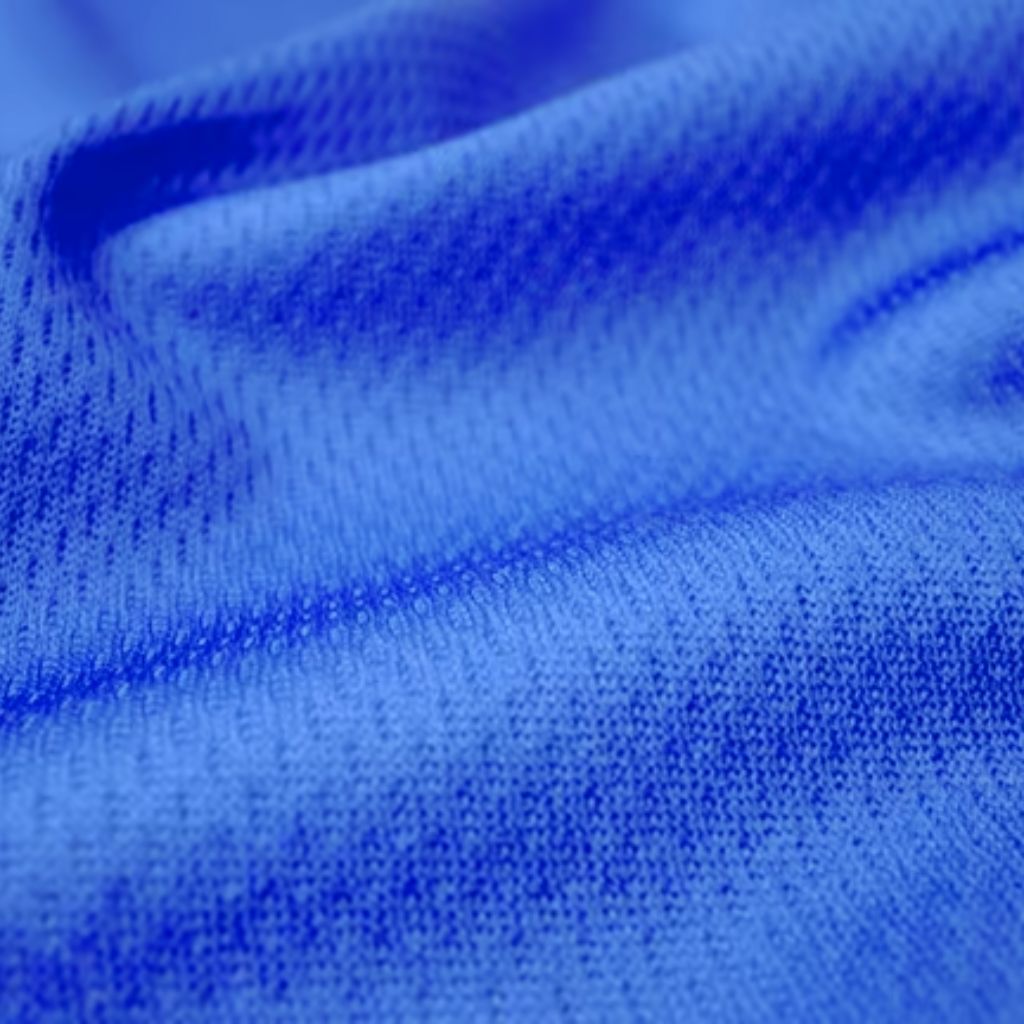
Vapor Flow Athletic Fabric offers several practical benefits for athletes. First, it keeps the body cool and dry during intense workouts. Moisture evaporates quickly, which improves comfort.Second, the fabric reduces sweat accumulation. As a result, clothing does not feel heavy or sticky.Third, it improves overall comfort during exercise. Lightweight material prevents irritation and friction.Additionally, flexible fabric allows unrestricted body movement. Athletes can stretch and train freely.Because of these advantages, Vapor Flow performance fabric has become a preferred choice for modern sportswear.
Vapor Flow Athletic Fabric vs Traditional Sports Fabrics
Vapor Flow vs Cotton
Cotton is comfortable but absorbs large amounts of moisture. Therefore, it often becomes wet during exercise.In contrast, Vapor Flow Athletic Fabric moves moisture away quickly. Consequently, athletes remain dry for longer.Moreover, cotton dries slowly while Vapor Flow dries quickly.
Vapor Flow vs Polyester
Standard polyester fabrics provide decent durability. However, they may trap heat during activity.Vapor Flow technology improves airflow and cooling. Therefore, athletes experience better temperature control.Additionally, specialized knitting structures enhance moisture evaporation.
Vapor Flow vs Mesh Performance Fabric
Mesh fabrics provide ventilation but sometimes lack moisture management. Sweat may remain on the skin.Vapor Flow Athletic Fabric combines ventilation with moisture-wicking technology. Therefore, it offers more balanced performance.As a result, athletes enjoy better cooling and dryness.
Best Uses of Vapor Flow Athletic Fabric
Running Apparel
Running clothing benefits greatly from lightweight fabrics. Vapor Flow Athletic Fabric keeps runners cool during long distances.Moisture evaporates quickly, preventing overheating.
Gym Wear
Gym workouts often involve heavy sweating. Therefore, moisture-wicking fabrics are essential.Vapor Flow gym wear keeps athletes dry and comfortable during strength training.
Training Clothing
Training sessions require flexible clothing. Vapor Flow Athletic Fabric provides stretch and breathability.Consequently, athletes perform exercises without restrictions.
Yoga and Fitness Outfits
Yoga clothing must allow complete body movement. Stretchable Vapor Flow fabric supports flexibility and comfort.Additionally, it keeps practitioners dry during hot yoga sessions.
Outdoor Sportswear
Outdoor athletes face changing temperatures. Breathable performance fabrics help regulate body heat.Therefore, Vapor Flow sportswear works well for cycling, hiking, and outdoor training.
How Vapor Flow Technology Improves Athletic Performance
Vapor Flow technology supports athletic performance in several ways. First, it regulates body temperature efficiently. Athletes remain cooler during intense workouts.Second, the sweat evaporation system prevents excessive moisture buildup. Consequently, clothing remains light and comfortable.Additionally, smooth fabric surfaces reduce friction against the skin. Therefore, athletes experience fewer skin irritations.Because of these benefits, Vapor Flow performance textiles enhance overall training efficiency.
How Vapor Flow Athletic Fabric Is Manufactured
Manufacturers create Vapor Flow Athletic Fabric using advanced textile technologies. First, engineers select high-performance synthetic fibers. Polyester and nylon blends often provide durability and flexibility.Next, specialized knitting machines create breathable fabric structures. Micro ventilation channels improve airflow.After that, moisture-wicking treatments enhance sweat management. These treatments help transport moisture away from the body.Finally, quality testing ensures the fabric meets sports performance standards.
How to Choose the Best Vapor Flow Athletic Fabric Clothing
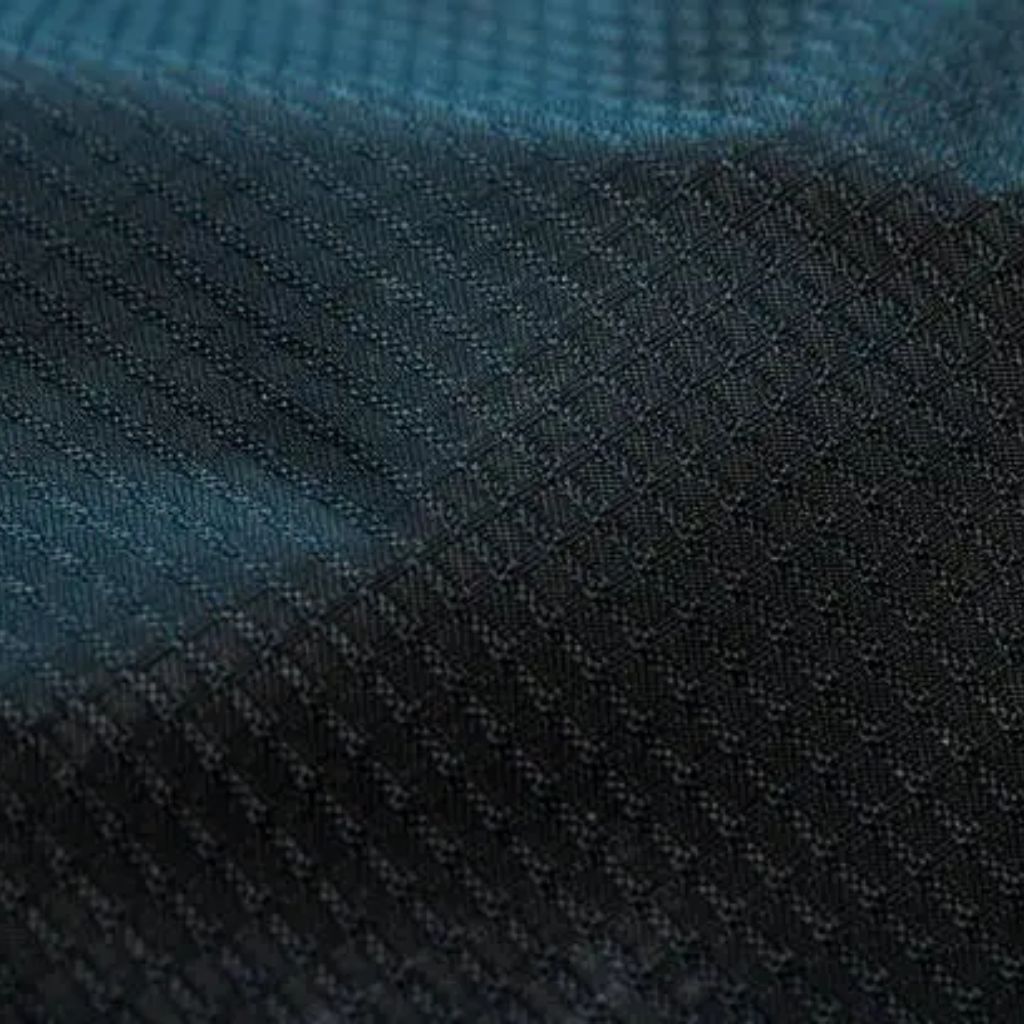
Choosing the right Vapor Flow sportswear requires attention to several factors.First, check the fabric blend quality. High-quality fibers improve durability and comfort.Second, consider breathability ratings. Fabrics with better airflow keep athletes cooler.Third, evaluate stretch capability. Flexible fabrics support dynamic movement.Finally, examine durability and stitching quality. Well-constructed clothing lasts longer during regular training.
Future Trends in Athletic Performance Fabrics
Sports textile technology continues to evolve rapidly. Researchers are developing smart moisture-control fabrics.These fabrics can respond to body temperature and humidity levels. As a result, athletes may experience even better cooling.Additionally, sustainable athletic fabrics are becoming more popular. Many companies now use recycled fibers to reduce environmental impact.Finally, next-generation cooling fabrics may include phase-change materials. These materials actively regulate body temperature.Therefore, the future of performance textiles looks promising.
Care and Maintenance of Vapor Flow Athletic Fabric
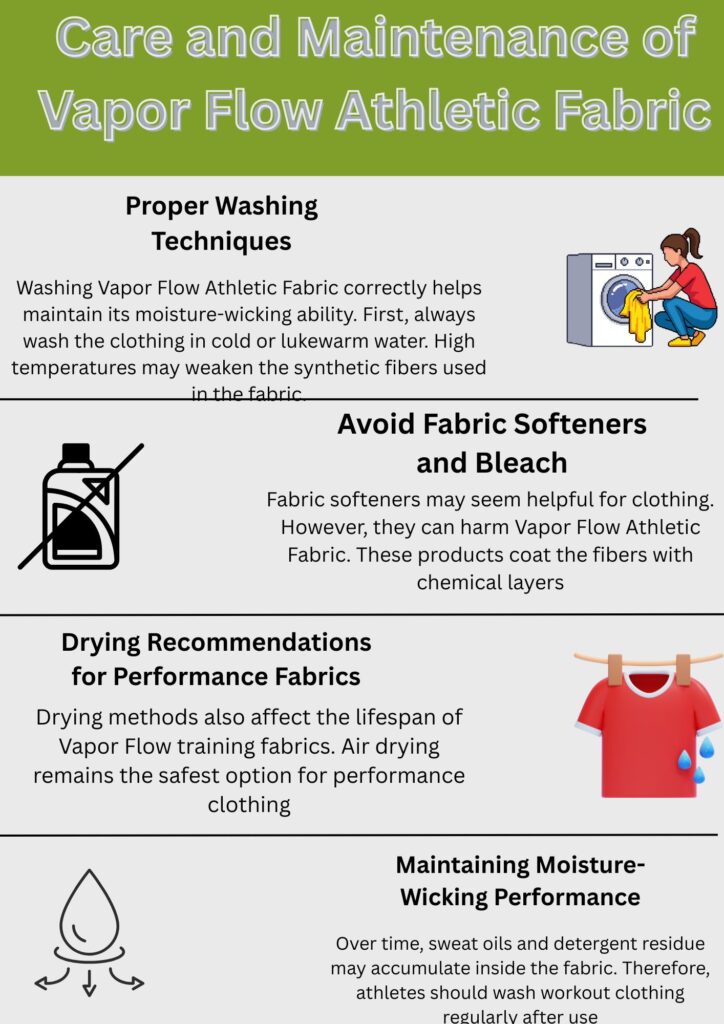
Proper care keeps Vapor Flow Athletic Fabric performing at its best. Performance fabrics contain advanced fibers and moisture-wicking structures. Therefore, they require gentle cleaning and proper maintenance. If athletes follow the right care methods, the fabric will maintain its breathability, flexibility, and quick-dry performance for a long time.
Proper Washing Techniques
Washing Vapor Flow Athletic Fabric correctly helps maintain its moisture-wicking ability. First, always wash the clothing in cold or lukewarm water. High temperatures may weaken the synthetic fibers used in the fabric.
Additionally, athletes should use mild liquid detergents. Gentle detergents clean sweat and dirt without damaging performance fibers. On the other hand, strong chemicals may block the micro-vent channels of the fabric.
Avoid Fabric Softeners and Bleach
Fabric softeners may seem helpful for clothing. However, they can harm Vapor Flow Athletic Fabric. These products coat the fibers with chemical layers. Consequently, the moisture-wicking system becomes less effective.
Similarly, bleach should be avoided whenever possible. Bleach chemicals can damage synthetic fibers and weaken fabric strength. Over time, this damage may reduce durability and flexibility.
Therefore, athletes should choose simple detergents without additives. This small step helps maintain the natural breathability and sweat-control features of the fabric.
Drying Recommendations for Performance Fabrics
Drying methods also affect the lifespan of Vapor Flow training fabrics. Air drying remains the safest option for performance clothing. Hanging garments in a ventilated area allows moisture to evaporate naturally.
However, low-temperature tumble drying may be acceptable for some garments. Athletes should always read the care label before using a dryer. Excessive heat can damage elastic fibers and reduce stretch performance.
Additionally, avoid ironing Vapor Flow Athletic Fabric. High heat may melt synthetic fibers or flatten ventilation structures. Consequently, airflow and moisture control may decrease.
Maintaining Moisture-Wicking Performance
Over time, sweat oils and detergent residue may accumulate inside the fabric. Therefore, athletes should wash workout clothing regularly after use. Clean fabric performs much better than sweat-soaked material.
Occasionally, using a sports-specific detergent can help remove stubborn sweat residue. These detergents restore the moisture-channeling ability of performance fabrics.
Conclusion
Vapor Flow Athletic Fabric represents a major advancement in sports textile technology. It combines lightweight comfort, moisture-wicking capability, and excellent breathability. Therefore, athletes experience improved comfort and performance during training.Moreover, flexible construction supports full body movement. As a result, the fabric works well for many sports activities. From running apparel to gym wear, Vapor Flow performance fabric continues to gain popularity.
FAQs
What is Vapor Flow Athletic Fabric?
Vapor Flow Athletic Fabric is a high-performance textile designed for sportswear and training clothing. It uses advanced moisture-wicking fibers and breathable knitting structures. As a result, the fabric quickly pulls sweat away from the skin. After that, moisture spreads across the surface and evaporates faster. Consequently, athletes stay cool, dry, and comfortable during intense workouts and physical activities.
Why is Vapor Flow Athletic Fabric good for sportswear?
Vapor Flow Athletic Fabric works well for sportswear because it manages sweat and improves airflow. Athletes often sweat heavily during training sessions. Therefore, fabrics must remove moisture quickly. This fabric allows air circulation while maintaining a lightweight structure. As a result, athletes experience less discomfort and better temperature control during exercise.
Is Vapor Flow Athletic Fabric breathable?
Yes, Vapor Flow Athletic Fabric is highly breathable. The fabric contains micro-vent channels and lightweight fibers that allow air to move easily through the material. Consequently, heat escapes from the body during physical activity. This airflow system helps athletes stay cooler and prevents excessive sweating during long workouts.