
An Ultra-Warm Thermal Winter Coat is a high-performance winter coat designed for extreme cold. It focuses on maximum heat retention and strong weather resistance. Unlike standard jackets, it uses advanced insulation layers to trap body warmth. It also blocks harsh wind, snow, and freezing rain. That is why it works as true cold-weather armor.The main purpose of an Ultra-Warm Thermal Winter Coat is simple. It keeps your core temperature stable in dangerous winter conditions. It also helps reduce the risk of frostbite and hypothermia. Because of its design, it performs well in deep snow and icy winds. In addition, it stays warm even when temperatures drop quickly.
Ultra-warm thermal coats are essential for extreme cold because normal coats fail in harsh climates. Regular jackets may feel warm at first. However, they lose heat fast in strong wind. On the other hand, an Ultra-Warm Thermal Winter Coat holds heat for longer periods. It also protects the body during long outdoor exposure.
How an Ultra-Warm Thermal Winter Coat Works
An Ultra-Warm Thermal Winter Coat works by trapping warm air close to the body. It creates a protective thermal barrier. This barrier slows down heat loss in freezing temperatures. As a result, the body stays warm without constant movement.Thermal insulation follows a simple principle. Warm air gets trapped inside the insulation fibers. Since air is a poor heat conductor, it prevents body warmth from escaping. Therefore, the coat maintains heat retention throughout the day. In addition, the insulation reduces cold penetration from outside.Heat-trapping layers play a major role in performance. Most thermal coats use multiple layers for better protection.

Types of Ultra-Warm Thermal Winter Coat
Ultra-warm thermal winter coats come in different styles to match different weather needs. Each type offers a unique level of warmth, coverage, and comfort. Some coats focus on heavy insulation for extreme cold zones. Meanwhile, others balance warmth with lightweight design for easier movement. Therefore, choosing the right type depends on your lifestyle and winter conditions. Below are the most common types of Ultra-Warm Thermal Winter Coat designs.

Thermal Parka Coat (Full-Length Protection)
A thermal parka is one of the warmest types of Ultra-Warm Thermal Winter Coat. It usually covers the hips or reaches the knees. Because of this length, it blocks cold air from reaching the lower body. In addition, it offers strong protection during snowstorms and blizzards.
Down-Filled Ultra-Warm Thermal Winter Coat
Down-filled coats use goose or duck feathers for insulation. They provide excellent heat retention while staying lightweight. Therefore, they feel warm without adding heavy bulk. These coats are also easy to pack for travel.
Synthetic Insulated Thermal Coat
Synthetic insulated coats use polyester fibers instead of natural down. They are designed to keep warmth even in wet conditions. Therefore, they perform well in snowy and rainy winter areas. They also dry quickly compared to down coats.
Heat-Reflective Thermal Winter Coat
Heat-reflective coats include special inner linings that reflect body heat back inside. This technology increases warmth without adding extra insulation layers. As a result, the coat stays lighter while still feeling extremely warm. Many modern winter brands use this design.
Key Features of an Ultra-Warm Thermal Winter Coat
A high-quality Ultra-Warm Thermal Winter Coat includes advanced features for maximum protection. These features work together to fight cold air, snow, and wind. Without them, even thick coats may fail in severe winter conditions. Therefore, buyers should always check construction details before purchase.
This type of coat is not just about insulation thickness. It also depends on design, stitching, and fabric quality. Moreover, small features like cuffs and flaps make a big difference. Because of that, premium coats feel warmer and last longer. Let’s explore the key features in detail.
Multi-Layer Thermal Insulation
Multi-layer insulation provides stronger heat retention. It traps warm air in different sections of the coat. As a result, heat stays stable even during strong wind. In addition, it reduces cold spots around the shoulders and chest.
Windproof Outer Shell
A windproof shell blocks icy air from entering the coat. Wind removes body warmth faster than dry cold. Therefore, wind resistance is essential for extreme climates. Most coats use nylon or polyester shells for this purpose.
Waterproof or Water-Resistant Fabric
Snow often melts when it touches warm fabric. That moisture can quickly lower body temperature. Because of that, waterproof fabric keeps the coat dry. Water-resistant coats also help during light snow or drizzle.
Heat-Reflective Lining
Some thermal coats include reflective lining technology. This lining reflects body heat back toward the skin. As a result, the coat feels warmer without extra bulk. It also improves energy efficiency during outdoor activities.
Sealed Seams & Storm Flaps
Sealed seams prevent cold air and moisture leaks. Storm flaps cover zippers to stop wind entry. Therefore, these features improve cold-weather insulation. They also keep the inside dry during heavy snowstorms.
Adjustable Hood, Cuffs, and Hem
Adjustable parts help seal the body from wind exposure. Tight cuffs prevent cold air from entering sleeves. A drawstring hem blocks air from entering from below. Similarly, an adjustable hood protects the head and neck.
Best Insulation Materials Used in Ultra-Warm Thermal Winter Coats
Insulation is the heart of every Ultra-Warm Thermal Winter Coat. It determines warmth, weight, and performance. Some insulation types work better in dry cold. Others perform best in wet snow climates. Therefore, choosing the right insulation matters a lot.
Many buyers focus only on thickness. However, insulation quality matters more than size. A thin high-quality coat can feel warmer than a thick cheap one. In addition, insulation affects breathability and movement. Let’s review the best insulation materials.
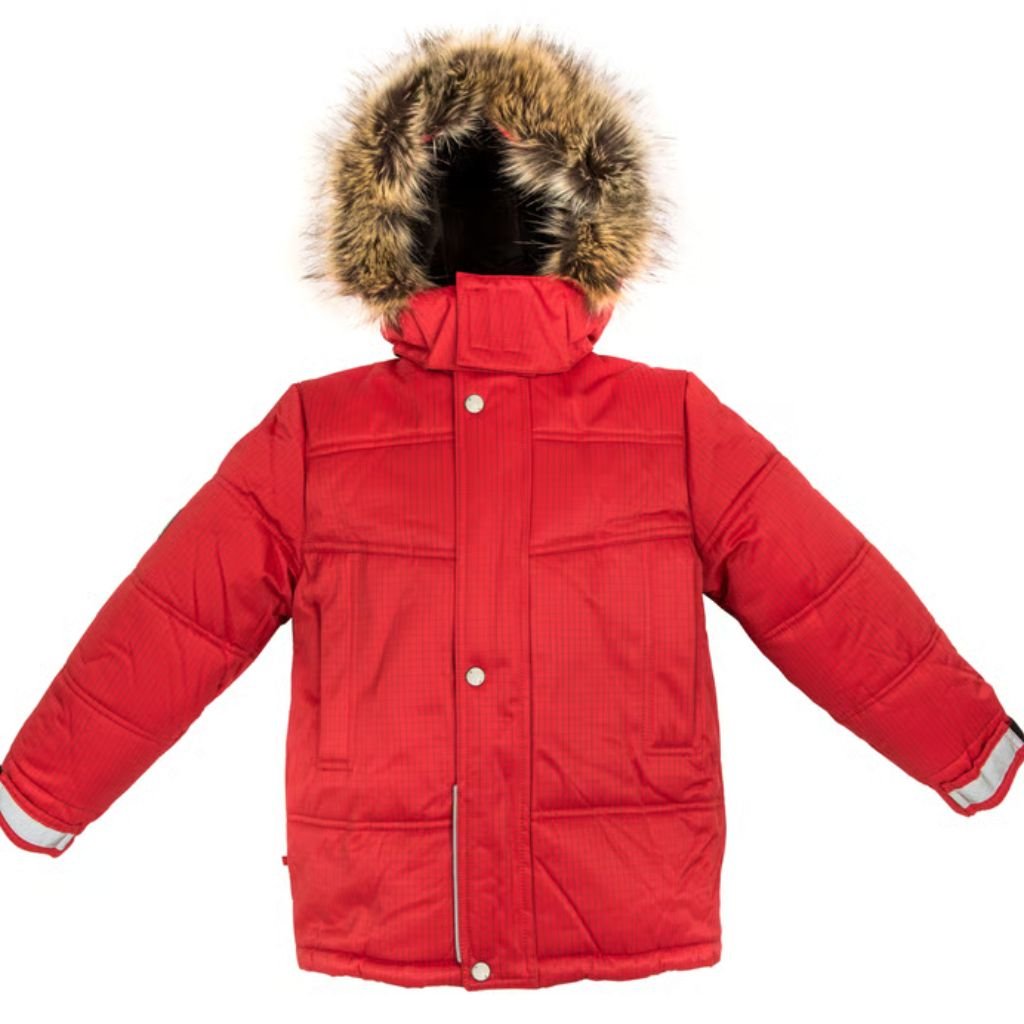
Down Insulation (Pros & Cons)
Down insulation comes from duck or goose feathers. It is lightweight and extremely warm. It also compresses easily for packing. Therefore, it works well for travelers and mountain climbers.
However, down has one major weakness. It loses warmth when wet. If snow melts inside the coat, down clumps together. As a result, heat retention drops quickly. That is why down coats need strong waterproof shells.
Synthetic Thermal Insulation
Synthetic insulation uses polyester fibers designed to mimic down. It stays warm even when wet. That makes it ideal for snowy and damp climates. In addition, it dries faster than down insulation.
Synthetic coats may feel slightly heavier than down. However, they usually cost less. They also require less maintenance. Therefore, they work well for daily commuters and workers.
Fleece & Thermal Lining
Fleece lining adds comfort and warmth inside the coat. It feels soft against the skin. It also supports heat retention by trapping air. Many coats combine fleece with down or synthetic insulation.
Thermal linings also reduce cold contact. They improve comfort in harsh climates. However, fleece alone is not enough for extreme cold. That is why it works best as an inner support layer.
Comparison: Down vs Synthetic for Extreme Cold
Down provides the highest warmth-to-weight ratio. Therefore, it works best in dry, freezing regions. Synthetic insulation performs better in wet snow climates. It also handles repeated use without losing shape.
For buyer-intent searches, synthetic is often the safer choice. Down is premium but needs careful care. In contrast, synthetic is practical and long-lasting. Your choice should match your climate and activity level.
Temperature Ratings: How Warm Is Ultra-Warm?
Temperature ratings help buyers understand coat performance. A true Ultra-Warm Thermal Winter Coat often includes tested temperature limits. These limits show how much cold the coat can handle. However, ratings are not always universal across brands.Most high-end coats perform well between -20°C to -40°C. That range makes them suitable for snowstorms and deep winter travel. However, the actual warmth depends on your base layers. It also depends on wind and humidity levels.Wind chill changes everything in extreme cold. Even -15°C can feel like -30°C with strong wind. That is why windproof shells matter. In addition, real-feel temperatures drop faster during storms. Therefore, buyers should choose coats rated for colder conditions.
Ultra-warm coats work best for deep winter zones. They are ideal for mountain regions and arctic climates. They also support outdoor work in freezing air. If you often face icy winds, a -40°C rated coat is the best option.
Benefits of Wearing an Ultra-Warm Thermal Winter Coat
An Ultra-Warm Thermal Winter Coat offers benefits beyond simple warmth. It protects your body during harsh winter conditions. It also improves comfort and reduces health risks. That makes it valuable for both daily and professional use.The biggest benefit is maximum cold protection. The coat blocks freezing air and snow exposure. It keeps the core warm, which supports blood circulation. As a result, you stay safer outdoors.Another benefit is energy efficiency. You do not need heavy layering under the coat. Therefore, you can move freely and stay comfortable. This also reduces sweating, which prevents chilling later.
Ultra-warm thermal coats provide long-lasting warmth. High-quality insulation stays effective for years. In addition, strong fabrics resist wear and tear. That makes the coat a long-term investment.
Best Uses & Ideal Scenarios
An Ultra-Warm Thermal Winter Coat works best in harsh winter environments. It is built for extreme cold exposure. It also performs well during long outdoor hours. Therefore, it suits many different situations.Snowstorms and blizzards are the top use cases. These coats block wind-driven snow effectively. They also keep the inner layers dry. As a result, the wearer stays warm even in heavy storms.Arctic and mountain travel also require ultra-warm protection. Temperatures drop suddenly in such regions. Therefore, thermal coats provide safety and comfort. They also reduce the risk of frostbite during travel.
Daily winter commuting is another common use. People who wait for buses in freezing air benefit greatly. A thermal coat keeps the body warm without extra blankets. It also helps maintain comfort in windy streets.Skiing and outdoor adventures demand flexible warmth. Thermal coats allow movement while keeping heat retention strong. In addition, they protect against snow contact. That makes them ideal for hiking and winter sports.
How to Choose the Best Ultra-Warm Thermal Winter Coat
Buying the best Ultra-Warm Thermal Winter Coat requires careful checking. Not all coats offer the same performance. Some focus on fashion rather than protection. Therefore, you should always compare features.Fit and length matter greatly. Parkas provide longer coverage and better warmth. Jackets are shorter and easier to move in. If you live in heavy snow, a parka is better.Insulation type should match your climate. Down works best in dry cold. Synthetic works better in wet and snowy regions. Therefore, always consider your environment first.
Pockets and storage are often overlooked. Large insulated pockets keep hands warm. Inner pockets protect phones and wallets. In addition, secure zippers prevent snow entry.

Ultra-Warm Thermal Winter Coat for Men, Women & Kids
Ultra-warm coats are designed differently for men, women, and kids. The main goal remains warmth and protection. However, body structure affects fit and insulation placement. Therefore, brands create separate designs.Men’s coats often have broader shoulders and straighter cuts. They also include extra space for layering. Women’s coats usually offer waist shaping for better fit. They also focus on warmth around the hips and torso.Kids’ ultra-warm coats focus on comfort and safety. They often include extra hood protection and reflective strips. In addition, they use lightweight insulation for easy movement. Since children lose heat faster, strong thermal lining is important.
Always choose a coat based on fit and climate. Comfort is essential for long wear. Therefore, sizing should never be ignored.
Common Myths About Ultra-Warm Thermal Coats
Many people misunderstand how thermal coats work. These myths often lead to poor buying decisions. Therefore, clearing them helps buyers choose correctly.The first myth is “heavier means warmer.” This is not always true. Modern insulation can provide high warmth with low weight. Therefore, a lighter coat can still be extremely warm.Another myth is “down is always better.” Down is excellent in dry cold. However, it performs poorly when wet. Synthetic insulation can outperform down in snowy climates. Therefore, down is not always the best option.The third myth is “thermal coats aren’t breathable.” Many modern thermal coats include breathable membranes. These membranes release moisture while trapping heat. As a result, you stay warm without sweating too much.
Some also believe thermal coats are only for arctic travel. That is false. Many commuters and workers use them daily. Therefore, thermal coats suit both extreme and everyday winter life.
Are Ultra-Warm Thermal Winter Coats Worth the Price?
An Ultra-Warm Thermal Winter Coat often costs more than regular coats. However, it delivers higher protection and better durability. Therefore, the price often matches the performance.Cost vs performance becomes clear in extreme cold. Cheap coats may feel warm indoors. However, they fail in snowstorms and icy wind. Premium thermal coats maintain heat retention in real winter conditions.Long-term value is another strong advantage. A quality thermal coat can last many years. It also reduces the need for multiple layers and extra clothing. Therefore, it saves money in the long run.Still, budget options can work in mild climates. If your winters stay above freezing, you may not need extreme insulation. However, for -20°C and below, premium coats are worth it.
In short, the coat is worth the price if you face harsh winters. It is also worth it for outdoor work and travel. Safety should always come first.
Care and Maintenance for Ultra-Warm Thermal Winter Coat
Taking proper care of an Ultra-Warm Thermal Winter Coat is very important for long-term performance. These coats are designed for extreme cold, so their insulation and fabric need special attention. If you wash or store the coat incorrectly, it may lose heat retention. As a result, the coat may feel less warm over time.
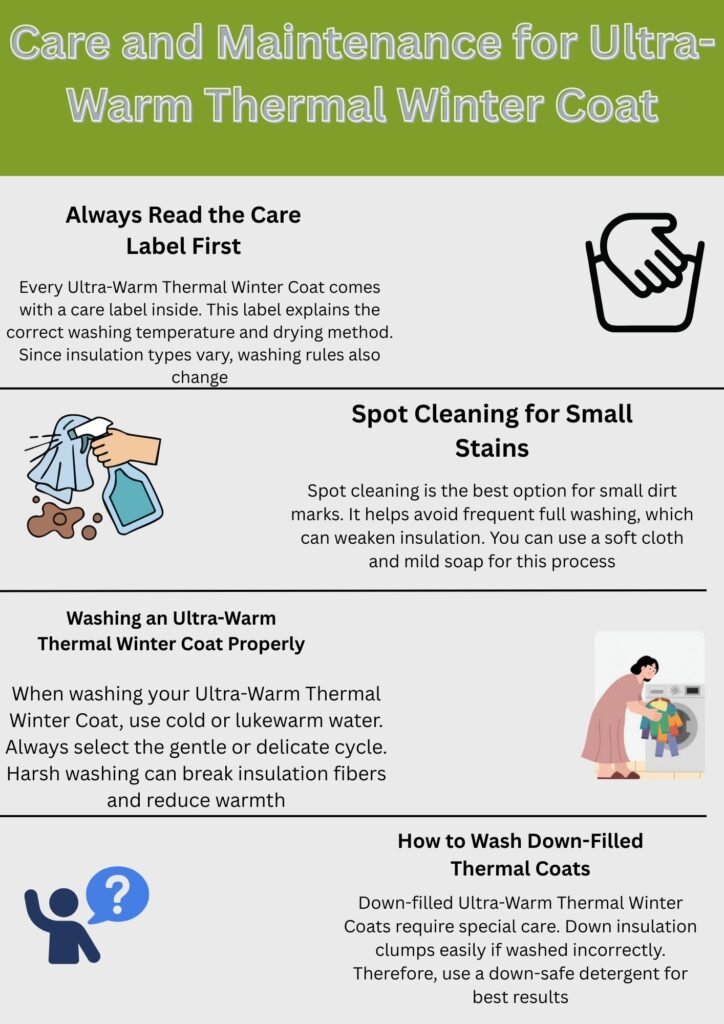
Always Read the Care Label First
Every Ultra-Warm Thermal Winter Coat comes with a care label inside. This label explains the correct washing temperature and drying method. Since insulation types vary, washing rules also change. Therefore, you should never ignore this label.
Spot Cleaning for Small Stains
Spot cleaning is the best option for small dirt marks. It helps avoid frequent full washing, which can weaken insulation. You can use a soft cloth and mild soap for this process. In addition, warm water works better than hot water.
Washing an Ultra-Warm Thermal Winter Coat Properly
When washing your Ultra-Warm Thermal Winter Coat, use cold or lukewarm water. Always select the gentle or delicate cycle. Harsh washing can break insulation fibers and reduce warmth. Therefore, a soft cycle is always safer.
How to Wash Down-Filled Thermal Coats
Down-filled Ultra-Warm Thermal Winter Coats require special care. Down insulation clumps easily if washed incorrectly. Therefore, use a down-safe detergent for best results. It cleans the coat without damaging feather structure.
Conclusion
An Ultra-Warm Thermal Winter Coat is the ultimate cold-weather armor for harsh winter climates. It provides extreme cold protection through advanced insulation and smart layering. It also blocks wind, snow, and moisture more effectively than regular coats. As a result, it keeps your body warm in dangerous temperatures.
This coat is ideal for snow regions, travelers, and outdoor workers. It is also perfect for mountain adventures and winter sports. Since it reduces the need for layering, it improves comfort and movement. In addition, it delivers long-term value through durability and strong performance.
FAQs
What is the warmest winter coat for extreme cold?
The warmest option is an Ultra-Warm Thermal Winter Coat with multi-layer insulation. Down or synthetic insulation works best. A windproof and waterproof shell is also important.
Are ultra-warm thermal coats waterproof?
Many ultra-warm coats are waterproof or water-resistant. Waterproof models perform better in snowstorms. Always check fabric rating and seam sealing.
Can I wear it in snowstorms?
Yes, you can wear an Ultra-Warm Thermal Winter Coat in snowstorms. It blocks wind, traps body warmth, and prevents moisture entry. It works best with sealed seams and storm flaps.