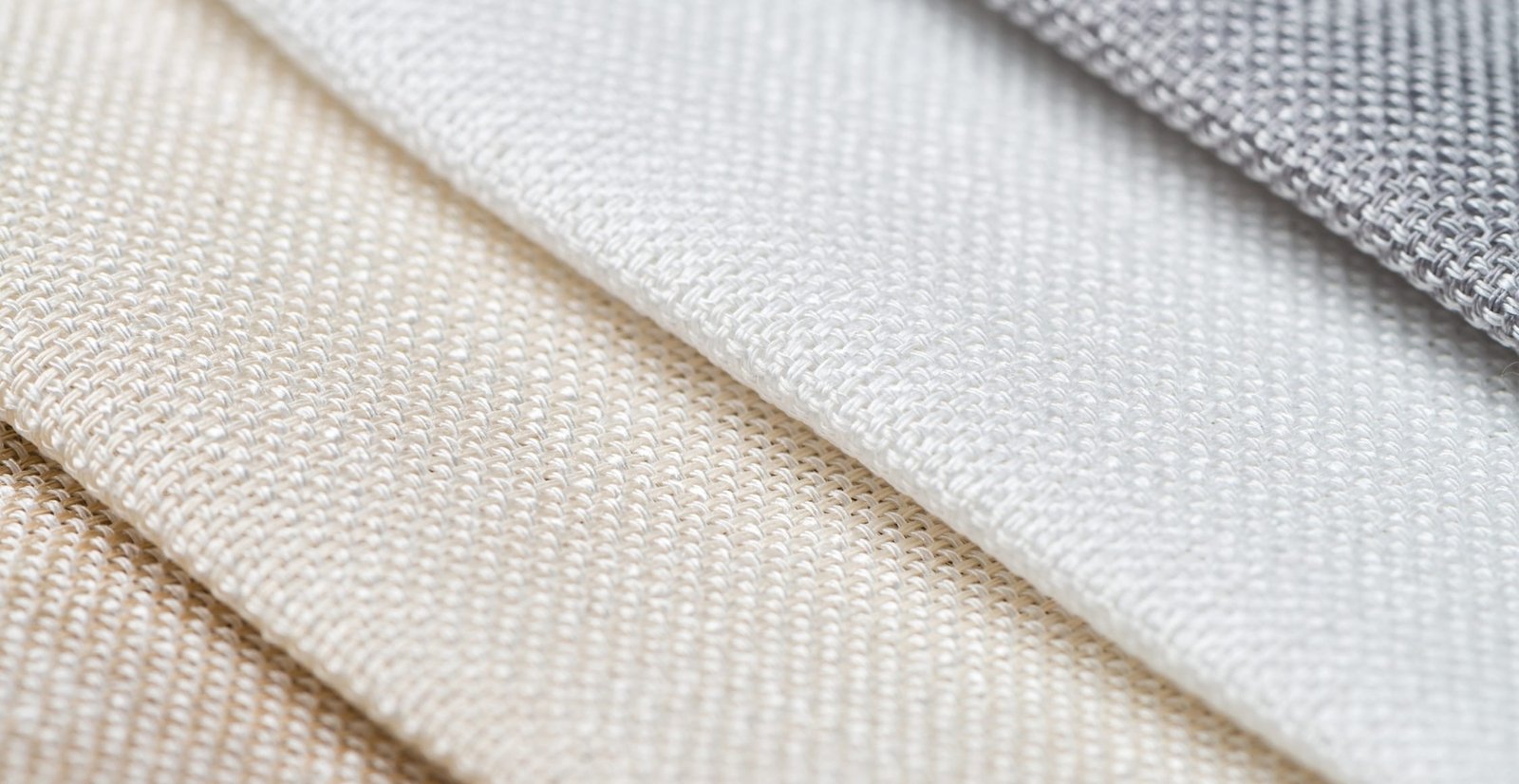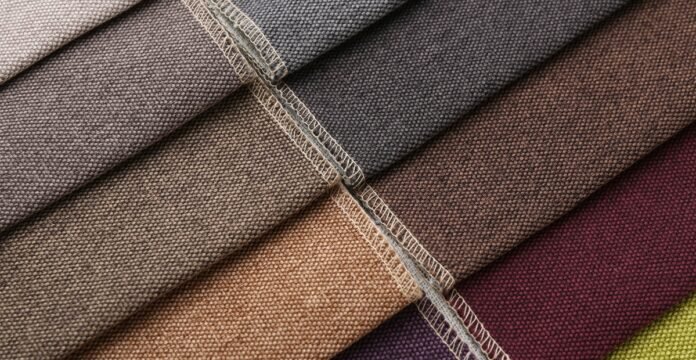
The wool textile industry values Types of Grade B Cashmere Wool Fabric because it is a combination of softness and durability with affordability. While Grade A cashmere may be the best available, Grade B cashmere continues to be highly sought after by fashion brands, textile manufacturers, and designers. Understanding the types Grade B Cashmere Wool Fabric will help buyers make informed decisions. This category offers excellent performance at a reasonable cost.
What is Grade B Cashmere wool fabric?
The fiber diameter of Types of Grade B Cashmere Wool Fabric is slightly larger than that of Grade A. is a soft, but resilient fabric that measures between 16-19 microns. Fabrics made with this grade are more durable and suitable for everyday wear. The fibers have been combed and cleaned before being spun to achieve a luxurious look.
Grade A fibers have a finer texture, while Types of Grade B Cashmere Wool fibers are stronger. The fabric is more resistant to pilling and keeps its shape for longer.
Cashmere wool fabric in Grade B: Main types
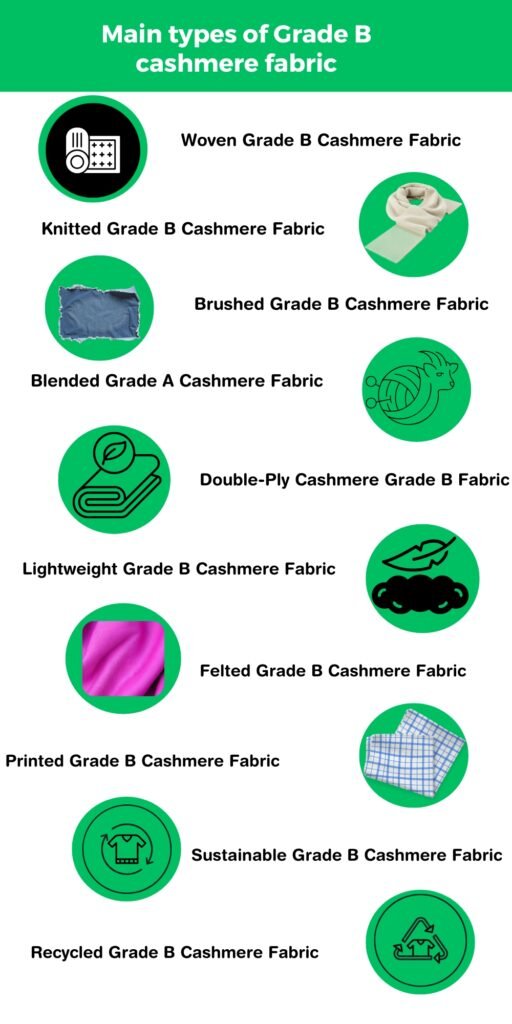
Cashmere Grade B is transformed into a variety of textile structures. The different types of cashmere are used for specific purposes and their performance depends on the weave, knitting, and finishing technique.
1. Woven Grade B Cashmere Fabric
Interlacing yarns are used to create woven Grade B cashmere fabrics. The fabric is Types of Grade B Cashmere Wool Fabric stable and durable because of its structure.
Key Features:
- Tight weaving produces a smooth surface
- The strength of the knitted type is increased.
- Reduce wrinkles
- Fabric structure can be maintained for many years
Common uses:
Blazers and coats.
Woven fabrics also give a refined look. They are therefore preferred for formal wear. This fabric is ideal for structured garments because of its slightly thicker fibres.
2. Knitted Grade B Cashmere Fabric
Cashmere Grade B is knitted by looping the yarns. increases the stretch and flexibility of the fabric.Types of Grade B Cashmere Wool Fabric
Key Features:
- The hand feels softer
- Elasticity has been improved
- Heat is retained efficiently
- Maximum comfort
Common uses:
Cardigans, sweaters, scarves and winter clothing.
Cashmere knitted is also well-suited to adapting to the body’s movements. is used widely in casual and comfort garments.
3. Brushed Grade B Cashmere Fabric
Cashmere brushed is created by gently raising the surface using brushing methods. creates a fuzzy texture.
Key Features:
- Softening the skin is a great way to achieve extra softness
- The finish is luxurious
- Thermal insulation can be improved
Common Uses:
Winter shawls, coats, blankets.
brushing increases softness but excessive brushing may weaken the fibers. is still popular in luxurious products.
4. Blended Grade A Cashmere Fabric
Blended Cashmere is a combination of Grade B fibers and wool, silk or synthetic fibers. Performance and affordability are therefore balanced.
Key Features:
- Durability is improved
- Costs are reduced
- The fabric strength has been improved
- Shrinkage can be controlled
Common Uses:
Mass-market sweaters, fashion accessories, outerwear.
As an example, blends of cashmere and wool provide warmth and resilience. Silk blends also enhance shine and drape.
5. Double-Ply Cashmere Grade B Fabric
Two twisted strands are used to make double-ply fabrics. The Types of Grade B Cashmere Wool Fabric thickness and strength of the fabric are increased as a result.
Key Features:
- Enhances shape retention
- The temperature increases
- The fabric life is extended
Common Uses:
Luxury sweaters, coats, premium knitwear.
is also resistant to sagging. is therefore ideal for long-term usage.
6. Lightweight Grade B Cashmere Fabric
TheTypes of Grade B Cashmere Wool Fabric lighter types are made using finer spinning techniques. The fabric is breathable as a result.
Key Features:
- Weight is reduced
- Improved airflow
- Comfortable climates
Common Uses:
Spring sweaters, travel wraps, layering garments.
is preferred in the transitional season because it is less bulky.
7. Felted Grade B Cashmere Fabric
The Types of Grade B Cashmere Wool Fabric process of felting involves heat, humidity, and pressure. The fibers are bonded tightly as a result of.
Key Features:
- The dense structure formed
- Improved wind resistance
- Insulation is improved
Common Uses:
Coats, winter accessories, footwear linings.
While‘s softness has been slightly reduced, its durability has increased significantly.
8. Printed Grade B Cashmere Fabric
Printing techniques can be used to add colors and patterns. The aesthetic value of is therefore elevated.
Key Features:
- Fashion versatility can be achieved
- The variety of designs is expanding
- The appearance of luxury is preserved
Common Uses:
Scarves, shawls, designer garments.
Digital printing is a great way to get fine details without damaging the fibers.
9. Sustainable Grade B Cashmere Fabric
Types of Grade B Cashmere Wool Fabric is produced using eco-friendly methods. As a result the environmental impact is minimized.
Key Features:
- The ethical sourcing of goods and services is guaranteed
- Minimize the use of chemicals
- Reduced water consumption
Common uses:
Sustainable fashion brands and eco-luxury brands
Today sustainability is a key selling point.
10. Recycled Grade A Cashmere Fabric
Cashmere recycled from waste is made by using pre-consumer and post-consumer materials. Resource efficiency is increased by.
Key Features:
- Reduced waste
- Carbon footprint is reduced
- The fabric softness is maintained
Common uses:
Ecoconscious clothing and accessories
Cashmere wool fabric grade B has many benefits
The affordability of the product makes it more accessible. Durability ensures a long-lasting wear. Softness is still impressive.
What Type to Choose?
When selecting, consider:
- Garment purpose
- Climate Change
- Budget
- Softness desired
For example, woven styles are more formal, while knitted styles are more comfortable.
Care Tips
- Handwashing is recommended
- Use mild detergents
- It is recommended to dry flat.
- Avoid excessive heat
The longevity of your car is dependent on the care you give it.
The conclusion
Types of Grade B Cashmere Wool Fabric is the perfect balance between luxury, comfort and functionality. It may not be as fine as Grade A but it is stronger and more affordable. is a versatile choice for fashion and textiles.Types of Grade B Cashmere Wool Fabric Each type of fabric has its own advantages, whether it is brushed, recycled or woven.Types of Grade B Cashmere Wool Fabric Understanding these variations will ultimately help brands, designers and buyers make better textile decisions.
FAQs
What garments use Grade B cashmere?
Types of Grade B Cashmere Wool Fabric Sweaters, coats, scarves, suits, and accessories.
Is Grade B cashmere still soft?
Yes, excellent softness is maintained, although fibers are slightly thicker than Grade A.
Can Grade B cashmere be sustainable?
Yes,The Types of Grade B Cashmere Wool Fabric eco-friendly processing methods are increasingly used.