Winter coats in the trench style have taken a permanent seat in the modern day winter fashion and their demand is constantly rising season by season. At a time when consumers are sensitive to both functionality and style, these coats can provide a balance that is difficult in the outer wear sector. Most winter coats are simply concerned with warmth, however, the trench-style winter coats provide warmth and structure, sophistication and versatility. Consequently, they attract people who desire to keep themselves warm during cold weather but do not want to loss their own style.
Additionally, the trench-style winter coats point to a change of the direction towards classic fashionable decisions. People no longer prefer to engage in the rapid fashion and instead spend money on clothes that can be used over time. Trench-style winter coats can be worn to make them never lose their relevance as it has traditional tailoring and straight edges. Meanwhile, contemporary designers make them more winter-proof, adding linings and winter fabrics. Thus, the coats will suit the modern comfort but still be very traditional.
Brief History of Trench Coats
The trench coat was invented at the beginning of the twentieth century during World War I. British military officers needed a durable coat that would resist rainy and windy conditions as well as the conditions in battlefields. This led to designers bringing about a practical aspect like storm flaps, belted waist and a double-breasted fit. These features gave safety but at the same time gave a smooth flow.
The trench coats were adopted by civilians after the war due to their sophisticated appearance and utility. Trench coats were later transformed to a symbol of traditional fashion over time. Later on, designers used the same trench idea in winter and this resulted into trench-style winter coats. This development retained the heritage of the coat, but made it warmer and more comfortable in using in the cold seasons.
What is a Trench Style Winter Coat?
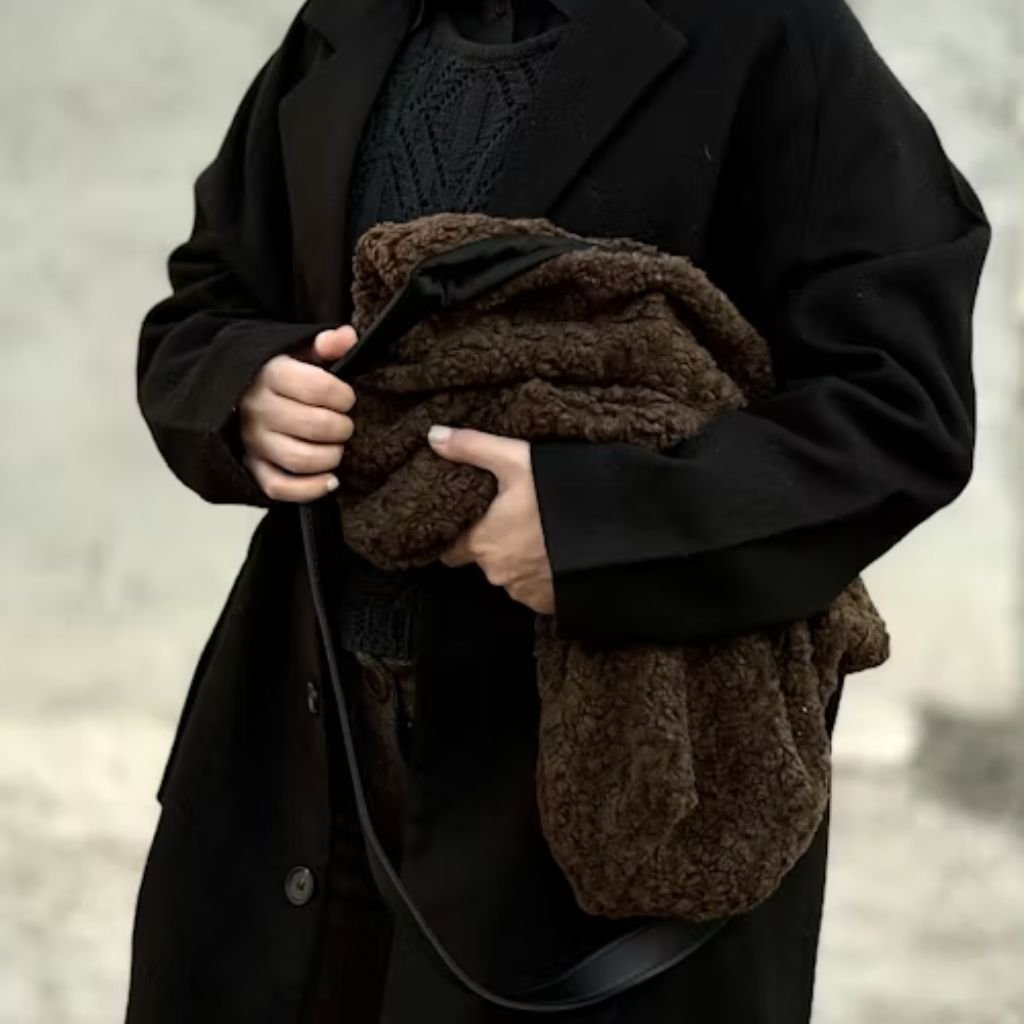
The trench-style winter coat is an adaptation of the classic trench coat in the cold season. Although it preserves the signature shape and style, it adds heavy fabrics and insulating properties. This change enables the coat to work efficiently even in winter seasons. Meanwhile, it is still very clean and sleek with tailored looks characteristic of trench fashion.
Winter coats that have trench style are also not based on rain resistance like lightweight trench coats but on warmth and shielding. This is done through wool, wool blends and insulated linings by designers. Consequently, the coats have been found to be a dependable outerwear during urban winters with a sophisticated style.
Common uses of Trench-Style Winter Coats
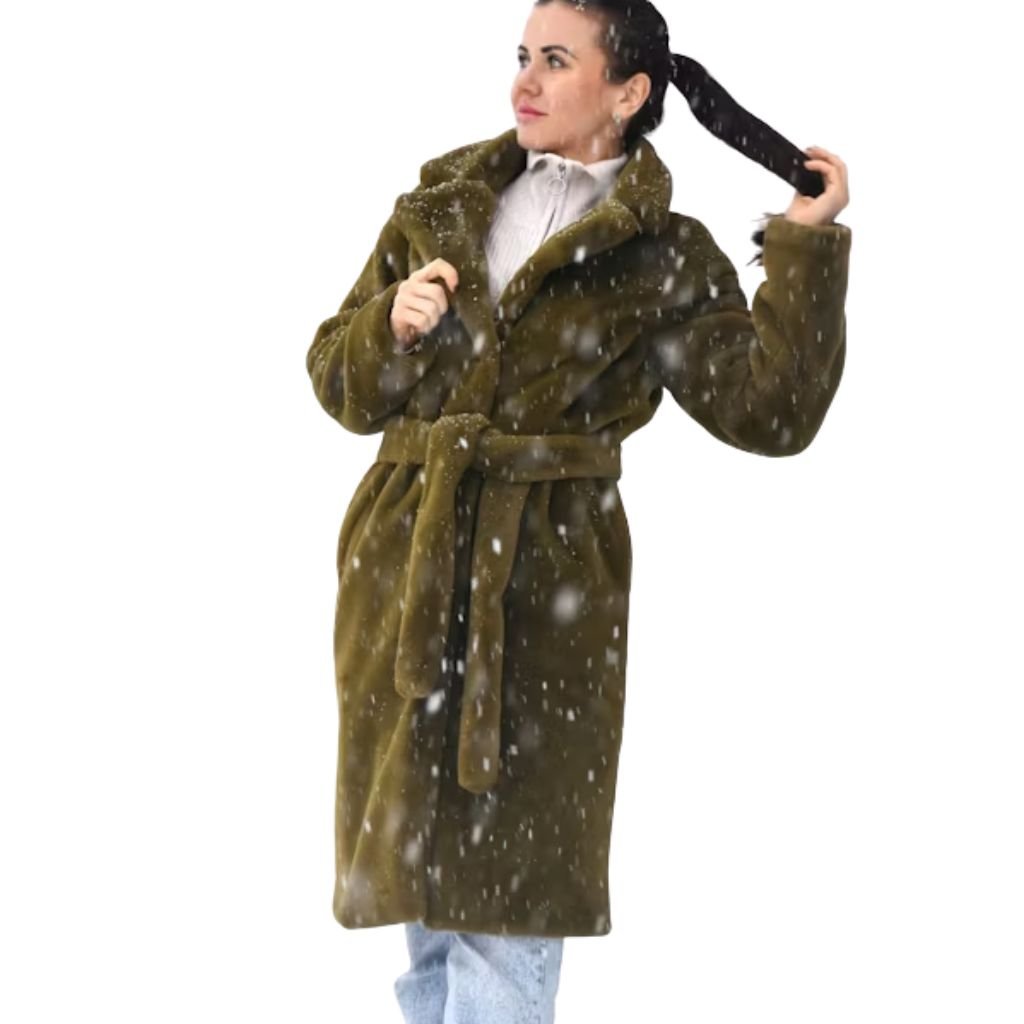
Trench-style winter coats are remarkably versatile and serve multiple purposes in daily life, which is one reason they remain a staple in winter wardrobes. For professional settings, these coats are ideal for creating a polished and confident appearance. They layer effortlessly over suits, tailored trousers, or formal dresses, allowing wearers to maintain warmth while commuting to work or attending meetings. The structured silhouette ensures that the coat complements business attire rather than overwhelming it, making it a reliable choice for urban professionals who require both elegance and functionality.
In casual contexts, trench-style winter coats provide effortless sophistication without appearing overly formal. They pair seamlessly with jeans, knit sweaters, and winter boots, elevating everyday outfits with minimal effort. Because these coats are less bulky than traditional winter jackets, they allow freedom of movement while still offering protection from cold winds. This combination of style and comfort makes trench-style winter coats suitable for running errands, walking through the city, or enjoying outdoor leisure activities during winter months.
Types of Trench-Style Winter Coats
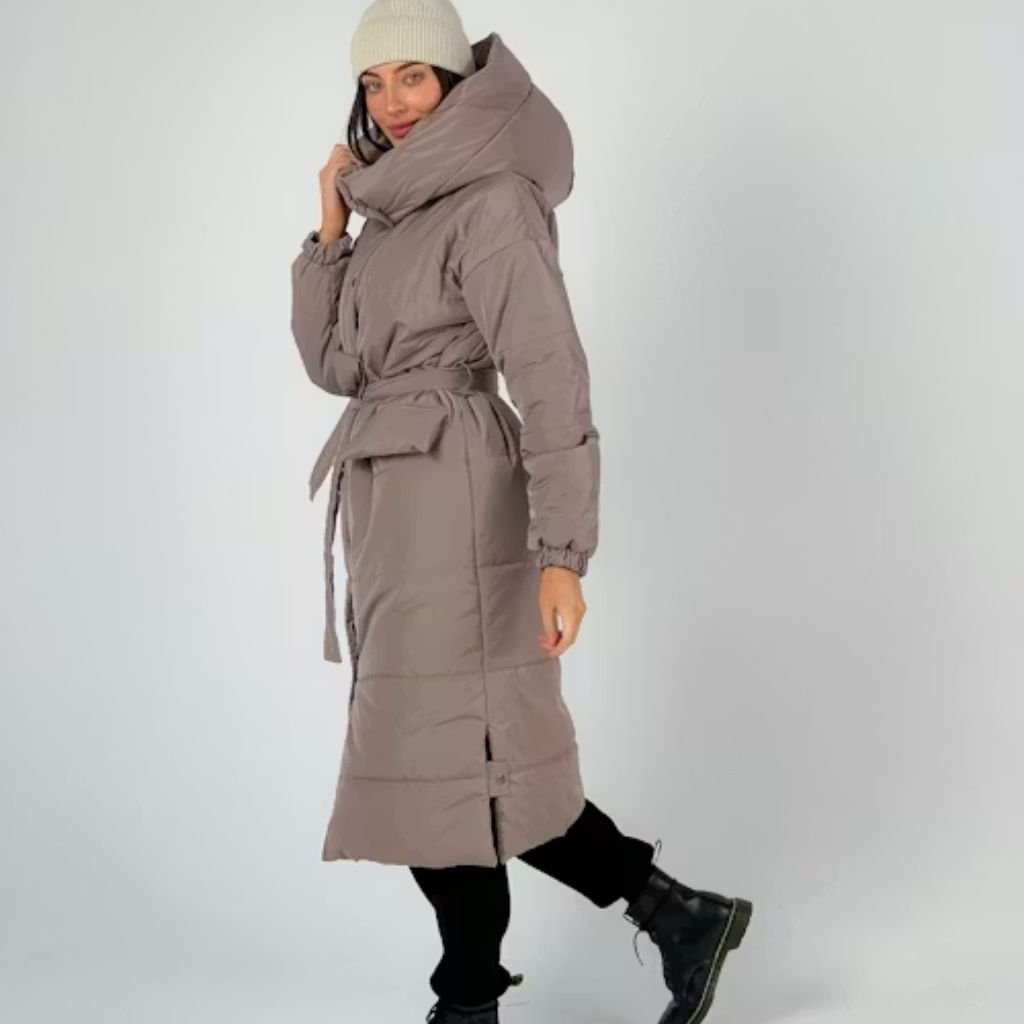
Trench-style winter coats come in a wide range of designs that suit different climates, body types, and lifestyle needs. While all these coats share the classic trench silhouette, each type offers unique features that enhance warmth, comfort, or visual appeal. Understanding the different types helps buyers select a trench-style winter coat that aligns with their daily routine and personal style.
Wool Trench-Style Winter Coats
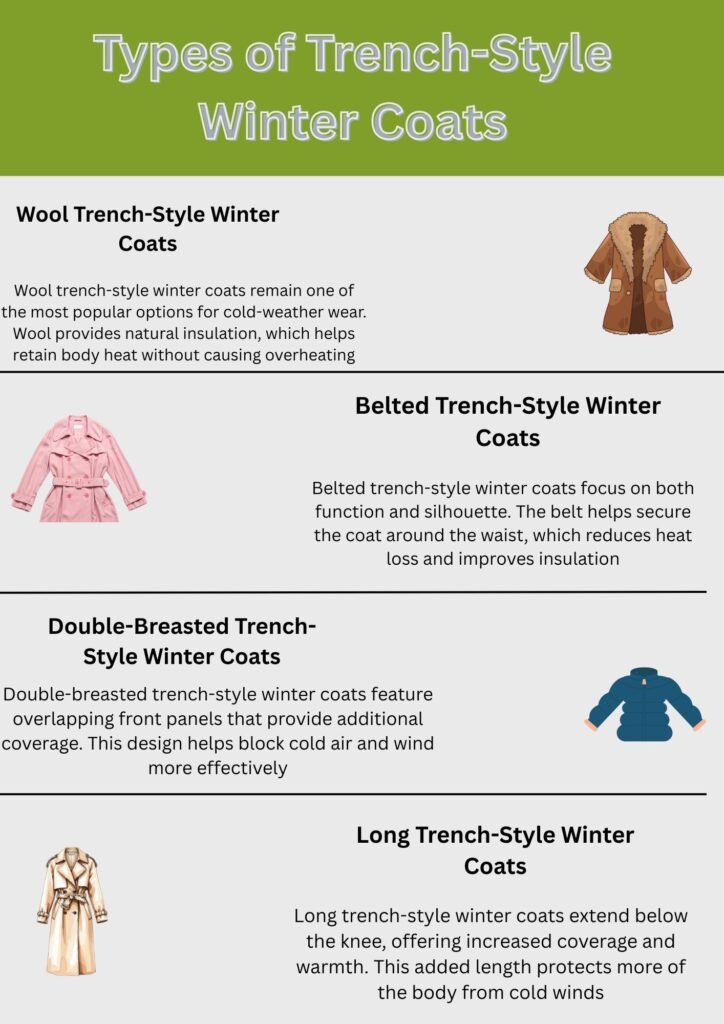
Wool trench-style winter coats remain one of the most popular options for cold-weather wear. Wool provides natural insulation, which helps retain body heat without causing overheating. As a result, these coats feel comfortable during long winter days. In addition, wool maintains structure exceptionally well, allowing trench-style winter coats to keep their sharp and tailored look.
Belted Trench-Style Winter Coats
Belted trench-style winter coats focus on both function and silhouette. The belt helps secure the coat around the waist, which reduces heat loss and improves insulation. At the same time, it enhances body shape by creating definition.
Double-Breasted Trench-Style Winter Coats
Double-breasted trench-style winter coats feature overlapping front panels that provide additional coverage. This design helps block cold air and wind more effectively. As a result, these coats feel warmer than single-breasted styles. Furthermore, the double-breasted structure reinforces the traditional trench aesthetic, giving the coat a timeless and authoritative appearance.
Long Trench-Style Winter Coats
Long trench-style winter coats extend below the knee, offering increased coverage and warmth. This added length protects more of the body from cold winds. Therefore, these coats suit colder climates and longer outdoor exposure. In addition, long trench-style winter coats create elegant vertical lines that enhance overall posture and appearance.
Distinction between Classic Trench Coats and Winter Trench Coats.
Traditional trench coats focus on light weight constructions and weather protection. They are active in spring and autumn when the weather is not hot. On the contrary, trench-style winter coats focus on the insulation and the density of the fabric. This distinction enables winter ones to conserve heat better.
Moreover, winter trench coats are usually longer and have new structured shoulders. These extensions enhance coverage and prevent cold air. Thus, the similarities between both styles are related to the visual aspect, whereas their performance depends greatly on the needs of seasons.

Trench-Style Winter Coats vs Regular Winter Coats
When it comes to trench-style winter coats or regular winter coats, the decision is usually determined by lifestyle, weather conditions, and other priorities with regard to style. Even though both are effective to save against cold weather, they have significant differences in the design philosophy and daily usage. Winter coats that are trench style are all about balance whilst regular winter coats are about how much insulation they have. Due to this distinction, either type is more effective in a given situation.
Winter coats that are trench are focused on structure and beauty. Their customised outline forms a classy outlook that would be successful at work and in social backgrounds. Conversely, the conventional winter coats tend to have substantial padding and loose fittings. Although such designs are good in capturing heat, they can be cumbersome and very limiting. Therefore, trench-style winter coats are more attractive to people who would like to be mobile and stylish during wintertime.
Regular winter coats tend to be more strongly insulated when it comes to being warm. thick synthetic fillings are often used, or heavy down to keep off extreme cold. Nevertheless, trench-style winter coats provide average warmth using heavy materials and intelligent design. Wool and woolen fabric keep the body warm and at the same time breatheable. Thus trench like winter coats are not only comfortable in the daily winters in the city, but also not in the severe outside weather.

Best Fabrics for Trench-Style Winter Coats
The trench-style winter coat is made of fabric that defines the level of warmth comfort and durability and performance of the coat. Winter conditions differ significantly, so the selection of a coat can be considered one of the most significant ones when it comes to choosing fabric. Trench-style winter coats are based on insulation materials that do not cause the winter coats to create excess bulk. Simultaneously, these fabrics have to be structured and elegant. Thus, knowledge about fabric choices can allow the buyers to make wise and sustainable decisions.

Wool Trench Coats Winter Coats.
Trench-style winter coats are made of wool, which has natural warming properties, making it one of the most reliable fabrics to be used. It is a good insulator that keeps the body warm and prevents the moisture. Consequently, winter trench coats made of wool would be cozy without making one overheated. Wool is also soft to variations in temperatures hence suitable during unpredictable winter seasons. Moreover, this fabric ensures that its shape is maintained over time and coats keep their sharp and tailored look.

Wool Blends to Wear on a Daily Basis.
To increase durability and flexibility, wool blends are made of wool and synthetic or natural fibers. These mixtures are resistant to wrinkles and wear more as compared to pure wool. Consequently, trench-style winter clothes made of wool-blends are appropriate everyday wear and traveling. They are also likely to feel lighter and this makes them comfortable when worn over a long period. In addition, wool blends tend to be available at lower prices with better reliability in terms of keeping warm.
Cashmere-Blend Choices of Luxury and Softness.
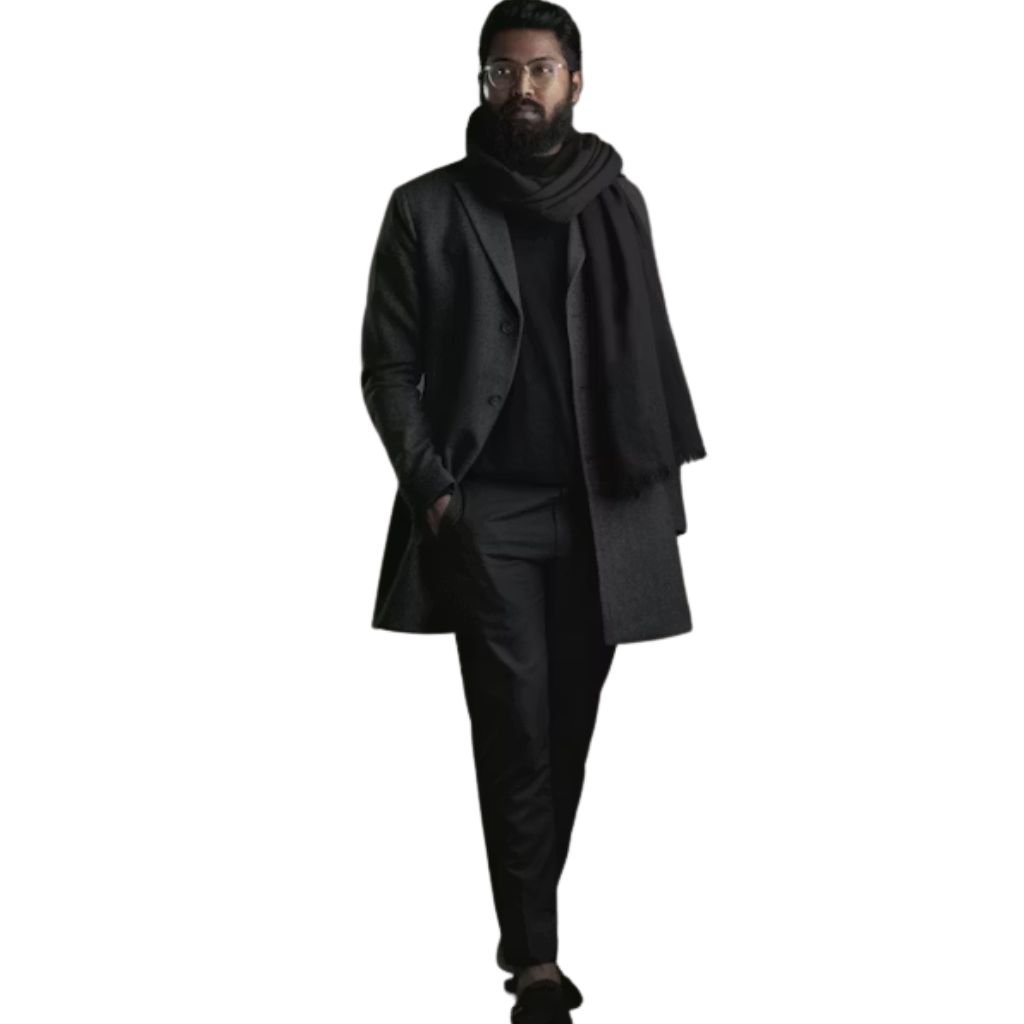
Cashmere blends make trench style winter coats even more special through the inclusion of exceptionally soft and lightweight insulation. Though the cashmere fibers are delicate, when combined with wool, they are more durable. As a result, there is a luxurious touch of these coats without compromising the structure. Trench coats made of cashmere blends are particularly efficient in formal environments where coziness and class are all that are needed. They also give the warmth without seeming heavy and this increases wearability.
Extra Warmth Insulated, Quilted Linings.
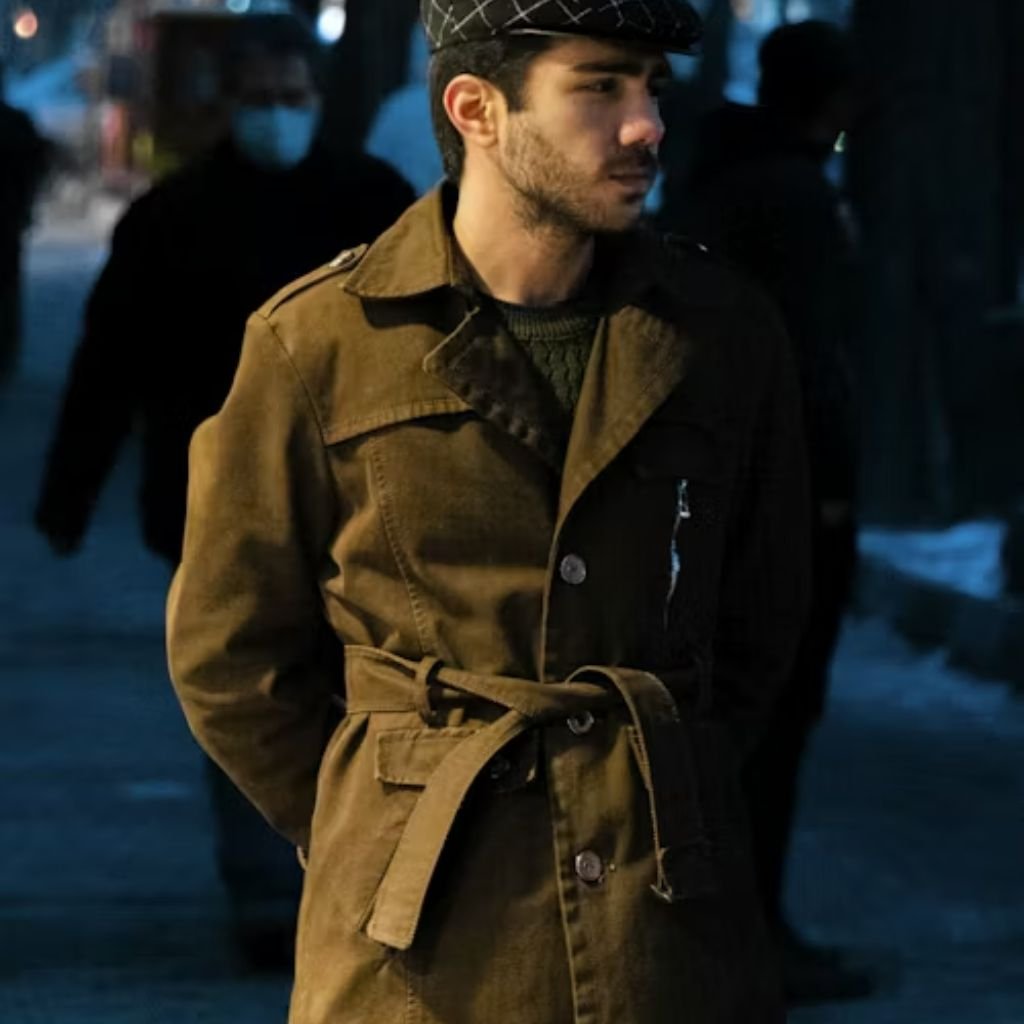
The linings are essential as they enhance thermal efficiency of winter coats in trench design. The warm lining is insulated to retain a smooth shape of the coat. The linings are also quilted, which allows them to trap heat better by providing air pockets in the coat. Consequently, trench-style winter jackets that have quality linings work in cold environments. These linings are also more comfortable when worn outdoors.
How to Style Trench-Style Winter Coats
Styling trench-style winter coats remains effortless because of their timeless design and adaptable structure. These coats work across professional, casual, and formal settings without appearing out of place. Because trench-style winter coats offer clean lines and tailored shapes, they elevate winter outfits naturally. At the same time, they allow easy layering, which adds both warmth and depth to winter looks. As a result, they remain one of the most versatile outerwear choices for cold weather.

Styling Trench-Style Winter Coats for Workwear
In professional environments, trench-style winter coats create a polished and confident appearance. Their structured silhouette complements tailored clothing perfectly. When worn over suits or smart separates, these coats enhance formality without looking stiff. Neutral shades such as camel, beige, or black work especially well for office wear. They blend seamlessly with professional wardrobes. Furthermore, the belted waist adds shape while maintaining warmth during commutes. This balance of structure and comfort makes trench-style winter coats ideal for daily workwear.
Casual Winter Styling with Trench-Style Winter Coats
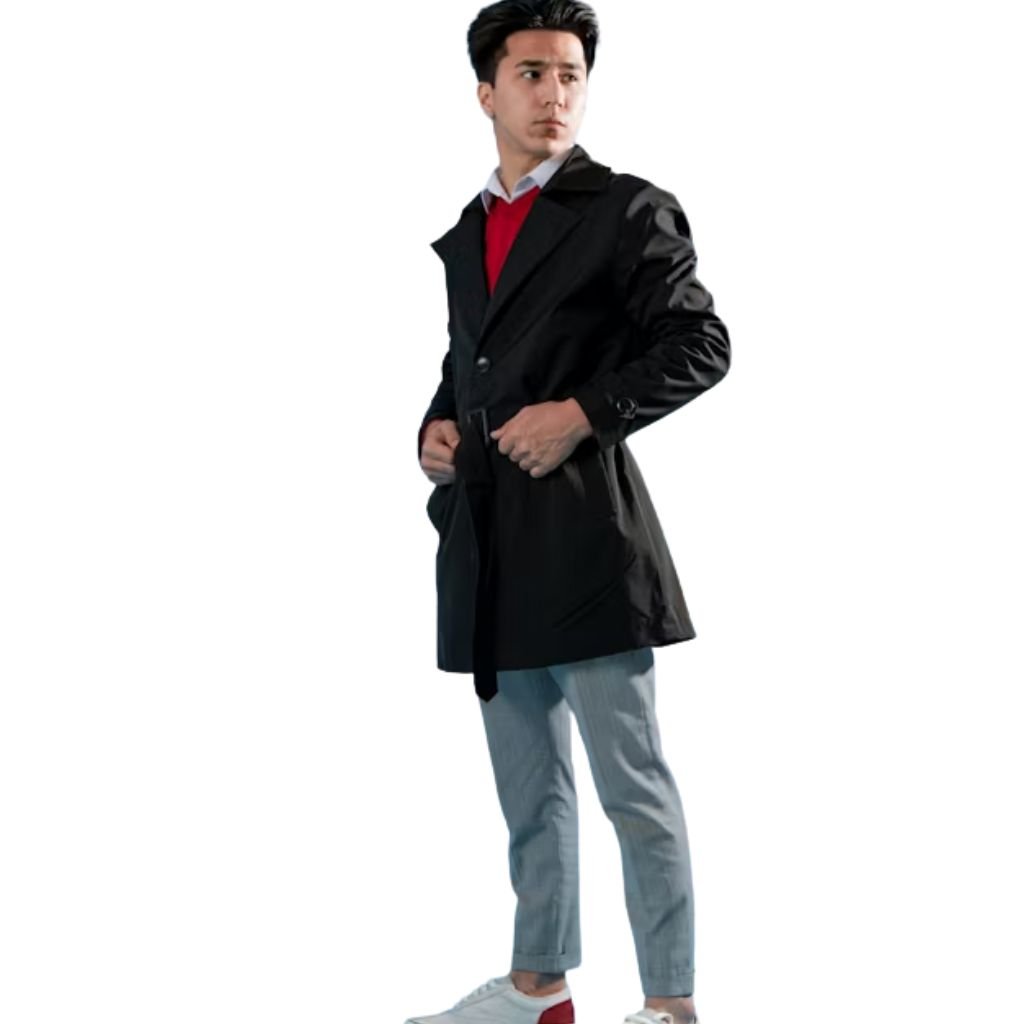
Trench-style winter coats also perform beautifully in casual winter outfits. When paired with denim, knitwear, and winter footwear, they create relaxed yet refined looks. Because these coats avoid heavy padding, they never feel bulky in casual settings. Layering sweaters or hoodies underneath adds warmth while maintaining a clean outer silhouette. As a result, trench-style winter coats elevate everyday winter dressing without appearing overdressed.
Evening and Formal Styling with Trench-Style Winter Coats
For evening and formal occasions, trench-style winter coats offer understated elegance. Darker shades such as navy, charcoal, or black enhance sophistication. When worn over formal outfits, these coats create smooth and uninterrupted lines. This refined appearance makes them suitable for dinners, events, and formal gatherings. Additionally, high-quality fabrics like wool or cashmere blends enhance the overall luxurious feel. Therefore, trench-style winter coats serve as reliable outerwear for formal winter occasions.
Best Colors for Trench-Style Winter Coats
Color choice influences versatility and longevity. Neutral shades such as beige, camel, and black remain timeless and adaptable. These colors integrate easily into most wardrobes.
Modern winter fashion also embraces deep tones like navy, charcoal, and forest green. These colors add depth while maintaining sophistication. Selecting a color that complements daily outfits ensures frequent wear and long-term satisfaction.

How to Choose the Right Trench-Style Winter Coat
Choosing the right trench-style winter coat requires attention to detail. Proper fit ensures comfort and freedom of movement. Shoulder alignment and sleeve length play a critical role in overall appearance.
Length selection depends on height and climate, as longer coats provide additional warmth. Fabric weight determines insulation level, while lining quality enhances comfort. Strong buttons and durable belts contribute to longevity and refined aesthetics.

Trench-Style Winter Coats: Pros and Cons
Trench-style winter coats offer several advantages, including timeless style, versatility, and refined appearance. They adapt easily to various settings and occasions. However, they may not provide enough warmth for extreme cold or heavy snowfall.
Understanding these strengths and limitations helps buyers make informed decisions. Individuals in moderate winter climates benefit the most from trench-style winter coats.
Are Trench-Style Winter Coats Worth Buying?
Trench-style winter coats represent a worthwhile investment due to their durability and fashion longevity. Although initial costs may seem higher, their extended lifespan offsets the expense. Their timeless appeal also reduces the need for frequent replacements.
From a sustainability perspective, investing in a high-quality trench-style winter coat supports responsible consumption. Natural fabrics and long-term use reduce environmental impact. Therefore, these coats offer both style and ethical value.

Latest Trench-Style Winter Coat Trends (2025)
In 2025, trench-style winter coats continue to evolve with modern fashion values. Oversized silhouettes dominate collections, offering comfort and layering flexibility. Minimalist designs focus on clean lines and understated detailing.
Sustainability strongly influences fabric choices, with recycled wool and eco-friendly blends gaining popularity. Modern tailoring balances relaxed fits with structured elegance. As a result, trench-style winter coats remain contemporary while honoring tradition.

How to Care for Trench-Style Winter Coats
Proper care plays a vital role in maintaining the appearance, warmth, and longevity of trench-style winter coats. Because these coats often use premium fabrics such as wool and cashmere blends, they require thoughtful handling. Regular care not only preserves the fabric but also ensures the coat retains its structure over time.
Cleaning Trench-Style Winter Coats Safely
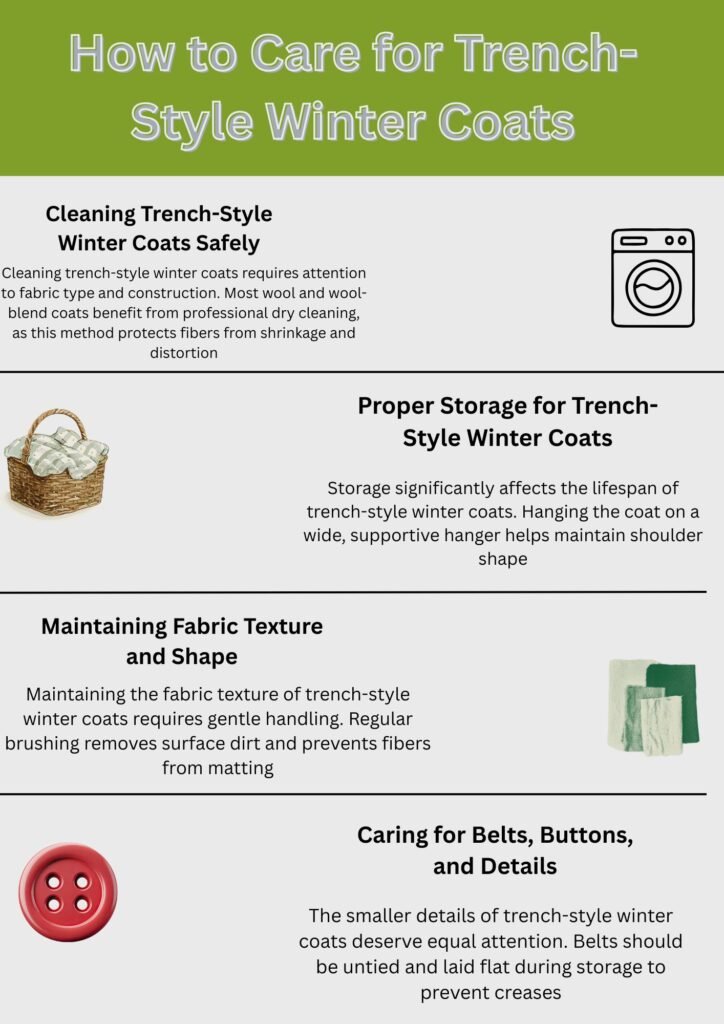
Cleaning trench-style winter coats requires attention to fabric type and construction. Most wool and wool-blend coats benefit from professional dry cleaning, as this method protects fibers from shrinkage and distortion. Frequent washing at home can damage the fabric and weaken its structure.
Proper Storage for Trench-Style Winter Coats
Storage significantly affects the lifespan of trench-style winter coats. Hanging the coat on a wide, supportive hanger helps maintain shoulder shape. Using breathable garment covers protects the fabric from dust while allowing airflow. Storing coats in cool, dry spaces prevents moisture buildup and fabric damage.
Maintaining Fabric Texture and Shape
Maintaining the fabric texture of trench-style winter coats requires gentle handling. Regular brushing removes surface dirt and prevents fibers from matting. Steaming helps release wrinkles while restoring natural drape. Avoiding excessive folding protects the coat’s structure.
Caring for Belts, Buttons, and Details
The smaller details of trench-style winter coats deserve equal attention. Belts should be untied and laid flat during storage to prevent creases. Buttons and fastenings need periodic inspection to ensure they remain secure. Addressing minor repairs early prevents further damage.
Conclusion
Trench-style winter coats represent a perfect blend of timeless design, practical warmth, and everyday versatility. Throughout winter fashion history, these coats have proven their ability to adapt while maintaining their classic appeal. By combining structured silhouettes with winter-ready fabrics, trench-style winter coats deliver comfort without sacrificing elegance. As a result, they remain a reliable choice for individuals who value both style and function during colder months.
FAQs
Are trench-style winter coats good for snow?
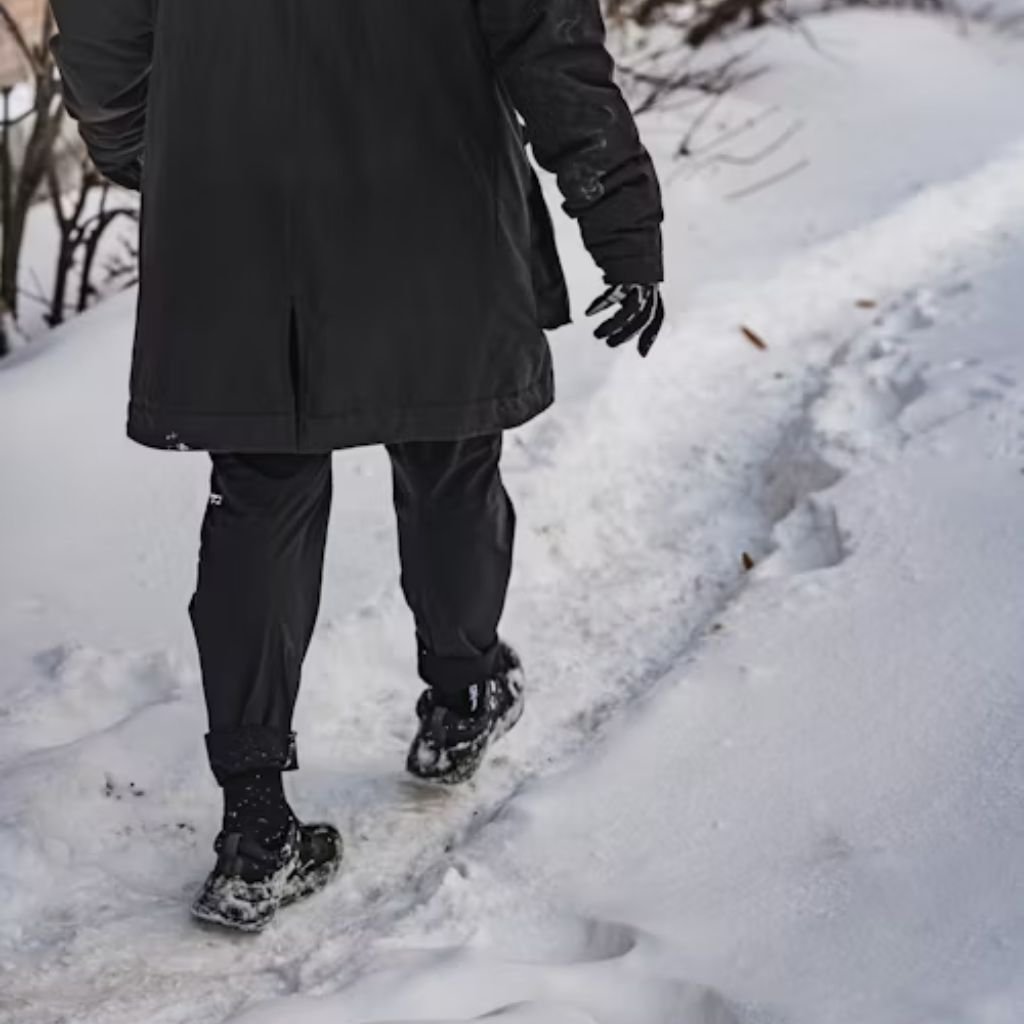
Trench-style winter coats can handle light snow if they are made with water-resistant fabrics or treated wool. They keep you warm in urban winter conditions and prevent light moisture from soaking through. However, during heavy snowfall or prolonged exposure to wet conditions, additional outer layers or insulated coats may be necessary. Layering a thermal sweater underneath improves warmth and comfort.
Can you wear a trench-style winter coat in extreme cold?
While trench-style winter coats provide moderate warmth, they are generally best suited for mild to moderately cold climates. For extremely cold temperatures, layering becomes essential. Adding thick sweaters, scarves, and thermal undergarments can help retain heat. Insulated trench-style winter coats with quilted linings perform better in harsher conditions, providing both style and functional warmth.
What shoes go best with trench-style winter coats?
Trench-style winter coats pair well with a variety of footwear depending on the occasion. For formal looks, leather boots or dress shoes create a polished appearance. Casual outfits work well with ankle boots, loafers, or even stylish sneakers. The coat’s structured design allows it to complement both dressy and relaxed styles while maintaining balance in the overall look.