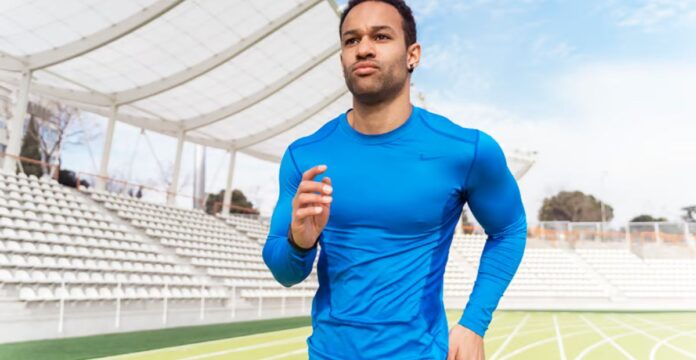
Athletes always look for ways to improve performance and comfort. Therefore, advanced sports fabrics have become extremely popular in modern sportswear. Among these innovations, Power Fit Compression Fabric stands out as a high-performance material. It supports muscles while improving movement during intense workouts.
Modern fitness culture also increased demand for performance clothing. Gym enthusiasts, runners, and professional athletes now prefer specialized sports fabrics. Consequently, compression technology has become a key feature in many athletic garments.
Power Fit Compression Fabric offers both support and flexibility. Additionally, it improves circulation and reduces muscle fatigue. Because of these benefits, athletes often wear compression clothing during training sessions and competitions.
History of Compression Fabrics
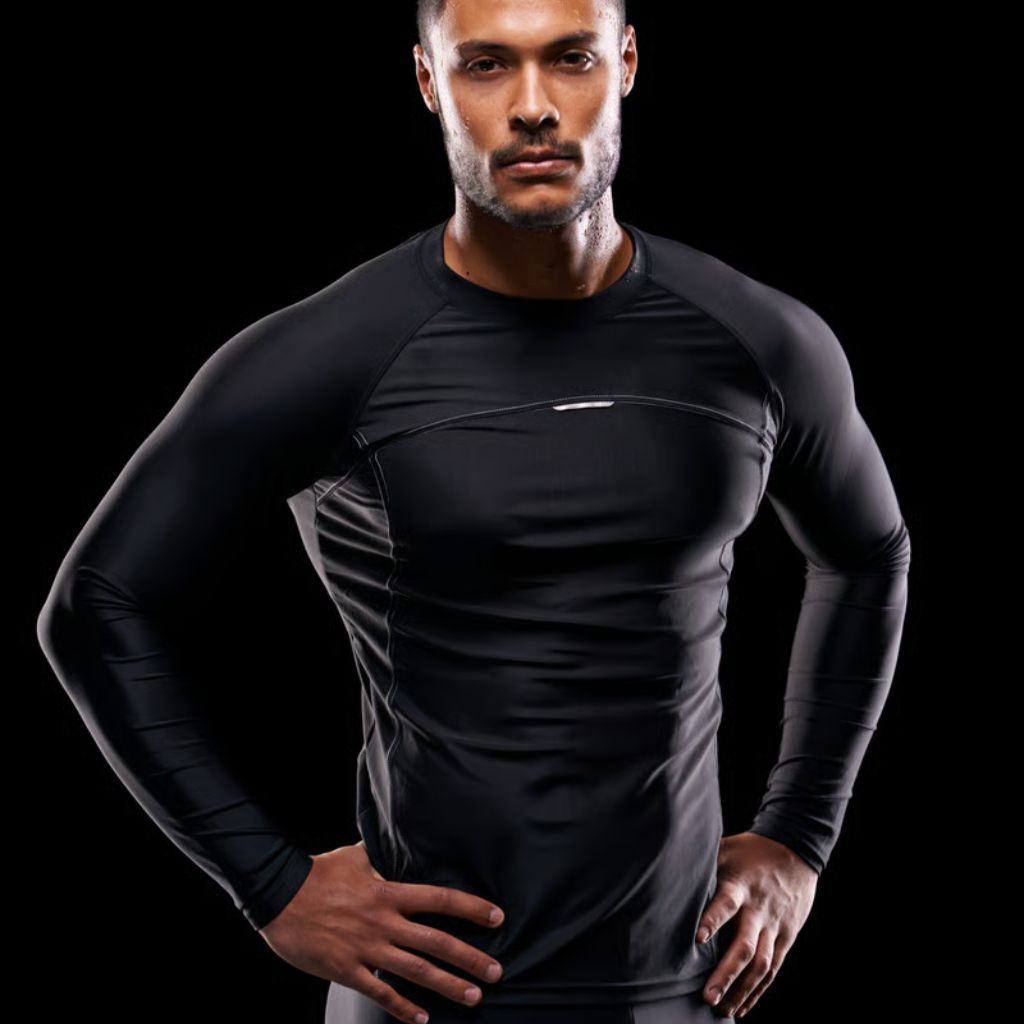
Compression fabrics did not start in the sports industry. Instead, medical professionals first used compression garments many decades ago. Doctors designed them to improve blood circulation in patients with vein disorders. These garments helped reduce swelling and pain in the legs. As a result, compression therapy became an important medical treatment.
Later, sports scientists noticed similar benefits for athletes. They realized that controlled pressure could stabilize muscles during physical activity. Therefore,Outfits sportswear companies started experimenting with compression technology in the 1980s and 1990s. Early designs focused mainly on recovery garments rather than active sportswear.
However, textile technology improved rapidly over time. Advanced fibers such as elastane and spandex allowed manufacturers to create stretchable fabrics. Consequently, designers developed modern athletic compression garments. These fabrics supported muscles while allowing full flexibility.
Types of Power Fit Compression Fabric
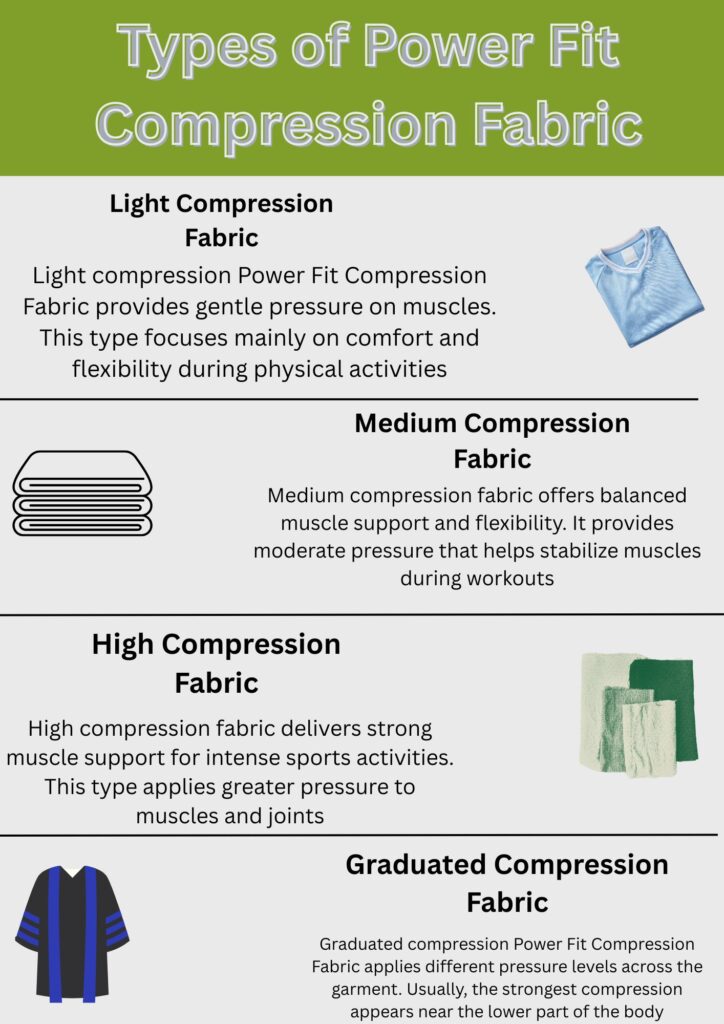
Power Fit Compression Fabric is available in several types to meet different athletic and performance needs. Manufacturers design each type with specific stretch levels, compression strength, and breathability features. Therefore, athletes can choose the fabric type that best supports their training activities.
Moreover, different sports require different levels of muscle support and flexibility. Some fabrics focus on strong compression for muscle stabilization. Others provide lighter compression for comfort and movement. As a result, the variety of Power Fit Compression Fabric types helps athletes perform efficiently in various sports and workouts.
Light Compression Fabric
Light compression Power Fit Compression Fabric provides gentle pressure on muscles. This type focuses mainly on comfort and flexibility during physical activities. Athletes often wear this fabric for everyday workouts and low-impact training.
Furthermore, light compression garments allow excellent airflow and breathability. Therefore, they work well for yoga, walking, and light gym exercises. This type also suits beginners who prefer comfort over strong compression.
Medium Compression Fabric
Medium compression fabric offers balanced muscle support and flexibility. It provides moderate pressure that helps stabilize muscles during workouts. Many athletes prefer this type because it supports movement without feeling too tight.
Additionally, medium compression Power Fit Compression Fabric is widely used in fitness training, running, and cycling apparel. The fabric helps reduce muscle vibration during activity. Consequently, athletes experience better endurance and reduced fatigue.
High Compression Fabric
High compression fabric delivers strong muscle support for intense sports activities. This type applies greater pressure to muscles and joints. As a result, it helps stabilize muscles during heavy workouts and competitive sports.
Athletes often wear high compression garments during weight training, sprinting, and professional sports competitions. Furthermore, this fabric improves circulation and reduces muscle strain. Therefore, it is ideal for high-performance athletic environments.
Graduated Compression Fabric
Graduated compression Power Fit Compression Fabric applies different pressure levels across the garment. Usually, the strongest compression appears near the lower part of the body. The pressure gradually decreases toward the upper areas.
Common Uses of Power Fit Compression Fabric
Power Fit Compression Fabric is widely used in modern sportswear and performance clothing. Athletes, fitness trainers, and active individuals rely on this fabric for support and comfort. The fabric combines elasticity, breathability, and muscle stabilization in one material. Therefore, it works well in many athletic and fitness applications.
Compression Leggings and Tights
Compression leggings are one of the most common uses of Power Fit Compression Fabric. Athletes wear them during running, gym workouts, and training sessions. These leggings provide firm support to leg muscles while allowing full flexibility.
Additionally, compression tights help reduce muscle vibration during movement. This feature decreases fatigue and improves endurance. As a result, runners and fitness enthusiasts often prefer compression leggings for long training sessions.
Sports Shirts and Athletic Tops
Many sports shirts and athletic tops use Power Fit Compression Fabric technology. These garments support upper body muscles during workouts and sports activities. They fit closely to the body while allowing natural movement.
Furthermore, compression shirts improve posture during physical activity. They also help manage sweat by pulling moisture away from the skin. Therefore, athletes remain dry and comfortable during intense exercise sessions.
Running and Cycling Apparel
Running and cycling clothing frequently uses Power Fit Compression Fabric. These sports require endurance and continuous muscle movement. Compression garments help stabilize muscles during repetitive motion.
Consequently, athletes experience less muscle strain and improved stamina. Cyclists and runners also benefit from better blood circulation during long-distance training. This support allows them to maintain performance over extended periods.
Gym and Fitness Training Outfits
Fitness trainers and gym enthusiasts often wear compression clothing during workouts. Power Fit Compression Fabric provides muscle support during weightlifting and strength training. It also allows flexibility for stretching and body movement.
Additionally, compression outfits help maintain proper muscle alignment during exercises. This support reduces the risk of muscle strain. As a result, many fitness professionals recommend compression clothing for training sessions.
What is Power Fit Compression Fabric?
Power Fit Compression Fabric refers to a performance textile designed to provide muscle support. It combines stretchable fibers with durable materials to create flexible garments. As a result, athletes enjoy both mobility and stability during exercise.
Manufacturers use advanced knitting and weaving techniques to produce this fabric. These techniques create a structure that stretches while applying consistent pressure. Consequently, the fabric performs well in many sports activities.
Furthermore, compression fabrics adapt to body movements during workouts. They support muscles without restricting natural motion. Therefore, athletes can perform intense movements comfortably.
Definition and Core Concept
The core concept of Power Fit Compression Fabric involves controlled muscle compression. The fabric gently squeezes muscles during physical activity. This pressure stabilizes muscles and reduces excessive movement.
Additionally, the fabric distributes pressure evenly across the body. As a result, athletes experience improved comfort and performance.
How Compression Fabric Technology Works
Compression fabric technology relies on elastic fibers and tight knitting structures. These fibers stretch while maintaining tension around muscles. Consequently, the garment applies gentle pressure during movement.
This pressure improves blood circulation and oxygen delivery. As a result, muscles receive the nutrients they need during workouts.
Materials Used in Compression Fabrics
Manufacturers combine different fibers to create high-performance compression fabrics. These fibers provide elasticity, durability, and moisture control.
Polyester
Polyester serves as the base material for many compression fabrics. It offers excellent durability and resistance to wear. Additionally, polyester dries quickly after absorbing moisture.
Because of these properties, athletes remain comfortable during long training sessions. Polyester also helps maintain the fabric’s shape after repeated washing.
Spandex
Spandex is responsible for the fabric’s exceptional elasticity. This fiber stretches significantly without losing its original shape. As a result, compression garments maintain their tight fit over time.
Furthermore, spandex allows athletes to move freely during physical activities.
Elastane Blends
Elastane fibers enhance flexibility and compression performance. Manufacturers often blend elastane with polyester or nylon. Consequently, the fabric becomes both durable and stretchable.
This combination creates the perfect balance between support and comfort.
Key Features of Power Fit Compression Fabric
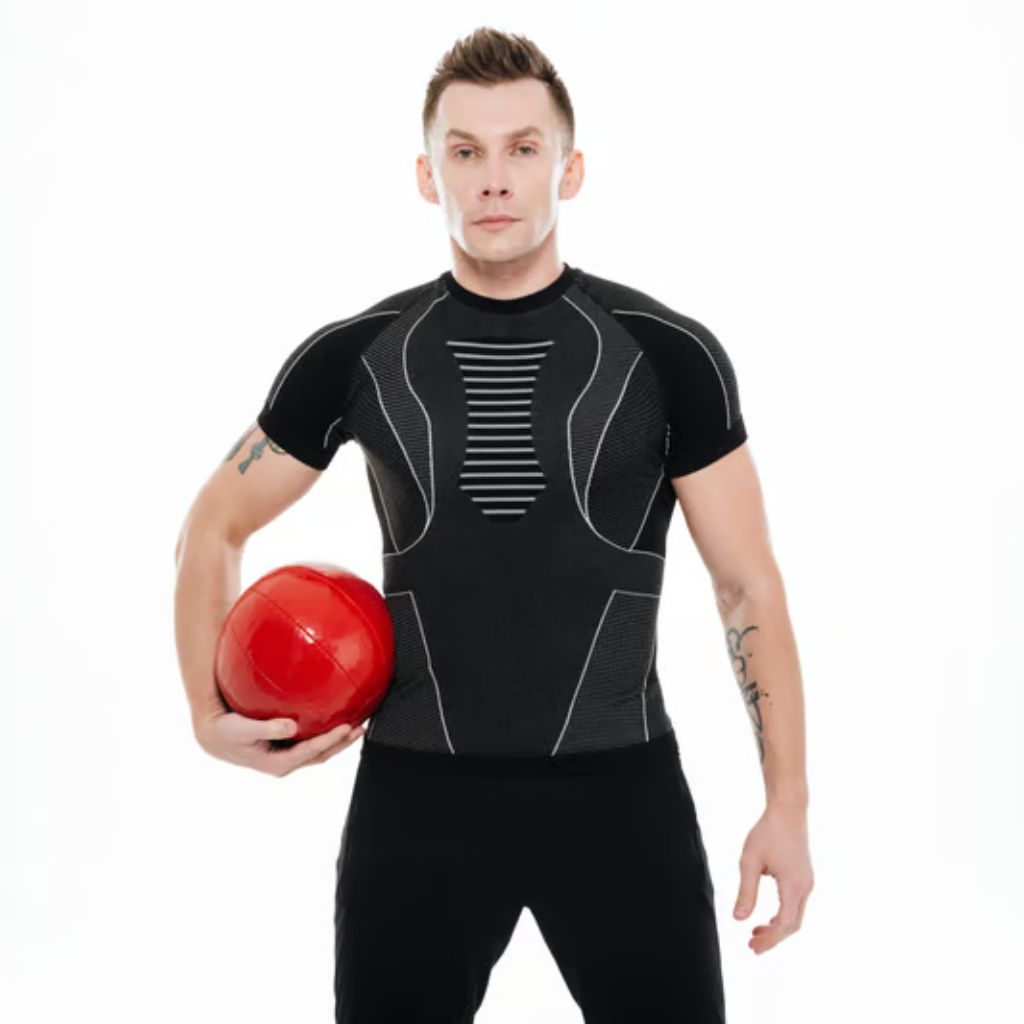
Power Fit Compression Fabric includes several advanced features that improve athletic performance. These features combine textile innovation with ergonomic design. Therefore, athletes experience better support and comfort during workouts.
Additionally, modern compression fabrics include moisture management systems. These systems help control sweat and maintain breathability.
Key Features Include
• High elasticity and stretch
The fabric stretches easily while maintaining its shape. Therefore, athletes enjoy full flexibility during movement.
• Muscle support and compression
Compression technology stabilizes muscles during workouts. Consequently, muscle fatigue decreases significantly.
• Moisture-wicking technology
The fabric moves sweat away from the skin quickly. As a result, athletes remain dry during intense exercise.
• Breathability and ventilation
Special knit structures allow air to circulate freely. Therefore, body temperature stays balanced during workouts.
• Lightweight yet durable structure
Despite its lightweight feel, the fabric remains extremely durable. Consequently, athletes can use it for long periods.
• Sweat and odor control
Many compression fabrics include antibacterial treatments. As a result, unpleasant odors remain under control.
Benefits of Power Fit Compression Fabric
Power Fit Compression Fabric provides several important benefits for athletes. These advantages improve both performance and recovery. Therefore, many professional athletes rely on compression clothing.
Furthermore, the fabric supports muscles during demanding physical activities. Consequently, athletes experience less fatigue and discomfort.
Improves Blood Circulation
Compression garments apply gentle pressure to blood vessels. This pressure helps blood circulate efficiently throughout the body.
As a result, oxygen reaches muscles faster during exercise.
Reduces Muscle Fatigue
Muscle vibrations occur naturally during intense physical activities. Compression fabrics reduce these vibrations significantly.
Consequently, muscles feel less strain during workouts.
Enhances Athletic Performance
Athletes perform better when muscles receive proper support. Power Fit Compression Fabric stabilizes muscles during movement.
Therefore, athletes experience improved endurance and strength.
Speeds Up Recovery After Workouts
Compression garments also assist in muscle recovery. They improve circulation after physical activity.
As a result, athletes recover faster from intense training sessions.
Provides Better Body Fit and Posture
Compression clothing fits closely to the body. This fit encourages proper posture during movement.
Consequently, athletes maintain better alignment during workouts.
How Power Fit Compression Fabric Works
Power Fit Compression Fabric works through advanced textile engineering. The fabric applies controlled pressure across muscle groups. Therefore, muscles remain stable during physical activity.
Additionally, the fabric adapts to body movements naturally. Consequently, athletes enjoy both flexibility and support.
Compression Technology Explained
Compression garments use elastic fibers to apply consistent pressure. This pressure improves blood flow and muscle support.
Therefore, athletes experience greater endurance during workouts.
Muscle Stabilization and Reduced Vibration
Muscles often vibrate during running and jumping activities. Compression fabrics minimize these vibrations effectively.
As a result, muscles remain stable and fatigue decreases.
Temperature Regulation During Workouts
Power Fit Compression Fabric also regulates body temperature efficiently. Breathable fibers allow heat and moisture to escape.
Consequently, athletes stay cool and comfortable.
Advantages for Athletes and Fitness Enthusiasts
Power Fit Compression Fabric offers several advantages for active individuals. These benefits improve training results and overall comfort.
Better Endurance During Workouts
Improved blood circulation helps deliver oxygen to muscles. Therefore, athletes maintain energy during intense workouts.
Reduced Injury Risk
Muscle stabilization reduces the chance of strain or injury. As a result, athletes train more safely.
Enhanced Comfort and Flexibility
The fabric stretches smoothly while maintaining a secure fit. Consequently, athletes move freely without discomfort.
Improved Training Results
Better support leads to more effective training sessions. Therefore, athletes achieve their fitness goals faster.
How to Choose the Best Power Fit Compression Fabric
Choosing the right compression fabric ensures comfort and durability. Therefore, buyers should consider several important factors.
Fabric Blend Quality
High-quality blends of polyester and elastane provide better durability. Consequently, garments last longer.
Stretch Percentage
A higher stretch percentage ensures better compression performance. Therefore, garments maintain shape after repeated use.
Breathability Level
Breathable fabrics improve airflow and reduce heat buildup. As a result, athletes remain comfortable.
Durability and Stitching
Strong stitching ensures garments withstand intense training. Additionally, durable fabric prevents early wear.
Fit and Comfort
Proper sizing ensures effective compression and comfort. Therefore, athletes should choose garments carefully.
Future Trends in Compression Fabric Technology
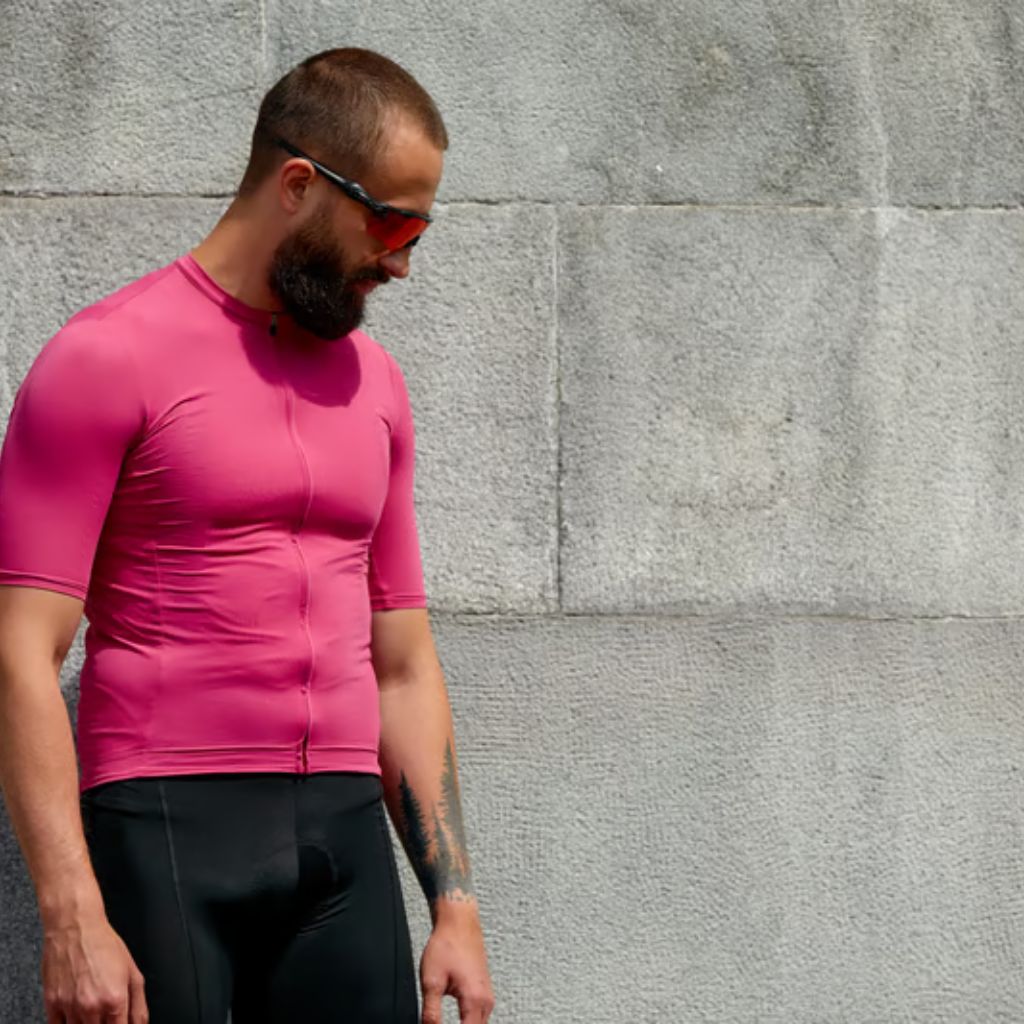
Compression fabric technology continues to evolve rapidly. Researchers constantly develop new materials and smart textiles.
Smart Textiles
Future compression fabrics may include built-in sensors. These sensors could track muscle activity and body movement.
Eco-Friendly Performance Fabrics
Sustainability is becoming important in sportswear production. Many brands now use recycled polyester materials.
Advanced Moisture-Control Systems
Future fabrics will include improved sweat management technologies. Consequently, athletes will stay cooler during intense workouts.
Care and Maintenance of Power Fit Compression Fabric
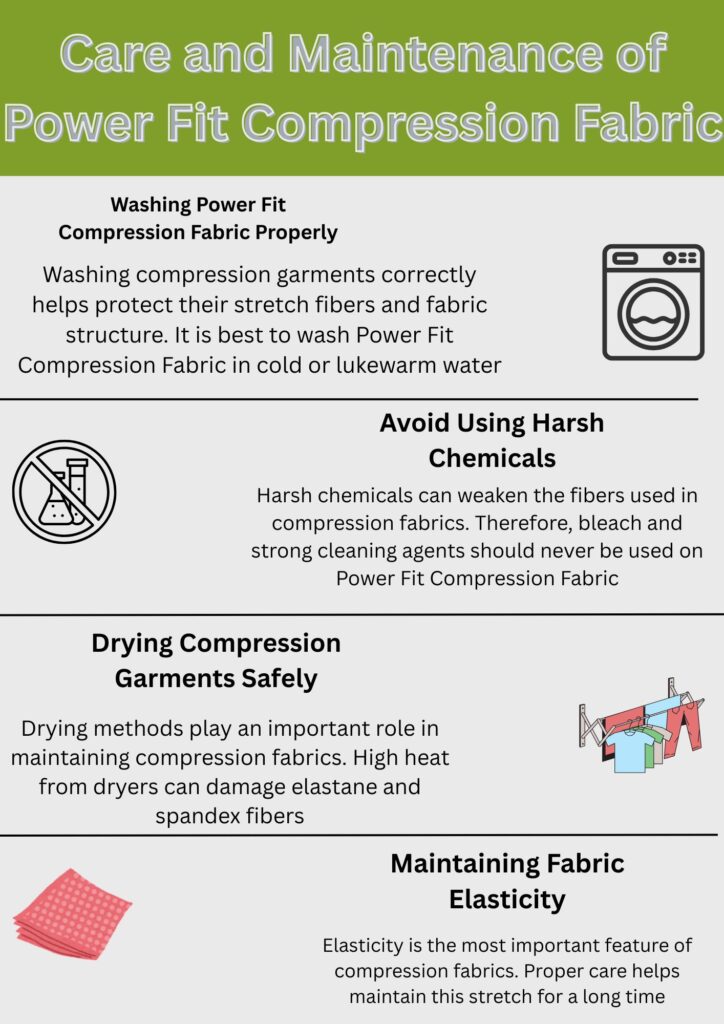
Proper care is essential to maintain the quality and performance of Power Fit Compression Fabric. Compression garments rely on elastic fibers that provide stretch and muscle support. Therefore, careful maintenance helps preserve their elasticity, durability, and moisture-wicking ability. When users follow correct care methods, the fabric can last longer and continue delivering the same level of support during workouts.
Washing Power Fit Compression Fabric Properly
Washing compression garments correctly helps protect their stretch fibers and fabric structure. It is best to wash Power Fit Compression Fabric in cold or lukewarm water. Mild detergents should always be used because strong chemicals can damage elastic fibers.
Furthermore, athletes should turn garments inside out before washing. This simple step protects the outer surface from friction and fading. Hand washing is often the safest option, although a gentle machine cycle also works well. Proper washing methods help maintain the fabric’s moisture-wicking and compression properties.
Avoid Using Harsh Chemicals
Harsh chemicals can weaken the fibers used in compression fabrics. Therefore, bleach and strong cleaning agents should never be used on Power Fit Compression Fabric. These chemicals break down elastic fibers and reduce the garment’s stretch.
Additionally, fabric softeners should be avoided because they coat the fibers and reduce breathability. Instead, a mild sports detergent will keep the fabric clean without harming its performance features. This approach ensures that compression garments maintain their strength and flexibility.
Drying Compression Garments Safely
Drying methods play an important role in maintaining compression fabrics. High heat from dryers can damage elastane and spandex fibers. As a result, the garment may lose its elasticity and supportive fit.
Air drying is the best method for Power Fit Compression Fabric clothing. Athletes should lay garments flat or hang them in a shaded area. Direct sunlight should be avoided because excessive heat may weaken the fibers. Gentle drying helps maintain both the structure and stretch of the fabric.
Maintaining Fabric Elasticity
Elasticity is the most important feature of compression fabrics. Proper care helps maintain this stretch for a long time. Avoid pulling the fabric too aggressively when putting on or removing the garment.
Additionally, washing garments after heavy workouts helps remove sweat and salt buildup. These substances can damage fibers if left on the fabric. By cleaning and handling the garments carefully, athletes can maintain the compression level and flexibility.
Conclusion
Power Fit Compression Fabric has transformed modern sportswear through advanced textile technology and smart design. Athletes now expect clothing that supports muscles, improves comfort, and enhances overall performance. Therefore, compression fabrics have become an essential part of athletic and fitness apparel. They provide the perfect balance of flexibility, durability, and muscle support.
FAQs
What is Power Fit Compression Fabric used for?
Power Fit Compression Fabric is used in athletic clothing and sportswear. It supports muscles and improves performance.
Is compression fabric good for workouts?
Yes, compression fabric improves circulation and reduces fatigue. Therefore, it benefits athletes during exercise.
Does compression fabric improve performance?
Compression garments stabilize muscles and enhance endurance. Consequently, athletes perform better.
Can compression fabric help muscle recovery?
Yes, compression clothing improves circulation after workouts. As a result, muscles recover faster.