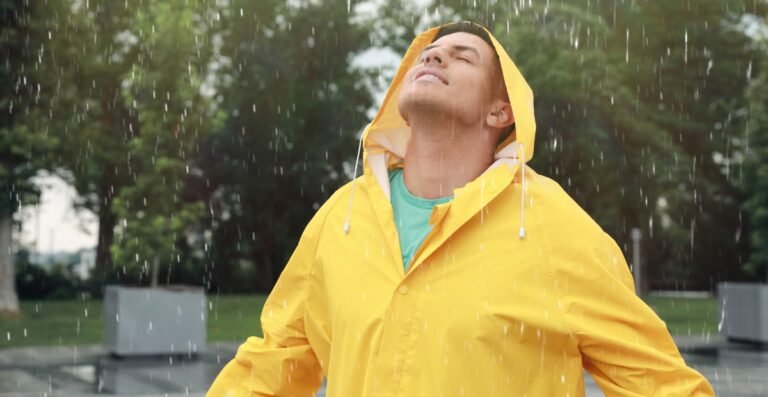
Outerwear in today’s fast-paced society is not just about keeping dry. It’s about style, comfort, flexibility and breathability all at once. Softshell Rain Jacket is a great example of this. Softshell jackets are a better and more comfortable alternative to traditional hard rain jackets for those who need protection but don’t want stiffness.
A softshell jacket is a great outer layer for hiking, commuting or traveling. It can also be worn on a rainy day to enjoy the rain. This detailed guide will cover everything you need–from the features and benefits, to styling advice and buying tips.
What is a Softshell Rain Jacket (SRT)?
A Softshell Rain Jacket is an outerwear garment that provides Water Resistance and Wind Protection. It also offers Flexibility. Softshell jackets allow for natural movement, unlike hardshell jackets which are rigid and waterproof.
These jackets also have a Durable water repellent (DWR), treatment. This repels light rain, drizzle, and drizzling, but maintains breathability.
A softshell jacket is designed for weather protection that puts comfort first.
Softshell Jackets are different from Hardshell Jackets
Both jackets are similar in purpose, but there are distinct differences.
Softshell Jackets are Flexible. Hardshell Jackets are Stiff. Softshell jackets are more concerned with comfort and breathability whereas hardshells are more concerned with maximum water resistance.
Softshell jackets also are lighter, quieter and better suited for everyday use. Hardshell jackets, on the other hand are worn during extreme weather conditions.
Softshell jackets can be used in mild or moderate rain.
Softshell rain jacket: Key Features
1. Water-Resistant Fabric
Softshell jackets can handle light rain, even though they aren’t waterproof. DWR coating forces water droplets to roll off of the surface. The inner layer is kept dry under most conditions.
2. Breathability
Breathability is one of the main advantages. The moisture from sweat can escape and keep the body comfortable. Softshell jackets are therefore ideal for active wear.
3. Stretch and Flexibility
Softshell fabrics are stretchable. Movement is not restricted. Comfort is guaranteed, whether the arms are raised or the body bent.
4. Wind Protection
The fabric is soft, but it blocks the wind effectively. The fabric retains warmth without adding bulk.
5. Lightweight Design
Softshell jackets are lightweight and easy to transport. Many models can easily be stuffed into a back pack.
Wearing a softshell rain jacket has many benefits
Benefits of wearing a softshell rain jacket: comfortable all day wear, versatile use for activities and travel, stylish appearances, and temperature regulation.
Comfortable All Day Wear
These jackets are comfortable to wear for long periods of time due to their flexible and soft structure. The irritation caused by stiff raincoats is reduced.
Versatile Use
Softshell jackets can be used for a variety of activities. They are also used for casual outings, hiking, cycling and travel.
Appearances that are Stylish
Style is another major advantage. Softshell jackets are usually clean and modern. They pair well with jeans or chinos.
Temperature Regulation
As a result, the body is less likely to overheat. Light insulation also keeps the body warm.
Softshell rain jackets are made from a variety of materials
Softshell jackets are usually made from nylon or polyester blends combined with elastic to stretch. Some jackets have a fleece lining for warmth.
Often, fabric technology is used to enhance performance. These materials are durable and comfortable.
When should you choose a softshell rain jacket?
Softshell rain jackets are ideal for:
Light to moderate rainfall
The importance of movement
Breathability required
Comfort is our priority
A hardshell jacket is recommended for heavy rainstorms. Softshell jackets are still the best choice for most everyday weather.
Softshell rain jacket for outdoor activities
Hiking and Trekking
Softshell jackets are preferred by hikers as they make it easier to move and reduce sweating. A softshell jacket can also be used to deal with sudden changes in weather.
Cycling
They feel less constrained because of the stretch and resistance to wind. Longer rides are more enjoyable.
Travelling
Softshell jackets make for a great travel companion. Softshell jackets are lightweight, packable and stylish. They’re perfect for exploring the city.
Softshell rain jackets for everyday use
Not everyone purchases a jacket to use for outdoor activities. Many people are looking for something that is practical and useful in their daily lives.
Softshell rain jackets are a great addition to your everyday wardrobe. These jackets are perfect for any occasion, whether you’re heading to the office or taking a stroll.
Seasonal Suitability
Softshell jackets work best for mild winter, spring and autumn days. Layering is recommended in colder weather.
The jacket can be worn throughout the year without discomfort because it is breathable.
How to style a Softshell Jacket
Three versatile ways to style a softshell jacket: casual, smart casual, and outdoor.
Casual Look
Wear your jacket with sneakers, jeans and a basic T-shirt. This will give you a modern and relaxed look.
Smart Casual Outfit
Wear it with chinos, loafers and a shirt. The jacket will blend into semi-formal settings.
Outdoor Style
Combining it with hiking trousers, boots and a hat will maximize its performance. It is not only stylish, but it also performs well.
Selecting the Right Softshell Jacket
How to choose the right softshell jacket: focus on fit, adjustable hood, practical pocket placement, and durable, water-resistant zippers.
Fit Matters
Comfort is assured by a good fit. It should not be too loose, but it shouldn’t be too tight.
Hood Design
A hood that can be adjusted is ideal, especially in windy rain.
Pocket Placement
Zippered pockets can be useful to keep your belongings secure. Many jackets have chest pockets for added convenience.
Zippers of high quality
Water-resistant zippers improve protection. Checking zipper quality is therefore important.
Maintenance and Care Tips
Proper care is necessary to maintain performance.
Was in cold water
Avoid fabric softeners
Dry your clothes whenever possible
DWR may eventually wear away. It can be easily reapplied.
Eco-Friendly Softshell Jackets
Softshell rain jackets made from sustainable materials are available in many brands. The jackets are made from recycled fabrics and do not contain harmful chemicals. The environmental impact is therefore reduced.
By choosing such jackets, you are supporting eco-conscious fashion.
Softshell rain jackets are popular today
The modern consumer wants comfort, style and performance all in one product. Softshell rain jackets are gaining popularity because they offer comfort, style and performance.
Fashion trends also favor minimalistic and functional designs. Softshell jackets are perfect for this trend.
Common Myths about Softshell Rain Jackets
They Are Not Waterproof
Although they are not waterproof, they can be used daily.
They Are only for Sports
They are also suitable for casual wear.
They don’t keep you warm
Layering is key to warmth. Comfort is easy to achieve with the right layering.
Softshell Jackets vs Fleece Jackets
Fleece jackets are warm, but they do not protect you from rain. Softshell jackets offer both protection as well as flexibility. Softshell jackets, therefore, are more versatile.
Investment Value
Softshell jackets are worth the price, even if they seem expensive at first. They are worth their price because of durability, comfort and versatility.
Final Thoughts
A rain jacket that is softshell is the best choice for those who value comfort, style, and flexibility. It may not be able to replace a hardshell rain jacket in extreme weather conditions, but it can easily handle everyday weather challenges.
Softshell rain jackets are a staple of outerwear because they’re lightweight, breathable, and stylish. This is the ideal jacket for those who want a jacket that can be used for travel, work and outdoor activities.
FAQs
What is a softshell rain jacket?
A softshell rain jacket is a lightweight, flexible jacket that offers water resistance, wind protection, and breathability for everyday and outdoor use.
Is a softshell rain jacket fully waterproof?
No, it is water-resistant, not fully waterproof. It works best in light to moderate rain, not heavy storms.
Can I wear a softshell rain jacket in winter?
Yes, but layering is recommended. On its own, it is best for mild cold weather.
Winter jackets Daily Wear jackets have become an element of the modern winter fashion due to their ability to promote comfort, warmth, and style to everyday living. No longer would people desire to have heavy winter coats which feel heavy and limit movement. They instead wear lightweight jackets which are soft, breathable and easy to carry around. An ideal solution to this need is a Daily Wear Winter Jacket since it offers a moderate level of insulation without causing any unnecessary weight. It maintains the warmth of your body and still allows the air to pass through, preventing overheating on its daily usage.
In contrast to the stiff winter jackets that are aimed at extreme temperatures, everyday wear is aimed at sensible warmth. They are suitable in mild to moderate winter temperatures in which individuals alternate between cold outdoors and warm indoors. This balance is perfect in commuting, shopping, traveling as well as in casual outings. In addition, contemporary designs enable individuals to remain fashionable without compromising on the comfort. You need not decide between fashion and warmth anymore due to the fact a Daily Wear Winter Jacket is a combination of both.
This jacket is also necessary due to versatility. You can wear it in the office, in walks on the weekend, or in short trips. It is economical since you do not have to have a variety of winter coats. It is also space saving since a single jacket will have numerous uses. Altogether, Daily Wear Winter Jacket is comfortable, warm, flexible and stylish and so it can be considered as an essential part of winter life.
The History of the Winter Jacket of Daily Wear.
Outerwear has been developed significantly since winter. During the previous centuries, human beings used to survive extreme winters with heavy wool coats and animal fur clothes. These coats were very warm yet were too large and cumbersome in the daily work. With modernization of societies, individuals required light jackets that were accommodating and mobile. This need compelled designers to reevaluate the way winter clothes are to be put into practice.
In the twentieth century, the jackets with quilts and padded coats gained popularity. These were designs that incorporated layers of fabrics in order to trap heat and also to reduce weight. Winter fashion was later altered by the invention of the synthetic fibers. Jackets were made of materials such as polyester to be warm, light, and cheap. The life in cities also affected the style of jackets since people desired clothes that would correspond to the casual and semi-formal clothes.
The changes in the lifestyle led to the creation of the Daily Wear Winter Jacket. Designers dwelled on comfort, breathing and contemporary appearance. With time, the bands merged fashion and functionality to produce jackets that were befitting day-to-day living. The Daily Wear winter jacket is the symbol of the modern winter jacket today as it embodies the innovation, practicality and personal sense of style.
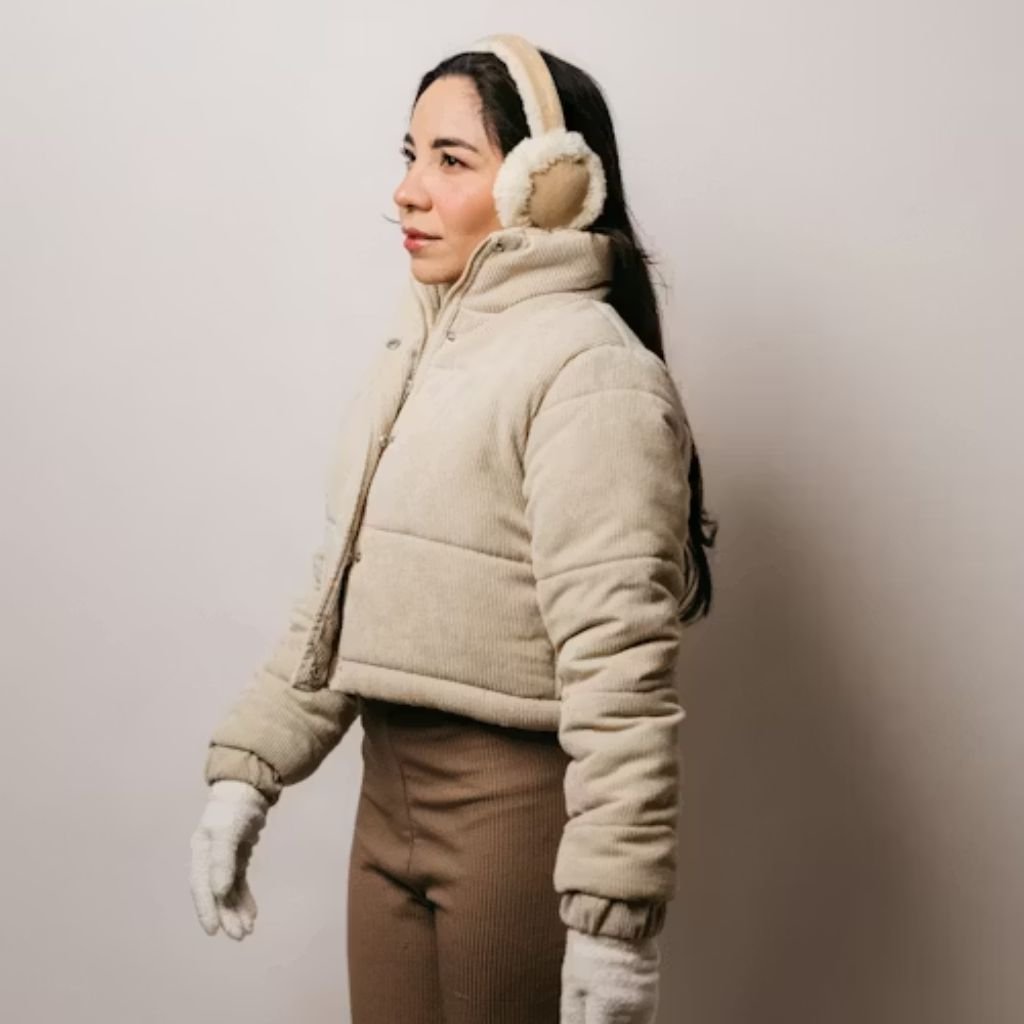
Cozy-neutral winter look: puffer jacket, mittens, and earmuffs.
What is a daily wear winter jacket.
A Daily Wear Winter Jacket is an outerwear product meant to be used in winter and on a daily basis. It offers a moderate level of warmth without excessive insulation. It is not intended to keep out very low temperatures like the expedition jackets. Rather, it is made up of comfort, breathability, and flexibility.
The primary aim of a Daily Wear Winter Jacket is to facilitate the daily winter routine. It enables individuals to move about freely and be warm and dry. It has flat linings, breathable fabrics, and stretchy fits to sustain lengthy wear. Due to such features, individuals will be able to use it during commuting, working, traveling and relaxing in the open air.
In general these jackets work well in the mild to moderate winter conditions. They grow in temperatures ranging between five and fifteen degrees Celsius. Nonetheless, that can be augmented by layering them. It can be worn with a sweater or hoodie under it in case of colder climate. This is versatility, which renders the Daily Wear Winter Jacket a convenient and a versatile option.
This is due to the fact that students like such jackets since they can be comfortable even during long school days. They are more favoured by office workers as they appear clean and business-like. They are so popular among travelers as they are perceived to be lightweight and easy to pack. Daily Wear Winter Jacket would fit any person who desires comfort in everyday winter, as it has a very broad target audience.
Key Features to Look for in a Daily Wear Winter Jacket
When selecting the appropriate Daily Wear Winter Jacket, it is necessary to pay certain attention to the characteristics. One of the most significant aspects is lightweight insulation. It also maintains heat in the body without trying the jacket out. This aspect will allow it to move freely and will not strain the shoulders in a prolonged usage.
Breathable fabric is also very crucial. Porous substances permits the moisture and heat to go out slowly. This airflow eliminates the accumulation of sweat and excessive heating, in particular, when walking or actively moving. Through this, the jacket remains comfortable when neither inside nor outside. Breathability helps to achieve long-term daily comfort.
The natural body movement is assured by a comfortable fit. An excellent Daily Wear Winter Jacket must not fit tight around the shoulders or the chest. It must be able to be layered but it must not appear fatigued. Meanwhile, it must not be sloppy. A balanced outfit enhances both the looks and the performance.
The design of easy layering is versatile. Well-fitting jackets can be worn in the world of sweaters or hoodies and the user easily controls the level of warmth. This easiness is beneficial when there is a fluctuating weather. Strong seams are also important as they do not tear easily and increase the life span of jackets. A jacket that has been sewed properly cannot withstand everyday usage, or the constant washing.
Waterproof and windproof capabilities offer protection. Windproof cannot allow cold air into the jacket. Light rain and snow are kept off by water resistance. All these characteristics make the wearer warm and dry even when there is an unpredictable weather during winter.
Winter Jackets Winter Jackets Best Materials.
The kind of material to use is significant to the level of comfort and usefulness of a Daily Wear Winter Jacket. The cloth determines coldness, ventilation, resistance and comfort of care. Daily jackets are worn habitually hence their materials should be soft and strong. An adequate material must not make you feel heavy and sweaty. It must also be able to endure frequent washing and movement on a daily basis. To address such requirements, modern winter jackets are made of a combination of natural and synthetic fabrics. Knowing these materials would allow buyers to make smarter and long-lasting decisions.
Polyester Material to use in daily use.
Polyester is also among the widely used fabrics to use in a Daily Wear Winter Jacket due to its durability and easy care. This cloth wrinkle-free and does not lose its shape even when washed numerous times. It also dries fast and that is why it is ideal to individuals with hectic schedules. Polyester is also a good trap because it keeps warm and at the same time is light in weight, something that helps to maintain comfort in day-to-day life. Polyester is also used in numerous brands to be covered with water-resistant materials against light rain. Polyester suits winter very well due to such characteristics.
Fabrics Wool Blends to warm up naturally.
Wool mixes are warm and so comfortable in cold conditions. Wool fibers are very effective in heating as well as allowing air to flow to avoid overheating. Wool is made lighter and tougher when mixed with synthetic fibers. The blends also shrink less as compared to pure wool. Wool blends are popular with many people as they are premium and comfortable. An Ice Jacket is a woolen Daily Wear Winter Jacket that is a combination of office and smart casual.
Extra Comfort Fleece Lining.
Fleece lining is warm without being heavy. It is soft to the skin and enhances total insulation. This lining is suitable to those who easily experience cold during the light winters. Fleece is also quick drying and breathable as the person moves around. Fleece-lined jackets are comfortable and can be worn. Daily Wear Winter Jackets Fleece suits go hand in hand because of that.
Lightweight Warmth Insulation.
Down insulation is very warm and is very lightweight. It traps body heat within small pockets of air thereby enhancing insulation. The material is ideal on those who need to be warm without being heavy. But down becomes insulated when wet and this decreases its performance. Owing to it, there are a lot of everyday jackets blending with the water-resistant shells. Down suits are the most suitable in mild dry winter.
Types of Daily Wear Winter Jackets
A Daily Wear Winter Jacket comes in many styles because people have different comfort needs and fashion preferences. Each type offers a unique balance of warmth, fit, and appearance. Some jackets focus on lightweight insulation, while others provide extra coverage or a sharper look. Choosing the right type depends on lifestyle, climate, and personal style. Understanding these types helps buyers find a jacket that feels comfortable and looks good every day. Modern designs allow people to stay warm without sacrificing movement or fashion.
Types of Daily Wear Winter Jackets: quick guide to lightweight, quilted, hooded, and casual parka styles.
Puffer Jackets for Lightweight Warmth
Puffer jackets remain one of the most popular types of Daily Wear Winter Jackets because they feel warm yet light. Their padded design traps body heat efficiently, which keeps the wearer cozy during mild to moderate cold. These jackets feel soft and flexible, which supports easy movement throughout the day. Many people prefer puffer jackets for casual wear because they look modern and relaxed. They also pair well with jeans, sneakers, and hoodies. Because of their comfort and trendy appearance, puffer jackets suit everyday winter use very well.
Quilted Jackets for a Neat and Polished Look
Quilted jackets offer a more structured and stylish option for daily wear. Their stitched patterns hold insulation evenly, which improves warmth distribution. These jackets feel lighter than heavy coats while still providing reliable insulation. Many office workers prefer quilted jackets because they look neat and professional. They pair well with trousers, formal shoes, and smart casual outfits. A quilted Daily Wear Winter Jacket works perfectly for people who want warmth with a clean and refined appearance.
Hooded Winter Jackets for Extra Protection
Hooded winter jackets provide added protection for the head and neck. The hood blocks cold wind and light rain, which improves comfort during outdoor movement. This feature becomes useful during unexpected weather changes. Hooded designs also add a sporty and casual style to the jacket. Many people choose hooded jackets for daily errands and travel. A hooded Daily Wear Winter Jacket suits people who value practicality and comfort together.
Casual Parkas for Longer Coverage
Casual parkas offer longer length and extra warmth. They extend below the hips, which helps retain body heat better. This design makes parkas suitable for people who feel cold easily. Parkas also bring a fashionable urban look that fits modern street style. Many people wear them with boots, scarves, and winter accessories. A casual parka works well as a Daily Wear Winter Jacket for city life and colder days.
Daily Wear Winter Jackets for Men
A Daily Wear Winter Jacket for men should balance comfort, warmth, and everyday style. Men usually prefer jackets that feel light yet provide enough insulation for mild to moderate winters. Because daily routines involve commuting, working, and casual outings, the jacket must support long wear without discomfort. Modern designs now offer smart fits, breathable fabrics, and flexible styling options. As a result, men no longer need bulky coats for regular winter days. A well-chosen Daily Wear Winter Jacket helps men stay warm while looking confident and stylish.
Style Preferences for Everyday Wear
Most men prefer simple and clean jacket designs for daily use. Neutral colors such as black, gray, navy, and olive remain very popular because they match easily with different outfits. Minimal branding and smooth textures also attract men who want a versatile look. These styles work well for both casual and semi-formal settings. A Daily Wear Winter Jacket with a simple design feels practical and modern. Because of this, many men choose classic colors and timeless cuts.
Office-Friendly Daily Wear Winter Jackets
Office wear requires jackets that look neat and professional. Quilted jackets and slim-fit designs suit this need very well. They maintain a clean shape and avoid bulky padding. These jackets pair easily with formal trousers, dress shirts, and leather shoes. Many men prefer jackets with subtle detailing and dark shades for office use. A Daily Wear Winter Jacket for work should enhance a professional image while still offering warmth.
Casual and Street-Style Jackets for Men
Casual winter jackets focus more on comfort and relaxed fashion. Puffer jackets and hooded styles remain popular for street wear. These jackets feel soft, lightweight, and cozy during daily movement. They match well with jeans, sneakers, and hoodies. Many younger men prefer sporty designs with modern cuts. A casual Daily Wear Winter Jacket supports everyday errands and weekend outings with ease.
Fit and Comfort for Long Wear
Fit plays a major role in how comfortable a jacket feels. A Daily Wear Winter Jacket for men should allow free movement of the arms and shoulders. It should also leave enough space for layering without looking bulky. Slim fits suit men who like a sharp look, while regular fits suit those who prefer relaxed comfort. Breathable fabrics also help prevent sweating during long wear. Because of that, comfort should always guide jacket selection.
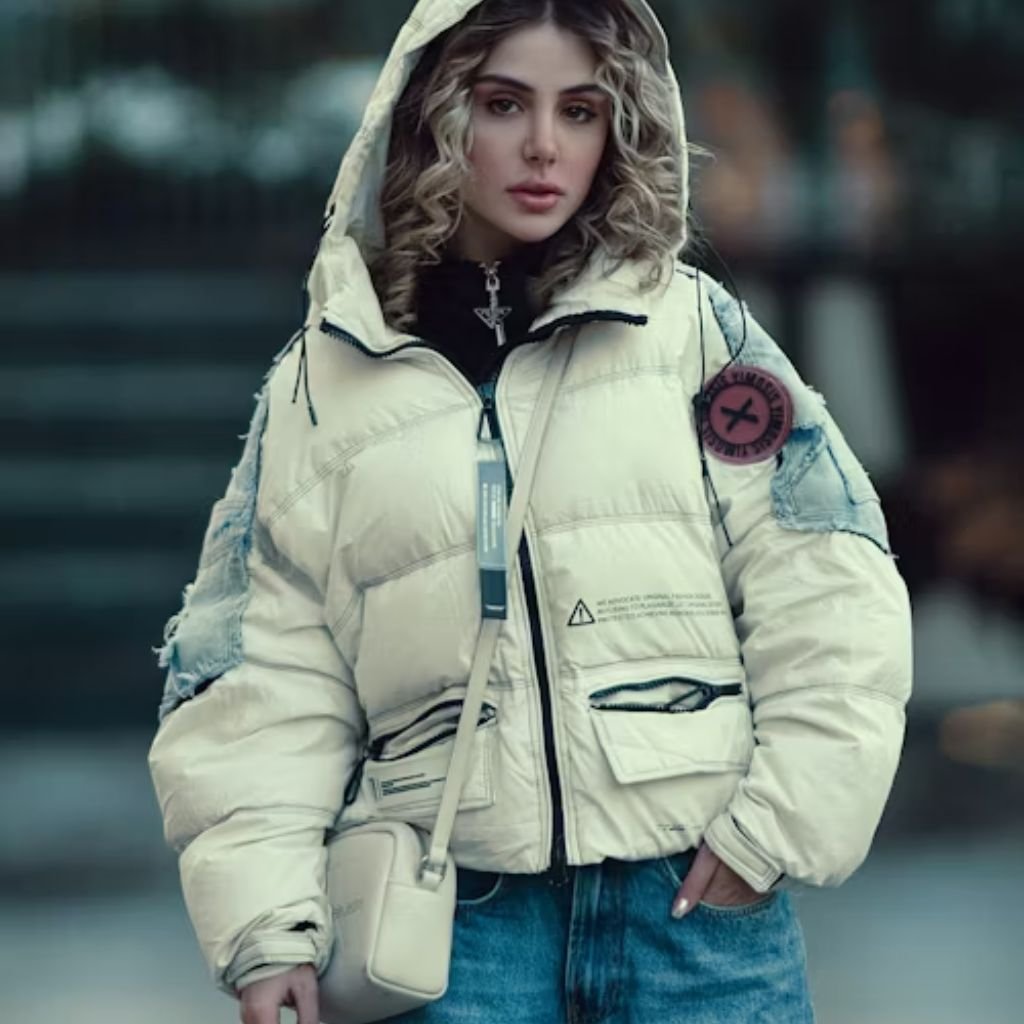
Street-style: oversized puffer with a chic, casual vibe.
Daily Wear Winter Jackets for Women
Women often seek a balance between fashion and warmth. Daily Wear Winter Jackets deliver both. Modern designs offer stylish cuts, flattering fits, and trendy colors. Women enjoy jackets that enhance outfits while keeping them warm.
Long jackets provide extra coverage and warmth. They work well with leggings, boots, and winter dresses. Short jackets feel lighter and more sporty. They suit active daily routines and casual looks. Both styles remain popular depending on personal preference.
Trendy colors such as beige, pastel shades, and earthy tones attract many women. Slim fits enhance body shape and add elegance. Designers focus on combining warmth with modern fashion trends. As a result, women can stay stylish even in cold weather.
How to Choose the Right Daily Wear Winter Jacket
Choosing the right jacket requires careful evaluation of personal needs. Climate plays a major role because cold regions need jackets with thicker insulation. Mild winters suit lightweight designs. Understanding your local weather helps narrow down choices.
Body type and fit also matter. Slim fits suit lean body types. Regular fits offer relaxed comfort. Trying jackets before buying ensures better fit. Usage defines jacket style as well. Office use requires professional looks. Travel use requires lightweight and flexible designs.
Budget planning prevents overspending. Setting a realistic budget helps filter options. Comparing prices across brands improves value selection. Focusing on quality rather than trends ensures long-term satisfaction.
Best Daily Wear Winter Jacket Styling Tips
Styling enhances winter appearance. Casual everyday outfits work well with puffer jackets, jeans, and sneakers. Adding scarves and beanies increases warmth and style. Office-ready looks pair quilted jackets with trousers and formal shoes. Neutral colors maintain a professional tone.
Travel-friendly styling involves layering jackets over hoodies. Comfortable shoes complete the relaxed look. Functional accessories like backpacks improve practicality. Styling should reflect personal taste while maintaining comfort.
Daily Wear Winter Jacket vs Heavy Winter Jacket
Daily Wear Winter Jackets feel lightweight and comfortable. Heavy winter jackets feel bulky and restrictive. Daily jackets suit regular winter needs. Heavy jackets suit extreme cold conditions. Choosing based on climate preventsdiscomfort and unnecessary weight.
How to Care for Your Daily Wear Winter Jacket
Proper care keeps a Daily Wear Winter Jacket looking fresh, warm, and comfortable for many seasons. Because daily jackets face regular use, they need gentle handling and routine maintenance. Simple care habits protect fabric quality, insulation performance, and overall appearance. When you care for your jacket correctly, you also save money because you avoid early replacement. A well-maintained Daily Wear Winter Jacket stays stylish and functional year after year.
How to calculate the area of a right triangle: A = (1/2) × base × height.
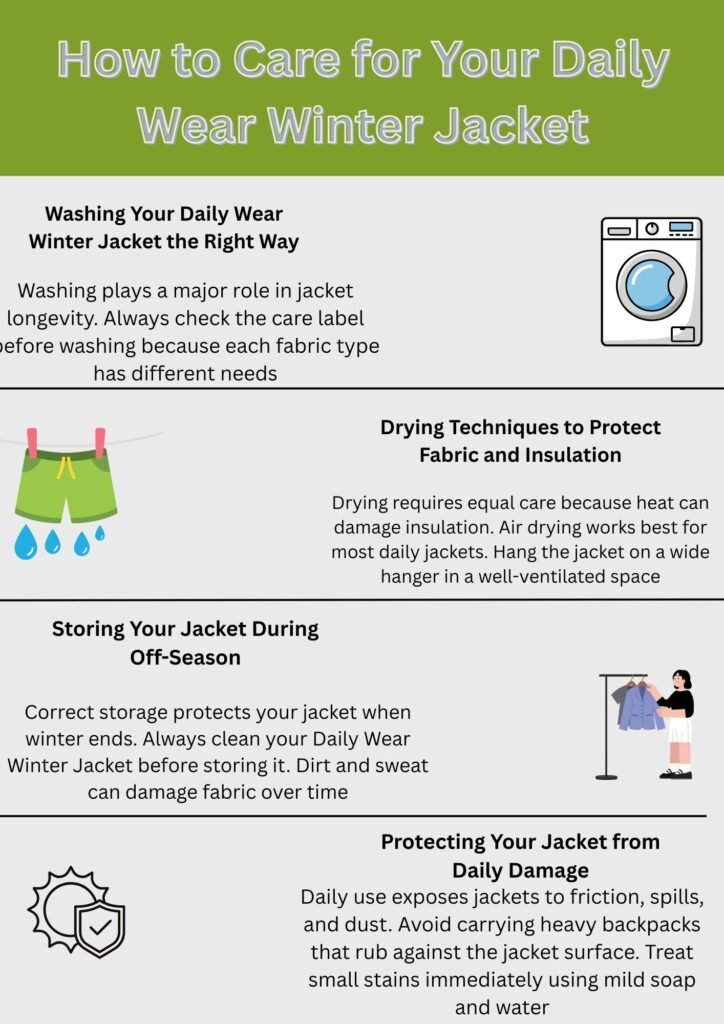
Washing Your Daily Wear Winter Jacket the Right Way
Washing plays a major role in jacket longevity. Always check the care label before washing because each fabric type has different needs. Use cold water and a gentle detergent to protect fibers and insulation. Avoid harsh chemicals because they weaken fabric strength. Turn the jacket inside out before washing to reduce surface damage. Gentle wash cycles keep stitching and padding in good shape. Proper washing helps your Daily Wear Winter Jacket maintain softness and warmth.
Drying Techniques to Protect Fabric and Insulation
Drying requires equal care because heat can damage insulation. Air drying works best for most daily jackets. Hang the jacket on a wide hanger in a well-ventilated space. Avoid direct sunlight because it fades colors and weakens fabric. If you use a dryer, choose low heat settings only. Add clean tennis balls to the dryer to prevent insulation clumping. Proper drying keeps your Daily Wear Winter Jacket fluffy and warm.
Storing Your Jacket During Off-Season
Correct storage protects your jacket when winter ends. Always clean your Daily Wear Winter Jacket before storing it. Dirt and sweat can damage fabric over time. Store the jacket in a cool and dry place. Use breathable garment bags instead of plastic covers. Hang the jacket to preserve its shape. Avoid tight folding because it flattens insulation. Good storage habits extend jacket lifespan significantly.
Protecting Your Jacket from Daily Damage
Daily use exposes jackets to friction, spills, and dust. Avoid carrying heavy backpacks that rub against the jacket surface. Treat small stains immediately using mild soap and water. Do not scrub hard because it damages fabric fibers. Close zippers and buttons before wearing to reduce wear. These simple habits keep your Daily Wear Winter Jacket looking new longer.
Common Mistakes to Avoid When Buying Daily Wear Jackets
Choosing overly heavy jackets reduces daily comfort. Heavy designs restrict movement and cause fatigue. Ignoring fabric quality leads to faster wear and loss of warmth. Low-quality fabrics also feel uncomfortable against the skin.
Wrong size selection causes discomfort and poor appearance. Tight jackets limit layering options. Loose jackets reduce warmth retention. Measuring body size accurately improves fit selection. Smart buying avoids regret and saves money.
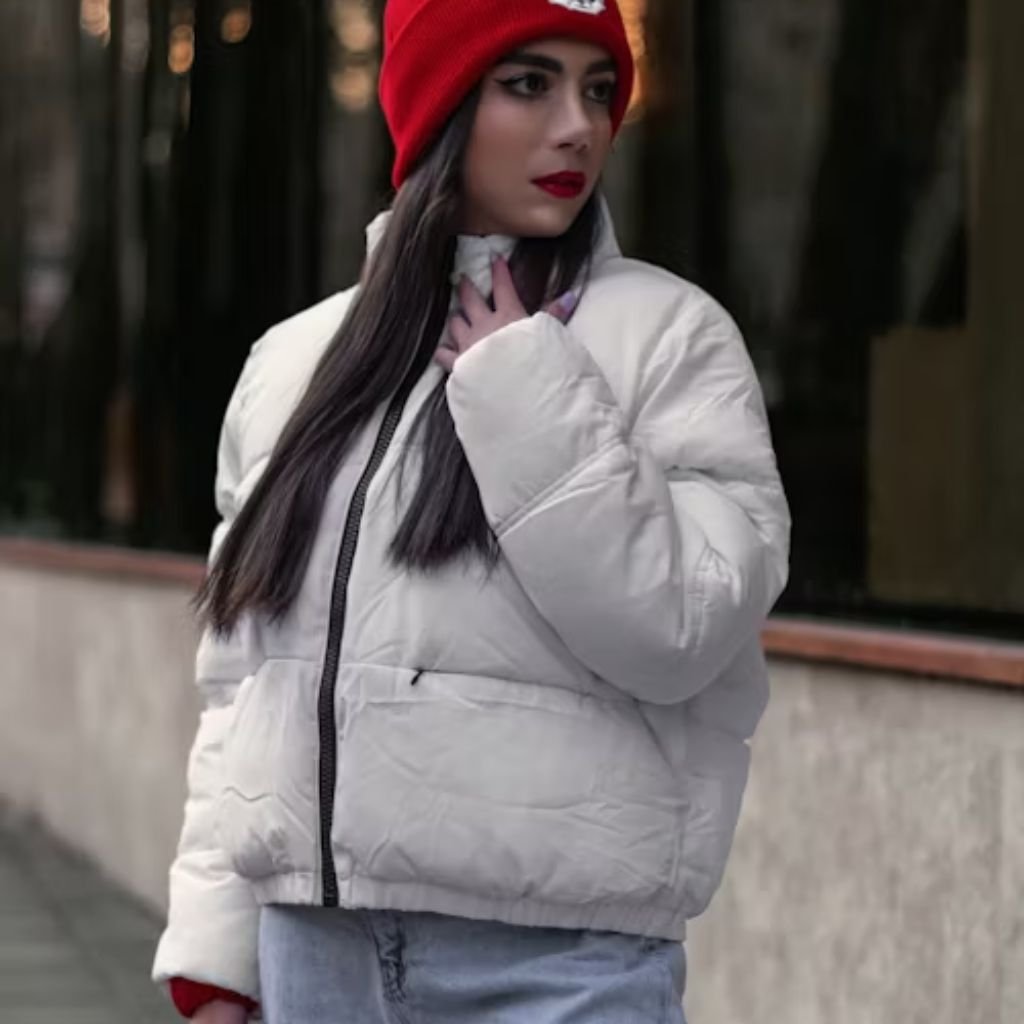
Street-style winter look: white puffer, red beanie, and striking red lips.
Conclusion
A Daily Wear Winter Jacket offers the perfect blend of comfort, warmth, and modern style. It supports daily routines without adding bulk. It suits office wear, casual outings, and travel needs. Choosing wisely based on climate, fit, and material ensures satisfaction. Focusing on quality features improves long-term value. Embracing comfort and style together makes winter dressing easier and more enjoyable.
FAQs
Is a Daily Wear Winter Jacket Warm Enough?
A Daily Wear Winter Jacket provides enough warmth for mild to moderate winter conditions. It uses balanced insulation that keeps the body warm without feeling heavy. Many people stay comfortable in temperatures between five and fifteen degrees Celsius. Layering also increases warmth when needed. Adding a sweater or hoodie underneath allows better protection during colder days. Because of this flexibility, a Daily Wear Winter Jacket works well for daily use in most winter climates.
Which Jacket Is Best for Daily Use in Mild Winter?
Quilted jackets and puffer jackets work best for mild winter conditions. These styles feel lightweight and breathable while still trapping enough heat. They also support long wear without discomfort. Many people prefer synthetic insulation because it handles moisture better. A Daily Wear Winter Jacket with moderate padding and breathable fabric suits mild winters perfectly.
Can I Wear a Daily Winter Jacket to the Office?
Yes, you can wear a Daily Wear Winter Jacket to the office easily. Slim-fit and quilted styles suit professional environments very well. Neutral colors like black, gray, and navy match formal outfits. These jackets maintain a clean and polished look. They also pair well with trousers and dress shoes. Because of that, office wear remains both warm and stylish.
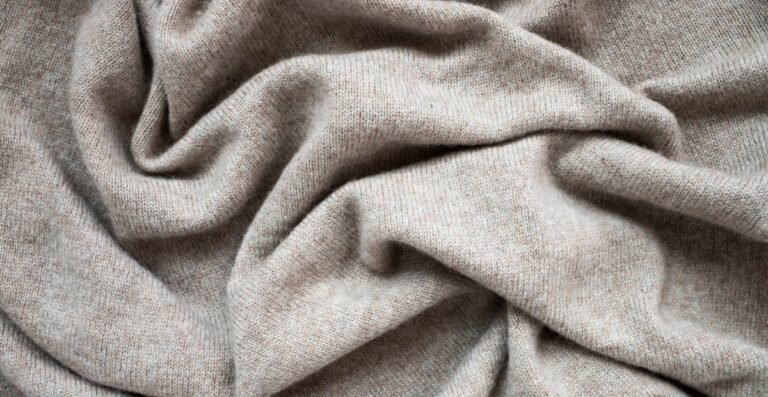
Knitted Cashmere Grade A Wool Fabric is the ultimate in softness, warmth and textile craftsmanship. This fabric is a favourite for luxury fashion, high-end knitwear and winter collections because of its elegant drape and cloud-like feeling. When Grade A cashmere fabric is knitted, rather than woven it offers unmatched comfort, flexibility and breathability. Designers and consumers are increasingly choosing knitted cashmere as a luxury fabric for everyday wear and statement pieces.
This comprehensive guide will cover everything you need know about knitted grade A cashmere wool fabric, from its origins, manufacturing process, to its applications, benefits, care instructions and sustainability. This article will ultimately help you to understand why this fabric continues dominate the luxury textile industry.
What is knitted grade A cashmere wool fabric?
Knitted Grade A Cashmere Wool Fabric are made of the finest fibers that come from the undercoats of cashmere goats. Grade-A cashmere fibres, for example, are the longest and thinnest. They also measure 14-16 Microns. This exceptional fineness makes the fabric feel incredibly soft on the skin.
Knitted Grade A Cashmere Wool Fabric uses looping technique, unlike woven cashmere. The fabric is more flexible, lighter, and adaptable to the body’s movements. The knitting structure also enhances insulation, while still maintaining breathability. This makes it perfect for luxury clothing all year round.
Cashmere wool origins
Knitted Grade A Cashmere Wool Fabric is believed to have originated in the mountainous, cold regions of Inner Mongolia, Mongolia and the Himalayan Plateau. Cashmere goats evolved a fine undercoat as a way to protect themselves from the harsh winters. This undercoat was collected over time and transformed into one of the most luxurious fibers in the world.
Cashmere Grade A is only sourced from the softest undercoat. The fibers are sorted after harvesting. The inferior fibers will be removed to ensure only the best quality is left. This process increases the value and performance of fabric by a significant amount.
Why Knitting Improves Grade A Cashmere
Knitted Grade A Cashmere Wool Fabric is transformed into a fabric with exceptional functionality and luxury by knitting. Knitted fabrics are more breathable than woven ones. The wearer feels warm without becoming overheated.
Cashmere knit adapts to the body’s movements. The loops stretch and recover so that the garments maintain their shape, while providing superior comfort. Knitted Grade A Cashmere is used for sweaters, scarves and cardigans as well as premium loungewear.
Cashmere wool fabric grade A: Key characteristics
Key characteristics of Himalayan Grade A Cashmere Fabric: exceptional softness, light weight and warmth, breathable comfort across temperatures, and long-lasting quality.
1. Softness Exceptional
Knitted Grade A Cashmere Wool Fabric is characterized by its softness. The ultra-fine fibers virtually eliminate irritation. The knitted construction also enhances the softness of this fabric by creating a plush texture.
2. Lightweight and Warm
The fabric is surprisingly insulating, despite its light weight. The knitted loops are effective at trapping warm air. This provides warmth without bulk.
3. Breathability
Knitted Grade A Cashmere Wool Fabricknit allows moisture to escape unlike synthetic knits. The fabric is comfortable to wear even for extended periods.
4. Natural Stretch and Recovery
The knitting technique allows the fabric to stretch gently and return to its original form. So, clothing maintains a refined look over time.
5. Elegant Drape
Knitted Grade A Cashmere Wool Fabric drapes beautifully. It enhances the silhouette of garments and makes them look fluid and luxurious.
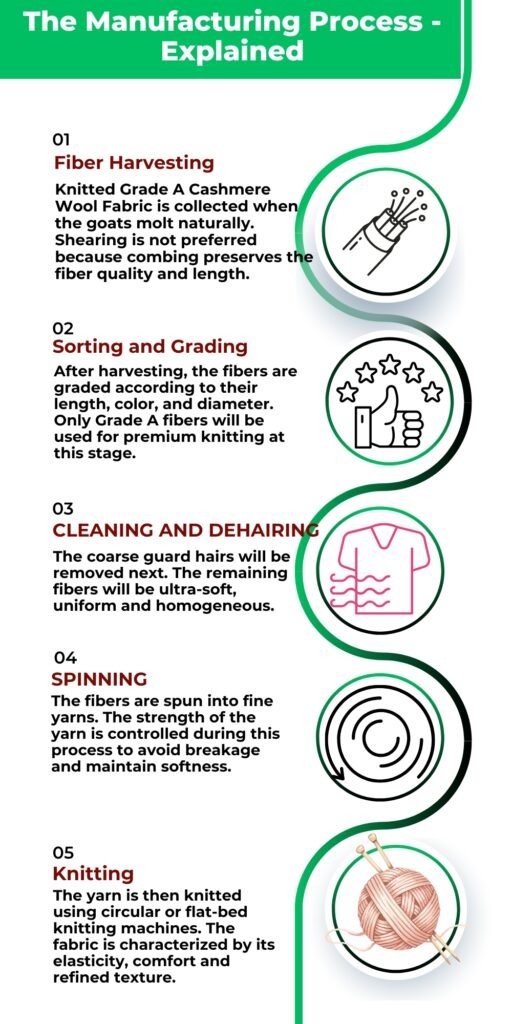
The Manufacturing Process – Explained
The manufacturing steps of producing graded cashmere: harvesting, sorting, cleaning, spinning, and knitting, illustrated with icons.
Fiber Harvesting
Knitted Grade A Cashmere Wool Fabric is collected when the goats molt naturally. Shearing is not preferred because combing preserves the fiber quality and length.
Sorting and Grading
After harvesting, the fibers are graded according to their length, color, and diameter. Only Grade A fibers will be used for premium knitting at this stage.
Cleaning and Dehairing
The coarse guard hairs will be removed next. The remaining fibers will be ultra-soft, uniform and homogeneous.
Spinning
The fibers are spun into fine yarns. The strength of the yarn is controlled during this process to avoid breakage and maintain softness.
Knitting
The yarn is then knitted using circular or flat-bed knitting machines. The fabric is characterized by its elasticity, comfort and refined texture.
Cashmere fabric is woven.
Knitted Grade A Cashmere Wool Fabric woven in a fine weave is beautiful, but knitted cashmere Grade A has distinct advantages. Knitted fabrics are more flexible. Second, they are cozier and feel more relaxed. Cashmere knit is also less likely to be stiff, which makes it perfect for modern lifestyles.
The fabric is also better suited for casual and semiformal clothing. It is therefore commonly used in luxury knitting collections around the world.
Popular uses of knitted grade A Cashmere Wool Fabric
Luxury Pullovers and Sweaters
Knitted Grade A Cashmere Wool Fabric knitted sweaters of Grade A are iconic. They are a staple in high-end wardrobes because of their warmth and softness.
Scarves and Shawls
Knitted cashmere scarves, with their light warmth and stylish design, are ideal for both men and women.
Cardigans, wraps and other garments
Layering this fabric with other fabrics will create a relaxed, elegant look.
Premium Loungewear
Knitted cashmere has become a popular material for luxury loungewear. Comfort and sophistication are combined in a seamless way.
Baby and Sensitive Skin Clothing
Cashmere of Grade A is hypoallergenic and is used for sensitive skin products, such as baby clothes.
Knitted Cashmere Grade A and Sustainability
Sustainability is more important than ever in today’s market. Cashmere of Grade A can be sourced responsibly. The environmental impact of goats that are raised ethically and whose fibers are harvested with care is minimal.
Cashmere is also biodegradable, durable and has a long life span. Cashmere knitted garments reduce the amount of fast fashion waste. These garments will last decades if they are properly cared for.
How to Identify Genuine Knitted Grade A Cashmere
Check Fiber Information
Reputable manufacturers clearly mark fiber origin and grade.
Feel the Texture
Knitted Grade A Cashmere Wool Fabric feels soft from the first moment. It shouldn’t feel itchy or rough.
Observe Pilling
Even though minimal pilling is possible, excessive pilling indicates inferior fibers.
Test Elasticity
Cashmere knitted in Grade A should be soft and resilient.
How to maintain long-lasting quality
Cashmere knits can last for many years with the right care.
Hand wash with mild detergent in cold water
Instead of wringing, gently press the excess water out.
Dry flat
Fold and store, but do not hang.
Cashmere comb can be used to remove minor pilling
The fabric will retain its softness, elegance, and shape with the correct care.
Why Designers Prefer Knitted Grade A Cashmere
Knitted Grade A Cashmere Wool Fabric is versatile. It is easy to shape, allowing for more creative silhouettes. Its premium appearance also enhances the brand value.
Cashmere knits are also associated with luxury and comfort. Brands that use Grade A Cashmere are more likely to be trusted and loyal.
Global Appeal and Market Demand
Cashmere knitted in Grade A continues to be in high demand around the world. In Europe, North America and East Asia consumers place more importance on quality than quantity. Luxury knitwear markets have been growing rapidly.
Cashmere is a great choice for consumers who are conscious of their choices. Its timeless appeal and durability make it a perfect option.
Knitted Grade-A Cashmere Fabrics vs. Other Wool Fabrics
Cashmere knitted is warmer and softer than merino. Cashmere is softer than alpaca, which has a higher durability. Cashmere of Grade A remains the ultimate in luxury and comfort.
Cashmere Knitted in Grade A: Investment Value
Cashmere knitted in Grade A is a long-term investment, even though the initial price may be higher. The cost per wear is reduced significantly because the garments are durable and stylish. It is therefore a wise investment for brands and individuals.
Future Trends for Knitted Cashmere Fabrics
Innovation continues to be a priority. Cashmere blended knit fabrics, eco-friendly dying methods and recycled yarns are becoming more popular. Sustainability and luxury have become one.
The conclusion of the article is:
Knitted Cashmere Grade A Fabric is a symbol for refined luxury, comfort and timeless elegance. It is a popular choice for knitwear because of its softness, breathability and durability. Its sustainability potential and longevity align with the modern fashion values.
If you’re a designer or retailer, or if you’re a consumer, investing in knitted Grade A Cashmere is an investment that will last beyond trends. This fabric is the epitome of luxury. Read more: Pure Cashmere Wool Fabric And Grade B Cashmere Wool Fabric
FAQs
What is Knitted Grade A Cashmere Wool Fabric?
Knitted Grade A Cashmere Wool Fabric is made from the finest cashmere fibers and knitted for added stretch, softness, and comfort. It offers luxury warmth with lightweight breathability.
Why is Grade A cashmere considered the highest quality?
Grade A cashmere uses the longest and thinnest fibers, usually under 16 microns. As a result, the fabric feels softer, lasts longer, and pills far less than lower-grade cashmere.
How is knitted cashmere different from woven cashmere?
Knitted cashmere is more flexible, breathable, and comfortable than woven cashmere. Because of its looped structure, it adapts better to movement and everyday wear.
Hardshell rain jackets have been proven to be one of the best forms of outerwear in protecting against extreme weather. A hardshell rain coat will keep you comfortable and dry whether you’re hiking in the mountains or traveling through unpredictable rain. These jackets are essential to outdoor enthusiasts and everyday users.
Hardshell rain jackets have become lighter, stronger and more breathable thanks to advances in fabric technology. Understanding their benefits and uses before purchasing is essential.
This blog will explain everything you need to know about hardshell rain coats, using simple language.
What Are Hardshell Rain Jackets?
A rain jacket has a hardshell outer layer which is waterproof and windproof. It is designed to protect you from harsh weather conditions, heavy rain and strong winds. Hardshell rain jackets are constructed with advanced materials and membranes.
These jackets are usually made from multilayer fabrics and all seams are sealed. Water cannot enter the jacket and sweat moisture can escape.
A hardshell rain jacket is a barrier that protects your body from bad weather.
Why are Hardshell Rain Jackets important?
Hardshell rain jackets provide the maximum weather protection. Light rain jackets are good for brief showers but they can fail when it is heavy or windy.
Hardshell jackets, on the other hand, are made for extreme conditions. Hardshell jackets are used in outdoor activities such as trekking, skiing, and long distance travel.
These jackets can also be used for many years with proper maintenance.
Hardshell rain jackets: Key Features
1. Waterproof Protection
A hardshell raincoat’s most important feature is its excellent waterproofing. Rainwater is prevented from penetrating the fabric by special membranes.
The waterproof rating is usually measured in millimeters. Jackets with higher ratings provide better protection from rain. Hardshell jackets can be used in heavy rain or storms.
2. Breathability
Hardshell jackets are designed to let sweat vapour escape. Breathability is the term for this feature.
The wearer is therefore protected from rain as well as internal moisture. Breathability depends on the fabric and design.
3. Wind Resistance
Hardshell jackets are also windproof. The fabric prevents cold air from passing through, helping to maintain body heat.
These jackets are perfect for cold and windy climates.
4. Durable Construction
The jackets are made from durable and strong fabrics. The jacket is made more durable by increasing the abrasion resistance.
To improve the lifespan, it is common to reinforce areas at the elbows and shoulders.
5. Seam-Sealed design
All seams of a hardshell jacket are sealed with waterproof tape. Water cannot leak through the stitching.
This ensures that the entire system is protected, even in heavy rain.
Hardshell rain jackets come in many different types.
Different types of hardshell rain jackets and how their layer construction affects comfort, weight, and packability.
1. Hardshell Jackets with 2 Layers
The waterproof membrane is attached directly to the outer fabric of a 2-layer jacket. A loose lining can be added to the jacket for comfort.
These jackets are both comfortable and affordable. They are therefore suitable for casual outdoor wear.
2. Hardshell jackets with 2.5-Layer Hardshell
The 2.5-layer jackets have a protective layer instead of an inner lining. They are therefore lighter and easier to pack.
The durability of the jackets may be slightly less than that of 3-layer jackets.
3. Three-layer hardshell jackets
The best option is a 3-layer jacket. The outer fabric is bonded to the membrane and the inner lining.
These jackets are designed to offer the best in terms of breathability, waterproofing and durability. These jackets are used by professionals for outdoor activities.
Hardshell rain jackets are made from a variety of materials
Waterproof Membranes
Hardshell jackets that are waterproof and breathable use special membranes. These membranes are made with tiny pores which allow water to pass through but not vapor.
The result is that comfort can be maintained for long periods of time.
Durable Water Repellent Coating
The outer fabric is treated with a DWR. This coating causes water to bead off the outer fabric instead of getting soaked into it.
This coating will wear out over time and you should reapply it.
Outer Shell Fabric
The outer layer is typically made of nylon or polyester. The materials chosen are lightweight and strong.
In addition, ripstop weave is often used for increased durability.
Hardshell rain jackets have many benefits.
Hardshell rain jackets offer full weather protection, versatility, long-term value, and lightweight, packable options.
1. Full Weather Protection
Hardshell rain jackets offer protection from rain, wind and snow. They are therefore suitable for all seasons.
2. Versatility
These jackets are designed to be worn either alone or over layers of warm clothing. They adapt to changing conditions.
3. Long-Term Investment
Hardshell jackets are more durable than rain jackets. They are therefore a good investment over time.
4. Lightweight and packable options
Modern designs are geared towards reducing weight. Many hardshell jackets are easily folded and packed.
Hardshell Jackets vs Softshell Jackets
Softshell jackets are designed for comfort and flexibility, while hardshell jackets are focused on weather protection.
Hardshell jackets are better at withstanding heavy rain and winds. Hardshell jackets are therefore preferred in extreme weather conditions.
What to Look for When Choosing a Hardshell Rain Jacket
1. Check the Waterproof Rating
Look for jackets with a high rating of waterproofness. Higher-rated jackets perform better when it rains heavily.
2. Consider Breathability
If you tend to sweat a lot choose a jacket that has ventilation zippers and good breathability.
3. Fit and Comfort
The jacket should have enough space to move and layer. It is therefore recommended to try the jacket on before purchasing.
4. Hoods and Adjustments
Adjustable hoods, cuffs and hems help to block wind and rain better.
5. Activity Type
Select a jacket according to your activity. For travel, lightweight jackets work well. Heavy-duty jackets will be better for mountaineering.
Maintenance and Care Tips
Use mild detergent for safe, gentle cleaning.
Care for your hardshell jacket is essential to ensure that it continues to work properly.
Use mild detergent
Avoid fabric softeners
Reapply DWR when necessary
Store in a place that is dry
The jacket will continue to perform well for a long period of time.
Common mistakes to avoid
Most people believe that all rain jackets look the same. Hardshell jackets are made for specific weather conditions.
Ignoring care instructions may also reduce the jacket’s lifespan. Proper use and maintenance is essential.
Environmental Considerations
Many brands today are focused on eco-friendly products. Many brands are using recycled fabrics and PFC free coatings.
Hardshell rain jackets become more environmentally friendly as a result.
Hardshell rain jackets are used for a variety of purposes.
Hiking and trekking
Mountaineering
Skiing and snowboarding
Travelling
Rainy days commuters
These jackets are extremely versatile.
Conclusion
Hardshell rain jackets can be a great piece of clothing to have for those who are exposed to rain, wind or other harsh weather conditions. They are durable, waterproof, and breathable.
They may be more expensive than rain jackets but their durability and performance make them an excellent investment. Choosing the right hardshell jacket will improve your comfort and safety when you are doing outdoor activities and everyday tasks.
FAQs
Are hardshell jackets breathable?
Yes, hardshell jackets are breathable. Sweat vapor is allowed to escape while rain is kept out, helping you stay dry and comfortable.
Are hardshell rain jackets fully waterproof?
Yes, hardshell rain jackets are fully waterproof because sealed seams and special membranes are used to block water completely.
What is a hardshell rain jacket?
A hardshell rain jacket is a waterproof and windproof outer layer designed to protect against heavy rain, strong wind, and harsh weather conditions.
Cashmere Wool Fabric Grade A is the ultimate in luxury textiles. It is praised for its softness and elegance, as well as its refinement and strength. Cashmere woven Grade A is becoming the fabric of choice among high-end fashion designers, interior decorators, and conscious customers worldwide as demand for natural fabrics increases.
This fabric is a perfect blend of traditional textile craftsmanship and contemporary textile innovation. Only the finest fibers can be selected to ensure consistent quality. The woven Grade A Cashmere Wool fabric offers durability, warmth and sophistication that is unmatched by other materials.
This comprehensive guide will explain what makes Grade A cashmere wool fabric so special, how it’s produced, why it performs better than other types of cashmere, and the best places to use it.
What is Woven Grade A Cashmere Wool?
The finest and longest cashmere fibres are used to weave Grade A Cashmere Fabric. These fibers come from the undercoats of the cashmere goats. The Grade A Cashmere Fibers are usually under 15 microns, which ensures superior softness and comfort.
The weaving process also adds structural integrity. Cashmere knitted offers stretch. Cashmere woven provides stability, shape preservation, and a refined appearance. Woven Grade A cashmere, therefore, is used extensively in tailor-made garments and luxury textiles.
The smoother the surface is, and the longer it will last. This is because premium fibers have been woven instead of loosely constructed. This fabric is therefore considered a textile investment, rather than just a simple one.
Cashmere fibers of grade A: Origin and origins
Woven Grade A Cashmere Wool Fabricis sourced mainly from harsh climates such as Inner Mongolia, Mongolia and parts Himalayas. These regions are where goats develop a fine undercoat in order to survive the extreme cold.
During the molting period, the fibers will be combed instead of shorn. The fibers are protected and the purity of the product is maintained. The finest down hairs and the coarsest guard hairs will be removed by meticulous sorting.
Due to the labor intensive nature of this process, only a limited number of products are produced every year. The woven Grade A Cashmere Wool fabric is therefore exclusive and highly valued.
Cashmere fabric weaving: Why it matters
The weaving technique has a significant impact on the final fabric, even though the fiber quality is important. The Grade A cashmere fabric is woven with fibers interlacing at right angles to create a dense and stable structure.
The fabric is able to maintain its shape and drape beautifully. Cashmere woven is less likely to pill than alternatives knitted loosely. The garments retain their original elegance, even after many years of wear.
Weaving also allows for complex patterns, twill structure, and refined finishes. Cashmere woven fabric is used for many items, including coats, blazers and scarves.
Cashmere Grade A Woven Fabric: Key Characteristics
Key characteristics of Cashmere Grade A woven fabric: extreme softness, superior warmth, long-lasting durability, elegant appearance, and sustainability.
Extreme Softness
The ultra-fine fibers make the fabric feel incredibly soft on the skin. It is suitable for direct skin contact, unlike lower-grade sheepswool.
Superior Warmth
Woven Grade A Cashmere Wool Fabric is lightweight but provides excellent insulation. Heat is trapped naturally, but breathability is still maintained. Comfort is guaranteed in cold or mild climates.
Long-Lasting Durability
The fabric is resistant to wear and tear due to its tight weave and long fibers. It remains beautiful with time.
Elegant Appearance
Woven Grade A Cashmere Wool Fabric has a luxurious, smooth finish. It elevates the aesthetics of any garment, or interior application.
Sustainability and Natural
Woven Grade A Cashmere Wool Fabric, being a natural fibre, is biodegradable. When responsibly sourced, cashmere has a reduced environmental impact.
Cashmere grades A and B
Woven Grade A Cashmere Wool Fabric, while all soft, is not the same. The fiber length and fineness of Grade A cashmere sets it apart.
Woven Grade A Cashmere Wool Fabric of grade B is still soft, but the fibers are thicker and can feel coarser over time. Cashmere of grade C is often less durable and can pill more easily.
Cashmere wool fabric of Grade A, on the other hand, retains its softness and structural integrity for many years. It is therefore preferred for luxury collections and manufacturing.
The Manufacturing Process for Woven Grade A Wool Fabric
Manufacturing steps for Woven Grade A Wool Fabric: from fiber collection to finishing.
Fiber Collection
During the molting period, goats will be gently combed. The finest fibers will be collected.
Sorting and Cleaning
Then, the fibers are cleaned. They are then sorted according to length and fineness. The guard hairs are removed and only the Grade A fibers remain.
Spinning
The Woven Grade A Cashmere Wool Fabric are then spun into yarn. The use of long fibers produces stronger, smoother yarns.
Weaving
This step is used to determine the fabric’s texture and strength. This step determines the fabric’s strength and texture.
Finishing
The Woven Grade A Cashmere Wool Fabric is then washed and softened. It may also be lightly brushed. The signature cashmere feeling is improved.
Cashmere fabric weave structures
Cashmere fabric with a lightweight weave can be woven in plain weave for a minimal and clean appearance. Twill weave is used for heavier garments, such as coats, due to its diagonal structure.
Also, satin weaves can be used to make luxury scarves or shawls. Cashmere woven in Grade A is versatile and can be used for a variety of design requirements.
Applications of Woven Grade-A Cashmere Wool Fabric
Luxury Apparel
Woven Grade A Cashmere Wool Fabric is used for coats, jackets and trousers. Its refined structure allows it to hold sharp silhouettes with ease.
Scarves and Shawls
It is perfect for high-end accessories due to its warmth and softness. The intricate patterns of the woven fabric add visual appeal.
Home textiles
Woven Grade A Cashmere Wool Fabric into throws, blankets and upholstery is common in high-end interiors. Living spaces are made more comfortable and elegant.
Designer Collections
Woven Grade A Cashmere Wool Fabric is used by many luxury brands to create exclusivity. It is often featured in limited editions.
Benefits to Fashion Designers and Brands
Woven Grade A Cashmere Wool Fabric offers designers reliability and prestige. The fabric is a high-performance fabric, which increases customer satisfaction. The premium quality of the fabric also supports a higher price.
Cashmere woven allows for more creativity, without compromising on quality. As a result, new designs can be confidently introduced.
How to maintain woven cashmere fabric
The fabric will last longer if you take care of it. Even though the fabric is durable it is still recommended to handle with care.
It is best to wash your hands in cold water. Dry cleaning by professionals is also an option. The fabric should also be stored flat in order to keep its shape.
Milde cleaners are recommended because harsh detergents can damage the fibers. Cashmere woven in Grade A remains luxurious and soft for many decades with the right care.
Sustainability and ethical considerations
Sustainability is a key factor in today’s textile selection. Cashmere of Grade A supports ethical farming when sourced responsibly.
Several producers are now focusing on animal welfare and the management of land. The environmental impact is therefore reduced. The durability of woven cashmere also contributes to slowing down fashion, as it encourages long-term usage.
Why Grade A Woven Cashmere is a Good Investment
Cashmere fabric of Grade A is expensive, but its value goes far beyond the cost. Its longevity means that fewer replacements will be needed. Savings are made over the long term.
Its timeless elegance makes it relevant for all seasons. Cashmere woven remains a classic, even as trends change.
The Future of Woven Wool Fabric
Weaving techniques improve as technology advances. Demand for luxury fabrics that are sustainable is also increasing. Cashmere woven in Grade A is expected to be a cornerstone for premium textiles.
The appeal of cashmere will be further enhanced by innovations in eco-friendly processing, ethical sourcing and other innovative techniques. Cashmere woven fabric is therefore a very promising future.
Final Thoughts
Cashmere wool fabric of Grade A is the ultimate in luxury, nature, craftsmanship and quality. It is superior to other wool fabrics because of its softness, durability and elegance.
This fabric is perfect for interiors and fashion. It has a refined look that will last. Cashmere woven Grade A is more than just a fabric. It is an experience in timeless luxury.
FAQs
What is woven Grade A cashmere wool fabric?
Woven Grade A cashmere wool fabric is a luxury textile made from the finest cashmere fibers, tightly woven to provide superior softness, durability, and refined structure.
How is woven Grade A cashmere different from knitted cashmere?
Woven Grade A cashmere offers better shape retention, strength, and a more polished appearance, whereas knitted cashmere provides stretch but less structural stability.
Why is Grade A cashmere considered the highest quality?
Grade A cashmere uses the longest and finest fibers, typically under 15 microns, resulting in exceptional softness, minimal pilling, and long-lasting performance.
Rain jackets provide comfort, style and protection from unpredictable weather. It is important to choose the right rain jacket and also types of rain jacket, whether you’re hiking in the mountains or commuting through the city. This comprehensive guide will explain the types of rain jackets as well as how to select the best one for you.
Rain Jackets: Why You Need One
Why a Rain Jacket is Worth It
Rain jackets serve multiple purposes. They not only keep you dry in sudden showers but also regulate your body temperature, protect against wind, and provide comfort during outdoor activities. A good types of rain jacket will enhance your style and offer functional benefits.
Consider factors like waterproofing, breathability and weight when choosing a rain jacket. Understanding the types of rain jackets available will allow you to make an informed decision.
1. Hardshell Rain Jackets
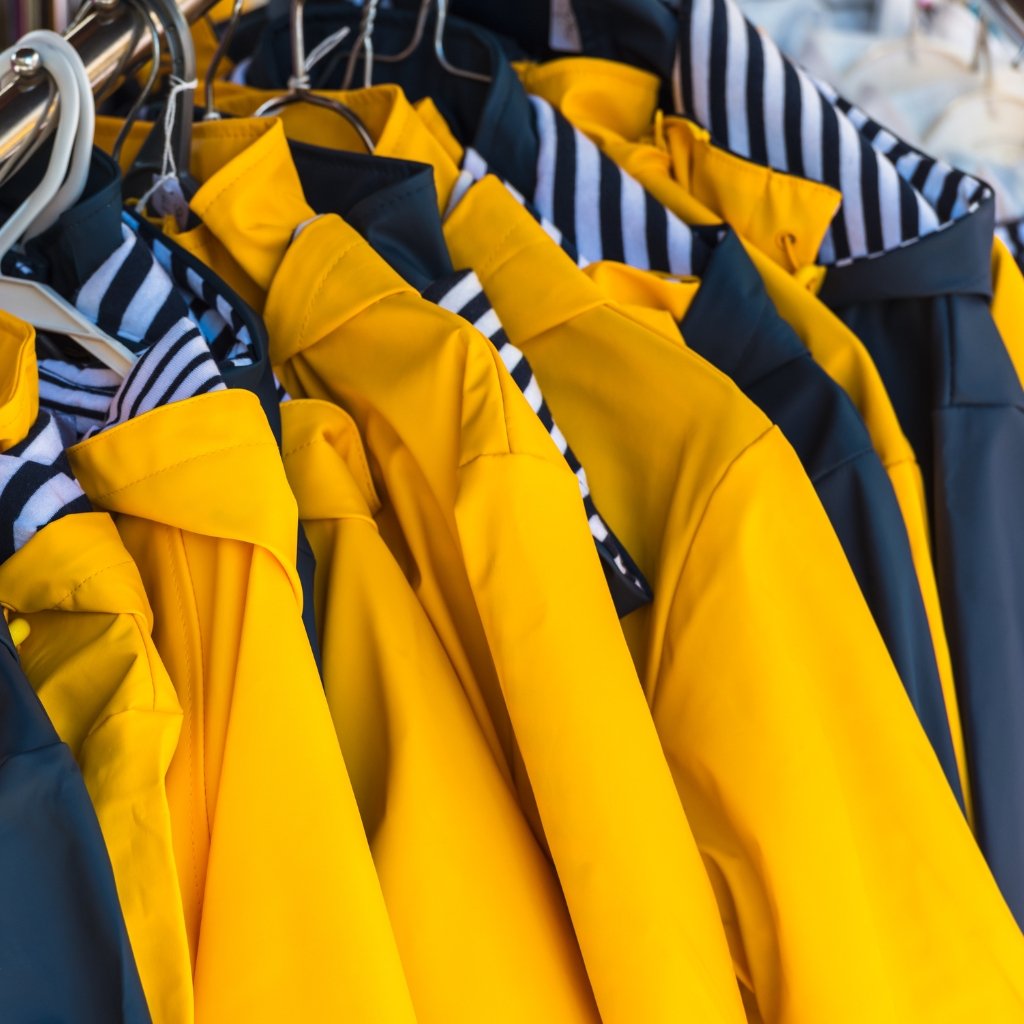
Bright yellow rain jackets with navy accents on a clothing rack.
Hardshell rain jackets is a types of rain jacket were designed to withstand extreme conditions. These jackets are waterproof and durable. They’re usually made from advanced materials such as Gore-Tex and eVent. These jackets provide maximum protection against rain and wind for outdoor enthusiasts, hikers and climbers.
Hardshell rain jackets have the following features:
Tape seams to prevent water entering
Material that resists abrasion
Adjustable hood to cover the entire body
Multi-pocket for essentials
Hardshell jackets can be very functional, but they may feel stiff because of their durability. They are a good choice for outdoor activities because of the protection that they offer.
2. Softshell Rain Jackets
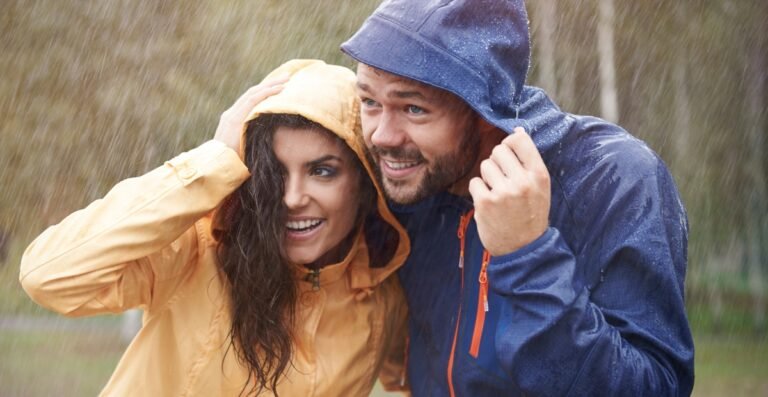
Smiling in the rain: a bright yellow rain jacket and a blue backpack on a forest hike.
Softshell jackets types of rain jacket provide excellent breathability and are lightweight. They also resist water . They are not waterproof, but they are perfect for activities that require flexibility and airflow.
Softshell jackets have many benefits:
Comfortable fabric that is stretchable for easy movement
Softshell jackets are great for outdoor sports like cycling and trail running, but they can also be used in light rain or on windy days.
3. Packable / Travel Rain Jackets
The packable rain jackets types of rain jacket have been designed to be portable and convenient. These jackets can be folded up into a small bag, which makes them ideal for commuters and travelers.
Advantages:
Easy to carry and compact in bags
Quick-drying Materials for Convenience
A versatile and affordable for every day use
Suitable for sudden rain showers
These jackets can be worn in any weather condition. A packable jacket will keep you dry while exploring the city or hiking.
4. Rain Jackets 3-in-1
A 3-in-1 jacket is types of rain jacket made up of a outer shell that’s waterproof and an inner layer removable for insulation. This design is versatile and can be used in different weather conditions.
Why choose a 3-in-1 jacket:
Dual-purpose : waterproofing and warmth
Detachable Inner Layer for Seasonal Adaptation
A stylish and functional that can be used for many occasions
Ideal for outdoor sports and cold climates
In regions with a lot of rain and cold, 3-in-1 jackets tend to be popular. It is versatile because the inner layer can be worn separately.
5. Poncho Rain Jackets
Ponchos is a types of rain jacket, which are wide and loose rain jackets that can cover the entire body as well as belongings, are popular for hiking. Due to their simplicity, they are often used for emergency situations, hiking, festivals and other outdoor activities.
Features:
Full-body coverage, including backpacks
Quick-wear and-remove
Portable and lightweight
Often affordable and disposable
Ponchos may not be the most fashionable, but they are very useful for unexpected heavy rain or outdoor events.
6. Trench-style Raincoats
Trench style raincoats is a types of rain jacket offer full body coverage and a stylish silhouette. They combine function with fashion. These are ideal for both urban wear and professional settings.
Advantages:
Classic design suitable both for formal and informal outfits
Water-resistant material keeps you dry
Belted waist for adjustable fits
Perfect for outdoor events or commuting
Trench coats combine elegance and protection from rain.
7. Cagoule rain jackets
Cagoules, which are jackets with a pullover style, provide light-weight protection. These jackets are lightweight and easy to pack. They’re often used for short outdoor activities, or in the event of unexpected rain.
Benefits:
Pullover design allows quick wearing
Adjustable hood to provide additional protection
Easy to store and lightweight
affordable for everyday use
Cagoules can be worn for camping, hiking or outdoor festivals.
8. Insulated Rain Jackets
They are suitable for wet and cold conditions because they provide warmth as well as waterproofing. These jackets combine an inner layer that is insulated with a waterproof outer shell.
Key Features
Thermal Insulation for warmth
Outer shell that is waterproof and windproof
Cuffs and hoods with adjustable cuffs to better fit
Ideal for outdoor sports and winter activities
Winter adventures are made easier with insulated jackets that protect from rain and freezing wind.
9. Mountain / technical rain jackets
Mountain or technical rain coats are designed to handle extreme outdoor situations such as mountaineering or climbing. These jackets are made of advanced materials that can handle heavy rains, winds, and snow.
Features:
High water-resistance (e.g. Gore-Tex).
Reinforced seams, zippers and zips to increase durability
A lightweight but sturdy
Multiple pockets and ventilation zippers for functionality
Professional hikers and mountaineers or anyone who faces challenging terrain will need a technical jacket.
10. Bicycle Rain Jackets
The Commuter Rain Jackets are designed for urban mobility. These jackets feature reflective elements and longer backs for comfort when cycling or walking.
Advantages:
Reflective Stripes for Night Safety
A longer back cover when cycling
Lightweight fabric that is breathable
Windproof
These jackets are safe and functional for urban commuters.
What to Look for When Choosing the Right Rain Jacket
The right raincoat depends on the weather, your level of activity, and your style preference. Here are some helpful tips:
If you’re going hiking or it’s raining heavily, you should opt for a hardshell jacket.
For urban commuters: Trench jackets or insulated coats are best.
When traveling or the weather is unpredictable, packable jackets can be ideal.
For cold climates: Jackets that are both warm and protective.
Convenience: Ponchos and cagoules can be lightweight, but they are also practical.
When buying a raincoat, consider the rating for waterproofness, breathability and durability. Additional comfort is provided by features such as pockets, adjustable hoods and ventilation.
How to maintain rain jackets
Rain jackets need to be properly maintained in order to ensure their longevity.
How to maintain rain jackets: simple care steps and tips.
wash occasionally using mild detergent
Avoid using fabric softeners as they can damage waterproofing
If the jacket becomes less water resistant, reapply the waterproofing spray .
Properly Dry, preferable by hanging it in a well-ventilated area
Rain jackets that are well-maintained can last many years and still perform as they should.
Conclusion
Anyone who is exposed to unpredictable weather should have a types of rain jacket. Each type of jacket, from hardshells and softshells to trenchcoats and packable jackets has a purpose. Knowing the benefits and features of each jacket type will help you stay dry, comfortable and stylish.
The right rain jacket can make a big difference, whether you’re hiking, commuting to work, traveling or attending outdoor events. You will be ready for any rainy day if you choose wisely and maintain your jacket.
FAQs
What is a rain jacket?
A rain jacket is a lightweight, waterproof or water-resistant jacket designed to protect you from rain and wind.
What are the main types of rain jackets?
The main types include hardshell, softshell, packable, 3-in-1, poncho, trench-style, cagoule, insulated, mountain/technical, and commuter jackets.
How do I choose the right rain jacket?
Consider your activity, weather conditions, waterproof rating, breathability, and style preferences when selecting a jacket.
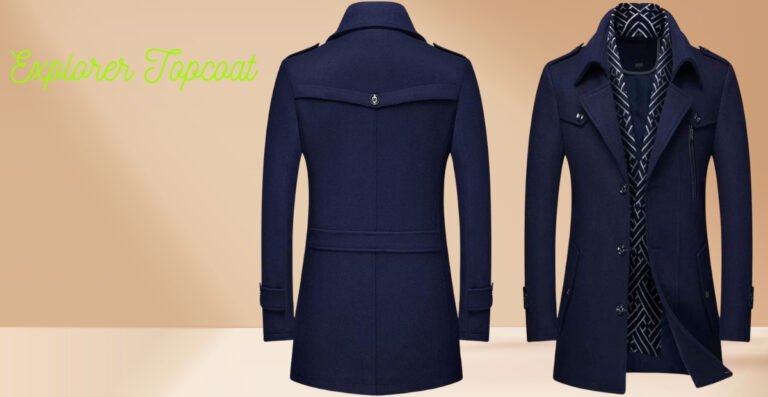
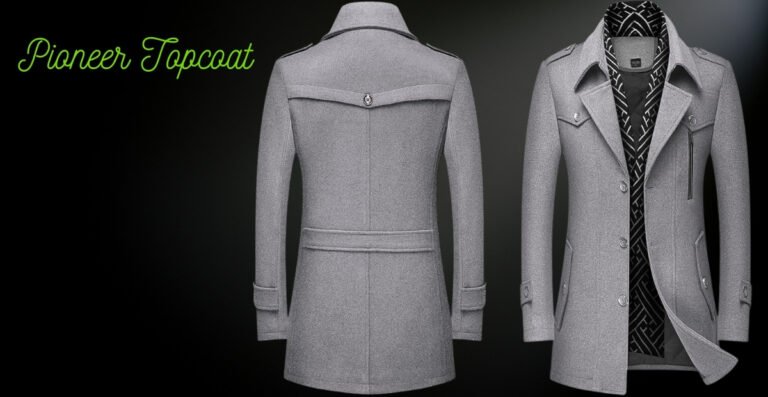
Crown Topcoat is not just another overcoat, it is a representation of sophistication, longevity, and everlasting fashion. For decades, it has been one of the top choices for fashionable men and women all over the globe. Whether it is a commercial business meeting, a casual winter outing, or a classy evening event the Crown Topcoat will provide you versatile style for all occasions.
Furthermore, knowing the features, fabrics, and styling options will positively impact your decision on which coat to buy. In this guide we will discuss all that is relevant to the Crown Topcoat from the history and types of topcoats along with the various fabrics used to a few styling suggestions and how to care for your topcoat. As a result, you will be able to choose a topcoat that meets all your needs for comfort, style, and practicality.
What is a Crown Topcoat?
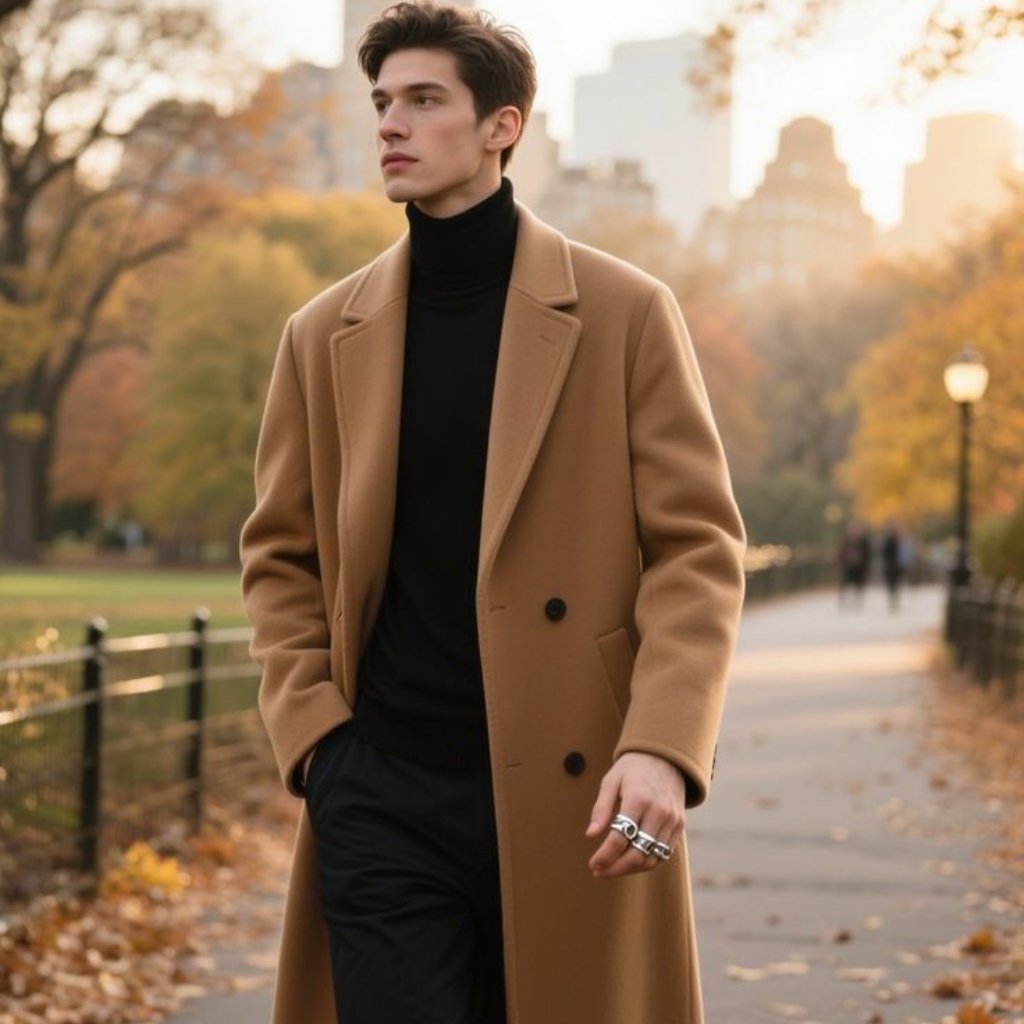
Classic chic: a camel wrap coat and sunglasses, ready for a stylish city day. Elevate your street style with a timeless camel coat and sleek black bag. Effortless elegance: neutral tones and clean lines for a polished look.
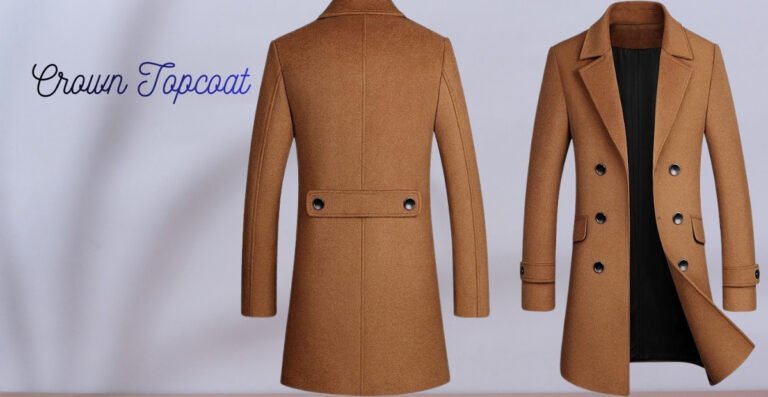
Crown Topcoat is an overcoat handcrafted to provide insulation, comfort, and impressive styling. It is customarily made to measure one to two inches above or below the knee offering a structured look that goes well with any look, whether it’s formal or casual.
Key Features of Crown Topcoat:
Added elegance from the long length
Construction in premium fabrics, like wool, cashmere, and cashmere blends
Stitching and lining built to last
Suitable for casual and formal wear
Crown Topcoat is built with a combination of contemporary design and classic overcoat construction. Unlike many of today’s overcoats, it built to hold shape, withstand the ravages of wear, and keep the user warm in the winter.
Also, Crown Topcoat has features that add to its look and usability including: belt and boxy silhouettes, welt pockets, and adjustable collars.
A Brief History of the Crown Topcoat
Learning the details of the professional history of Crown Topcoat helps explain why it is an enduring classic.
It was the 18th century when the Europeans first issued topcoats, primarily for upper class members of the military and nobility. The Evolution of these coats saw the development of the fabric and style of particular topcoats, including the Crown Topcoat, which also became well known for its fitting, style, and construction.
As a Result of this, the other topcoats became sideline and the Cathedral was listed as a top coat of a formal standard and was worn over the top of the suit or multiple layering of cloths. Even today, the topcoat has variations, pairing its style with more modern and practical synthetic fibres, yet the wool and cashmere topcoats are the most sought after item of the topcoat the modern fashionista.
In Addition to this, the designers for the top coat have modernized it to include a belt, a hood, and other features.
Crown Topcoat Variations
The topcoat offers different styles for different occasions and needs. Thus, finding the right style when wearing the topcoat is important for the feeling and experience you are going to have.
Single-breasted Crown Topcoat
The single breast has a classic style which is displayed by a single row of buttons. On Top Of That this single breasted style offers a more bold and formal look for the occasion. Some may find it to be a simpler style than other topcoats offered by the Crown, however this single breasted style pairs well with a suit as well as with a more casual ensemble.
Double-Breasted Crown Topcoat
The two rows of buttons on double-breasted coats give them an especially sophisticated look. Additionally, the double-breasted design keeps the wearer warmer, making these topcoats great for the winter. Double-breasted coats are often regarded as business attire or for formal occasions.
Hooded Crown Topcoat
Hooded designs are two-fold. Aside from their style, they offer protection from the rain and wind. Additionally, they usually give somewhat of an informal, yet sophisticated look. These types of coats are perfect for urban settings, commuting, or casual weekends.
Belted Crown Topcoat
Belted designs have an added piece of fabric, a sash or tie, around the waist. This results in a more tailored look to the coat. It is then perfect for layered outfits. It adds style and a more sophisticated look.
Further, there is a variety of fabrics, colors, and patterns available to customize your Crown Topcoat, making it a true reflection of your personality and style.
Fabrics Used in Crown Topcoats
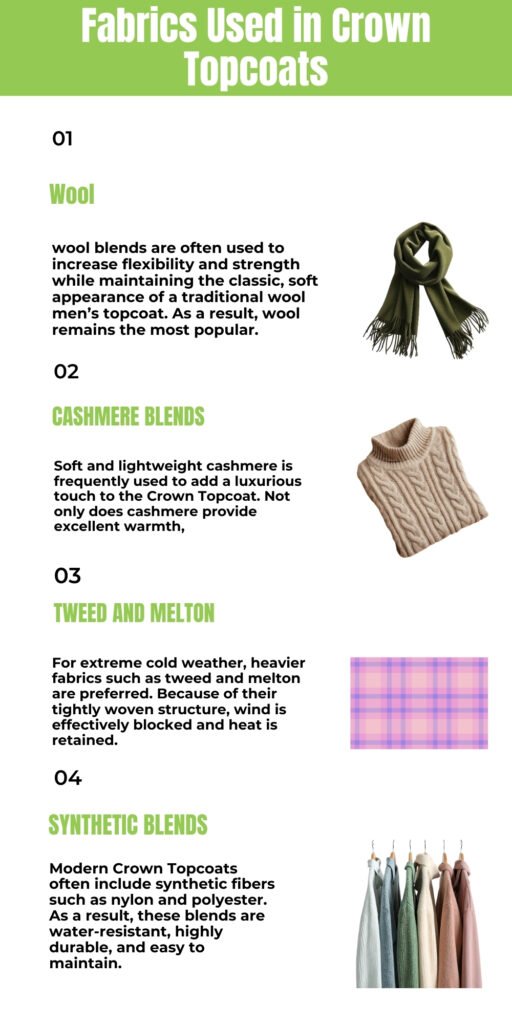
Fabrics Used in Crown Topcoats: Wool, Cashmere Blends, Tweed and Melton, and Synthetic Blends with their key benefits.
The fabric is one of the first essentials to consider hen selecting a Crown Topcoat. Indeed, the fabric also determines warmth, comfort, and durability. The right fabric will also improve the finish of the urban topcoat.
Wool
Wool has been the standard fabric for Overcoats for many years. Its advantages include:
Exceptional insulation
Breathability and moisture regulation
Exceptional durability
Natural silhouette enhancing draping
In addition, wool blends are often used to add to the flexibility and durability of a topcoat while maintaining a classical soft wool men topcoat appearance.
Cashmere Blends
Soft and lightweight Cashmere is often used to add a more luxurious component to the white Topcoat. Cashmere also provides warmth without the bulk. Cashmere blends are for those who desire a high level of comfort and sophistication.
Tweed and Melton
For extreme cold weather, the heavier fabric of Tweed and Melton is preferred. Because of the tight weave of the fabric, it blocks the wind and retains the heat. Tweed also provides added texture and character to the coat making it appropriate for traditional and heritage styles.
Synthetic Blends
Modern variations often include synthetic fibers such as nylon and polyester. As a result, these blends are water-resistant, durable, and easy to care for. They suit urban commuters and those who appreciate both style and practicality.
Choosing the Ideal Crown Topcoat
Crown Topcoats come in a variety of sizes, styles, colors, and lengths. Having a good understanding of these factors ensure the greatest customer satisfaction and avoid costly errors.
Fit
Make sure the topcoat fits over multiple layers, including sweaters and blazers.
Ensure the coat is not tight over the shoulders and chest.
Aim for a clean and streamlined silhouette.
In addition to these factors, you should try to match plaid topcoat with a variety of outfits you typically wear to check for movement and comfort.
Length
Knee length is the option that is the most versatile, and it offers both warmth and range of motion.
Longer lengths can offer a more formal look, but can also reduce range of motion.
On the shorter side, coats can offer a modern or casual feel, but can also reduce traditional or vintage elegance.
Color and Pattern
Timeless elegance can be found in a variety of patterns and combinations. Classics can include combinations of colors like black, charcoal, and navy, and bolder combinations with colors like burgundy or forest green can also look great.
Additional combinations can be found by mixing patterns and prints like in herringbone, plaid, and check.—
Styling Your Crown Topcoat
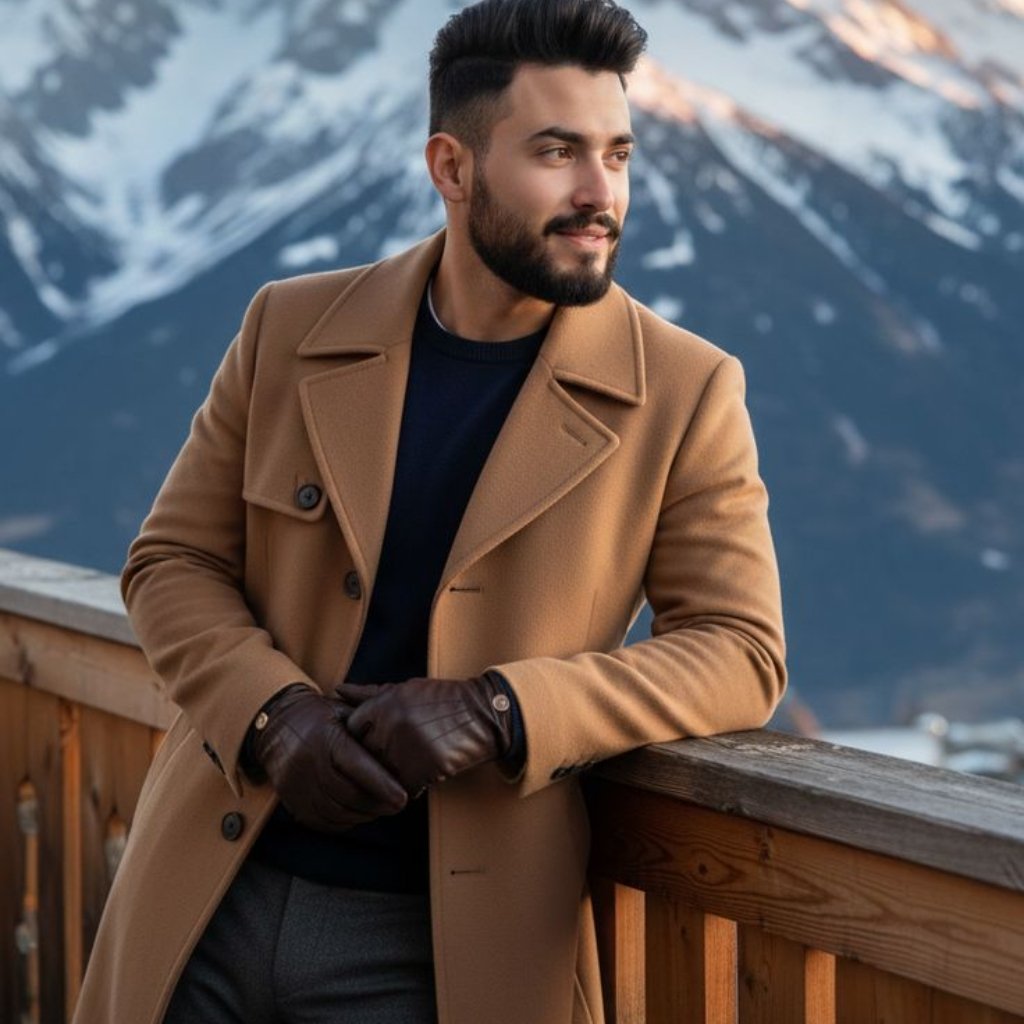
Winter chic: a timeless camel coat and polished look against a snowy cityscape.
A thoughtfully styled windproof Topcoat can lift up any look. Here’s how to style yours:
Formal Styling
Pair with tailored suits and dress shoes.
A leather briefcase or sleek gloves completes the ensemble
Opt for minimal accessories for an uncluttered professional look
Casual Styling
Wear with jeans, sweaters, or boots
Casual scarves or hats keep you warm, while adding to the look
Layering, softens the look, while maintaining the sophistication
Layering
In winter, layer over blazers, cardigans, or turtlenecks
Make sure the coat is not too tight so you can move freely
Accessorizing
Hats, scarves, and gloves add to the comfort and styling
Don’t overdo the accessories to keep the coat’s classiness
Thus, smart styling can help even the most simple topcoat look special
Caring for Your Crown Topcoat
Taking care of your Crown Topcoat is keeping it looking fresh and new for longer.
Dry Cleaning: Most Crown Topcoats require dry cleaning every so often to ensure the fabric stays intact.
Brushing: Use a soft brush to remove any dust or fluff.
Storage: Use wide padded hangers to keep the coat from creasing.
Protection: Avoid wet and sunny weather to keep the coat from getting ruined.
Moth Prevention: Use cedar or moth spray to keep the wool and cashmere from getting ruined.
Correctly caring for your coat will keep it looking good and allow you to wear it for multiple seasons.
Mistakes To Avoid
Even with a premium Crown Topcoat, mistakes in selection or maintenance can reduce its effectiveness.
Selecting a size that is too big or small (too tight or too loose).
Choosing a coat with a poor fabric finish (poor quality blends wear out quickly).
Not caring for the coat (fading or deformation will occur).
Adding too many accessories. Over-accessorizing distracts from the coat’s elegance.
Not considering what you want to wear under the coat (layers affect comfort and silhouette).
Choosing a poor fabric finish (blends wear out quickly).
With every interaction, these mistakes cut down the effectiveness of your coat.
Conclusion
The Crown Topcoat is a great overcoat, but even more, it is a wardrobe investment. With the right style, fabric, and fit you can have a coat that is classy, long lasting, and can be worn for various occasions. With good styling and care, the coat can be a fashion staple for a long time.
Most importantly be it for formal occasions, casual outings, or daily commuting, there is no questioning the sophistication, comfort and timelessness of the Crown Topcoat. Buying a Crown Topcoat is buying a coat that is stylish, no matter the season, or trend.
FAQs
Can I wear a Crown Topcoat casually?
Yes, pairing it with jeans and sweaters creates a stylish casual look without compromising elegance.
How often should a topcoat be dry cleaned?
Typically, once or twice per season is sufficient unless it becomes heavily soiled.
Is cashmere better than wool?
Cashmere is softer and lightweight, while wool is more durable and traditional. Blends often offer the best balance.
A lemon leather jacket is an example of powerful refined fashion. While the leather jackets that are bought worldwide are black and brown, navy leather brings something refreshing yet timeless for the leather jacket lover. It has depth, sophistication, and versatility, making it an excellent choice for those who want to be different. Navy leather jackets perfectly combine classic and contemporary, making those who wear them look confident without being overstated.
Wearing leather jackets has always been a signal of rebellion, confidence, and strength. However, the navy leather jacket adds an element of uniqueness. As navy leather jackets have proven time and time again, the jacket is going to remain a must-have item season after season. They are a perfect complement to casual, smart casual, and even semi-formal, making them an essential item in both men’s and women’s wardrobes.
The jacket in leather lasts a very long time, almost a lifetime. In this guide, we will explore the origins, properties, styling potential, season suitability, styling versatility, and care for a leather color navy blue jacket. We will also explore a well-balanced jacket and why it should remain as a constant in your collection.=
Navy leather has made a very strong name for itself and even in the modern age it has a very good and stable place in the fashion of navy jackets. They even still have the black navy leather and dominate the trends.
The Distinctiveness of Navy Leather Jackets
Navy leather vibes: timeless with bold hardware and sleek silhouette.
Navy leather jackets are distinct due to their adaptability and color depth. Navy is softer than black which can be harsh but still feels strong. It is more refined than brown which makes it more versatile for day and evening events.
Navy leather also enhances the natural imperfections of the hide. The richness of the leather makes details more pronounced. Minimalistic accents are complemented and unique bold designs are highlighted. Navy leather shows craftsmanship very well.
Navy also matches well with a variety of different colors. It goes with neutrals such as white and gray as well as brighter colors like burgundy and mustard. This makes navy jackets easier to style than other colored jackets.
Materials and the Navy Leather Jacket
A sleek navy leather jacket with a bold metal zipper.
The finest leather navy jackets are made from the best quality leather jackets. Premium leathers include lambskin, cowhide, or goatskin. Each leather has its own distinct feel. Lambskin is super soft whereas cowhide is more structured and durable. goatskin is the leather option which is soft but also more sturdy than lambskin.
Tanning and dyeing contributes to the timeless navy coloration, where the color and finish are locks to the leather and treated to age beautifully and develop a unique patina over time.
Additional attention is given to the lining of the jacket, the zippers, and the stitching. The quality of leather used means that a well-cared-for navy leather jacket is top grade and will last years.
Styling a Navy Leather Jacket for Everyday Wear
Navy leather jackets are extremely versatile. If you want a casual look, a navy leather jacket goes well with jeans and a T-shirt. For a more casual look, you can wear a navy jacket with light wash denim for a more casual look. For a more dressed-up look, you can wear a navy leather jacket with dark denim which gives a more dressed-up look and can be worn with sneakers or boots.
Pairing a navy jacket with a button-down looks much more dressed-up, and can be worn with smart chinos. Navy leather jackets can help elevate a more dressed-up look. Navy jackets can help elevate a more dressed-up look. Navy jackets can help elevate a more dressed-up look. Navy jackets can help elevate a more dressed-up look. Navy jackets can help elevate a more dressed-up look. Navy jackets can help elevate a more dressed-up look. Navy jackets can help elevate a more dressed-up look. Navy jackets can help elevate a more dressed-up look.
Navy Leather Jacket in Formal and Semi-Formal Settings
Leather jackets are usually associated with informal style. However, when styled correctly, a navy leather jacket can be worn in informal, and even some formal, occasions. It can even be used as a substitute for blazers.
Wearing the jacket over a tailored white shirt and a pair of tailored charcoal or navy pants gives a contemporary look. A navy or charcoal tailored pant would blend well with the shirt and the jacket. To keep the prestige of the outfit, and to keep it from becoming gaudy, the wearer should keep the accessories to a minimum.
A leather jacket in a navy color adds a contemporary flair to the outfit in creative and relaxing professional environments, and keeps the professional aspect for a more relaxed environment. Therefore, it becomes a flexible option for individuals who appreciate contemporary fashion.Read more heavy leather jacket
Seasonal Versatility and Year-Round Appeal
A leather navy jacket can be used any time of the year. In summer, it can be worn as a light jacket that can keep the wearer warm from a chilly breeze. In a warm weather climate, a navy jacket can keep the wearer comfortable without getting too warm.
In the fall, more layers can be added, and a navy leather jacket can be combined with a scarf or a flannel. Additionally, navy leather can be combined with colors that are often worn in the fall, such as burgundy and dark brown.
Winter styling can incorporate thicker leather options and extra insulated linings. Combined with boots and warm layers, a navy leather jacket provides winter style and warmth. Even with a milder winter, it remains a good choice.
During summer evenings, lighter navy leather jackets provide just enough coverage. Even with extreme high and low temperatures, they remain practical.
Men’s Navy Leather Jacket
Man modeling a stylish navy leather jacket.
Navy leather jackets for men also exude confidence and sophistication. It provides an alternative to black, while still providing a masculine and strong presence. Biker styles, bombers, and minimalist cuts are popular.
Navy leather bomber jackets are good for pairing with casual fits and athletic shoes. Biker jackets are good for a bold and edgy look, while sleek minimalist jackets are good for a more reserved elegant look.
Navy leather is often appreciated for how easily it integrates with the rest of a man’s wardrobe. Navy leather jackets are often good with denim, chinos and tailored pants.
Women’s Navy Leather Jacket
Women’s navy leather jackets are also elegant and empowering. Cropped and tailored styles can enhance feminine silhouettes but also maintain a strong presence. Navy also adds sophistication, and makes it appropriate for many occasions.
Dresses paired with navy leather jackets offer a balanced softness. With jeans and boots, she is confident. navy leather also goes with neutral and bold colors. leather navy can also be designed with variety of colors
Navy leather jackets are even more versatile for layer. They are a no brainer for modern stylish looks.
Navy Psychology & Fashion
There is important psychology behind clothing and navy. Navy leather jackets command an audience but also offer a calm Professionalism.
A navy leather jacket often shows reliability and individuality. leather jackets contribute a classy refined look.
The navy jacket also helps the wearer speak in volumes that are unknown to the eye.
Your Navy Leather Jacket Care
The navy leather jacket perennial in style. A leather jacket is also designed to be care for. A simple solution removes the risk of drying.
Leather’s flexibility and shine can be preserved with occasional conditioning. To protect the navy color, use products meant for colored leather. To prevent fading, minimize exposure to direct sunlight.
While not in use, the jacket should be stored on a padded hanger. To prevent moisture buildup, make sure there’s adequate air circulation. A navy leather jacket can retain its style with proper care.
Why a Navy Leather Jacket Is a Smart Investment
A navy leather jacket’s value is in it’s timelessness and durability. It’ll remain relevant for years to come, unlike trend-driven pieces. It’s versatility means you won’t have to splurge on multiple pieces to complete your collection.
Quality leather starts to look better the more you use it, and over time the jacket will age beautifully. This makes it a fantastic long-term investment. On top of that, navy leather is a flexible color that will go with a variety of outfit choices.
To truly invest in practicality and style, you should choose a well-crafted navy leather jacket. As trends change, this jacket continues to stand strong.
Navy Leather Jacket in Modern Fashion Trends
Navy leather jackets meet the two strong modern fashion trends of individualism and sustainability. Their ability to last for a long time supports slow fashion, as well as the flexibility of mind conscious purchasing.
Designers continue to innovate with cuts and finished navy leather. Contemporary matte textures, and minimalist hardware reflect modern aesthetics. However, the classic essence remains and unchanged.
Wide cultures and seasons continue to celebrate the immense street style versatility that navy leather possesse, Influencers and designers continue to champion the navy leaf turn. As such, worldwide it continues to grow in popularity.
Final Thoughts
A navy leather jacket is more than an outerwear piece. It is a statement of timeless style, confidence, and refined taste.
With the right care, navy leather is a timeless piece that will remain permenantly in your closet.
With a navy leather jacket, comfort is finally obtained without compromising style. It provides an edgy statement while commending a sophisticated showcase of individuality.
FAQs
How can I style a navy leather jacket for everyday wear?
A navy leather jacket can be styled effortlessly. For instance, it looks great with white or grey t-shirts, dark denim, and sneakers. Additionally, it can be layered over sweaters or hoodies, making it suitable for year-round fashion.
What type of leather is best for a navy leather jacket?
Genuine leather, such as lambskin or cowhide, is often preferred because of its durability and smooth finish. Moreover, high-quality leather ensures the navy color remains rich and long-lasting over time.
Does a navy leather jacket fade over time?
With proper care, fading can be minimized. Although exposure to sunlight and moisture may affect color, regular conditioning and correct storage help maintain the jacket’s original shade.
Explorer Top coat is a high fashion coat. The coat’s quality and style allow it to be worn in high fashion settings but also allows it to fit right in to more rugged, outdoor settings as well. The coat’s design and attributes allow it to suit a vast range of circumstances. Explorer Topcoat stands out as a highly adaptive garment. It’s true that the coat tailors to the needs of the world around it.
Explorer Topcoat is a highly versatile garment, indeed. The coat is also highly adaptive and suits a wide range of scenarios and design attributes. In fashion, the coat tailors to the needs of the world around it.
This is a coat that deserves a place in your closet. In this article, we will discuss the origin, the history, the purpose, the fabric, the design and the longevity of the coat. Maybe in the end we will discover the essence of Explorer Topcoat.
The Origin of the Explorer Topcoat
Effortlessly stylish: a navy overcoat, creamy knit, and denim in a chic urban look.
Before conceptualizing the Explorer Top coat, one should appreciate its roots. Traditionally, explorer-style coats were aimed for the adventurers, travelers, military personnel, and the likes where endurance, protection, and agility were non-negotiable.
In the course of time, these funtinal empathy garments go through some refinements. Designers begin adding more tailored lines, premium fbes, modern aesthetics, and more. As such, the Explorer Topcoat was born. It was refined, but still retained the soul of the adventurer.
In addition, while traditionally explorer coats were purely functional, today’s plaid Topcoat is also functional and fashionable. It became more versatile therefore, no more wearing only for expeditions, but also for meetings, casual events and outings, evening walks, etc.
What Makes an Explorer Topcoat Unique?
The Explorer Topcoat is, unlike other men topcoat more conventionally designed, Explorer Top coats more multi-purpose. Besides being fbes designed to perform and withstand unpredictable environments, they’re also gentle enough to urban environments.
Key Characteristics
Flexible and structured, Silhouette
Varied bags
Integrated adjustable elements
Elegant tailored
Surfaces in weather-resistant fbes
Added performance and style, contrary to standard coats
This is s why, blending style and empathy performance so is unlike any standard coat.
Since the coat is often intended to be layered, it can be worn during different seasons, making it a dependable companion all year round.
Fabrics in Explorer Topcoats
The fabric selection is a major aspect of both quality and functionality of an Explorer Top coat. Since it is meant to be in an to endure an array of conditions, it is built with premium, durable materials.
1. Wool and Wool Blends
Wool, a durable material, is a likable option because it retains warmth and breathability. Additionally, it is wrinkle resistant and, when blended with synthetic materials, comfort persists.
As a result, the wool blend Explorer Top coats are designed to hold up in cold climates and throughout transitional seasons.
2. Cotton Twill and Gabardine
When designing lighter Explorer Topcoats, cotton twill or gabardine is used. Fabrics are made to be strong and breathable and also to provide optimal movement. This is also essential for active lifestyles.
3. Technical Fabrics
Modern urban Topcoat are often made with windproof or water resistant technical fabrics. This means they provide adequate protection, while also maintaining a sense of style.
Moisture is kept out with a membrane layer, while air is still able to circulate. Leather and Suede Details
Leather and suede can be used for collars, trims, or panels. This remains the rugged appeal, but adds a touch of luxury.
Design Features That Define the Explorer Topcoat
A stylish man in a camel overcoat and gloves gazes into the distance against a snowy mountain backdrop.
The Explorer Top coat is not all about the fabric. The details of design are equally important and are selected for added value in both use and look.
Utility Pockets
An iconic element of the coat is the pockets. These are not simply for looks, but are designed to hold stuff like wallets, gloves, maps, and phones.
Here, function and form work in perfect harmony.
Adjustable Cuffs and Belts
The Explorer Top coats come with adjustable cuffs and waist belts. This means the wearer can shut the coat to leave no space for the entry of cold air.
High Collars and Storm Flaps
These design elements are there to block the entry of wind and rain. Besides the practical use, they also give the coat an intense aesthetic.
Tailored Silhouette
The Explorer Topcoat is inspired from rugged garments, but has a tailored silhouette. This means it is cut to drape and flatter the body, and is also spacious enough to allow for layering.
Why the Explorer Topcoat Is an Everyday Essential
The Explorer Top coat stands out in an age where being able to wear the same outfit in multiple fashions is most critical.
First, it fills the gaps between casual and formal clothing. Second, it is useful in multiple weather conditions and events. Third, it boosts individual style while remaining comfortable.
Also, because it is quality tailored and made to last, it is an investment that will last more than just a seasonal trend.
Pairing the Explorer Topcoat
Possibly the most noted quality of the Explorer Top coat is the quantity of style combinations and range of different looks one coat can accomplish.
For Urban Chic
For more formal settings, Urban Chic can easily be accomplished. Pair your Explorer Topcoat with tailored pants, a dressed shirt, and leather shoes. Topcoat paired with those elements really enhances the look. Hats off, you have a confident look.
Moreover, formal Urban Chic is best accompanied with neutral shades such as black, grey, or navy.
For Relaxed Style
For those more relaxed days comfortable shoes can be worn with denim and a nice sweater. Top coat adds style and the comfort is there, especially in the relaxed fit jeans.
For Travel and Adventure
When traveling, layering the Explorer Topcoat over thermal wear or lightweight jackets is a great idea. This way, you stay warm without looking bulky.
For Smart-Casual Occasions
Pairing a turtleneck and chinos with loafers, topped with an Explorer Topcoat, gives a look that is both put together and easy to achieve. You will be ready for brunch, a meeting and an evening stroll.
Seasonal Versatility of the Explorer Topcoat
Seasonal versatility of the Explorer Topcoat: winter warmth, transitional autumn/spring protection, and lightweight summer options.
The Explorer Topcoat’s most versatile feature is that it can be worn throughout the seasons.
Winter
Wool linings and quilted insides are used to create warmer, thicker versions. This means that insulative pieces can be worn, while still looking sophisticated.
Autumn and Spring
During the transition seasons, lighter topcoats are the best. They can withstand the elements while remain possessing a comfortable microclimate.
Mild Summers
While the use of topcoats during the summer is rare, lightweight versions made of cotton or linen blends are ideal for summer evening.
How to Choose the Best Explorer Topcoat
Choosing your Explorer Topcoat is an exercise in detail, but doesn’t have to be complicated.
Think About Your Weather
If you’re in the cold, insulated versions are the ones for you. On the other hand, if your weather is mild, you can stay with lighter fabrics.
Focus on Fit
While Explorer Topcoats allow for layering, they are better when they don’t look oversized. A tailored yet relaxed fit is better.
Choose the Right Length
Longer coats add more drama and warmth, while shorter coats are more mobile and have a more modern look.
Choose Versatile Colors
Neutral tones like camel, navy, olive, and charcoal are more versatile, while a bolder color offers more of a statement.—
Explorer Topcoat and Sustainability
As more brands pay attention to our planet, more brands are making Explorer Topcoats with sustainable materials.
These include more recycled materials, more sustainable wool, and more conscientious use of dyes. Now, you can look great and support sustainable fashion!
Since Explorer Topcoats are designed to last, they also help reduce the fashion waste problem.
Tips to Take Care of Your Explorer Topcoat
Taking care of your Explorer Topcoat is important to help it last as long as possible.
How to Clean
Most Explorer Topcoats (especially the ones that use wool or technical fabrics) should be dry cleaned. But check the care label to see if your Topcoat is an exception.
How to Store it
When you are not wearing your Topcoat, store it on a sturdy hanger so that it keeps its shape. Consider putting it in a breathable garment bag if you have one.
How to Keep It Dry
Most Explorer Topcoats are water-resistant, but you should not expose it to moisture for an extended period of time. After wearing the coat, always dry it thoroughly.
How to Fix It
If you notice that a button is missing, fix it right away. Repairing it can help prevent it from breaking and save you from the hassle of fixing it later.
Why the Explorer Topcoat Is A Great Value
An Explorer Topcoat costs more than a basic coat, but its long-term value is much greater, so it is worth it.
First, it’s splashproof, ensuring that it can withstand, and be worn in bad weather. Second, its timelessness makes it retain its value. Third, its versatility means it can be worn for multiple occasions.
So, the Explorer Topcoat is a coat that makes a statement and is practical, smart, and value worthy.
The evolving topcoat.
Explorer Topcoats are forever changing, and will always embody the invention of exploration. We’ve gone from a horse and carriage to self driving cars, an exploration of technology. Explorer Topcoats are a perfect fit chic, and will forever embody the spirit of the invention of exploration. Explorer Topcoats are constantly evolving, and embody the invention of exploration. We’ve gone from a horse a carriage to self driving cars, an exploration of technology. Explorer Topcoats are a perfect fit for the spirit of modern technology.
conclusion:
In conclusion, Explorer Topcoats are more than a coat, they embrace sophisticated, modern, and attributes of fashion. Explorer Topcoats are chic. They are rugged, modern and perfect for the urban wild.
FAQs
What is an Explorer Topcoat?
An Explorer Topcoat is a versatile outerwear piece designed to combine rugged functionality with refined style. It is suitable for both urban wear and outdoor adventures.
What makes an Explorer Topcoat different from a regular topcoat?
Unlike regular topcoats, Explorer Topcoats feature utility pockets, weather-resistant fabrics, and adjustable elements, making them more functional and adaptable.
Is the Explorer Topcoat suitable for formal wear?
Yes, many Explorer Topcoats are tailored with clean lines and neutral colors, allowing them to be worn over suits and formal outfits.
Trends come and go in the men’s outerwear industry, but there are some garments that will always stay in style. The Pioneer Topcoat is one of them, and as the name indicates, it was one of the first topcoats to combine the rough durability of outerwear with the fine looseness of upper wear.
The Pioneer Topcoat is still one of the most admired topcoats on the market today, and that is because, even after countless designs and reinvented versions of fashion over the decades, it stands the test of time. Not to mention, it was the first of many styles, including the Crombie, Paletot, and Chesterfield. It is important to note that fashion and style is only one component of the topcoat; the history that it represents is of great significance.
In this essay, I will analyze and explain the Pioneer Topcoat’s origin, structure, fabric, styling, and modern significance, in addition to the various reasons it has influenced contemporary fashion.
The Beginning of Style and Functionality in Pioneer Topcoat
Elevated autumn style: a camel overcoat over a sleek black turtleneck, styled for city strolls as the leaves fall.
To begin with, the Pioneer Tocoat was created in an age where design and functionality were equally important. It was first worn by pioneers, merchants and early city professionals who needed protective wear with the ability to command respect and control.
Prior to the period, clothing was designed and created purely for survival. As society became more sophisticated, the Urban Topcoat of Pioneer became one of the first designs of clothing where style was inextricably woven with survival.
Moreover, the Tocoat was created to be worn over uniforms and suits, resulting in precise construction. This gave rise to master tailoring and the construction of structured silhouettes, elevating the white Topcoat rank socially from functional wear to high society possession. Eventually, the coat was the go-to for aristocrats and other sophisticated businessmen, elevating its rank from functional clothing to high society possession.
Defining Characteristics of the Pioneer Topcoat
The Pioneer Topcoat can be worn in a variety of ways. Differeing materials can affect the other aspects of the top coat. It can be worn in a variety of ways. It can be worn in a variety of ways. It can be worn in a variety of ways. It can be worn in a variety of ways. It can be worn in a variety of ways.
Distinguishing Characteristics
Stylish yet Straight
Heavier to Medium-Fabric Weight
Minimal Embellishments
Double or Single Bristle Front
Wide Lapels for Function and Fashion
With these qualities, the Pioneer Topcoat keeps an elegant look while still maintaining quit a decorative design. It also provides the range of motion that was important for the first wearers.
Importantly, virtually all of these design elements remain in windproof topcoat designs. Thus, it is often seen as the first example of today’s classic outerwear.
Pioneer Topcoats Materials
Polished and purposeful: a man in a tailored grey coat paired with a black knit, finished with aviator sunglasses.
The choice of materials is an important defining factor in the quality and effectiveness of a topcoat. Traditionally, Pioneer Topcoats were made of materials that keeps the wearer warm, are durable and breathable.
Wool: The Foundational Fabric
The primary fabric was wool. It provided insulation and was breathable. Wool also had soil and water resistant properties. Wool also has amazing draping quality and thus enhances the look of the topcoat aswell and was also relatively easy to source and process.
Cashmere Blends: Added Softness
Cashmere blends were added as fashion progressed to, soften the texture and reduce weight. The Pioneer Topcoat was warm and exceptionally comfortable.
Heavy Twills and Meltons
Dense twill and melton fabrics were used for the urban Topcoat, especially in colder climates. These fabrics are tightly woven which helps block wind and retain heat, making them an ideal winter companion.
The Pioneer Topcoat has traditionally been designed with heavy winter fabrics. However, modern versions incorporate technology such as water-resistant treatments, stretch blends, and heavy winter fabrics.
The Tailoring Philosophy Behind the Pioneer Topcoat
The philosophy behind the tailoring of Pioneer Topcoat is what truly distinguishes them. These coats, unlike other mass-produced outerwear, were made to measure, or produced with careful detail to construction.
Coats were made with careful detail to construction and the shoulders to ensure it fell perfectly over any formal wear it was layered with. A flattering figure was created with the construction detail and waist shaping, while the balanced hem detail provided ease of walking and a clean line.
Wearing the coats provided an instant sense of statuesque authority and elegance. This approach to coat construction is still influential to high-end tailors today.
Why the Pioneer Topcoat Became a Style Icon
Over the years, The Pioneer Topcoat has evolved from a utilitarian garment into a striking piece of outerwear. Why did the Pioneer Topcoat become an icon?
A Balance of Form and Function
It protected the wearer from the elements, and it also conveyed an image of power and prestige. It quickly became the top choice of outerwear for leaders, professionals, and fashion influencers.
Suitability for All Occasions
The versatility of the coat was also a strong contributing factor for its success. It was suitable for business appointments, social functions, and even travel, which made it perfect for the many demands of everyday life.
Impact on Subsequent Designs
Its influence on subsequent designs was perhaps the most impressive testament to its legacy. The Crombie, Chesterfield, and Paletot coats, among many others, all featured design elements from the Pioneer Topcoat.
Pioneer Topcoat vs Modern Topcoats
Even though many designs of modern topcoats may borrow elements from the top coat pioneer, advancements in coat design have created more contemporary options.
Fit and Silhouette
Pioneer Topcoats offered a strong, structured silhouette, which many modern topcoat contrast with a sleeker, more streamlined shape. Modern top coats also make the silhouette recognizable.
Fabric Innovation
Many of today’s fabrics are lighter and made of more flexible and weather resistant synthetics. On the luxury end of modern topcoats, wool and cashmere are still in style.
Stylistic Versatility
Pioneer Topcoats used to be strictly business, but now they can be dressed down, for example, being worn over denim or a knit top.
Styling a Pioneer Topcoat
The Pioneer Topcoat is designed with history, but is easily adaptable to today’s fashion.
Formal Styling
For business or formal occasions, pair it with:
A tailored suit
Leather Oxford shoes
A silk tie or scarf
This look is designed to enhance the coat’s original elegance.
Smart Casual Styling
For a relaxed look,
It is designed to be worn over a turtleneck or sweater
It can also be worn with chinos or dark denim
Chelsea boots or loafers can be added
This look proves that the Pioneer Topcoat does adapt to modern wardrobes.
Winter Layering
The Pioneer Topcoat is designed with multiple layers capabilities, The ideal layering look features a Pioneer Topcoat over a Blazer or thicker knit.
Traditionally Pioneer Topcoats were Black, Navy, Charcoal, and Camel.
Designers would choose these colors to lend themselves to formal ya.
Current interpretations also encompass:
Rustic forest
Burgundy
Checked pattern
Textured fabric
Yet, neutral colors remain the most versatile and timeless.
Why the Pioneer Topcoat Is Still Relevant Today
The Pioneer Topcoat is representative of the other philosophy of fast fashion: quality over quantity.
It encourages the consumer to invest in staple pieces which are guaranteed to last, thereby supporting sustainable fashion and avoiding the need to constantly replace garments. It also offers a timeless look that is not based on a passing trend.
For these reasons, many fashion savvy individuals are embracing and opting for the Pioneer Topcoat, returning to styles of the past with a focus on quality and craftsmanship.
Pioneer Topcoat in Sustainable Fashion
It is interesting that the principles behind the Pioneer Topcoat align perfectly with modern sustainability goals.
Wool and cashmere are natural materials that are biodegradable and renewable. The Pioneer men topcoat is also designed to last a long time, meaning that it reduces waste which is what we need to solve modern sustainability fashion issues.
The relevance of emphasis on the slow fashion movement, which many of today’s brands are advocating for, is also evident in the classic version of the coat.
Considerations When Choosing Your Pioneer Topcoat
Considerations When Choosing Your Pioneer Topcoat: Fit, Fabric Quality, Length, and Construction.
When selecting a Pioneer Topcoat or its modern equivalent, there are several things to consider.
Fit
Check the fit of the coat over your usual attire. There should be no tightness over the chest and shoulders, but it shouldn’t be baggy either.
Fabric Quality
Check the fabric composition. Better warmth and durability is indicated by a higher percentage of wool or cashmere.
Length
Knee length is the ideal length for a coat. Anything shorter may compromise the traditional look, and overly long coats may appear dated.
Construction
Details like strong stitching, quality lining, and reinforced seams often determine the longevity of a coat.
Common Mistakes to Avoid
Wearing or purchasing the Pioneer Topcoat may be done incorrectly, despite it being a timeless piece.
Selecting highly fashionable colors that detract from versatility
Poor fit due to the price
Fabric quality being ignored
Casual outfit that lacks balance
Classic pieces that are well constructed will have more value than a piece that is made for a short lived trend.
Pioneer Topcoat: A Global Fashion Influence
Pioneer Topcoat is a recognizable outerwear piece across the globe; from Europe to Asia to the United States. Elements of this coat can be found in the tailoring traditions of the Brits, the elegance of the Italians, and the minimalism of the Japanese.
Even today, some of the world’s luxury fashion houses reinterpret designs inspired by the Pioneer Topcoat for each fashion season. This means that the legacy can be preserved, and simultaneously, renewed.
Pioneer Topcoat for Every Body Type
Pioneer Topcoat’s popularity can be attributed to the diversity of body shapes it can be tailored to, and the following characteristics it encompasses:
Slim builds: A slightly structured fit adds presence and strength to the coat’s wearer.
Athletic builds: Broad shoulders and a tapered waist enhance physique.
Heavier builds: A straight cut provides balance and elegance.
When tailored properly, this outerwear piece can suit almost every body shape.
Pioneer Topcoat’s Future
The Pioneer Topcoat is believed to be a lasting influence in the world of outerwear fashion for many years to come. This coat’s materials, and fit characteristics may change, but the core characteristics that make this coat a pioneer will not.Designers are attempting to work with:
Wool fabric made from recycled materials
Linings integrated with new technologies
New modular designs
However, the classic silhouette remains the dominant style across the industry. So, while the Pioneer Topcoat may look like a piece that belongs in history, it is also a piece that belongs in the future.
Final Thoughts:
The Pioneer Topcoat is more than just a piece of outerwear that keeps you warm — it is the beacon of style, functionality, and attention to detail.
It is a piece that will satisfy the needs of people who embrace history, and the people who want to look fashion-forward, as it meets the needs of the contemporary fashion world and history. It is a masterpiece. It is a piece that will satisfy the needs of people who embrace history, and the people who want to look fashion-forward. It is a masterpiece.
FAQs
What is a Pioneer Topcoat?
A Pioneer Topcoat is one of the earliest styles of classic men’s outerwear, known for its structured design, knee-length cut, and timeless elegance that inspired modern topcoat fashion.
Why is it called a Pioneer Topcoat?
It is called “Pioneer” because it represents the foundation of tailored topcoat design, influencing later styles such as Crombie, Chesterfield, and Paletot coats.
What fabrics are used in Pioneer Topcoats?
Traditionally, Pioneer Topcoats are made from wool, cashmere blends, and heavy twills or melton fabrics for warmth, durability, and refined drape.