When the temperature drops and comfort becomes a priority, zip-up fleece hoodies quickly take center stage. Not only are they warm and practical, but they are also stylish enough to be worn almost anywhere. Whether you are heading out for a casual walk, working from home, or layering up for winter travel, these hoodies offer unmatched versatility.
Over the years, zip-up fleece hoodies have evolved from simple athletic wear into a fashion essential. As a result, they are now available in countless designs, fits, and materials. In this guide, everything you need to know about zip-up fleece hoodies will be explored in detail—from benefits and fabric types to styling tips and buying advice.
What Are Zip-Up Fleece Hoodies?
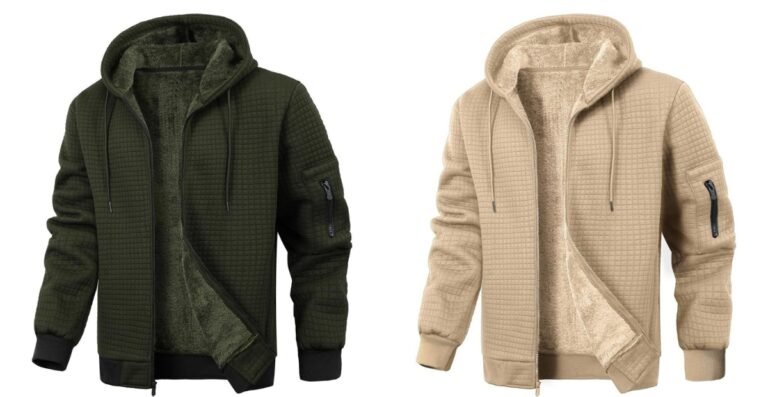
Zip-up fleece hoodies are hooded sweatshirts made primarily from fleece fabric and designed with a front zipper closure. Unlike pullover hoodies, they can be easily worn open or closed, which makes temperature control much easier.
Fleece, meanwhile, is a soft, insulating fabric that traps heat while remaining lightweight. Because of this, it is often chosen for cold-weather clothing. Additionally, fleece dries quickly and feels gentle on the skin, making it ideal for everyday wear.
Why Zip-Up Fleece Hoodies Are So Popular
The popularity of zip-up fleece hoodies has grown steadily, and for good reason. First of all, they strike the perfect balance between comfort and functionality. Secondly, they can be styled effortlessly with casual or sporty outfits.
Moreover, these hoodies are loved by people of all ages. From students and professionals to athletes and travelers, everyone finds value in their convenience. As a result, they have become a wardrobe staple rather than a seasonal trend.
Key Benefits of Zip-Up Fleece Hoodies
1. Exceptional Warmth Without Bulk
One of the biggest advantages of fleece hoodies is their ability to retain heat. Warmth is provided without adding unnecessary weight, which means you can stay cozy without feeling restricted.
2. Easy Layering
Because of the front zipper, layering becomes simple. For instance, the hoodie can be worn over a T-shirt in mild weather or under a jacket in extreme cold. Therefore, it adapts easily to changing temperatures.
3. All-Day Comfort
Soft fibers are used in fleece fabric, so irritation is rarely caused. Additionally, the relaxed fit of most zip-up hoodies allows for freedom of movement, which is ideal for long hours of wear.
4. Practical Design
Pockets are often included and are used for warming hands or carrying small essentials. Meanwhile, the hood adds extra protection against wind and light rain.
Types of Fleece Used in Zip-Up Hoodies
Not all fleece hoodies are made the same. In fact, the type of fleece used can significantly affect comfort and durability.
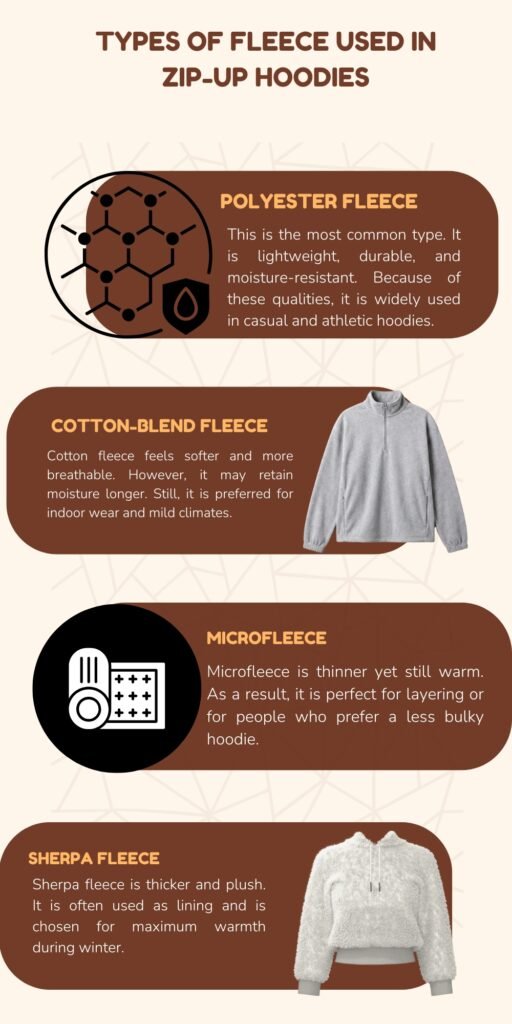
Overview of common fleece types used in zip-up hoodies: Polyester fleece, Cotton-blend fleece, Microfleece, and Sherpa fleece.
Polyester Fleece
This is the most common type. It is lightweight, durable, and moisture-resistant. Because of these qualities, it is widely used in casual and athletic hoodies.
Cotton-Blend Fleece
Cotton fleece feels softer and more breathable. However, it may retain moisture longer. Still, it is preferred for indoor wear and mild climates.
Microfleece
Microfleece is thinner yet still warm. As a result, it is perfect for layering or for people who prefer a less bulky hoodie.
Sherpa Fleece
Sherpa fleece is thicker and plush. It is often used as lining and is chosen for maximum warmth during winter.
Zip-Up Fleece Hoodies for Different Seasons
Although fleece is often associated with winter, zip-up fleece hoodies can be worn year-round.
Winter: Thick fleece hoodies provide insulation and are often layered under coats.
Fall: Medium-weight hoodies are ideal for cool mornings and evenings.
Spring: Lightweight fleece works well for unpredictable weather.
Summer Nights: Thin fleece hoodies are sometimes worn during breezy nights.
Thus, with the right fabric choice, these hoodies remain useful in every season.
Styling Zip-Up Fleece Hoodies
Casual Everyday Look
For a relaxed outfit, pair a zip-up fleece hoodie with jeans and sneakers. Neutral colors like black, grey, or navy are often chosen because they match easily.
Sporty and Active Wear
When worn with joggers or track pants, the hoodie creates an athletic look. As a result, it is perfect for gym sessions, warm-ups, or outdoor walks.
Smart-Casual Outfit
Surprisingly, zip-up fleece hoodies can be styled smartly. For example, layering one over a plain T-shirt and pairing it with chinos creates a clean, modern look.
Layered Winter Style
In colder weather, the hoodie can be worn under a denim or leather jacket. Consequently, both warmth and style are achieved effortlessly.
Zip-Up Fleece Hoodies for Men, Women, and Kids
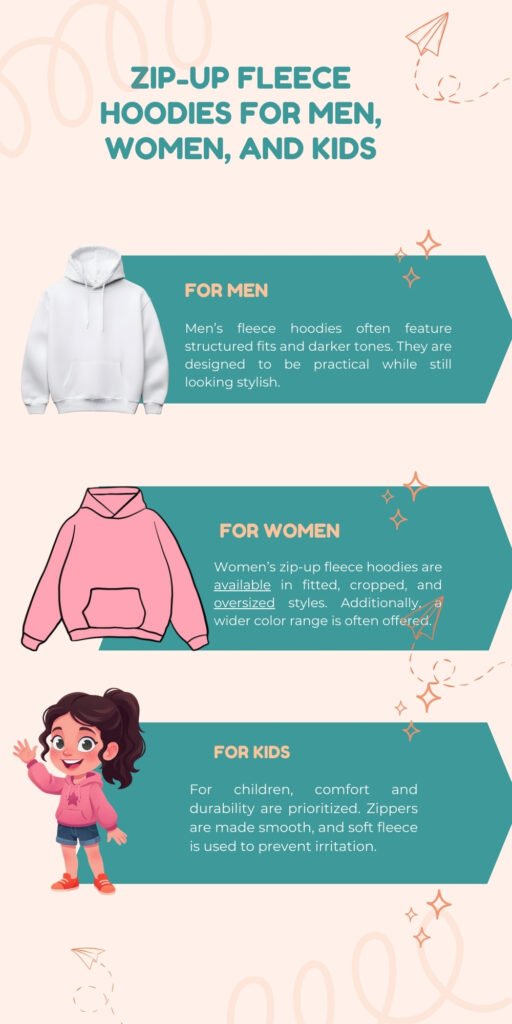
Zip-up fleece hoodies for men, women, and kids: tailored fits and styles for every age and gender.
For Men
Men’s fleece hoodies often feature structured fits and darker tones. They are designed to be practical while still looking stylish.
For Women
Women’s zip-up fleece hoodies are available in fitted, cropped, and oversized styles. Additionally, a wider color range is often offered.
For Kids
For children, comfort and durability are prioritized. Zippers are made smooth, and soft fleece is used to prevent irritation.
How to Choose the Right Zip-Up Fleece Hoodie
When buying a fleece hoodie, several factors should be considered.
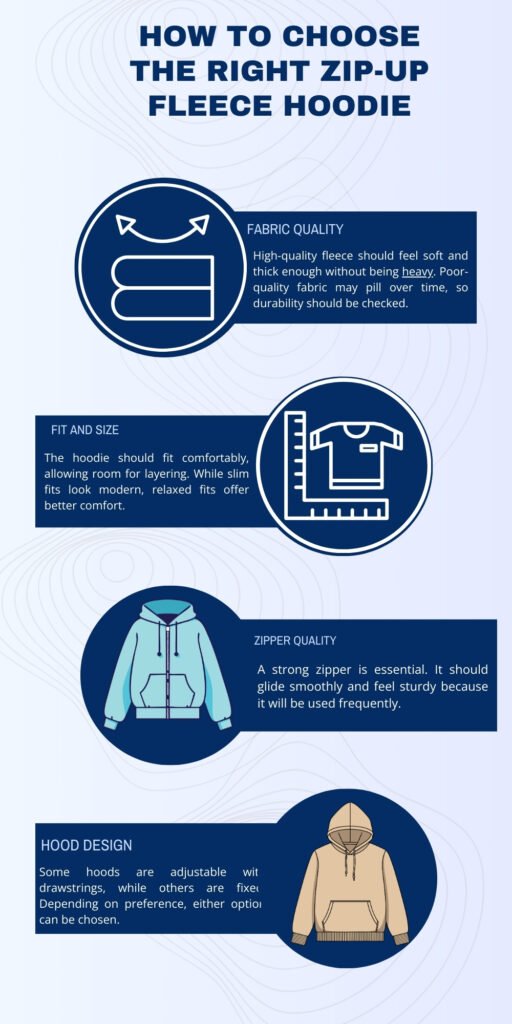
Key factors to consider when choosing a zip-up fleece hoodie: fabric quality, fit and size, zipper quality, and hood design.
Fabric Quality
High-quality fleece should feel soft and thick enough without being heavy. Poor-quality fabric may pill over time, so durability should be checked.
Fit and Size
The hoodie should fit comfortably, allowing room for layering. While slim fits look modern, relaxed fits offer better comfort.
Zipper Quality
A strong zipper is essential. It should glide smoothly and feel sturdy because it will be used frequently.
Hood Design
Some hoods are adjustable with drawstrings, while others are fixed. Depending on preference, either option can be chosen.
Care and Maintenance Tips
Proper care ensures that your zip-up fleece hoodie lasts longer.
Wash in cold water to prevent fabric damage.
Avoid high heat during drying, as fleece can shrink.
Do not use fabric softeners because they reduce fleece softness.
Store folded rather than hung to maintain shape.
If these steps are followed, the hoodie will remain soft and comfortable for years.
Sustainability and Eco-Friendly Fleece
In recent years, sustainable fashion has gained attention. As a result, many brands now offer eco-friendly fleece hoodies made from recycled polyester.
These hoodies reduce plastic waste while maintaining warmth and comfort. Therefore, choosing sustainable options is both stylish and responsible.
Why Zip-Up Fleece Hoodies Are a Smart Investment
Unlike trend-based clothing, zip-up fleece hoodies never go out of style. They are worn year after year, making them a cost-effective choice. Moreover, their versatility means fewer clothing items are needed overall.
Additionally, because they are suitable for work-from-home, travel, workouts, and casual outings, their value is maximized.
Common Mistakes to Avoid When Buying
Choosing style over comfort
Ignoring fabric quality
Buying the wrong size
Overlooking zipper durability
By avoiding these mistakes, a better purchase decision can be made.
Final Thoughts
In conclusion, zip-up fleece hoodies are more than just casual clothing. They are a perfect blend of warmth, comfort, and everyday style. Because of their adaptability, they can be worn in multiple seasons and styled in countless ways.
Whether you prefer a sporty look, a casual outfit, or layered winter wear, a zip-up fleece hoodie fits effortlessly into your wardrobe. As long as quality and fit are considered, this timeless piece will continue to provide comfort and style for years to come.
FAQs
What is a zip-up fleece hoodie?
A zip-up fleece hoodie is a hooded sweatshirt made from fleece fabric and designed with a full-length front zipper. It provides warmth, comfort, and easy wear, making it suitable for everyday use.
Are zip-up fleece hoodies warm enough for winter?
Yes, zip-up fleece hoodies offer excellent insulation and are warm enough for mild to moderately cold winters. However, in extremely cold conditions, they are best worn as a layering piece under a heavier jacket.
What fabric is best for zip-up fleece hoodies?
Polyester fleece is the most popular choice because it is lightweight, durable, and moisture-resistant. Cotton-blend fleece is softer and more breathable, while sherpa fleece provides extra warmth for colder climates.
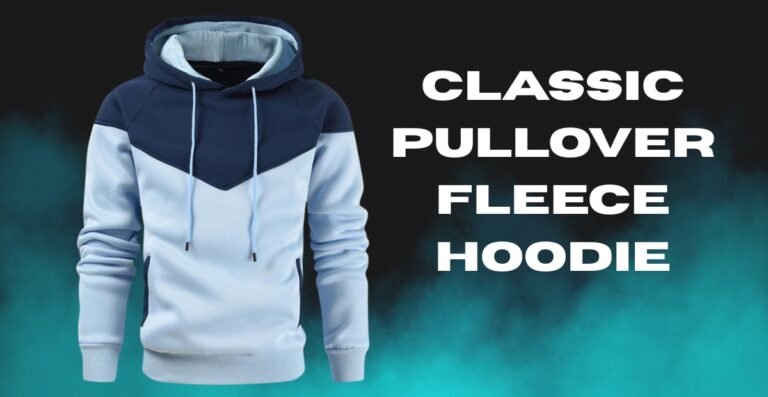
Classic pullover fleece hoodies have remained a wardrobe essential for decades. Although fashion trends constantly evolve, this iconic garment continues to hold its place due to its unmatched comfort, versatility, and timeless appeal. Whether it is worn for casual outings, lounging at home, or layering during colder months, a classic pullover fleece hoodie delivers warmth and style effortlessly.
Moreover, these hoodies are not just about comfort; they are also a symbol of relaxed fashion. Over time, they have been embraced by people of all ages, lifestyles, and fashion preferences. Therefore, understanding why classic pullover fleece hoodies remain so popular helps buyers make informed wardrobe choices.
In this detailed guide, the history, benefits, fabric qualities, styling tips, and buying considerations of classic pullover fleece hoodies are explored thoroughly.
What Are Classic Pullover Fleece Hoodies?
Classic pullover fleece hoodies are hooded sweatshirts made from soft fleece fabric and designed without a front zipper. Instead of zippers, they are pulled over the head, which enhances warmth and provides a clean, minimalist look. Typically, they feature a kangaroo pocket, ribbed cuffs, and an adjustable hood.
Because of their simple construction, they are considered reliable and easy to wear. In addition, fleece fabric is used because it is lightweight yet insulating. As a result, these hoodies are suitable for both mild and cold weather.
Furthermore, classic pullover fleece hoodies are often chosen for their durability. When properly cared for, they maintain their shape and softness for years.
The History of Pullover Fleece Hoodies
The hoodie originated in the early 20th century and was initially designed for workers in cold warehouses. At that time, warmth and practicality were prioritized over appearance. However, as sportswear gained popularity, hoodies started appearing in athletic and casual fashion.
Eventually, fleece fabric was introduced, improving insulation and comfort. During the 1970s and 1980s, hoodies were adopted by youth culture, athletes, and musicians. Consequently, they became a symbol of casual streetwear.
Today, classic pullover fleece hoodies are worn globally. While modern variations exist, the classic style remains unchanged because it fulfills both functional and aesthetic needs.
Why Classic Pullover Fleece Hoodies Are Still Popular
Despite the availability of modern outerwear, classic pullover fleece hoodies continue to be favored. One major reason is their versatility. They can be styled in numerous ways and worn in various settings.
Additionally, their comfort level is unmatched. Fleece fabric is known for being soft, breathable, and warm. Therefore, these hoodies are ideal for everyday wear.
Another reason is their timeless design. Because trends change quickly, many people prefer clothing that does not go out of style. A classic pullover fleece hoodie meets that requirement perfectly.
Fabric and Material Quality
Understanding Fleece Fabric
Fleece is a synthetic fabric usually made from polyester. It is designed to mimic the warmth of wool while remaining lightweight. Moreover, fleece dries quickly and resists moisture, making it practical for daily use.
In classic pullover fleece hoodies, the inner lining is brushed to create a soft, cozy texture. As a result, heat is trapped while airflow is maintained.
Benefits of Fleece Material
Excellent insulation without bulk
Soft texture that feels comfortable on the skin
Lightweight yet warm
Easy maintenance and durability
Because of these benefits, fleece has become the preferred material for pullover hoodies worldwide.
Comfort That Lasts All Day
Comfort is often the primary reason people choose classic pullover fleece hoodies. Since the fabric is soft and flexible, movement is not restricted. Moreover, the pullover design eliminates the discomfort sometimes caused by zippers.
Additionally, the relaxed fit ensures that the hoodie can be worn for long hours. Whether sitting, walking, or traveling, comfort is maintained throughout the day.
As a result, these hoodies are frequently worn during work-from-home routines, travel days, and casual outings.
Style and Versatility
A Timeless Fashion Essential
Classic pullover fleece hoodies offer a simple yet stylish appearance. Because of their clean design, they pair well with jeans, joggers, or even layered under jackets.
Furthermore, neutral colors such as black, grey, navy, and beige are commonly chosen. These shades enhance versatility and make styling easier.
Suitable for All Seasons
Although fleece hoodies are associated with winter, they are also worn during transitional seasons. In autumn or early spring, they provide just the right amount of warmth.
Additionally, during colder months, they can be layered under coats or over thermal shirts. Therefore, their year-round usability adds to their value.
Fit and Design Features
Classic pullover fleece hoodies are usually designed with a relaxed or regular fit. This ensures comfort without appearing oversized.
Key Design Elements
Adjustable hood for added warmth
Kangaroo pocket for convenience
Ribbed cuffs and hem for better fit
Soft brushed interior
These features are carefully designed to enhance comfort and practicality.
How to Style Classic Pullover Fleece Hoodies
Styling a classic pullover fleece hoodie is simple. Because of its versatility, it adapts easily to different fashion preferences.
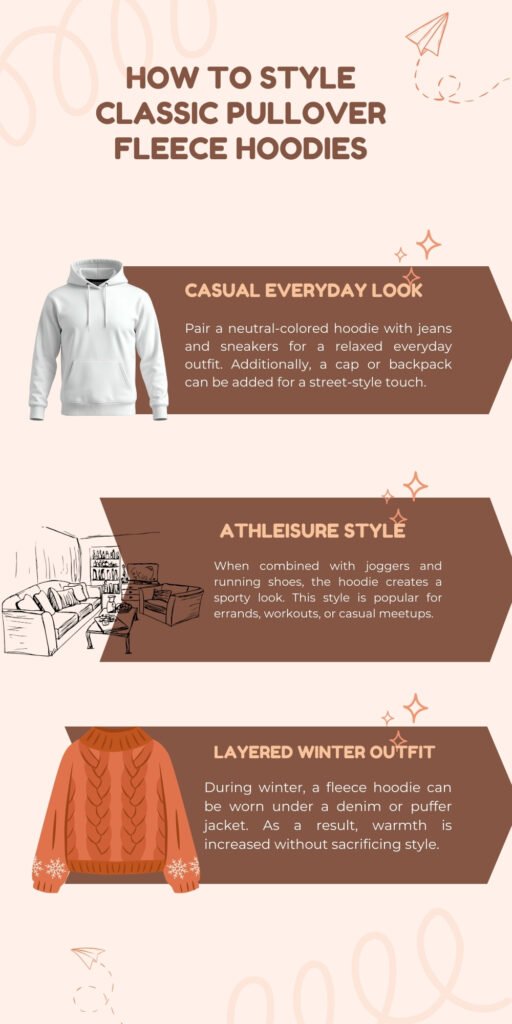
Three versatile ways to style a classic fleece hoodie: casual, athleisure, and layered winter.
Casual Everyday Look
Pair a neutral-colored hoodie with jeans and sneakers for a relaxed everyday outfit. Additionally, a cap or backpack can be added for a street-style touch.
Athleisure Style
When combined with joggers and running shoes, the hoodie creates a sporty look. This style is popular for errands, workouts, or casual meetups.
Layered Winter Outfit
During winter, a fleece hoodie can be worn under a denim or puffer jacket. As a result, warmth is increased without sacrificing style.
Ideal for All Age Groups
Classic pullover fleece hoodies are suitable for everyone. Children, teenagers, adults, and seniors all find comfort in this garment.
Because the design is simple and functional, it appeals to a wide audience. Additionally, it is often chosen as a unisex option.
Durability and Longevity
Another reason classic pullover fleece hoodies are popular is their durability. High-quality fleece resists pilling and maintains softness over time.
When proper care instructions are followed, the hoodie retains its color and shape. Therefore, it becomes a long-term wardrobe investment. Read more….types of hoodie
Care and Maintenance Tips
Practical care and maintenance tips for everyday laundry.
To extend the life of a fleece hoodie, proper care is essential.
Washing Tips
Wash in cold water
Use mild detergent
Avoid fabric softeners
Drying Tips
Air dry when possible
Use low heat if machine drying
By following these steps, the hoodie’s texture and fit are preserved.
Sustainability and Eco-Friendly Options
In recent years, sustainable fleece options have gained popularity. Many brands now use recycled polyester to produce fleece hoodies.
As a result, environmental impact is reduced while quality remains high. Therefore, eco-conscious buyers can enjoy classic pullover fleece hoodies responsibly.
Buying Guide: What to Look For
When purchasing a classic pullover fleece hoodie, several factors should be considered.
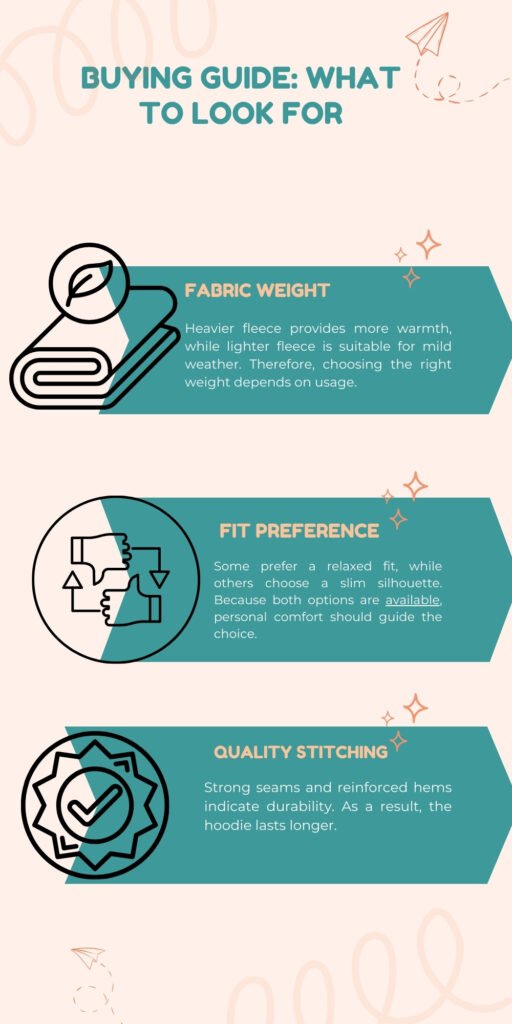
Key factors to consider when buying apparel: fabric weight, fit preference, and stitching quality.
Fabric Weight
Heavier fleece provides more warmth, while lighter fleece is suitable for mild weather. Therefore, choosing the right weight depends on usage.
Fit Preference
Some prefer a relaxed fit, while others choose a slim silhouette. Because both options are available, personal comfort should guide the choice.
Quality Stitching
Strong seams and reinforced hems indicate durability. As a result, the hoodie lasts longer.
Why Brands Continue to Offer Classic Styles
Despite innovation in fashion, brands continue producing classic pullover fleece hoodies. This is because demand remains consistent.
Moreover, these hoodies are cost-effective to produce and appeal to a wide market. Therefore, they remain a staple in fashion collections.
Perfect for Customization and Branding
Classic pullover fleece hoodies are often used for branding purposes. Schools, companies, and organizations prefer them for custom logos.
Because of their simple design, printing and embroidery are easily applied. As a result, they are ideal for promotional use.
Seasonal Trends vs. Classic Appeal
While seasonal trends come and go, classic pullover fleece hoodies remain relevant. Their design does not rely on trends, making them timeless.
Therefore, investing in a classic style is often more practical than chasing fast fashion.
Final Thoughts
Classic pullover fleece hoodies are more than just casual wear. They represent comfort, durability, and timeless style. Because of their versatility, they fit seamlessly into any wardrobe.
Moreover, their ability to adapt to different seasons, styles, and age groups makes them a must-have garment. Whether worn at home, outdoors, or layered for warmth, they deliver consistent comfort.
In conclusion, classic pullover fleece hoodies continue to stand the test of time. Their simple design, soft fleece fabric, and everyday practicality ensure they remain a favorite for generations to come.
FAQs
What are classic pullover fleece hoodies?
Classic pullover fleece hoodies are hooded sweatshirts made from soft fleece fabric and designed without a zipper. They are pulled over the head and usually feature a kangaroo pocket, ribbed cuffs, and an adjustable hood for added warmth and comfort.
Are classic pullover fleece hoodies warm enough for winter?
Yes, classic pullover fleece hoodies provide excellent insulation and are suitable for winter wear. However, during extremely cold weather, they are best worn as a layering piece under jackets or coats for additional warmth.
What material is used in fleece hoodies?
Most fleece hoodies are made from polyester or a cotton-polyester blend. This fabric is chosen because it is lightweight, soft, breathable, and effective at retaining heat.
Every year on February 6 , the world observes the International Day of Zero Tolerance for Female Genital Mutilation (FGM) . This day is dedicated to raising awareness about the harmful practice of FGM and promoting efforts to eliminate it globally. It is a call to action for governments, communities, and individuals to protect the rights and health of girls and women everywhere.
What is Female Genital Mutilation (FGM)?
Female genital mutilation (FGM). is a term that refers to any procedure that involves the partial or complete removal of external female genitalia without medical reasons. Internationally, it is considered a violation to human rights. FGM is not beneficial to health and can lead to severe psychological and physical harm.
In some communities, the practice is deeply rooted within cultural, religious and social norms. It is important to note that FGM does not fall under any religious. The World Health Organization, as well as other global health organizations strongly condemn this practice.
Why is Zero Tolerance important?
Observing International Day of Zero Tolerance to Female Genital Mutilation can:
Raise awareness– Educate the community about the dangers associated with FGM.
Protect Human Rights Advocate for girls and women to be free of violence and discrimination.
Support survivors – Provide medical, mental, and social assistance to those who have been affected.
Promote Legal action – Encourage governments to strengthen the laws criminalizing FGM.
This day serves as a reminder that the responsibility to end FGM lies with all of us. Education and awareness can empower communities to reject harmful practice and protect future generations. Female Genital Mutilation
FGM and its Global Impact
Worldwide, FGM is estimated to affect 200 millions girls and women. Most of the FGM occurs in Africa, Asia, and the Middle East. FGM has severe consequences, including:
Pain and bleeding intense
Risk of infection
Complications during childbirth
Long-term psychological trauma
It is important to end FGM not only for women’s health, but also in order to achieve gender equity as well as the Sustainable Development Goals of the United Nations (SDGs).
What Countries and Communities are Doing to Take Action
Many countries have passed laws that prohibit FGM and many organizations are working hard to eradicate the practice. The following are some of the efforts:
Education programs to teach communities the dangers of FGM
Empowerment Initiatives for Girls and Women to Make Informed Choices
Advocacy campaign to engage religious leaders and community leaders for ending FGM
Partnerships with international organizations, such as the UN or WHO, are essential. They support survivors and help track progress towards a world free of FGM.
What You Can Do To Make A Difference
Everyone can help end FGM. Here’s how:
Inform yourself and others of the dangers of FGM
Support organizations Working to End the Practice
Advocate for policy changes within your community or country
Empower girls to protect their bodies
Even small actions have ripple effects. Raising your voice is part of a larger movement that demands zero toleration for female genital cutting.That’s why we need to keep speaking out, keep sharing stories, and keep pushing for change. We can’t be silent when millions of girls and women are at risk. We must stand in solidarity with survivors and activists on the ground, supporting their efforts to protect future generations. Together, we can create a world where every girl has the right to a safe and healthy life, free from violence and discrimination. Female Genital Mutilation
The conclusion of the article is:
The International Day of Zero Tolerance for Female Genital Mutilation represents more than just a date. This is an action call to protect the rights of girls and women, their health and dignity. We can stop FGM by working together to raise awareness, educate, and advocate for a healthier and safer world. Learn About: International Days Today
Heat-retaining fabric is designed to keep the body warm in cold temperatures. It works by slowing down the loss of body heat. In winter weather, the human body loses warmth quickly, especially when cold air and wind hit clothing layers. Therefore, people need fabrics that can protect them without making clothing heavy. Heat-Retaining Fabric Explained:That is why heat-retaining fabric has become a popular solution in modern winter clothing.
In recent years, winter fashion has changed significantly. People now want warm clothing that feels light and flexible. Outdoor sports also influence this demand because hikers and skiers prefer lightweight thermal gear. As a result, brands focus more on advanced insulation materials. This is why the topic Heat-Retaining Fabric Explained is now important for both buyers and clothing manufacturers.Heat-Retaining Fabric Explained:
History Of Heat-Retaining Fabric
Heat-retaining fabric has a long history that connects directly to human survival in cold environments. Long before modern textile science existed, people understood that certain natural materials could hold warmth better than others. Early humans used animal skins, fur, and thick hides because these materials trapped air and reduced heat loss. Even though they did not know the science behind insulation, they learned through experience that layered materials kept the body warmer for longer periods.
As civilizations developed, people began weaving plant fibers and animal hair into fabrics. Wool became one of the earliest and most valuable heat-retaining materials.Heat-Retaining Fabric Explained: Ancient communities in colder regions, including parts of Europe and Central Asia, relied heavily on sheep wool because it provided warmth even in damp conditions. Wool garments were often worn in multiple layers, which improved heat retention and protected the body from harsh winter winds. Over time, wool became a symbol of winter survival and an important trade product.
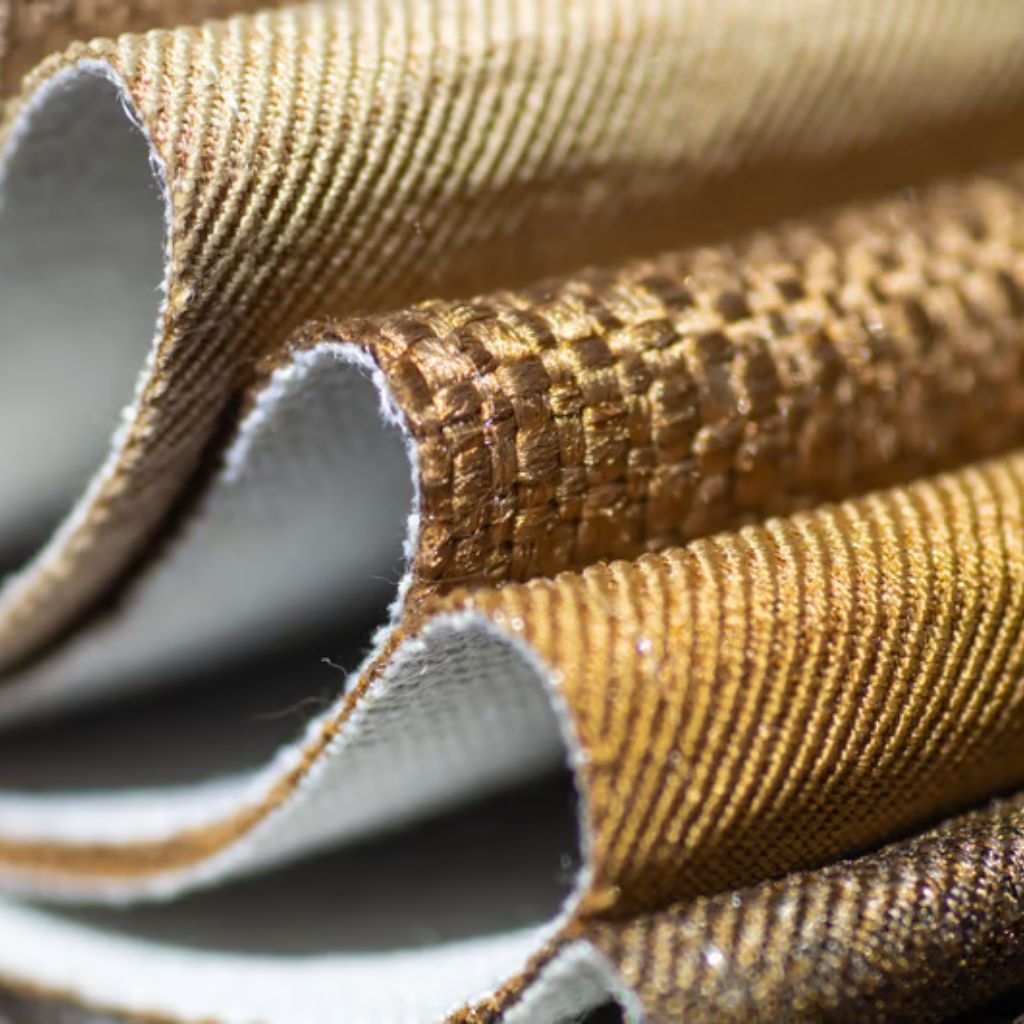
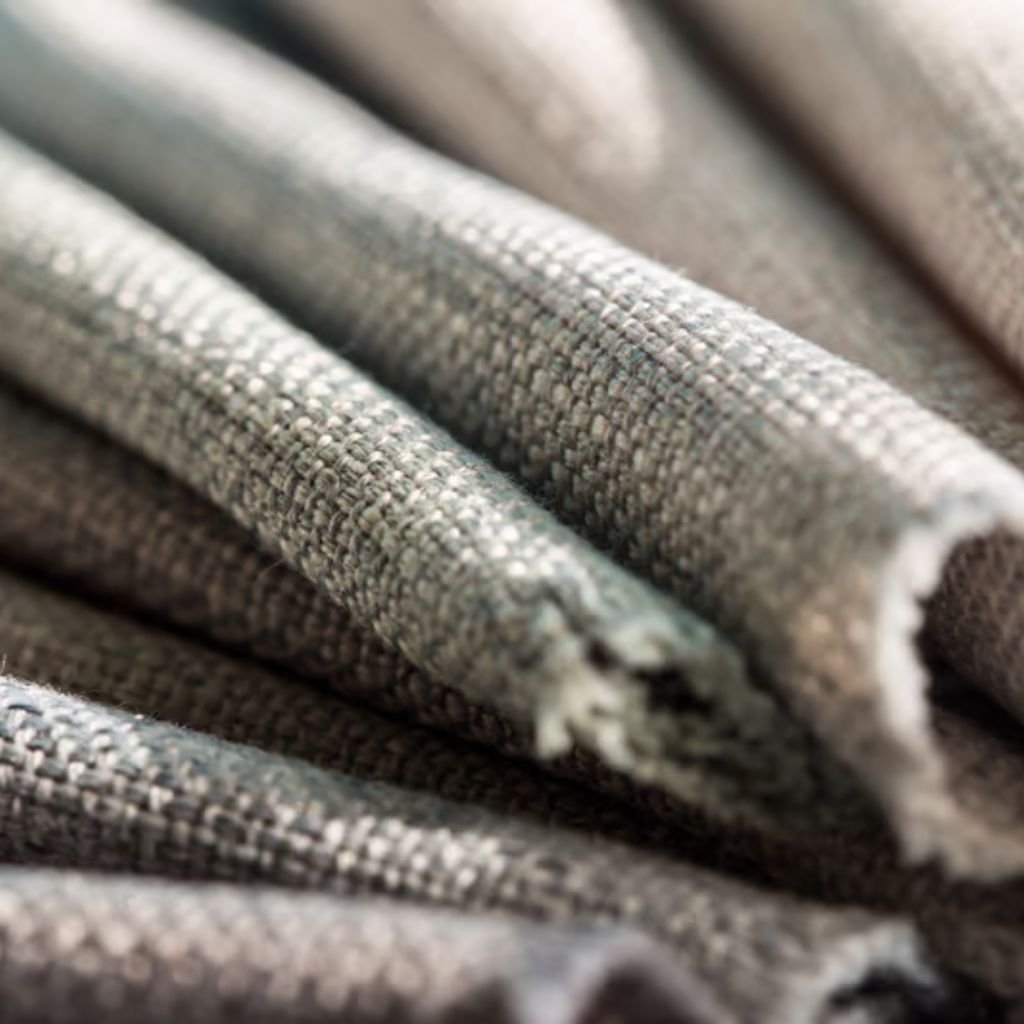
Textured woven fabric in earthy browns.
What is heat-retaining fabric?
Heat-retaining fabric is a textile that helps hold warmth close to the body. It traps warm air inside its fibers or reflects heat back toward the skin. In most cases, it does not create heat. Instead, it keeps the heat produced by the body from escaping. This makes the wearer feel warmer for a longer time.
Why heat retention matters in cold climates
Cold climates remove body warmth very fast. If the body loses heat quickly, a person may feel tired and uncomfortable. In extreme cases, the cold can also become dangerous. Heat-retaining fabrics help prevent this by reducing heat loss. Therefore, they support comfort and safety in winter environments.
Growing demand in winter clothing & outdoor gear
The demand for heat-retaining fabric continues to grow every year. Many people now travel to snowy places and take part in winter sports. Because of this, they need clothing that keeps them warm while allowing movement. At the same time, daily winter wear also requires comfort and style. Heat-Retaining Fabric Explained:So, heat-retaining fabrics are now used in jackets, sweaters, and base layers.
How Heat-Retaining Fabric Works
To understand Heat-Retaining Fabric Explained, you must know how body heat behaves. The human body constantly produces heat. However, cold air steals that warmth through wind, moisture, and contact with cold surfaces. Heat-Retaining Fabric Explained:This process is called heat loss.Heat-Retaining Fabric Explained: Heat-retaining fabric reduces this heat loss and keeps warmth closer to the skin.
Most heat-retaining fabrics work by trapping warm air inside the fiber structure. Air is a natural insulator, so it helps slow down temperature transfer. Some advanced fabrics also reflect infrared energy back to the body. Therefore, the fabric can increase warmth without adding thickness.
Heat trapping vs heat generation
Heat-retaining fabrics mostly trap heat rather than generate it. The warmth comes from the body itself. The fabric simply holds that warmth by stopping it from escaping. This is why these fabrics work best when worn close to the skin. As a result, they feel warmer even when the fabric is lightweight.
Insulation vs thermal reflection
Insulation works by creating a barrier of trapped air. This prevents cold air from reaching the skin. On the other hand, thermal reflection works by bouncing body heat back inward. Some jackets use reflective linings that act like a mirror for heat energy. Therefore, both insulation and reflection can work together for better warmth.
Role of air pockets and fiber structure
Air pockets play a major role in heat retention. Fabrics with fluffy surfaces hold more air, which improves insulation. Fiber structure also controls how much cold air passes through the fabric.Heat-Retaining Fabric Explained: If the weave is tight, the fabric blocks wind better. So, fabric design strongly affects warmth performance.
Types of Heat-Retaining Fabrics
There are many fabric types used for warmth retention. Each one performs differently depending on weather and usage. Some fabrics are natural, while others are synthetic. Heat-Retaining Fabric Explained:However, all heat-retaining fabrics share the same goal of reducing heat loss. That is why it is important to understand their main types.
Some fabrics provide high insulation but low wind protection. Others offer balanced warmth and breathability. Therefore, people often choose fabric type based on activity level and climate. Heat-Retaining Fabric Explained:When Heat-Retaining Fabric Explained properly, these fabric categories become easier to compare.
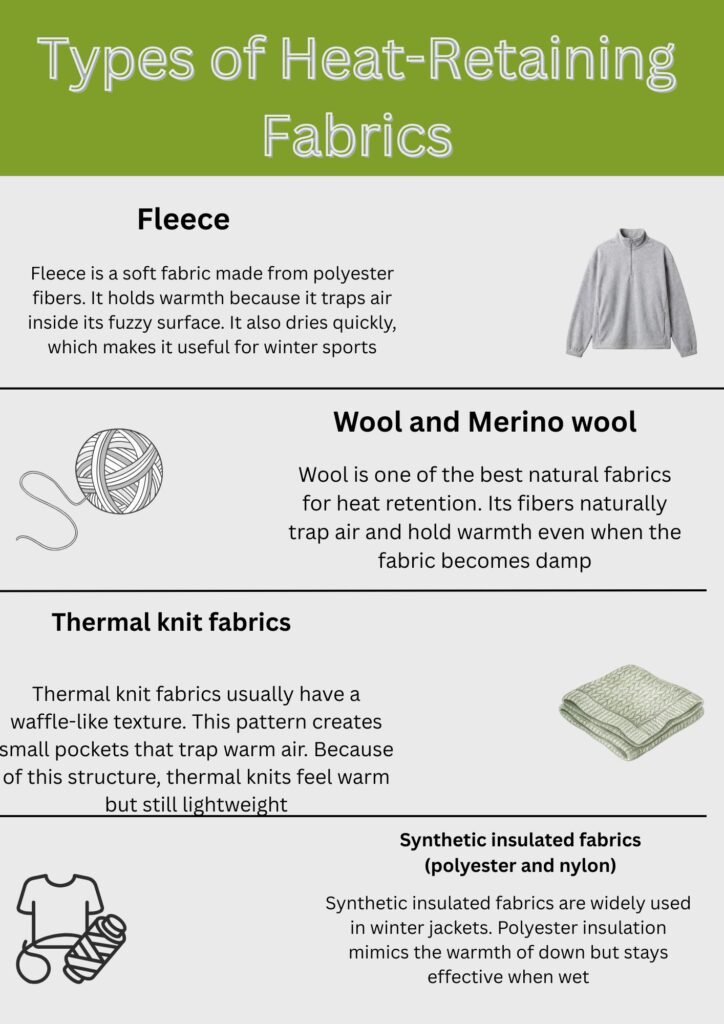
Types of heat-retaining fabrics explained with quick descriptions and icons.
Fleece
Fleece is a soft fabric made from polyester fibers. It holds warmth because it traps air inside its fuzzy surface. It also dries quickly, which makes it useful for winter sports. However, fleece is not naturally windproof. Therefore, people often layer it under jackets.
Wool and Merino wool
Wool is one of the best natural fabrics for heat retention. Its fibers naturally trap air and hold warmth even when the fabric becomes damp. Merino wool is softer and more comfortable than traditional wool. Because of this, it is often used in base layers and socks. It also helps control odor, which is another advantage.
Thermal knit fabrics
Thermal knit fabrics usually have a waffle-like texture. This pattern creates small pockets that trap warm air. Because of this structure, thermal knits feel warm but still lightweight. They are commonly used in inner clothing layers.Heat-Retaining Fabric Explained: Therefore, they work well for both casual winter wear and outdoor activities.
Synthetic insulated fabrics (polyester and nylon)
Synthetic insulated fabrics are widely used in winter jackets. Polyester insulation mimics the warmth of down but stays effective when wet. Nylon is often used for the outer layer because it is durable and blocks wind. When combined, these materials provide warmth, strength, and comfort. That is why synthetic insulation dominates modern winter clothing.
Materials Used in Heat-Retaining Fabric
The materials used in heat-retaining fabrics decide how warm and durable the fabric will be. Some fibers trap air better, while others manage moisture more effectively.Heat-Retaining Fabric Explained: In addition, many brands use blended materials to combine different benefits. Therefore, material choice plays a major role in fabric performance.
Natural materials like wool provide warmth and comfort. Synthetic materials like polyester provide durability and water resistance. Eco-friendly alternatives are also becoming popular because people now care more about sustainability. So, fabric manufacturers continue to experiment with better fiber combinations.
Natural fibers vs synthetic fibers
Natural fibers like wool and alpaca are excellent for insulation. They trap air naturally and remain warm even in damp conditions. Synthetic fibers like polyester dry quickly and wick moisture well. They also resist shrinking and stretching. Therefore, both natural and synthetic fibers have unique advantages depending on climate needs.
Blended fabrics for enhanced warmth
Blended fabrics combine two or more fibers into one textile. For example, wool blends often include polyester to improve strength and reduce itchiness. These blends also help fabric keep its shape after washing. As a result, blended fabrics offer better durability and balanced warmth.Heat-Retaining Fabric Explained:
Eco-friendly heat-retaining materials
Eco-friendly heat-retaining materials include recycled polyester and responsibly sourced wool. Recycled insulation reduces plastic waste and supports sustainability goals. Natural alternatives also help because they are biodegradable.Heat-Retaining Fabric Explained: Therefore, eco-friendly heat-retaining fabrics are now becoming a smart choice for winter buyers.
Key Features of Heat-Retaining Fabric
Heat-retaining fabrics offer more than just warmth. Heat-Retaining Fabric Explained:They also provide comfort, softness, and better movement. Many winter clothing brands focus on making fabrics lightweight while still insulating well. This is why heat-retaining fabric has become more advanced over time.
The best fabrics balance warmth with breathability. They also manage sweat and reduce discomfort. Wind resistance is another valuable feature because wind can quickly remove body heat. Therefore, heat-retaining fabric is designed with multiple performance features, not just insulation.
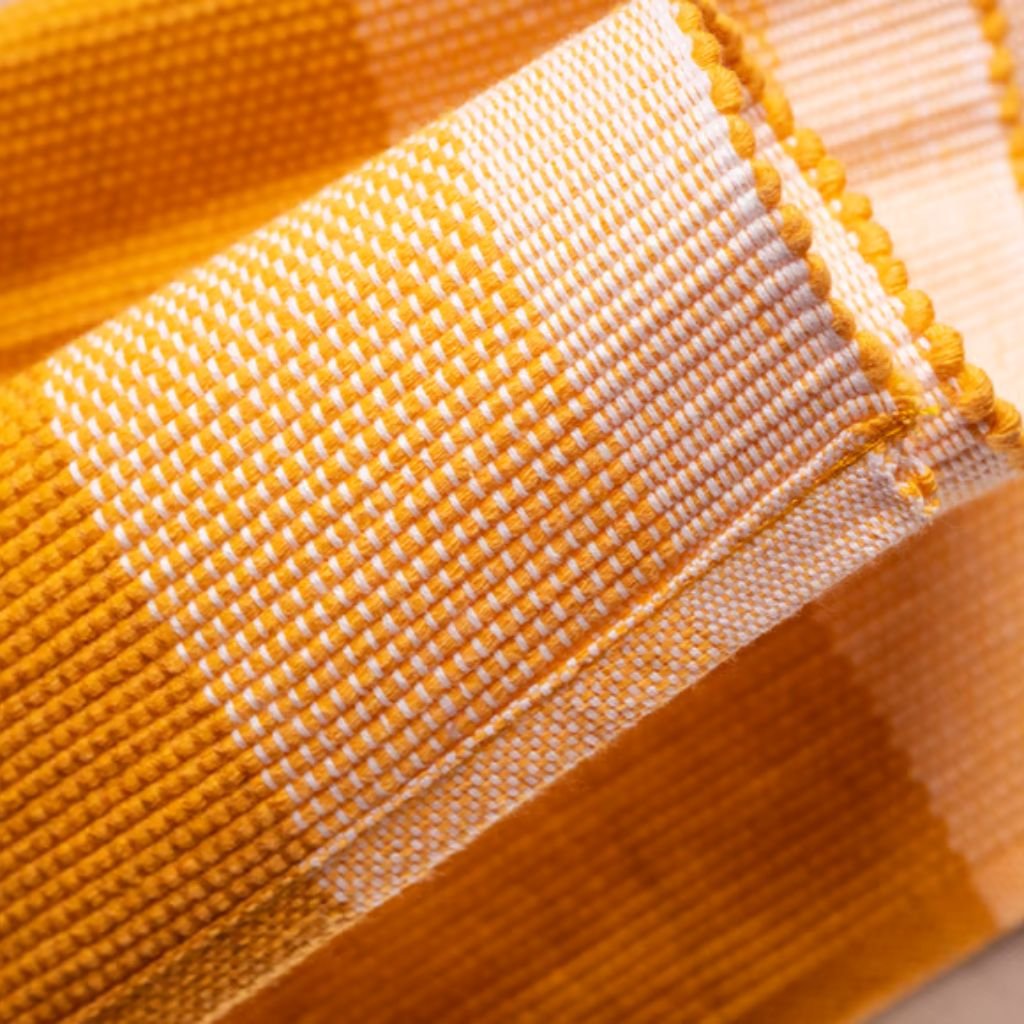
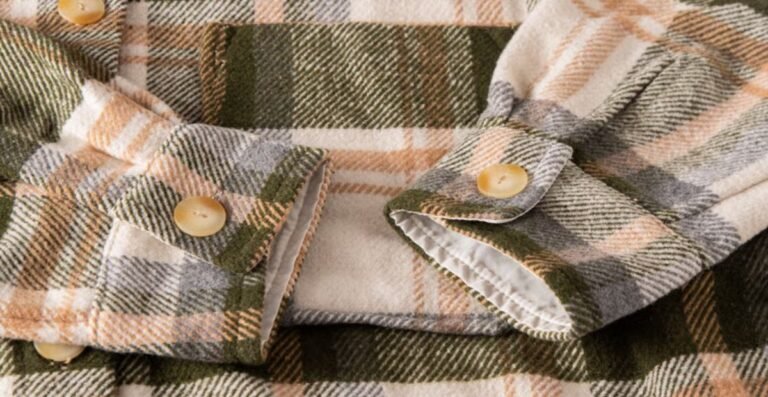
Bold yellow plaid weave: textured fabric detail with visible seam.
Thermal insulation capability
Insulation is the fabric’s ability to slow heat loss. Better insulation means the fabric can hold more warmth with less thickness. Fabrics like fleece and wool are strong insulators. Heat-Retaining Fabric Explained:Synthetic insulation also performs well in extreme cold. Therefore, insulation remains the most important feature.
Breathability
Breathability allows heat and moisture vapor to escape. This is important because sweat can make the body feel colder. Breathable heat-retaining fabric helps keep the skin dry. Merino wool and thermal knits are good examples. So, breathability improves overall winter comfort.
Moisture-wicking
Moisture-wicking fabrics pull sweat away from the skin. This prevents dampness and reduces chills. Many synthetic base layers use moisture-wicking technology.Heat-Retaining Fabric Explained: Wool also manages moisture naturally. Therefore, moisture-wicking helps maintain warmth during movement.
Lightweight warmth
Lightweight warmth is a major reason people choose heat-retaining fabric. It allows you to stay warm without heavy clothing. This improves comfort and mobility.Heat-Retaining Fabric Explained: Modern insulation technology supports this feature strongly. So, lightweight warmth is a key selling point in winter wear.
Wind resistance
Wind can make cold temperatures feel much worse. Wind-resistant fabrics reduce airflow through clothing layers. Nylon shells and tightly woven fabrics help block wind. Heat-Retaining Fabric Explained:This keeps warm air trapped inside. Therefore, wind resistance increases fabric warmth significantly.
Softness and comfort
Softness matters because winter clothes touch the skin for long periods. Rough fabrics can cause irritation and itching. Merino wool, brushed fleece, and soft synthetic blends provide comfort. Therefore, softness is an essential feature for daily winter clothing.
Benefits of Heat-Retaining Fabric
Heat-retaining fabrics provide clear advantages in winter weather. They keep the body warmer and reduce the need for heavy clothing. Heat-Retaining Fabric Explained:They also support outdoor performance and everyday comfort. Because of this, these fabrics have become common in winter fashion.
Another important benefit is energy conservation. When the body stays warm, it does not need to work as hard. This improves comfort and reduces tiredness.Heat-Retaining Fabric Explained: Therefore, heat-retaining fabrics support both health and convenience during cold seasons.
Maintains body warmth in extreme cold
Heat-retaining fabric helps maintain warmth by slowing heat loss. It traps warm air or reflects heat back to the body. This makes a major difference in freezing conditions. Therefore, it provides strong protection in winter climates.
Reduces energy loss
When the body stays warm, it uses less energy to maintain temperature. This helps prevent fatigue during outdoor activities. It also improves comfort during long winter days. Therefore, warmth supports better physical endurance.
Comfortable for layering
Heat-retaining fabrics work well in layered outfits. They fit under jackets and coats without adding bulk. This makes winter dressing easier and more stylish. Therefore, layering becomes more effective with these fabrics.
Ideal for outdoor activities
Outdoor sports require warmth and moisture control. Heat-retaining fabrics provide insulation while still allowing movement. They also dry quickly and reduce sweat discomfort. Therefore, they are widely used in hiking and skiing gear.
Suitable for everyday winter wear
Heat-retaining fabric is not limited to outdoor clothing. Many casual winter outfits also use these fabrics for daily comfort. Jackets, sweaters, and leggings often include thermal materials. Therefore, they fit into everyday life easily.
Heat-Retaining Fabric vs Thermal Fabric
Many people think thermal fabric and heat-retaining fabric are identical. Heat-Retaining Fabric Explained:However, they are not always the same. Thermal fabric often refers to fabric designed for insulation through thickness and knit structure. Heat-retaining fabric can include advanced technology such as infrared reflection.Heat-Retaining Fabric Explained: Therefore, heat-retaining fabric often provides stronger warmth at lighter weight.
In many cases, thermal fabric is a basic category. Heat-retaining fabric is a broader category that includes thermal fabrics as well. So, the difference depends on construction and performance level.
Key differences explained
Thermal fabric focuses mainly on insulation through air trapping. Heat-retaining fabric can trap air and also reflect heat energy. Thermal fabric is often thicker and heavier. Heat-retaining fabric can stay thin but still provide strong warmth. Therefore, heat-retaining fabric is often considered more advanced.Heat-Retaining Fabric Explained:
Which one is better for winter?
Thermal fabric works well for mild to moderate cold weather. Heat-retaining fabric works better for harsh winter conditions. If you need lightweight warmth, heat-retaining fabric is usually a better choice. However, thermal fabric can still be a good budget-friendly option.
Use-case comparison table (SEO + UX boost)
Feature
Heat-Retaining Fabric
Thermal Fabric
Warmth Level
High to very high
Medium to high
Weight
Lightweight
Often heavier
Technology
Reflective, PCM, insulation
Mostly knit insulation
Best Use
Extreme cold, outdoor gear
Daily winter basics
Moisture Control
Usually better
Moderate
Common Uses of Heat-Retaining Fabric
Heat-retaining fabrics are used in many products today. They appear in winter jackets, sportswear, and thermal underlayers. They are also used in home textiles like blankets. Heat-Retaining Fabric Explained:Because these fabrics improve comfort, their use continues to expand.
Cold-weather workwear also depends on these fabrics. Many workers spend long hours in freezing conditions. Therefore, heat-retaining clothing is essential for safety and productivity. This wide use proves that heat-retaining fabric has become a key winter technology.
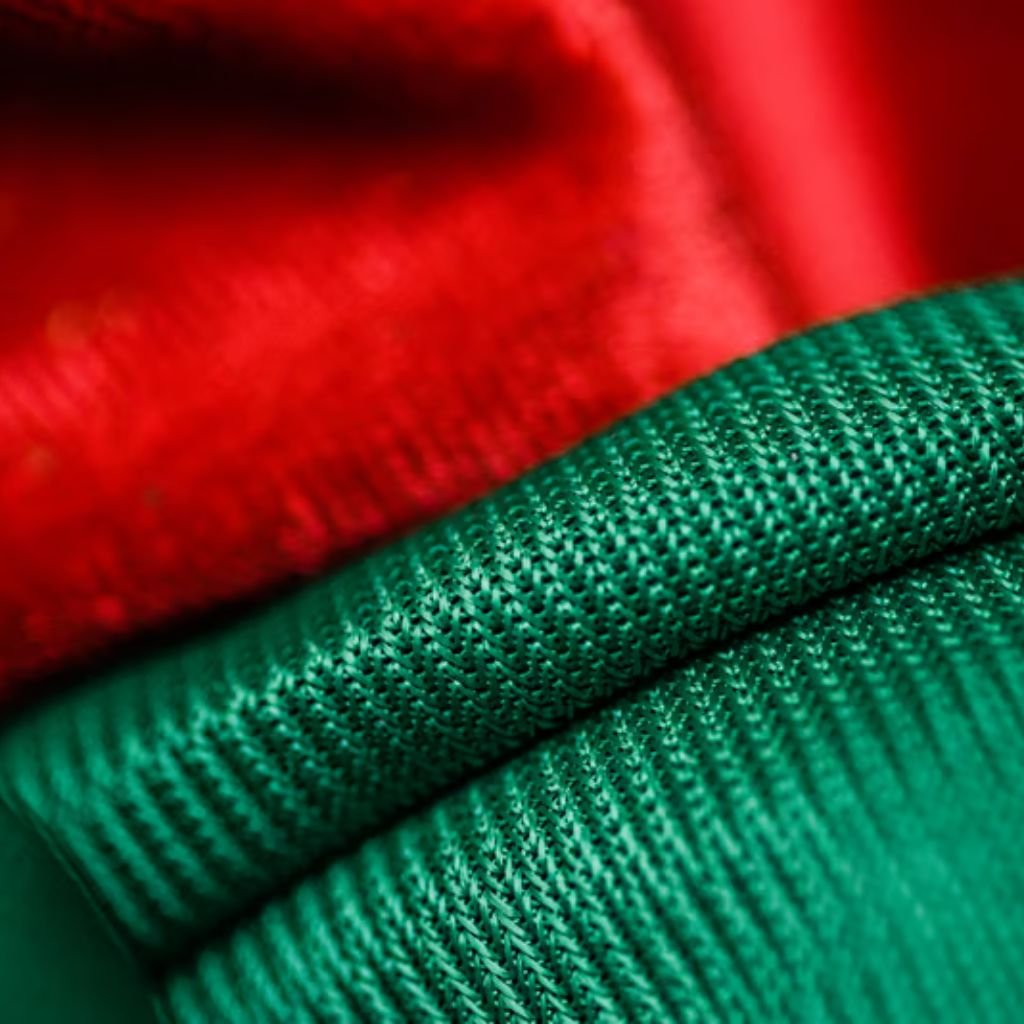
Vivid winter knits: bold red and emerald green layered fabrics.
Winter jackets and coats
Winter jackets often use synthetic insulation, fleece lining, or reflective thermal layers. These materials trap warmth and reduce heat loss. Many coats also include windproof shells for better protection. Therefore, jackets are one of the most common uses of heat-retaining fabrics.
Thermal base layers
Thermal base layers sit close to the skin and keep the body warm. They also help control sweat and reduce dampness. Merino wool and synthetic blends are popular for this purpose. Therefore, base layers are essential for winter comfort.
Sportswear and outdoor gear
Outdoor clothing needs warmth, flexibility, and breathability. Heat-retaining fabrics meet these needs effectively. Ski suits, hiking pants, and gloves often use these materials. Therefore, outdoor brands rely heavily on heat-retaining fabric technology.
Blankets and home textiles
Heat-retaining fabrics are widely used in blankets, comforters, and winter bedding. Wool and fleece blankets are especially popular. Some modern blankets also include reflective thermal layers. Therefore, these fabrics provide cozy warmth inside homes.
Workwear for cold environments
Cold environment workwear includes insulated jackets, pants, and boots. These products must protect workers from freezing temperatures. Heat-retaining fabrics help reduce heat loss during long shifts. Therefore, they are widely used in industrial winter clothing.
Is Heat-Retaining Fabric Breathable?
Many people worry that warm fabrics may block airflow. This is a common concern because trapped sweat can cause discomfort. However, modern heat-retaining fabrics are often designed to stay breathable. Heat-Retaining Fabric Explained:They allow moisture vapor to escape while still holding warmth.Heat-Retaining Fabric Explained:Therefore, breathability depends on fabric type and construction.
Breathability is especially important for outdoor activities. When people move, they sweat more. If sweat stays inside clothing, the body can cool down quickly. So, breathable heat-retaining fabrics improve comfort and safety.
Balancing warmth and airflow
Good heat-retaining fabric holds warm air but releases moisture. This prevents sweat buildup and keeps the body dry. If fabric is too sealed, overheating may occur. Therefore, balance is necessary for long-term comfort.
Best breathable heat-retaining fabrics
Merino wool is one of the best breathable heat-retaining materials. Thermal knit fabrics also allow airflow through their structure. Many synthetic blends include moisture-wicking features as well. Therefore, breathable warmth is easy to find in modern winter clothing.
Comfort during physical activity
During exercise, body temperature rises quickly. Breathable heat-retaining fabrics prevent overheating and sweat discomfort. They also reduce the risk of chilling after activity stops. Therefore, they are ideal for hiking, running, and skiing.
How to Choose the Best Heat-Retaining Fabric
Choosing the best heat-retaining fabric depends on your climate and lifestyle. Some people need fabric for casual daily use. Others need high-performance fabric for extreme cold.Heat-Retaining Fabric Explained: Therefore, your activity level matters when selecting materials.
You should also consider layering needs. Some fabrics work best as base layers, while others work as mid-layers. Fabric weight and thickness also affect movement comfort. So, smart selection improves winter protection and satisfaction.
Climate considerations
For mild winters, light thermal knits may be enough. For harsh winters, wool and synthetic insulation work better. Windy climates also require wind-resistant outer fabrics. Therefore, climate is the first factor to consider.
Activity level (casual vs outdoor sports)
Casual wear needs comfort and softness. Outdoor sports require breathability and moisture-wicking. Synthetic blends often work best for active conditions. Therefore, your daily routine should guide your fabric choice.
Layering compatibility
Heat-retaining fabric performs best when layered properly. Base layers should wick sweat and hold warmth. Mid-layers should trap air for insulation. Outer layers should block wind and moisture. Therefore, layering compatibility is essential.
Fabric weight and thickness
Thicker fabric does not always mean better warmth. Some advanced fabrics provide strong warmth while staying thin. Infrared reflective linings are a good example. Therefore, always focus on technology and fiber structure, not thickness alone.
Heat-Retaining Fabric for Extreme Cold Conditions
Extreme cold requires high-performance fabric systems. In sub-zero temperatures, a single layer is not enough. Therefore, heat-retaining fabric must work together with layering strategies.Heat-Retaining Fabric Explained: Many winter systems include a moisture-wicking base layer, a warm mid-layer, and a protective shell.
Wind and snow also affect warmth performance. Wind chill can remove heat quickly. Snow and moisture can reduce insulation if fabric stays wet. So, extreme cold clothing must focus on warmth, wind resistance, and moisture control.
Best fabrics for sub-zero temperatures
Merino wool works well as a warm base layer. Synthetic insulation performs well because it stays warm when damp. Fleece also works as a mid-layer for added air trapping. Therefore, combining these fabrics gives the best results.Heat-Retaining Fabric Explained:
Multi-layer fabric systems
A multi-layer system keeps the body warm more efficiently. The base layer keeps skin dry and warm. The mid-layer traps heat for insulation. The outer layer blocks wind and water. Therefore, layering is the best strategy for extreme cold.
Performance in snow and wind
Snow and wind reduce warmth faster than dry cold air. Wind pushes cold air through fabric gaps. Snow adds moisture, which can lower insulation. Therefore, windproof shells and moisture-resistant materials improve performance greatly.
Sustainability and Eco-Friendly Heat-Retaining Fabrics
Sustainability is now a major concern in fabric production. Many brands now use recycled polyester insulation. This reduces plastic waste and lowers environmental damage.Heat-Retaining Fabric Explained: Natural fibers like wool are also considered eco-friendly because they are renewable.
However, sustainability depends on how materials are sourced and processed. Responsible wool farming reduces harm to animals and land. Recycled synthetic production reduces landfill waste. Therefore, eco-friendly heat-retaining fabrics are becoming the future of winter clothing.
Recycled insulated fabrics
Recycled insulation is made from used plastic materials. It reduces waste and supports sustainable fashion. Many outdoor brands now prefer recycled polyester fills. Heat-Retaining Fabric Explained:Therefore, recycled insulation is a strong eco-friendly option.
Natural alternatives
Wool is biodegradable and renewable when sourced responsibly. Alpaca wool also provides warmth with lightweight comfort. These natural fibers reduce dependence on plastic materials. Therefore, natural alternatives remain popular for sustainable warmth.
Environmental impact comparison
Synthetic fabrics require petroleum-based resources. However, recycled synthetics reduce this negative impact. Natural fibers use less plastic but may require more water and land. Therefore, the best choice depends on responsible sourcing and production.Heat-Retaining Fabric Explained:
Myths About Heat-Retaining Fabric
Many myths confuse people when buying winter clothing. Some believe thick clothing always means better warmth. Others believe synthetic fabrics always trap sweat. However, modern textile technology has changed these ideas.
Understanding facts helps you make better buying decisions. Heat-Retaining Fabric Explained:Lightweight insulation can outperform heavy materials. Modern synthetics can also be breathable and moisture-wicking. Therefore, it is important to trust performance features instead of myths.
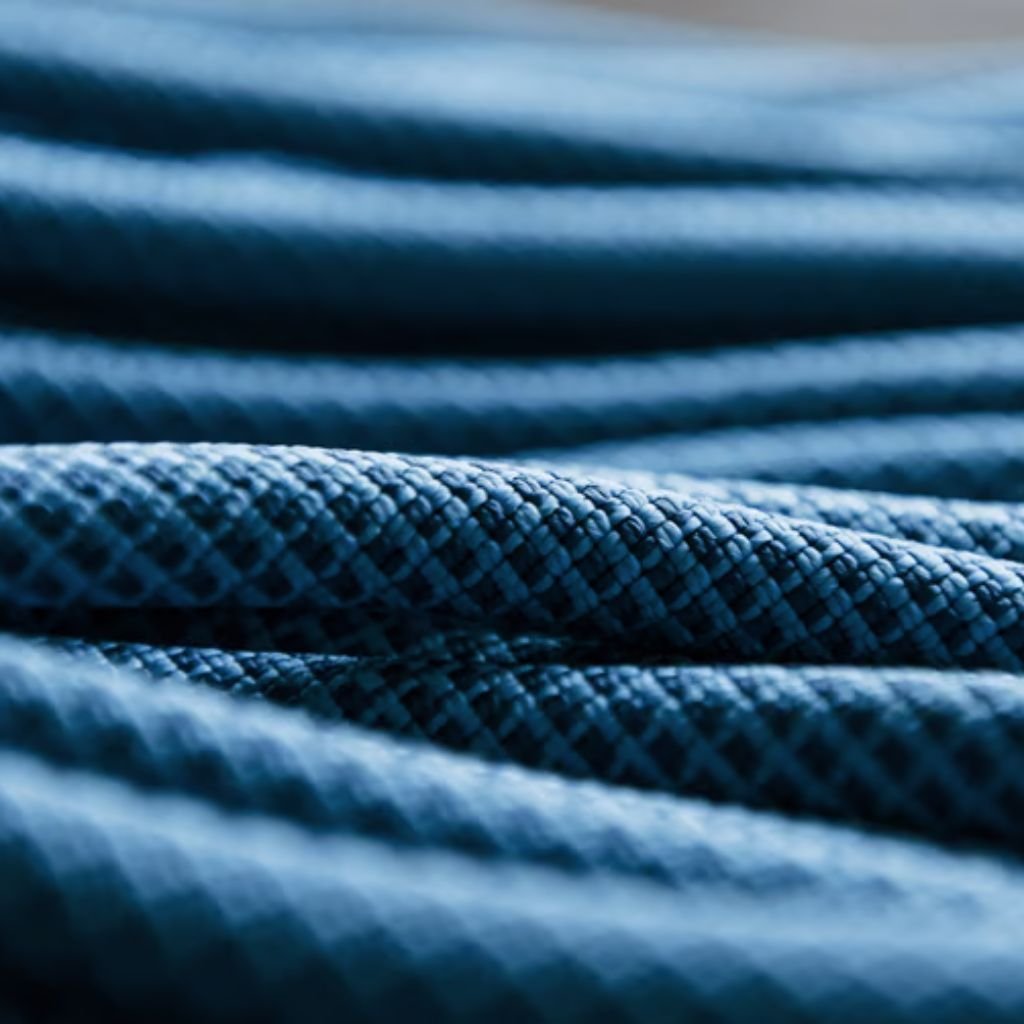
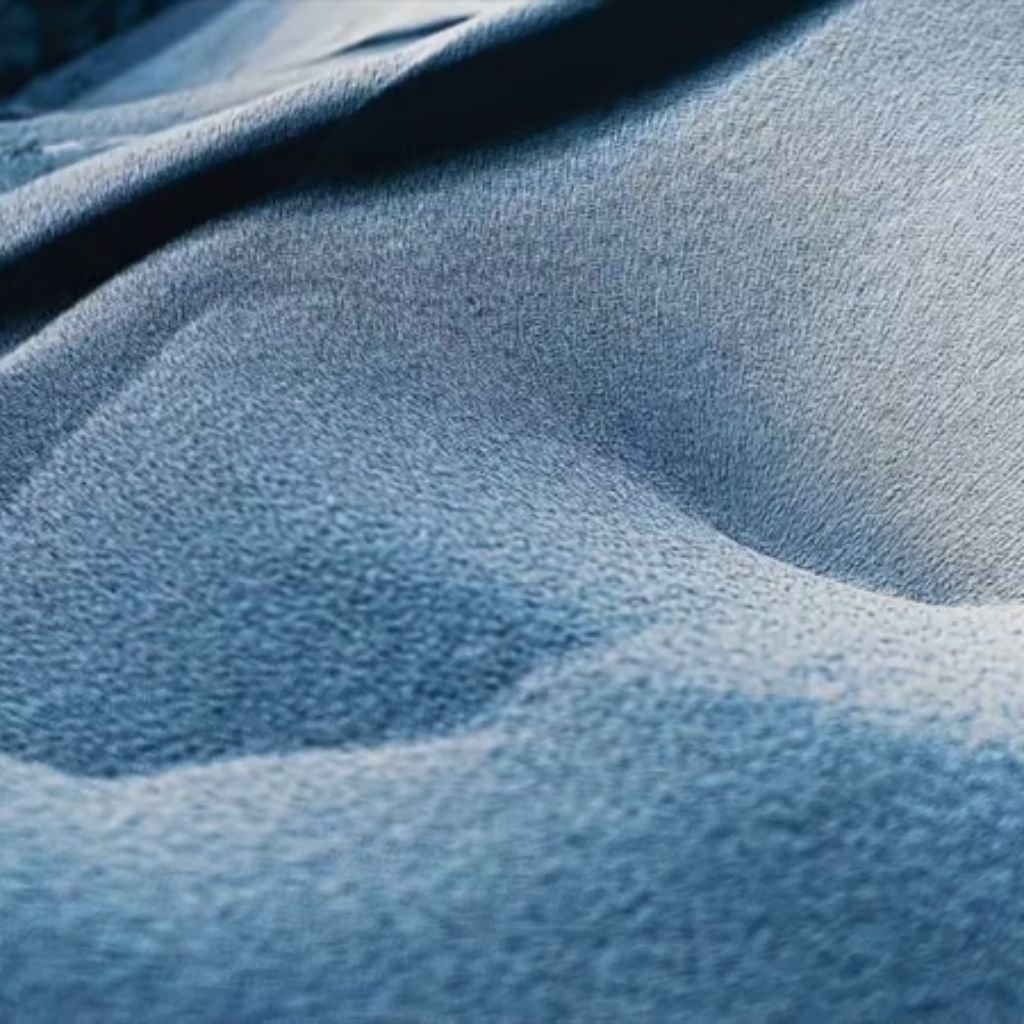
Textured blue fabric close-up.
“Thicker always means warmer”
Thick fabrics can feel warm, but they may not block wind. Some thick fabrics also lose insulation when compressed. Modern insulation can provide better warmth at lower thickness. Therefore, structure matters more than size.
“Synthetic fabrics aren’t breathable”
Older synthetic fabrics often trapped sweat. However, modern polyester blends are designed for airflow and moisture control. Many synthetics dry quickly and stay comfortable. Therefore, synthetic fabrics can be breathable if designed properly.
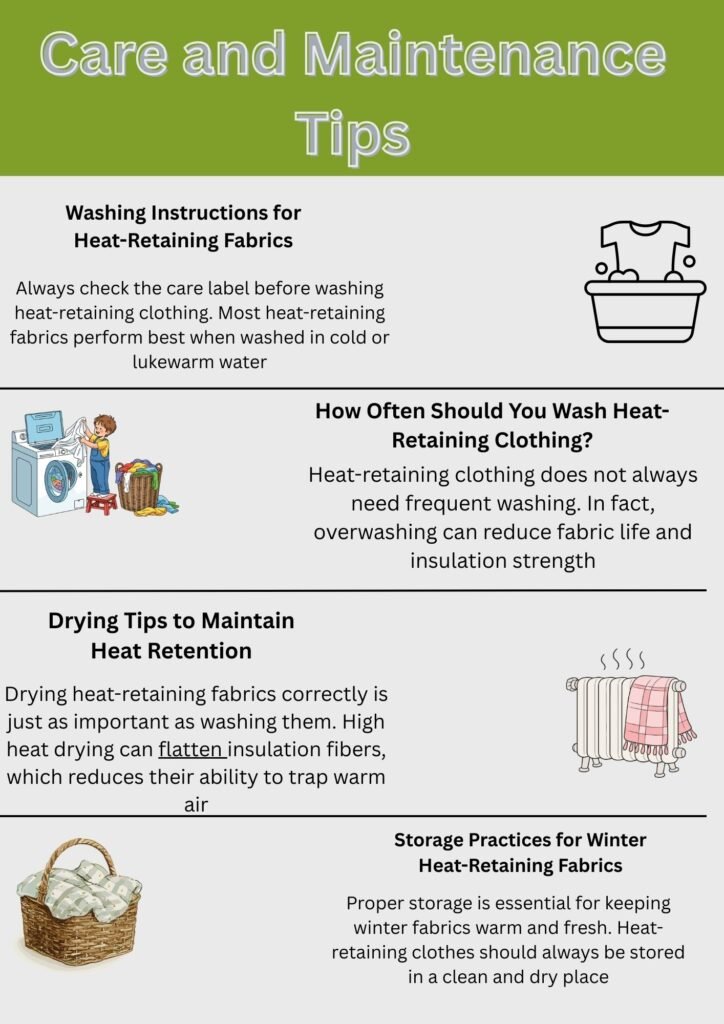
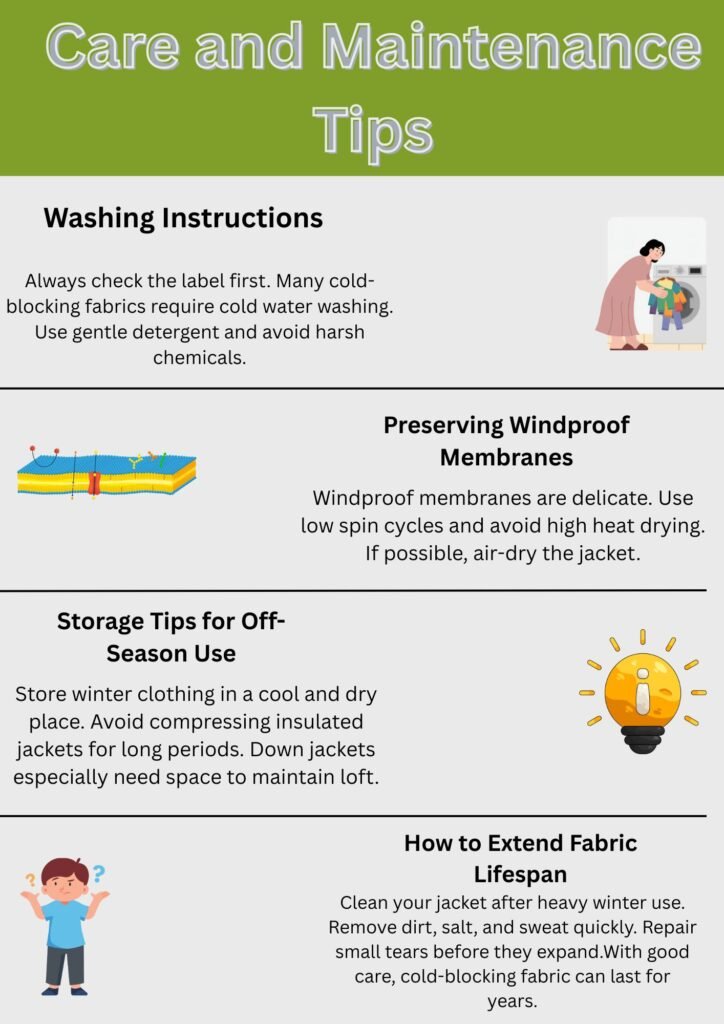
Care and Maintenance Tips
Care and maintenance tips for heat-retaining fabrics.
Washing Instructions for Heat-Retaining Fabrics
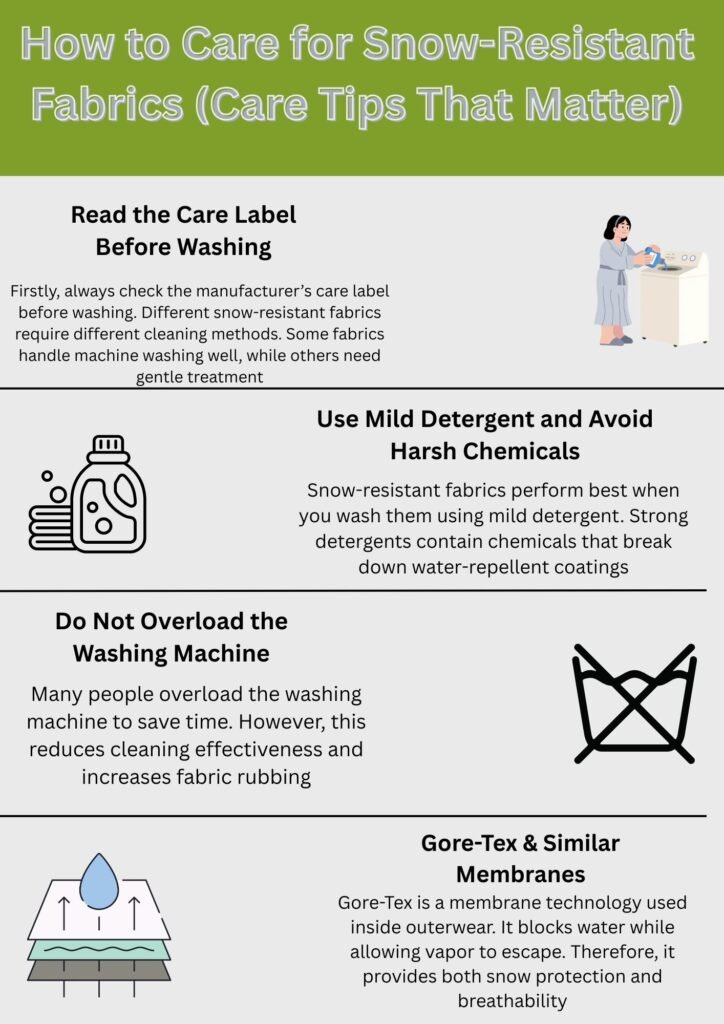
Always check the care label before washing heat-retaining clothing. Most heat-retaining fabrics perform best when washed in cold or lukewarm water. Hot water can weaken synthetic fibers and shrink wool-based materials. Therefore, gentle water temperature helps preserve the insulation structure. Heat-Retaining Fabric Explained:Mild detergent is also important because strong chemicals may break down fabric coatings.
How Often Should You Wash Heat-Retaining Clothing?
Heat-retaining clothing does not always need frequent washing. In fact, overwashing can reduce fabric life and insulation strength. If the clothing is not sweaty or dirty, airing it out may be enough. Wool and merino wool fabrics especially resist odor naturally. Therefore, you can wash them less often compared to cotton clothing.
Drying Tips to Maintain Heat Retention
Drying heat-retaining fabrics correctly is just as important as washing them. High heat drying can flatten insulation fibers, which reduces their ability to trap warm air. That is why air drying is usually the safest option for most thermal clothing.Heat-Retaining Fabric Explained: If you must use a dryer, always choose low heat or tumble dry settings.
Storage Practices for Winter Heat-Retaining Fabrics
Proper storage is essential for keeping winter fabrics warm and fresh. Heat-retaining clothes should always be stored in a clean and dry place. Damp storage can lead to odor, mold, and fabric damage. Therefore, you should never pack winter coats away while they are wet or dirty.
Conclusion
Yes, heat-retaining fabric is worth it for most winter needs. It provides strong warmth while keeping clothing lightweight and comfortable. It also supports outdoor performance by balancing insulation and moisture control. Therefore, it works well for both sports and daily wear.
The best part is that modern technology improves warmth without bulk. Many fabrics now include infrared reflection and advanced insulation systems. Eco-friendly options are also available for sustainable buyers.Heat-Retaining Fabric Explained: So, Heat-Retaining Fabric Explained proves that this fabric is one of the smartest winter investments.
FAQs
Is heat-retaining fabric good for daily wear?
Yes, it is a great option for daily winter clothing. It keeps you warm without heavy layers. It also fits easily into casual outfits. Therefore, it is suitable for everyday use.
Does it work when wet?
Some heat-retaining fabrics still insulate when wet, especially wool. Synthetic insulation also performs better than down in wet conditions. However, fully soaked clothing will reduce warmth. Therefore, water resistance still matters.
How long does heat-retaining fabric last?
Heat-retaining fabric can last many years with proper care. Wool and fleece often remain effective for a long time. Poor washing methods can reduce performance. Therefore, correct maintenance improves fabric lifespan.
Is it suitable for sensitive skin?
Merino wool is usually safe because it is soft and smooth. Some people may react to rough wool fibers. Synthetic fabrics are also soft but may trap sweat sometimes. Therefore, soft blends are best for sensitive skin.
Sherpa lined fabric is a soft, fluffy lining that feels like sheepskin. It is mostly used inside jackets, hoodies, and blankets. This lining adds warmth without adding heavy weight. Because of its cozy texture, many people prefer it for winter wear.
In this Sherpa Lined Fabric Guide, you will learn why it stays popular every year. Sherpa lining provides insulation by trapping warm air near the body. As a result, it helps you stay comfortable in cold weather. It also feels gentle on the skin, which makes it ideal for daily use.
Moreover, Sherpa lined products look stylish and feel luxurious. People often choose Sherpa for comfort at home and outdoors. That is why it works well for clothing, bedding, and accessories.
History of Sherpa Lined Fabric (How It Became Popular)
Sherpa fabric got its name from the Sherpa people of Nepal. These people live in cold mountain regions near the Himalayas. They are known for wearing thick wool clothing to survive harsh weather. Over time, fashion brands borrowed the name because Sherpa lining gives a similar warm feeling.
In the past, real sheepskin and wool were common winter materials. However, they were expensive and needed special care. Because of that, manufacturers started producing synthetic Sherpa. It offered the same fluffy look but at a lower price.
Soon, Sherpa lined jackets became trendy in Europe and America. People loved the soft inner lining and rugged outer style. Later, Sherpa moved into blankets, slippers, and home décor. As a result, Sherpa became a winter essential worldwide.
Today, Sherpa is used in modern streetwear and outdoor clothing. At the same time, it remains a top choice for cozy home products.
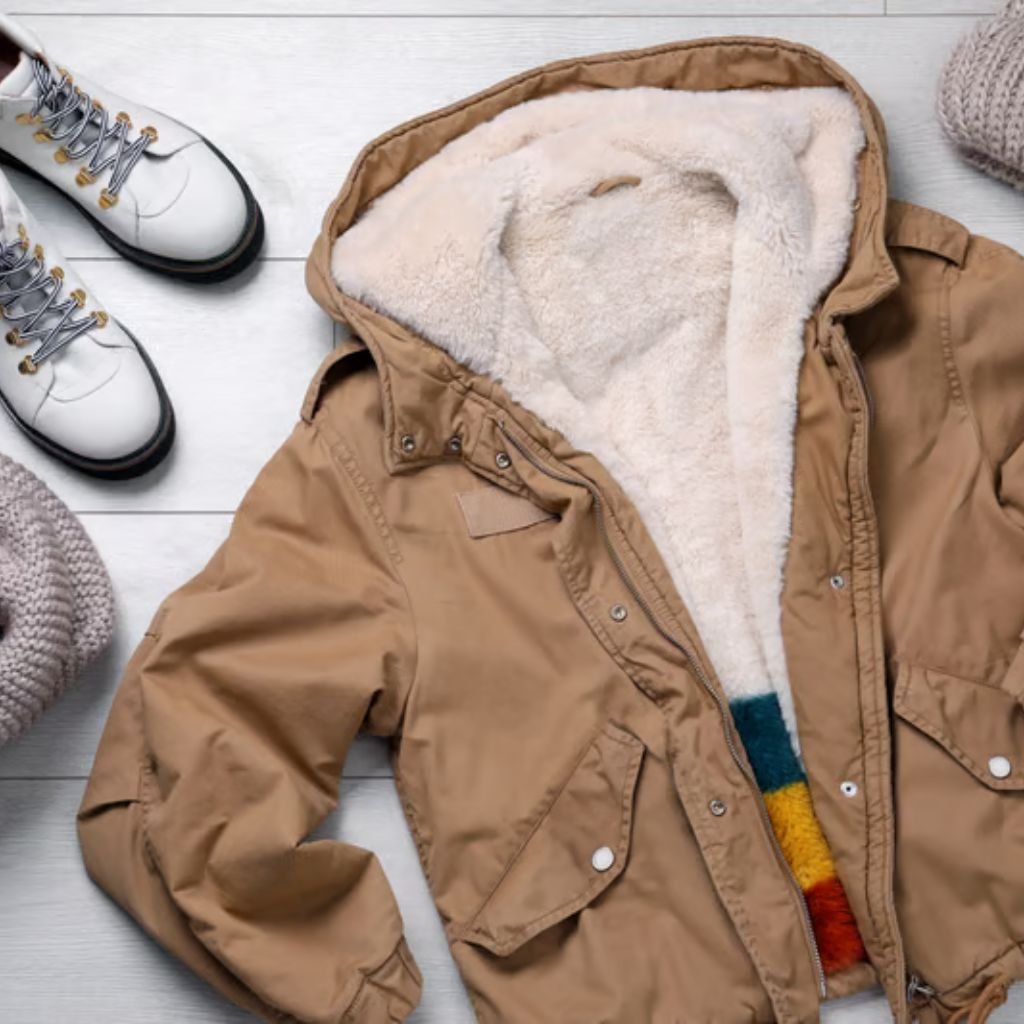
Winter-ready outfit: cozy brown parka with striped interior, paired with white sneakers and knitted hats.
What Is Sherpa Fabric Made Of? (Sherpa Lining Composition)
Sherpa fabric is usually made from synthetic fibers. Most brands use polyester because it is durable and affordable. Sometimes, acrylic is added to improve softness and texture. Some Sherpa fabrics also include cotton blends for better breathability.
Sherpa mimics real sheepskin by copying its curly, fluffy surface. The fibers are brushed and raised during production. This process creates a thick pile that feels soft and warm. As a result, Sherpa looks like wool but costs much less.
Polyester Sherpa (Most Common Material)
Polyester Sherpa is lightweight and strong. It holds warmth well and resists shrinking. Because it dries fast, it is also easy to maintain. Many winter jackets use polyester Sherpa lining for daily wear.
Acrylic Sherpa (Extra Soft Option)
Acrylic Sherpa feels very plush and smooth. It often gives a more “wool-like” appearance. However, it may pill faster if used heavily. Still, many blankets and throws use acrylic Sherpa.
Cotton Blend Sherpa (More Breathable Choice)
Cotton blend Sherpa includes cotton mixed with synthetic fibers. It feels softer on sensitive skin. Also, it allows more airflow compared to pure polyester. Because of that, it works well for indoor hoodies and casual wear.
Natural vs Synthetic Sherpa
Natural Sherpa uses wool and natural fibers. It feels warmer but costs more. It also requires careful washing. Synthetic Sherpa is cheaper and easier to clean. Therefore, most Sherpa products today are synthetic.
How Sherpa Lined Fabric Works (Insulation Explained)
Sherpa lining works through air-trapping insulation.Sherpa Lined Fabric Guide: The fluffy fibers create tiny air pockets. These pockets hold warm air close to your body. As a result, your body heat stays trapped and does not escape quickly.
Sherpa also reduces cold air contact with the skin. That makes you feel warmer even in windy weather. However, it works best when paired with an outer layer. Jackets often use Sherpa lining inside denim, canvas, or polyester shells.
Heat Retention Mechanism
Sherpa fibers slow down heat loss. They act as a barrier between your body and cold air. Because of this, Sherpa is great for winter walks and casual outdoor activities.
Air-Trapping Fibers for Warmth
The raised pile structure is the main reason Sherpa insulates well. The thicker the pile, the more air it traps. That is why high-quality Sherpa feels warmer than cheap Sherpa.
Sherpa vs Fleece vs Wool Insulation
Fleece is lighter and dries faster. However, Sherpa feels softer and more cushion-like. Wool provides stronger natural insulation but may itch. Sherpa offers a balanced option with comfort and affordability.
Key Features of Sherpa Lined Fabric Guide (What Makes It Special)
Sherpa lined fabric has several features that make it ideal for winter. Sherpa Lined Fabric Guide:It combines comfort, warmth, and style in one material. Because it is soft and fluffy, it feels relaxing on the body. At the same time, it insulates well against cold air.
Also, Sherpa is flexible and easy to sew into garments. That is why many brands use it in jackets and hoodies. Additionally, Sherpa can be paired with many outer fabrics. This gives designers more creative options.
Below are the most important Sherpa lining features.
Ultra-Soft Texture
Sherpa feels plush and smooth against the skin. It creates a cozy feeling instantly. That is why it is used in blankets and loungewear.
Lightweight Warmth
Sherpa provides strong warmth without heavy bulk. It keeps clothing comfortable for long wear. Therefore, it works well for travel and daily winter use.
Breathability
Sherpa allows some airflow, especially cotton blends. This helps prevent overheating indoors. However, it still keeps enough warmth for cold days.
Moisture Resistance
Synthetic Sherpa resists light moisture. It dries faster than wool. Still, it is not fully waterproof, so it needs an outer shell.
Comfort for Sensitive Skin
Sherpa usually feels gentle and non-irritating. Unlike wool, it does not itch for most people. That makes it a safe option for sensitive skin.
Benefits of Sherpa Lined Fabric (Why People Love It)
Sherpa lining offers comfort that many winter fabrics cannot match. It keeps you warm while staying soft and flexible. Because of that, it is popular in casual winter fashion.Sherpa Lined Fabric Guide: Many people also choose it for blankets and throws.
In this Sherpa Lined Fabric Guide, the benefits matter the most. They explain why Sherpa stays a top winter choice. Also, Sherpa works well for both adults and kids. It provides warmth without discomfort.
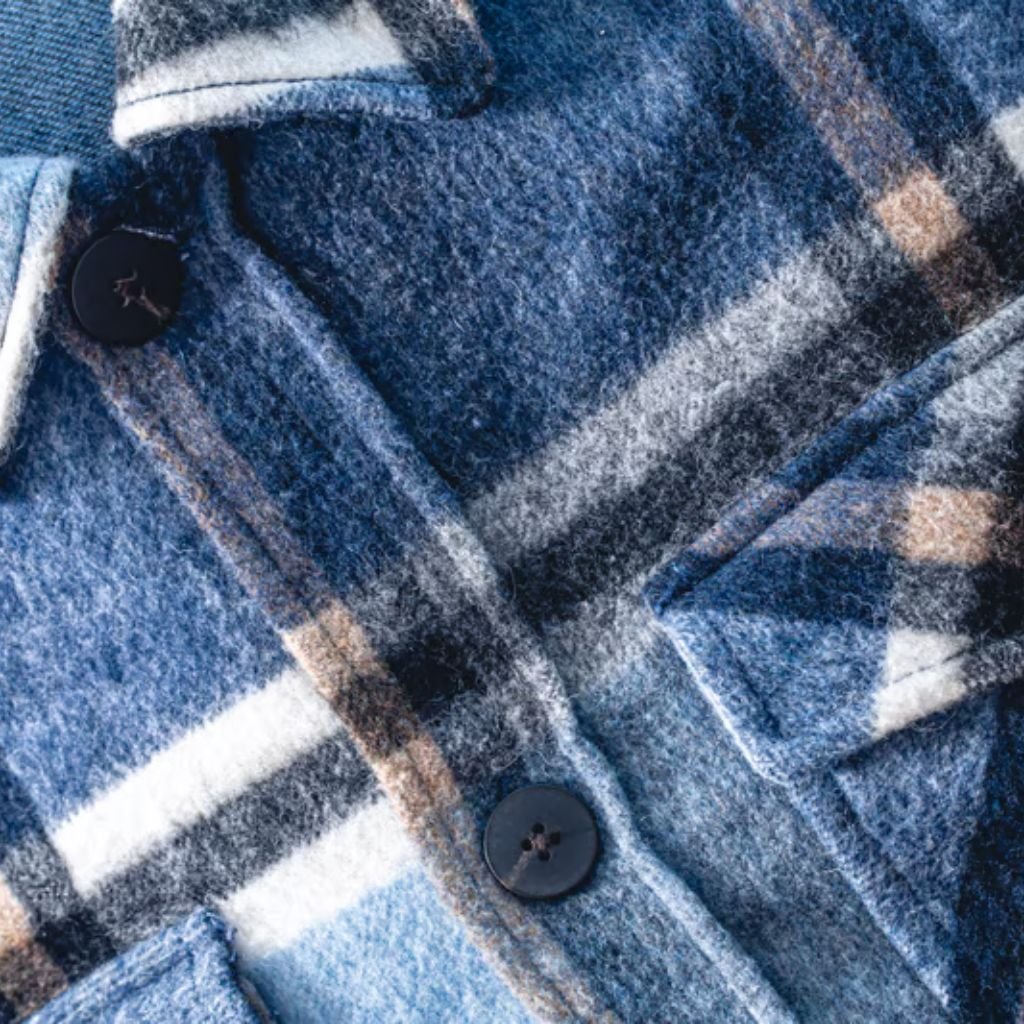
Cozy plaid fleece jacket details.
Excellent Warmth Without Bulk
Sherpa traps body heat efficiently. It keeps you warm without thick layering. Therefore, you can move easily while staying comfortable.
Cozy Feel for Cold Climates
Sherpa creates a soft, relaxing warmth. It feels like a blanket wrapped around your body. Because of that, it is perfect for cold mornings and evenings.
Affordable Alternative to Wool
Wool costs more and needs special care. Sherpa provides similar warmth at a lower price. That is why many brands use Sherpa for budget-friendly winter wear.
Easy Maintenance
Most Sherpa fabrics are machine washable. They also dry faster than wool. As a result, Sherpa is easy for daily users.
Sherpa Lined Fabric vs Other Warm Fabrics (Comparison Guide)
Many people compare Sherpa with other winter fabrics. Each fabric has its own benefits. However, Sherpa stands out due to softness and balanced insulation. Sherpa Lined Fabric Guide:This Sherpa Lined Fabric Guide explains key differences clearly.
Sherpa often works best for casual warmth and comfort. On the other hand, wool suits extreme cold better. Faux fur gives style but may feel heavy. Thermal lining works for active wear but lacks plush softness.
Sherpa vs Fleece
Fleece feels smooth and sporty. It is lighter and dries faster. However, Sherpa feels softer and thicker. Sherpa also gives a more luxurious feel.
Sherpa vs Wool
Wool insulates better in wet cold weather. It is also natural and long-lasting. However, wool can itch and shrink easily. Sherpa feels softer and is easier to wash.
Sherpa vs Faux Fur
Faux fur looks stylish and fluffy. Yet, it can feel heavy and trap too much heat. Sherpa feels lighter and more breathable. That makes it better for daily comfort.
Sherpa vs Thermal Lining
Thermal lining is designed for performance clothing. It traps heat but feels thin and less cozy. Sherpa feels warmer to touch and more comforting. However, thermal lining works better for active sports.
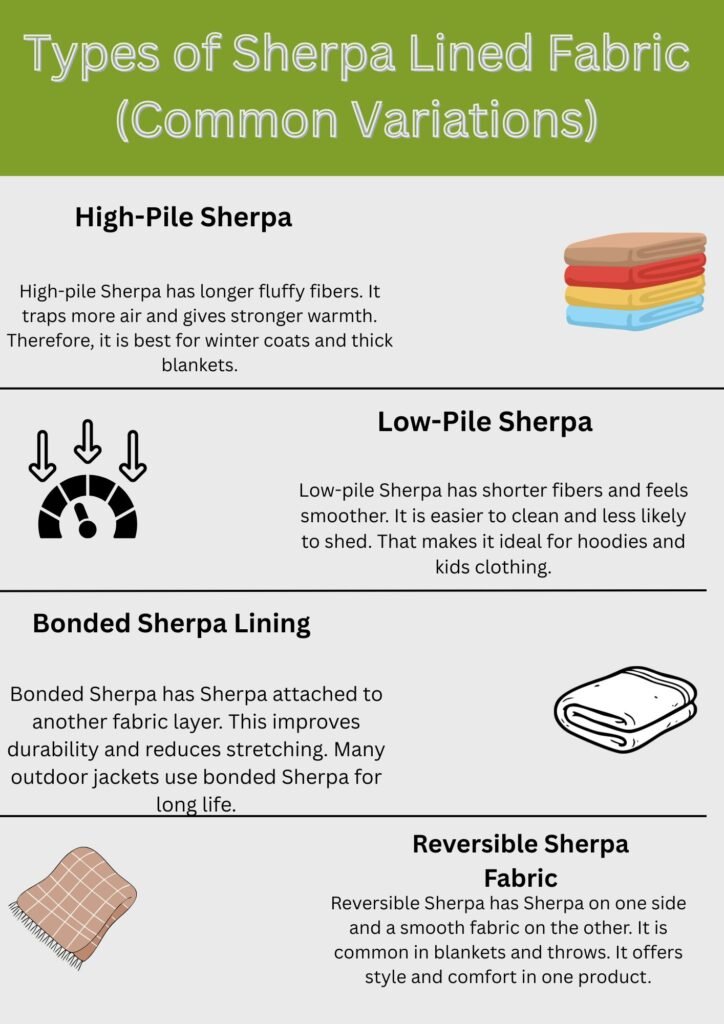
Types of Sherpa Lined Fabric (Common Variations)
Sherpa lining comes in different forms depending on the product. Some Sherpa feels thick and curly, while others feel smooth and fluffy. Sherpa Lined Fabric Guide:The type depends on fiber quality, pile height, and backing fabric.
In this Sherpa Lined Fabric Guide, knowing the types helps you choose better. Some Sherpa works best for jackets, while others fit blankets. Also, some versions resist flattening better than others.
Overview of four common Sherpa-lined fabric variations for winter wear and home goods.
High-Pile Sherpa
High-pile Sherpa has longer fluffy fibers. It traps more air and gives stronger warmth. Therefore, it is best for winter coats and thick blankets.
Low-Pile Sherpa
Low-pile Sherpa has shorter fibers and feels smoother. It is easier to clean and less likely to shed. That makes it ideal for hoodies and kids clothing.
Bonded Sherpa Lining
Bonded Sherpa has Sherpa attached to another fabric layer. This improves durability and reduces stretching. Many outdoor jackets use bonded Sherpa for long life.
Reversible Sherpa Fabric
Reversible Sherpa has Sherpa on one side and a smooth fabric on the other. It is common in blankets and throws. It offers style and comfort in one product.
Common Uses of Sherpa Lined Fabric (Best Applications)
Sherpa lined fabric is used in many winter products.Sherpa Lined Fabric Guide: It works well because it is warm, soft, and stylish. Also, it pairs easily with denim, leather, and polyester shells. That makes it popular in fashion and home décor.
This Sherpa Lined Fabric Guide highlights the most common uses. Sherpa works well for casual outfits and indoor comfort. It also provides extra warmth in footwear and pet products.Sherpa Lined Fabric Guide:
Jackets and Winter Coats
A Sherpa lined jacket is one of the most popular winter pieces. It keeps the chest and back warm. Also, it adds a stylish rugged look.
Hoodies and Sweatshirts
Sherpa lined hoodies provide warmth for daily wear. They are perfect for cold evenings and indoor lounging. Many people prefer them instead of heavy coats.
Blankets and Throws
A Sherpa fabric blanket feels soft and luxurious. It provides strong warmth while staying lightweight. That is why it is popular for bedrooms and sofas.
Boots and Slippers
Sherpa lining in footwear keeps feet warm. It also adds comfort for long wear. However, it should stay dry to avoid damage.
Pet Beds
Pet beds often use Sherpa for comfort. It provides warmth and softness for cats and dogs. Also, it helps pets feel safe and relaxed.
Is Sherpa Lined Fabric Warm Enough for Extreme Cold?
Sherpa lining provides strong warmth, but it has limits. It works best in mild to moderately cold weather. For extreme cold, Sherpa needs proper layering.Sherpa Lined Fabric Guide: Otherwise, cold wind may pass through the outer fabric.
Sherpa lined jackets work well between 0°C to 10°C in many cases. However, this depends on the outer shell and thickness. If the jacket has windproof fabric, Sherpa becomes much more effective.
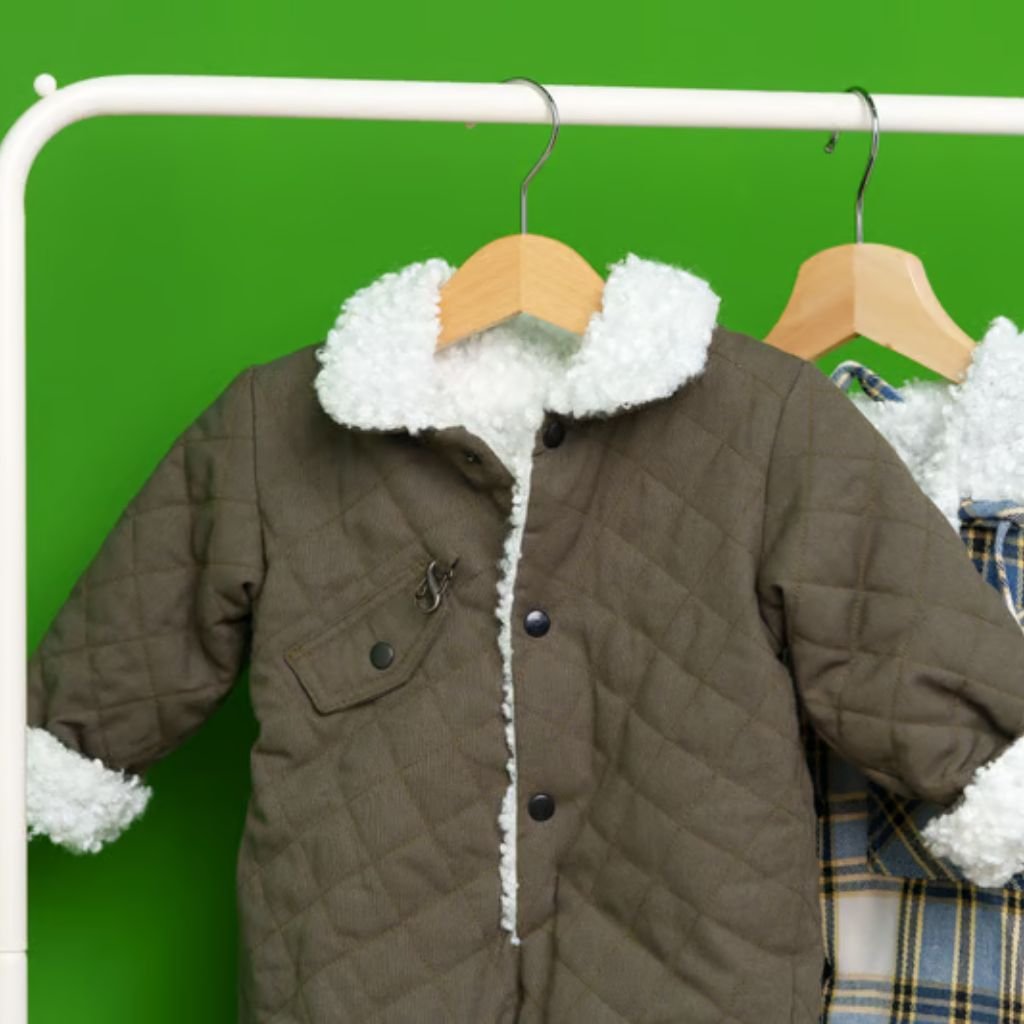
Cozy, military-inspired winter jackets for kids.
Temperature Suitability
Sherpa works best for daily winter cold. It handles dry cold weather very well. However, it struggles in wet snow conditions without protection.
Best Layering Combinations
Wear a thermal base layer under Sherpa for extra warmth. Add a windproof outer layer if needed. This combination improves insulation and comfort quickly.
Ideal Climates for Sherpa Lining
Sherpa is ideal for dry winter regions. It also works well for indoor heating environments. Therefore, it is perfect for city winters and casual outdoor use.
Pros and Cons of Sherpa Lined Fabric (Honest Review)
Sherpa lined fabric has many strong advantages. Still, it also has some weaknesses. Knowing both sides helps you make the right buying decision. Sherpa Lined Fabric Guide:This Sherpa Lined Fabric Guide gives a balanced view.
Sherpa is great for comfort and warmth. However, it needs proper care to maintain its fluffy texture. If you wash it incorrectly, it may flatten. Also, low-quality Sherpa may shed quickly.
Pros of Sherpa Lining
Sherpa feels extremely soft and cozy. It offers warmth without heavy weight. Also, it is affordable compared to wool. Most Sherpa fabrics are easy to wash and dry.Sherpa Lined Fabric Guide:
Cons of Sherpa Lining
Sherpa can flatten after repeated washing.Sherpa Lined Fabric Guide: It is not fully waterproof in rainy weather. Some Sherpa also sheds slightly during early use. However, good quality Sherpa reduces these issues.
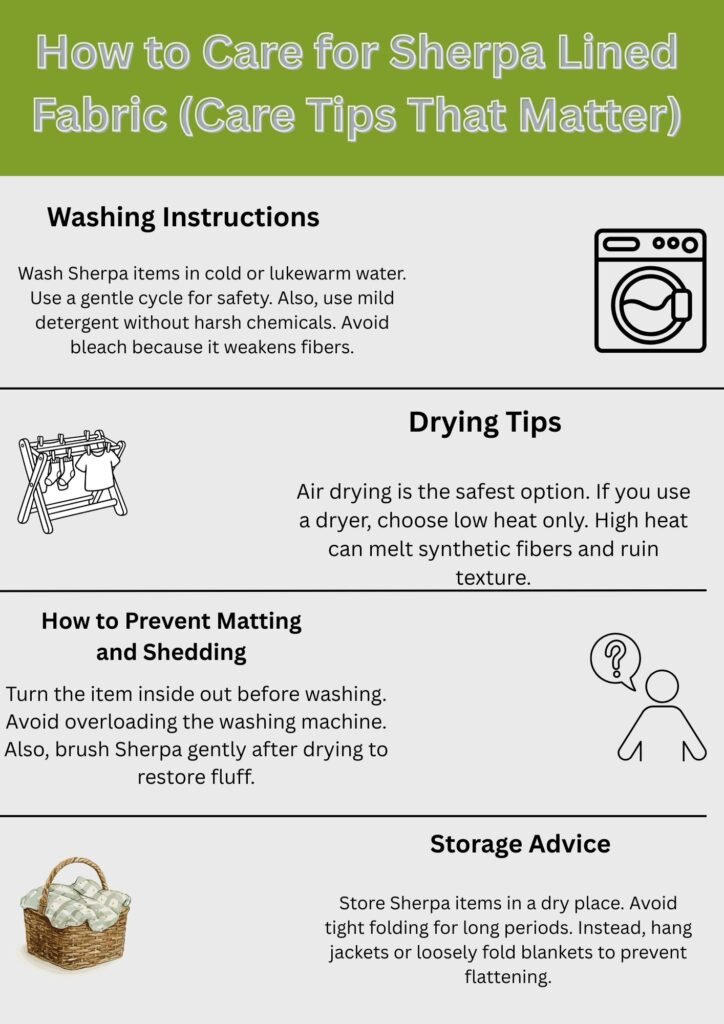
How to Care for Sherpa Lined Fabric (Care Tips That Matter)
Proper care keeps Sherpa fluffy and warm for years. If you wash it incorrectly, it may lose softness. Therefore, you should always follow gentle washing methods. Sherpa requires low heat and mild detergents.
In this Sherpa Lined Fabric Guide, care instructions are essential. Sherpa lined jackets and blankets often last longer with simple care habits. Also, correct drying prevents matting and fiber damage.Sherpa Lined Fabric Guide:
Care guide for Sherpa fabrics: washing, drying, preventing matting, and storage tips.
Washing Instructions
Wash Sherpa items in cold or lukewarm water. Use a gentle cycle for safety. Also, use mild detergent without harsh chemicals. Avoid bleach because it weakens fibers.
Drying Tips
Air drying is the safest option. If you use a dryer, choose low heat only. High heat can melt synthetic fibers and ruin texture.
How to Prevent Matting and Shedding
Turn the item inside out before washing. Avoid overloading the washing machine. Also, brush Sherpa gently after drying to restore fluff.
Storage Advice
Store Sherpa items in a dry place. Avoid tight folding for long periods. Instead, hang jackets or loosely fold blankets to prevent flattening.
How to Choose High-Quality Sherpa Lined Fabric (Buying Smart)
Not all Sherpa lining feels the same. Sherpa Lined Fabric Guide:Some Sherpa is thick and durable, while others feel cheap. Therefore, you should check quality before buying.Sherpa Lined Fabric Guide: A high-quality Sherpa product will last longer and stay fluffy.
This Sherpa Lined Fabric Guide recommends focusing on pile density and stitching. If Sherpa feels too thin, it may not insulate well. Also, poor backing fabric may tear after washing.
Pile Density (Thickness Matters)
Dense Sherpa has more fibers packed closely together. It feels warmer and softer. Also, it resists flattening better than low-density Sherpa.
Fabric Backing Quality
Strong backing keeps Sherpa stable and durable. It prevents tearing and stretching. Therefore, always check the inner layer quality.
Stitching and Durability
Good stitching prevents Sherpa from separating from the outer fabric. Double stitching is often stronger. It also improves product life.
Brand Reliability
Trusted brands usually use better Sherpa fabric. They also provide proper care labels. While brands cost more, they often last longer.
Is Sherpa Lined Fabric Sustainable or Eco-Friendly?
Sherpa lining is mostly synthetic, so sustainability depends on the fiber source. Traditional polyester Sherpa comes from petroleum-based plastic.Sherpa Lined Fabric Guide: Because of that, it creates environmental concerns. It also releases microfibers during washing.
However, brands now offer recycled polyester Sherpa. This reduces waste and lowers environmental impact. Also, some companies use ethical production methods and better dyes. As a result, Sherpa can become a more eco-friendly choice.
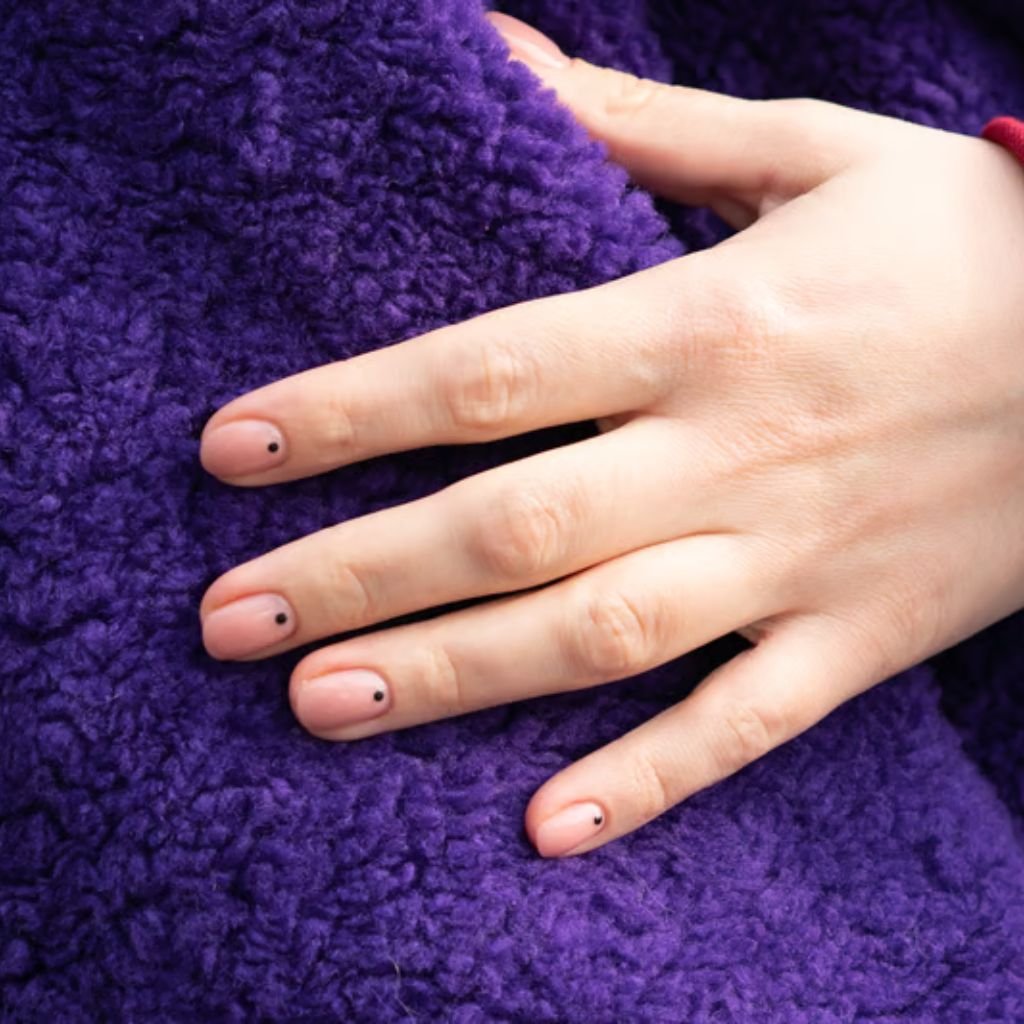
Minimalist nail art on nude nails against a plush purple surface.
Environmental Impact of Synthetic Sherpa
Synthetic Sherpa uses plastic-based materials. It takes a long time to break down naturally. Also, washing can release microplastics into water systems.
Recycled Polyester Sherpa
Recycled Sherpauses plastic bottles and recycled fibers. It reduces landfill waste and saves resources. Therefore, it is a better option for eco-conscious buyers.
Ethical Alternatives
Wool Sherpa blends can be sustainable if sourced ethically. Organic cotton blends are also a good option. However, they may cost more than synthetic Sherpa.
Sherpa Lined Fabric Buying Guide (What to Check Before Purchase)
Buying Sherpa lined products becomes easy when you know what to check. Many shoppers focus only on softness, but durability matters too.Sherpa Lined Fabric Guide: Therefore, you should inspect fabric thickness, stitching, and lining attachment.
This Sherpa Lined Fabric Guide suggests choosing Sherpa based on your lifestyle. If you need outdoor warmth, choose thick Sherpa with windproof outer fabric. If you want indoor comfort, choose softer cotton blend Sherpa.Sherpa Lined Fabric Guide:
What to Check Before Purchasing
Check Sherpa pile thickness and softness. Look for strong stitching around seams. Also, test if the lining feels firmly attached. Loose Sherpa may peel after washing.
Best Use Cases (Casual, Outdoor, Home)
For casual wear, Sherpa lined hoodies are perfect. For outdoor use, choose Sherpa lined jackets with strong shells. For home use, Sherpa blankets give the best comfort.
Price vs Quality Tips
Very cheap Sherpa may flatten quickly. Mid-range Sherpa often offers the best value. If you want long life, invest in high-density Sherpa products.
Conclusion
Sherpa lined fabric is worth buying if you want warmth and comfort.Sherpa Lined Fabric Guide: It provides excellent insulation without heavy weight. Also, it feels extremely soft, which makes it perfect for winter clothing. That is why Sherpa lined jackets, hoodies, and blankets stay popular every year.
This Sherpa Lined Fabric Guide shows that Sherpa works best for casual cold climates. It is also a budget-friendly alternative to wool and real sheepskin. However, it is not fully waterproof and may flatten over time. Still, with proper care, Sherpa stays fluffyand warm for years.
FAQs
Is Sherpa fabric breathable?
Yes, Sherpa is moderately breathable. Cotton blend Sherpa allows better airflow. However, thick Sherpa may trap more heat indoors.
Does Sherpa lining shrink after washing?
Synthetic Sherpa usually does not shrink. However, high heat drying can damage fibers. Always wash cold and dry on low heat.
Is Sherpa lining good for sensitive skin?
Yes, Sherpa feels soft and gentle for most people. It does not itch like wool. Therefore, it is a great option for sensitive skin.
International Day of Zero Tolerance of Female Genital Mutilation is one of the most important observances of International Days Today. This UN-designated Day raises awareness of the harmful practice that affects millions of girls, women and children worldwide. It encourages individuals, governments and communities to take action against FGM.
This day is about action as well as awareness. Globally, organizations hold workshops, social media events, and campaigns to educate the public about the psychological and physical harm caused by FGM. On International Days Today we are reminded that ending FGM will require worldwide understanding and cooperation.
2. World Interfaith Harmony Week (1-7 February)
International Days Today falls under World Interfaith Harmony Week which is observed between February 1 and 7. This week is dedicated to promoting respect, tolerance and understanding among people of diverse faiths. Many countries hold interfaith dialogues and peace initiatives to promote harmony.
Focus is placed on breaking down barriers and building bridges between religions. International Days Today allows individuals to participate in online campaigns and community activities which promote peace and coexistence.
3. Sami National Day – Celebrating Indigenous Culture
The indigenous Sami of northern Europe celebrate Sami National Day on February 6. The first Sami Congress was held in 1917. This day is a celebration for culture, language and heritage. The Sami in Norway, Sweden Finland and Russia raise their flags and perform traditional dances while wearing colorful traditional clothing.
We recognize International Days Today to highlight the importance in preserving indigenous cultures. The Sami National Day is a reminder to the world of the importance of cultural heritage and its celebration.These days serve as platforms to promote awareness, understanding, and action on global issues. Acknowledging these days allows us to connect with communities worldwide, fostering a sense of global citizenship and shared responsibility. Learn About:Bubble Gum Day
4. Fun and Quirky Observances
Not all International Days Today have a serious tone. Some are unique and fun, adding color to the day.For example, International Ninja Day falls on December 5th, while Talk Like a Pirate Day is celebrated on September 19th. These occasions provide a chance to break from routine and celebrate something quirky or unusual.
Celebrate Bubble Gum Day by enjoying a piece.
National Chopsticks Day Learn to use chopsticks, and enjoy culinary culture.
National Frozen Yogurt Day– Enjoy a sweet treat and celebrate sweet memories.
These lighter celebrations add a playful touch to International Days Today. These celebrations show that fun and awareness can coexist in one date. These lighter celebrations add a playful touch to International Days Today. These celebrations show that fun and awareness can coexist in one date. For example, International Talk Like a Pirate Day on September 19th injects humor into promoting literacy. World Emoji Day on July 17th celebrates the small digital icons that have become a universal language. These days remind us that learning and engagement can be fun and accessible.
Why International Days are Important
Observing International Days Today can help us to learn, reflect and act. Days like Zero Tolerance against FGM help raise global awareness. Cultural days, like Sami National Day, teach diversity and respect. Fun days are a great way to enjoy simple pleasures.
By acknowledging the observances of these holidays, we become part of a global movement dedicated to education, culture preservation, and happiness. Every action counts, whether it is attending an event or participating online.
Conclusion
International Days Today is a mix of culture and awareness. It takes place on February 6, 2026. There is something for everyone, from the serious cause to end FGM to quirky fun days such as Bubble Gum Day. These days are a reminder of our humanity and joy in celebrating diversity. Learn About: International Days Today – 5 February
Snow-resistant fabric is a special textile designed to repel snow and prevent moisture buildup. It helps keep clothing dry when snow touches the surface. Unlike normal winter fabric, it does not absorb snow easily. Instead, it pushes snow away and reduces wetness. That is why many winter coats use it for protection.
Snow-Resistant Fabric Explained in simple words means fabric that resists snow sticking and melting into water. Snow can melt quickly when it touches body heat. Snow-Resistant Fabric Explained:As a result, it can soak clothing if the fabric absorbs moisture. However, snow-resistant fabric slows this process. It keeps you comfortable for a longer time outdoors.Snow-Resistant Fabric Explained:
Snow resistance matters because wet clothing causes heat loss. Additionally, damp fabric feels heavy and cold. Therefore, snow-resistant clothing helps maintain warmth.Snow-Resistant Fabric Explained: It also improves comfort during winter sports and daily use.
Many people confuse snow-resistant and water-resistant fabrics. However, they are not the same. Water-resistant fabric handles light moisture like drizzle. On the other hand, snow-resistant fabric focuses more on repelling snowflakes and slush. It works best in snowy climates rather than rainy ones.
History Snow-Resistant Fabric
Snow-resistant fabric has a history that begins with basic human survival in cold and snowy climates. Long before modern technology existed, people living in harsh winters understood that warmth alone was not enough. They quickly learned that wet clothing could become dangerous because moisture pulls heat away from the body. Because of this, early humans depended on natural materials like animal hides and fur. These materials helped block wind and also reduced the direct contact of snow with the skin. Snow-Resistant Fabric Explained:Fur was especially useful because it trapped warm air and allowed snow to sit on the surface instead of soaking in quickly.
As communities developed, wool became one of the most valuable winter textiles. Wool naturally contains lanolin, which is an oily substance that repels water. This gave wool a natural advantage in snowy environments. Even when wool became slightly damp, it still held warmth better than cotton or plant-based fibers.
How Snow-Resistant Fabric Works (Snow-Resistant Fabric Explained Clearly)
Snow-resistant fabric works through smart fabric structure and surface treatments. Firstly, manufacturers create tight weaves that block snow particles. These weaves reduce the spaces between threads. As a result, snow cannot enter easily. Instead, it stays on top of the fabric.Snow-Resistant Fabric Explained:
Additionally, many brands apply chemical coatings like DWR. Snow-Resistant Fabric Explained:DWR means Durable Water Repellent. This coating creates a hydrophobic layer on the surface. Therefore, snow and moisture form beads rather than soaking in. This bead effect helps snow slide off quickly.
Secondly, some snow-resistant fabrics use laminates or membranes. These layers sit inside the fabric system. They act as a barrier between outer fabric and inner insulation. As a result, melting snow does not reach your body. This improves comfort during heavy snowfall.
Moreover, the fabric surface often feels smooth and slick. This design prevents snow from sticking. Snow cannot grip the fabric fibers strongly. Therefore, it falls away with movement or wind. This is very useful for skiing and hiking.
Caption: Winter adventure ready: a cheerful boy with skis in a snowy landscape.
History Of Snow-Resistant Fabric
Snow-resistant fabric has a long history that connects directly with human survival in cold climates. Since ancient times, people living in snowy regions understood that staying dry was just as important as staying warm.Snow-Resistant Fabric Explained: Early winter clothing was made from animal skins, fur, and thick wool because these materials naturally provided insulation. However, even though they offered warmth, they often became heavy when exposed to snow. As a result, people started searching for better solutions that could prevent snow from soaking into clothing.
In early civilizations, especially in Northern Europe and parts of Central Asia, wool became one of the most important winter materials. Wool fibers have natural oils that help repel moisture. Because of this, wool clothing stayed warmer even when it became slightly damp. Additionally, fur garments were commonly worn because fur could trap heat and also reduce snow contact with the skin. Still, these materials were not perfect. Snow could melt and enter the fabric, which caused discomfort and heat loss. Snow-Resistant Fabric Explained:Therefore, the need for more snow-resistant clothing continued to grow.
Key Features of Snow-Resistant Fabrics (Featured Snippet Section)
Snow-resistant fabrics include several important features that improve winter performance. Firstly, they repel snow and reduce wetness. Secondly, they block cold wind and keep heat inside. Additionally, they dry faster than normal fabrics. These features make them practical for daily winter life.
A hydrophobic surface pushes water and melted snow away. It prevents moisture from sinking into fibers. As a result, snow stays on the surface. This keeps the fabric dry for longer.
Moisture Repellency
Moisture repellency means the fabric resists wet snow and slush. It reduces soaking during outdoor movement. Therefore, your jacket feels lighter. Additionally, it reduces cold discomfort.
Wind Protection
Snow often comes with strong winter winds. Therefore, snow-resistant fabrics often include wind-blocking layers. This reduces heat loss from your body. As a result, you stay warmer.
Breathability
Breathability allows sweat vapor to escape from inside. This prevents dampness from building up. Additionally, it reduces overheating during activities. Therefore, breathable snow-resistant fabric improves comfort.
Lightweight vs Heavy-Duty Options
Some snow-resistant fabrics are light and flexible. They suit casual wear and daily walking. However, heavy-duty versions use stronger coatings and thicker weaves.Snow-Resistant Fabric Explained: These options work better for skiing and extreme conditions.
Types of Snow-Resistant Fabrics (Very Important for SEO)
Understanding fabric types helps you choose the best winter gear.Snow-Resistant Fabric Explained: Each type offers a different balance of warmth, comfort, and protection. Therefore, knowing these categories improves buying decisions. Additionally, it helps you match fabric with your activity level. Below are the most common types used today.
Caption: Types of Snow-Resistant Fabrics infographic: softshell, hardshell, treated polyester/nylon, and Gore-Tex membranes.
Softshell Snow-Resistant Fabric
Softshell fabric is flexible and comfortable for movement. It usually has a woven outer layer and a soft inner lining. Additionally, many softshell fabrics include a DWR finish. This helps repel snow during light snowfall.
Softshell works well for hiking and active winter use. It stretches easily and feels breathable. However, it may not handle heavy wet snow for long. Therefore, it suits dry snow conditions best.
Hardshell Snow-Resistant Fabric
Hardshell fabric is tougher and more protective than softshell. It often includes a strong outer layer and protective membrane. As a result, it blocks wind and snow more effectively.Snow-Resistant Fabric Explained: It also resists abrasion from rocks or ski edges.
Hardshell is common in ski jackets and mountaineering gear. It works well in harsh weather. However, it can feel stiff and less breathable. Therefore, people often use layering with hardshell clothing.
Treated Polyester & Nylon
Polyester and nylon are common winter fabrics. They naturally resist moisture better than cotton. Additionally, brands treat them with DWR coatings for snow resistance. This improves performance in snowy environments.
Treated nylon is strong and durable. Therefore, it is used in jackets and snow pants.Snow-Resistant Fabric Explained: Polyester is slightly softer and cheaper. As a result, it appears in casual winter coats and kids’ wear.
Gore-Tex & Similar Membranes
Gore-Texis a membrane technology used inside outerwear. It blocks water while allowing vapor to escape. Therefore, it provides both snow protection and breathability.Snow-Resistant Fabric Explained: Similar membranes include eVent and other waterproof-breathable layers.
Snow-Resistant vs Waterproof vs Water-Repellent Fabric (Comparison Table)
Many buyers confuse these fabric terms. However, each fabric type has a different performance level. Snow-resistant fabric focuses on snow protection. Waterproof fabric handles heavy rain and pressure. Water-repellent fabric works for light moisture only. Therefore, comparing them helps you choose correctly.
Feature
Snow-Resistant Fabric
Waterproof Fabric
Water-Repellent Fabric
Snow Resistance
High
High
Medium
Water Pressure Handling
Low to Medium
Very High
Low
Breathability
Medium to High
Medium
High
Best Use Cases
Snowy weather, winter coats
Rainstorms, extreme snow
Light drizzle, casual wear
Snow-resistant fabric performs best in cold snow environments. Snow-Resistant Fabric Explained:Additionally, it feels lighter than full waterproof fabric. Waterproof fabric offers stronger protection but may trap heat. Water-repellent fabric works for quick outdoor use only.
Best Uses of Snow-Resistant Fabric (Where It Works Best)
Snow-resistant fabrics are widely used in winter clothing and outdoor gear. They provide comfort, warmth, and protection during snowfall. Additionally, they reduce clothing weight by keeping moisture out. This makes them useful for both adults and children.
Caption: Frost-kissed eyes: a person bundled for extreme winter conditions.
Winter Jackets & Coats
Snow-resistant fabric is perfect for winter coats. It prevents snow buildup on shoulders and sleeves. As a result, the coat stays dry and warm. It also reduces the need for heavy waterproof layers.
Ski & Snowboard Apparel
Ski jackets and pants often use snow-resistant shells. These fabrics help snow slide off while moving downhill. Additionally, they protect against wind chill. Therefore, they improve comfort in cold ski resorts.
Hiking & Trekking Gear
Hiking in winter requires breathable fabric. Snow-resistant softshell gear works well for trekking. It allows sweat to escape while blocking snow. As a result, hikers stay warm without overheating.Snow-Resistant Fabric Explained:
Gloves, Pants & Footwear
Snow-resistant gloves prevent wet fingers in snowy conditions. Pants with treated fabric resist snow when kneeling or sitting. Additionally, snow-resistant footwear uppers reduce slush soaking. Therefore, they improve daily winter comfort.
Kids’ Winter Clothing
Kids play directly in snow for long periods. Therefore, snow-resistant fabric is very useful for them. It keeps their jackets and pants drier during playtime. As a result, children stay warm and active longer.
Is Snow-Resistant Fabric Good for Extreme Cold? (Snow-Resistant Fabric Explained for Harsh Winters)
Snow-resistant fabric works well in extreme cold when paired correctly. Firstly, it prevents snow from melting into your clothing. This keeps your outer layer dry. As a result, you lose less body heat. This matters greatly in freezing temperatures.
In heavy snowfall, snow-resistant fabric performs better than regular fabric. However, wet snow can still soak through over time. Therefore, waterproof fabric may be better for constant wet exposure. Still, snow-resistant fabric works well in most dry snow climates.Snow-Resistant Fabric Explained:
Layering compatibility is another big advantage. Snow-resistant shells work perfectly with insulation layers. You can wear fleece, down, or synthetic insulation underneath. Additionally, you can adjust layers based on temperature changes.Snow-Resistant Fabric Explained: This gives better flexibility during outdoor activities.
For insulation pairing, choose synthetic insulation for wet snow areas. Synthetic fill stays warm even when slightly damp. Down insulation offers better warmth but loses performance when wet. Therefore, snow-resistant fabric combined with synthetic insulation works best for unpredictable snow.
Overall, snow-resistant fabric is good for extreme cold if you layer smartly. Additionally, it works best in dry snow climates and windy regions.
Pros and Cons of Snow-Resistant Fabric
Snow-resistant fabric offers many benefits for winter users. However, it also has limitations. Therefore, you should understand both sides before buying. This helps you avoid disappointment later. Additionally, it ensures you choose the right fabric type.
Pros of Snow-Resistant Fabric
Snow-resistant fabric feels lightweight and comfortable. It allows easy movement during sports and daily walking. Additionally, it dries quickly after snow exposure.Snow-Resistant Fabric Explained: This prevents heavy, wet clothing issues.
It is also more affordable than fully waterproof fabric. Therefore, many people choose it for casual winter use. It provides good protection without high cost. As a result, it becomes a smart budget-friendly option.
Cons of Snow-Resistant Fabric
Snow-resistant fabric is not fully waterproof. Therefore, it may fail in heavy rain or wet slush. After long exposure, moisture can soak through. This can reduce warmth and comfort.
It also needs re-treatment over time. DWR coatings wear off after washing and use. Therefore, maintenance becomes necessary. Without care, the fabric may lose its snow resistance.
How to Choose the Best Snow-Resistant Fabric (Buyer Guide)
Choosing the best snow-resistant fabric depends on your climate and lifestyle. Firstly, consider how much snowfall your area receives. Dry snow climates allow lighter fabrics. Snow-Resistant Fabric Explained:However, wet snow areas require stronger coatings. Therefore, climate is the first deciding factor.
Activity level also matters. If you walk casually in the city, a softshell coat works well. It feels comfortable and breathable. However, if you ski or hike often, you need stronger hardshell fabric. Additionally, membranes like Gore-Tex provide better performance for sports.Snow-Resistant Fabric Explained:
Breathability needs should guide your choice too. Active users sweat more during movement. Therefore, breathable fabrics prevent moisture buildup inside. If you ignore breathability, you may feel damp and cold later.
Budget is another important factor. Premium snow-resistant fabrics cost more due to membranes and advanced coatings. However, treated polyester jackets offer affordable protection. Therefore, choose based on how often you will use the clothing.Snow-Resistant Fabric Explained:
Common Myths About Snow-Resistant Fabric
Many myths confuse buyers and reduce trust. Therefore, clearing these myths helps people choose correctly. Additionally, it improves understanding of fabric performance. Below are the most common misunderstandings.
Caption: Snowy sprint: a smiling couple enjoying winter outdoors.
Myth 1: “Snow-resistant means waterproof”
Snow-resistant fabric repels snow but does not block strong water pressure. Therefore, it is not the same as waterproof fabric. It works best in snowy conditions, not heavy rain.
Myth 2: “It doesn’t need maintenance”
Snow-resistant coatings wear down over time. Washing and friction reduce DWR performance. Therefore, re-treatment is necessary for long-term protection.
Myth 3: “Only for skiing”
Snow-resistant fabric works for many uses beyond skiing. It suits daily winter wear, kids’ clothing, and hiking gear. Therefore, it is a practical option for everyone.
How to Care for Snow-Resistant Fabrics (Care Tips That Matter)
Snow-resistant clothing can last for many winters if you care for it properly. However, many people damage the fabric without realizing it. Harsh detergents, wrong washing cycles, and heat can reduce snow protection quickly. Snow-Resistant Fabric Explained:Therefore, you must follow correct cleaning and maintenance methods. Additionally, proper care helps the fabric stay breathable and lightweight. Snow-Resistant Fabric Explained:As a result, your jacket, pants, or gloves will keep repelling snow effectively.
Snow-resistant fabric usually depends on a surface coating like DWR. This coating slowly wears off due to washing and daily use. Because of this, the fabric may start absorbing moisture over time. Still, with simple steps, you can restore its performance easily. If you treat your gear well, it will stay dry, warm, and reliable for longer.
Caption: Care tips for snow-resistant fabrics: read labels, wash gently, avoid overloading, and respect Gore-Tex membranes.
Read the Care Label Before Washing
Firstly, always check the manufacturer’s care label before washing. Different snow-resistant fabrics require different cleaning methods. Snow-Resistant Fabric Explained:Some fabrics handle machine washing well, while others need gentle treatment. Therefore, reading instructions prevents accidental fabric damage.
Use Mild Detergent and Avoid Harsh Chemicals
Snow-resistant fabrics perform best when you wash them using mild detergent. Strong detergents contain chemicals that break down water-repellent coatings. Therefore, your fabric may lose its snow-blocking ability faster.
Wash on a Gentle Cycle with Cold or Warm Water
Secondly, always choose a gentle washing cycle. A rough cycle causes friction that wears out DWR coating quickly. Therefore, the fabric may begin soaking snow instead of repelling it.
Do Not Overload the Washing Machine
Many people overload the washing machine to save time. However, this reduces cleaning effectiveness and increases fabric rubbing. Therefore, snow-resistant clothing may lose its protective layer sooner.
Conclusion
Snow-resistant fabric is a smart winter choice for many people. It repels snow, reduces moisture buildup, and keeps clothing lighter. Additionally, it blocks wind and improves comfort in cold weather. That is why it is widely used in winter jackets and outdoor gear.
Snow-Resistant Fabric Explained clearly shows that it works best in snowy climates. It performs well for casual winter wear and outdoor sports. However, it does not replace waterproof fabricin heavy rain. Therefore, buyers should match fabric choice with weather conditions.
FAQs
Is snow-resistant fabric waterproof?
No, snow-resistant fabric is not fully waterproof. It repels snow and light moisture. However, heavy rain can soak through. Therefore, waterproof fabric works better in wet storms.
Can snow-resistant fabric handle rain?
It can handle light rain for a short time. However, it struggles against long rainfall exposure. As a result, water may enter through seams. Therefore, it is better for snow than rain.
How long does snow resistance last?
Snow resistance can last months or years depending on use. Frequent washing reduces coating strength. Therefore, reapplying DWR helps extend performance. Proper care can keep it effective longer.
Is it suitable for daily winter wear?
Yes, snow-resistant fabric is great for daily winter wear. It feels comfortable, lightweight, and warm. Additionally, it protects well in snowfall. Therefore, it is ideal for everyday winter coats.
Cold-Blocking Fabric is a special textile designed to stop cold air from reaching your skin. It focuses on reducing heat loss caused by wind and low temperatures. Unlike basic winter fabrics, it uses advanced layers and tighter construction. As a result, it creates a protective barrier against icy air.
Cold protection matters because wind chill can drop body temperature very quickly. Even if the weather seems mild, strong wind can make it feel freezing. Therefore, winter clothing must block airflow and trap warmth. This is where cold-blocking materials become essential for comfort and safety.
Cold-blocking fabric differs from regular winter fabric because it combines wind resistance and insulation. Regular winter fabric may only feel thick or soft. However, it often allows cold air to pass through small gaps. Cold-blocking fabric reduces those gaps and improves heat retention.
In addition, many cold-blocking textiles manage moisture better than standard fabrics. They reduce sweat buildup, which can cause sudden cooling. Because of this, they work well for both casual wear and outdoor activities.
Most importantly, Cold-Blocking Fabric does not rely only on thickness. Instead, it uses smart design, layered construction, and engineered fibers. That is why modern winter jackets use these fabrics for serious protection.
History Of Cold-Blocking Fabric
Cold-blocking fabric has a long history that connects directly to human survival in harsh winter climates. Since ancient times, people have searched for materials that could stop cold air and protect body heat. Early civilizations living in snowy regions quickly learned that simple cloth was not enough. Therefore, they began using animal hides, fur, and thick wool because these materials naturally trapped warm air and reduced wind exposure. In cold mountains and northern lands, fur-lined clothing became one of the first forms of cold-blocking fabric because it created a natural barrier against icy wind.
How Cold-Blocking Fabric Works
Cold-Blocking Fabric works by slowing down heat transfer from your body. It also blocks cold air from moving through the fabric. Wind is one of the biggest reasons people feel colder outdoors. Therefore, stopping airflow is the first step in winter protection.
Caption: Cozy blue wool knit: rich texture and soft folds.
Science Behind Blocking Cold Air
The science is simple but effective. Cold air moves through loose fabric weaves and steals warmth. Cold-blocking fabric uses tight weaves or laminated layers. This structure reduces air penetration and keeps warmth inside.
In many cases, brands add windproof membranes between layers. These membranes contain microscopic pores. The pores allow water vapor to escape. However, they prevent cold air from entering. That balance makes the fabric both protective and wearable.
Role of Insulation and Wind Resistance
Insulation traps warm air close to the body. Wind resistance prevents that warm air from escaping. Therefore, both features must work together. If wind enters the jacket, insulation loses its power quickly.
Cold air blocking material often includes synthetic fibers or natural down. These materials create small air pockets. Those pockets hold heat and slow down cooling. Because of this, your body stays warmer for longer periods.
Heat Retention vs Heat Generation
Cold-blocking fabrics do not create heat. Instead, they retain the heat your body produces naturally. This is an important difference. Many people think winter fabric “generates warmth,” but that is not true.
Your body creates heat through movement and metabolism. The fabric simply keeps that heat from escaping. Therefore, the better the fabric design, the warmer you feel.
Breathability and Moisture Control
Breathability is essential in winter clothing. When you sweat, moisture builds up inside your jacket. If the moisture stays trapped, it cools your body fast. That can cause discomfort and even hypothermia.
Cold-Blocking Fabric often uses breathable membranes to release sweat vapor. At the same time, it blocks outside wind. This combination makes it ideal for winter hiking, skiing, and outdoor work.
LSI keywords included naturally: how cold-blocking fabric works, cold air blocking material.
Key Features of Cold-Blocking Fabric
Cold-Blocking Fabric includes multiple features that work together. Each feature supports warmth, comfort, and weather protection. That is why these fabrics perform better than normal winter textiles.
Windproof Outer Layers
A windproof outer layer stops harsh wind from penetrating clothing. It often uses nylon, polyester, or laminated shells. Because wind chill increases cold exposure, this layer becomes essential.
Many windproof shells also resist abrasion. Therefore, they work well for outdoor sports and workwear. They also help jackets last longer in rough conditions.
Thermal Insulation (Synthetic vs Natural)
Insulation is the warmth engine of cold-blocking clothing. Synthetic insulation works even when damp. It dries quickly and keeps its shape. Therefore, it suits wet and snowy climates.
Natural insulation, such as down, offers excellent warmth-to-weight ratio. However, it loses performance when soaked. That is why many brands treat down with water-resistant coatings.
Multi-Layer Construction
Cold-blocking textiles often use 2-layer or 3-layer construction. Each layer has a purpose. The outer layer blocks wind and water. The middle layer insulates. The inner layer improves comfort and moisture movement.
This design creates better warmth without heavy bulk. Therefore, you can move easily while staying protected.
Water Resistance or Waterproof Coating
Water resistance matters because wet fabric loses warmth quickly. Many cold-blocking fabrics use DWR coating. This coating makes water bead and roll off.
Some fabrics go further and become fully waterproof. They use sealed membranes and taped seams. As a result, they handle snowstorms and freezing rain better.
Breathable Membranes
Breathable membranes allow sweat vapor to escape. They reduce dampness inside the jacket. Therefore, they prevent sudden cooling during rest periods.
Many premium jackets use membranes like windproof laminates. These membranes improve warmth while keeping airflow controlled.
Lightweight vs Heavyweight Designs
Lightweight cold-blocking fabric works well for active sports. It offers warmth without restricting movement. Heavyweight designs provide stronger insulation and are better for extreme cold.
However, weight alone does not guarantee warmth. Smart layering and fabric structure matter more.
Types of Cold-Blocking Fabrics
Cold-Blocking Fabric comes in many types. Each type fits different climates and activity needs. Choosing the right one improves comfort and performance.
Caption: Types of Cold-Blocking Fabrics: softshell, hard shell, fleece-lined, and down-insulated explained.
Softshell Cold-Blocking Fabric
Softshell fabric feels flexible and smooth. It usually combines stretch fibers with wind-resistant layers. Therefore, it suits hiking, climbing, and active winter use.
Softshell cold-blocking fabric is not fully waterproof. However, it often resists light snow and drizzle. It also breathes better than many hard shells.
Hard Shell Cold-Blocking Fabric
Hard shell fabric focuses on maximum weather protection. It uses waterproof membranes and strong outer layers. Therefore, it works well in storms and deep snow.
Hard shells block wind extremely well. However, they may feel stiff compared to softshells. That is why people often wear insulation layers underneath.
Fleece-Lined Fabrics
Fleece-lined cold-blocking fabric adds comfort and softness. The fleece traps heat close to the skin. Therefore, it improves warmth in casual winter clothing.
Many fleece-lined jackets also include windproof panels. This makes them a great everyday winter option.
Down-Insulated Fabrics
Down-insulated cold-blocking fabric uses feather clusters for warmth. It offers excellent insulation with low weight. Therefore, it is popular in premium winter coats.
However, down needs protection from moisture. That is why many jackets use water-resistant shells.
Comparison Table: Types of Cold-Blocking Fabric
Fabric Type
Wind Blocking
Waterproof Level
Best For
Comfort Level
Softshell
High
Medium
Hiking, trekking
Very high
Hard shell
Very high
Very high
Storms, skiing
Medium
Fleece-lined
Medium
Low
Casual wear
Very high
Down-insulated
High
Medium
Extreme cold
High
Synthetic insulated
High
Medium
Wet winter climates
High
Membrane laminate
Very high
Medium to high
Technical winter sports
Medium
Cold-Blocking Fabric vs Insulated Fabric
Cold-blocking fabric vs insulated fabric is a common comparison. Many people think they are the same. However, they focus on different functions.
Cold-Blocking Fabric focuses on stopping wind and reducing air penetration. It reduces heat loss caused by airflow. Insulated fabric focuses on trapping heat using thick padding. Therefore, insulation alone does not always block wind.
In extreme cold, cold-blocking fabric often performs better when combined with insulation. If wind enters your jacket, insulation becomes less effective. That is why windproof shells are critical in freezing weather.
Insulated fabric works best in calm cold conditions. It provides warmth when wind is low. However, in strong wind, it may not protect enough. Cold-blocking materials handle that problem better.
Use cases differ as well. Insulated fabric works well for city winter wear. Cold-blocking fabric works better for outdoor sports and open environments. Therefore, the best choice depends on climate and activity level.
Caption: Subtle texture and folds: a close-up of woven fabric.
Benefits of Cold-Blocking Fabric
Cold-Blocking Fabric provides several strong advantages. These benefits make it a smart choice for modern winter clothing.
Superior Wind Protection
Wind protection is the biggest benefit. Cold-blocking materials stop icy air from cutting through clothing. Therefore, you feel warmer even in strong wind.
This is important because wind chill can reduce body warmth rapidly. A windproof layer can make winter feel much easier to handle.
Improved Warmth Retention
Cold-blocking textiles hold warm air close to your body. They reduce heat escape through fabric pores. As a result, you stay warm with less layering.
This also improves energy efficiency for your body. You feel comfortable without constant shivering.
Comfort in Harsh Winter Conditions
Cold weather often causes discomfort and stiffness. Cold-blocking fabric reduces exposure and protects sensitive areas. Therefore, your body stays relaxed in winter conditions.
This comfort matters for long outdoor trips. It also improves everyday winter routines.
Better Performance for Outdoor Activities
Outdoor sports require movement and temperature balance. Cold-blocking fabric reduces wind chill while staying breathable. Therefore, you can stay active without overheating.
It also keeps sweat under control. This prevents sudden cooling after activity stops.
Long-Term Durability
Many cold-blocking fabrics use strong outer shells. They resist tearing, friction, and rough use. Therefore, they last longer than basic winter materials.
This makes them a good investment for frequent winter users.
Best Uses of Cold-Blocking Fabric
Cold-Blocking Fabric works across many winter clothing categories. It protects both casual users and serious outdoor workers.
Winter Jackets and Coats
Most winter jackets use cold-blocking layers for protection. These fabrics prevent cold wind from entering. Therefore, they improve daily comfort during winter travel.
Coats with windproof shells feel warmer than thick coats without wind resistance.
Outdoor Sportswear
Sportswear needs flexibility and protection. Cold-blocking fabric keeps athletes warm without adding bulk. Therefore, it works well for running and winter training.
It also improves endurance by reducing cold exposure.
Hiking and Trekking Apparel
Hikers face strong wind at higher elevations. Cold air blocking material becomes essential in these conditions. Therefore, softshell and membrane fabrics are popular for trekking.
They allow movement while keeping wind out.
Ski and Snowboarding Gear
Ski gear must block wind at high speeds. Hard shell cold-blocking fabric works best here. It also protects against snow and ice.
Therefore, ski jackets often use waterproof membranes and insulation together.
Workwear for Cold Environments
Workers in construction, delivery, and outdoor security need long-lasting warmth. Cold-blocking workwear reduces wind exposure during long shifts. Therefore, it improves safety and comfort.
Many brands add reinforced panels for durability.
Everyday Winter Clothing
Cold-blocking fabric also works for casual wear. Hoodies, parkas, and winter pants benefit from wind-resistant shells. Therefore, even city users enjoy better warmth.
How to Choose the Best Cold-Blocking Fabric
Choosing the best cold-blocking fabric depends on climate, activity, and budget. A smart choice improves comfort and prevents wasted money.
Caption: Vivid blue velvet-like fabric with rich texture and draped folds.
Climate Considerations
If you live in windy areas, windproof fabric matters most. If your climate is wet, waterproof coating becomes essential. Therefore, always consider your local weather pattern.
Dry cold climates allow down insulation. Wet climates often require synthetic insulation.
Activity Level (Casual vs Extreme Outdoor Use)
Casual users can choose fleece-lined or insulated softshell fabric. Outdoor athletes need breathable membranes. Therefore, match fabric choice with your activity needs.
High activity requires better ventilation. Low activity requires stronger insulation.
Fabric Weight and Thickness
Heavyweight fabric offers stronger protection for extreme cold. Lightweight fabric works better for movement and layering. Therefore, you should avoid choosing only by thickness.
Smart construction often beats simple bulk.
Layering Compatibility
Cold-blocking fabric works best with layering. If you plan to wear base layers, choose a slightly roomy jacket. Therefore, fit matters as much as material.
Layering also helps regulate body temperature easily.
Budget vs Performance
Premium cold-blocking fabrics cost more due to membranes and coatings. However, they also last longer. Therefore, frequent winter users benefit from higher quality.
For mild winters, mid-range options work fine.
Buying-intent keywords included: best cold-blocking fabric, cold-blocking fabric for winter.
Cold-Blocking Fabric for Extreme Cold Conditions
Extreme cold requires more than basic winter clothing. Cold-Blocking Fabric becomes essential when temperatures drop below freezing.
Temperature Ratings Explained
Some winter gear includes temperature ratings. These ratings estimate comfort in specific conditions. However, they vary between brands. Therefore, you should treat ratings as general guidance only.
Wind chill also changes the real temperature impact. That is why cold-blocking features matter.
Recommended Fabric Combinations
For extreme cold, a windproof shell plus insulation works best. Hard shell fabric combined with synthetic insulation performs well. Down insulation also works if moisture is controlled.
Many winter experts recommend a 3-layer system. This includes base, mid, and outer layers.
Layering Strategies for Sub-Zero Weather
Layering helps manage warmth without overheating. Start with a moisture-wicking base layer. Then add a fleece or insulated mid-layer. Finally, wear a cold-blocking outer shell.
This system traps heat while blocking wind. Therefore, it works well in sub-zero climates.
Care and Maintenance Tips
Cold-Blocking Fabric needs proper care to maintain performance. Wrong washing can damage coatings and membranes. Therefore, care is essential for long-term durability.
Caption: Care and maintenance tips infographic for winter jackets and fabrics.
Washing Instructions
Always check the label first. Many cold-blocking fabrics require cold water washing. Use gentle detergent and avoid harsh chemicals.
Do not use fabric softener because it clogs breathable pores. This reduces performance over time.
Preserving Windproof Membranes
Windproof membranes are delicate. Use low spin cycles and avoid high heat drying. If possible, air-dry the jacket.
Some fabrics need occasional reproofing sprays. This restores water resistance and improves protection.
Storage Tips for Off-Season Use
Store winter clothing in a cool and dry place. Avoid compressing insulated jackets for long periods. Down jackets especially need space to maintain loft.
Use breathable storage bags instead of plastic. This prevents moisture buildup.
How to Extend Fabric Lifespan
Clean your jacket after heavy winter use. Remove dirt, salt, and sweat quickly. Repair small tears before they expand.
With good care, cold-blocking fabric can last for years.
Sustainability and Eco-Friendly Cold-Blocking Fabrics
Sustainability is becoming important in winter clothing. Many brands now produce Cold-Blocking Fabric using recycled materials. This reduces waste and lowers environmental impact.
Recycled Insulation Materials
Recycled polyester insulation is common today. It offers strong warmth and reduces plastic waste. Therefore, it is a smart eco-friendly alternative.
Some brands also use recycled nylon shells. These materials perform well while reducing pollution.
Sustainable Manufacturing Processes
Many manufacturers reduce water usage and chemical treatments. They also improve factory working conditions. Therefore, sustainable cold-blocking fabrics support better production practices.
Eco-friendly dyeing also reduces toxic runoff.
Certifications to Look For
Look for certifications like Bluesign,OEKO-TEX,and GRS. These certifications indicate safer production and material sourcing. Therefore, they help buyers trust the product.
Responsible Down Standard is also important for down insulation.
Eco-Conscious Brands (Optional)
Some brands focus heavily on sustainable winter clothing. They use recycled insulation and ethical sourcing. Therefore, eco-conscious shoppers have more options than ever.
Common Myths About Cold-Blocking Fabric
Many myths confuse buyers. Understanding the truth helps you choose the right winter gear.
Caption: Textured blue fabric: soft folds and plush feel.
“Thicker Fabric Is Always Warmer”
Thickness alone does not guarantee warmth. Wind can pass through thick fabric if it lacks a barrier. Therefore, cold-blocking design matters more than bulk.
A thin windproof shell can feel warmer than a thick sweater.
“Windproof Means Not Breathable”
This is not always true. Modern membranes block wind while releasing moisture vapor. Therefore, many cold-blocking fabrics remain breathable.
However, cheap windproof layers may trap sweat.
“Cold-Blocking Fabric Is Only for Extreme Cold”
Cold-blocking fabric helps even in mild winters. Windy days can feel much colder than expected. Therefore, these fabrics improve daily comfort too.
They are useful for commuting, travel, and outdoor errands.
Conclusion
Cold-Blocking Fabric is absolutely worth it for winter protection. It blocks icy wind, traps body heat, and improves comfort. Unlike basic winter materials, it uses advanced construction and smart layering. Therefore, it delivers stronger performance in real winter conditions.
If you live in windy areas, this fabric becomes a must-have. If you enjoy hiking, skiing, or outdoor work, it also offers major benefits. In addition, it improves durability and long-term value.
FAQs
Is cold-blocking fabric waterproof?
Cold-blocking fabric can be water-resistant or waterproof. Many types include DWR coatings. However, not all are fully waterproof. Hard shell versions usually offer the best waterproof protection.
Is it suitable for mild winters?
Yes, cold-blocking fabric works well in mild winters. Windy conditions often cause discomfort even in moderate cold. Therefore, these fabrics improve everyday warmth and comfort.
Can cold-blocking fabric be breathable?
Yes, many cold-blocking fabrics are breathable. They use membranes that allow sweat vapor to escape. Therefore, they help prevent overheating during activity.
A maximum warmth winter coat is a heavy-duty outerwear piece designed for harsh cold. It focuses on keeping body heat inside even in freezing wind. Unlike regular jackets, it uses advanced insulation and weather protection layers. It also includes extra features like storm flaps and heat-lock cuffs. Many coats in this category are built for sub-zero temperatures. Therefore, they perform better in snow, ice, and extreme winter storms.Maximum Warmth Winter Coat Explained:
People who live in very cold regions need this type of coat the most. Outdoor workers also depend on it for long winter shifts. Travelers going to snowy destinations benefit from strong warmth protection. In addition, hikers and campers often choose it for survival-level insulation. A good coat prevents frostbite and dangerous heat loss. That is why choosing the right one matters for safety and comfort.
Since this article is Maximum Warmth Winter Coat Explained, you will learn every important detail. You will also understand which features make a coat truly warm.
History Of Maximum Warmth Winter
Maximum warmth winter coats have a long history that connects directly to human survival in harsh winter climates. Long before modern insulation technology existed, people living in cold regions relied on animal skins, fur, and thick wool Fabric garments to stay warm.Maximum Warmth Winter Coat Explained: Early Arctic communities, including Inuit groups, used layered fur clothing made from caribou and seal because these materials trapped heat naturally and blocked icy winds. These early coats were not designed for fashion, but they provided life-saving warmth in freezing temperatures.
As trade and textile development increased, wool became one of the most important winter materials in Europe and other cold regions. Maximum Warmth Winter Coat Explained: During the Middle Ages, heavy wool cloaks and long coats were common because they offered both warmth and weather resistance. Although these coats were bulky, they helped protect travelers and workers from harsh winter winds.Maximum Warmth Winter Coat Explained: Over time, tailoring improved, and winter coats became more fitted and practical for daily use.
Caption: Neutral tones in a snowy setting: a beige parka with a fur hood.
What Makes a Winter Coat Provide Maximum Warmth?
A coat provides maximum warmth when it traps heat efficiently. It must also block cold air from entering the body space. Most importantly, it must manage moisture properly to avoid chilling. Many people ignore these factors, but they decide real performance.Maximum Warmth Winter Coat Explained: Therefore, understanding warmth basics helps you buy the right coat.
The first major factor is insulation type and thickness. Thick insulation traps more air, which stores heat. However, insulation must stay evenly spread across the coat. If insulation shifts, cold spots develop quickly. That is why premium coats use baffles and quilting designs.
Another key factor is heat retention technology. Maximum Warmth Winter Coat Explained: Some coats include reflective linings that push heat back. Others use thermal layers that reduce heat escape. In addition, wind and moisture protection improves warmth dramatically. Wind strips away body heat faster than cold air alone. So, a windproof shell becomes a serious advantage.
Fit also plays an important role in warmth. A coat must leave enough room for light layers. However, it should not feel loose or open at the bottom. A proper fit seals warmth while allowing movement.
Best Insulation Types for Maximum Warmth
Insulation is the heart of maximum warmth outerwear. Without good insulation, even the best shell feels useless. Different insulation materials offer different warmth levels. Some insulations perform better in wet conditions. Others provide unbeatable warmth in dry cold. Therefore, knowing insulation types is essential in this Maximum Warmth Winter Coat Explained guide.
Best Insulation Types for Maximum Warmth: comparing down, synthetic, wool-lined, and hybrid insulation for winter coats.
Down Insulation (Duck vs Goose Down)
Down insulation comes from the soft under-feathers of birds. Goose down usually provides higher loft and better warmth. Duck down is still warm but often slightly less efficient. Down insulation traps a huge amount of air, which creates strong heat retention. That is why it works well in Arctic-style cold.Maximum Warmth Winter Coat Explained:
Synthetic Insulation (PrimaLoft, Thinsulate, and More)
Synthetic insulation uses polyester fibers designed to mimic down. PrimaLoft is famous because it stays warm when damp. Thinsulate works well because it offers warmth without too much bulk. Synthetic insulation also dries faster than down. Therefore, it suits wet snow climates and rainy winters.
Wool-Lined Winter Coats
Wool-lined coats use natural wool for inner warmth. Wool insulates even when damp, which makes it valuable in snowy conditions. It also feels breathable and comfortable on long wear. In addition, wool reduces odor and improves natural temperature control.
Hybrid Insulation Systems
Hybrid coats combine down and synthetic insulation together. Brands place down in dry heat zones like the chest. Meanwhile, they place synthetic insulation in wet zones like shoulders. This design improves performance in changing weather. Therefore, hybrid coats have become very popular in modern winter gear.
Temperature Ratings Explained (°C / °F)
Temperature ratings help buyers understand coat warmth levels. However, these ratings do not always follow a universal standard. Brands often test coats differently depending on conditions. Still, temperature ratings provide a useful guideline for buyers. Maximum Warmth Winter Coat Explained: Therefore, this section is a key part of Maximum Warmth Winter Coat Explained.
Temperature ratings usually show the lowest safe temperature for comfort. Some ratings assume you are walking actively. Others assume you are standing still in the cold. That is why two coats rated “-20°C” may feel different. Wind speed and humidity also affect real warmth.
Brands calculate warmth levels using insulation thickness and lab testing. Some use thermal manikin testing, which measures heat loss. Others rely on field testing in cold environments. Better brands also include wind resistance and moisture resistance in testing.Maximum Warmth Winter Coat Explained:
Best Winter Coats for Mild Cold (0 to -10°C / 32 to 14°F)
For mild cold, a medium-insulated jacket works well. You do not need a heavy parka for this range. A synthetic insulated coat with wind protection performs great. Down coats also work well if conditions stay dry.
Best Winter Coats for Extreme Cold (-10 to -30°C / 14 to -22°F)
This range demands serious insulation and weather sealing. A long parka style works better than a short jacket. High-fill down or thick synthetic insulation is necessary. Windproof shells also become extremely important in this zone.
Best Winter Coats for Arctic Temperatures (-30°C and Below / -22°F and Below)
At this level, safety becomes a real concern. Maximum Warmth Winter Coat Explained: You need expedition-grade insulation and full storm protection. Goose down with high fill power often works best here. A long-length coat with sealed seams performs much better. Frostbite risk rises fast, so you must choose wisely.
Maximum Warmth vs Regular Winter Coats
Many buyers confuse regular winter coats with maximum warmth coats. However, both categories serve different weather needs. Regular coats handle everyday cold but not extreme storms. Maximum warmth coats focus on survival-level insulation and protection.Maximum Warmth Winter Coat Explained: Therefore, understanding the difference helps you avoid costly mistakes.
A maximum warmth coat uses thicker insulation and better sealing. It often includes advanced fabrics and storm-blocking features. Regular coats may look similar but usually lack deep insulation layers. Also, maximum warmth coats cover more body length. That reduces heat loss through the waist and hips.
Caption: Bold in red: a fur-trimmed hooded puffer lights up a wintery scene.
Comparison Table: Maximum Warmth vs Regular Winter Coats
Feature
Maximum Warmth Winter Coat
Regular Winter Coat
Insulation Thickness
Very thick, high loft
Medium or light
Weight and Bulk
Heavier, bulkier
Lightweight options common
Wind Resistance
Strong windproof shell
Often moderate
Water Resistance
Waterproof or highly resistant
Water-resistant only
Best Use Case
Arctic cold, storms, outdoor work
Daily city use, mild winters
Although maximum warmth coats cost more, they provide stronger protection. Therefore, they are worth it for extreme cold climates.
Key Features to Look for in a Maximum Warmth Winter Coat Explained
A true maximum warmth coat is not just thick. It must also control wind, snow, and moisture. The best models include smart design features that trap heat better.Maximum Warmth Winter Coat Explained: That is why features matter as much as insulation.
Insulated Hoods and Faux-Fur Trims
An insulated hood protects your head from heat loss. Since the body loses heat quickly through the head, this matters. Faux-fur trims reduce wind impact around the face. They also improve comfort during blizzards and snowstorms.
Windproof and Waterproof Shells
A windproof shell blocks cold gusts from stripping warmth. Maximum Warmth Winter Coat Explained: Waterproof shells prevent melting snow from soaking insulation. Without this layer, warmth drops quickly in wet weather. Therefore, shell protection is essential for maximum warmth performance.
Adjustable Cuffs and Hems
Adjustable cuffs keep cold air from entering the sleeves. Tight hems seal warmth inside the coat. These features also help during strong winds. As a result, your coat feels warmer without extra insulation.
High Collars and Storm Flaps
High collars protect your neck and lower face. Storm flaps cover zippers and prevent wind leaks. Since zippers often cause cold spots, flaps improve insulation. Maximum Warmth Winter Coat Explained: This design also blocks snow from entering through openings.
Heat-Reflective Linings
Heat-reflective linings reflect body heat back inward. They work well for people who stand still in the cold. Many modern winter brands use silver-dot thermal technology.Maximum Warmth Winter Coat Explained: This feature improves warmth without adding weight.
Best Fabrics Used in Maximum Warmth Winter Coats
Fabric technology plays a huge role in winter warmth. Even the best insulation fails if fabric lets wind enter. Therefore, outer shell fabrics must provide protection and durability. This is another major part of Maximum Warmth Winter Coat Explained.
Gore-Tex and Similar Membranes
Gore-Tex is a waterproof and breathable membrane.Maximum Warmth Winter Coat Explained: It blocks water while allowing sweat vapor to escape. Similar membranes include eVent and Dermizax. These materials help prevent overheating and dampness. That balance improves warmth and comfort during activity.
Nylon vs Polyester Shells
Nylon shells feel strong and abrasion-resistant. They work well for rugged outdoor use. Polyester shells often resist UV damage and hold color better. Both fabrics can be treated with water-repellent coatings. Therefore, both are common in winter coats.Maximum Warmth Winter Coat Explained:
Breathable Waterproof Fabrics
Breathability matters because trapped sweat turns into cold moisture. Waterproof breathable fabrics reduce internal dampness. As a result, the coat stays warmer for longer hours. This is especially important for hiking and skiing.
Inner Lining Materials
Inner linings often use fleece, taffeta, or brushed polyester. Fleece feels warm and soft against the skin. Taffeta allows easy layering without friction. Brushed linings also improve comfort and heat retention.
How Layering Works with Maximum Warmth Winter Coats
Layering helps the body stay warm by trapping heat in stages. A proper winter system includes a base layer, mid-layer, and outer layer. However, a maximum warmth coat reduces how much layering you need. That is why it is so valuable for harsh climates.
The base layer should remove sweat from the skin. Maximum Warmth Winter Coat Explained: Merino wool and synthetic base layers work best for this purpose. Cotton should be avoided because it holds moisture. Once cotton gets wet, it cools the body quickly.
The mid-layer provides extra insulation. Maximum Warmth Winter Coat Explained: Fleece jackets and light down sweaters work well here. However, if your coat is extremely warm, you can skip thick mid-layers. That improves comfort and mobility.
Common layering mistakes include wearing too many tight layers. Tight clothing reduces blood circulation, which makes you colder. Another mistake is ignoring ventilation during activity. If you sweat heavily, you may feel colder later. Therefore, smart layering always matters.
Maximum Warmth Winter Coats for Different Activities
Not every maximum warmth coat fits every lifestyle. Some coats focus on extreme outdoor survival. Others focus on daily comfort in cities. Therefore, you should match coat design to your activity needs.
Caption: Cozy meets chic: a light-blue winter coat and white accessories brighten a snowy day.
For Extreme Cold Climates
Extreme cold coats usually come in long parka styles. They include thick insulation and deep storm protection. Many also have reinforced shoulders for durability. These coats work best in places with heavy snowfall.
For Skiing and Snowboarding
Ski coats need warmth but also need movement freedom. They often use breathable waterproof shells and lighter insulation. Many include snow skirts and helmet-compatible hoods. Therefore, they keep snow out during falls.
For Hiking and Outdoor Work
Outdoor work coats focus on durability and moisture control. Synthetic insulation often works best for this use. Reinforced elbows and tough fabric shells add long-term value. These coats must also handle sweat and repeated movement.
For Daily Urban Use
Urban winter coats focus on style and comfort. They often use moderate insulation and sleek designs. However, many still include windproof shells and insulated hoods. This makes them practical for city winters.
For Travel and Expeditions
Travel coats must balance warmth and packability. Lightweight down parkas often work well for this purpose. Expedition coats focus on extreme protection and emergency-level warmth. Therefore, travelers should choose based on destination climate.
How to Choose the Right Maximum Warmth Winter Coat
First, consider your climate and lowest winter temperatures. If your winters stay around -5°C, you do not need expedition gear.Maximum Warmth Winter Coat Explained: However, if temperatures drop below -25°C, you need a serious parka. Always consider wind chill because it makes cold feel worse.
Next, think about your activity level. Maximum Warmth Winter Coat Explained: Active people generate more body heat while walking or hiking. Standing workers need more insulation because they produce less heat. Therefore, your lifestyle should guide insulation thickness.
Body length also matters for warmth. Parkas cover the thighs and trap heat better. Short jackets provide better mobility but less warmth. Fit also affects comfort because tight coats restrict movement. You should always test arm movement before buying.
Common Myths About Maximum Warmth Winter Coats
Many winter coat myths confuse buyers and lead to bad purchases. However, the truth is usually simpler. Therefore, clearing myths is important in this Maximum Warmth Winter Coat Explained article.
Myth 1: Heavier Coats Are Always Warmer
Weight does not always mean warmth. Some heavy coats use poor insulation materials. Meanwhile, high-fill down coats can feel light but extremely warm. Warmth depends on trapped air, not weight.
Myth 2: Down Is Useless When Wet
Down loses warmth when soaked, but modern down coats use water-resistant treatments. Many also use waterproof shells to prevent wetting. Therefore, down still works well in snow climates. Proper care also improves performance.
Myth 3: One Coat Works for All Winters
Different winters require different protection. A coat for mild city cold may fail in mountainstorms. Also, activity level changes warmth needs. That is why many people own two winter coats.
Are Maximum Warmth Winter Coats Worth the Investment?
Maximum warmth coats often cost more than regular winter jackets. However, they deliver stronger protection and longer durability. Therefore, many buyers consider them a smart investment. Especially in extreme cold, a cheap coat can become dangerous.
Cost should be compared with long-term value. A premium coat can last five to ten winters with proper care. A cheap coat may lose insulation after two seasons. In addition, better coats resist tearing and water damage. That reduces replacement costs.
Performance benefits also matter for daily comfort. Maximum Warmth Winter Coat Explained: A warm coat reduces the need for heavy layering. It also protects you better during storms and wind chills. Most importantly, it improves safety in freezing conditions. Therefore, for cold climates, the investment is often worth it.
Care and Maintenance Tips to Maintain Warmth (Maximum Warmth Winter Coat Explained)
Taking proper care of a winter coat is just as important as buying a high-quality one.Maximum Warmth Winter Coat Explained: Even the best insulation can lose its performance if you wash it incorrectly or store it the wrong way. A maximum warmth winter coat depends on loft, fabric strength, and moisture control to keep you warm. Therefore, regular maintenance helps the coat retain its original heat-trapping ability for many seasons.
Care and Maintenance Tips for Winter Coats: How to wash, dry, and protect insulated and synthetic coats to maintain warmth.
Washing Insulated Winter Coats Properly
Washing your coat the right way helps maintain insulation quality and fabric protection. However, many people damage their coats by using harsh detergents or high heat. Always check the care label first because different insulation types require different washing methods. A gentle wash cycle works best for most winter coats.
Drying Down Coats Correctly to Restore Loft
Drying down coats is extremely important because down clumps together when wet. If you do not dry it properly, the coat will lose its loft and warmth.Maximum Warmth Winter Coat Explained: Therefore, always dry down coats on low heat in a tumble dryer. High heat can damage down feathers and ruin the fabric lining.
Drying Synthetic Insulated Coats Without Damage
Synthetic insulation is easier to maintain than down, but it still needs careful drying. Most synthetic coats dry faster, but high heat can melt or weakenthe fibers. Therefore, low heat or air drying is usually the safest method. If you use a dryer, choose a gentle setting.
Protecting Waterproof and Windproof Outer Shells
The outer shell plays a major role in warmth because it blocks wind and moisture. If the shell gets damaged, cold air can enter easily and reduce heat retention. Maximum Warmth Winter Coat Explained: Therefore, you should avoid harsh scrubbing while cleaning the coat. Instead, spot-clean stains with a soft cloth and mild soap.
Conclusion
A maximum warmth winter coat is the best choice for deep cold and harsh winds. It protects your body by trapping heat and blocking winter moisture. It also reduces the need for heavy layering and thick sweaters. Therefore, it improves comfort, mobility, and safety during freezing weather.
If you live in a cold region or travel to snowy destinations, you should consider one. Outdoor workers, hikers, and winter commuters benefit the most. These coats also provide long-term value because they last longer. That is why many people treat them as a serious investment.
FAQs
What is the warmest winter coat available?
The warmest coats are expedition-grade parkas with high-fill goose down. Many also include heat-reflective lining and windproof shells. These coats are designed for Arctic temperatures and survival conditions.
Are down coats warmer than synthetic ones?
Down coats usually provide more warmth for less weight. However, synthetic insulation performs better in wet conditions. Therefore, down is warmer in dry cold, while synthetic is safer in damp snow climates.
How warm is warm enough for winter?
Warm enough depends on your local climate and activity level. For mild winters, a coat rated around -10°C works well. For extreme winters, you may need -30°C protection. Always consider wind chill and humidity.
Every year, on World Nutella Day, foodies around the world celebrate World Nutella Day. This day celebrates Nutella, one of the most popular spreads around the globe. Nutella is a rich, creamy spread that brings joy to all breakfasts, desserts and snacks.
World Nutella Day does not only involve eating chocolate spread. Sharing happiness, fond memories and love of food is the goal. Nutella is a favorite on everything from toast to pancakes and cakes.
Explore the meaning of Nutella Day, as well as fun ways to celebrate it.
What Is World Nutella Day?
Nutella Day celebrates Nutella, a famous hazelnut cocoa butter. Nutella recipes are shared online and people spread the word about this delicious treat.
Fans are encouraged to:
Nutella can be used in many creative ways.
Share Nutella recipes and stories
Simple food joy is easy to celebrate
World Nutella Day is a reminder that food can bring people closer together.
When Is World Nutella Day Celebrated?
World Nutella Day takes place every year on the 5th of February.
Nutella lovers celebrate this day in their own way, no matter where they live. They do so with delicious treats and happy moments. Many people use hashtags and special recipes to share Nutella photos and recipes on social media.
History of World Nutella Day
2007 was the year that Nutella Day first came about. This fun food holiday was created by an American blogger called Sara Rosso. She wanted Nutella lovers from around the world to come together and celebrate the spread’s love on the same day.
The idea became very popular. The celebration was joined by food lovers, bloggers and brands. Ferrero Nutella’s company officially recognized the day later.
Since then, Nutella Day is a worldwide celebration.
The Story Behind Nutella
Nutella is a product of Italy, created in the 1940s. Cocoa was very expensive at that time. Italian baker Pietro Ferrero combined hazelnuts and cocoa to make a sweet paste.
The recipe has evolved over time. Nutella officially debuted in 1964. Its rich flavor and smooth texture made it very popular.
Nutella can be found in more than 160 different countries, and is enjoyed by all ages.
Why Is World Nutella Day So Popular?
Nutella is more popular than just food. Nutella is related to:
Childhood Memories
Breakfasts for Families
Comfort and happiness
People love Nutella because:
It is delicious
Easy to use
This works in many different recipes
World Nutella Day is a day to celebrate the simple pleasures of Nutella.
How People Celebrate World Nutella Day
Many people celebrate Nutella Day by combining fun activities. Popular ideas include:
1. Nutella for Breakfast
Nutella is a popular breakfast spread on bread, croissants, toast and other items.
2. Making Nutella Desserts
Cakes, brownies and cookies are made extra special when Nutella is added.
3. Share on Social Media
Use hashtags such as Nutella Day to share photos, videos and recipes.
4. Host Nutella Themed Parties
Nutella treats are enjoyed by friends and family.
Easy Nutella Recipe Ideas for World Nutella Day
Try these simple ideas at home.
Nutella Toast
Spread Nutella over toast. Add strawberries or bananas to the toast.
Nutella Pancakes
Drizzle Nutella over pancakes for a sweet breakfast.
Nutella Milkshake
Nutella, milk and ice cream can be blended to create a creamy drink.
Nutella Stuffed Cookies
Add Nutella to cookie dough before baking.
Make Nutella Day even more special with these easy recipes.
Fun Facts About Nutella
The number of Nutella jars that could be sold in a year would allow the Earth to be circled many times
The jars contain hazelnuts, cocoa and chocolate.
Nutella does not contain artificial colors
Nutella is eaten straight out of the jar by many people
Nutella Day is even more fun with these fun facts.
Nutella and Food Culture
Nutella is now a staple of the modern food culture. Nutella is found in:
Cafés
Bakeries
Home kitchens
Nutella is used in a variety of creative ways by chefs and home cooks. Nutella is a food that continues to inspire new trends and recipes.
World Nutella Day is a celebration of creativity and food love.
Why World Nutella Day Matters
World Nutella Day does not have a public holiday. It is important because:
Brings people together
Simple happiness is celebrated
Encourages creativity and sharing
World Nutella Day is a small but sweet celebration that reminds us to appreciate the sweetness of life.
World Nutella Day and Social Media
Social media is a major part of World Nutella Day. Each year, online posts number in the thousands. People share:
Recipes
Photos
Personal Nutella stories
World Nutella Day becomes a global event with this sharing.
Is Nutella Healthy?
Nutella is best enjoyed in moderation. Nutella contains fats and sugar, but also hazelnuts.
Nutella is a delicious treat when eaten in moderation as part of an overall balanced diet. World Nutella Day should be about enjoying the spread, not going overboard.
How Brands and Cafes Celebrate World Nutella Day
Nutella is a popular ingredient in many cafes and bakeries on 5th February. Some offer:
Nutella desserts
Discounts
Menu items available for a limited time
World Nutella Day is a day to celebrate the deliciousness of Nutella.
Nutella Day at Home
It is not necessary to have a large event in order to celebrate. World Nutella Day can be celebrated at home.
Making a simple Nutella snack
Nutella is a great way to share with your family.
Try a new recipe
Small celebrations can bring you the most joy.
Conclusion
Nutella Day is celebrated on 5 February. It’s a sweet event that millions of people enjoy. It celebrates a spread that makes life more enjoyable. Nutella’s rich history and global popularity have united people around the world through its taste and tradition.
Grab a jar on Friday, 5th February and make something tasty. Then, enjoy the moment. Sometimes, happiness comes in a jar. Learn About: International Days Today – 5 February