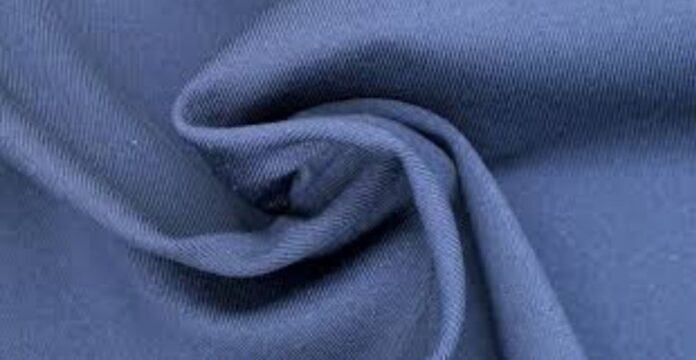
Moisture-Wicking Winter Fabric Explained explains winter clothes that are used to move sweat off the body to keep it dry. These materials draw the moisture off of the skin and distribute it on the fabric so that it can dry quicker. Consequently, the body is always warm, dry and comfortable in cold weather. This aspect renders moisture-wicking clothes indispensable in the contemporary winter clothes systems.
During winter, moisture control is important since sweating has a potential to make the body chilled easily. Under the condition that moisture remains on the skin, heat is dissipated very fast and leads to chills. Thus, winter clothes have to be able to deal with heat and humidity. Warm fabrics are breathless, whereas moisture-wicking fabrics regulate sweat. Combine to form a balanced winter protection making it more comfortable and safe.Moisture-Wicking Winter Fabric Explained:
History and Evolution of Moisture-Wicking Winter Fabric.
The concept of dampness management in winter clothes is not new. Early man had to use natural fibers such as wool since wool kept the human being warm even when damp. The property was a natural help to the people to survive cold and wet climates. Gradually, the knowledge in the textile industry increased, and individuals started to know how the fibers react to moisture.
In the twentieth century, scientific studies changed the technology of fabrics. Artificial fibers like polyester and nylon were developed that had high moisture-moving capabilities. Such materials were also quicker to dry than natural fibers and were also lighter to wear. Moisture-Wicking Winter Fabric Explained:With the growth of outdoor sports and the winter activities, the demand in the moisture-wicking winter garments grew. Modern winter textiles today are a combination of traditional-based knowledge and modern engineering to enhance performance and comfort.
How Moisture-Wicking Fabric Works in Cold Weather
The explanation of Moisture-Wicking Winter Fabric is presented by simple science to understand the efficiency. These materials are supported by a mechanism of moving moisture off the skin through the mechanism of capillary. The fibrous structure forms small passageways that drag out sweat. As soon as moisture comes in contact with the outer surface it becomes more widespread and evaporates faster. This takes place in the form of continuous wear.
The evaporation rate is slower in cold than in warm air. Moisture-Wicking Winter Fabric Explained:Nonetheless, dampness is minimized by moisture-wicking garments. These fabrics do not allow a quick loss of heat because they keep away sweat on the skin. This means that the body remains warmer even in the course of physical activity. Moisture-Wicking Winter Fabric Explained:This is the balance of the moisture movement and heat retention, which determines the excellent winter performance fabrics.
Fiber Structure and Capillary Action.
This is because moisture can move along the surfaces of fibers without the use of force, which is achieved through the process known as capillary action. This is a process that is reliant on the shape of the fiber and the energy of the surface. Moisture-wicking fabrics contain fibers stimulating the flow of water. Thus, it does not keep sweat against the skin. This is constant moisture delivery which enhances comfort during day.
The Regulation of Evaporation and Body Heat.
When the moisture is lying on the skin, the body becomes cooled by the evaporation of sweat. This cooling effect in winter is dangerous. Fabrics that have moisture properties wick away such risks, by absorbing sweat. The skin is dry and this is good at retaining heat compared to wet skin. Moisture-Wicking Winter Fabric Explained:Consequently, moisture-wicking garments are used to maintain body temperature during a cold environment.
Breathability and Insulation Equilibrium.
The ability to get moisture vapors out of the fabric is known as breathability. The insulation pockets the warm air near the body. Winter clothes that are wicked to moisture balance these requirements. Moisture-Wicking Winter Fabric Explained:They also permit the evaporation of sweat and keep warm. This equilibrium is good in both activity and rest.
Why Moisture-Wicking Is Important in Winter Clothing
Moisture-Wicking Winter Fabric Explained importance becomes clear during real winter use. Sweat buildup under heavy clothing causes discomfort and cold stress. Moisture-wicking fabrics prevent this issue by keeping the skin dry. Dry skin maintains warmth and reduces fatigue.
Additionally, moisture-wicking fabrics reduce odor and bacterial growth. Bacteria thrive in damp environments. By limiting moisture, these fabrics keep winter clothing fresher. Moisture-Wicking Winter Fabric Explained:This benefit matters during long wear periods. Therefore, moisture-wicking fabrics support hygiene, comfort, and health during winter.
Types of Moisture-Wicking Fabrics for Winter
Different moisture-wicking fabrics serve different needs. Each fabric offers unique properties related to warmth, softness, durability, and sustainability. Choosing the right fabric depends on climate, activity level, and personal comfort preferences.
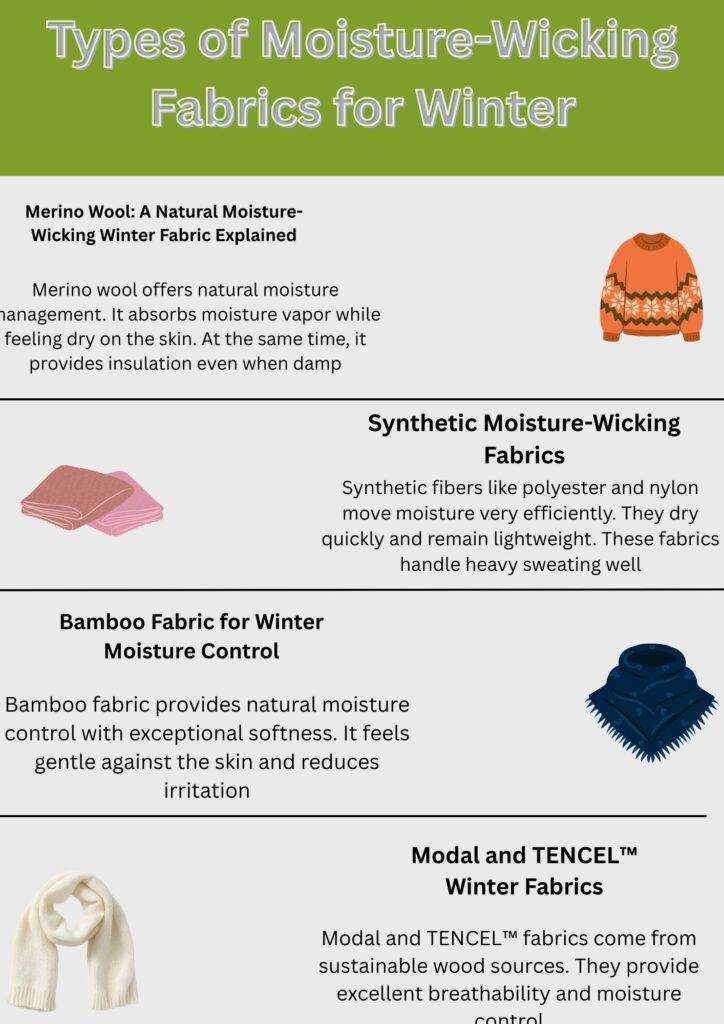
Merino Wool: A Natural Moisture-Wicking Winter Fabric Explained
Merino wool offers natural moisture management. It absorbs moisture vapor while feeling dry on the skin. At the same time, it provides insulation even when damp. This ability makes merino wool ideal for winter base layers. Additionally, it regulates temperature effectively and resists odor naturally. Therefore, it suits both active and everyday winter wear.
Synthetic Moisture-Wicking Fabrics
Synthetic fibers like polyester and nylon move moisture very efficiently. They dry quickly and remain lightweight. These fabrics handle heavy sweating well. Moisture-Wicking Winter Fabric Explained:As a result, they dominate winter sportswear and thermal clothing. Their durability also supports repeated washing and rough use.
Bamboo Fabric for Winter Moisture Control
Bamboo fabric provides natural moisture control with exceptional softness. It feels gentle against the skin and reduces irritation. This fabric suits sensitive skin types very well. Bamboo also offers moderate insulation, making it suitable for inner winter layers. Therefore, it balances comfort and performance.
Modal and TENCEL™ Winter Fabrics
Modal and TENCEL™ fabrics come from sustainable wood sources. They provide excellent breathability and moisture control. These fabrics feel smooth and luxurious on the skin. They regulate moisture without trapping heat excessively. As a result, they work well for premium winter innerwear and base layers.
Moisture-Wicking vs Thermal Fabric Explained Clearly
Moisture-Wicking vs Thermal Fabric Explained Clearly helps remove confusion many people face when choosing winter clothing. Although both fabric types support cold-weather comfort, they serve very different purposes. Moisture-wicking fabrics focus on moisture control, while thermal fabrics focus on heat retention. Moisture-Wicking Winter Fabric Explained:Understanding this difference helps people dress smarter during winter.
Moisture-wicking fabrics work by pulling sweat away from the skin. Moisture-Wicking Winter Fabric Explained:When the body moves, it naturally produces moisture, even in cold weather. If that moisture stays on the skin, it creates a cooling effect. As a result, the body can feel colder very quickly. Moisture-wicking fabrics prevent this problem by moving sweat to the outer surface of the fabric. There, the moisture can dry faster. Therefore, the skin remains dry and comfortable.
Thermal fabrics work in a very different way. Instead of focusing on sweat movement, thermal fabrics trap warm air close to the body. They use thick fibers, brushed surfaces, or insulated structures to hold heat. This trapped air acts as a barrier against cold temperatures. Moisture-Wicking Winter Fabric Explained:As a result, thermal fabrics perform best in very cold environments where heat retention matters most.Moisture-Wicking Winter Fabric Explained:
Best Uses of Moisture-Wicking Winter Fabric
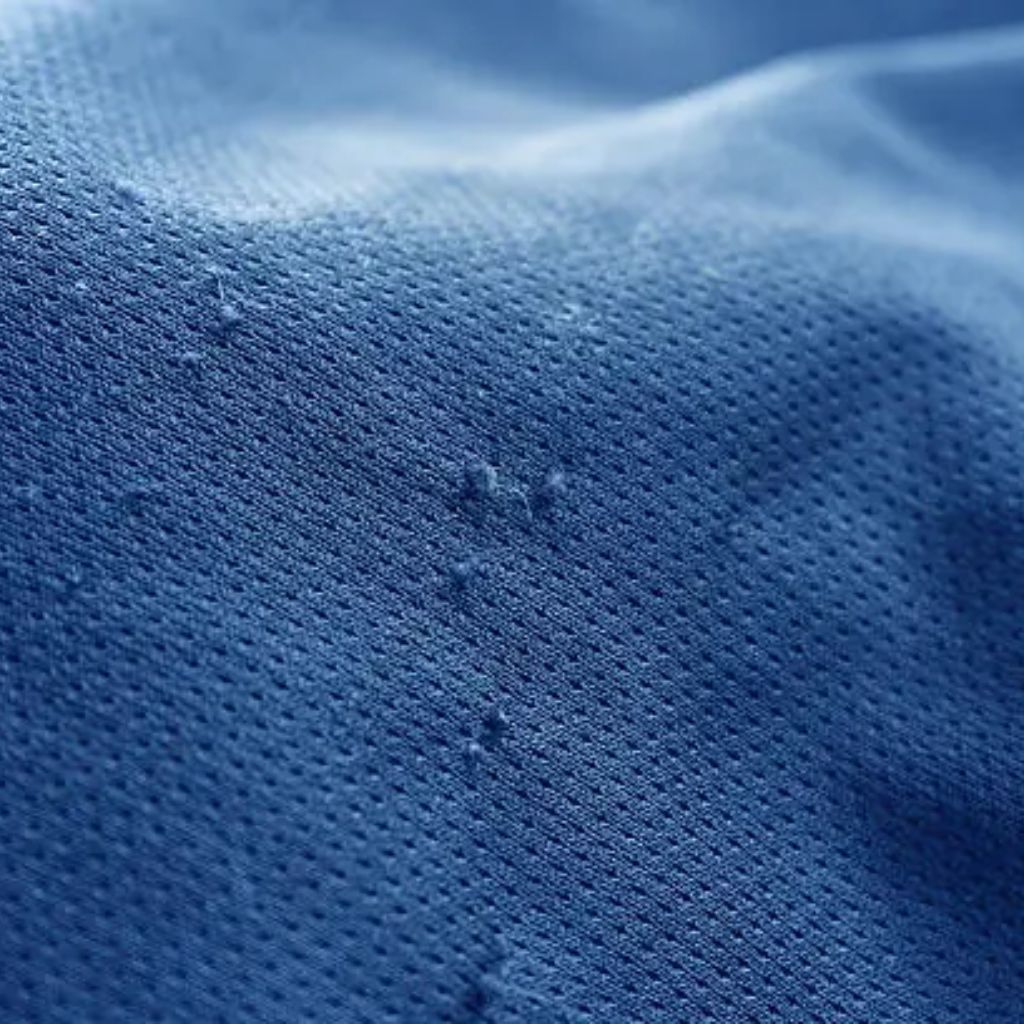
Winter clothes that are moisture-wicking are significant to the current cold-weather clothing. It enhances comfort, warmth and dryness in most winter activities. Due to the high effectiveness of this fabric in regulating sweat, it can be useful in the active and daily scenarios. Being aware of its best purposes will guide humanity in making decisions about the correct winter clothes depending on the purpose.
Thermal Undergarments and Base Layers.
Winter moisture-wicking clothing is best used as a base layer. It is the layer that is nearest to the skin and regulates the sweat at the beginning. When the body secretes some moisture, the garment evacuates it fast. Consequently, the skin remains dry and warm. Moisture-Wicking Winter Fabric Explained:This is particularly a necessary role in winter layering since wet base layers may result in chills. Thus, moisture-wick clothing base-layers enhance general winter comfort and thermal efficiency.
Skiing Clothing and Sports.
Freezing temperatures produce body heat and sweat because of winter sports. This moisture is managed by use of moisture-wicking winter clothing. It helps avoid the accumulation of sweat in such activities as skiing, hiking, or running. Once the activity reduces, the fabric minimizes the chances of abrupt cooling. Due to this fact, athletes remain comfortable during a longer time. Moisture-Wicking Winter Fabric Explained:Dampness also enhances performance and endurance in the cold weather.
Arguing about Socks and Winter Linings.
Feet also sweat during cold weather, particularly when in an insulated shoe. Winter clothing is moisture-wicking and keeps the feet dry by draining the moisture off the skin. The dry feet remain healthier and warmer during the day. Friction is also minimized with the help of this fabric preventing blisters. Consequently, the long winter hours are made more comfortable with moisture-wicking sock and footwear lining.
System: Winter Underwear and Innerwear.
Winter clothing and innerwear are made comfortable because of moisture-wicking fabric. This cloth averts moisture in delicate parts. Subsequently, it decreases irritation and smell. Moisture-Wicking Winter Fabric Explained:It also helps to achieve the better temperature regulation during the day. Since the innerwear is directly in contact with the skin, moisture protection is required to be comfortable in winter.
Common Uses of Moisture-Wicking Winter Fabric
Moisture-wicking winter fabric serves many practical purposes in cold-weather clothing.Moisture-Wicking Winter Fabric Explained: Its ability to control sweat while supporting warmth makes it useful in daily life and outdoor activities. Because winter conditions often involve changing temperatures, this fabric adapts well to different situations. Understanding its common uses helps people choose the right winter garments with confidence.
Everyday Winter Base Layers
Moisture-wicking winter fabric appears most commonly in base layers. These garments stay in direct contact with the skin. As the body produces moisture, the fabric moves sweat away quickly. This action keeps the skin dry and stable. As a result, warmth stays trapped more effectively. Moisture-Wicking Winter Fabric Explained:Base layers made from moisture-wicking fabric improve comfort throughout long winter days.
Cold-Weather Activewear and Sports Clothing
Active winter movement creates heat and sweat. Moisture-wicking winter fabric manages this moisture efficiently. It prevents sweat buildup during activities like walking, running, or hiking. Moisture-Wicking Winter Fabric Explained:After activity slows, it reduces cooling caused by dampness. Therefore, athletes and active individuals remain comfortable and protected in cold conditions.
Winter Socks and Footwear Linings
Feet sweat even in cold weather, especially inside insulated shoes. Moisture-wicking winter fabric keeps feet dry by pulling moisture away from the skin. Dry feet stay warmer and feel more comfortable. This fabric also reduces odor and irritation. As a result, it supports foot health during extended winter wear.
Moisture-Wicking Fabric in Layering Systems
Moisture-wicking fabric plays a central role in effective winter layering systems. Layering works best when each layer performs a clear function. Moisture-wicking fabrics manage sweat at the skin level. As a result, they help maintain warmth and comfort throughout the day. Moisture-Wicking Winter Fabric Explained:Without proper moisture control, even the warmest layers can fail in cold weather.
The Role of Moisture-Wicking Fabric as a Base Layer
The base layer sits directly against the skin. This position makes moisture-wicking fabric essential at this level. When the body produces sweat, the base layer absorbs and moves moisture away quickly. This process keeps the skin dry and stable. As a result, body heat remains trapped more effectively. A dry base layer also reduces the risk of chills after physical activity. Therefore, moisture-wicking fabrics define the foundation of a successful winter layering system.
Interaction Between Moisture-Wicking and Insulating Layers
Moisture-wicking fabric supports insulating layers by keeping them dry. Insulation works best when it traps air rather than moisture. If sweat reaches the insulation layer, warmth decreases quickly. Moisture-wicking base layers prevent this problem. They move moisture outward before it reaches thicker layers. Moisture-Wicking Winter Fabric Explained:As a result, insulation maintains its full warming ability. This interaction improves overall thermal performance during winter.
Compatibility with Mid-Layers in Cold Weather
Mid-layers provide additional warmth through fleece, wool, or synthetic insulation. Moisture-wicking fabrics allow these layers to function properly. When moisture stays controlled at the base layer, mid-layers remain dry and breathable. This balance prevents overheating during activity. It also allows heat retention during rest. Therefore, moisture-wicking fabrics enhance mid-layer efficiency in changing winter conditions.Moisture-Wicking Winter Fabric Explained:
Supporting Outer Layers and Weather Protection
Outer layers protect against wind, rain, and snow. These layers often limit airflow to block cold air. Moisture-wicking fabrics help manage moisture beneath these protective shells. By keeping sweat away from the skin, they prevent dampness buildup inside the system. As a result, outer layers feel more comfortable and effective. This support improves performance in harsh winter environments.
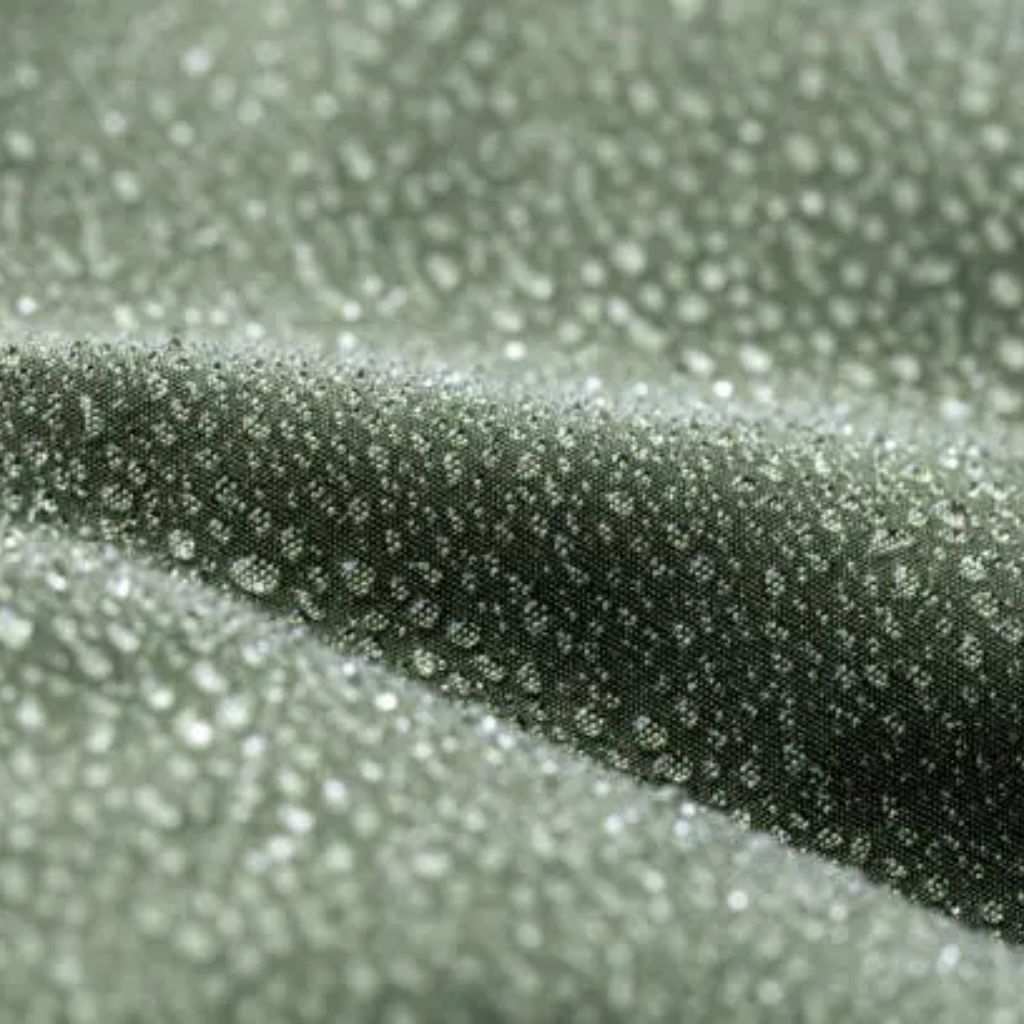
Is Moisture-Wicking Fabric Warm Enough for Winter?
The moisture-wicking fabric itself does not produce heat. It, however, assists the body to remain warm because the skin remains dry. It is efficient in moderate cold climate conditions. Moisture-Wicking Winter Fabric Explained:Further insulation is required in very low temperatures. The usage of moisture wicking undergarments and thermal insulators is a good defense against the winter in a range of climates.
How to Choose the Right Moisture-Wicking Fabric for Winter
The selection of the proper material is dependent on activity and weather. Insulation is required in cold and dry climates. The high level of activity requires fast-drying products. Delicate skin demands soft and chemical free clothes. Warmth and breathability are influenced by fabric weight. Natural fibers are comfortable and synthetic fibers are durable. The knowledge of these factors enhances winter clothing performance.
Moisture-Wicking winter Sensitive Skin Fabric.
During winter, special attention should be paid to sensitive skin. Crude fabrics may be irritating and scratchy. Moisture-Wicking Winter Fabric Explained:Merino wool is soft and it has a natural moisture control. Bamboo and TENCEL fabrics are less frictional and less dry. The treatments free of chemicals enhance the level of comfort even more. Thus, wearing soft moisture-wicking clothes can be used in favor of skin health in winter.
Care and Washing Tips for Moisture-Wicking Winter Fabrics
Proper care plays a major role in maintaining the performance of moisture-wicking winter fabrics. These fabrics rely on special fiber structures to move moisture efficiently. If washed or handled incorrectly, their performance can decrease over time. Therefore, understanding correct care methods helps preserve comfort, durability, and moisture control throughout winter use.
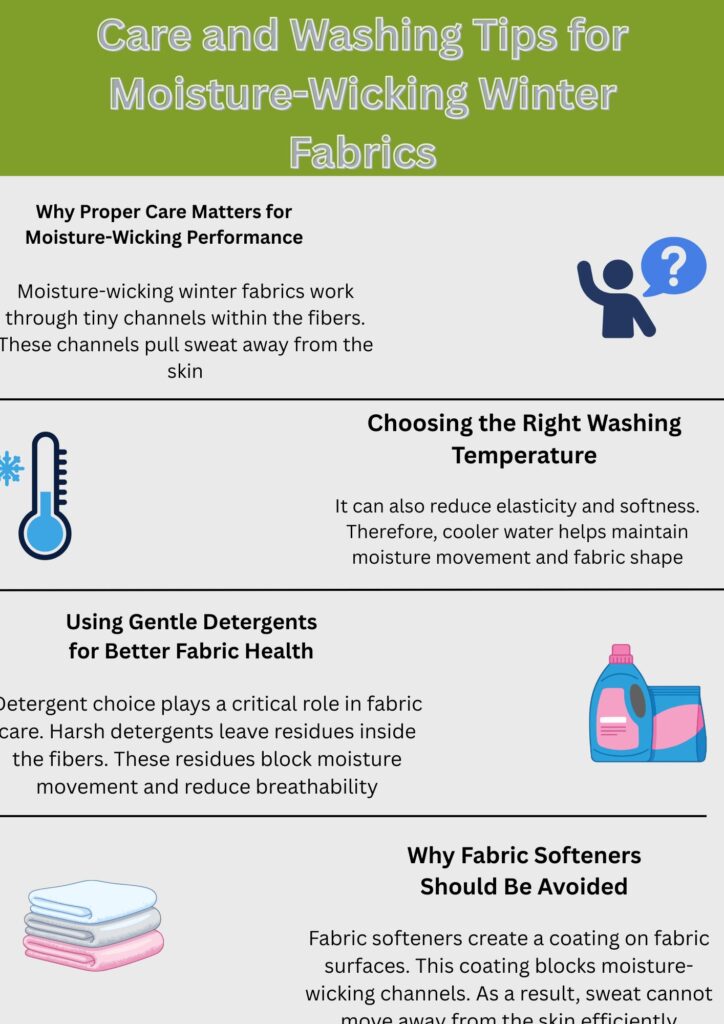
Why Proper Care Matters for Moisture-Wicking Performance
Moisture-wicking winter fabrics work through tiny channels within the fibers. These channels pull sweat away from the skin. Improper washing can block these pathways. As a result, the fabric may begin to trap moisture instead of releasing it. Proper care keeps these fibers open and functional. Therefore, the fabric continues to perform as intended during cold weather.
Choosing the Right Washing Temperature
Water temperature directly affects fabric performance. Cold or lukewarm water protects moisture-wicking fibers. Hot water can damage fiber structure over time. It can also reduce elasticity and softness. Therefore, cooler water helps maintain moisture movement and fabric shape. This approach extends the life of winter garments.
Using Gentle Detergents for Better Fabric Health
Detergent choice plays a critical role in fabric care. Harsh detergents leave residues inside the fibers. These residues block moisture movement and reduce breathability. Moisture-Wicking Winter Fabric Explained:Gentle detergents clean effectively without damaging fibers. They also prevent buildup that causes stiffness. As a result, moisture-wicking performance stays consistent.
Why Fabric Softeners Should Be Avoided
Fabric softeners create a coating on fabric surfaces. This coating blocks moisture-wicking channels. As a result, sweat cannot move away from the skin efficiently. Although fabric may feel soft initially, performance declines quickly. Therefore, avoiding fabric softeners preserves moisture control and breathability.
Conclusion
Moisture-Wicking Winter Fabric Explained shows how moisture control supports warmth and comfort. These fabrics reduce chills, improve layering efficiency, and enhance winter performance. Moisture-Wicking Winter Fabric Explained:They suit active lifestyles and everyday wear equally well. Choosing moisture-wicking winter fabrics leads to smarter and safer cold-weather clothing. Exploring related winter fabric guides can further improve winter wardrobe decisions.
FAQs
Is moisture-wicking fabric good for winter?
Yes, moisture-wicking fabric works very well in winter. It keeps sweat away from the skin and prevents dampness. When the skin stays dry, body heat remains stable. This balance reduces the risk of chills in cold weather. Therefore, moisture-wicking fabric supports comfort and warmth during winter.
Can moisture-wicking fabric keep you warm in cold weather?
Moisture-wicking fabric helps the body stay warm by keeping the skin dry. Dry skin retains heat better than wet skin. However, moisture-wicking fabric does not create heat on its own. It works best when combined with insulating layers. Together, they provide effective winter protection.
What is the best moisture-wicking fabric for winter use?
The best moisture-wicking fabric depends on activity level and comfort needs. Merino wool works well because it manages moisture naturally and stays warm when damp. Synthetic fabrics dry faster and suit high-activity use. Bamboo and TENCEL™ offer softness and breathability. Each fabric serves different winter needs.