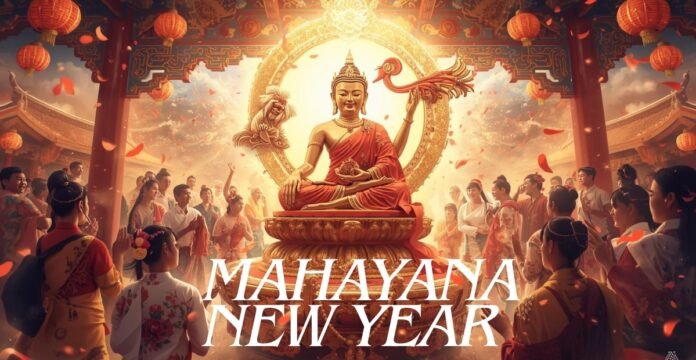
What Is Mahayana New Year?
Celebration of Mahayana New Year holds spiritual importance among the Mahayana sect of Buddhists and is celebrated worldwide. Mahayana New Year is a celebration in contrast to the Global New Year which falls on January 1. Mahayana New Year is a celebration which does not have a single, globally recognized date, since some communities celebrate it with the Global New Year, and some celebrate it with the phases of the moon, such as the first full moon of January. For Buddhists, January 3, 2026 is a day of hope, reflection, and renewal, as it marks the Mahayana New Year.
The Mahayana New Year is more than a date on the calendar, it signifies a period of spiritual renewal, reflection and mindfulness, and a rededication to the principles the Buddha taught, to help every sentient being achieve enlightenment. The celebration is rooted in the centuries-old Buddhist philosophy and differs from region to region, from China and Japan to Korea, Vietnam, and Tibet.
This article discusses the Mahayana New Year celebration, its origin, the traditions, spiritual meaning and the importance in contemporary times.
We will also examine the various ways in which countries observe this festival and why the celebration remains a significant cultural and religious event for millions of Buddhists around the world.
In certain cultures across the globe, the celebration of New Years occurs during the months of January and February to coincide with the new lunar calendar and new moon. In the celebration of the New Years festival, the balances and scales of economic good fortune are believed to be tipped. In January of the Gregorian calendar, worshippers see January as a period of cleansing and a removing of all negative constituents in preparation of newer and more positive constituents of the following months. January, in essence, is characterized as a transitional period to a positive and brand new state of being. The period is marked with the celebration of the new lunar calendar.
For adherents of Mahayana Buddhism, they see newness as a function of human being and the renewing of the human soul. The BodhiDharma, in his Southern School of Zen Buddhism, spoke of this renewal to be the renewal of cultures with harmony and calm.
Celebration of the new lunar calendar corresponds with the New Year of Mahayana Buddhism in Buddhism traditions, as the first of the burgeoning moon represents the new beginning and celebrations. In the New Year marked by the new moon, BodhiDharma teaches calm and harmony. The cycle of the full moon and New Moon, for the adherents of Mahayana, Buddhist traditions and teachings of Bodhi Dharma, represents the cycle of cleansing and renewing of a calm and harmonious culture.
Other traditions may celebrate the Mahayana New Year on the first full moon of January or January 1st, the same date as the Gregorian calendar New Year.
This shows the wide range of celebrations in the Mahayana traditions. While the calendars may be different, the customs, and the philosophies from different parts of the world shape the way Mahayana New Year is celebrated.
Mahayana New Year Celebrations and Their Meaning
1. Reminiscence and Looking Toward the Future
A hallmark of Mahayana New Year is the Buddhist practice of remembering or contemplating the events of the prior year. During this practice, some Buddhists think of the good deeds and the acts of compassion they carried out, and the acts of evil or harmful deeds they committed. This practice of reflection is tied to the Buddhist belief in karma, or, the idea that acts and their consequences shape the future.
The purpose of reflection in Mahayana New Year is not to carry guilt, but it is to promote awareness and mental presence. After this form of spiritual self-accounting, a person resolves to be more compassionate and to carry more wisdom and selfless acts in the upcoming year.
2. Practices of Purification and Cleansing
As part of their New Year celebrations, many Buddhists observe cleansing rituals. Engaging in cleansing rituals, such as physical or mental rituals, or actually cleansing a space, can help remove negativity and create a space for positive energy. For some Buddhists, New Year celebrations include activities such as preparing and offering food, incense, and flowers to a temple or a religious community, which are considered acts of religious merit.
The goal of purification is to create a clean external environment and a clear inner environment. Just as a home that has been thoroughly cleaned and organized brings about a sense of tranquility, mental cleansing can improve a person’s compassion, attention, and mental clarity.
3. Merit-Making and Acts of Generosity
During Mahayana New Year, Generosity (dāna) is the primary value emphasized. Acts of kindness such as offering food to monks, donations of food to the needy, and helping neighbors are all considered acts of merit. In Buddhism, having merit is essential since it positively contributes to a person’s spiritual development and the circumstances they will face in the future.
During Mahayana New Year, the community is actively involved in collective acts of generosity. Serving food to monks, sharing food with loved ones, and providing gifts to others are all activities that highlight the Buddhist principle that there is much joy and peace in giving.
4. Mindfulness and Meditation
Meditation is significant in Mahayana New Year festivities. The occasions may include food and socializing, but most practitioners will also spend time meditating, chanting, and reflecting. During this time, meditation fosters peace and strengthens the determination to remain mindful in the new year.
For countless Buddhists, the meditation that is practiced on Mahayana New Year is a time to reconnect with the teachings of the Buddha and develop discernment, love, and calm.
Celebrations of the Mahayana New Year Across the Globe
Mahayana Buddhism is practiced in numerous cultures, which is why there is a variety of ways and traditions for celebrating the Mahayana New Year. Below are some examples of practices from different countries.
Celebrations in East Asia
The majority of East Asian countries such as China, Korea, and Vietnam celebrate the Mahayana New Year with the Lunar New Year, which falls between late January and early February. This time is a time for family gatherings, visiting temples, and other community activities that focus on harmony and celebratory activities.
These activities may include:
- Temple Visits: Each year during the Mahayana New Year, Buddhists visit temples, pray, burn incense, and praise the Buddha in order to obtain a blessing for the year.
- Family Gathering: Like in other cultures and newly celebrated traditions, family members come together for special ceremonies and meals that symbolize prosperity and togetherness.
- Red Lanterns and Decorations: Red is a powerful color in a variety of Asian cultures, and during the Lunar New Year, many people use red to symbolize Jin Se (Goodness). Red is an added color to the Lanterns which many people take to celebrate the New Year.
These traditions and activities during the Lunar New Year are practiced to support the main activities of celebrating the Mahayana New Year, which encompass the ideas of a new beginning, compassion, and goodwill.
Ceremonies and Buddha Statues in Temples
Meditation and ritual activities, including the bathing of Buddha statues, are common in the temples that are active during Mahayana New Year. Monks and practitioners may sing devotionals and light candles and lanterns to symbolize the wisdom and dispel the ignorance.
During Mahayana New Year, candles and lanterns are also meaningful to the practice. Light symbolizes wisdom in the practice, the ignorance that needs to be dispelled, and the insight that needs to be awakened.
Community and Family Celebrations
Mahayana New Year, like other New Year celebrations, inspires family reunions and community meals. The celebratory meals include foods that symbolize the prosperity, happiness, and the abundance of the New Year. The festive atmosphere promotes the harmony, and respect for the elders, and reinforces the family and community values.
Fireworks and Festive Joy
Fireworks and bright lights celebrate Mahayana New Year. New beginnings are suggested with fireworks of different styles depending on local culture. Joy and optimism are ushered in.
Celebrations of Mahayana New Year show the fusion of culture and spirituality, despite Buddhism being a spiritual religion of peace and reflection.
Mahayana New Year and Spiritual Intention
Emphasis on inner transformation distinguishes Mahayana New Year from secular celebrations:
- Cultivating Compassion: During Mahayana New Year practitioners oftentimes re-commit to acts of kindness and compassion towards all beings just as Buddha did.
- Generosity and Kindness: Positive acts of community-building karma are done through giving to others.
- Mindful Living: With the aids of reflection and meditation, individuals intend to live mindfully in the year to come.
These spiritual attributes transform Mahayana New Year from being a time of celebrations into a time of calling for active living.
Practical Ways to Observe Mahayana New Year Today
Here are some ways to observe the Mahayana New Year, even if you are not in the Mahayana Buddhist community.
1. Go to a Temple or Meditation Center
Going to a temple or meditation center on Mahayana New Year provides the chance to pray, burn some incense, and sit in a quiet, reflective atmosphere.
2. Meditate and Practice Mindfulness
Meditating on Mahayana New Year will bring you clarity and peace. A short mindfulness exercise will allow you to set a spiritual focus for the upcoming year.
3. Show Kindness
Helping someone, giving a small donation, or being touchably kind are all actions that represent the Mahayana New Year Buddhist teachings.
4. Personal Reflection
Think about the growth you have experienced in the last year. What are some lessons you have gained? In what ways can you show more compassion and wisdom this year? These are the reflective actions of Mahayana New Year.
Conclusion: Why Mahayana New Year is Important
To put it simply, the Mahayana New Year is not just a day on a calendar. It is a celebration of the journey of life, and it exists for the values of growth, compassion, renewal, and hope. Those can be celebrated on a lunar calendar, a January 3 calendar, or any secular calendar.
Around the world, this celebration prompts people to step into the new year with positive and purposeful intentions. As people put away their year-end decorations, some put their new year candles and community candles on their tables. By contributing to a positive atmosphere, they invite people to bring new life, positive new beginnings, and hope for the year and renewed commitment to the teachings of Buddhism to their community.
This Mahayana New Year deserves to be celebrated, and it deserves to inspire us to have compassion and to not be afraid of the path in front of us. Learn about : International Mind-Body Wellness Day And Festival of Sleep Day