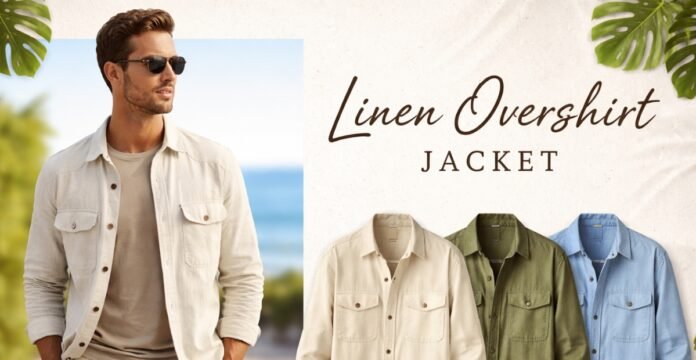
A Modern Wardrobe Must-Have
Fashion landscapes have been transformed by a shift towards conscious consumption in recent years. The linen overshirt jacket is a great solution for anyone looking to combine style with substance. The versatile linen overshirt jacket bridges many gaps, including between casual and refined, seasonal wardrobes and, most importantly, fast fashion and sustainable style.
The linen overshirt, popularized initially by Scandinavian design and minimalist aesthetics, has now become an essential part of the modern capsule wardrobe. The journey of the linen overshirt from sustainable niche circles to mainstream fashion prominence is a fascinating story about consumer values changing.
Understanding Linen – Nature’s Miracle Fabric
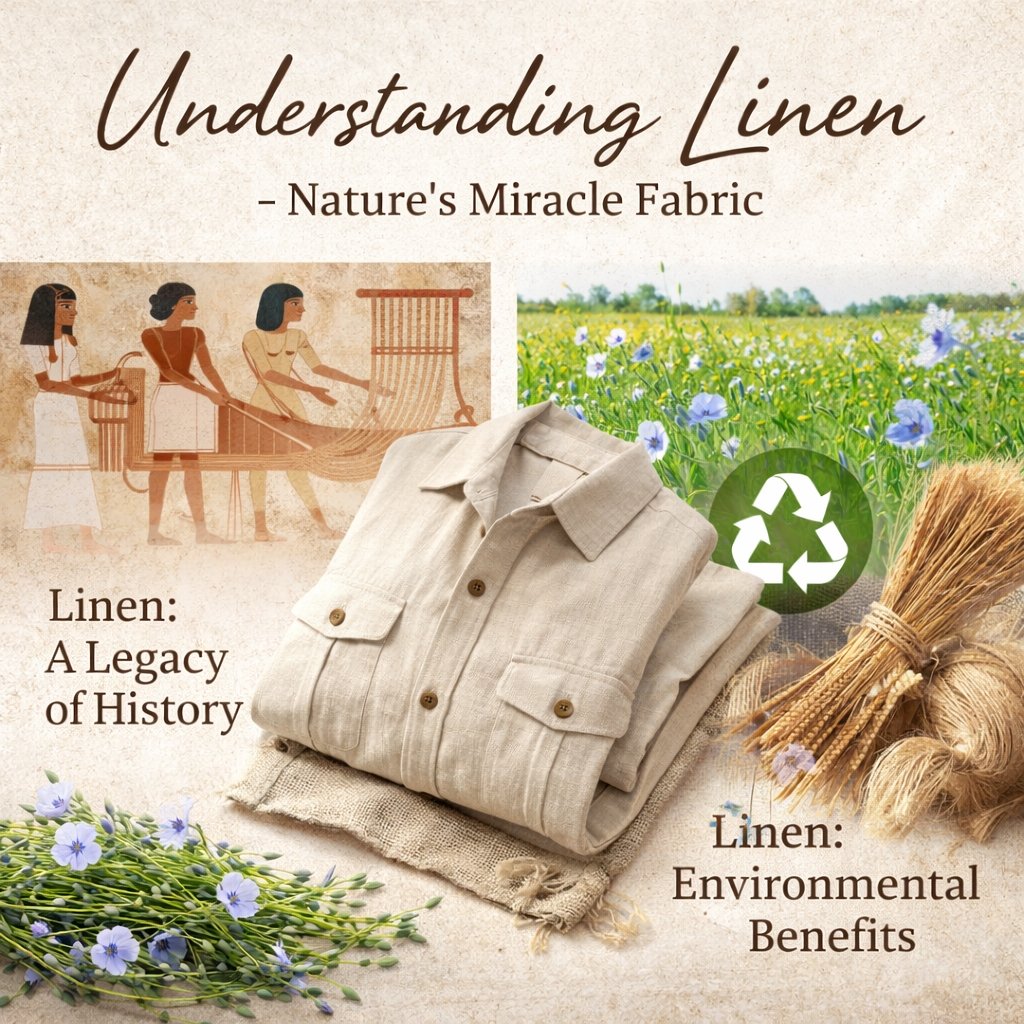
Linen: A Legacy of History
In order to fully appreciate the modern overshirt jacket made of linen, it is important to first understand its fascinating history. It is interesting to note that linen has been used by humans for over 30,000 year. Ancient Egyptians also considered linen sacred and used it to make priestly garments and mummification. In Europe, flax farming became a major part of agricultural systems.
This rich history provides the context for linen’s appeal. Contrary to synthetic fabrics, linen is part of the fabric history that has been woven throughout human civilization. This legacy is celebrated today through the combination of traditional craftsmanship and modern design sensibilities.
Linen: Environmental Benefits
Linole is consistently rated as one of the most environmentally friendly fabrics. The flax plant is a low-maintenance plant. Flax cultivation, for example, uses 60% less water than conventional cotton. It can also be grown without the use of pesticides and fertilizers because it is naturally resistant to pests.
The entire flax plant, including the stalks, is used in production. This results in almost zero waste. The stalks and seeds are used to make fiber, linseed oils and other food products. This circular approach is the best example of sustainable agriculture.
The biodegradability of linen is another significant advantage. Pure linen composts in just a few weeks, unlike synthetic fabrics which can remain in landfills for decades and shed microplastics. Linen is environmentally responsible at every phase of its lifecycle, from the field to the final disposal.
Anatomy of the Perfect Linen Overshirt Jacket
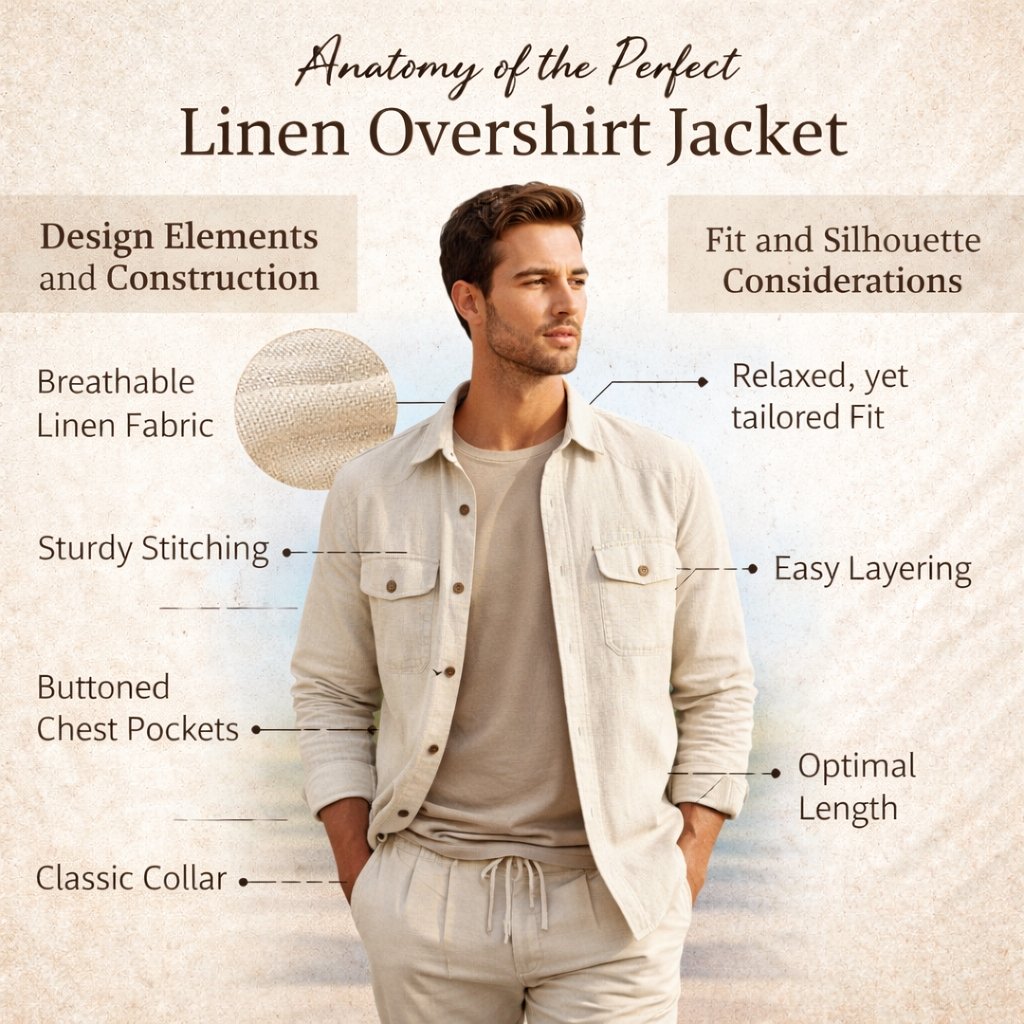
Design Elements and Construction
By using specific design elements, a well-crafted linen jacket can balance structure and comfort. It is usually characterized by a collar style that can be buttoned or worn open, creating varying visual effects. A button or snap placket is typically used to finish the front, while patch pockets provide functionality and visual appeal.
The attention to detail is what separates the exceptional from the mediocre. French seams, for example, are often used to cover raw edges in linen overshirts of high quality. This increases durability and maintains a clean, interior appearance. Single-needle sewing provides strength while minimizing visible thread. This helps to preserve the clean lines of the garment.
Fit and Silhouette considerations
Overshirts are characterized by their relaxed, yet purposeful fit. Overshirts offer more breathing space than traditional shirts, which follow the body’s contours closely. They also have straight hems and slightly extended shoulders. This shape allows it to be worn with or without thinner layers.
Modern variations include cropped styles to complement high-waisted pants, duster-style versions that are longer for dramatic layering and tailored options which are closer in style to blazers. The overshirt is available in a variety of styles that cater to different style preferences, while still maintaining its essential character.
Styling Masterclass: The Versatility Of Your Linen Overshirt
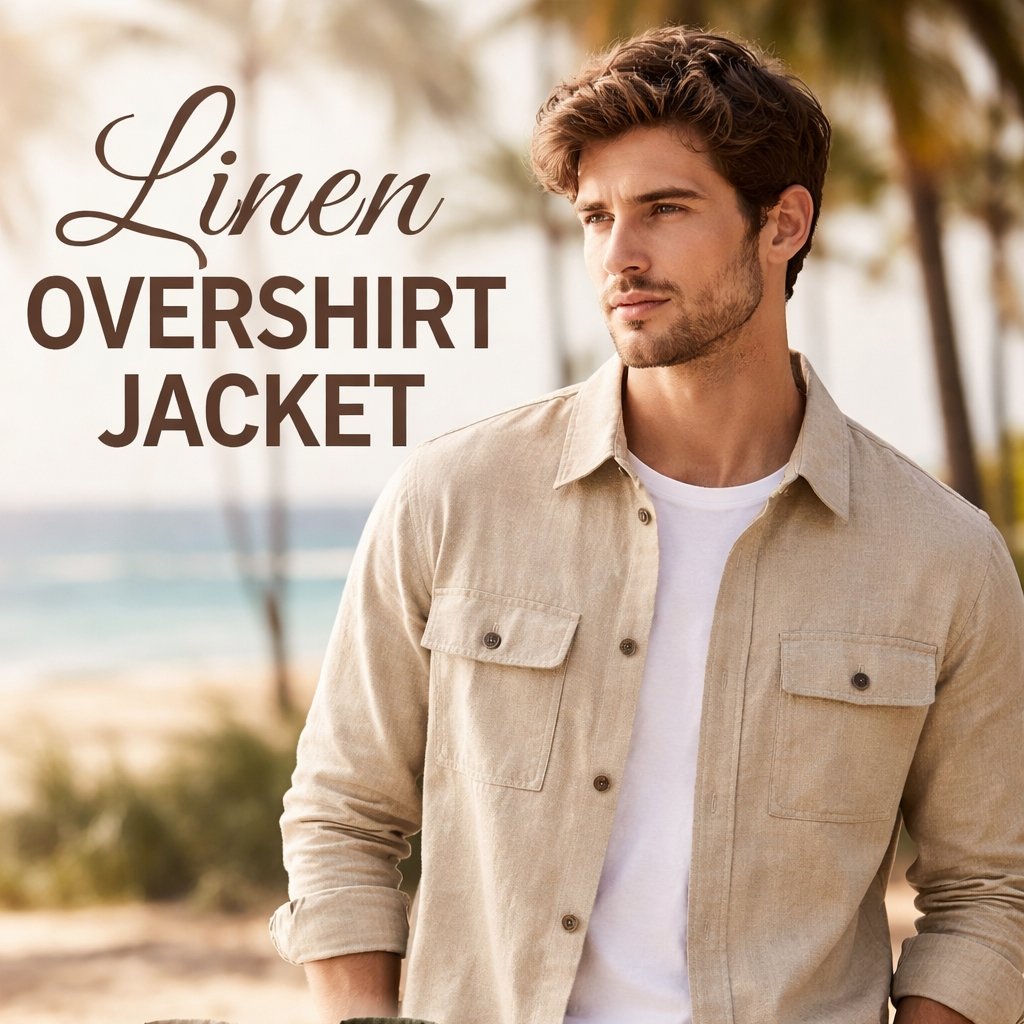
Casual everyday ensembles
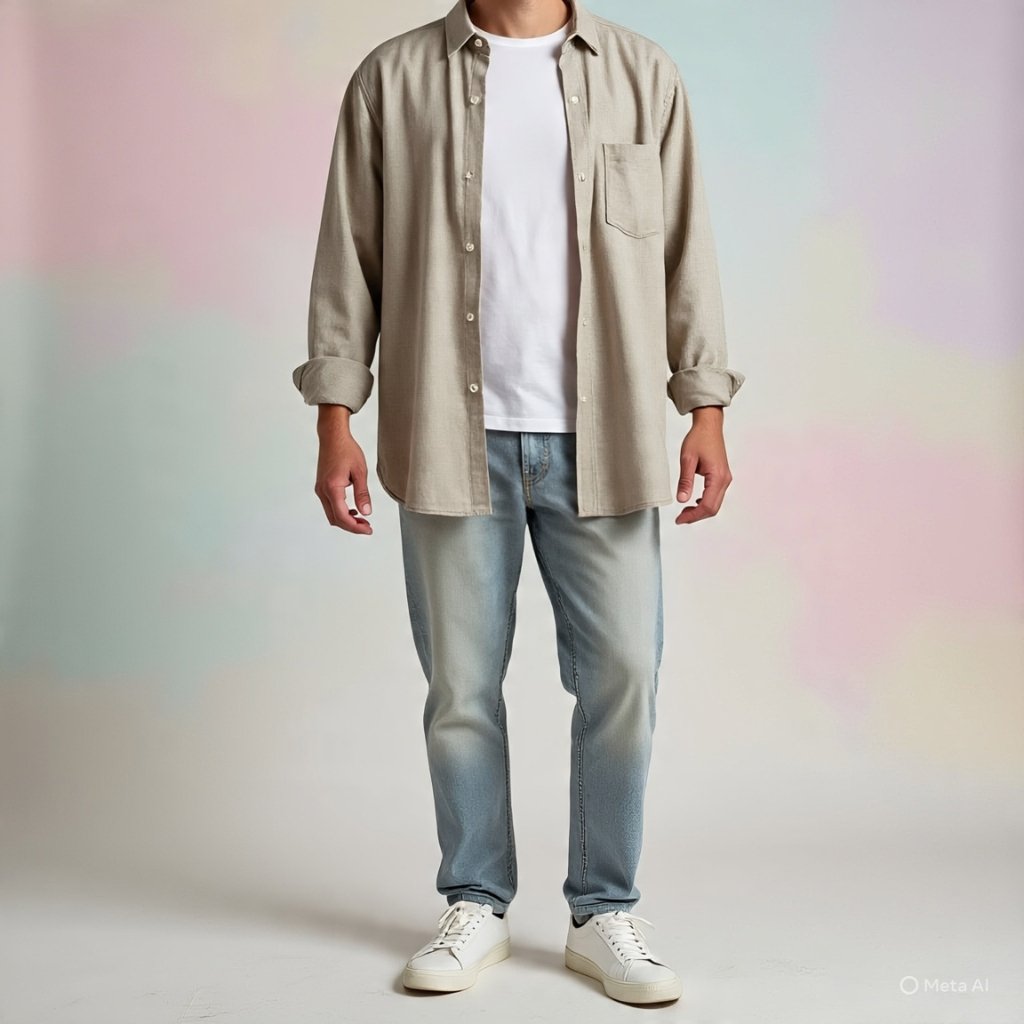
The linen overshirt jacket is a great lightweight outer layer for a casual daytime look. Start with the basics: a white tee shirt, straight-leg denim, and minimalist sneakers. Add the linen overshirt, unbuttoned, for a relaxed look that elevates your entire outfit. For slightly cooler days you can button the top part of the shirt over the tee, leaving the bottom unbuttoned to keep the movement and flow.
This approach is particularly useful for weekend outfits. Pair a neutral overshirt with tailored pants and leather sandals to add sophistication to your summer outfit. Combine it with a Breton shirt and canvas pants for a classic French look. It’s important to maintain a relaxed feel while coordinating elements.
Smart Casual and Work Appropriations
To transition the linen overshirt to a smarter context, you need a strategic style. First, choose a tailored version with a darker or saturated color. Second, wear it over a silk or fine-knit blouse instead of a casual tee. Thirdly, pair it with structured pants or a mid-length skirt to balance out the relaxed nature of the overshirt.
This approach is particularly useful for modern work environments where smart-casual dressing codes are the norm. By pairing the linen overshirt with a traditional jacket, you can maintain professionalism while replacing a traditional blazer. Complement the look with minimal boots or leather loafers, as well as jewelry that complements the natural texture of the fabric.
Transitional Styles for the Seasons
It is at these times of unpredictable temperature changes that the linen overshirt shines. In spring, wear it with cropped pants and a light sweater. The overshirt is warm enough for cool mornings, but remains comfortable when temperatures rise.
In early autumn it is the perfect layer in between a lighter coat and a tank top. The “sandwich approach” to layering allows you to maximize your wardrobe’s versatility, while still maintaining style consistency. As winter approaches, linen overshirts can be worn under wool coats to add texture and depth while adding an extra layer of insulation.
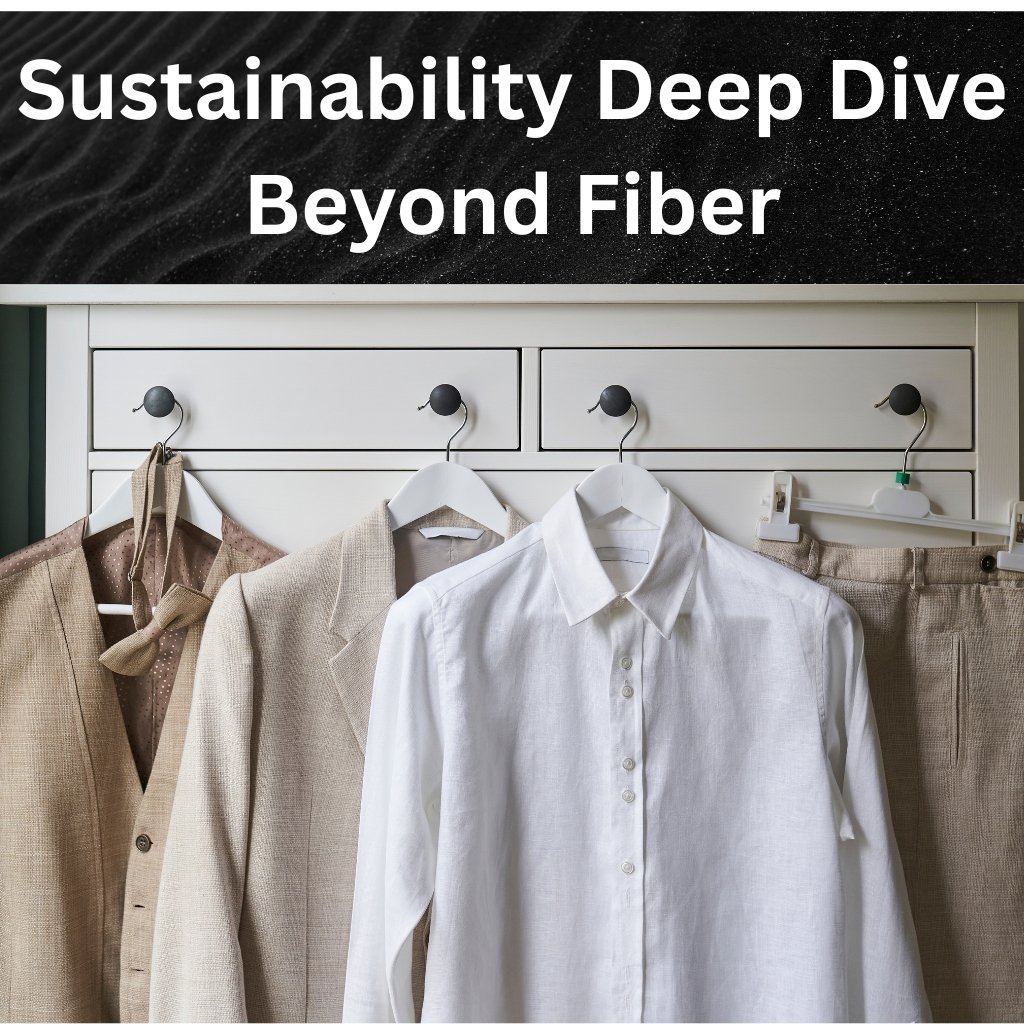
Sustainability Deep Dive Beyond Fiber
Transparency in the supply chain and ethical production
Although linen is a sustainable product, it’s important to examine production practices in order to get the full picture. Brands that prioritize transparency in their supply chains, from flax production to the final product, are more likely to be responsible. Fair Trade and Global Organic Textile Standard certifications provide assurance of environmental and social standards.
Consumers who are aware of brand practices should investigate the conditions in factories, worker wages and emissions. Some companies are using regional production models to manufacture linen overshirts near where flax is processed and grown. Localized production reduces the carbon emissions of global shipping and supports regional economies.
Durability & Longevity Factors
The true sustainability of a garment goes beyond the materials. The natural durability of linen contributes to its exceptional longevity. The fibers become stronger when they are wet and resist wear even during washing. Linen becomes softer, more lustrous, and more personalized with age.
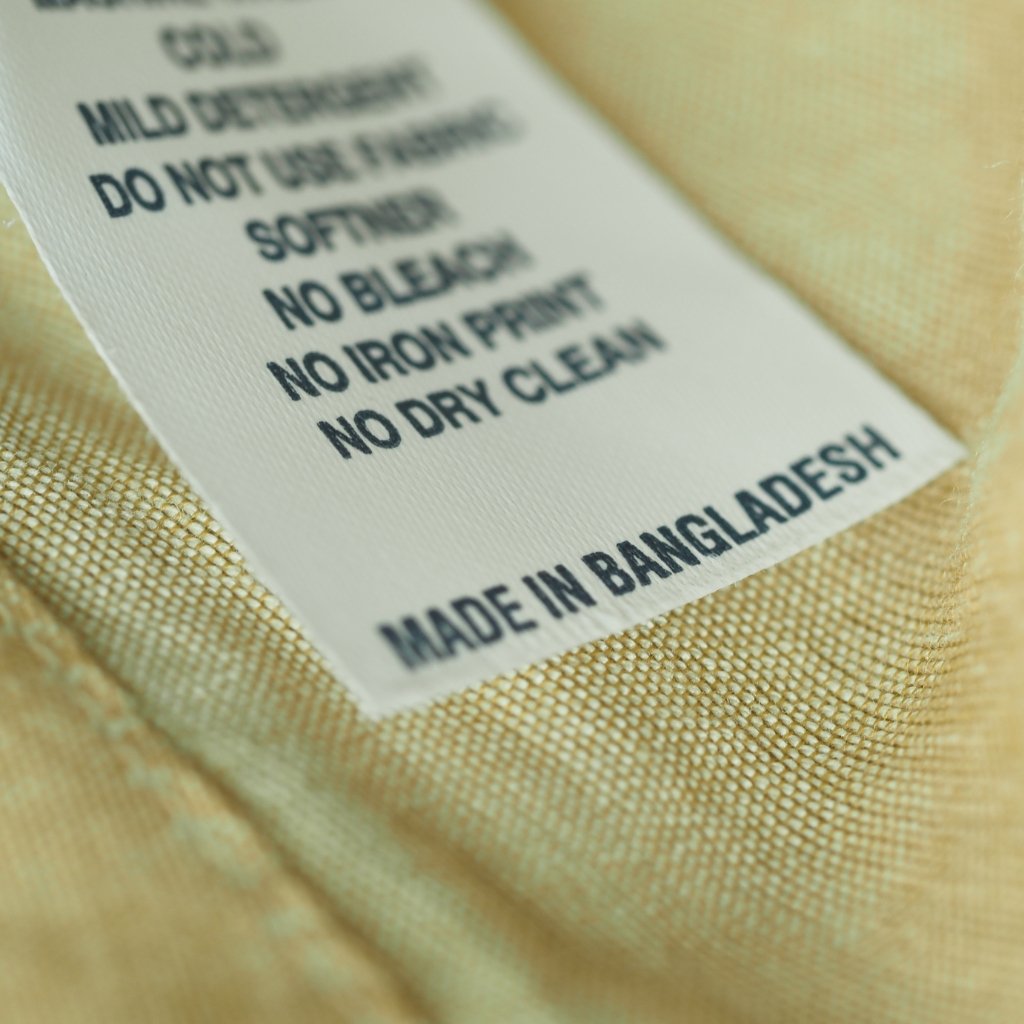
Care is key to extending the life of your linen shirt. Modern linen blends can be machine washed with a mild detergent and cool water, but it is best to wash by hand. Steam refreshing and air drying help to preserve the fiber integrity. If pressing is desired, medium heat is best used while the fabric is still slightly damp.
Circular fashion and end-of-life considerations
The most sustainable garments are those that can be worn indefinitely by their original owners or through recycling and resale systems. Linen overshirts are a great choice for circular fashion because of their timeless design and durable construction. There are several options available when you decide to sell your overshirt.
Firstly, consider selling through reputable resale platforms–high-quality linen garments maintain excellent resale value. Clothing swaps between friends or at community events can extend the wearable life. If the garment cannot be repaired, look into textile recycling programs to transform fibers and create new materials. Some brands offer take-back programmes, showing their commitment to the full lifecycle of products.
Care and maintenance guide
Best Practices for Washing and Drieding
Understanding linen’s unique properties is the first step to caring for it properly. Modern linen garments, contrary to popular belief, are designed for easy care. The majority can be machine-washed with gentle cycles and similar colors. If you want to preserve color and texture, use a mild eco-friendly detergent that is specifically designed for natural fibers.
The most important part of linen care is drying. It is best to avoid tumble drying, because high heat can weaken the fibers and cause excessive shrinkage. Reshape your garment while it is still damp, then lay flat on a surface or hang it to dry. If you must use a dryer, choose the lowest setting and remove it while still slightly damp. This will allow natural drying to take place.
Wrinkle management and storage solutions
Linen is known for its characteristic wrinkles, which give it a lived-in, relaxed aesthetic. For occasions that require a more crisp appearance, there are several techniques to use. Steam is the most gentle option for removing wrinkles. It does not use direct heat. Travel steamers can be used to refresh linen overshirts in between wearings.
Proper hanging is important for storing clothes. Use wooden or padded hangers to support shoulder seams and prevent bumps. Avoid overstuffed closets which compress the fabric. When storing clothing for the season, make sure it is dry and clean. Store in a cotton bag, not plastic. Plastic can trap moisture, causing mildew.
Stain removal and repair techniques

Accidents happen despite careful wearing. If you have stains from food or beverages, treat them immediately with cold water to prevent setting. To remove oil-based stains before washing, use cornstarch or Talcum Powder. Test any cleaning solution first on a small area to check for colorfastness.
Even minor repairs can extend the life of a garment. Before they fall off, reinforce loose buttons. You can repair small tears with stitching that is almost invisible. Consider visible mending methods that turn repairs into decorative elements. These techniques follow the Japanese philosophy *kintsugi* which finds beauty in restored broken objects.
Market Guide – Selecting Your Perfect Linen Overshirt
Value Assessment and Price Points
The price range of linen overshirt jackets is wide, ranging from low-cost options to designer pieces that are worth investing in. Knowing what the different price points mean can help you make an informed decision. Budget options (typically between $50 and $150) are often linen blends that include cotton or rayon. This can reduce wrinkles but may compromise some sustainability benefits.
The mid-range pieces (between $150 and $350) usually have higher linen percentages, as well as better construction details. This category is often the best balance between affordability and quality. Luxury overshirts (above $350) feature exceptional craftsmanship, organic linen and exclusive designs. However, diminishing returns are to be considered.
Brand Analysis & Ethical Considerations
Diverse brands offer linen overshirts with varying value propositions. Some brands prioritize radical transparency by publishing factory audits, cost breakdowns, and other information. Some focus on innovative methods of production, such as waterless dyeing techniques or zero waste pattern cutting. Others focus on community impact by partnering with artisans.
Research should go beyond marketing claims and examine actual practices. Customer reviews and independent certifications offer reliable verification. Consider the brand’s values, such as whether they are focused on environmental activism, social injustice, cultural preservation or technological innovation.
Size Guide and Fit Guide
Overshirts are intentionally designed to be looser than traditional shirts. Sizing is different. In general, you should feel comfortable wearing a lightweight sweater under the shirt without feeling restricted through your shoulders and arms. Overly bulky clothing may not drape well.
Certain tailoring techniques are better suited to certain body types. Petite frames prefer styles with cropped lengths that don’t overpower proportions. For taller individuals, longer lengths may be needed to provide adequate coverage. Open-front styles or slight waist definition that creates vertical line can benefit curvy figures. Many brands that are environmentally friendly offer size charts with customer service and detailed information to help you select the right fit.
The Future of Linen for Sustainable Fashion
Innovative Developments in Linen Production
Future developments in linen production will be exciting. Researchers are working to develop flax varieties that require less water and can withstand changing climate conditions. Textile engineers are developing new linen blends to maintain sustainability and improve performance properties like wrinkle resistance and stretch recovery.
Waterless dye processes eliminate pollution caused by coloration. Blockchain technology will also be implemented to provide unprecedented transparency in the supply chain. Consumers can trace the journey of their garments from seed to shirt by scanning it with a smartphone.
The role of linen in Circular Fashion Systems
Linen’s intrinsic qualities make it an ideal circular fibre as circular economy models gain momentum. The durability of linen allows for multiple ownership cycles via resale. Biodegradability is a responsible option for end-of life when recycling is not possible. Brands are creating linen overshirts that can be disassembled, with mono-material constructions and easily removable parts to facilitate recycling.
Renting and subscription services are increasingly including linen overshirts as part of their collections. They recognize their timeless appeal and durability, which is ideal for multiple users. This access-over-ownership model reduces overall consumption while allowing more people to experience quality sustainable fashion.
Consumer trends and market growth
The market analysis shows that linen garments are in high demand, and the overshirt is leading this growth. This trend is a reflection of broader trends towards versatile, timeless pieces that transcend seasonal trends. The younger demographics are more interested in linen’s sustainability and authenticity, prioritizing this over brand prestige.
The growing popularity of the linen jacket overshirt is a reflection of changing workplace norms as well as lifestyle preferences. While remote and hybrid working arrangements can reduce the need for formal attire, pieces that are versatile and easily transition between video calls, social engagements, and errands offer practical value and resonate with modern life rhythms.
Conclusion: Embracing Conscious Style
The linen overshirt is more than just a trend. It represents a philosophy for mindful consumption and versatile clothing. The journey of the linen overshirt jacket from flax fields to a fashion staple shows how sustainability does not have to compromise on style and practicality. As shown in this guide, both environmental responsibility and aesthetic appeal are compatible within a single garment.
You can invest in a linen overshirt that will last for many years. You are supporting agricultural practices that respect the boundaries of our planet. You are part of a larger movement that promotes fashion that puts people and the environment above profit.
The linen overshirt jacket is a practical way to link daily decisions with greater values. The linen overshirt jacket is a statement of intention that can be worn. It’s a way to show how what we wear affects the world.
Remember that true style doesn’t come from chasing the latest trends, but rather cultivating meaningful pieces that reflect your personal story and honor our shared home. This is the perfect time to wear a linen overshirt. Its rich history and future are both sustainable.
FAQs
What exactly is a linen overshirt jacket?
It’s a versatile, lightweight layer that sits between a casual shirt and a structured blazer. Typically featuring a shirt-style collar, button front, and relaxed fit, it’s designed for easy layering. Made from breathable linen fabric, it’s perfect for adding style without weight or bulk.
How is an overshirt different from a regular shirt or jacket?
An overshirt is deliberately cut with more ease through the shoulders and body than a dress shirt, allowing it to be worn comfortably over other layers. Unlike a jacket, it’s usually unlined and less structured, prioritizing comfort and airflow over formality.
Can I wear a linen overshirt jacket to a smart-casual office?
Absolutely. For a work-appropriate look, style it over a simple turtleneck or silk blouse with tailored trousers and loafers. Choose a darker, more structured linen overshirt in a neutral color for a polished effect.