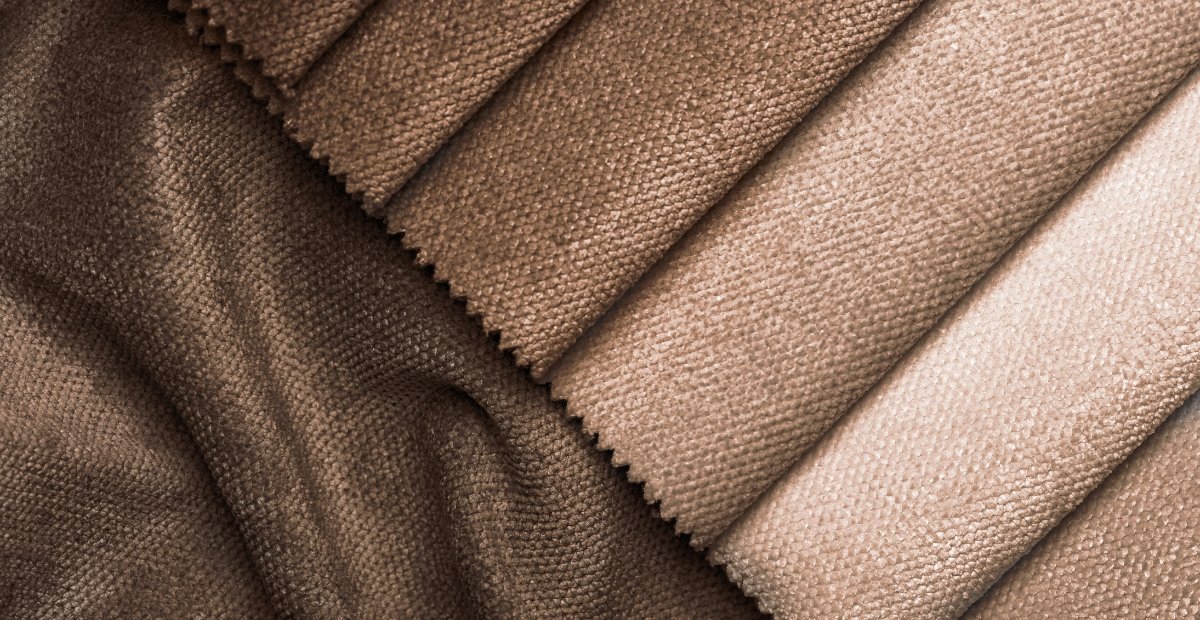
Lightweight Grade C Cashmere Fabric wool is gaining popularity in the fashion and textile industries. This particular category, which is often overlooked in luxury discussions, offers an affordable, soft, and durable fabric that can be used for practical purposes. Understanding its features will help retailers, designers and consumers to make better buying decisions. When chosen with care, it can also provide warmth and elegant without the high price tag.
Cashmere Fabric Origins
Cashmere is made from the undercoat fibers that are mainly raised by goats in cold climates. The finest fibers were historically produced in regions like Kashmir or Mongolia where harsh winters encouraged goats to produce down fibers that act as insulation. These fibers are prized by many cultures.
Cashmere does not come in the same quality. The fibers are graded according to their diameter, length and softness. The result is that Grade A is the most luxurious grade, Grade B is slightly less fine and Grade C, more affordable but still desirable.
What is Lightweight Grade C Cashmere Fabric?
Lightweight Grade C Cashmere Fabric is generally slightly thicker than cashmere of higher grades. Fiber diameters typically range between 19-22 microns. This may seem minor, but it has a noticeable impact on texture, durability and cost.
Additionally, several characteristics define Lightweight Grade C Cashmere Fabric:
- Premium grades feel slightly firmer
- Price point is more affordable
- Wear it everyday with increased durability
- Global availability of products
Due to these qualities, Grade C Cashmere is often chosen for lightweight garments that are intended for regular wear.
Cashmere is popular because it’s lightweight.
The popularity of lightweight fabrics is increasing. Modern lifestyles require versatile clothing. Second, climate variations require adaptable materials. Cashmere is a lightweight material that meets both requirements.
Cashmere in Grade C is lightweight and offers:
- Breathability with minimal bulk
- Comfortable layering capability
- All-year round usability
- Reduced production costs
Designers often use it to transition seasonal collections.
Texture and comfort factors
The comfort is still excellent, even though the fibers are slightly thicker. The softness of the fabric is superior to that of many wool fabrics. Cashmere’s natural crimp enhances its insulation.
Moreover:
- Skin irritation is typically minimal.
- Warmth retention remains strong.
- Flexible garments allow for easy movement.
Even budget-conscious customers can still enjoy luxurious comfort.
Durability Advantages
Durability is a major benefit of Grade C Cashmere. Fabrics that are slightly thicker in fibers often wear better than premium grades.
As an example:
- Sweaters can keep their shape for longer.
- With proper care, you can reduce the amount of pilling.
- The structure of lightweight shawls is retained.
The result is that garments are often worn on a daily basis rather than as a luxury.
Cost Efficiency and Market Appeal
The affordability of cashmere is one major factor that drives demand. Cashmere of the highest quality is expensive, so Grade C cashmere offers an affordable alternative.
Additionally:
- Costs of manufacturing are reduced.
- Retail prices become competitive
- The consumer market is expanded.
Brands that target value-conscious consumers often choose this grade.
Fashion Apps
Lightweight Grade C Cashmere Fabric and versatile. Designers use it in a variety of clothing categories. Its adaptability also allows for both semi-formal and casual styling.
Examples of common applications include:
- Lightweight sweaters
- Shawls and scarves
- Cardigans
- Layering tops
- Travel blankets
Due to its flexibility, it is often blended with fibers of other types in order to increase strength or elasticity.
Seasonal Versatility
Lightweight Grade C Cashmere Fabric that can be worn throughout the year. As an example:
- Spring: Perfect for evenings with mild temperatures
- Autumn: The perfect transitional layering.
- Winter: Suitable under coats.
- Wear comfortable, breathable clothing to keep cool this summer.
The versatility of your wardrobe will increase.
Production Process Overview
Cashmere is processed in several stages. The fibers are first collected when they shed during the season. Impurities are then removed by sorting and washing.
Afterward:
- Carded fibers are spun into yarn.
- Fabric is made by weaving or knitting yarn.
- The finishing treatments make the skin softer.
Final quality inspection and grade confirmation is done before distribution.
Considerations for Sustainability
Textile sustainability has become a major concern. Cashmere can be produced in an environmentally friendly way if it is managed correctly.
However, challenges do exist:
- Overgrazing has a negative impact on ecosystems.
- The management of resources must be balanced.
- Animal care standards that are ethically sound must be followed.
Many producers adopt sustainable grazing practices and are committed to responsible sourcing.
Compare with other cashmere grades
Understanding differences helps buyers choose wisely.
Grade A
- The finest fibers
- Feel ultra-soft
- Premium Pricing
Grade B
- Softness and durability in balance
- Costs in the mid-range
Grade C
- Fibers that are slightly thicker
- Stronger durability
- Affordable option
For everyday practicality, grade C is preferred.
Lightweight Fabric Technology Enhancements
The performance of Lightweight Grade C Cashmere Fabric has been significantly improved by modern textile innovations.
As an example:
- Softening is increased by advanced spinning.
- Blending techniques increase elasticity.
- The finishing process reduces roughness.
As a result, the quality gap between grades is narrowing.
Recommendations for passive care
Care should be taken to maintain the fabric’s longevity. Garments can be dry cleaned or gently washed. Also, it is better to store them folded than hung.
Furthermore:
- Mild detergents should be used.
- Avoid heat exposure.
- Air drying is recommended for fabrics.
Durability can be increased by following these tips.
Styling Benefits
Lightweight Grade C Cashmere Fabric supports diverse styling choices. It drapes beautifully, so you can achieve both structured and relaxed looks.
Examples include:
- Sweaters for the office
- Casual weekend shawls
- Travel layering garments
Flexibility is key to a wardrobe’s efficiency.
The Textile Industry: Its Economic Importance
This grade is a major contributor to the global textile market. The lower production costs allow manufacturers to scale up output.
Moreover:
- Export Opportunities Increase
- Accessibility of retail stores is improving.
- The market competition is increasing.
Cashmere continues to grow as a result.
Consumer Tips
When buying Lightweight Grade C Cashmere Fabric, it is important to consider several factors.
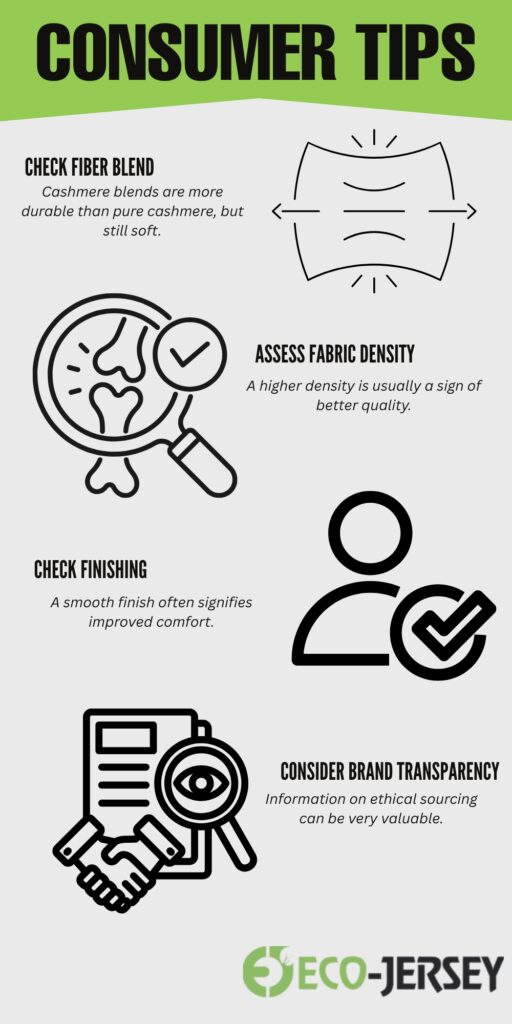
Check Fiber Blend
Cashmere blends are more durable than pure cashmere, but still soft.
Assess Fabric Density
A higher density is usually a sign of better quality.
Check Finishing
A smooth finish often signifies improved comfort.
Consider Brand Transparency
Information on ethical sourcing can be very valuable.
Considerations like these can help you make a good purchase.
Common Myths
Cashmere of Grade C is a subject that has many myths.
Myth: The product is of poor quality
It is a natural fiber of high quality.
Myth: It lacks warmth
The lightweight construction retains heat effectively.
Myth: It cannot be stylish
Modern design trends show otherwise.
It is therefore essential to have a thorough understanding.
Blends of Technology and Innovations
Lightweight Grade C Cashmere Fabric blends are becoming increasingly popular. As an example:
- Silk blends enhance sheen.
- Blends of wool increase strength.
- The elasticity of synthetic blends is improved.
Performance versatility increases.
Long-Term Investment Value
Lightweight Grade C Cashmere Fabric is still a good investment, even though it’s less expensive than the premium grades. When properly maintained, garments can last for several seasons.
Additionally:
- Usability is enhanced by the simplicity of design.
- Neutral colors remain fashionable.
- Comfort is a key factor in encouraging repeated wear.
The cost per wear can be very favorable.
Future Market Trends
Analysts predict continued growth. Demand for Lightweight Grade C Cashmere Fabric will rise as consumers look to purchase luxury products at affordable prices.
Furthermore:
- Sustainability in sourcing is becoming more important.
- The softness of the product will be improved by using a technological finishing.
- Accessibility will be improved by expanding online retail.
This segment is likely to remain competitive.
Environmental Responsibility Overview
In recent years, there has been a growing effort to balance production and ecological concerns. The implementation of grazing management programs and the transparency in fiber sourcing are both being stressed.
Responsible practices are likely to become industry standards as awareness increases.
Final Thoughts
The Lightweight Grade C Cashmere Fabric is a great combination of affordability, luxury and practicality. It may not have the ultra-fine feel of premium grades but its versatility and affordability make it highly appealing. Textile technologies are constantly improving its comfort and performance.
FAQs
What is Lightweight Grade C Cashmere Fabric?
Lightweight Grade C Cashmere Fabric is a more affordable category of cashmere made from slightly thicker fibers. It still provides warmth, softness, and durability suitable for everyday use.
Is Lightweight Grade C Cashmere Fabric still warm?
Yes, it retains natural insulation properties. Although lighter than premium grades, it still offers comfortable warmth without heavy bulk.
How does Grade C compare to Grade A cashmere?
Grade A is finer and softer but more expensive. Grade C is slightly thicker, more durable, and budget-friendly while still offering luxury comfort.