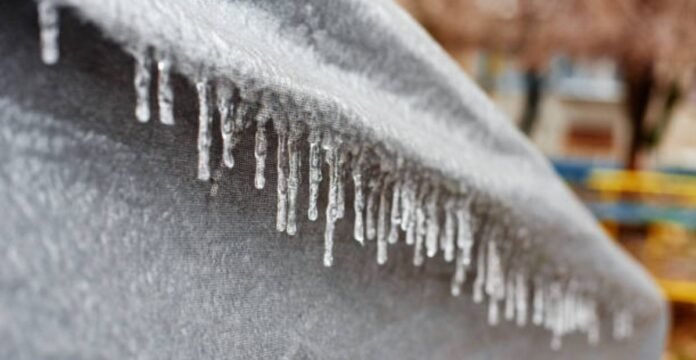
Winter wind often feels more painful than snowfall. It moves fast, enters clothing gaps, and steals body heat within minutes. That is why modern winter clothing needs more than thick material. It needs advanced technology that blocks airflow and preserves warmth. Ice Barrier Windproof Fabric is designed for this exact purpose. It works as a protective layer that prevents cold air from entering the body zone.
In extreme winter conditions, wind chill can make temperatures feel far colder than they actually are. Therefore, people need fabric that can resist strong gusts and hold warmth inside. Moreover, Ice Barrier Windproof Fabric offers insulation support while staying lightweight. As a result, it has become a popular solution for high-performance winter jackets and outdoor wear.
In addition, this windproof winter fabric supports comfort by managing moisture and reducing heat loss. However, it does not depend only on thickness like ordinary textiles. Instead, it uses layered construction to improve cold weather performance. That is why many brands call it a cold weather performance textile and a thermal wind-resistant fabric.
What Is Ice Barrier Windproof Fabric?
Ice Barrier Windproof Fabric is a specially engineered textile that prevents cold wind penetration while supporting body heat retention. It is made for harsh winter environments where normal fabrics fail to provide full protection. Regular winter fabrics usually trap air for warmth, but they often allow wind to pass through. As a result, warmth escapes quickly and the body feels cold even with multiple layers.
Ice Barrier Windproof Fabric solves this problem through advanced membrane technology. This membrane blocks wind movement at a microscopic level. Therefore, it reduces heat loss and improves comfort in freezing temperatures. Moreover, it performs well in high-wind areas like mountains, open highways, and snowy cities.
This fabric is widely recognized as a windproof winter fabric because it protects against airflow better than traditional materials. It also falls under the category of cold weather performance textile because it combines wind resistance with insulation support. Many outdoor clothing manufacturers also describe it as a thermal wind-resistant fabric because it provides warmth while resisting icy winds.
Structure of Ice Barrier Windproof Fabric
Ice Barrier Windproof Fabric is usually made with a layered system that supports both comfort and durability. The outer layer is designed to resist abrasion and protect the fabric from rough weather conditions. This outer surface often feels smooth and strong, which makes it suitable for jackets and sportswear.
Beneath the outer layer, manufacturers include a thin membrane layer that performs the main wind-blocking function. This membrane works like a shield that controls air flow and stops cold gusts from passing through. Therefore, the body stays protected from wind chill and sudden temperature drops.
The inner layer often contains a lining such as fleece or brushed fabric. This layer adds warmth and gives a soft feel against the skin. Moreover, it traps body heat inside and improves insulation efficiency. As a result, the complete structure creates a reliable winter fabric system.
Materials Used in Ice Barrier Windproof Fabric
Most Ice Barrier Windproof Fabric designs use polyester as the main outer shell material. Polyester works well because it is lightweight, durable, and resistant to tearing. In addition, it holds its shape even after repeated use in harsh conditions.
The windproof membrane is often made from TPU or PU material. TPU membranes are popular because they remain flexible in freezing temperatures. They also provide strong wind resistance without becoming stiff. Many designs also include fleece backing or brushed lining for thermal insulation. As a result, the fabric stays warm and comfortable for long winter wear.
History of Windproof Membrane Fabrics (Ice Barrier Evolution)
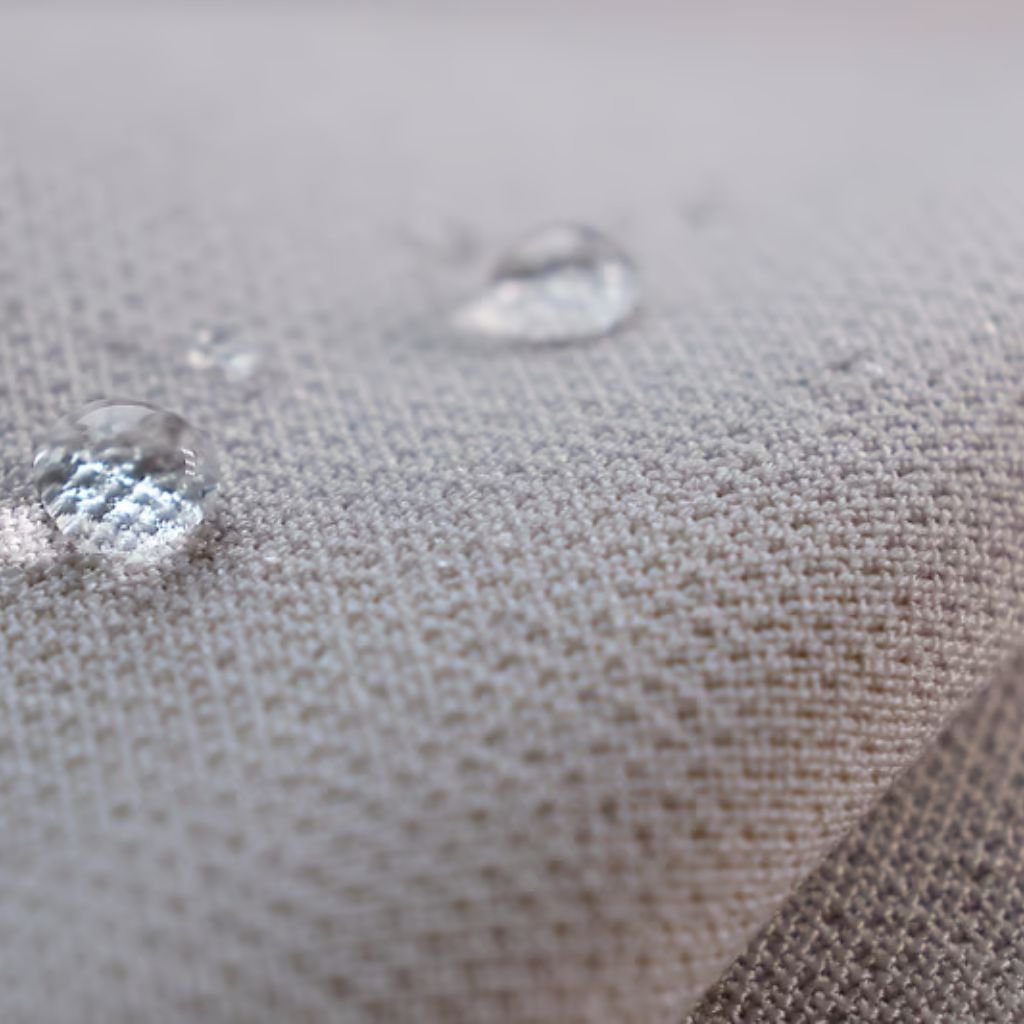
In the past, winter clothing depended mainly on wool and thick cotton layers. These fabrics provided warmth, but they absorbed moisture easily. As a result, they became heavy and uncomfortable during snow or rain exposure. Therefore, the textile industry began developing synthetic fibers to improve winter performance.
During the 20th century, polyester and nylon became popular in outdoor clothing. These materials dried faster and resisted damage better than natural fabrics. However, wind penetration was still a major problem. Therefore, membrane technology was introduced to block airflow.
Over time, windproof winter fabric became a major innovation in cold-weather clothing. Ice Barrier Windproof Fabric represents a modern version of this technology. It combines wind blocking membranes with insulation support and flexible comfort. As a result, it has become a strong solution for extreme winter conditions.
Types of Ice Barrier Windproof Fabric (Latest Variations in 2026)
Ice Barrier Windproof Fabric is not limited to one single style. Manufacturers create different types based on weather needs, comfort level, and end-use purpose. Therefore, each variation offers a unique balance of warmth, breathability, and durability. Moreover, fabric brands modify the inner lining, membrane strength, and outer shell texture to meet specific winter demands. As a result, Ice Barrier Windproof Fabric is widely used in jackets, uniforms, and technical sportswear.
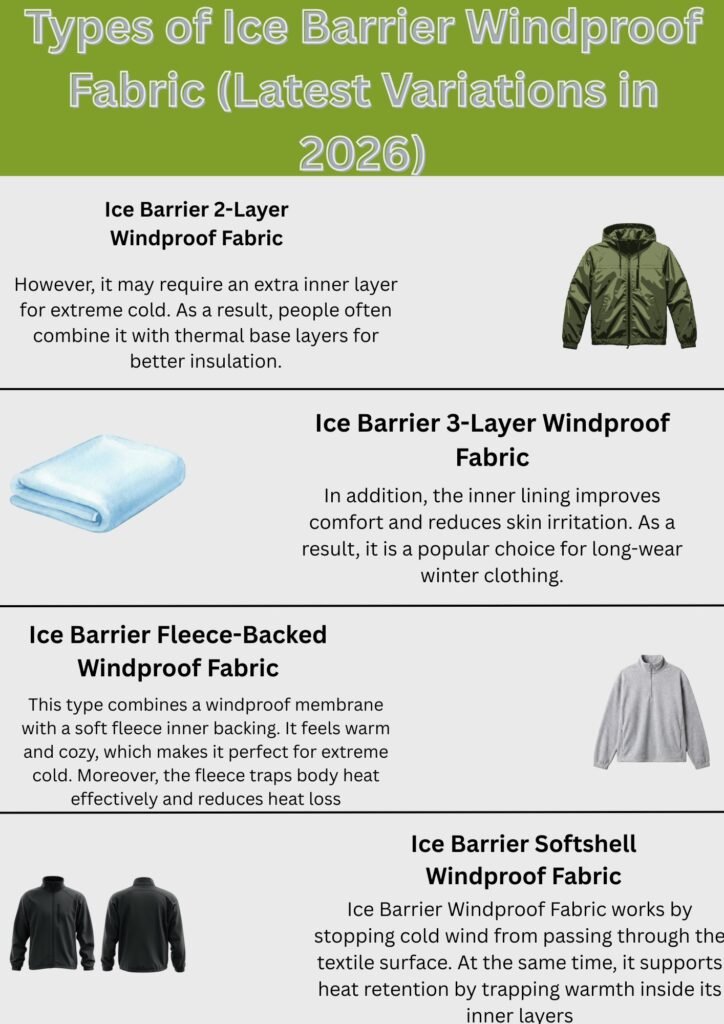
Ice Barrier 2-Layer Windproof Fabric
This type uses two main layers: an outer shell and a windproof membrane. It is lightweight and commonly used in daily winter jackets. Moreover, it provides strong wind blocking while keeping the fabric flexible. Therefore, it works well for casual winter wear and light outdoor activities.
However, it may require an extra inner layer for extreme cold. As a result, people often combine it with thermal base layers for better insulation.
Ice Barrier 3-Layer Windproof Fabric
Ice Barrier 3-layer windproof fabric includes an outer shell, membrane layer, and inner lining. This version is more advanced and provides stronger cold protection. Moreover, it improves warmth without adding heavy thickness. Therefore, it is often used in premium winter outerwear and technical jackets.
In addition, the inner lining improves comfort and reduces skin irritation. As a result, it is a popular choice for long-wear winter clothing.
Ice Barrier Fleece-Backed Windproof Fabric
This type combines a windproof membrane with a soft fleece inner backing. It feels warm and cozy, which makes it perfect for extreme cold. Moreover, the fleece traps body heat effectively and reduces heat loss. Therefore, it performs well in snowy areas and high wind regions.
However, fleece-backed fabric can feel slightly heavier than basic types. As a result, it is mainly used for winter jackets, hoodies, and cold-weather workwear.
Ice Barrier Softshell Windproof Fabric
Softshell Ice Barrier Windproof Fabric is designed for flexibility and movement. It usually includes a stretch outer shell and a breathable windproof membrane. Therefore, it is ideal for hiking, climbing, and winter sports. Moreover, it allows body motion without stiffness.
How Ice Barrier Windproof Fabric Works
Ice Barrier Windproof Fabric works by stopping cold wind from passing through the textile surface. At the same time, it supports heat retention by trapping warmth inside its inner layers. Moreover, it manages moisture by allowing sweat vapor to escape. This balanced system makes it a high-performing winter fabric. Therefore, it provides comfort even during long exposure to cold climates.
The main advantage comes from its windproof membrane layer. This membrane blocks airflow at a microscopic level. As a result, cold wind cannot reach the inner body layer. Therefore, body heat remains stable and the wearer feels warmer.
Wind Blocking Technology
Wind is one of the biggest reasons people feel cold during winter. It pushes through fabric pores and removes warm air trapped inside clothing. Ice Barrier Windproof Fabric prevents this heat loss by using a micro-membrane barrier. This barrier is designed to stop wind particles from entering.
The membrane also controls air permeability carefully. It does not fully seal the fabric like plastic. Instead, it blocks wind while still allowing limited airflow for comfort. Therefore, the fabric stays breathable and wearable for long hours. This is why it is considered a cold weather performance textile.
Thermal Retention System
Ice Barrier Windproof Fabric also supports insulation by trapping heat. Its inner lining, often made from fleece or brushed fibers, holds warm air close to the skin. This reduces heat loss caused by convection. Therefore, the body stays warmer even in low temperatures.
The insulation system also reduces the need for heavy layering. As a result, the wearer can move more freely during sports or outdoor work. Moreover, this fabric provides warmth without adding excessive weight. That is why it is called a thermal wind-resistant fabric.
Moisture Resistance and Breathability
Sweat is a common winter problem, especially during outdoor activity. When sweat stays inside clothing, it cools down and makes the body feel colder. Therefore, Ice Barrier Windproof Fabric supports breathability and moisture control.
Many versions include a surface treatment that resists light water exposure. This helps snow and drizzle slide off instead of soaking into the fabric. However, the fabric may not always be fully waterproof. Therefore, buyers must understand that water resistance and waterproofing are different features.
Key Features and Benefits of Ice Barrier Windproof Fabric
Ice Barrier Windproof Fabric offers strong wind protection, which makes it highly valuable in winter clothing. It blocks cold gusts completely, which reduces wind chill effects. Therefore, the wearer stays warmer even in harsh outdoor environments.
This fabric also remains lightweight compared to thick wool or heavy down jackets. As a result, it feels comfortable and flexible for daily use. Moreover, its breathable structure allows sweat vapor to escape. This prevents overheating and discomfort during active movement.
Another important advantage is durability. The outer polyester shell resists tearing and abrasion, which makes it suitable for workwear and outdoor sportswear. In addition, the fabric dries quickly after snow exposure. Therefore, it stays reliable for long winter use.
Ice Barrier Windproof Fabric vs Other Winter Fabrics
Many winter fabrics provide warmth, but not all can block wind properly. Fleece, for example, feels warm and soft, but wind passes through easily. As a result, fleece performs poorly in strong wind conditions. Ice Barrier Windproof Fabric solves this problem by using a membrane that stops airflow completely. Therefore, it performs better than fleece in open winter environments.
Wool is another popular winter fabric because it provides natural insulation. However, wool can absorb moisture and may feel heavy when wet. Therefore, Ice Barrier Windproof Fabric performs better in wet snow climates because it dries faster.
Softshell fabrics are often used in sportswear because they stretch and breathe well. However, not all softshell fabrics provide full windproof protection. Ice Barrier Windproof Fabric provides stronger wind blocking because of its membrane layer. As a result, it becomes a better choice in extreme wind conditions.
Down-filled fabrics provide very high warmth. However, they are not naturally windproof unless paired with a strong outer shell. Therefore, Ice Barrier Windproof Fabric offers a more complete wind protection system for harsh winter air exposure.
Best Uses of Ice Barrier Windproof Fabric
Ice Barrier Windproof Fabric is widely used in winter jackets because it provides strong wind protection and stable warmth. It is also popular in outdoor sportswear such as ski clothing, snow pants, and trekking jackets. This is because winter sports require both insulation and airflow control. Therefore, this fabric performs well in skiing, hiking, and mountaineering conditions.
In addition, it works well for outdoor workwear. Workers in construction, delivery services, and security often face strong winter winds. As a result, Ice Barrier Windproof Fabric helps them stay warm while staying active.
Military and tactical clothing brands also use windproof membrane fabrics because they need durability and weather resistance. Moreover, motorcycle jackets benefit greatly from this fabric because riding creates strong wind pressure. Therefore, many manufacturers consider it one of the best fabric choices for extreme cold weather clothing.
Who Should Use Ice Barrier Windproof Fabric?

Ice Barrier Windproof Fabric is ideal for outdoor workers who spend hours in open cold air. It is also useful for mountaineers and climbers because mountain winds increase cold exposure. Therefore, this fabric provides a protective barrier in risky environments.
Travelers visiting snowy countries can also benefit from this fabric. It offers comfort and warmth without requiring heavy layers. Athletes who ski, snowboard, or run outdoors also need windproof winter fabric for better body temperature control. Moreover, urban winter wear brands use Ice Barrier Windproof Fabric because it offers modern style and high performance.
In addition, people who feel cold easily can benefit from this fabric. However, they should still wear thermal base layers for extreme snowstorms. Therefore, proper layering remains important for maximum protection.
Is Ice Barrier Windproof Fabric Waterproof?
Ice Barrier Windproof Fabric is mainly designed for wind resistance. However, many people assume windproof means waterproof. That is not always true. Windproof fabric blocks airflow, while waterproof fabric blocks water under pressure. Therefore, the two features are different.
Many Ice Barrier Windproof Fabric designs include a DWR coating. This coating helps water droplets roll off the surface. As a result, the fabric can resist light rain and snow. However, heavy rain may still penetrate if the fabric lacks seam sealing. Therefore, buyers should check product specifications carefully.
Some premium versions include waterproof membranes with hydrostatic ratings. These ratings may range from 5,000mm to 10,000mm depending on quality. Higher ratings provide stronger waterproof performance. Therefore, Ice Barrier Windproof Fabric can be waterproof, but only in specific versions.
Advantages and Disadvantages of Ice Barrier Windproof Fabric
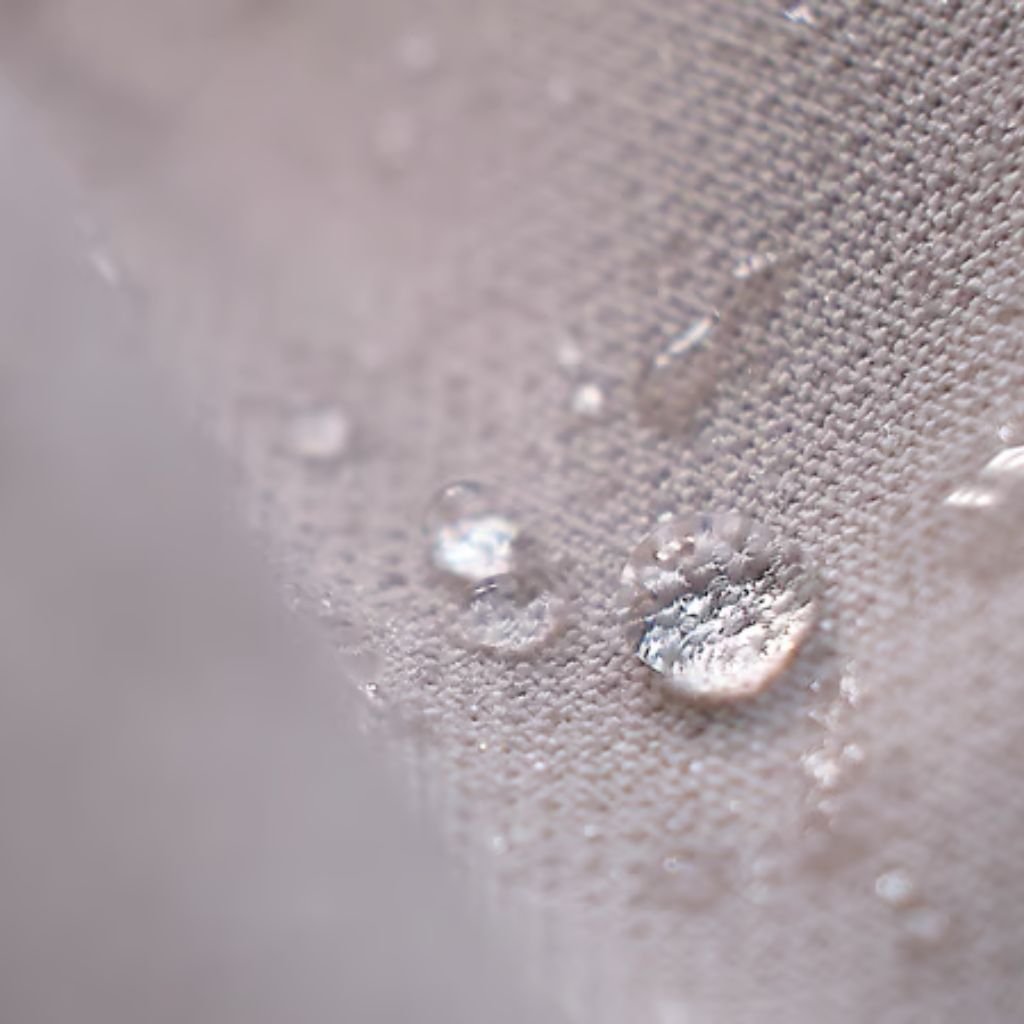
Ice Barrier Windproof Fabric has many advantages because it provides full wind blocking and strong thermal support. It keeps the body warm in harsh climates by reducing wind chill. Moreover, it stays lightweight, which improves comfort and mobility. It also dries quickly, which makes it useful in snow environments. Therefore, it is a strong fabric choice for winter jackets and outdoor gear.
However, it also has some disadvantages. Some versions may not provide full waterproof protection. Therefore, it may not perform well in heavy rain unless it includes waterproof coating and sealed seams. High-quality windproof membranes also cost more than regular winter fabric. Moreover, poor-quality membranes may reduce breathability and comfort. As a result, buyers should focus on quality when purchasing.
Buying Guide: What to Look For
Buying Ice Barrier Windproof Fabric requires checking important technical details. GSM rating is one of the key factors because it shows fabric thickness and weight. Higher GSM usually means better warmth. However, extremely high GSM can reduce flexibility. Therefore, buyers should choose based on activity needs.
Breathability rating is also important because it controls comfort during movement. Higher breathability helps sweat escape faster. As a result, the wearer stays dry and warm. Membrane type also matters because TPU membranes provide better flexibility and durability than basic coatings. Therefore, TPU-based fabrics are often preferred in premium winter wear.
Seam sealing is another feature to check if water resistance matters. Sealed seams prevent water entry through stitching holes. Moreover, stretch percentage improves movement comfort. Therefore, fabrics with slight stretch work better for sportswear and hiking jackets.
If you want to know how to choose windproof fabric for winter jackets, always check wind resistance, membrane quality, breathability, and lining type. As a result, you will get better warmth and long-term performance.
How to Care for Ice Barrier Windproof Fabric (Long Life Guide)
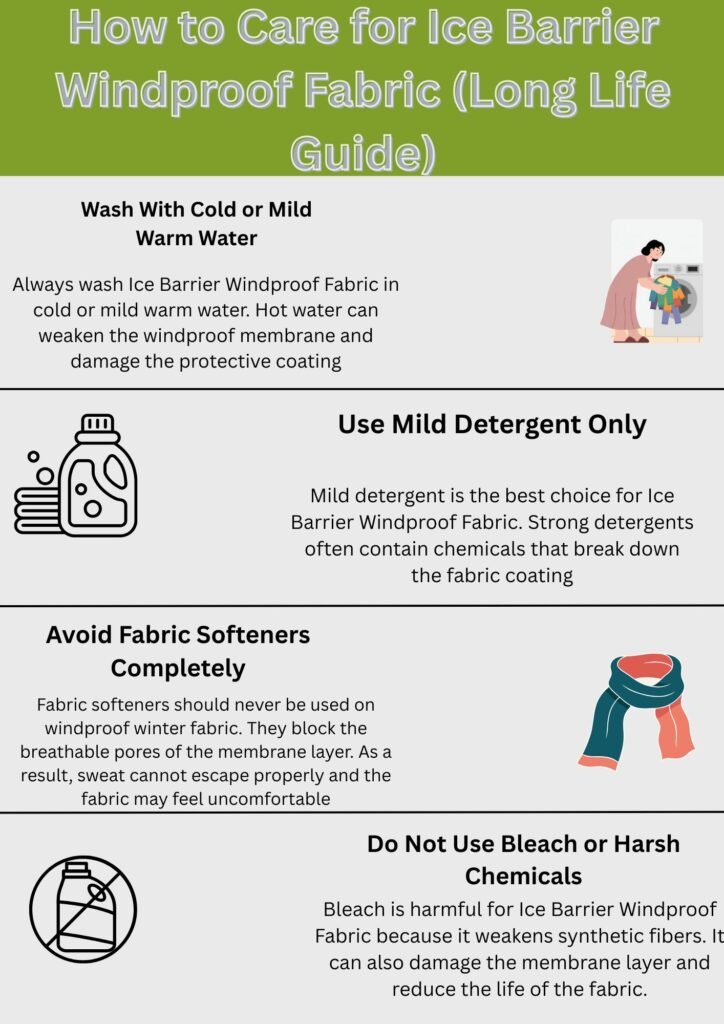
Ice Barrier Windproof Fabric needs proper care because it contains a membrane layer. This membrane blocks wind and supports breathability. However, wrong washing methods can damage the coating and reduce performance. Therefore, you should follow the correct care routine to keep the fabric strong. Moreover, good maintenance improves softness, durability, and water resistance. As a result, your winter clothing stays protective for many seasons.
Wash With Cold or Mild Warm Water
Always wash Ice Barrier Windproof Fabric in cold or mild warm water. Hot water can weaken the windproof membrane and damage the protective coating. Therefore, it is safer to use a gentle wash cycle. Moreover, mild washing prevents fabric shrinkage and keeps the lining soft. As a result, the fabric maintains its original comfort and performance.
Use Mild Detergent Only
Mild detergent is the best choice for Ice Barrier Windproof Fabric. Strong detergents often contain chemicals that break down the fabric coating. Therefore, the wind resistance and breathability may decrease over time. Moreover, mild detergent keeps the inner fleece lining smooth and clean. As a result, the jacket stays fresh without losing its technical strength.
Avoid Fabric Softeners Completely
Fabric softeners should never be used on windproof winter fabric. They block the breathable pores of the membrane layer. As a result, sweat cannot escape properly and the fabric may feel uncomfortable. Moreover, softeners reduce the fabric’s water-repellent finish. Therefore, skipping softener helps the garment stay breathable and protective.
Do Not Use Bleach or Harsh Chemicals
Bleach is harmful for Ice Barrier Windproof Fabric because it weakens synthetic fibers. It can also damage the membrane layer and reduce the life of the fabric. Therefore, you should avoid bleach in every form. Moreover, harsh stain removers may cause fading or stiffness. As a result, gentle cleaning keeps the fabric safe and long-lasting.
Conclusion
Ice Barrier Windproof Fabric is designed for harsh winter conditions where wind chill becomes dangerous. It blocks cold gusts, traps body warmth, and supports breathability. Moreover, it performs better than fleece and many traditional winter textiles. Therefore, it has become a premium choice for modern winter jackets and outdoor gear.
In addition, it suits workers, athletes, travelers, and urban winter wear brands. However, buyers should check waterproof ratings if rain protection is required. As a result, selecting the right version and maintaining it properly ensures long-lasting performance. Ice Barrier Windproof Fabric remains one of the best solutions for extreme cold weather protection.
FAQs
Is Ice Barrier Fabric good for extreme cold?
Yes, Ice Barrier Windproof Fabric works very well in extreme cold conditions. It blocks wind completely and reduces wind chill. Moreover, its thermal lining traps heat efficiently. Therefore, it helps maintain warmth during long winter exposure.
Can Ice Barrier Windproof Fabric be used for rain?
It can handle light rain and snow because many versions include DWR coating. However, it may not be fully waterproof unless seams are sealed. Therefore, it performs best in cold wind and snow rather than heavy rainfall.
Is Ice Barrier Windproof Fabric breathable?
Yes, most Ice Barrier Windproof Fabric designs allow moisture vapor to escape. The membrane blocks wind but supports breathability. As a result, sweat does not stay trapped inside. Therefore, it works well for hiking and winter sports.