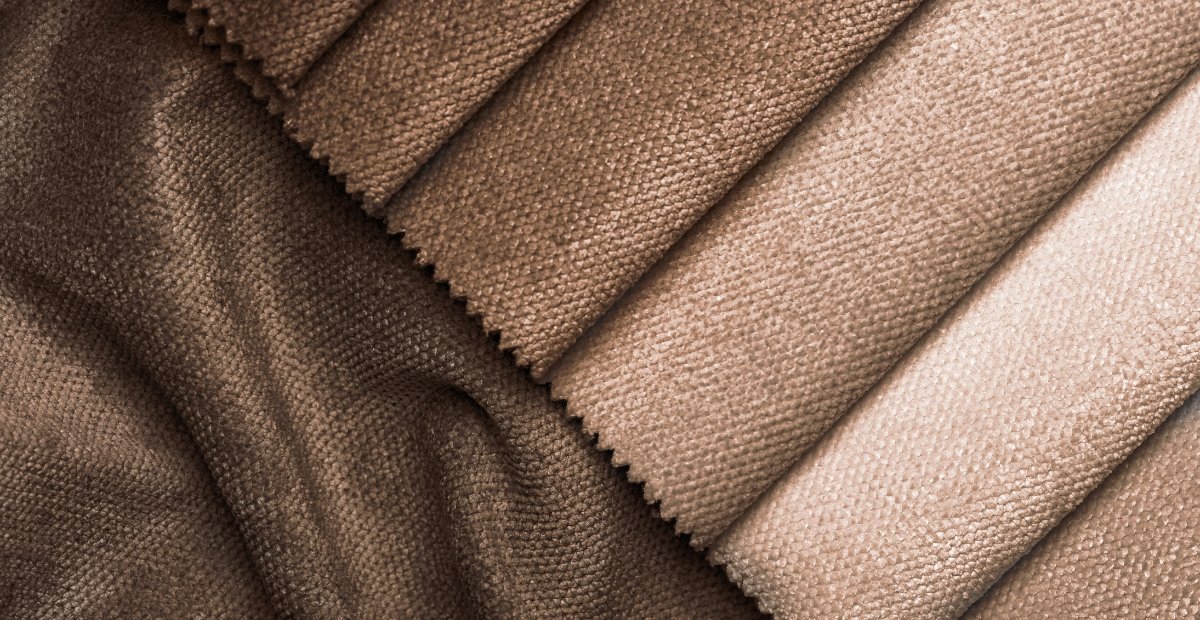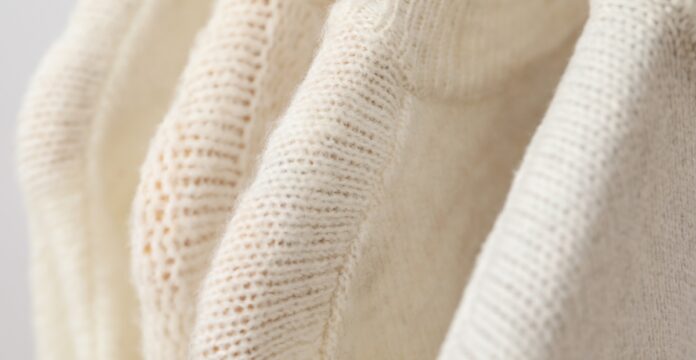
The perfect balance between sustainability and timeless beauty is achieved by using Heavyweight Recycled Cashmere Fabric. Cashmere is traditionally associated with softness, exclusivity and fine craftsmanship. As environmental awareness has increased, the textile industry evolved. Heavyweight Recycled Cashmere Fabric from old garments is a sustainable alternative that does not compromise quality.
Heavyweight Recycled Cashmere Fabric wool is known for its warmth, durability and structure. It is superior to lightweight blends because it offers substantial insulation, making it ideal for colder climates. It also supports circular fashion, reducing textile waste while conserving natural resources. This fabric is becoming increasingly popular with designers, manufacturers and conscious consumers.
This comprehensive guide will examine the composition, production, benefits, applications and sustainability impact of heavyweight recycled Cashmere fabric. We will also provide care tips. We will also highlight the reasons why this fabric is so unique in the premium textile industry.
What is heavyweight recycled cashmere fabric?
Reclaimed cashmere fibers and garments are used to produce Heavyweight Recycled Cashmere Fabric. These fibers are sorted and cleaned before being mechanically recycled to create new yarns. The yarns are then spun into a thick, dense fabric that is suitable for luxury outerwear and winter apparel.
Cashmere is made from the undercoats of goats that are raised in Mongolia and China. Cashmere is considered to be one of the world’s most luxurious textiles because it is a fine, insulating fiber. Overproduction, however, has put a strain on the environment. Recycling cashmere reduces the demand for virgin fibre while maintaining high quality.
The heavier versions tend to be denser and thicker. They are also more structured. They are therefore ideal for coats and knitwear with structured patterns, blankets and winter suits.
How to Make Heavyweight Recycled cashmere
1. Sorting and Collection
First, cashmere garments that have been thrown away are collected by textile recycling centers. Next, the fibers are sorted according to color and quality. This step is important because fibers that are accurately sorted reduce the likelihood of blending. Re-dying is therefore reduced, saving water and chemicals.
2. Fiber Shredding & Cleaning
The garments are then mechanically shred into raw fibers. This stage is used to remove contaminants. Modern spinning techniques maintain strength even though the fibers are slightly shorter. Hence, high-quality thread can be produced.
3. Re-Spinning into Yarn
The cleaned fibers will then be spun into new yarn. To increase durability, virgin or recycled wool may be added in small amounts. Cashmere recycled in heavyweight maintains softness and structure.
4. Weaving or knitting
The yarn is then woven or knitted to a dense, heavyweight material. The fabric provides better insulation because it is thicker. The finishing treatments also enhance the smoothness of the fabric and its longevity.
The Key Characteristics Of Heavyweight cashmere
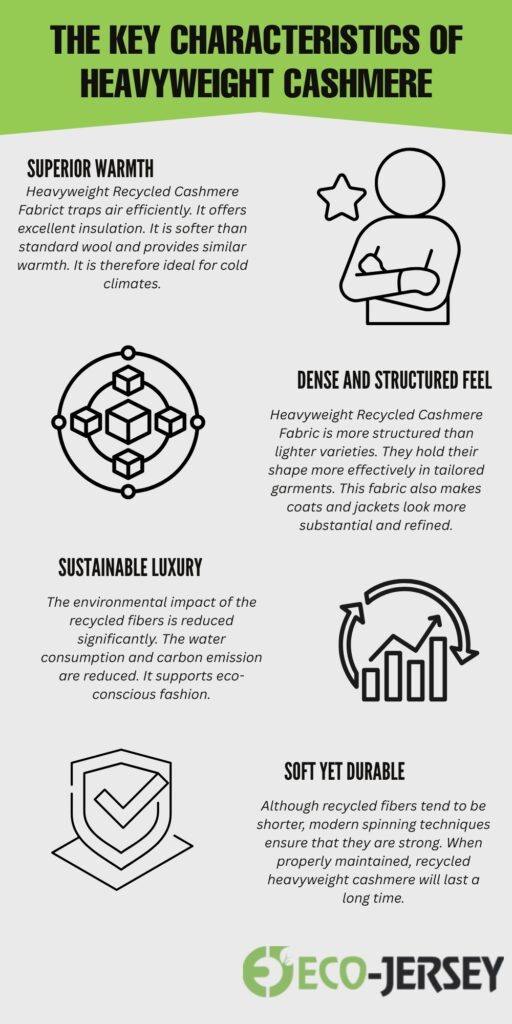
1. Superior Warmth
Heavyweight Recycled Cashmere Fabrict traps air efficiently. It offers excellent insulation. It is softer than standard wool and provides similar warmth. It is therefore ideal for cold climates.
2. Dense and Structured Feel
Heavyweight Recycled Cashmere Fabric is more structured than lighter varieties. They hold their shape more effectively in tailored garments. This fabric also makes coats and jackets look more substantial and refined.
3. Sustainable Luxury
The environmental impact of the recycled fibers is reduced significantly. The water consumption and carbon emission are reduced. It supports eco-conscious fashion.
4. Soft Yet Durable
Although recycled fibers tend to be shorter, modern spinning techniques ensure that they are strong. When properly maintained, recycled heavyweight cashmere will last a long time.
Why choose heavyweight recycled cashmere?
Environmental Benefits
Fashion is one of the biggest polluters in the world. Recycled cashmere, however, reduces textile waste accumulation and landfill accumulation. It also reduces the need for excessive grazing in goat-farming regions. It contributes to the conservation of biodiversity.
Ethical Production
By using existing materials for fiber production, less animals are needed. In this way, the ethical concerns about intensive farming are reduced.
Cost Efficiency
Heavyweight Recycled Cashmere Fabric from virgin fibers can still be considered premium but it is more cost-effective. Luxury becomes more affordable without compromising sustainability.
Applications of Heavyweight Cashmere Fabric
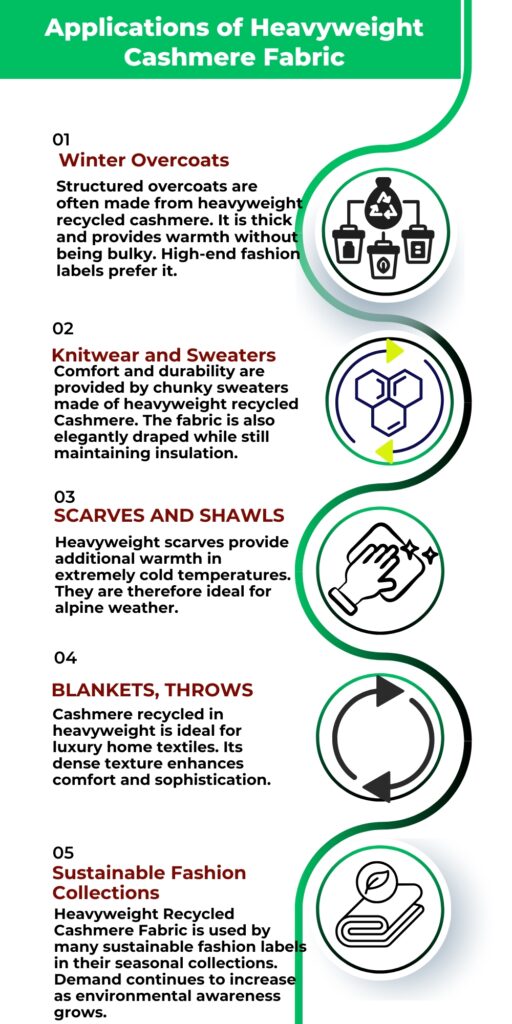
1. Winter Overcoats
Structured overcoats are often made from heavyweight recycled cashmere. It is thick and provides warmth without being bulky. High-end fashion labels prefer it.
2. Knitwear and Sweaters
Comfort and durability are provided by chunky sweaters made of heavyweight recycled Cashmere. The fabric is also elegantly draped while still maintaining insulation.
3. Scarves and Shawls
Heavyweight scarves provide additional warmth in extremely cold temperatures. They are therefore ideal for alpine weather.
4. Blankets, Throws
Cashmere recycled in heavyweight is ideal for luxury home textiles. Its dense texture enhances comfort and sophistication.
5. Sustainable Fashion Collections
Heavyweight Recycled Cashmere Fabric is used by many sustainable fashion labels in their seasonal collections. Demand continues to increase as environmental awareness grows.
Sustainability Impact
Heavyweight Recycled Cashmere Fabrict is a great way to support circular fashion. Fibers are reused instead of throwing away garments. In turn, landfill waste is reduced.
Water consumption is also significantly reduced compared to the production of virgin fibers. Chemical usage is reduced because dyeing is minimized. The overall carbon footprint of the garments is reduced.
Moreover, brands that are committed to sustainability often source cashmere recycled from facilities certified. Transparency in supply chains improves.
Quality Considerations
Several factors should be considered when purchasing recycled heavyweight cashmere fabric:
- Blend Ratio – A higher recycled content indicates a stronger impact on sustainability.
- Fabric Density – Denser fabric provides better insulation.
- Softness and Finish – Premium finishes enhance smoothness.
- Resistance to Surface Piling– High-quality spinning reduces the surface piling.
Some pilling is possible because recycled fibers are shorter. This can be controlled with the right care.
Care Instructions
Heavyweight Recycled Cashmere Fabric requires gentle handling. The following tips will help you to maintain your cashmere.
- Hand wash with cold water, or run a delicate cycle.
- Use a mild detergent specially formulated for wool.
- Instead of wringing, gently press the water out.
- To maintain shape, lay flat and dry.
- Fold the clothes instead of hanging them.
These steps can help to extend the life of your fabric.
Market Trends and demand
The demand from consumers for sustainable textiles grew dramatically in recent years. Recycled fibers are gaining market share. Cashmere recycled in heavyweight appeals to luxury shoppers who are looking for warmth as well as environmental responsibility.
Moreover, fashion houses around the world are investing in systems of circular production. Recycled cashmere has become a mainstream product, rather than a niche one.
Cashmere has many advantages over virgin cashmere
- Environmental impact is reduced
- Reduced water and chemical use
- Support for ethical sourcing
- Softness and warmth comparable
- Contribution in circular fashion
Cashmere heavyweight is a sustainable evolution of luxury.
Challenges and limitations
Despite the benefits, there are some challenges. The staple length of recycled fibers can be slightly shorter. Blending with supporting fibers may be necessary.
Also, the color choices may be restricted if re-dying is minimized. Natural tones are often more sustainable.
Heavyweight Recycled Cashmere: The Future
Cashmere recycled heavyweight is a promising future. Fiber strength and softness are expected to continue improving as technology improves. Demand will also be driven by consumer awareness.
The government and environmental groups are also encouraging circular textile policies. Cashmere recycled from old garments is expected to be a key component in the development of sustainable fashion.
Conclusion
The warmth, durability and environmental responsibility of heavyweight recycled cashmere are embodied in this fabric. Cashmere is luxurious and timeless, but recycled alternatives are a more modern solution. They reduce environmental strain without sacrificing the quality.
Heavyweight recycled cashmere, with its dense structure, superior insulating properties, and sustainable origin is perfect for premium fabrics and winter garments. It also supports ethical production principles and circular fashion.
FAQs
What is heavyweight recycled cashmere fabric?
Heavyweight recycled cashmere fabric is a thick, dense textile made from reclaimed cashmere fibers. These fibers are reprocessed and spun into durable yarn suitable for winter garments and luxury outerwear.
Is recycled cashmere as warm as virgin cashmere?
Yes, heavyweight recycled cashmere provides excellent insulation. Because the fabric is dense, warmth is retained effectively, making it ideal for cold climates.
How sustainable is heavyweight recycled cashmere?
Heavyweight recycled cashmere significantly reduces textile waste and lowers water consumption compared to virgin production. As a result, it supports circular fashion and minimizes environmental impact.